




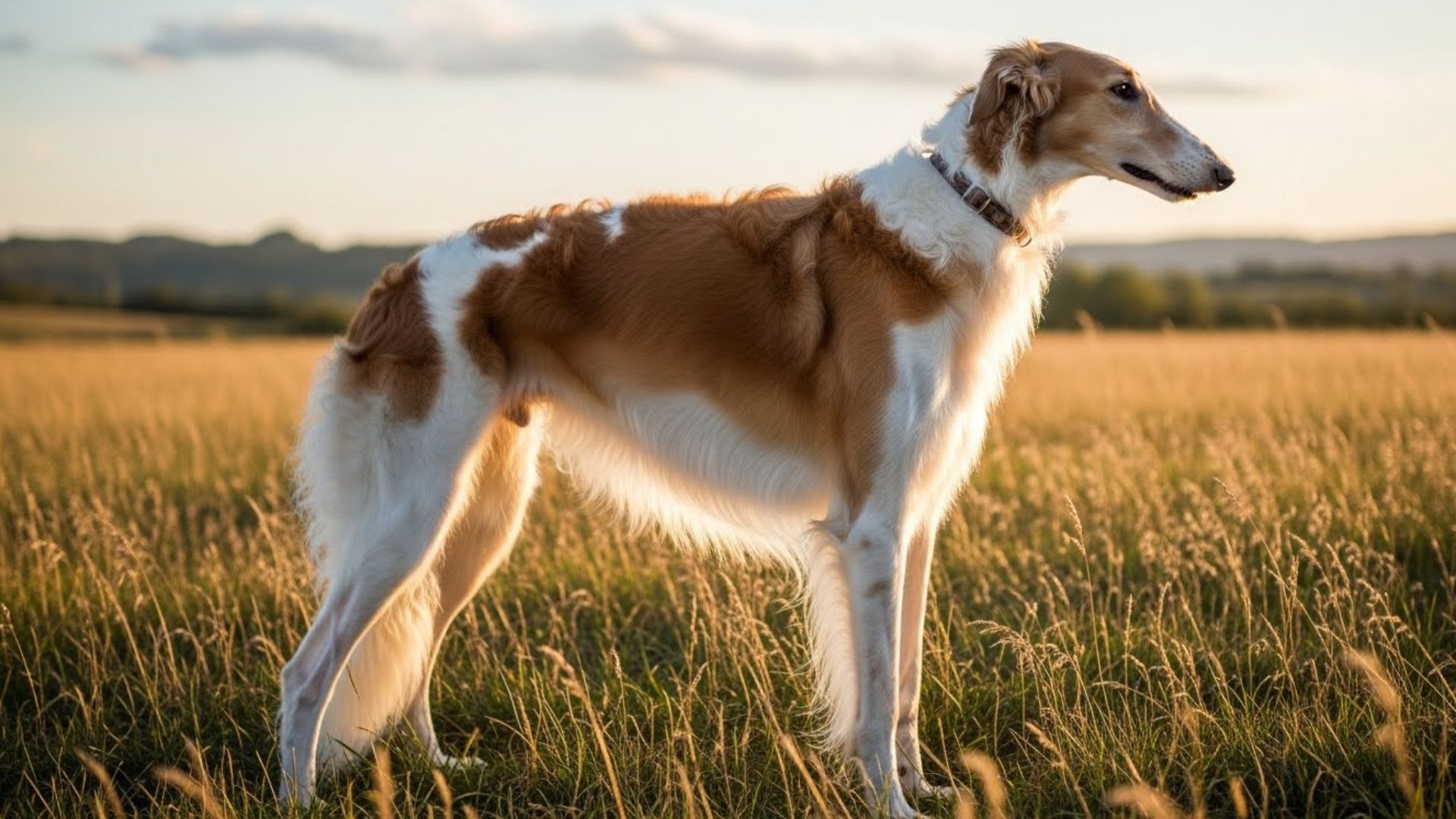
Have you ever watched a dog tilt its head, sniff the air, and seem to understand the world in a way we can’t?
That tiny moment reminds many pet parents why dog breeds with unique snout characteristics feel almost magical. Some dogs have long noses made for speed or tracking, while others have short faces that make them charming, expressive companions.
Every snout tells a story.
Dogs were originally bred for different jobs. Some served as herding dogs, managing livestock across farms. Some long-snouted dogs helped hunting dogs track small prey for long distances.
Others worked as guard dogs, racing dogs, or steady helpers who could handle extreme heat or cold weather. Their long history shaped how they move, breathe, play, and interact with other pets and other dogs.
And here’s a simple fact that makes their snouts even more amazing: according to PetMD, dogs can have up to 300 million olfactory receptors, which gives them an incredible sense of smell compared to humans.
So when you look at a long-nosed dog resting after daily exercise or enjoying interactive toys, imagine the world they sense—far richer than ours.
Dog Breeds With Unique Snout Characteristics
1. Borzoi
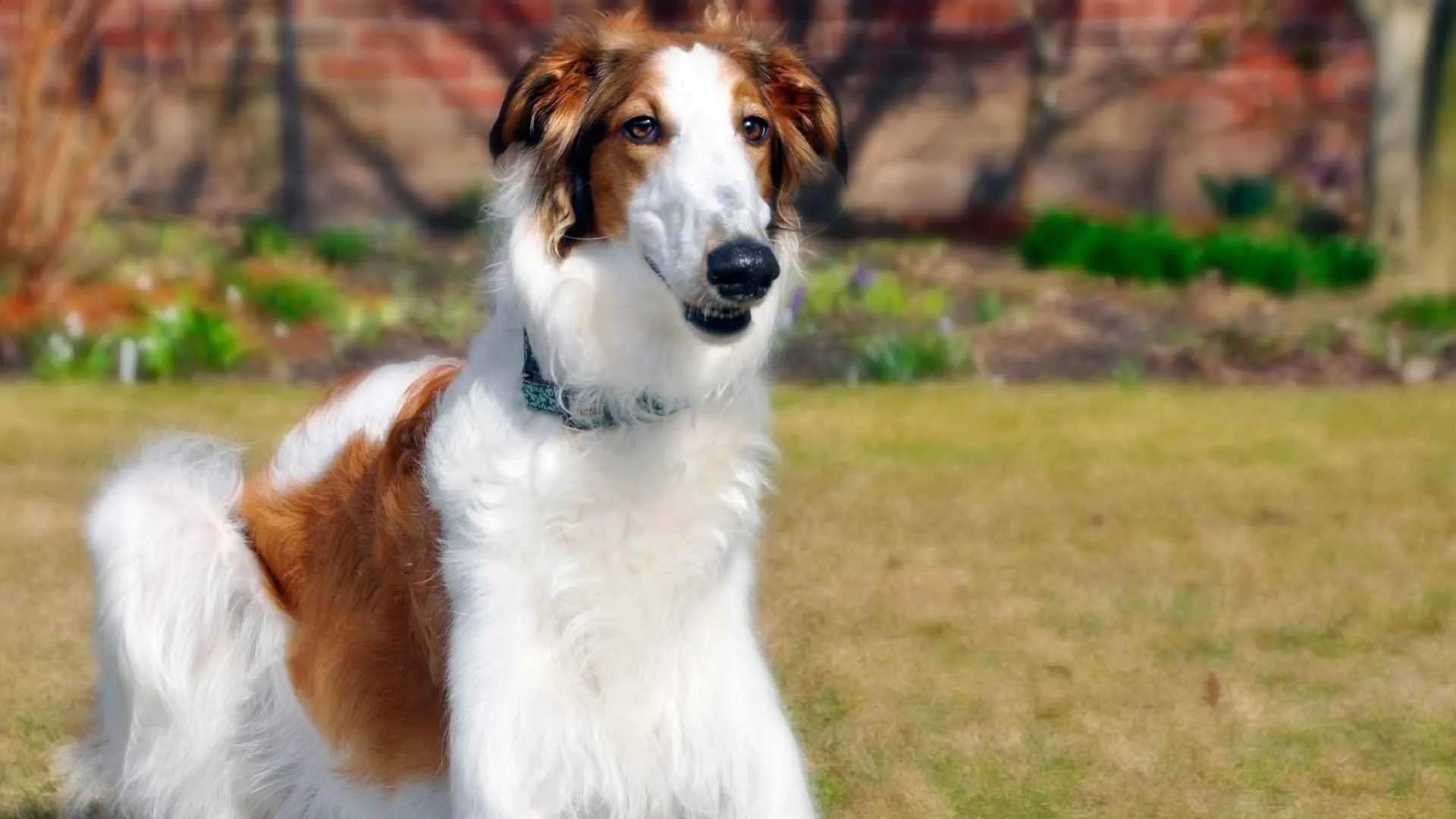
Curious what a Borzoi really is like?
The Borzoi is a long-legged, graceful dog with a long, narrow snout and a slender, athletic build. Its head is long and narrow, its chest is deep but slim, and its hindquarters are powerful yet elegant — a body built for speed and grace.
Borzoi come from Russia. They were originally bred centuries ago by crossing swift sighthounds with sturdy local hunting dogs.
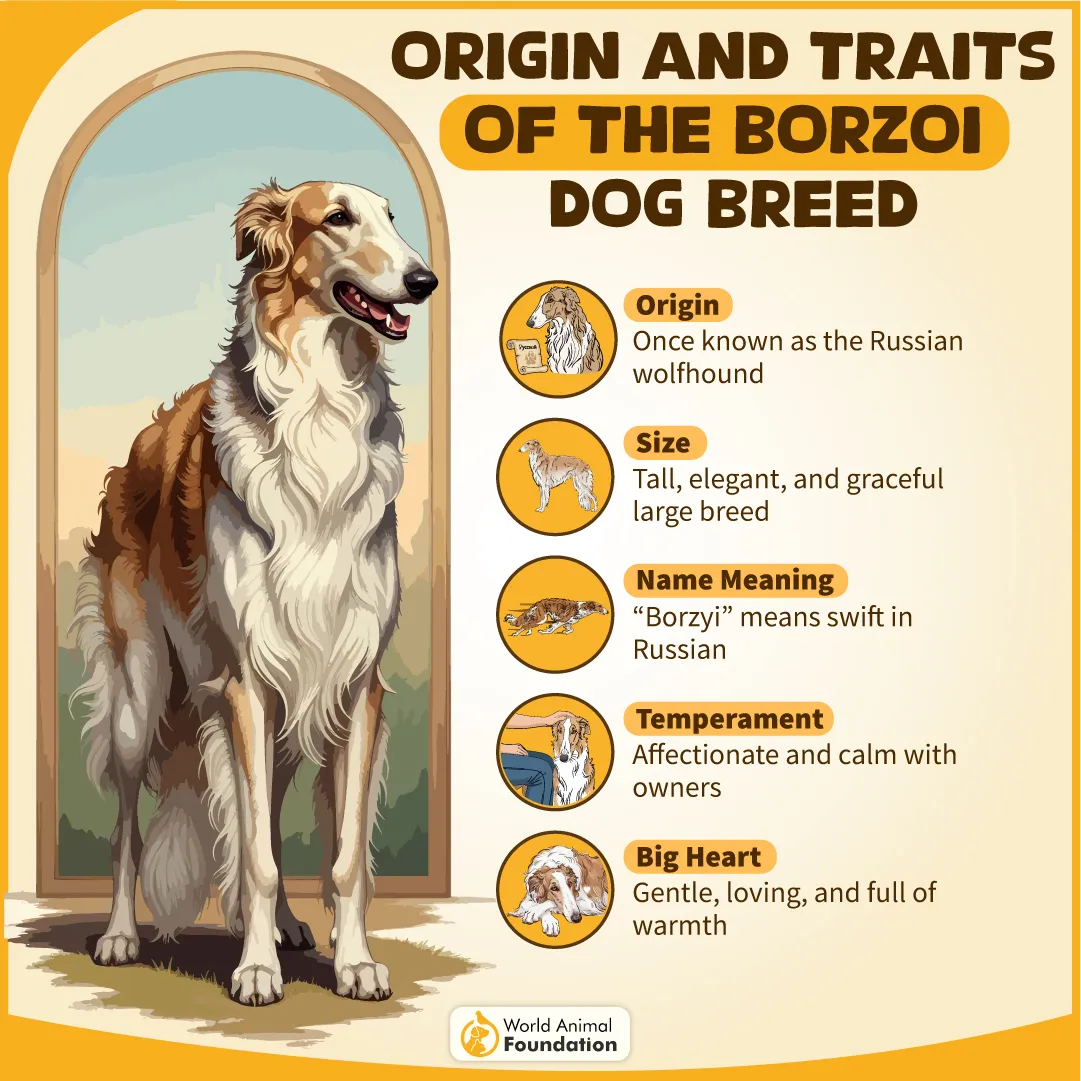
Their job? To hunt wolves and other game across Russia’s vast plains. Back in the day, Borzoi were prized by the aristocracy as elegant, powerful hunting dogs. Over time, they also became symbols of fame and elegance outside Russia.
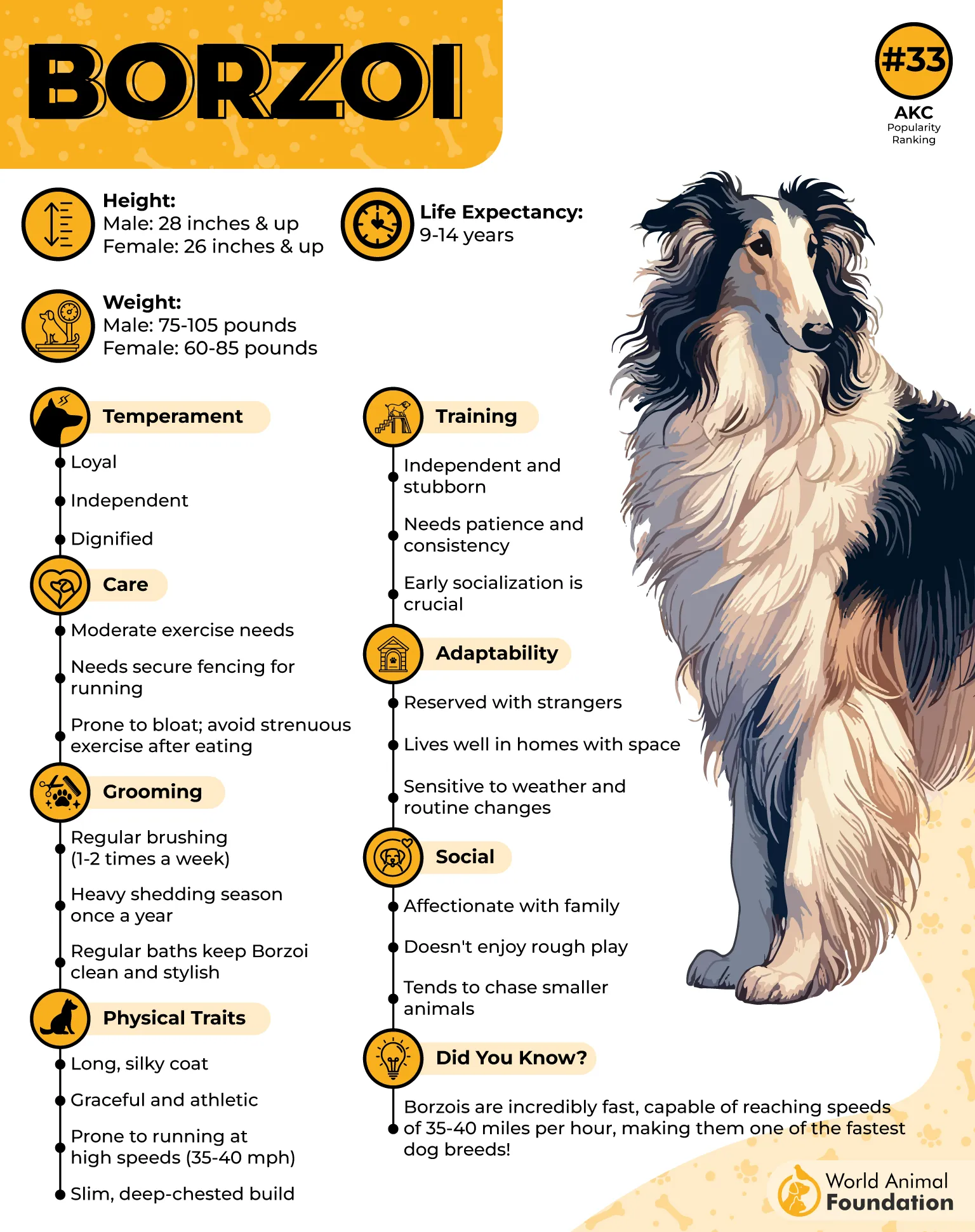
Despite their hunting background and athletic frame, Borzois are often calm and gentle at home. They can be quiet, reserved with strangers, but affectionate with their family. According to Britannica, they enjoy running and outdoor activity — after that, they’re content to lounge indoors. They tend to be independent thinkers — training them may require patience.
Fun fact
The Borzoi’s name comes from a Russian word meaning “fast,” showing off just how important speed was when they were first bred.
2. Greyhound
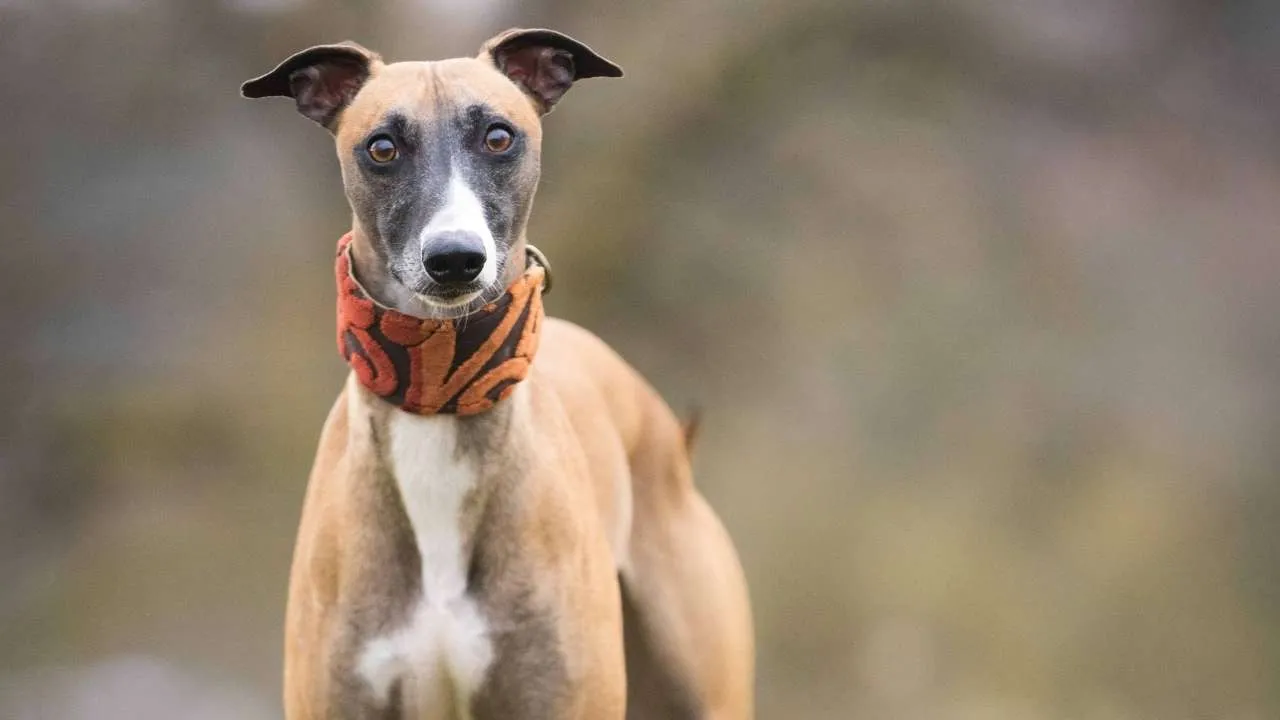
Have you ever wondered what makes a dog built for pure speed look like a living arrow?
The Greyhound is a perfect example of a long-snouted, lean dog built for speed and grace. Its snout is long and narrow, tapering smoothly, giving Greyhounds an aerodynamic shape that helps them sprint fast and breathe easily during high-speed chases.
Greyhounds have a streamlined, slender body. Their head is narrow with a long snout. Their chest is deep, legs are long and muscular, and hindquarters powerful — all signs of a running champion. Their short, smooth coat adds to the sleek look and keeps them light.
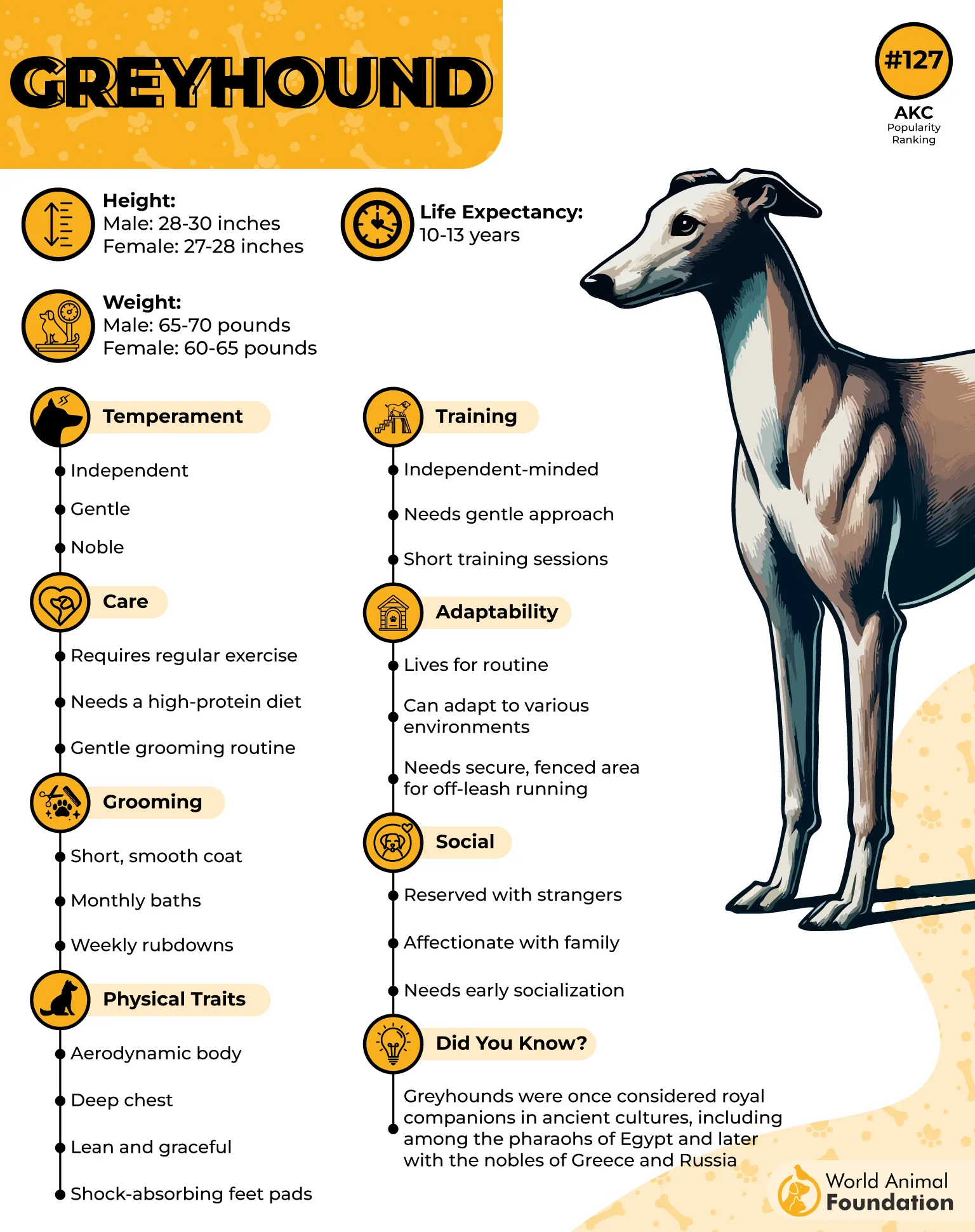
Greyhound is one of the oldest dog breeds in the world. Ancient art and carvings — even from ancient Egypt — show dogs that strongly resemble modern Greyhounds. For centuries, they were prized for their speed and agility.
Over time, people used them for coursing and racing. Greyhounds shine in short bursts of speed — a quick dash is usually enough to satisfy their running instincts. After that, they are more than happy to lounge around, making them excellent companions even for families without huge yards. Yet they enjoy occasional visits to a dog park for exercise and play.
They get along well with humans and often show a calm, gentle personality. They may have a strong prey drive toward small animals, so care around cats or small pets may be wise.
Fun fact
The Greyhound can reach top speeds of about 45 miles per hour — that makes it one of the fastest dog breeds ever recorded.
3. Bloodhound
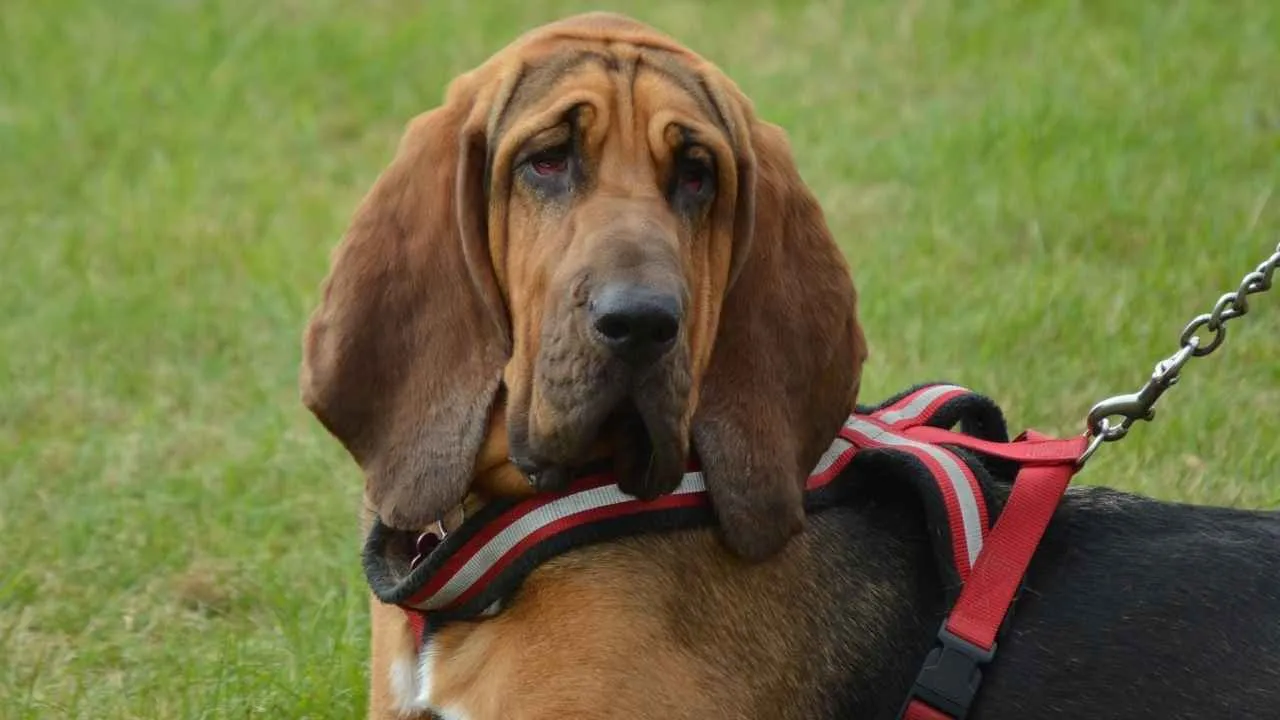
Ever wondered if one dog’s nose could seem like a detective’s superpower?
The Bloodhound is a breed built nearly entirely around scent. Its long face, droopy ears, loose folds of skin around the head and neck, and stalwart body make it a perfect tracking machine. Bloodhounds are large dogs. Their coat is short and smooth.
They trace their roots back to medieval Europe — they descended from hounds once kept by monks at the abbey of Saint Hubert Monastery in Belgium. There, breeders refined them as scent-tracking dogs. Over centuries, they evolved from deer or wild-boar hunters to human-tracking dogs, used for manhunts and later by law enforcement.
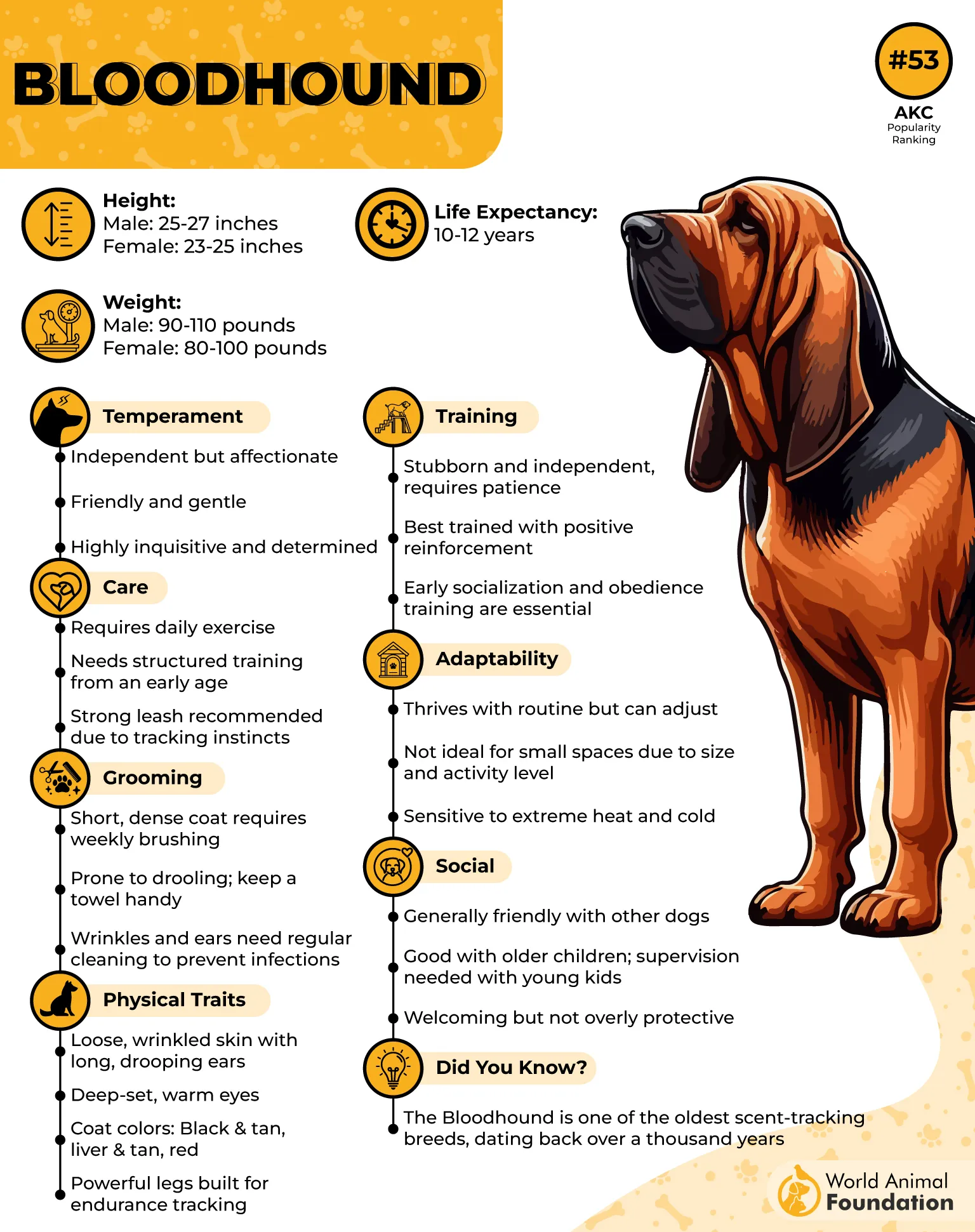
Their aristocratic origin and refined breeding earned them the name “blooded” hounds (not a sign of aggression). When a Bloodhound picks up a scent, it focuses like nothing else — it can follow trails that are days old.
That drive makes it almost unstoppable while tracking. At home, though, they are often gentle, calm, and affectionate. They get along well with people and other dogs. They enjoy outdoor time and need regular exercise, but they also appreciate lounging once their “work” is done.
Because of their size and powerful scent instincts, they do best in homes with space or large, fenced yards. And owners should expect drooling, loose skin folds to be cleaned, and regular ear checks.
Fun fact
The Bloodhound’s scenting ability is so precise that it can follow a human scent trail for miles — even days old — and its findings have been accepted in court as legal evidence.
4. Afghan Hound
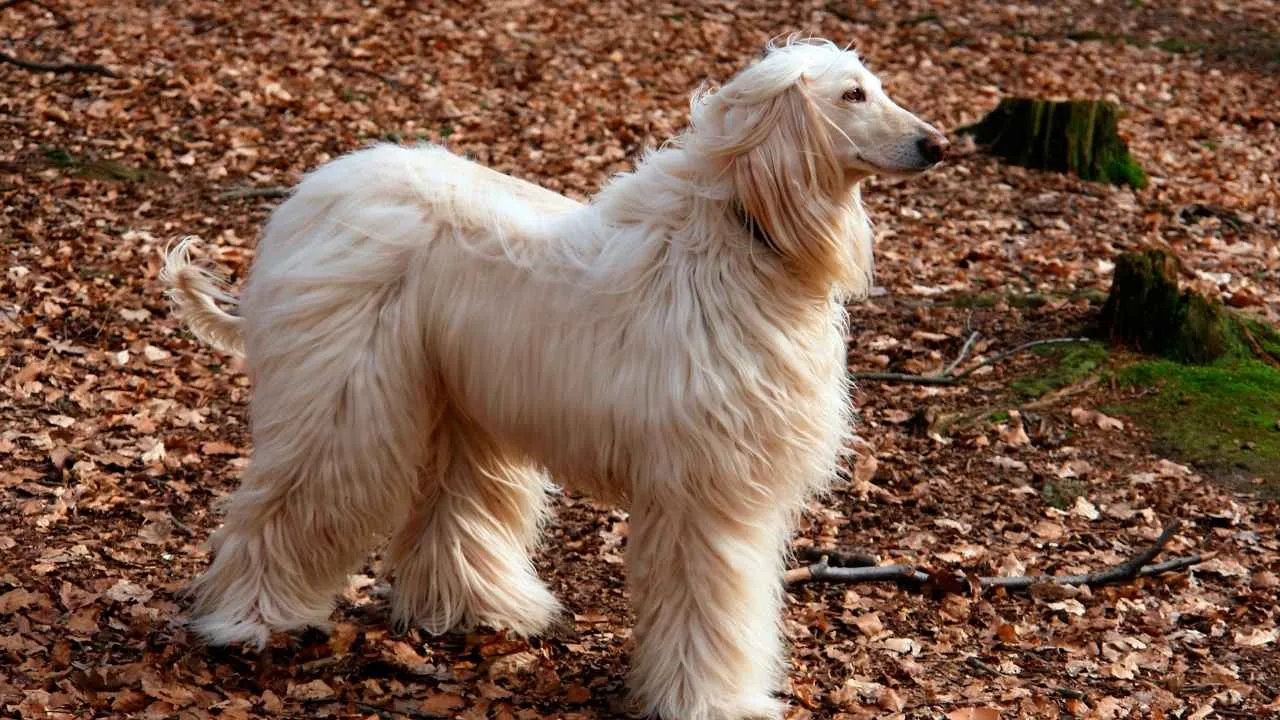
Have you ever seen a dog so elegant that it looks like it walked out of a painting?
The Afghan Hound is one of the world’s oldest and most graceful long-snouted dogs. Its tall, slim frame, silky coat, and proud posture give it a look that is impossible to forget. The Afghan’s elongated head and narrow muzzle help define its signature aristocratic silhouette.
With its long legs, deep chest, and flowing coat, the Afghan Hound was built for speed and endurance across harsh mountain terrain. It originated in the cold, rugged regions of Afghanistan, where nomadic tribes relied on it to hunt prey such as deer, goats, and even snow leopards.
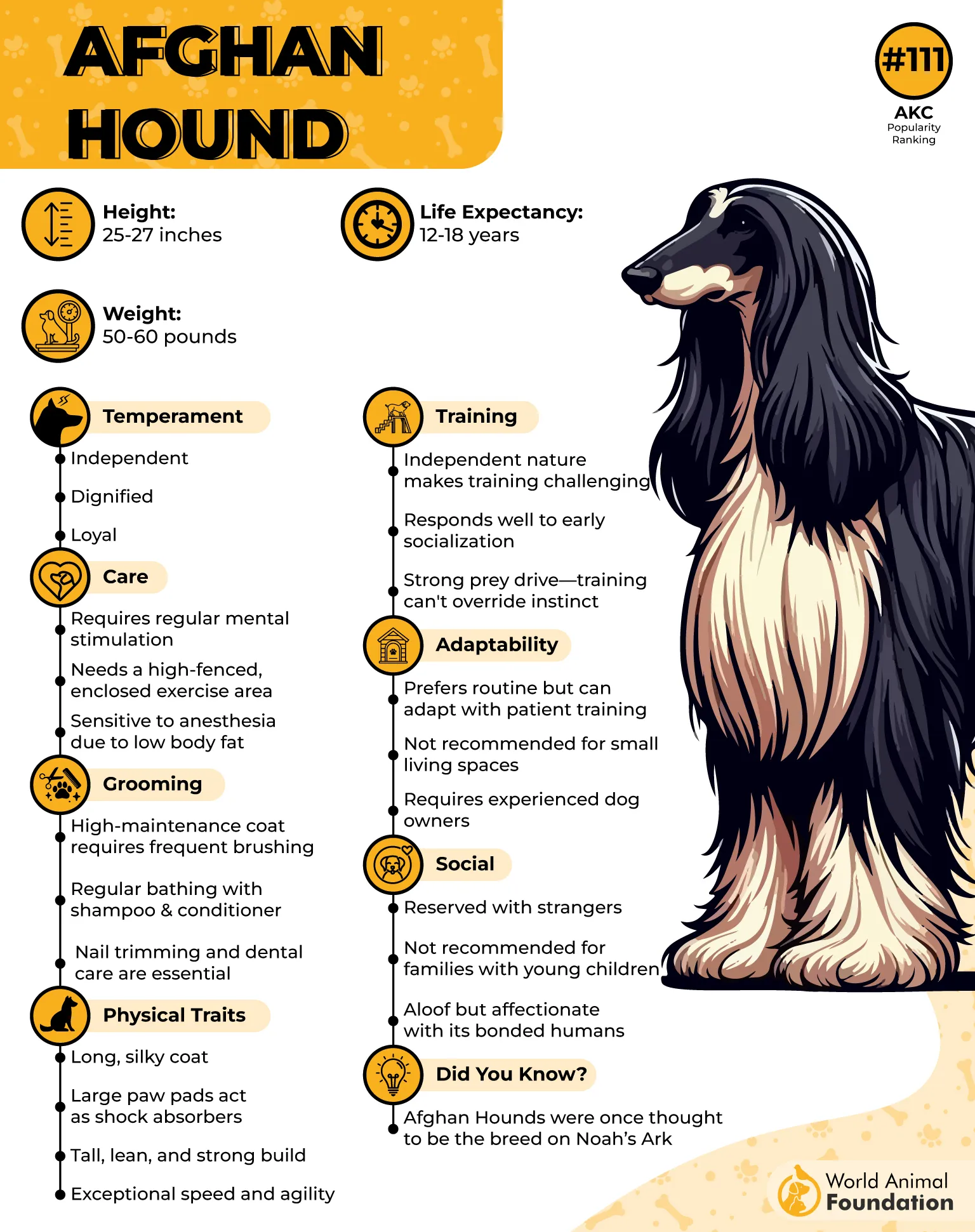
Their distinctive long noses were an advantage in scenting and tracking game across great distances. Their isolated homeland kept them genetically pure for centuries, making them one of the oldest living breeds. They later captivated European travelers with their regal beauty and soon became favorites in show rings and elegant households.
Despite their glamorous appearance, Afghan Hounds are independent thinkers. They are affectionate but not overly clingy, often choosing when they want attention. Their hunting instincts give them a natural desire to chase, so outdoor activities and secure spaces are important.
Around family, they can be gentle, calm, and sensitive. Their elegant nature sometimes makes them appear aloof, but with patience, they form deep and lasting bonds.
Fun fact
An Afghan Hound once held the Guinness World Record for the most expensive dog sale, famously purchased for an extraordinary price because of its rare lineage and show quality.
5. French Bulldog
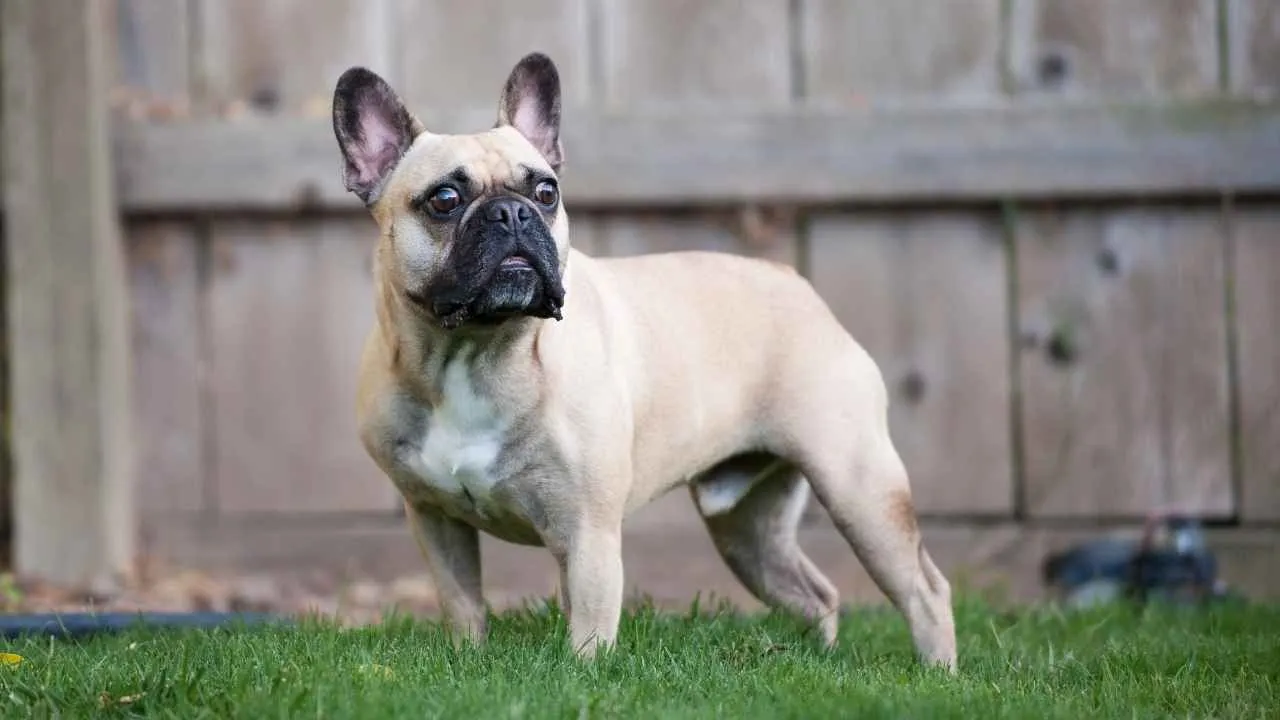
Curious why some dogs look like little wrinkled teddy bears?
The French Bulldog — often affectionately called “Frenchie” — has a compact, muscular body with a very short snout and broad skull. Their face looks flat and “squashed,” with high, upright ears and a short, smooth coat.
Frenchies come from ancestors bred for companionship and city living rather than hunting or working. Over time, selective breeding emphasised their short–muzzled, flat‑faced look. This “short snout” trait places them among so‑called flat‑faced or brachycephalic breeds.
They are now one of the most popular dogs for families, apartments, and pet parents who want a loyal companion without requiring a huge outdoor space. French Bulldogs tend to be playful, affectionate, and people‑loving.
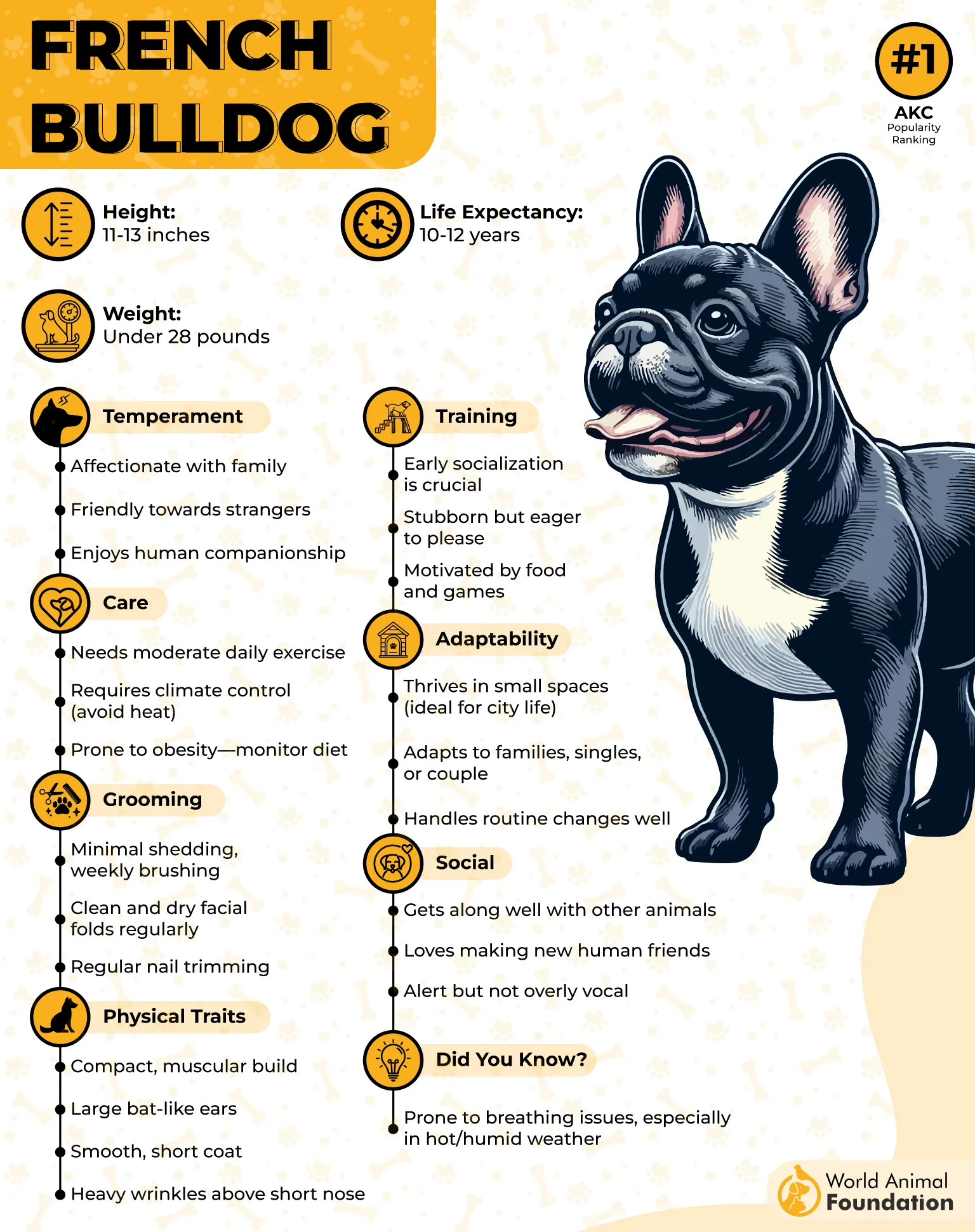
They enjoy short bursts of play or walk, but overall, they are relatively low‑energy compared to working or hunting dogs. They bond closely with their human family and often enjoy lounging indoors, cuddling, and spending time with their favorite humans — perfect for owners who want companionship over long walks or intense activity.
According to PetMD, because of their flat face (short snout), French Bulldogs are classified as brachycephalic. This means they can have breathing difficulties, noisy breathing, or snoring, especially in hot weather or during heavy activity.
They also tend to be sensitive to heat and humidity, so extreme heat can be dangerous. Their facial wrinkles and skin folds need regular cleaning to prevent irritation or infection.
Fun fact
Despite their small size, the French Bulldog once knocked out a long‑time favorite — the Labrador — to become the most registered purebred dog in the U.S.
6. Affenpinscher
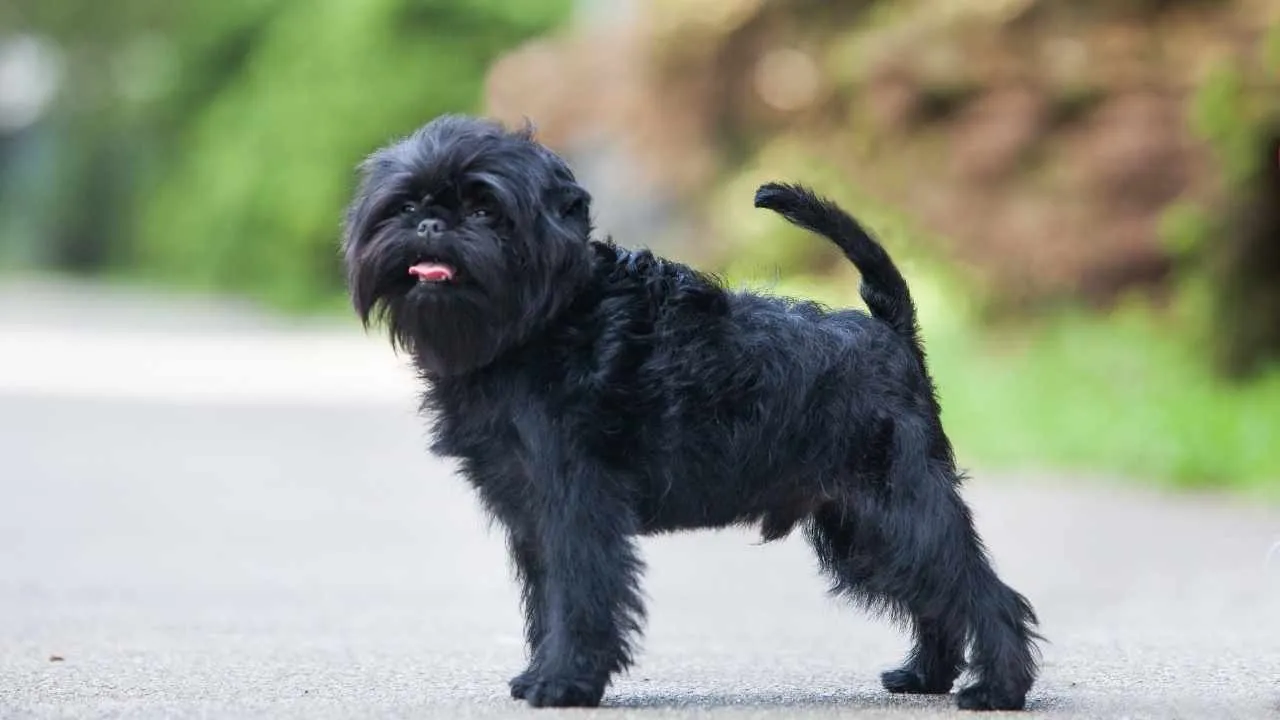
Ever seen a tiny dog with a big personality — and a face that seems too full of mischief for its size?
The Affenpinscher is a small but sturdy dog that hails from Germany. Bred initially in the 1600s to catch rats and mice in stables, granaries, and houses, it earned a reputation as a dependable ratter and stable dog, rather than as a fancy show pet.
Their body is compact but muscular, square in proportion, with a wiry coat that often looks scruffy and charming. Their face is their most striking feature: a domed skull, a short muzzle, dark, round eyes, and often a “beard” or wiry fur around the chin and eyebrows — giving them a somewhat monkey‑like, mischievous expression.
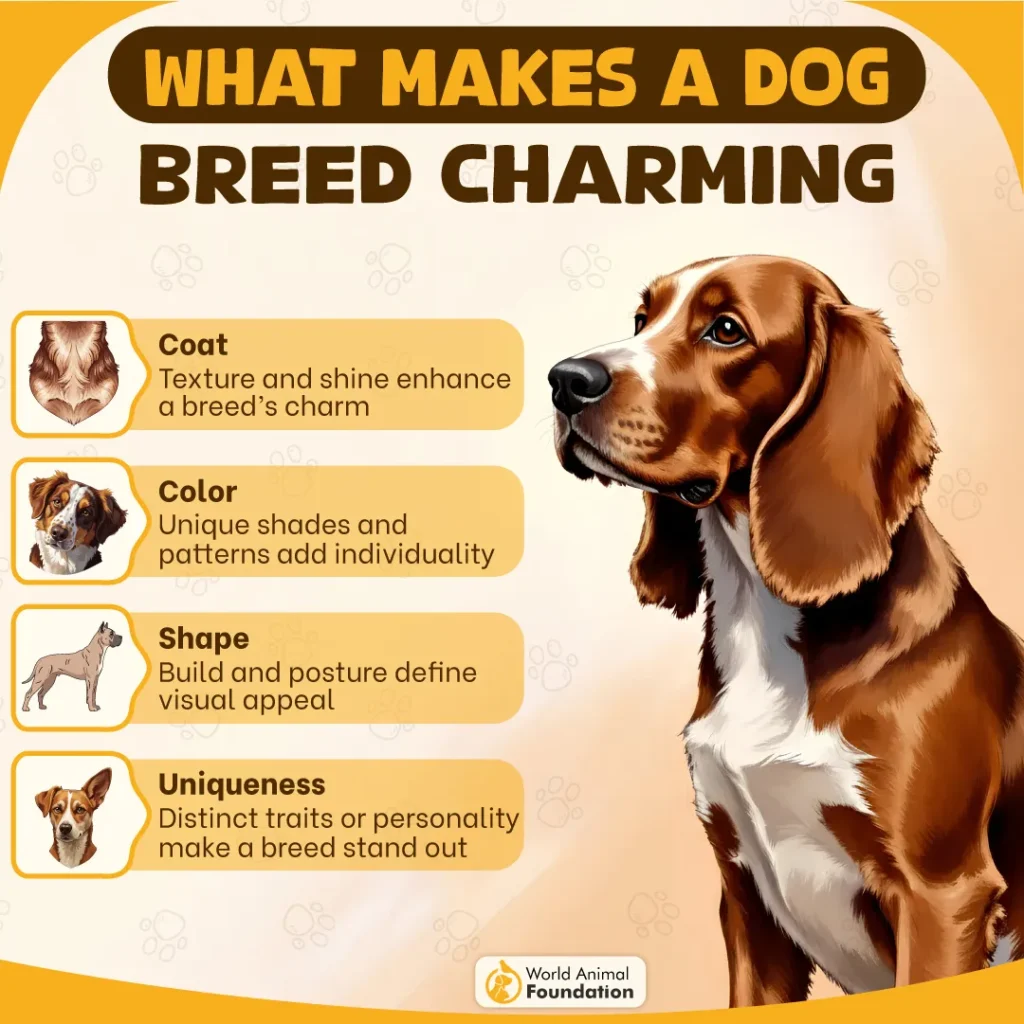
The Affenpinscher is bold, curious, and full of life. Despite being small, they have a big‑dog personality: confident, alert, and often ready to bark or alert when something changes around the house. They enjoy playtime, short walks, and indoor antics more than strenuous exercise.
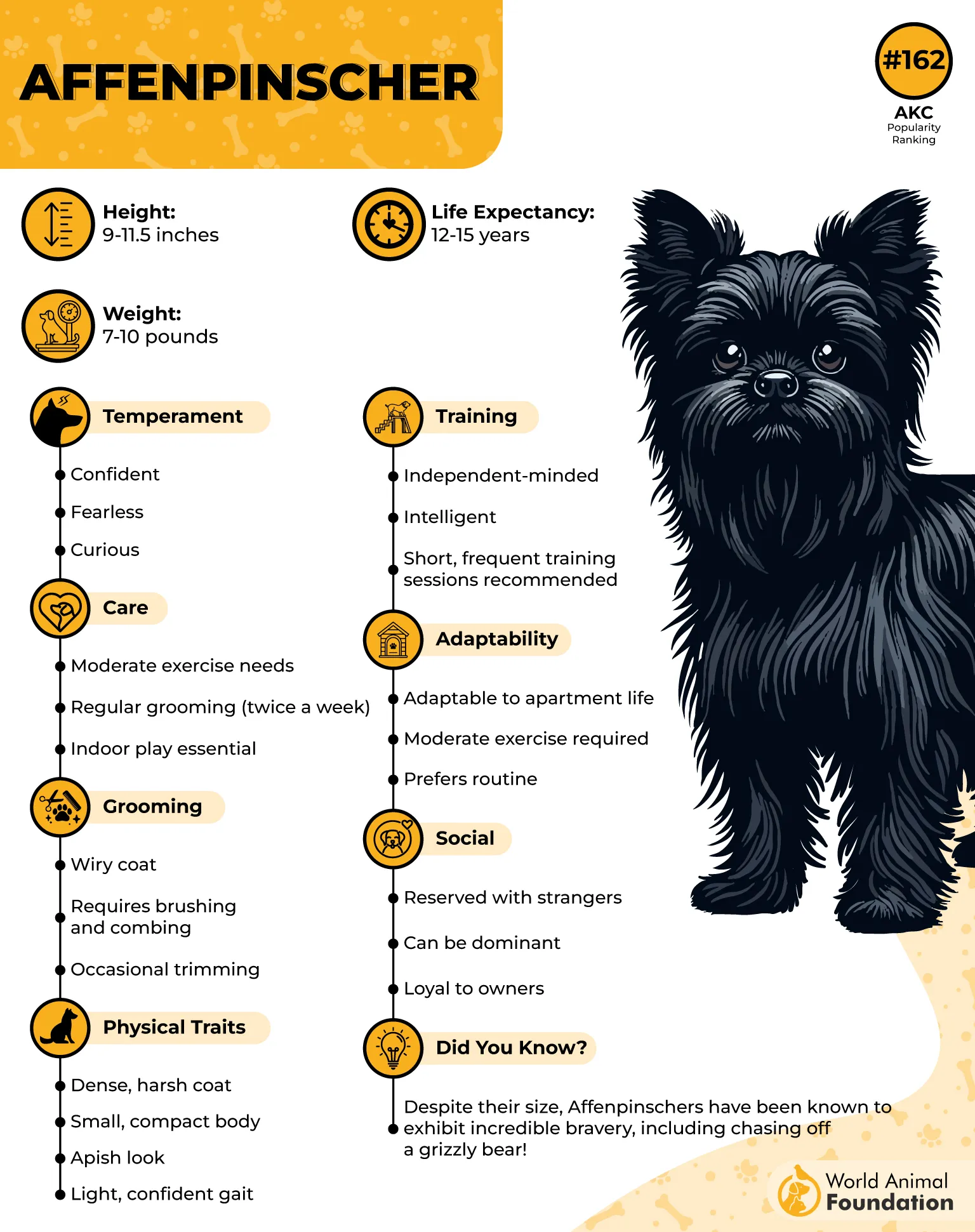
Their moderate energy level makes them well‑suited for city living or apartment life. Affenpinschers can be loyal and affectionate to their favourite humans, but may show independence and a strong will.
Training with patience and positive reinforcement works best. Because of their short muzzles, they can face breathing difficulties or overheating in very hot weather — so care and monitoring are important in heat.
Fun Fact
This small “monkey dog” once hunted rodents in stables and granaries across old German towns — but today, many Affenpinschers live as beloved companions, showing just how versatile and enduring this rare breed really is.
7. Shih Tzu
Ever met a dog so small yet full of charm that it feels like holding a soft toy — but with a heart and personality as big as a lion’s?
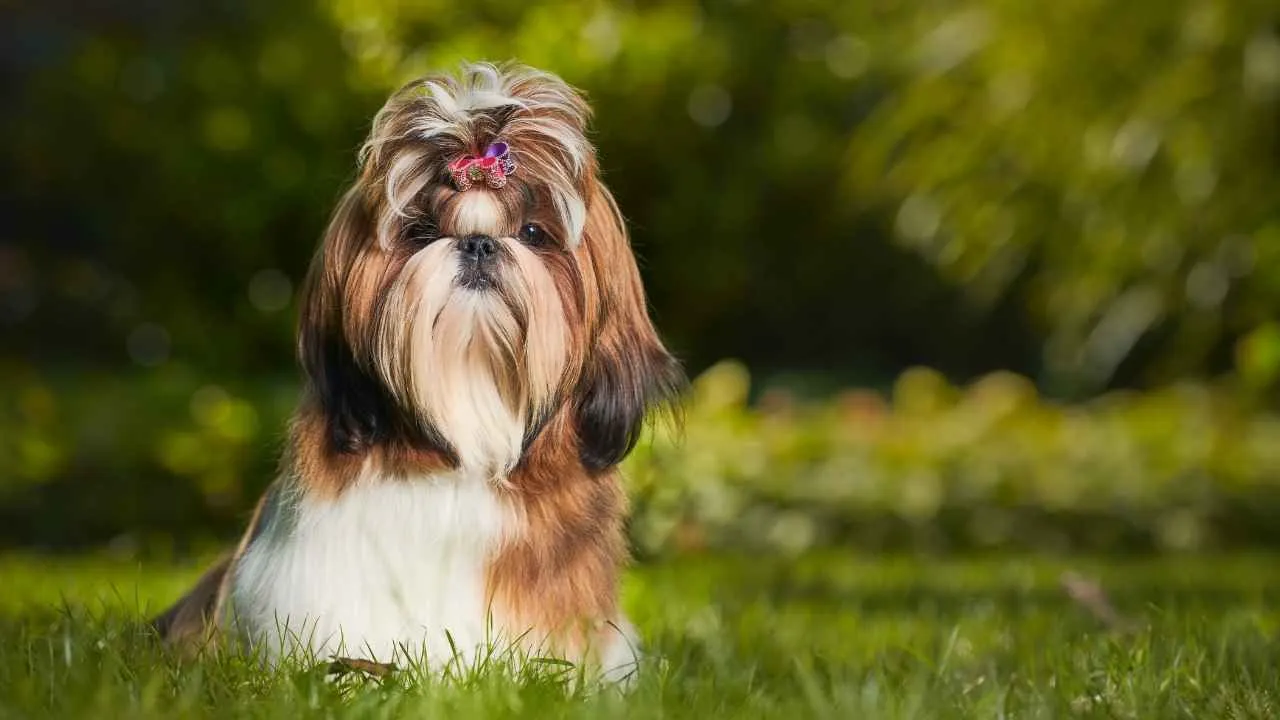
The Shih Tzu is a small, sturdy toy breed that originated in Tibet over a thousand years ago. Its name roughly translates to “lion dog,” because ancient breeders wanted a companion with a regal, flowing coat and bold, friendly nature.
Its appearance is distinctive: a short snout, a round head, large expressive eyes, and a soft, long double coat that often falls over the eyes and forms a beard and whiskers around the face. Because their coat grows continuously, many owners choose a “puppy cut” to keep grooming manageable.
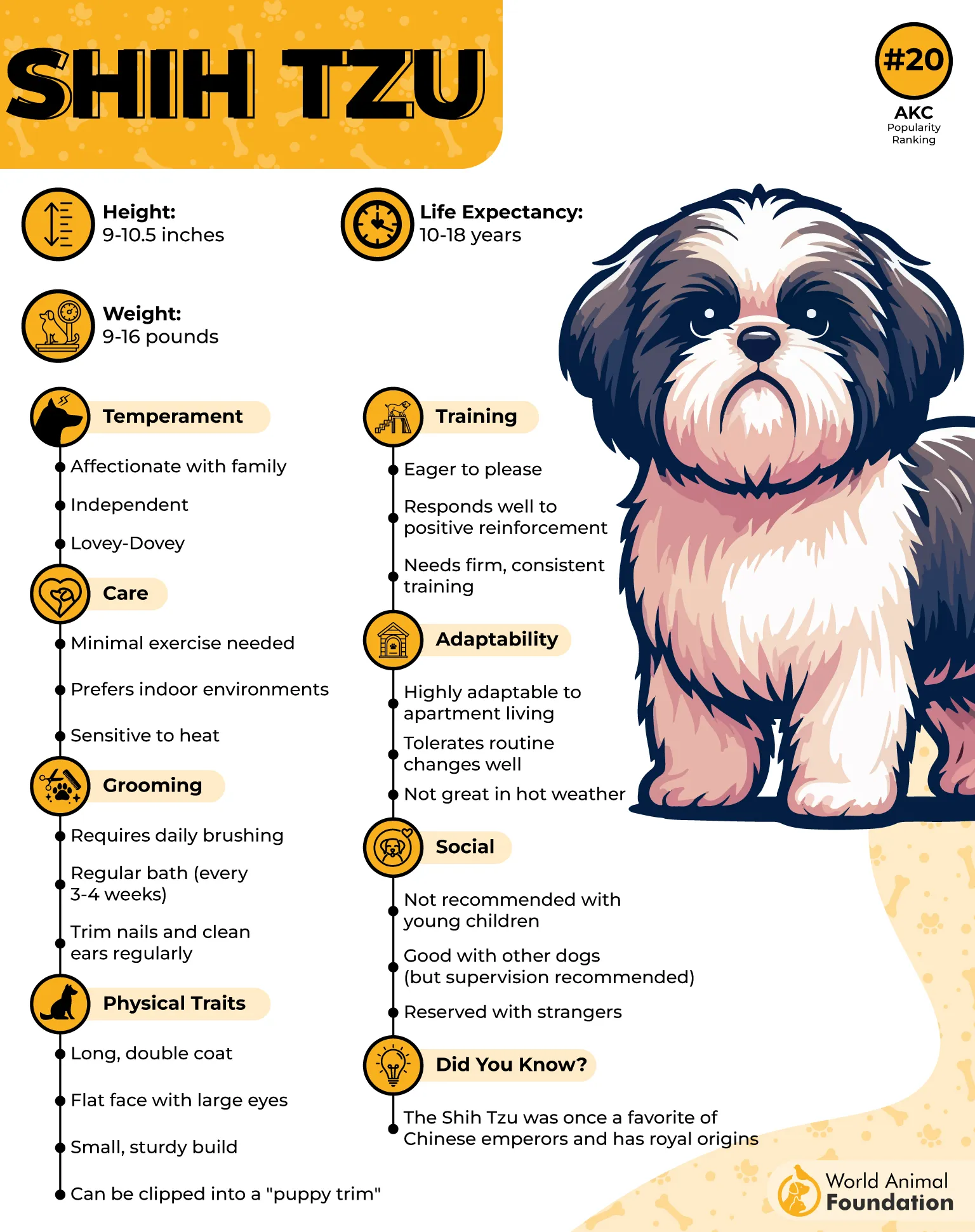
Shih Tzus are known for their friendly, playful, and affectionate nature. They bond strongly with their pet parents and enjoy spending time indoors, cuddling, or relaxing. They generally get along well with children, other dogs, and pets, making them a good match for families or multi‑pet homes.
They don’t need intense exercise — a short daily walk or indoor play mostly satisfies them. Yet, they enjoy occasional playtime or gentle activity and can be alert enough to bark when there’s a visitor nearby.
Because of their short snout and brachycephalic build, they can be sensitive to heat and may have breathing difficulties in hot or humid weather.
Fun fact
The Shih Tzu’s ancestors were so cherished in Tibetan and Chinese royal courts that their name — “lion dog” — reflects not ferocity, but the admiration for their noble looks and companion‑worthy charm.
Conclusion
Have you ever stopped to wonder what makes a dog truly unique?
Every breed shows its own personality, purpose, and beauty. Some dogs are hunting dogs, built to detect scents and chase small prey, while others are guard dogs, working dogs, or simply excellent companions for family life.
Long-nosed breeds showcase speed, agility, and an incredible sense of smell, making them ideal for racing dogs, lure coursing, or exploring long walks and daily exercise routines.
Meanwhile, flat-faced dogs remind us that even compact, low-energy breeds can offer companionship, spending time with favourite humans, and big personalities in small packages.
Whether you are looking for a hiking buddy, a couch potato, or a dog that loves interactive toys, understanding each breed’s distinctive features, history, and behavior helps pet parents make the best choice.
So, which beautiful dog will fit your life, family, and other pets? Could it be one of the long-snouted dogs, or a small, highly athletic companion ready for long walks?
No matter the choice, every dog — from selective breeding to rare breeds — offers human companionship, love, and joy that enriches our lives. Isn’t that what every pet parent hopes for?
