




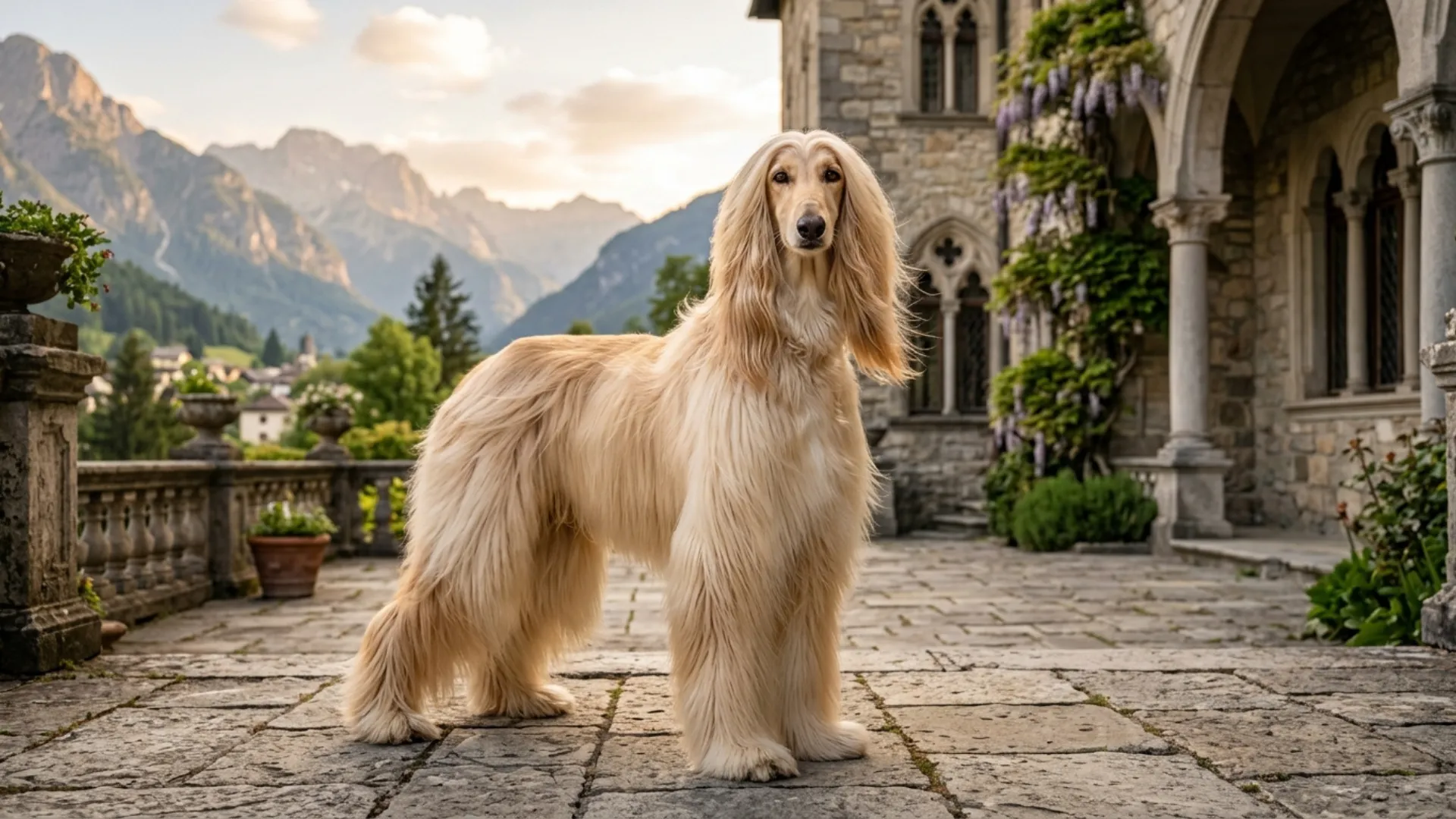
Have you ever reached out to pet a dog and been surprised by the texture of its coat? Some dogs are wrapped in soft curls that bounce with every step, while others wear rugged, wiry fur that hints at a hardworking past. A few even have coats so unusual they stop people in their tracks.
These remarkable textures do much more than make a breed look unique; they tell stories of history, purpose, and adaptation. From working dogs bred to withstand harsh weather to companions admired for their luxurious coats, each texture serves as a reminder of how beautifully diverse canines can be.
For dog lovers, discovering these distinctive coats is part of the joy of exploring different breeds. Whether a coat is fluffy, silky, corded, or coarse, these canines offer a fascinating glimpse into the incredible diversity of the dog world, proving that sometimes the most memorable feature is not a dog’s size or color, but the texture beneath your fingers.
Dog Breeds with Unique Coat Textures to Admire
1. Afghan Hound
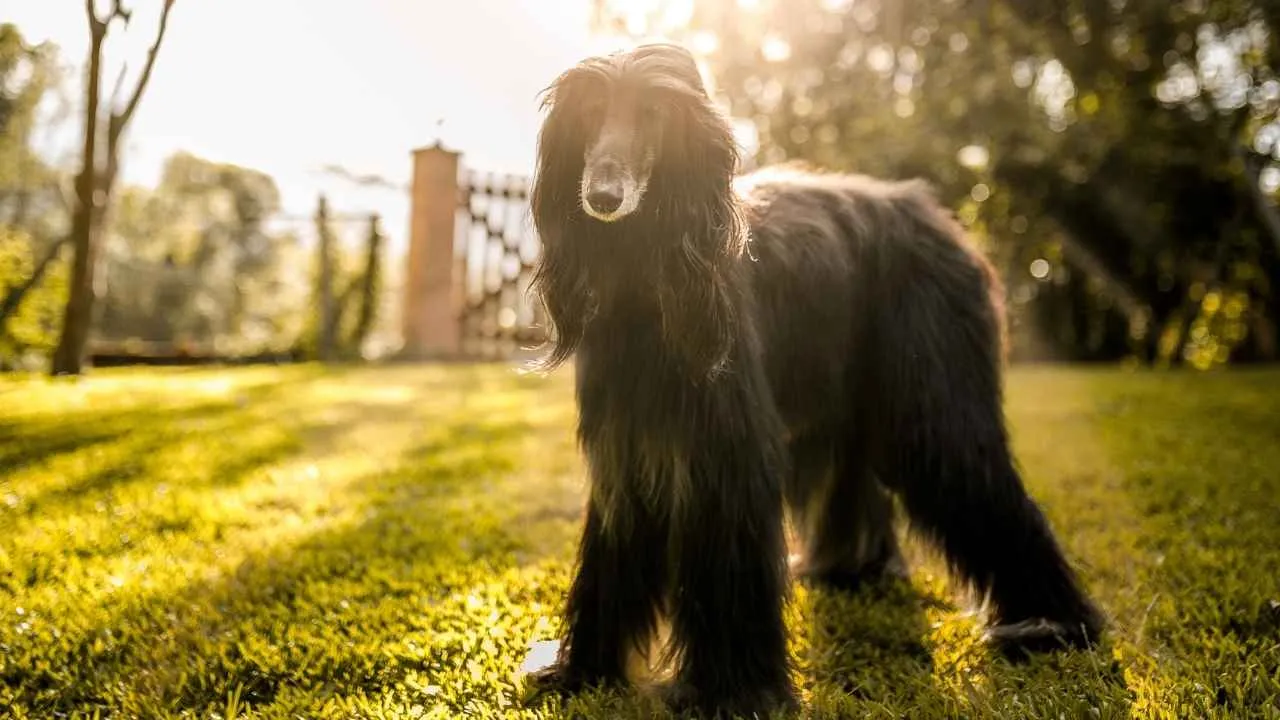
Hailing from the mountainous regions of Afghanistan, the Afghan Hound is a sighthound admired for its long, silky coat and elegant, flowing movement. Originally bred for hunting large game, this breed developed a thick, luxurious coat that helped it adapt to harsh climates and rugged terrain.
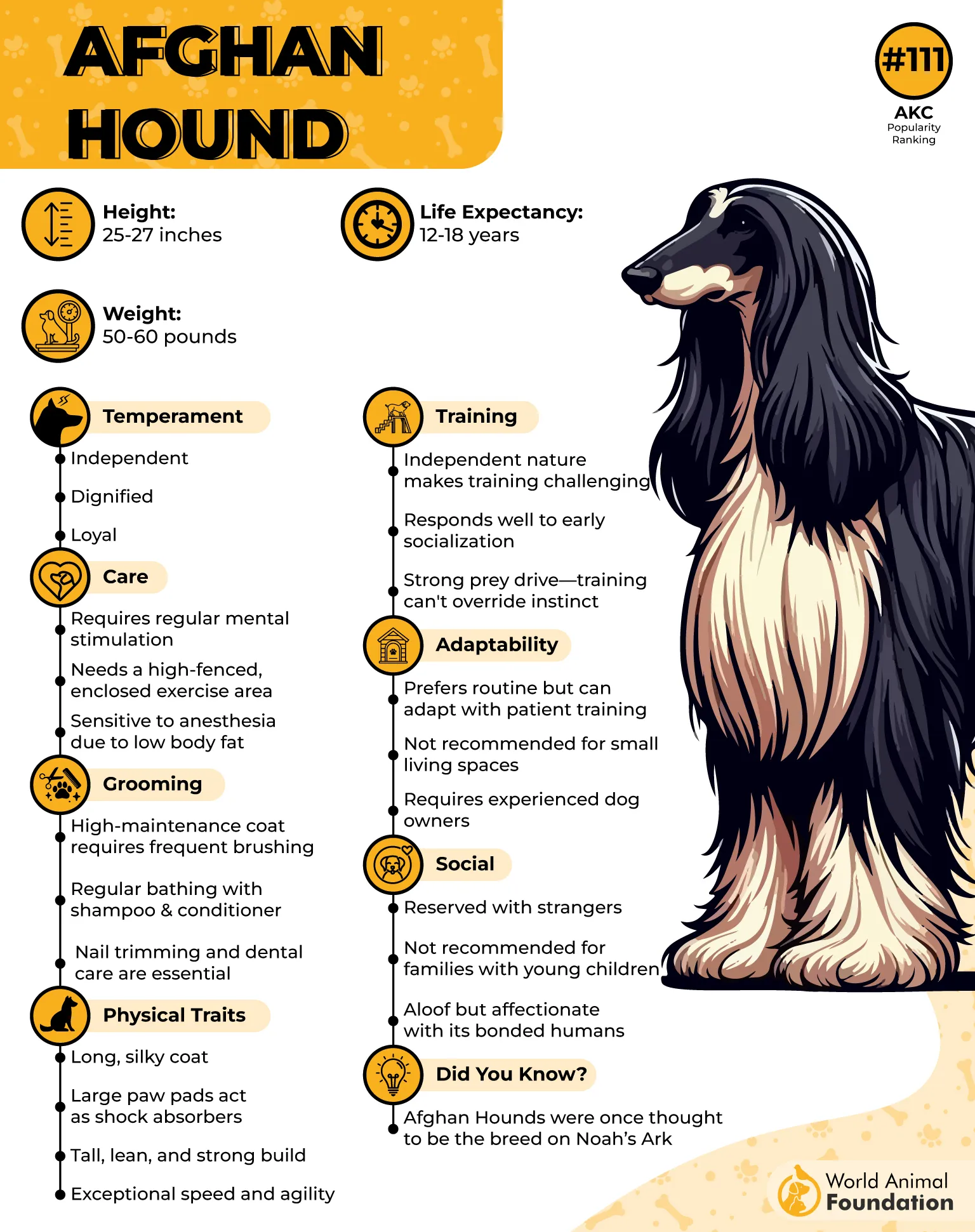
Afghan Hounds do shed, and their long hair can easily trap dirt, leading to tangles and mats if not cared for properly. Regular brushing is essential to keep their coat smooth, healthy, and shiny. They are also known for their unique “floating” running style, showing off a smooth, effortless stride that makes them stand out among sighthounds.
These beautiful dogs come in a wide range of colors and patterns. While markings can vary, strong or excessive white markings on the head are generally less preferred in breed standards.
Afghan Hounds are affectionate with their families but tend to be reserved and alert around strangers, reflecting their naturally independent and watchful temperament.
2. Komondor
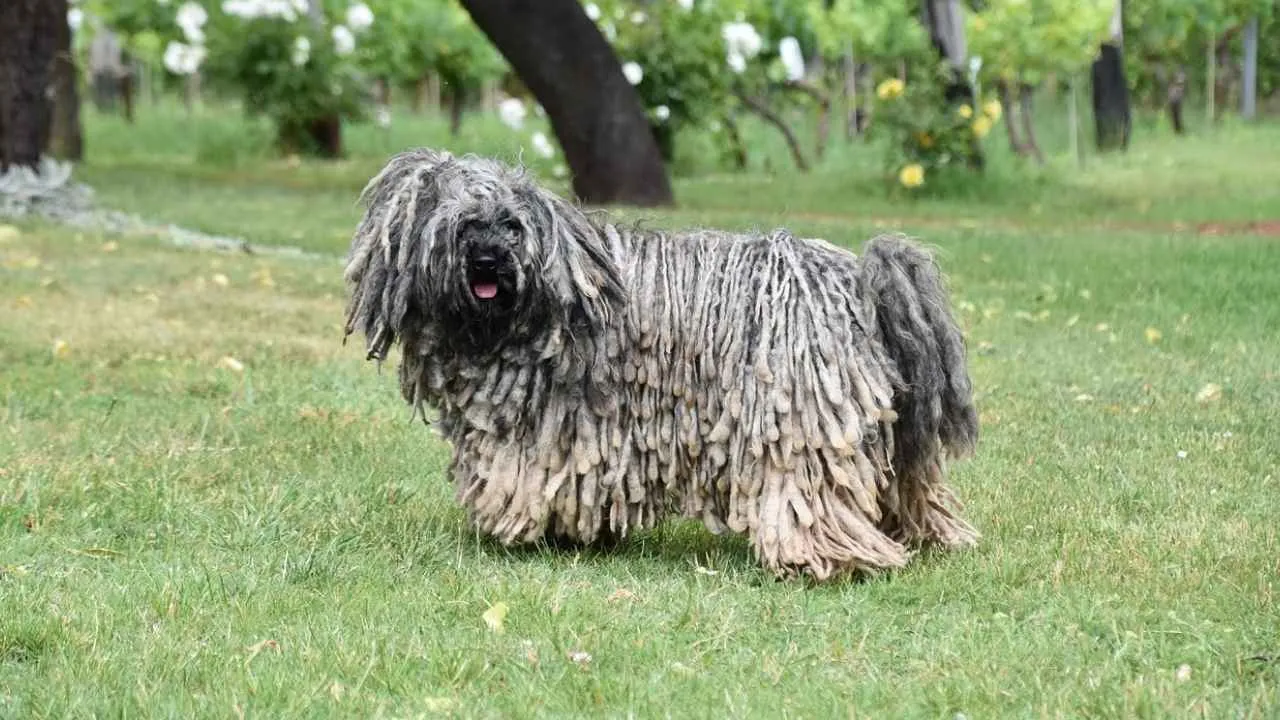
At first glance, the Komondor easily wins hearts with its unique corded coat that looks like it stepped straight out of a fairytale. But those long cords aren’t just for show; they’re deeply tied to the breed’s history as a loyal livestock guardian.
Originally bred in Hungary to protect farm animals, the Komondor’s dense coat helped shield it from harsh weather and even predators. With a strong independent streak and an imposing presence, this breed still carries sharp protective instincts, making it better suited for experienced homes looking for a dependable guard dog.
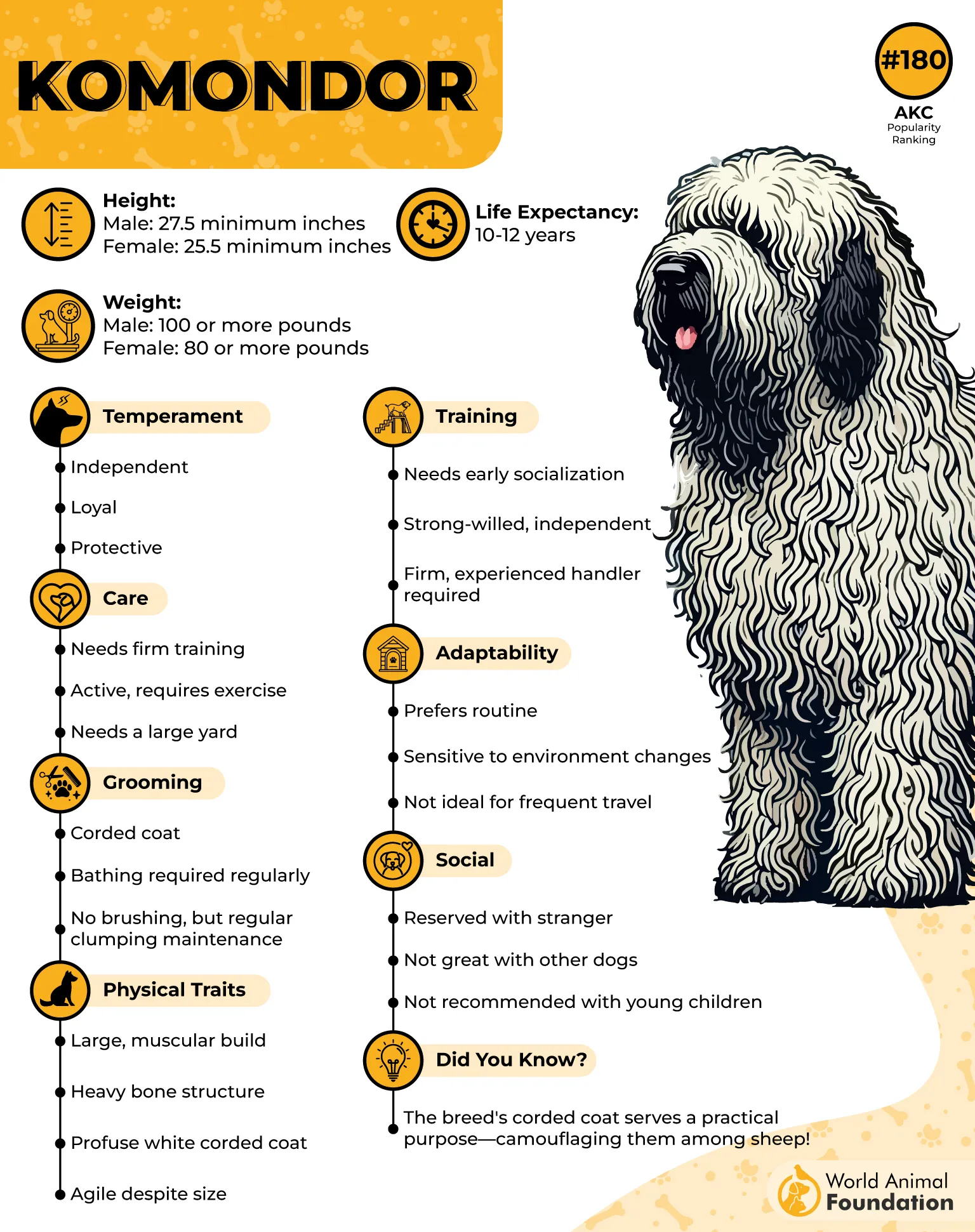
As puppies, Komondors have a soft, fluffy coat. As they grow, the undercoat naturally blends with the coarser outer coat to form cords. Keeping these cords clean and separated takes time and regular care, especially on weekends. While they are considered a low-shedding breed, consistent maintenance is still important to prevent dirt buildup and odor.
3. Bedlington Terrier
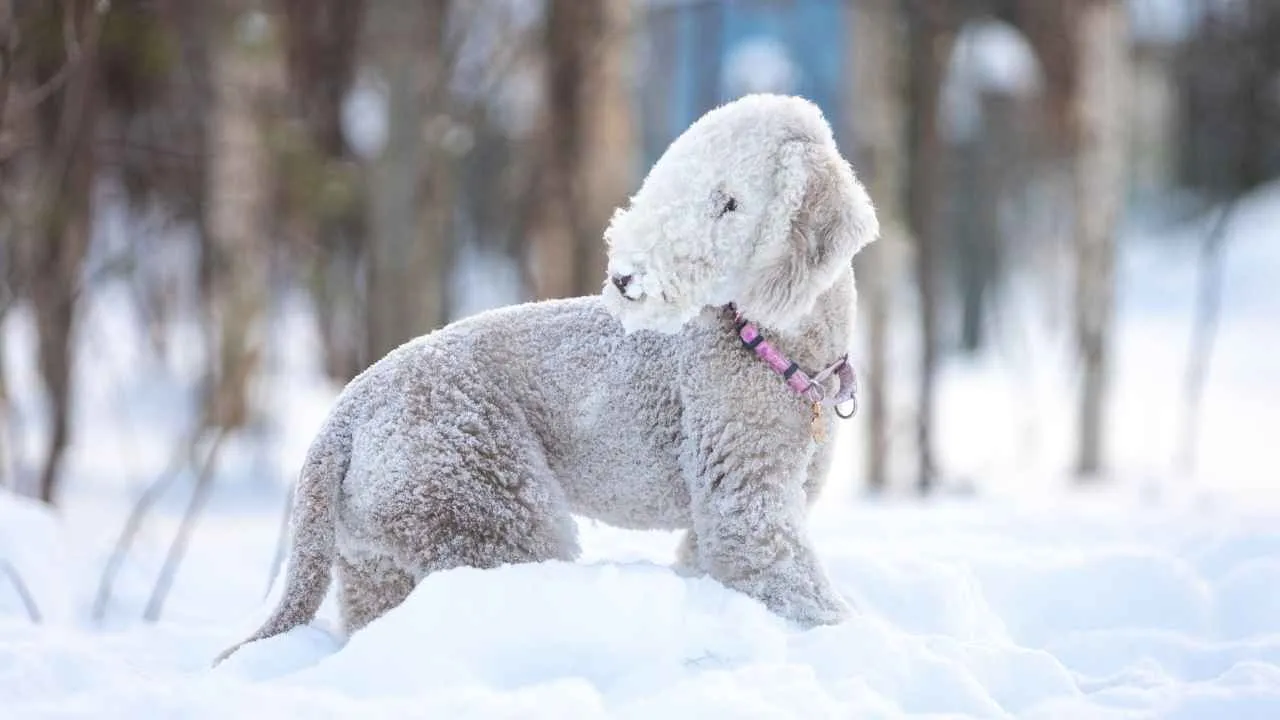
This breed is one of the smallest terriers and is named after the mining town of Bedlington in North East England. Their crisp, curly coat comes in shades like blue, liver, and sandy, and is made up of a mix of soft and coarse hair rather than a wiry texture, as noted by the AKC.
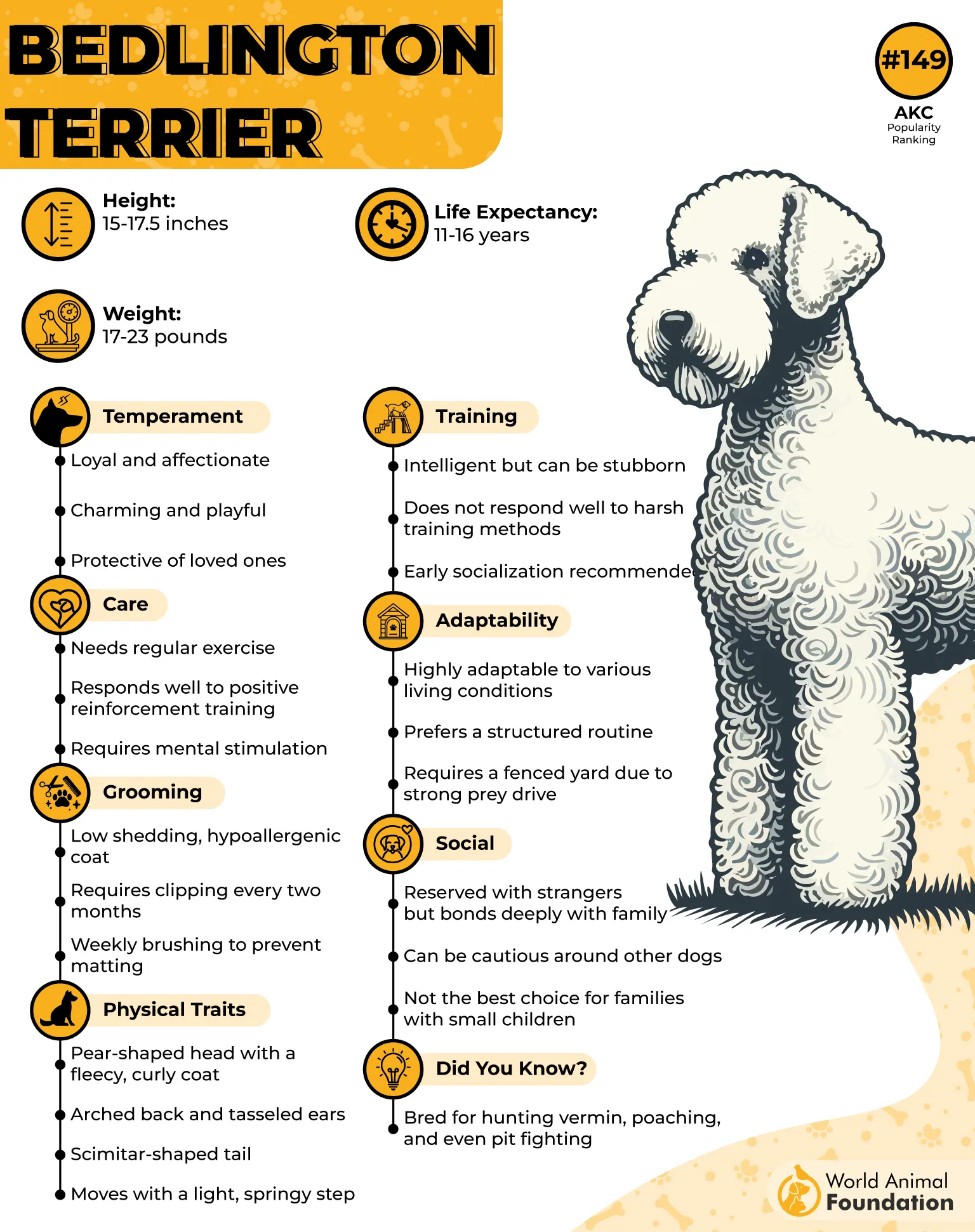
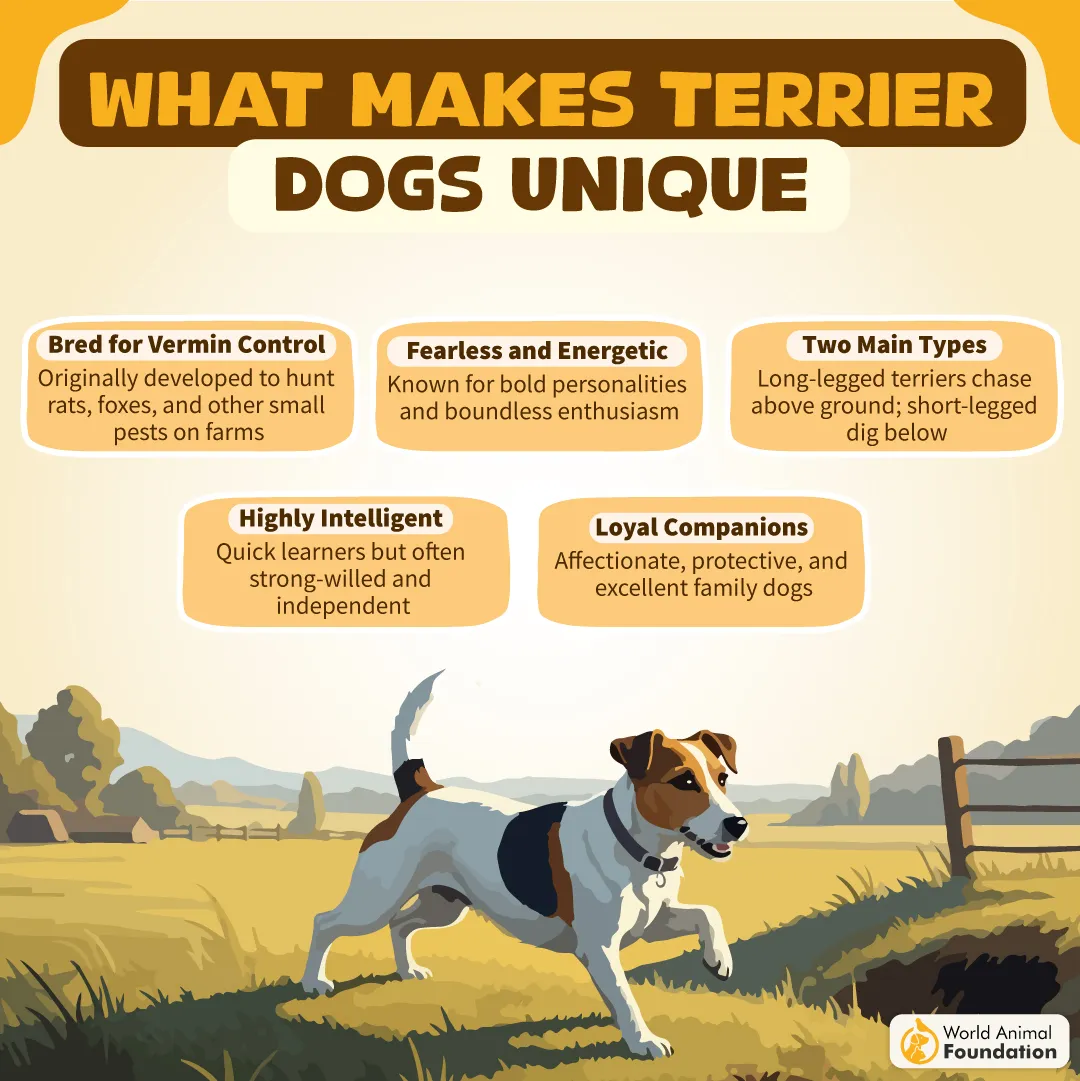
Bedlington Terriers were originally bred to hunt vermin but later became popular as affectionate family companions. They are gentle and loyal at home, yet remain alert to their surroundings, which also makes them reliable watchdogs.
Despite their calm nature, they can have a strong prey drive and may chase small animals, so they are not always the best fit for multi-pet households.
Their soft, curly coat gives them a lamb-like appearance, and maintaining this look requires professional grooming every 4 to 6 weeks. In terms of exercise, Bedlington Terriers do best with a balance of physical and mental stimulation through short walks and indoor play sessions.
4. Chinese Crested
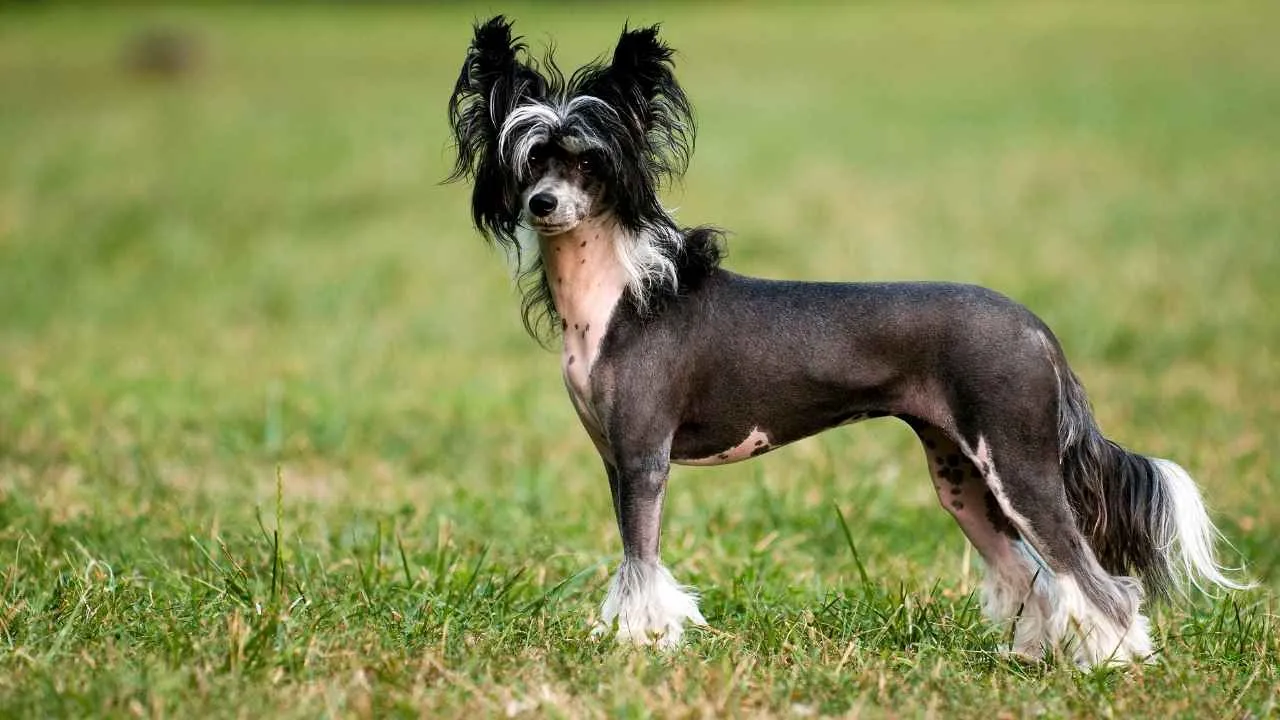
These petite dogs often make people do a double take thanks to their unique appearance. The breed is commonly seen in two varieties: the Powderpuff and the Hairless, with both types being fairly common. The Chinese Crested is believed to have origins linked to China.
Hairless Chinese Crested dogs are especially eye-catching, with smooth skin and silky tufts of hair on the head, tail, and ankles; often giving the look of a dog wearing socks and a little mohawk. Powderpuff Chinese Cresteds, on the other hand, have a soft, full double coat. Both varieties come in a wide range of colors.
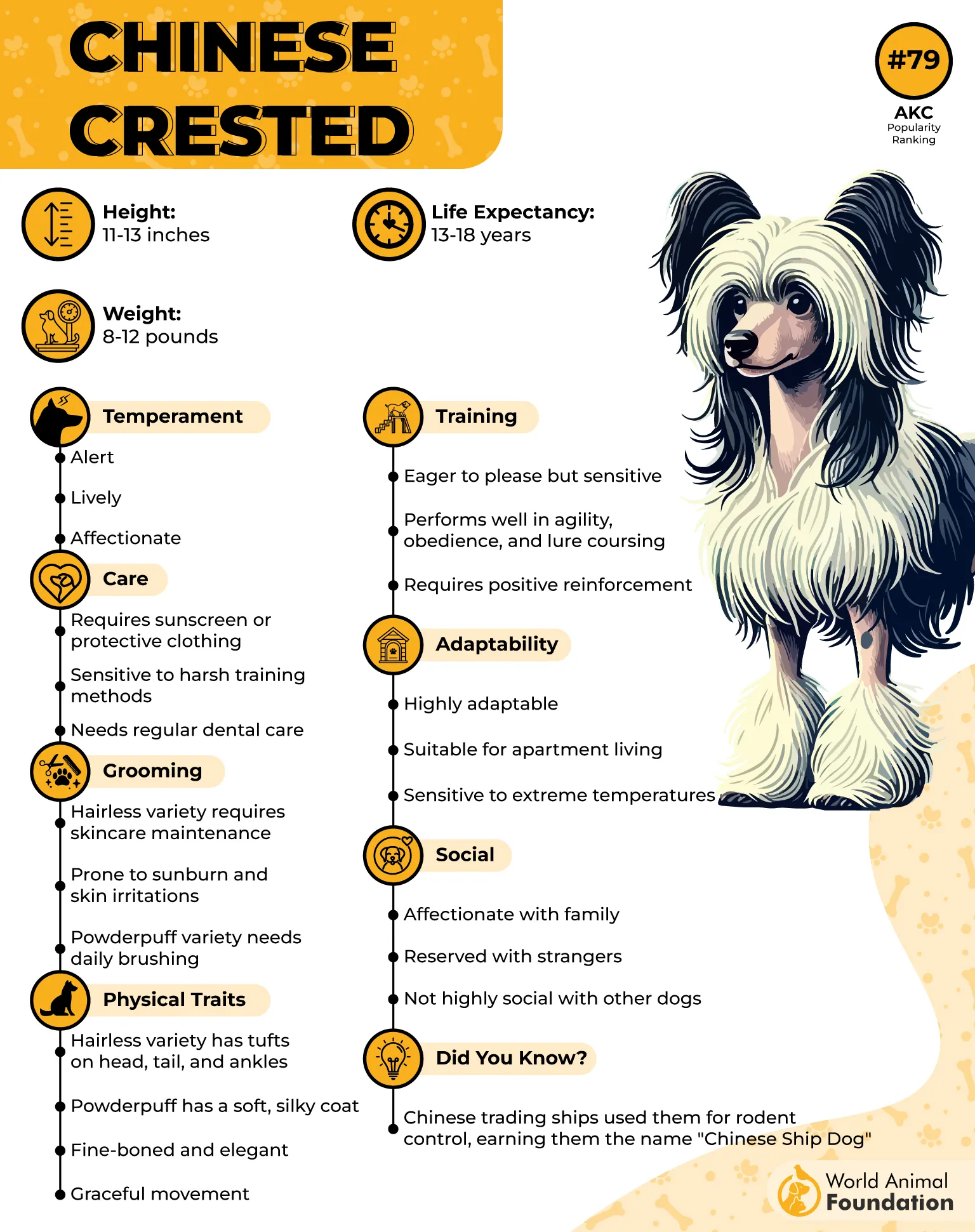
Despite their delicate look, these dogs have a lively and playful personality, making them great companions in many households. Powderpuff dogs need regular brushing to prevent tangles, while the hairless variety needs extra skin care, including sun protection through clothing or pet-safe sunscreen to help prevent skin irritation in hot weather.
5. Dalmatian
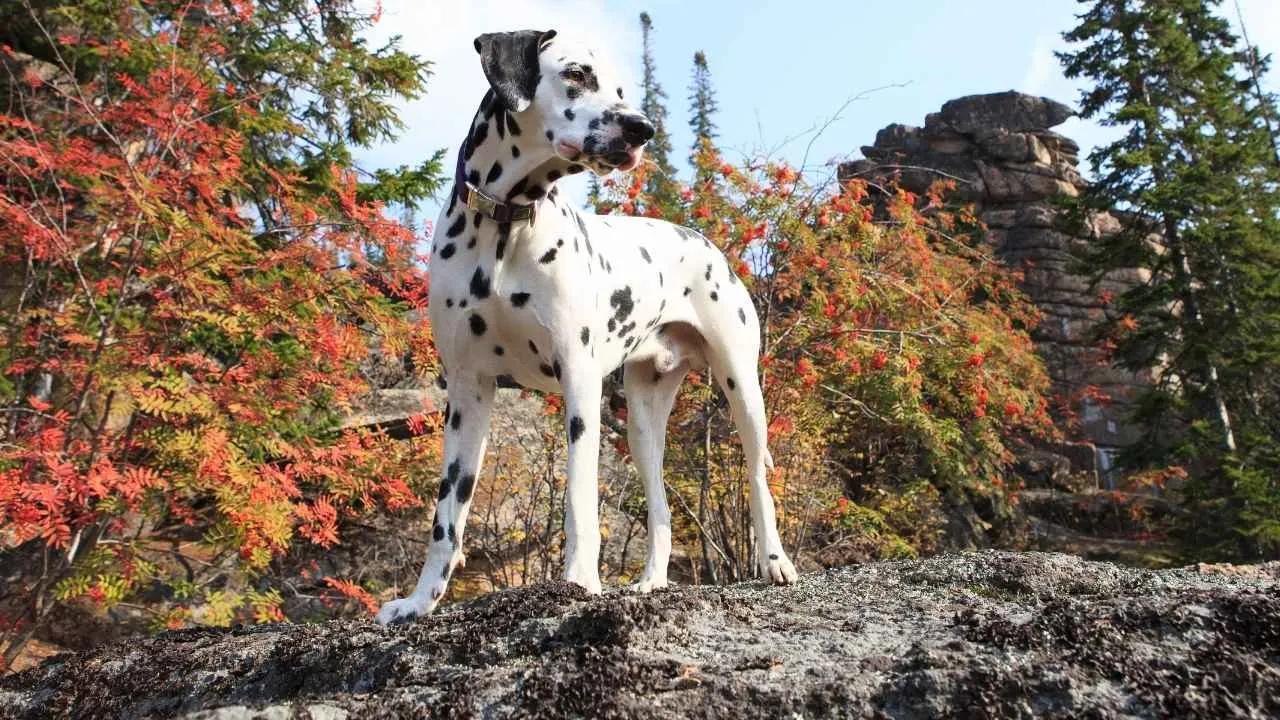
Dalmatians are generally classified as medium-sized dogs and are instantly recognized by their sleek white coat covered in black or brown spots. Interestingly, Dalmatian puppies are born without spots. Their markings usually begin to appear within the first couple of weeks and continue developing over the first few months of life.
The breed has a rich history, especially known for its role as a firehouse dog. With impressive endurance and high energy levels, Dalmatians need plenty of physical exercise and mental stimulation. Once their activity needs are met, they enjoy relaxing and spending time close to their family.
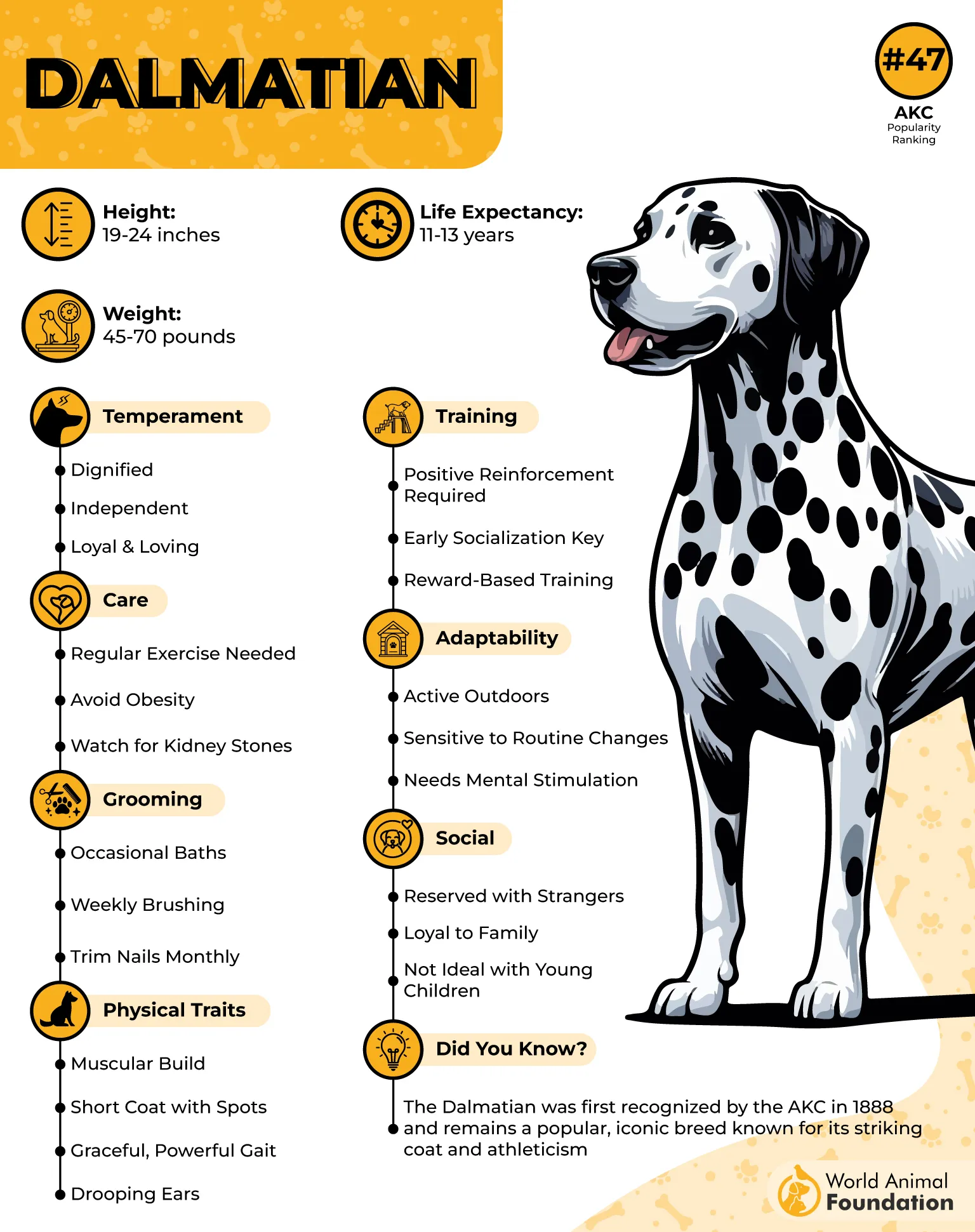
While black and white is the most common pattern, their short, glossy coat can also feature liver, tan, or even lemon-colored spots.
If you’re bringing a Dalmatian into your home, be prepared for regular shedding, as they are moderate to heavy shedders. Consistent brushing can help manage loose hair and keep things more manageable.
6. Wire Fox Terrier
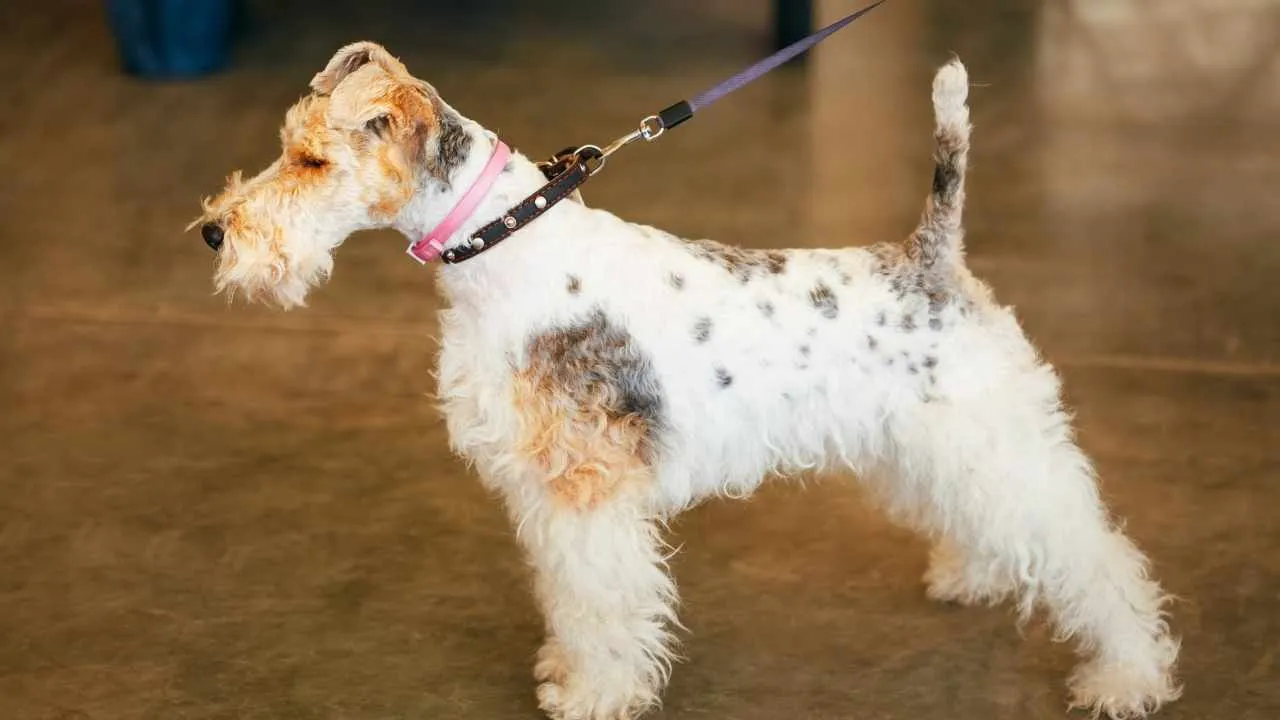
Small and sturdy, Fox Terriers were originally bred in England for hunting purposes. They come in two main varieties: Smooth and Wire. Apart from their coat types, both share similar traits, including a loyal, intelligent, and playful nature.
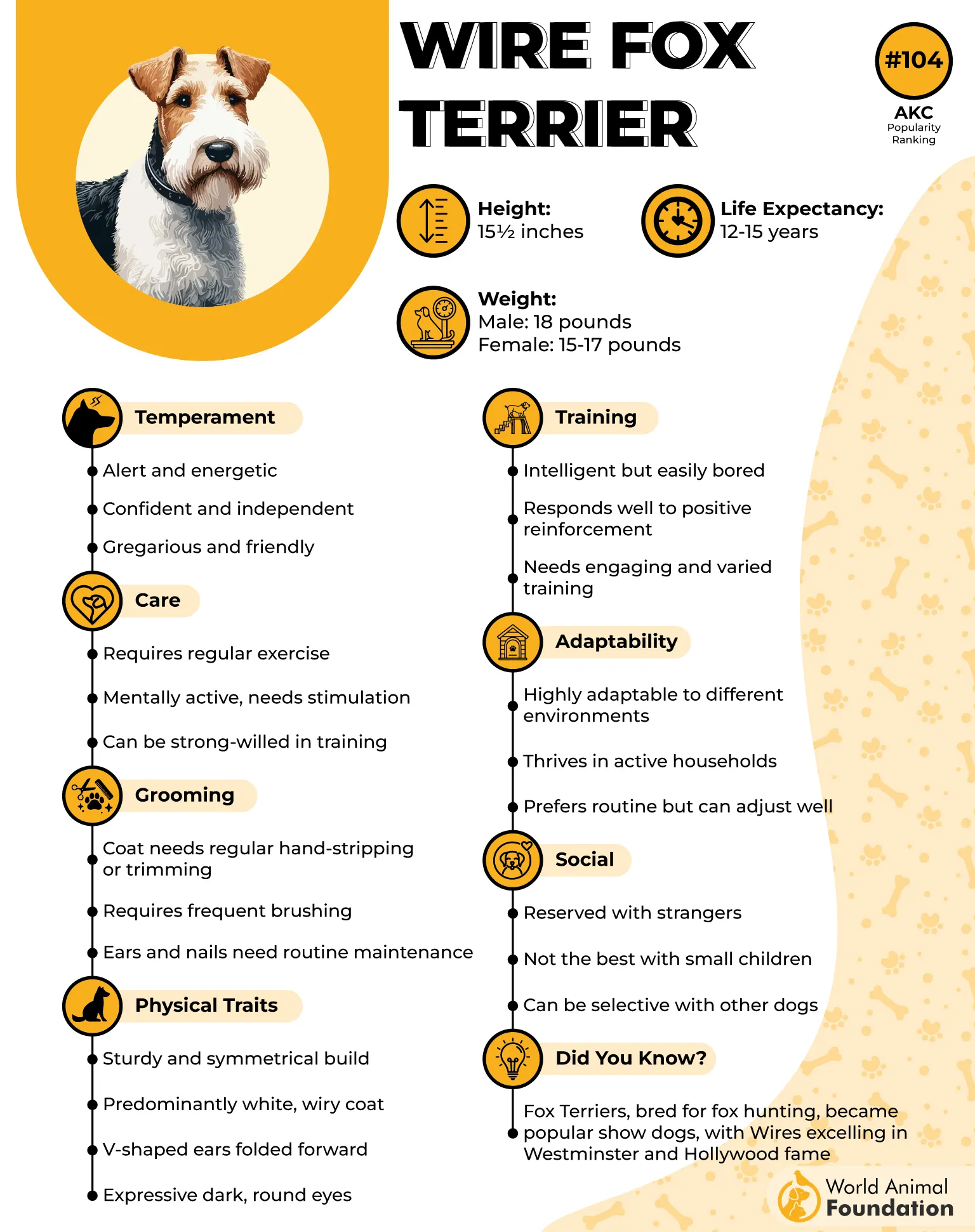
Wire Fox Terriers have a dense, wiry coat that is typically white with black, brown, or tan markings, as noted by Royal Kennel Club. To maintain their texture and neat appearance, they need regular brushing and occasional hand stripping. Their strong hunting instincts can also make them prone to chasing small animals.
Despite their compact size, these dogs still require daily exercise and mental stimulation of about an hour. Wire Fox Terriers don’t like being left alone for long periods, as this can lead to unwanted behaviors, including separation anxiety. Reward-based training works best to manage their independent streak and encourage good behavior.
7. Old English Sheepdog
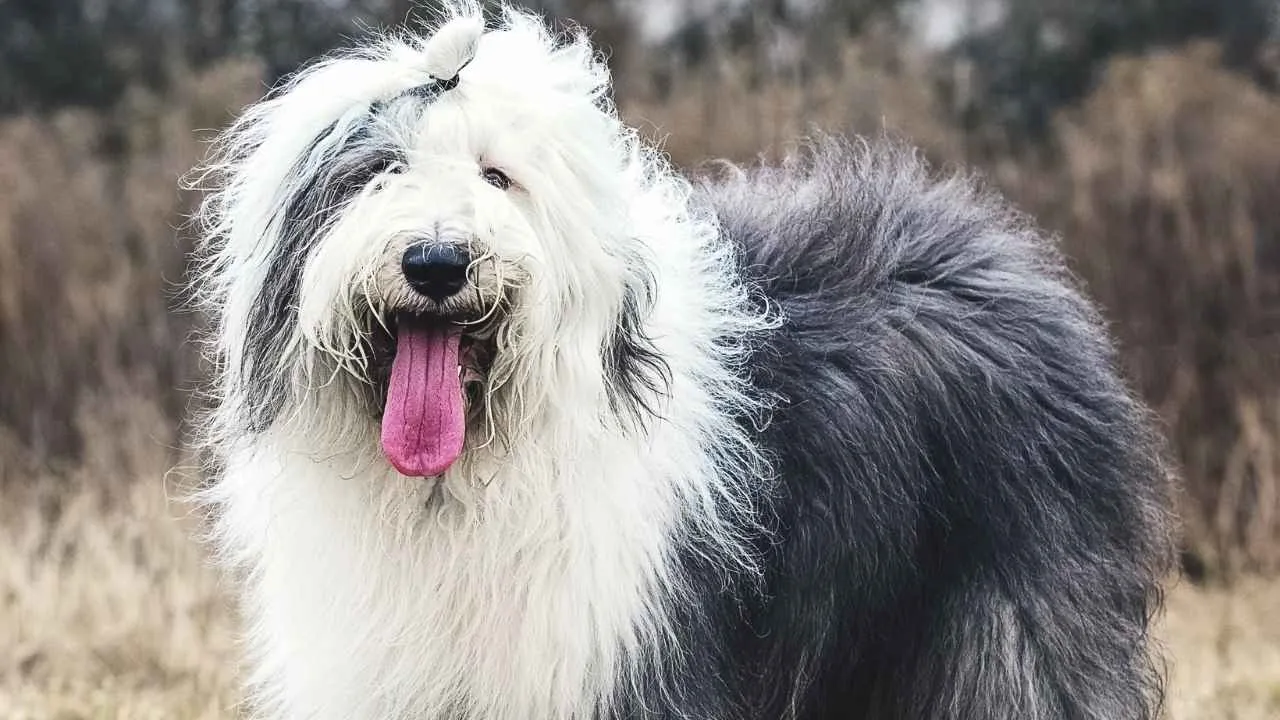
Renowned for their shaggy coats, athletic build, and courageous nature, Old English Sheepdogs were originally used by farmers to drive cattle and sheep from farms to markets. Today, they can also thrive as family companions, provided they receive enough physical and mental activity.
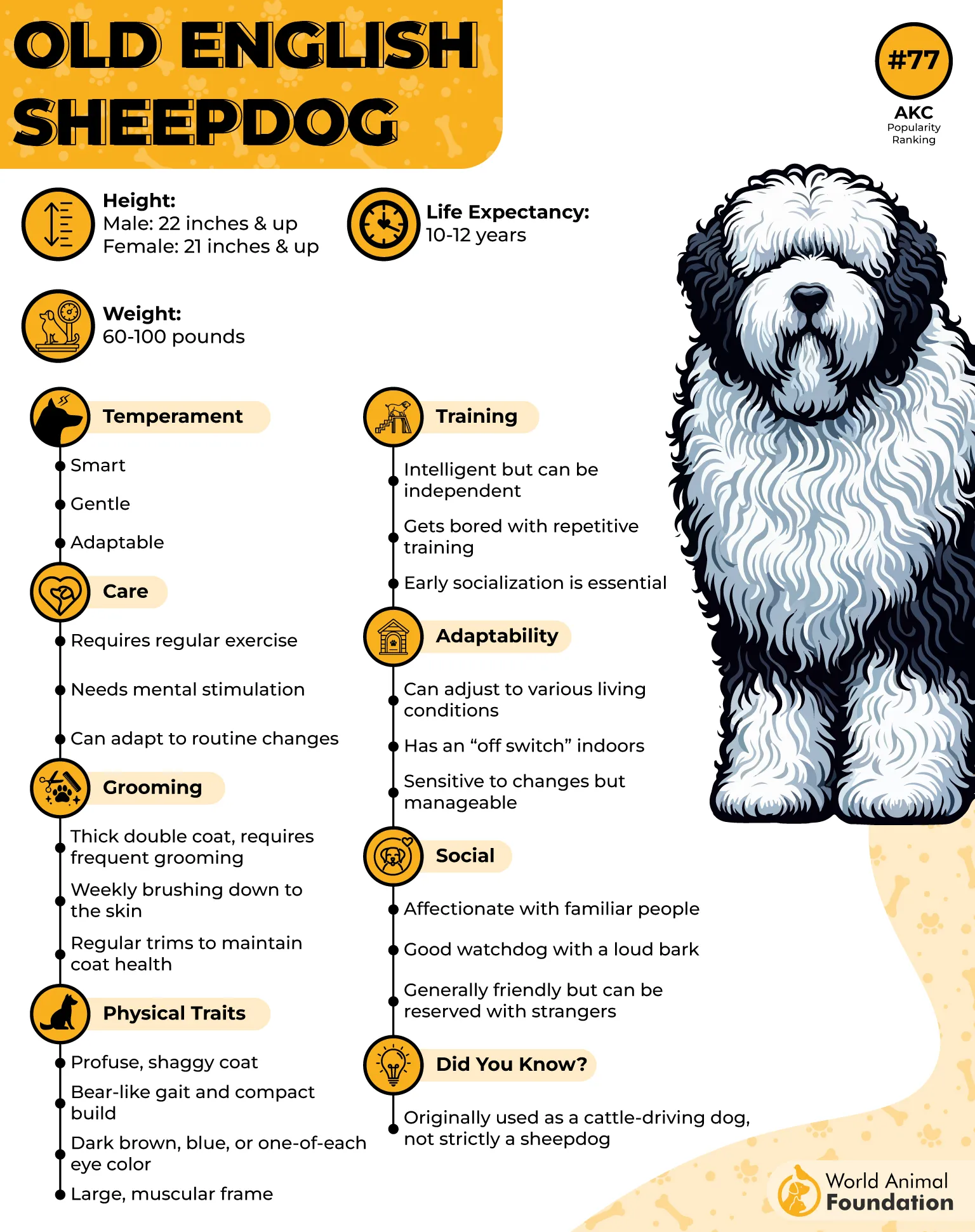
Old English Sheepdogs are muscular dogs with a profuse shaggy coat that is neither curly nor straight. In fact, a soft coat is considered a fault in this breed. Their double coat consists of a rough, weather-resistant outer layer and a soft, waterproof undercoat.
Puppies are typically born in black and white, often without a fully developed undercoat. As they mature, their coat texture becomes fuller and their coloring may lighten over time. These even-tempered dogs can also make capable watchdogs when properly trained.
8. Pyrenean Shepherd
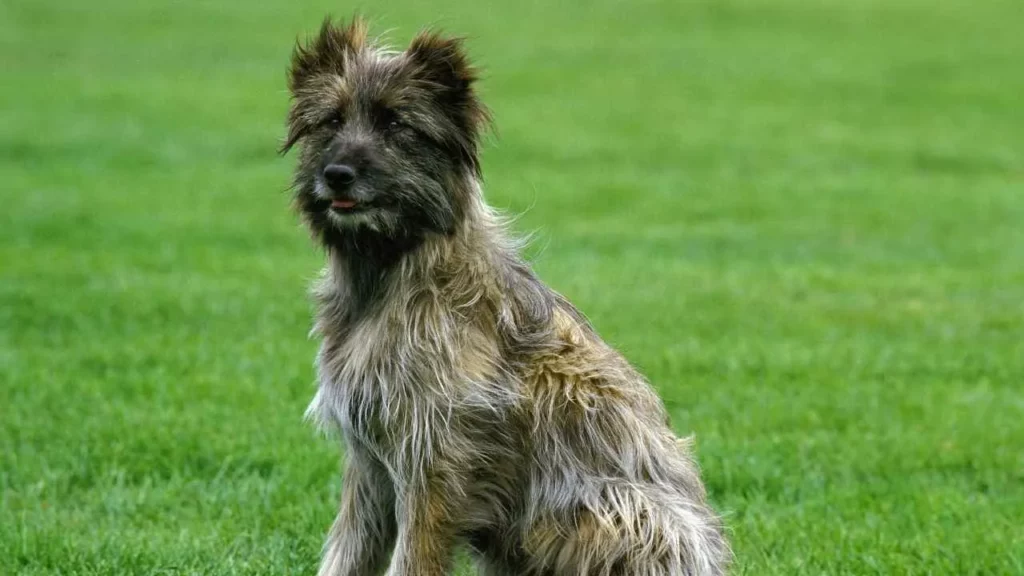
These exceptionally smart dogs are known for being tough, lean, and lively. The Pyrenean Shepherd comes in two coat types: rough-faced and smooth-faced. Rough-faced Pyrenean Shepherds have flat or slightly wavy hair, with shorter fur around the muzzle, while the smooth-faced variety has a sleeker coat with finer hair.
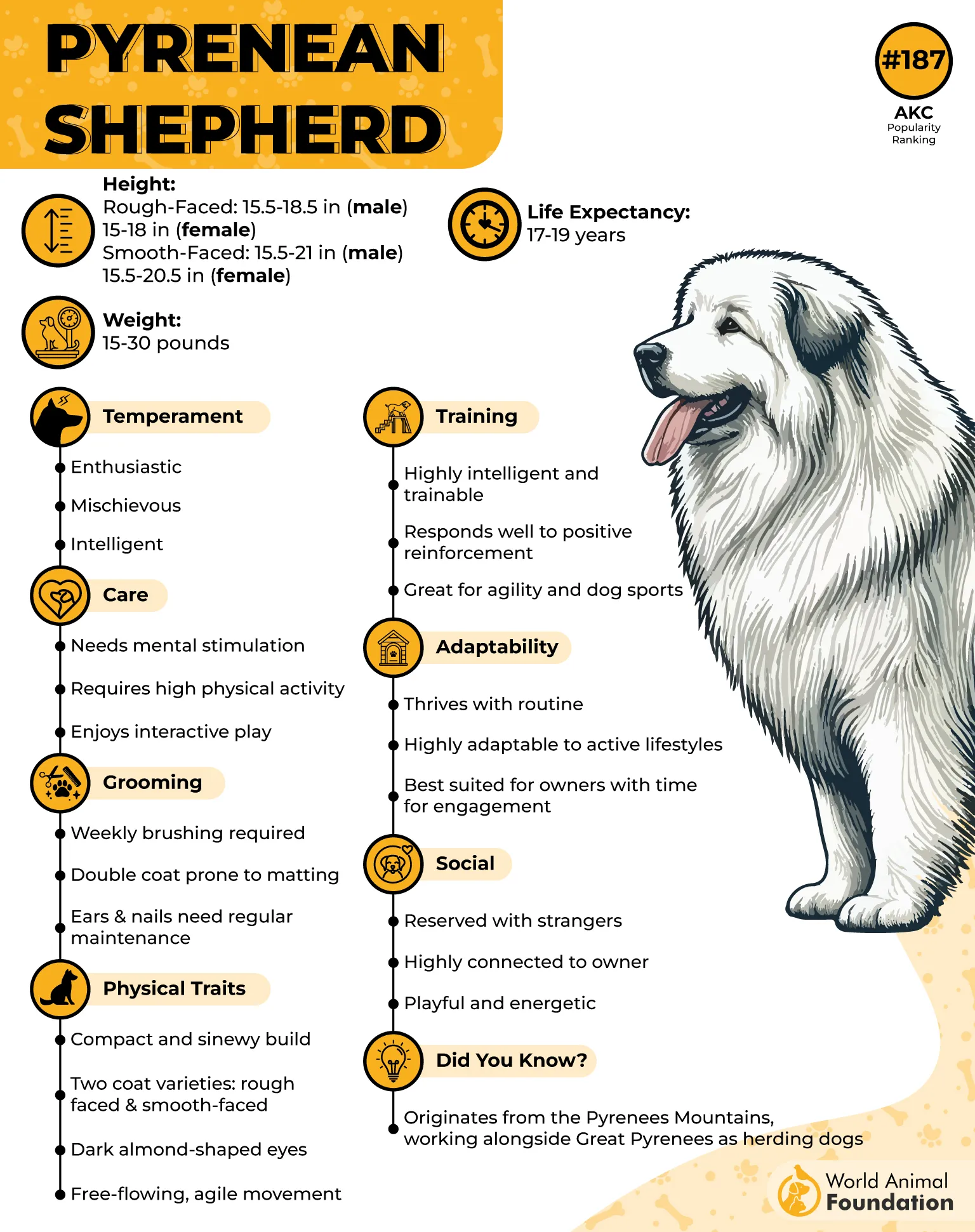
Pyrenean Shepherds may look mischievous, but they are actually very alert and highly aware of their surroundings. Thanks to their high energy levels and sharp intelligence, they do best in homes that can consistently meet their physical and mental exercise needs.
Their coat has a naturally harsh texture, and frequent bathing or blow drying is generally not recommended, as it can affect the coat’s natural look and quality. Common colors include fawn, fawn with charcoal, brindle, gray with black masks, and merle patterns.
9. Löwchen
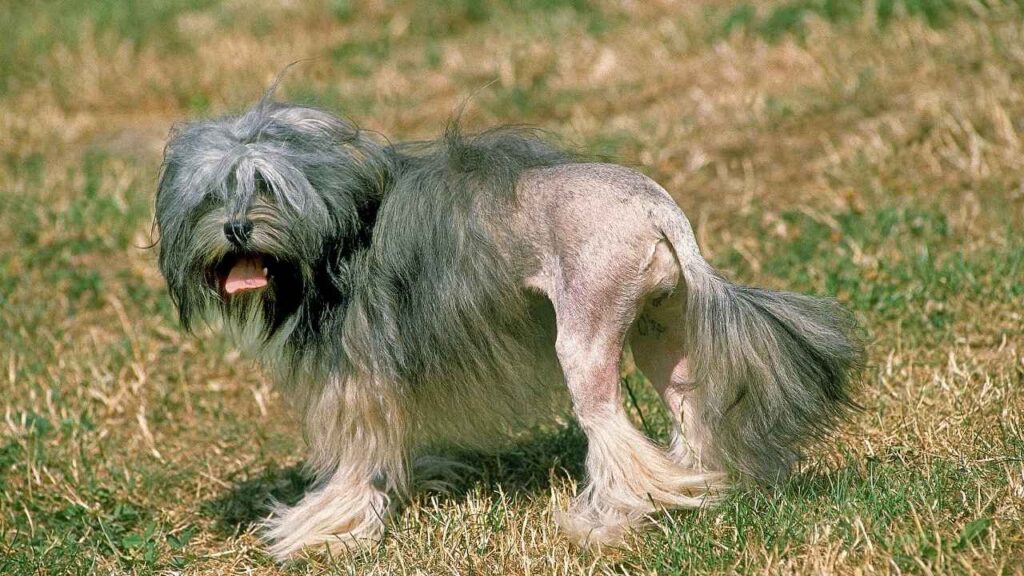
German for “little lion,” the Löwchen lives up to its name: its appearance, especially when given a traditional haircut, strongly resembles a tiny lion. Although the exact origins of this small breed remain unclear, history suggests they were cherished companions of European nobility, known for offering affection and companionship.
Löwchen are often considered a low-shedding breed, which can make their grooming needs more manageable compared to some other long-coated dogs. However, regular care is still important to keep their coat healthy.
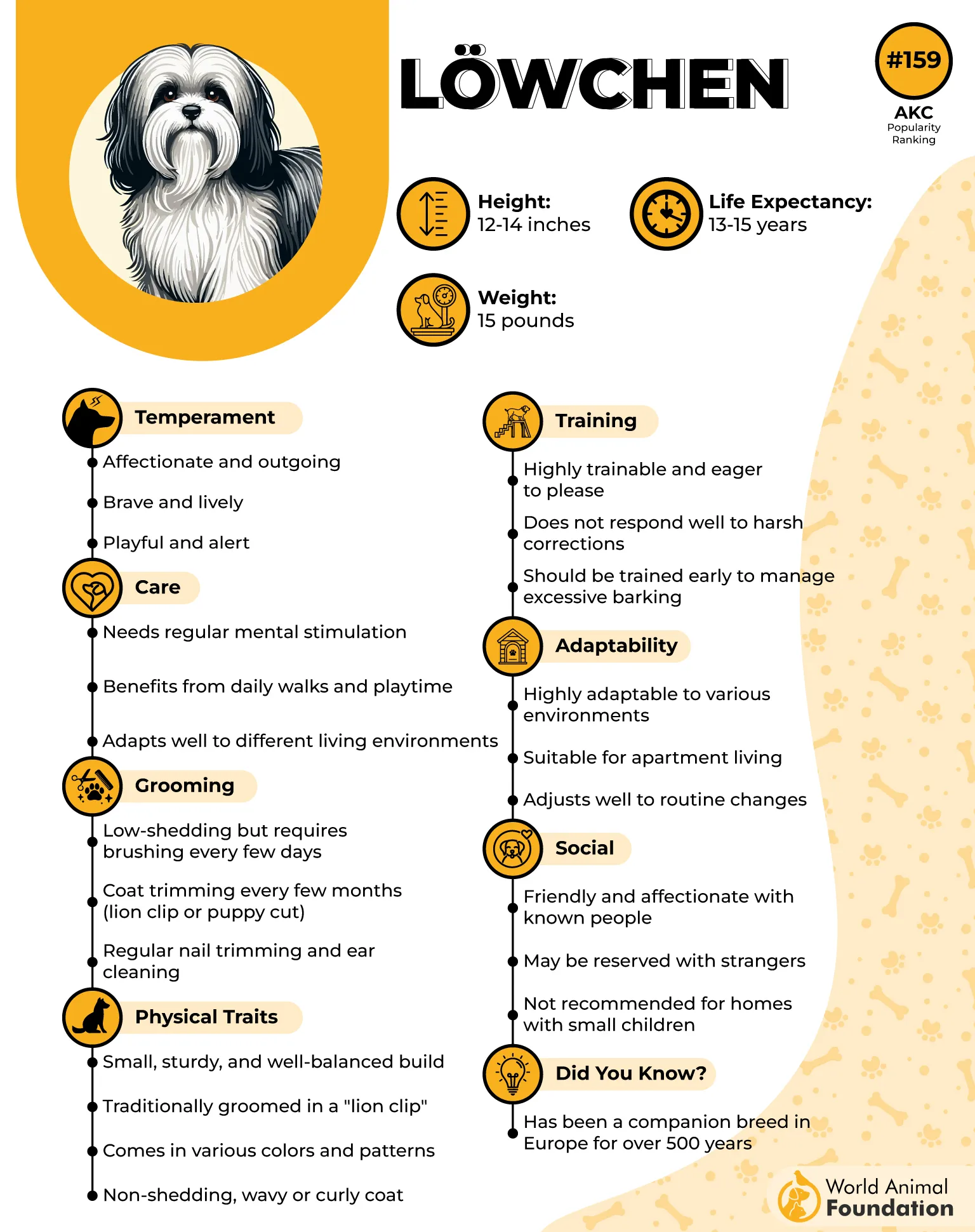
According to PetMD, their coat color can change from puppyhood into adulthood, and it may take up to around four years to fully settle into its permanent shade.
These sweet-natured and affectionate dogs form strong bonds with their families. Daily grooming is recommended to keep their skin clean and prevent tangles. Using a finishing spray can also help reduce discomfort and make brushing smoother, preventing painful pulling on the coat.
Conclusion
The wide range of coat textures seen across dog breeds highlights the remarkable diversity within the canine world. Each coat type contributes to a breed’s unique identity while also reflecting its history and original working purpose. For dog lovers, these breeds offer a wonderful combination of character, beauty, and individuality.
