




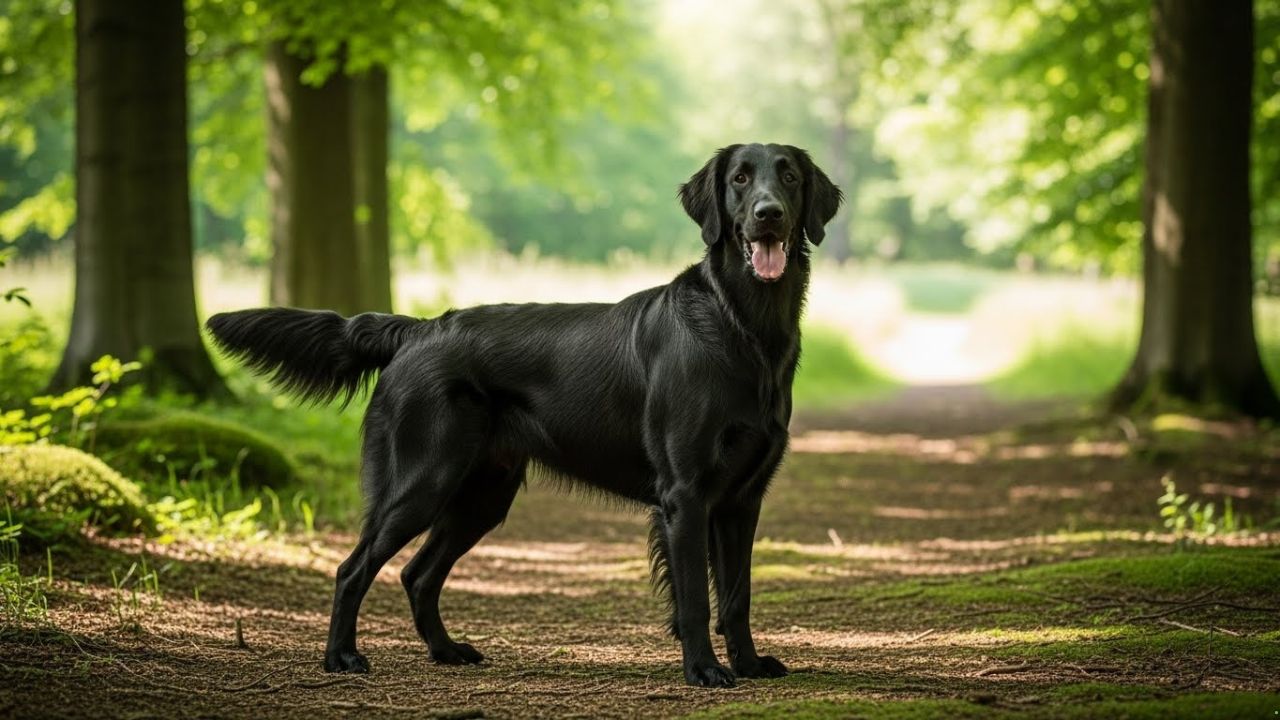
Ever noticed how a truly black-coated dog can look like it’s been dipped in midnight?
Here’s the twist: “black” isn’t always just black. In many breeds, that dark coat comes with its own signature, inky fur that gleams blue in the sun, a curly texture that drinks up light, or markings so subtle they only show up at the right angle.
Did you know some dogs can appear solid black while still carrying hidden patterns in their genetics, like brindle stripes or tan points that may show up in puppies?
This guide explores dog breeds known for distinctive black coats, from sleek short-haired athletes to fluffy guardians and curly-coated charmers.
Whether you’re drawn to dramatic elegance, low-shedding curls, or a coat that looks glossy year-round, you’ll find breeds where black isn’t just a color, it’s part of the breed’s whole vibe.
Dog Breeds with Unique Black Coats
1. Labrador Retriever
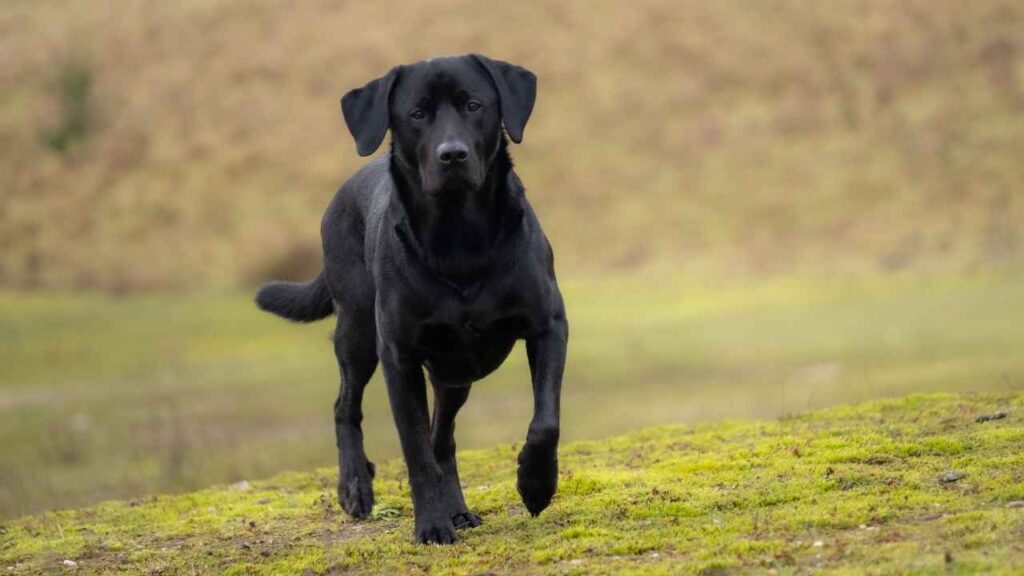
The black Labrador Retriever is famous for its sleek, short coat and athletic build, originally developed to retrieve game on land and in water. That dense, water-resistant double coat helps protect them in cold conditions and wet environments. Black is one of the three recognized Lab coat colors.
Temperament-wise, Labs are known for being friendly, outgoing, and eager to be part of the action. They thrive in homes where they get plenty of interaction and a clear routine. Their people-focused nature is a big reason they often fit well into family life.
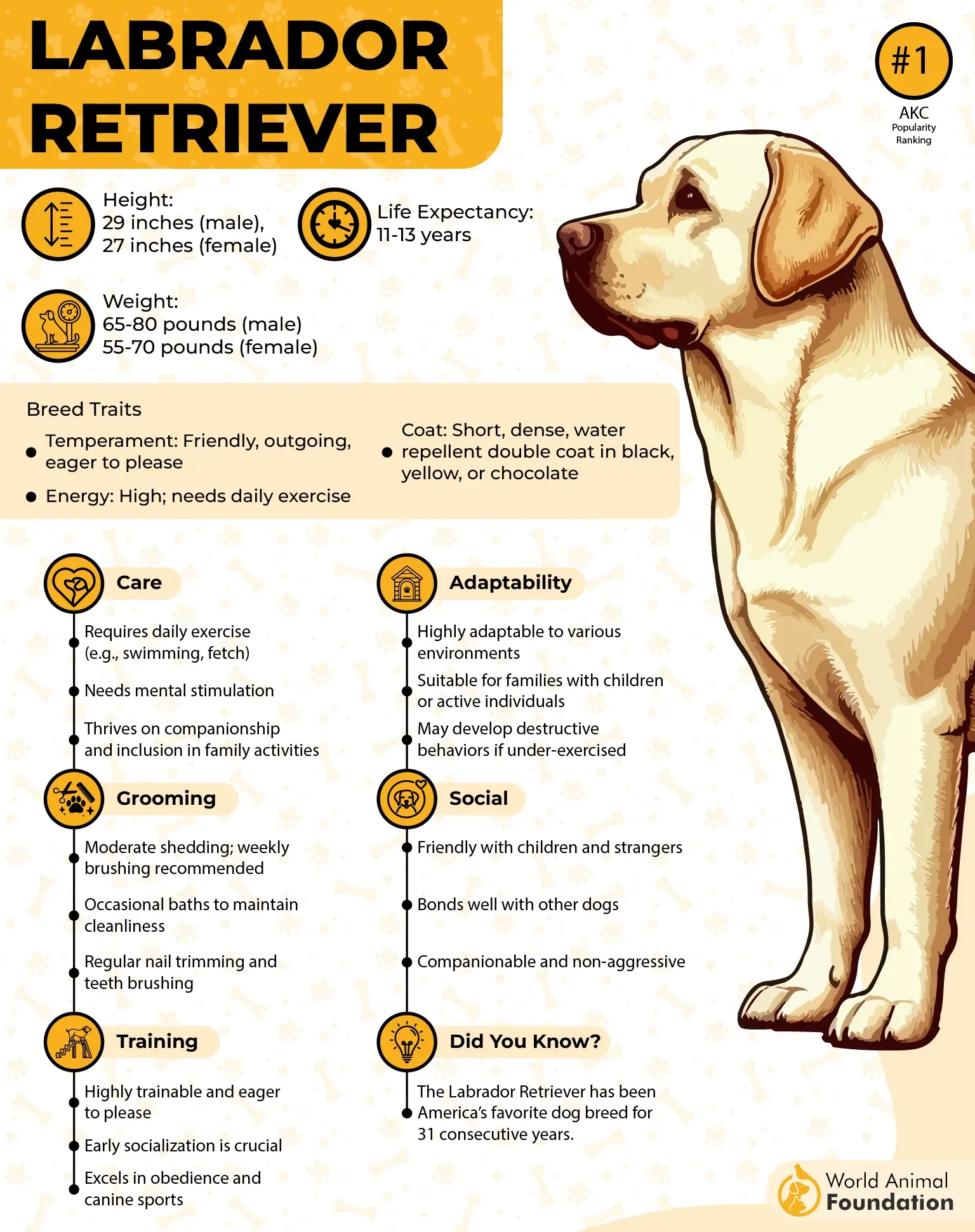
According to the AKC, this is an active dog breed that does best with daily exercise and purposeful play. Labs are also valued for versatility, often showing up in roles like service work and as reliable hunting companions.
A bored Lab can invent its own entertainment, so enrichment toys and training games matter.
Grooming is usually straightforward, but the shedding is real. That short, shiny coat tends to shed year-round, even if it looks low-maintenance at first glance. Regular brushing helps manage loose hair and keeps the coat looking glossy.
Fun Fact
Labrador Retrievers are widely used as service dogs thanks to their adaptable temperament and strong work drive. Their coat type and overall build also make them well-suited for water-related work and play.
2. Flat-Coated Retriever
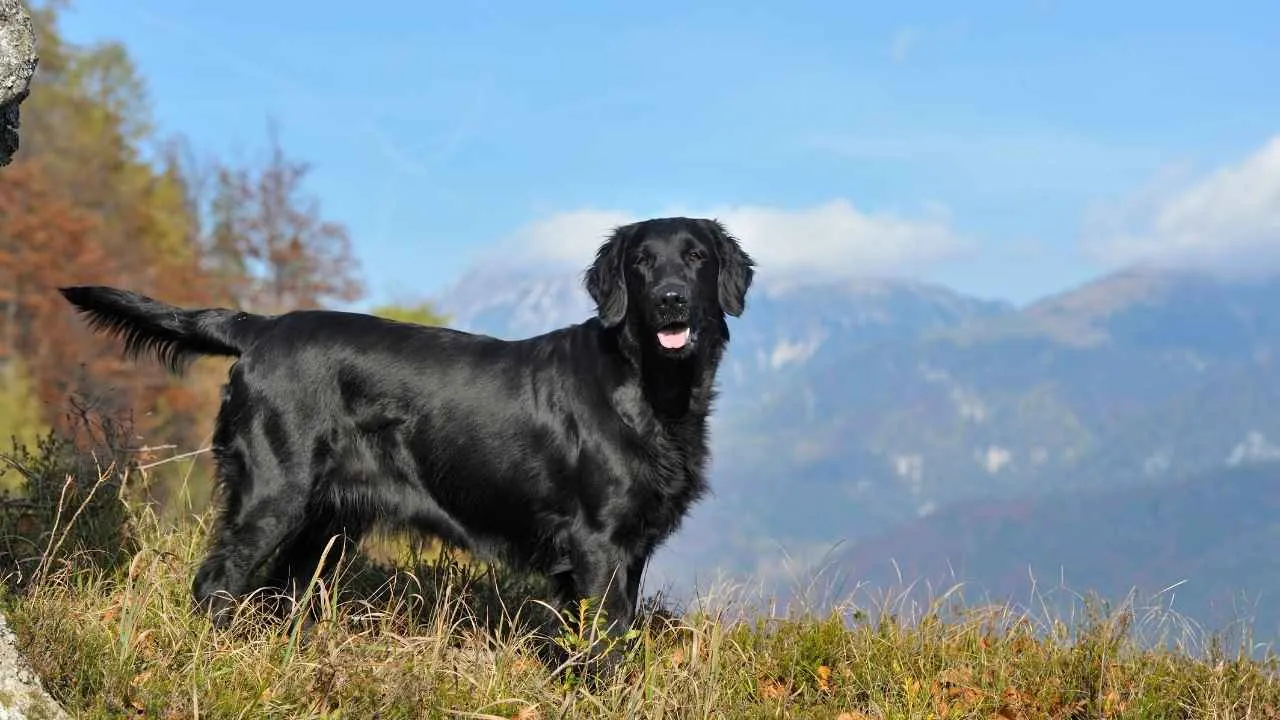
Flat-Coated Retrievers are often described as cheerful, outdoorsy sporting dogs with a signature look: a smooth, flat-lying coat that commonly appears in black.
Their overall outline is sleek and athletic, built for retrieving work. The coat is a big part of their charm, especially in black, where it can look glossy and dramatic in sunlight.
Personality is where this breed really stands out. As per PetMD, flat-coats are known for staying playful well into adulthood, earning a reputation for a “Peter Pan” vibe. They tend to be spirited and upbeat, especially with people they know.
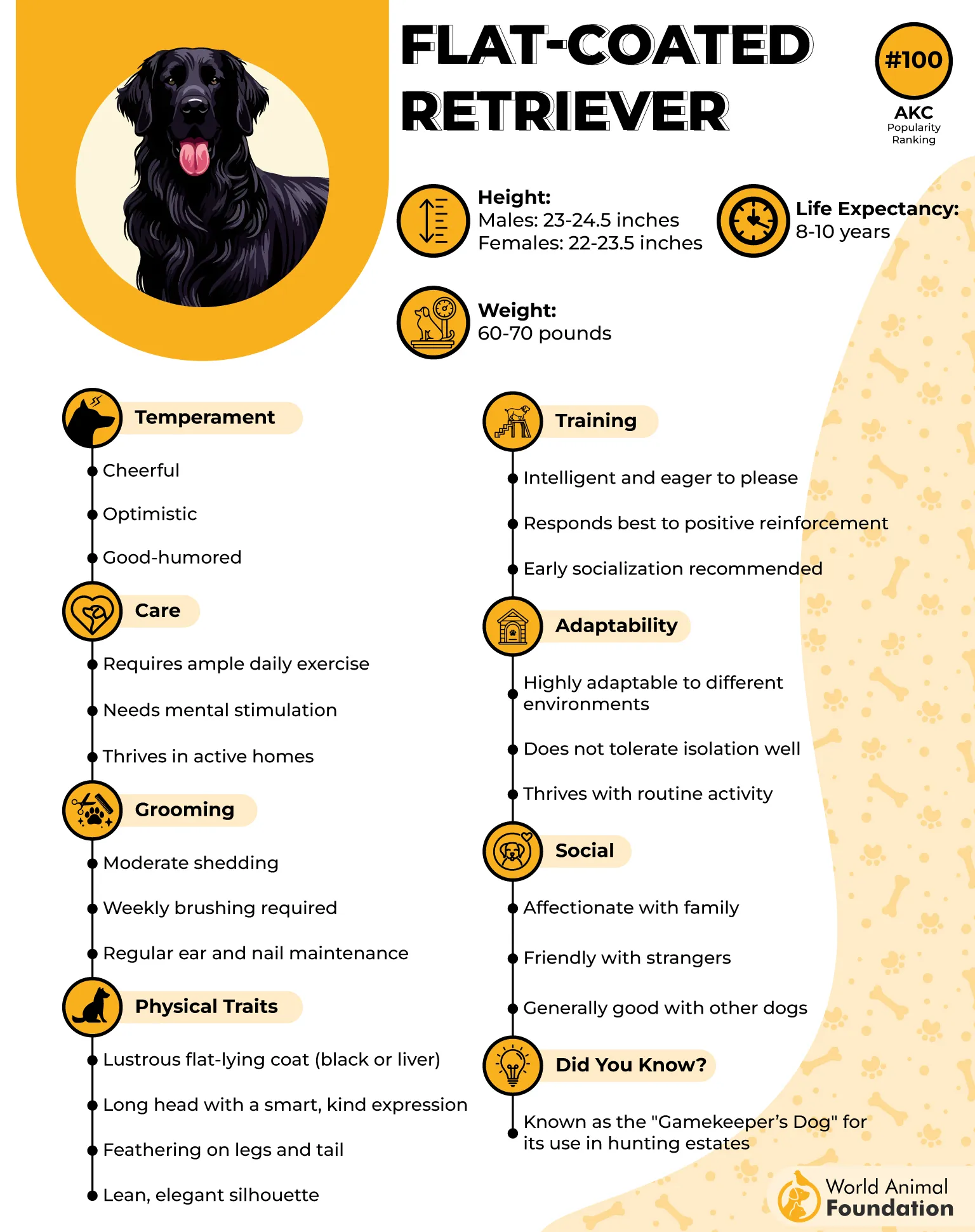
Training can be rewarding because they’re typically smart and quick to learn. Positive reinforcement and variety keep them engaged, and many enjoy activities that combine movement with thinking. If you like dog sports, this breed often shines in things like agility-style games and field-type tasks.
Coat care is manageable but not effortless. Their dark fur sheds moderately and benefits from regular grooming to keep it tidy and comfortable. Consistent brushing also helps reduce loose hair around the house.
Fun Fact
Flat-Coated Retrievers are sometimes nicknamed the “Peter Pan” of retrievers because they keep a puppy-like attitude far longer than many breeds. That youthful energy is a big reason they do best with active owners.
3. Rottweiler
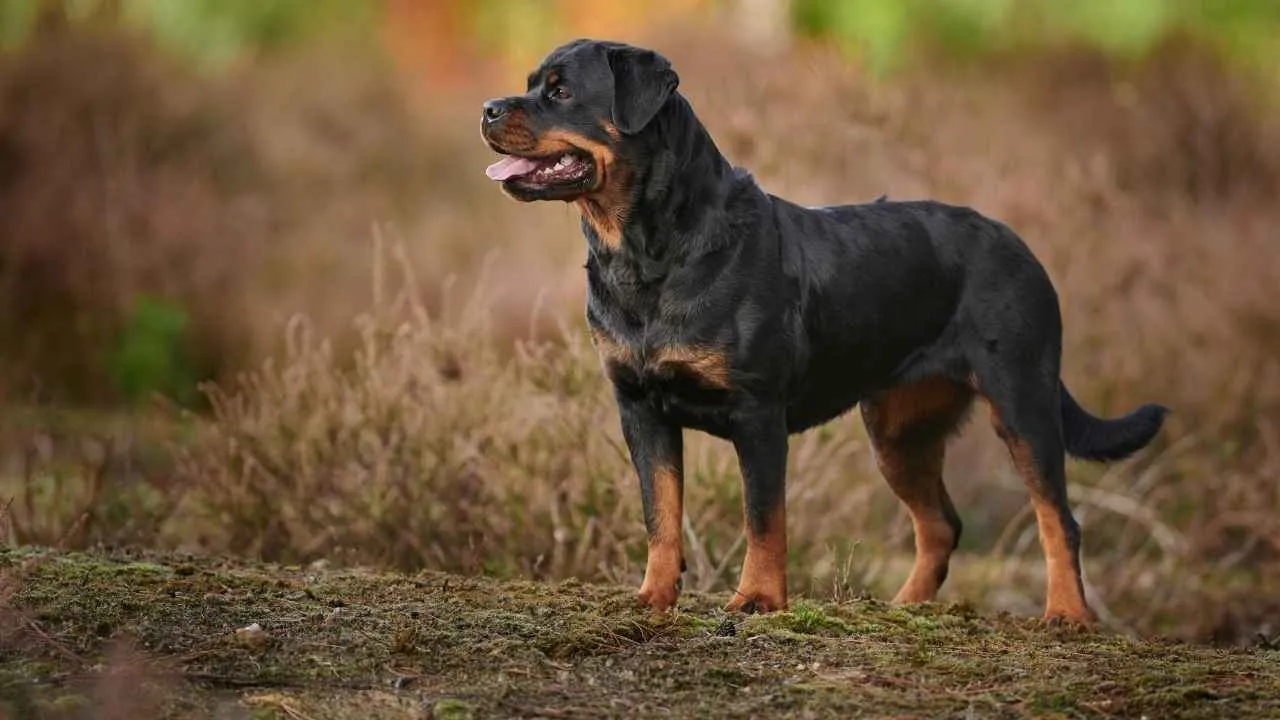
Rottweilers are powerful working dogs with a distinctive black coat accented by rust, tan, or mahogany markings. Their look is bold and confident, and their presence tends to fill a room fast. This breed is strongly associated with guardian-style work.
As per Britannica, their temperament is commonly described as confident and intelligent. Historically, the breed’s roles as guardian and herder helped shape an instinct for protectiveness and caution around strangers. With the right guidance, that watchful nature can be a major strength.
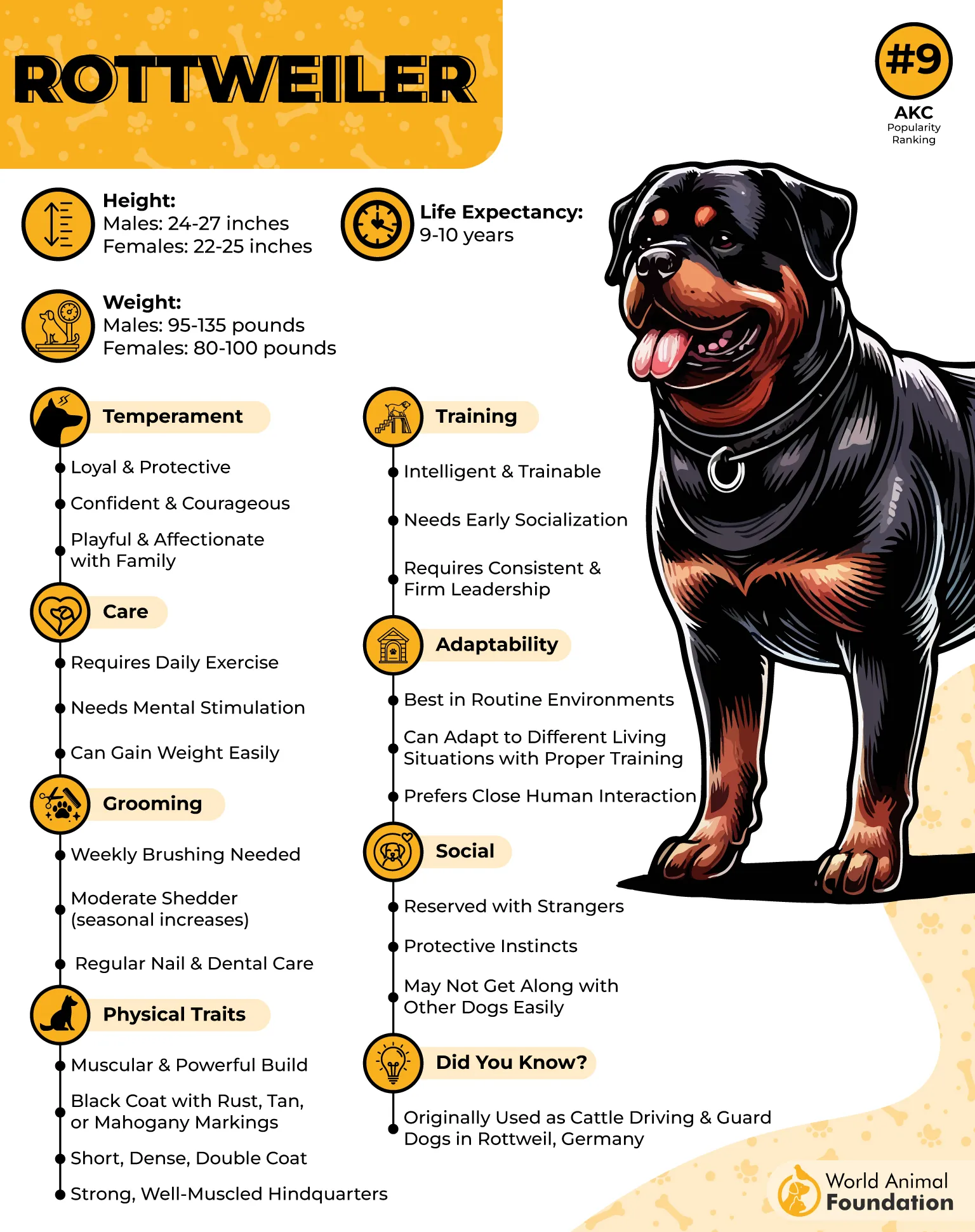
Rottweilers have served in a wide range of jobs over time. They’ve been used as guard dogs, drover’s dogs, and in modern working roles like rescue and police work. Many owners appreciate that “serious when needed, calm when settled” energy.
You may also hear about tail docking in this breed. Traditionally, docking was done so the tail wouldn’t get in the way during certain tasks, such as pulling carts. Today, practices vary by region and purpose, but the historical reasoning is tied to the working function.
Fun Fact
Rottweilers have been used for cart-pulling work, and tail docking was historically linked to preventing injuries during demanding tasks. Their long history of service roles includes guarding and modern working jobs like rescue support.
4. Affenpinscher
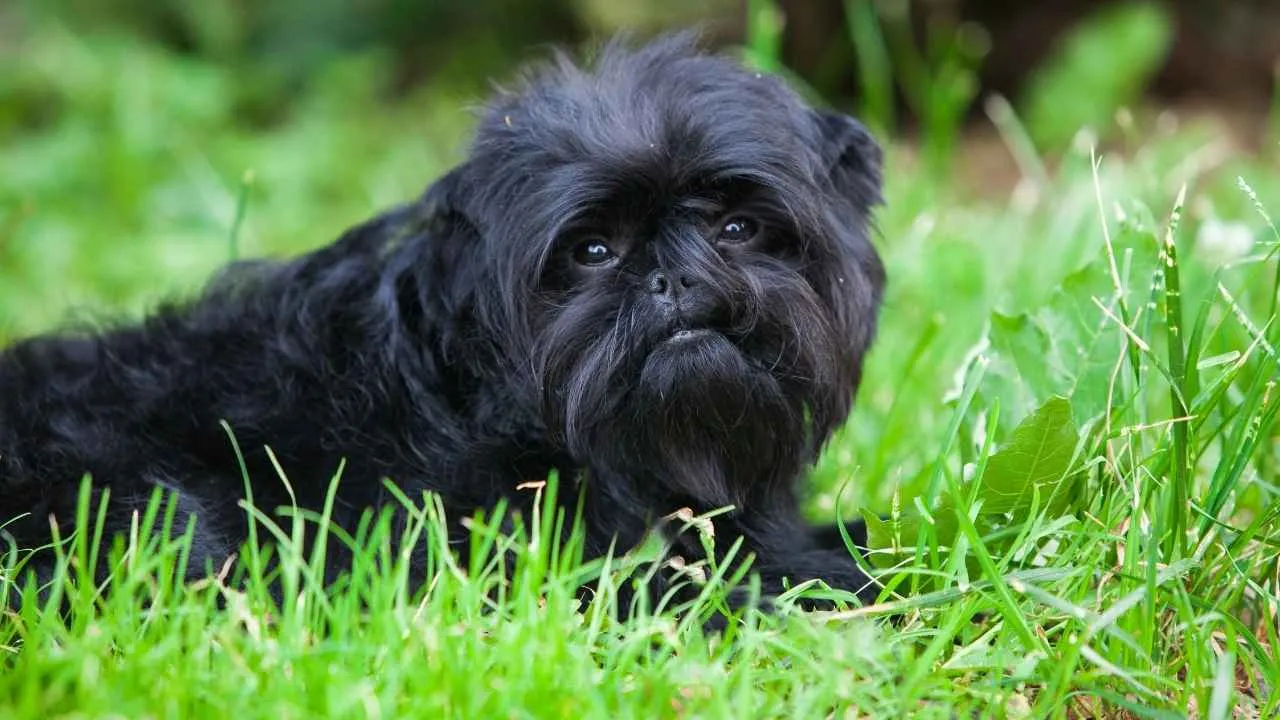
The Affenpinscher is a small toy breed with a big personality and a famously “monkey-like” expression. They have a short muzzle, round dark eyes, and a rough, wiry coat that often appears black. Despite the compact size, they’re not considered delicate in attitude.
This breed is known for a lively, mischievous vibe and a confident way of carrying itself. The look can be comically serious, which makes their antics even funnier. They tend to move through the world like they own it.
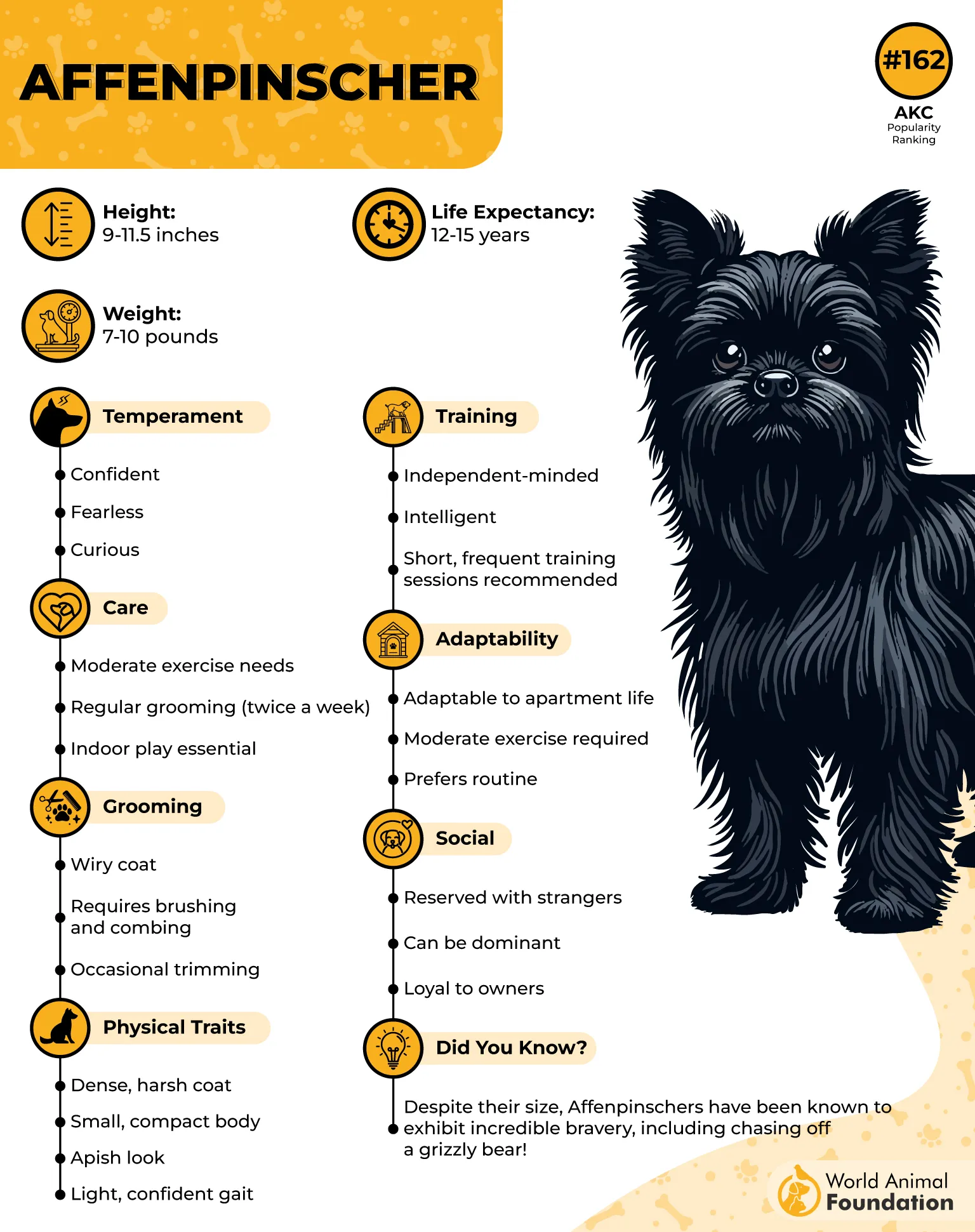
Affenpinschers can be fearless and alert, which is why many people enjoy them as pint-sized watchdogs.
They’re typically friendly and lively, fitting well with owners who like a dog that interacts, reacts, and stays engaged. Their energy level is often described as medium, not nonstop but definitely spirited.
Their coat texture gives them that scruffy-cute silhouette, but it also means regular coat care is part of ownership. Black is commonly seen for the breed, though other colors exist, too. The overall effect is a little dog with a bold, unmistakable style.
Fun Fact
The Affenpinscher is often described as having a “monkey-like” face, which is exactly where its quirky appeal comes from. Black is commonly seen in the breed and pairs perfectly with that scruffy, wiry coat.
5. Belgian Sheepdog
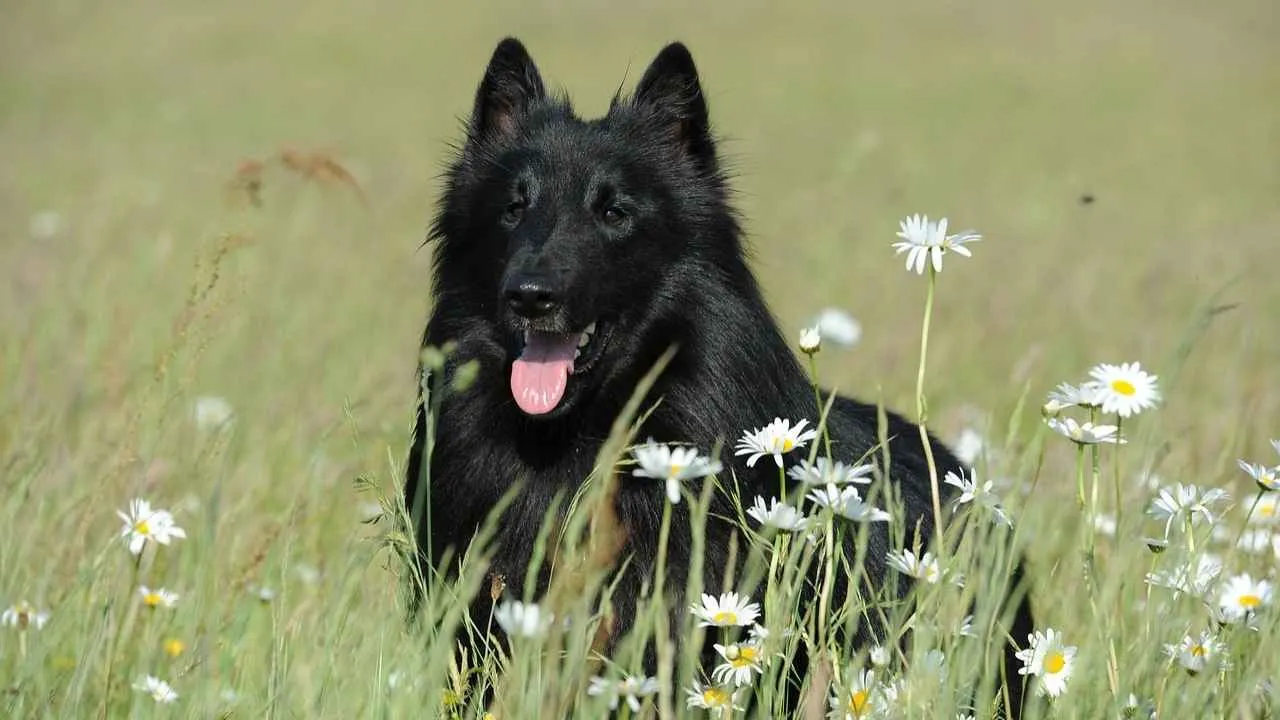
The Belgian Sheepdog is a highly trainable herding dog known for versatility, sharp intelligence, and a strong work ethic. In the U.S., this breed is recognized with a striking black coat that’s easy to spot from far away. Their overall look is elegant and athletic, built for speed, agility, and endurance.
That long black coat is part of the breed’s signature style, with a medium-length double-coat structure. Coat upkeep is steady rather than extreme, with routine brushing helping keep the fur healthy and comfortable. A bit of trimming may be useful at times to keep the coat neat.
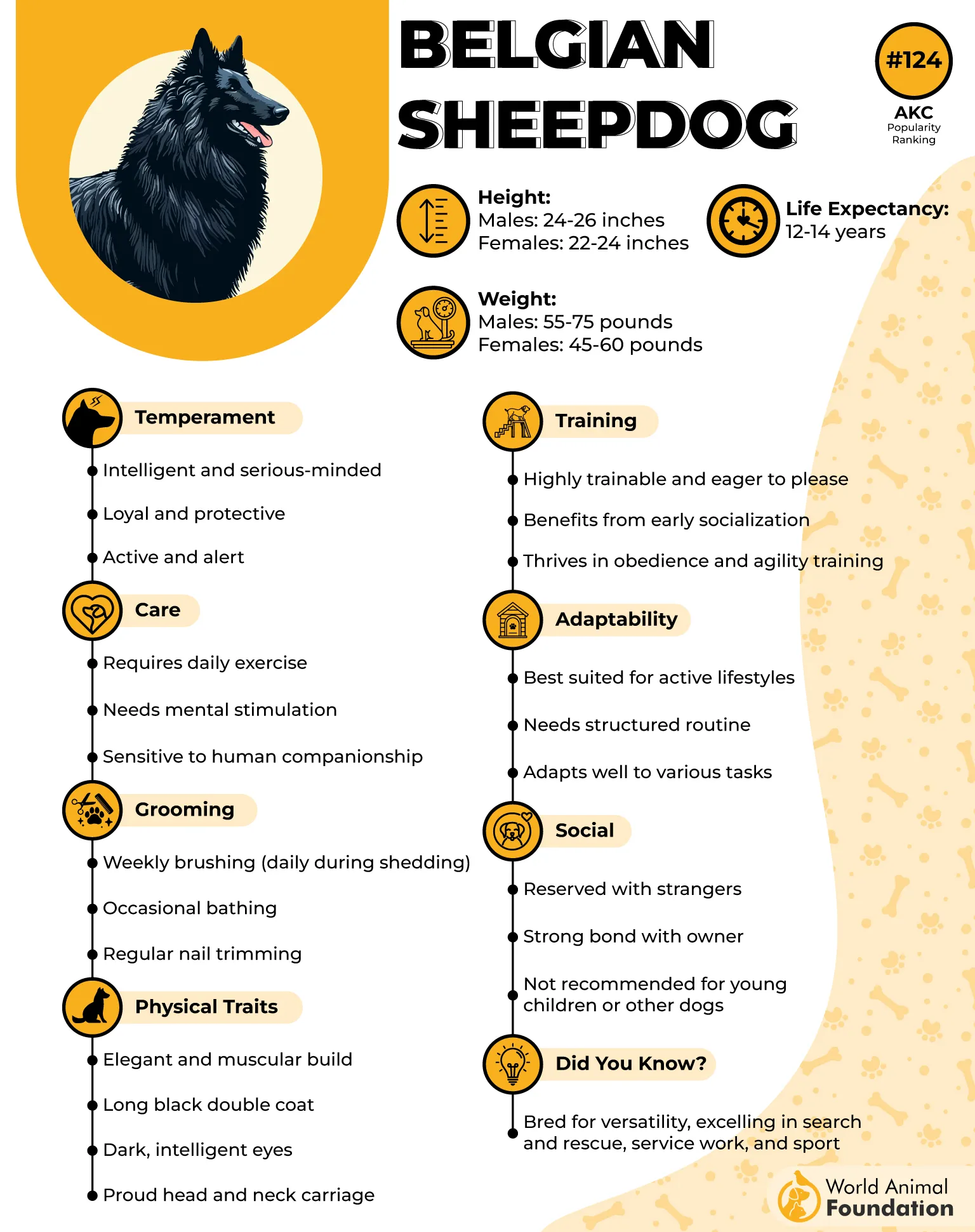
This is a dog that likes to stay busy, both mentally and physically. They tend to shine in dog sports and structured activities that give them a job to do. If their brains are underused, they can become restless, so training games and skill-building make a real difference.
In the home, Belgian Sheepdogs often bond closely with their people and prefer being involved in daily life. They do best with owners who enjoy active routines and consistent guidance. Give them direction, and they typically respond with impressive focus and loyalty.
Fun Fact
The Belgian Sheepdog is sometimes referred to as the Groenendael variety of Belgian herding dogs. Its solid black coat is one of its most recognizable calling cards.
6. Newfoundland
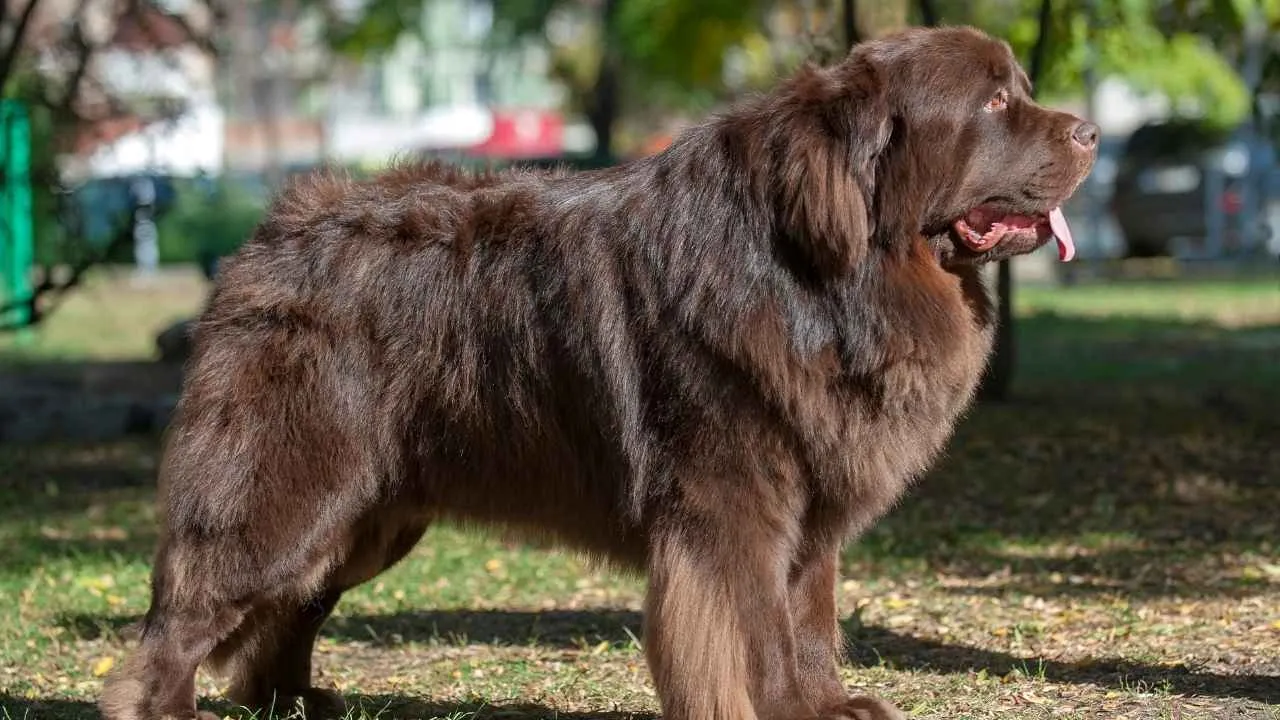
Newfoundlands are famous for their giant size, gentle temperament, and strong connection to water work. They were developed on Newfoundland island and became known for rescuing people from the sea.
Their build supports swimming power, including features like strong hindquarters and a big lung capacity.
A Newfoundland’s coat is heavy and oily, which helps it handle cold conditions, and their webbed feet add traction in the water. Many also have a thick, water-resistant double coat that supports their history alongside fishermen.
Black is a well-known Newfoundland coat color, often paired with that classic “gentle giant” vibe.
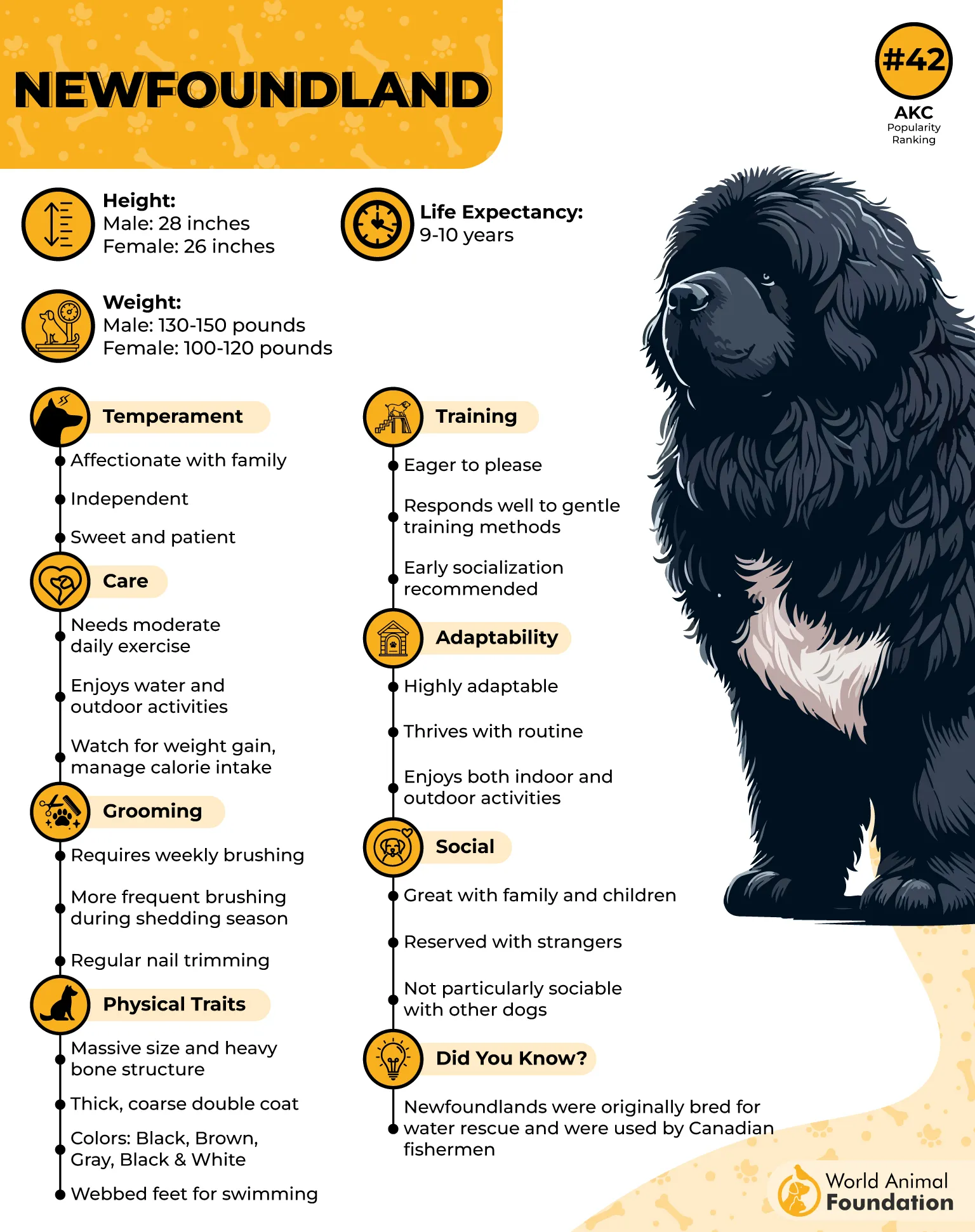
Even with their calm reputation, these dogs still need regular movement to stay healthy and content. Swimming is a natural favorite, and many enjoy active outings that match their working-dog roots. Space matters too, because this is a large breed that takes up room in everyday life.
Grooming is part of the deal with such a thick coat. Weekly brushing is commonly recommended to help manage the coat and keep shedding under control. Owners should also be ready for the breed’s well-known slobber, which comes with the territory.
Fun Fact
Newfoundlands are noted for sea-rescue ability, and their webbed feet and cold-water-ready coat help explain why. They have a long-standing reputation as huge, gentle, patient dogs.
7. Black Russian Terrier
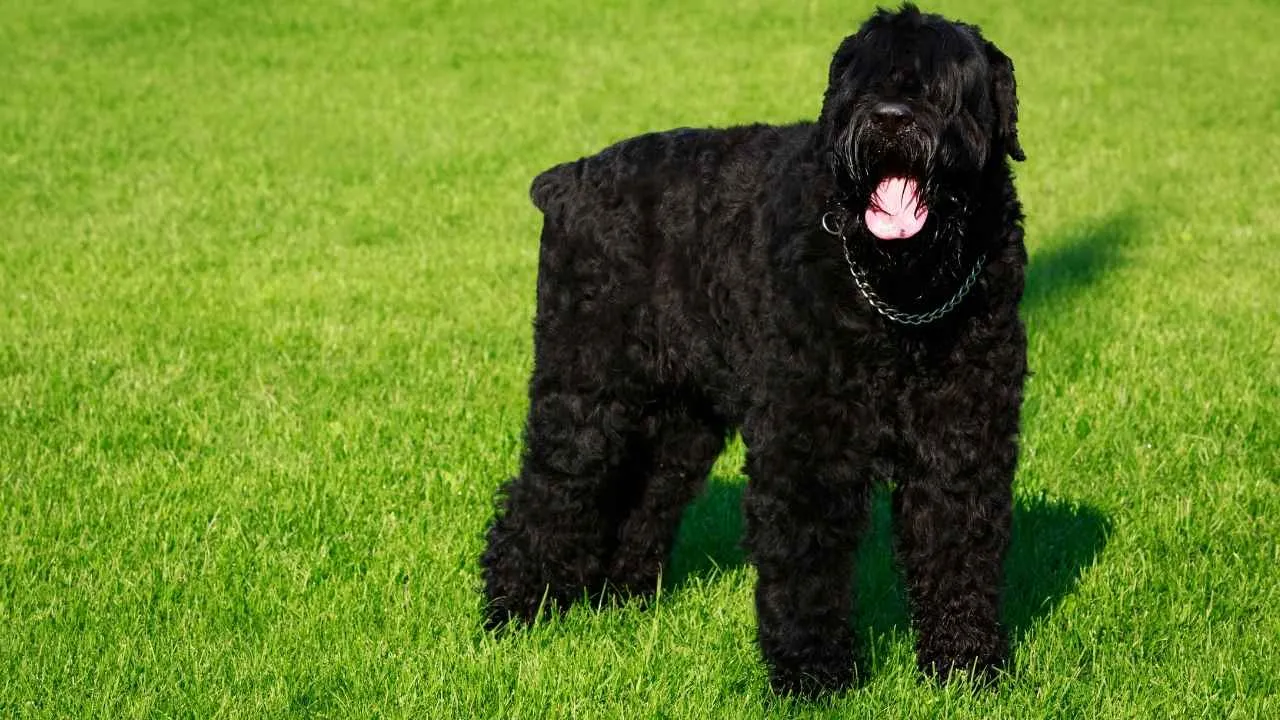
The Black Russian Terrier is a large, powerful breed developed for protective and working roles. They’re commonly described as fearless, determined, calm, and self-assured, with a steady presence that feels very “on the job.” Their appearance is bold, including distinct facial furnishings like a mustache and beard.
Their coat is often emphasized for both looks and function, with a double coat suited to harsher conditions. Black is a recognized coat color, and some may also appear in other accepted colors or patterns.
Regular grooming is important to keep the coat and facial hair from matting and to maintain a clean outline.
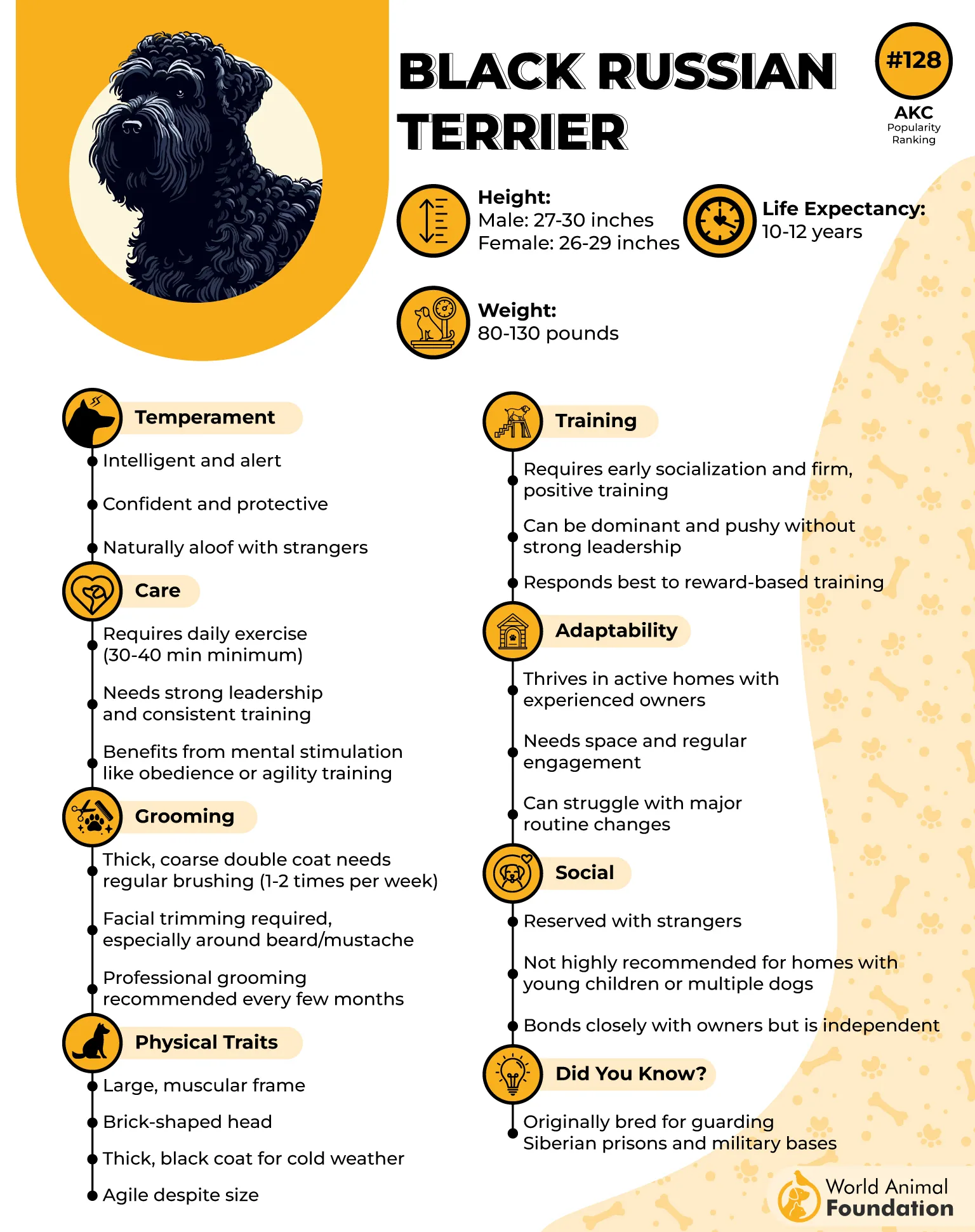
Exercise needs are real for this breed, both physically and mentally. Many do well with multiple daily walks plus play sessions that let them use their strength and brain. Games like fetch and tug, plus active outings like hiking or swimming, can be great outlets.
Because of their guardian background and serious confidence, training and structure matter. They tend to do best with an owner who can provide clear rules, steady socialization, and meaningful tasks. With good guidance, that calm determination becomes a reliable, controlled temperament.
Fun Fact
The Black Russian Terrier’s signature mustache and beard are part of the breed’s classic look. For a large breed, an average lifespan of around 10–12 years is often noted.
Conclusion
Black dog breeds bring serious style to the dog world, especially when that glossy black coat catches the light. Even with black dog syndrome, pet parents who spend time socializing early and showing off an affectionate pup often find that most black dogs get the love they deserve.
Many were originally bred to work, so muscular dogs and highly intelligent companions usually need regular exercise, consistent training, mental stimulation, and grooming needs that fit real life.
Tan markings, a black mask, or hints of brown can add extra character, and good brushing helps prevent mats and tangling. Whether you want family companions or confident family members who do well around other dogs, the American Kennel Club is a smart place to start.
Other breeds such as Giant Schnauzer, Scottish Terriers, Great Danes, Portuguese Water Dog, Portuguese Water, Border Collie, Doberman Pinscher, Standard Poodle, and Cane Corso can also be great fits.
