




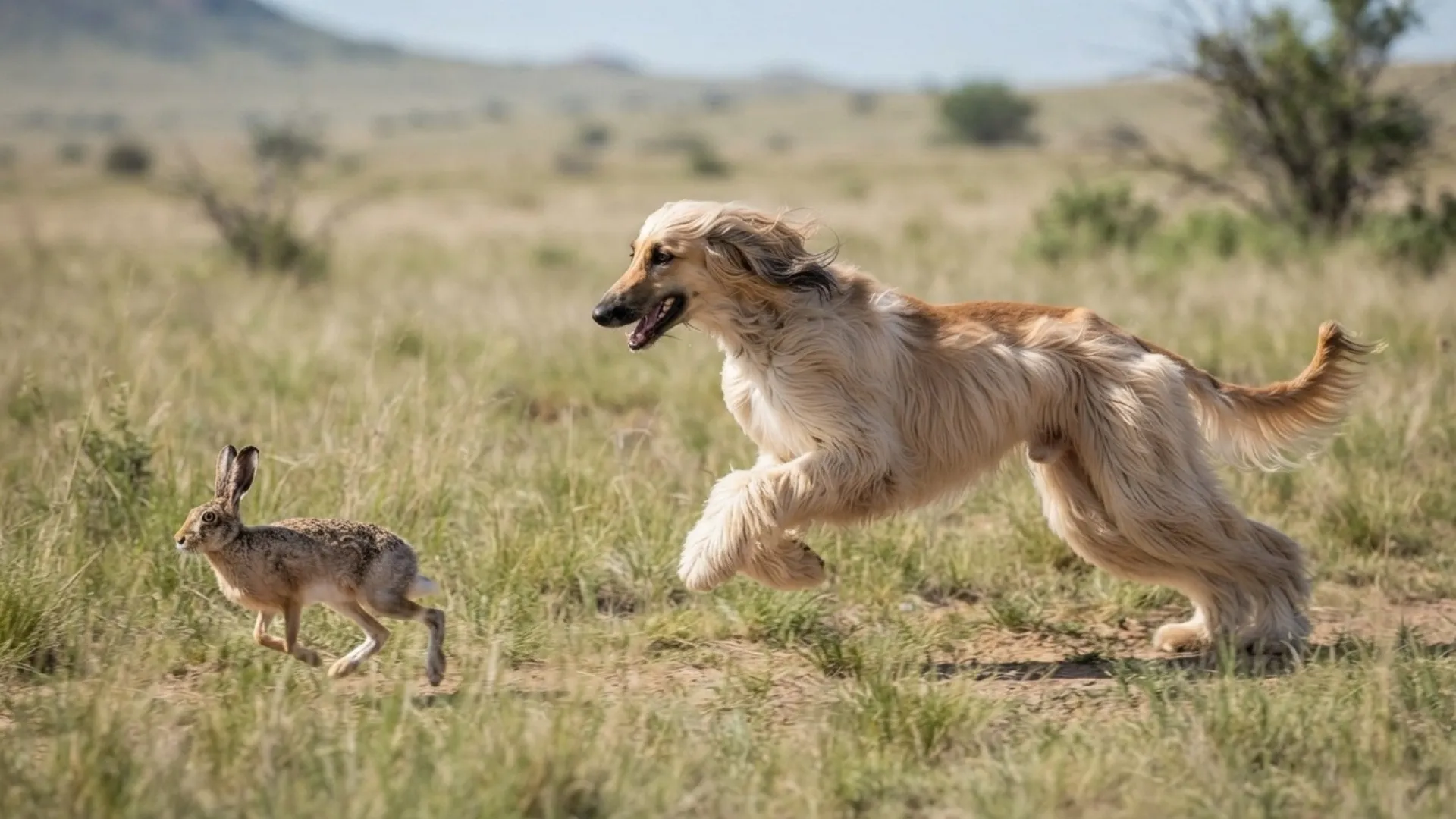
A rustling bush, a darting rabbit, or one suspicious squirrel can instantly transform an ordinary neighborhood walk into a high-stakes canine adventure. The dog breeds carry centuries of deep-seated working instincts, giving them unmatched focus, athleticism, and sheer determination.
Historically, these versatile hunting dogs were crafted for vastly different field assignments: sighthounds relied on razor-sharp vision and lightning pursuit, terriers fearlessly flushed quarry out of tight burrows, and adaptable sporting breeds navigated forests, fields, and water.
Today, those inherited working traits bring vibrant energy, curious intelligence, and a whole lot of heart into modern homes, offering dedicated owners an unforgettable life partner full of active adventure.
Dog Breeds with the Strongest Drive to Hunt
1. Greyhound
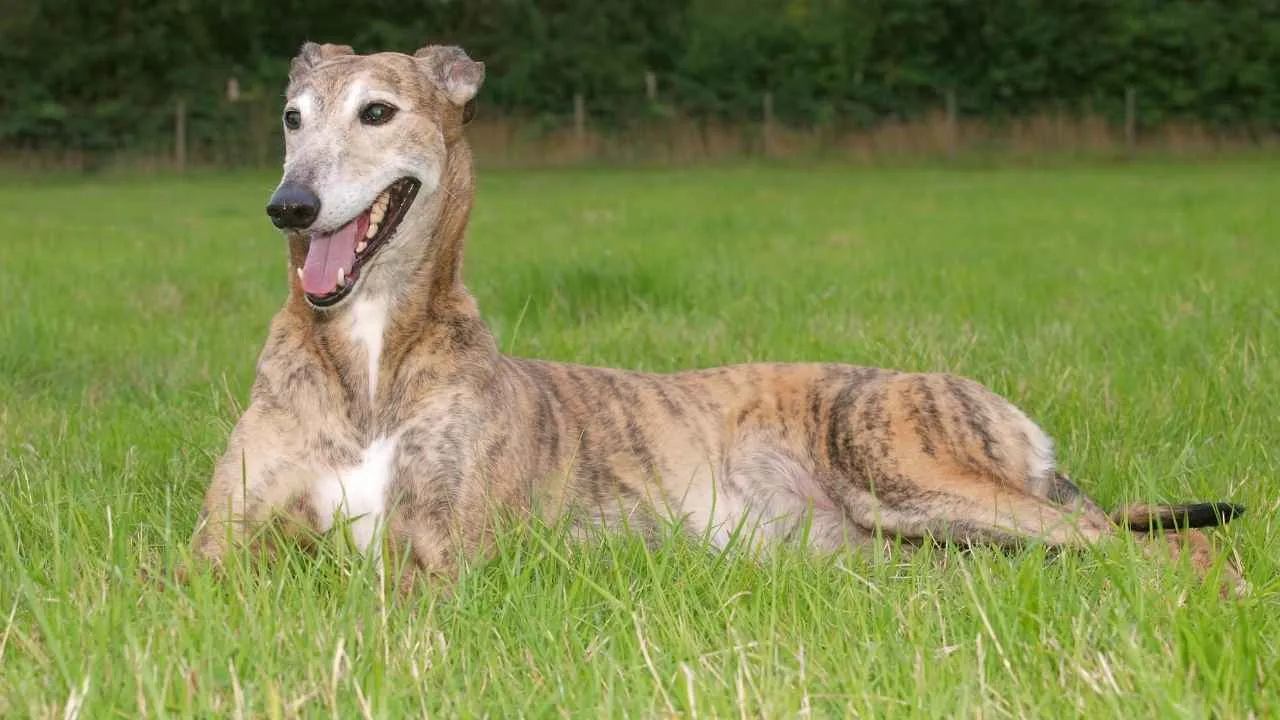
Watching a Greyhound unleash its full stride in an open field feels like watching engineering turn into sheer art. This ancient breed has spent thousands of years working as a pursuit hound, with its narrow frame, deep chest, flexible spine, and powerful legs built for rapid movement.
The American Kennel Club describes the Greyhound as the fastest breed of dog, with a history of chasing game across various landscapes.
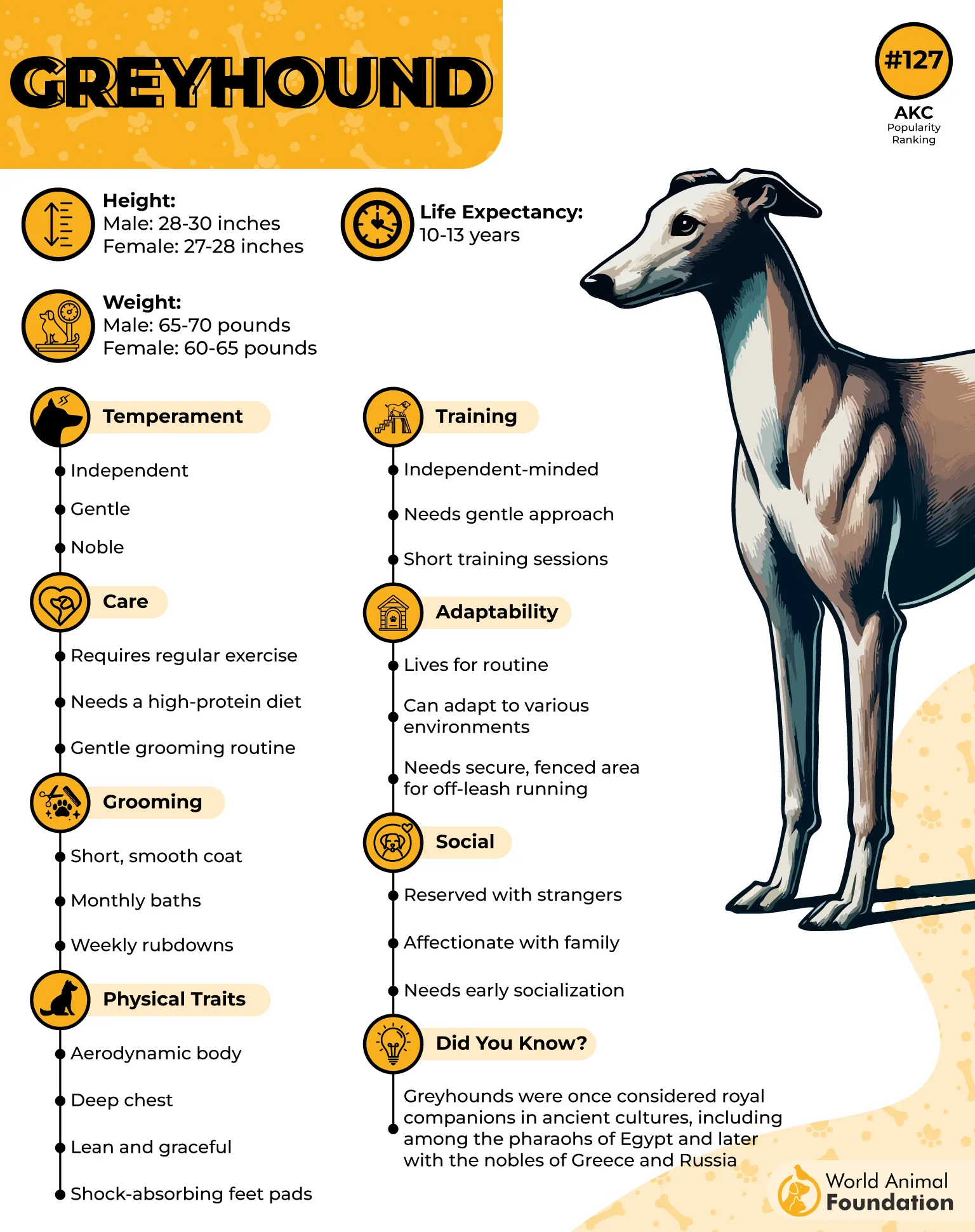
Step inside, however, and this high-speed marvel instantly transforms into a world-class couch potato. After a proper run, this graceful athlete is quite happy to stretch out and lounge with family. Their gentle, affectionate nature makes that contrast especially charming.
That famous laser focus means you need to stay sharp when off-leash. A moving creature outdoors can grab their attention in an instant, so a fenced-in yard or secure space is essential for safe exercise.
Hunting Traits & Temperament
The Greyhound is a classic sighthound, using vision rather than smell as its main hunting tool. Historically, their job involved detecting, pursuing, and catching fast-moving quarry such as rabbits. Their remarkable acceleration, agility, and stamina support a style based on rapid visual pursuit.
2. Saluki
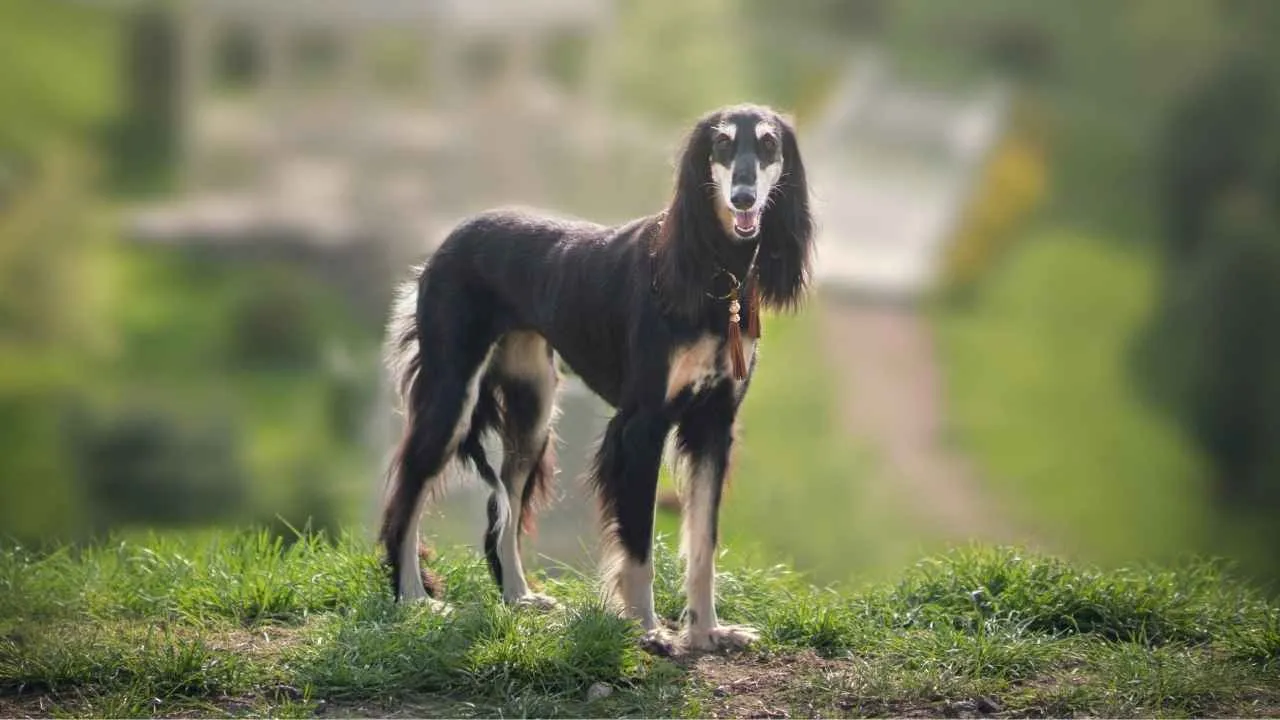
Wrapped in aristocratically refined lines, the Saluki carries the fierce, unyielding athleticism of the desert winds it once ran down. One of the oldest known dog breeds, the Saluki has archaeological evidence stretching back thousands of years and a long association with hunting in the Middle East.
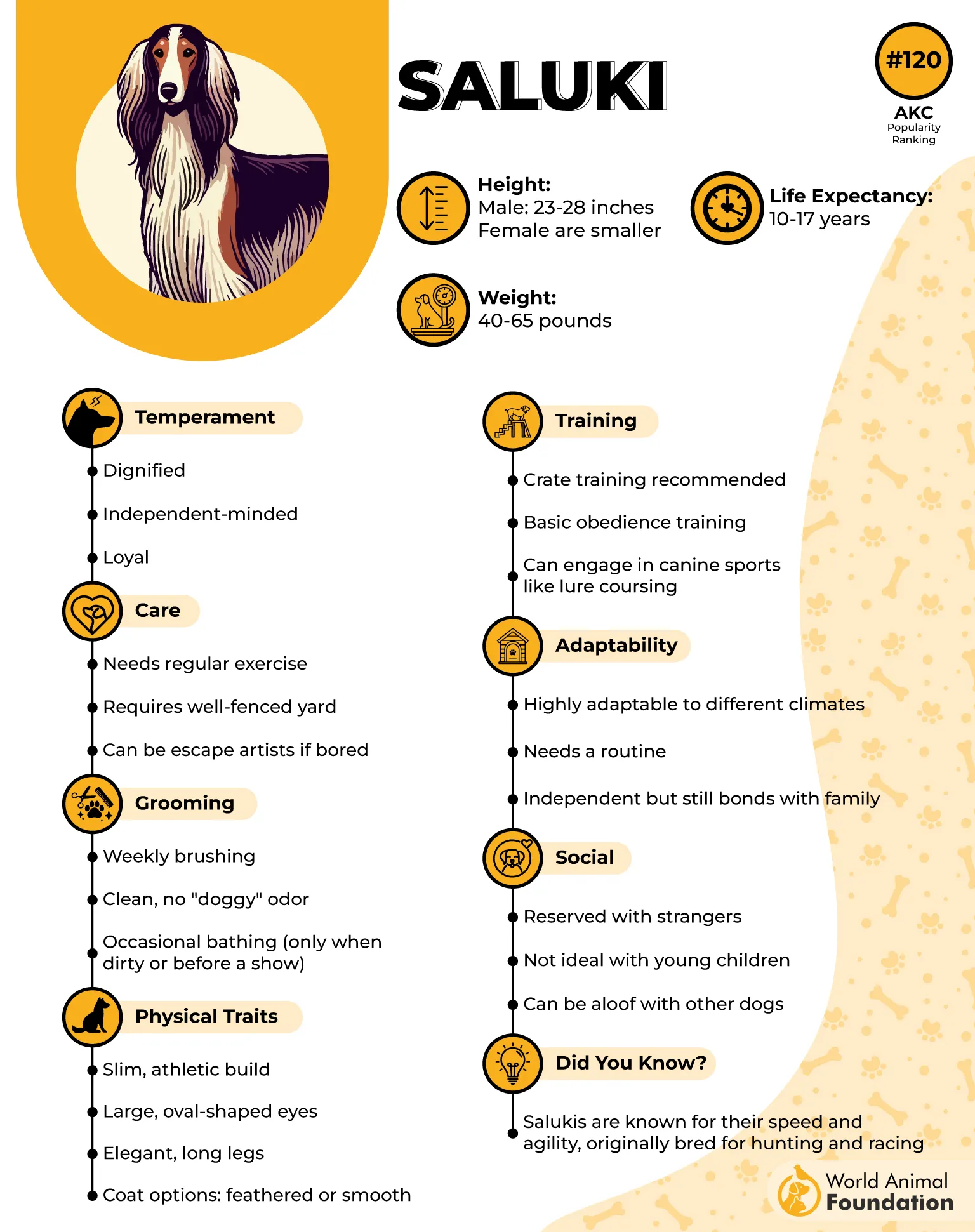
Their slim body, long legs, powerful vision, and effortless movement give them a striking presence outdoors. At home, they tend toward a dignified, gentle personality, forming loyal bonds with their people without becoming overly dependent.
They navigate training with a distinctive, cat-like aloofness. A fascinating movement across the ground might suddenly become far more interesting than whatever their human companion is saying.
Plenty of controlled exercise and secure outdoor space help this graceful breed channel its athletic instincts.
Hunting Traits & Temperament
The Saluki traditionally hunted through visual pursuit, using a remarkably keen sense of sight to detect moving quarry. They were famously used to pursue gazelle and other swift animals across open terrain. Speed, agility, and endurance allowed them to maintain pursuit over long distances.
3. Afghan Hound
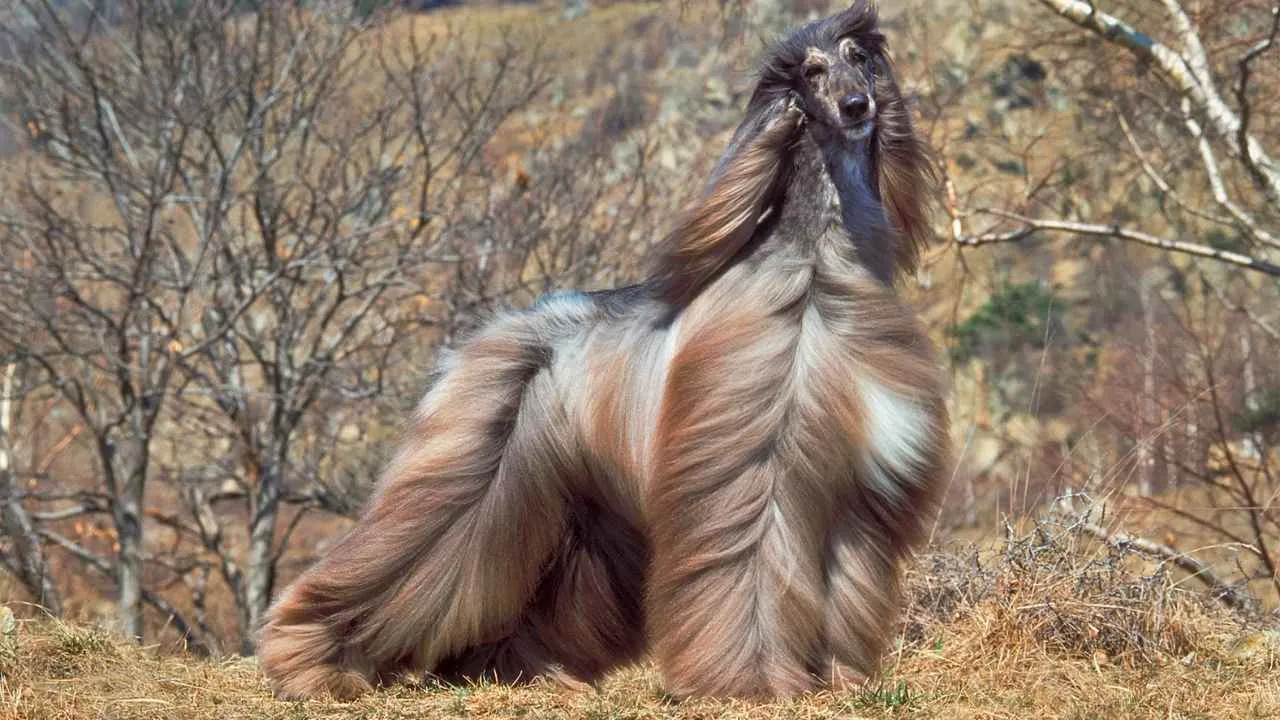
If runway fashion collided with high-velocity wilderness tracking, you would get the spectacular Afghan Hound. That flowing coat, distinctive head, and elegant stride create an unforgettable presence, but their story reaches far beyond beauty.
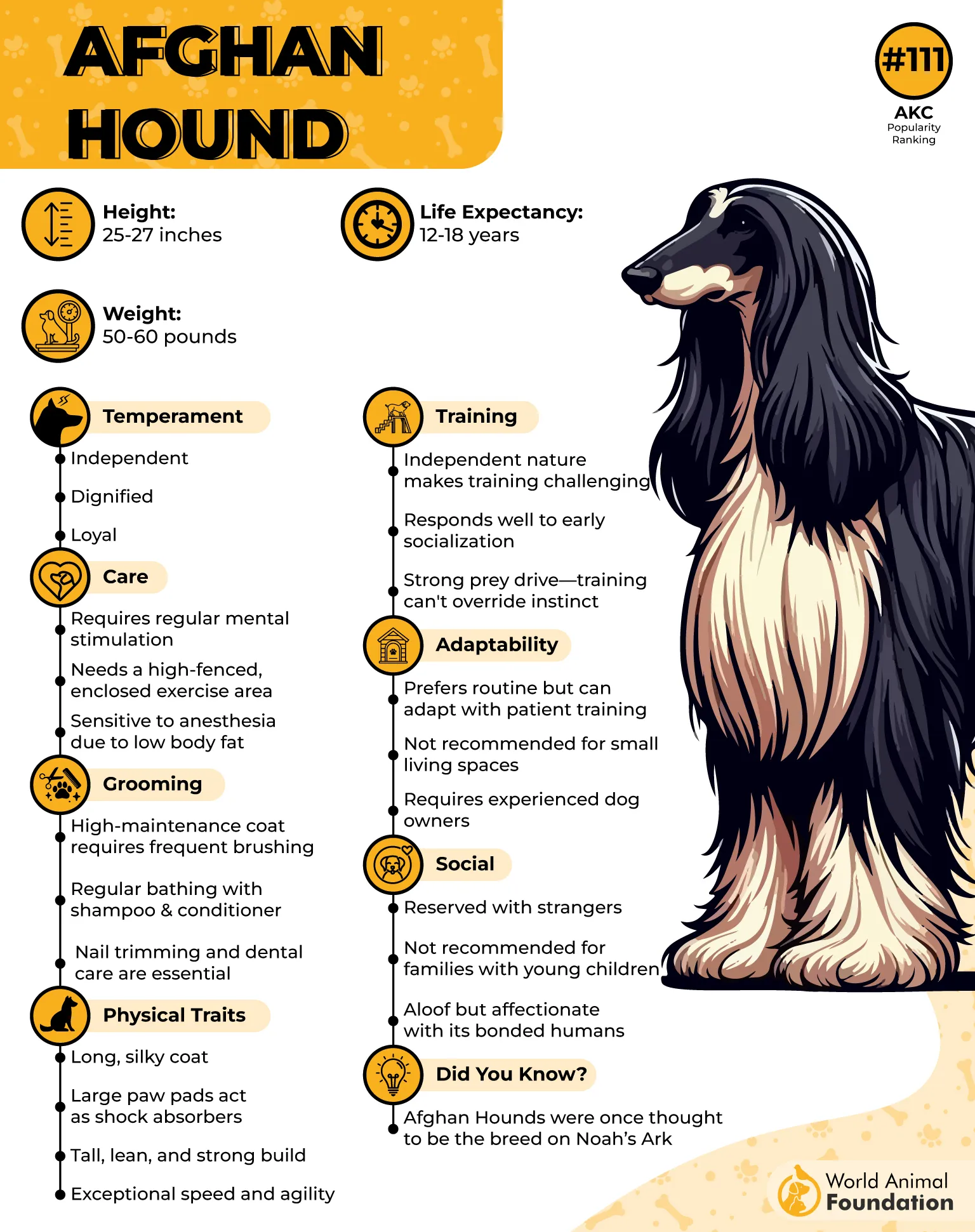
Purina mentions that the Afghan Hound developed as an ancient sighthound in Central Asia, where long-legged hunting companions worked across demanding landscapes. Historical accounts connect them with tracking game like gazelle and other quarry, including snow leopard.
Beneath that show-stopping silk coat lies a surprisingly rugged, free-spirited explorer. Their athletic build gives them impressive agility, and their independent personality adds plenty of character. Life with one includes regular coat care, physical activity, and patient training.
They operate with a keen, inquisitive intelligence. A movement in the distance can instantly attract their attention, especially outdoors. Secure spaces provide room for safe running and exploration without turning every outing into an unexpected expedition.
Hunting Traits & Temperament
The Afghan Hound was originally bred as a sighthound for pursuing game across rough terrain. Their long legs, agility, speed, and muscular bodies helped them navigate difficult environments in pursuit of quarry. Their traditional work demanded both physical ability and independent decision-making.
4. Weimaraner
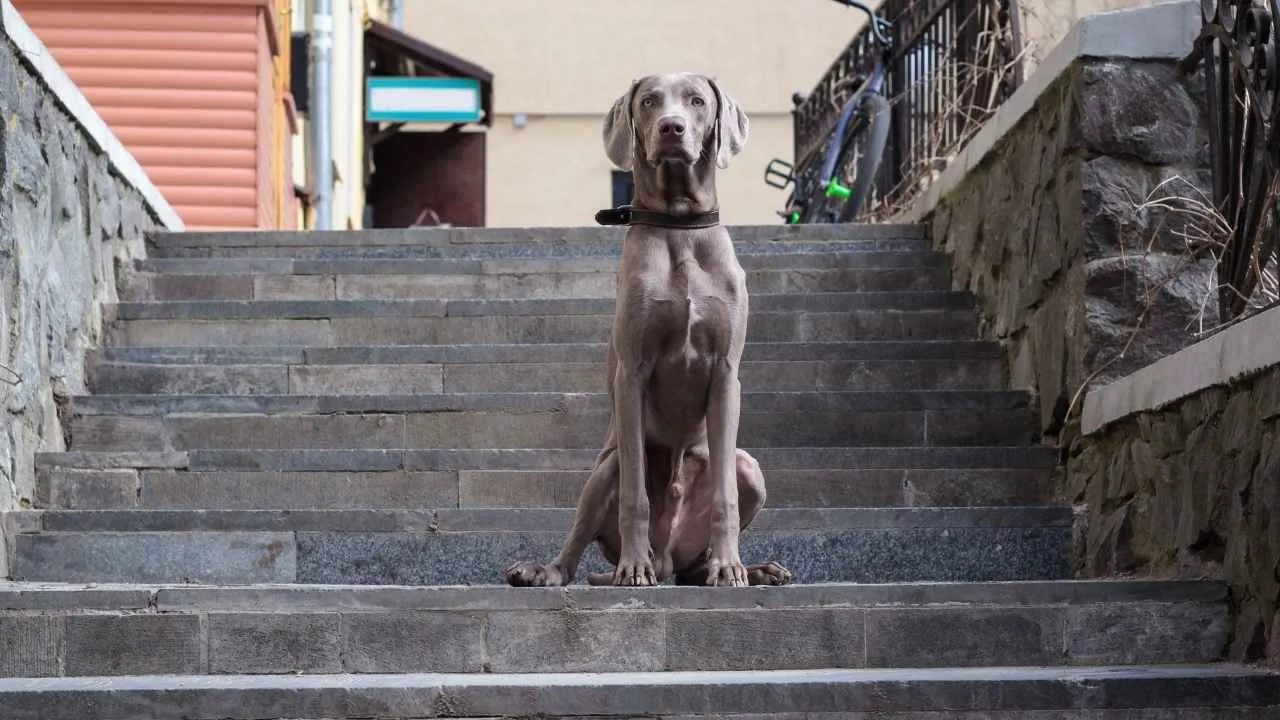
Clad in a striking velvet-gray coat and powered by boundless enthusiasm, the “Gray Ghost” demands full immersion in everything you do. Their athletic build hints at their working heritage, but their affectionate connection with people adds a softer side to this energetic breed.
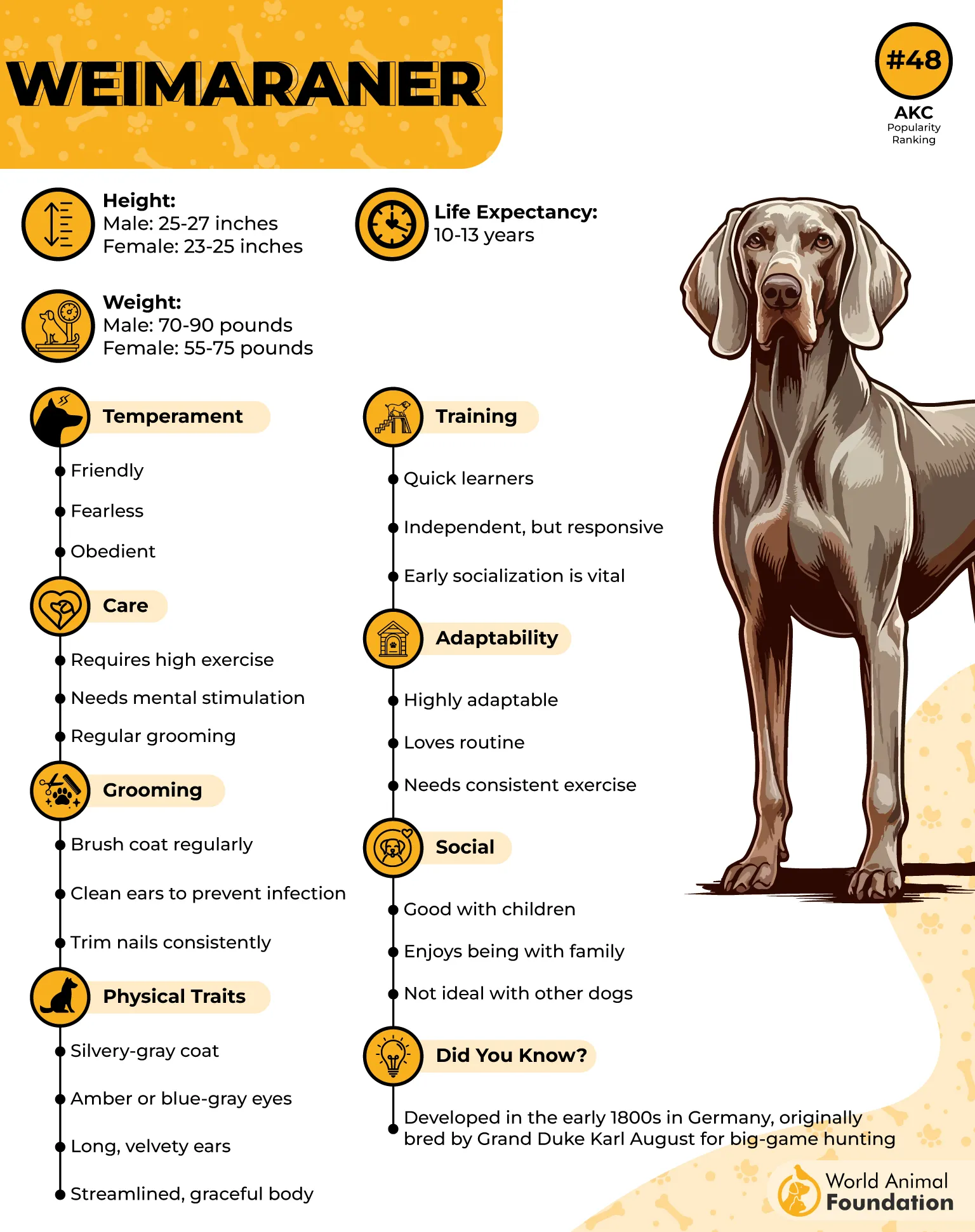
This is not a dog content to passively sit out the weekend. Long walks, hiking, retrieving games, obedience practice, and other activities give their body and brain something worthwhile to do.
Their brainpower turns every activity into a team effort. Their intelligence makes training engaging, especially when lessons include variety. Their curiosity also means an unfamiliar scent or sudden movement deserves investigation.
Orvis states that these energetic dogs tend to thrive with active owners who appreciate an adventurous partner. Their loyalty adds another lovely dimension, as they enjoy spending time with their people and participating in family activities.
Hunting Traits & Temperament
The Weimaraner developed as a versatile hunting partner with skills involving locating, pointing, tracking, and retrieving game. Their athleticism and stamina supported demanding fieldwork, giving the breed a broad range of traditional hunting ability. Their combination of intelligence and physical endurance helped them work across different environments.
5. Jack Russell Terrier
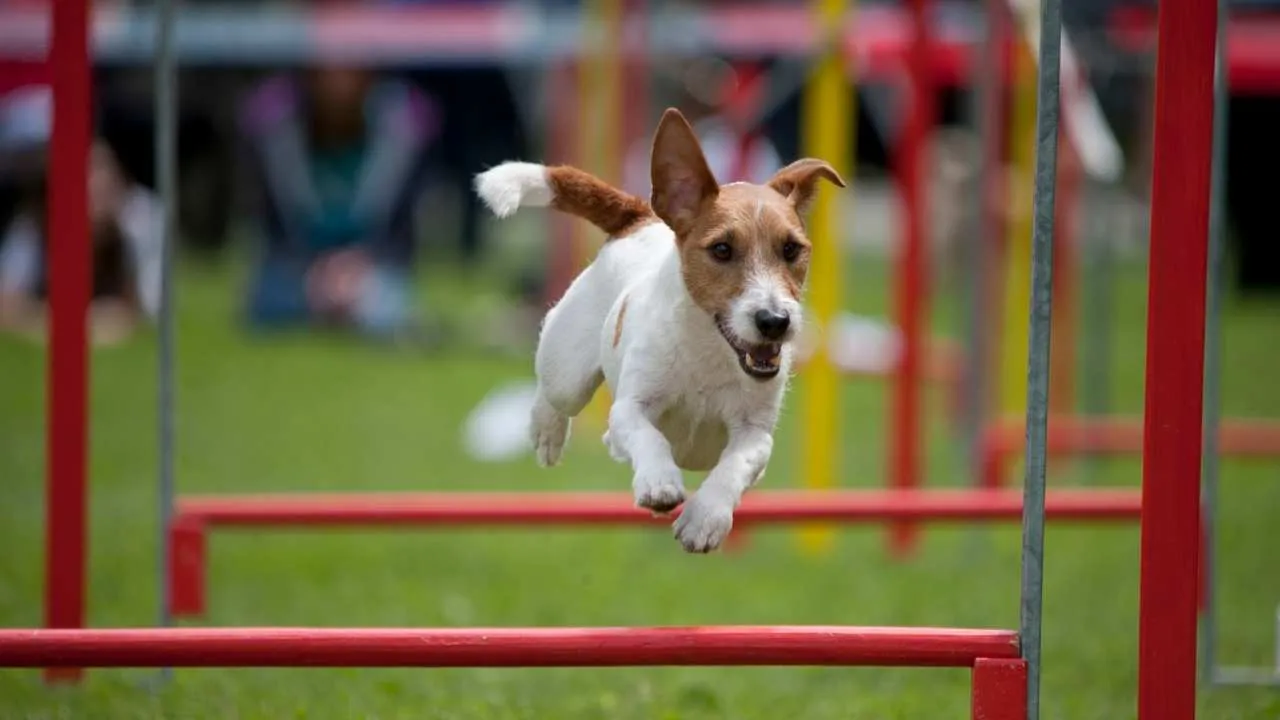
Jack Russell Terriers pack the firepower and attitude of a giant working dog into a portable setup. Originating in England, this terrier was developed for fox hunting. Their compact build allowed them to follow quarry into underground spaces, where determination mattered just as much as physical agility.
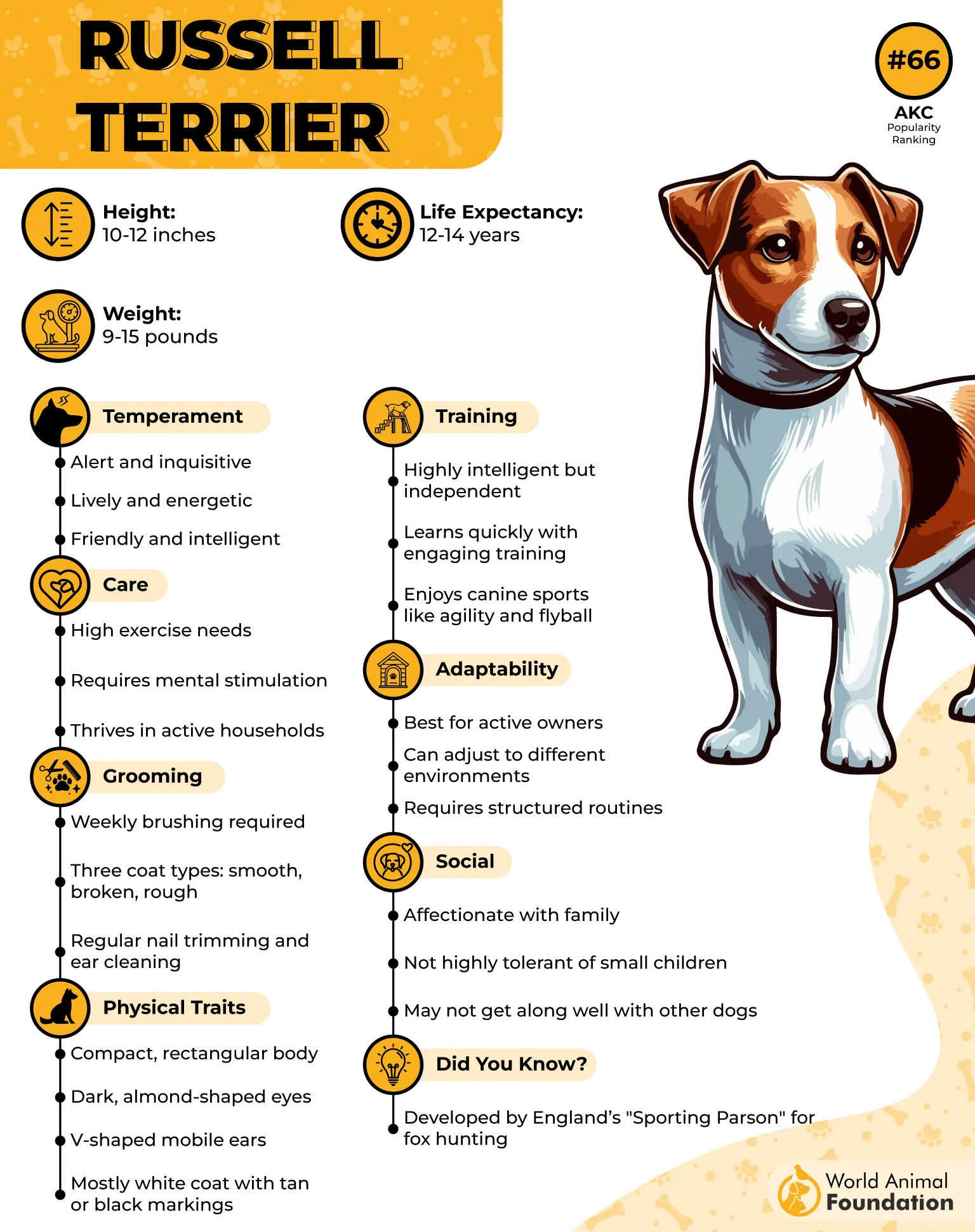
They view the entire world through a lens of infinite possibility and endless curiosity. Today, that same curiosity makes ordinary household life wonderfully entertaining. A suspicious hole in the garden? Investigation required. A rustling bush? Definitely worth checking.
Living alongside one means staying two steps ahead of a brilliantly creative mind. They are intelligent, highly energetic, and famously strong-willed. Petplan adds that games involving searching, obedience, problem-solving, and controlled movement help give their busy minds the mental stimulation they need.
Hunting Traits & Temperament
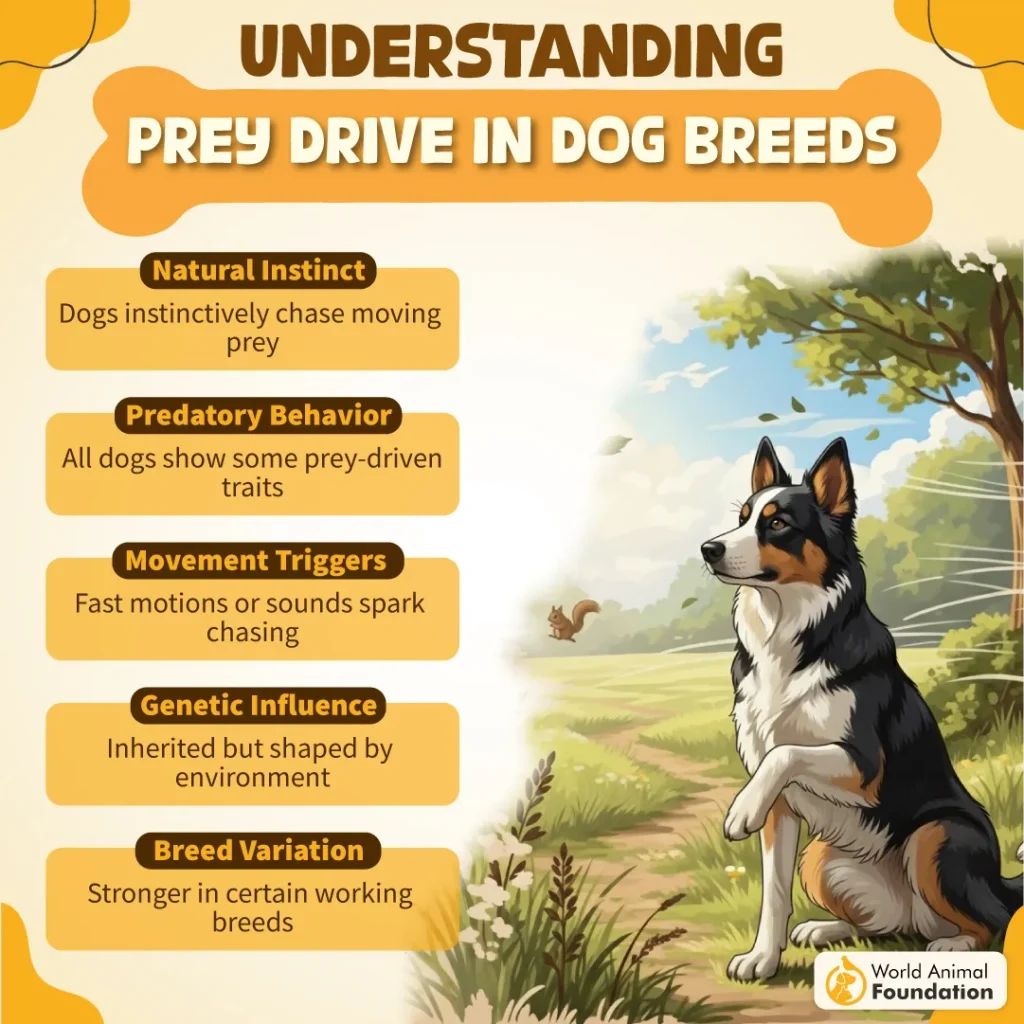
Jack Russell Terriers have a pronounced prey drive, reflecting their history as fox-hunting terriers. Their compact bodies, agility, courage, and determination helped them pursue small game into narrow underground spaces. Small animals and other scurrying creatures can still trigger that natural pursuit instinct.
6. English Foxhound
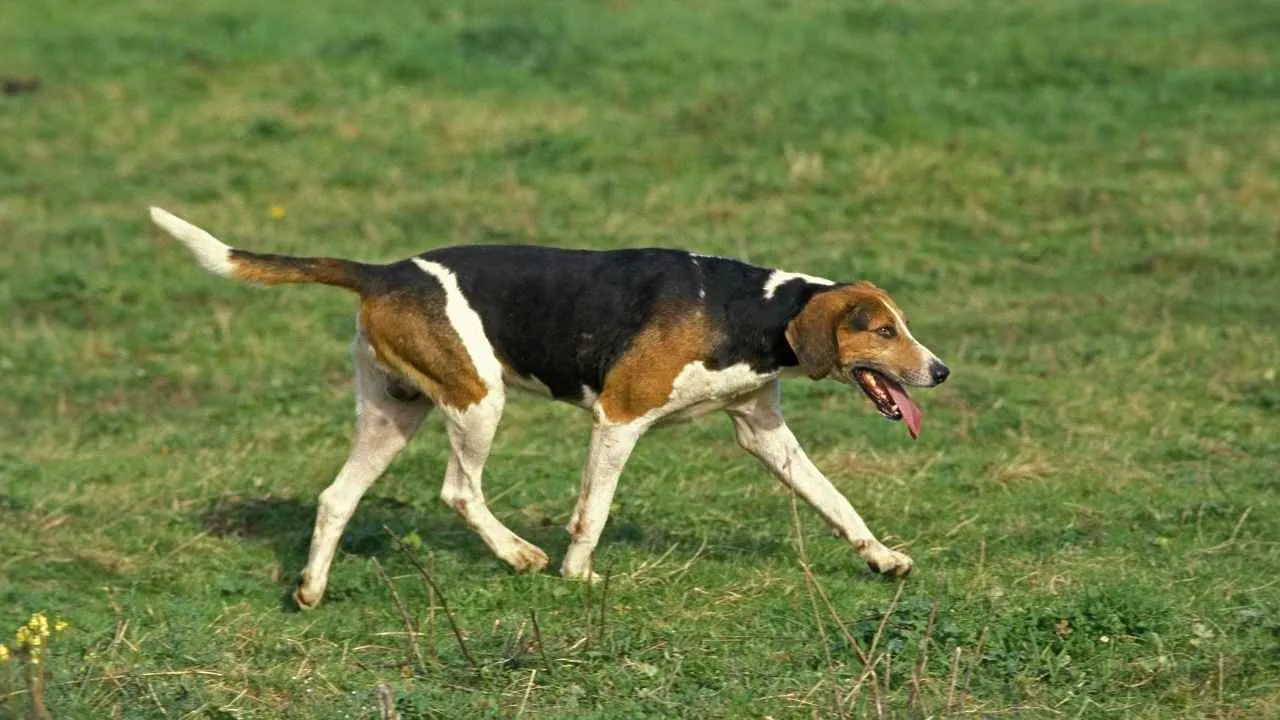
Forget quick bursts of speed; the English Foxhound treats the outdoors like a thrilling mystery novel written entirely in scent trails. Their remarkable sense of smell gives every interesting trail the potential to become a grand investigation.
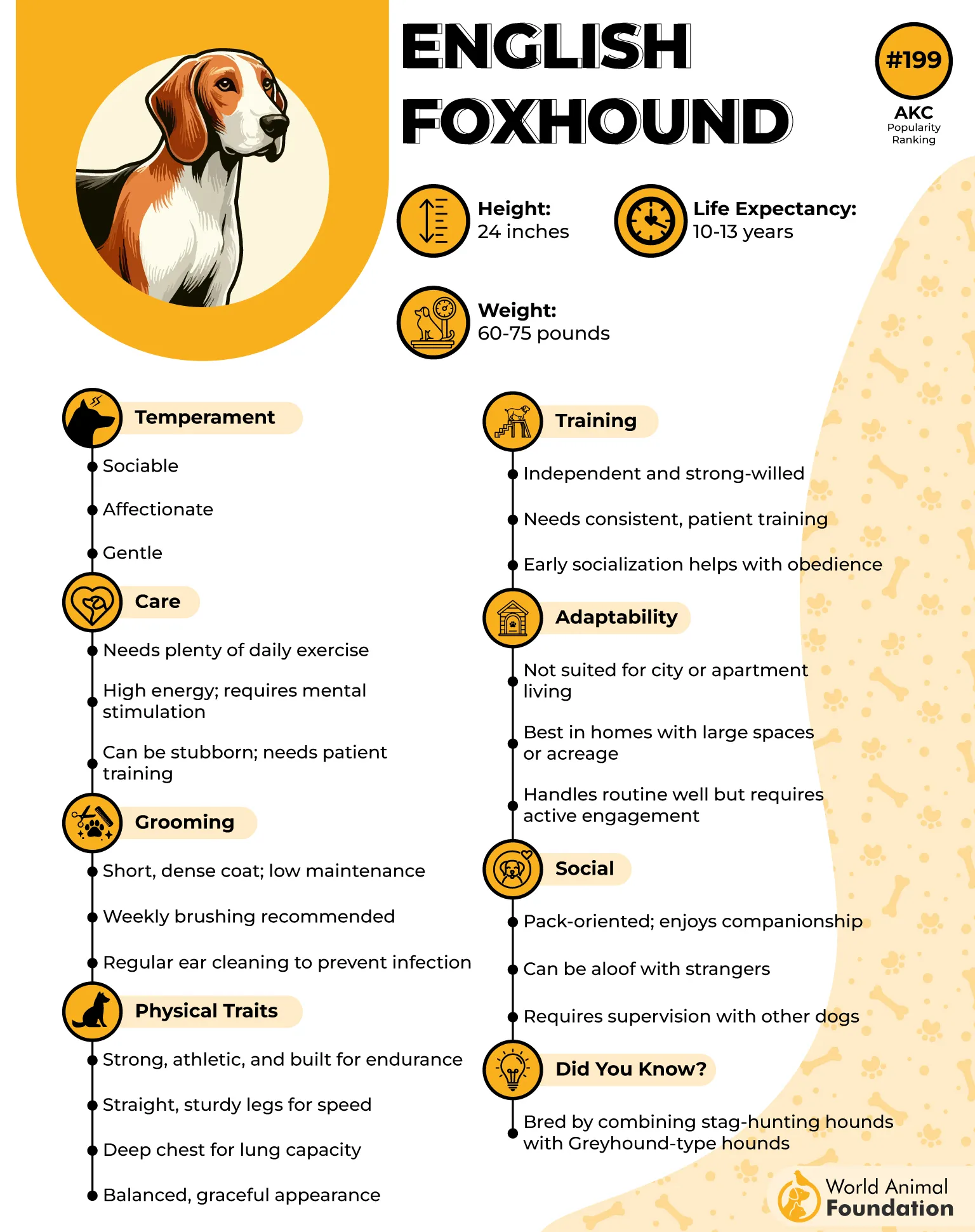
Developed in England for traditional fox hunting, these sturdy hounds were built for stamina and sustained movement. Their social nature also reflects their historical work alongside groups of hounds.
They bring an easygoing, community-minded warmth to their human packs. That combination makes them friendly, active companions with plenty of endurance. A brief trip outside rarely satisfies a breed created for extended activity, so regular exercise becomes an important part of their routine.
Their floppy ears and classic hound expression add plenty of charm, too. They have that lovable face that seems to say, “I heard something interesting. We should investigate.”
Hunting Traits & Temperament
The English Foxhound is a scent hound, relying heavily on its powerful sense of smell to follow trails. Their traditional role involved tracking foxes over extended distances, with stamina and persistence helping them maintain the pursuit. Their social working style also supported cooperation with other dogs.
7. German Shorthaired Pointer
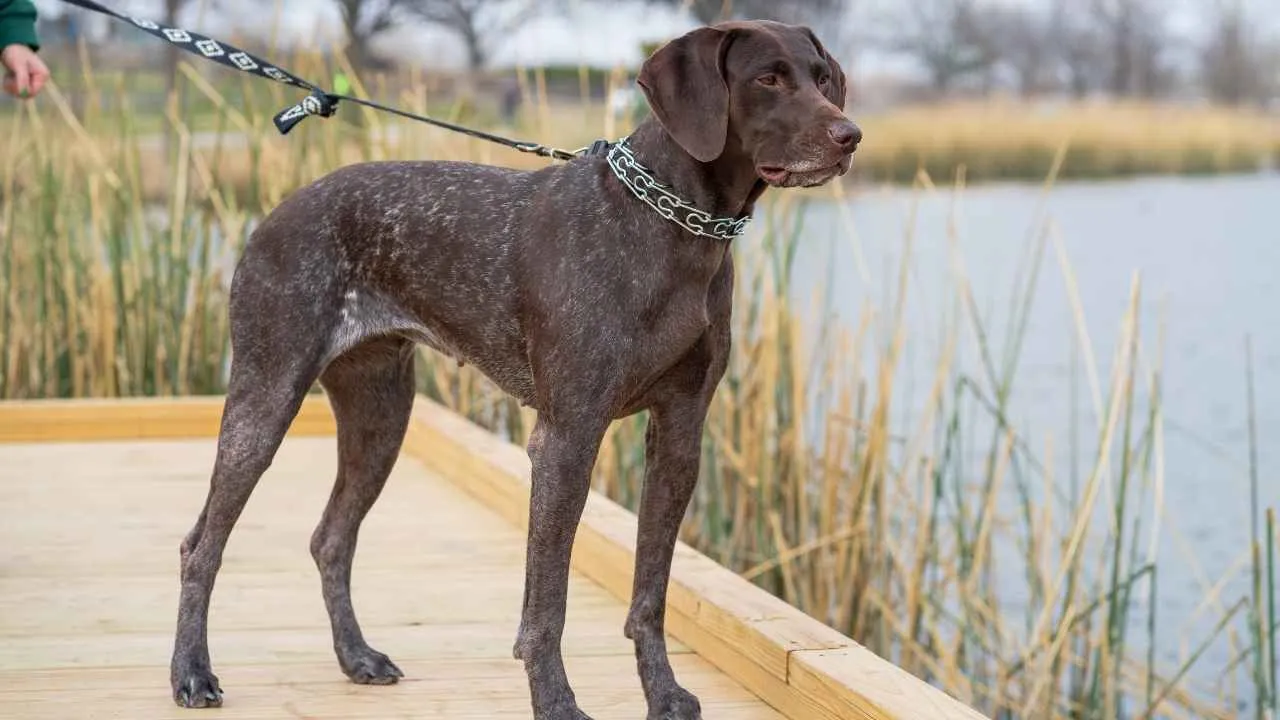
If all-around athleticism had a flagship ambassador, German Shorthaired Pointers would claim the title without hesitation. This short-haired breed was developed as a versatile field companion, combining several useful skills rather than specializing in one narrow task.
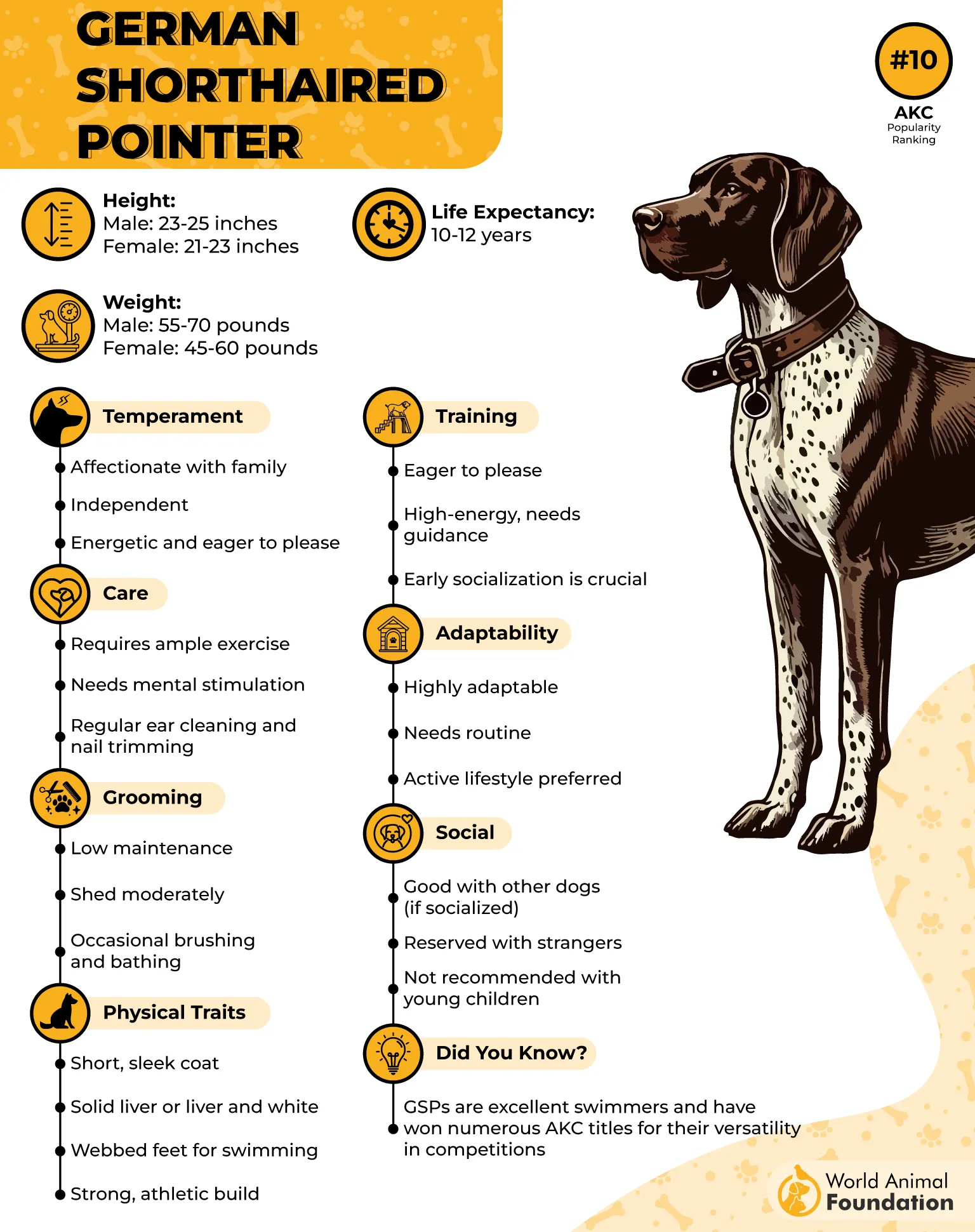
German hunters developed the breed for work across fields, forests, and water. Historical accounts describe dogs expected to locate upland birds, point, retrieve waterfowl, and track wounded game. Their ancestry and development also included efforts to produce high speed, scenting ability, discipline, and versatility.
They transition seamlessly from high-intensity outdoor partners to deeply loving house dogs. Modern Pointers tend to flourish with active owners who enjoy hiking, training, outdoor games, and plenty of movement. Their affectionate nature adds a lovely family side to all that athleticism.
Hunting Traits & Temperament
The German Shorthaired Pointer is an exceptionally versatile sporting hunter. Their skills include scent work, pointing, tracking, and retrieving game on land or from water. Their historical role also included following wounded game and pursuing quarry across forests, fields, and waterways.
Conclusion
Successfully living with high-drive breeds is about directing that energy into structured outlets. When owners channel these ancestral drives through mental games, reliable recall training, and tailored exercise routines, potential behavioral challenges transform into shared achievements.
Meeting these dogs on their terms turns their intense impulse into an incredible bond, proving that an active, channeled instinct makes for the ultimate household companion.
