




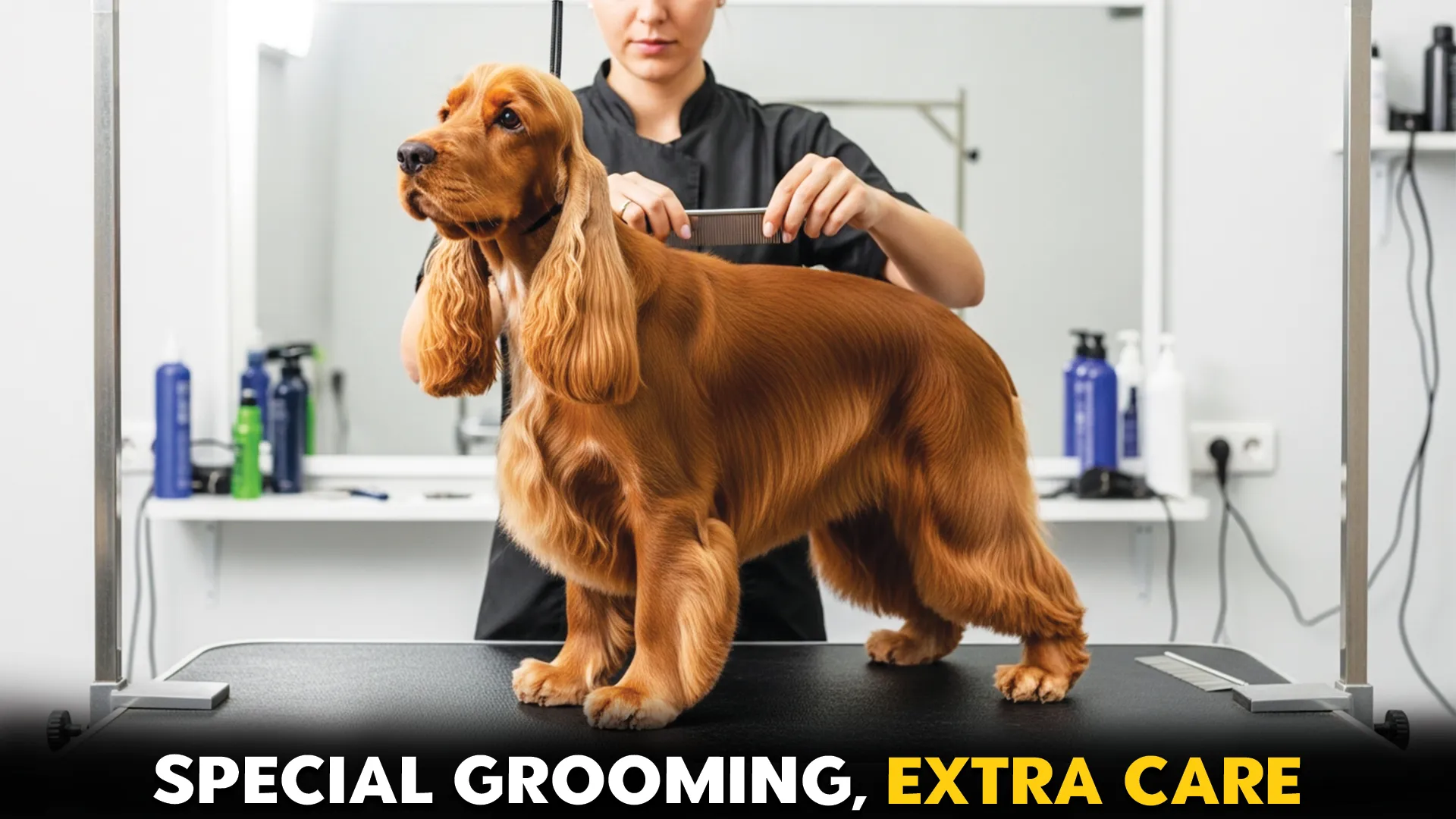
Fluffy coats are cute until the brush comes out and reality hits.
Some dog breeds look like walking art. Others look like tiny royalty. But here’s the thing. Beauty has a routine. And certain breeds that require extra coat care can surprise new owners fast.
A missed week can turn a soft coat into a tangle party. It gets even worse, though, when loose hair starts living on the couch like it pays rent.
This blog will break down grooming needs, coat type, and the grooming process for seven popular high-maintenance breeds. Each one has its own quirks, and each one needs its own plan.
The goal is not perfection.
The goal is comfort, fewer knots, and a dog’s appearance that still feels natural.
But why bother with that? Proper grooming helps prevent matting, helps prevent tangles, and keeps a dog’s coat feeling good to touch.
Dog Breeds with Specialized Grooming Requirements
1. Komondor
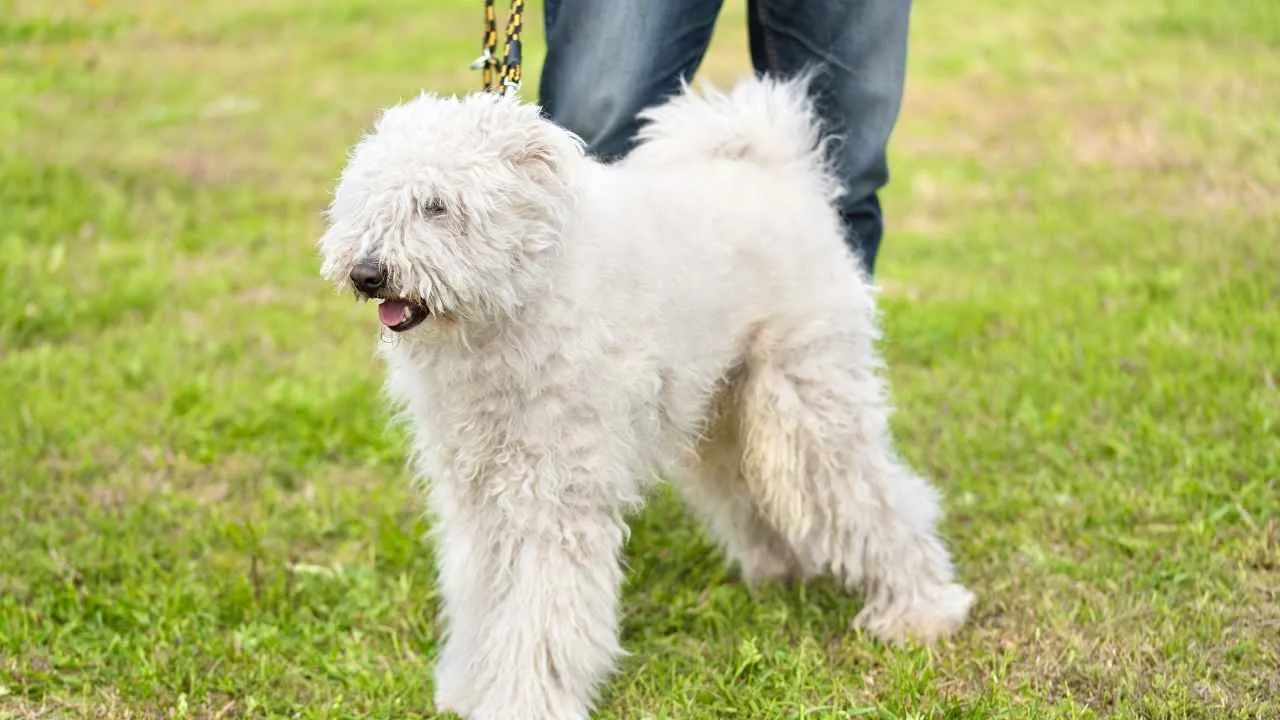
That famous “mop” look is not a costume. It is a really long coat made of cords that form over time. Purina says that this is one of those hair breeds where regular grooming is not optional.
The coat can clump and tighten, and that can trap dirt near the skin. When the cords stick together, they need careful separation by hand. It takes time, and it can feel like untangling headphones from 2009.
Regular bathing needs planning, too. A corded dog’s coat holds water like a sponge, so drying is slow. If the coat stays damp, skin irritation can show up, and that’s no fun for anyone.
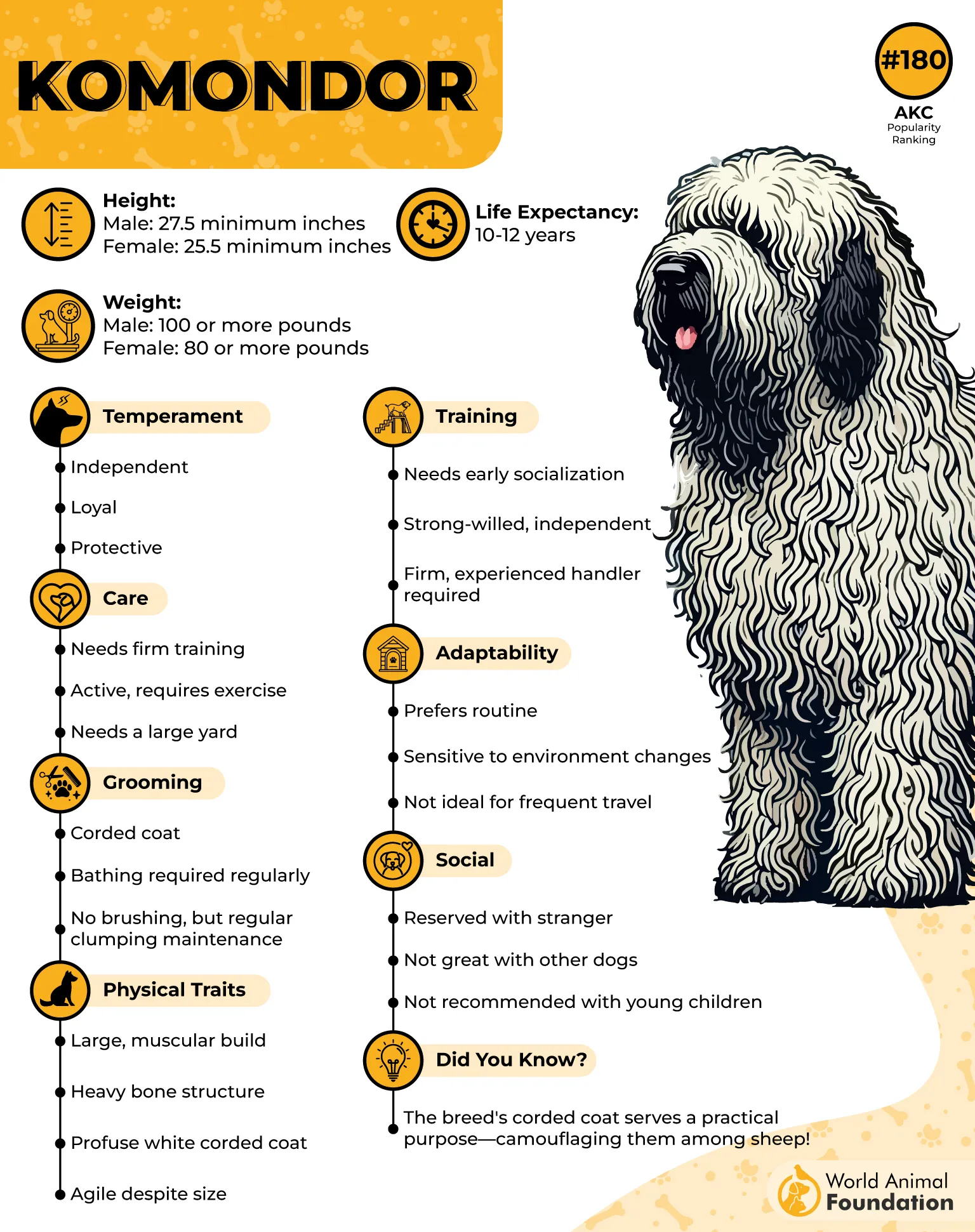
Here’s the good part. When the cords are kept neat, the coat can stay cleaner longer than expected, since debris often sits on the outer cords instead of rubbing deep.
This breed also has a strong guardian nature and likes space to move. A busy home can mean more mess in the coat, so consistent grooming matters.
A slicker brush is not the main tool here, but the goal is similar: remove loose hair and keep the coat from turning into one solid block. And here’s the best part! Many owners find the routine weirdly calming once it becomes a habit.
Separate cords gently to prevent matting around the base
Check for dead hair tucked inside cords and remove loose hair by hand
Keep the coat fully dry after regular bathing to support the skin’s healthy comfort
2. Cocker Spaniel
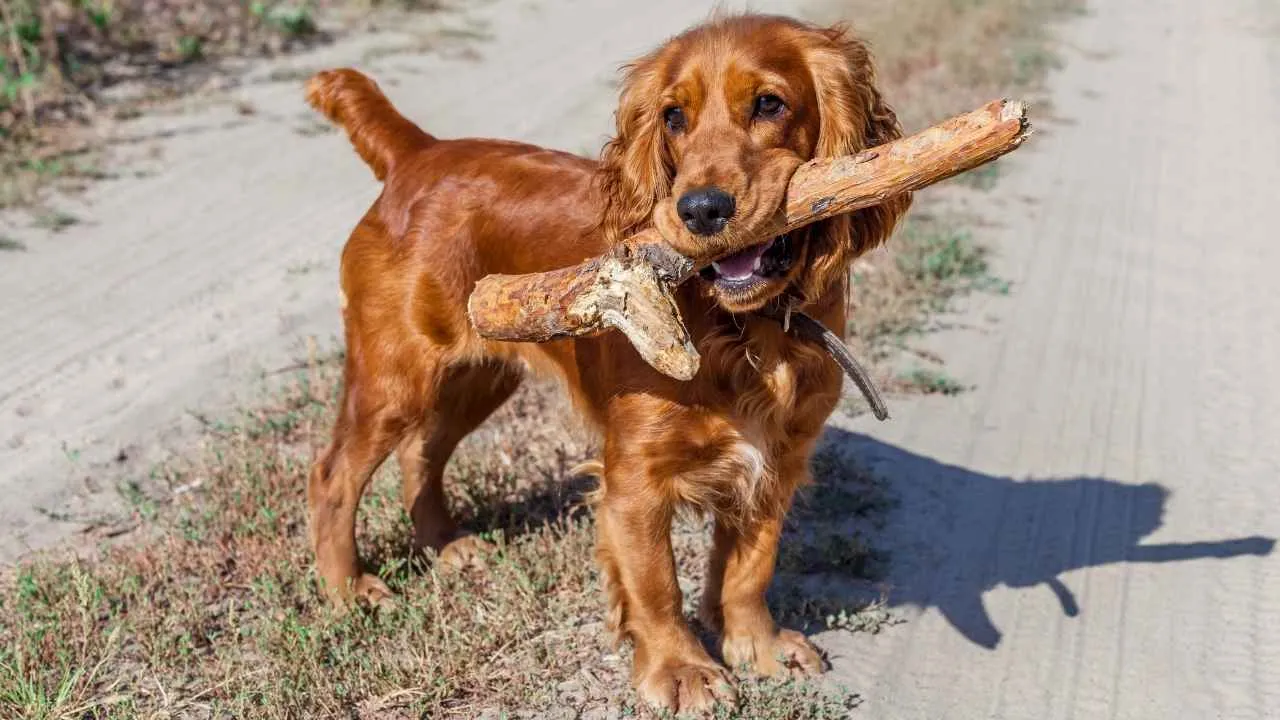
Cocker Spaniels bring big joy and bigger upkeep. This is a double-coated breed with a coat that sheds a lot. That means loose hair shows up everywhere, especially during shedding seasons.
Regular brushing keeps the undercoat from packing down, which helps manage shedding and keeps the coat healthy. Weekly brushing is a good baseline, but frequent grooming may be needed in heavy-shed weeks. Sounds crazy, right? It’s true.
According to PetMD, their dense coats can also hide small knots close to the skin. When those knots grow, matted fur can form, especially behind the ears and under the legs.
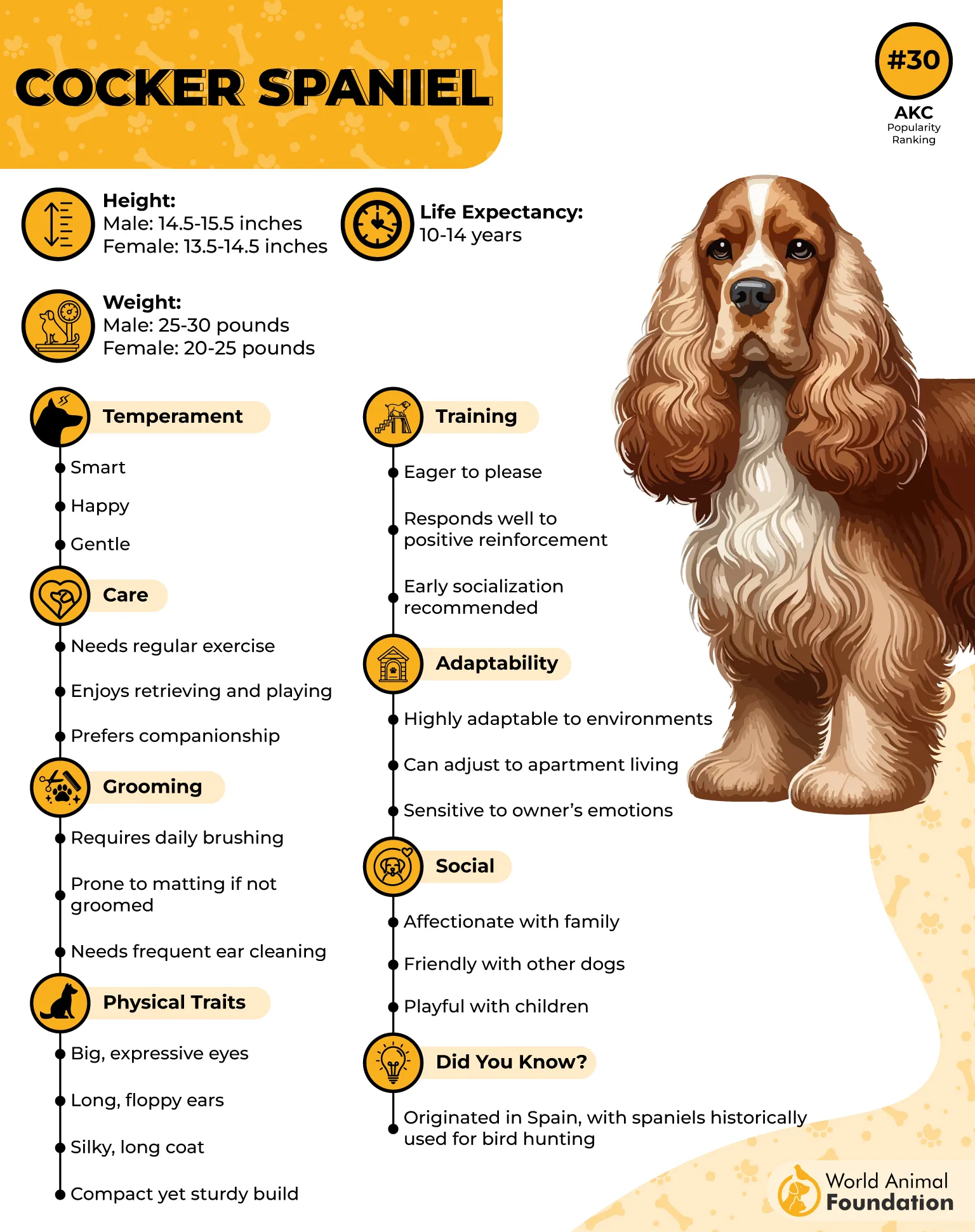
A slicker brush works well for daily brushing touch-ups, while a comb helps check if tangles are really gone. Brush regularly, but do it gently. Many Cockers have sensitive skin, so harsh pulling can cause skin irritation.
Now, those floppy ears. They are cute, but they can trap moisture and grime. That makes ear infections a real risk if ear cleaning is ignored. Ear cleaning does not need to be dramatic. Just keep it steady, and keep the ear area dry after play.
But wait, there’s more! This breed also needs plenty of exercise, so coat mess can build up fast after outdoor fun.
Use regular brushing to remove loose hair before it spreads through the home.
Keep ear cleaning in the routine to lower the chance of ear infections
Schedule nail trimming when paws start clicking on the floor
3. Afghan Hound
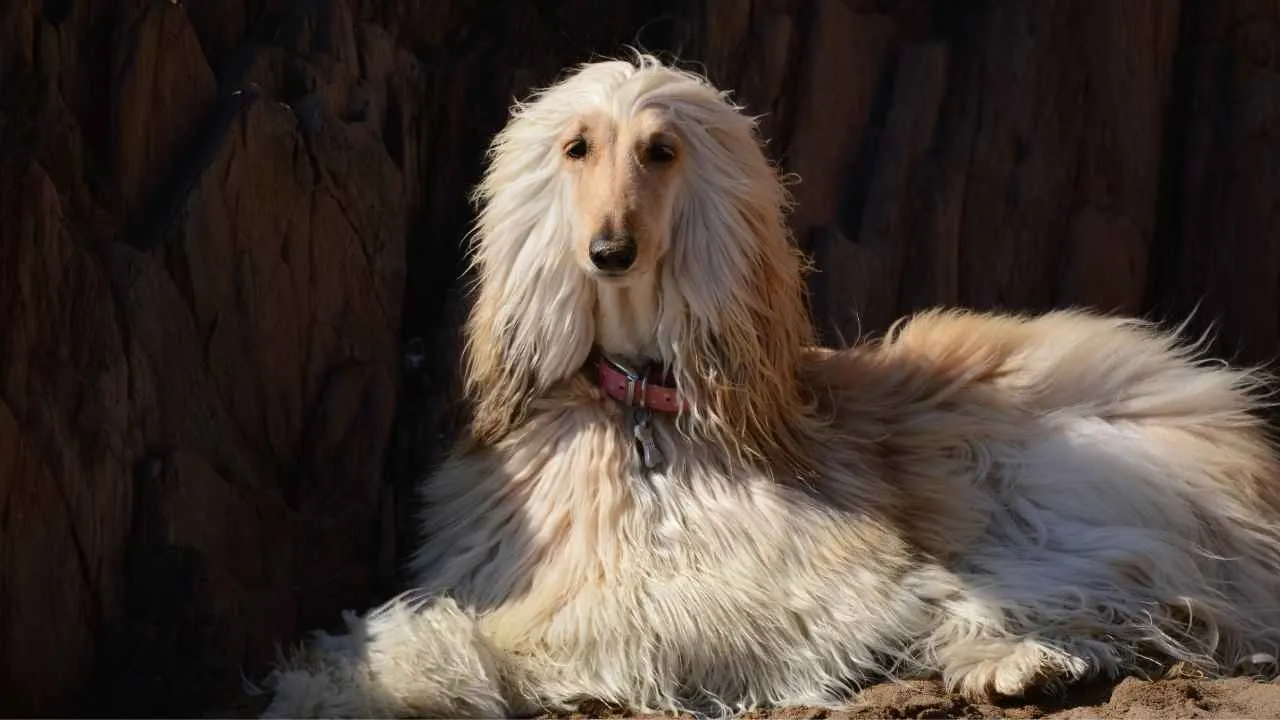
The Afghan Hound is the poster child for long-haired breeds. That silky coat looks unreal, but it comes with daily brushing and careful handling. WebMD notes that this is one of those coated breeds where a quick pass won’t cut it.
Fine hair tangles easily, and knots can form near friction spots like collars and leg joints. Frequent brushing helps prevent tangles before they turn into a hard mat.
Regular grooming also includes regular bathing. Many owners do weekly washes, then dry the coat fully so it does not sit damp. A damp coat can flatten, snag, and trap dirt. Plus, the dog’s coat needs gentle products so natural oils are not stripped away.
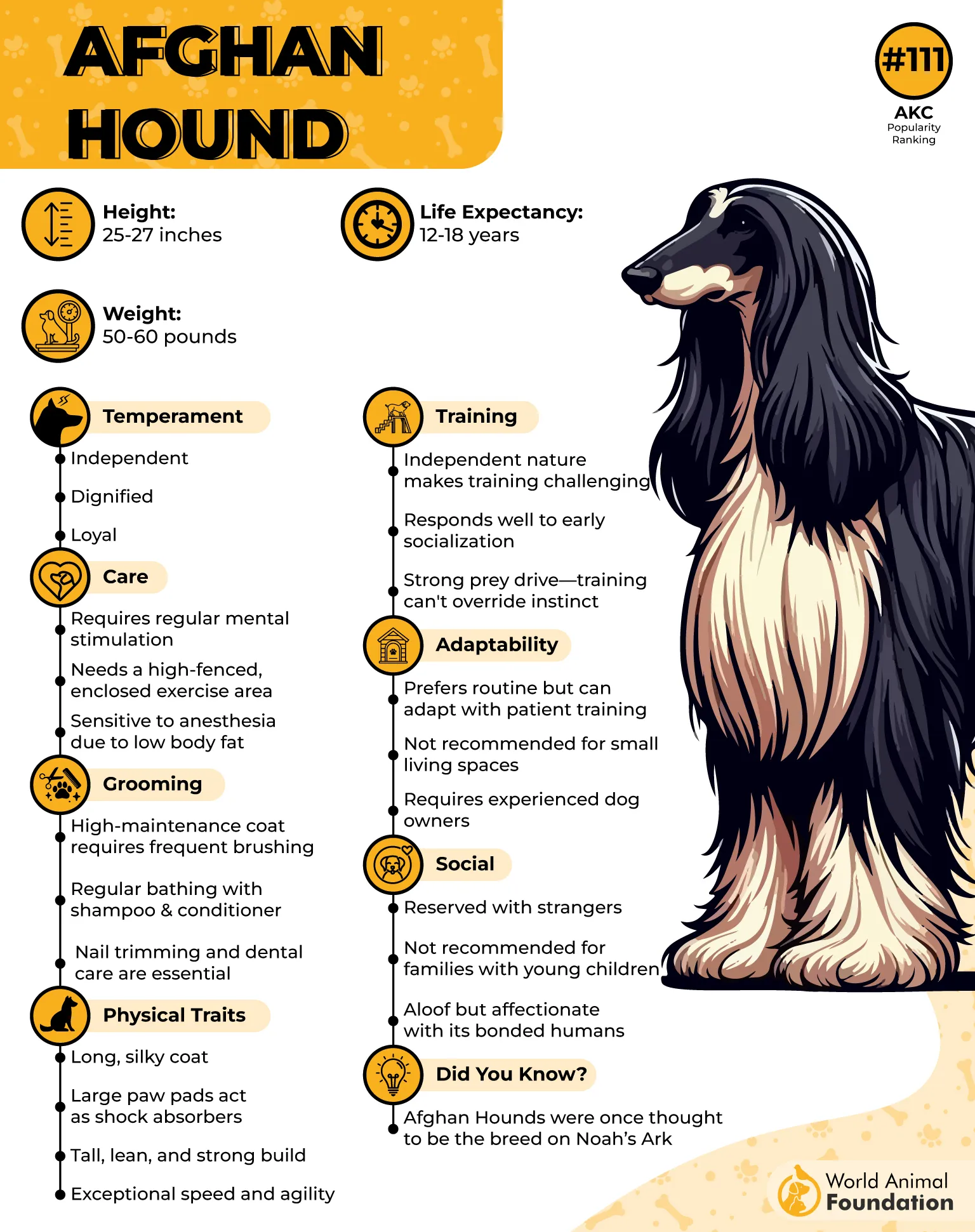
The goal is shiny coats, not brittle. A slicker brush can help lift and smooth sections, but a comb check after brushing is the real truth test.
And this breed is not just about hair. The Afghan Hound is a runner with high speed and stamina. Active dogs pick up burrs, dust, and small sticks, so grooming sessions often include a full-body check.
Here’s the good part. When the grooming routine is steady, the coat stays soft, and the dog’s appearance stays elegant without stress. Many owners end up booking professional grooming services now and then, especially before events or warmer seasons.
Stick to daily brushing to prevent matting in high-friction areas
Use a slicker brush lightly, then comb through to remove loose hair
Plan grooming appointments during shedding seasons for easier upkeep
4. Brussels Griffon
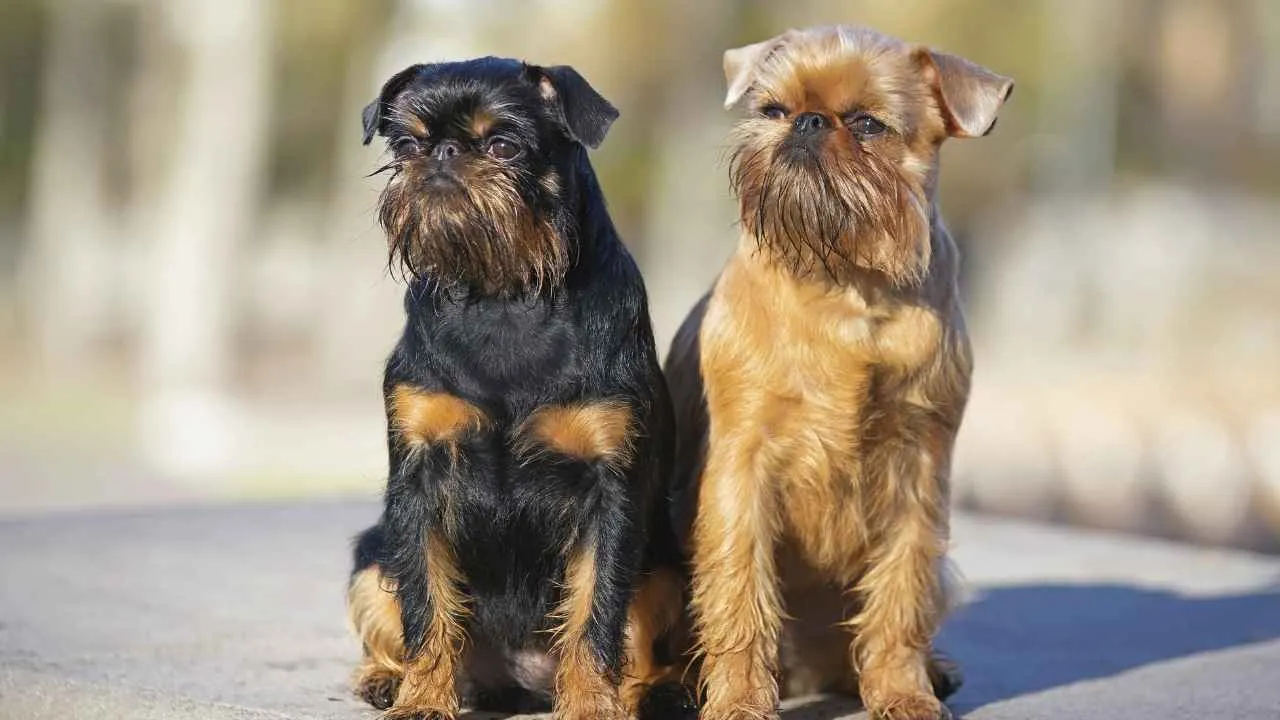
Brussels Griffons are not known for giant coats, but they still fit for a reason. Specialized grooming is not always about hair length. Sometimes it’s about the full care picture.
This breed often needs extra focus on training and daily life structure, because stubborn streaks can make basic grooming harder. If a dog refuses to sit still, even simple brushing turns into a comedy show.
Some Griffons have rough coats, some have smoother coats. Either way, regular grooming helps keep the coat tidy and helps remove loose hair from the body and furniture. A slicker brush can work for light coat care on rough-coated types, but the key is comfort.
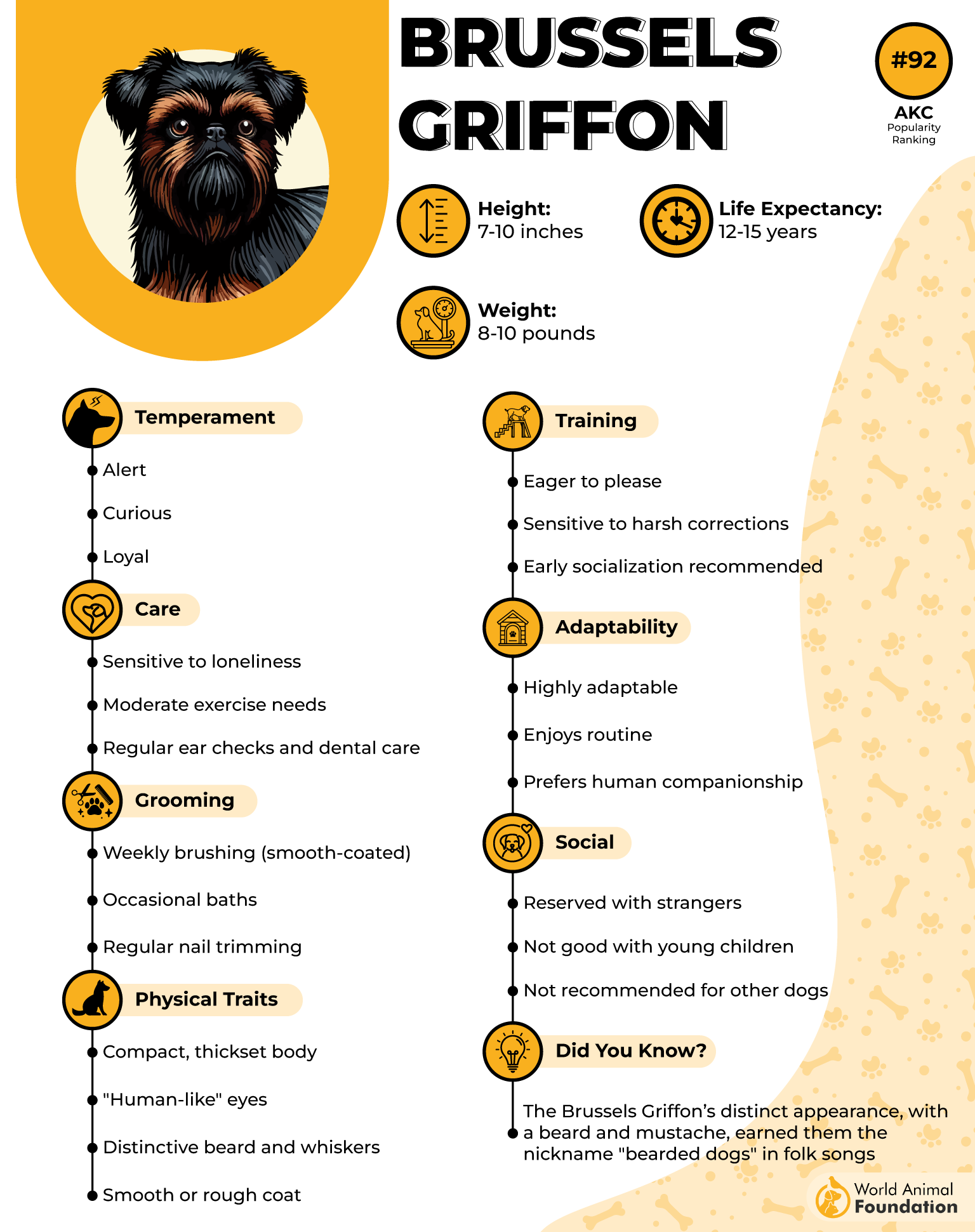
Gentle grooming techniques, short sessions, and treats help this breed relax. Professional groomers often say the trick is confidence and patience, not force.
There’s also health to keep in mind. As a flat-faced type, overheating can happen faster. So grooming sessions should happen in a cool room, with breaks.
And because separation anxiety is common, a calm routine matters. Here’s the good part. When the dog trusts the process, specialized grooming feels less like a battle and more like bonding. Proper grooming becomes part of daily life, like feeding time.
Keep grooming sessions short and upbeat to support cooperation
Brush lightly to remove loose hair without irritating skin
Build a steady routine so grooming needs do not turn into drama
5. Shih Tzu
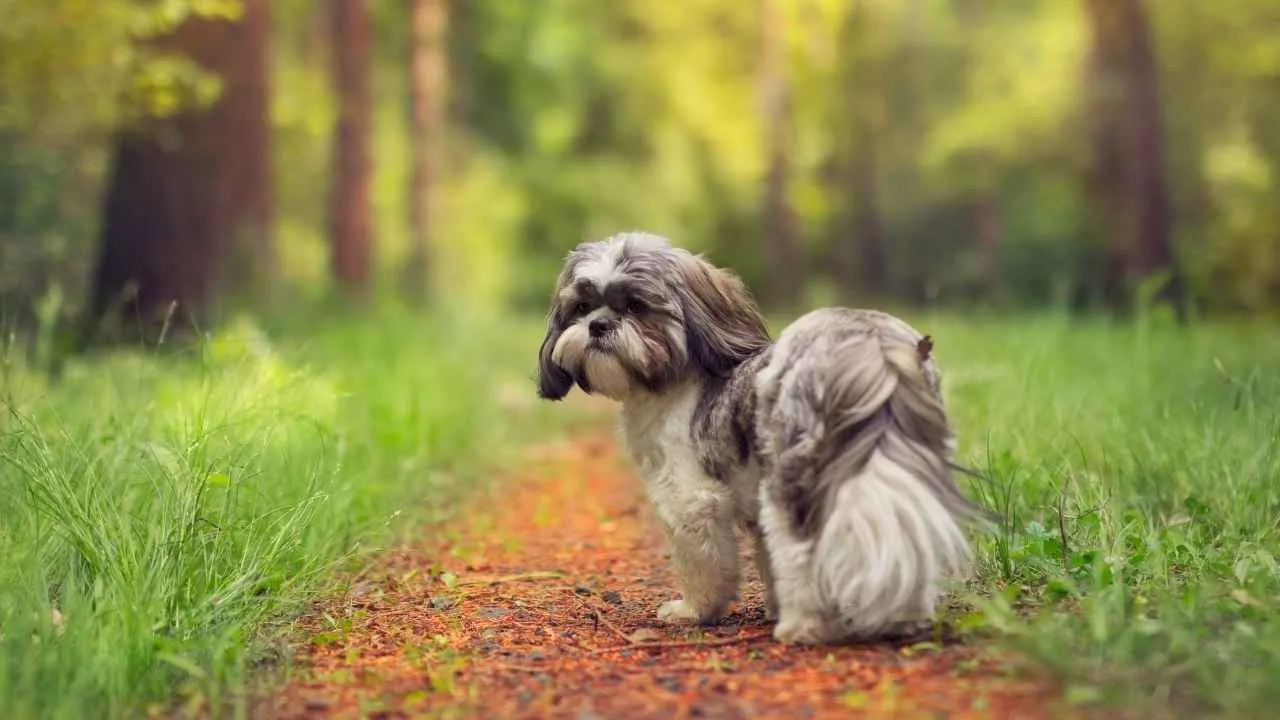
The shih tzu is tiny, sweet, and often glued to the family’s side. The coat is long and flowing, and it can feel similar to human hair in the way it tangles. That’s why daily brushing is a must.
Without it, mats can form fast, and they can pull on the skin. Regular brushing helps prevent matting along the belly, behind the ears, and around the legs.
This is one of those long-haired breeds that often needs help beyond home care. Many owners rely on professional grooming every few weeks to keep the coat in shape. Face and eye areas also need attention.
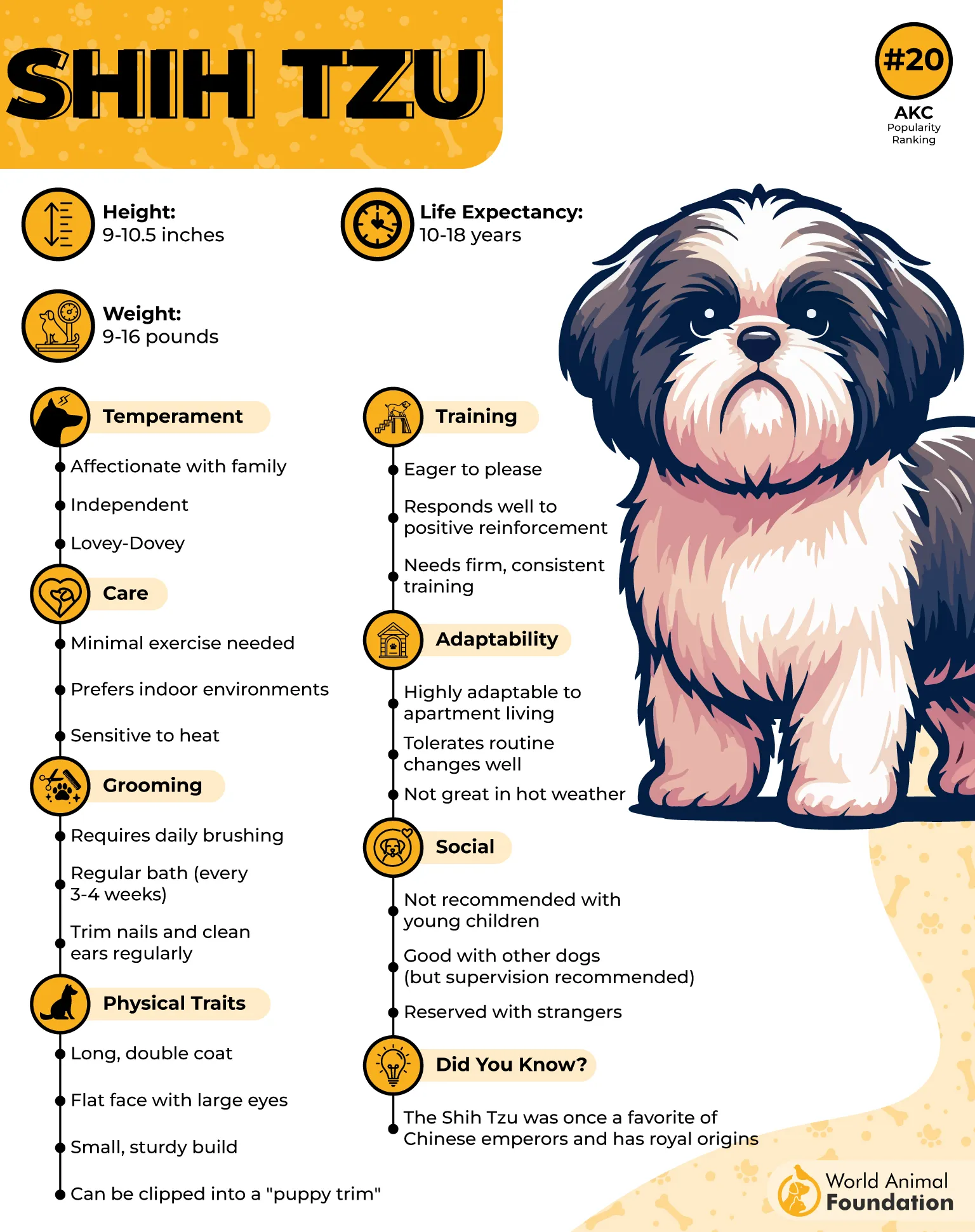
Food and water can cling to the hair, so a quick wipe keeps the face fresh and helps keep the coat clean. And here’s the best part! A neat face trim can make the dog look brighter and feel more comfortable.
Bath time is part of regular grooming, too, but it should be balanced. Too many baths can dry out the skin and mess with natural oils.
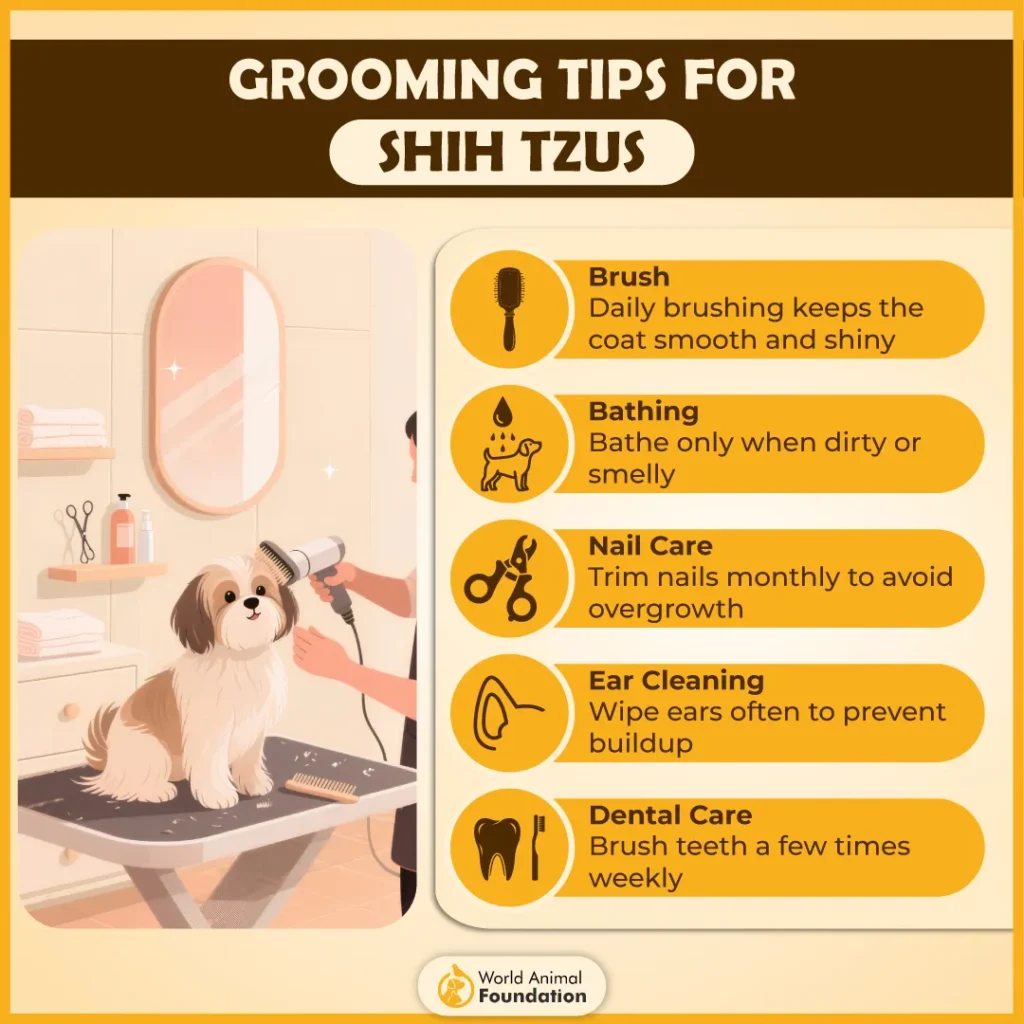
A simple schedule and gentle brushing do a lot. This is also a breed where a slicker brush can be useful, but only with a light touch. The goal is to prevent tangles, not scratch the skin.
Keep daily brushing gentle and steady to prevent matting
Book professional grooming services for trims and coat shaping
Add nail trimming to the routine, so paws stay comfortable
6. Poodle
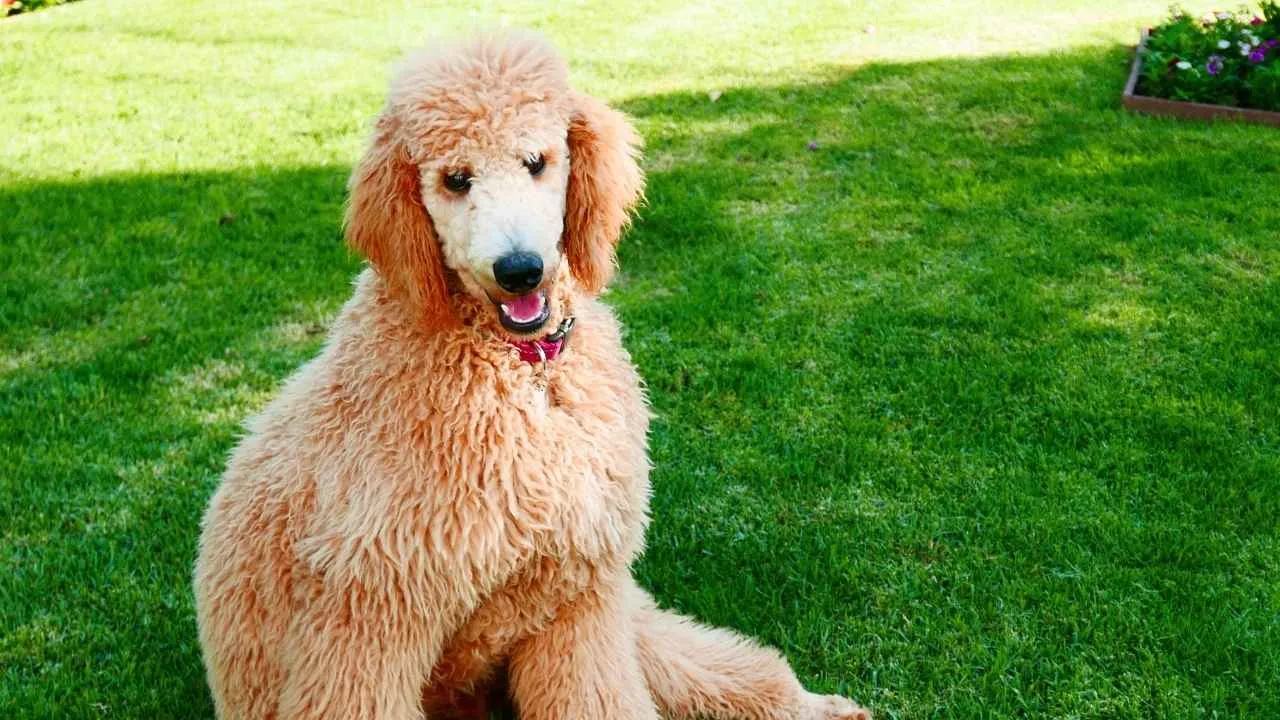
Poodles come in Toy, Miniature, and Standard sizes, but the grooming story stays the same. This is one of the curly-coated breeds that needs specialized grooming on a schedule. That curly coat can trap loose hair instead of dropping it, so tangles can build quietly.
Frequent grooming is the secret weapon. When brushing is skipped, knots tighten close to the skin and can turn into mats.
A strong routine often includes professional grooming every 4 to 6 weeks. That usually covers clipping, shaping, and clean-up around the face, feet, and tail. It also helps keep the coat type consistent and comfortable.
At home, regular brushing supports the style and helps prevent matting between appointments. A slicker brush is common for poodle coats, followed by a comb to check for hidden tangles. But why bother with that? Because once mats form, they can hurt and may require shaving.
Ear care matters too. Poodles can have hair inside the ear area, which can trap moisture. Ear cleaning and careful hair management help lower the risk of ear infections. Here’s the good part.
When the routine is locked in, poodles feel soft, look neat, and stay ready for cuddles. Many owners say the grooming routine becomes as normal as morning coffee.
Use regular brushing to prevent matting under the curls
Keep grooming appointments steady for coat control and comfort
Include ear cleaning and checks as part of proper grooming
7. Yorkshire Terrier
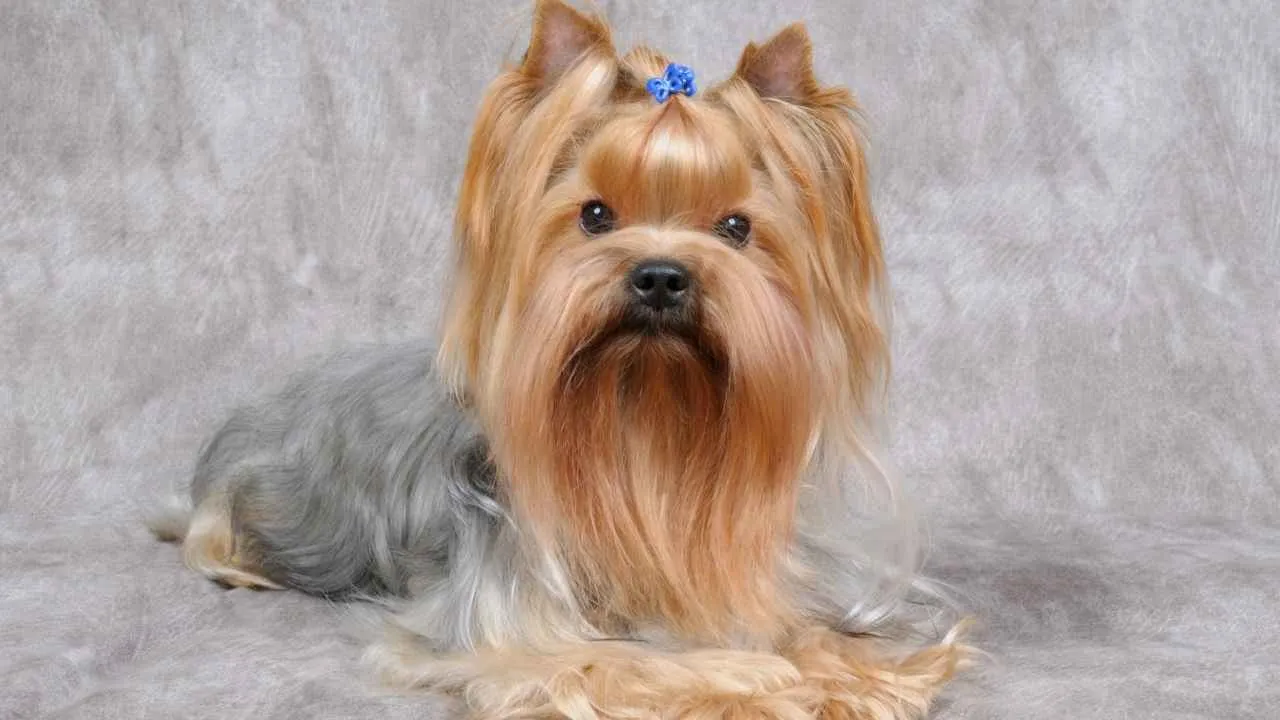
The Yorkshire Terrier may be small, but the grooming needs are not small at all. The coat is long, smooth, and silky, and it tangles easily. Daily brushing is the easiest way to keep it under control.
Regular brushing helps prevent tangles near the collar, chest, and legs. Without it, mats can form quickly, and they can be tough to remove without discomfort.
This is another of the long-haired breeds where the coat behaves more like hair than fur. That means it can look amazing, but it also picks up dust and tiny debris. Regular bathing helps, but the coat should be dried well afterward so it does not cling and knot.
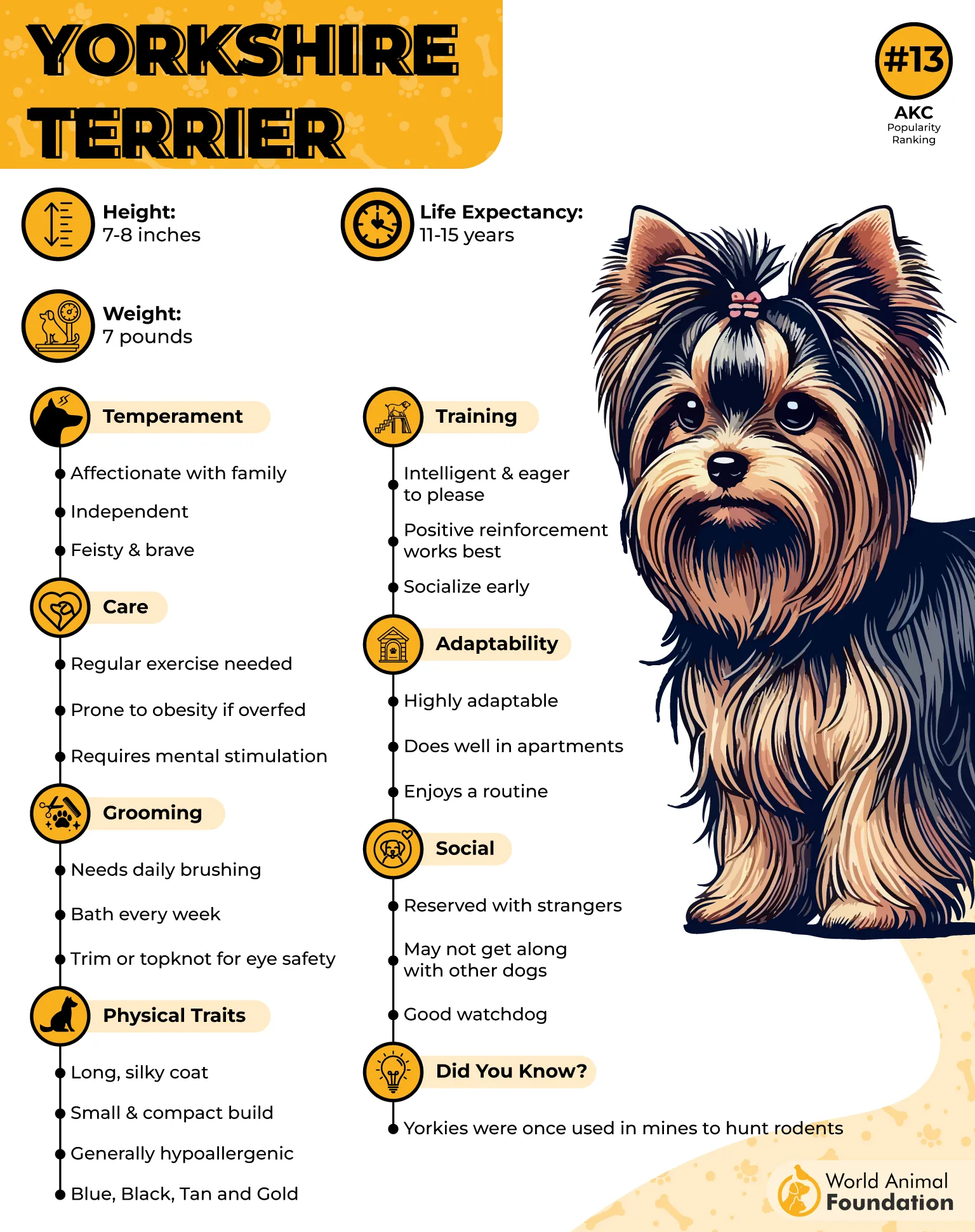
Many Yorkie owners set a simple grooming routine with quick brush time most days and a deeper session once a week. That also helps distribute natural oils through the hair, which supports a silky coat look.
Groomer visits every few weeks are common. Professional groomers can trim the coat for easier care, shape the face, and keep the hygiene areas neat.
Here’s the good part. Once the coat is in a workable length, grooming feels way less stressful. And the dog stays ready for photos at any moment, which is honestly half the fun with a Yorkie.
Keep daily brushing gentle to prevent matting near friction points
Use a slicker brush lightly, then comb through to remove loose hair
Plan professional grooming for trims that match the dog’s lifestyle
Conclusion
Specialized grooming is not about chasing perfection. It’s about comfort, health, and making life easier for both human and furry friend.
Some dog breeds that require extra care have cords, curls, or long hair that knots fast. Others need special grooming because training, ears, or body shape changes the whole routine.
The good news is simple. Start early, keep regular grooming steady, and do small steps often. That helps prevent matting, helps prevent tangles, and keeps the dog’s coat feeling good.
If the routine feels like too much, professional grooming can take the pressure off. Pick a plan, stick with it, and enjoy the clean, happy cuddles.
