




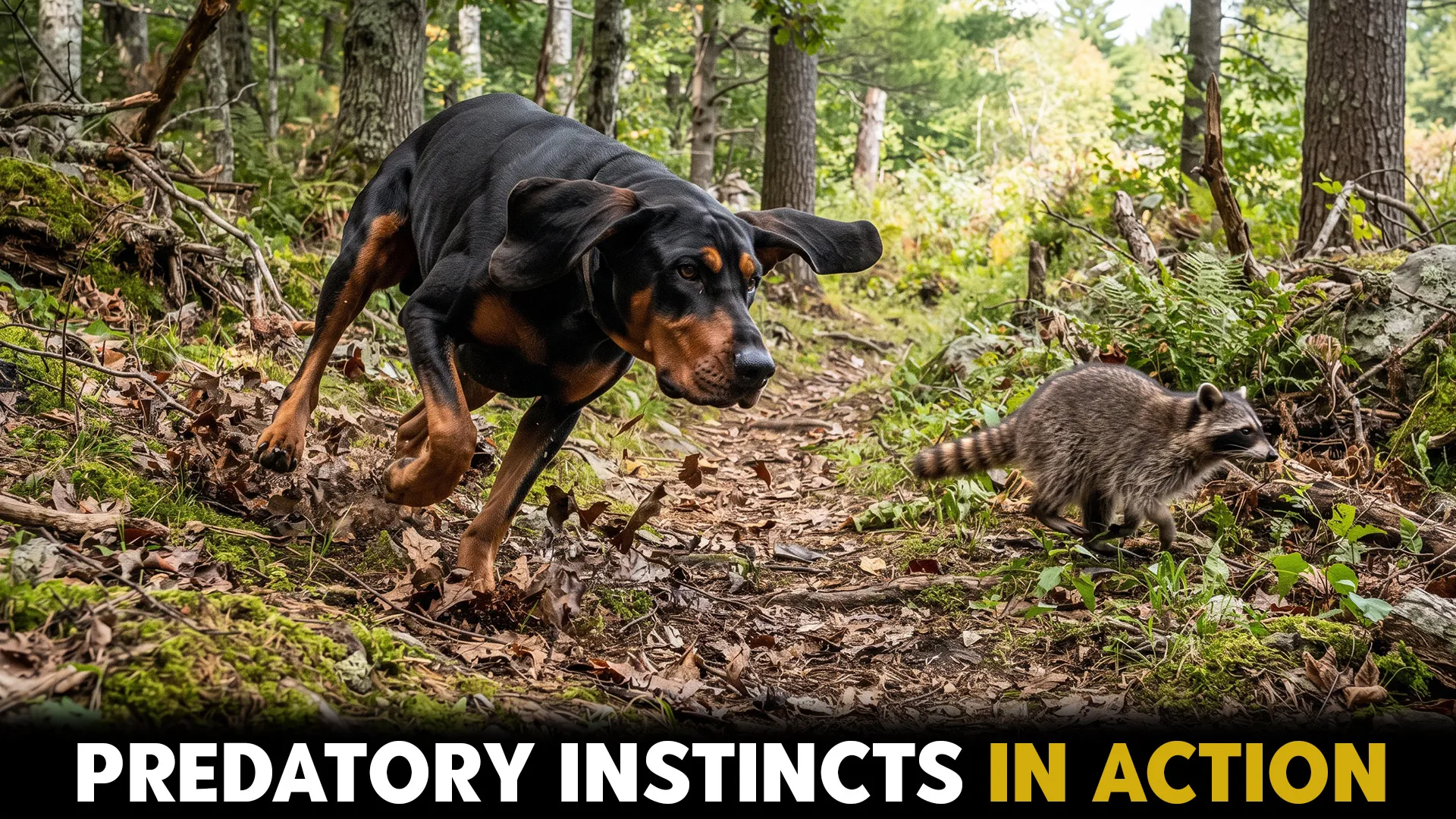
A strong hunting instinct can turn an ordinary walk into a full sensory mission. A dog may catch a scent on the breeze, spot movement in tall grass, or become completely focused on a trail that seems invisible to you.
These reactions are linked to specific hunting roles that shaped canine behavior for generations. Tracking dogs rely heavily on scent, pointing dogs locate and indicate game, flushing dogs drive animals from cover, and retrieving dogs are trained to bring game back.
Some dogs combine several of these abilities, creating impressive levels of focus, stamina, and persistence. That natural drive can be a major advantage for people who enjoy hiking, field work, scent training, or other structured activities. It can also create challenges when prey appears unexpectedly.
In this article, you will meet dogs recognized for powerful hunting instincts and learn how their natural skills, energy, and working tendencies influence life with them.
Key Takeaways
A simple walk can become a serious tracking mission when a dog catches a scent. Some breeds can stay focused on that trail long after you have lost sight of it.
The American Foxhound is one such specialist, with a nose built for following scents across long distances. Its deep bay helps hunters keep track of it during the chase.
Then there is the Karelian Bear Dog, a fearless hunter that can work in groups to hold large prey in place. Its story gets even more fascinating when you learn how close the breed came to disappearing.
From foxes and raccoons to bears and wild boars, these ten breeds reveal just how powerful a dog’s natural hunting instincts can be.
Dog Breeds with Powerful Hunting Instincts
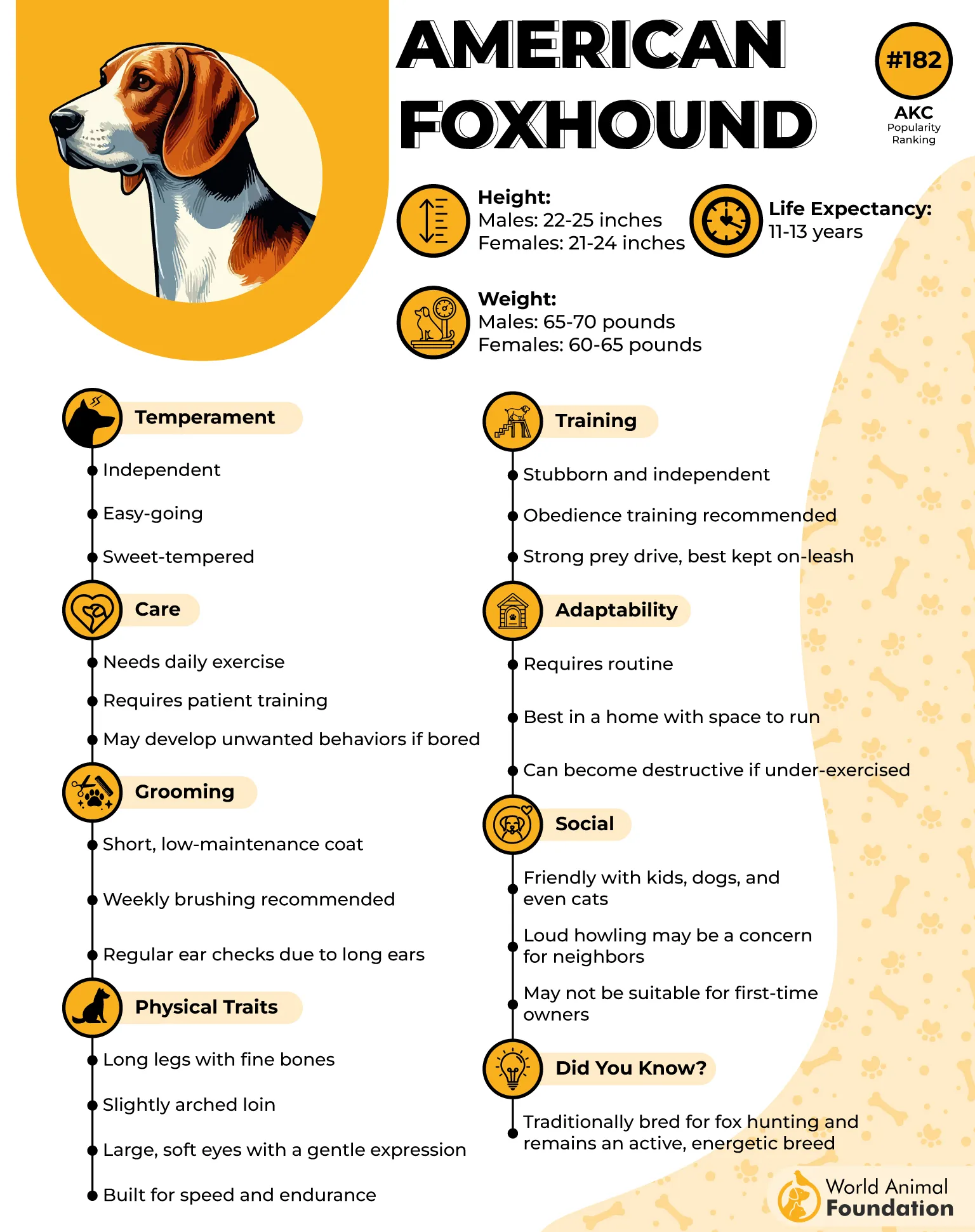
1. American Foxhound
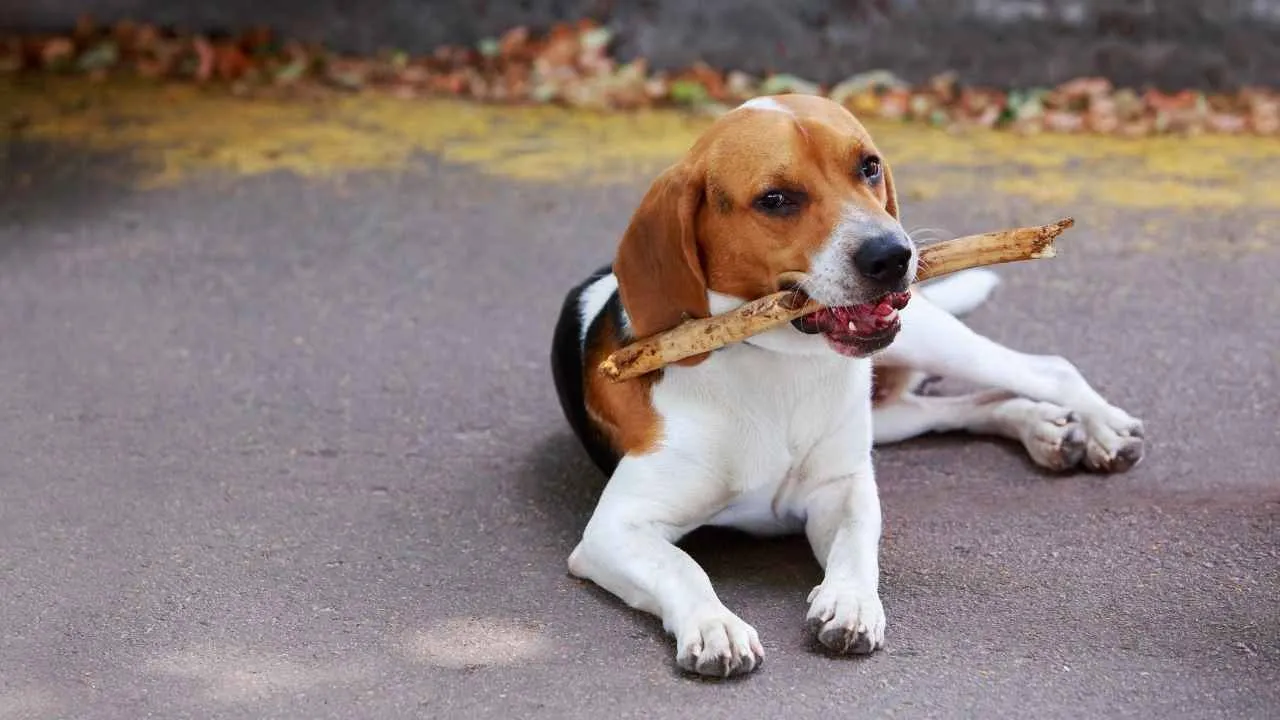
American Foxhound emerged in the United States as a scent hound bred for fox pursuits, with strong ties to the old estates of Virginia. Its lineage includes English and French hounds brought together during the 17th and 18th centuries for organized pack hunts across American terrain.
Nose at Work
This hunting dog breed can lock onto a scent and follow it with intense concentration, sometimes widening its search pattern when the trail disappears. Its long legs, lean frame, and efficient stride support steady travel over extended distances rather than short bursts of speed.
Three details help explain how this hunting style works:
Large pendulous ears help funnel scent toward the nose
A melodious bay helps communicate during long pursuits
Scent puzzles suit its natural problem-solving ability
Independent Tracker
American Foxhound was selected to make decisions while following a trail, so it may become deeply absorbed once a scent catches its attention, as per Royal Canin. That independent working style can also lead to wandering, especially when an interesting trail offers a route beyond secure fencing.
2. Weimaraner
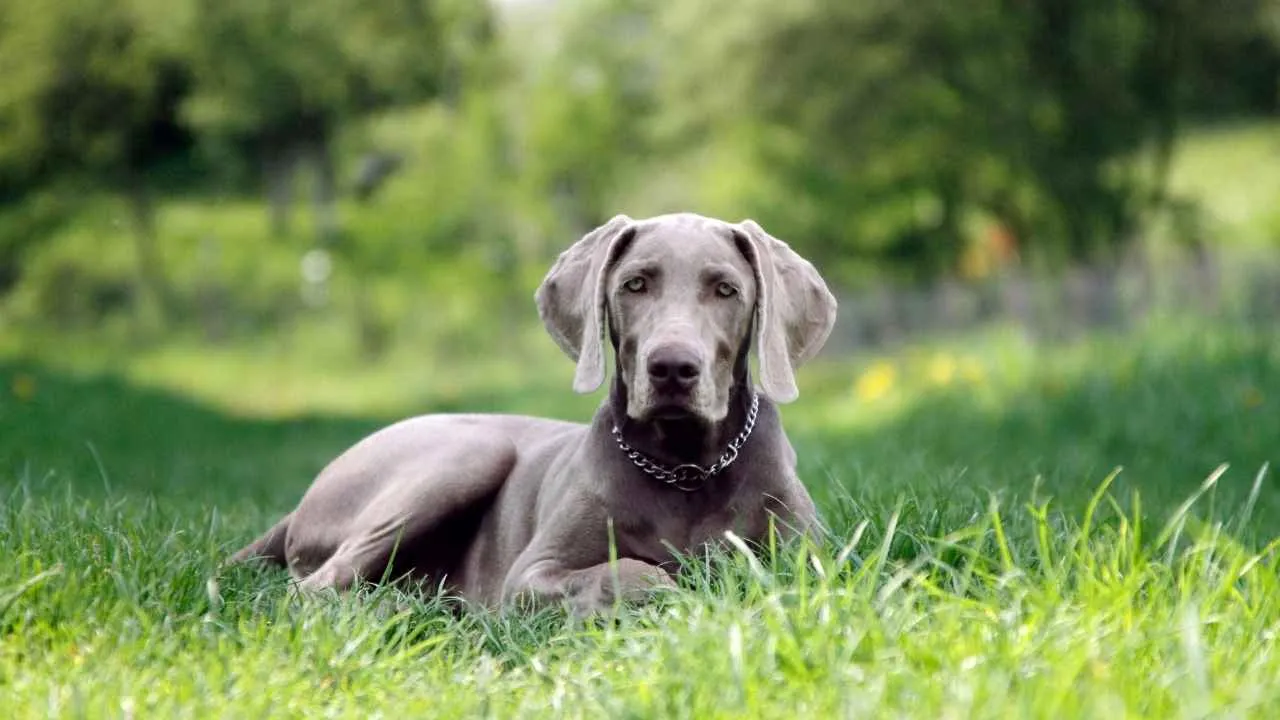
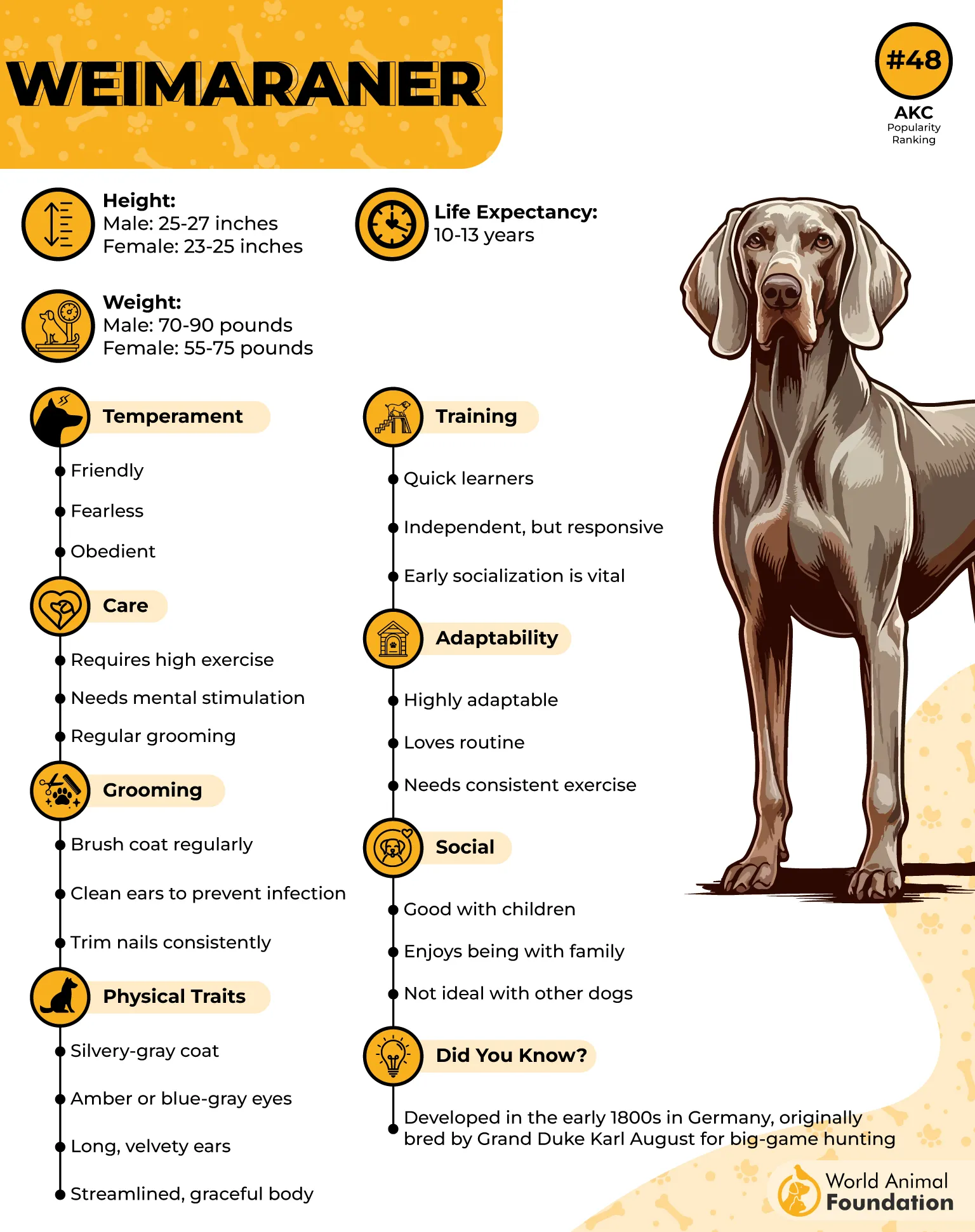
Weimaraner earned the nickname “Gray Ghost” from its silvery coat and striking yellow-amber eyes, while its roots lie at the court of Weimar in Germany, as Showsight Magazine claims. Bred as a highly versatile gun dog, it was used for hunting birds, waterfowl, predators, and big game.
Made for the Chase
Weimaraner could track animals as large as bears, wolves, and deer, then switch to smaller quarry such as birds and water retrieves. Its deep chest, tucked waist, and athletic frame support the speed and stamina needed for demanding pursuits.
These details sharpen its hunting profile:
Quick-drying coat for wet retrieves
Webbed toes aiding swimming and traction
Strong scent-tracking ability
A Versatile Field Worker
This hunting partner combines pointing, tracking, and retrieving skills with an alert working temperament that supports multi-step tasks alongside a handler. Its hunting drive can also make scents, cats, rabbits, birds, and other distractions far more tempting than a command.
3. Black And Tan Coonhound
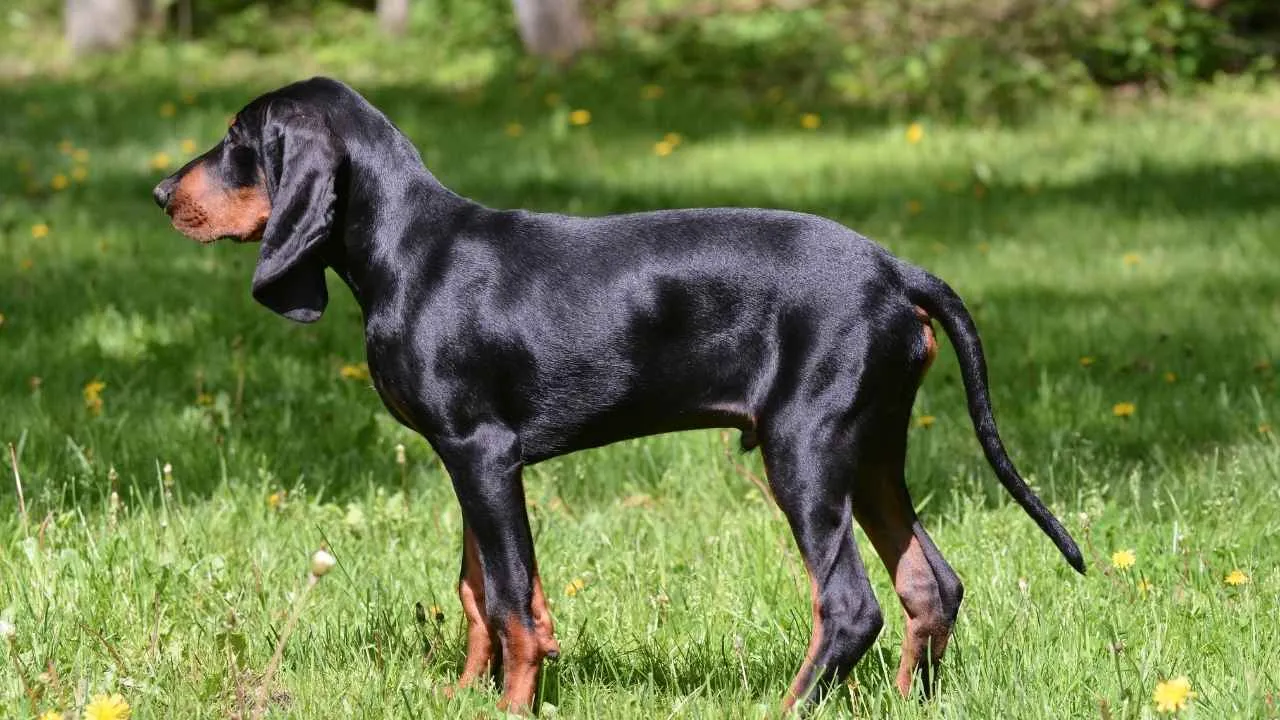
Black and Tan Coonhound became closely associated with American raccoon hunting during the 17th and 18th centuries, when “coonhunting” grew into a popular pastime. Its exceptional nose made it especially suited to following a raccoon’s trail from considerable distances through the countryside.
A Specialist Tracker
Once it picks up a raccoon’s scent, Black and Tan Coonhound follows the trail with remarkable determination, eventually forcing the animal up a tree. The hound then uses its distinctive, horn-like bay to alert the hunter to the animal’s location.
Three details capture its working style:
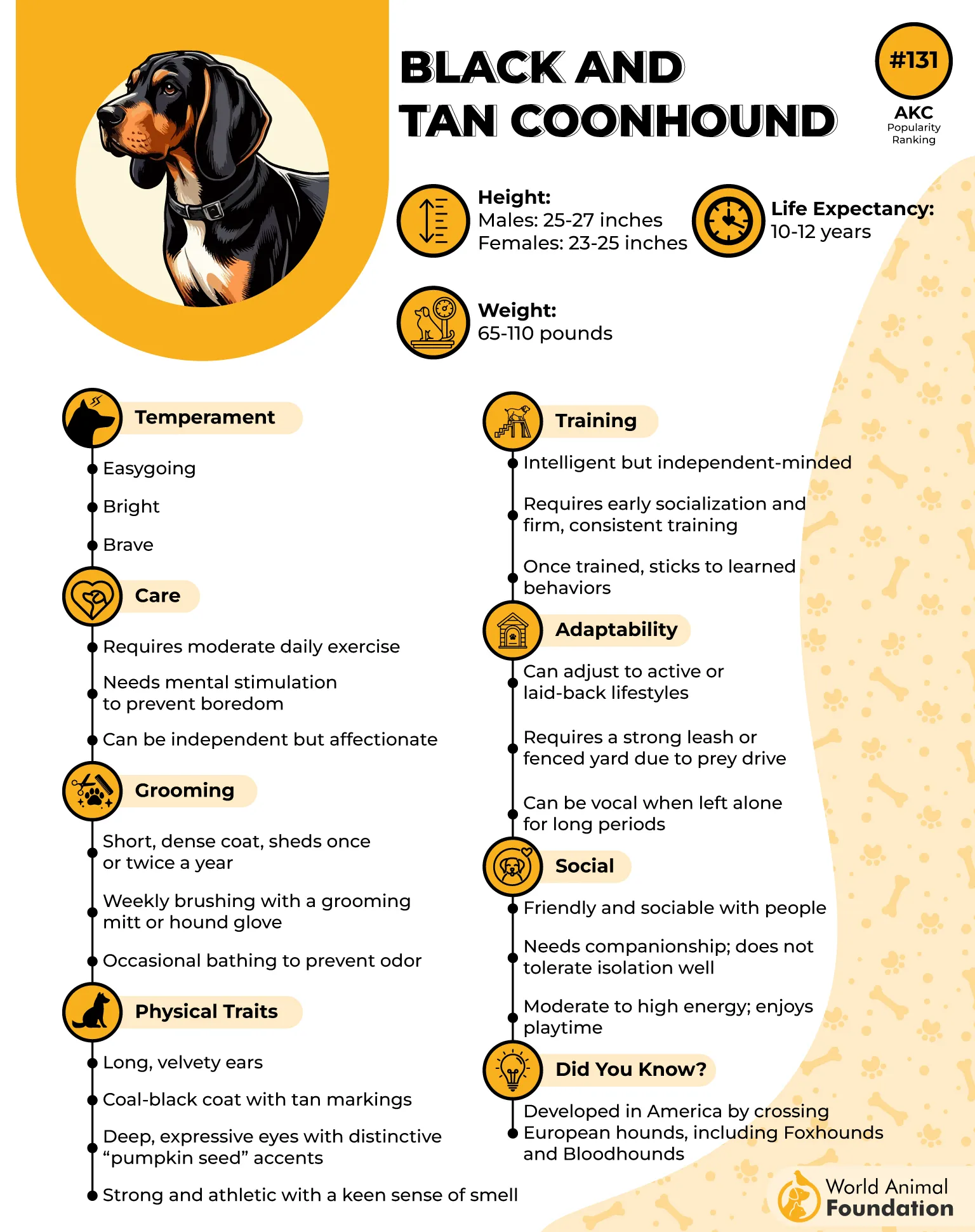
Sociable with people and dogs
Becomes more vocal when bored or isolated
Early “quiet” training helps
Strong-Willed Learner
Black and Tan Coonhounds can be headstrong during training, particularly when commands are overly harsh or when attention is lacking. Early obedience work, socialization, appropriate tasks, and enough freedom can help channel that independent streak constructively, as Orvis suggested.
4. German Shorthaired Pointer
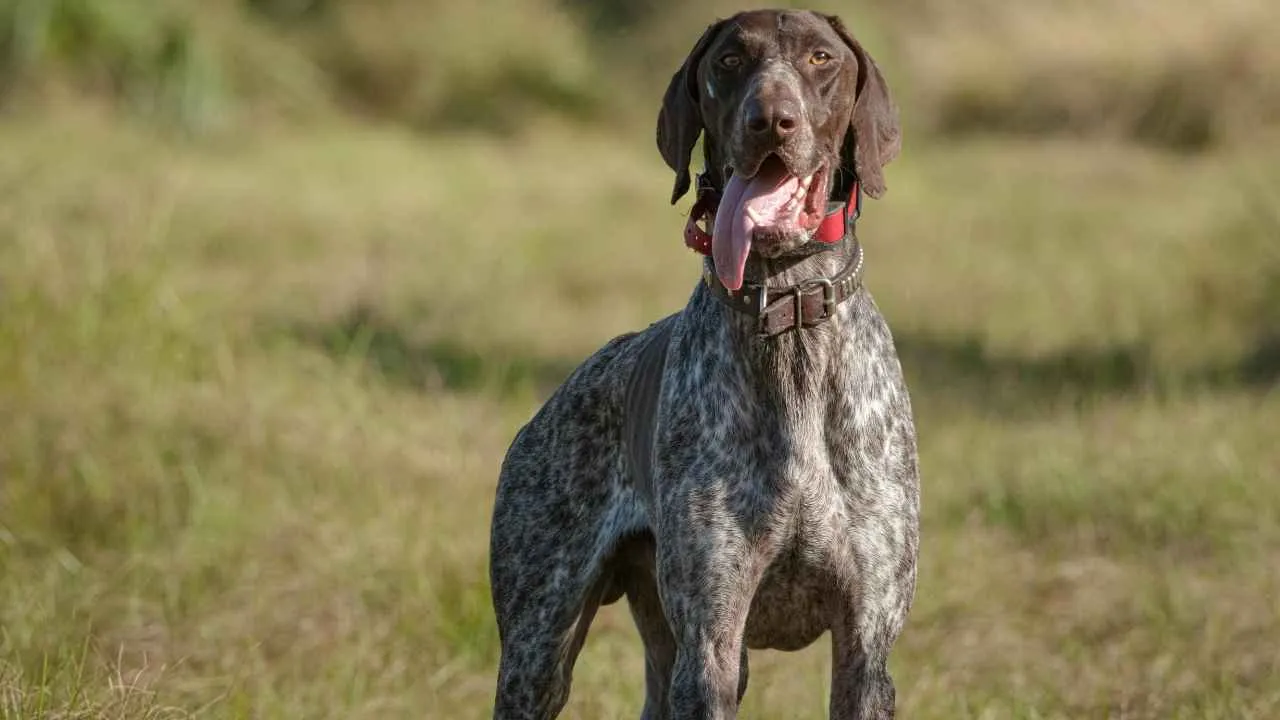
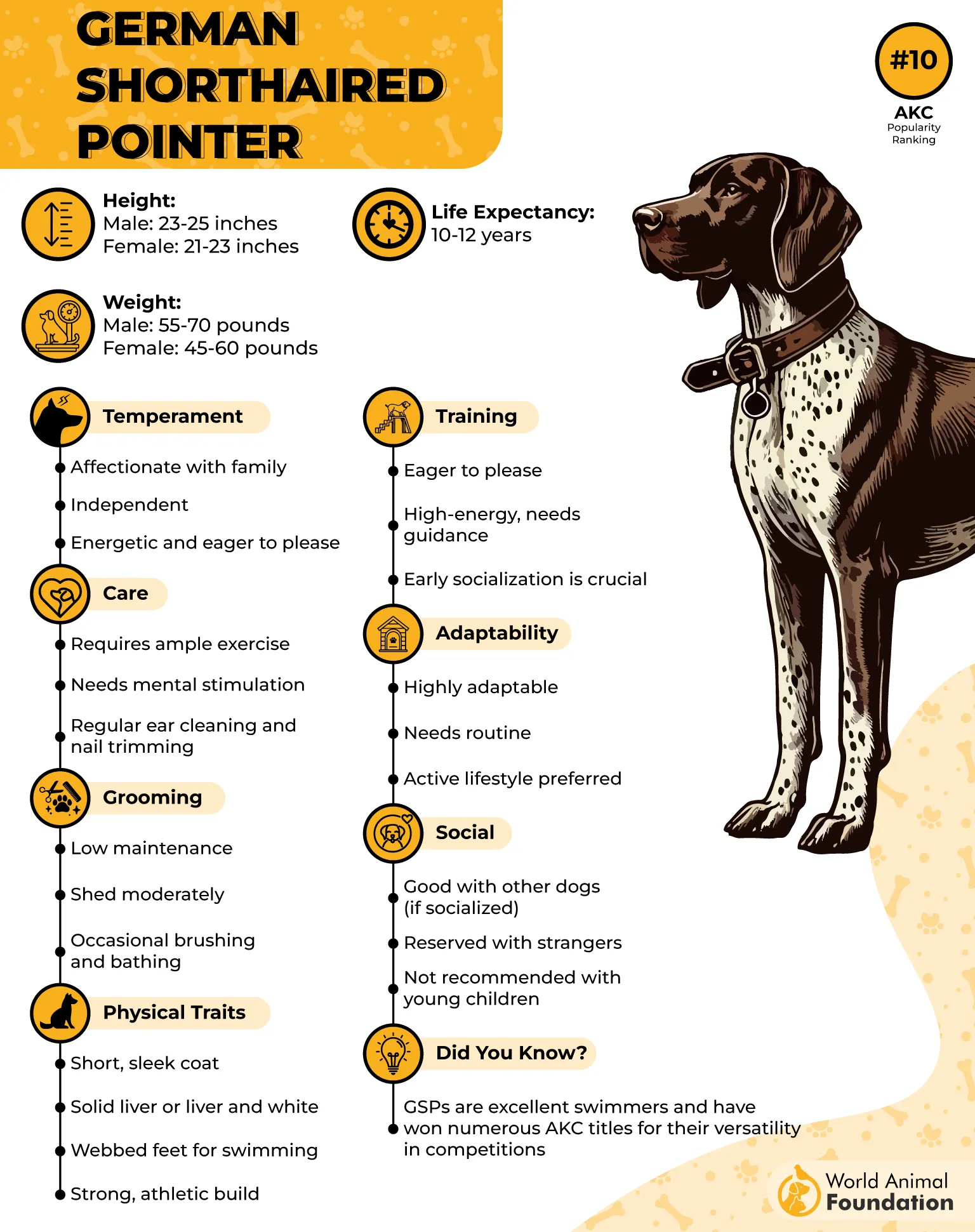
German Shorthaired Pointer developed in Germany during the 17th century, with Spanish Pointers and early German bird dogs shaping its first form. Bloodhounds may also have influenced the breed, while later English Pointer crosses produced a lighter, faster hunting dog in the 19th century.
A Nose for Game
This versatile hunting dog was bred for searching ability, with highly developed scenting skills that help locate birds carried on the wind. Its natural pointing instinct allows it to freeze with game at a distance, giving the hunter time to respond.
That field work calls for several distinct abilities:
Air-scenting birds from a distance
Working through marshes and forest edges
Retrieving game from water
Built for the Hunt
The German Shorthaired Pointer has a deep chest, long legs, and a lean, muscular frame suited to sustained galloping over demanding terrain. Its balanced build supports efficient oxygen use during lengthy hunts, while its strong prey drive keeps its attention focused on potential game.
5. Irish Setter
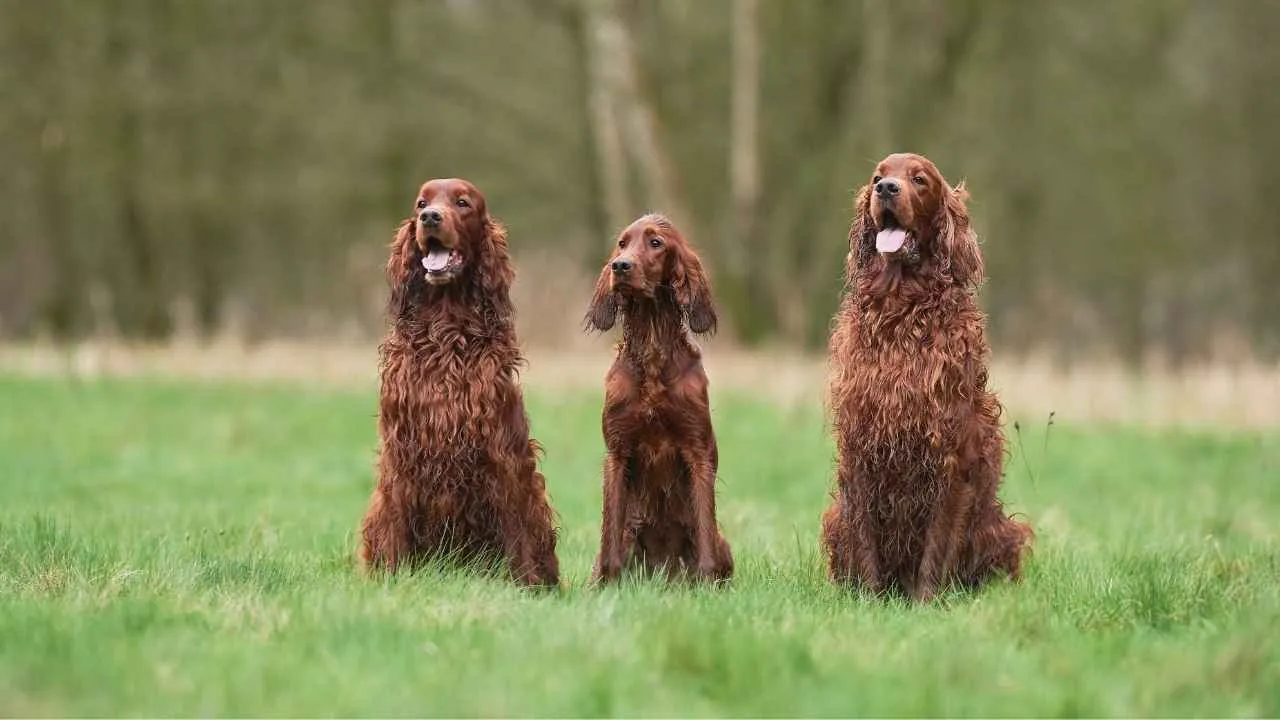
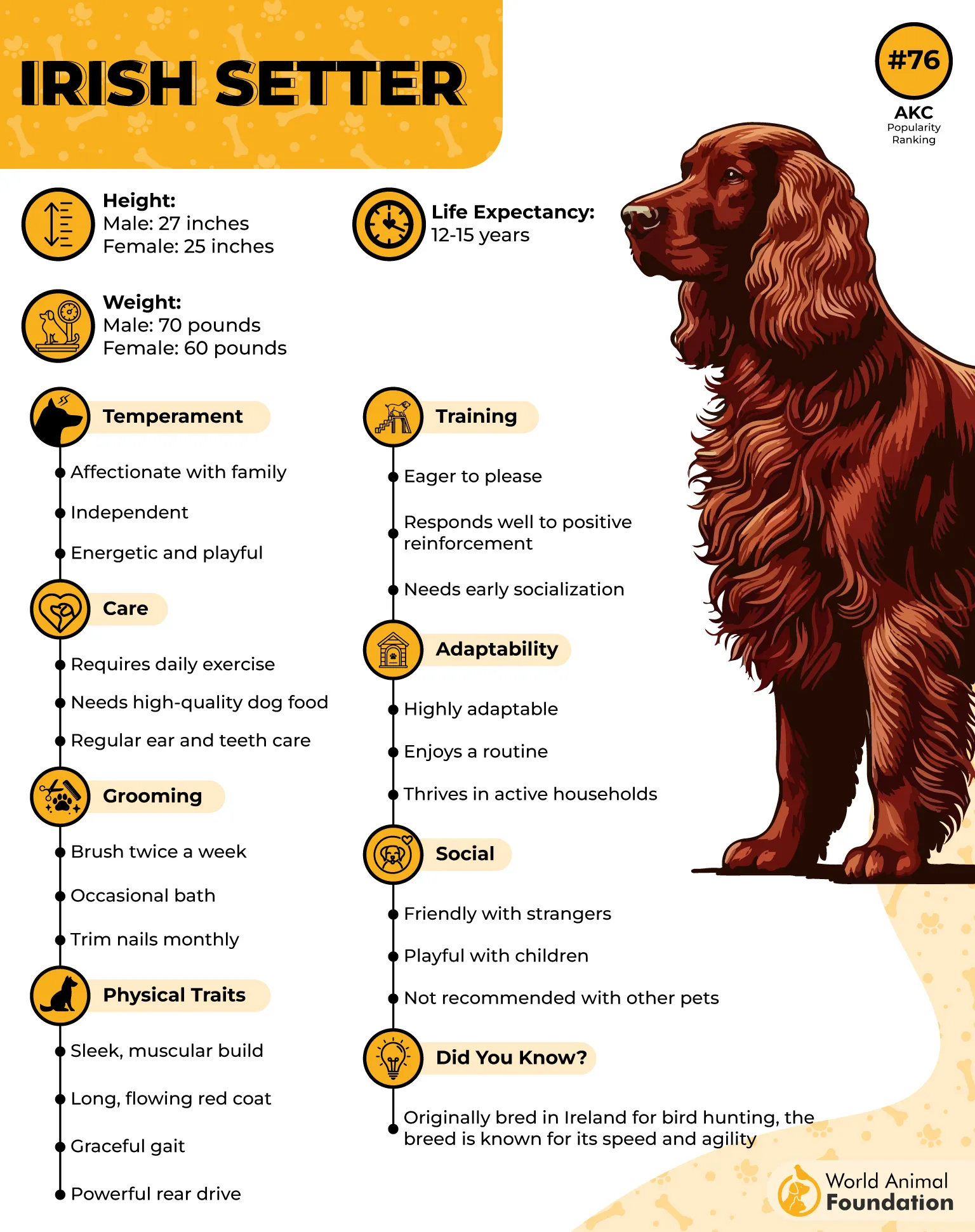
Irish Setter was originally bred in Ireland during the 18th century, with early dogs combining spaniel-type and pointing breeds used to locate game birds. Hunters valued their scenting ability and their distinctive habit of freezing or crouching after finding a bird.
Field Specialist
They search widely across open countryside, using scent to locate quail, pheasant, grouse, woodcock, and other upland birds before directing their nose toward the source. Its speed and endurance also allow it to cover large areas during a full day in the field.
These field details make its working style especially specific:
High-headed pointing position
Naturally soft mouth for delicate game
Can retrieve after a successful shot
Training the Point
This energetic dog responds well to reward-based training, particularly when lessons progress from simple retrieving drills to planted-bird exercises and controlled pointing practice. Early exposure to birds and gunfire can gradually prepare a young dog for the sights and sounds of field work.
6. Pharaoh Hound
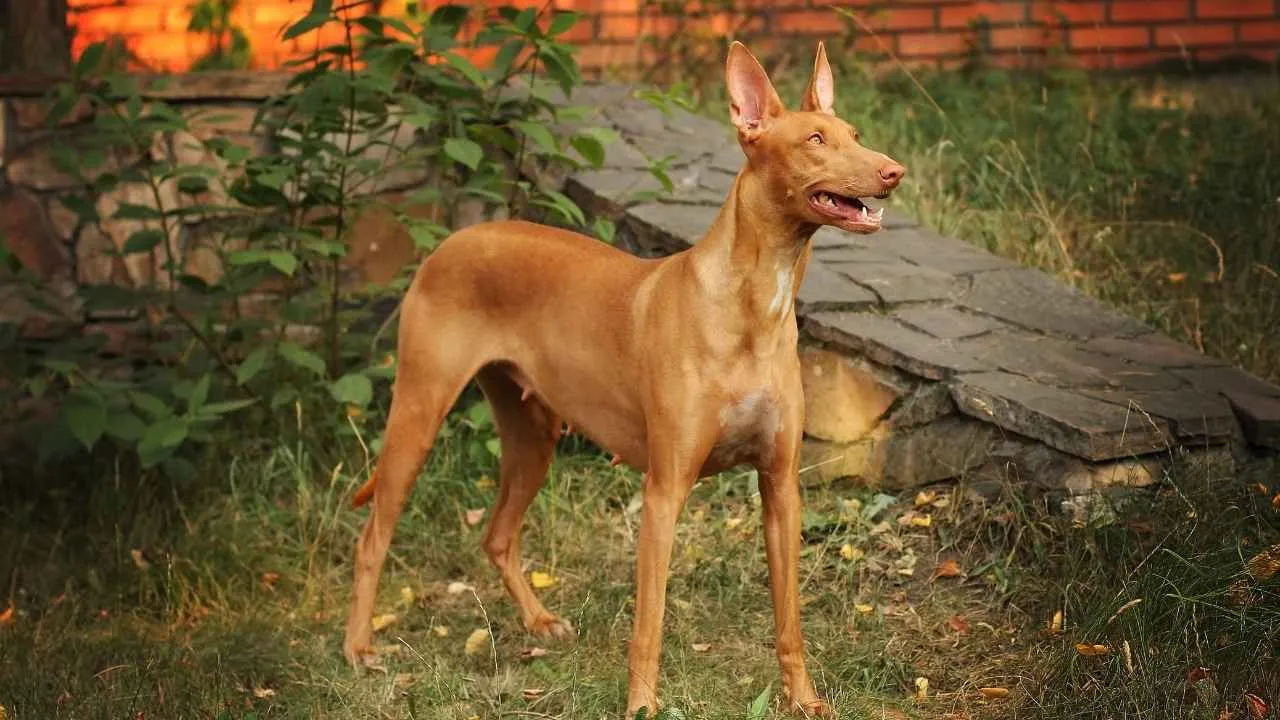
Pharaoh Hound has deep roots in Egypt and later became closely associated with Malta, where it was valued for hunting rabbits. On its home island, it is called “Kelb tal-Fenek,” meaning “dog of the rabbit,” and it also holds the distinction of being Malta’s national dog.
Eyes on the Chase
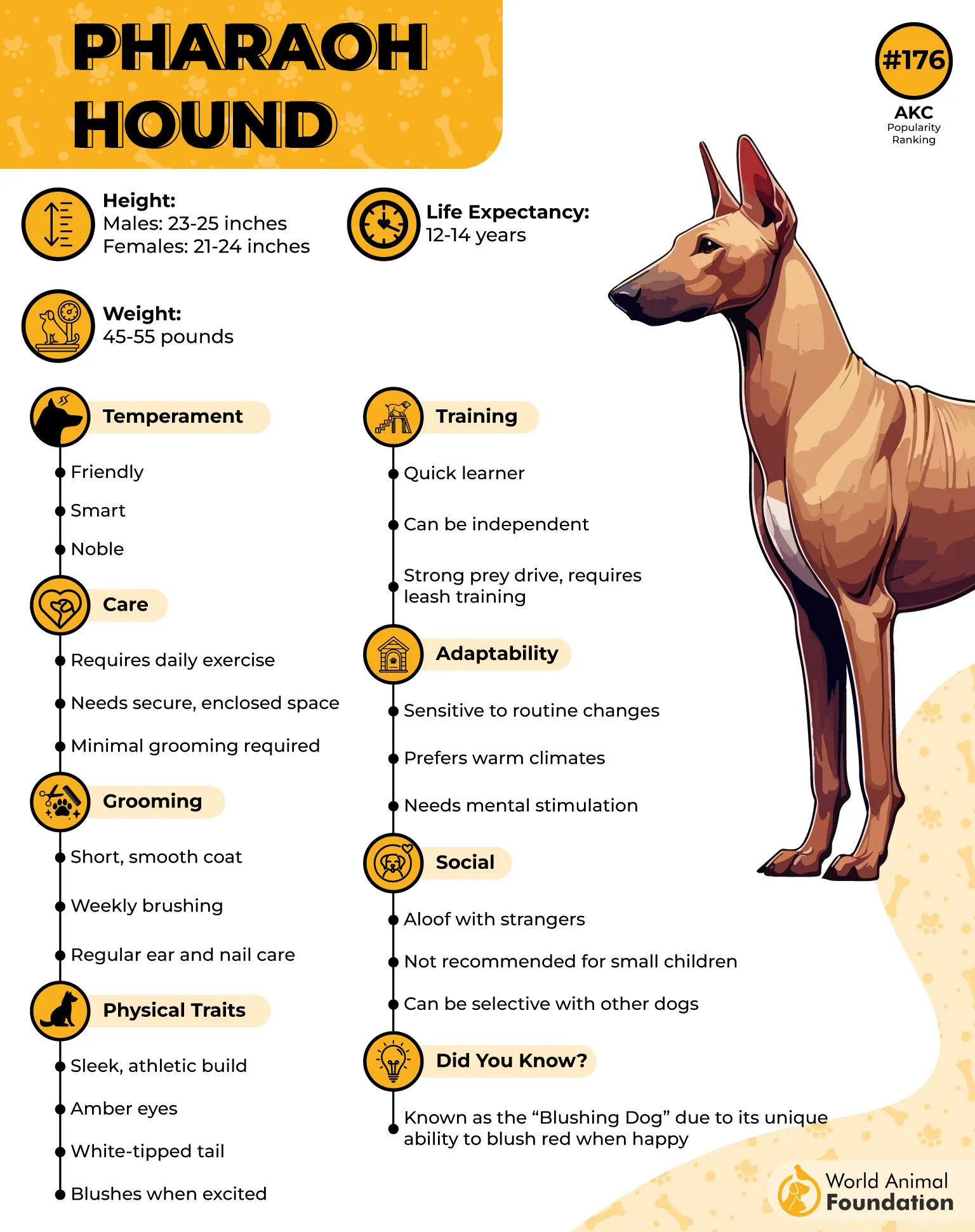
This hunting breed hunts primarily by sight, using sharp vision to track fast-moving prey across rocky ground. Its lean, muscular frame supports rapid acceleration, tight turns, and the endurance needed for coursing over Malta’s rugged slopes.
A closer look at its build reveals three useful details:
Slightly longer body than height
Chiseled, wedge-shaped head
Large, erect ears
Focused Outdoors
Pharaoh Hound has a strong prey drive and can quickly lock onto small, fast animals before launching into a sudden sprint. Long walks, racing, and field coursing give this high-energy hound plenty of opportunities to use its speed, agility, and intense visual focus.
7. Karelian Bear Dog
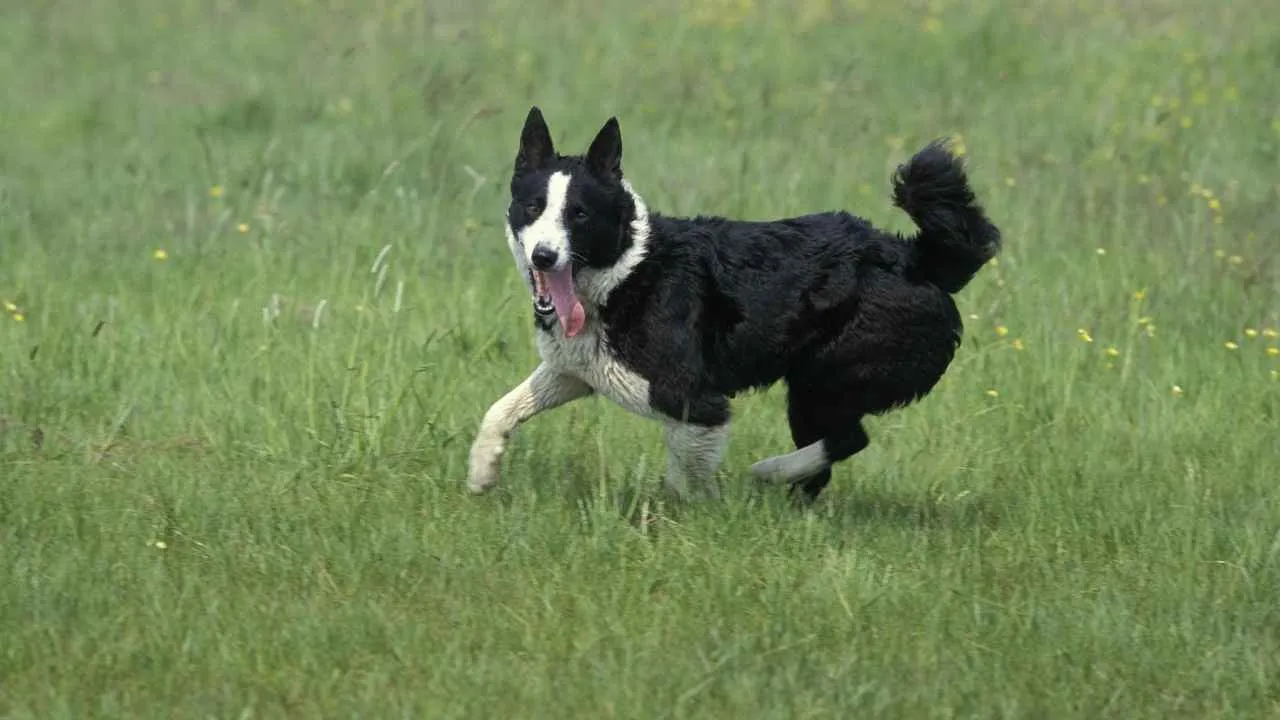
Karelian Bear Dog has a long connection with large-game hunting, with roots among the Laika dogs of Karelia and Finland. The modern breed took shape in Finland in the late 19th century, gained official recognition in 1935, and survived a wartime population drop to roughly 40 dogs.
Chasing Is in Its Nature
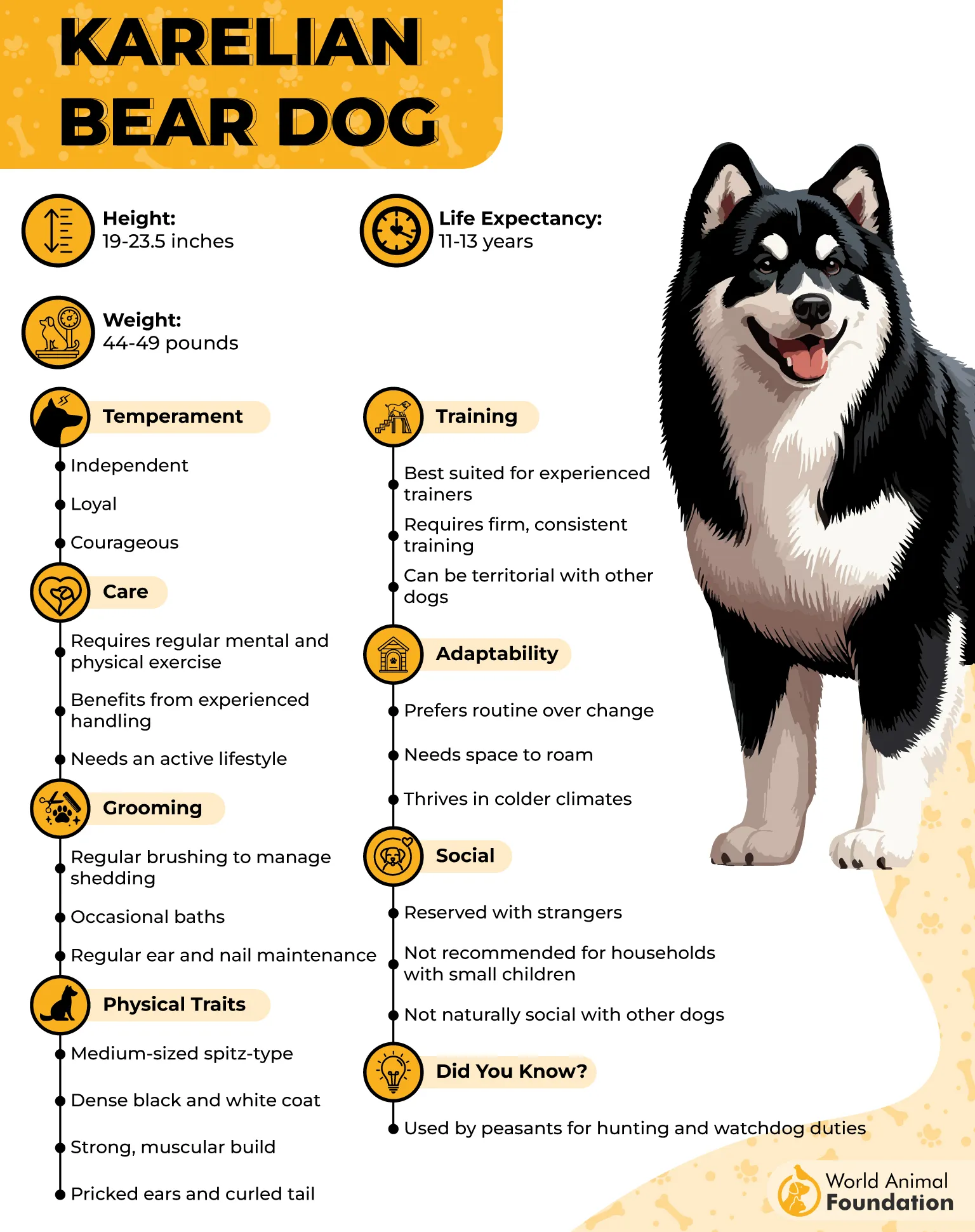
This hunting companion has a compact, muscular frame with strong hindquarters and a dense double coat suited to snow, steep ground, and icy terrain. Its sharp sight and scent work help it locate moving game, sometimes following wind-borne odors through snow with a zig-zag search pattern.
The working package includes some remarkable details:
Tracks game almost silently
Can hunt large prey in groups of three
Uses persistent barking to hold game in place
A Dog With Its Own Ideas
Karelian Bear Dog works independently during a hunt and can confidently corner game without constant direction. That freedom-loving nature can also lead to roaming attempts, while an under-stimulated dog may test latches, gates, and other possible escape routes.
8. Treeing Walker Coonhound
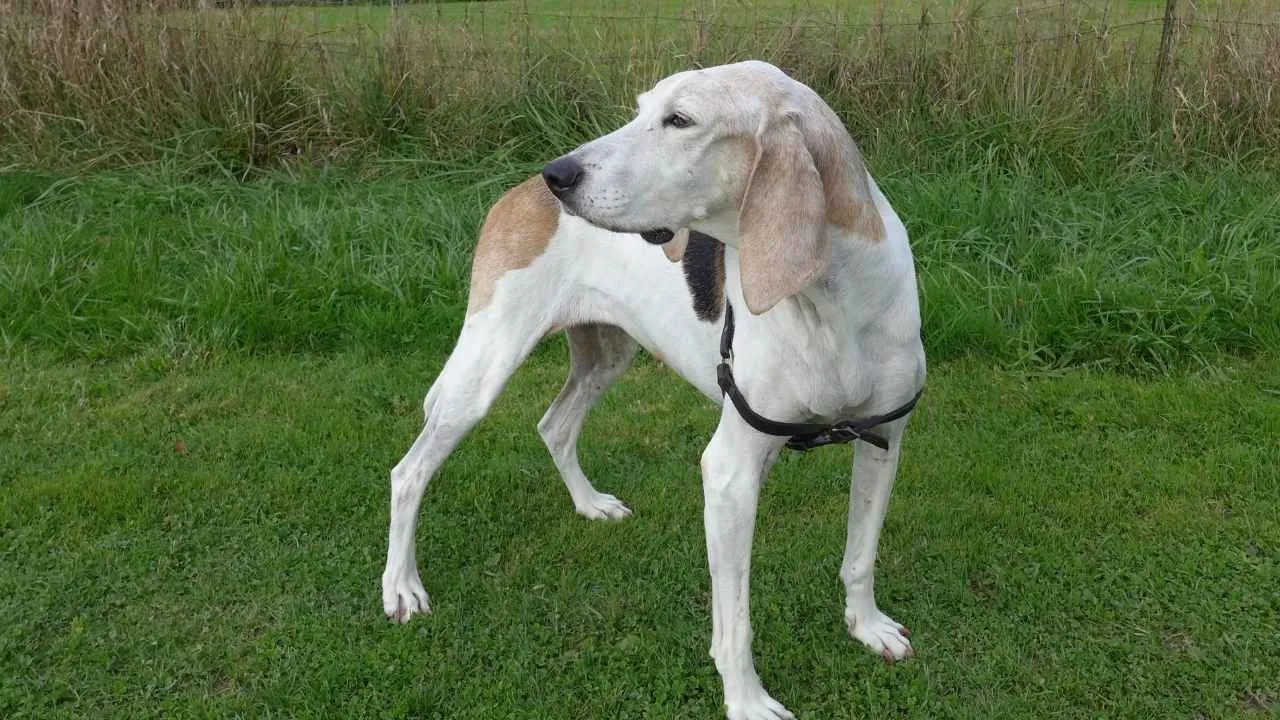
Treeing Walker Coonhound is shaped from colonial America, where hunters in Virginia and Kentucky needed a faster hound for thick forests and rugged hills.
Thomas Walker crossed English Foxhounds with Virginia hounds, and later breeding involving a hound called Tennessee Lead shaped the treeing Walker used for raccoon hunting.
Nose on the Job
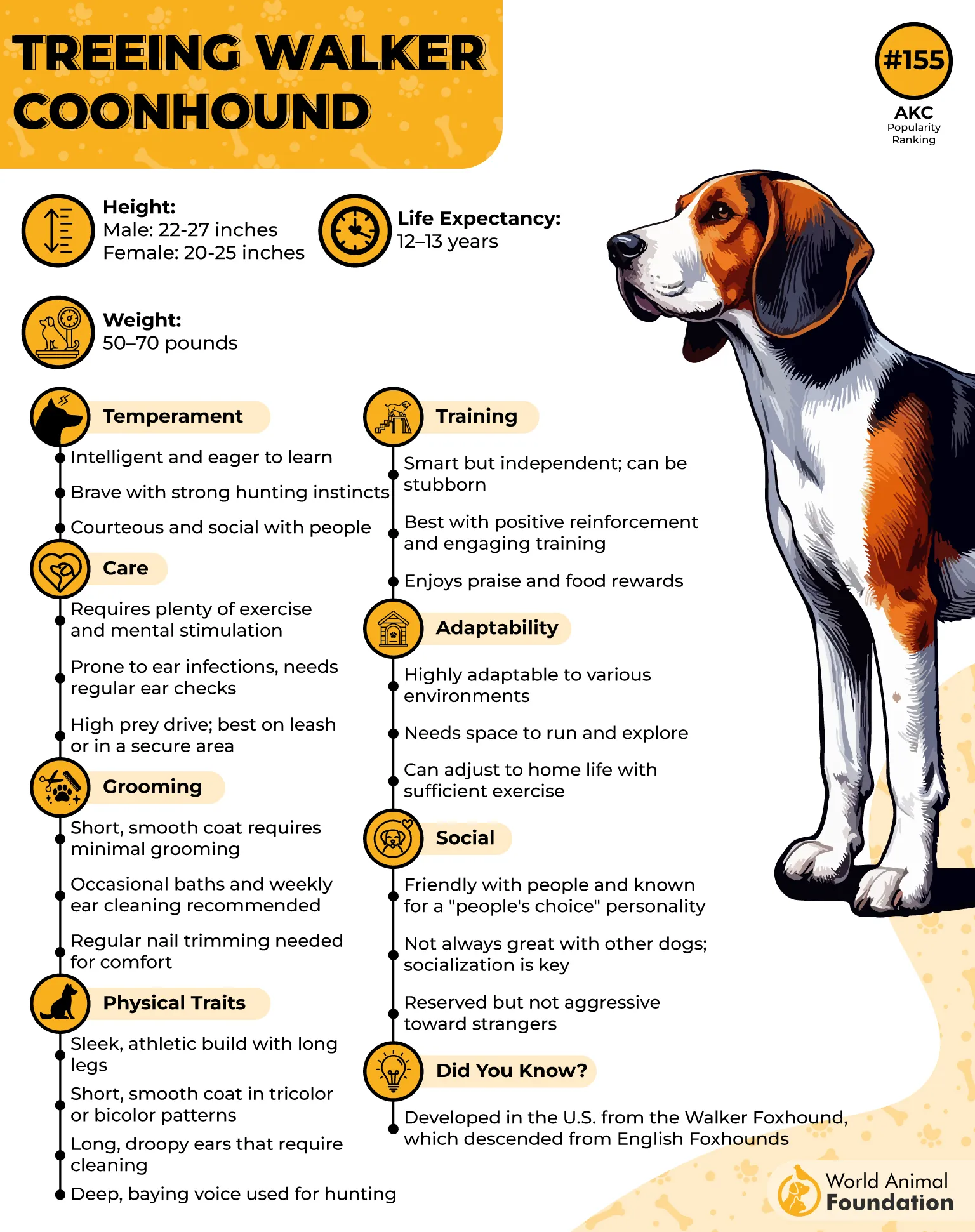
This coonhound can follow complex scent trails across varied ground with a highly developed sense of smell and long ears that help funnel scent toward its nose. It may run nose-down in sweeping arcs, quickly casting around when a trail becomes difficult to follow.
These working details make its hunting method easier to understand:
Loud bay alerts handlers from a distance
Switches to tree barking above-ground quarry
Tough feet handle thorns and rough undergrowth
Built for Pursuit
The treeing Walker Coonhound has a lean, deep-chested frame with a tucked waist that supports sustained speed over long distances. Its smooth gait, resilient skin, and athletic build suit the demanding work of tracking raccoons, foxes, bobcats, and other quarry through difficult terrain.
9. Chesapeake Bay Retriever
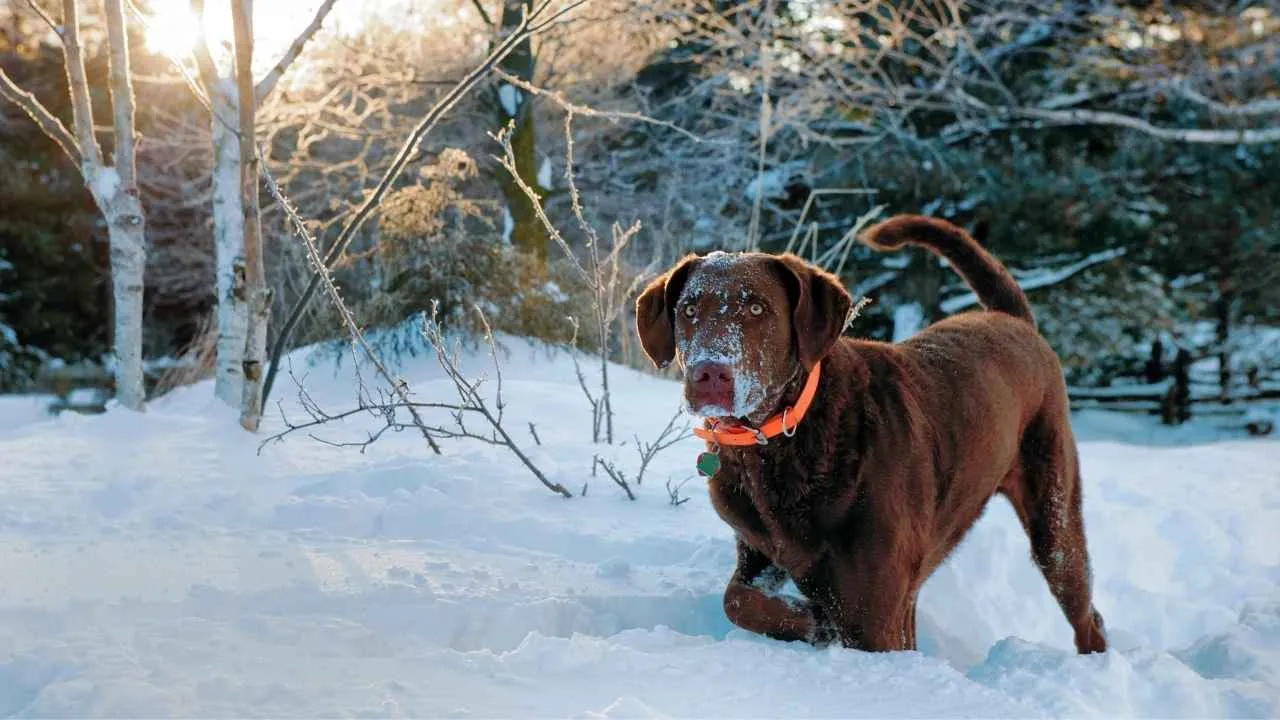
Chesapeake Bay Retriever takes its name from Maryland’s Chesapeake Bay, where its working lineage became closely tied to waterfowl retrieval.
After a shipwreck in 1807, two rescued puppies became skilled water retrievers, and their descendants were valued for repeatedly working through cold, rough water after ducks and geese.
Cold-Water Specialist
This retriever was built for difficult water work, including breaking through ice, swimming in chilled water, and even diving after prey. Its keen sense of smell also gives it the ability to flush birds and track scents across demanding terrain.
These details reveal how specialized this work can be:
Retrieves multiple fallen birds
Can dive after waterfowl
Tracks and flushes by scent
Independent Worker
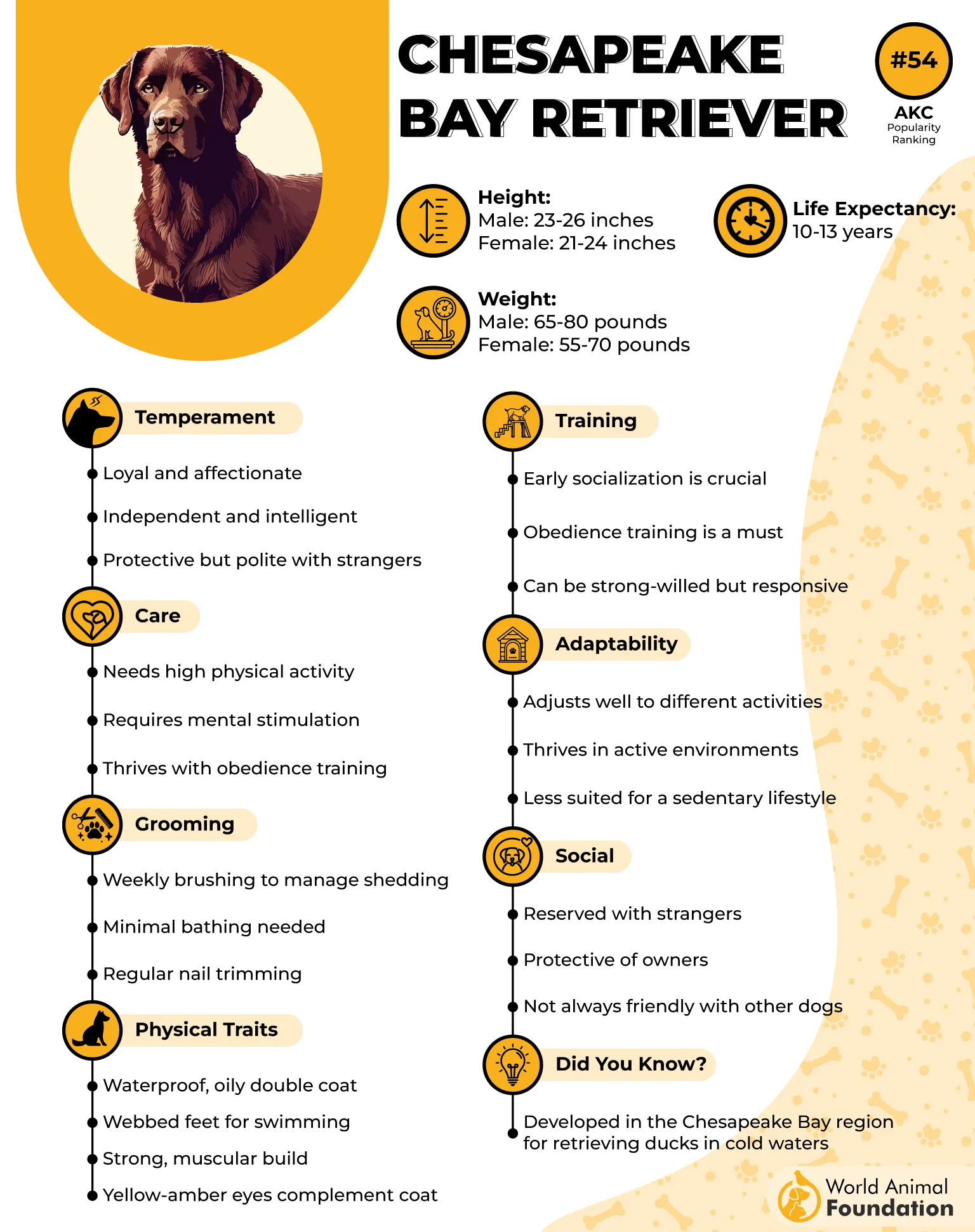
Chesapeake Bay Retriever has an unusually self-directed side for a retriever, with enough confidence to question commands that seem pointless to it. Training works best when an experienced handler gives this intelligent dog challenging physical and mental tasks rather than repetitive drills.
10. Dogo Argentina
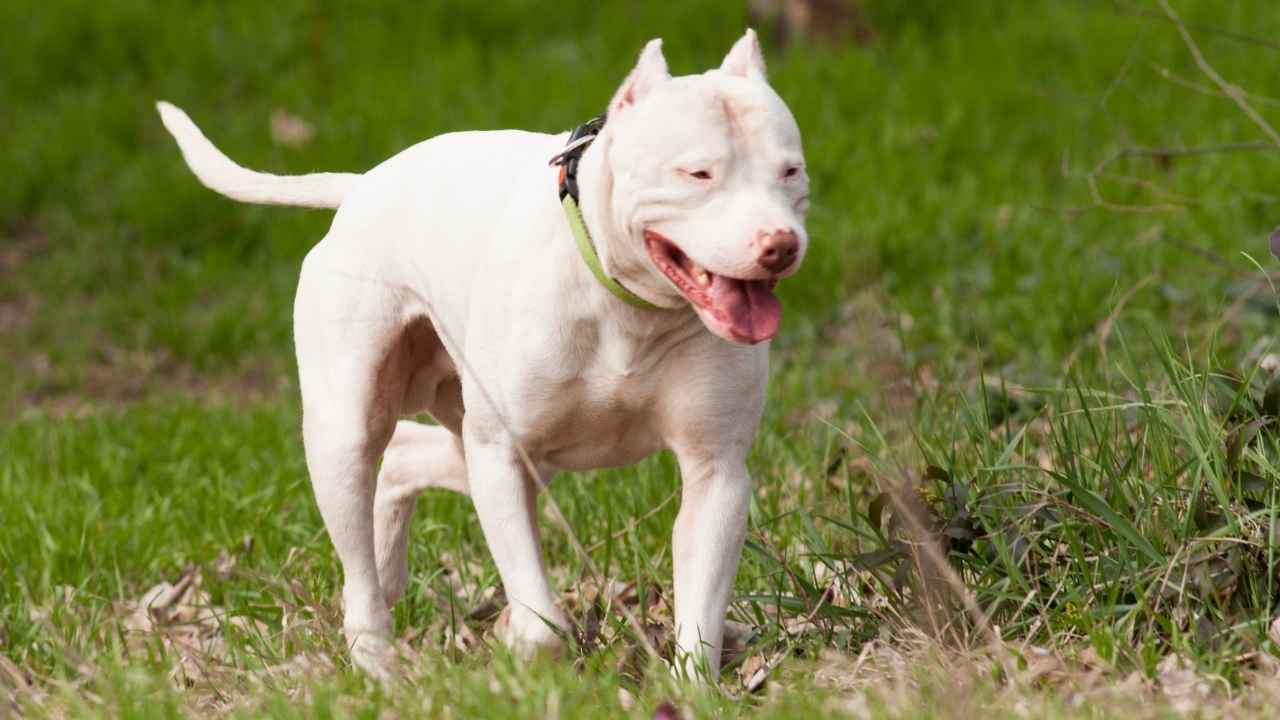
Dogo Argentino was created by Argentine physician Dr. Antonio Nores Martínez during the 1920s with a clear purpose: producing a powerful big-game hunter with a manageable family nature.
His breeding program drew from the Cordoba Fighting Dog along with Mastiff, Bull Terrier, Pointer, Boxer, and Great Dane bloodlines.
Built for Big Game
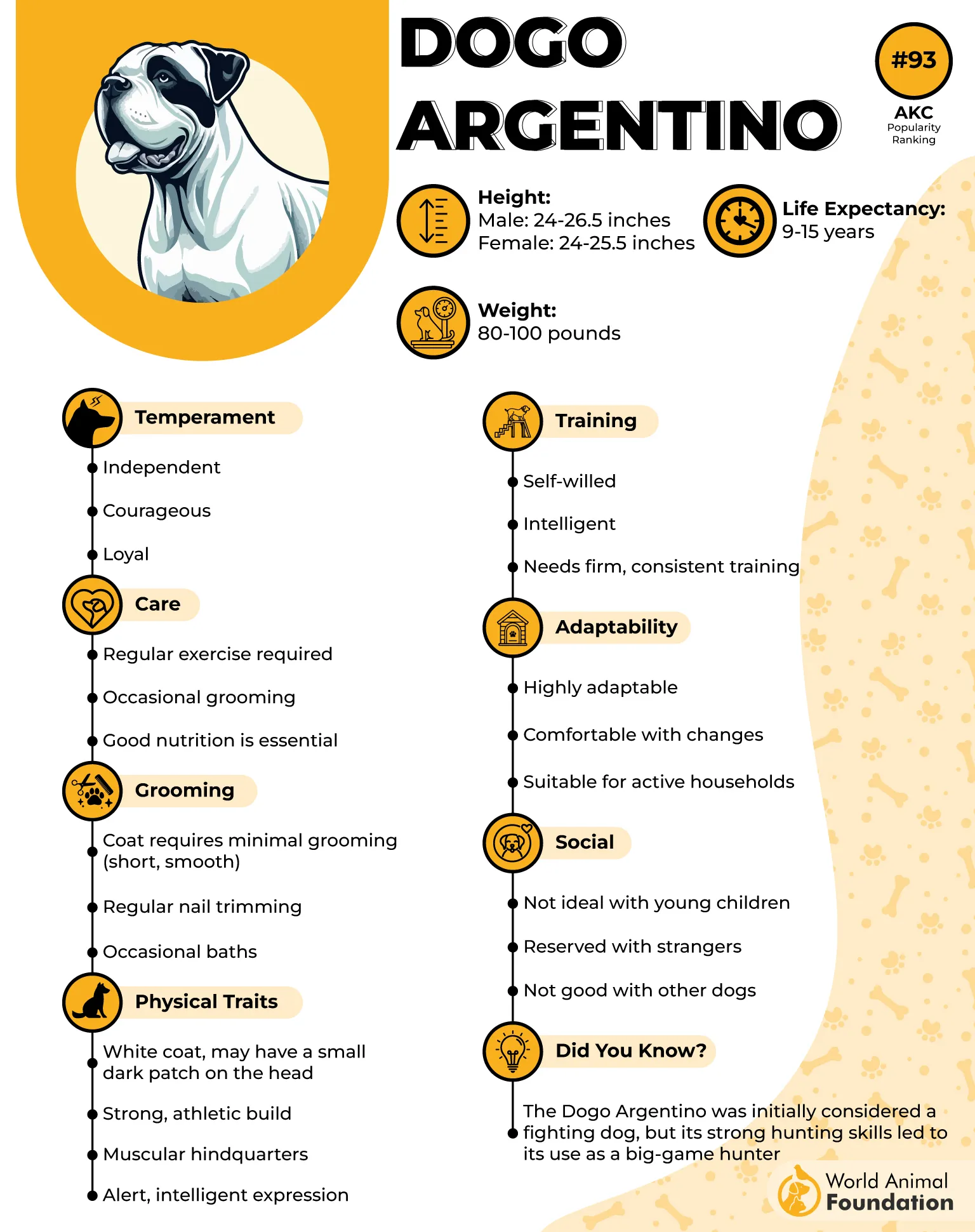
Tracking pumas, wild boars, and other large game requires more than raw power, and the Dogo Argentino was selected for scent tracking, endurance, courage, and muscular strength. Its short white coat and athletic frame accompany the physical abilities needed for demanding hunting work.
Three details reveal how specialized that work became:
Cordoba Fighting Dog contributed physical strength
Selective breeding reduced aggressive behavior
Bred to work with large game
A Serious Working Partner
Dogo Argentino can be affectionate with its family and receptive to commands when properly raised, while its size and intensity call for consistent training and early socialization. Its strong prey drive also makes smaller household animals a difficult match, particularly when the dog is given freedom to chase.
Conclusion
Powerful hunting instincts can make a dog remarkably focused, persistent, and capable in the field, but those same qualities deserve thoughtful handling at home. A scent, sudden movement, or glimpse of wildlife can quickly turn attention toward a chase. Secure fencing, reliable recall, early socialization, and appropriate outlets can help keep those instincts under control.
Dogs with strong hunting backgrounds also benefit from activities that give their senses and bodies meaningful work, whether that means tracking, retrieving, scent games, or structured outdoor exercise. Knowing those natural abilities makes it easier to choose a companion that fits both your lifestyle and expectations.
