




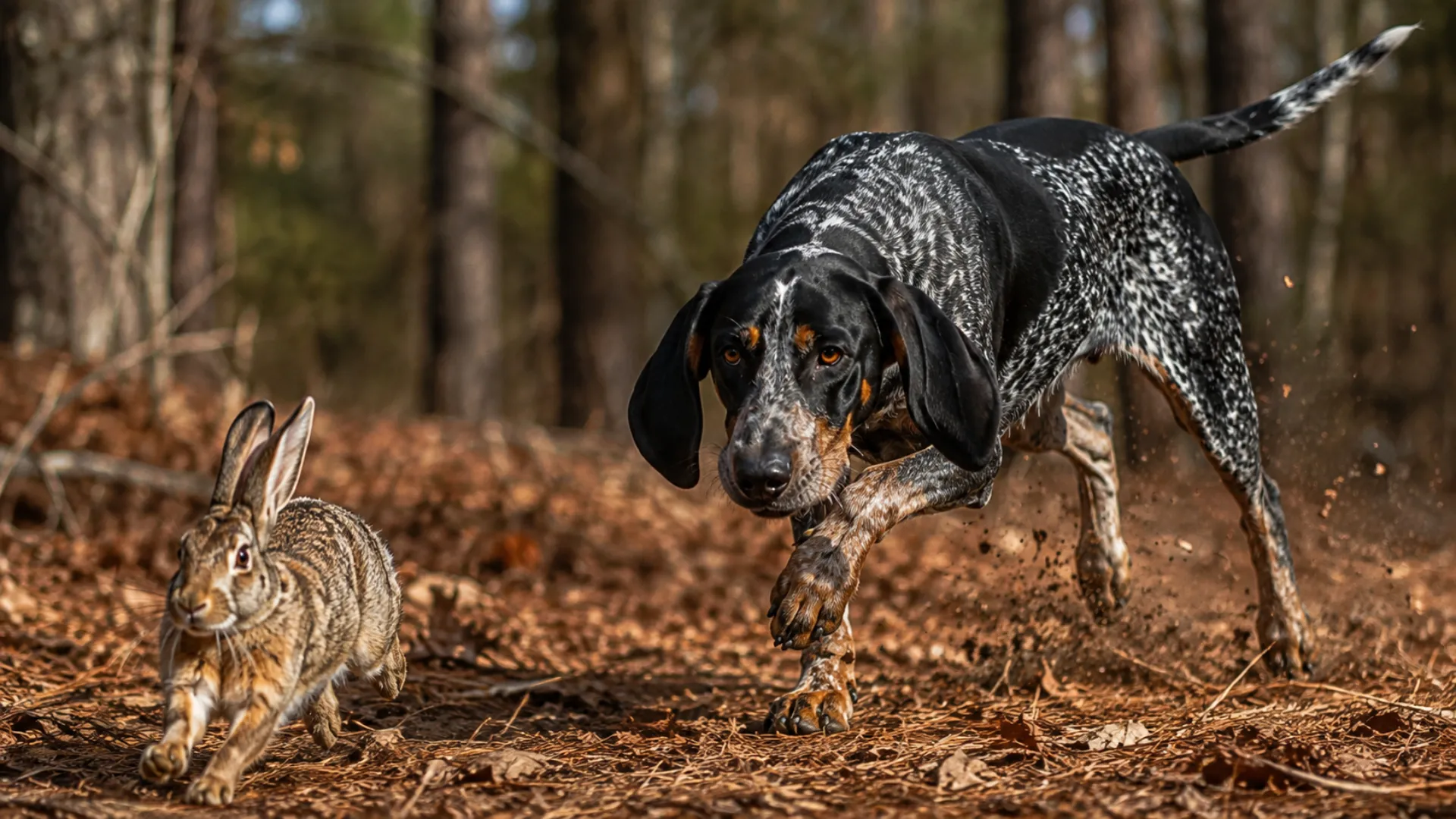
A dog’s prey drive is its natural instinct to chase and hunt small animals. It’s not a sign of aggression, but rather a deeply ingrained trait shaped by generations of selective breeding. Breeds developed for hunting, herding, and sighthound work tend to carry particularly strong prey drives.
Dogs with high prey drive often get excited by squirrels, rabbits, birds, small animals, and even fast-moving toys. Without proper training and enough mental stimulation, these instincts can lead to chasing behavior that’s hard to manage.
With the right approach, though, that same drive can be channeled into positive outlets like scent work, lure coursing, agility, obedience, or structured play.
Before choosing one of these breeds, it’s important to understand both their remarkable talents and the level of commitment they require. The seven breeds below are known for their especially strong prey drive and tend to do best with owners or trainers who can offer plenty of physical exercise, mental stimulation, and hands-on care.
Dog Breeds with Naturally High Prey Drive Tendencies
1. Bluetick Coonhound
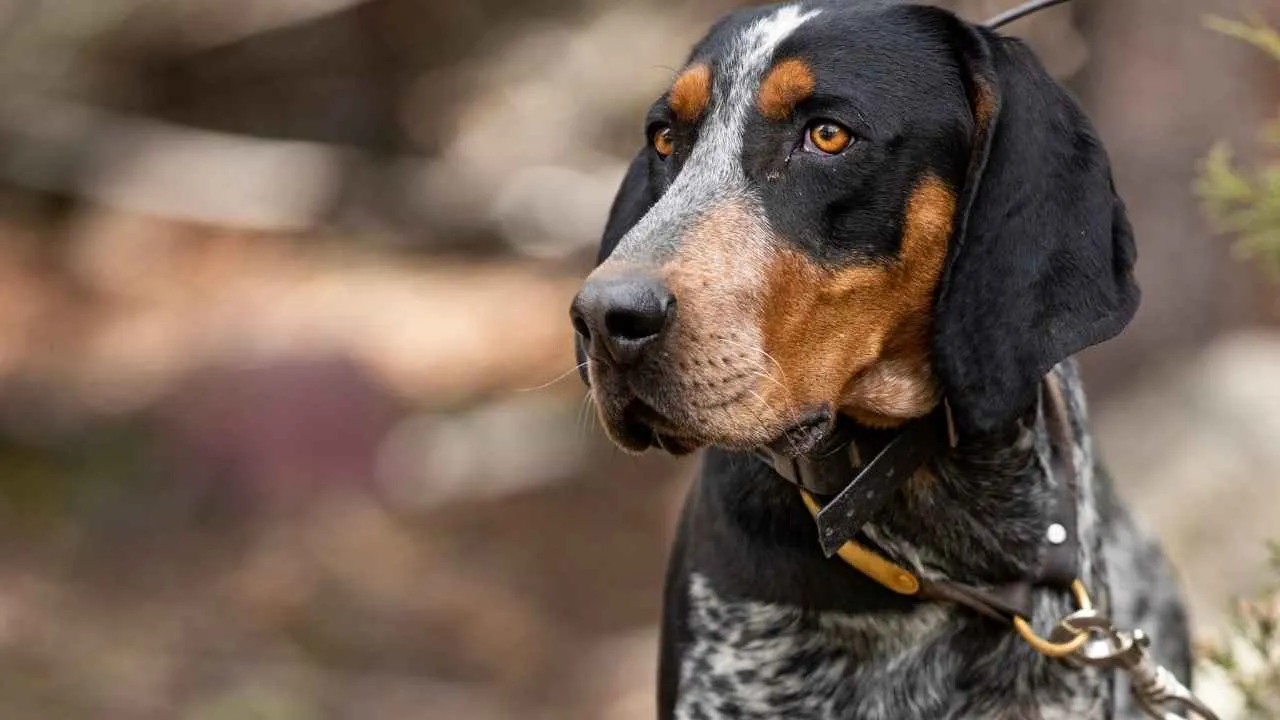
Described by the American Kennel Club as a sweet, affectionate charmer, the Bluetick Coonhound was bred with an exceptional ability to pick up and follow scent trails over long distances. Their nose is really their defining feature, capable of tracking a scent that’s hours old.
Blueticks hunt almost entirely by smell rather than sight. They move patiently through woods, fields, and rough terrain in pursuit of a target, which makes them fantastic trackers, though it also means they can easily get distracted mid-walk if an interesting scent crosses their path.
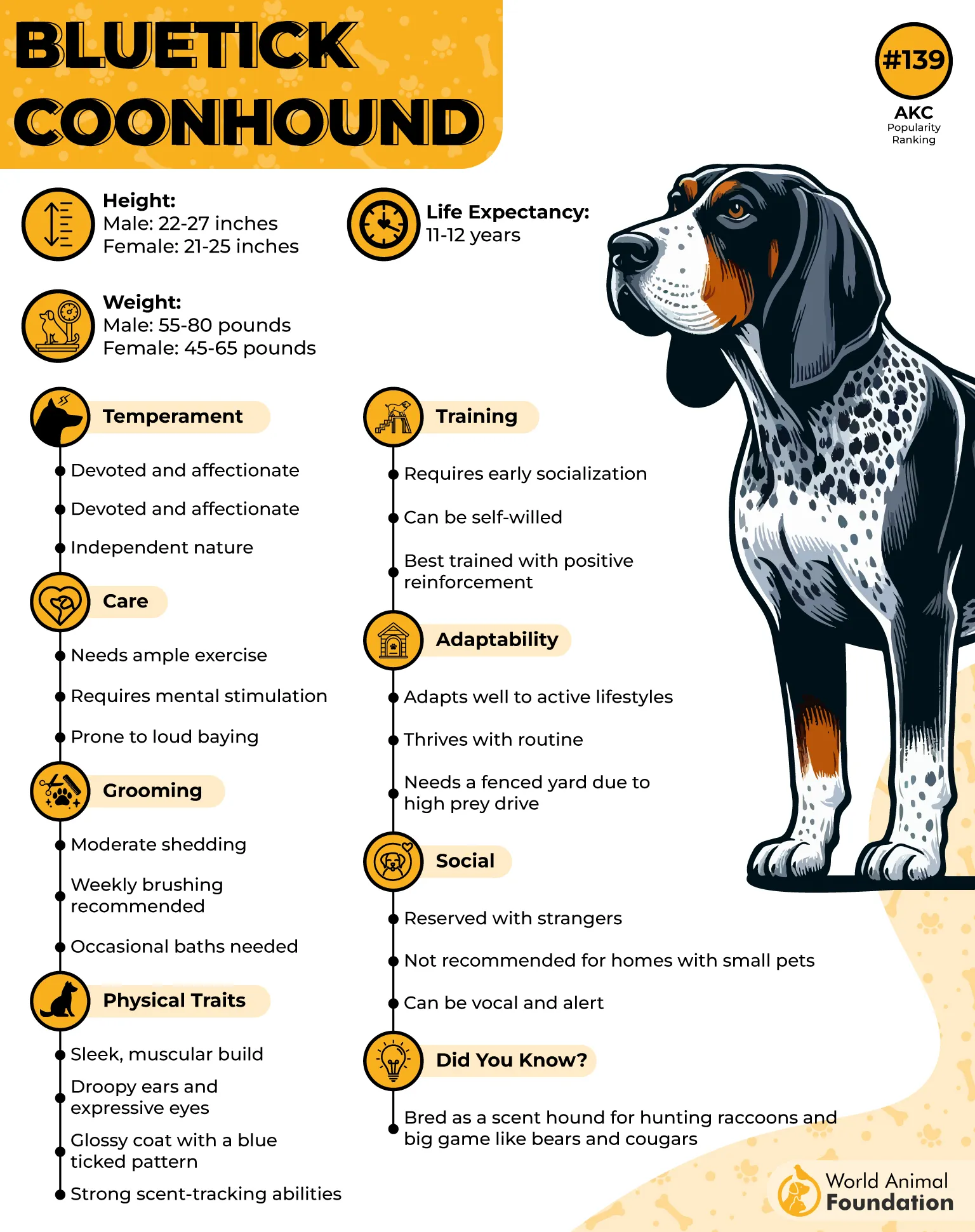
Blueticks love activities that put their nose to work. Scent games, tracking exercises, and treat-based hide-and-seek all make for great mental challenges, and they’re happiest when given scent-related tasks rather than just running loose in a yard.
Bred for endurance, they also need plenty of daily exercise; long walks, hikes, and outdoor adventures all help satisfy both their physical and mental needs.
2. Rhodesian Ridgeback
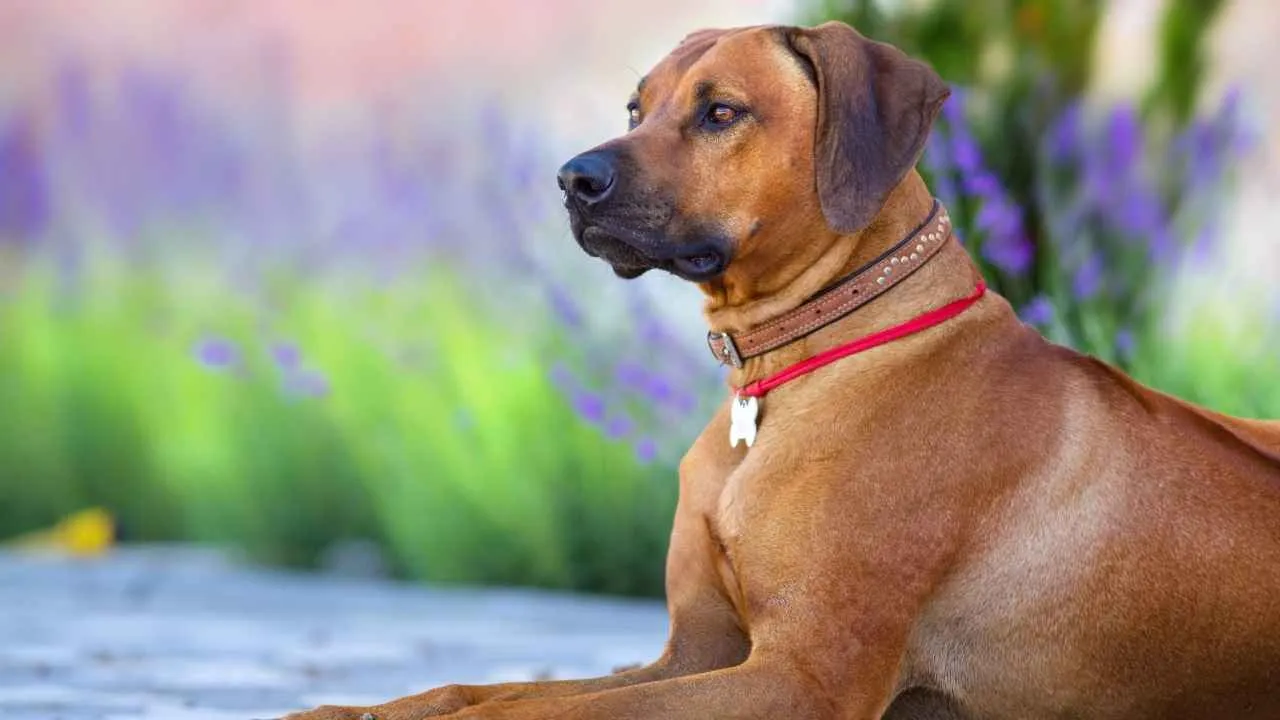
The Rhodesian Ridgeback is a Southern African breed originally used to help hunt large game across long distances. That history gave the breed a sharp eye for movement, and Ridgebacks often take notice of anything moving nearby, sometimes drawn in by fast-moving animals in particular.
Their prey drive, though, tends to be balanced out by a calm, thoughtful personality that lets them assess a situation before reacting.
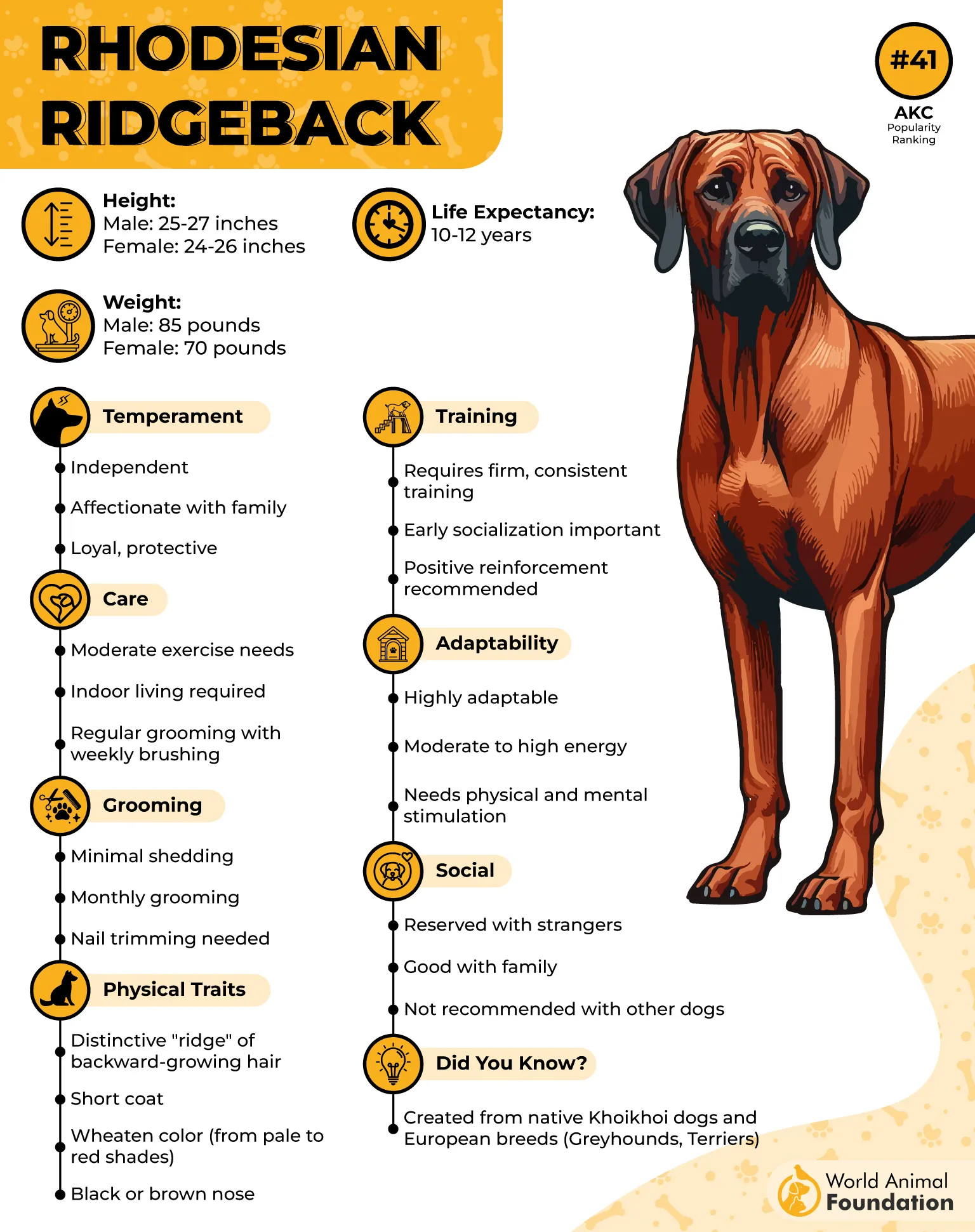
Ridgebacks aren’t a breed that needs constant stimulation; they’d rather engage in purposeful activity than repetitive games. Long walks, trail runs, or structured outdoor activities suit them far better than endless fetch.
Early recall training as puppies is especially important for this breed. With the right training, Ridgebacks are trustworthy dogs that channel their instincts in healthy, positive ways.
3. Weimaraner
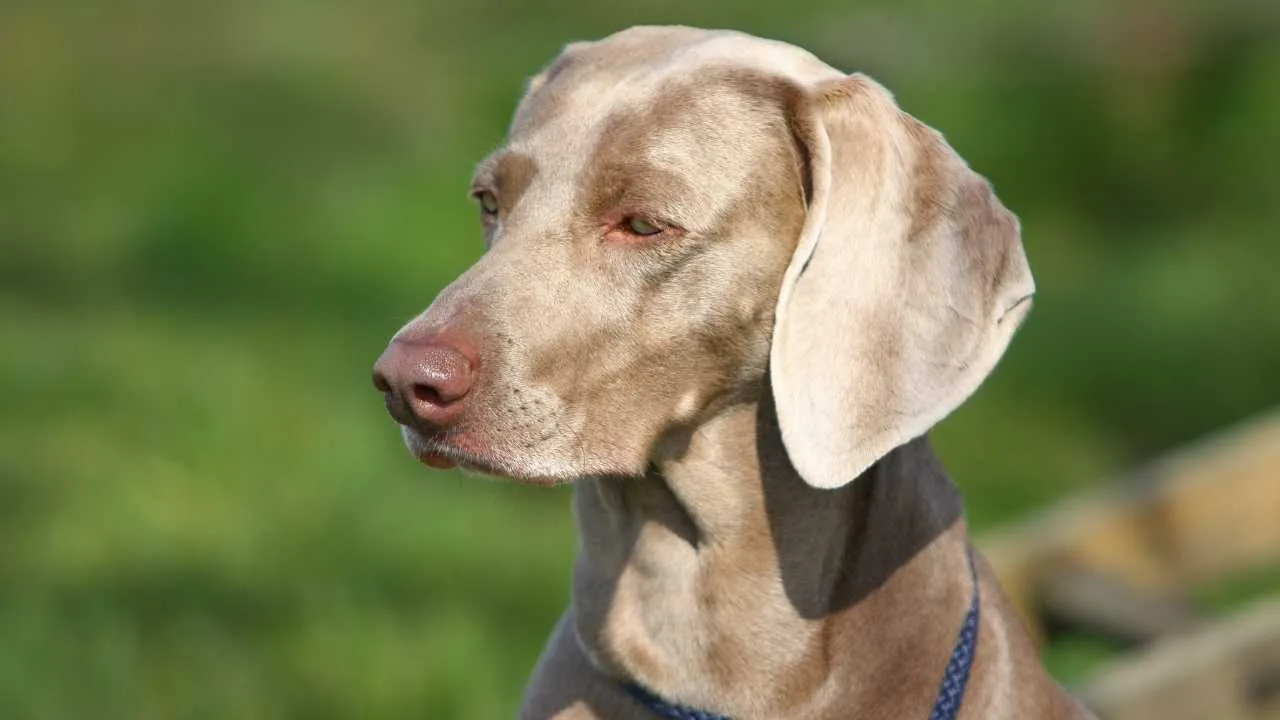
The Weimaraner, often called the “Gray Ghost,” was originally bred in Germany to hunt large game and later proved itself as an outstanding bird dog. That winning combination of speed, stamina, and intelligence makes it one of the most versatile sporting breeds out there.
On the move, Weimaraners are constantly scanning their surroundings. Their sharp sight lets them spot birds and other small creatures almost instantly, sometimes before their owner even notices, and their hunting instincts kick in the moment they see movement.
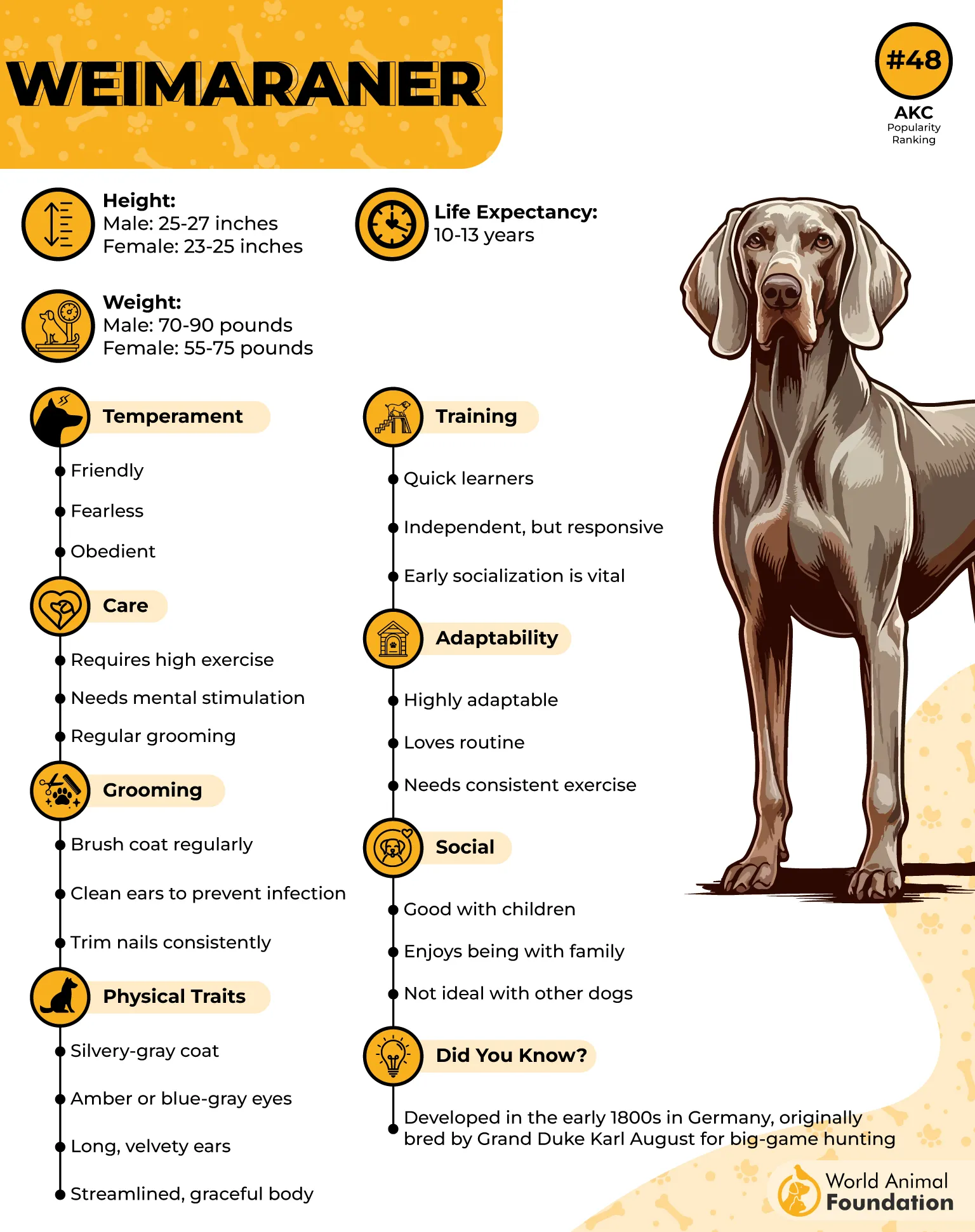
A simple daily walk really isn’t enough for this breed. Weimaraners do best with activities that combine mental and physical challenge, like scent work, field training, dock diving, and advanced obedience.
They’re also deeply attached to their families and make wonderful companions for active owners who love the outdoors. Being left alone for long stretches isn’t really their thing.
4. Irish Setter
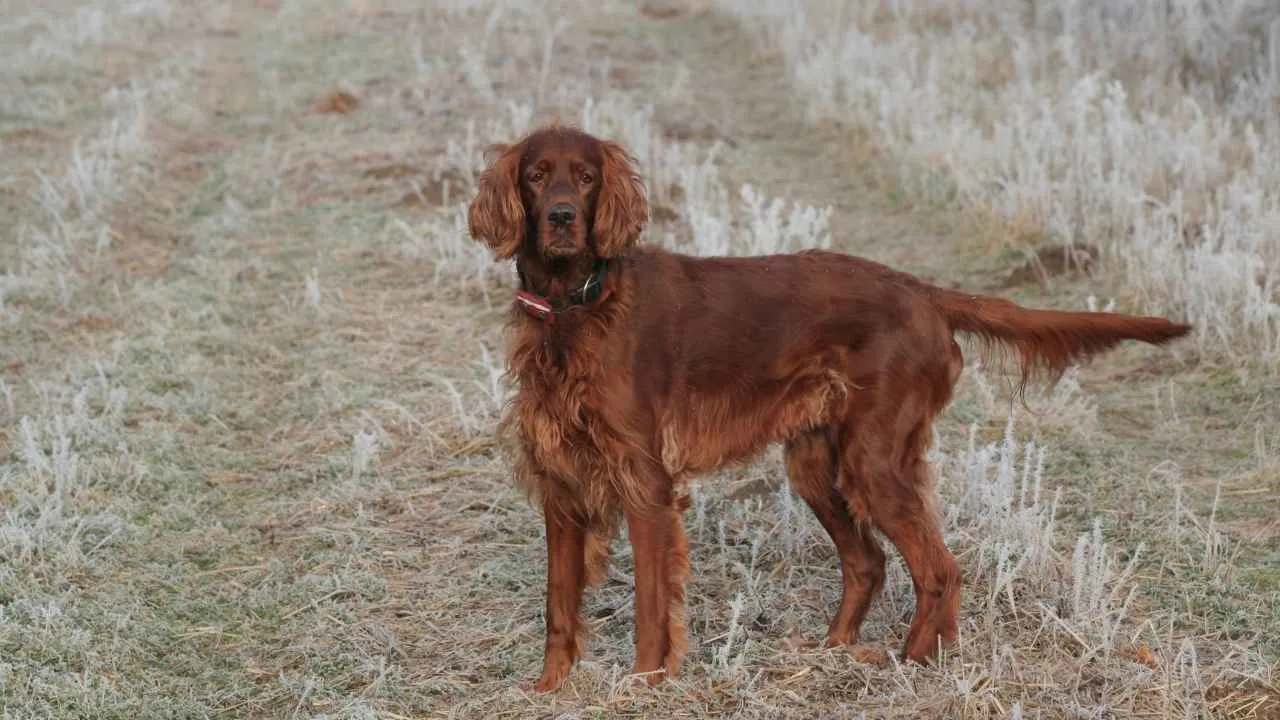
Known for its stunning red coat, the Irish Setter is just as well known as a hunting dog with natural instincts and boundless energy. Originally bred to hunt game birds, its keen nose and athleticism make it an efficient searcher across large stretches of land.
Renowned for its elegant build, as noted by Britannica, the Irish Setter is a genuinely adventurous breed, fast and agile whether it’s darting through fields, forests, or open meadows. Their curiosity often draws them toward birds and other wildlife, which is exactly why solid recall training from an early age matters so much.
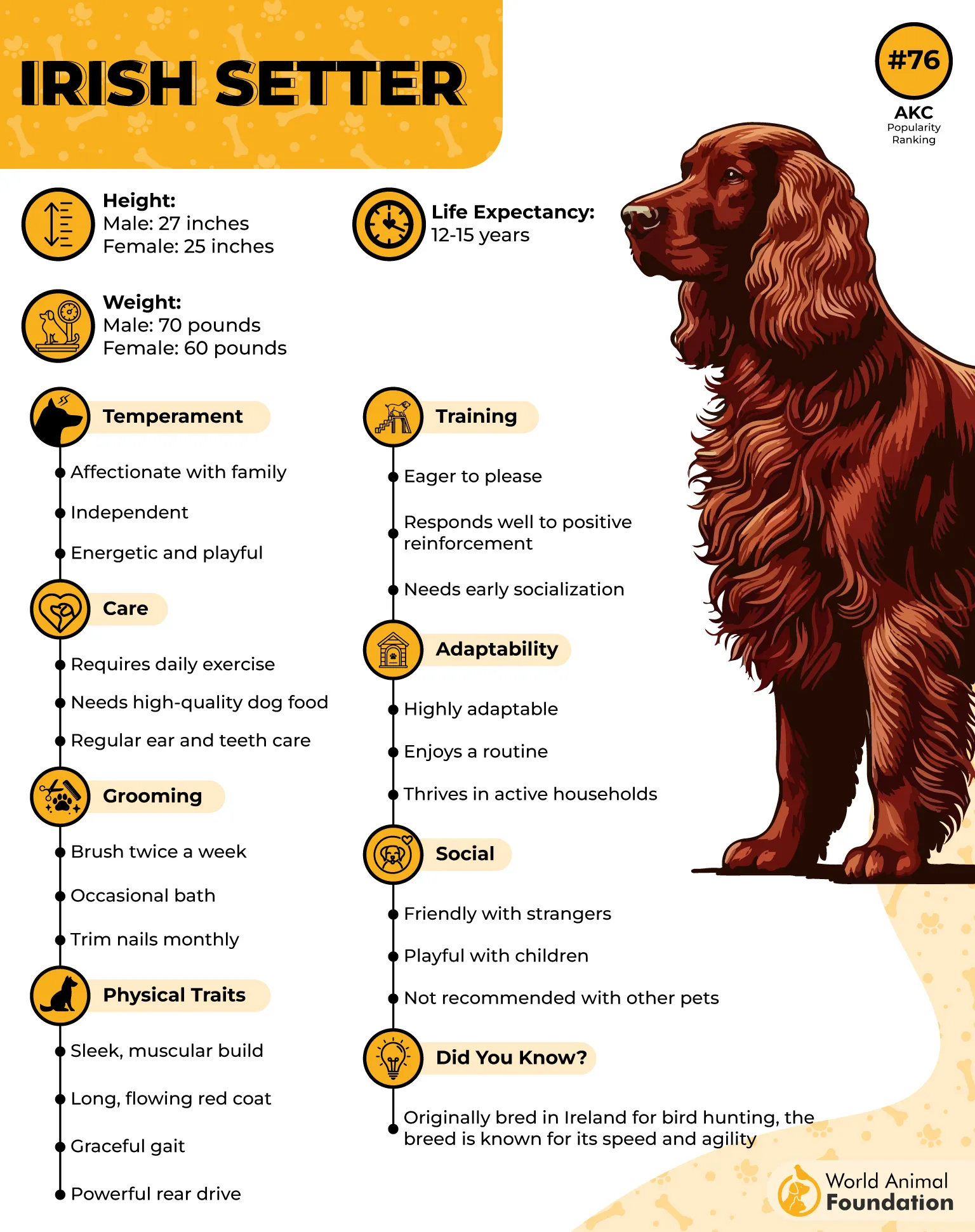
Irish Setters don’t hunt with single-minded intensity; they do it with pure joy and excitement. They love exploring new scents, checking out unfamiliar surroundings, and staying active pretty much all the time.
Mental stimulation matters just as much as physical exercise for this breed. These intelligent dogs benefit from puzzle toys, scent games, and obedience sessions, all of which help satisfy their minds and cut down on chasing behavior.
5. Border Collie
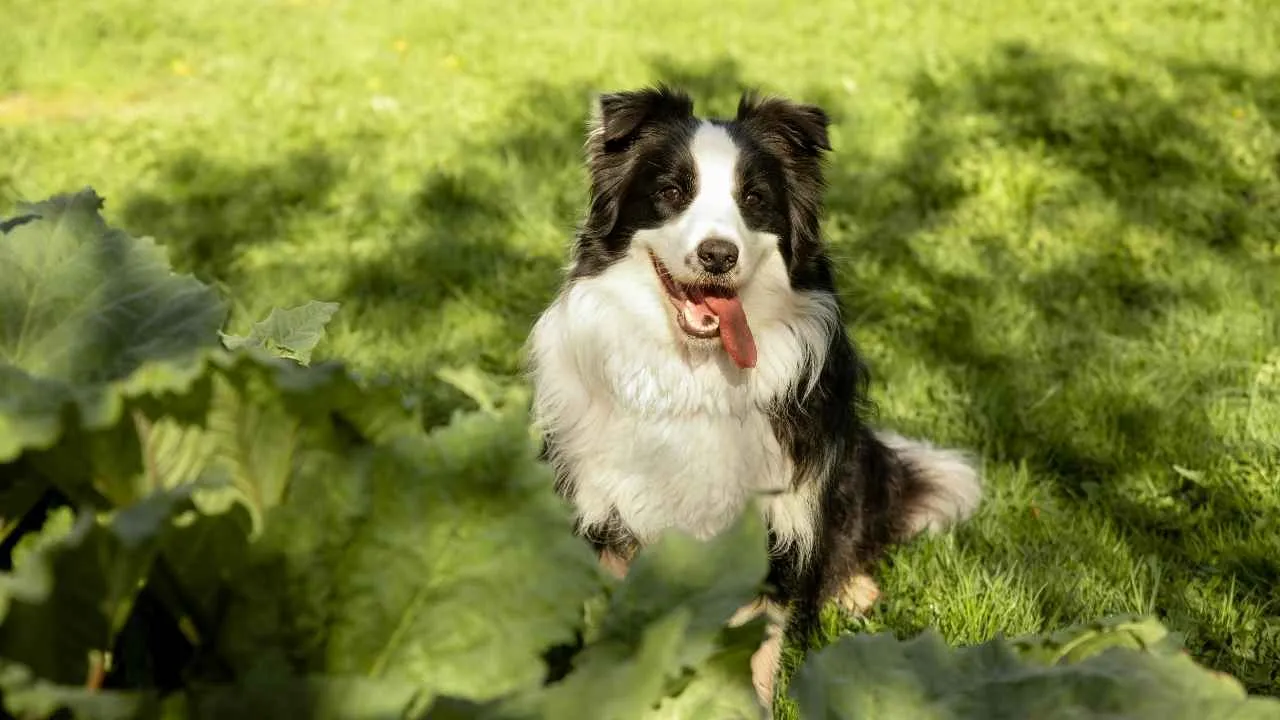
Though not a hunting breed, the Border Collie carries one of the most powerful drives of any breed, rooted in its herding history. Rather than chasing livestock outright, Border Collies naturally manage them by stalking, circling, and directing their movement.
Left unchecked, that same instinct can transfer to bicycles, running kids, squirrels, or passing cars. These dogs are exceptionally smart, quick to pick up on patterns, and almost instantly responsive to fast movement.
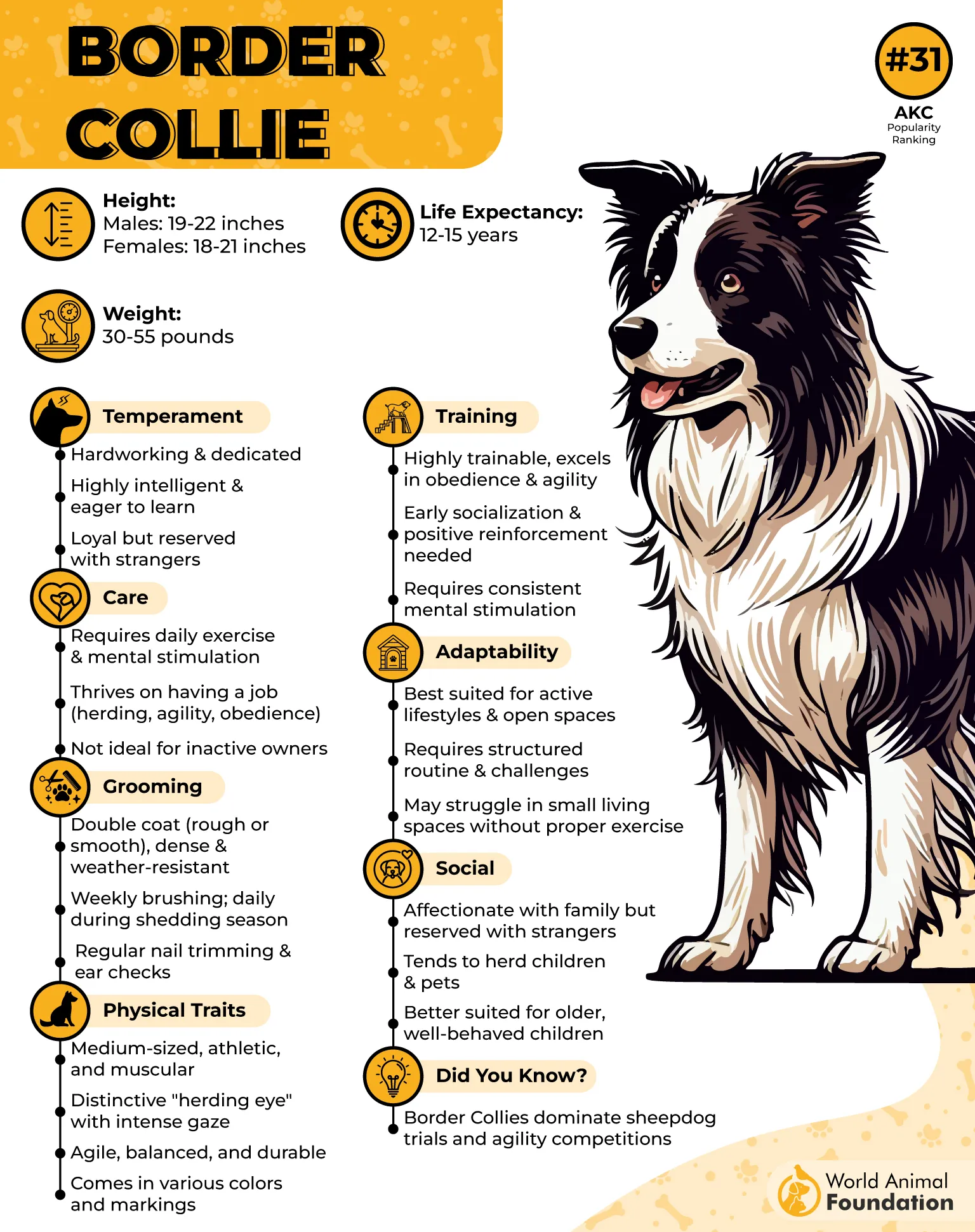
Border Collies thrive when they have a job to do. Activities like agility, herding trials, advanced obedience, frisbee, and trick training all give that natural drive a healthy outlet.
Without enough mental challenge, they’ll find their own ways to stay stimulated, often by chasing whatever happens to be moving. But for owners willing to put in the training time, a Border Collie can become one of the most responsive, intelligent partners a person could ask for.
6. Greyhound
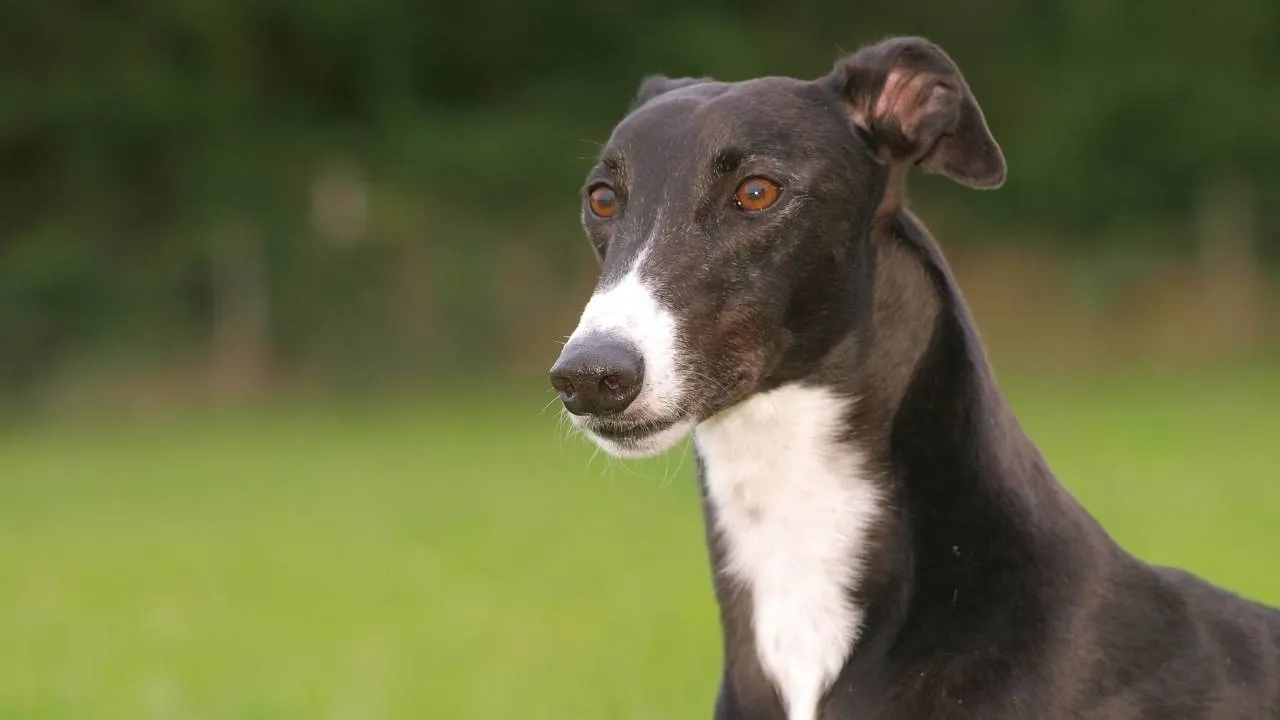
The Greyhound stands out as one of the most visually driven prey-drive breeds around. Rather than relying on scent, Greyhounds hunt almost entirely by sight, with incredible vision that lets them spot movement from remarkable distances.
They’re also famously fast, capable of explosive acceleration the moment something catches their interest, a trait that made them exceptional hunters historically. It’s part of why they’re often called the racehorses of the canine world, as noted by Purina.
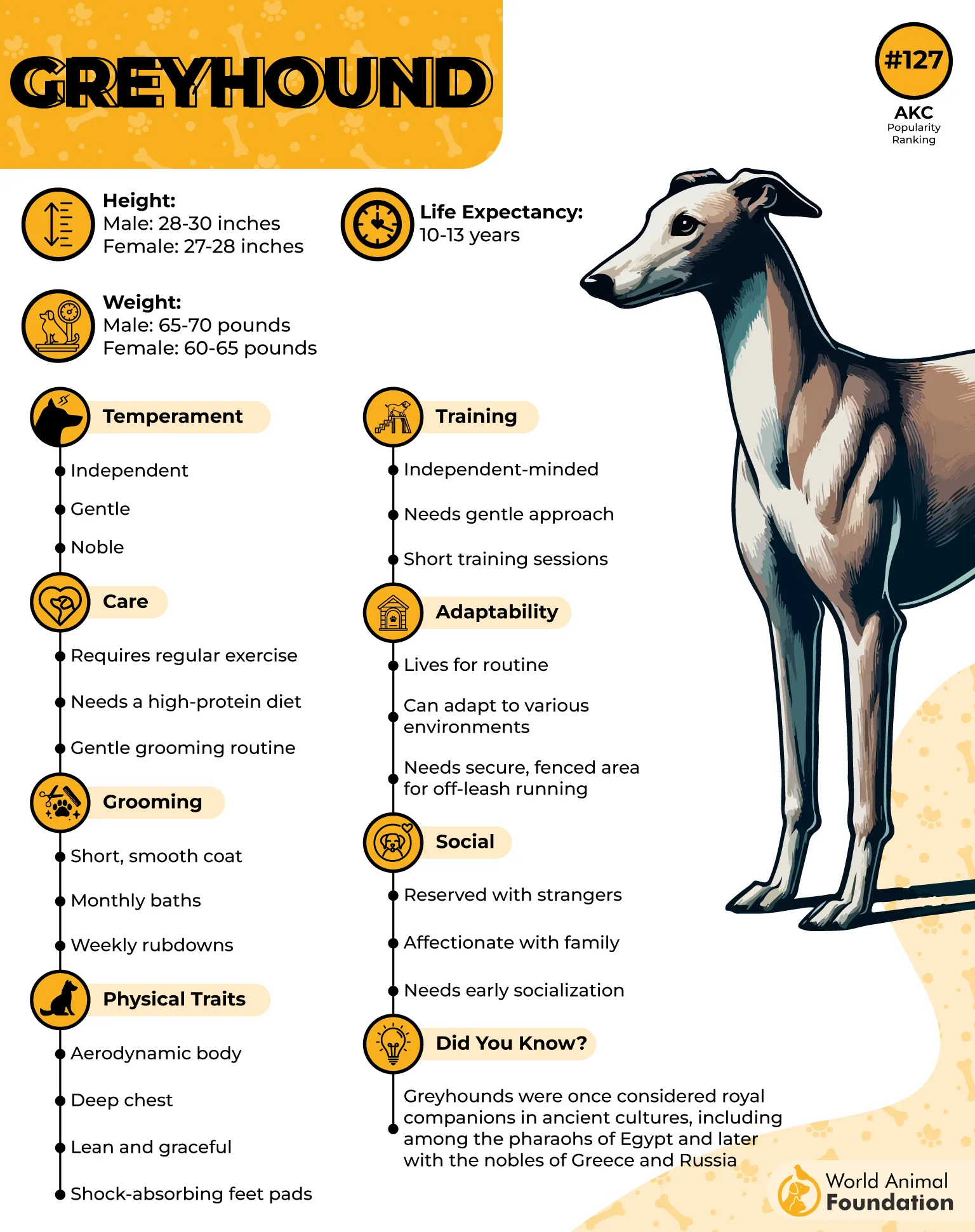
Indoors, Greyhounds tend to be calm and easygoing, but outdoors, they can go from relaxed to full sprint in seconds. Secure fencing and leash walks are essential, since even well-trained Greyhounds can be triggered by a fast-moving animal.
Despite the sprinting ability, they don’t actually need constant activity. Short bursts of running paired with regular walks are usually enough to meet their physical needs, and lure coursing is a popular, safe way to let them exercise that natural chasing instinct.
7. Siberian Husky
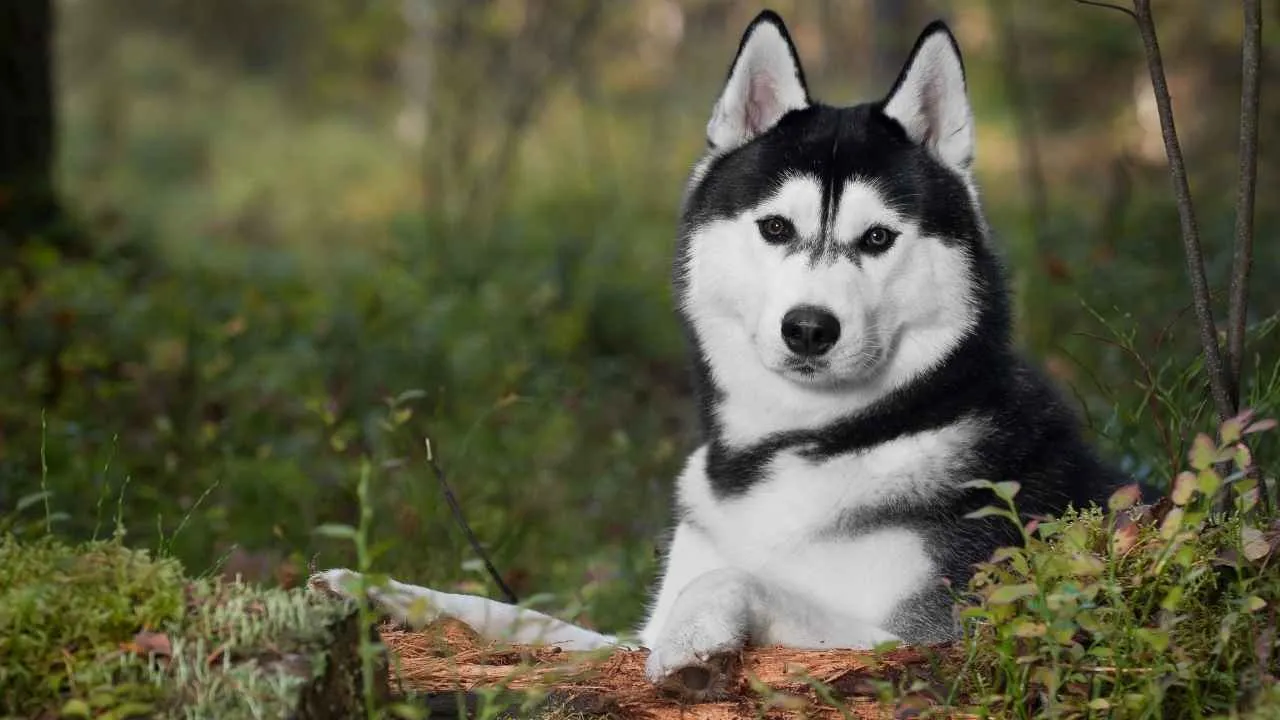
The Siberian Husky was bred to race across the vast Arctic landscape, and surviving those harsh conditions meant developing real hunting instincts along the way. When food was scarce, Huskies would hunt small animals to survive, and that same strong prey drive still shows up today.
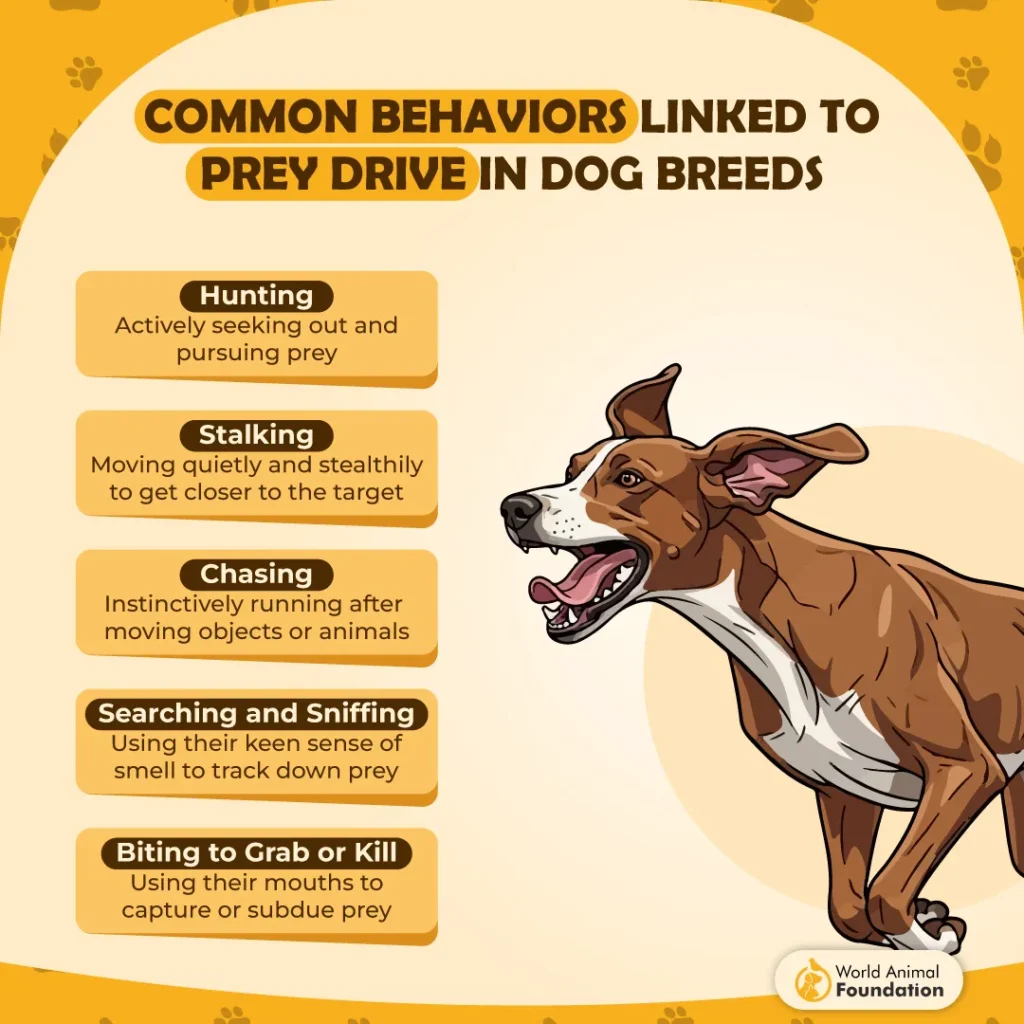
Independent by nature, Huskies love to explore and are constantly on alert for birds, squirrels, and other wildlife during walks. Their curiosity means they’ll chase after pretty much anything that moves.
Unlike many other breeds, Huskies aren’t naturally inclined to look to their owner for direction, which is part of their stubborn streak. That makes early training, especially reliable recall and solid leash manners, particularly important.
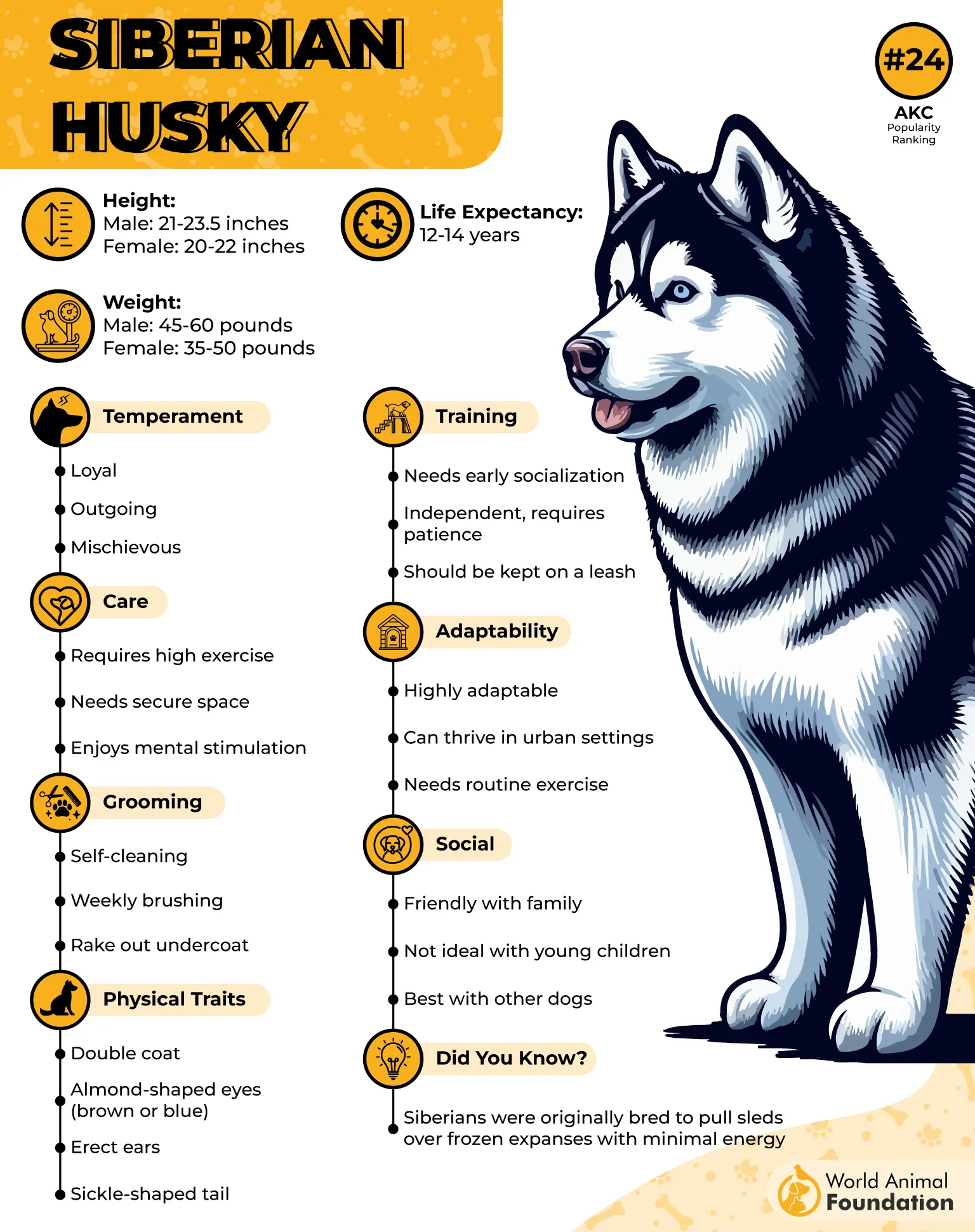
They do best in active households that can offer plenty of daily exercise. With so much natural drive and energy to burn, running, hiking, and canine sports are great outlets for keeping them fulfilled.
Conclusion
It’s worth remembering that a high prey drive isn’t a fault or a behavioral problem; it’s simply a natural instinct tied to each breed’s original purpose. That said, there are a few things worth keeping in mind before choosing any of the high-prey drive dog breeds covered above.
If you have young children, elderly family members, or other pets at home, it’s important to stay extra cautious and keep your dog well-exercised and engaged, since a tired, fulfilled dog is generally a much safer, calmer one.
Understanding a dog’s predatory instincts can go a long way toward building a positive relationship with them, giving those natural drives a healthy, safe outlet instead of letting them become a problem.
