




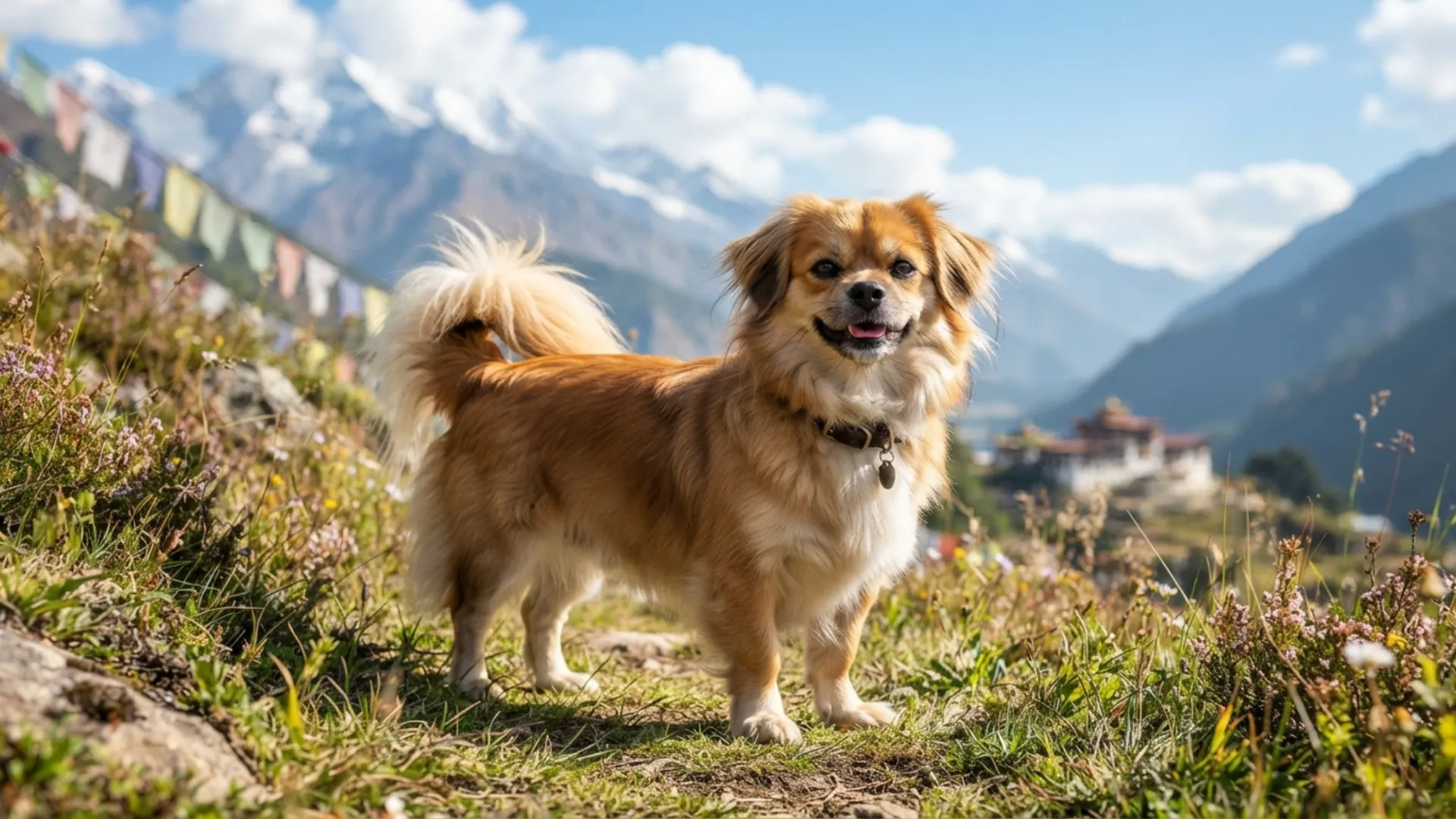
A great dog coat does more than just make a pup look good; it adds warmth, protects the skin, and gives a breed its unmistakable character. Medium-length coats are especially appealing because they sit right in that sweet spot between barely-there fur and a full-blown grooming project.
Some are silky and feathered, others are dense and weather-resistant, and some fall somewhere in between with a slight wave. The nine breeds on this list show just how different that middle ground can look.
From the regal English Toy Spaniel to the energetic Australian Shepherd and the clever Border Collie, each one brings its own distinct look and lifestyle needs.
And yes, that gorgeous coat may leave a bit of fur on your couch — that’s just part of the deal.
Dog Breeds With Medium-Length Stylish Coats
1. English Toy Spaniel
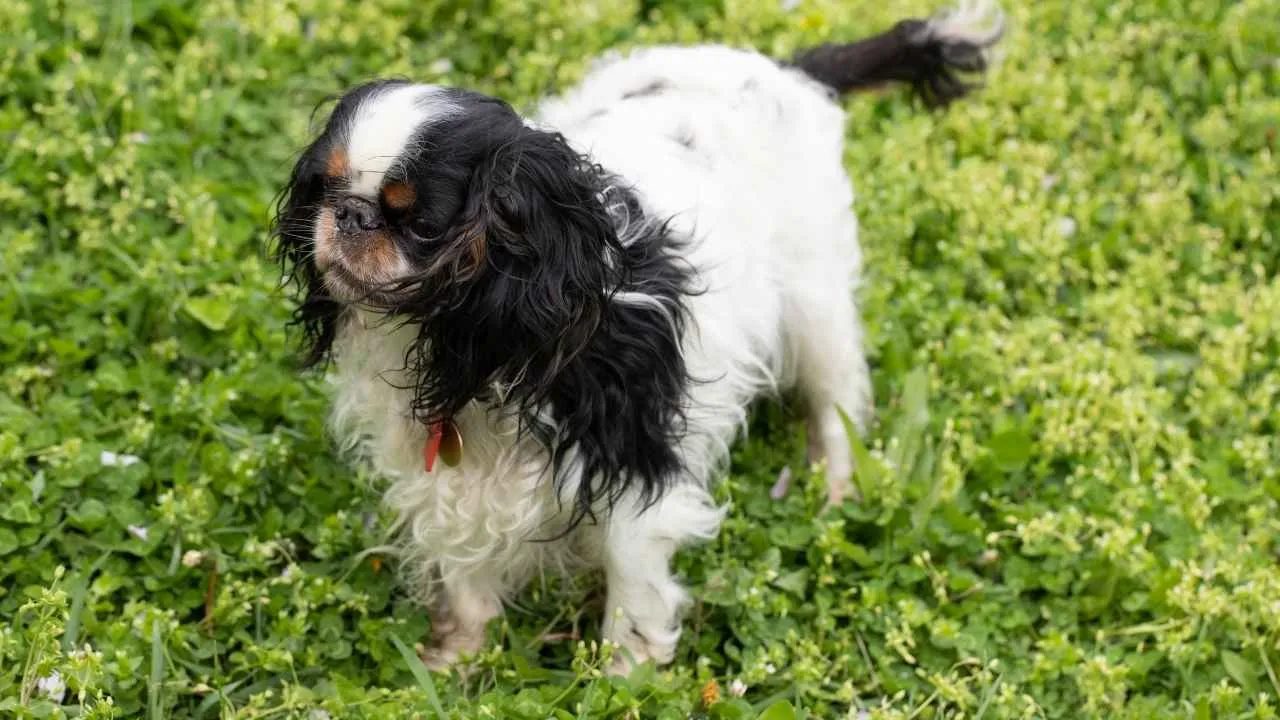
Closely related to the Pekingese and the Japanese Chin, the English Toy Spaniel was once given as a gift to European nobility back in the 16th century. The breed later became known as the King Charles Spaniel, named after King Charles I and II for their deep love of the breed, according to Orvis.
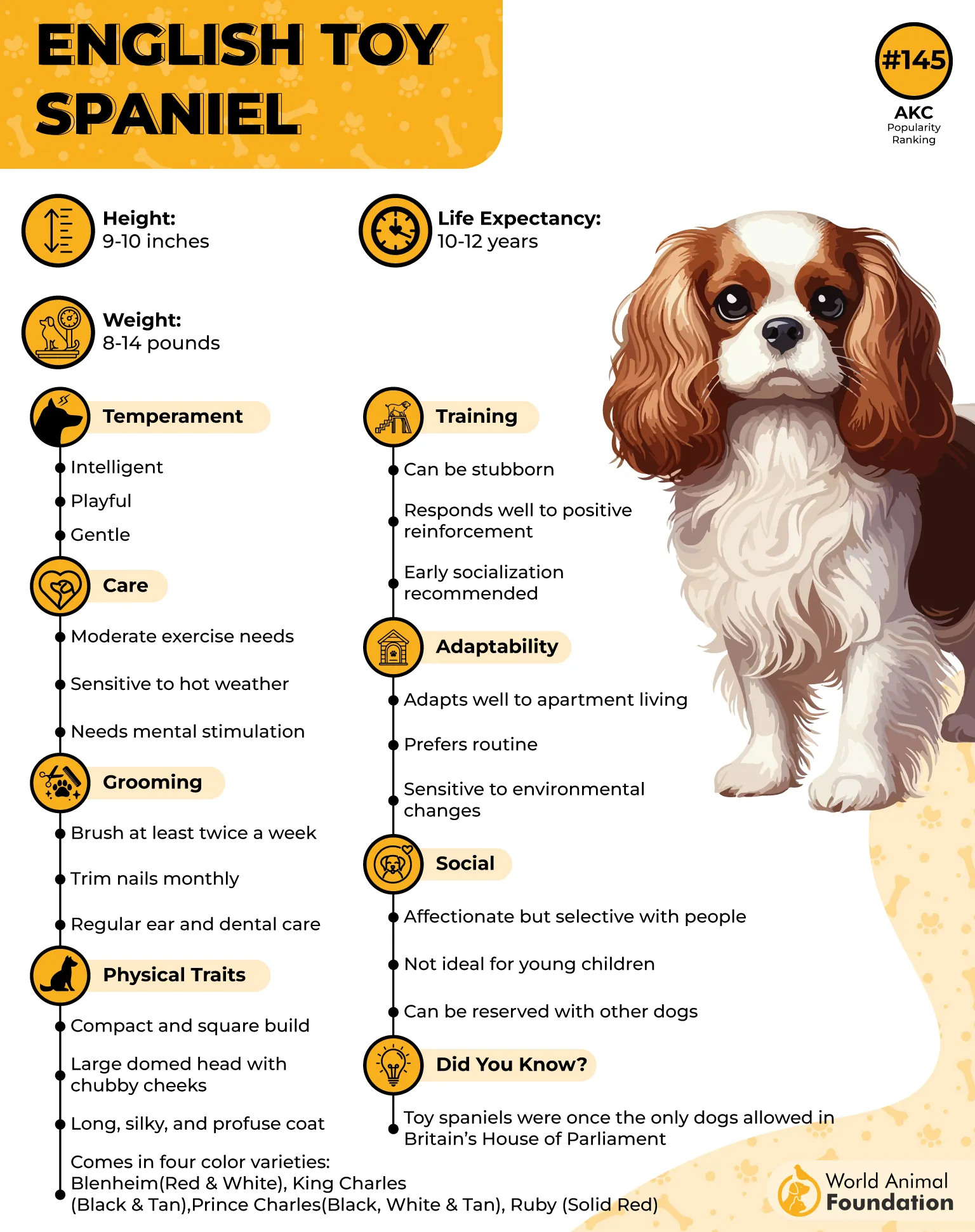
The breed has a long, silky coat with thick growth on the legs, chest, and body, along with feathering on the tail and front and hind legs. The coat can be slightly straight or wavy, and comes in a range of colors, including Blenheim, Prince Charles (tricolor), King Charles (black and tan), and Ruby.
Daily brushing is recommended to prevent mats and tangles, along with a more thorough brushing session once a week. A monthly bath helps keep dog odor at bay; just be sure to use a dog-friendly cleanser to avoid any skin infections.
2. Tibetan Spaniel
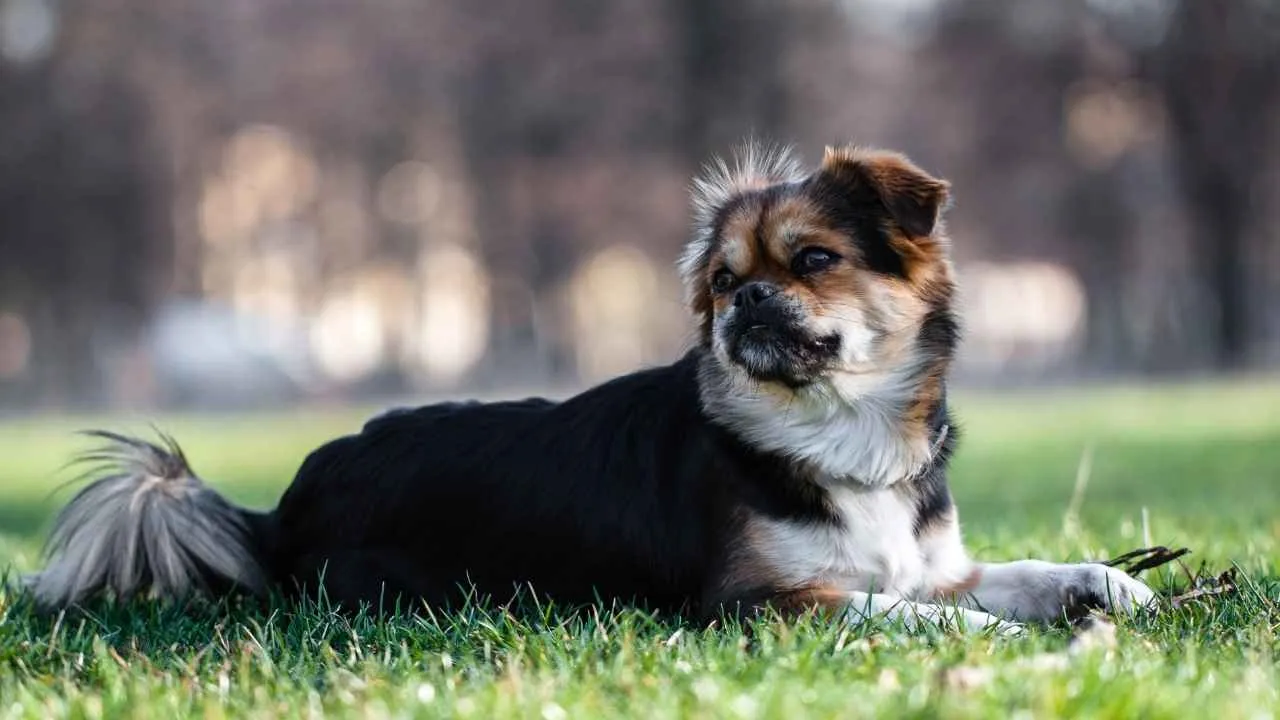
The small, assertive Tibetan Spaniel was developed in Tibet purely as a companion dog, unlike other spaniels that were bred as gundogs. It bears a close resemblance to other bred-down lap dogs, like the Cavalier King Charles Spaniel, and thanks to its history, it still carries strong watchdog instincts.
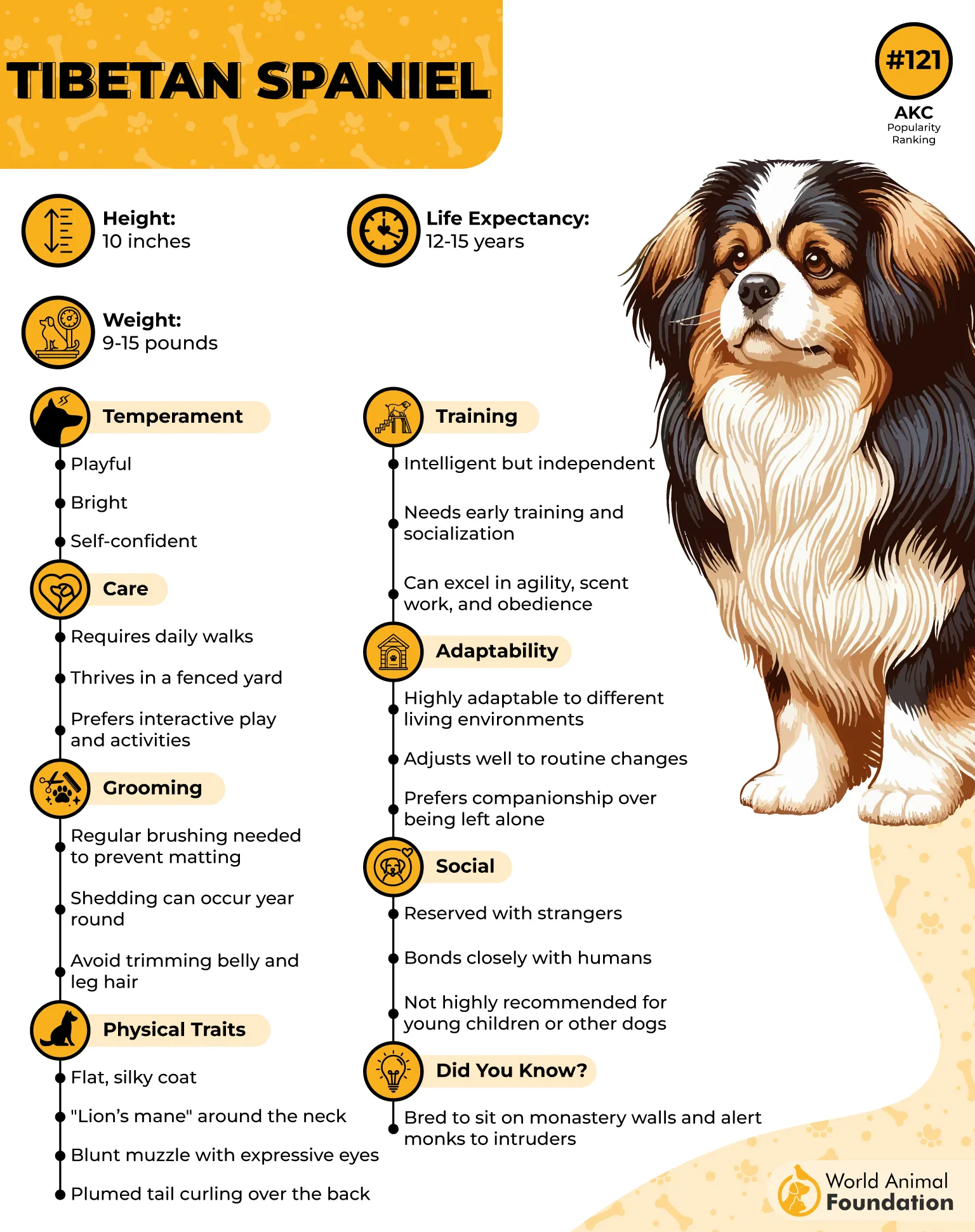
It has a thick ruff around the neck that gives it a lion-like appearance, along with a high-set, feathered tail. Its silky double coat lies flat around the face, with shorter hair on the front of the legs. The breed comes in solid, shaded, and multicolor variations, including red, fawn, gold, white, cream, black and tan, and parti-color.
The area behind the ears needs regular cleaning, though the coat overall doesn’t shed much, so weekly brushing is generally enough. The rear fringes need a bit of extra attention, and it’s best to avoid trimming the hair under the belly or between the legs.
3. Nederlandse Kooikerhondje
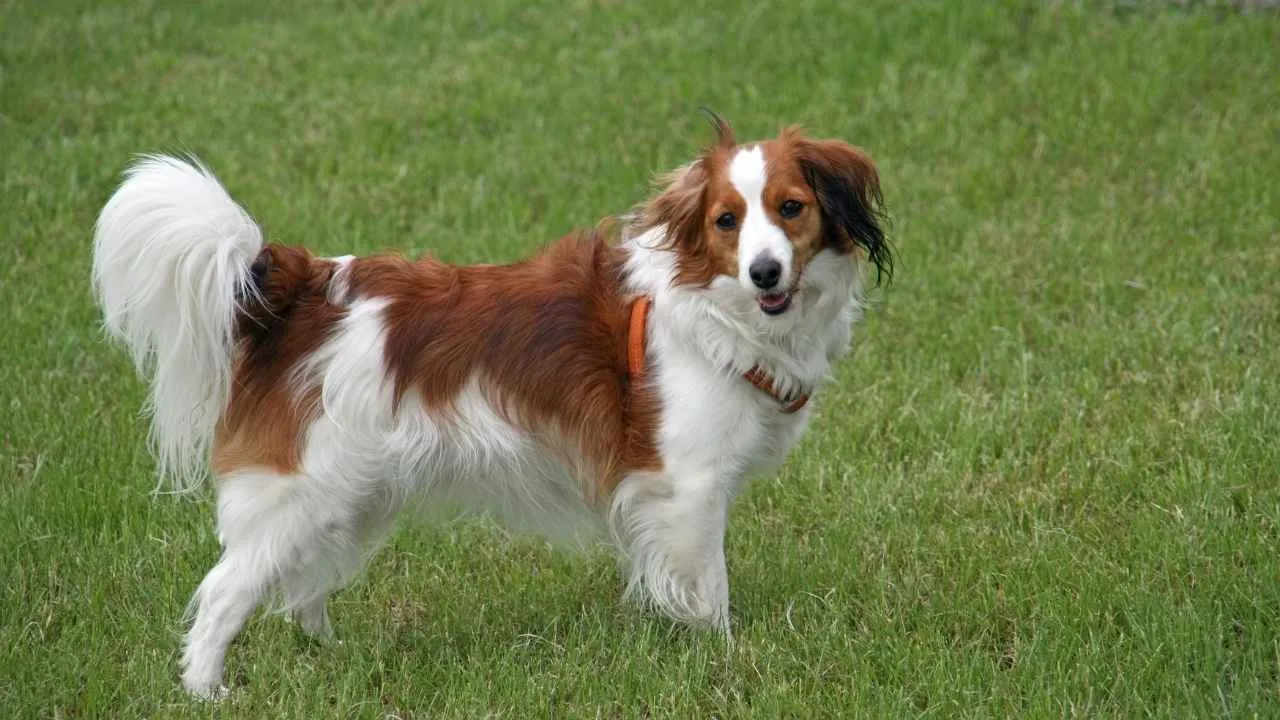
This spaniel-type small breed was originally bred in the Netherlands, where it was primarily used as a working dog to lure ducks. Its history dates back to the 16th century, and it even appears in Dutch paintings from the Golden Age.
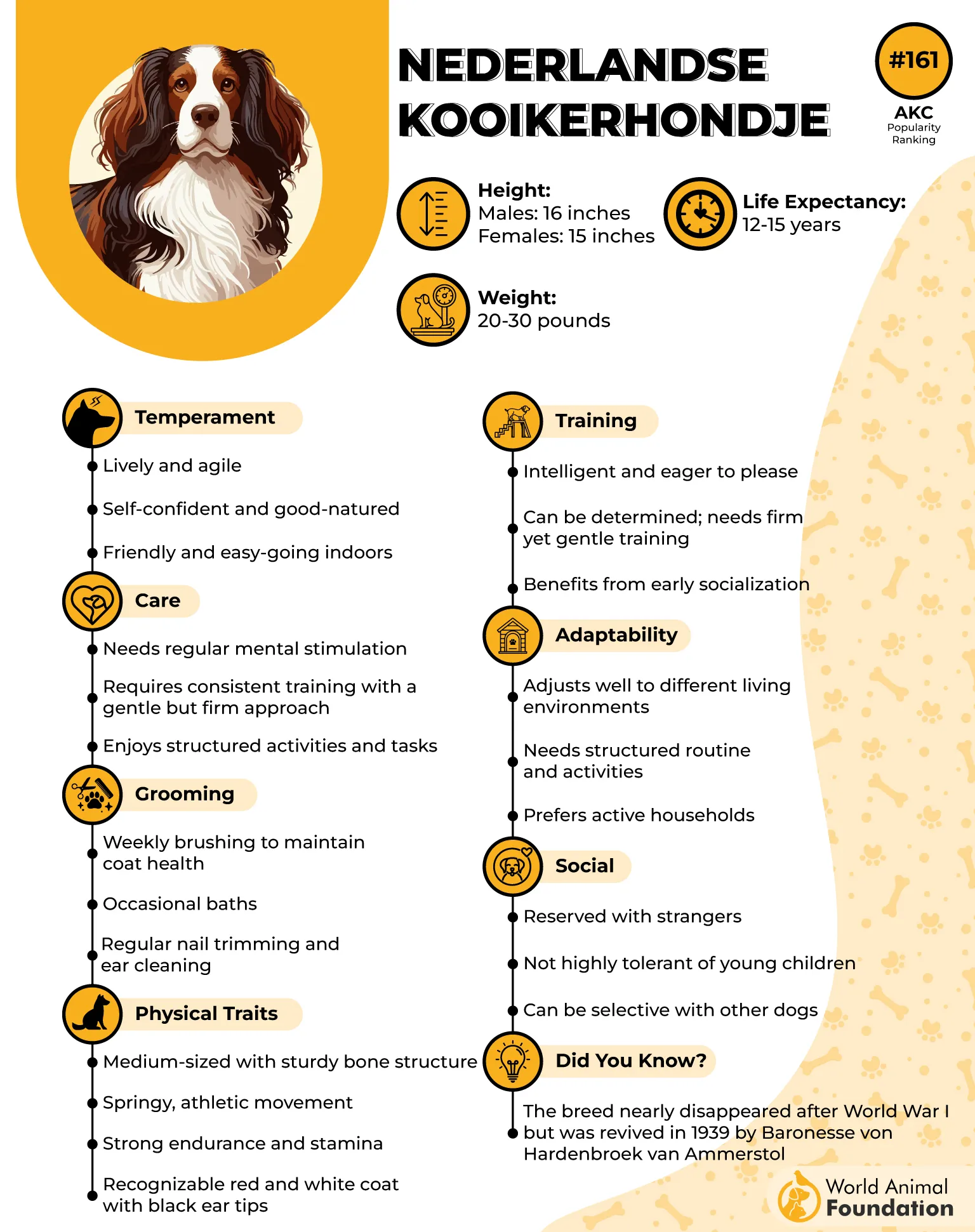
The breed has a wavy, medium-length double coat with a white plumed tail, and comes in white and orange-red coloring. Interestingly, the black tips on this sporting dog’s ears are referred to as “earrings.”
That medium-length coat needs daily brushing to prevent mats and help distribute natural oils evenly. Baths are only needed occasionally, but the longer the coat gets, the more good grooming habits matter.
4. Australian Shepherd
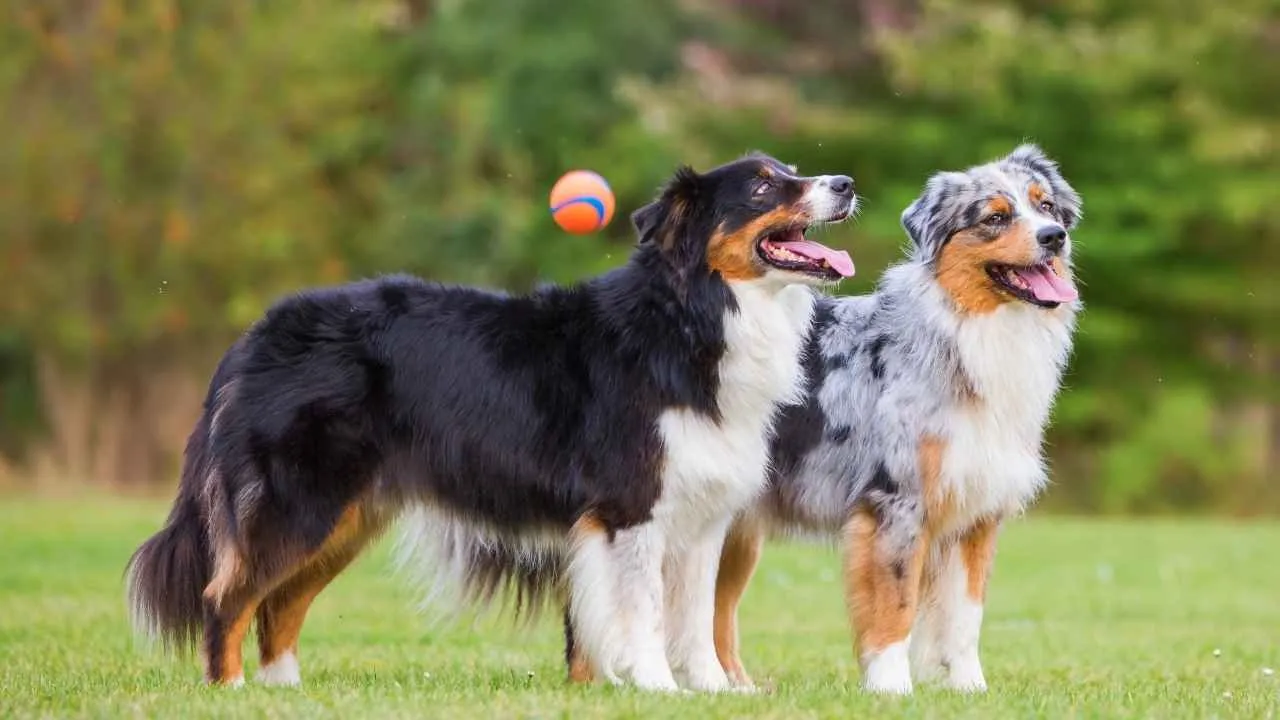
Also known as the Aussie, this herding dog was actually developed in the United States in the 19th century, though its root ancestry traces back to northwest Spain. Today, the breed is widely kept as a companion dog across North America, as Wikipedia notes.
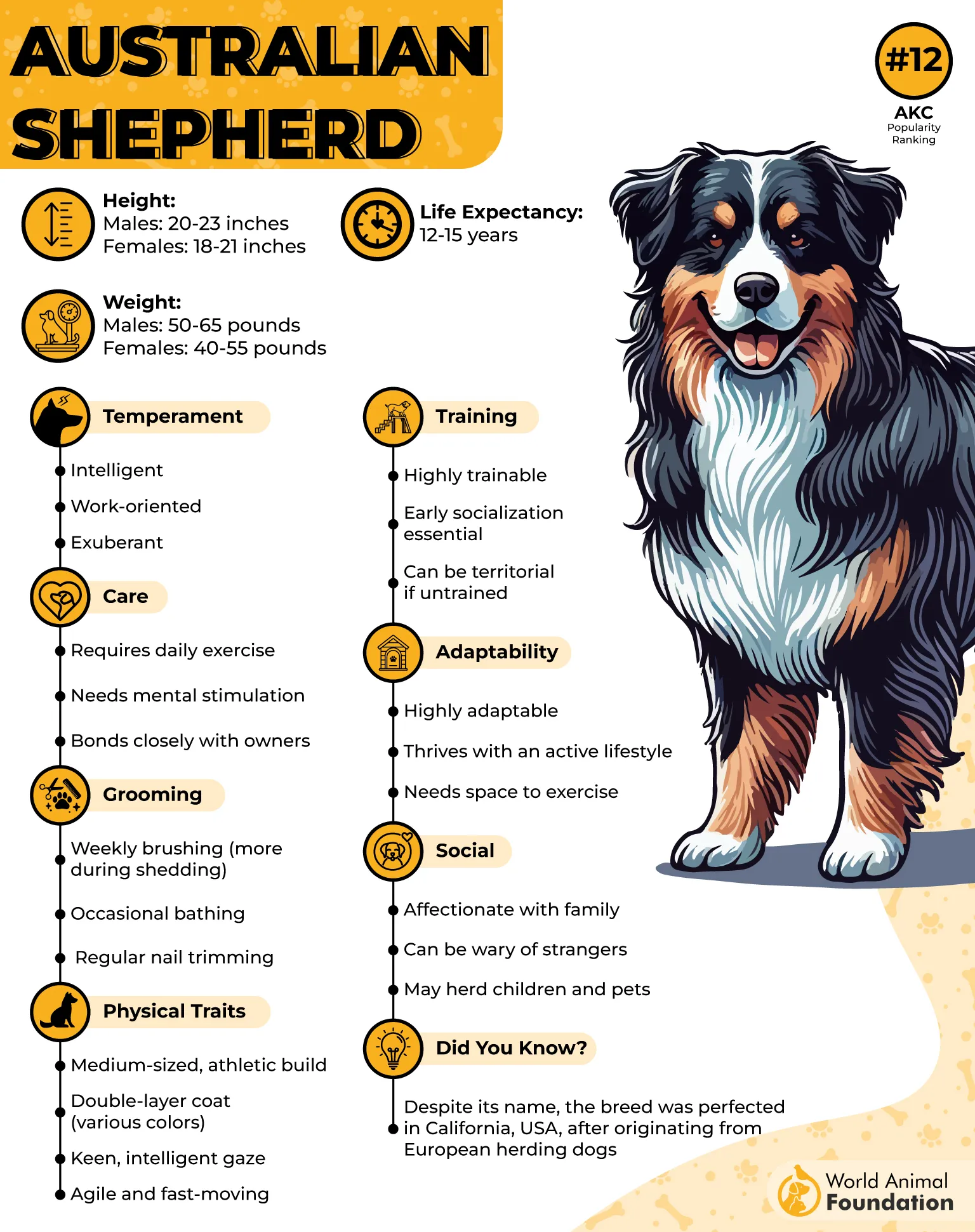
It has a moderately wavy double coat, made up of a coarse, hard topcoat and a dense undercoat. The coat is well-feathered on the hind legs and shorter on the face. The color patterns are so varied that it’s often said no two Aussies share the exact same coat, with common colors including blue merle, red merle, solid black, and solid red.
Since Aussies thrive outdoors, they tend to pick up more mud and dirt along the way, so frequent bathing helps keep dog odor under control. Brushing every 3-4 days is a good rule of thumb, and it’s best to never shave the coat entirely, since it actually helps protect against harsh weather.
5. Golden Retriever
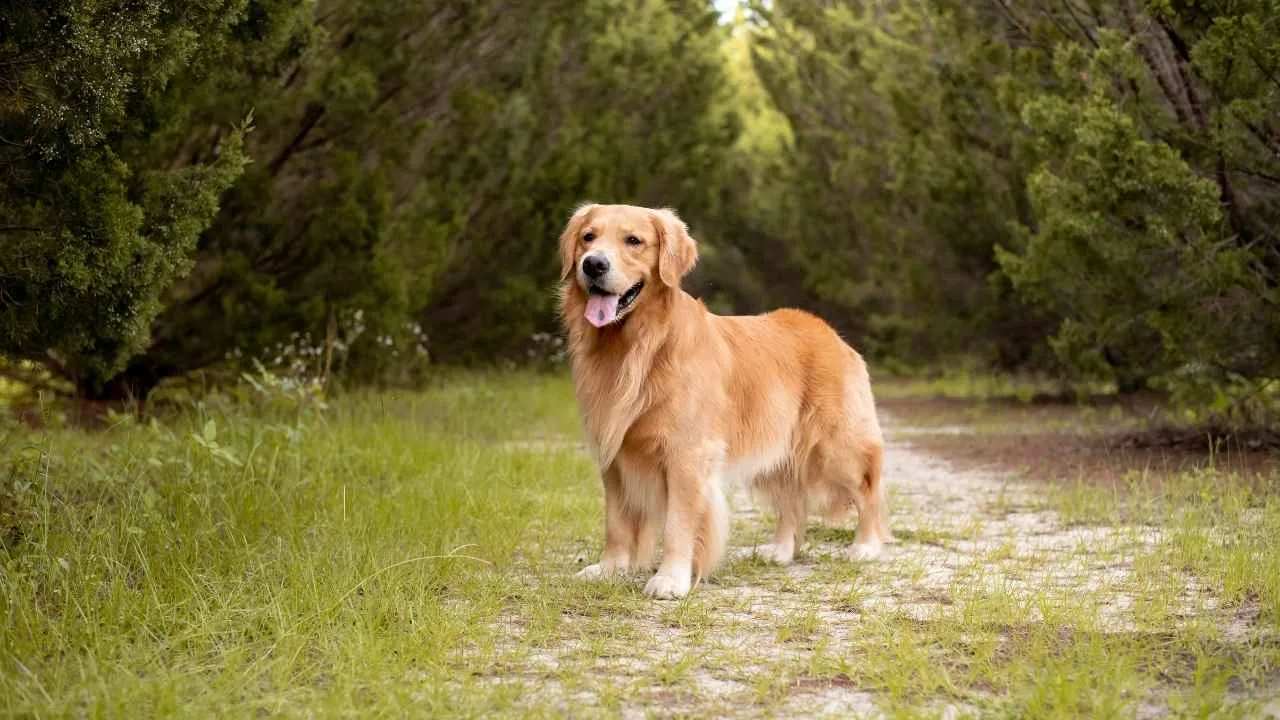
Developed by Dudley Marjoribanks in the Scottish Highlands, the Golden Retriever was selectively bred to be an energetic dog capable of retrieving prey from both water and land with a soft, gentle mouth. It’s believed to have descended from the Yellow Retriever and the Tweed Water Spaniel.
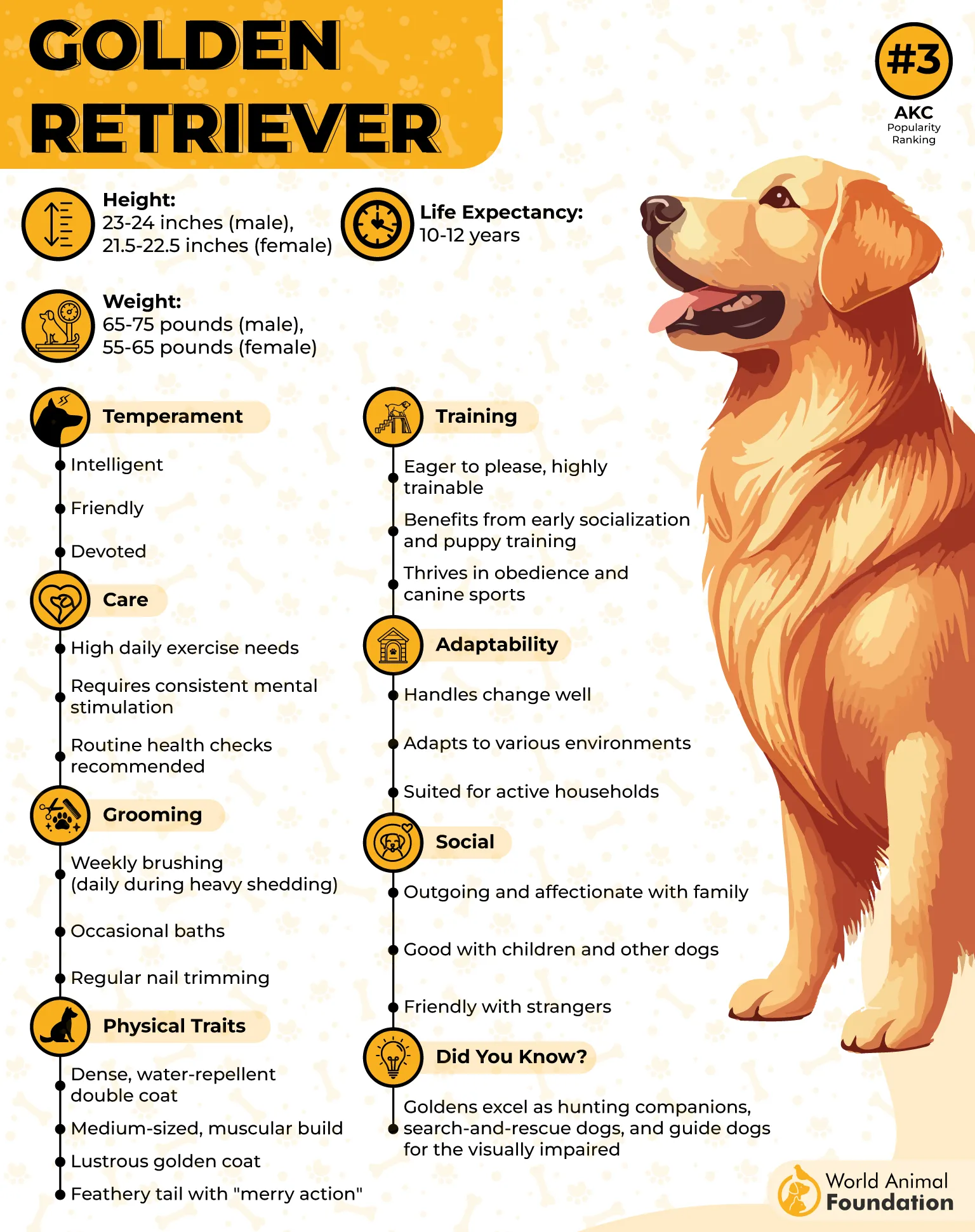
The breed has a medium-length double coat, with a water-resistant outer coat and a soft, insulating undercoat, plus feathering on the belly, legs, and tail. Standard coat colors range from dark golden to golden to light golden, with other light shades also accepted.
After swimming, it’s a good idea to rinse the coat with clean, fresh water. Brushing every 1-3 days works well, with extra attention behind the ears and elbows and on the hind legs, since these spots are especially prone to tangling.
6. Border Collie
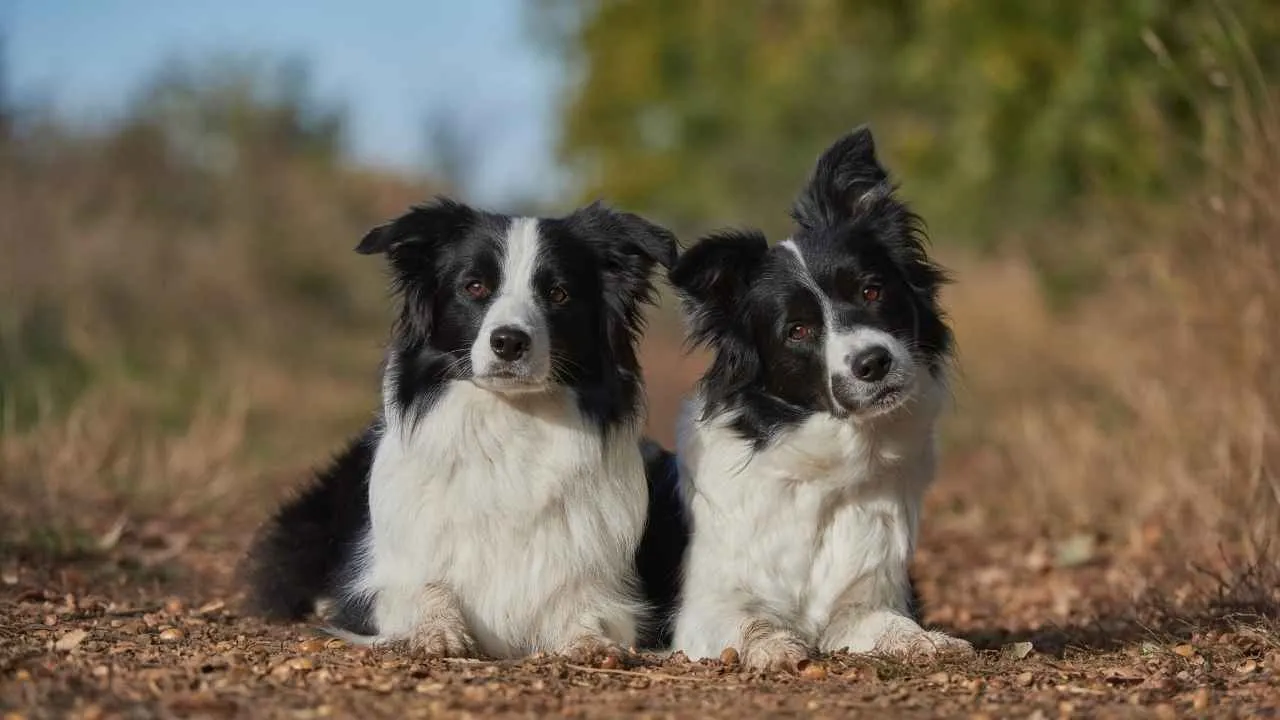
Originating in Britain, the Border Collie was developed to herd livestock on farms, though today it’s widely loved as a family dog too. This high-energy working breed was built specifically for agile, sharp movement, and thanks to its friendly nature, it tends to get along wonderfully with family members and kids alike.
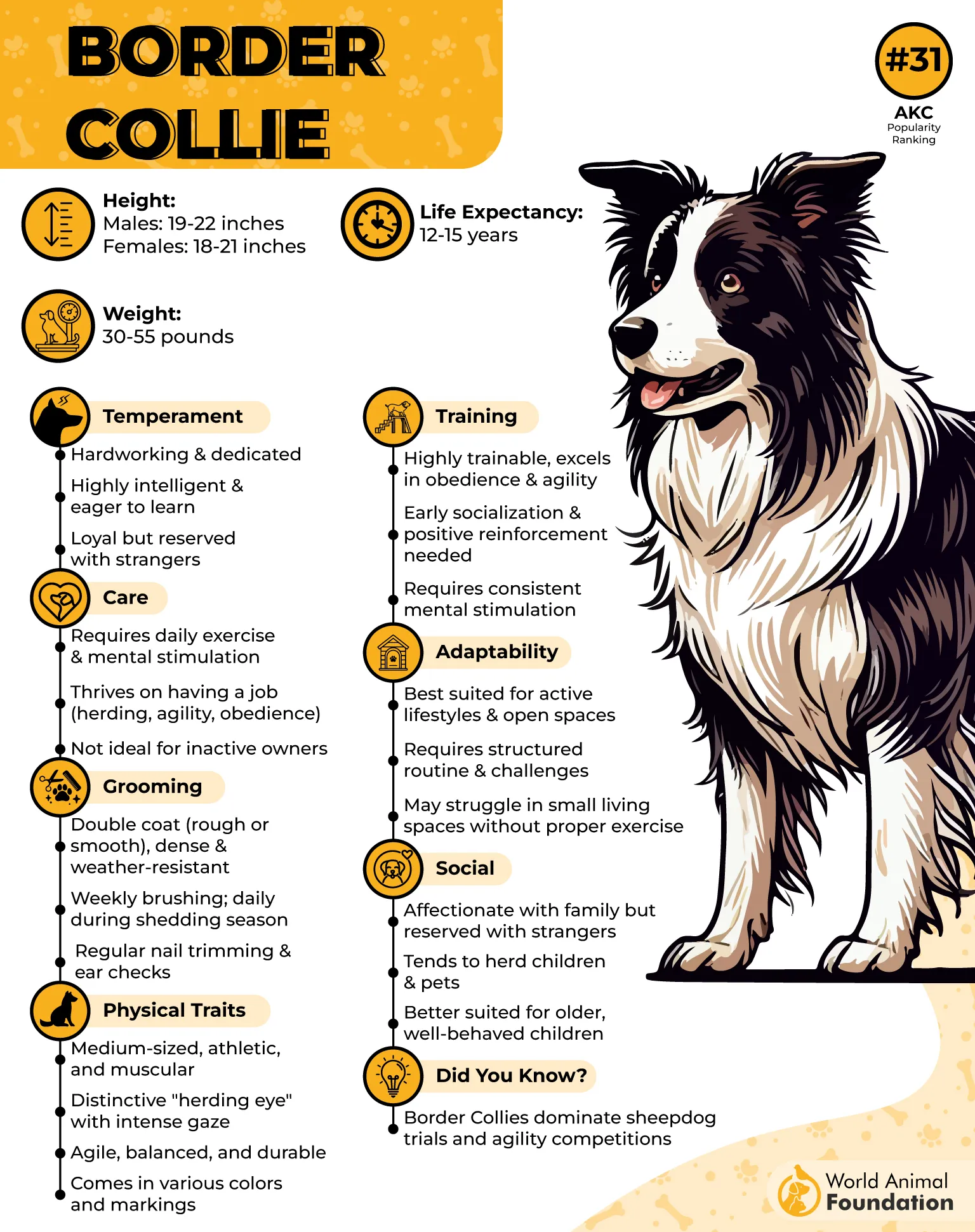
It typically has a medium-length, wavy coat, though shorthaired versions are common as well. Standard colors include black and white, solid black, red, lilac, and blue. Since Border Collies have hair rather than fur, they shed less and only need minimal to moderate grooming.
An oatmeal shampoo works well for monthly baths, and brushing 2-3 times a week with a slicker brush helps prevent mats. If your pup loves getting into mud and dirt, though, you’ll want to bump up the grooming routine accordingly.
7. English Springer Spaniel
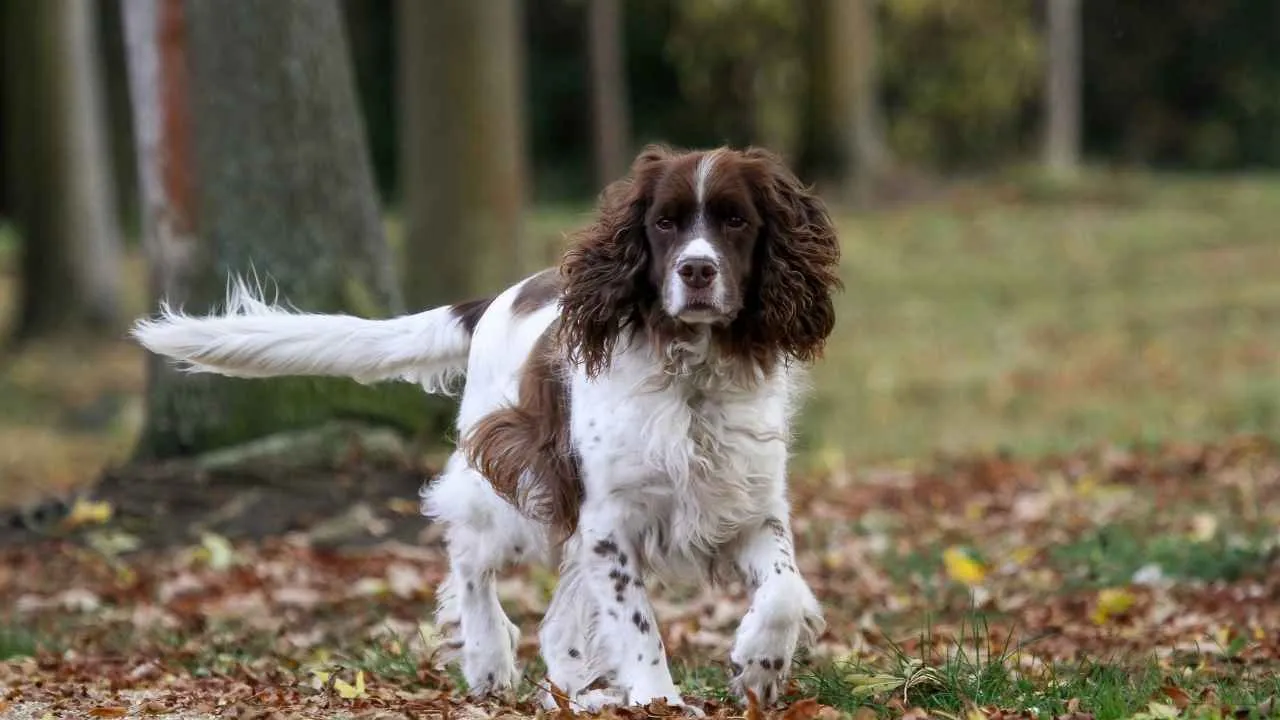
The history of this ancient breed dates back to the 14th century, though depictions of similar dogs appear in artwork as far back as 250 BC. The name itself originated in Spain. According to PDSA, spaniels in the United Kingdom were eventually split into two main groups: cocker spaniels and springer spaniels.
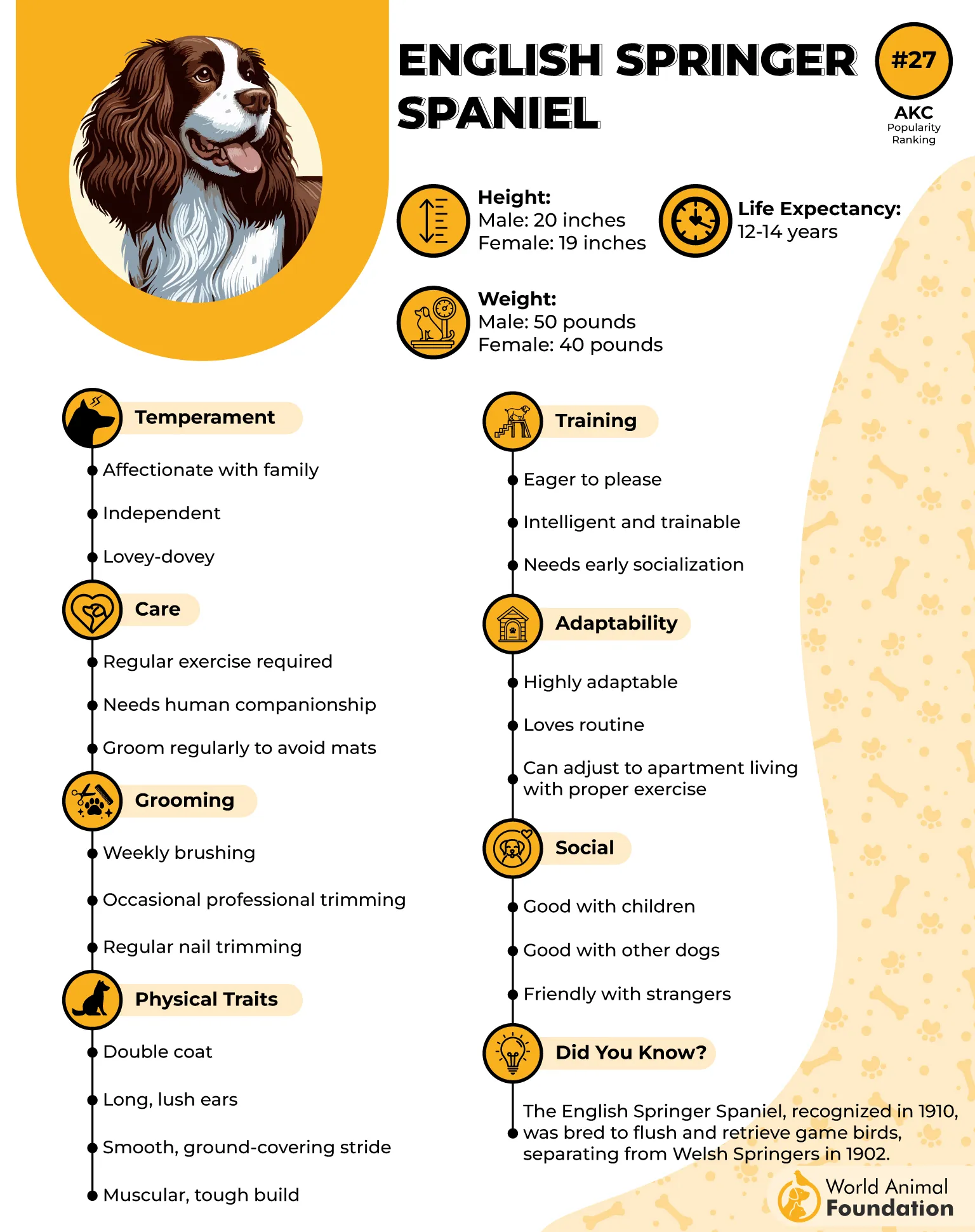
The English Springer Spaniel has a thornproof, waterproof, weather-resistant coat, with feathering on the belly, chest, and legs that helps protect it from scratches while running through fields. Since the breed loves the water, a dog-friendly shampoo that maintains proper pH is a smart choice for baths.
Regular brushing with a metal comb and a slicker brush helps keep the coat tangle-free. The breed sheds heavily twice a year, so daily brushing is a good idea during those shedding seasons.
8. Irish Setter
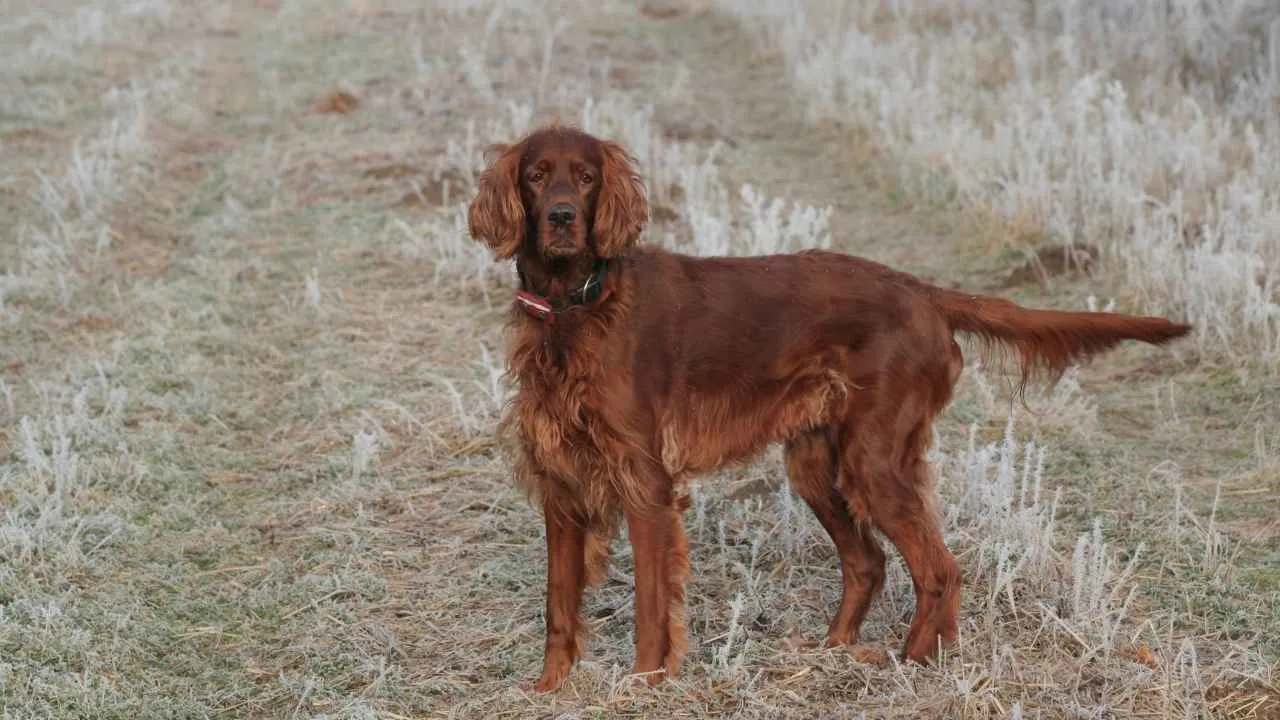
This breed was developed in Ireland in the 19th century as a hunting dog to help hunters track down birds, and it still carries those hunting instincts today, often showing up in a love for chasing balls and frisbees. The breed was officially recognized by the American Kennel Club in 1878.
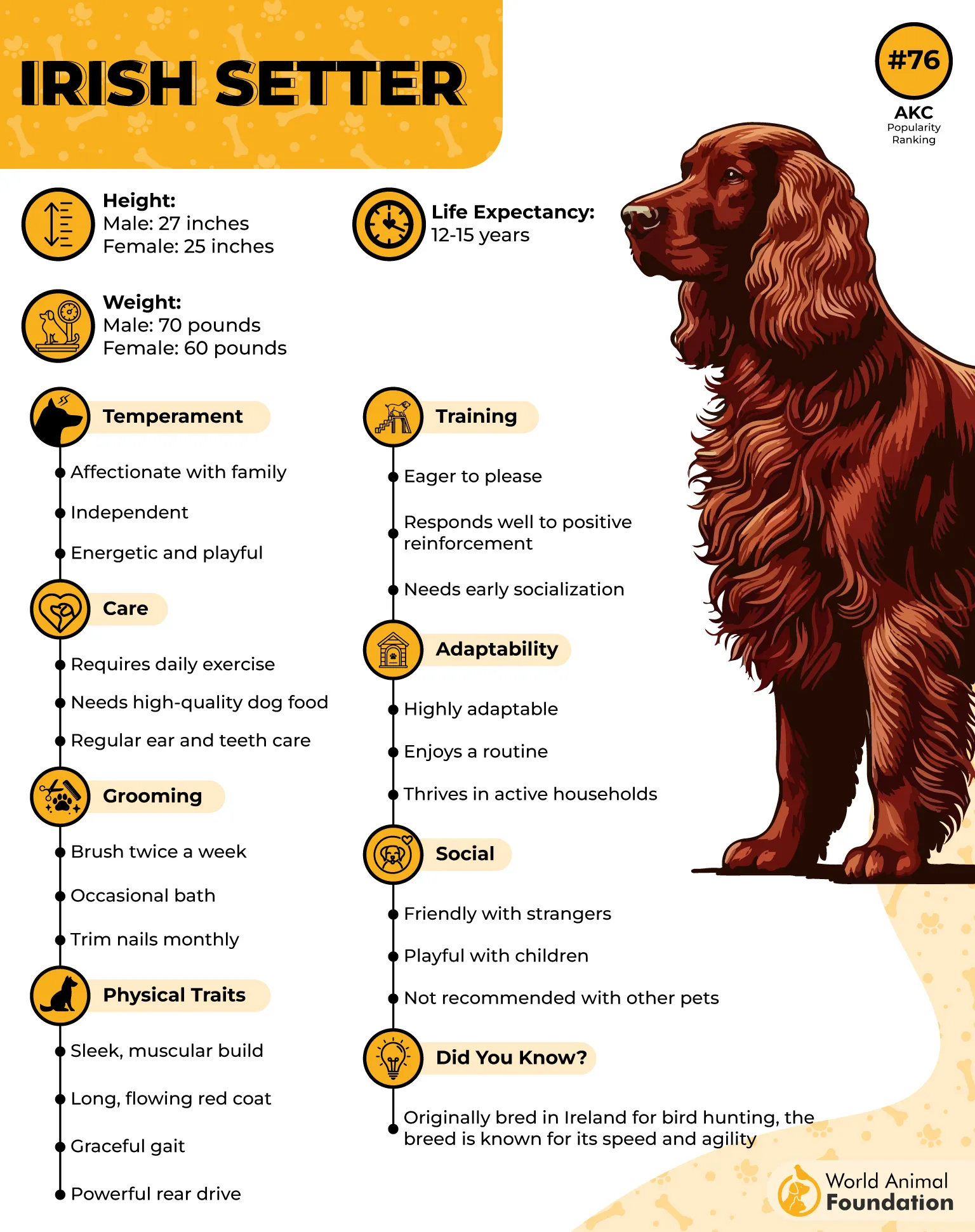
The Irish Setter’s medium coat comes in a rich chestnut color with plenty of feathering. It’s flat and smooth with long fringes, and while chestnut is the classic shade, mahogany and red variations show up too. The coat itself is neither wavy nor curly. Given how active this breed is, professional grooming once or twice a year is a good idea.
Bathing every 6-8 weeks works well, and brushing with a pin brush and soft-bristle brush every 2-3 days helps keep the coat shiny. The breed sheds heavily during spring and fall, so daily brushing during those seasons is worth the extra effort.
9. Nova Scotia Duck Tolling Retriever
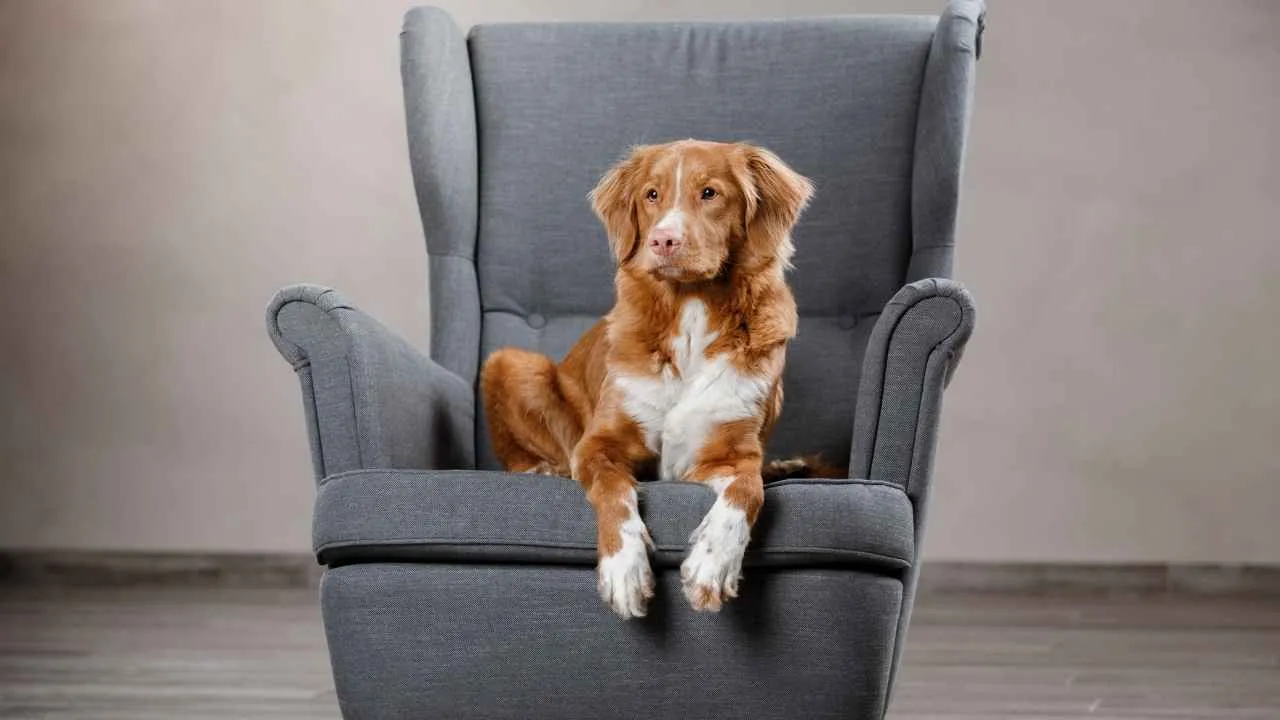
Developed in the 19th century, this retrieving breed was once known as the Little River Duck Dog. With a close resemblance to foxes, it was used by hunters who would have the dog splash along riverbanks to lure in curious ducks. Today, it’s better known as a beloved family pet, and the breed, the Nova Scotia Duck Tolling Retriever, was officially recognized in 2003.
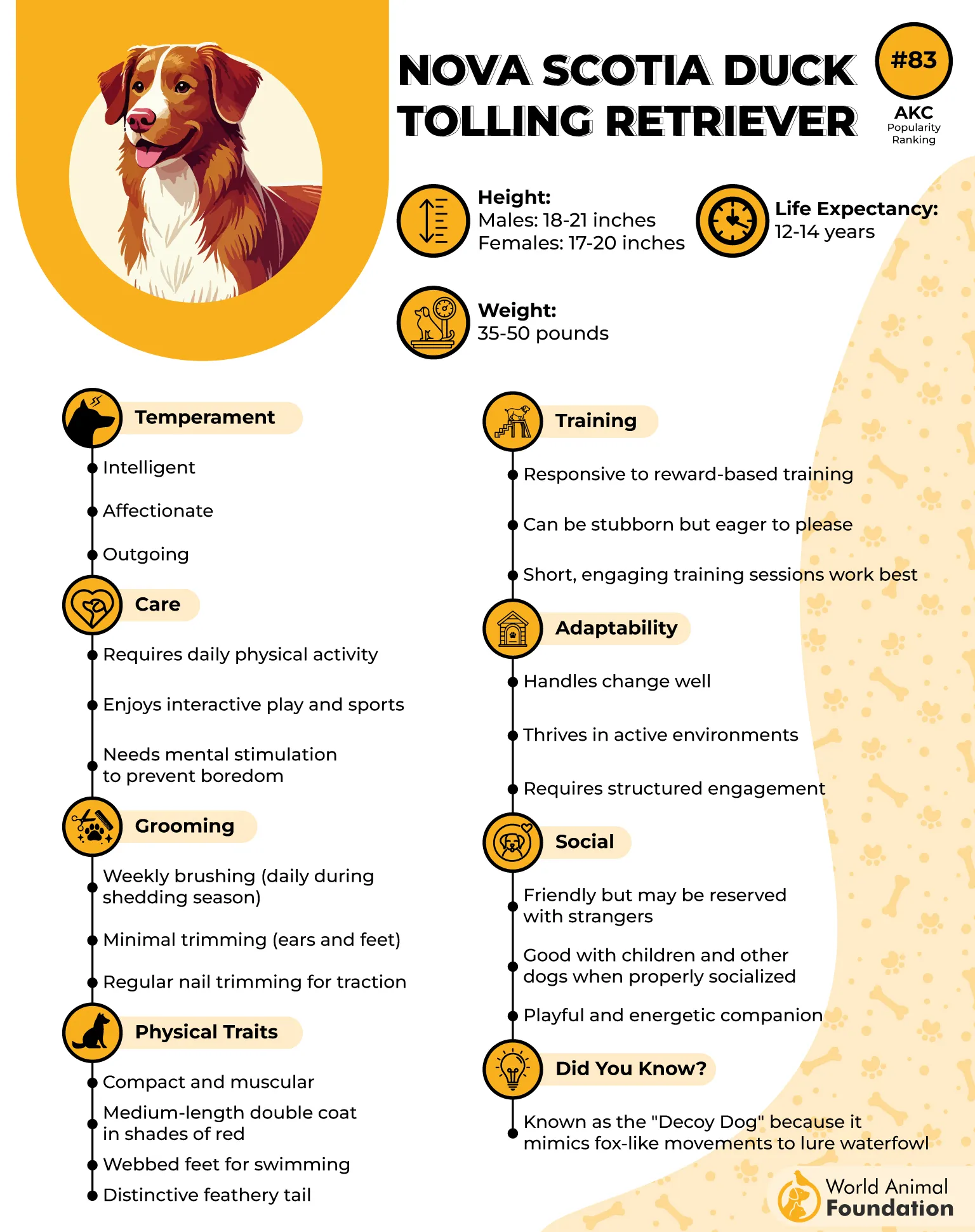
It has a foxy, golden-red coat with white markings, and almond-shaped eyes and wide-open nostrils that complement its coloring. The soft, water-repellent coat comes in two layers: a feathered or wavy topcoat and a soft, thick undercoat.
Bathing every 4-6 weeks works well, along with weekly brushing using a slicker brush. Daily ear cleaning helps prevent wax buildup and infection, and daily teeth brushing goes a long way in avoiding dental issues.
Conclusion
Medium-length coats offer a nice balance for people who want a dog with plenty of visual appeal without choosing a breed simply for its hairstyle. But the coat should never be the only reason you choose a dog. The English Toy Spaniel has a very different lifestyle from the Australian Shepherd, while the Border Collie needs a completely different kind of engagement from the Tibetan Spaniel.
That is what makes these breeds so interesting. Their coats reflect different histories, jobs, climates, and personalities. Some are built for fields and water. Others are happiest keeping their favorite person company.
