




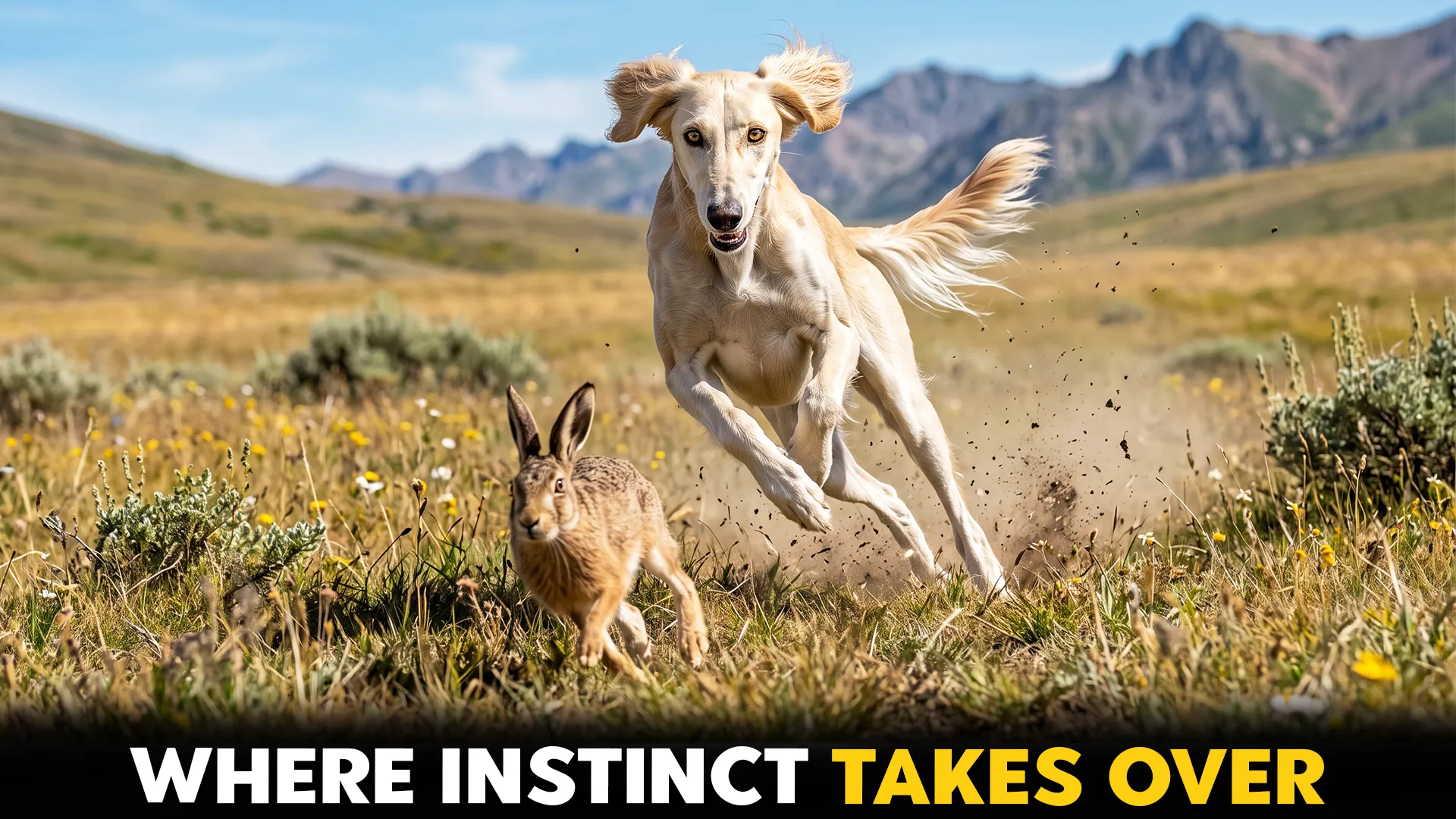
Some dogs spot a squirrel and instantly switch from calm companion to full-speed hunter. That reaction is prey drive, an instinct shaped by generations of breeding for hunting, herding, and tracking. In certain breeds, it is especially strong, making walks exciting but also demanding.
Owners should expect quick reactions, focused attention, and a real need for exercise, training, and mental stimulation. These dogs usually do best with structure, secure spaces, and consistent enrichment rather than casual strolls alone. The upside is that, with patient handling and the right outlets, they can become loyal, responsive, and deeply rewarding companions.
In this article, we will look at nine breeds known for intense prey drive and explain why their instincts are so powerful. Understanding those tendencies makes choosing, training, and living with them much easier every single day in the right environment, too.
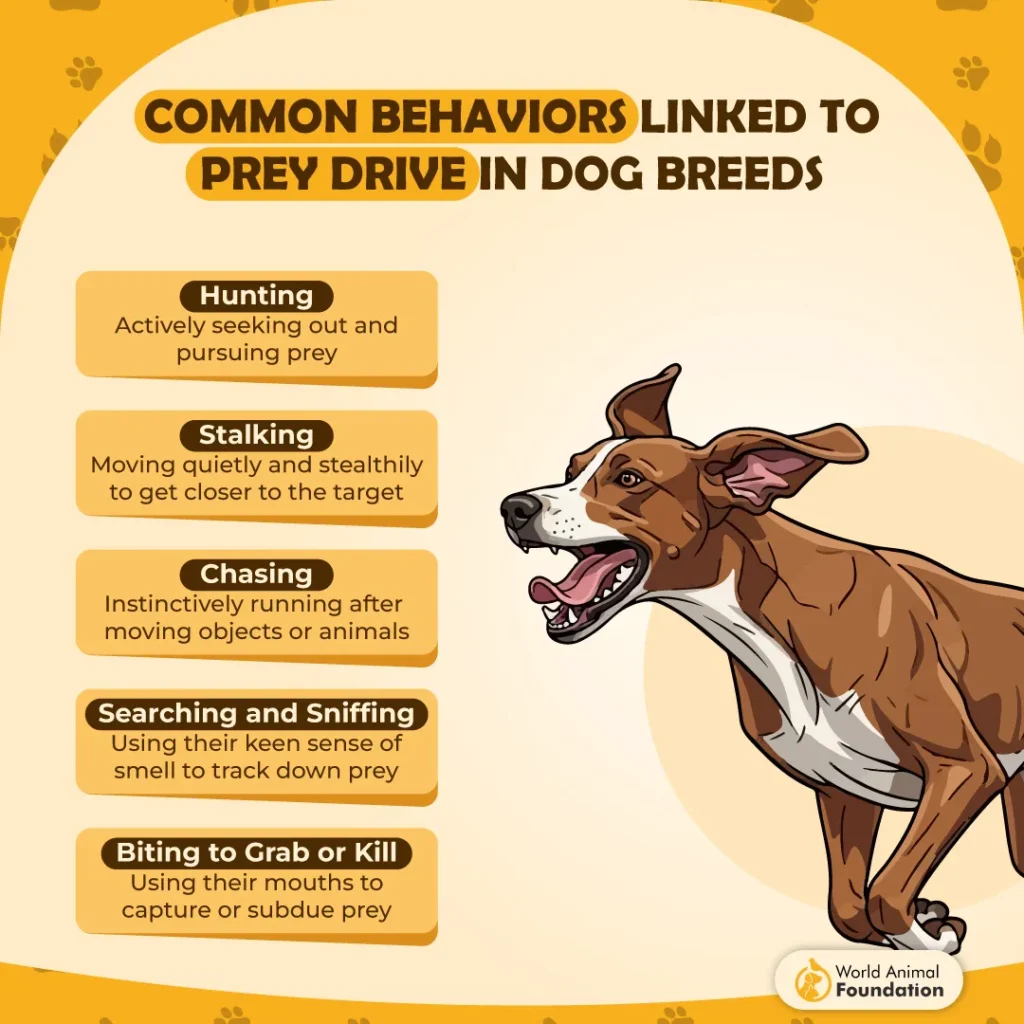
A dog’s prey drive is guided by a natural hunting pattern called the Predatory Motor Sequence. This instinctive sequence includes spotting, stalking, chasing, grabbing, and sometimes biting prey. While not every dog completes every step, the sequence explains why some breeds instinctively react the moment they see something moving.
Top Dog Breeds with Intense Prey Drive Traits
1. Saluki
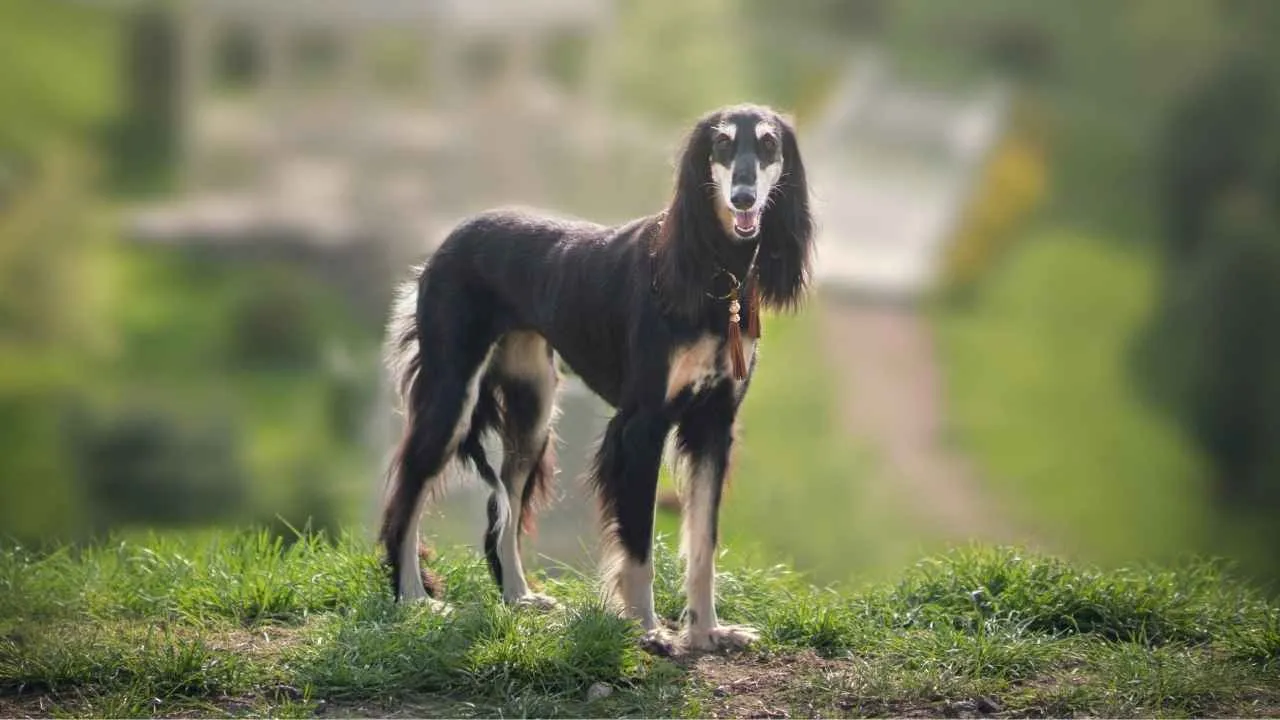
The Saluki is a strong example of a dog with an intense prey drive. Bred for centuries to chase fast game across open land, this hound still reacts quickly to movement and can be hard to call back once it spots something to pursue, as per the AKC.
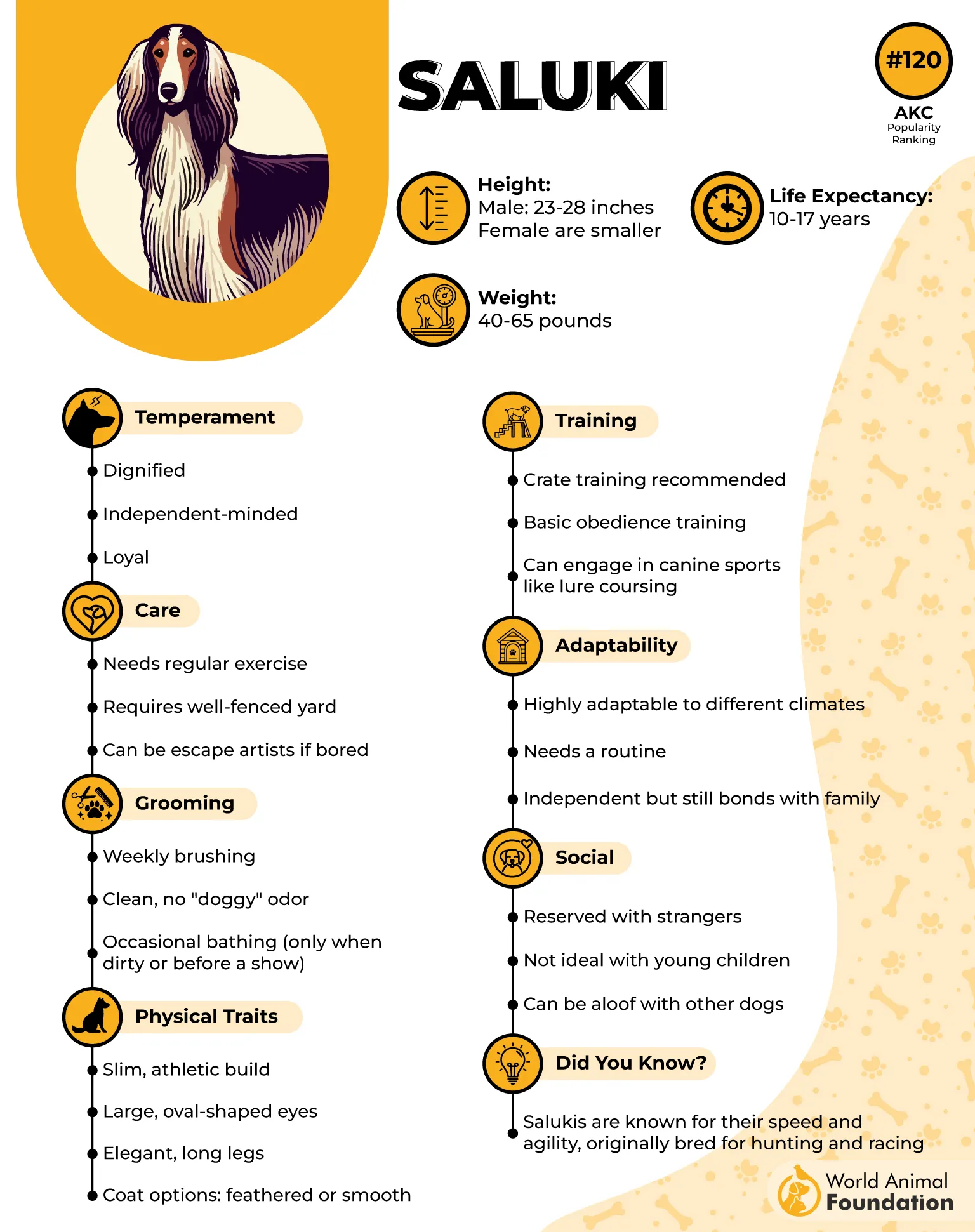
Why their prey drive stands out:
They are naturally drawn to chasing rabbits, birds, and other small animals.
Their speed, sharp vision, and independent nature make them quick to react.
They may suddenly sprint after moving prey, so a secure yard and leash walks are important.
Even though Salukis are calm and gentle at home, they still need regular exercise and mental stimulation to stay balanced. Activities like lure coursing, obedience work, and early training can help manage their instincts. With the right outlet, they become graceful, loyal companions for active owners.
2. Weimaraner
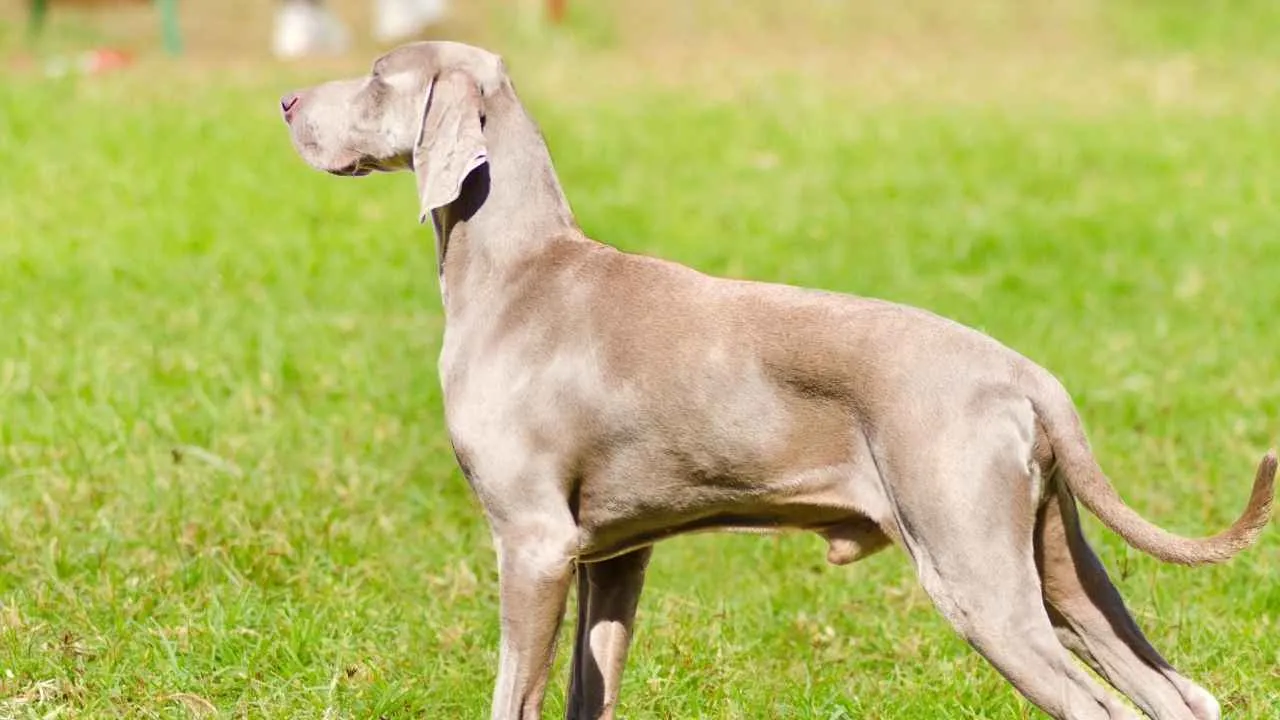
If there were an Olympic event for tracking and chasing, the Weimaraner would be a serious contender. Originally bred to hunt large game like deer and boar, this high-prey-drive dog is constantly alert and ready to react whenever something moves.
Why their prey drive stands out:
Their sharp senses quickly pick up birds, small animals, and other moving targets.
They often freeze, focus, and then instinctively chase once prey begins to run.
Their strong hunting background means reliable recall requires consistent training from a young age.
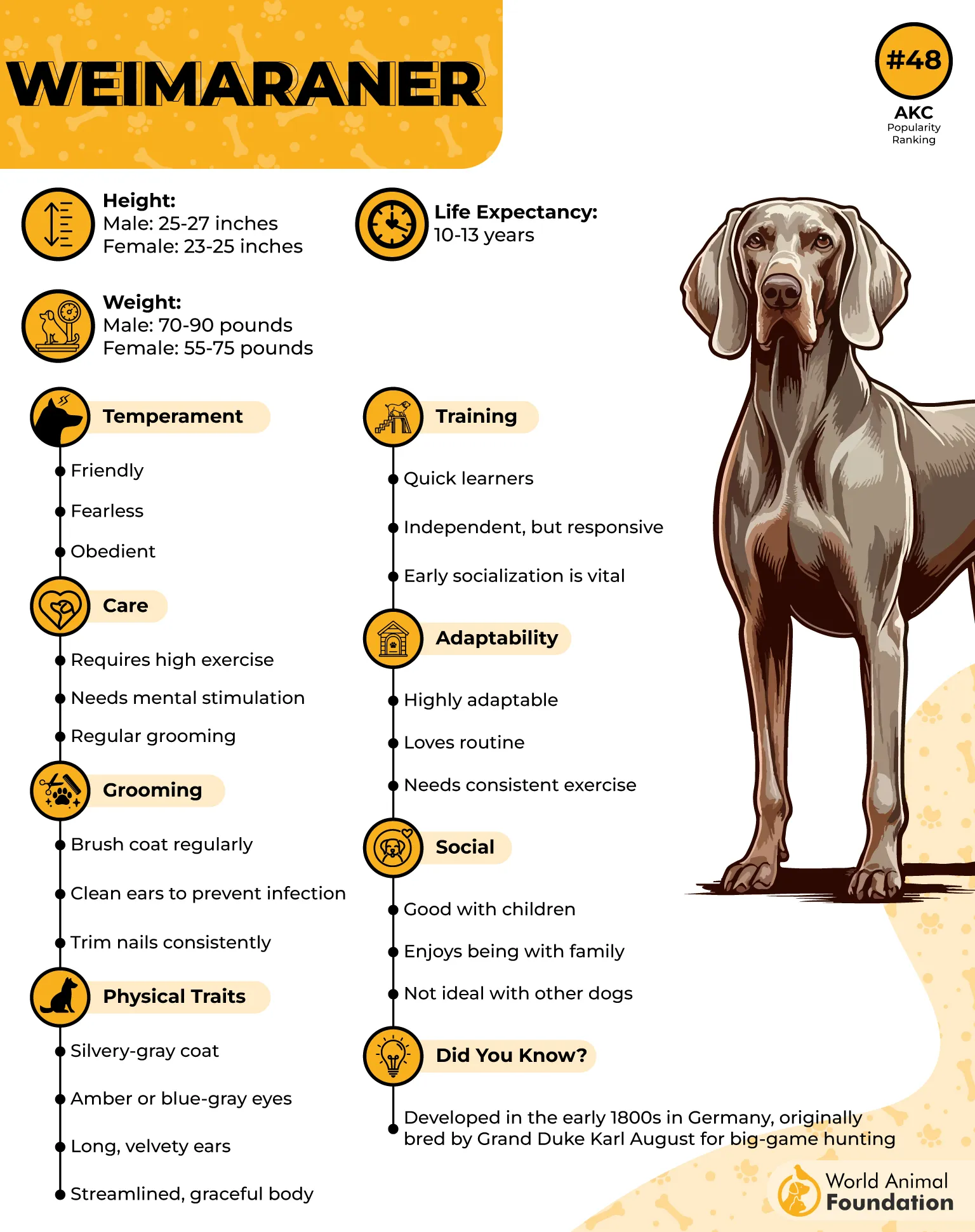
Weimaraners are deeply devoted to their family, but boredom can lead to destructive behavior, excessive chewing, or barking. Daily walks, runs, scent games, and plenty of mental stimulation help channel their energy in positive ways. Use a secure leash or fenced area while practicing recall, especially around cats or other small prey.
When their hunting instincts are given safe, structured outlets, these athletic dogs become focused, affectionate companions that truly thrive with active owners.
3. Greyhound
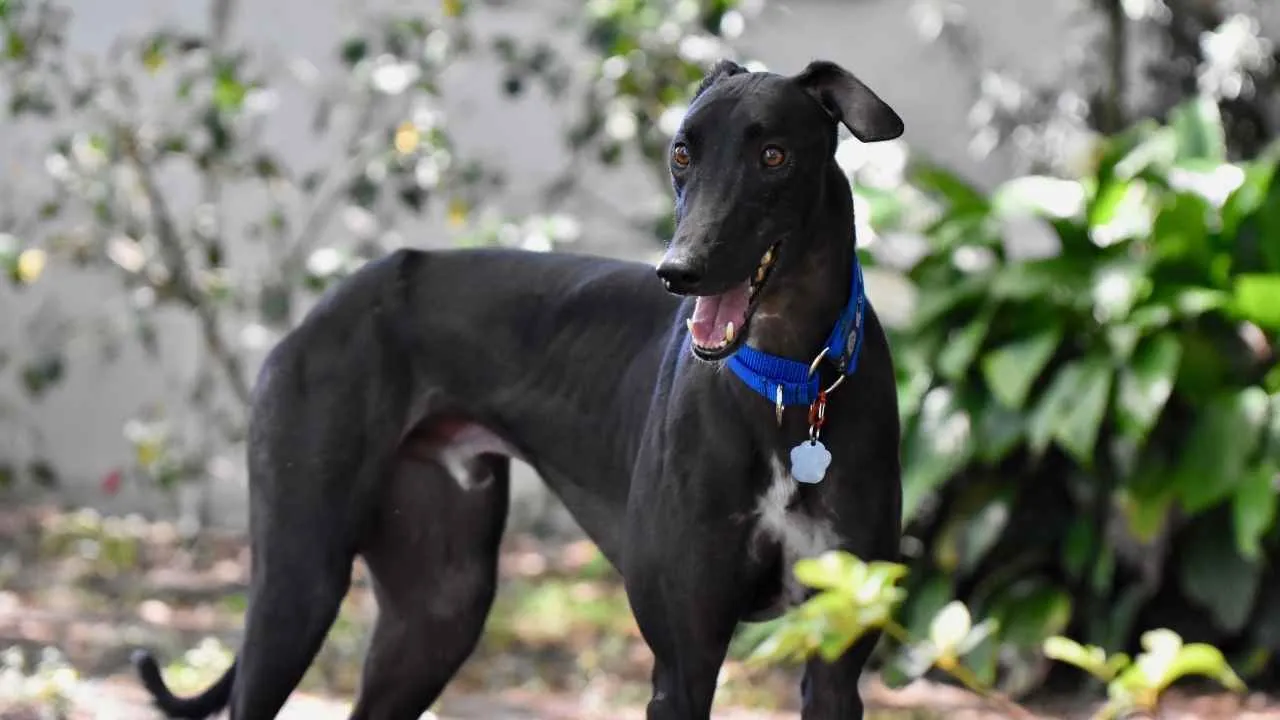
Blink… and they’re gone. Few dog breeds can match the Greyhound’s incredible speed, and that’s exactly why this high-prey-drive dog has been trusted for sight hunting for centuries. Instead of following scents, Greyhounds rely on exceptional eyesight to spot and chase fast-moving prey.
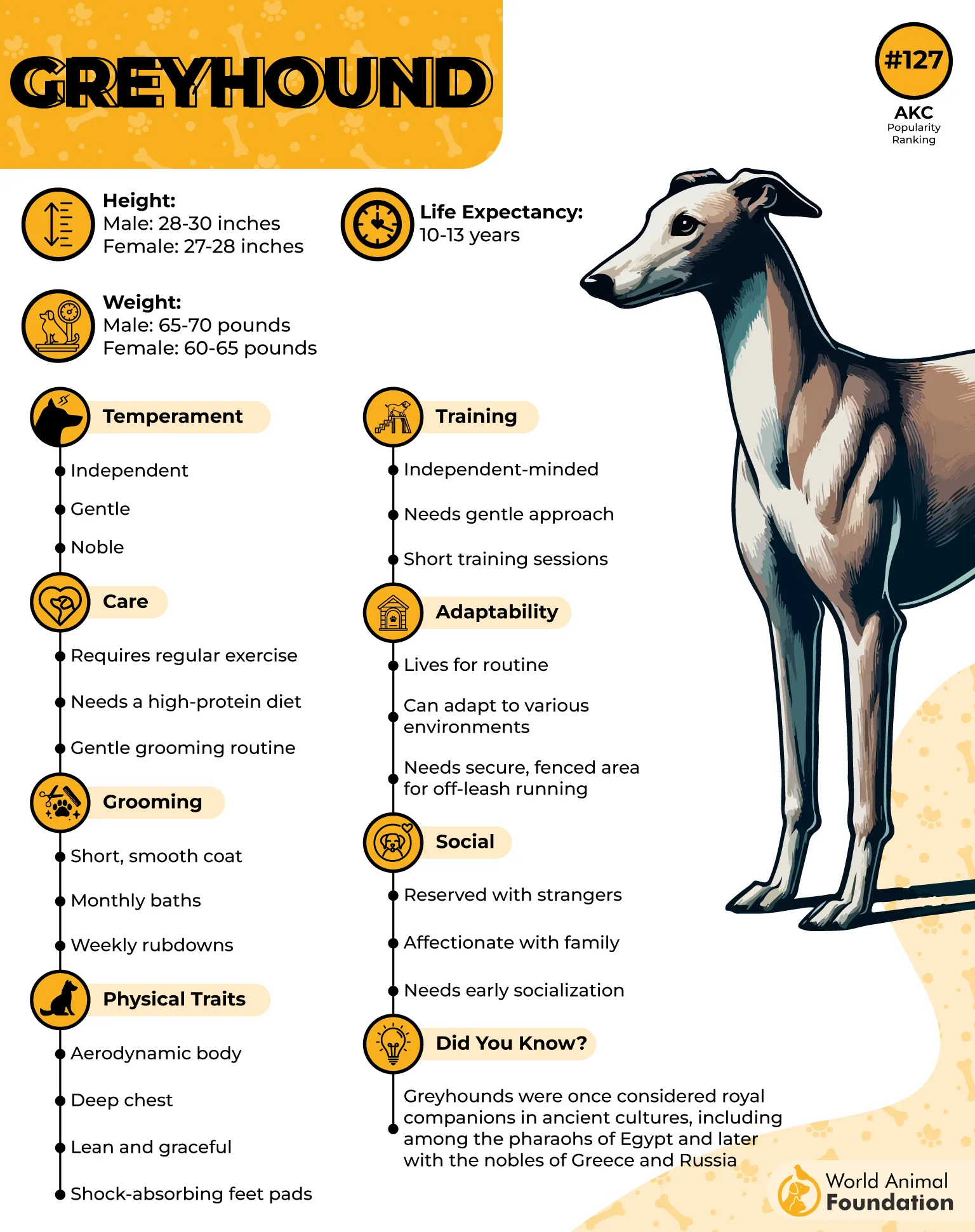
Why their prey drive stands out:
They instantly react to small animals, cats, or anything that darts across their path.
Their powerful sprinting ability makes off-leash time safest in a secure, fenced area.
Their independent hunting instincts can make training take extra patience.
As per PetMD, despite their athletic nature, Greyhounds are surprisingly calm indoors and love relaxing with their people once their daily exercise is complete. Regular walks, structured play, and mental stimulation help satisfy their instincts.
With proper socialization and safe management around small pets, these elegant dogs become gentle companions that know exactly when to sprint—and when to be the ultimate couch potato.
4. Irish Setter
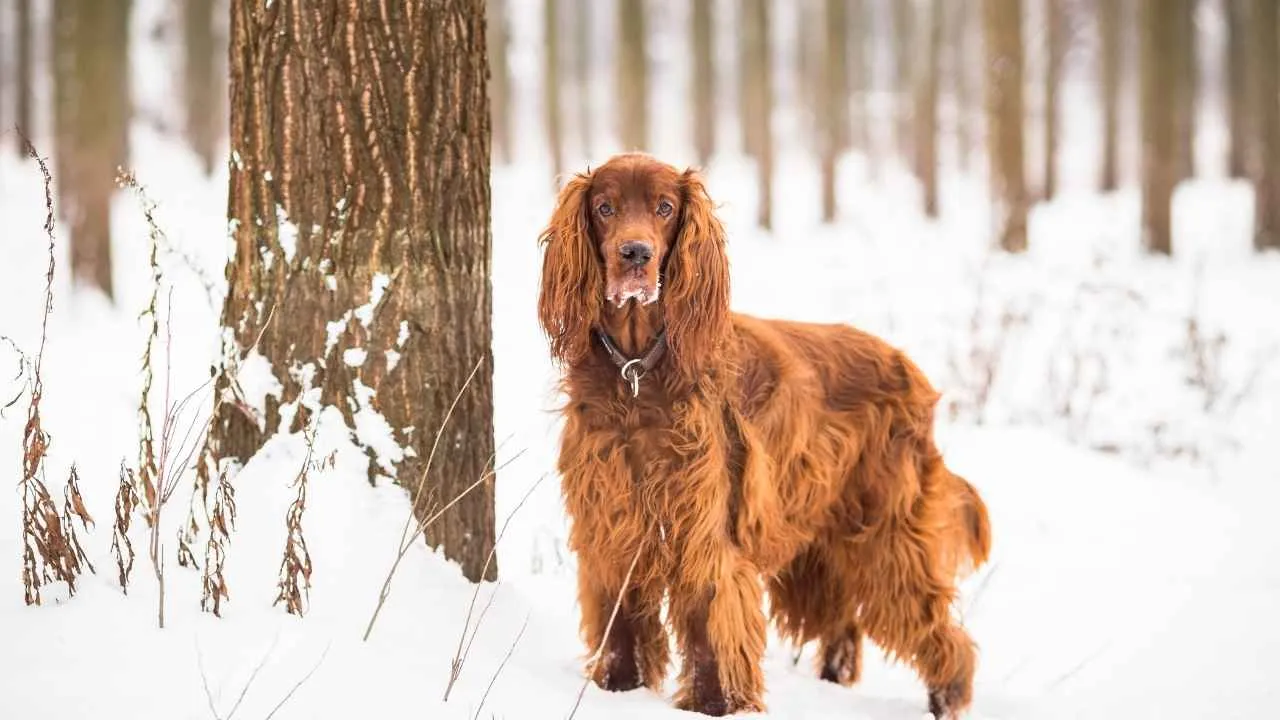
Always on the move and always following a scent, the Irish Setter turns every outdoor adventure into a mission. Bred to locate and point birds for hunters, this sporting breed with high prey drive shines whenever something catches its attention.
Why their prey drive stands out:
Their excellent sense of smell helps them locate prey long before people notice it.
They instinctively point instead of immediately chasing, a trait developed for bird hunting.
Their enthusiasm can make them easily distracted, so early training and recall practice are important.
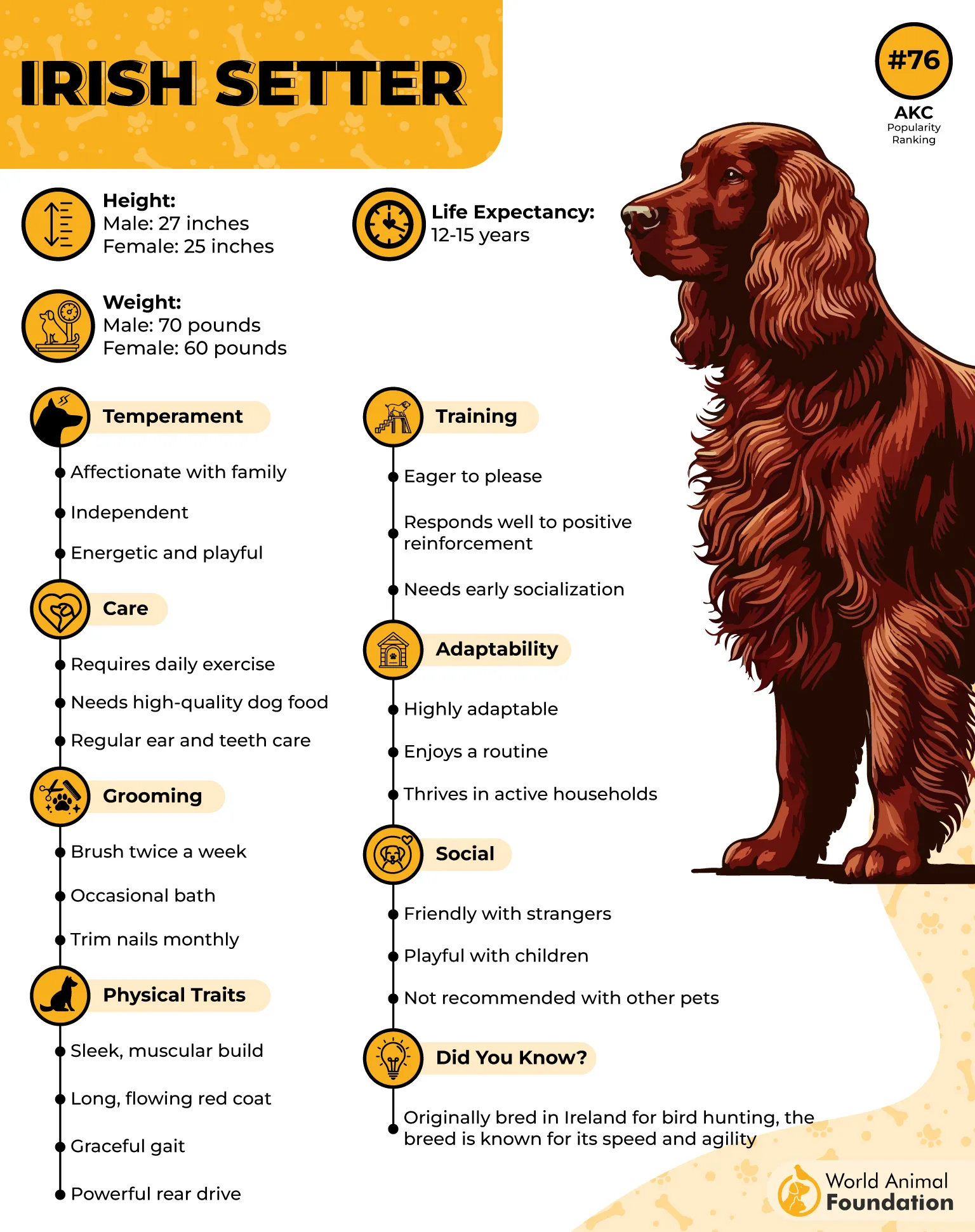
Irish Setters are friendly with kids, strangers, and even other dogs, but their high energy means they need more than casual walks. Daily exercise, dog sports, and plenty of mental stimulation help prevent unwanted behavior caused by boredom.
Give this athletic breed a job to do, and its hunting instincts become an impressive strength rather than a challenge.
5. German Shorthaired Pointer
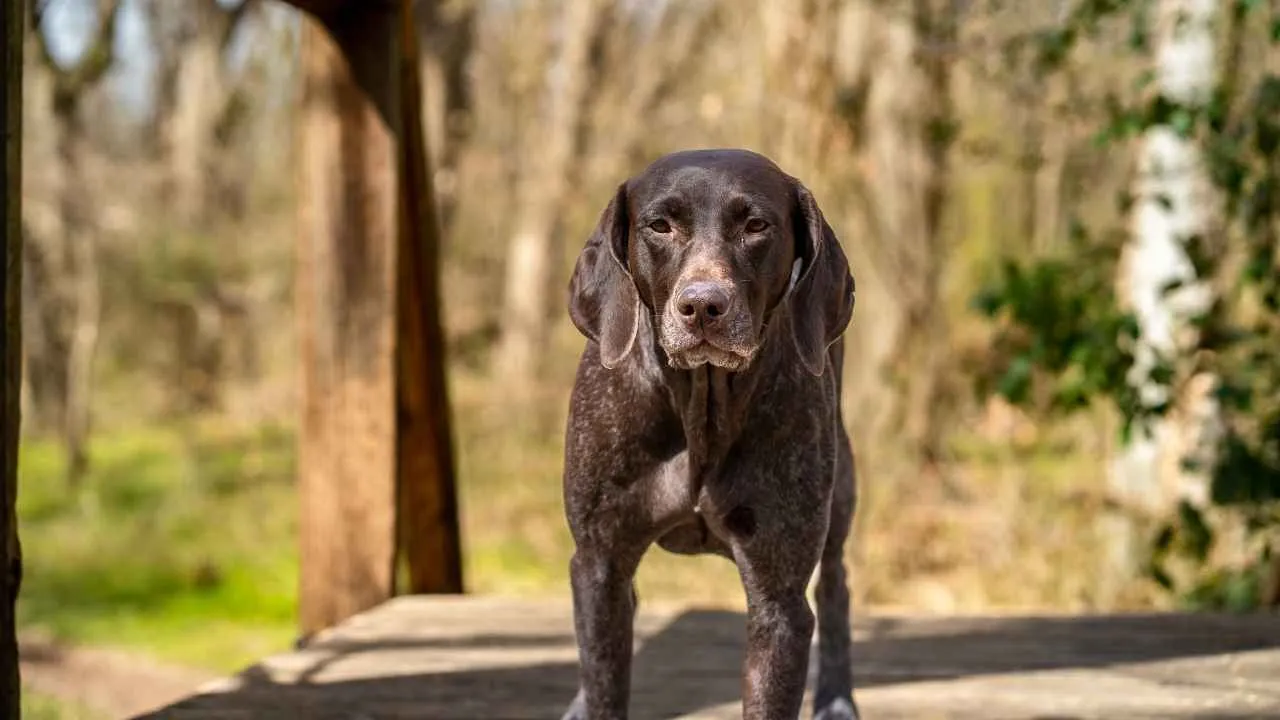
Need a dog that never seems to run out of energy? The German Shorthaired Pointer was bred to do it all. As one of the most versatile gun dogs, it can track, point, retrieve, and hunt, giving it an exceptionally high prey drive and an eagerness to stay busy.
Why their prey drive stands out:
They quickly notice birds, rabbits, and other small animals thanks to their excellent nose and alert nature.
Their instinct to track and retrieve keeps them focused on prey for long periods.
They are highly trainable, but early training is essential to teach control around distractions.
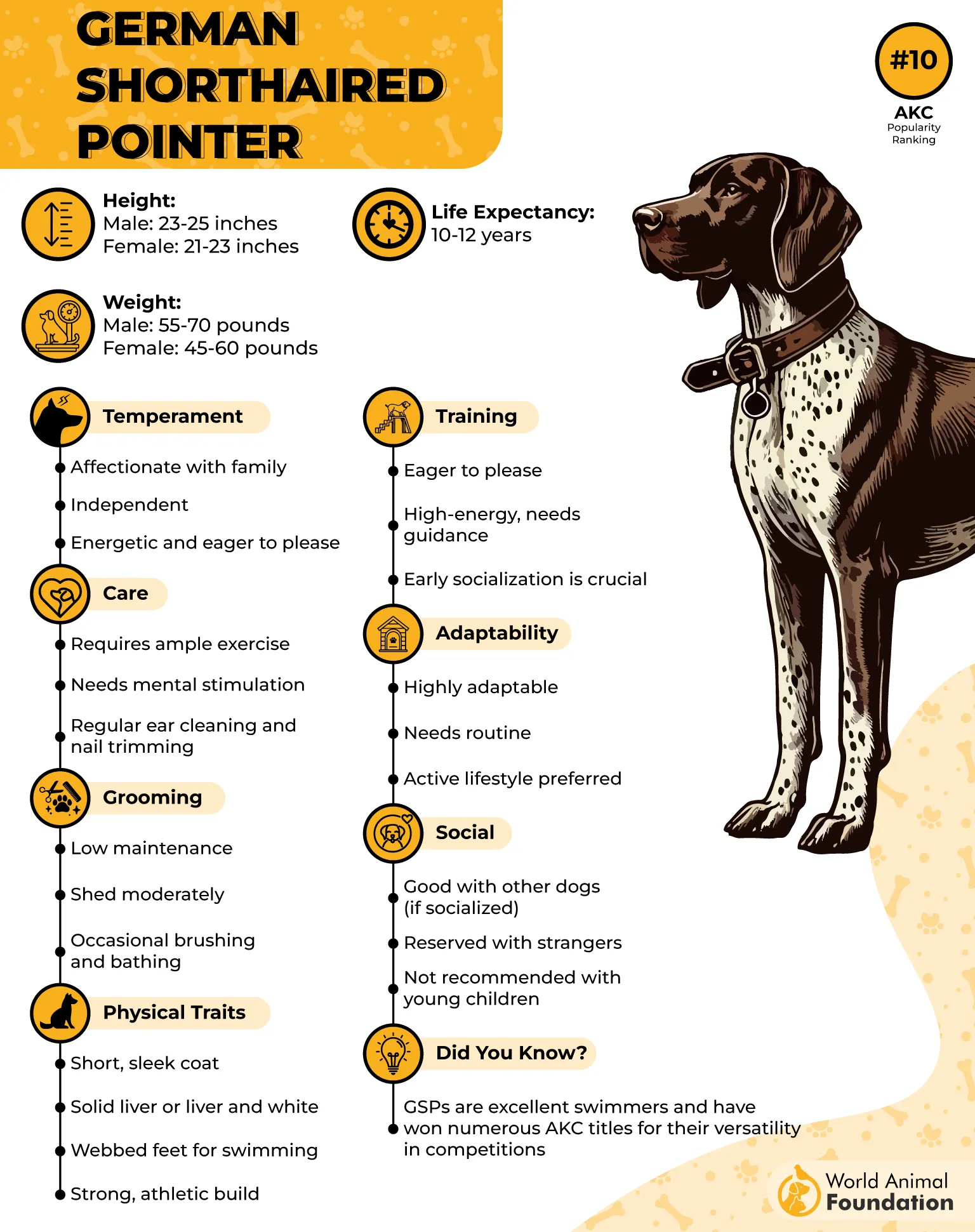
This athletic breed thrives with active families that can provide plenty of exercise, mental stimulation, and structured play every day. Activities like field work, scent games, agility, and retrieving give them a healthy outlet for their instincts.
Keep them engaged, and these hardworking dogs become loyal, enthusiastic companions both in the field and at home.
6. Pharaoh Hound
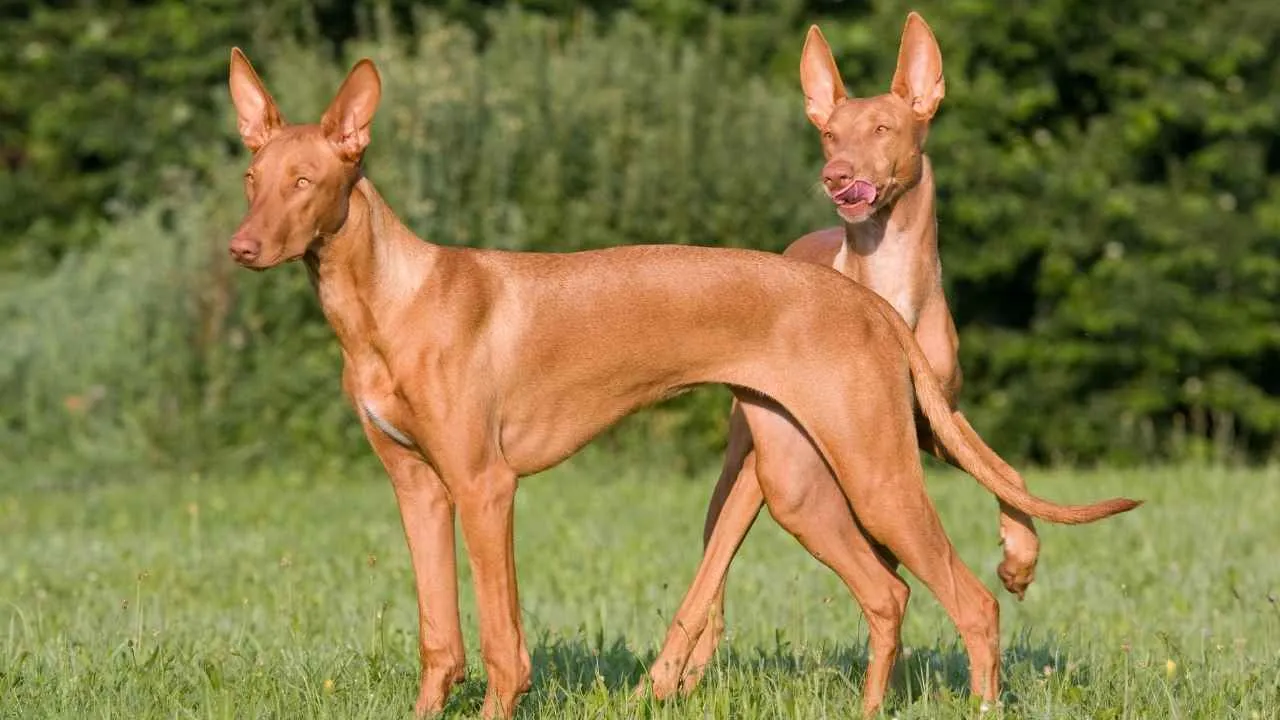
Ever wondered why some dogs seem to spot a rabbit before anyone else? The Pharaoh Hound was bred specifically for rabbit hunting, and that instinct is still remarkably strong today. Agile, alert, and lightning-fast, this elegant breed is always ready to lock onto small prey the moment it appears.
Why their prey drive stands out:
They instinctively chase rabbits and other small animals, relying on both scent and sharp eyesight.
Their alert nature allows them to react almost instantly to movement.
They do best with secure leash walks or fenced spaces, as their hunting instincts can quickly take over.
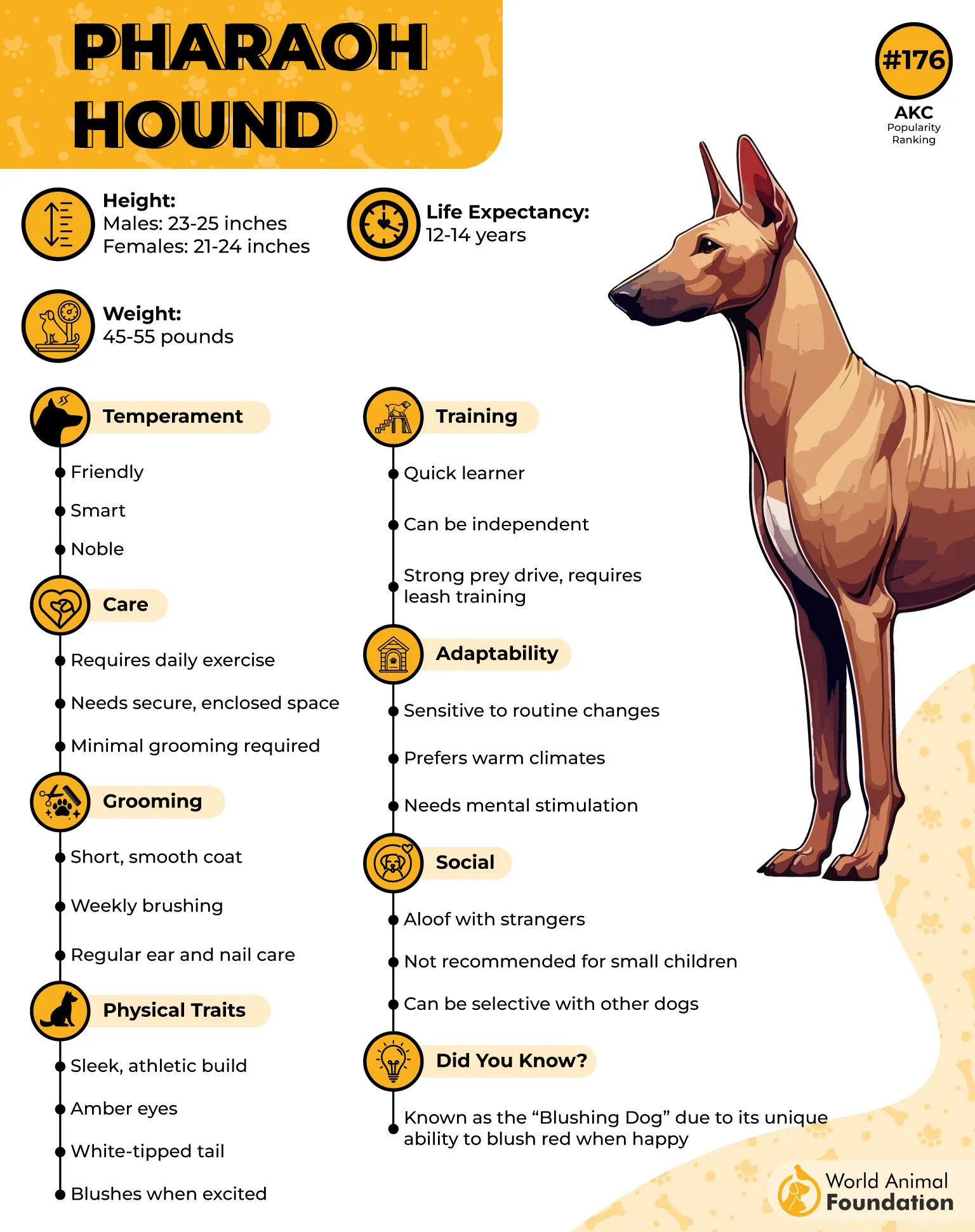
Although affectionate and gentle with their people, Pharaoh Hounds need regular exercise, mental stimulation, and engaging play to stay balanced. Activities like lure coursing, scent games, and recall training provide safe outlets for their instincts, as per Wikipedia.
With the right guidance, this graceful hunter becomes a loyal companion without losing its adventurous spirit.
7. Border Collie
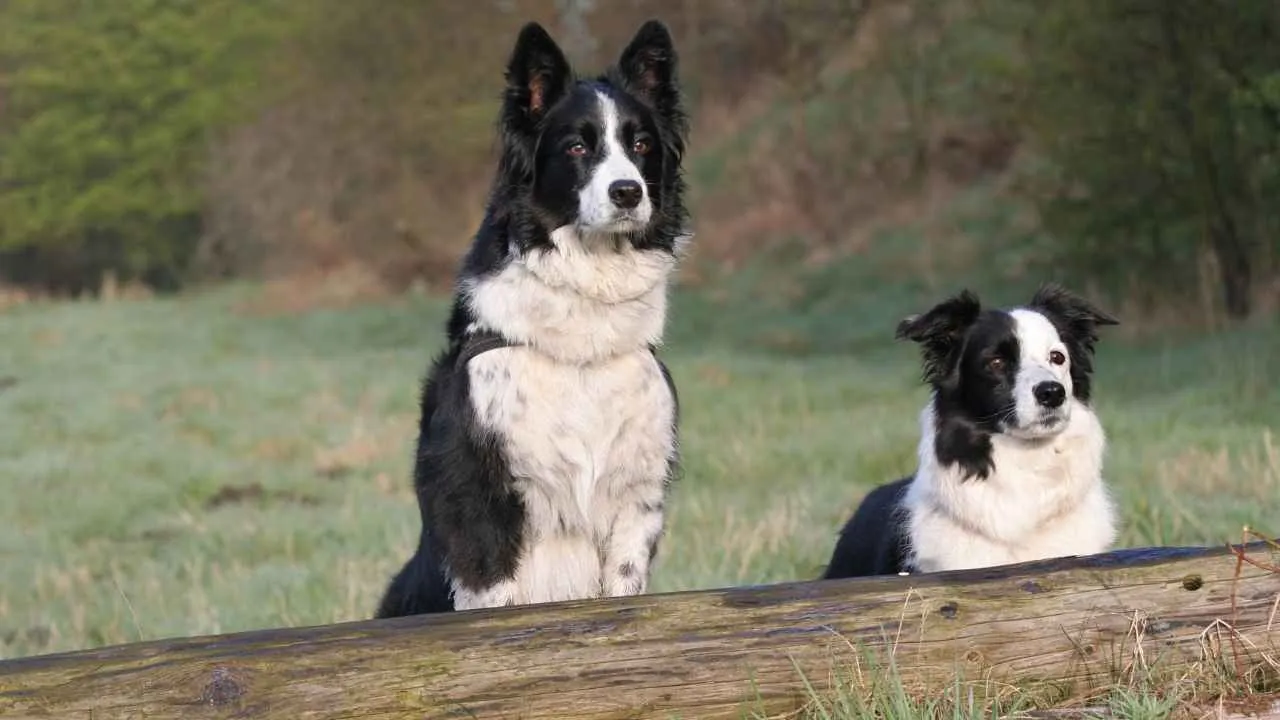
Not every high prey drive dog was bred to hunt. The Border Collie channels its powerful instincts into herding, using an intense stare known as the “eye” to control movement. That same instinct can extend to children, other dogs, and even fast-moving animals, as per Orvis.
Why their prey drive stands out:
Their instinct is to stalk, chase, and herd children or other moving targets rather than catch them.
Their incredible intelligence and intense focus make them one of the most highly trainable dog breeds.
Without enough activity, they may resort to barking, nipping, or obsessive herding behavior.
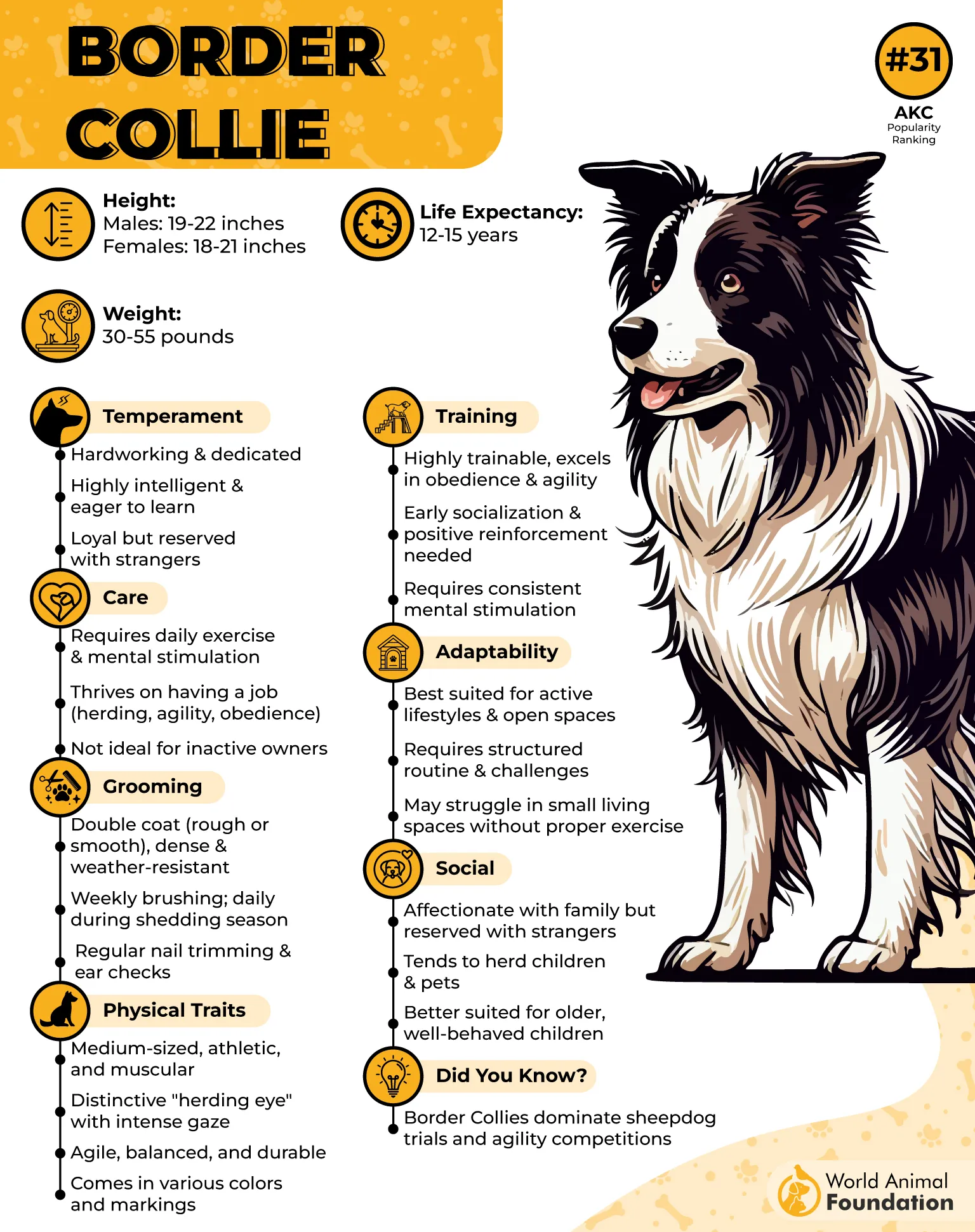
Border Collies thrive on challenges, not just long walks. Daily mental stimulation, agility, puzzle toys, and structured training help satisfy their working instincts.
Early socialization also teaches them when herding behavior is appropriate. Give this energetic breed a meaningful job, and it rewards you with unmatched loyalty, responsiveness, and an impressive work ethic.
8. Rhodesian Ridgeback
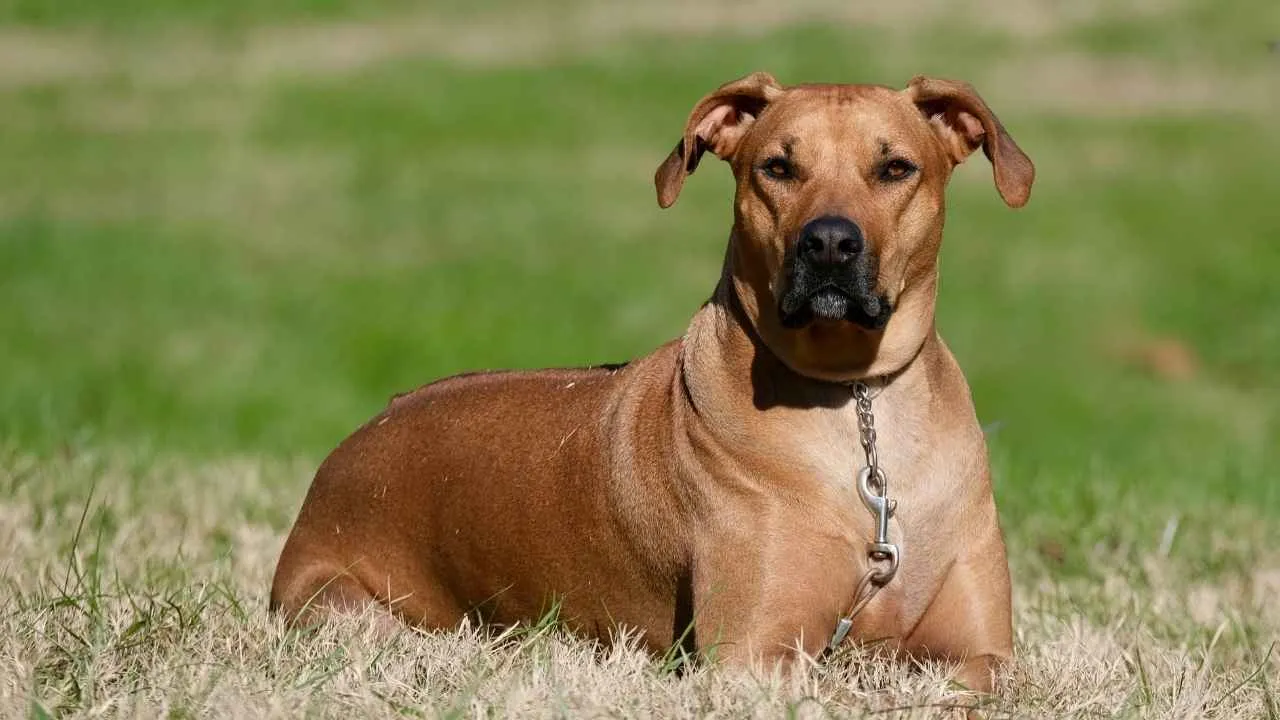
Confident, athletic, and always alert, the Rhodesian Ridgeback doesn’t just notice movement—it is likely to pursue it. Bred in southern Africa to track and help hunt large game, this breed combines independence with a naturally high prey drive.
Why their prey drive stands out:
They instinctively chase small animals like squirrels and may lock onto fast-moving targets.
Their strong hunting background keeps them focused once they catch a scent or spot prey.
Their bold, independent nature makes them capable working dogs, but early training is essential for good control.
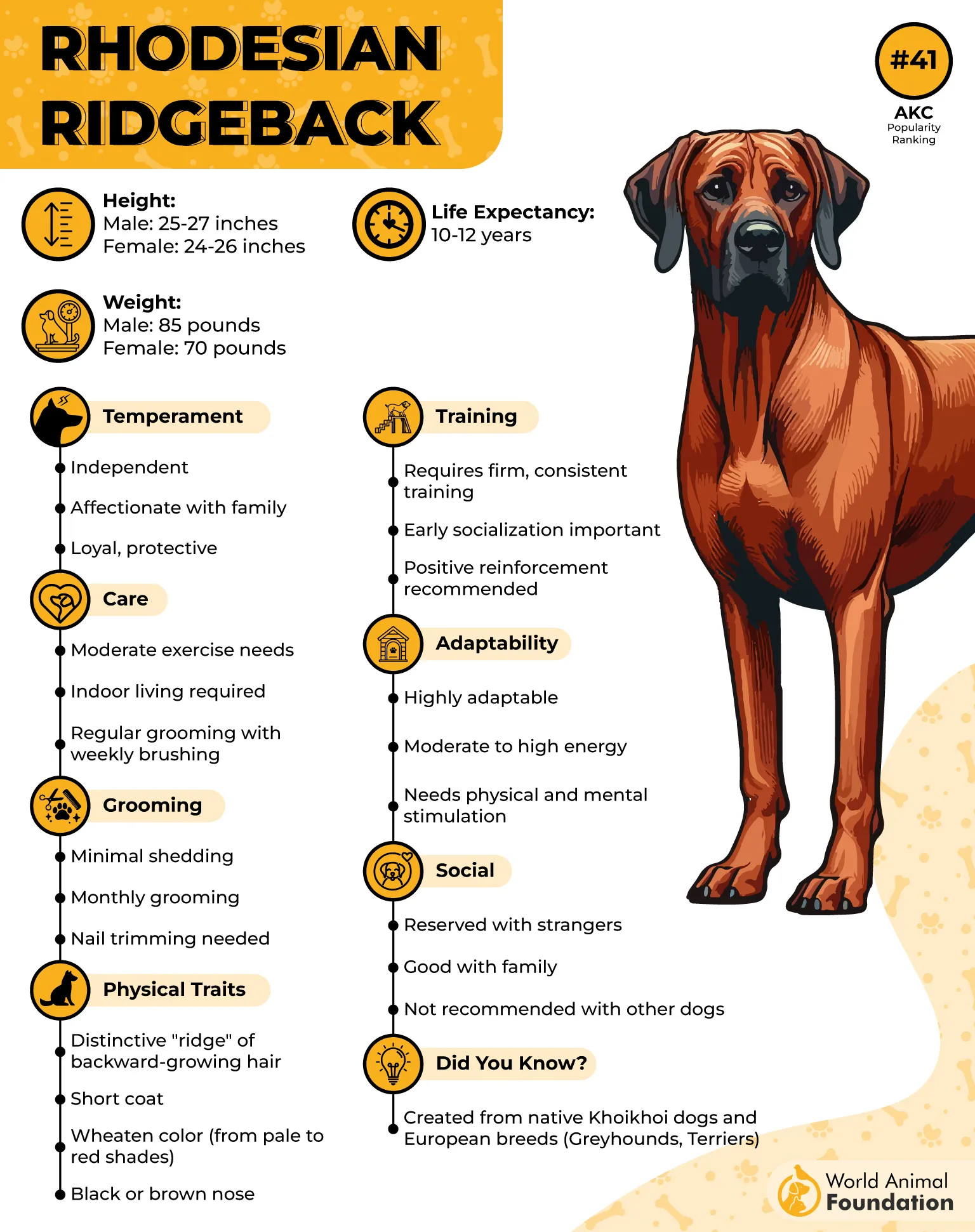
Rhodesian Ridgebacks thrive with structured training, daily exercise, and plenty of mental stimulation. Keep them on a leash in open areas and practice recall in a secure fenced space before allowing more freedom.
If cats or other pets share the home, introduce them carefully from a young age. With consistent guidance, these powerful dogs channel their instincts into loyal companionship instead of uncontrolled chasing.
9. American Staffordshire Terrier
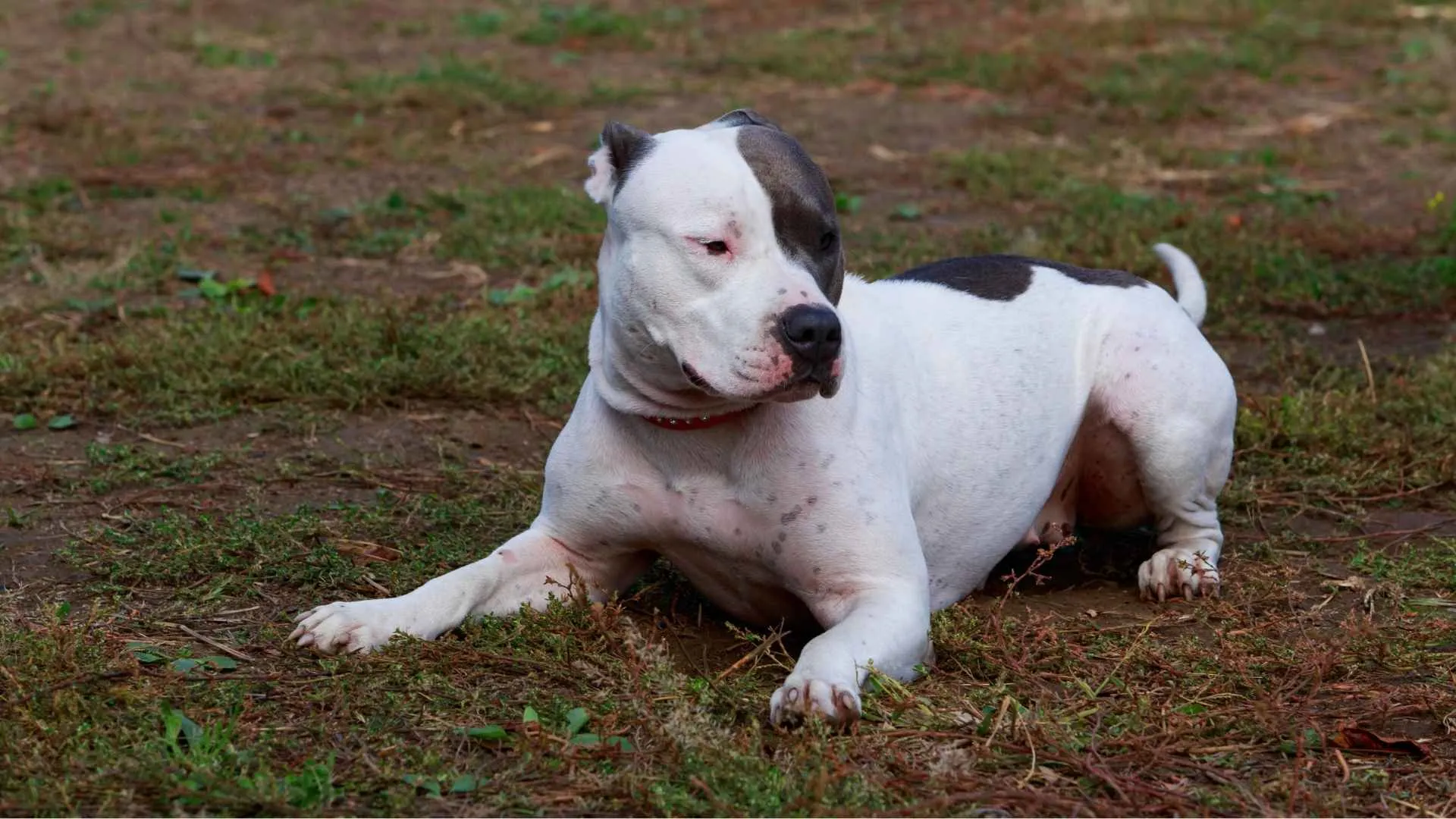
Strong, confident, and always ready for action, the American Staffordshire Terrier brings determination to everything it does. While not a traditional hunting dog, many AmStaffs have a naturally high prey drive, making them quick to chase small animals if their instincts take over.
Why their prey drive stands out:
They can react quickly to fast-moving animals, especially squirrels or neighborhood cats.
Their muscular build and confidence make them persistent once they decide to pursue prey.
Early socialization and consistent training are essential to build reliable control around distractions.
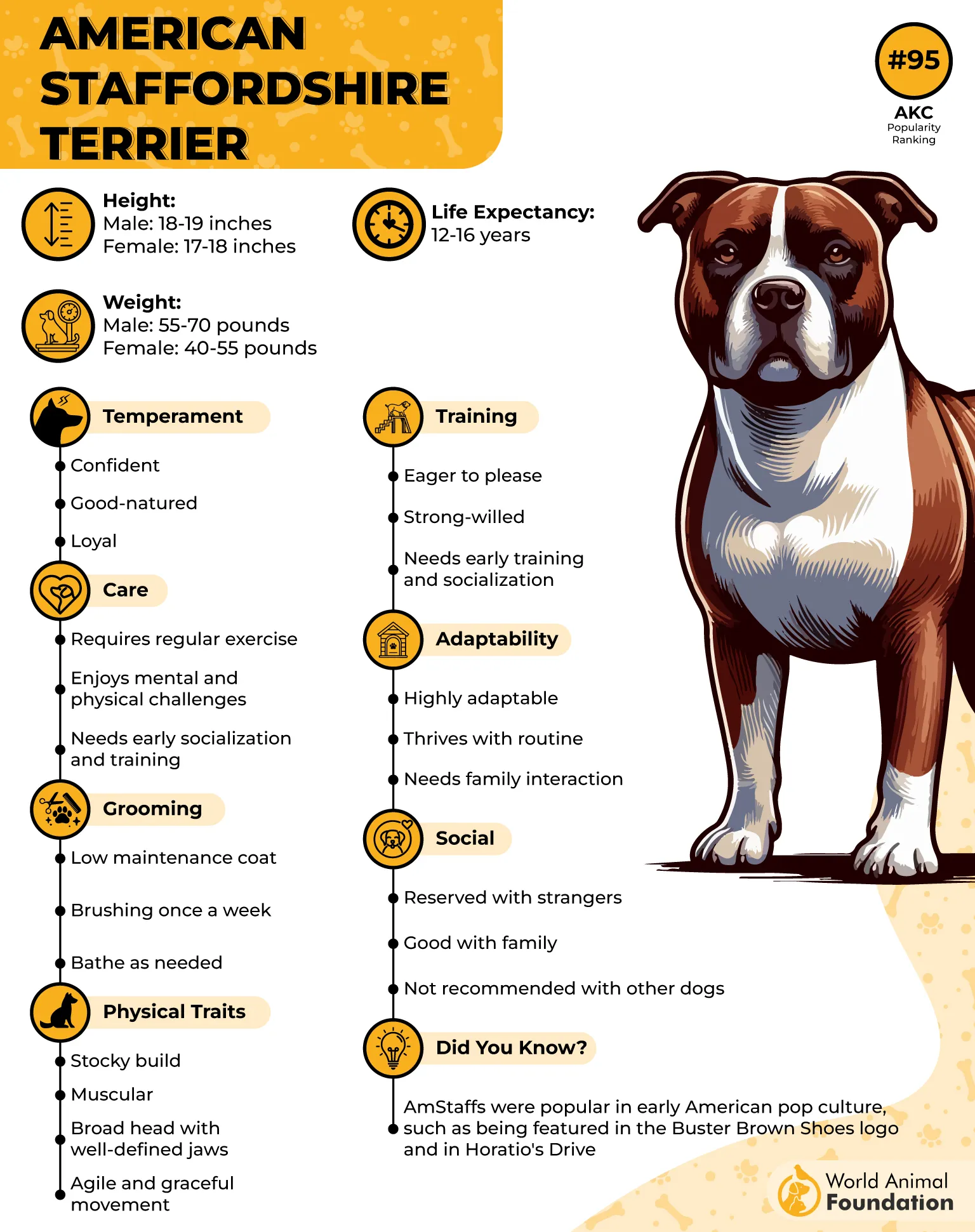
AmStaffs thrive when they’re included in family activities rather than left alone in the yard. Daily exercise, interactive play, and plenty of mental stimulation help prevent unwanted behavior like chewing or digging.
Dog sports, obedience, and agility are excellent outlets for their energy. With patient guidance and structure, these loyal dogs become affectionate companions that balance strength with an eagerness to please.
Conclusion
Living with a dog that has a high prey drive can be incredibly rewarding, but it also comes with real responsibility.
Whether their instincts come from hunting, herding, or tracking, these breeds need consistent training, regular mental stimulation, and plenty of daily exercise to stay happy and well-balanced. Understanding why your dog wants to chase is the first step toward managing that instinct safely.
Before choosing one of these breeds, think about your lifestyle, available time, and ability to provide the structure they need. With patience, early socialization, and positive guidance, a dog with a strong prey drive can become a loyal, confident companion.
When you work with their instincts instead of against them, you’ll build a stronger bond and help your dog thrive for years to come.
