




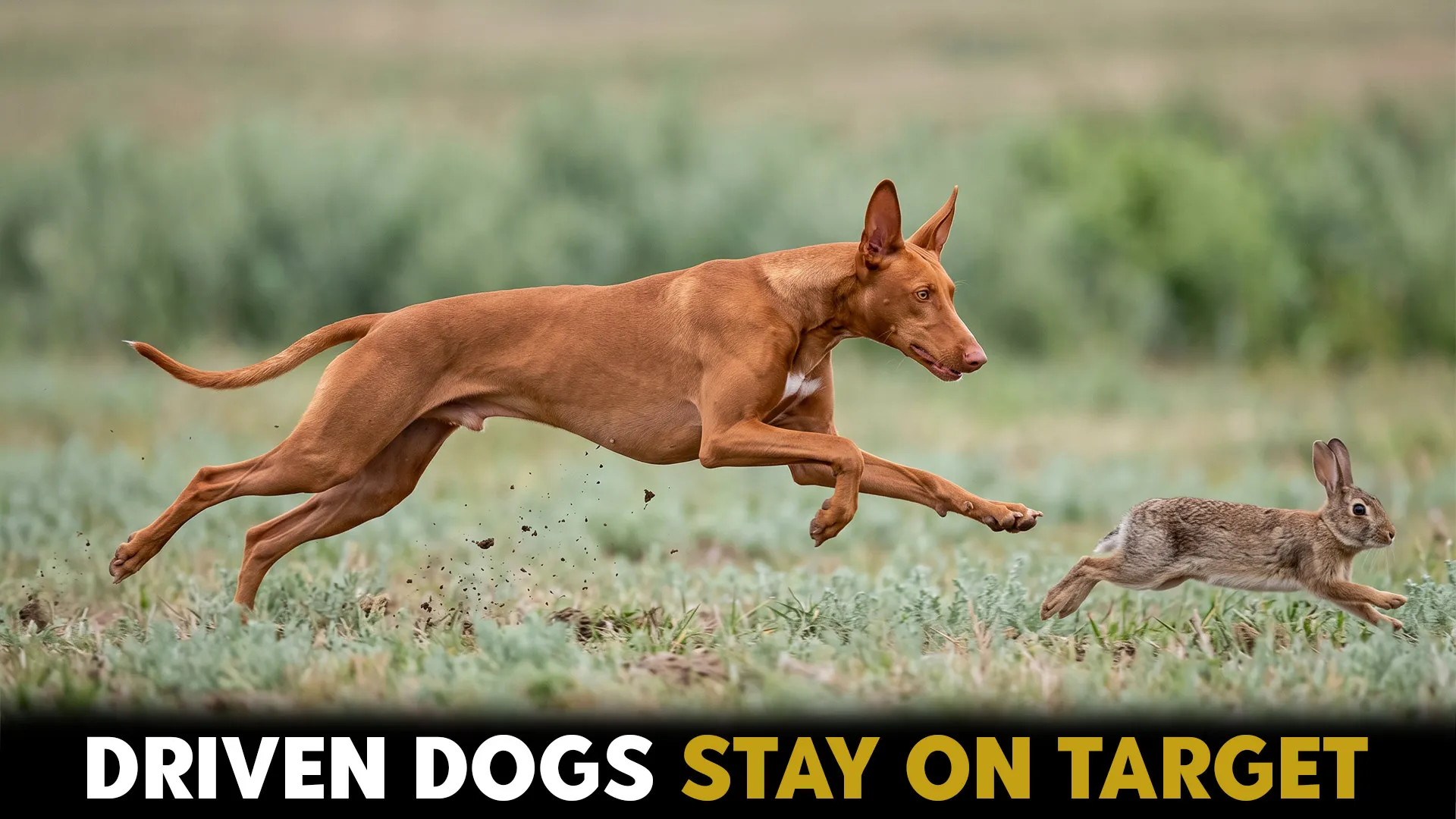
A squirrel darting across the yard, a cyclist passing by, or another animal suddenly running can instantly capture a dog’s attention. That urge to chase is not necessarily a sign of aggression or disobedience; it can be a natural expression of prey drive, an instinct that varies greatly from one dog to another.
While every dog has some level of prey drive, certain breeds were specifically developed for hunting, herding, or controlling vermin, making the desire to pursue movement particularly strong.
Sighthounds may lock onto fast-moving animals with remarkable focus, while herding breeds can be triggered by running people, bicycles, or other movement. Terriers may be driven to pursue small animals, while sporting breeds can channel related instincts into retrieving and fieldwork.
Understanding these differences is important for responsible ownership. With appropriate training, supervision, exercise, and safe outlets, a dog’s natural desire to chase can be managed while still allowing it to enjoy instinctive behaviors in controlled ways.
Key Takeaways
Exceptional chase instincts are often rooted in generations of purposeful hunting and working roles.
Strong eyesight allows some breeds to quickly detect and pursue animals or other moving targets.
Speed, agility, stamina, and athletic builds can make certain dogs remarkably effective chasers.
Some hunting breeds combine sight with their keen sense of smell and hearing to locate prey.
Independent hunting instincts may cause a dog to pursue something before responding to its owner’s command.
Dog Breeds with Exceptional Chase Instincts
1. Greyhound
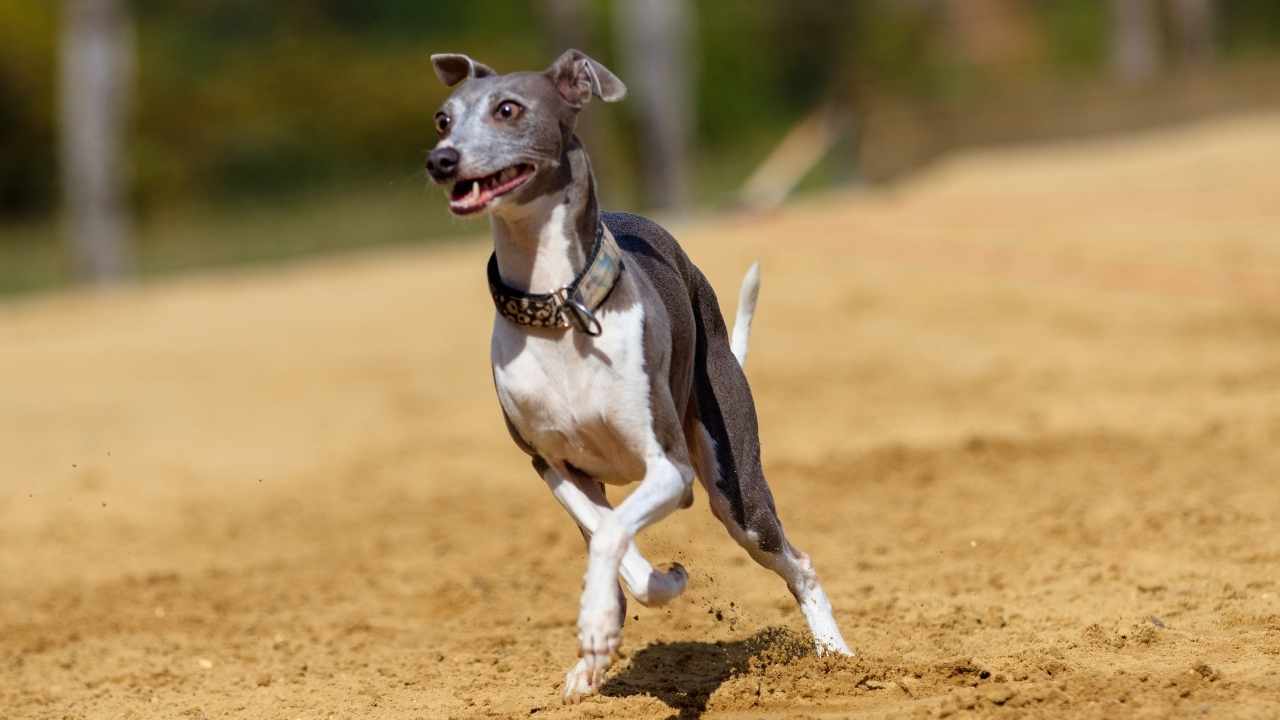
Few dogs embody the thrill of the chase quite like the Greyhound. Bred as a sighthound, this ancient breed was developed to pursue running game by sight rather than scent, relying on extraordinary speed, agility, strength, and endurance.
Its sleek, aerodynamic build, deep chest, tucked waist, powerful muscles, and specialized feet all contribute to its remarkable ability to accelerate and maintain high speeds.
Greyhounds can exceed 35 miles per hour, using the distinctive double-suspension gallop at which the breed excels.
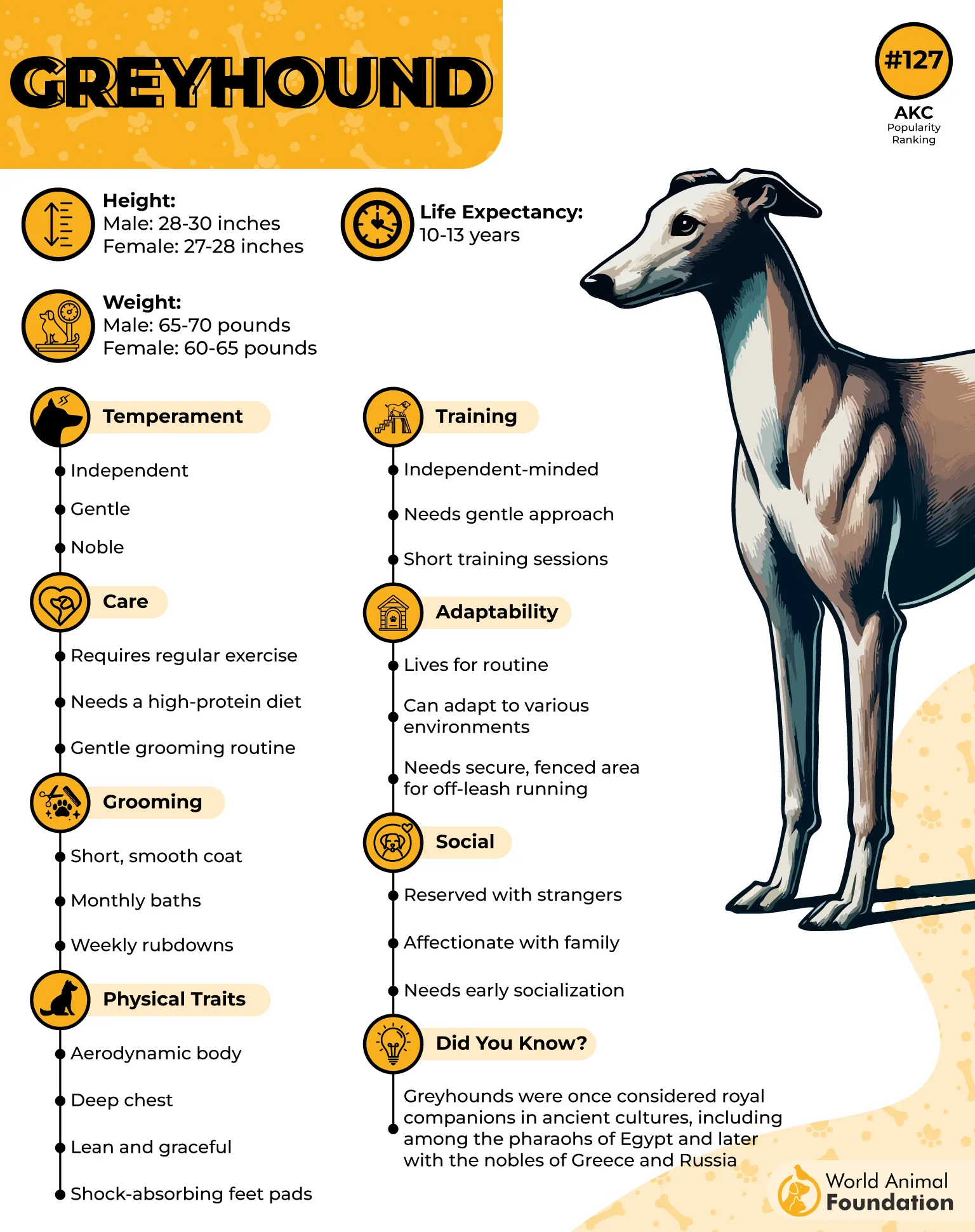
But their chase instinct is about more than speed. Greyhounds course independently, focusing intensely on the object they are pursuing and making decisions without waiting for human direction.
Once they spot something worth chasing, their instinct can be difficult to interrupt, according to the American Kennel Club.
This is why safe, securely fenced spaces are essential for off-leash running. At home, however, the same Greyhound can be a gentle, affectionate companion who happily spends hours lounging.
2. Saluki
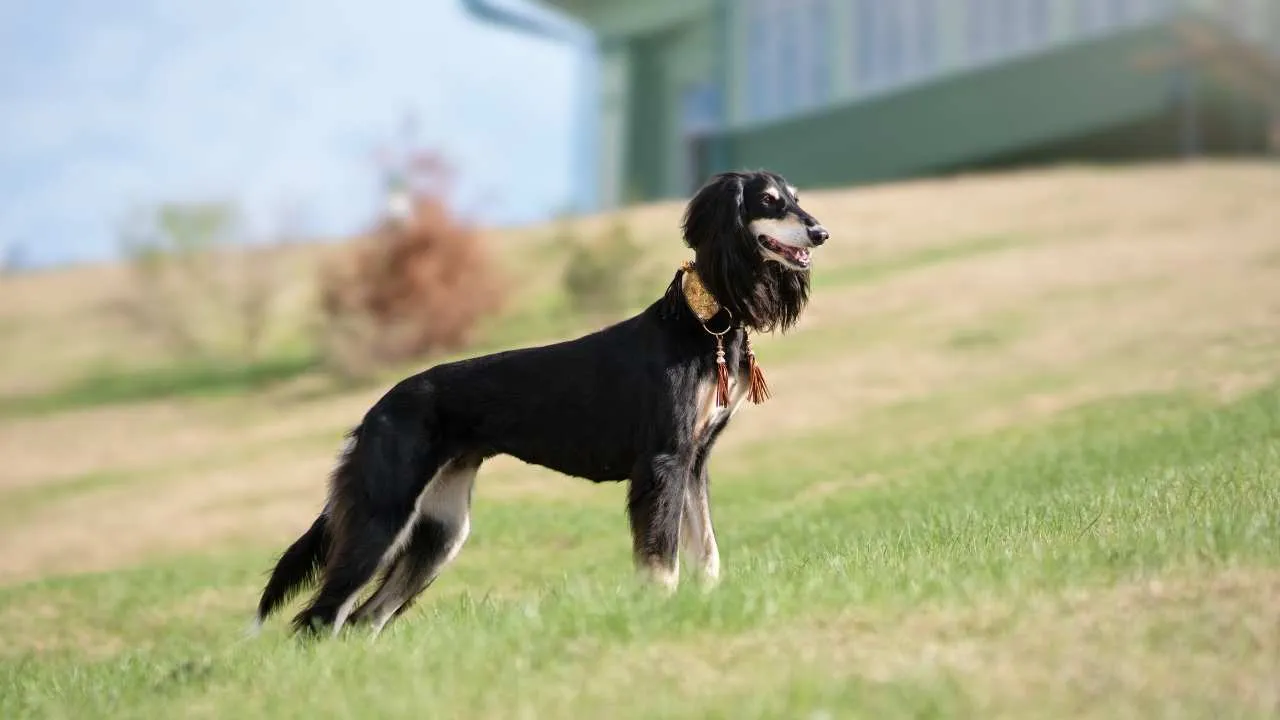
The Saluki is a dog built for the chase, combining remarkable speed with the endurance to pursue prey across challenging terrain.
Revered in the Middle East for thousands of years as a hunting companion, this elegant sighthound was valued for its keen hunting instinct, stamina, and ability to chase running game by sight rather than scent.
Its long legs, narrow head, lean muscular body, and aerodynamic build are perfectly suited to fast pursuit.
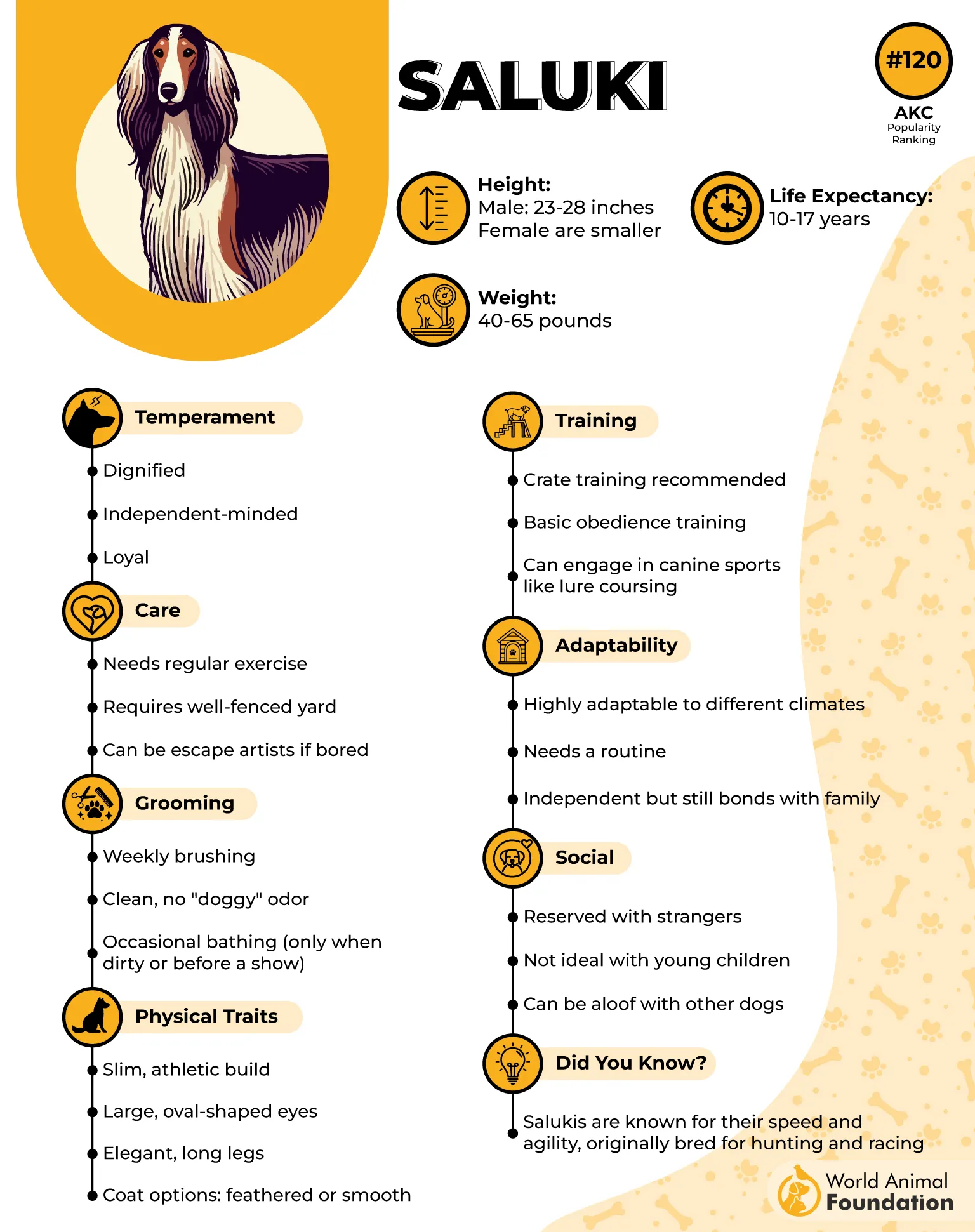
Salukis can reach impressive speeds while maintaining the strength needed for demanding chases. Their independent hunting style also sets them apart: because they were bred to work at great speed, they often pursue prey without waiting for human direction.
That instinct remains strong today, and a Saluki may chase small animals when given the opportunity.
Their remarkable athleticism makes secure spaces for running especially important, allowing this graceful hound to express the powerful instinct that has defined it for generations.
3. Whippet
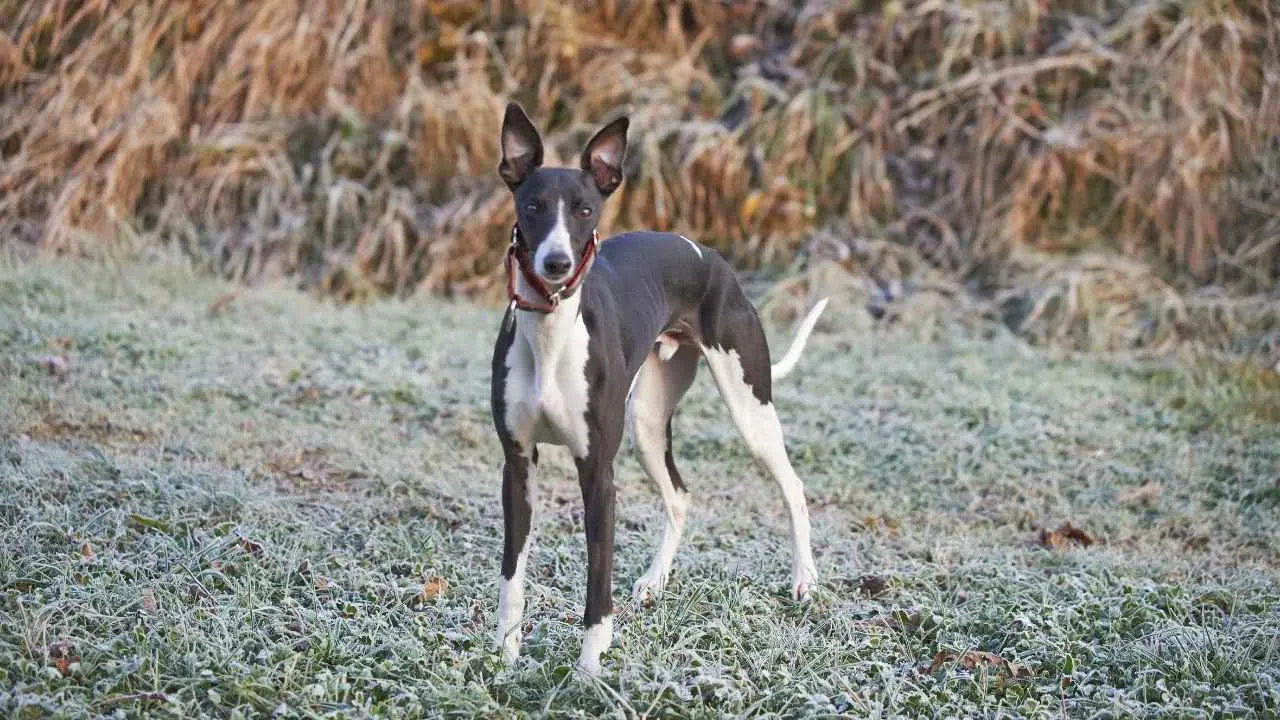
Built for speed, the Whippet has a natural chase instinct that reflects its history as a hunting and racing sighthound.
Originally developed in England to pursue small game, this versatile hunting dog relies on sharp eyesight and remarkable acceleration to chase moving targets.
Its deep chest, slender waist, long legs, and muscular frame give the Whippet the athletic build needed for bursts of fast running, reaching speeds of up to 35 mph.
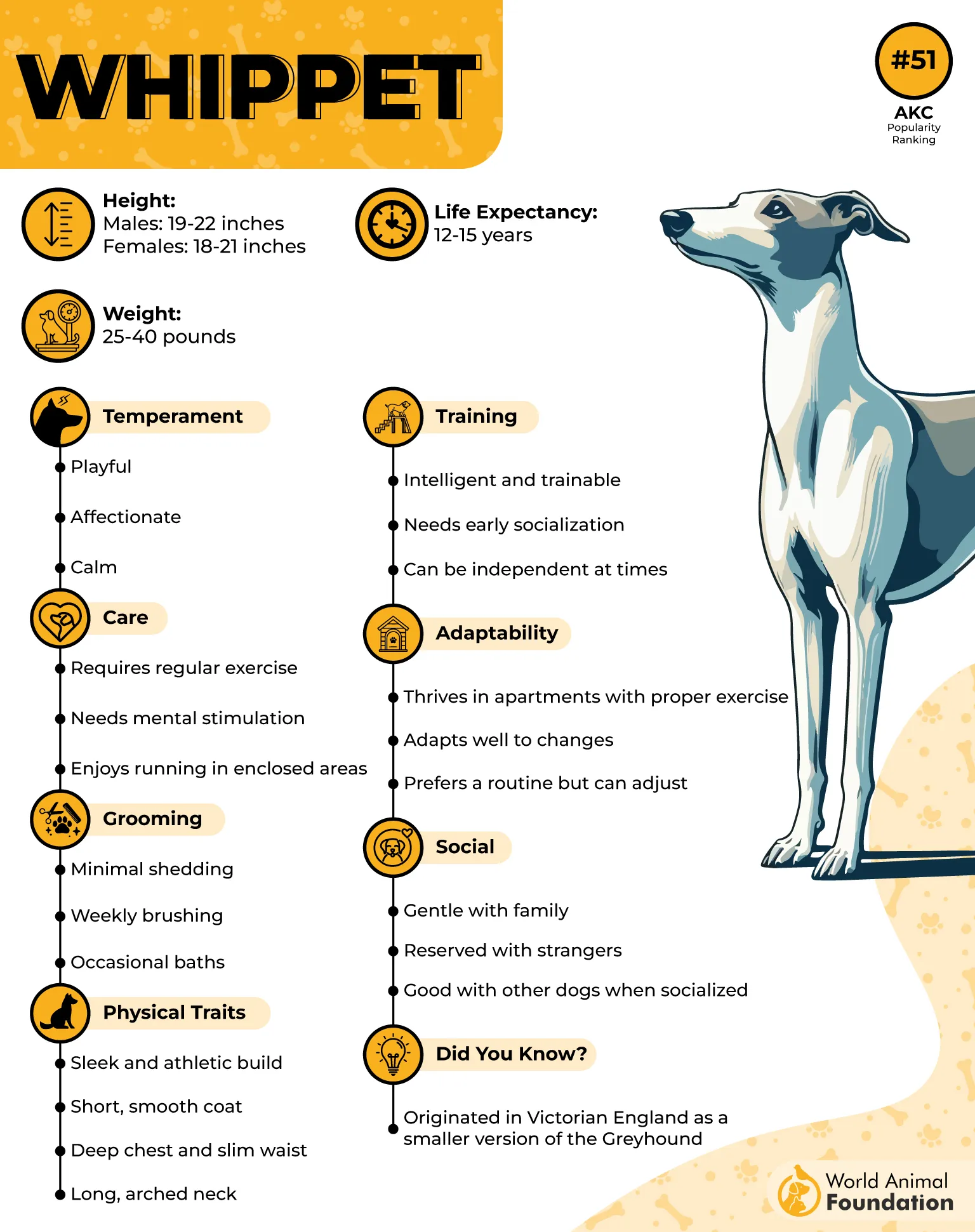
Their strong protective instinct remains noticeable today. A Whippet may instinctively pursue small animals, bicycles, or other fast-moving objects, making secure areas especially important when it is allowed to run freely.
Yet there is something charming about the contrast: after a thrilling sprint, the same dog can happily curl up beside its family, as stated by Vets Love Pets.
Whippets are affectionate and playful companions, but their powerful desire to chase should never be underestimated. With safe outlets for running and consistent training sessions, they can enjoy their natural athleticism while staying under control.
4. Afghan Hound
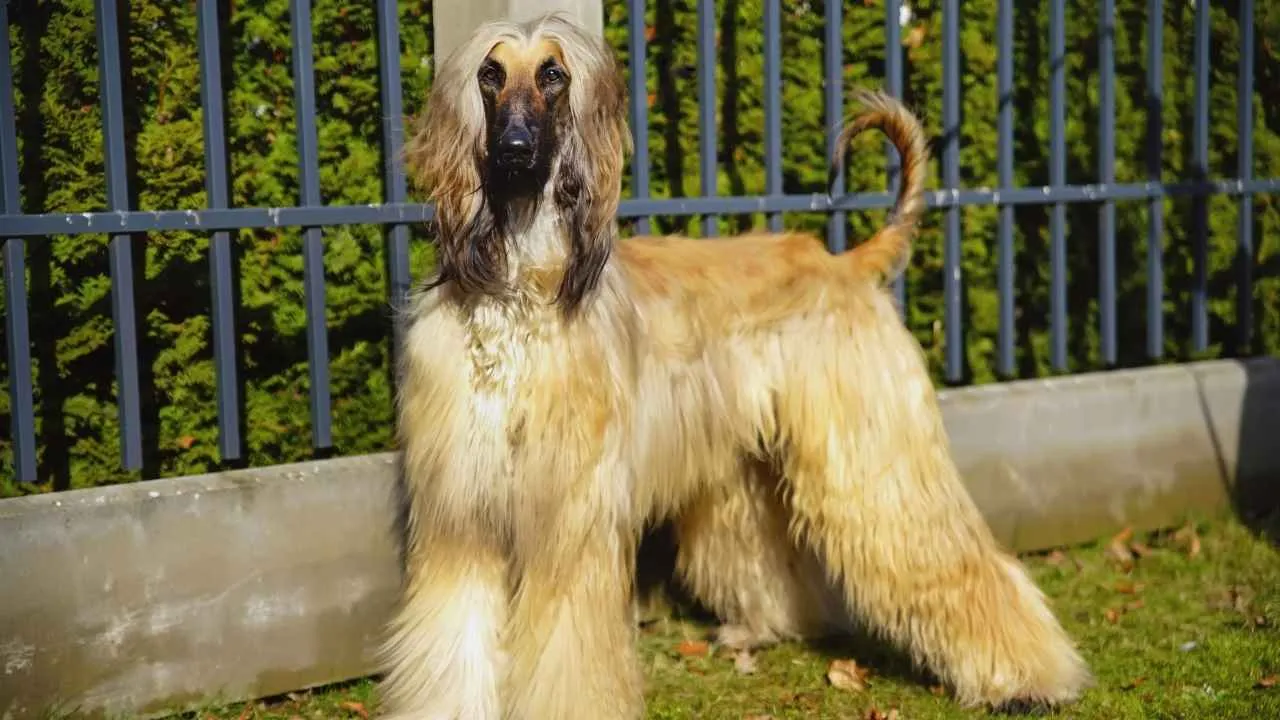
Few dogs capture the thrill of the chase like the Afghan Hound. Known as the tazi in Afghanistan, this elegant sighthound was developed to hunt by sight, relying on exceptional speed, keen vision, and stamina to pursue prey across challenging terrain.
Its lean, powerful body, long legs, and deep chest give it the athletic ability needed for fast pursuit, while its independent nature reflects centuries of hunting without constant human direction.
Afghan Hounds may chase rabbits, rodents, cats, and other small animals because of their strong prey drive.
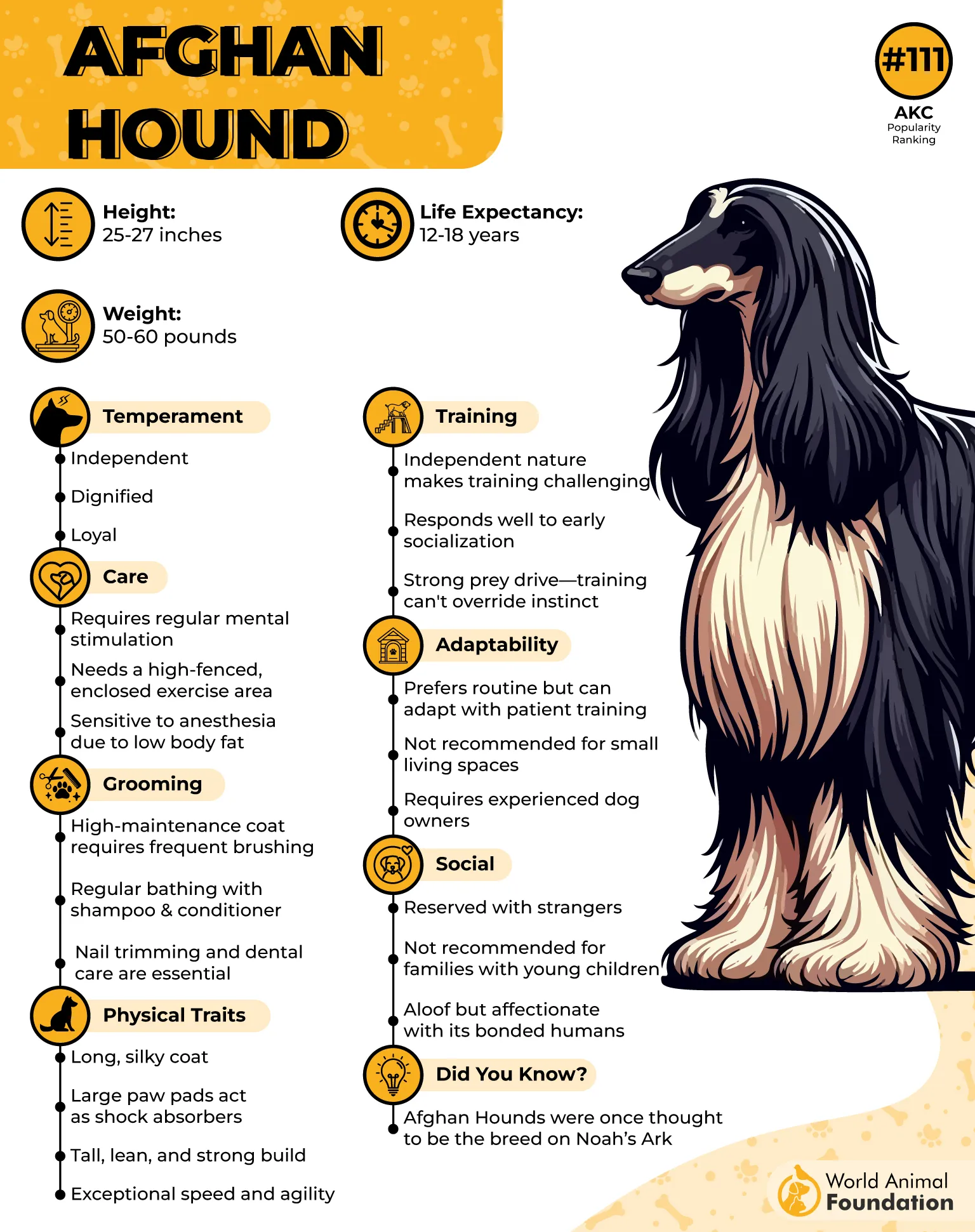
Their instinct can be difficult to overcome once something catches their attention. Their remarkable speed and jumping ability also mean they need secure spaces when running freely.
Yet beneath that intense hunting instinct is an affectionate companion with a famously dignified character. For the Afghan Hound, the chase is more than a game—it is a deeply rooted part of what makes this breed so distinctive.
5. Pharaoh Hound
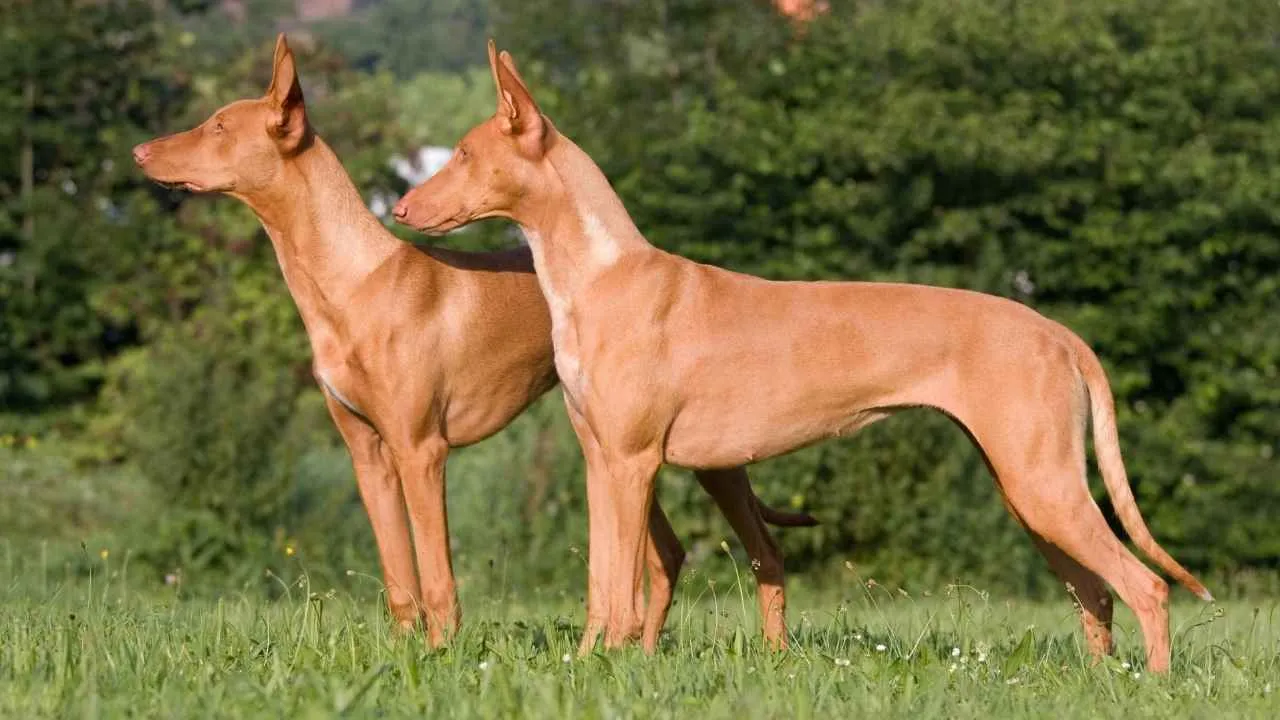
The Pharaoh Hound has a chase instinct deeply connected to its traditional role as a rabbit hunter in Malta.
Known locally as “Kelb tal-Fenek,” or dog of the rabbit, these athletic hounds have long been used by Maltese hunters to pursue rabbits across rocky terrain, fields, and areas divided by stone walls.
Their hunting style demands more than a burst of speed. Pharaoh Hounds work in teams, locating rabbits and chasing them until they seek refuge in underground dens or holes in walls.
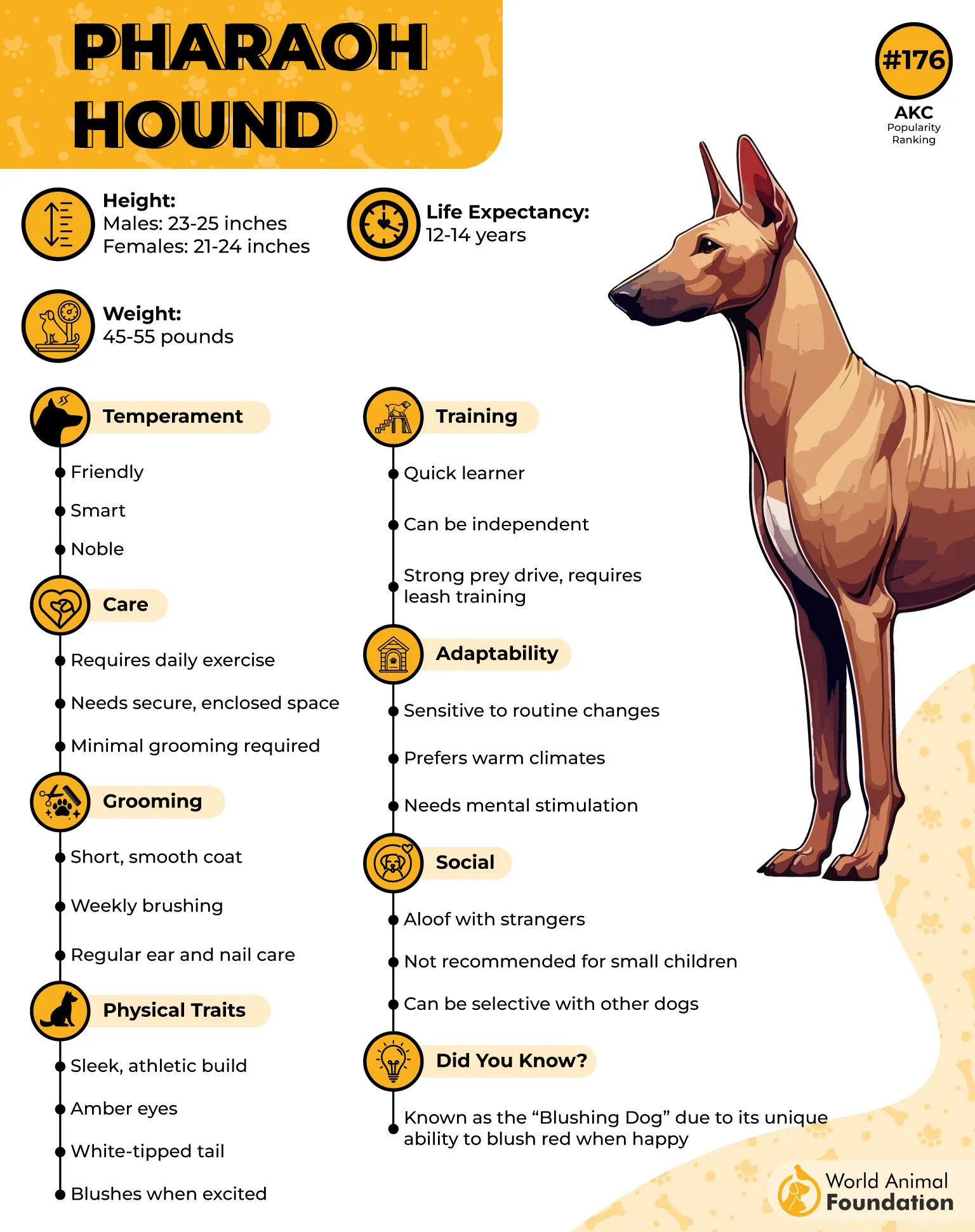
During these hunts, the dogs may give chase for hours, showing the stamina and strength needed for prolonged pursuit.
Although classified as sighthounds, they rely on keen eyesight as well as a developed sense of smell to track their quarry.
Their acute hearing also helps them follow a ferret’s bell through tunnels. This combination of senses and endurance makes the Pharaoh Hound capable of sustained, determined chases.
6. Weimaraner
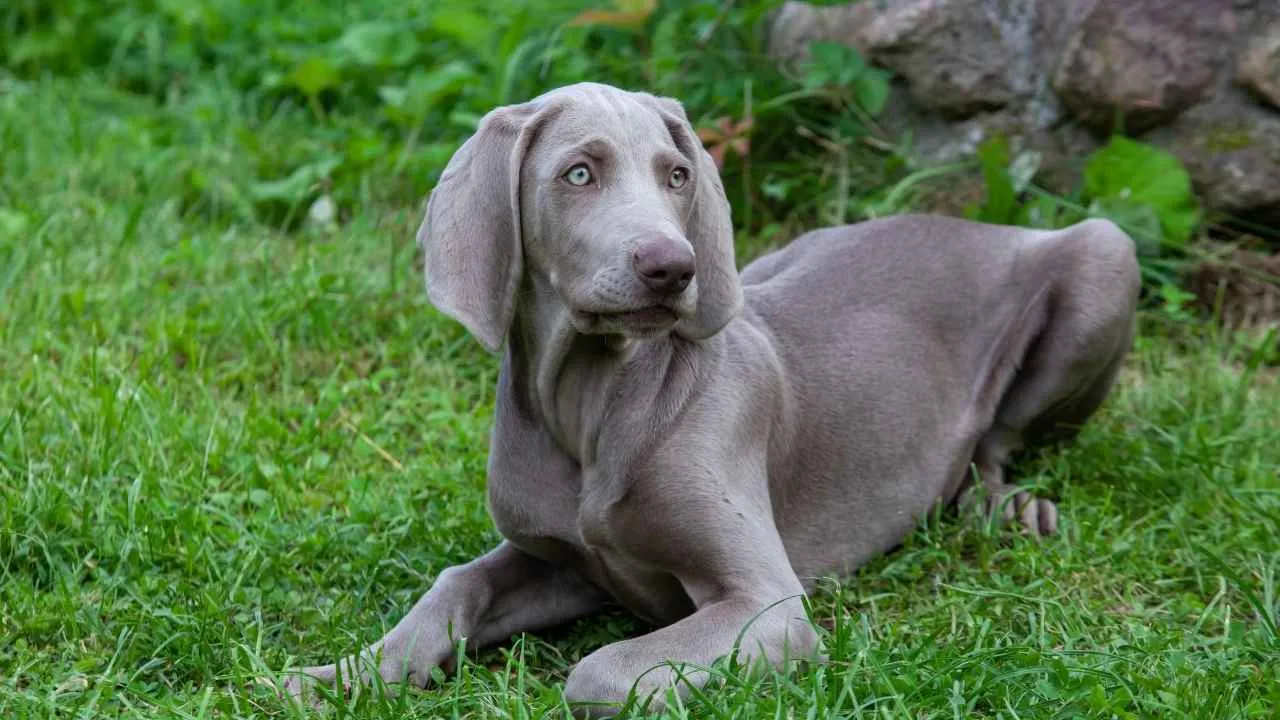
Known as the “Gray Ghost,” the Weimaraner is a powerful hunting dog whose chase instinct reflects generations of breeding for versatile fieldwork.
Originally developed in Germany, this energetic breed was used to hunt gamebirds, waterfowl, predators, and big game.
Its exceptional stamina, speed, keen nose, and strong hunting drive allow it to cover extensive ground while searching for prey.
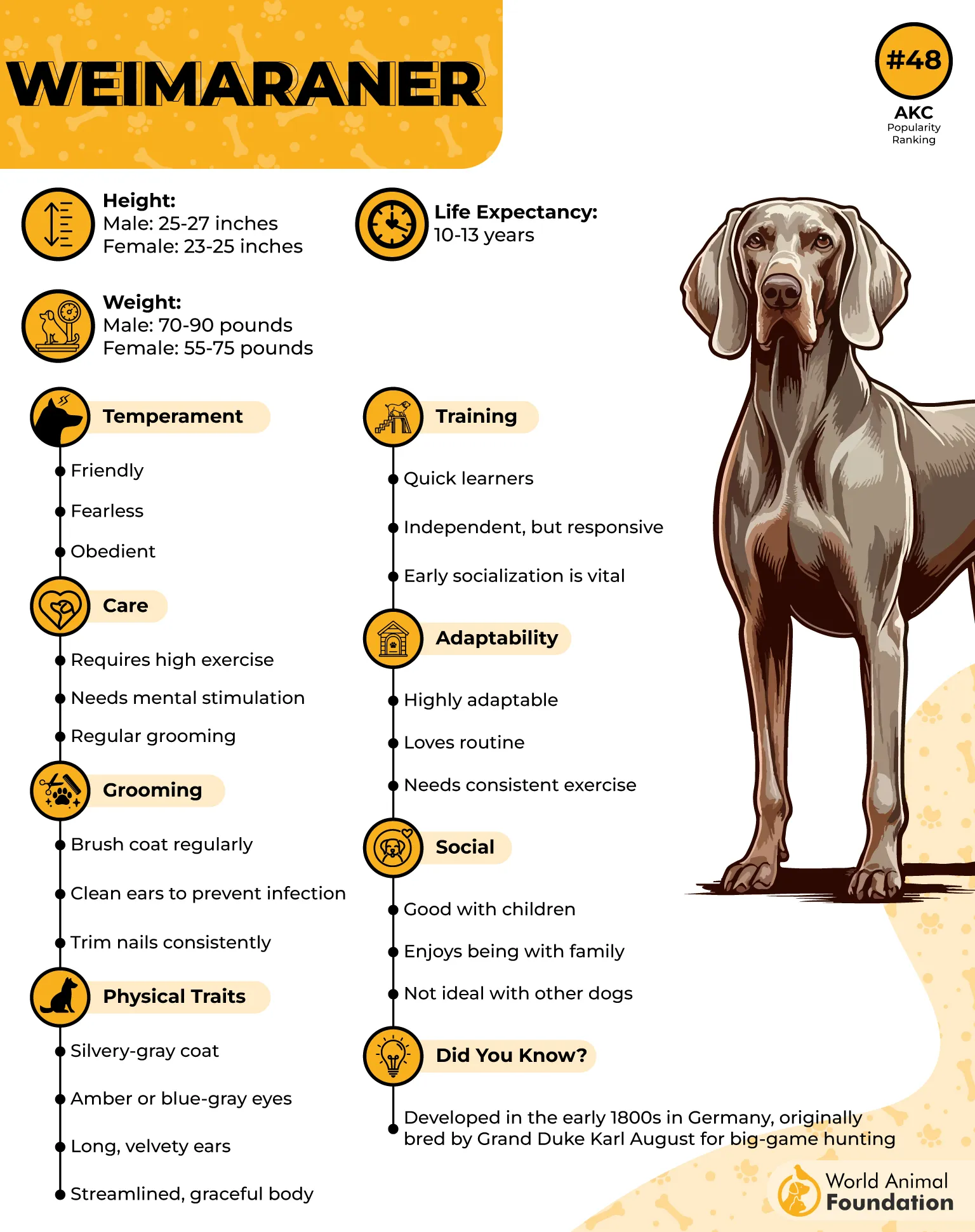
Some Weimaraners range far ahead, moving rapidly through fields and dense cover as they locate birds and track their movements, as explained by Zooplus. Their natural pointing ability helps them identify and indicate game, while their determination carries through the pursuit and retrieval.
However, their instincts can also lead them to chase larger animals, including deer and antelope, without proper training and control.
Field-bred Weimaraners may display particularly strong drive and wider-ranging hunting styles. These dogs need purposeful activity and consistent training to channel their considerable energy and natural desire to pursue.
7. Ibizan Hound
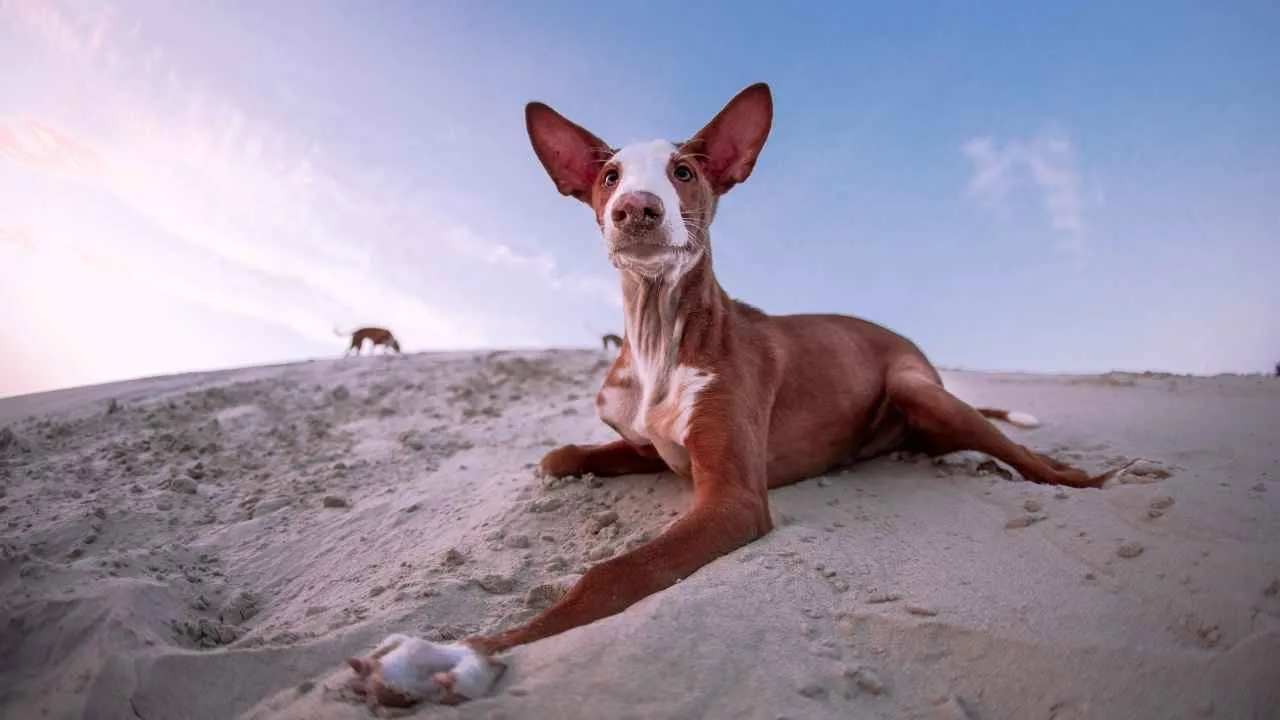
With its sharp senses, athletic build, and powerful hunting instincts, the Ibizan Hound is a natural-born chaser.
Originating from Spain’s Balearic Islands, this ancient breed was developed to hunt rabbits across rugged, hilly terrain, using its keen eyesight, sensitive nose, and acute hearing to locate prey.
Unlike dogs that rely mainly on sight, Ibizan Hounds are versatile hunters that combine all three senses to track and pursue moving animals.
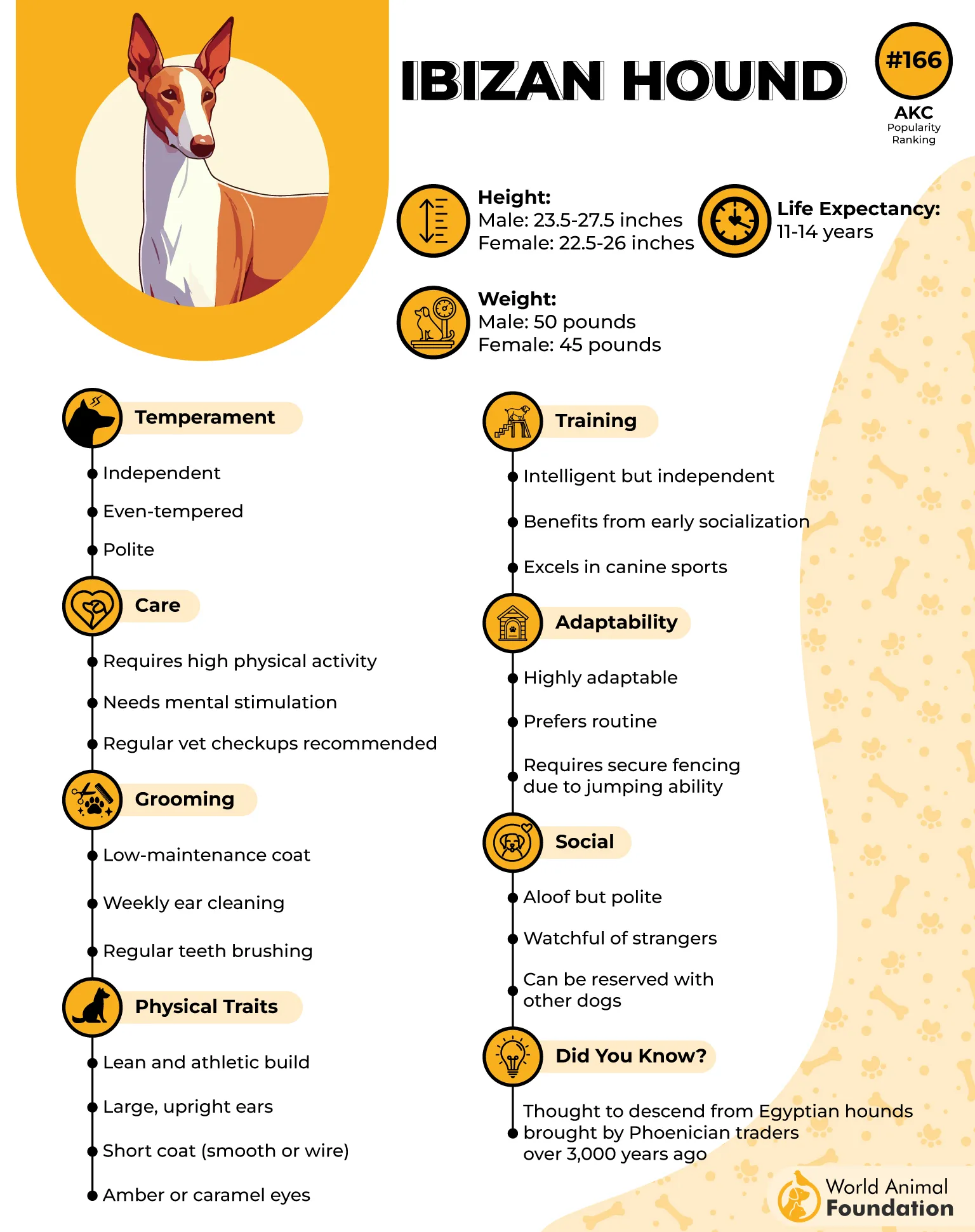
Their long legs, agility, and remarkable jumping ability help them navigate challenging landscapes and follow quarry at speed.
Their prey drive can be intense: many instinctively chase moving animals, while particularly driven individuals actively search for fresh prey and may be difficult to recall once the hunt begins.
Although these powerful dogs can learn reliable recall with consistent training, their independent hunting nature makes secure, enclosed spaces essential for safe running. For an Ibizan Hound, the thrill of the chase is deeply rooted in its heritage.
8. Jack Russell Terrier
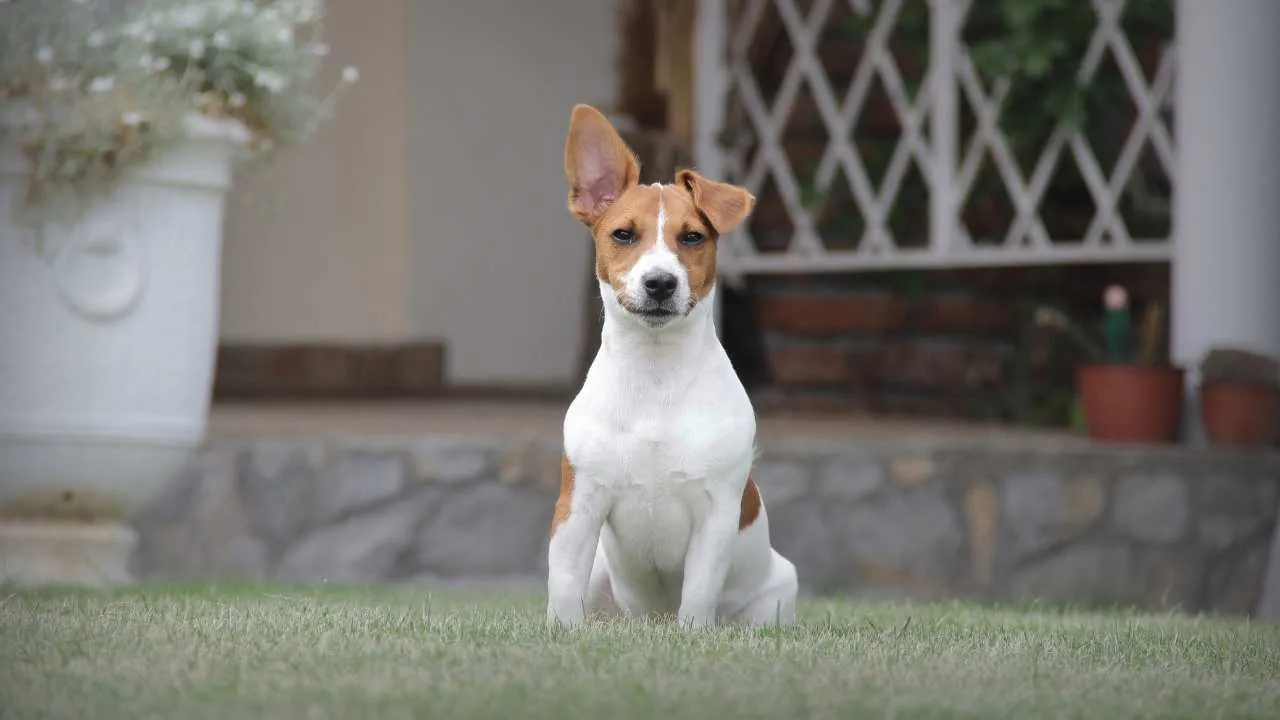
Small in stature but relentless in pursuit, the Jack Russell Terrier was bred to hunt foxes and follow quarry into underground burrows.
Developed by Reverend John Russell in 19th-century England, this spirited terrier combines courage, intelligence, stamina, and a powerful instinct to chase.
Its compact, athletic body allows it to navigate tight spaces, while its keen nose helps it follow scents and locate animals hiding below ground.
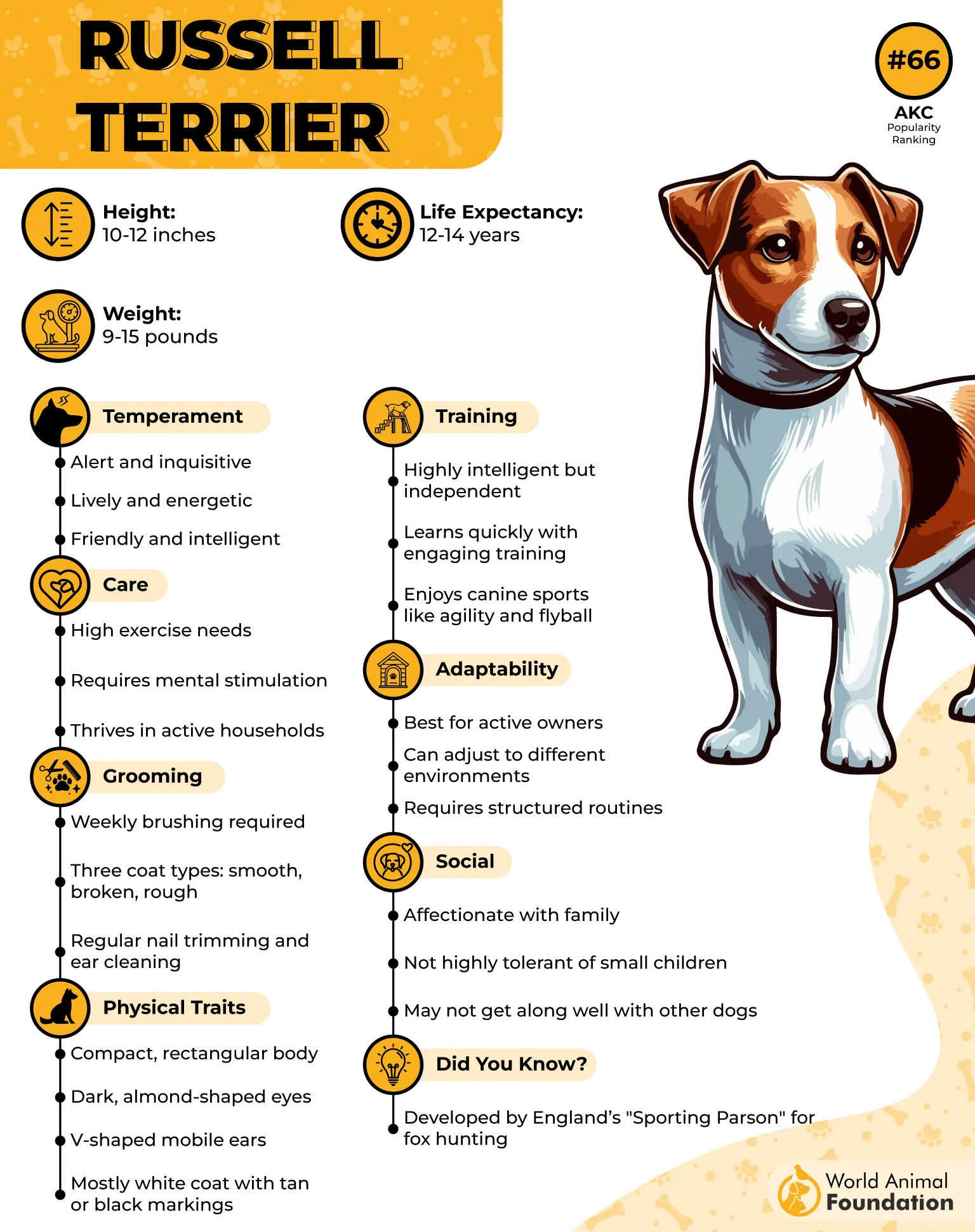
Once it picks up a trail, the Jack Russell may dig, bark, and persist until its quarry emerges or is reached. Its hunting drive can also extend to squirrels, birds, cats, and other small animals, making sudden pursuits difficult to resist.
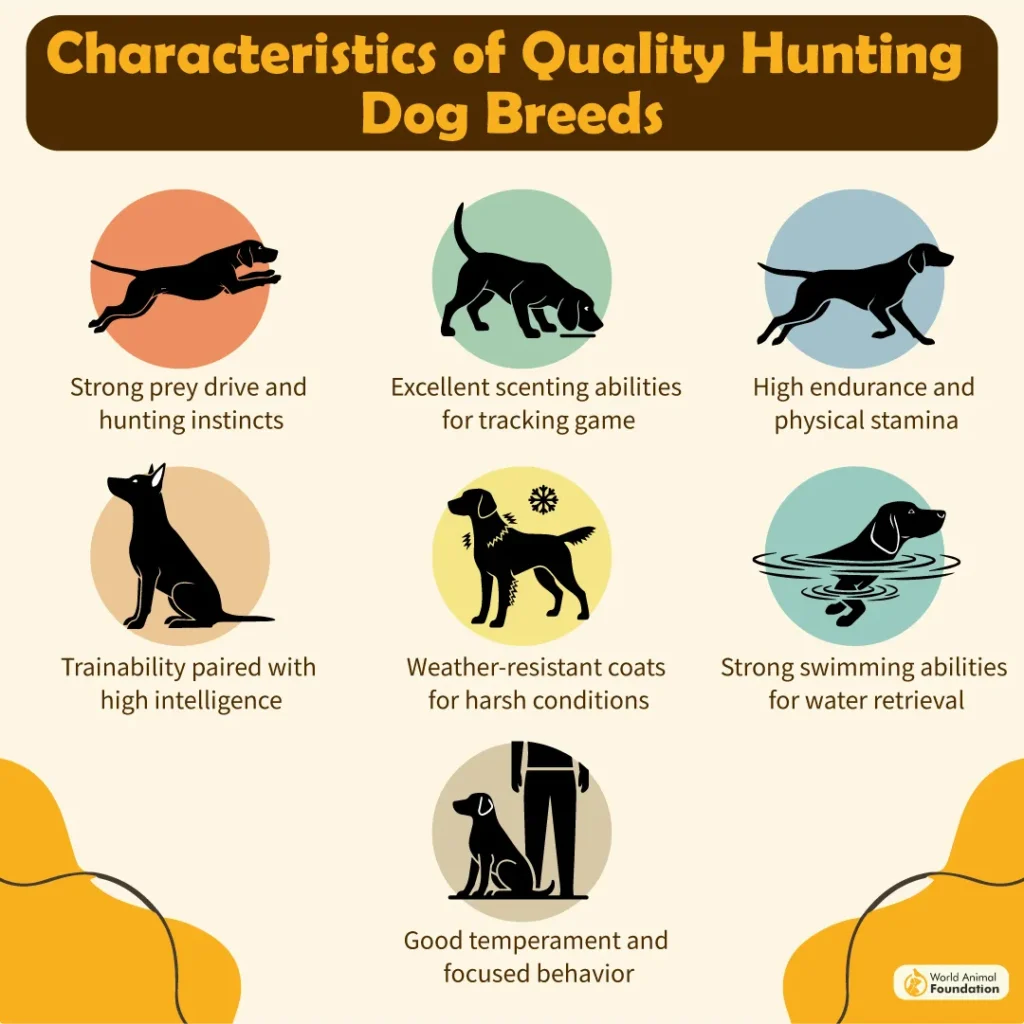
Without suitable outlets, this highly trainable dog may redirect its instincts toward digging, chasing, or exploring beyond its boundaries.
Its determination and independence make consistent training essential, while secure fencing and supervised outdoor activity help keep its adventurous nature safely channelled.
9. Rhodesian Ridgeback
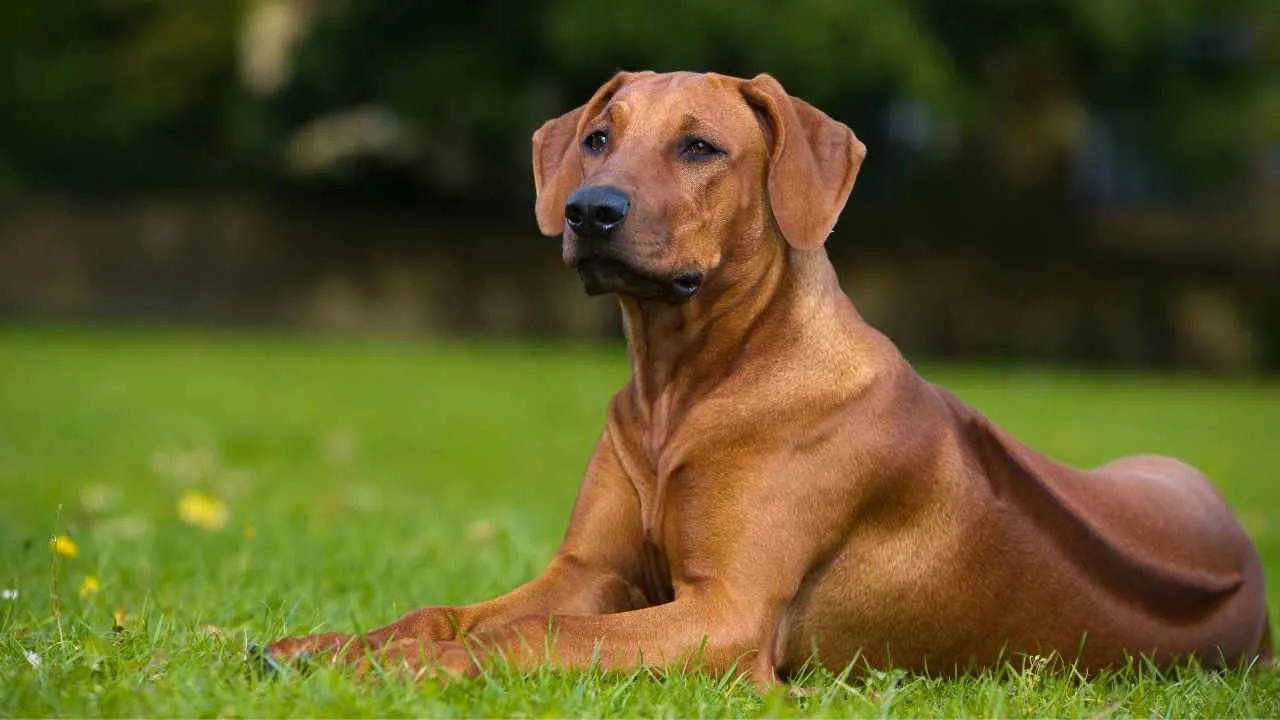
The Rhodesian Ridgeback’s powerful build and athletic ability make it a formidable chaser, driven by a strong instinct to pursue moving animals.
Originally developed in Africa for hunting, this large dog was valued for its tracking skills, stamina, and courage when confronting challenging quarry. Its history as a lion hunter earned it the name “African lion hound,” although its role was to track and bay rather than kill lions.
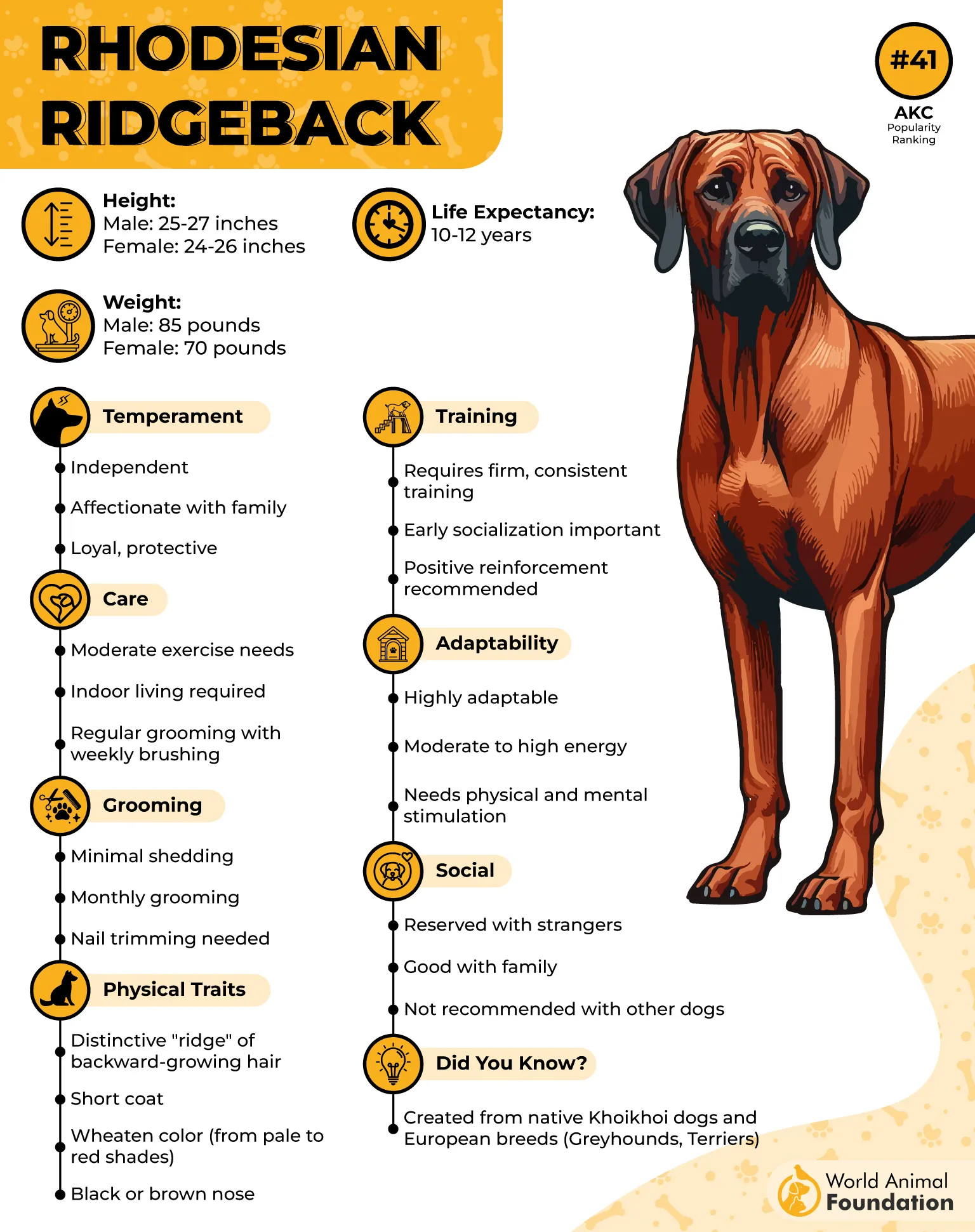
Today, that same determination can emerge during everyday walks, when a squirrel, cat, or other small animal catches its attention.
Once a Ridgeback spots something moving, its powerful stride and independent nature can make it difficult to redirect, according to the Royal Kennel Club.
A secure, well-fenced area and consistent obedience training are essential to managing its pursuit instinct. While affectionate and gentle with its family, this excellent guardian needs experienced handling and purposeful exercise to channel its natural hunting drive safely.
10. Azawakh
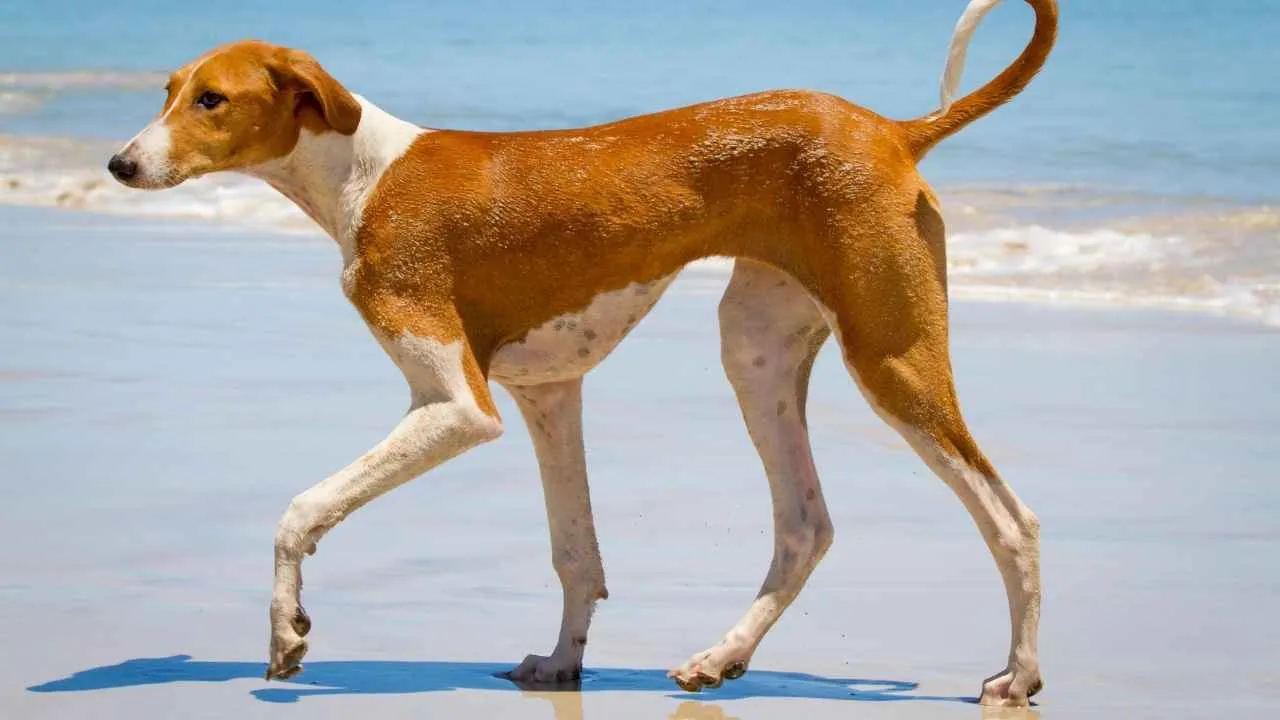
Built for speed and endurance, the Azawakh is a remarkable sighthound whose powerful chase instinct reflects centuries of hunting in West Africa.
Traditionally used by the Tuareg people to pursue hares and gazelles, this elegant breed could track down prey and hold it until hunters arrived.
Its long, slender legs, lean muscles, and elastic movement help it cover ground with impressive agility, while its keen eyesight makes it quick to notice animals on the move.
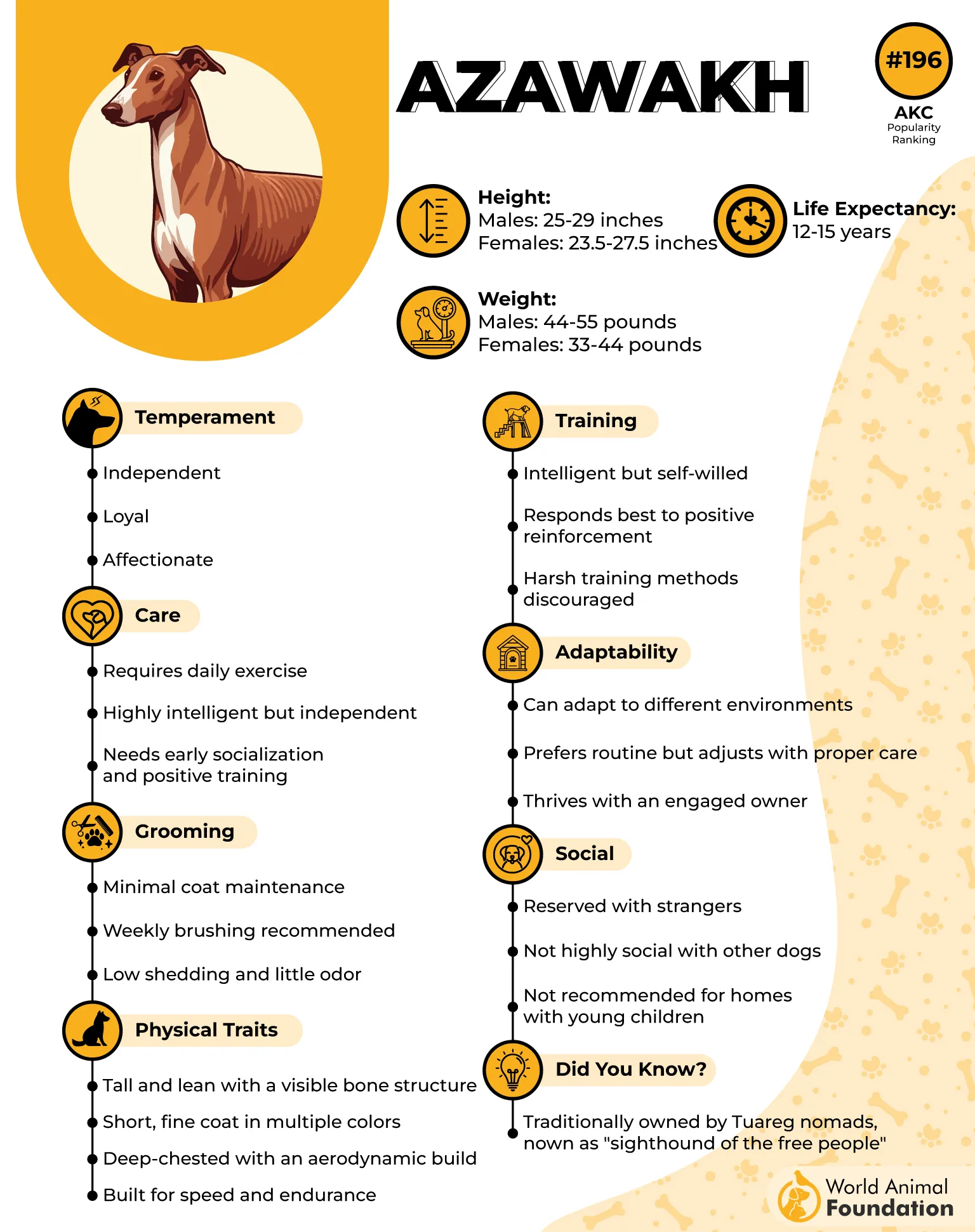
The Azawakh is capable of sustained, high-speed pursuit across open terrain. That instinct remains strong today, and a sudden glimpse of a small animal may prompt an immediate chase.
For this reason, off-leash exercise should be limited to securely enclosed areas. Independent yet deeply loyal to its owner, the Azawakh needs regular activity and thoughtful training to channel its natural hunting drive safely.
Conclusion
A powerful chase instinct can be one of the most fascinating traits in a dog, but it is also a reminder of the instincts shaped by generations of purposeful breeding.
From the breathtaking speed of the Greyhound and Saluki to the determined pursuit of the Jack Russell Terrier, these breeds have different hunting styles, yet they share an impressive ability to notice, pursue, and follow moving prey. For modern owners, understanding that instinct is essential.
A dog that suddenly spots a rabbit, squirrel, cat, or other moving animal may act before responding to a command, making secure fencing, supervision, and consistent training especially important. At the same time, these natural abilities should not be viewed simply as a challenge.
Safe opportunities to run, explore, and stay active can help these athletic dogs express their instincts in appropriate ways. With patience, structure, and responsible handling, their remarkable drive can remain a rewarding part of life with these extraordinary breeds.
