




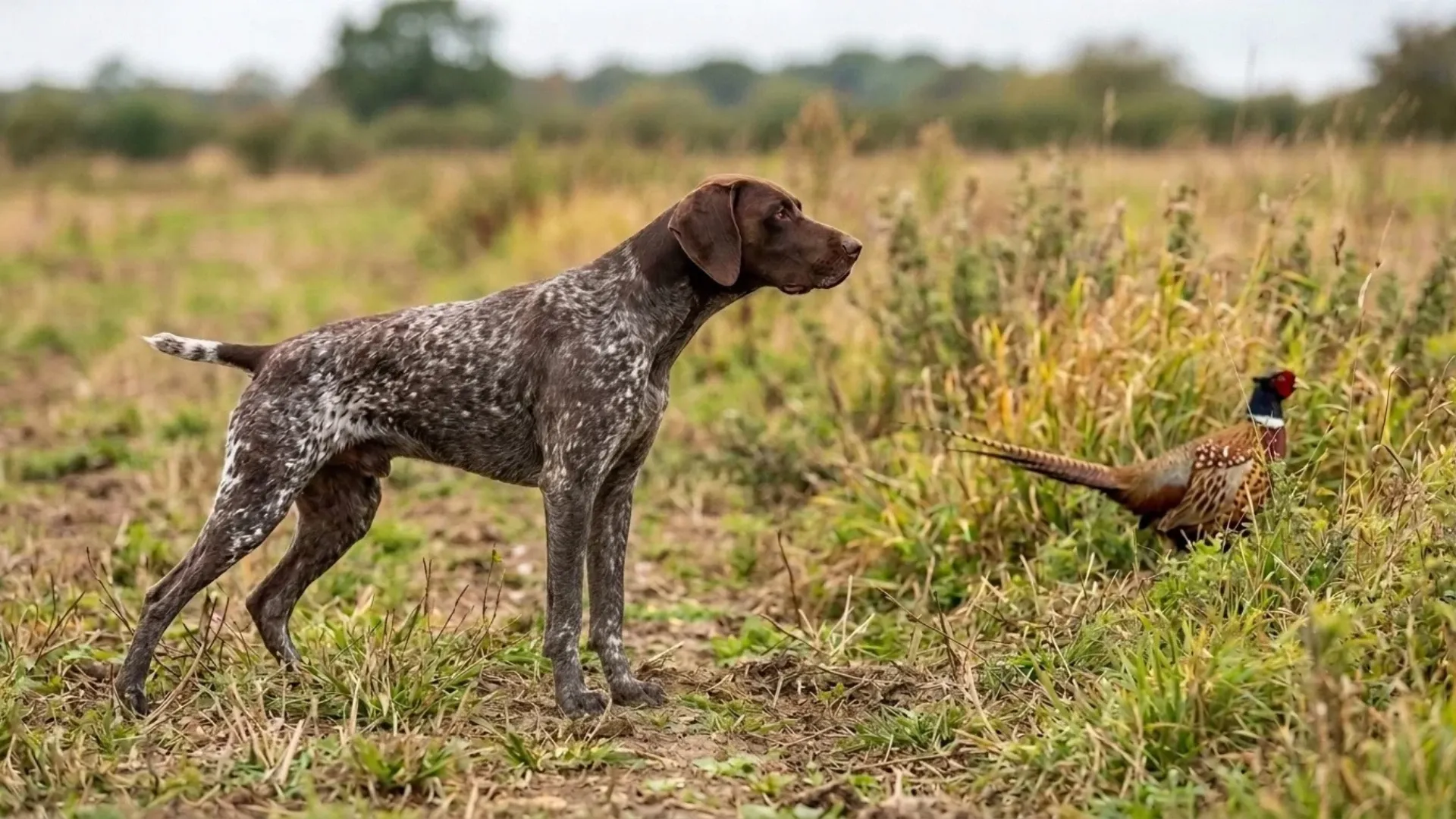
Ever wonder how a dog can find an animal it can’t even see? Some dogs don’t just chase; they track, and that distinction changes everything about how prey drive actually works.
Here’s a fact most owners never learn: dogs smell in stereo. Each nostril works somewhat independently, letting a dog’s nose pinpoint the exact direction a scent is coming from, almost like a built-in compass for locating game.
That kind of instinct doesn’t happen by accident. Centuries of selective breeding shaped certain dogs into specialists at finding moving animals long before they’re ever seen.
So what separates an ordinary companion from a true hunting dog with a keen sense for the chase? The answer lies in how each breed was built to search, track, and locate.
Keep reading to see which dogs earned their reputation the hard way.
Dog Breeds With Exceptional Abilities to Find Prey
1. Bloodhound
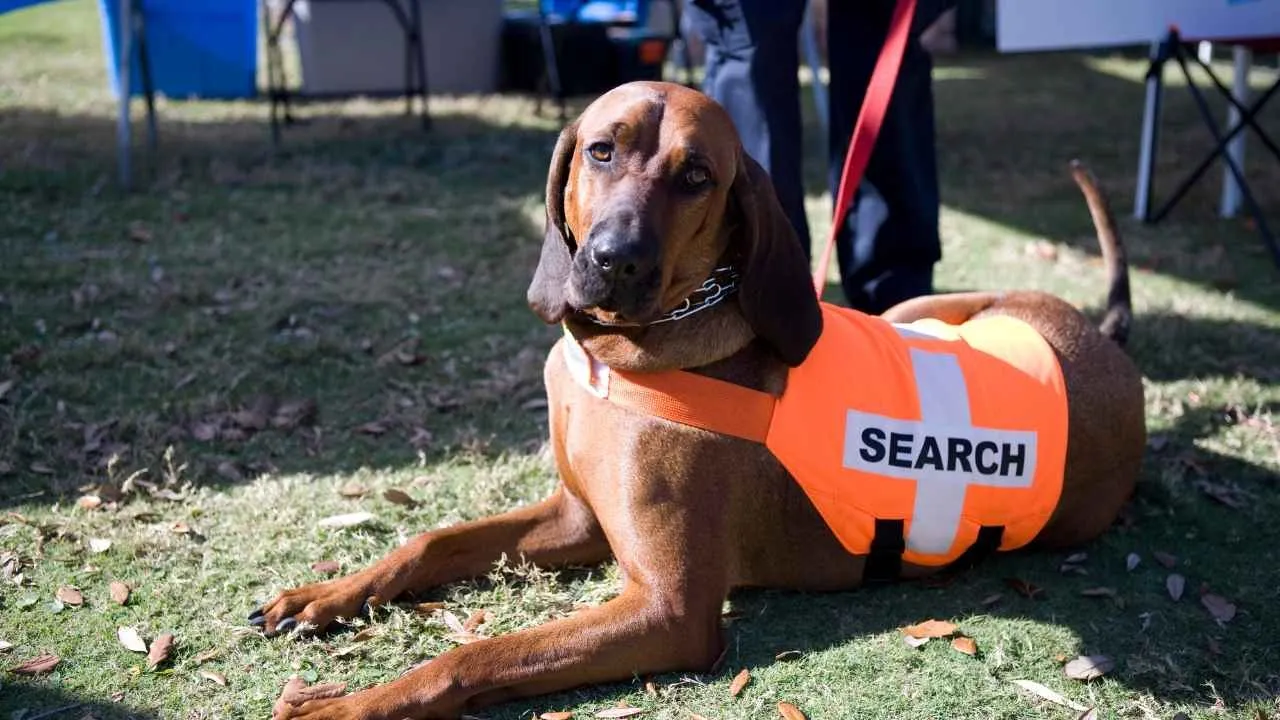
Few noses in the dog world can compete with the Bloodhound’s. This breed can follow a scent trail that is hours old, holding onto it with a focus most hunting dogs simply can’t match, and the AKC rates its sense of smell among the most refined of any breed. That cold-trail memory turns a simple walk into a full-blown pursuit.
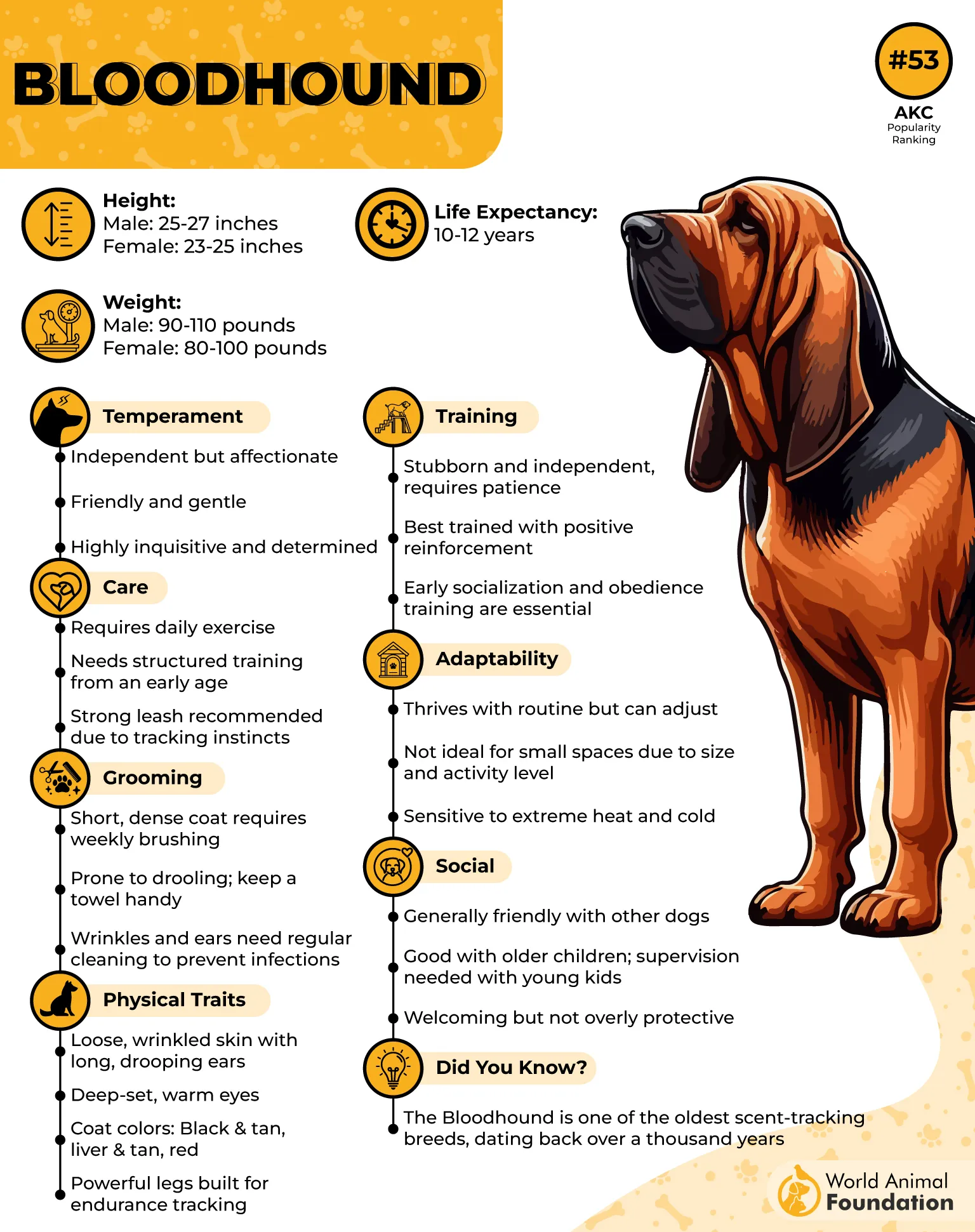
Training a Bloodhound means working with its nose, not against it. This breed is intensely focused once it locks onto a scent, so a handler needs patience more than a firm hand. The payoff is a working dog that rarely loses a trail once it commits to one.
Game: Historically used for tracking deer and other large game, now more often applied to locating missing people
Method: Ground-scent trailing, following the exact path a scent left rather than air-scenting for a general direction
Rough terrain barely slows this breed down. Long legs and a deep chest give it the endurance for long distances at a steady pace. Open fields or thick woods, it just keeps its nose to the ground and keeps moving.
2. Beagle
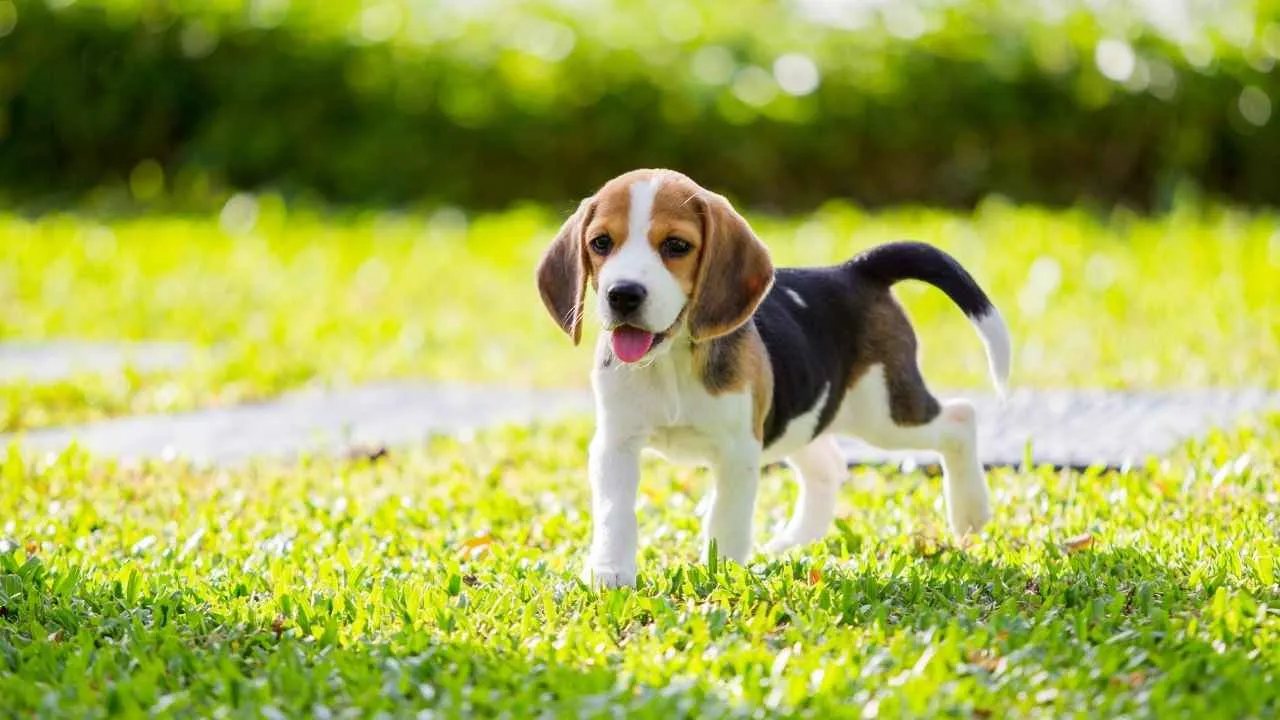
Small size, huge nose. The Beagle carries a scenting ability that easily rivals dogs three times its size, and this compact hunter was built almost entirely around that one skill. Its strong prey drive shows up the moment a trail crosses its path.
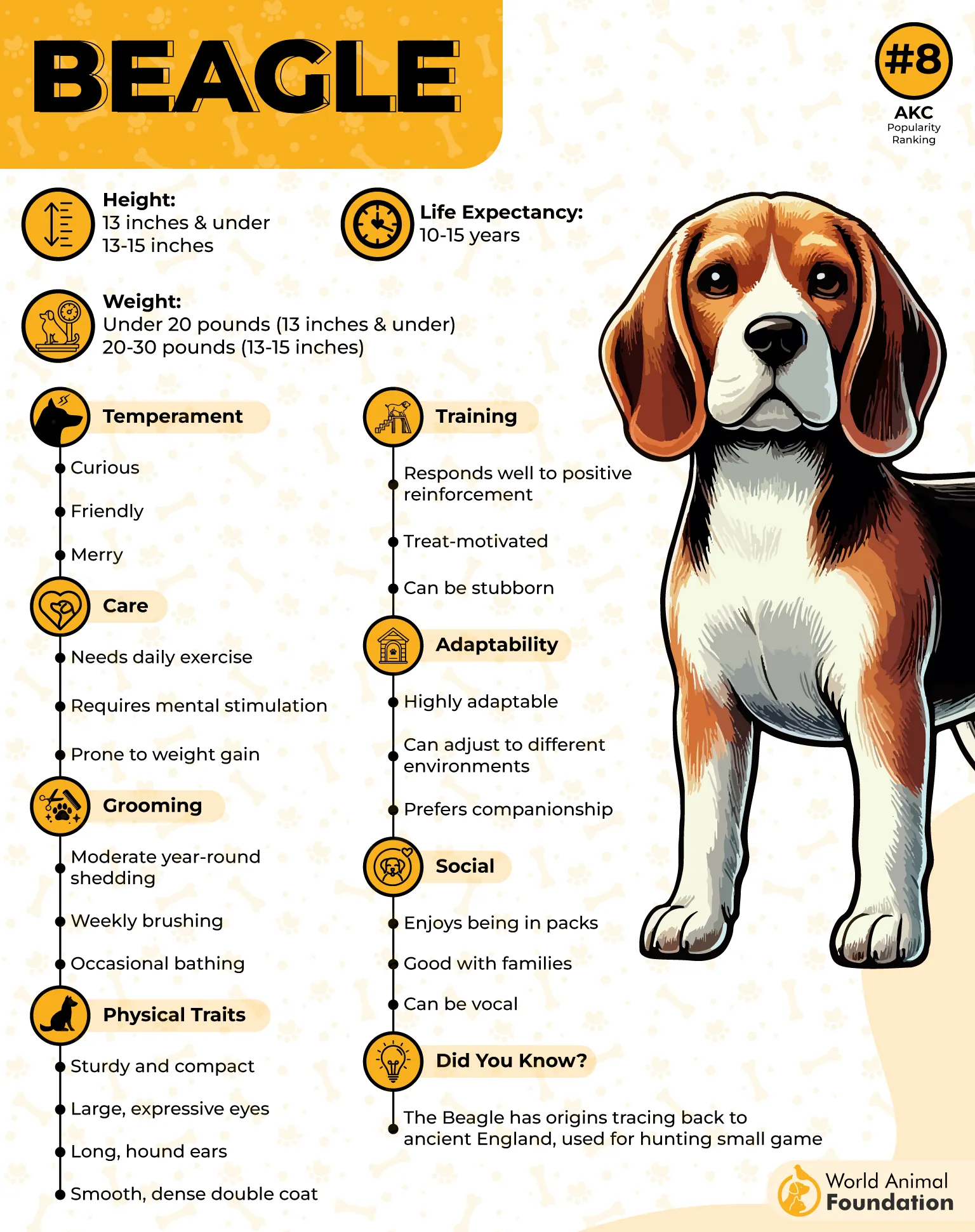
Beagles are eager, friendly, and food-motivated, which makes fieldwork with a handler genuinely fun rather than a battle of wills. According to PetMD, this breed’s pack history makes it naturally responsive to a team, whether that team is other dogs or a person. Mental stimulation matters here as much as exercise.
Game: Bred to locate rabbits and other small game across open and wooded ground
Method: Ground-scent trailing, working close to the earth rather than scanning the air
This is a breed built for rough, brushy terrain rather than wide-open country. Its compact size lets it push through tight spaces that would stop a larger hound cold. That low center of gravity is a real advantage on a scent trail.
3. Bavarian Mountain Scent Hound
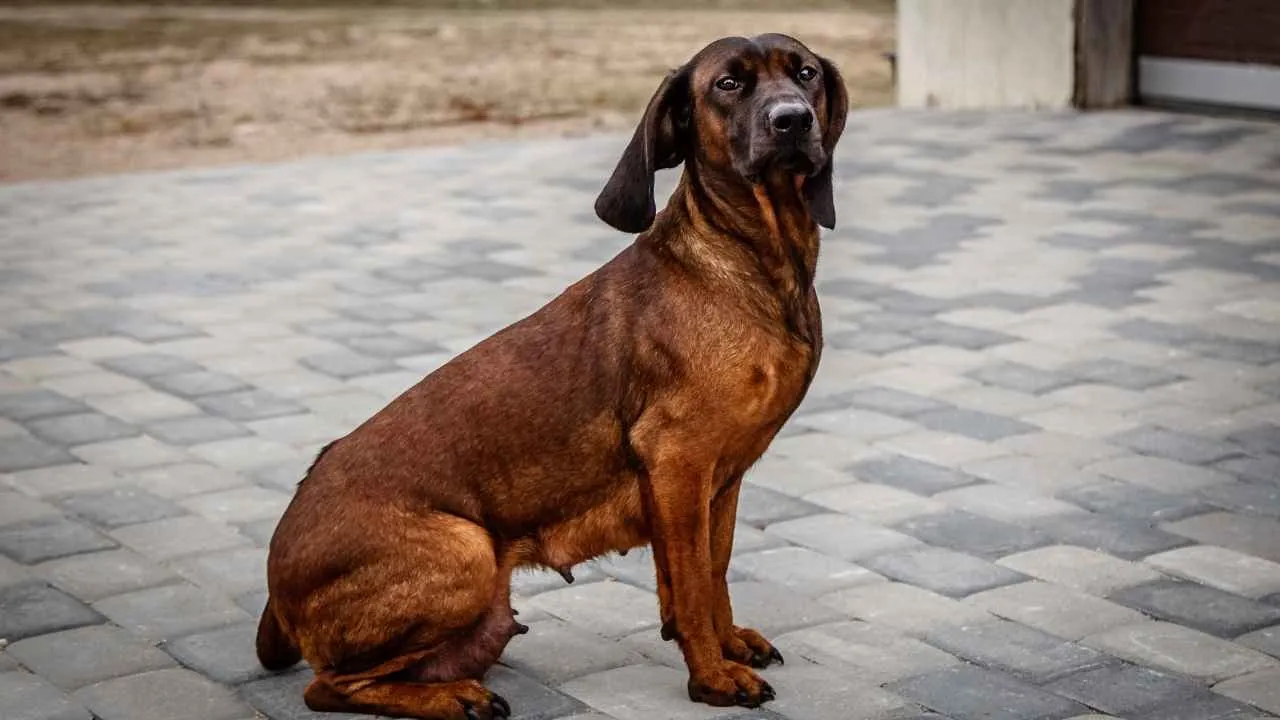
Some breeds chase prey. The Bavarian Mountain Scent Hound tracks it with a patience and precision most hunting dogs never develop. According to Royal Canin, this breed was purpose-built for following wounded game over punishing ground, and that specialization still defines it today.
This is not a breed for a casual handler. Its natural tendency is to work slowly and methodically on a leash, reading a trail rather than rushing it, so training rewards calm guidance over pressure. Bond with the handler runs deep once trust is built.
Game: Developed to trail wounded deer and other large game across mountainous ground
Method: Leash tracking at a deliberate pace, reading ground scent rather than air scent
Rocky terrain and steep mountain slopes are exactly where this breed excels. Its build favors sure footing over raw speed. Give it elevation and cover, and it will work a trail for long distances without losing focus.
4. German Shorthaired Pointer
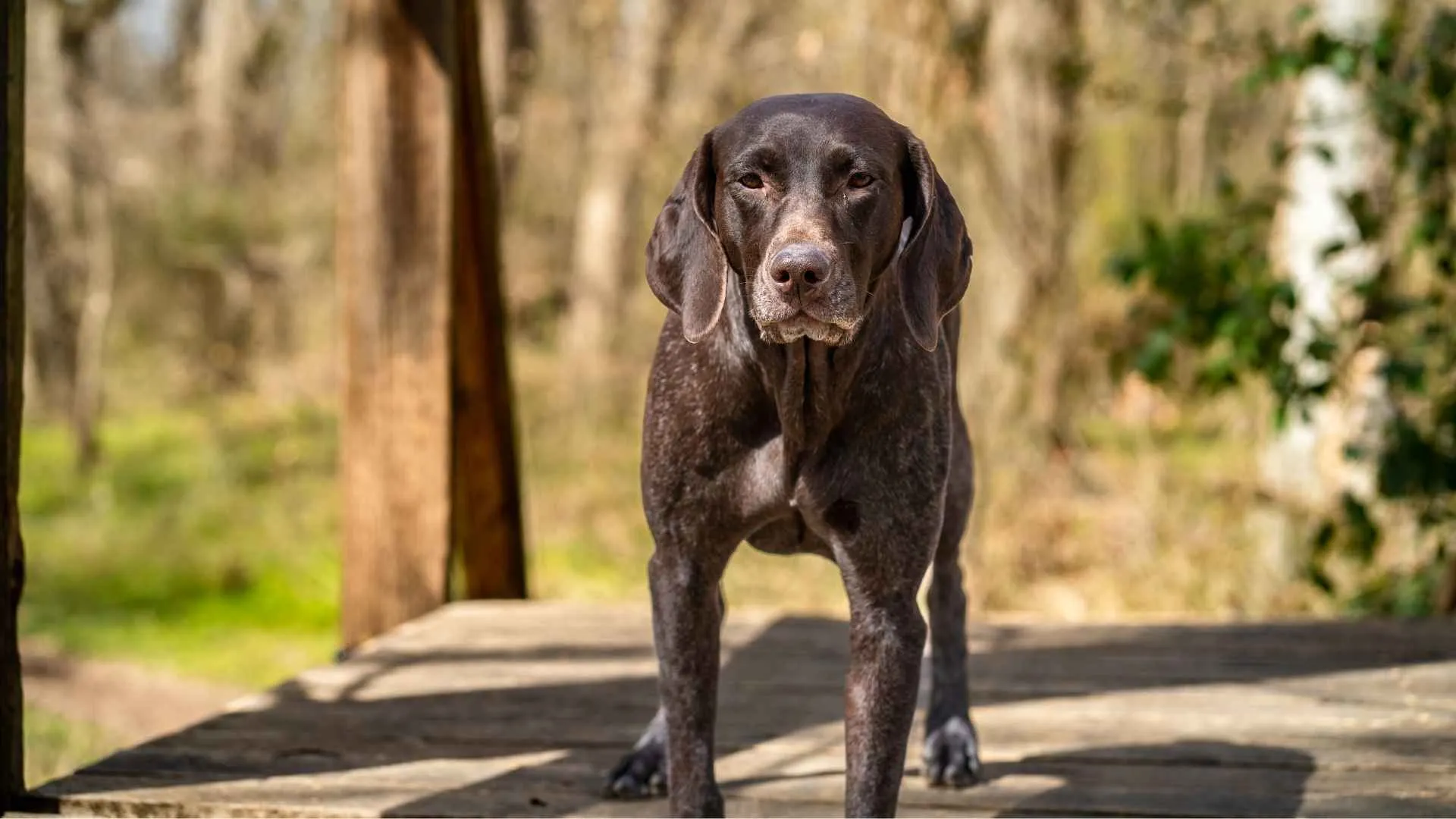
Versatility is the German Shorthaired Pointer’s real superpower. This hunting dog breed doesn’t just find birds; it freezes mid-stride to mark the exact spot, a skill that separates pointing breeds from trailing hounds entirely. It’s a natural tendency bred over generations.
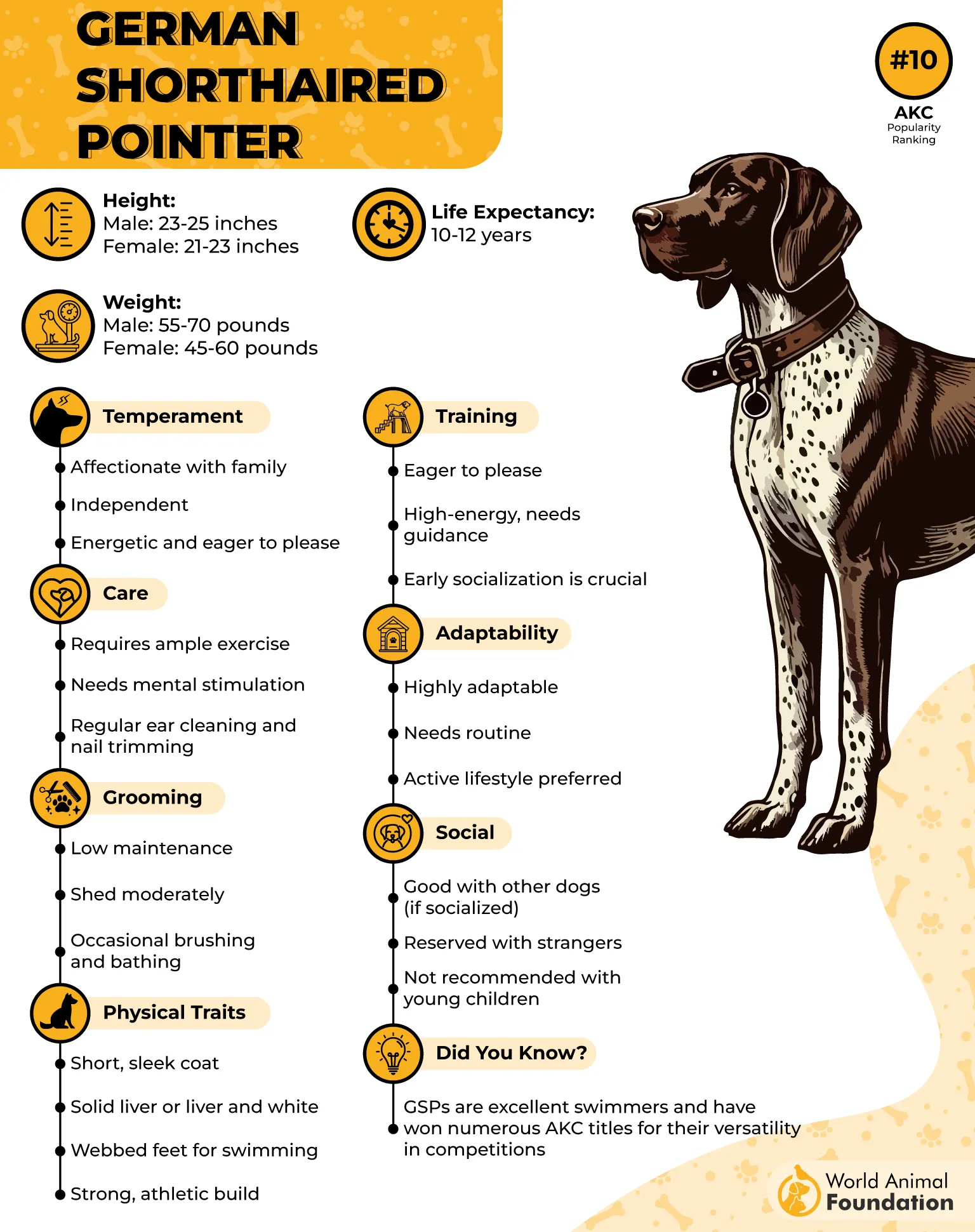
According to VCA, this breed thrives on structured training and close teamwork with its handler, making it one of the more trainable hunting dogs out there. High energy means it needs a job, and fieldwork gives it exactly that. Intelligence and eagerness make lessons stick fast.
Game: Bred to locate game birds and waterfowl, with strong instincts for both upland and water work
Method: Air-scenting combined with a classic point, freezing the body to signal a bird’s location
Open fields and wetland edges both suit this athletic breed well. It moves fast and covers ground efficiently, whatever the setting. Waterfowl hunting in particular shows off its range and stamina.
5. Bluetick Coonhound
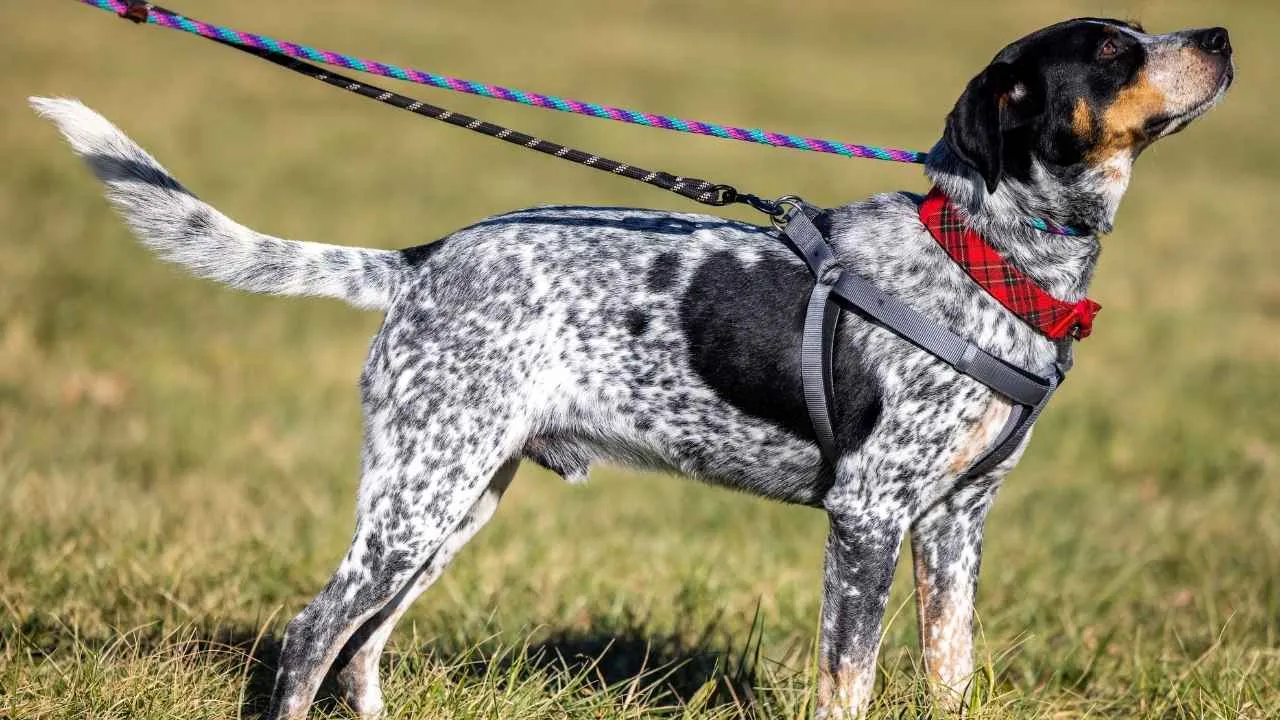
The Bluetick Coonhound has a bark that means business, and that voice is part of its hunting toolkit. This breed trails prey by scent, then switches to a distinctive howl once the animal is cornered. Strong instinct drives every part of that sequence.
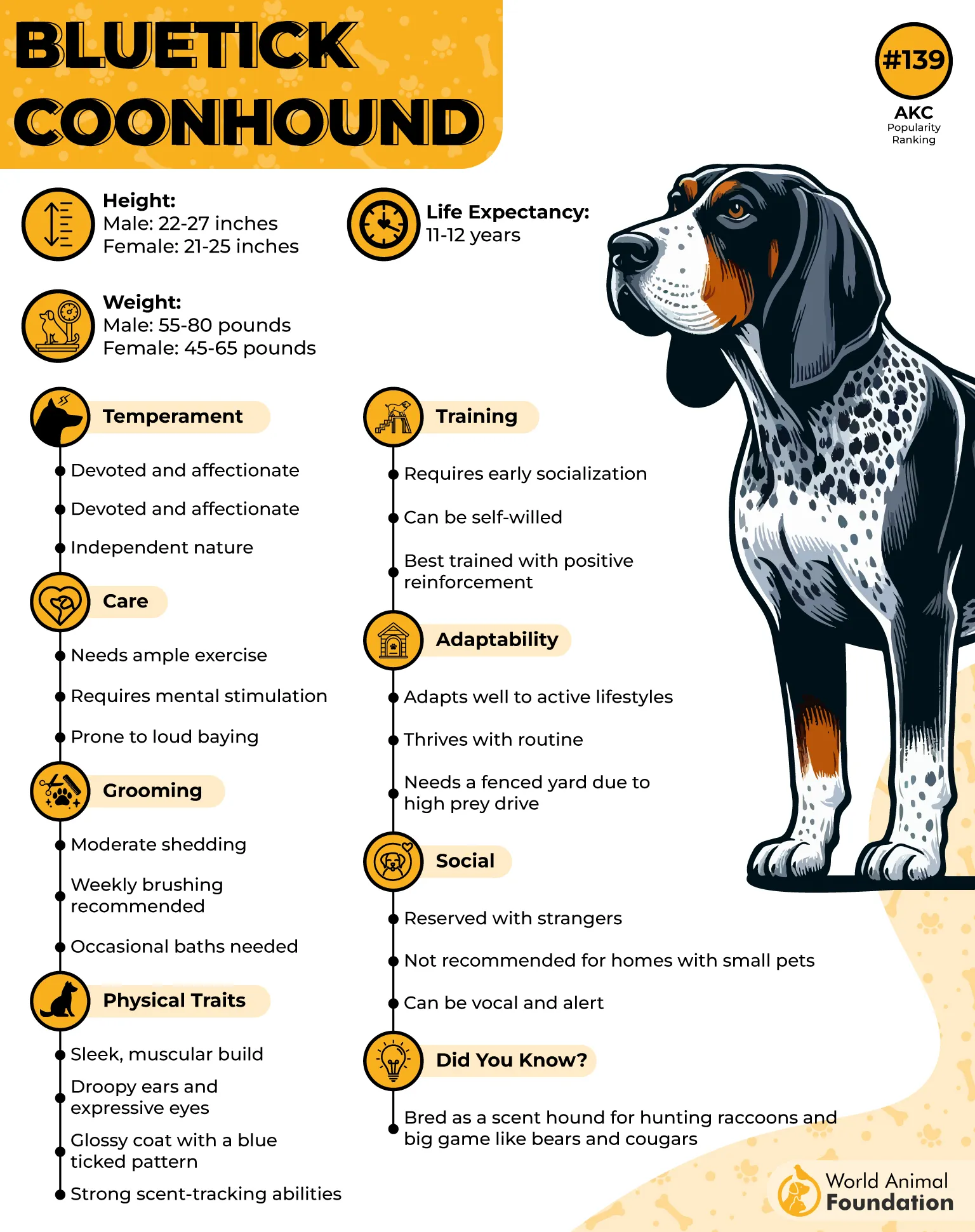
Independent but affectionate, the Bluetick works best with a handler who lets it use its nose freely rather than micromanaging the hunt. Training goes smoother with consistency, since this breed can be a touch stubborn. Once it respects its handler, teamwork in the field comes naturally.
Game: Bred to trail raccoons and other small animals, occasionally used on larger game too
Method: Air-scenting and ground trailing, followed by treeing behaviour once prey is cornered
Wooded, swampy terrain is where this breed feels most at home. Thick cover and uneven ground suit its trailing style far better than open land. Long nights in rough country are practically what it was made for.
6. Plott Hound
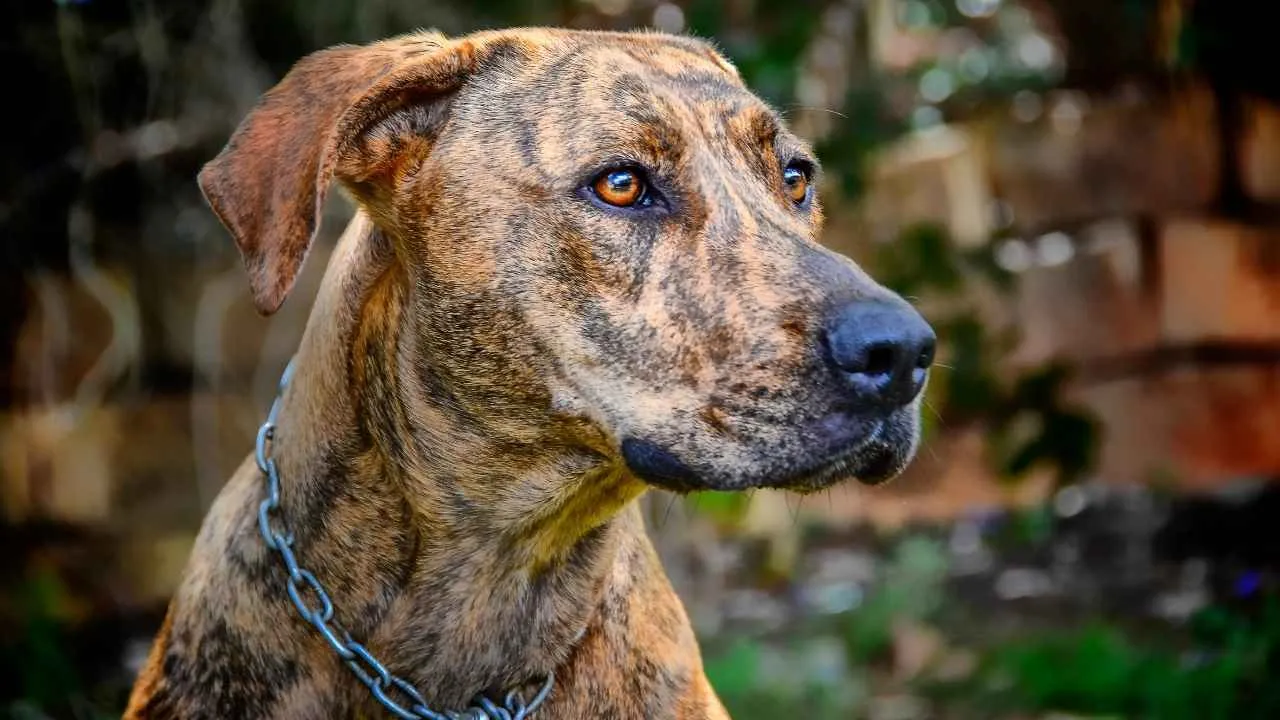
Big game, bold nose. The Plott Hound was bred specifically for large game hunting in punishing terrain, and it remains one of the most driven trackers among American hunting dog breeds. That drive rarely fades, even in older dogs.
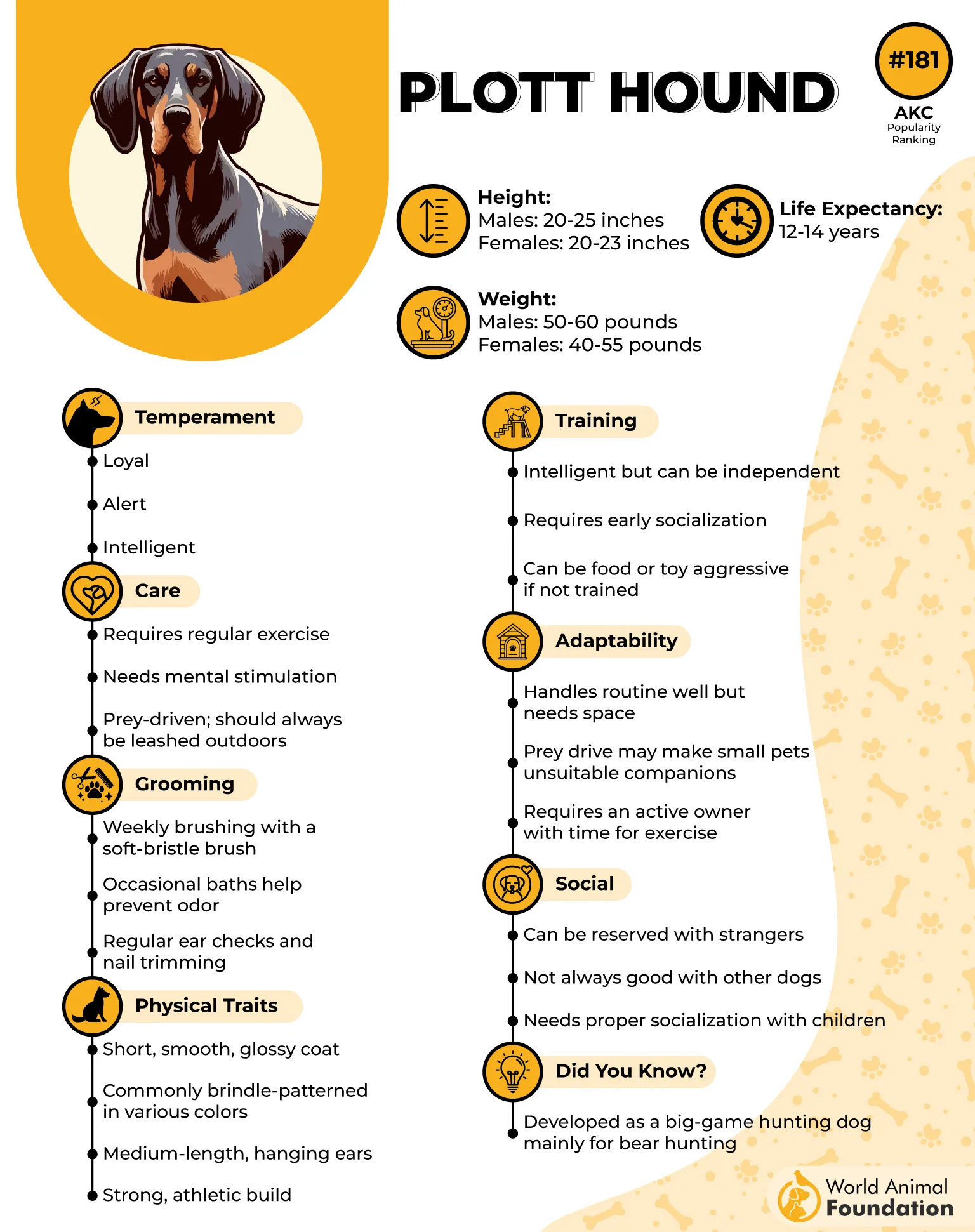
This breed is loyal and intelligent but needs an experienced handler who understands its independent streak. Fieldwork suits it far better than a passive lifestyle, since a bored Plott Hound tends to find its own entertainment. Consistency in training earns real trust over time.
Game: Originally bred to hunt bears and other large game across mountainous regions
Method: Ground and air-scenting combined, trailing at speed before treeing or cornering prey
Steep, rocky terrain is this breed’s natural habitat. It was built for endurance over long distances rather than short bursts. Dense forest and mountain trails both play to its strengths.
7. Treeing Walker Coonhound
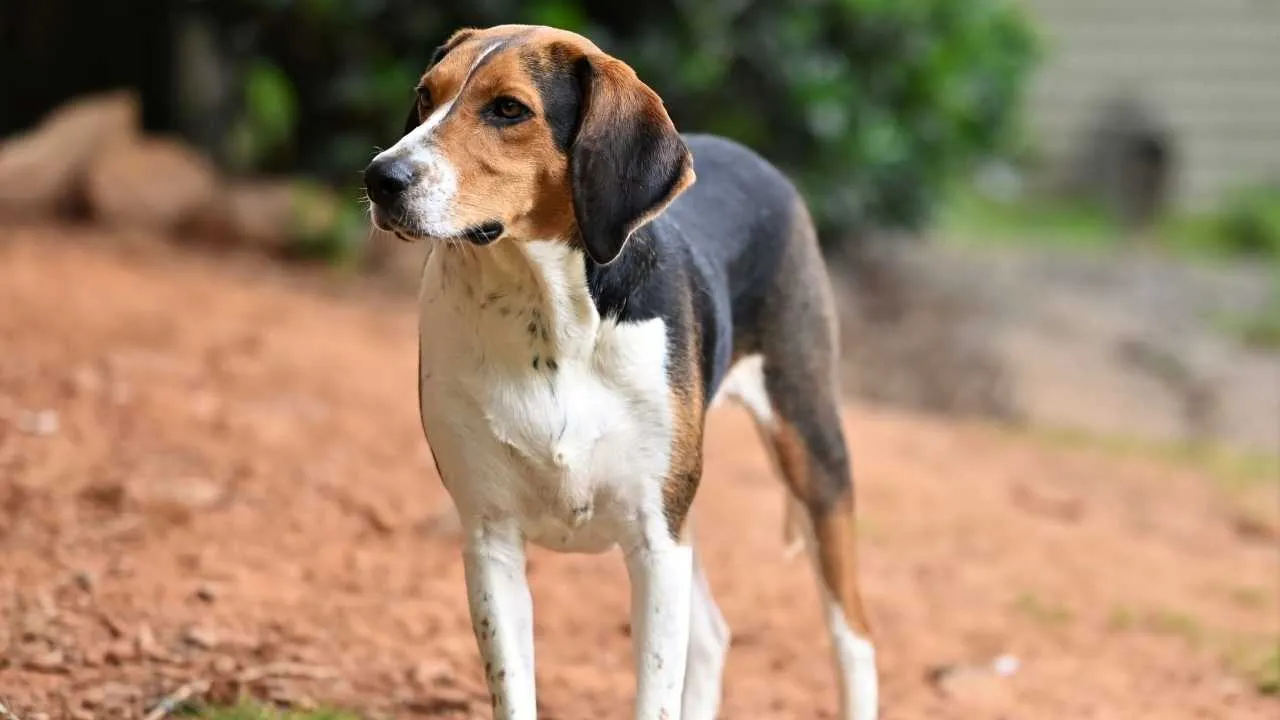
Speed sets the Treeing Walker Coonhound apart from most scent hounds. This breed combines a keen sense of smell with real athletic speed, letting it close the distance on moving animals faster than its cousins. Pursuit is where it truly comes alive.
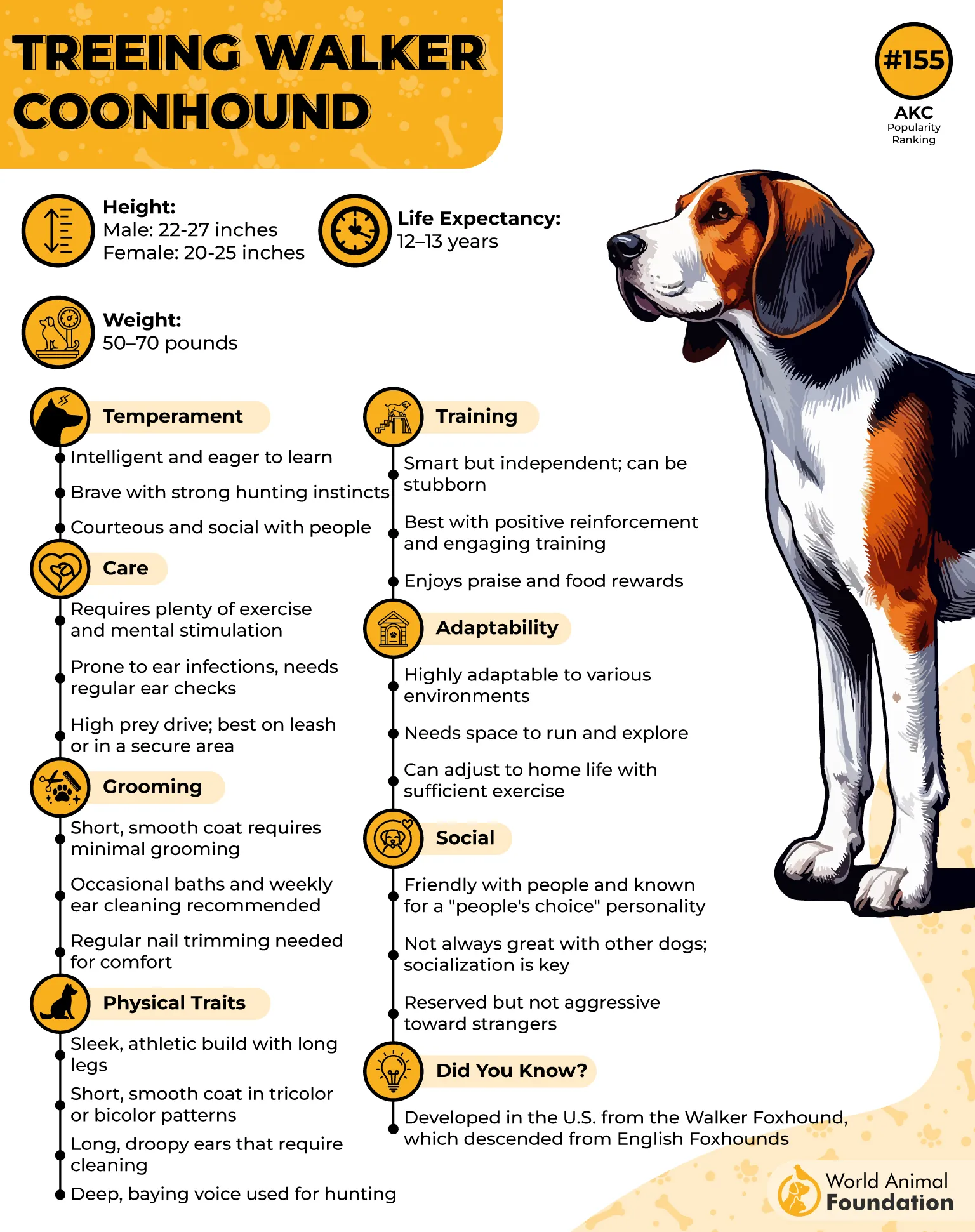
Friendly and eager to please, this breed responds well to positive training and genuinely enjoys working alongside a handler. Its high energy needs an outlet, or that drive turns into mischief at home. Fieldwork channels all of that enthusiasm productively.
Game: Bred to trail raccoons and small game, with the agility to pursue over long distances
Method: Air-scenting and fast ground trailing, ending in treeing behaviour once prey is located
Open woodland with room to run suits this breed best. Its speed and stamina hold up well across long distances without much strain. Give it space to move, and it will happily work for hours.
Conclusion
Finding prey isn’t about raw speed or aggression; it’s a skill built on nose, patience, and instinct passed down through selective breeding. Whether a dog trails cold scent for long distances, points and freezes on a bird, or bays the moment it trees an animal, each breed excels in its own distinctive way.
If you’re choosing a hunting companion, match its instincts to your terrain and your goals, not the other way around. Ready to find the perfect hunting partner for your next trip into the field? Start by picking the breed whose skill set fits your kind of hunt.
