




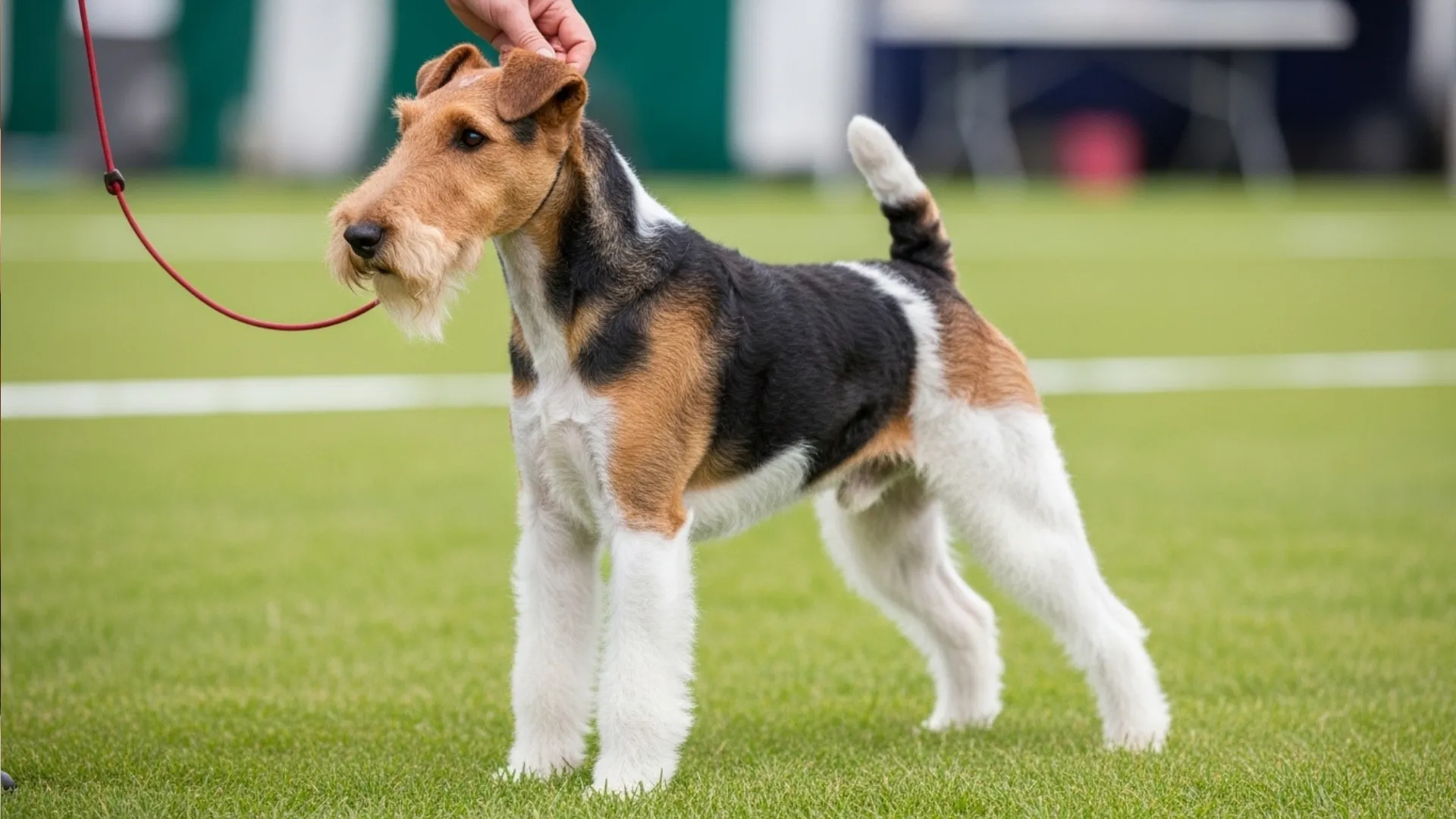
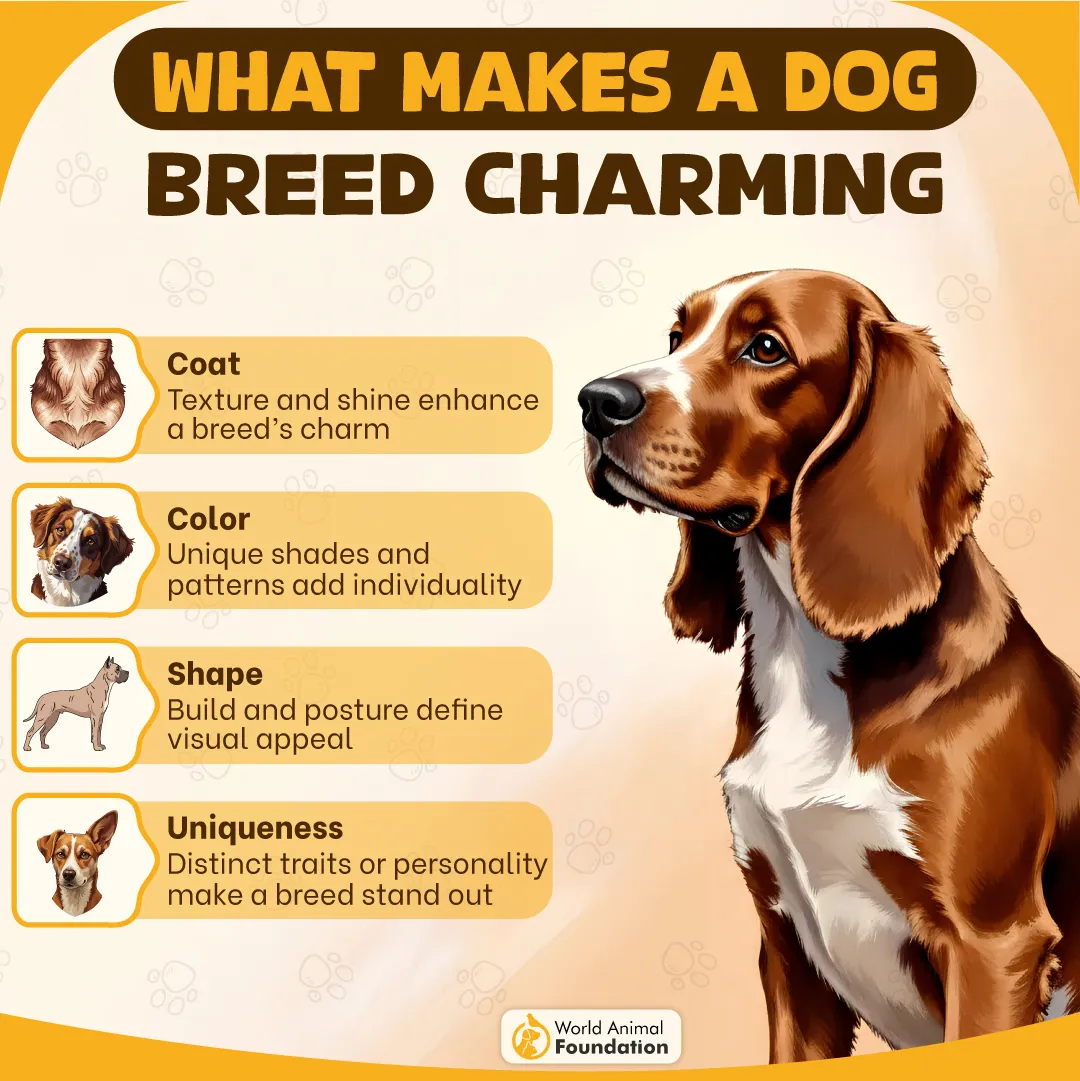
A dog’s coat is more than just fur—it’s a defining feature that sets breeds apart in both appearance and care needs.
From sleek, glossy layers to dense, textured coverings, coat types vary widely and play a key role in a dog’s identity. Some breeds showcase short, flat coats that lie close to the body, offering a polished look with minimal upkeep.
Others boast thick, shaggy, or curly coats that create a striking visual impression but require consistent grooming to stay healthy and tangle-free.
Understanding these distinctive coat textures is essential for any dog lover or potential owner. Coat type not only affects how a dog looks but also influences shedding patterns, grooming routines, and even how well a dog adapts to different climates.
Double-coated breeds, for example, have an insulating underlayer, while single-coated dogs often need extra protection in colder weather.
Exploring breeds with unique coat textures reveals just how diverse and fascinating the canine world truly is.
Top Dog Breeds with Distinctive Coat Textures
1. Curly-Coated Retriever
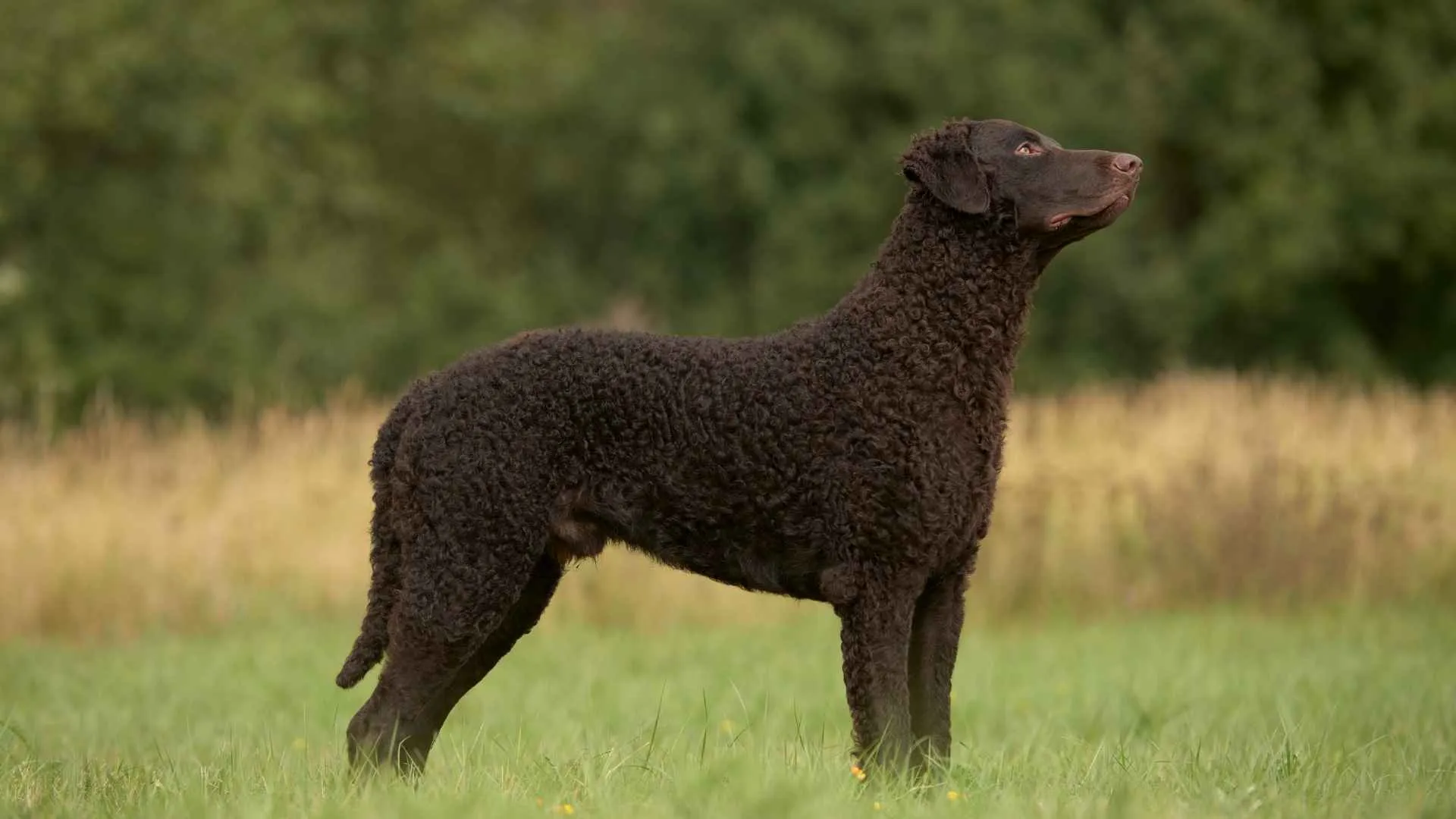
The Curly-Coated Retriever stands out as one of the most distinctive breeds when it comes to coat texture, combining function with striking style, as noted by the AKC.
Its tight, crisp curls aren’t just eye-catching—they serve as natural protection against harsh elements like icy water and thorny terrain, making this breed an exceptional working companion.
Unlike many other retrievers, the Curly lacks a dense undercoat, relying instead on its unique curls for insulation and durability in challenging environments.
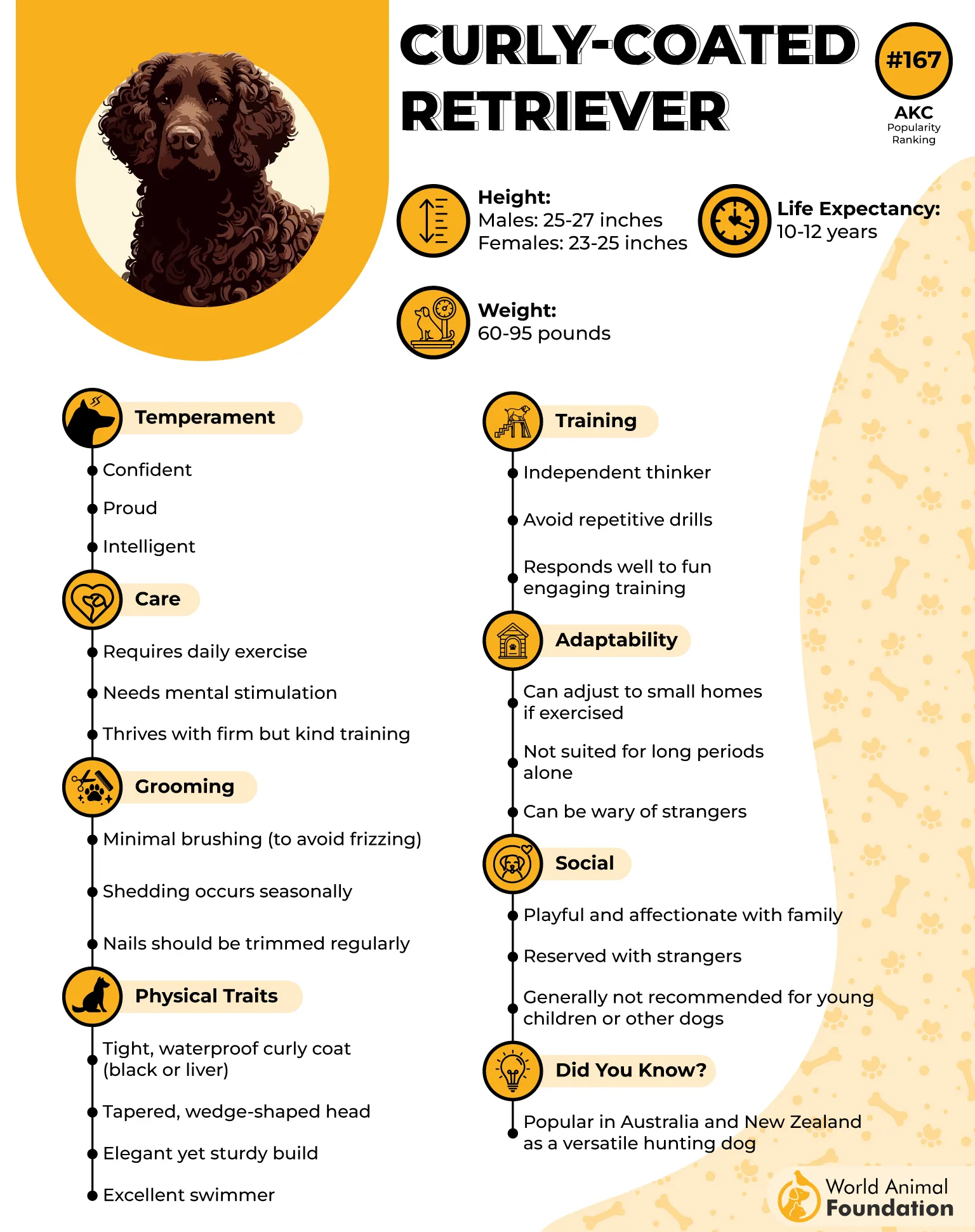
Beyond its coat, this breed carries an elegant yet robust build, paired with a refined, wedge-shaped head that adds to its distinctive appearance.
While affectionate and playful with family, the Curly-Coated Retriever tends to be more independent and reserved around strangers, giving it a more discerning nature than its retriever relatives.
Grooming is refreshingly simple: brushing is often avoided to prevent frizz, while occasional wetting and air-drying help maintain those signature curls.
This low-maintenance yet highly functional coat truly sets the breed apart in the canine world.
2. Puli
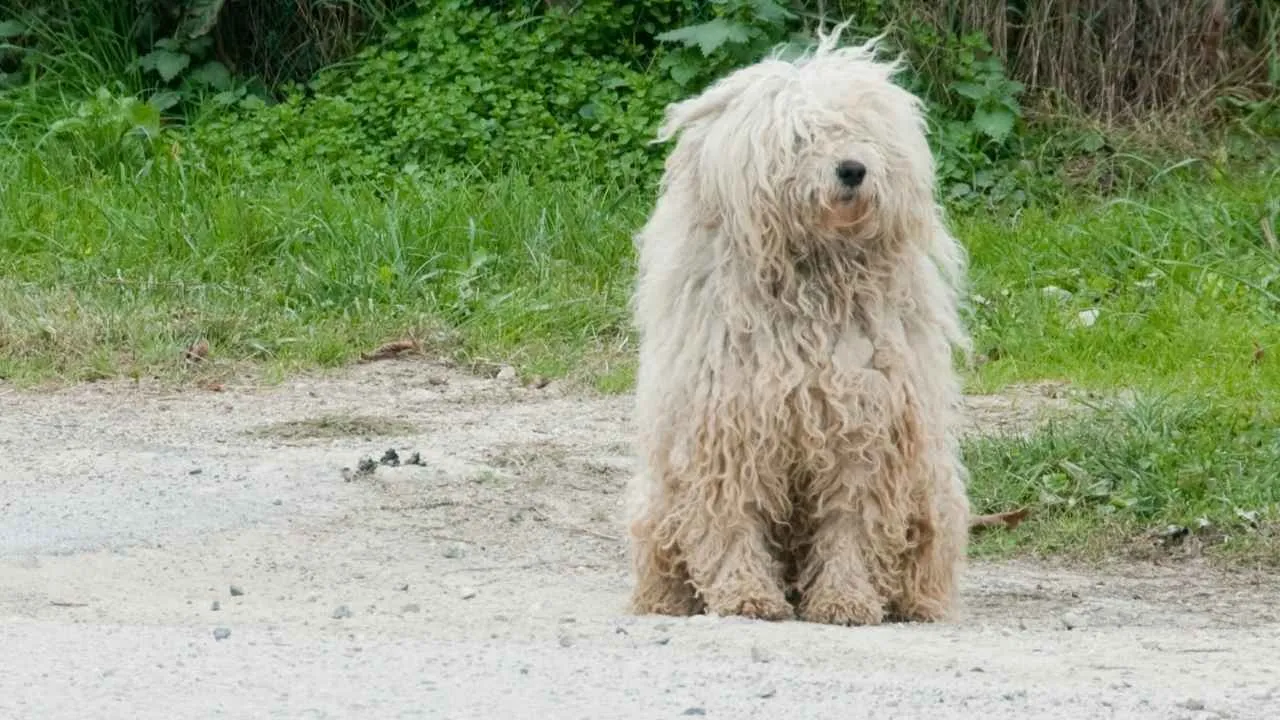
The Puli is a true standout among dog breeds, instantly recognizable for its extraordinary corded coat that resembles natural dreadlocks.
This compact yet muscular herding dog is wrapped from head to tail in dense, woolly cords that form naturally over time.
These cords aren’t just for show—they are weather-resistant, providing protection against harsh climates while the Puli works closely with its human companions. Agile, intelligent, and deeply loyal, this breed is as functional as it is eye-catching.
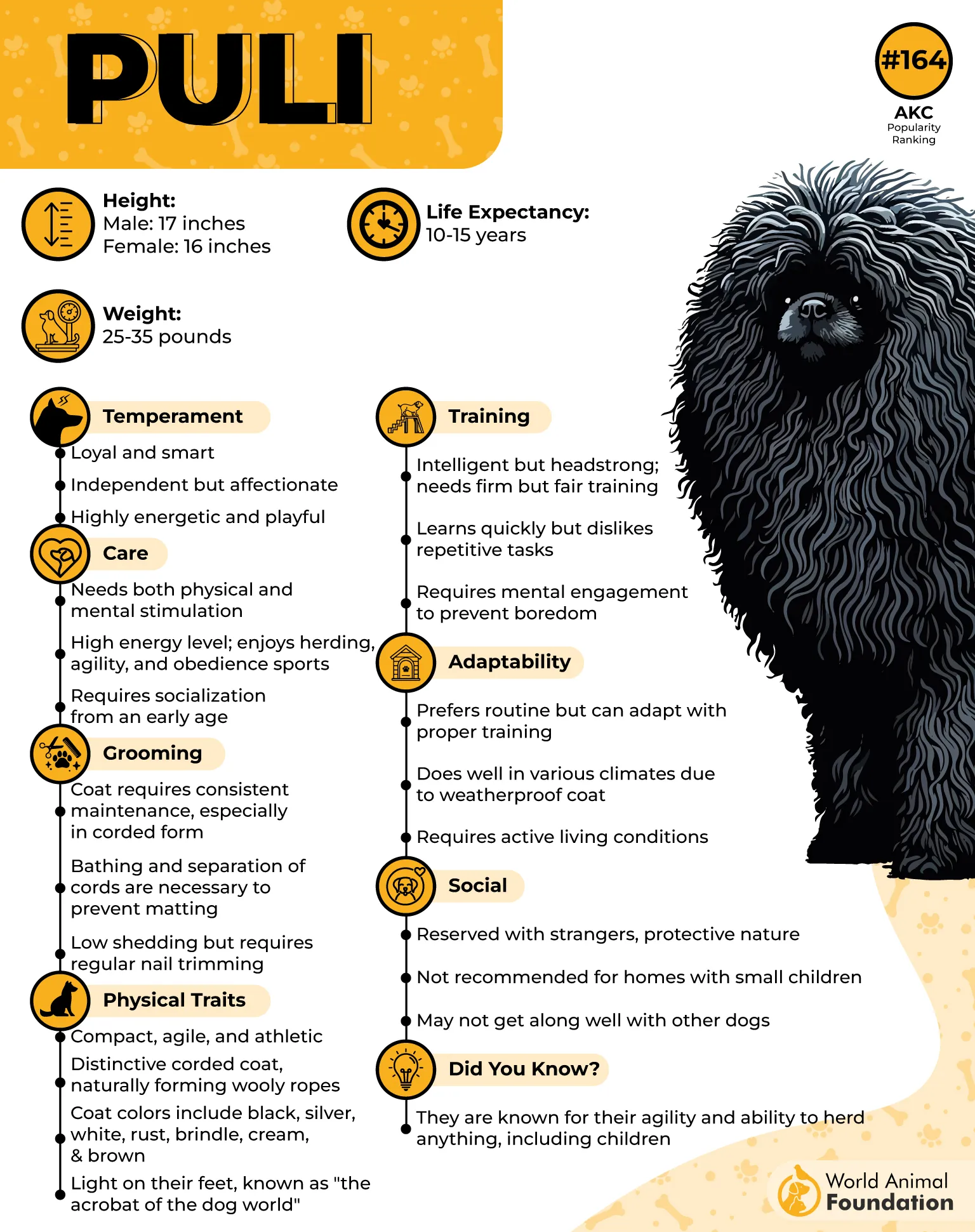
The coat’s development is a gradual and fascinating process. As the undercoat grows in, the fur begins to clump together, forming the foundation of the cords.
With gentle hand separation, these clumps evolve into well-defined cords over several months. Owners can choose to maintain the signature corded look, brush it out, or keep the coat clipped, depending on preference.
While the coat requires consistent care, it doesn’t demand constant brushing—just regular bathing and occasional separation of cords to keep them neat and healthy.
3. Wire Fox Terrier
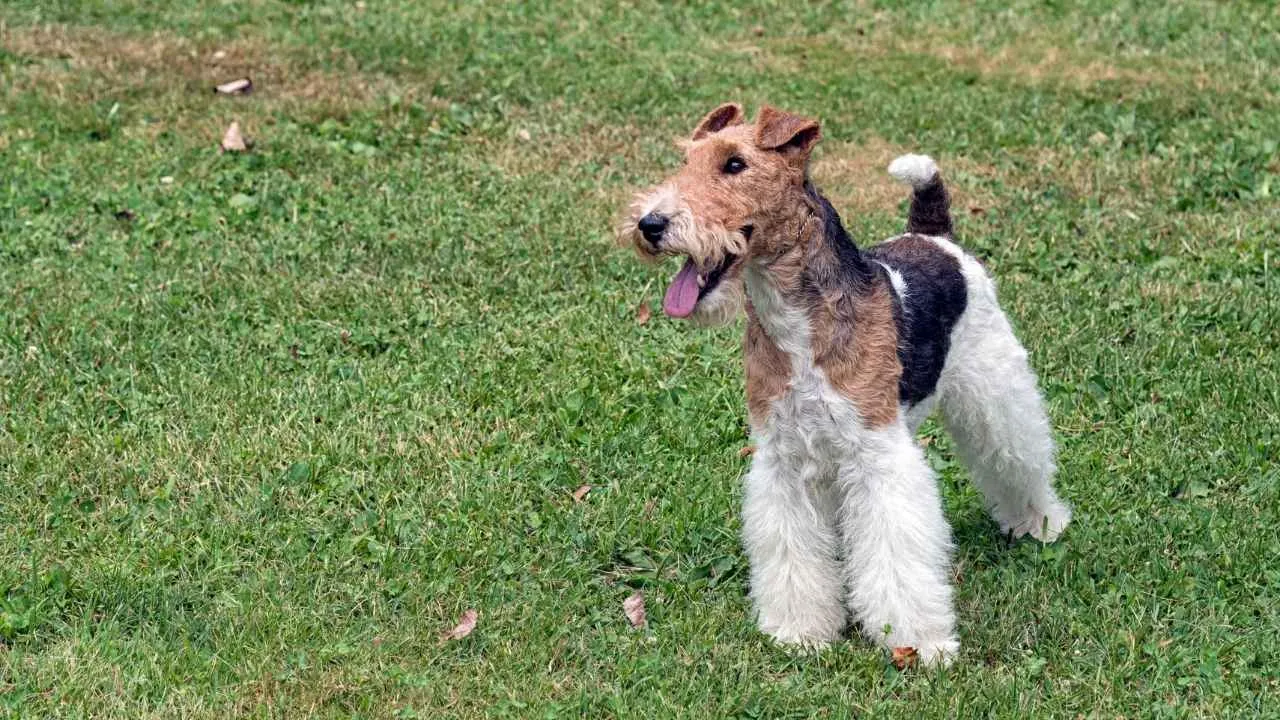
The Wire Fox Terrier is a lively, eye-catching breed celebrated for its distinctive wiry coat and spirited personality.
Known for always appearing alert and ready for action, this compact and well-balanced dog carries itself with confidence and charm.
Its rough, dense coat—predominantly white with markings—was originally developed to protect the dog while hunting, offering durability against harsh terrain.
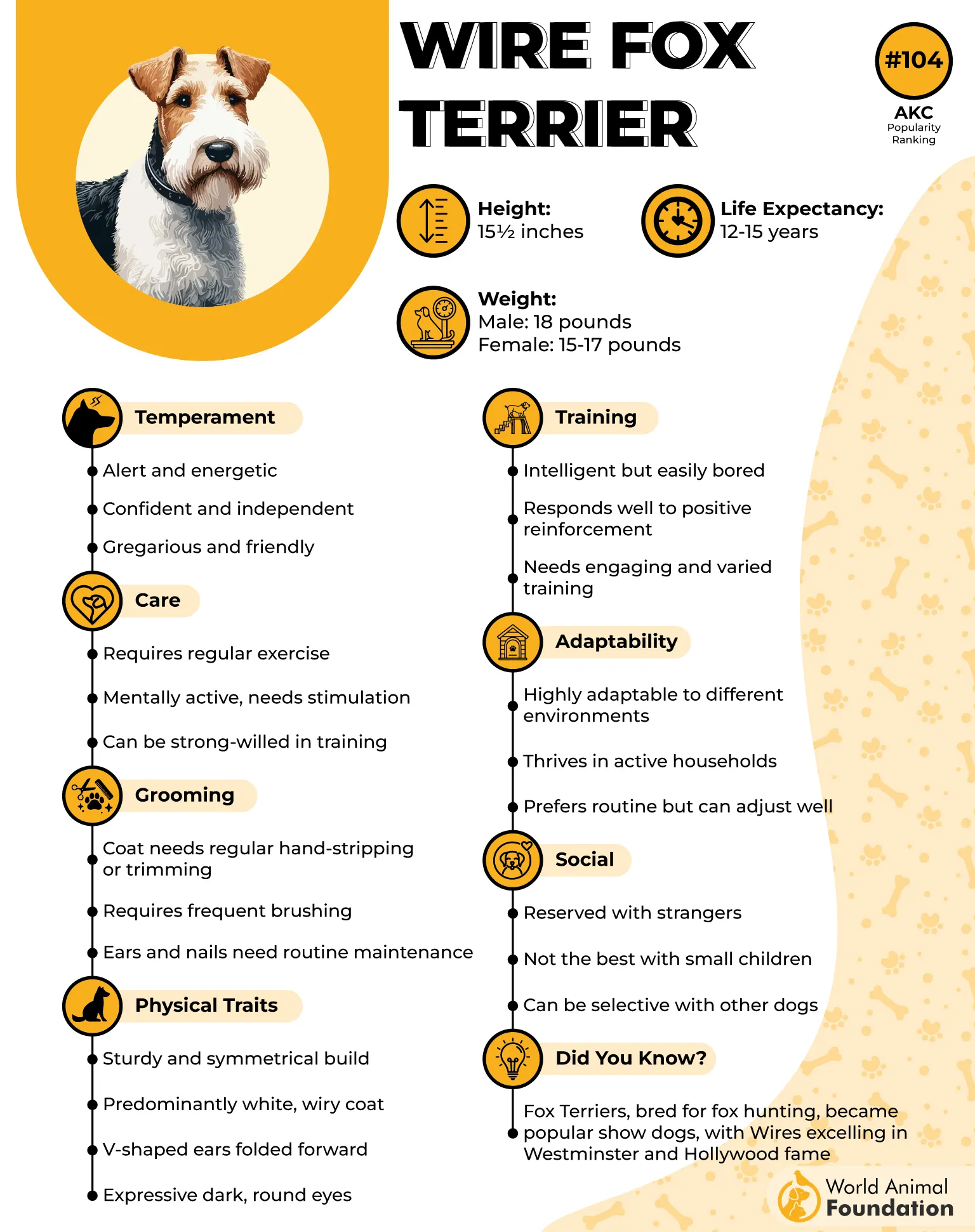
This crisp, textured fur is one of the breed’s most defining features, giving it a polished yet rugged look that stands out instantly.
The coat’s unique texture requires thoughtful care to maintain its signature appearance. For show dogs, hand-stripping is often used to preserve the coat’s natural harshness and vibrant color.
For companion pets, clipping offers a more practical alternative while still keeping the coat neat and manageable.
Regardless of grooming style, daily brushing is essential to prevent tangles and maintain coat health. Combining functionality with visual appeal, the Wire Fox Terrier’s coat perfectly reflects its energetic, intelligent, and timeless character.
4. Afghan Hound
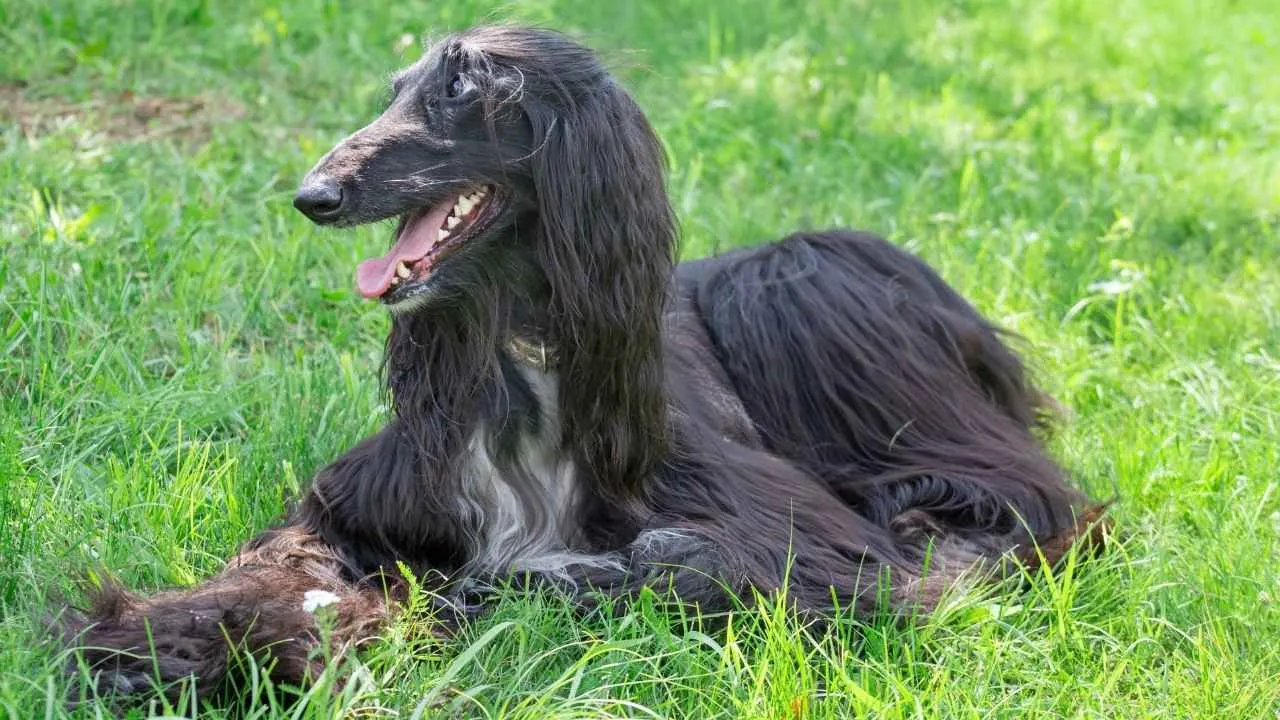
The Afghan Hound is the epitome of elegance, renowned for its luxurious, silky coat that flows with striking grace, as mentioned by Hills Pet.
This breed’s distinctive texture sets it apart, with a long coat, fine hair draping over the body while the face and saddle remain sleek and smooth, creating a dramatic contrast.
Originally bred for harsh terrains, the coat offers both beauty and protection, making it one of the most iconic in the dog world.
As Afghan Hounds mature, their coat transforms from a soft, fluffy puppy layer into a glossy, full-length adult coat that demands dedicated care.
Regular bathing and thorough brushing are essential to prevent tangles and maintain its signature shine. Seasonal shedding can occur, particularly in spring and fall, requiring extra attention during these periods.
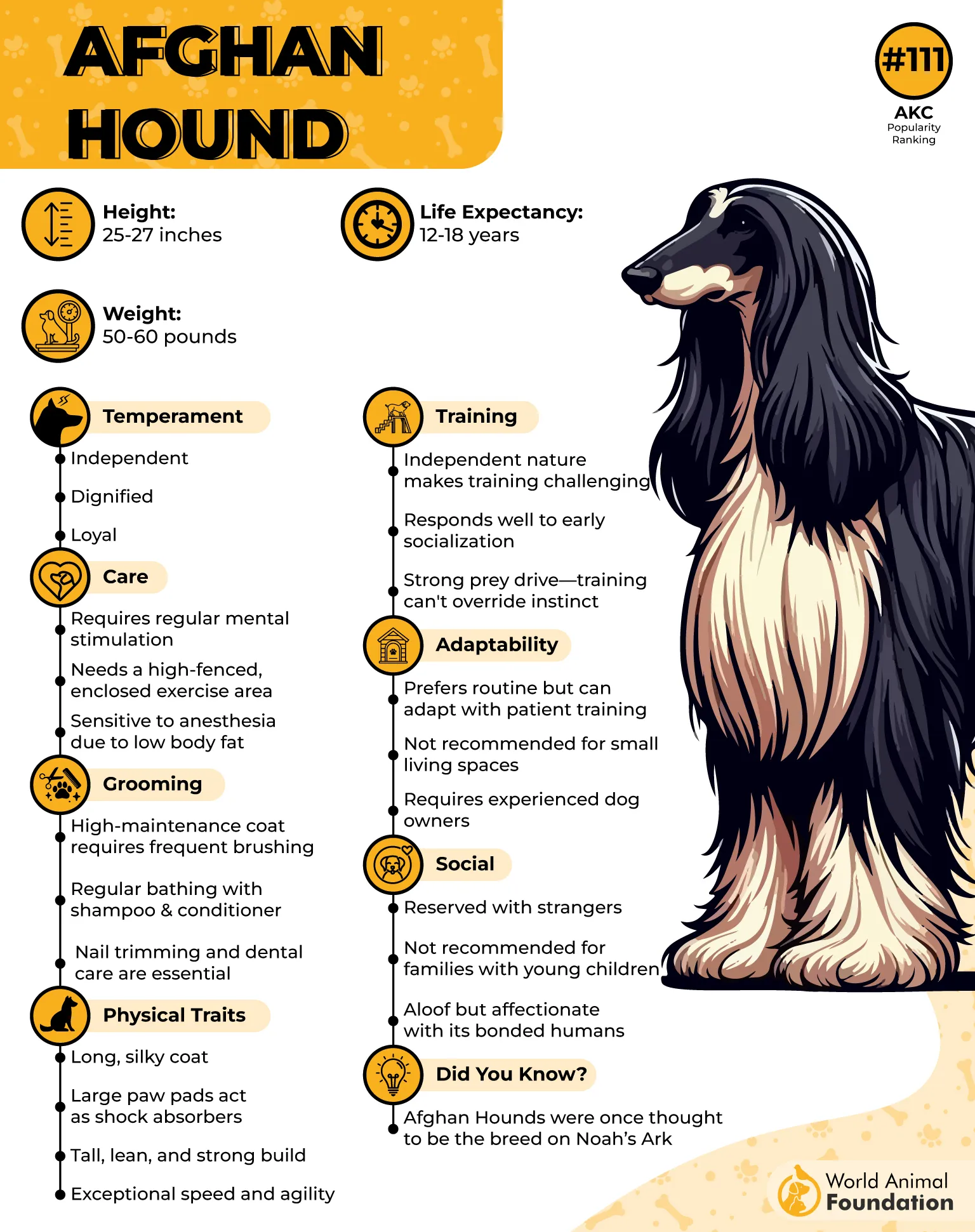
Beyond aesthetics, the coat enhances the Afghan’s regal presence, especially in motion, where its flowing strands accentuate every stride.
This unique combination of texture, function, and visual appeal firmly places the Afghan Hound among the top breeds celebrated for their extraordinary coat types.
5. Samoyed
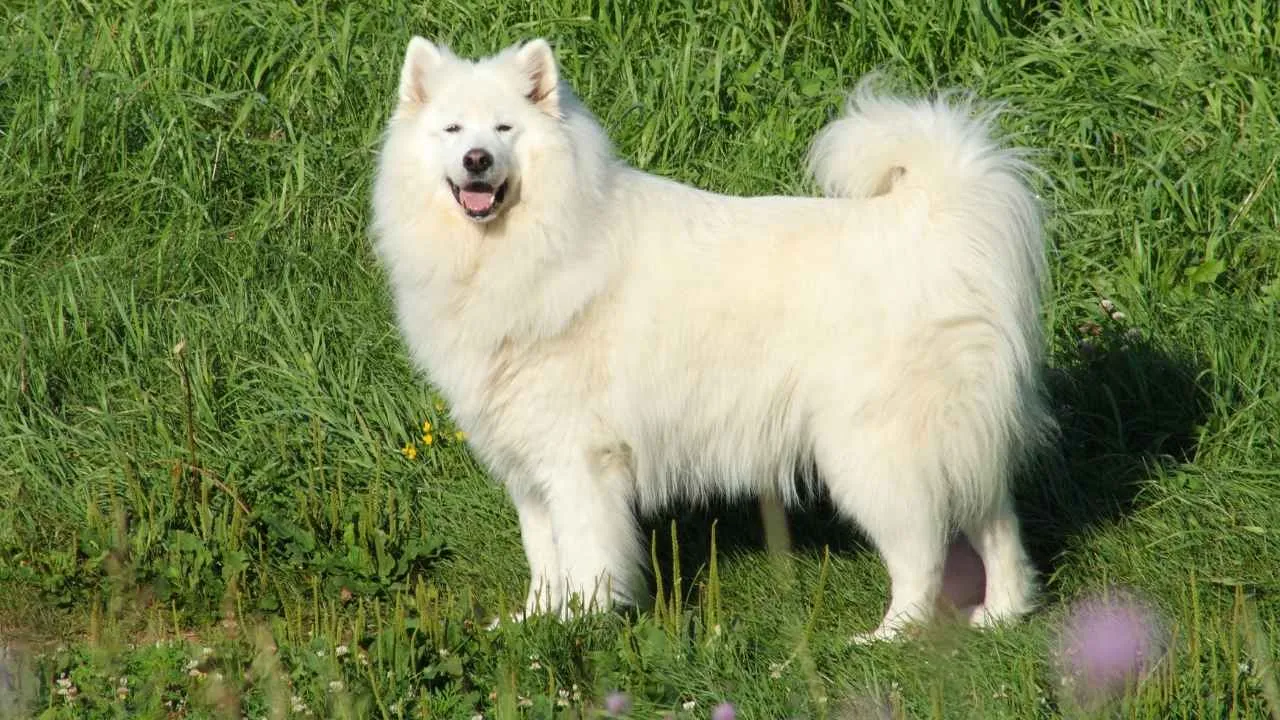
The Samoyed is a true showstopper in the world of distinctive coat textures, instantly recognizable for its radiant “smile” and plush, snow-white fur.
This breed’s thick double coat is not just visually stunning—it’s a remarkable natural system designed for survival in extreme climates.
The dense undercoat provides insulation, while the longer outer coat repels dirt and moisture, allowing the Samoyed to stay warm in freezing temperatures and surprisingly cool in milder weather.
Despite its luxurious appearance, the coat is relatively manageable with consistent care.
Regular brushing—several times a week or even daily—helps remove dead hair and prevents tangles, especially during seasonal shedding periods when the coat “blows” more heavily.

A metal comb is particularly useful for working through thicker areas. Interestingly, the Samoyed’s fur naturally resists dirt, so frequent bathing isn’t necessary.
This combination of beauty, functionality, and resilience makes the Samoyed’s coat one of the most fascinating and iconic textures among dog breeds.
6. Xoloitzcuintli
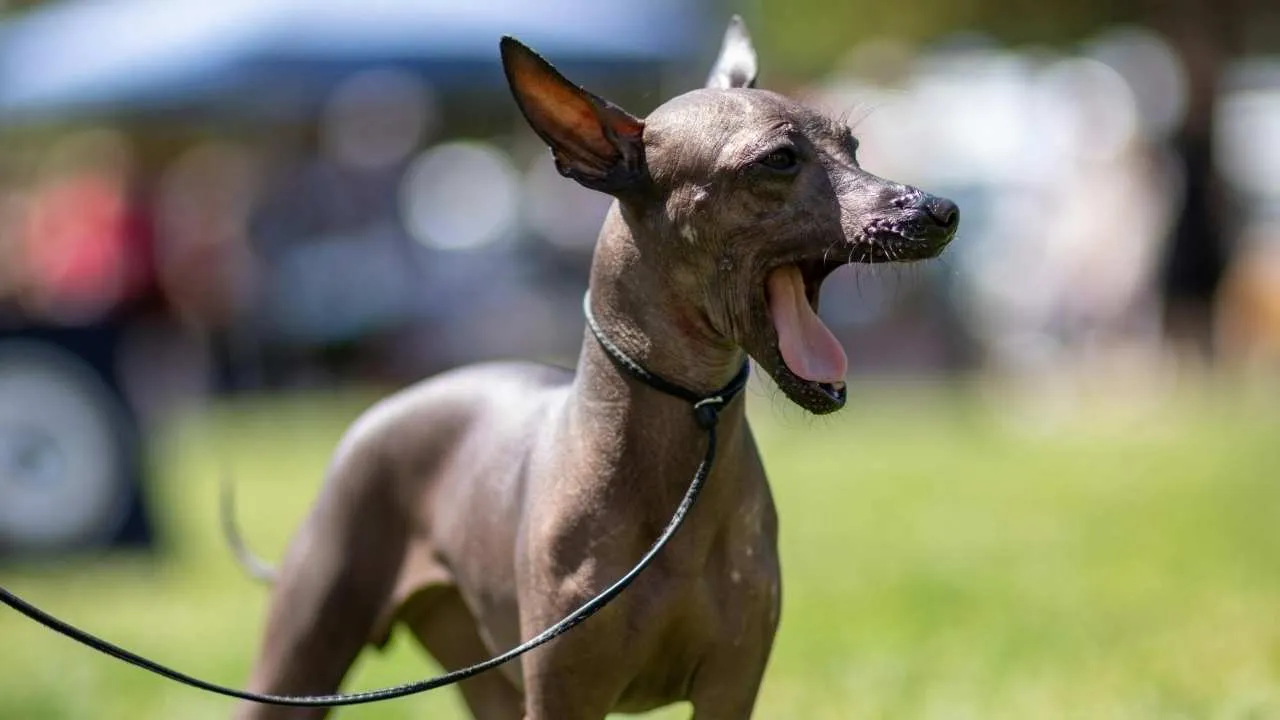
The Xoloitzcuintli, often called the Xolo, is one of the most unique entries among dog breeds with distinctive coat textures, as noted by WebMD.
What makes this ancient breed truly fascinating is its remarkable variety—ranging from completely hairless to lightly coated.
The hairless Xolo is the most iconic, showcasing smooth, tough skin that comes in an array of shades, including black, bronze, gray, and even palomino, often accented with striking spots or markings.
This bare, sleek appearance gives the breed a modern, almost sculptural look.
Equally intriguing is the coated variety, which features a short, fine layer of fur, usually in darker tones like black or brown.
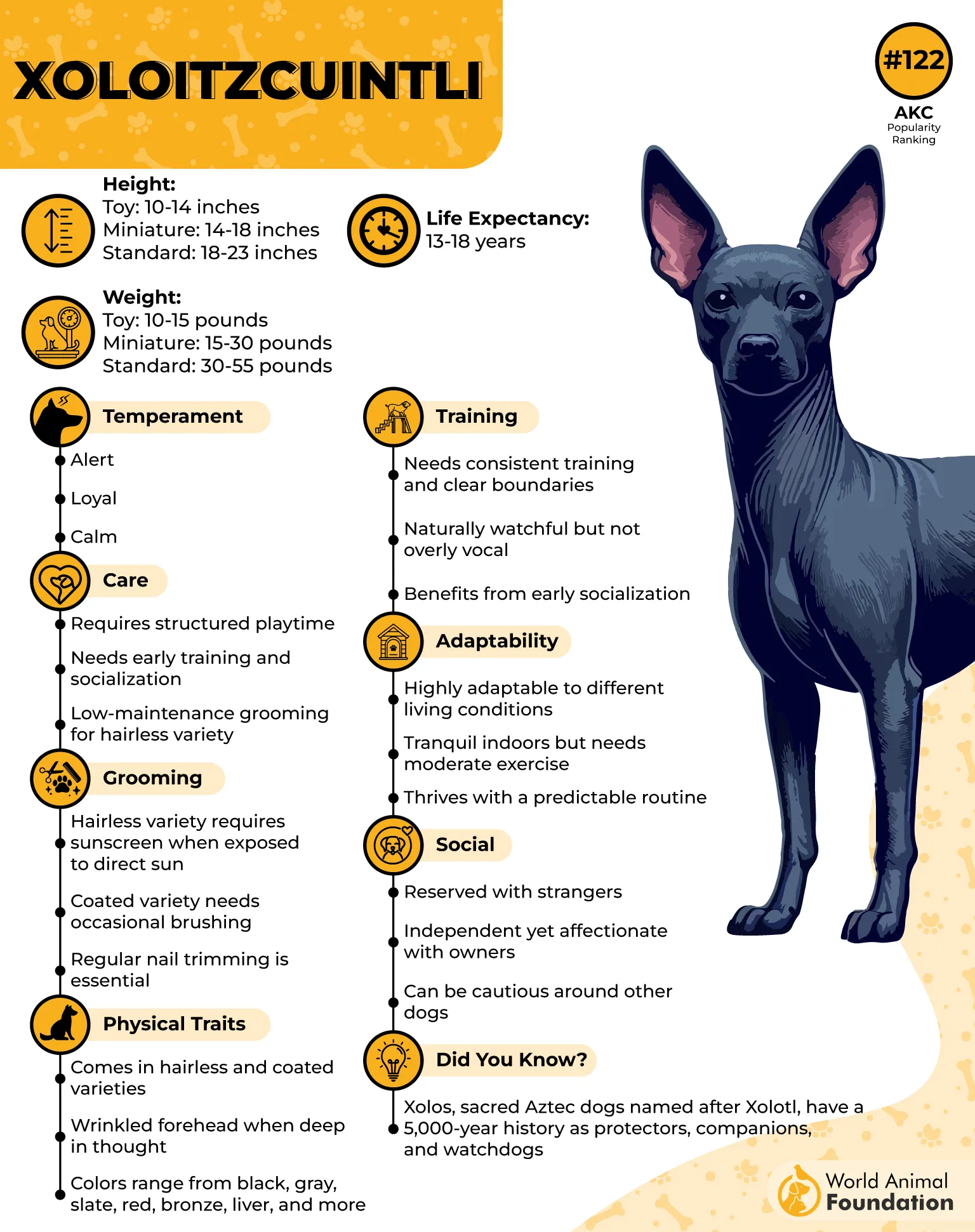
Though subtle, this thin coat still highlights the breed’s elegant structure. Both types share a practical advantage: minimal shedding, making them appealing to owners seeking a cleaner home environment.
Whether hairless or coated, the Xoloitzcuintli stands out for its rare textures and versatility, securing its place among the most distinctive and visually captivating dog breeds in the world.
7. Portuguese Sheepdog
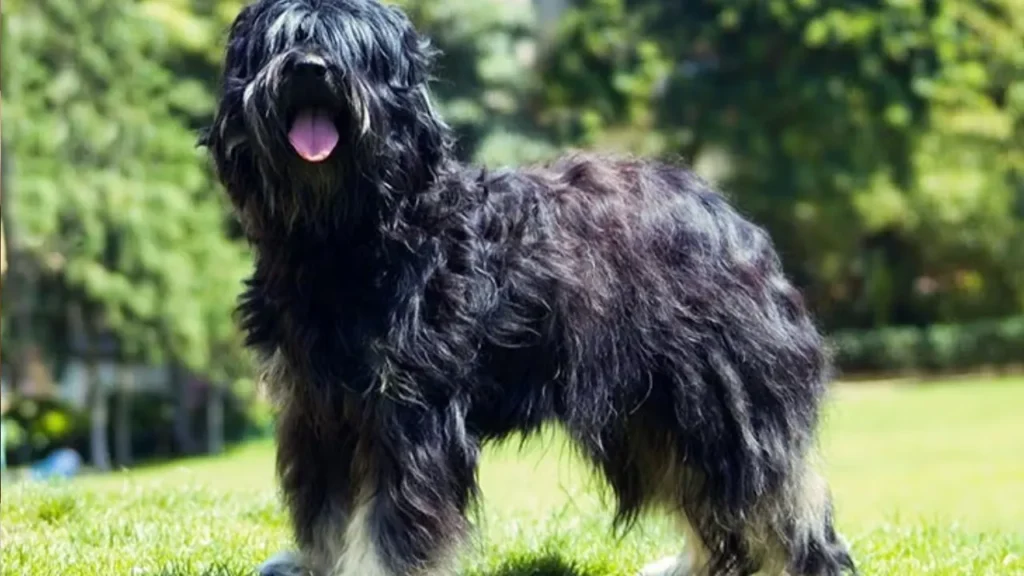
The Portuguese Sheepdog is a hidden gem among breeds celebrated for distinctive coat textures, combining rustic charm with remarkable functionality.
This medium-sized herding dog is known for its long, goat-like coat—an unusual texture that sets it apart from more common silky or wiry fur types.
Lacking an undercoat, a dog’s hair can be straight or slightly wavy, forming a dense, even covering that protects the dog while maintaining a naturally rugged appearance.
Adding to its character, the coat grows into expressive facial features, including a beard, mustache, and eyebrows that frame the face without obstructing vision.
Found in a range of earthy tones such as yellow, brown, gray, fawn, and black—often with tan markings—the coat enhances the breed’s natural, countryside aesthetic.
Nicknamed the “monkey dog” in Portugal for its lively expression and agile nature, this breed is both charming and energetic.
Despite its full coat, grooming is manageable with regular weekly care and occasional baths, making maintenance both practical and a rewarding bonding experience.
8. Rough Collie
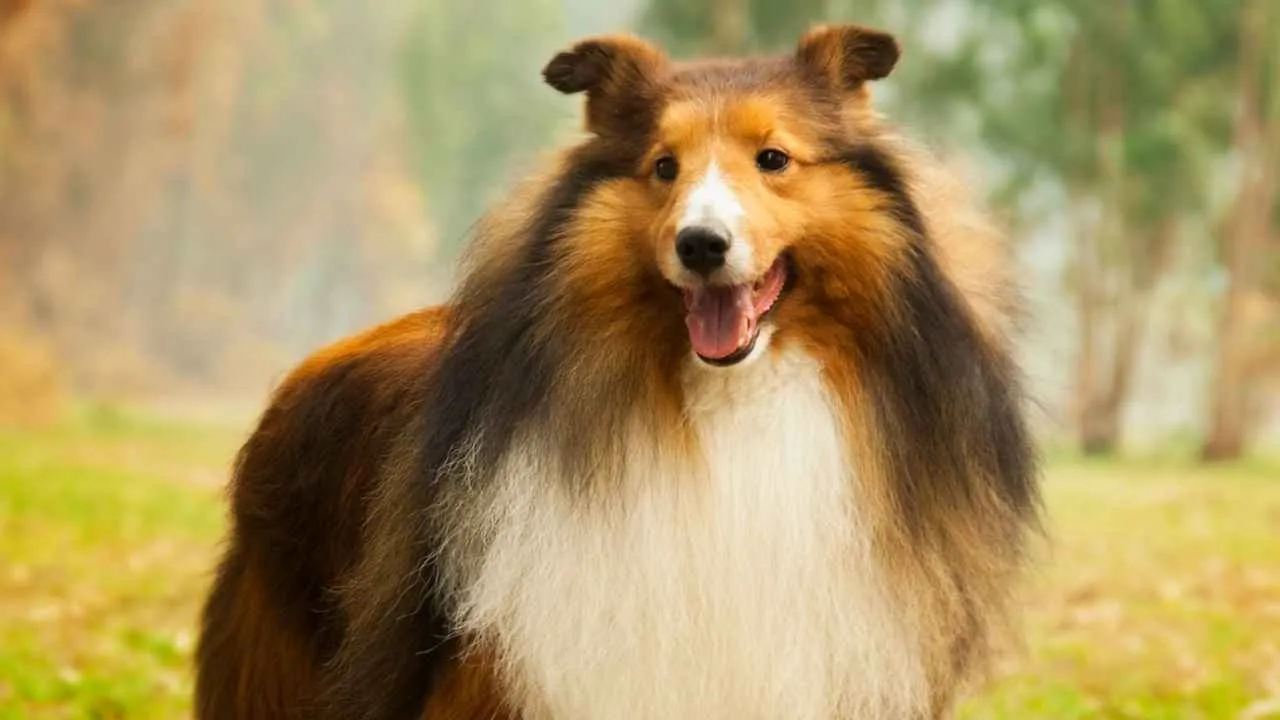
The Rough Collie is a standout among dog breeds with distinctive coat textures, admired for its flowing, luxurious double coat that moves gracefully with every stride.
This long, abundant outer coat is paired with a soft, insulating undercoat, giving the breed both elegance and practical protection against varying weather conditions.
The fur frames a refined, wedge-shaped head, enhancing the Collie’s noble and instantly recognizable appearance.
Known for their loyalty and affectionate nature, Rough Collies balance beauty with purpose. Their coat, while stunning, does require regular grooming to prevent tangles and maintain its healthy shine.
Unlike the shorter-coated Smooth Collie, the Rough Collie’s long hair creates a more dramatic and classic look, often associated with traditional herding dogs.
Despite their active background, these dogs adapt well to both countryside and city living, provided they receive daily exercise. Once indoors, they are calm and relaxed companions.
The Rough Collie’s coat is not just visually striking—it reflects the breed’s heritage, resilience, and timeless charm.
9. Boston Terrier
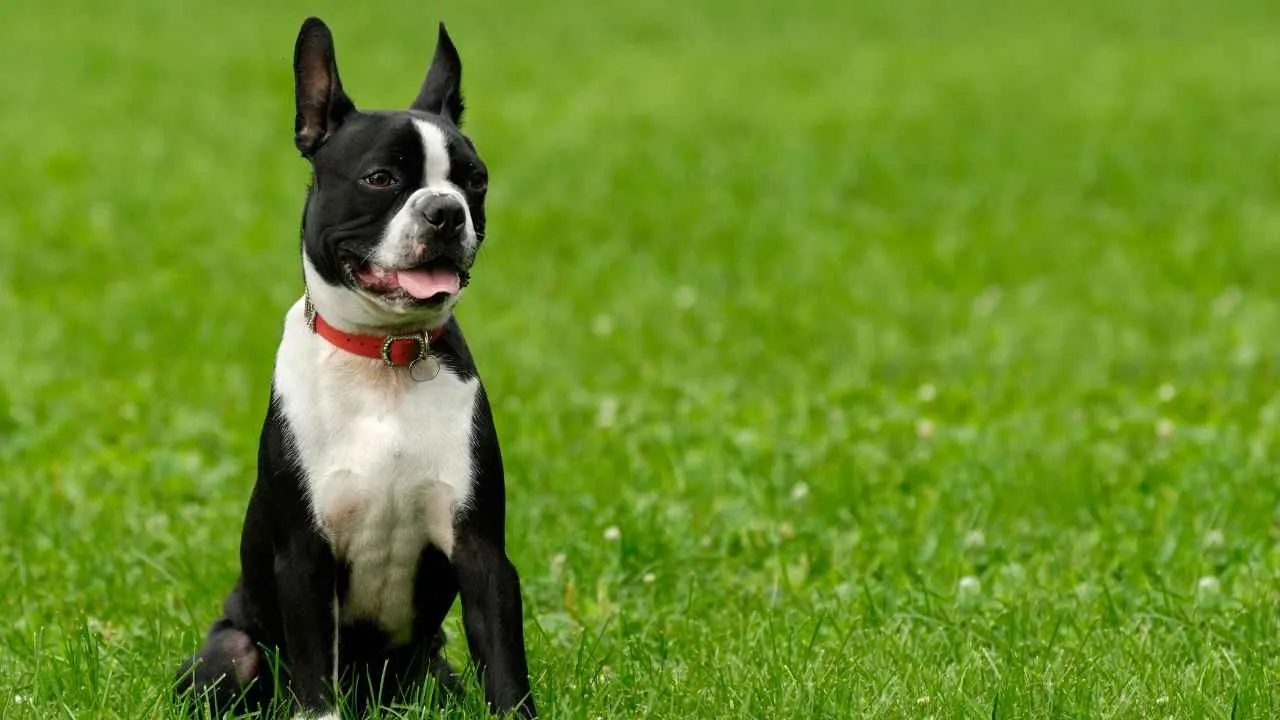
The Boston Terrier stands out among dog breeds with its distinctive coat textures for its sleek, fine, and naturally low-maintenance coat, as mentioned by Britannica.
This compact, terrier-like breed features a short muzzle, upright ears, and expressive dark eyes that give it an alert yet gentle expression.
Its coat is short, smooth, and closely fitted to the body, often displaying the characteristic “tuxedo” pattern in combinations of black, white, or brindle, with crisp white markings on the face, chest, neck, and legs that enhance its striking appearance.
Despite its refined look, the coat is highly practical. It sheds moderately but not excessively, making it relatively easy to maintain compared to longer or denser coat types.
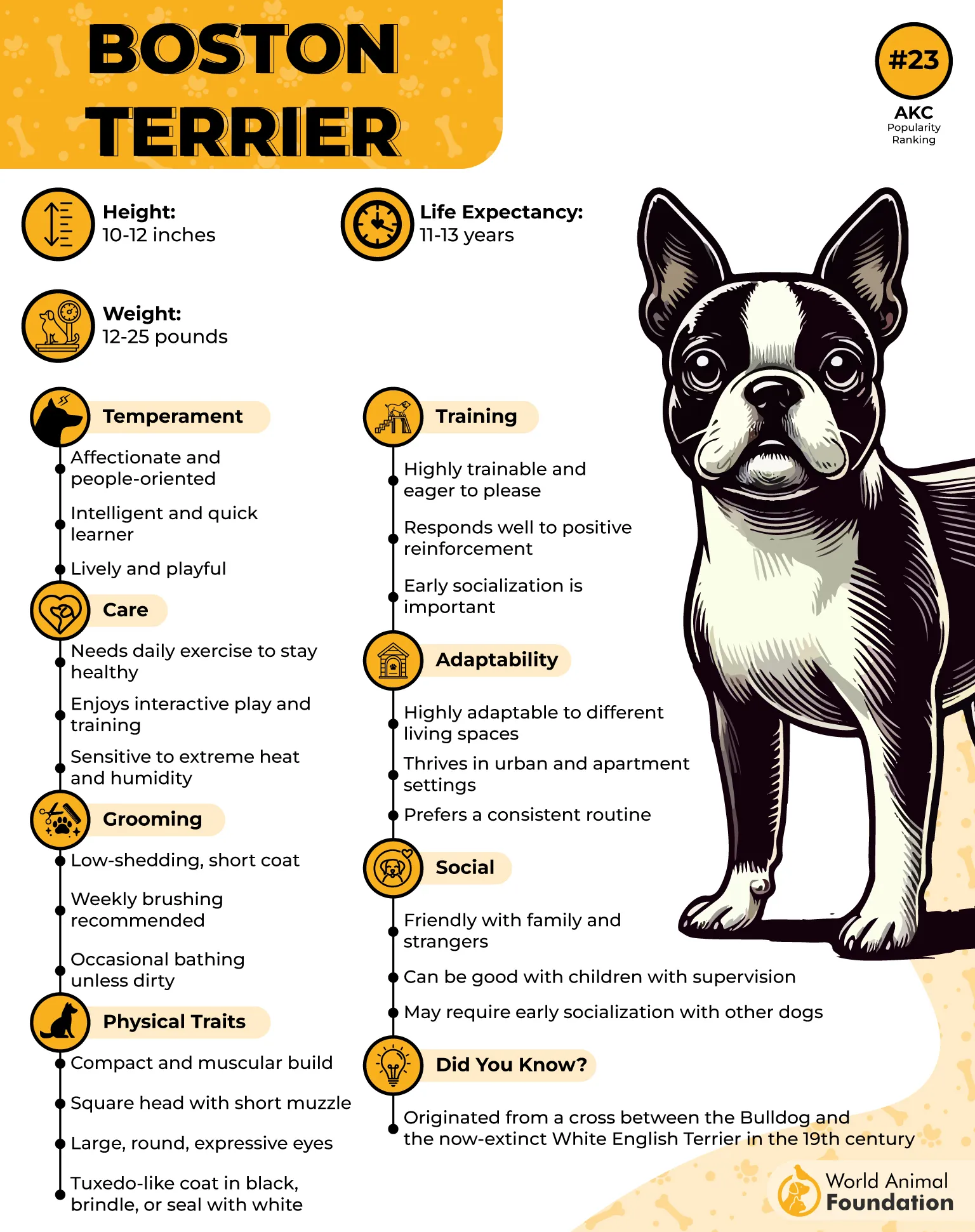
A simple weekly brushing is usually sufficient to remove loose hairs and keep the coat clean and healthy.
Beyond its texture and appearance, the Boston Terrier is known for its affectionate and even-tempered nature, making it a well-balanced companion. Its distinctive coat not only contributes to its charm but also reflects a blend of simplicity, elegance, and functionality.
10. Bedlington Terrier
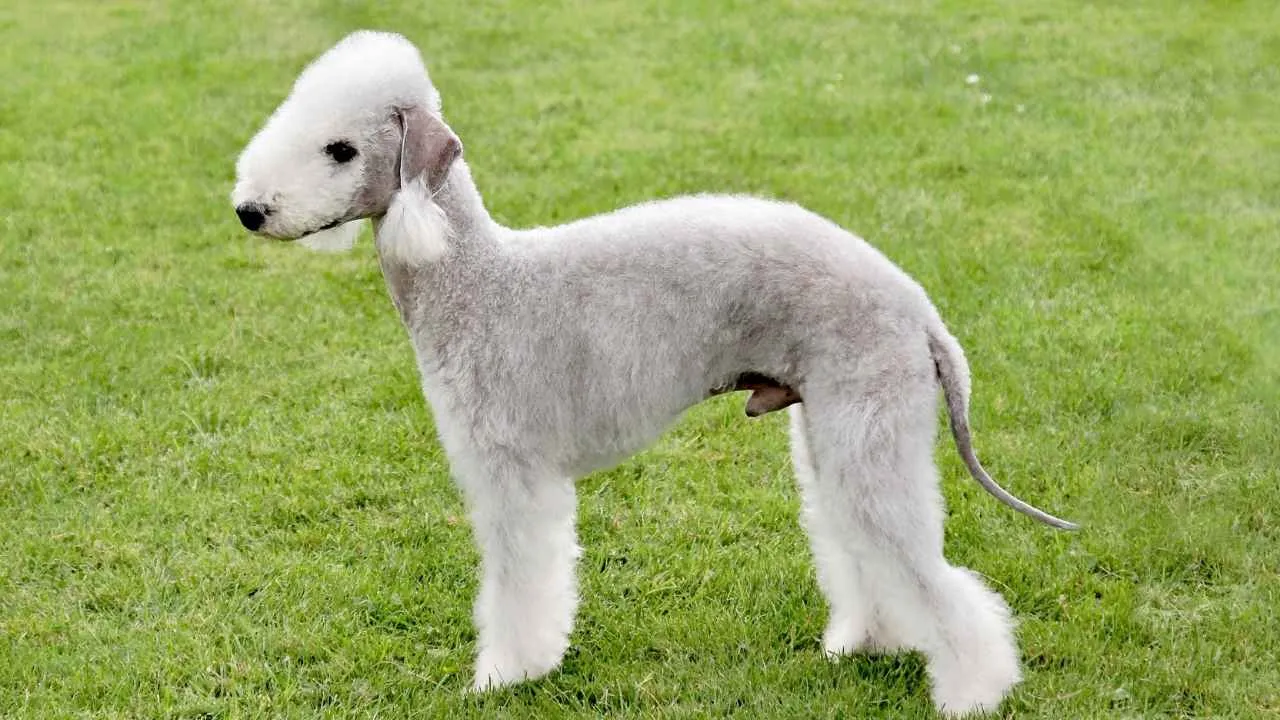
The Bedlington Terrier is a remarkable example of a breed celebrated for its truly distinctive coat texture, setting it apart in both appearance and feel.
Originating in 19th-century Northumberland, England, this breed was once valued for its strength and courage in hunting vermin, yet today it is equally admired as a companion dog with a unique, elegant look.
Its most striking feature is its dense, curly coat, which has a soft, linty texture unlike the coarse or silky coats seen in many other breeds.
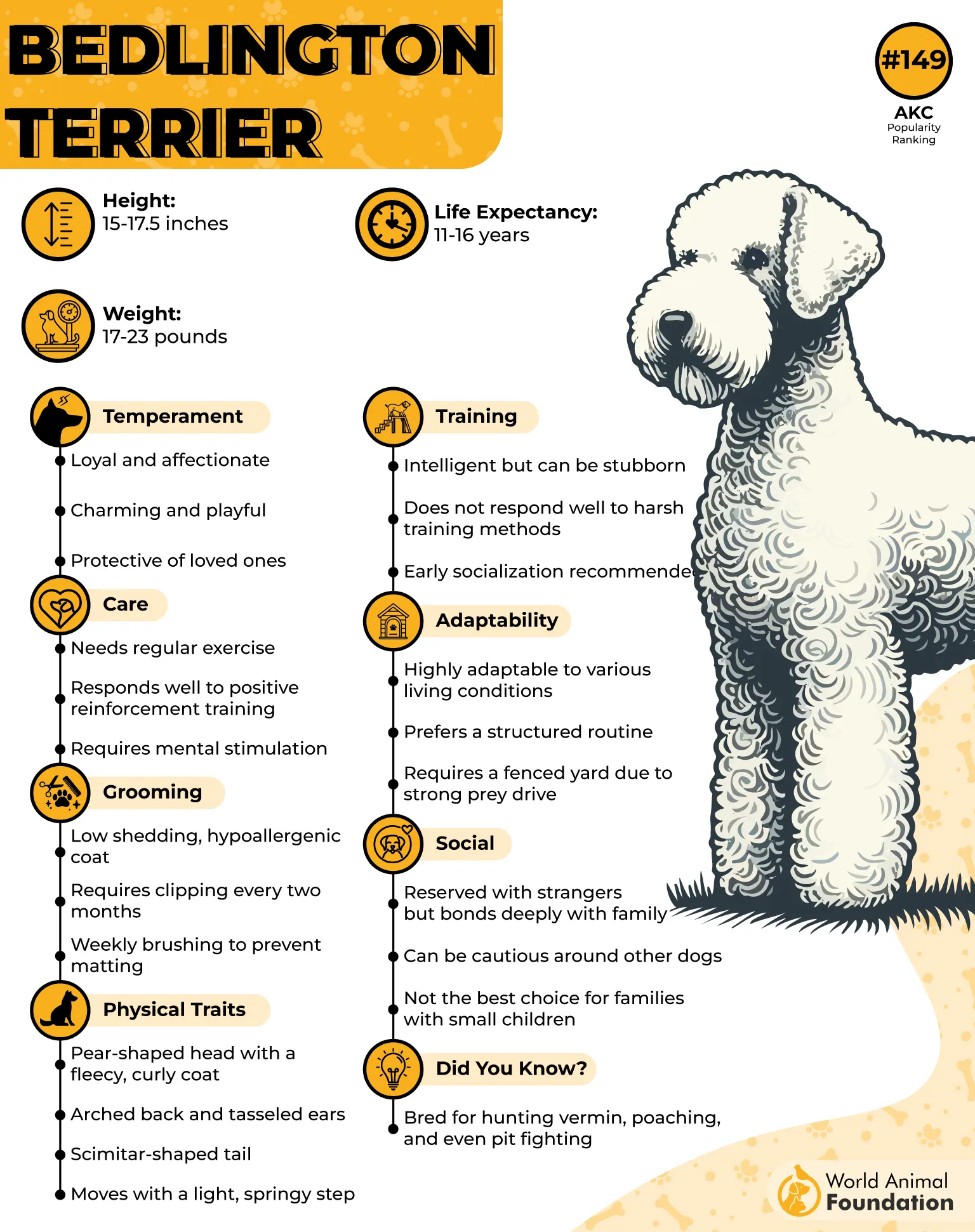
The coat gives the Bedlington Terrier its signature “lamb-like” appearance, complemented by an arched back, refined head shape, and a characteristic topknot of hair.
Coat colors typically include blue-gray, sandy, or reddish-brown, often accompanied by subtle tan markings.
While visually delicate, the coat is both functional and distinctive, requiring regular grooming to maintain its shape and prevent matting.
This combination of texture, form, and heritage makes the Bedlington Terrier a standout among breeds known for unique and expressive coat types.
Conclusion
Distinctive coat textures play a defining role in shaping a dog’s appearance, functionality, and care requirements. From tightly curled and corded coats to long, flowing, or sleek short fur, each type reflects a unique balance of beauty and purpose.
These variations influence grooming routines, shedding patterns, and adaptability to different environments.
Understanding coat characteristics helps owners make informed decisions about maintenance and lifestyle compatibility.
Ultimately, a dog’s coat is more than just an aesthetic trait—it is an essential feature that highlights the diversity, adaptability, and remarkable design found across canine companions.
