




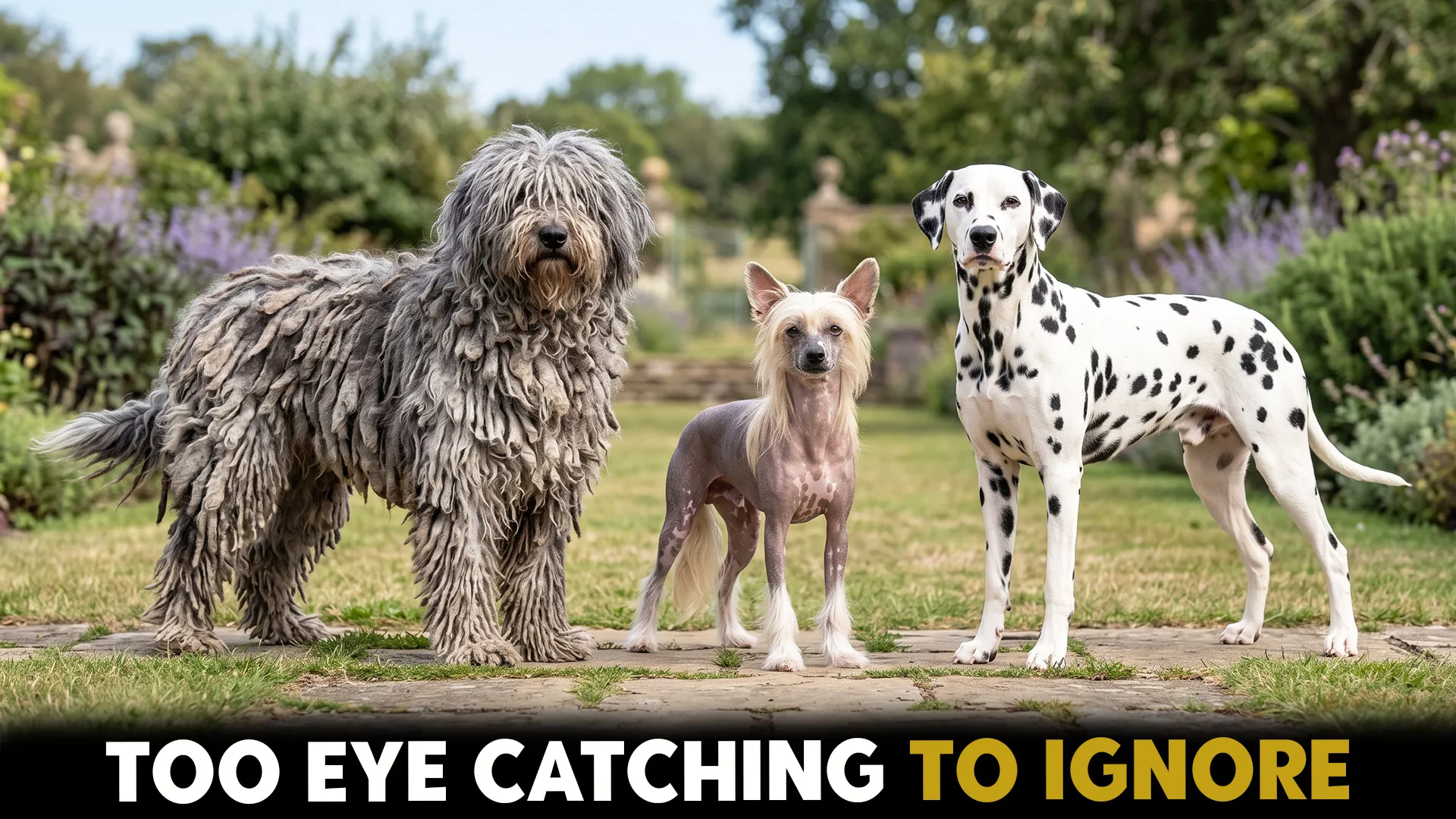
A dog’s coat can tell you surprisingly much about its history. Some coverings evolved for harsh climates, while others helped working animals move through rough terrain. A few make a breed impossible to mistake for anything else.
These top dog breeds with distinctive coat characteristics showcase everything from natural cords and felted mats to spots, curls, and flowing hair. If you love unique coats, this collection brings together some of the most fascinating dog breeds in the canine world.
Whether you are looking for an athletic working partner or a loyal family dog, learning about these coats gives you a window into how each breed developed its remarkable traits over time.
Top Dog Breeds With Distinctive Coat Characteristics
1. Komondor
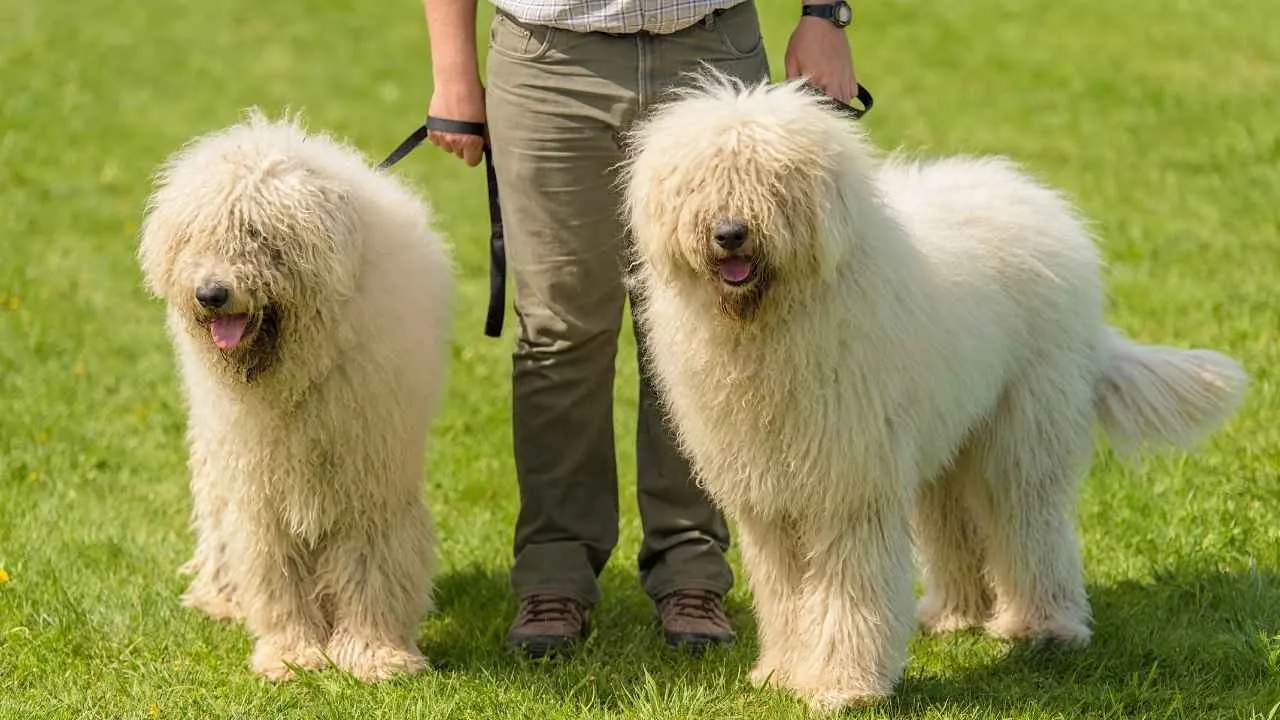
Komondor is a massive white gentle giant draped in what looks like a heavy-duty set of floor-length ropes. This Hungarian livestock guardian is known for its unusual coat, developed alongside its working role to protect livestock from predators and harsh weather conditions.
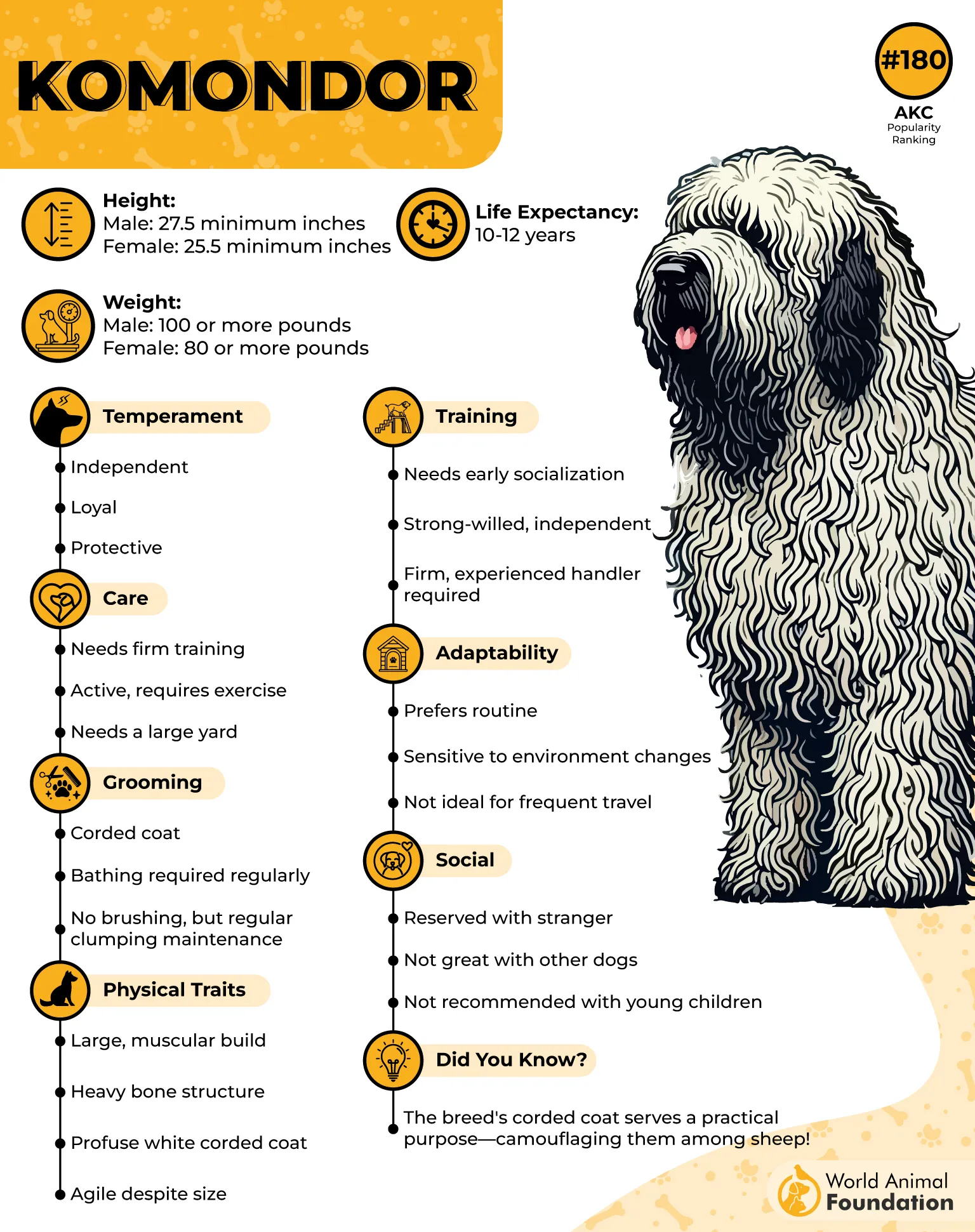
Their coat consists of a soft underlayer and a coarse outer coat that gradually forms cords. This structure provided useful protection against cold weather and helped shield the dog while working around livestock.
Beneath that commanding presence lies a serious, protective nature and deep devotion to their family. Although their look might remind you of a giant mop, their temperament is much more purposeful.
The American Kennel Club highlights that these herding dogs were bred to watch over flocks rather than simply follow instructions, so an independent attitude is part of their character.
Care Tips
Their cords need careful handling to prevent them from joining into large mats. Regular inspection, separation of the strands, bathing, and thorough drying are all part of responsible grooming. Owners should also maintain cleanliness between the cords because dirt and moisture can become trapped inside.
2. Puli

If you like the dreadlocked look but want it wrapped in a compact, energetic package, meet the Puli. This Hungarian herding dog is covered in dense strands that create a silhouette unlike almost any other breed. Their coat can appear black, white, gray, or various shades of fawn.
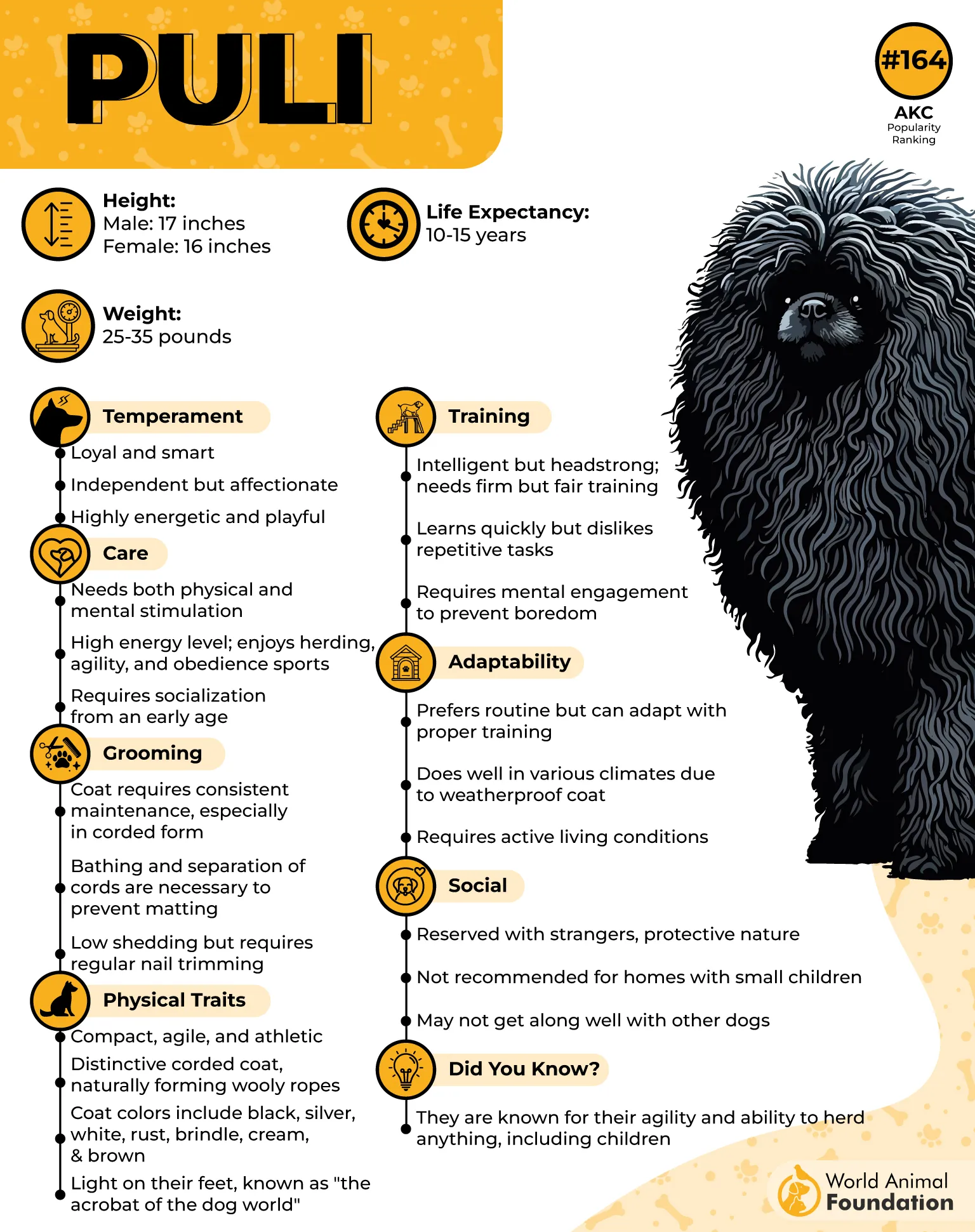
Beneath those dramatic cords is a nimble working dog developed to move livestock efficiently across the countryside. Pulis are intelligent, alert, and naturally active. These traits made them valuable working companions and keep their lively personality obvious today. Omlet mentions that they can be good watchdogs and bark when they notice something off.
That combination of brains and enthusiasm means they appreciate regular training and opportunities to stay busy. Their unusual coat may grab attention first, but their clever nature quickly becomes just as memorable.
Care Tips
The developing cords need to be separated by hand, so they form properly. Owners should check the coat regularly for debris and unwanted matting. After bathing, the dense strands need plenty of time to dry completely.
3. Afghan Hound
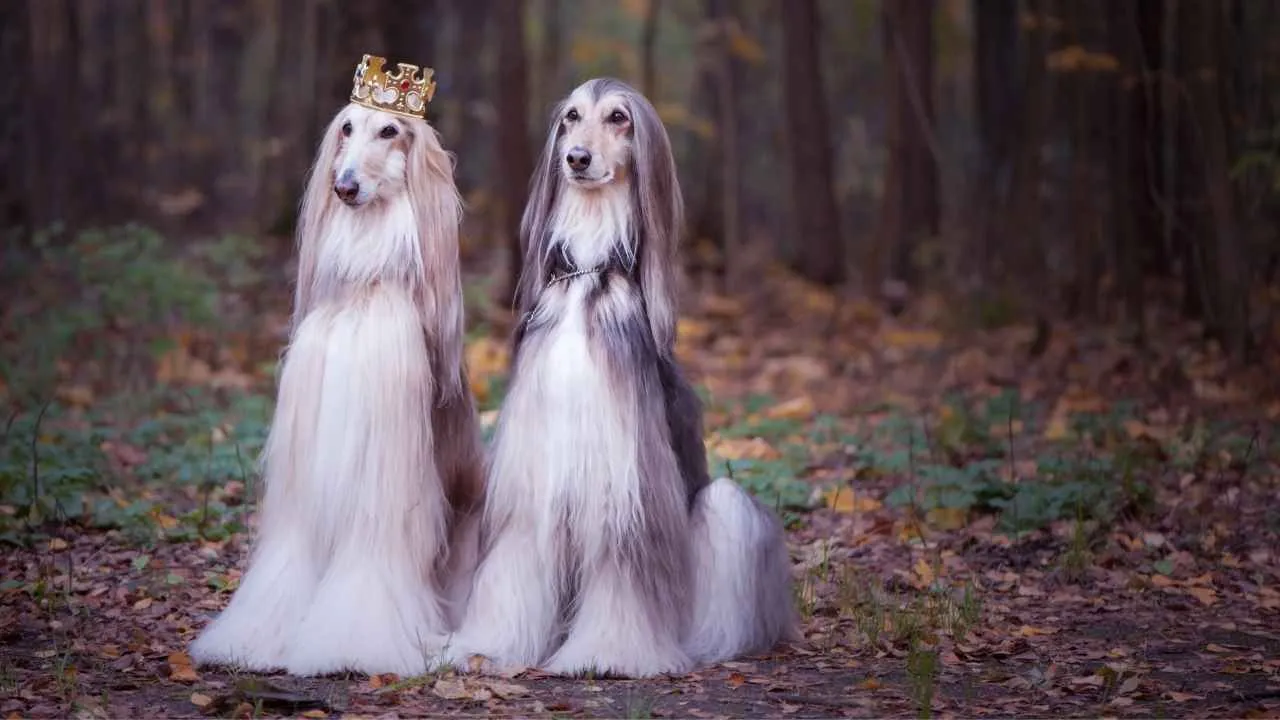
High fashion meets runway elegance in the world of the Afghan Hound. Few coats create such an elegant outline, with long, silky dog hair flowing from the ears, body, legs, and tail. This gives the sighthound an unmistakable presence.
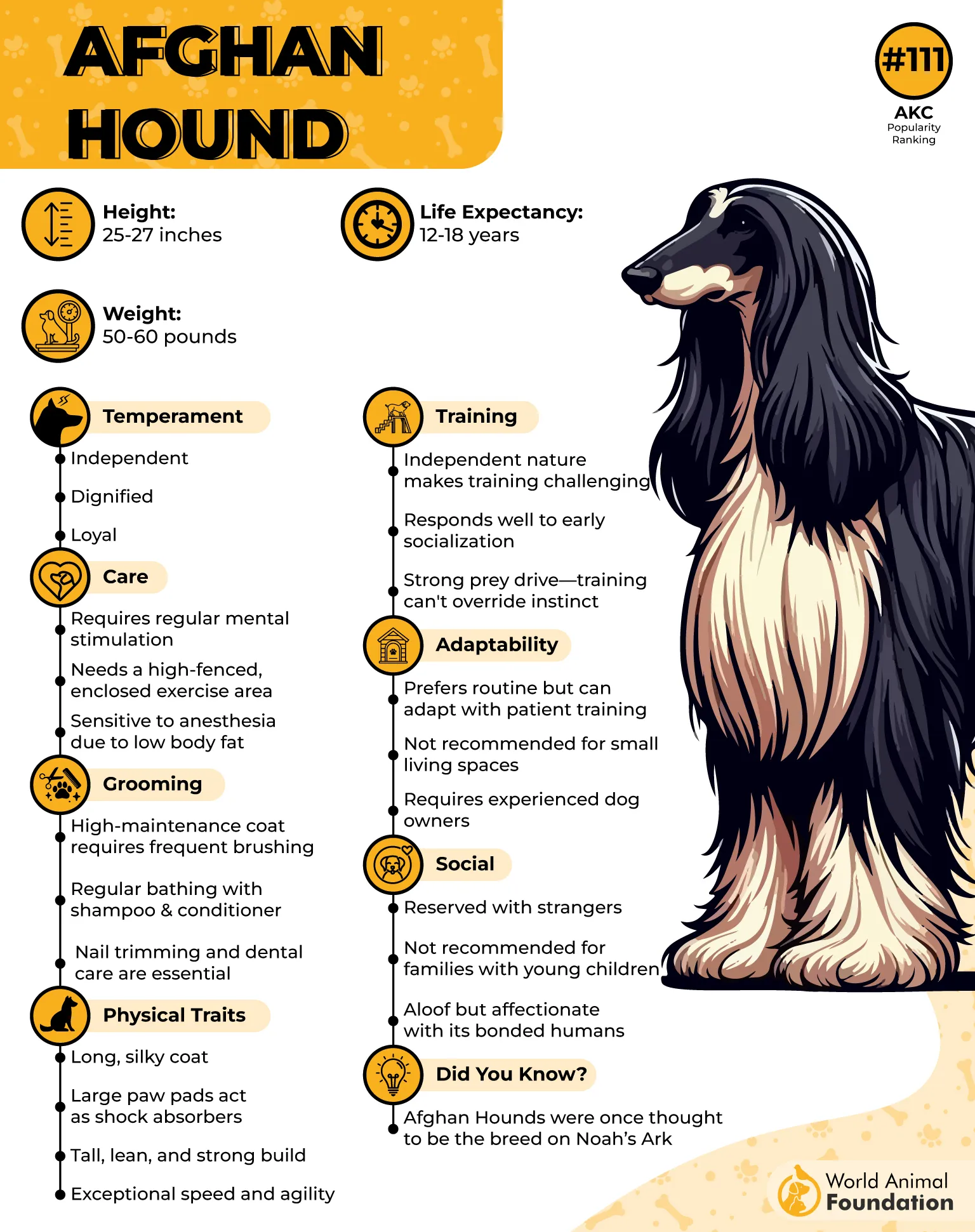
Their luxurious covering developed in the mountainous regions of Afghanistan, where protection from demanding weather was important. This flowing hair profile is very different from the smooth coat seen on many short-haired hunting dogs. Yet this graceful silhouette hides a remarkably athletic animal originally developed to pursue game across challenging terrain.
According to Purina, they carry an independent streak and a striking attitude. Their calm elegance can quickly give way to impressive speed when they decide it is time to move.
Care Tips
The long hair needs regular brushing to prevent tangles, especially around the ears, legs, and body. Gentle handling helps preserve its natural texture and length. Routine bathing and professional grooming can also help keep the coat manageable.
4. Bergamasco Sheepdog
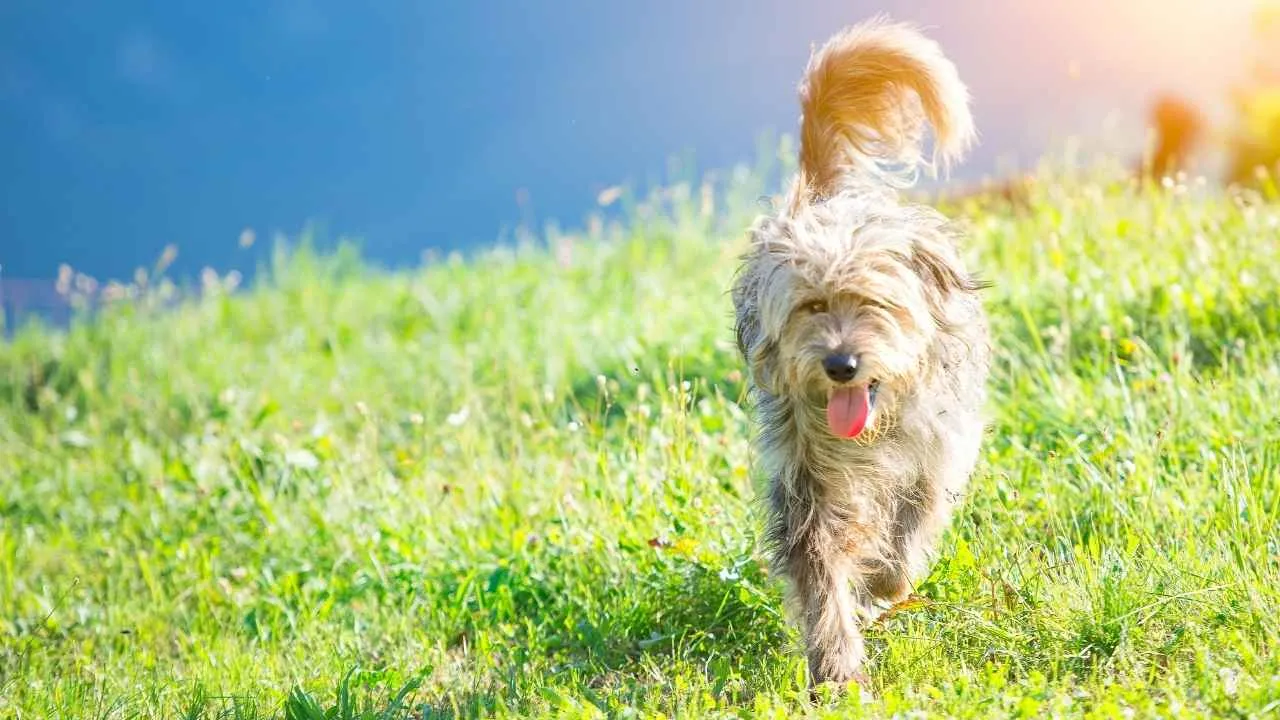
Forget silky strands or mop cords; the Bergamasco Sheepdog rocks an alpine jacket made entirely of flat, woven armor. Instead of flowing strands or ordinary fur, this Italian working dog develops flat, felt-like mats known as flocks.
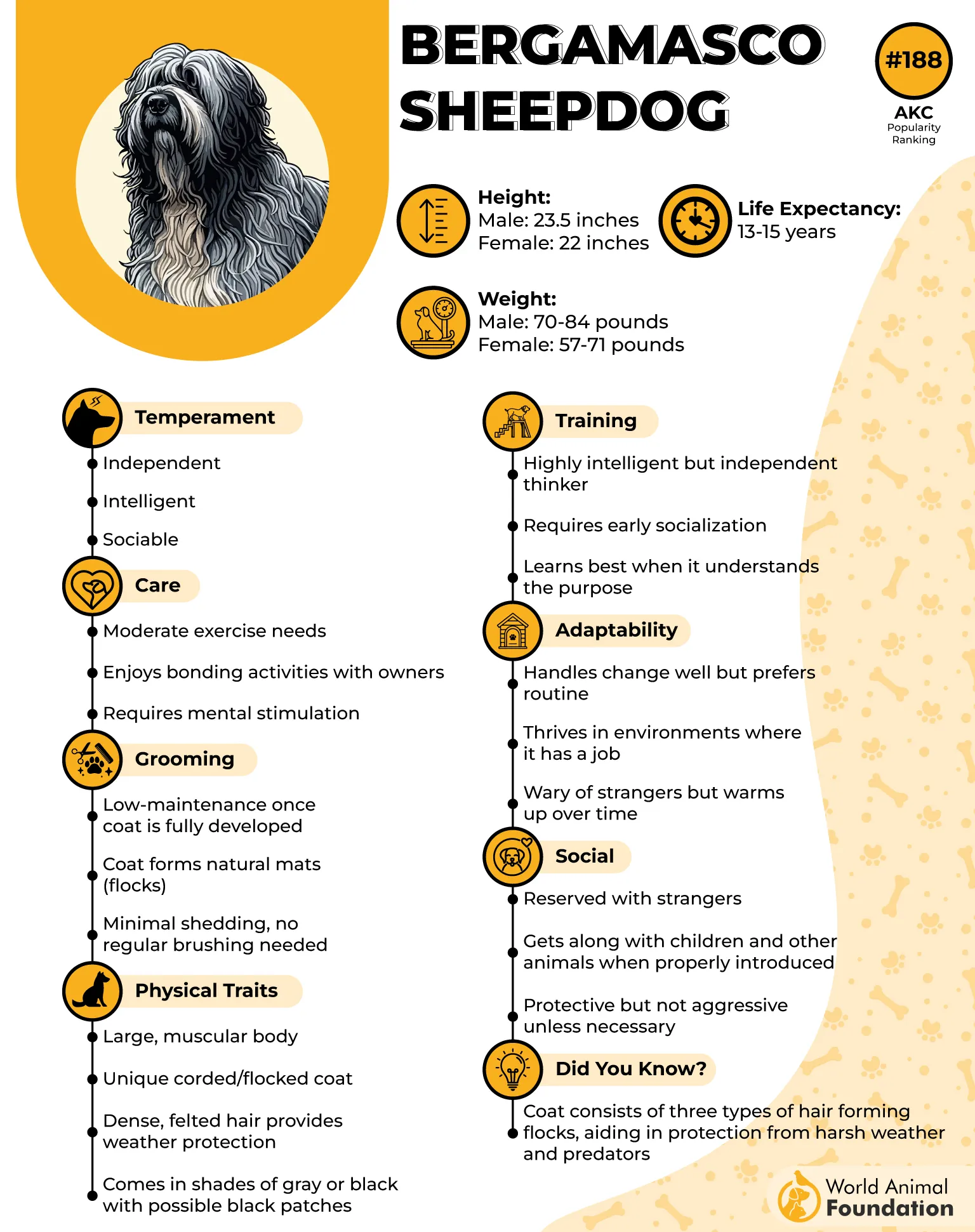
Its unusual covering contains three layers that combine as the dog matures. The result is a rough outer texture that helps protect the breed from cold temperatures and challenging alpine conditions. The Bergamasco was developed for herding, so working with livestock is woven into its history.
Beneath the shaggy exterior is an attentive, strong, and capable worker with a calm disposition. Their unusual coat is part of what makes them so interesting, but their working abilities deserve equal attention. They form close bonds with their people and respond well to thoughtful interaction.
Care Tips
The coat should not be treated like ordinary fur. As the flocks develop, owners need to separate and monitor them rather than aggressively brushing them apart. Regular checks help keep the mats clean and free from excess moisture or debris.
5. Chinese Crested

Who says a great coat has to cover the whole body? The Chinese Crested breaks all the rules by demonstrating that a distinctive coat does not have to be an all-or-nothing affair.
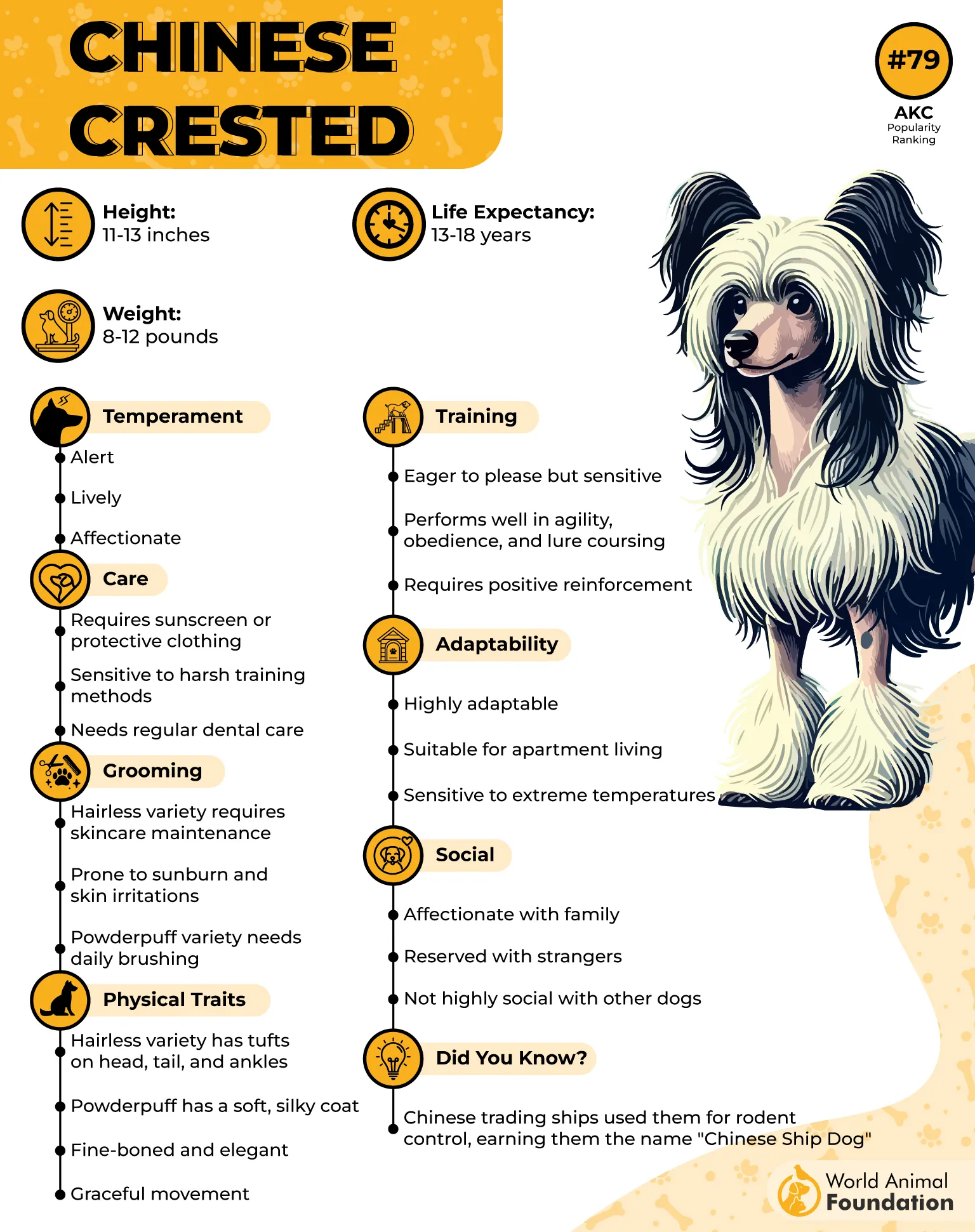
The Hairless variety carries exposed skin across much of the body, with silky hair decorating the head, feet, and tail. Meanwhile, the Powderpuff variety looks completely different, carrying a soft covering over the whole body. This contrast makes the breed especially interesting for anyone fascinated by hairless dogs.
Despite their unusual appearance, Chinese Cresteds are affectionate, charming, and lively companions. They tend to stay close to their people and bring plenty of warmth into a household. Their small frame does not stop them from being curious and eager to participate in everyday life, where human companionship is essential to their routine.
Care Tips
Hairless individuals need attention to exposed skin, including protection from excessive sun and cold conditions. The Powderpuff variety benefits from regular brushing to prevent knots. Both varieties need routine nail, dental, and ear care.
6. Dalmatian
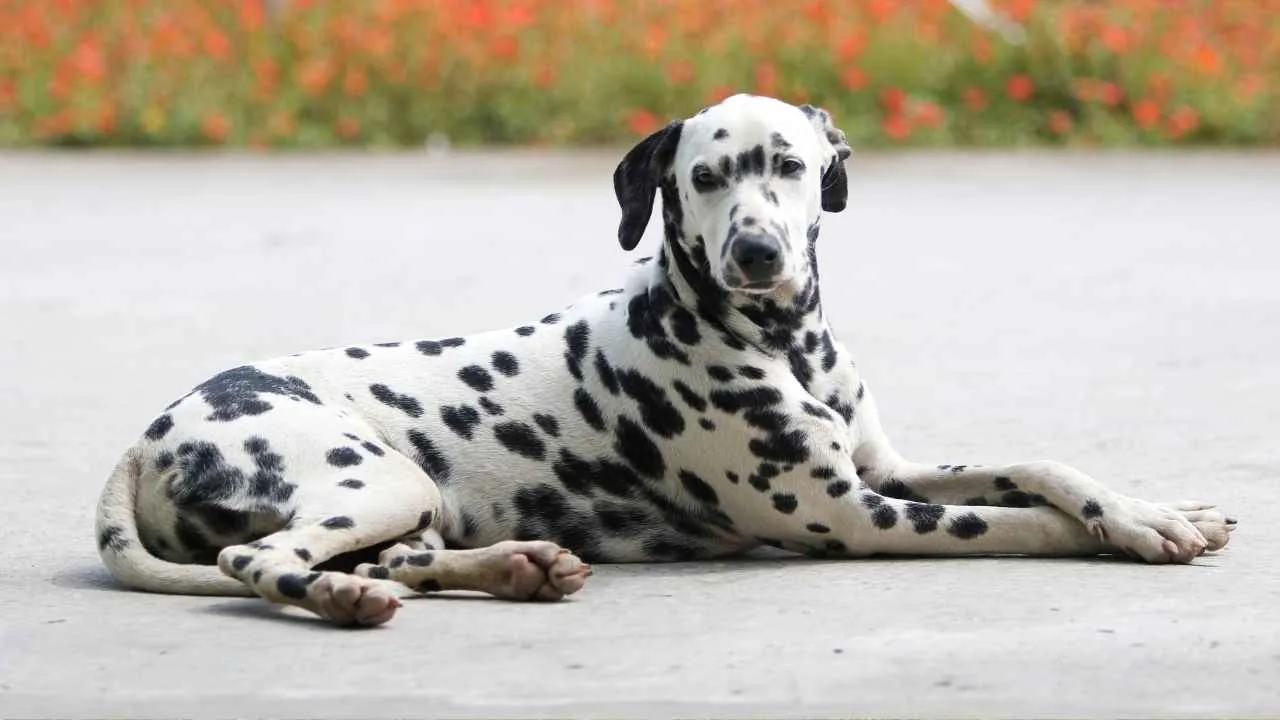
You know this iconic look the second it walks into a room. A white coat scattered with bold spots makes Dalmatians instantly recognizable. Puppies arrive with plain white coats, developing their distinctive markings as they mature.
The spots can be black or brown (liver), creating individual patterns that give every dog a slightly different look. This keeps them among the most visually memorable popular breeds. But there is far more to these dogs than their markings.
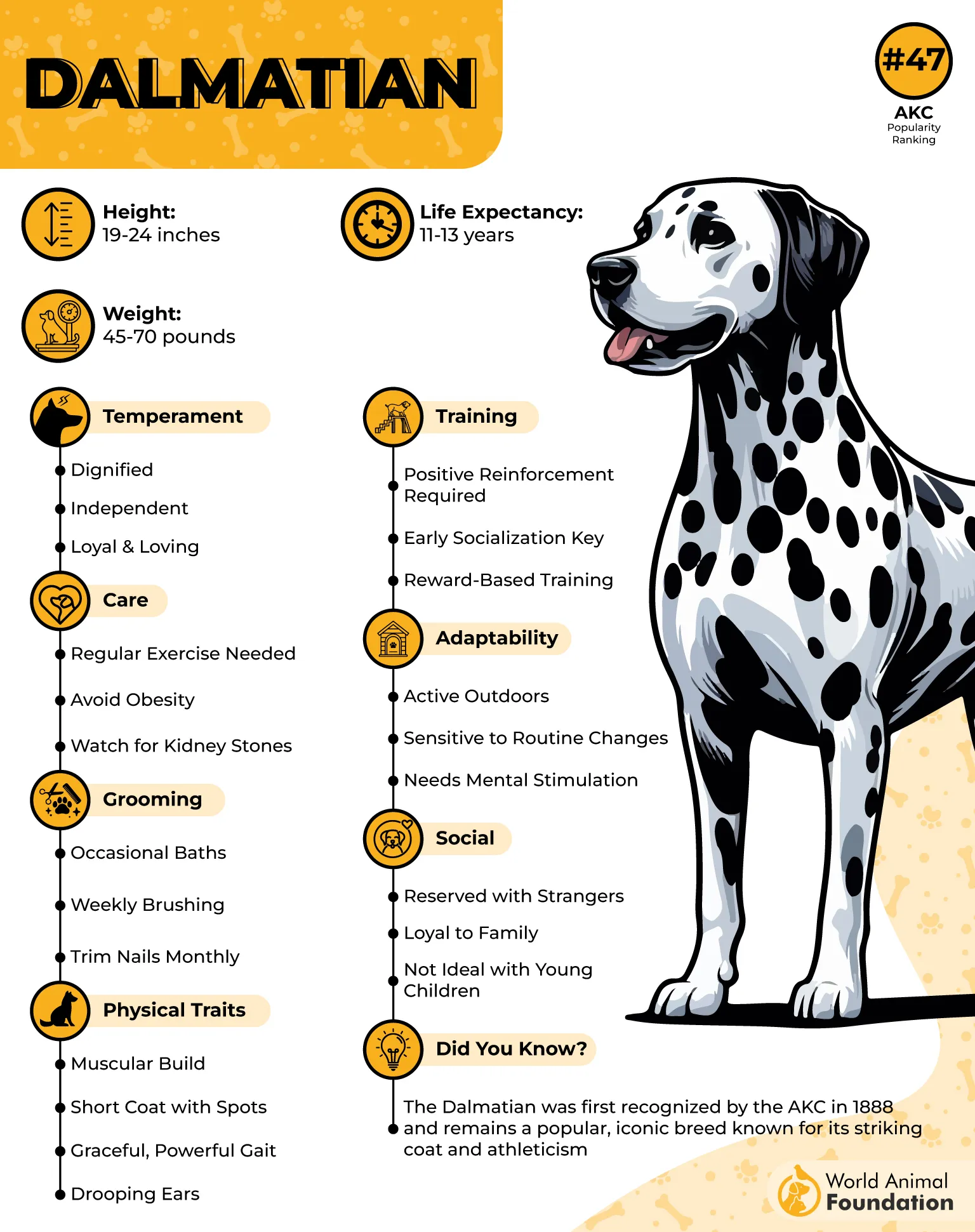
PetMD highlights that Dalmatians have a history connected to carriage work and long-distance travel, which helped shape their stamina and active nature. Their build and character mean they appreciate movement and mental stimulation. While a Dalmatian standing proudly beside you might look polished, this is a dog built for action and well suited for active families.
Care Tips
Their short coat is simple to manage compared with long-haired varieties, although they shed regularly. Brushing helps collect loose hair before it spreads around the home. Routine bathing, nail care, dental hygiene, and veterinary visits round out their maintenance.
7. Bedlington Terrier
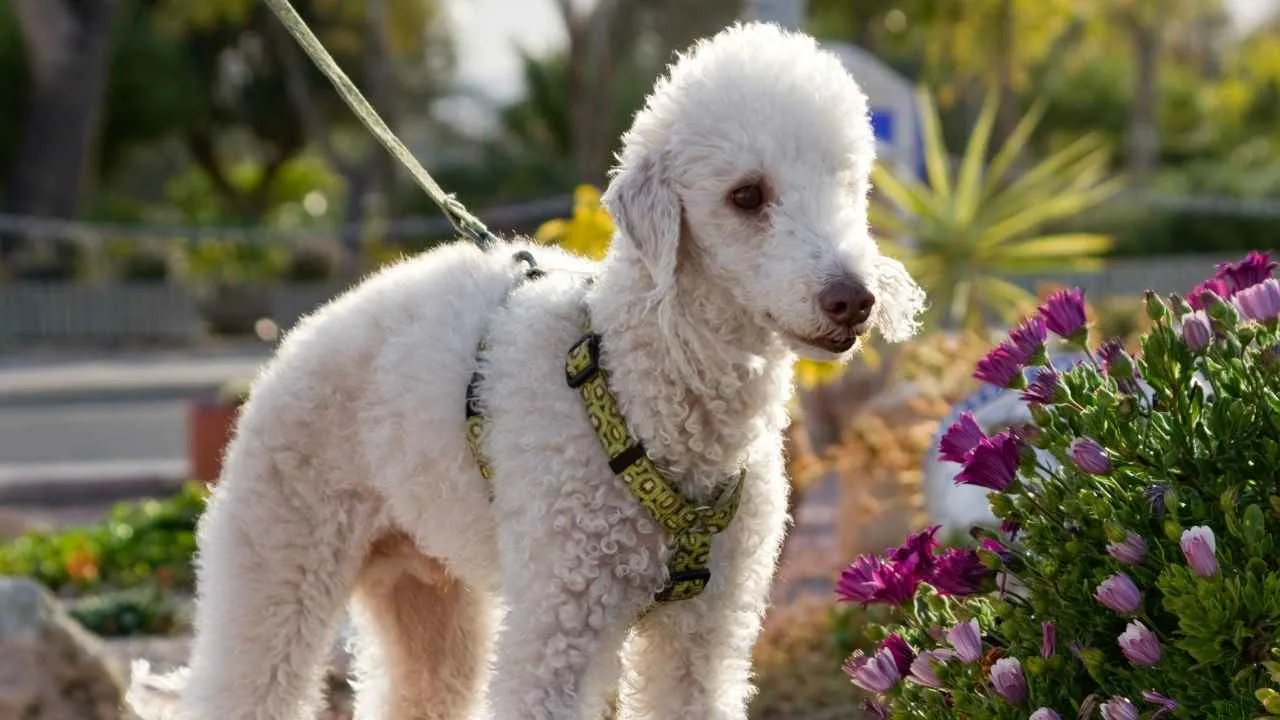
Step into the ring with a canine that looks like it wandered straight out of a pastoral fairy tale. The Bedlington Terrier has one of the most charming coat textures in the terrier group. It features a soft, curly coat and a distinctive topknot that makes this dog look remarkably similar to a little lamb.
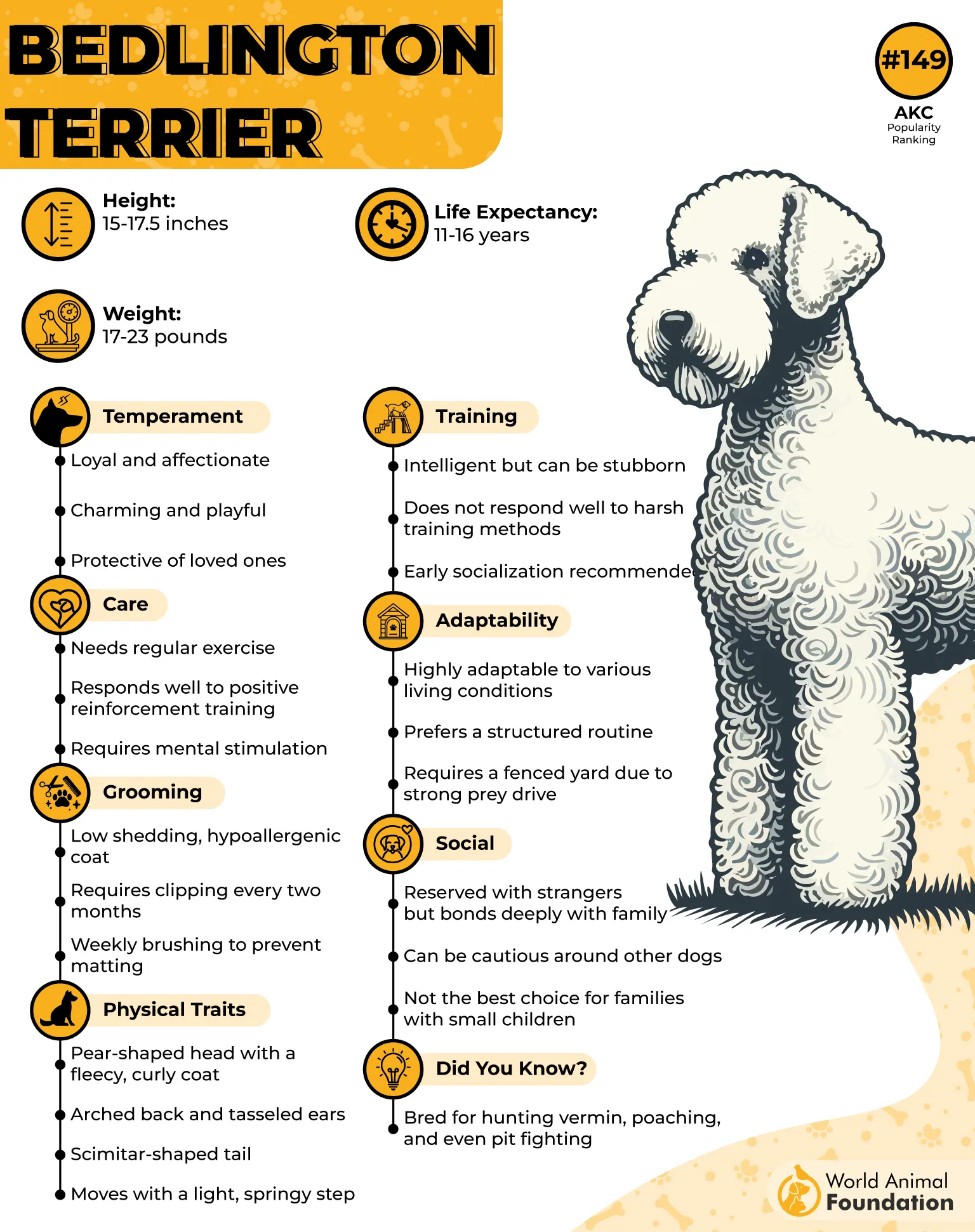
Their coat appears in colors such as blue, sandy, and liver, with some individuals carrying tan markings. This soft texture and unusual head shape give the breed a refined beauty that stands apart from many working terriers.
However, their sweet face does not erase their working heritage. Bedlington Terriers were bred for active work and retain an alert, spirited nature. They are loyal and affectionate with their families, bringing a lively presence into the home. Their athletic abilities are easy to underestimate due to their small size.
Care Tips
The coat grows continuously and needs regular professional trimming to preserve its characteristic shape. Brushing helps prevent knots, particularly around the topknot and body. Owners should also monitor the ears, nails, teeth, and skin during routine care.
8. Wire Fox Terrier
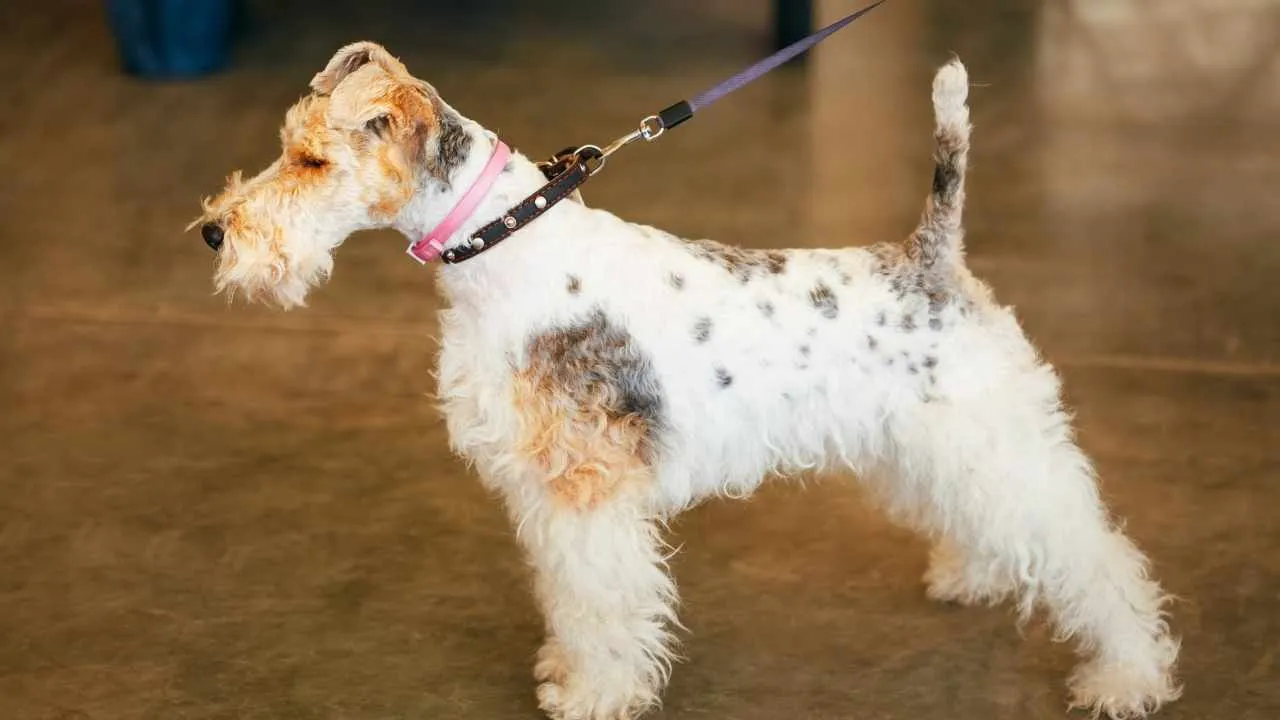
The Wire Fox Terrier looks as though it stepped outside on a breezy day and kept the tousled style. It uses a dense, wiry covering to create the classic rough coat associated with this variety.
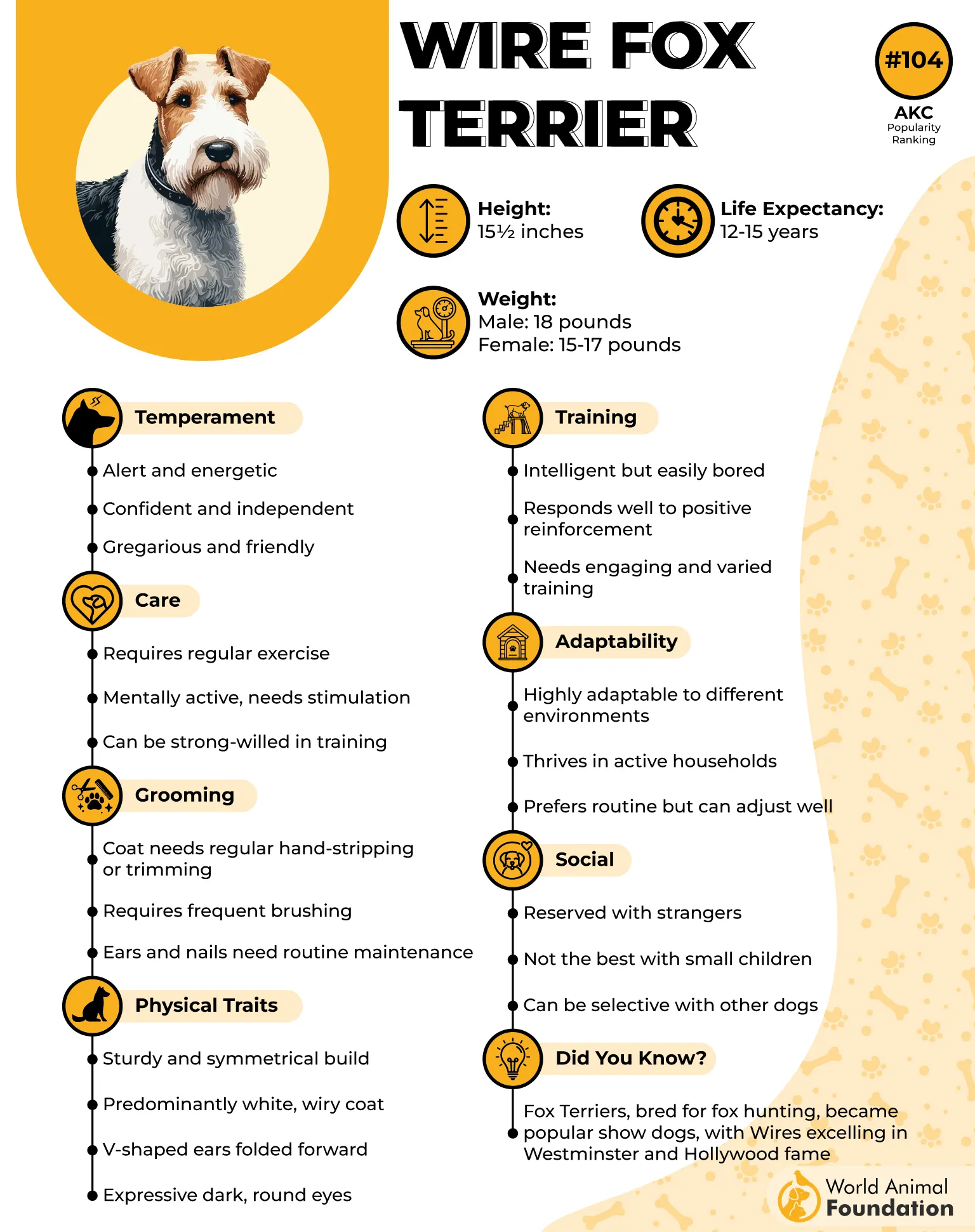
This rough texture was useful for a working terrier that needed protection while moving through challenging terrain. Its compact body, alert expression, and wiry hair create a particularly striking combination.
This breed is playful, curious, and confident. Their lively attitude can keep a household entertained, but their clever nature means they benefit from consistent boundaries and purposeful activities. They are not simply decorative little terriers. Their history as active working dogs shows in their stamina, curiosity, and enthusiasm for exploring their surroundings.
Care Tips
Regular grooming helps preserve the characteristic wiry texture. Traditional hand-stripping is used to maintain proper coat quality, although individual routines differ. Brushing removes loose debris and helps keep the coat tidy.
9. Curly-Coated Retriever
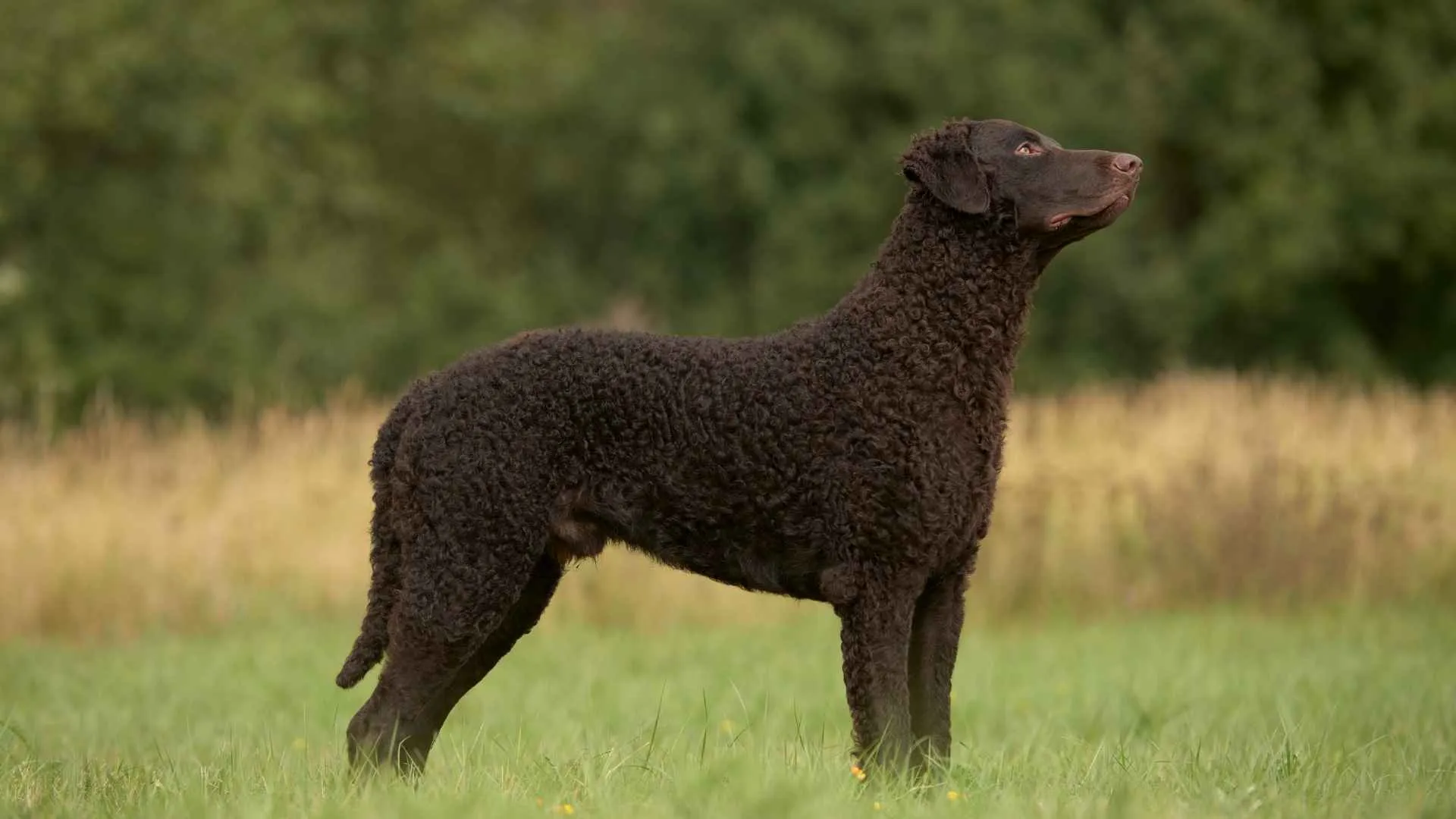
Closing out our lineup is a sporting companion covered head-to-tail in a washboard of tight, waterproof rings. The Curly-Coated Retriever finishes this collection with a coat made of tight, springy curls. These give them an unmistakable silhouette while reflecting their history as hardworking retrieving dogs.
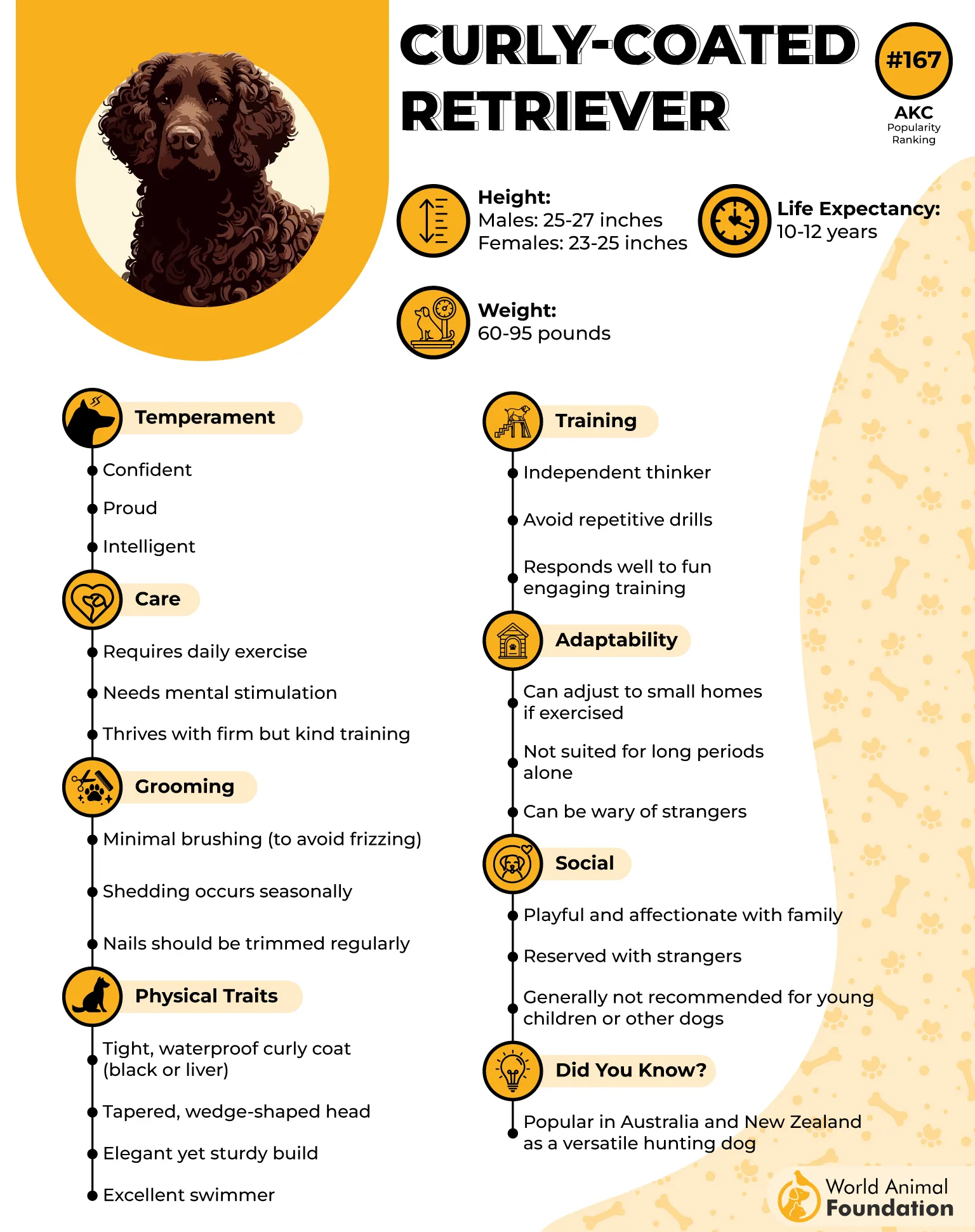
The thick curls cover most of the body but become shorter around the face and front of the legs. They appear in black or liver, creating a polished look without elaborate styling.
Developed to work in demanding conditions, including retrieving from water, their protective coat offered useful coverage against cold environments and rough vegetation. Beneath that unusual coat is a confident, athletic worker.
They are intelligent, active, and capable of forming a devoted relationship with their household. Their personality suits people who appreciate a companion with both character and stamina.
Care Tips
Their coat generally needs less intensive attention than long, flowing varieties. Occasional brushing helps remove loose hair and debris without disturbing the natural curl pattern. Regular ear, nail, dental, and skin checks should remain part of their routine.
Conclusion
From the Komondor’s dramatic cords to the Dalmatian’s spots, these dog breeds demonstrate just how varied canine coats can be. Each texture, marking, or pattern connects to genetics, environment, and original working roles.
Some require hands-on coat maintenance, while others need little more than basic grooming to stay clean. Either way, their unusual coverings add another layer of personality to these fascinating four-legged friends.
Before choosing one as a family dog, look beyond appearance. A distinctive coat might catch your eye, but understanding the dog behind it helps you find a companion whose needs genuinely match your lifestyle.
