




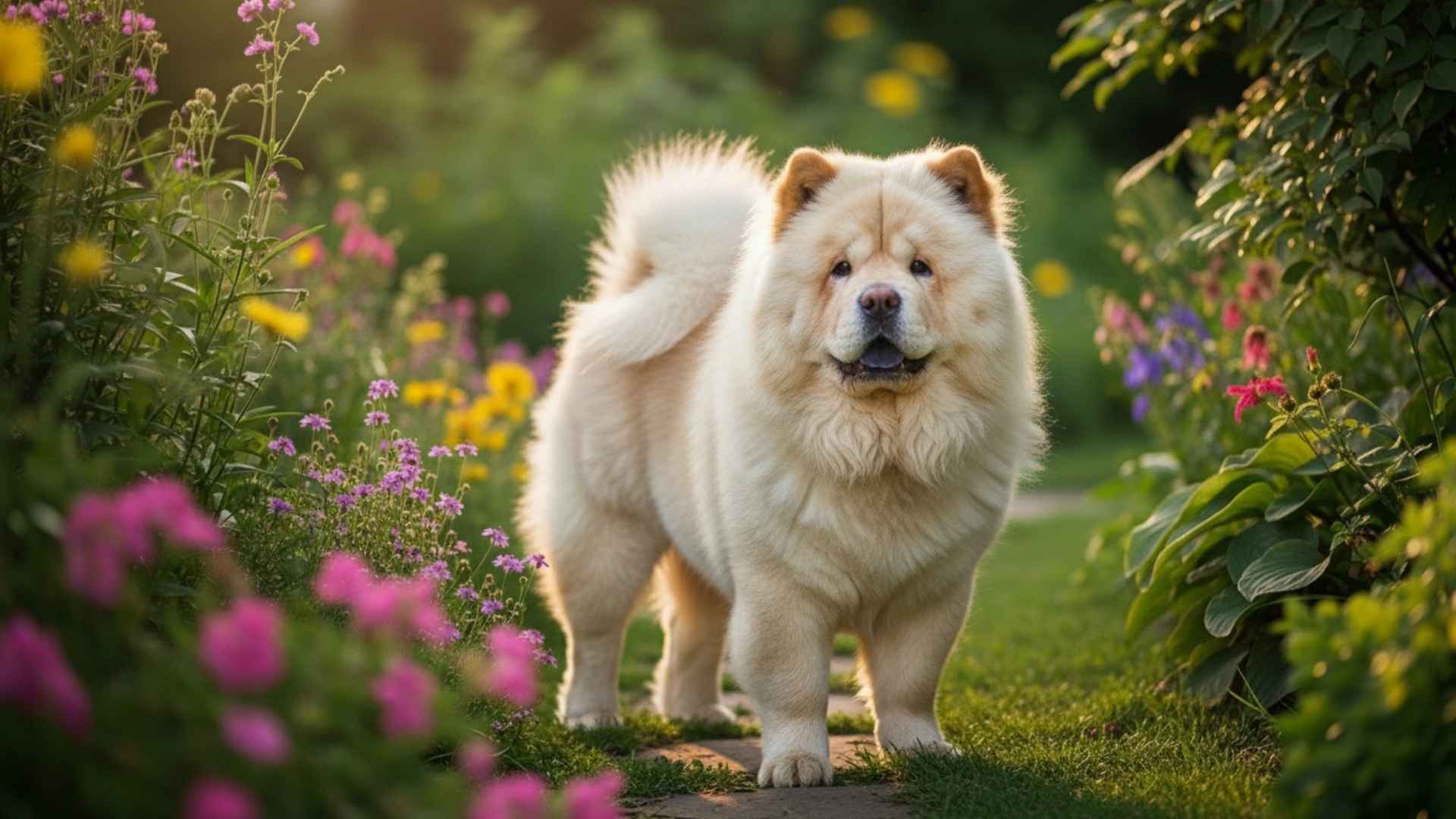
There’s something undeniably charming about dogs with cream-colored coats. Soft shades of ivory, pale beige, and warm champagne seem to glow in the sunlight, giving these pups an elegant, cuddly, and sometimes even regal appearance. Depending on the breed, a creamy coat can make a dog look refined and graceful, or irresistibly snuggly.
While coat color may catch your eye first, it’s important to remember that a dog is much more than its appearance. Temperament, grooming needs, energy level, and overall health should always play a bigger role in choosing the right companion. A beautiful coat is a bonus, but personality and lifestyle compatibility truly matter most.
Cream coats appear across a wide range of breeds, from tiny lap dogs to hardworking, active companions. In some breeds, cream is a signature color; in others, it’s a recognized and equally stunning variation.
Let’s explore seven dog breeds known for their beautiful cream-colored coats, each with unique traits that can brighten any home.
Dog Breeds with Cream Colored Coats: A Complete Guide
1. Miniature Poodle
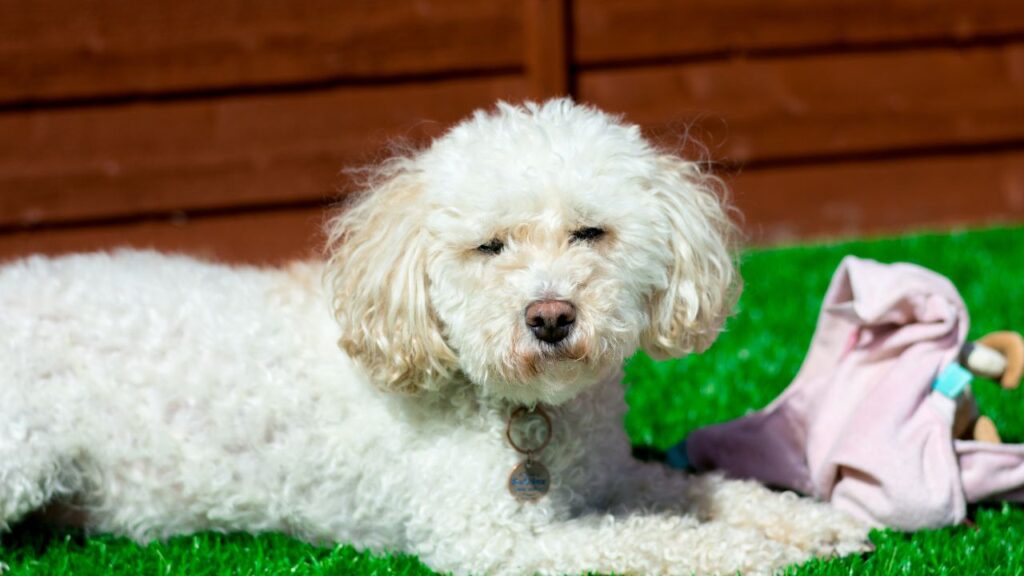
The Miniature Poodle is greatly liked because of its smartness and elegant appearance. Though commonly paired with a solid black and tan coloration or white, cream is another color commonly known and a popular one among this breed.
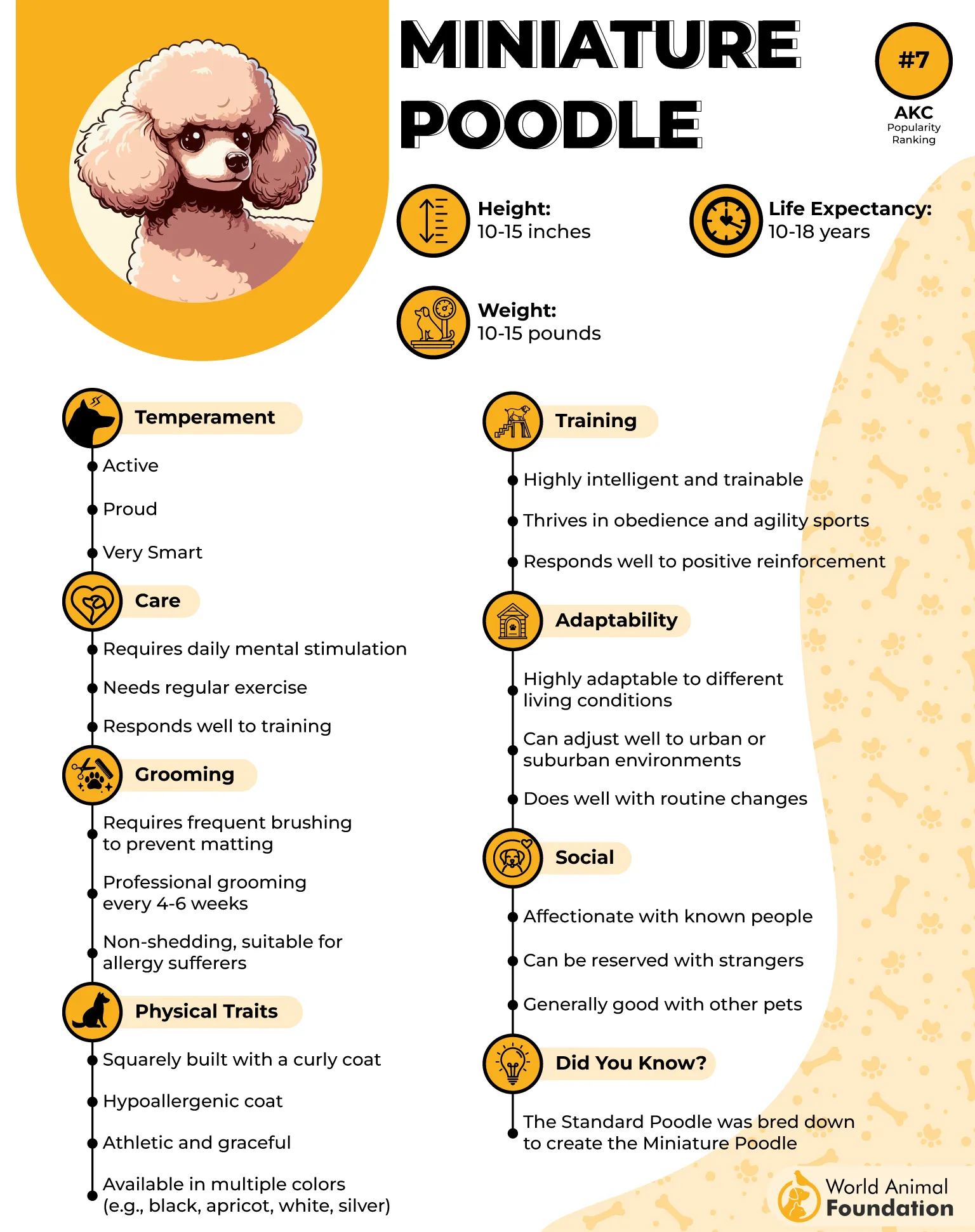
As per the dog breed requirements, Miniature Poodles have a weight of 10-15 pounds and have a curly and hypoallergenic coat.
Coat and Appearance
The Poodle breeds have dense-haired curls that need to be groomed frequently. They do not shed heavily, and that is why they are among the most popular dog breeds that are best for households that have allergies. Nevertheless, matting should be avoided by regular trimming and brushing.
Temperament and Lifestyle
According to Chewy, miniature poodles are highly intelligent, easy to please, and excellent companions when it comes to obedience and agility. They develop well in the kind of homes that are mentally stimulating and interactive to a playful personality.
Due to their flexibility, they can be kept in apartments and houses as long as they are given little exercise every day.
Care Considerations
Their grooming should be done regularly. Mental stimulation stands on the same level as physical activity, so puzzle toys and training activities make them happy and positive.
2. Chow Chow
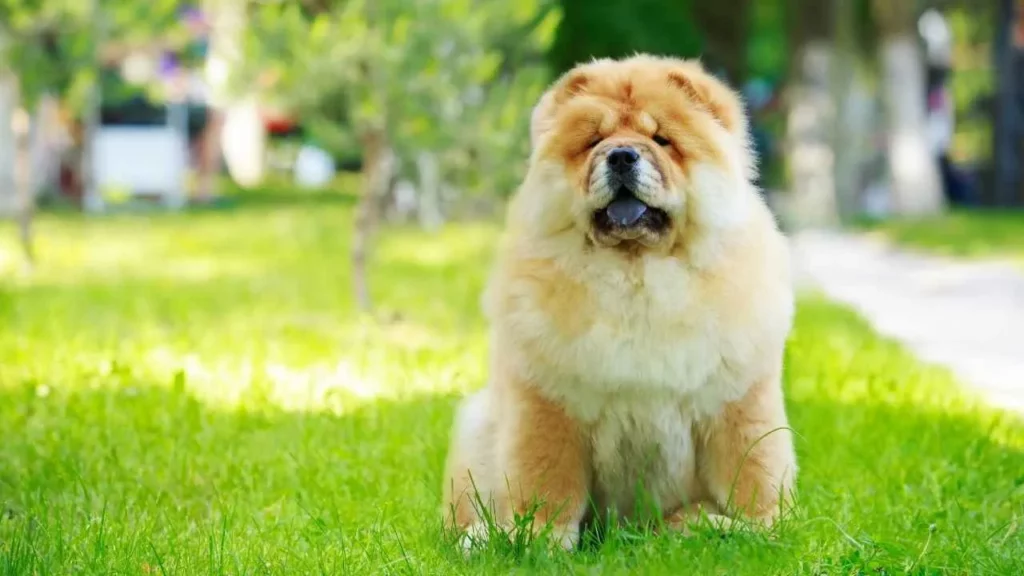
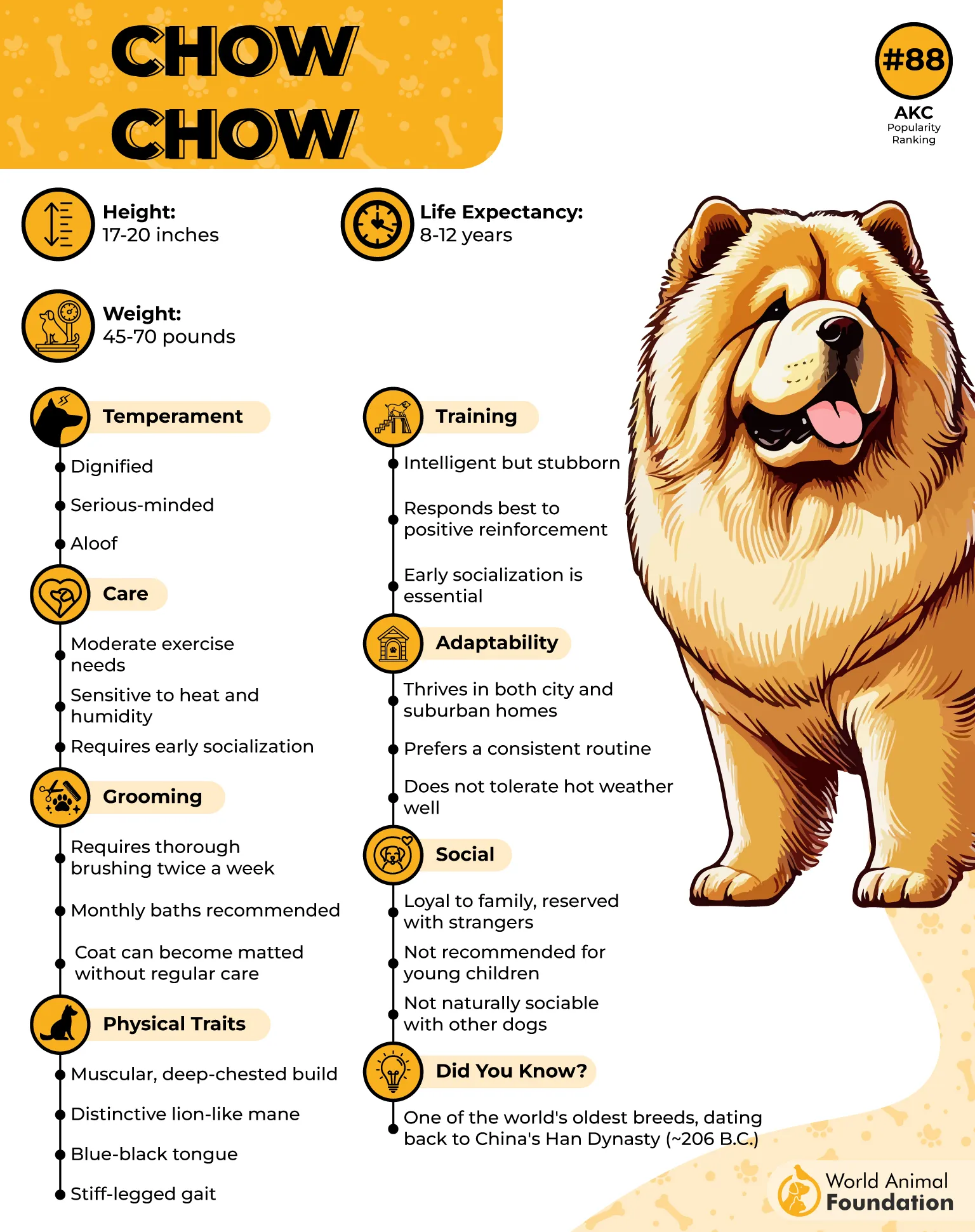
The Chow Chow is an old breed that is also characterized by a lion-like mane and has a dignified character. One of the typical coat colors is cream, as identified by PetMD.
Coat and Appearance
The Chow Chow has a thick double coat, which may be rough or smooth. These cream colored dog breeds tend to have a warm, pale look, which adds to their plush and teddy-bear look.
Temperament and Lifestyle
Independent and friendly, Chow Chows are faithful to their pet parents, which does not mean that they are not aloof from strangers. Socialization is key to well-balanced behavior that is achieved at an early age
They are not very active but like going out to walk and be active.
Care Considerations
Because of their thick double coat, they need to be brushed regularly in order to avoid matting. They survive in cooler climates due to their fur and very thick coats.
3. Samoyed
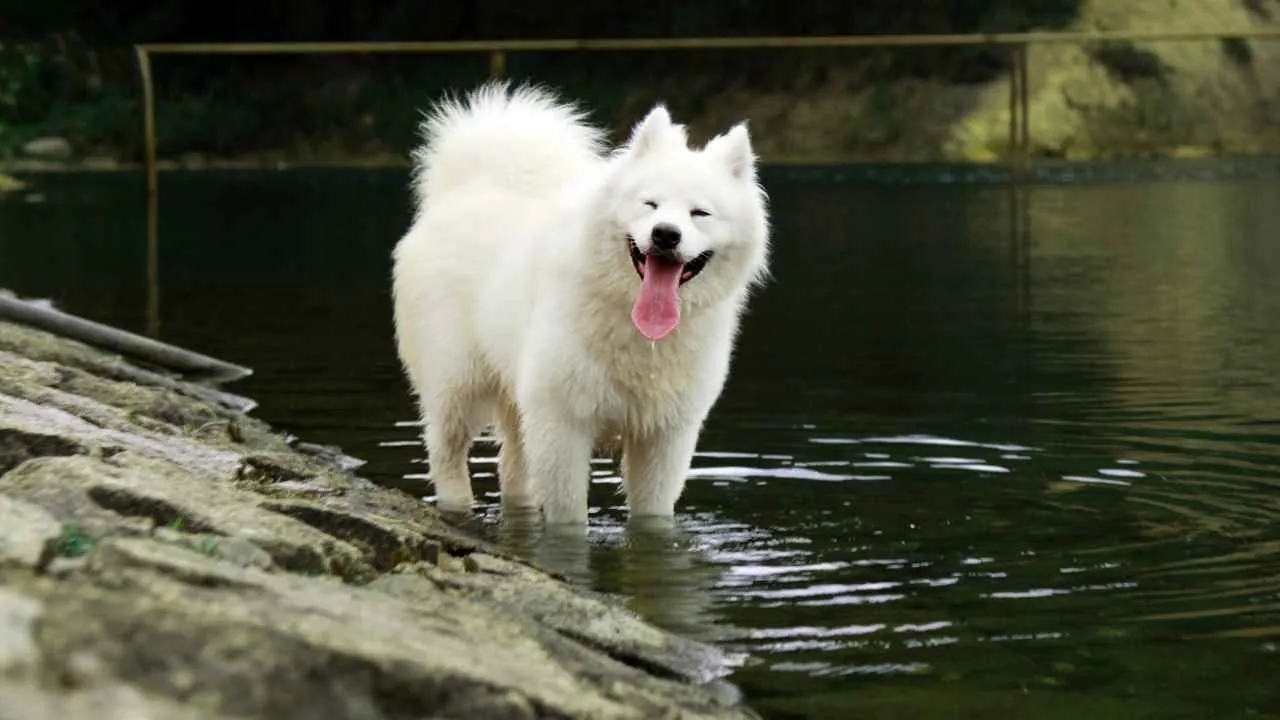
The Samoyed is best known for its fluffy white coat, but cream shades are just as beautiful and eye-catching. According to Orvis, this Arctic breed was originally developed to herd reindeer and pull sleds.
Coat and Appearance
This canine companion has a thick, shiny double coat. The dense undercoat provides excellent insulation, while the outer layer helps protect them from snow and rain.
Temperament and Lifestyle
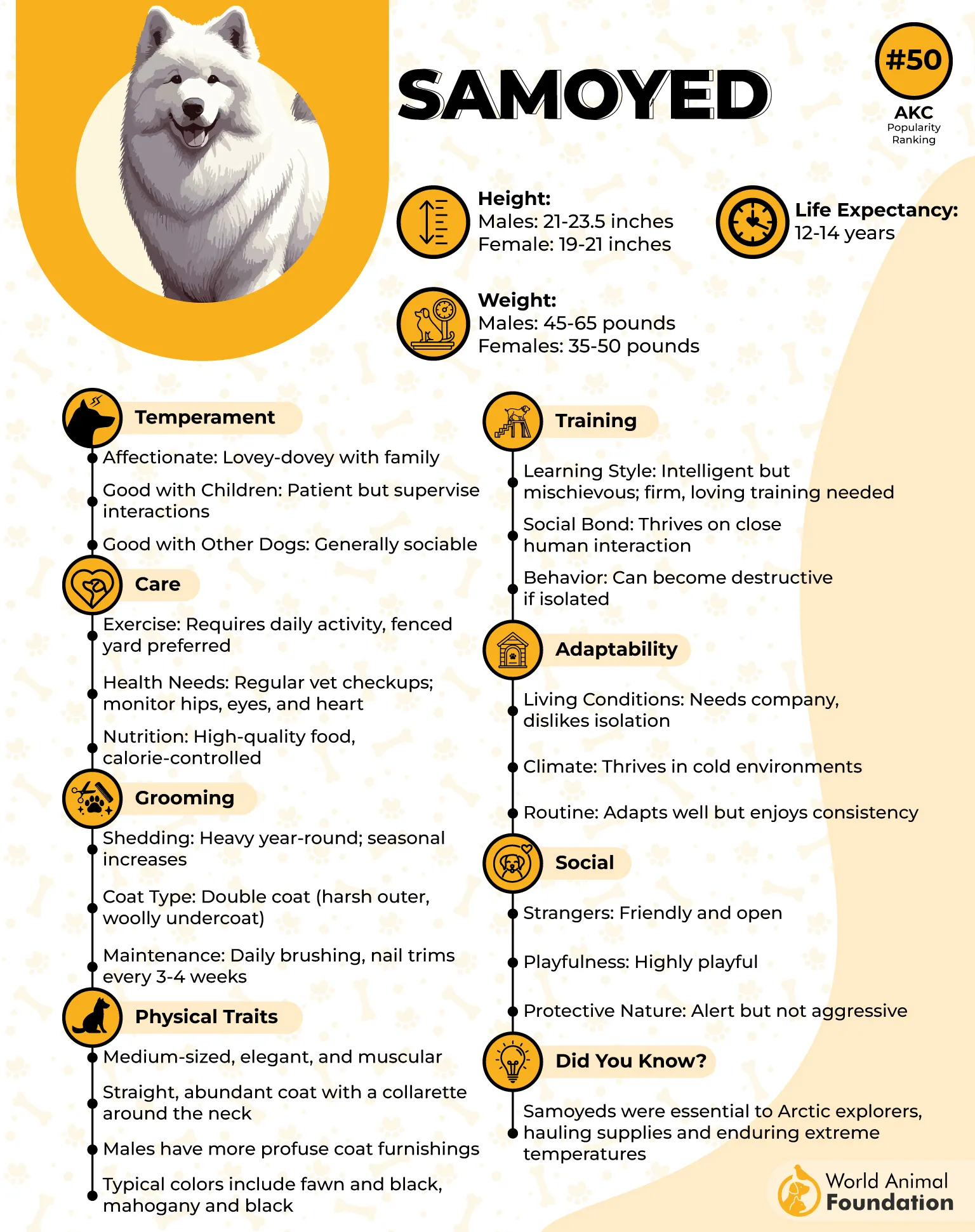
Samoyeds are very social, friendly, and affectionate. They like to be active at home and to have outdoor adventures.
They are also known by their Sammy smile that prevents them from drooling or developing icicles when it is cold.
Care Considerations
They shed a lot every now and then, especially during shedding season, as stated by the AKC. It is advised for experienced pet parents to use a slicker brush to remove any tangles and brush the coat on a regular basis to remove dirt and grime.
4. Pomeranian
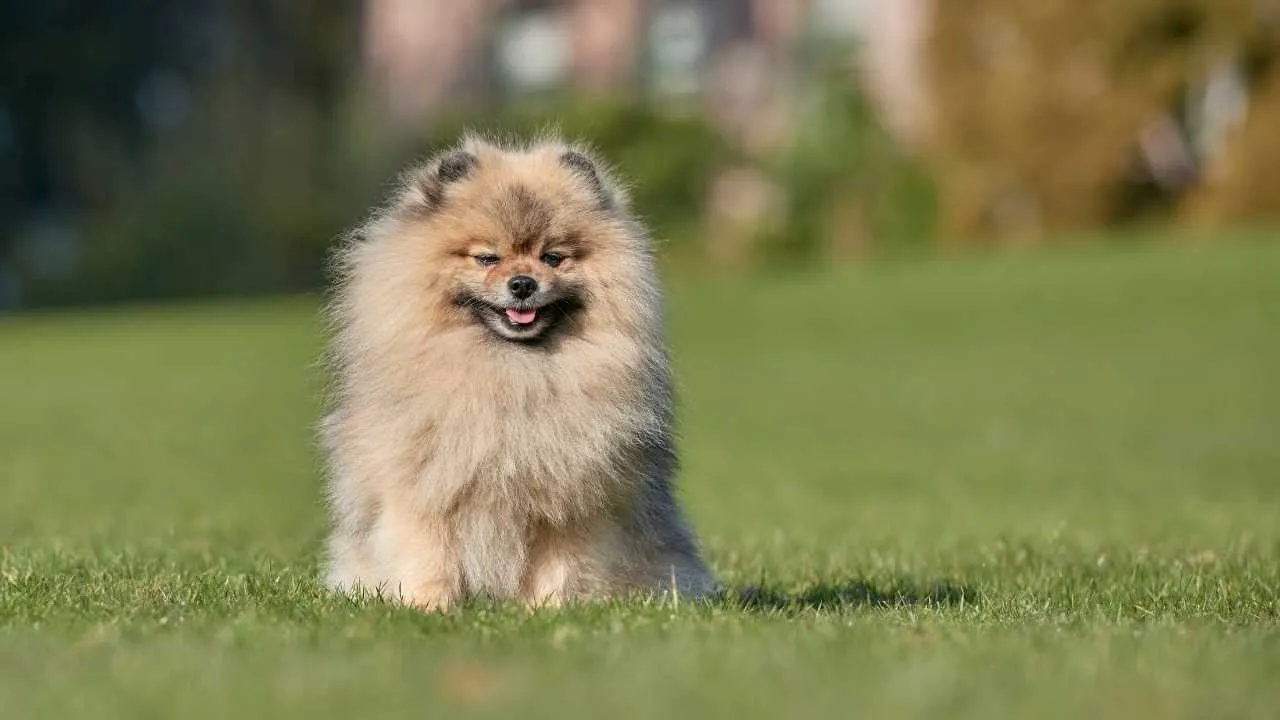
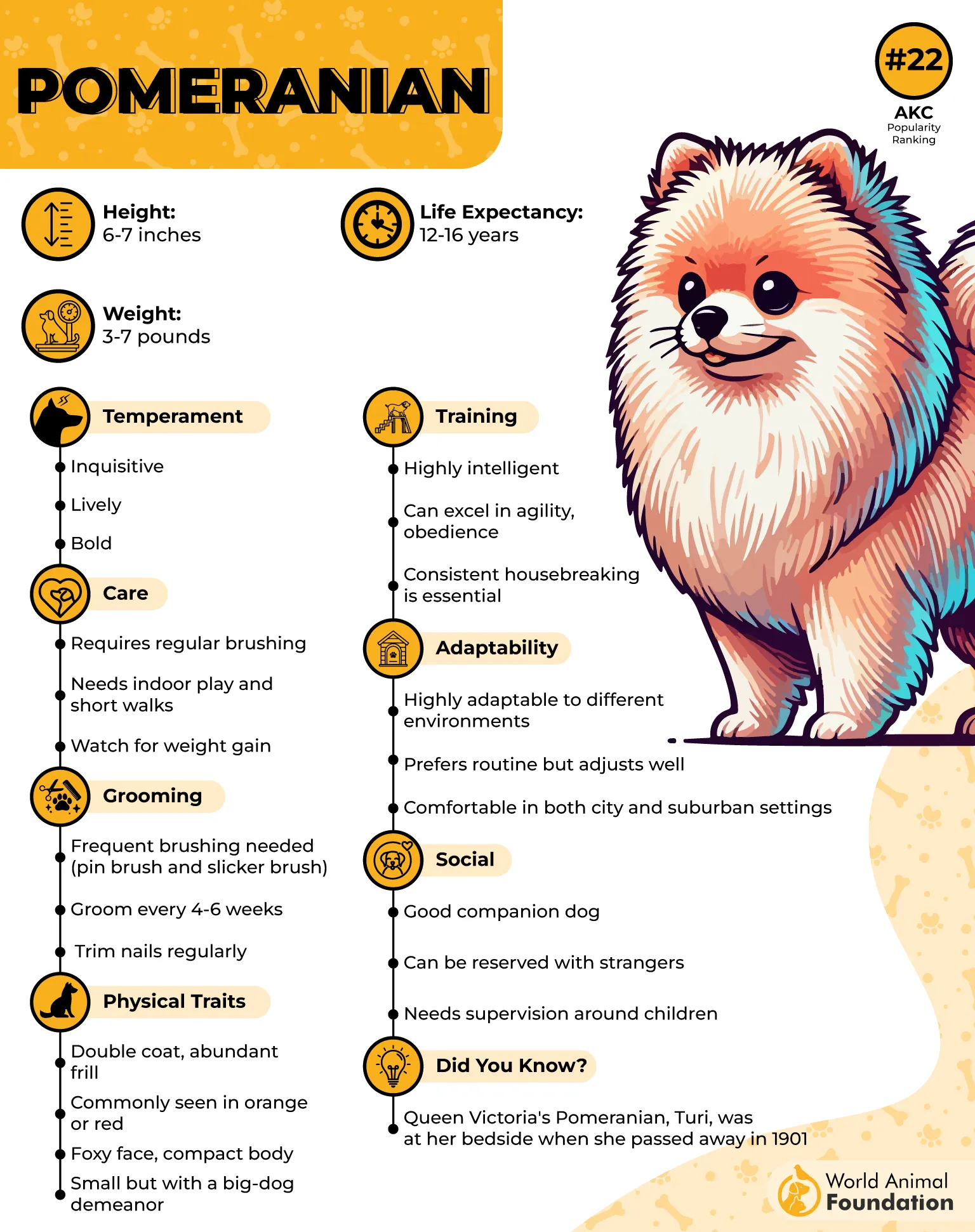
The Pomeranian may be small in size, but it has a big personality. Cream is one of the many recognized coat colors, giving this toy breed a soft, plush look that beautifully complements its fox-like appearance.
The history of this ancient breed is very interesting as it descends directly from the Spitz group of dogs.
Coat and Appearance
Pomeranians possess a thick ruff around the neck. Cream pomeranians are mostly light cream or ivory in color. It is important to take routine trips to a professional groomer in order to maintain its long and thick coat. A professional can help trim it properly so that nothing is caught in the hair.
Temperament and Lifestyle
These independent dogs are vigilant and energetic. They make very good watchdogs. They become very attached to their owners, and they acclimate themselves to apartment living easily.
Care Considerations
Apart from vet trips, these little puppies need weekly brushing at least twice or thrice a week to look cute all the time. Vocational training at an early age makes them gentle towards everyone.
5. Saluki
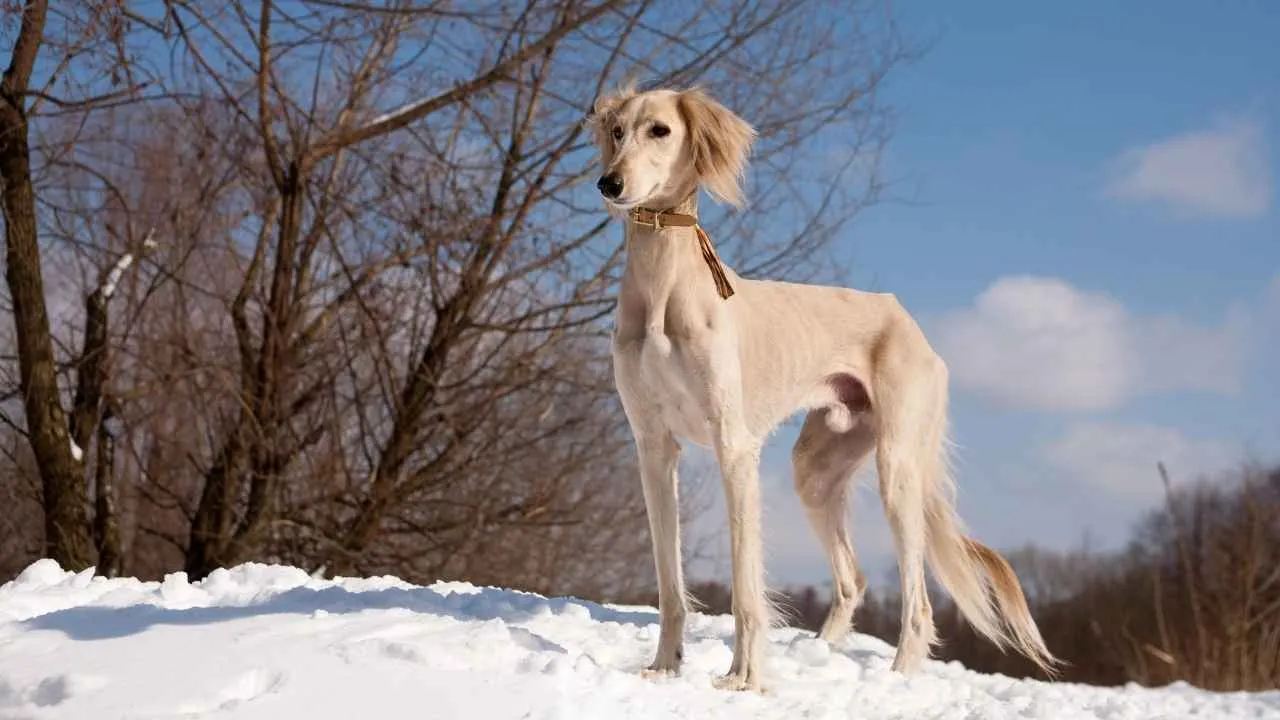
The Saluki is a graceful and swift sighthound known for its elegant appearance. Cream is one of its accepted coat colors, and this soft shade beautifully highlights the breed’s refined and noble look.
Coat and Appearance
Salukis can either be smooth-coated or feathered, unlike other pets. Their sleek, refined lines are promoted by cream colors.
Their coarse coat does not require much regular grooming as is done on a variety of fluffy-coated breeds.
Temperament and Lifestyle
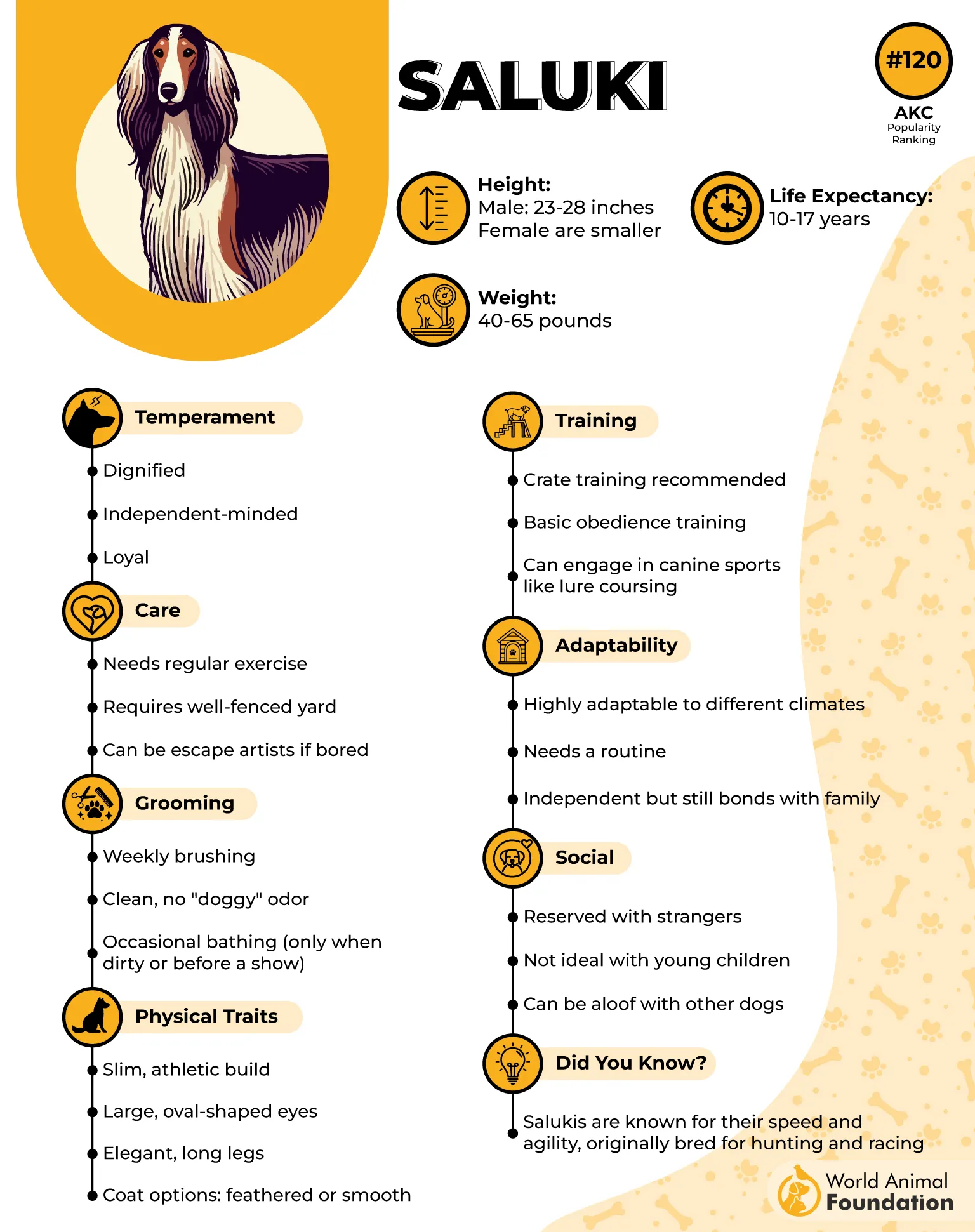
Salukis are devoted to their families and form strong bonds with their owners. They need regular opportunities to run in a safe, enclosed area. Because of their high prey drive, they are best suited to homes with secure fencing.
Care Considerations
Although they are relatively low-maintenance when it comes to grooming and only need regular brushing, they still require plenty of physical activity and mental stimulation.
6. French Bulldog
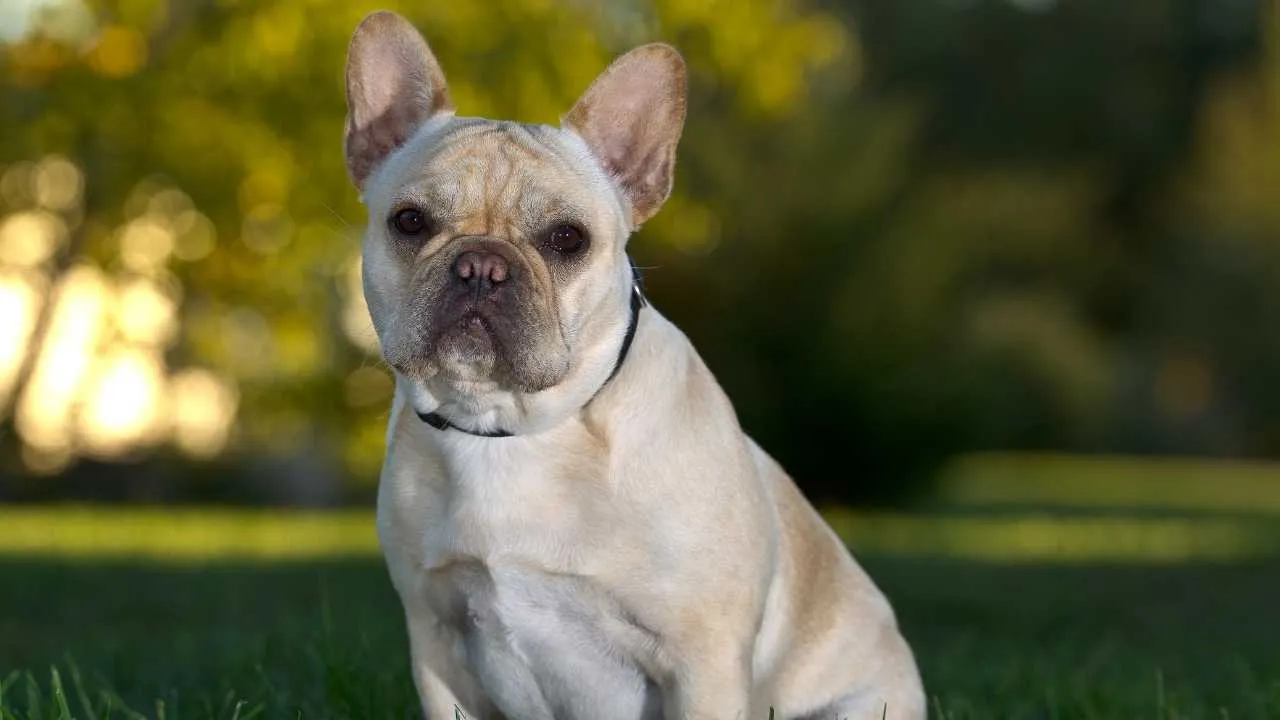
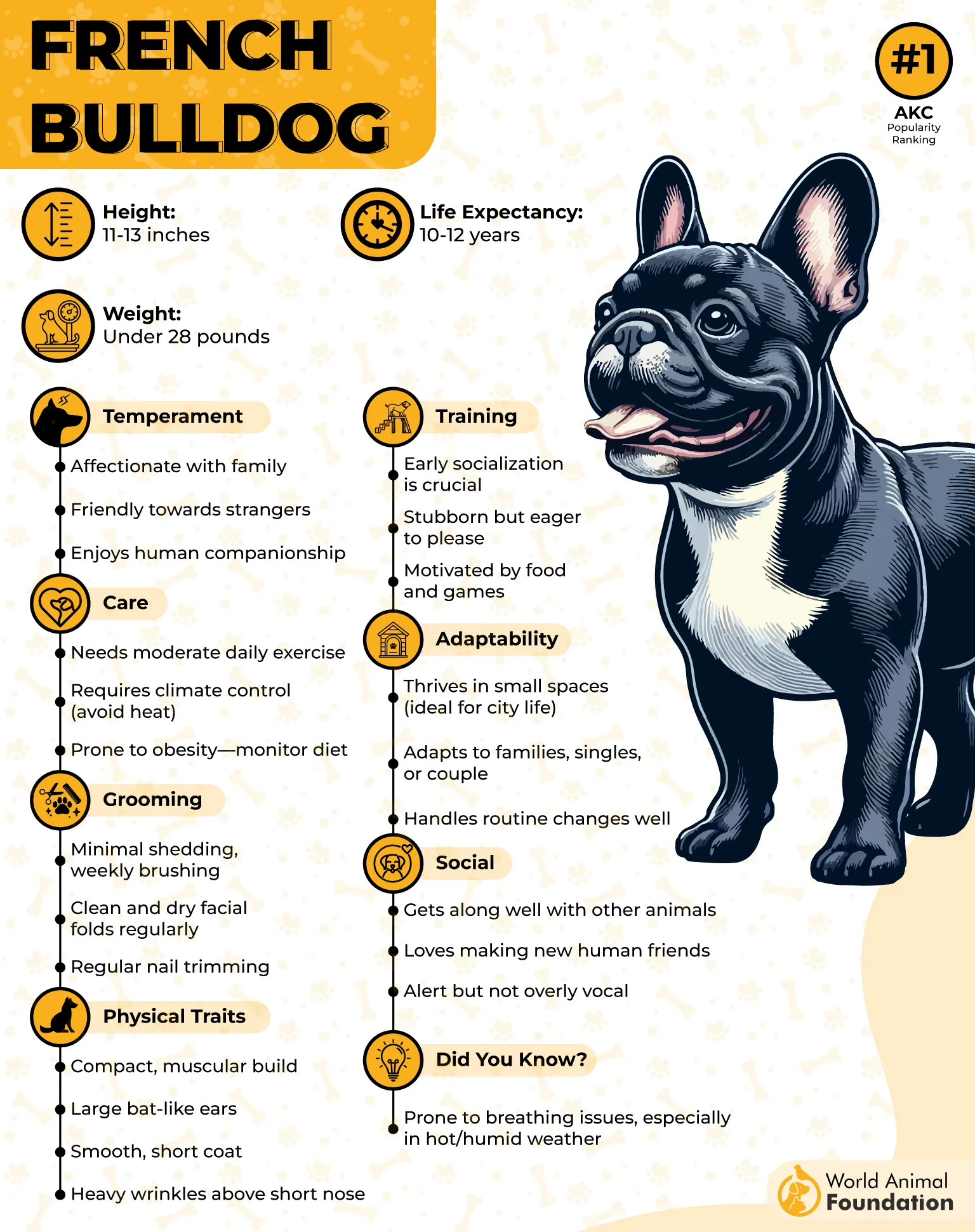
The French Bulldog is one of the most popular companion breeds in the world, and their cream color is probably an identifiable and favored color of the coat. The expressive eyes and unique bat-like ears of this small dog are accompanied by their soft voice.
Coat and Appearance
French Bulldogs are easy to maintain as they have short coats that are smooth and don’t require frequent grooming. Variations of cream provide them with a warm look, which is soft, and their low-shedding coat doesn’t ask much from their owners.
Temperament and Lifestyle
This gentle, easygoing breed makes a wonderful companion for both families and apartment dwellers. They enjoy regular exercise and thrive on companionship, preferring not to be left alone for long periods.
Care Considerations
Being a brachycephalic breed, these lap dogs are vulnerable to heat and must be kept in proper temperatures.
7. Bichon Frise
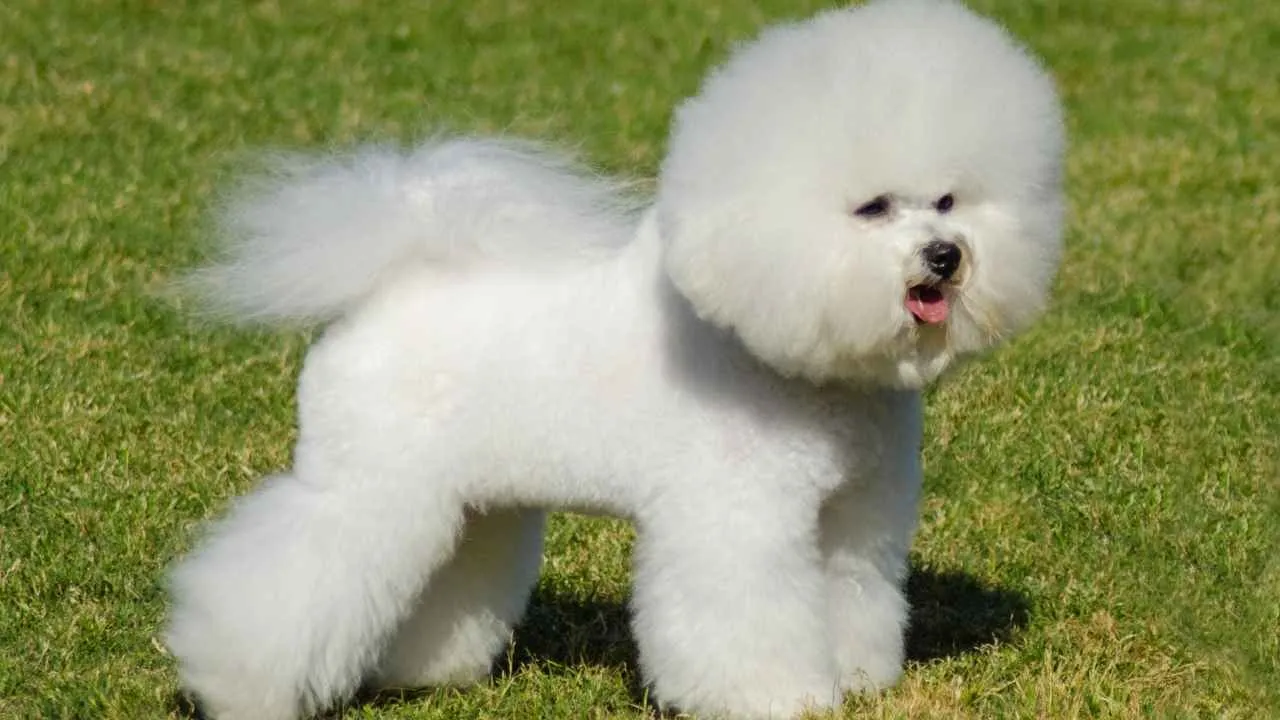
The hair of this white dog breed looks more like a powder puff, being soft and curly. The cream shades could be subtle and warm in some light.
Coat Color & Appearance
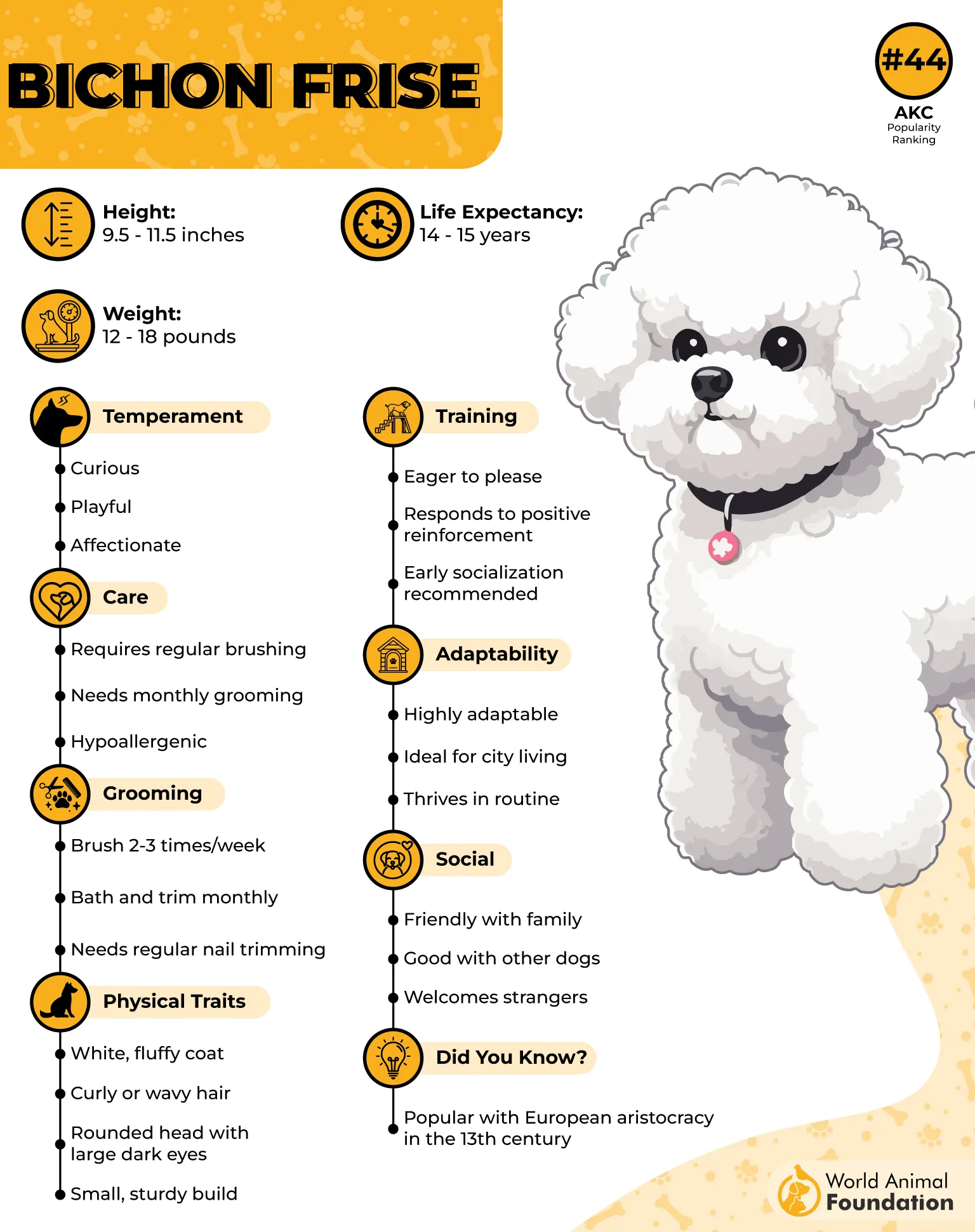
They have dark, expressive eyes, a plumed tail that curls over the back, and a double coat that is usually pure white but can also appear in shades of buff, cream, or apricot.
The coat is soft, dense, and curly, and it is often trimmed to create a rounded, cotton-ball look.
Temperament and Lifestyle
Bichon Frise dogs are merry and loving, making for wonderful companions amidst all the family fun. They are mischievous and not too demanding, unlike other breeds.
Care Considerations
Bichon Frise dogs, like poodles, require frequent grooming that keeps the shiny coat in good condition in order to avoid matting. Bichons are a generally healthy breed that forms strong bonds with their family.
Conclusion
Cream-colored dog breeds are undeniably beautiful, but their appeal goes far beyond appearance. These white dog breeds are intelligent, affectionate, and devoted companions, each with a unique personality and temperament.
While coat color may draw you in, it should always come second to factors like temperament, daily exercise requirements, and overall health when choosing a canine companion. Consulting trusted sources and speaking with a veterinarian can help ensure the breed you select is a good fit for your home and lifestyle.
