




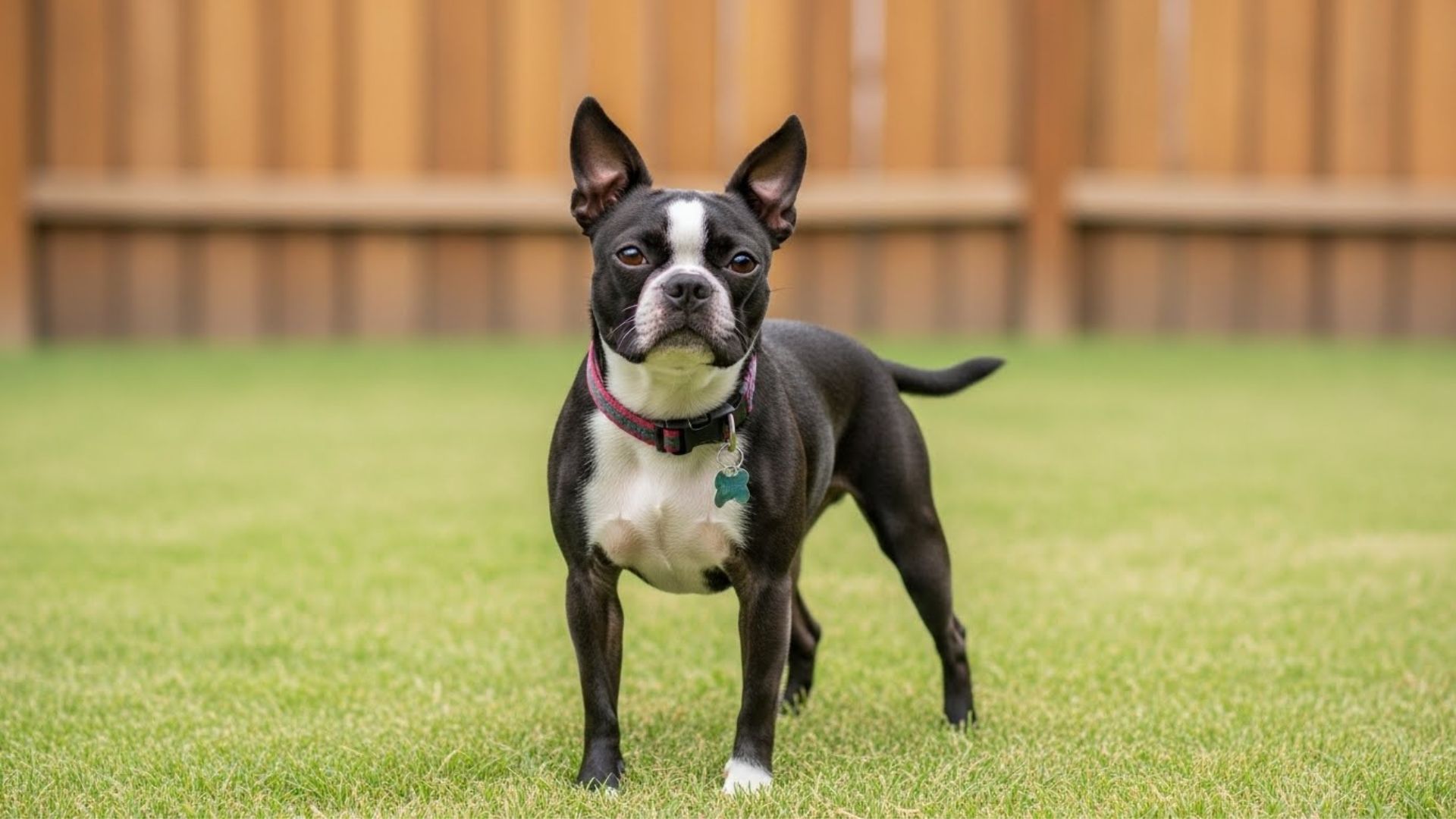
There’s something instantly heart-melting about dogs with tiny, delicate, button-like noses. One look at that sweet, squished little snout and it’s easy to see why so many people fall in love at first sight.
These dogs have faces that feel almost baby-like—soft, expressive, and impossible to ignore. But behind that adorable appearance is a fascinating (and important) story every dog lover should know.
Dogs with flat or shortened noses belong to a special physical category called brachycephalic, which simply means their skulls are shorter than average. While this gives them their signature cute look, it also changes how their airways are shaped.
In fact, veterinary studies show that many flat-faced dogs have narrower nostrils and longer soft palates than normal, which can make breathing harder—especially during heat, exercise, or stress.
If you’ve ever been drawn to those sweet smushed faces, this guide will help you understand what makes them so special—and what it really takes to keep them healthy, comfortable, and thriving.
Key Takeaways
Pugs, Boston Terriers, and Affenpinschers have irresistibly cute noses that make them stand out.
Flat-faced dogs face unique health challenges that need special care and attention.
Elegant breeds like the Japanese Chin and Lhasa Apso combine charming noses with playful personalities.
Keeping smushed-nose dogs happy and healthy takes simple but thoughtful care.
Dog Breeds with Adorable, Delicate Noses
1. Affenpinscher
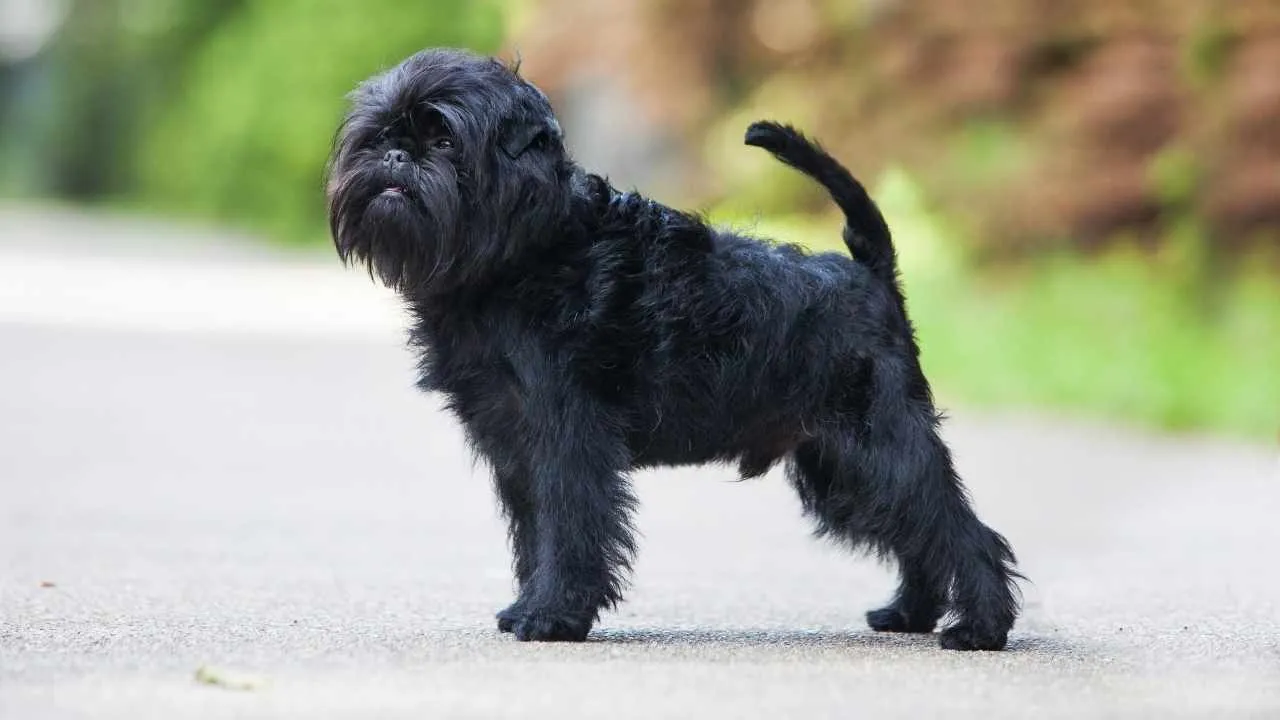
Often called the monkey dog, the Affenpinscher is a small toy breed known for its flat, delicate nose and scruffy, expressive face.
Its wiry coat gives it a slightly messy charm, and it’s often mistaken for a Brussels griffon. This breed sheds very little, making it easier to maintain than many others with similar looks.
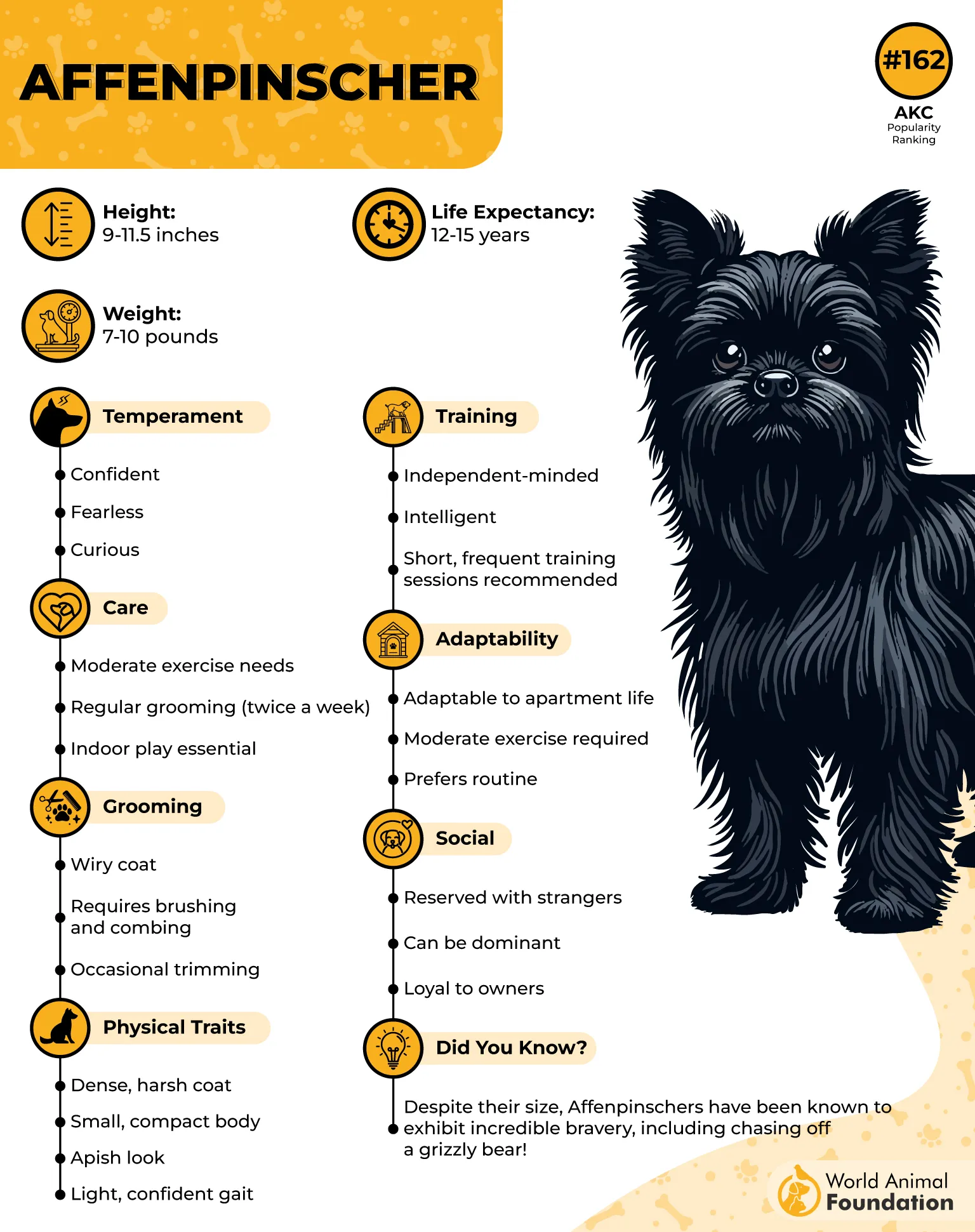
Despite its size, the Affenpinscher is bold and fearless. It is highly energetic and needs daily walks and regular physical activity to stay happy.
Originally skilled at catching small prey like rodents and rabbits, this dog still carries strong hunting instincts. Like other flat-faced dogs, it should be watched closely in hot weather, as breathing can become difficult.
What to know before bringing one home:
Loyal to family but cautious with strangers
Very active and confident
May face mobility issues like hip dysplasia with age
2. Boston Terrier
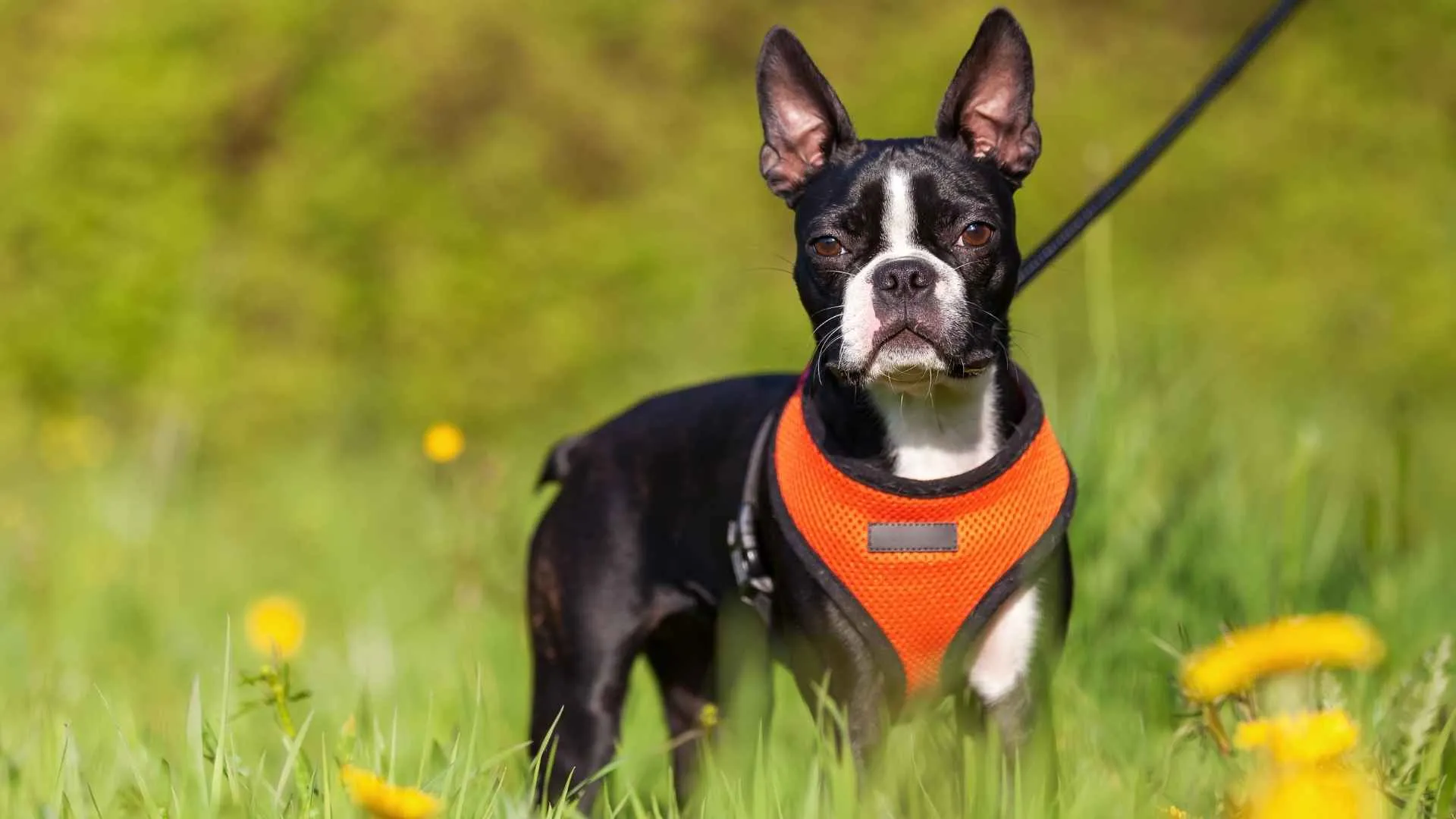
Originating in the United States during the 19th century, the Boston Terrier is affectionately referred to as an “American Gentleman,” as mentioned by PetMD. Its flat, delicate nose and neat facial structure give it a polished, charming look.
This breed is a classic example of a flat-faced dog, and while the appearance is lovable, breathing issues like BOAS are very common and closely monitored by veterinarians.
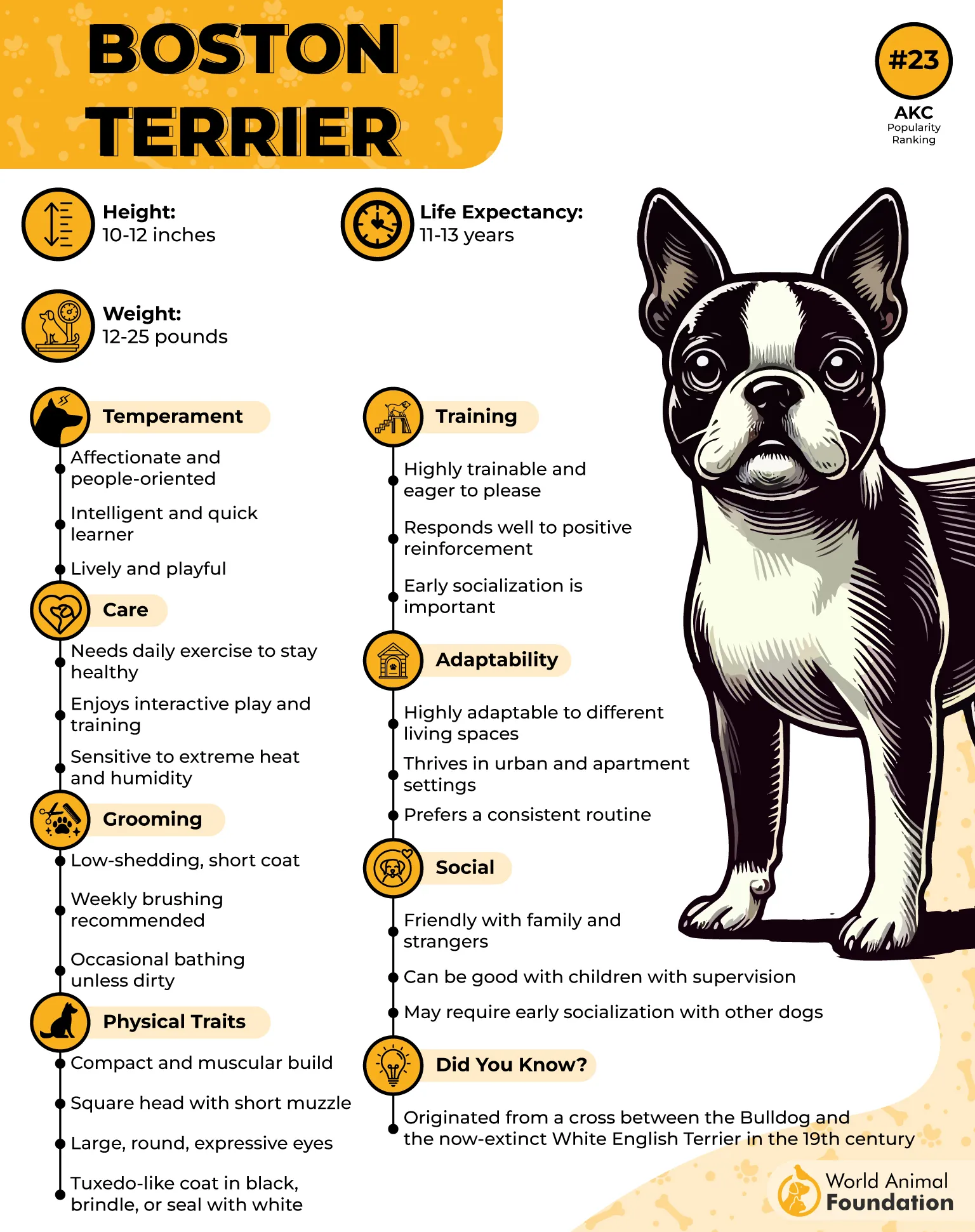
Boston Terriers are lively, playful, and full of personality. They share a similar look with another popular flat-faced breed, but have slimmer legs and a slightly lighter build.
Their coat often appears in black and white, creating a tuxedo-style pattern, though other variations exist. These dogs fit well into family life and love being involved in daily activities.
Things to keep in mind:
Friendly, curious, and intelligent
High energy and very playful
Prominent, brown eyes that may need extra care during play
3. Lhasa Apso
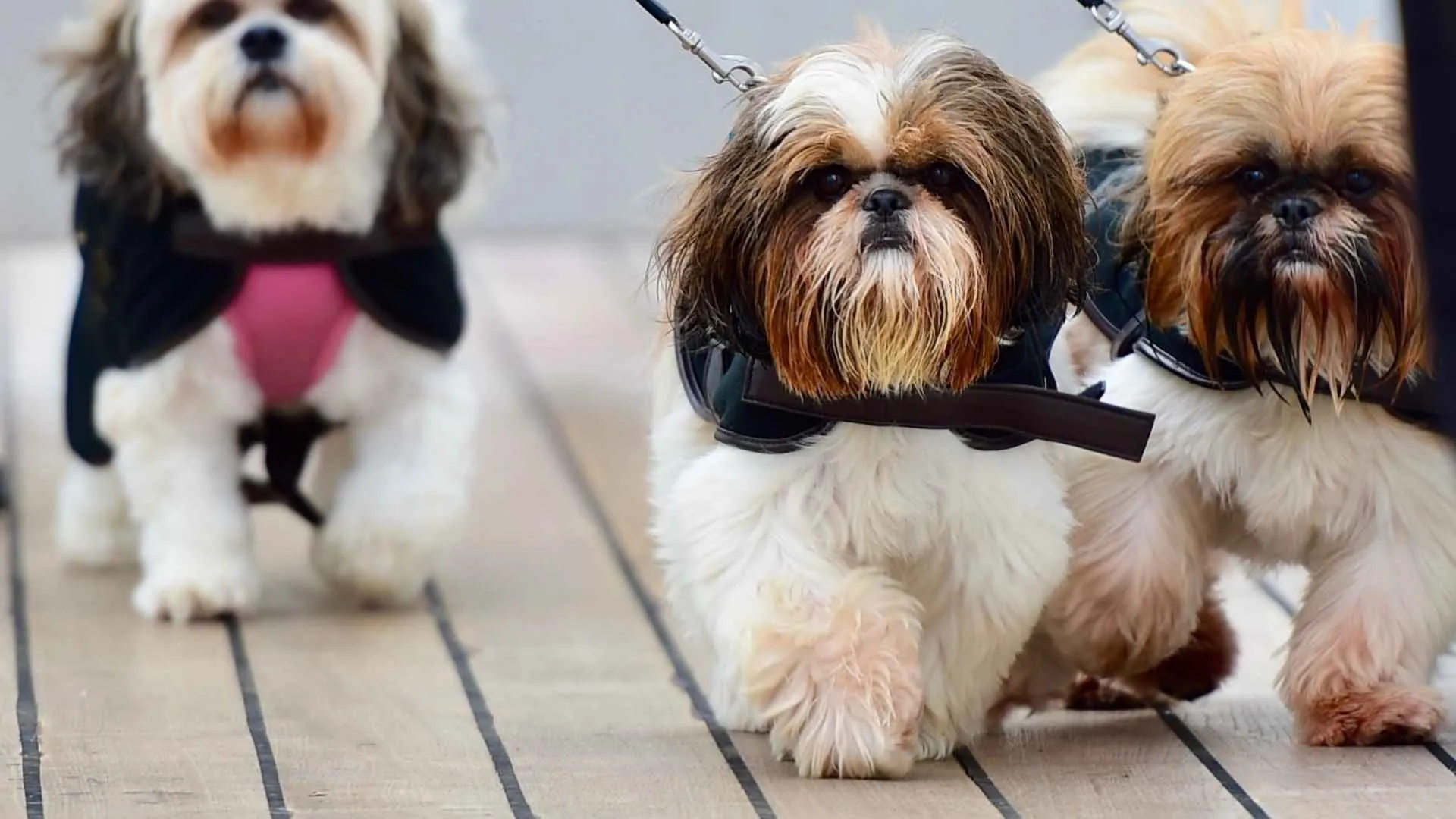
The Lhasa Apso comes from Tibet and has a long history tied to monasteries, where it served as an alert and reliable sentinel dog.
Its delicate, flat nose places it among brachycephalic breeds, though its risk of health problems like BOAS is lower than many others. Confident and independent, this breed stands out for its big personality and ancient roots.
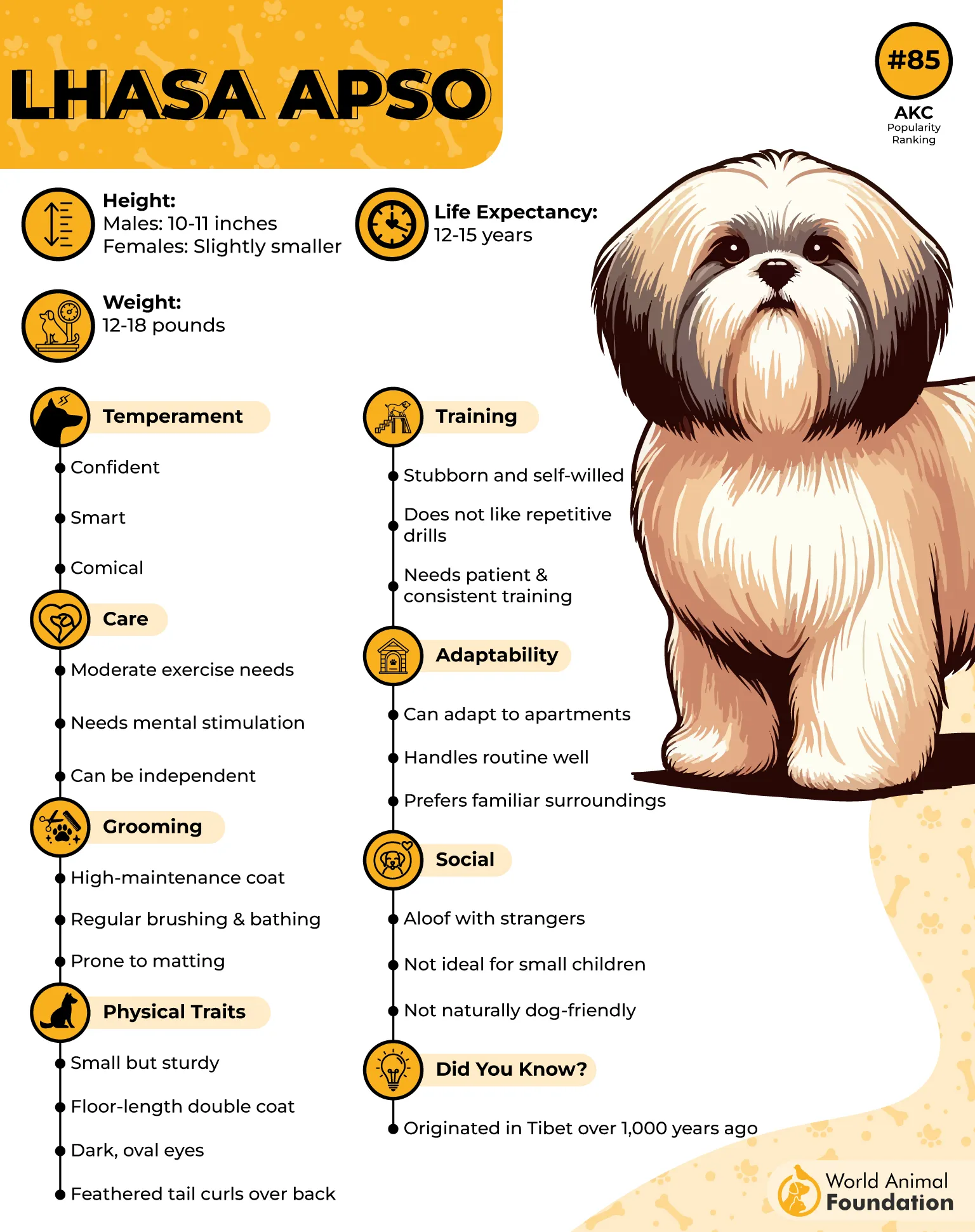
Known for its intelligence, the Lhasa Apso does very well with training. Its long, flowing coat is its most recognizable feature, but it does require regular upkeep.
Many owners choose a shorter “puppy cut” for easier care. Because of its facial structure and thick coat, this breed should be watched closely in hot weather and brought indoors if panting becomes excessive.
Key traits to know:
Loyal to family, cautious with strangers
Smart and quick to learn
Needs extra care in warm temperatures
4. Japanese Chin
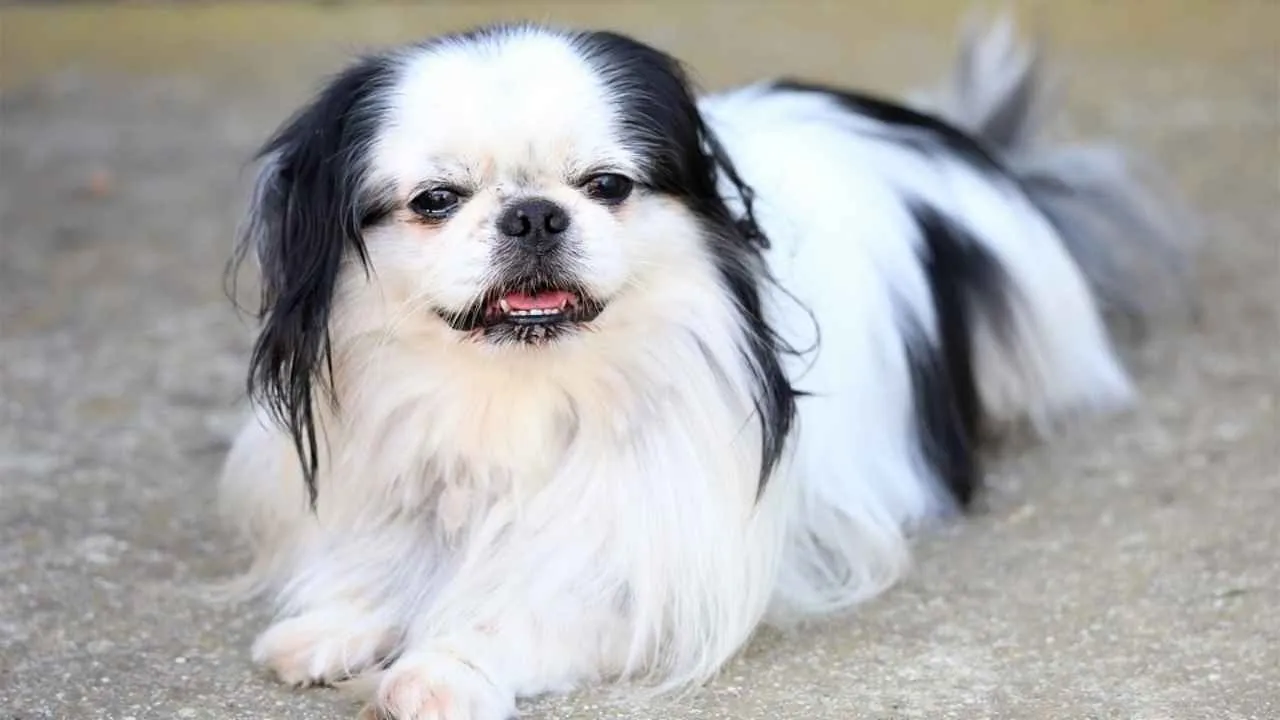
Small and elegant, the Japanese Chin is known for its flowing coat, smushed little nose, and soft, expressive face. With floppy ears, slender legs, and a curled tail, this breed looks delicate and refined.
Originally bred as companions for the Japanese aristocracy, they were meant to be close to their humans—and they still thrive as loving lap dogs today.
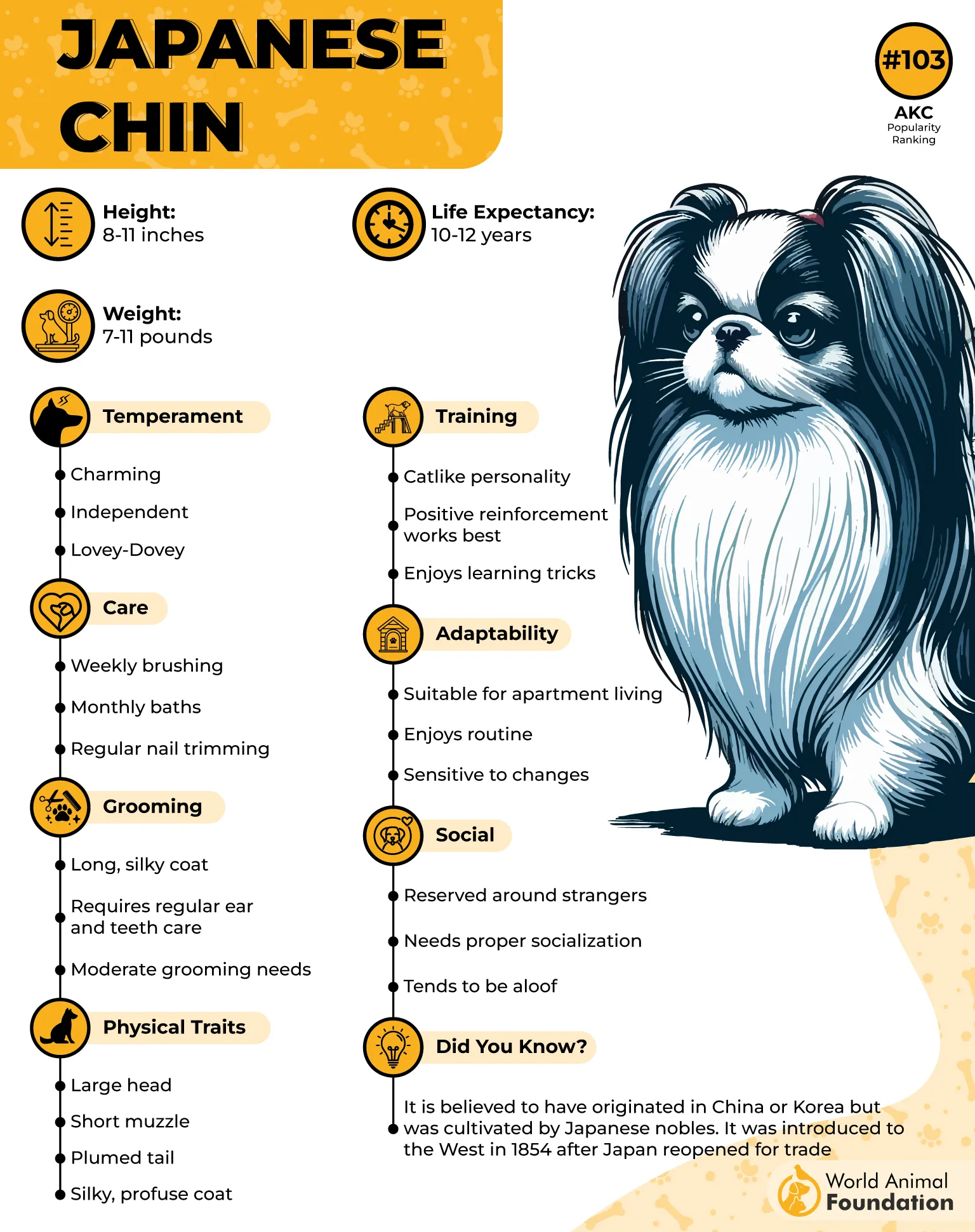
Despite their dainty appearance, Japanese Chins are surprisingly active. They enjoy walks and are excellent climbers, often perching in high spots around the home. They may take a little time to warm up to new people or pets, but once comfortable, they become affectionate and friendly companions.
Why they stand out:
Gentle, graceful, and cat-like in movement
Loyal and sweet with their families
Playful yet calm and well-mannered
5. Shih Tzu
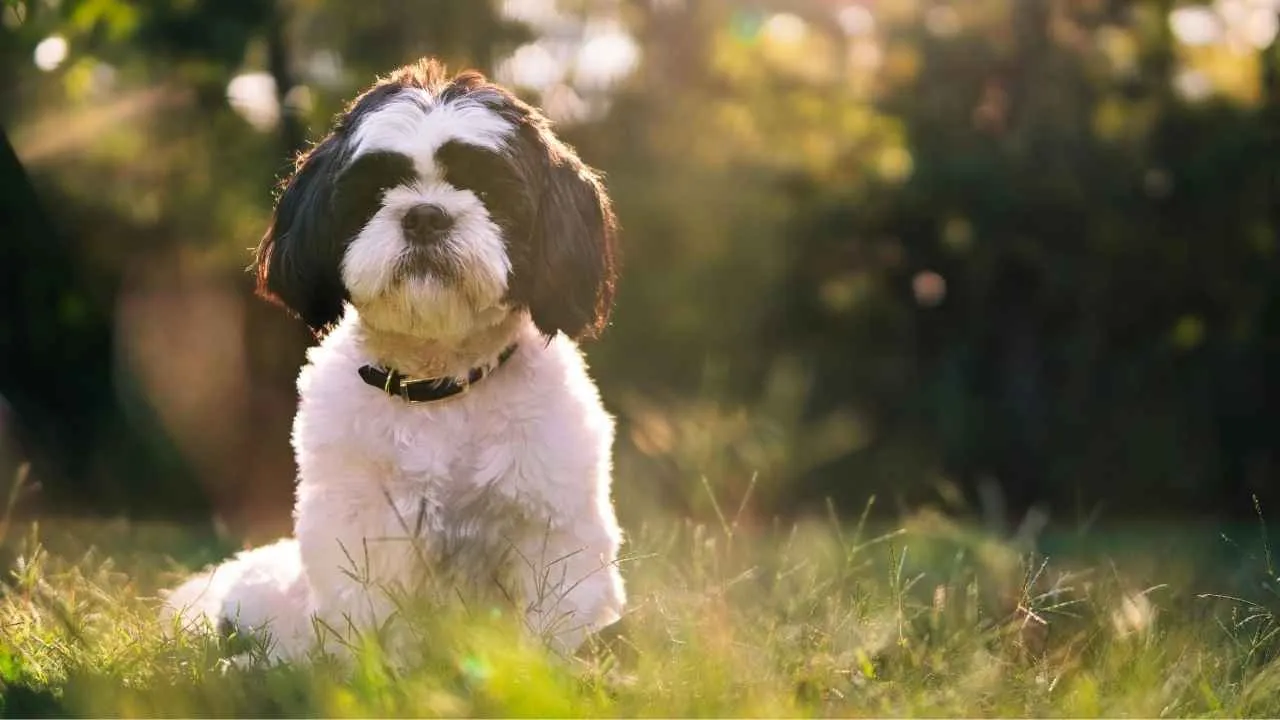
The Shih Tzu may have originated in Tibet, but the breed was carefully developed in China, where it was treasured by Chinese royalty during the Ming and Qing dynasties, according to Pedigree.
With its flat, delicate nose, sweet underbite, and flowing coat, this breed quickly captures attention. Small but full of confidence, the Shih Tzu carries itself with natural charm and charisma.
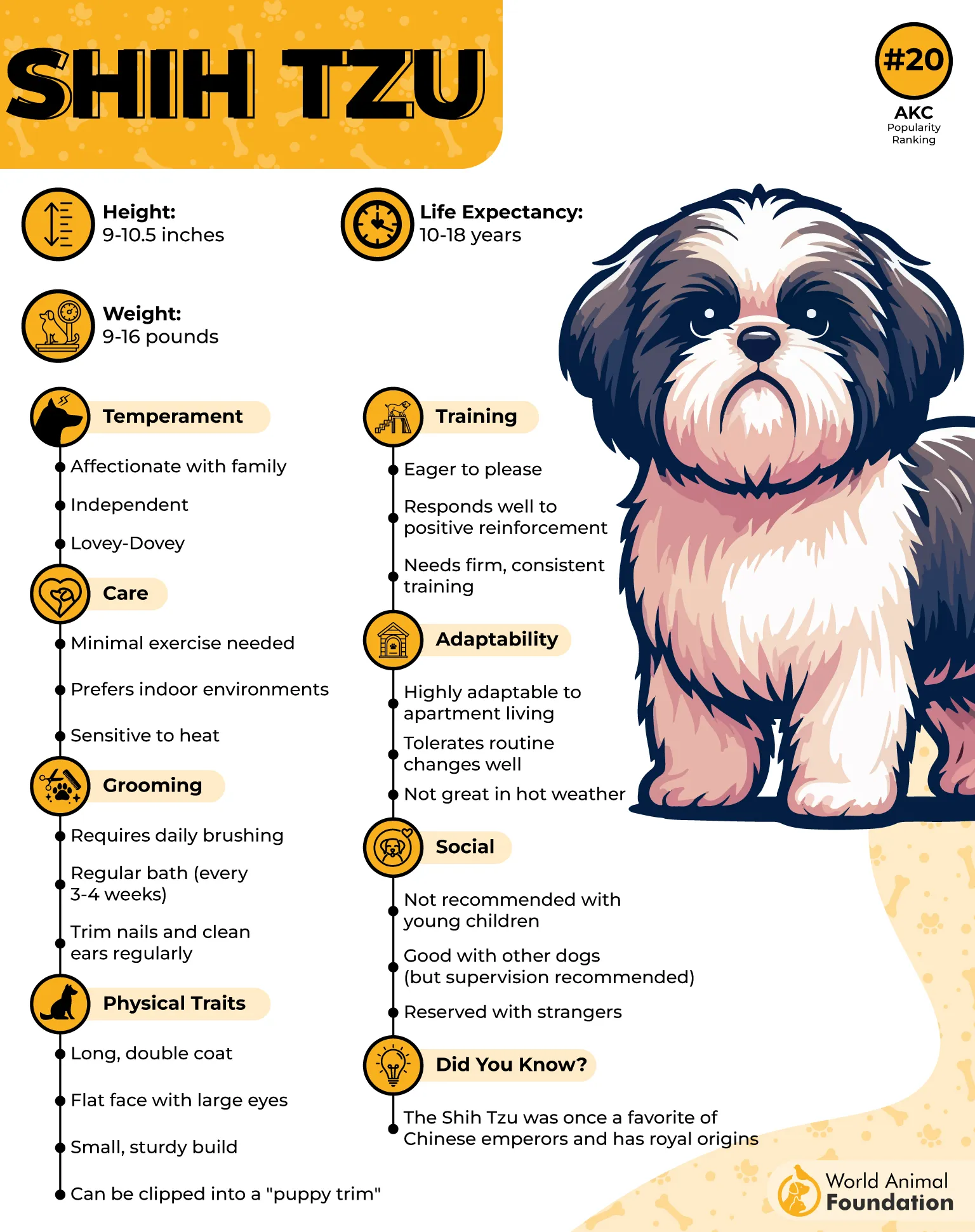
This breed is affectionate, playful, and highly social. Known for its signature top-knot and long, luxurious fur, the Shih Tzu also appeals to many families because it’s considered hypoallergenic.
Regular brushing and haircuts are essential, but the reward is a loving companion that thrives on attention and playtime.
Important care notes:
Prone to BOAS due to flat facial structure
May experience eye, dental, and joint issues
Tear staining is common and needs regular grooming
6. Pekingese
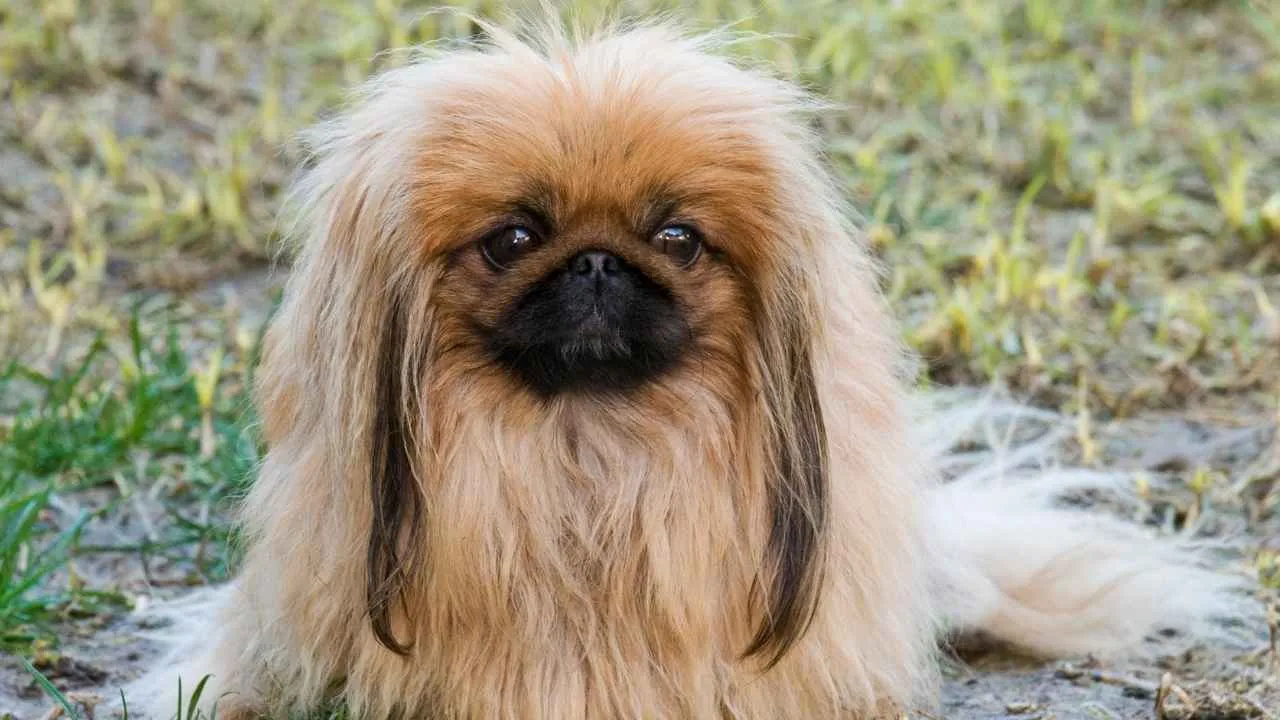
The Pekingese comes from ancient China, where it was cherished as a royal companion for centuries. That history shows in its confident, dignified nature.
With a flat, delicate nose and a proud posture, this breed carries itself like royalty. Though independent and sometimes stubborn, Pekingese dogs form deep bonds with the people they love.
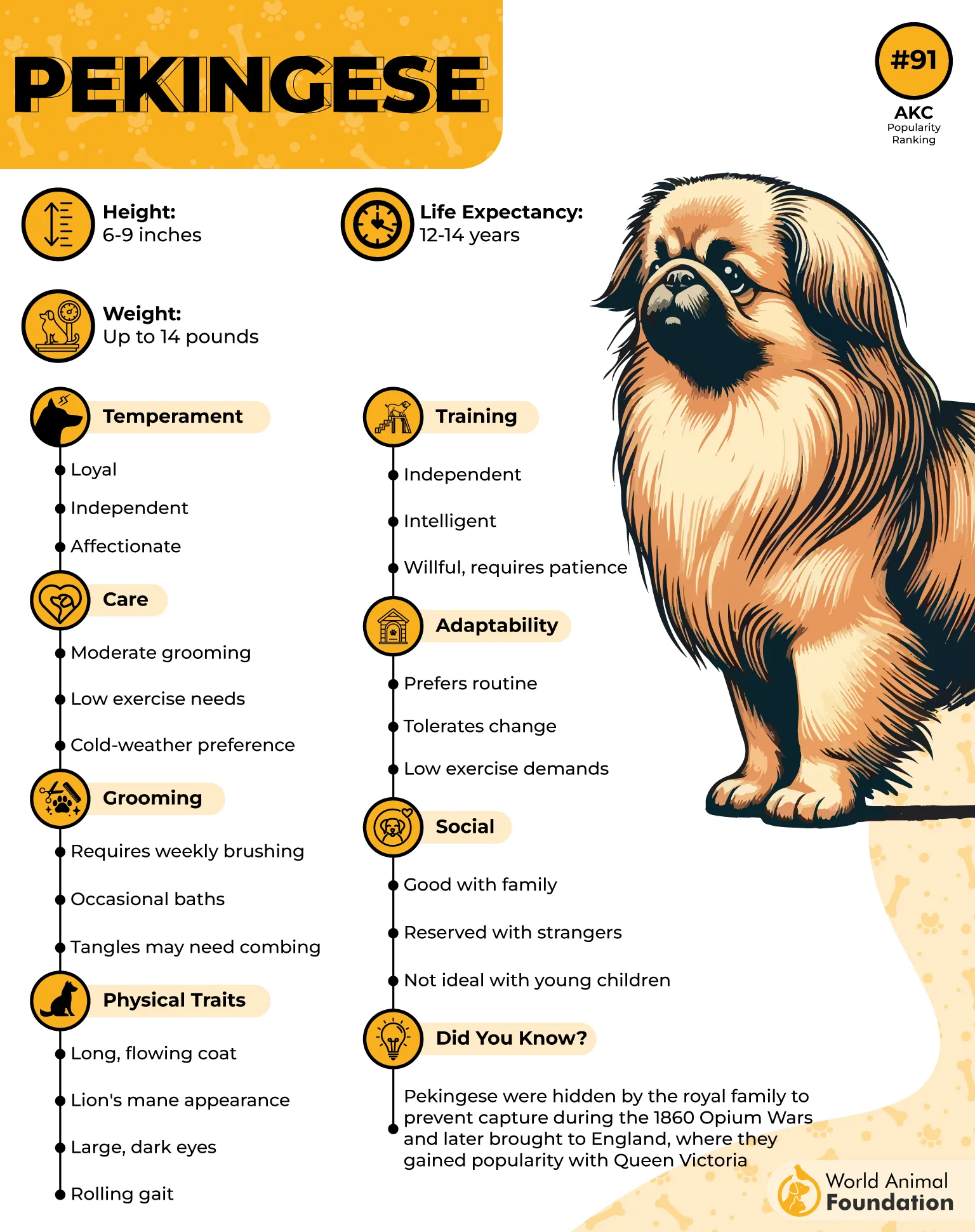
This breed is best known for its lion-like mane and pushed-in face. Beneath the regal attitude is a brave and affectionate companion. Because of their facial structure, many Pekingese are affected by breathing issues like BOAS and need extra care, especially in warm weather.
What makes them unique:
Loyal and strongly attached to family
Independent with a bold personality
Needs frequent grooming and heat monitoring
7. Pug
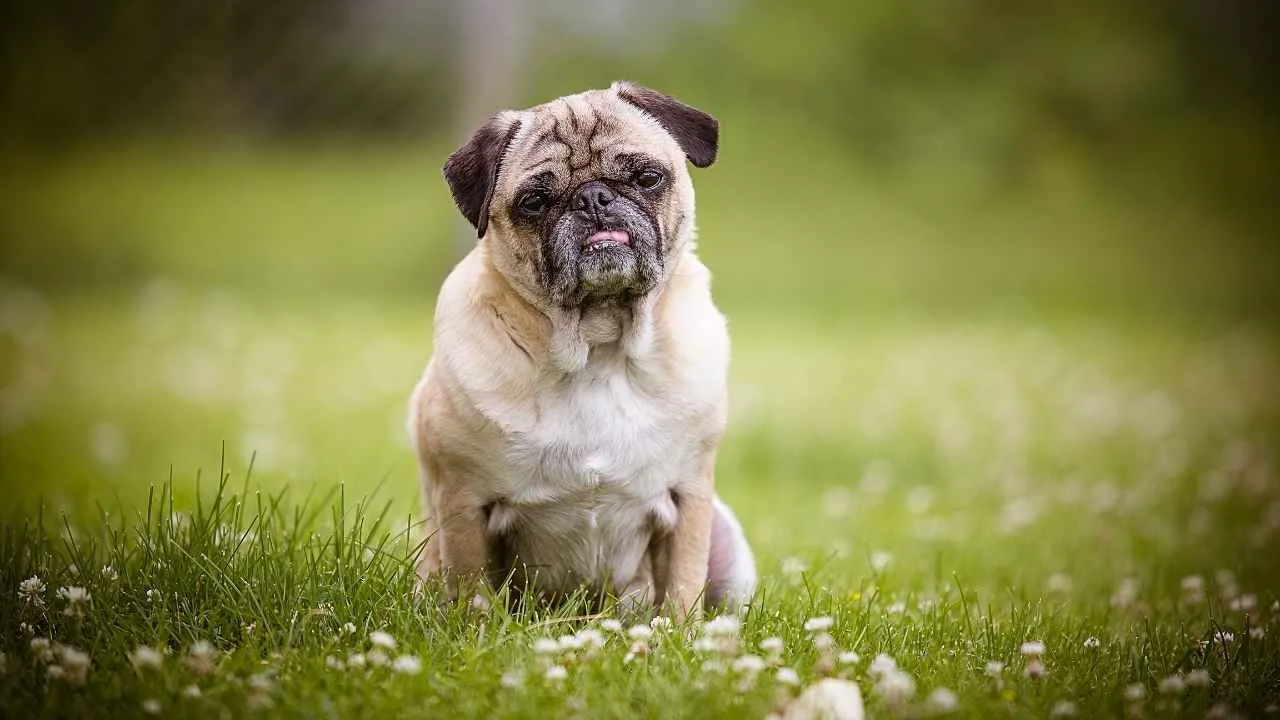
Few dogs are as instantly recognizable as the Pug. With one of the most pronounced flat faces of any breed, their delicate, smushed nose is both their signature feature and their biggest challenge.
A-Z Animals states that Pugs have a high risk of developing health concerns like BOAS, a concern that has increased with selective breeding. Despite this, they remain one of the most beloved and loyal companion dogs.

Originally bred in ancient China, Pugs were created to be devoted lap dogs—and they still take that role seriously. They are affectionate, playful, and famously cuddly.
Their compact build, floppy ears, curly tail, and short coat make them easy to care for, though some may need medical help to breathe more comfortably as they age.
Things pug parents should watch for:
High risk of breathing problems
Prone to weight gain, which can worsen health issues
Thrives on affection and close human companionship
Conclusion
Dogs with delicate, flat noses have a charm that’s hard to resist. From their expressive faces to their affectionate personalities, these pups often become the heart of the home. Still, behind every cute dog’s nose is a unique anatomy that needs extra care.
Understanding their breathing limits, grooming needs, and comfort levels helps ensure they live happy, healthy lives alongside other pets and other animals they may share space with.
For pet parents, choosing the best dog isn’t just about looks—it’s about commitment. These breeds can be wonderful companions for families, gentle homes, and even couch potatoes who enjoy quiet cuddles.
With mindful care, regular checkups, and lots of love, they can be the perfect addition to your life and thrive beautifully with both humans and animals alike.
