




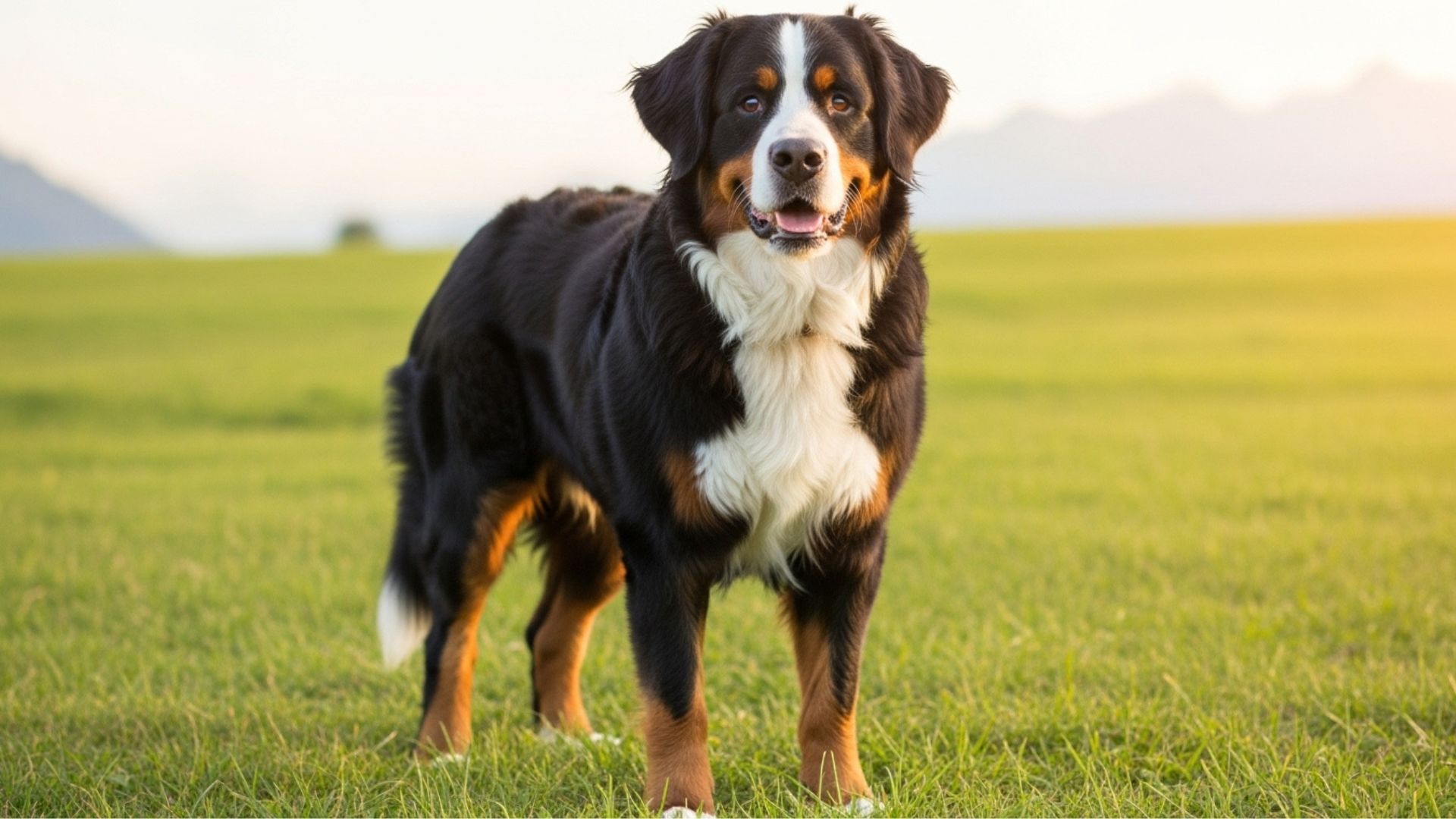
Some furry friends live long, healthy lives well into their teens, while others naturally have shorter life expectancies due to genetics, size, or breed-specific health concerns. Understanding these factors allows owners to provide the best care, preventive health measures, and quality of life for every dog, regardless of lifespan.
Shorter-lived breeds often include larger dogs or breeds prone to genetic conditions like heart issues, hip dysplasia, or certain cancers. While their time may be more limited, these dogs often live intensely joyful, loyal, and affectionate lives, filling their owners’ hearts with love and companionship.
Owners can maximize their dog’s lifespan through proper nutrition, regular vet checkups, exercise, and breed-specific health care. Even with a shorter lifespan, these dogs can provide countless memories, lessons in love, and unwavering companionship.
We’ll explore giant dog breeds with the shortest life expectancy, highlighting their personalities, care needs, and how to ensure that every moment with them is full of happiness, safety, and love.
Quick Insight: Some breeds are prone to shorter lifespans due to genetic predispositions and health concerns. Awareness and preventive care can help maximize their quality of life.
Discover Dog Breeds with a Shorter Life Expectancy
1. Bernese Mountain Dog
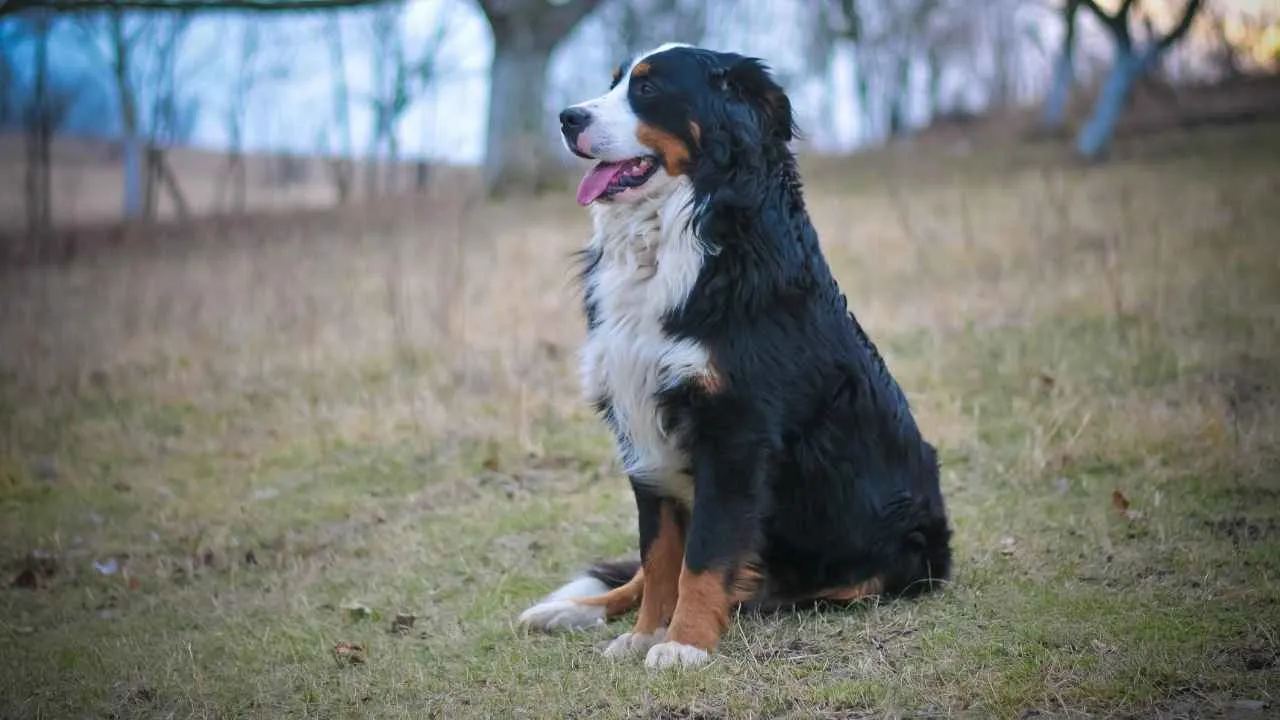
Average lifespan: 6-8 Years
If dog breeds were storybook characters, the Bernese Mountain Dog would be the lovable, fluffy hero who steals your heart instantly—and then leaves you wishing you had more time together. Berners may not stick around as long as some other breeds, but wow, do they make every year count.

Originally bred to work in the cool Swiss Alps, these dogs are basically walking snow clouds. Cold weather? Yes, please. Hot, humid summers? Hard pass.
Bernese Mountain Dogs thrive in cooler climates, and if they live somewhere warmer, they’ll appreciate regular grooming and plenty of shade—think of them as dogs who strongly prefer sweater weather. Personality-wise, Berners are gentle, affectionate, and famously friendly. Aggression is not really their thing.
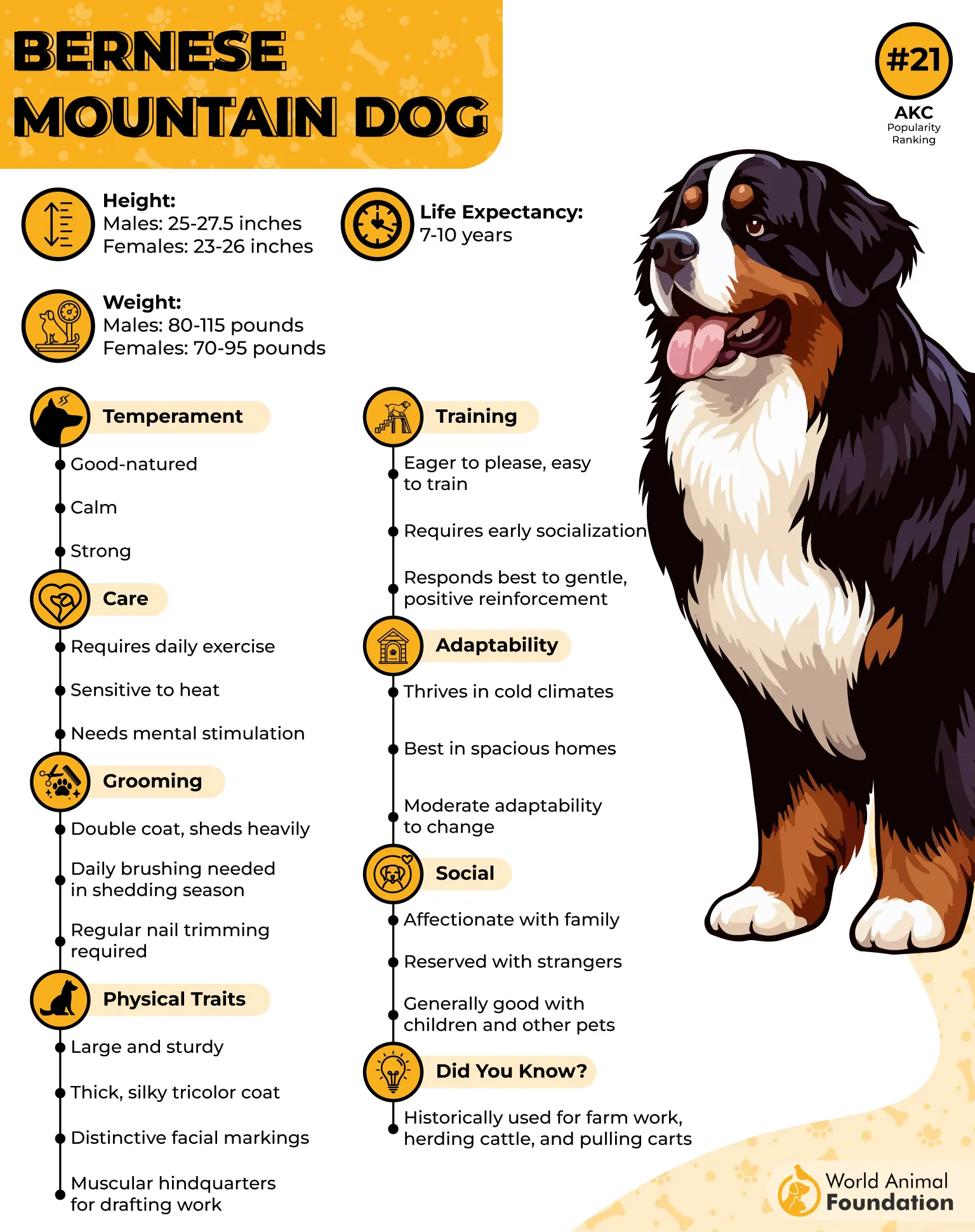
Health-wise, while they’re generally considered a strong and healthy breed, Bernese Mountain Dogs do have some known genetic risks, including:
Gastric Dilatation-Volvulus (GDV)
Hip Dysplasia
Elbow Dysplasia
Cancer
According to PetMD, Berners are relatively adaptable to change and minor stressors, but they can be shy in unfamiliar environments. Proper early socialization helps them grow into confident adults—and keeps them from turning into a 100-pound dog who’s afraid of the mail carrier.
They tend to get along with other dogs, pets, and even strangers—often acting like everyone they meet is a long-lost friend.
So yes, the Bernese Mountain Dog may not be with us as long as we’d like—but during their time, they deliver maximum love, loyalty, and fluffy cuddles. Think of them as a reminder to slow down, enjoy the moment, and maybe keep the air conditioning on just a bit lower—for their sake, of course.
2. Great Dane
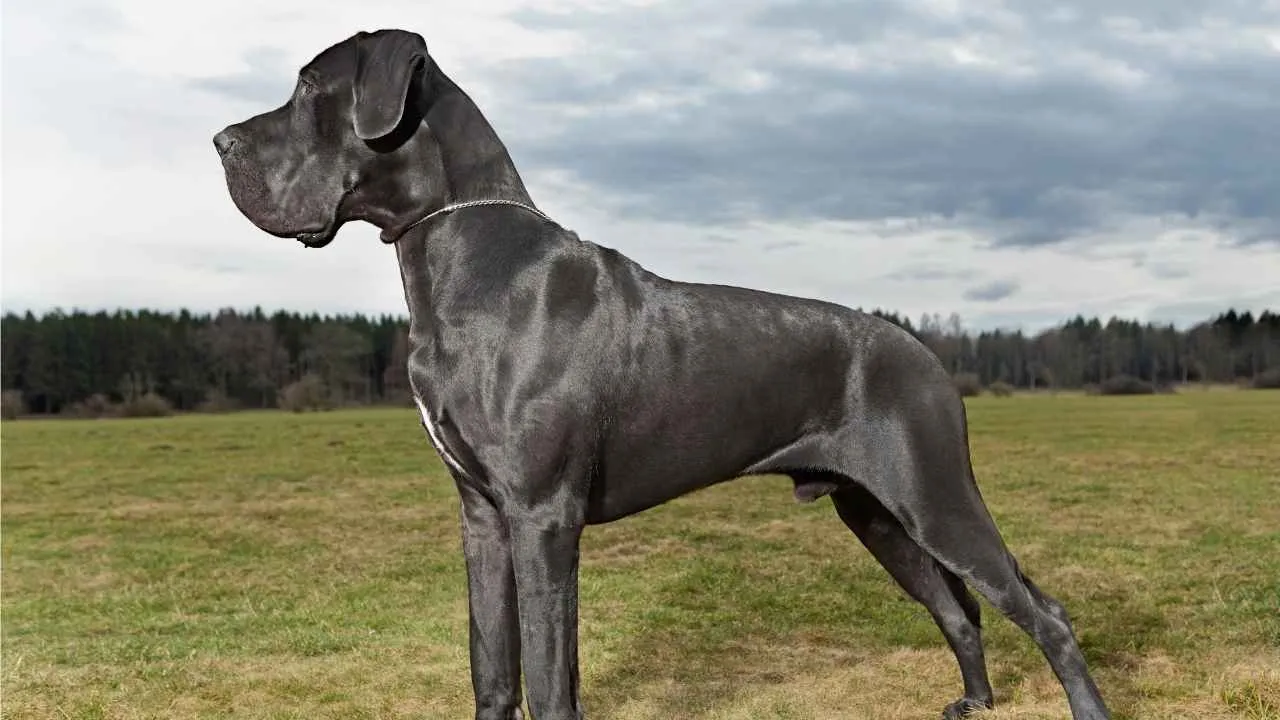
Average lifespan: 6-8 Years
The Great Dane may look like a horse in dog form, but don’t be fooled—this towering breed is famously gentle, affectionate, and laid-back. Great Danes fall into the category of large breeds that live shorter lives, mostly because being that big puts extra wear and tear on the body.
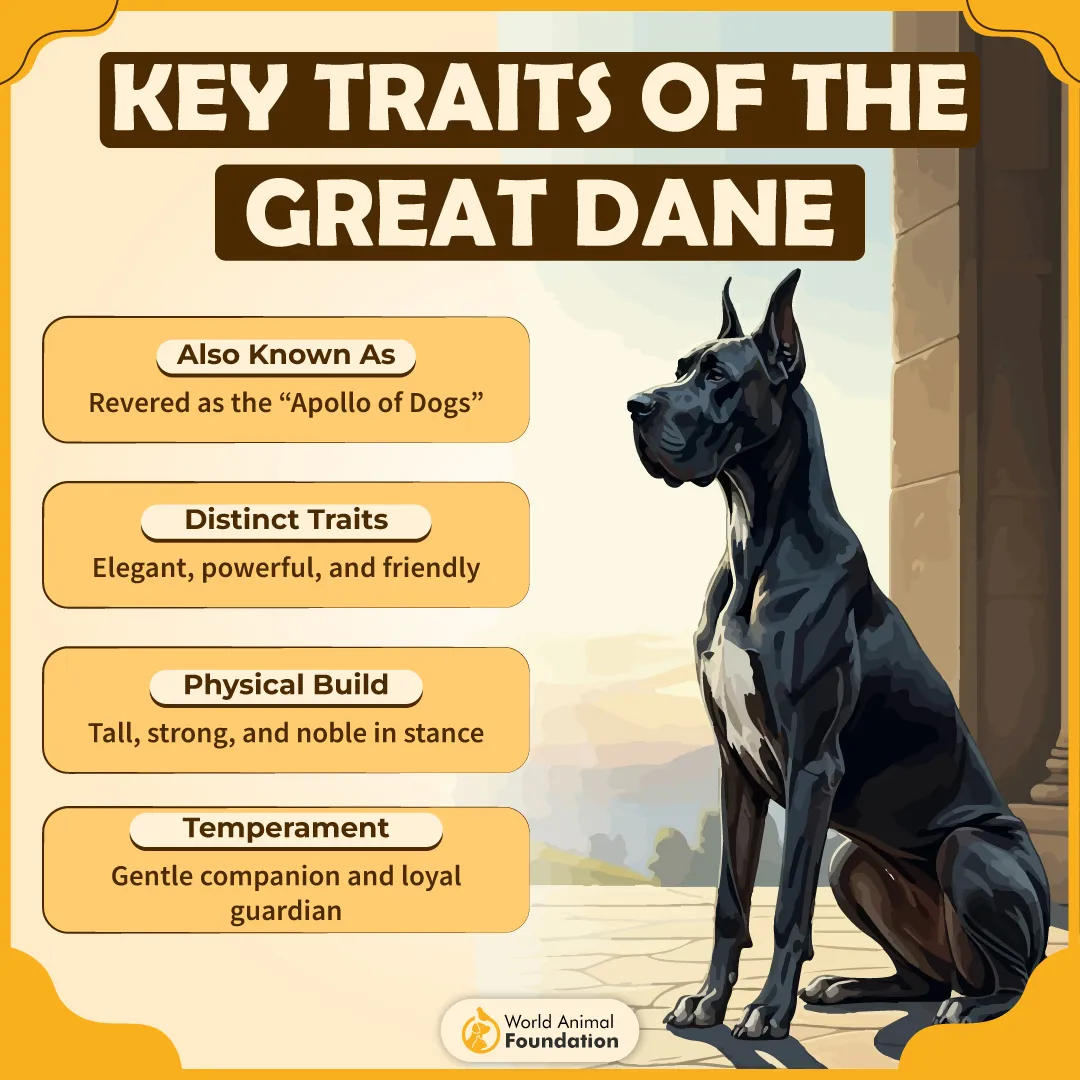
Great Danes are wonderful family dogs. They tend to be loving with children, loyal to their household, and naturally protective without being aggressive.
If socialized early, they can get along well with other animals. However, they are also known for their stubborn streak and strong sense of dignity. Teasing, rough play, or being treated like a toy—especially by kids—is a no-go. This giant has feelings, after all.
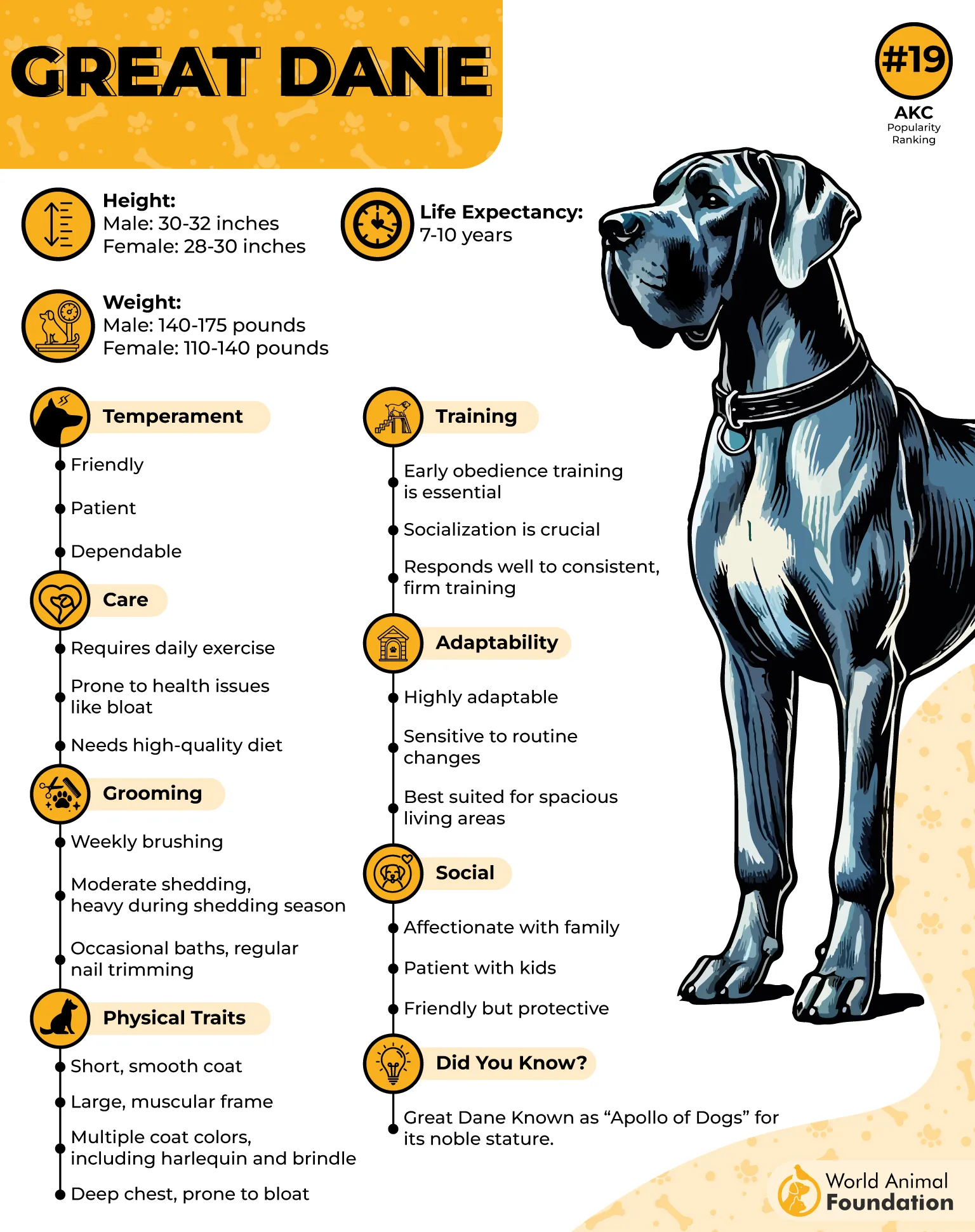
While generally sweet and low-key, Great Danes are prone to several serious health concerns, many of which are linked to their size:
Gastric Dilatation-Volvulus (GDV / Bloat)
Dilated Cardiomyopathy (DCM)
Hip Dysplasia
Osteosarcoma (Bone Cancer)
Wobbler Syndrome (Cervical Spondylomyelopathy)
Because of these risks, Great Danes benefit from regular veterinary checkups, careful feeding routines (to help reduce bloat risk), and a healthy balance of exercise without overexertion—especially during puppyhood.
In the end, the Great Dane may not be with you for as many years as smaller breeds, but the time you do get is filled with gentle loyalty, giant cuddles, and unforgettable companionship. Just remember: When a 150-pound dog thinks they’re a lap puppy, you don’t argue—you adjust.
3. Bullmastiff
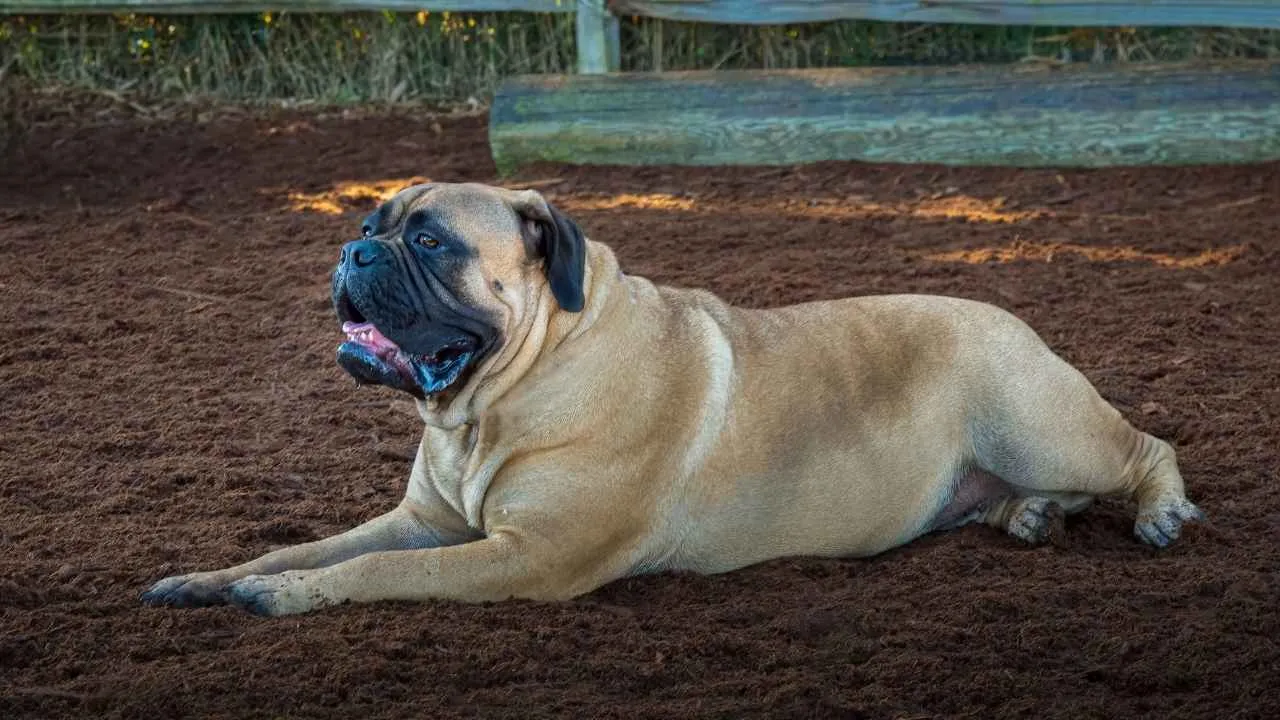
Average dog’s life expectancy: 7-10 Years
The Bullmastiff is what you get when you mix a serious guard dog with a lovable couch potato—and then add a whole lot of snorting. This powerful breed may not be the longest-living, but it certainly knows how to make an impression (sometimes through sound effects alone).
Bullmastiffs aren’t exactly known for their academic achievements. They’re not the most intelligent breed, and their stubborn streak can make training feel like a negotiation rather than a lesson. That said, with consistent, patient training and clear boundaries, they can become excellent family companions.
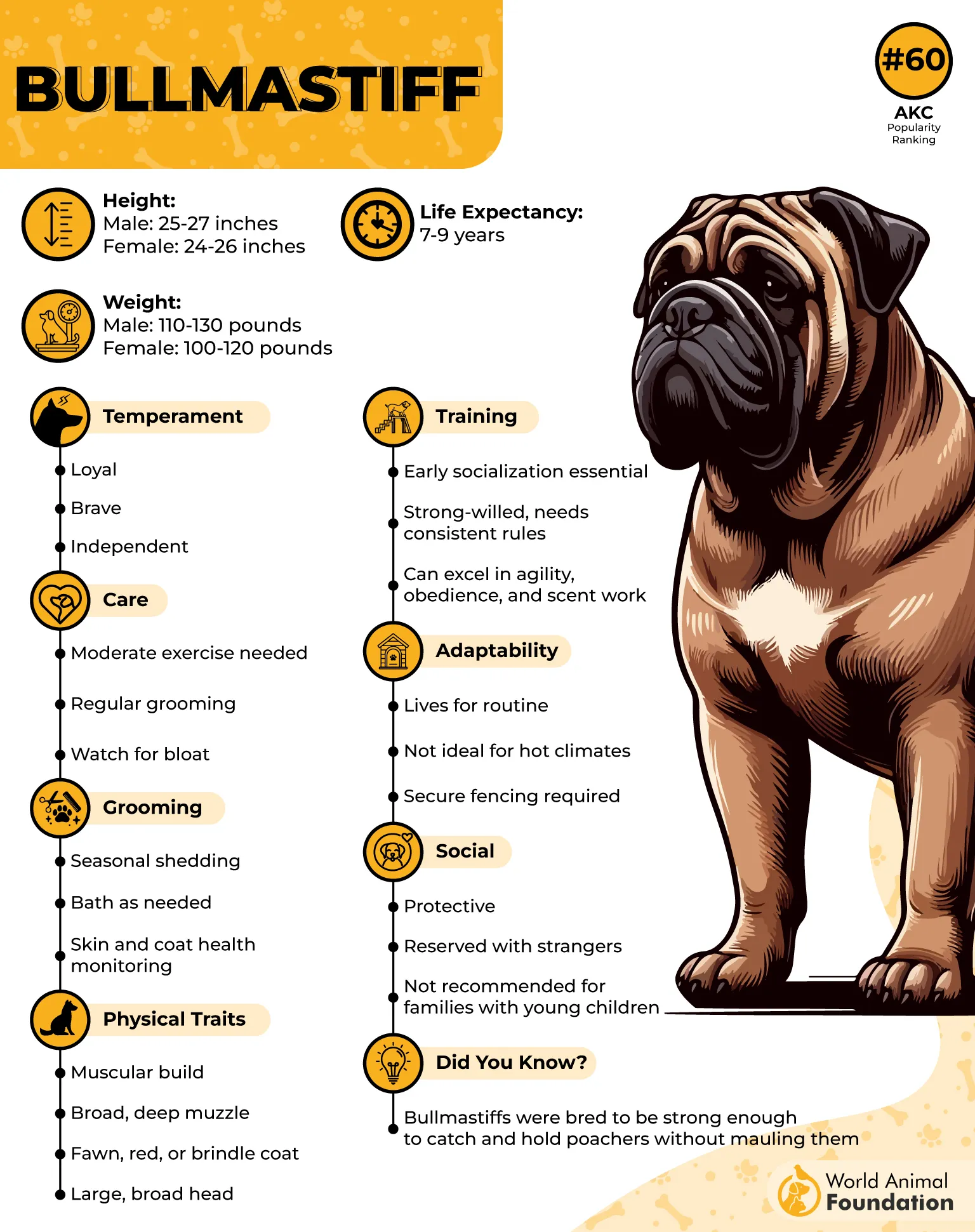
One thing potential owners should know: Bullmastiffs are not quiet dogs. They are famous for snorting, drooling, and yes… farting. A lot. If you’re sensitive to strange noises or unexpected odors, this might not be your dream breed.
Like many large and muscular breeds, Bullmastiffs are prone to several health concerns that contribute to their shorter lifespan:
Hip and Elbow Dysplasia
Gastric Dilatation-Volvulus (GDV / Bloat)
Heart Conditions
Cancer
Entropion and Ectropion
Despite these concerns, Bullmastiffs thrive with proper veterinary care, controlled exercise, and a loving home. They may be stubborn, gassy, and occasionally convinced they’re much smaller than they actually are—but they’re also fiercely loyal, deeply affectionate, and incredibly devoted to their families.
They’re deeply loyal to their people and naturally protective of their “pack,” often positioning themselves between their family and anything they find suspicious—whether that’s a stranger or a suspicious-looking trash bag.
In short, the Bullmastiff is a shorter-lived but big-hearted companion who will guard your home, steal your couch, and probably clear the room—all at the same time.
4. Saint Bernard
Average lifespan: 8-11 Years
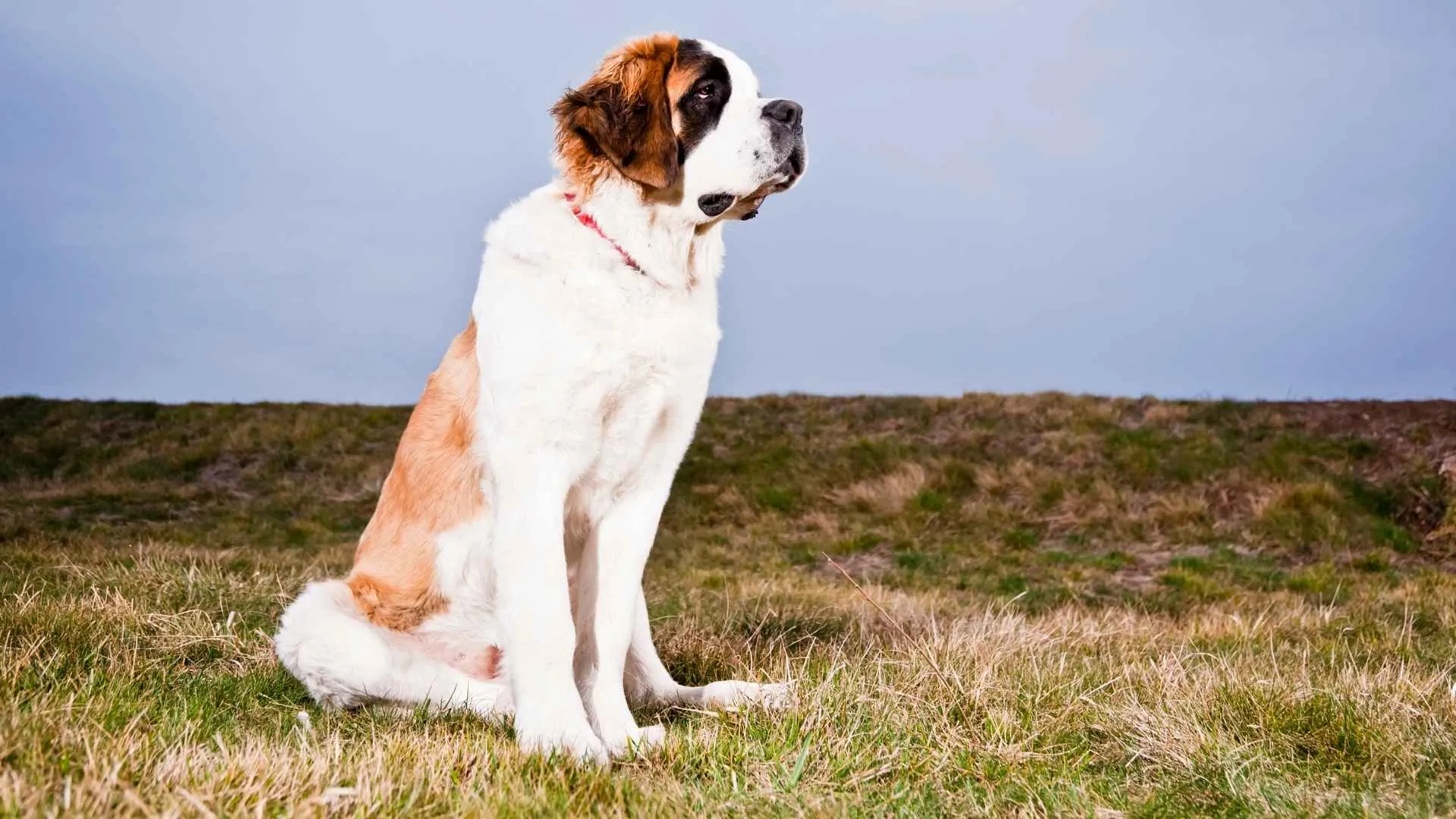
When you think of a Saint Bernard, chances are you picture a massive, fluffy dog rescuing travelers in the snowy Swiss Alps—with a tiny barrel around its neck for dramatic effect. While they may not rank high in AKC registrations, according to the American Kennel Club (AKC), this genial giant remains one of the most famous and beloved dog breeds in the world.
Saint Bernards live a bit longer than some other giant breeds—but still not nearly long enough for the love they give. Saint Bernards are the definition of gentle giants.
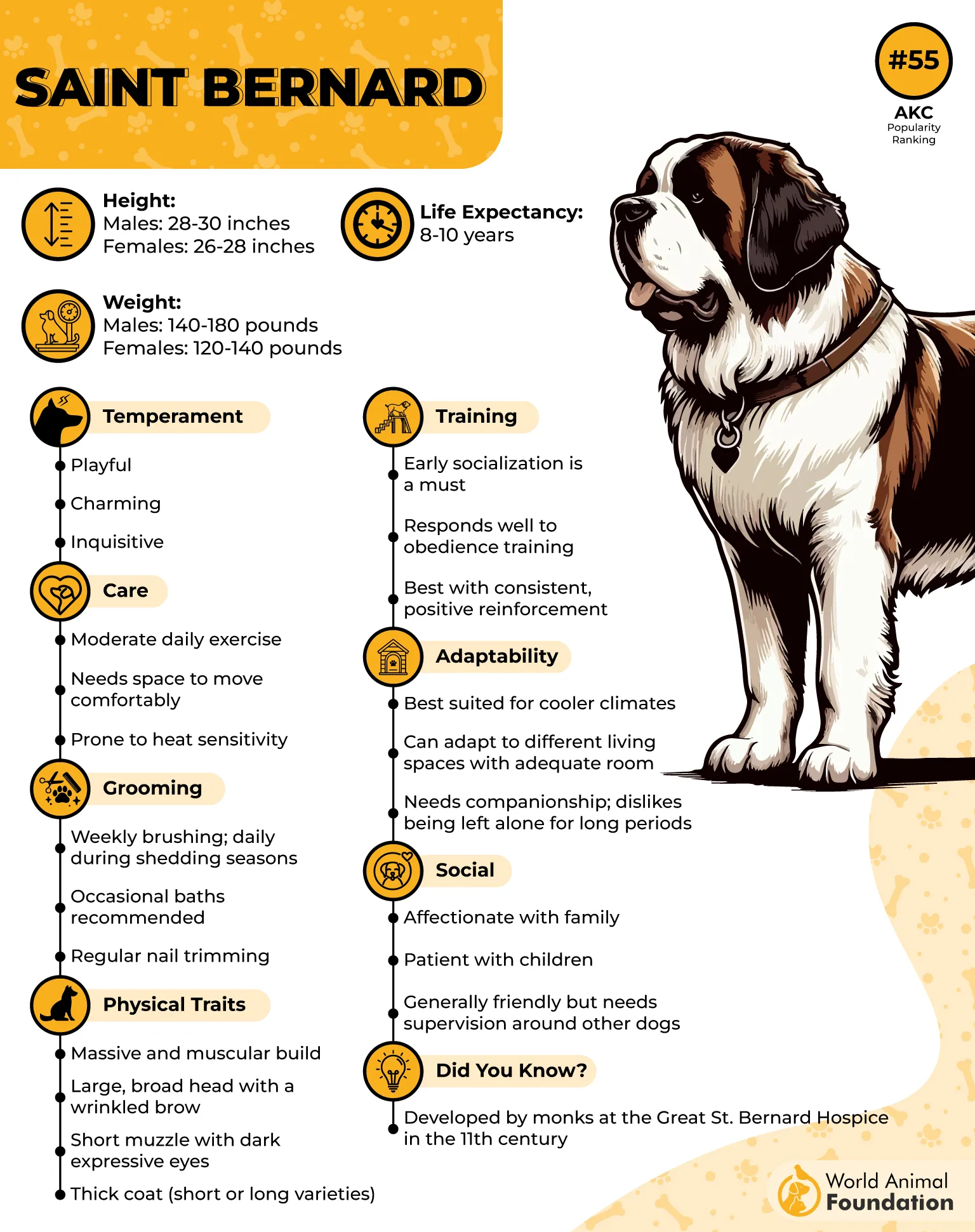
They are patient, watchful, and famously wonderful with children, often tolerating toddler-level chaos with saintly calm (the name fits). They’re not overly energetic and don’t need intense exercise—short walks and relaxed playtime are usually enough.
Like many large breeds, Saint Bernards are prone to health issues that can impact their lifespan:
Hip and Elbow Dysplasia
Gastric Dilatation-Volvulus (GDV / Bloat)
Heart Conditions
Eye Problems
Heat Sensitivity
On top of health care, Saint Bernards require a substantial amount of grooming. Their thick coats shed generously, and drool is simply part of the package—owning a Saint means accepting that your furniture, floors, and occasionally your walls may be lightly misted.
They also tend to get along well with other animals, making them excellent family dogs. That said, their size alone means training is essential—not because they’re aggressive, but because a 150-pound dog who thinks manners are optional can accidentally cause chaos just by turning around too fast.
Still, all the grooming, training, and drool are more than worth it. Saint Bernards offer unmatched loyalty, affection, and calm companionship, making them the kind of dog who doesn’t just live in your home—they become part of your family’s story. Big dog, big heart, big mess… and absolutely worth it.
5. Leonberger
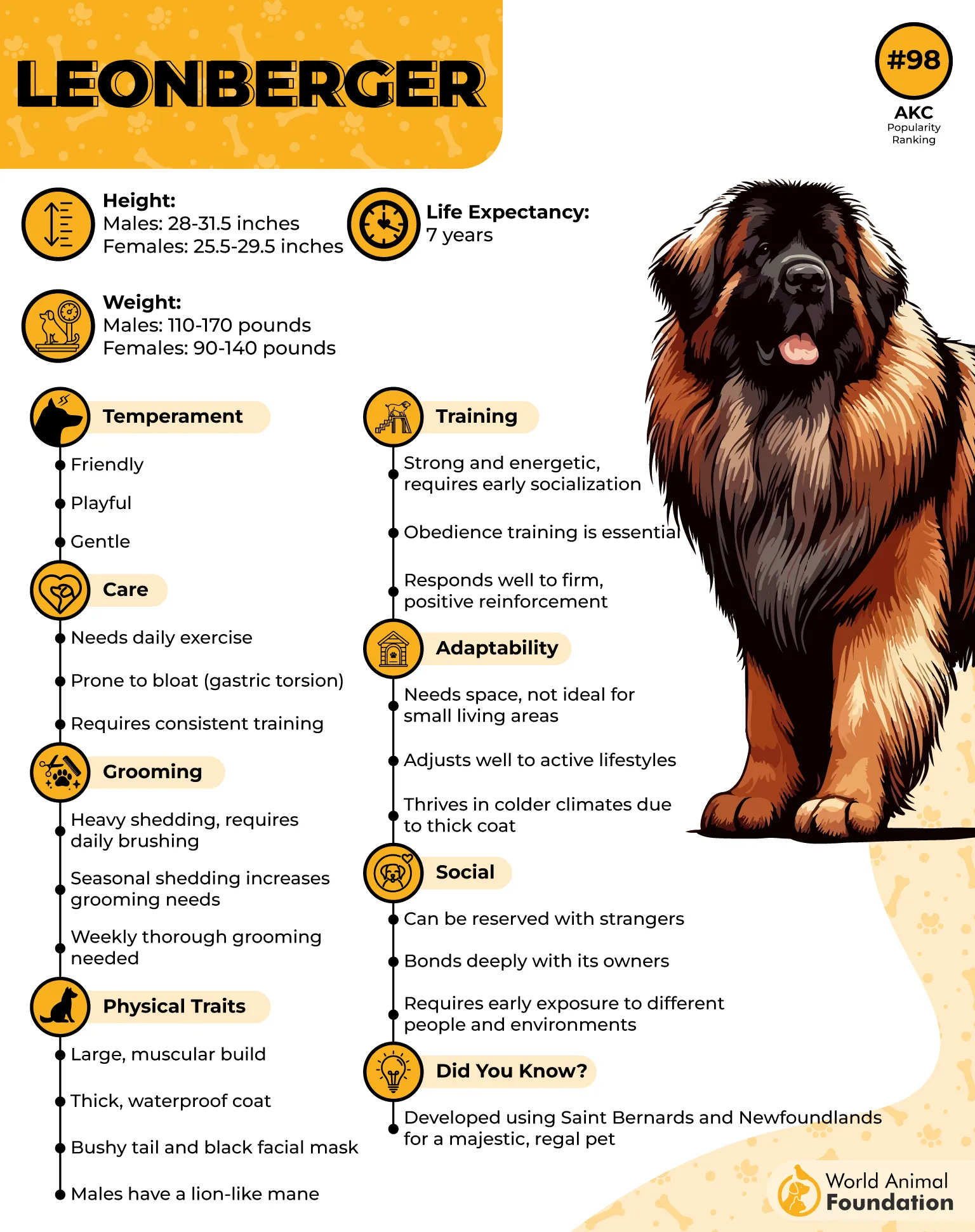
Average lifespan: 8-10 Years
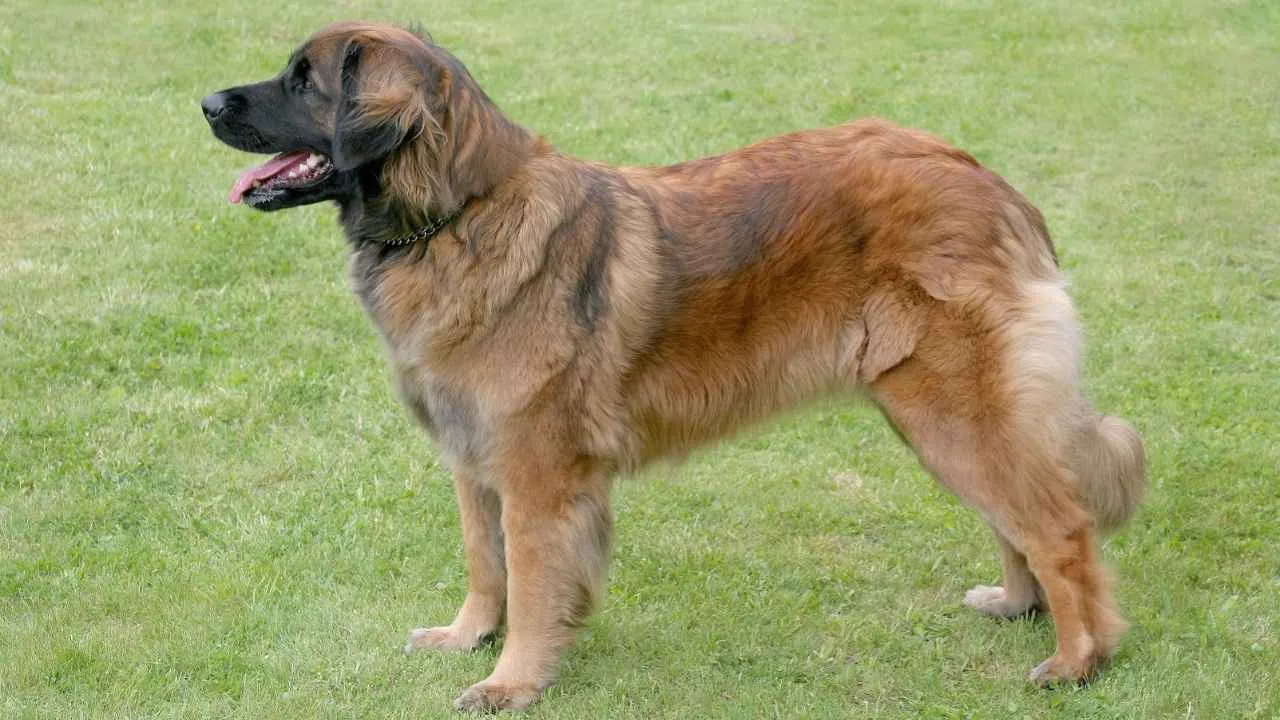
If a dog could be described as majestic, fluffy, and secretly convinced they’re a lap dog, it would be the Leonberger. With their lion-like mane and soulful eyes, these gentle giants look like royalty—but behave more like affectionate family members who just want to be close.
Leonbergers are known for being calm, loyal, and deeply devoted to their people. They tend to be great with children, patient with family life, and happiest when they’re included in daily activities.
Despite their massive size, they’re not overly dramatic or high-strung—more of a “let me quietly follow you from room to room” kind of dog.
Like most giant-breed dogs, Leonbergers are prone to a handful of serious health concerns, which is why many owners wisely consider pet insurance when bringing home a Leonberger puppy:
Gastric Dilatation-Volvulus (GDV / Bloat)
Joint Problems
Cancer
Because of these risks, Leonbergers benefit greatly from regular vet visits, controlled growth during puppyhood, joint-supportive care, and thoughtful feeding routines to help minimize strain on their bodies.
Because of their intelligence and sensitivity, Leonbergers generally respond well to training, especially when it’s positive and consistent. Harsh methods? Absolutely not. This breed has feelings, and they wear them proudly on their furry sleeves.
In the end, the Leonberger is a big, beautiful soul—equal parts elegance and goofiness. They may not be with you as long as you wish, but the years you do get are filled with loyalty, affection, and enough fur to knit a second dog. A true gentle giant who leaves an equally giant mark on your heart.
6. Dogue de Bordeaux
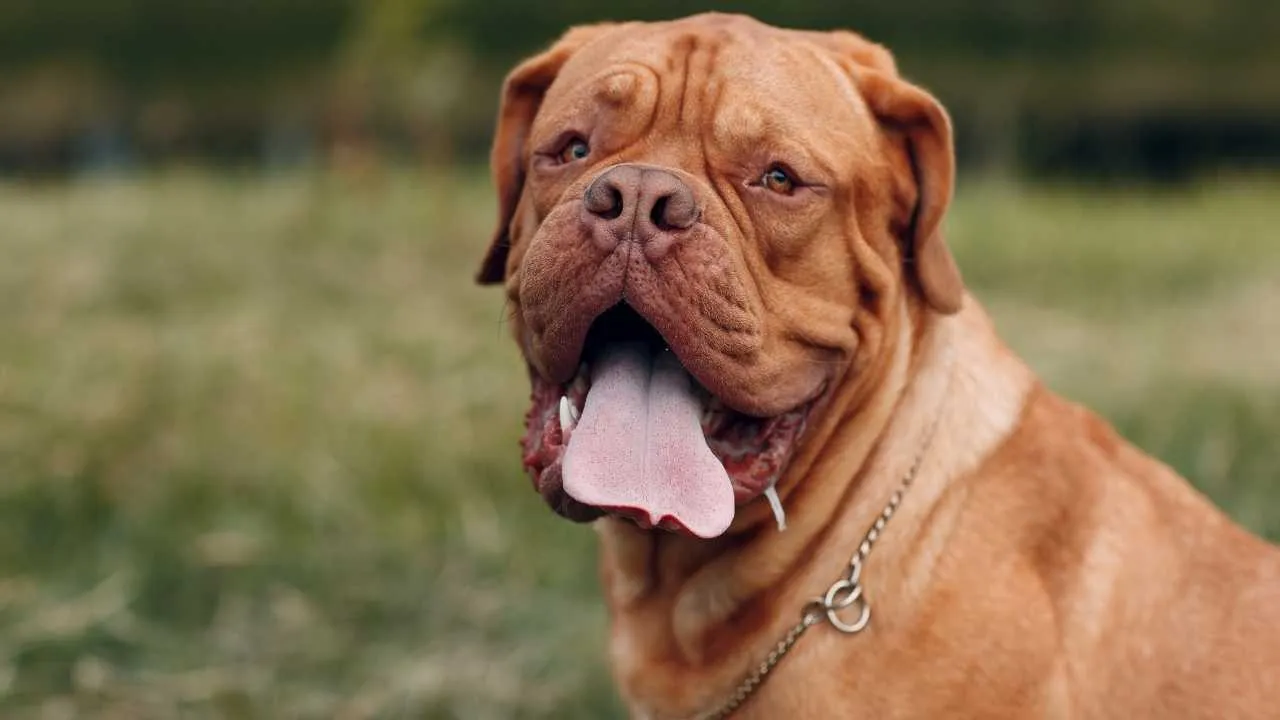
Average lifespan: 5-7 Years
With a face full of wrinkles and an expression that says “I’ve seen things”, the Dogue de Bordeaux is impossible to forget. This powerful French mastiff has one of the shortest lifespans of any dog breed, but one that makes every moment with them feel extra meaningful.
Despite their intimidating build, Dogues are generally low-energy homebodies. They’re perfectly happy living indoors, lounging around the house like a security guard who’s on duty but also very into naps.
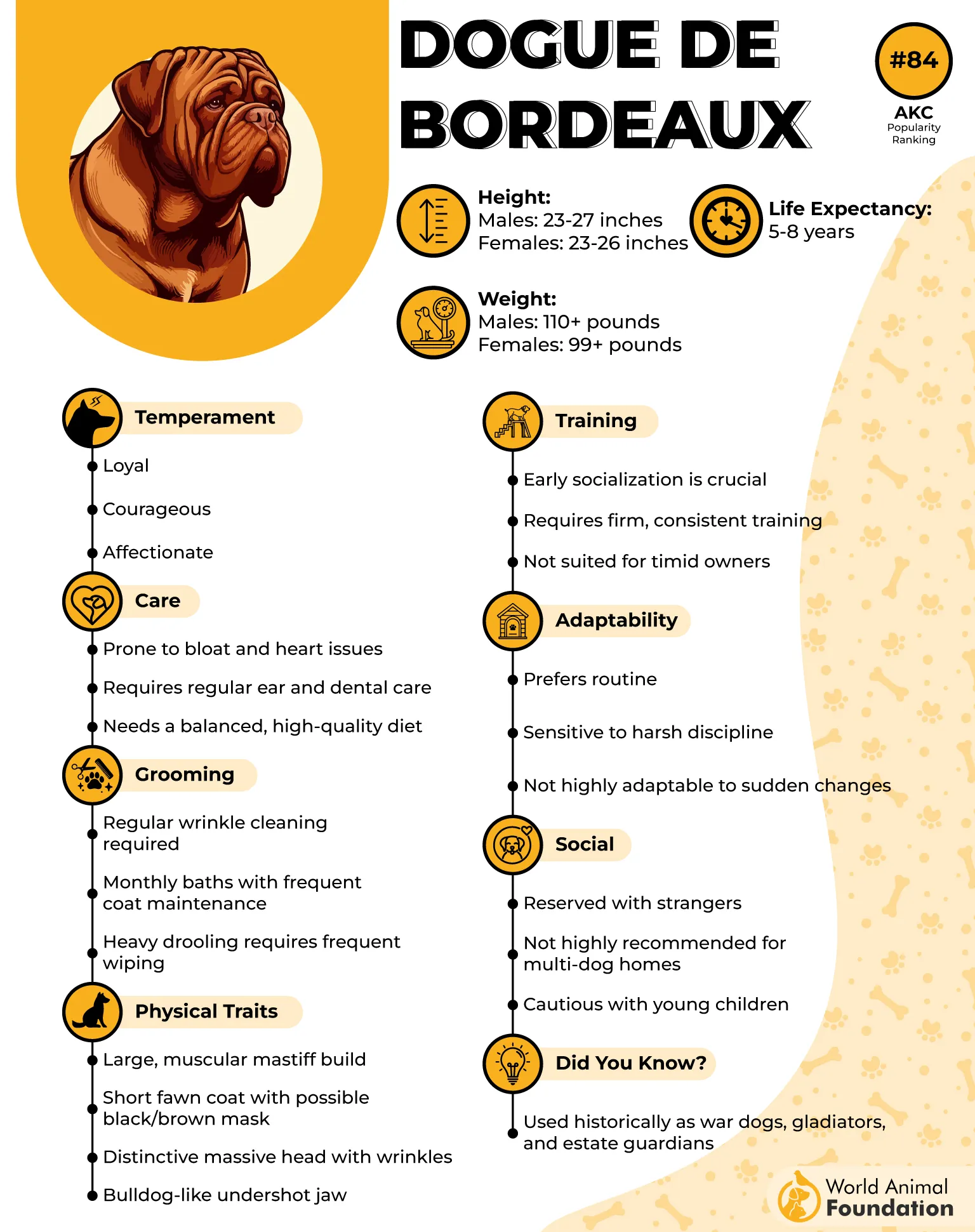
While they do enjoy the occasional adventure or walk, they don’t require constant exercise. If their indoor life is interactive—with play, attention, and love—they’re more than satisfied.
What they do take seriously is their role as family protectors. Dogue de Bordeaux dogs are deeply loyal and naturally protective of their people, making them excellent watchdogs. They’re not typically noisy, but their presence alone is enough to make strangers think twice. When a Dogue is watching you, you know it.
Heart Disease
Gastric Dilatation-Volvulus (GDV / Bloat)
Joint Issues
Breathing Problems
Skin Infections
Because of these health challenges, Dogue de Bordeaux owners need to be especially proactive with veterinary care, weight management, wrinkle hygiene, and temperature control.
Their lives may be short, but their impact is enormous. If you share your home with one, you’re not just getting a dog—you’re getting a devoted protector who will love you fiercely for every single day they’re here.
7. Newfoundland
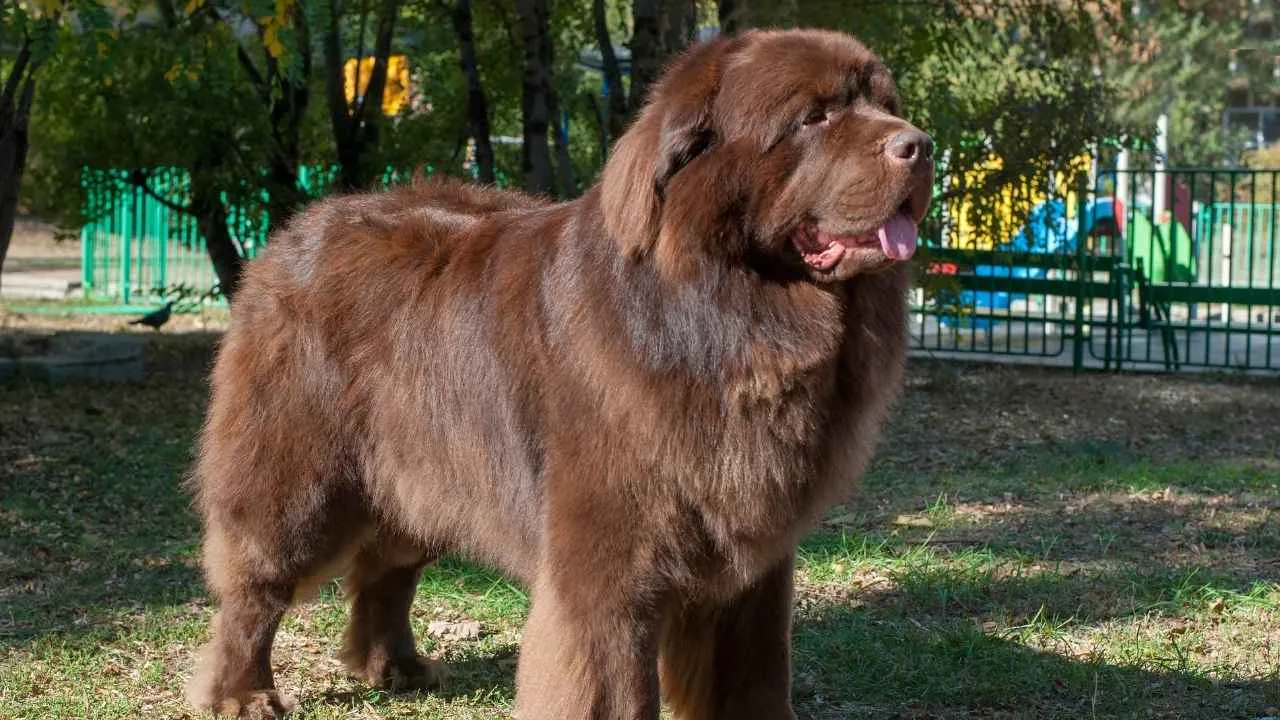
Average lifespan: 8-10 Years
If hugs came in dog form, they’d look a lot like the Newfoundland. With an average lifespan of 8–10 years, this massive, fluffy breed doesn’t live as long as smaller dogs—but they more than make up for it with devotion, gentleness, and enough fur to fill a small closet.
Newfoundlands are built for cold environments, thanks to their long, thick coats. Winter? Perfect. Summer? Not so much. In warmer climates, regular trimming and careful heat management are essential unless you want your Newfie to melt into a puddle of drool and fluff.
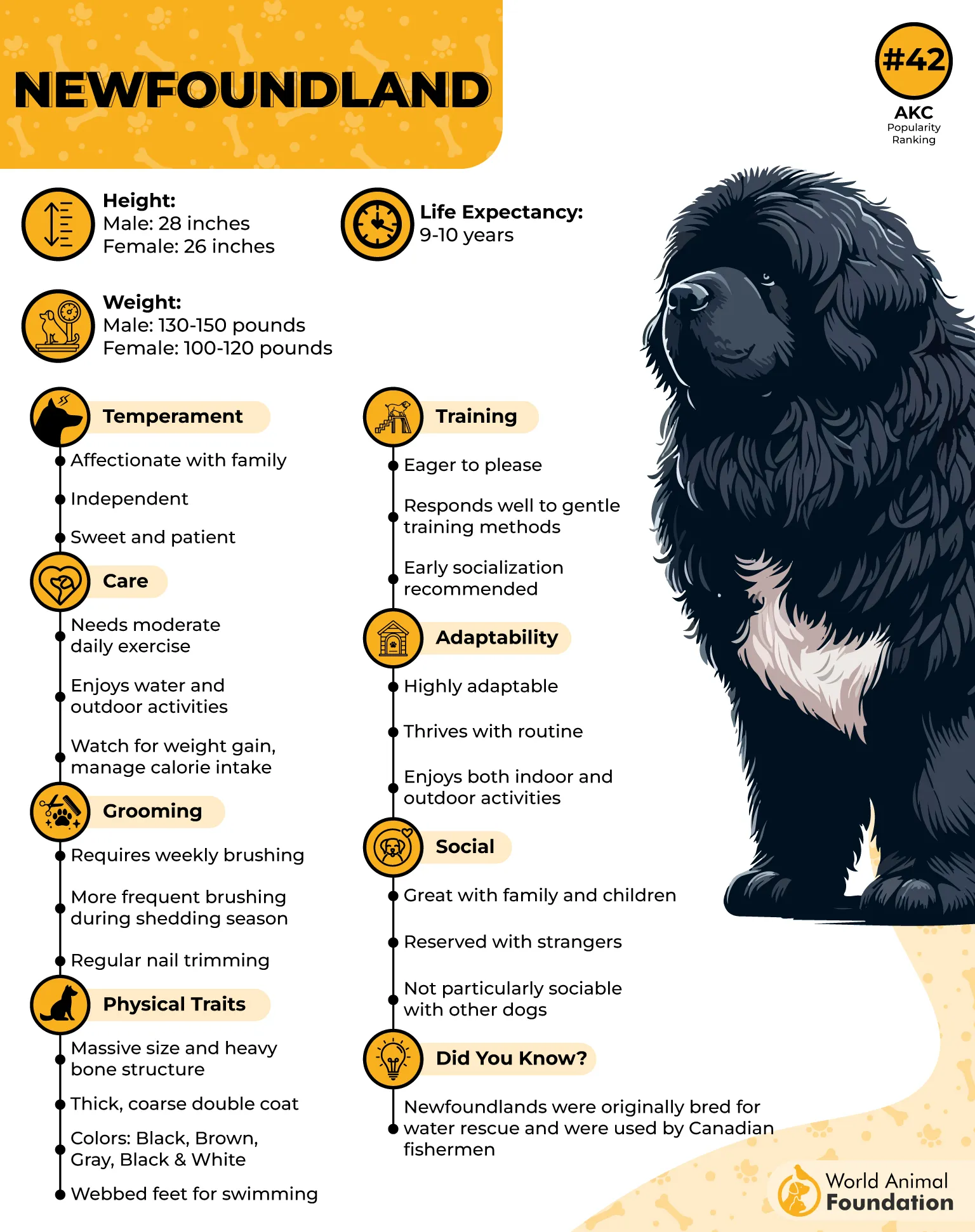
Despite their impressive size, WebMD describes Newfoundlands as friendly, sweet-tempered dogs so wonderful with children that they’re often called “nanny dogs.” They are patient, gentle, and remarkably tolerant, making them a favorite for families.
Because of their large size, Newfoundlands are prone to certain health conditions that owners should be aware of:
Canine Hip Dysplasia
Cystinuria
Heart Conditions
Gastric Dilatation-Volvulus (GDV / Bloat)
Newfoundlands have powerful bodies and soft hearts, which makes them surprisingly easy to train and manage socially. They tend to be calm, cooperative, and eager to please, especially when treated with kindness and consistency.
With proper grooming, regular vet care, and a cool place to relax, Newfoundlands thrive as loving family companions. They may be massive, drooly, and occasionally unaware of their own size—but they are also endlessly loyal, gentle, and affectionate.
Conclusion
Prospective dog owners and pet parents should know that certain breeds have a shorter lifespan due to sheer size, breeding practices, and common health concerns. Large purebred dogs like the Irish Wolfhound and Scottish Deerhound, once used to guard estates, face a higher risk of gastric torsion, cognitive decline, and various health problems as they age.
Smaller dog breeds such as Toy Poodles and Australian Cattle Dogs generally enjoy longer lifespans, especially mixed breeds with a balanced diet tailored to their needs.
Early detection of warning signs, proper dental care, quality dog food, and a proper diet support overall well-being and canine longevity, helping dogs live healthier lives even when potential health issues arise.
