





Most people focus on appearance when choosing a dog, but size plays a much bigger role than it seems. Dogs under 45 lbs often create a completely different home experience, yet this difference is rarely considered in the beginning.
Everything feels fine at first, but as routines settle, certain details become more noticeable. Space, energy levels, and daily care start shaping how comfortable life feels with a dog. Some fit in naturally, while others require constant adjustment.
This is where smaller, well-balanced dogs stand out without making a lot of noise about it. They tend to adapt faster, require less physical effort, and blend into everyday routines without disrupting them. Once you notice this pattern, it becomes easier to understand why many households prefer them.
The list ahead focuses on dogs that consistently offer this kind of balance, helping create a home environment that feels steady, relaxed, and easy to maintain.
Key Takeaways
A dog under 45 pounds can still carry instincts shaped by hunting, herding, and close human companionship within a home setting.
The Dachshund still moves with the purpose it once used for tracking underground, while the Beagle can lose itself completely in a scent trail.
Breeds like the Corgi and Papillon stay tuned to every small change around them, reacting quickly and staying mentally engaged through daily life.
As you go further, each breed begins to reveal how these instincts quietly shape behavior inside a modern home.
Top Dog Breeds Under 45 Lbs for a Happy Home
1. Dachshund
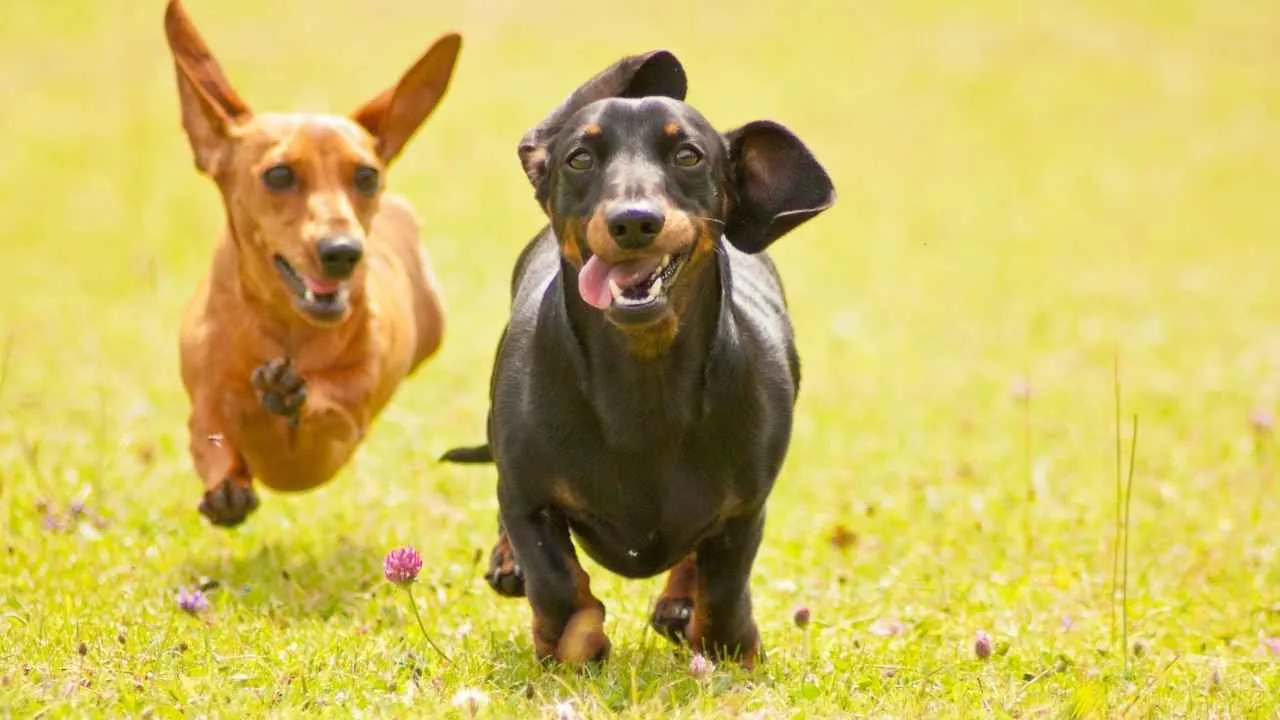
Dachshund shows a body shaped for underground pursuit, with a long frame and strong front limbs built for digging through narrow spaces.
Its structure reflects its early role in tracking burrowing animals like badgers and foxes. This physical setup still influences how it interacts with tight spaces and hidden areas today.
Personality with sharp awareness
It responds to its surroundings with constant alertness, often reacting quickly to movement or unfamiliar presence. It tends to form a strong attachment to one person while staying cautious around strangers.
This behavior shows clearly in daily habits:
Notices small changes in the environment quickly
Bonds closely with one familiar person
Reacts with caution in new social settings
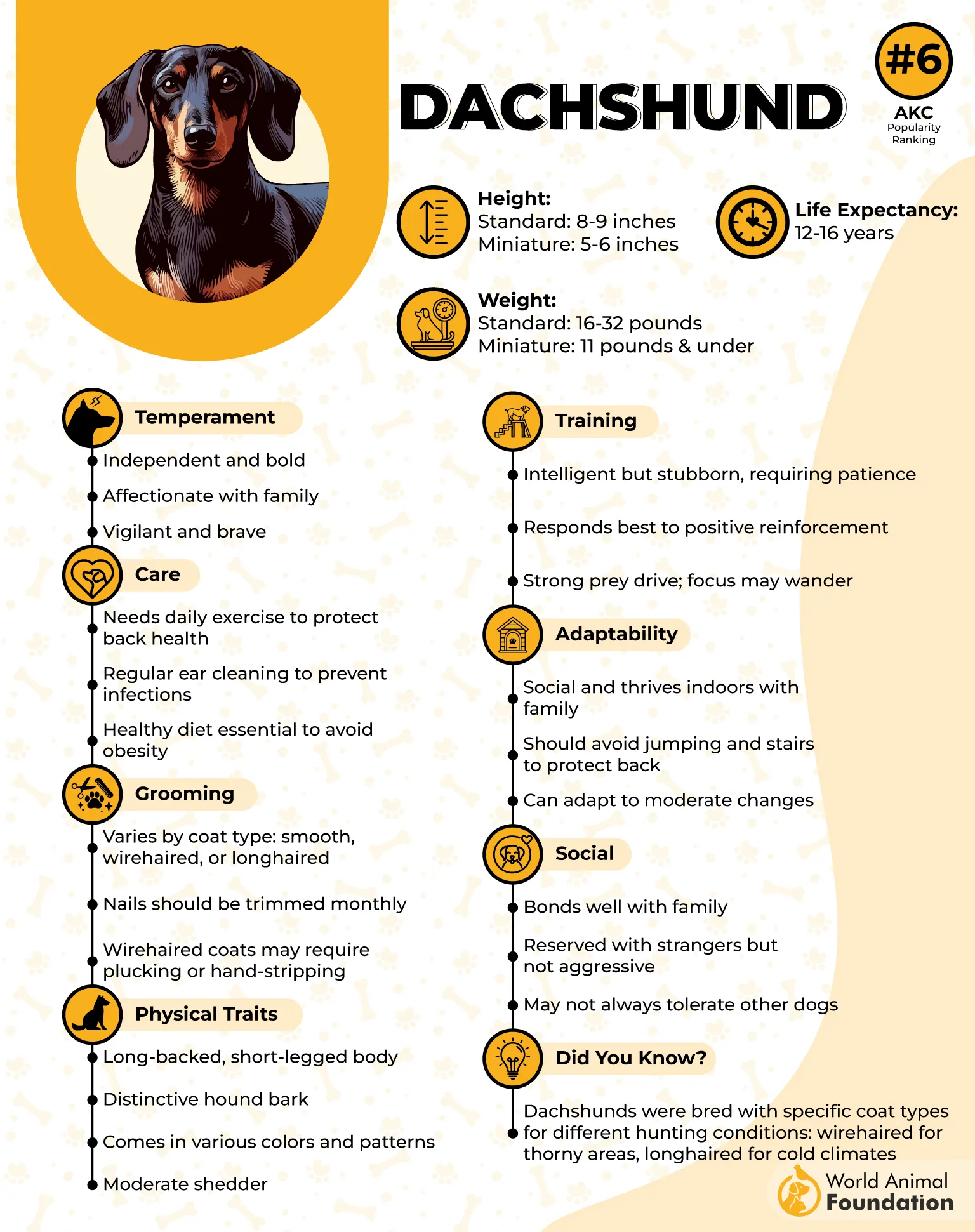
Independent mindset in daily life
They approach training with a strong sense of independence, often showing hesitation when commands feel repetitive, as per Omlet. Its intelligence is present, but it prefers deciding pace and involvement on its own terms. This creates a personality that requires clear boundaries from an early stage.
2. Beagle
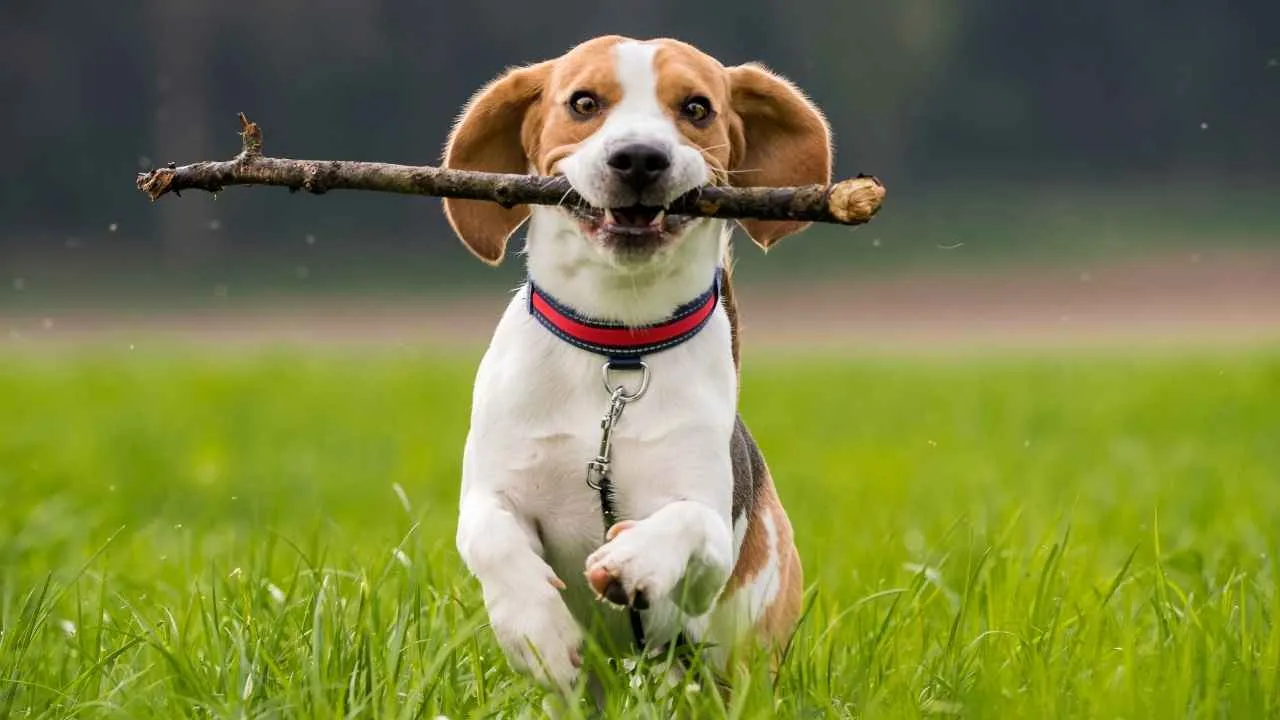
Beagles work through an exceptional sense of smell, often following scent trails with full focus once a trace is detected. This instinct comes from its history in hare hunting, where tracking defined its purpose. The behavior often shifts attention away from surroundings toward the scent path itself.
Social dependence and daily behavior
This small to medium-sized dog breed connects strongly with companionship, showing steady engagement when kept around people or other dogs or other pets, as PDSA notes. Extended isolation can lead to restlessness or disruptive behavior, reflecting its pack-based nature.
This social pattern appears in clear daily tendencies:
Follows scent trails for long distances
Reacts strongly when a new scent appears
Seeks constant company or interaction
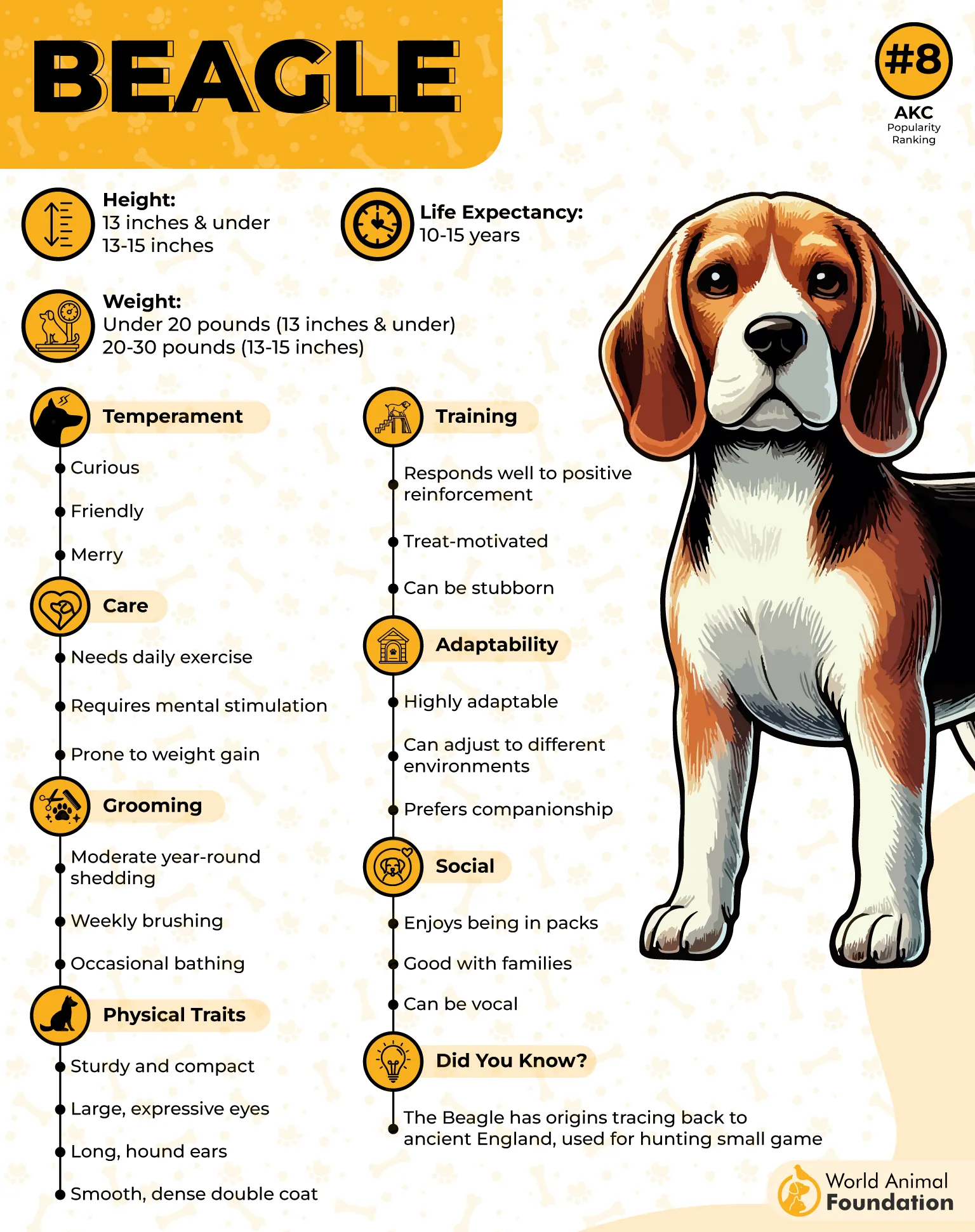
Learning shaped by motivation
It responds to training through gradual reinforcement, requiring patience and repetition for steady progress. Food-based motivation often influences attention during sessions. Its learning behavior reflects a mind more guided by interest and reward than immediate command response.
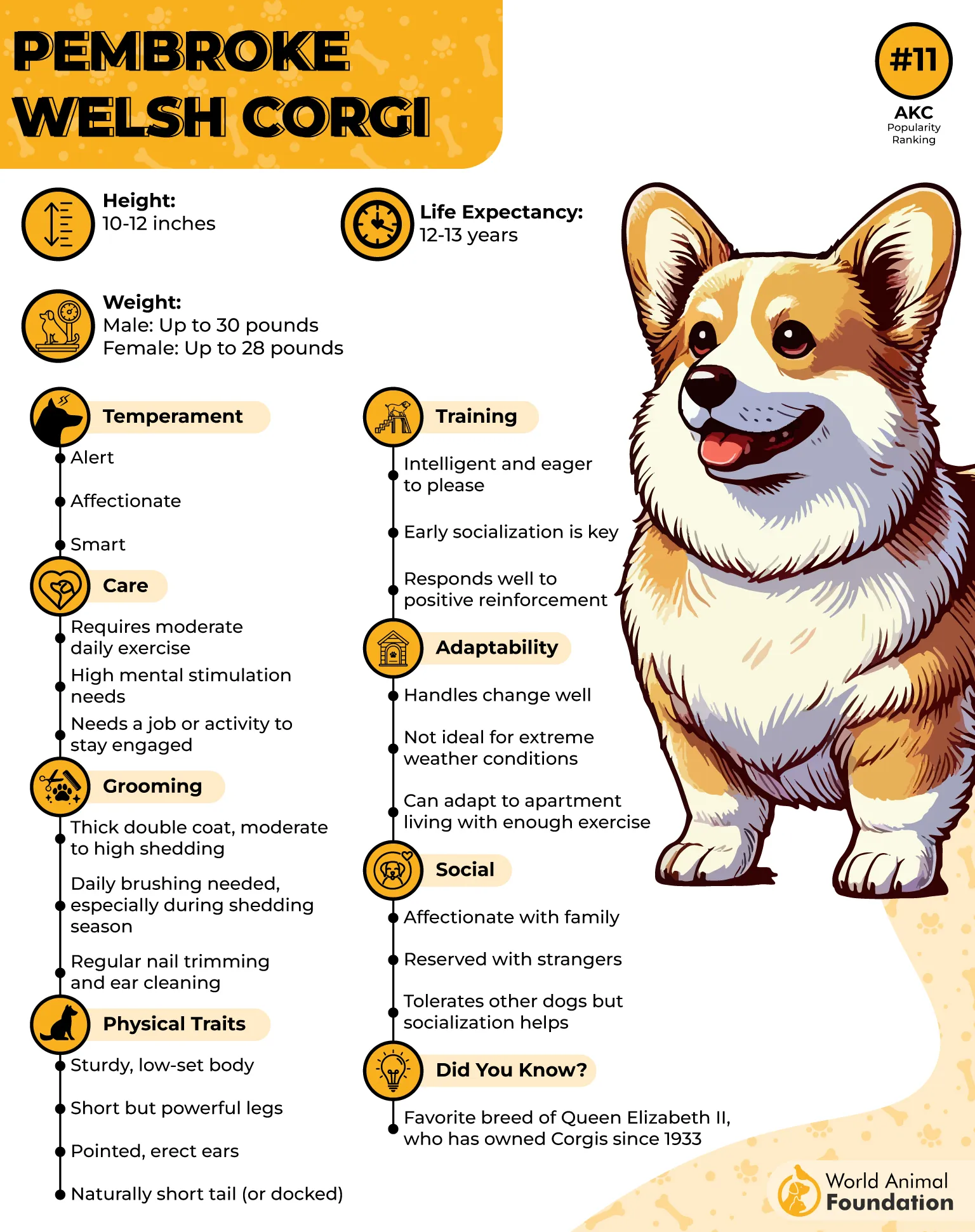
3. Pembroke Welsh Corgi
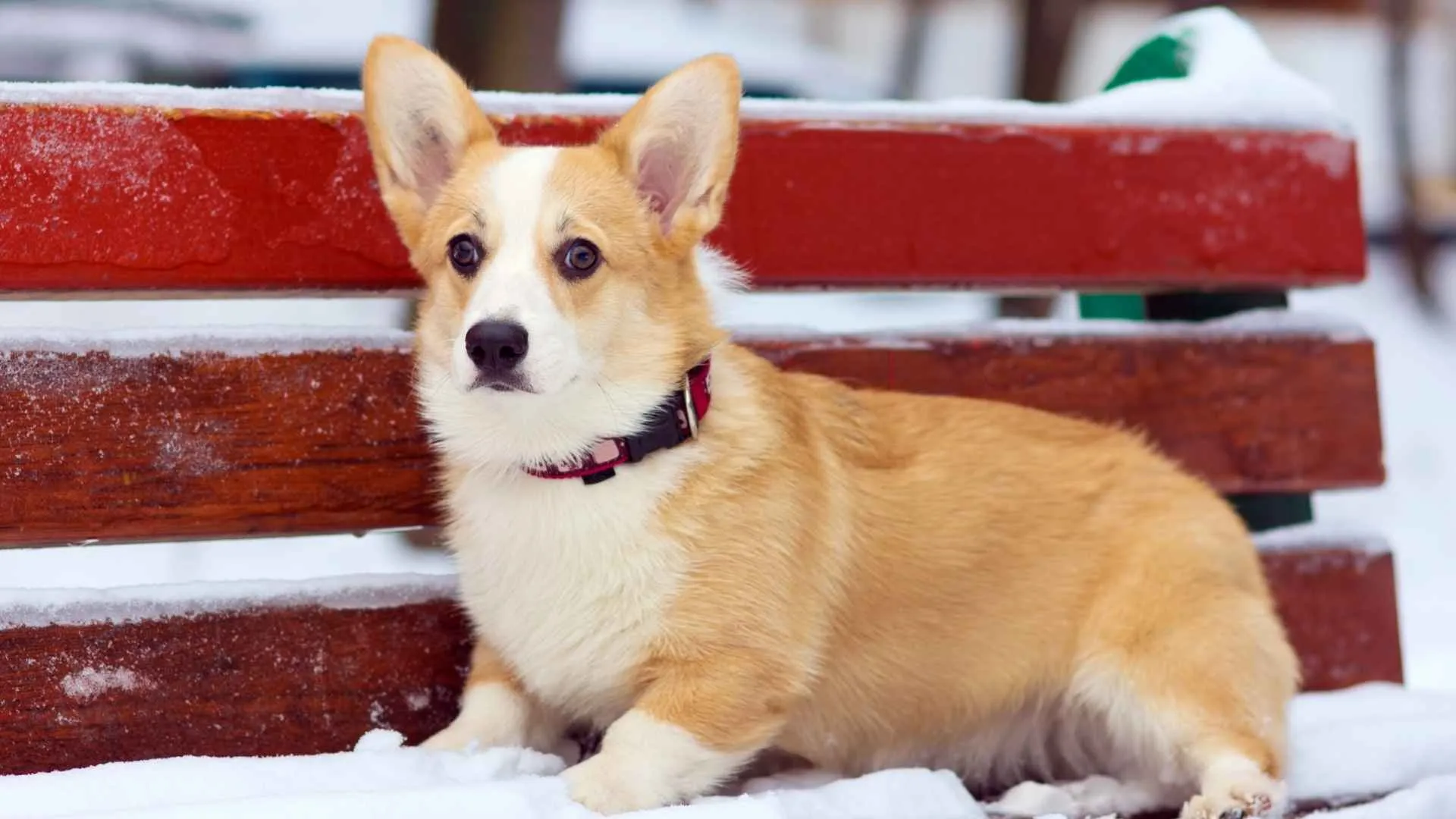
Pembroke Welsh Corgi was originally bred in Wales, with roots linked to Viking-era cattle dogs brought through early European trade routes. Its low body position was shaped for working around livestock, especially for guiding movement at ground level.
Sharp awareness of daily behavior
This medium dog breed reacts quickly to sound and activity around its space, often using vocal signals as a form of alerting, as Purina mentioned. It may show early hesitation with unfamiliar faces before settling into observation.
Their practical traits are seen in these actions:
Reacts quickly to small environmental changes
Uses barking as a primary alert response
Engages with structured, reward-based learning
Learning pattern shaped by engagement
This herding breed responds well to training that keeps attention active through tasks and rewards, showing interest in problem-solving style interaction. Its behavior becomes more balanced with early exposure to different environments. Focus tends to shift quickly when mental engagement is maintained.
4. Papillon
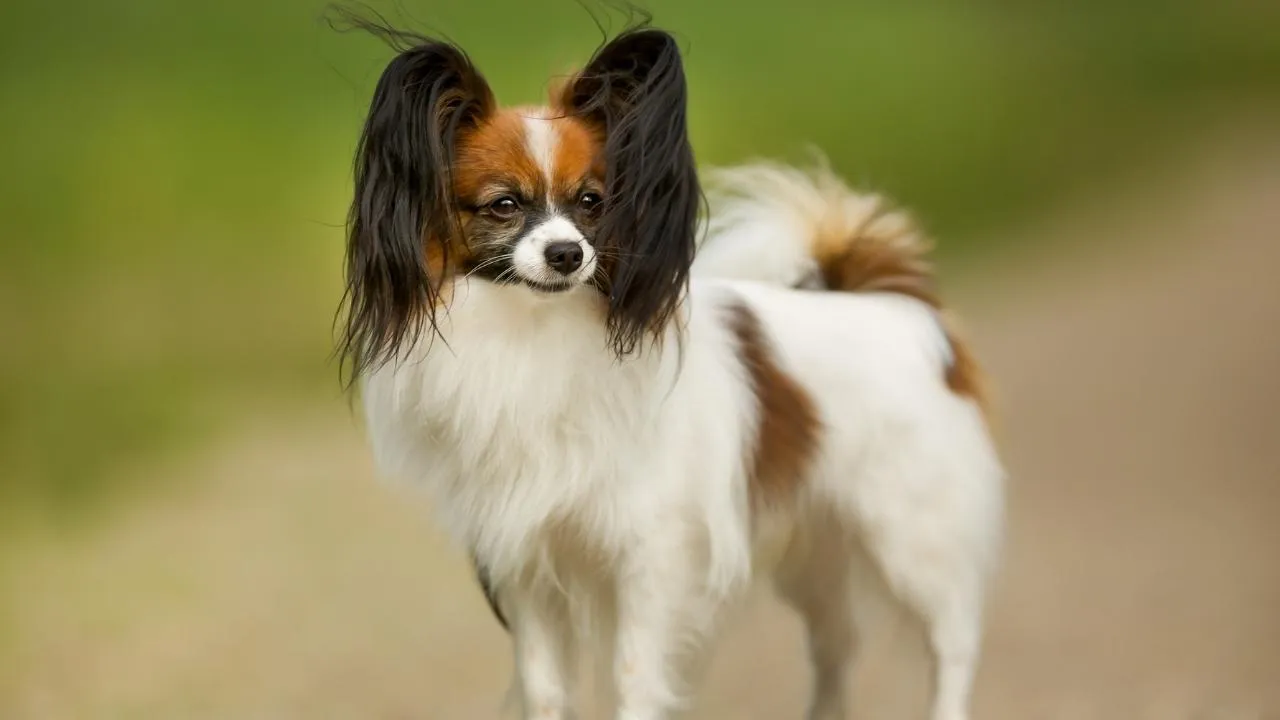
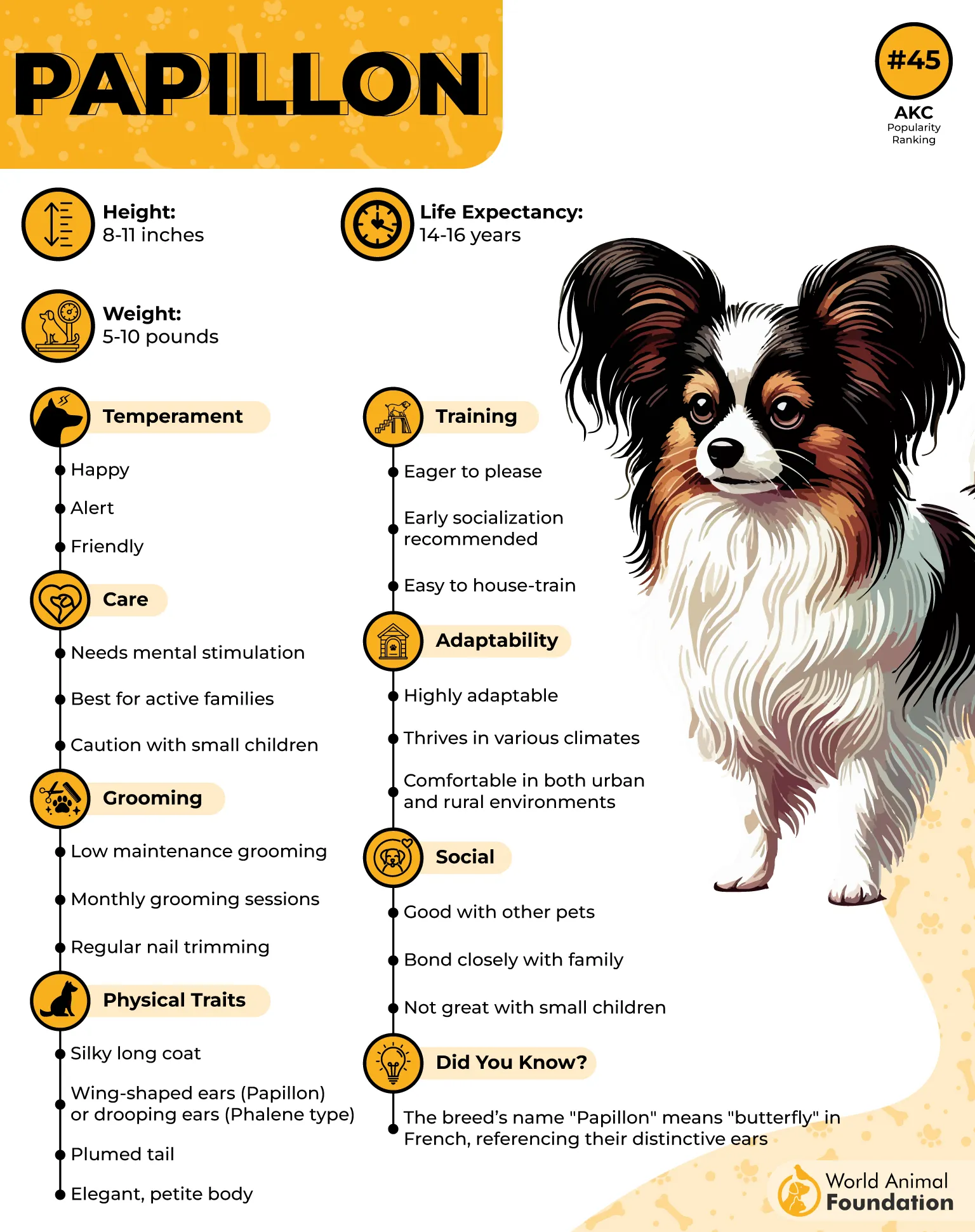
Papillon traces its history to French court circles, where its presence appeared in artwork as early as the 13th century. Its signature ear shape, resembling butterfly wings, defines its identity without needing exaggeration. The breed blends small size with a noticeable sense of alert liveliness.
Behavior shaped by interaction
This small dog breed responds strongly to attention and social contact, staying engaged with people and surroundings throughout the day. Its learning ability makes training feel responsive, especially when guidance is paired with encouragement.
This behavior becomes easier to recognize through everyday traits:
Picks up new tricks with quick understanding
Responds well to praise-based guidance
Maintains awareness of household activity
Energy expressed through activity
It keeps a steady level of energy that finds release in walking, indoor play, and short exploration bursts. It often stays close during outings but still shows curiosity about nearby surroundings. Structured play and different dog sports help channel its constant movement into focused interaction.
5. Italian Greyhound
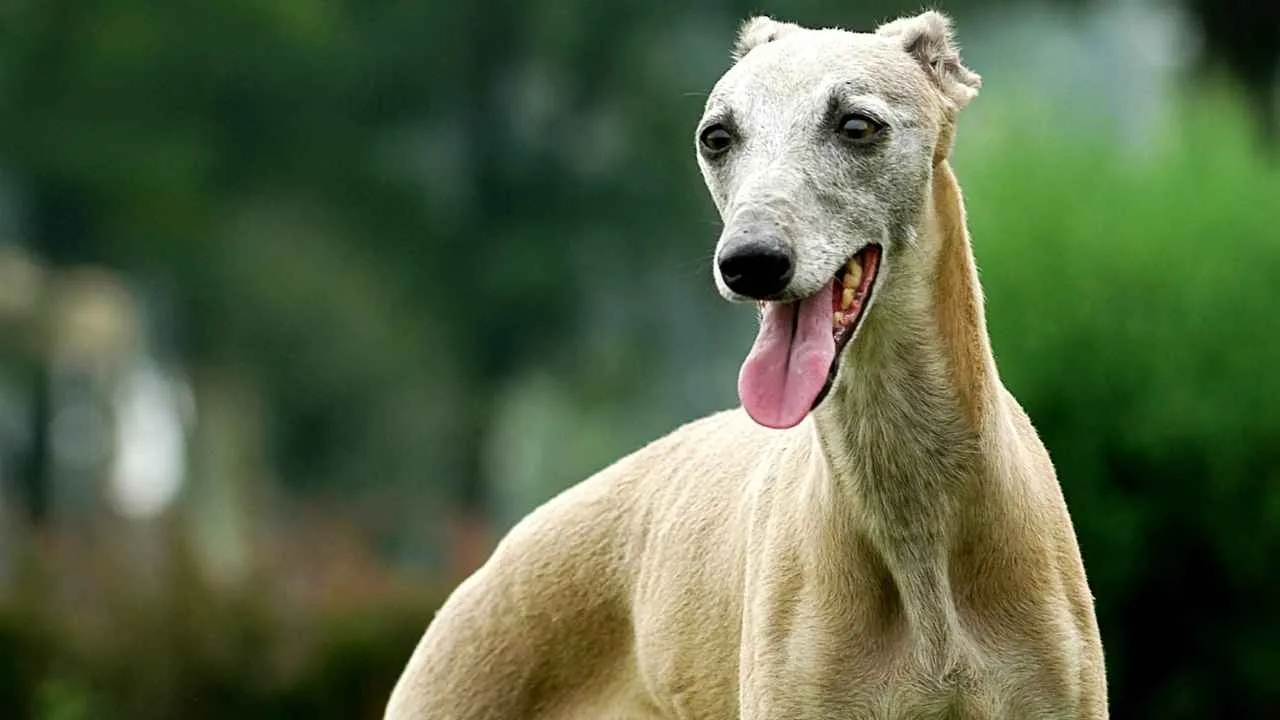
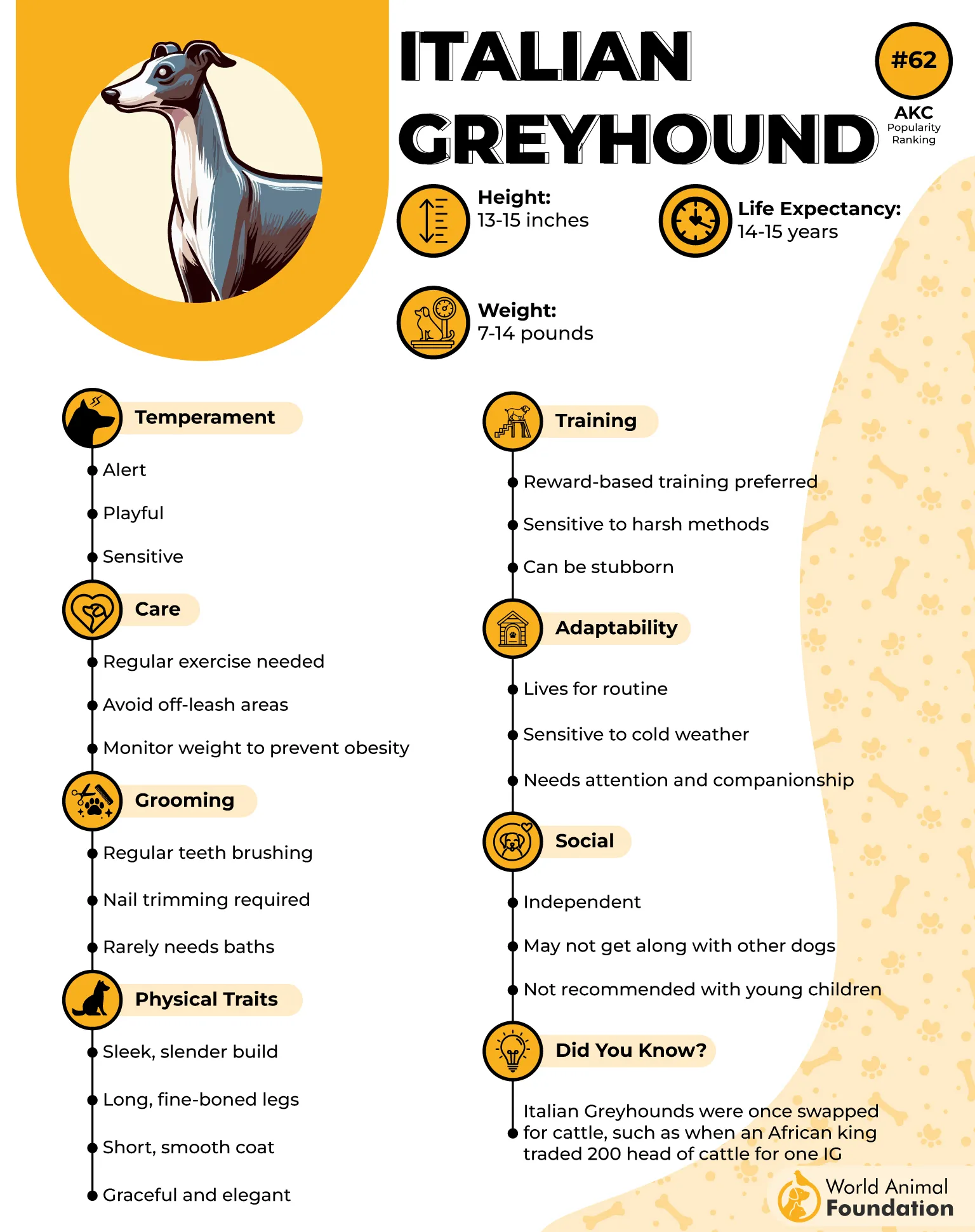
Italian Greyhound presents a fine-boned outline with long limbs and a light structure that reflects its coursing background. Its elegant form feels built for quick bursts rather than heavy endurance. Despite its refined appearance, attention to surroundings stays consistently sharp.
Small stature with layered instincts
IGs blend lap-dog affection with inherited chase instinct, creating behavior that shifts between closeness and sudden pursuit of movement. It often prefers staying near people, yet reacts instantly to fast visual triggers.
That contrast becomes clearer in daily behavior patterns:
Responds quickly to rapid movement in surroundings
Seeks close physical contact indoors
Requires careful handling in open, unsecured spaces
Selective activity bursts indoors
They spend much of their time resting in close contact with familiar people, often choosing soft, elevated spots. Short play sessions or brief outings fit its natural activity rhythm better than prolonged exertion. Its thin coat also influences how it handles temperature changes.
6. Cocker Spaniel
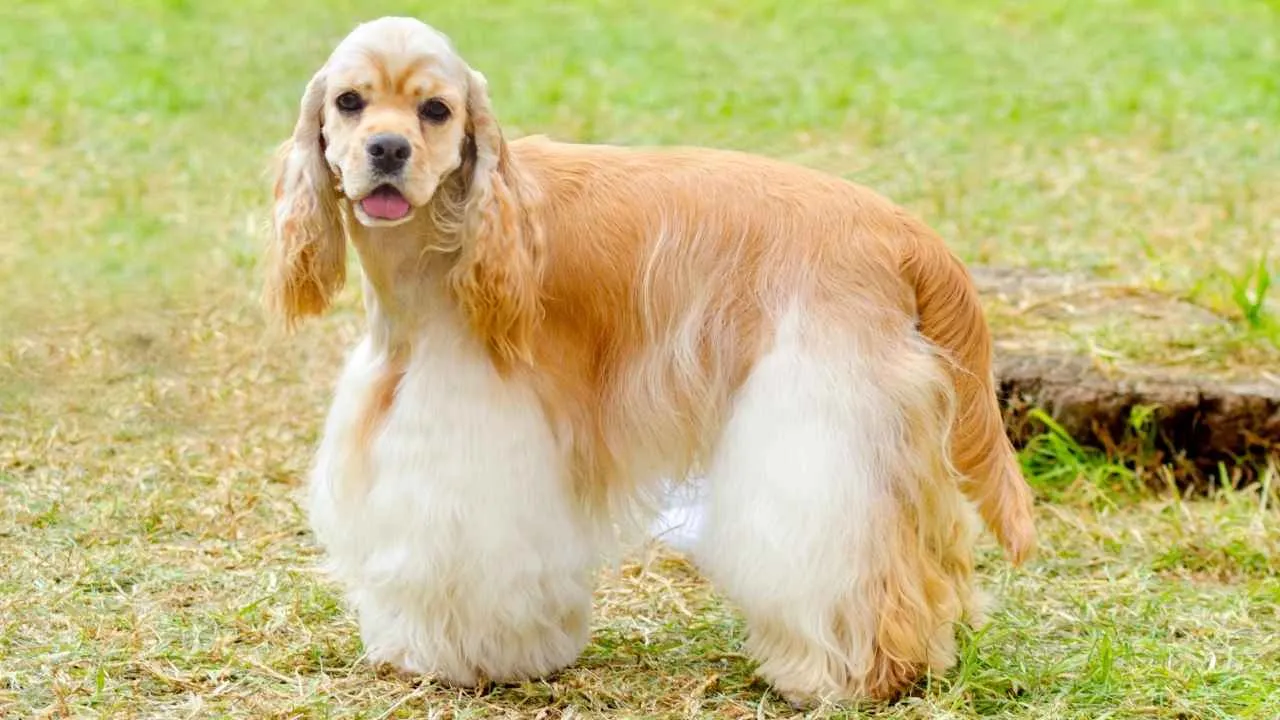
Cocker Spaniel is defined by its large, dark eyes and soft expression that instantly create engagement within the home. Long, flowing ears and a well-proportioned body add to a presence that feels both lively and inviting. This visual appeal connects closely with its long-standing role as a companion.
Built for field and play
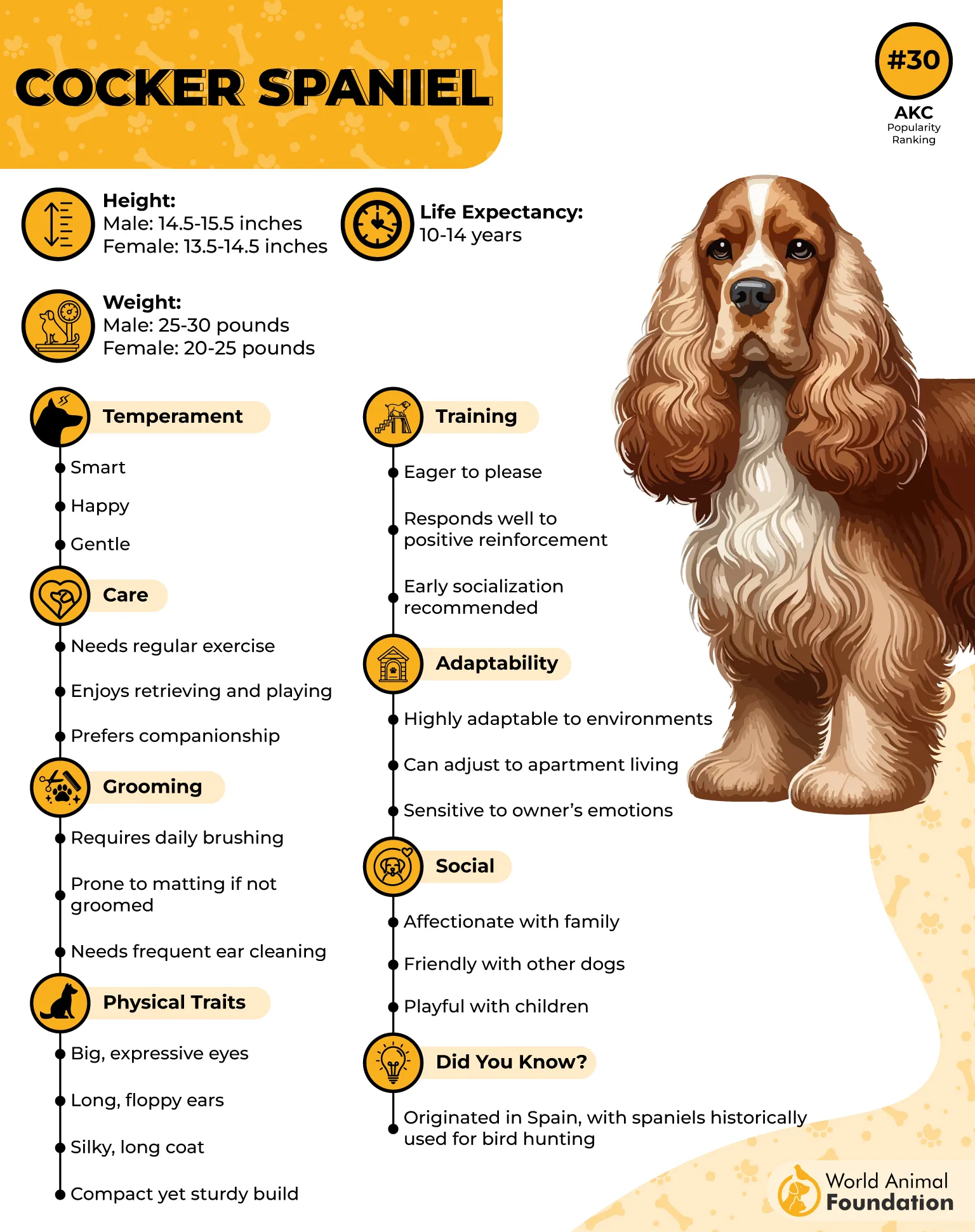
This affectionate dog holds a sturdy, balanced frame shaped through its background as a gundog, allowing both durability and ease of movement. Its gait stays smooth and efficient, supporting active play without strain.
That structure comes through in clear detail:
Solid body built for lasting activity
Smooth gait suited for steady movement
Compact size that fits varied living spaces
Temperament that stays responsive
This little dog breed responds well to training, showing willingness during both basic commands and active tasks. Its personality blends playful nature with a cooperative mindset, especially in family settings. This balance reflects a dog shaped through both field work and close human interaction.
7. Bedlington Terrier

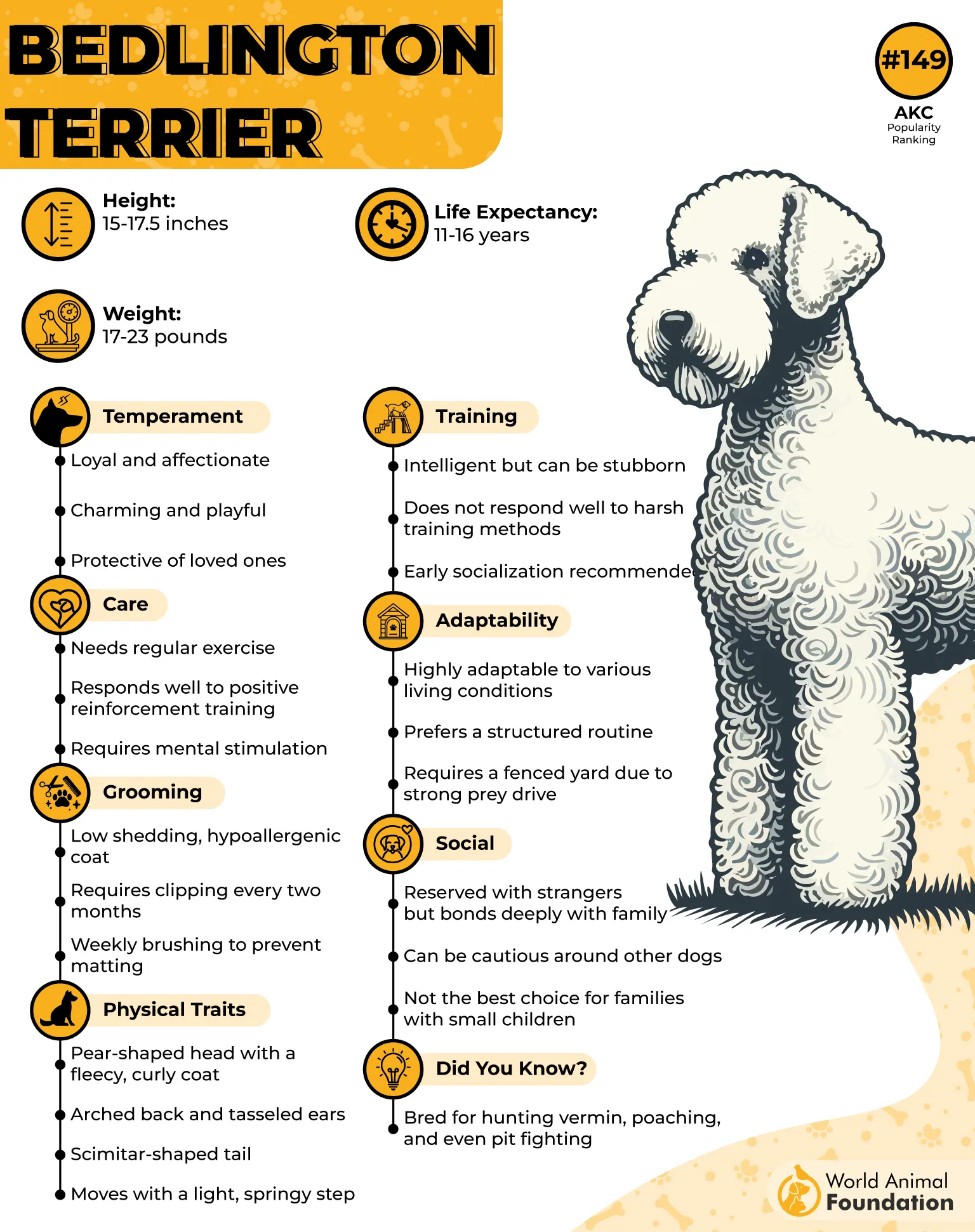
Bedlington Terrier presents a soft, lamb-like outline, yet its structure hints at speed and pursuit linked to sighthound influence. Its light, springy step reflects a body built for quick bursts when attention shifts. This contrast shapes a dog that feels gentle at rest but alert in motion.
Engagement that shifts with mood
This terrier breed blends playful interaction with a clear desire to stay involved in family activity, often placing itself at the center of attention. Its protective side appears quietly around familiar people without constant display.
That dual nature shows in everyday behavior:
Seeks attention during relaxed home time
Engages actively in games like fetch
Watches over familiar people with awareness
Energy that settles indoors
They handle physical and mental exercise in defined bursts, enjoying runs or longer walks before settling comfortably indoors. Its energy stays controlled rather than chaotic, allowing smooth transitions between play and rest. It is well-suited for homes that balance movement with downtime.
8. American Eskimo Dog
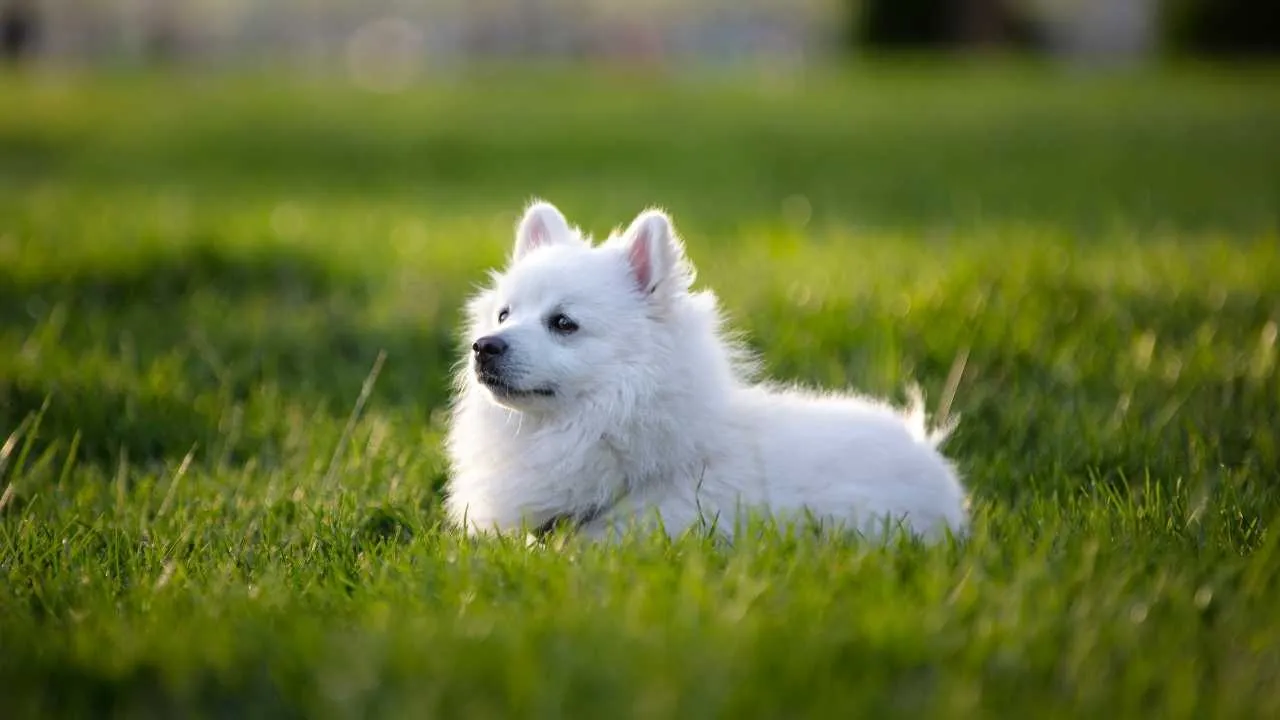
American Eskimo Dog combines a bright white coat with a lively expression that reflects constant alertness. Its face and posture often signal curiosity before interaction begins. This visual clarity makes its reactions easy to read within a home setting.
Quick mind in daily interaction
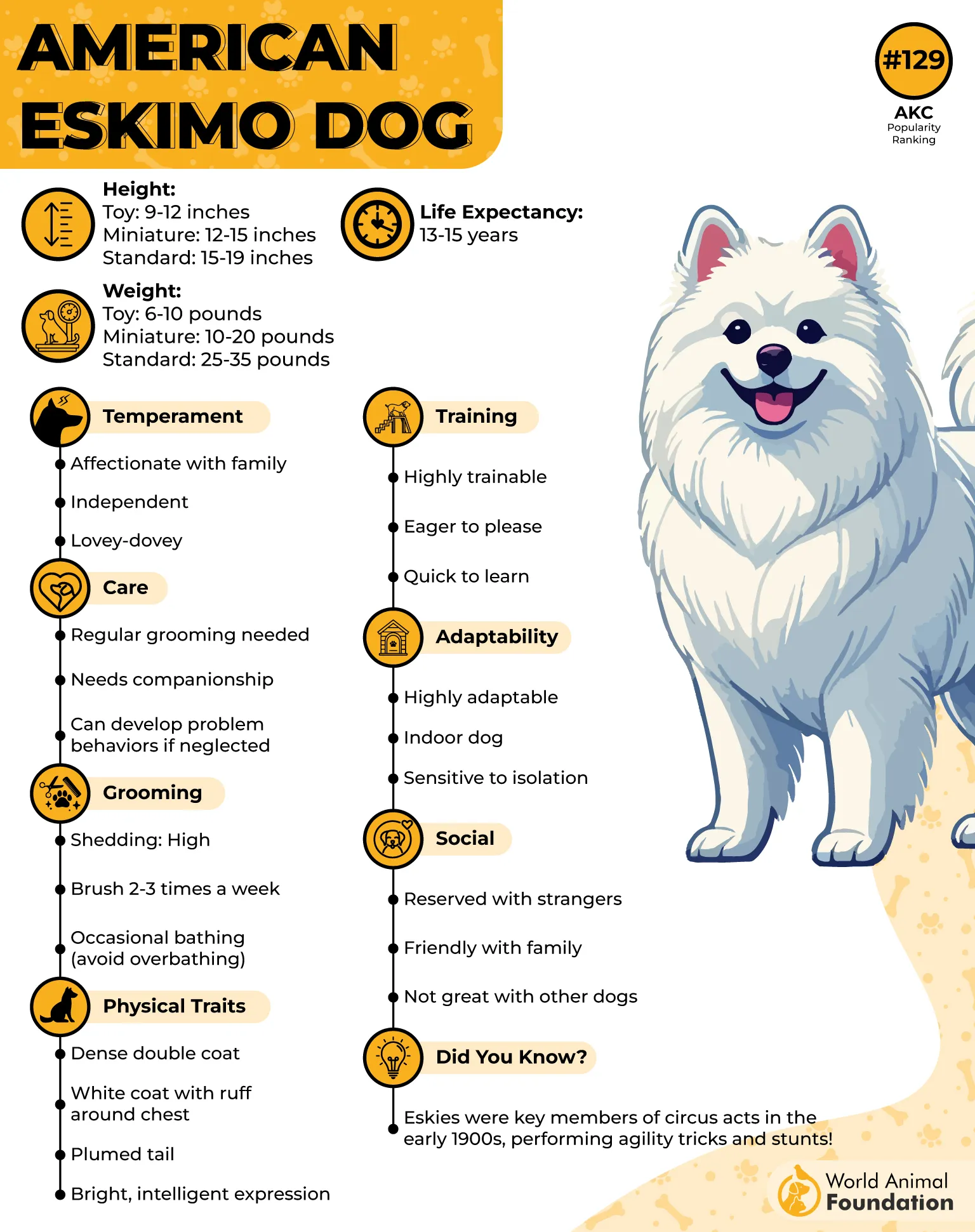
As it comes in three sizes, they are small to medium-sized breeds. It responds rapidly to mental stimulation, showing eagerness in learning and staying involved in routine activities.

That engagement appears through small, consistent patterns:
Picks up commands with repetition
Watches closely during interaction
Responds quickly to cues and signals
Energy expressed through activity
These energetic dogs channel their energy through play, walks, and structured tasks that keep both body and mind engaged. Without these outlets, its activity level can shift toward restlessness indoors. Proper training and early social exposure also shape how it interacts with children and household life.
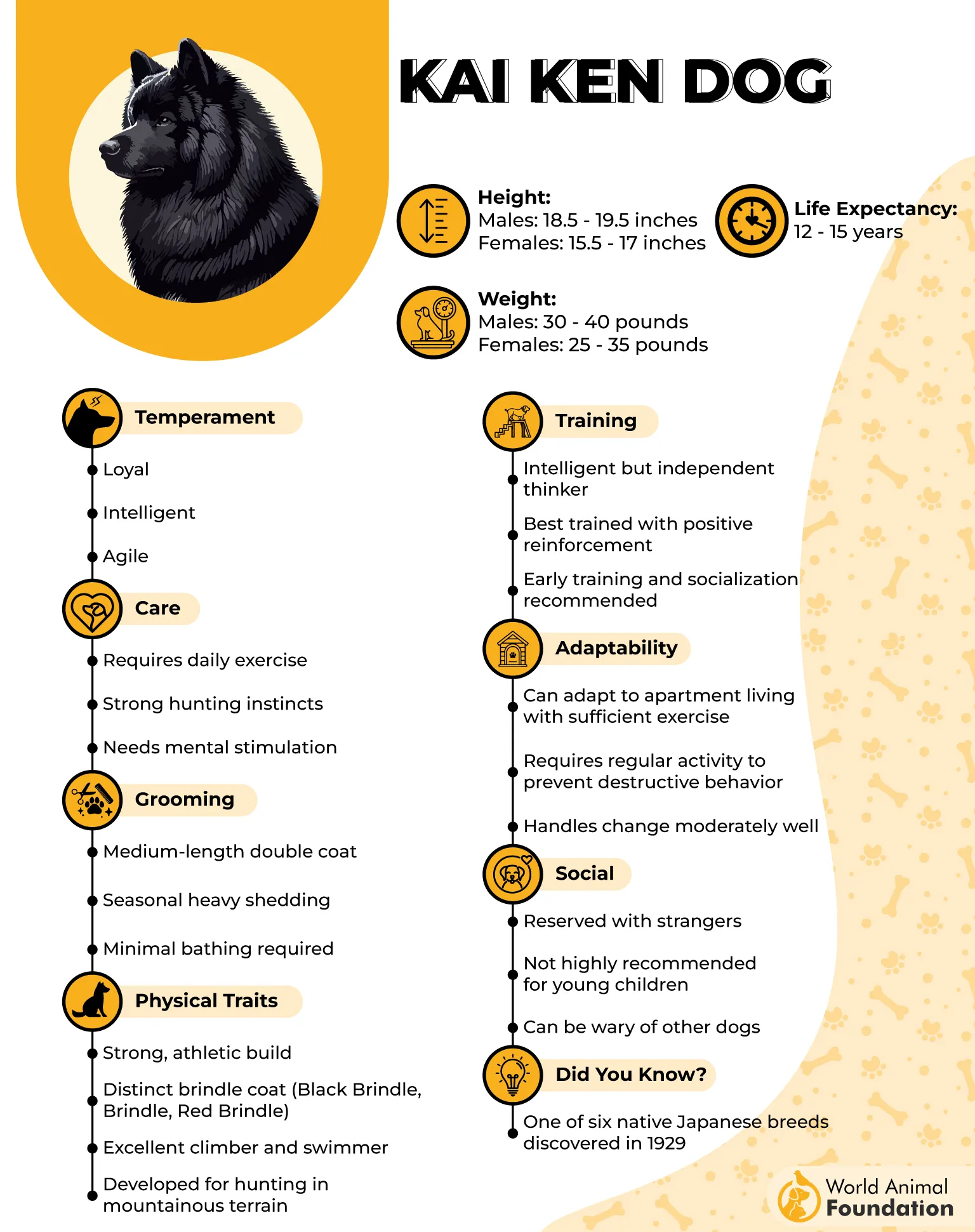
9. Kai ken
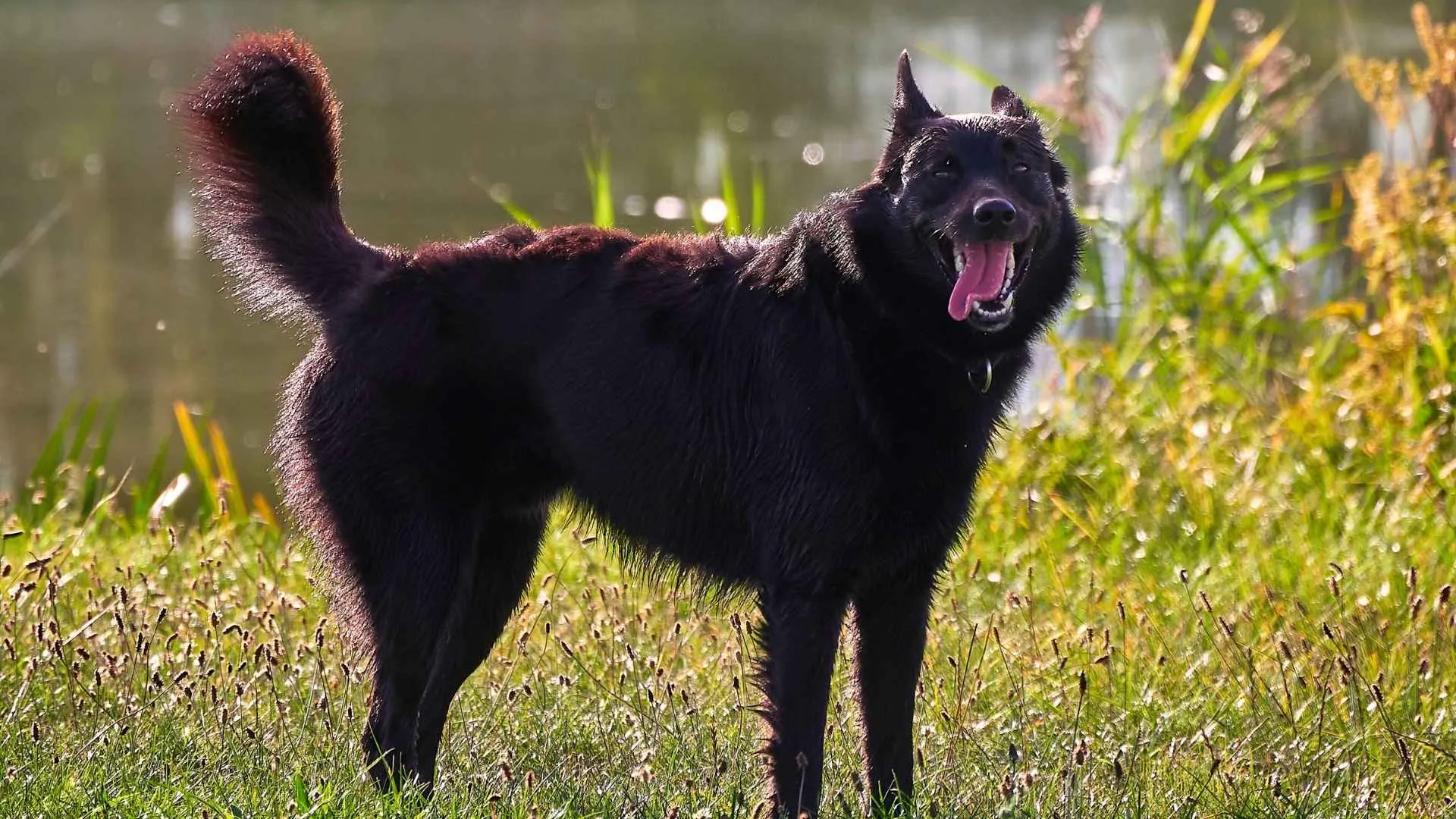
Kai Ken presents a brindle coat that shifts over time, beginning as solid black in puppies and gradually revealing layered patterns. This natural camouflage once helped it blend into dense mountain forests during hunts. Its appearance reflects a dog shaped by terrain rather than ornament.
Hunting ability shaped by terrain
This breed shows a strong hunting drive, supported by agility in both water and steep landscapes. It is known to swim across rivers and climb trees when following prey, reflecting a rare combination of skills.
These abilities show up through:
Swimming across natural water paths
Climbing elevated surfaces when tracking
Pursuing scent across uneven ground
Learning style and attachment
Kai Ken responds quickly to learning, often picking up tasks at a pace comparable to other Japanese breeds. Its mindset leans toward cooperation, forming a close and dependable bond with one person. This connection reflects a guardian role built on trust rather than distance.
Conclusion
A home feels easier when the dog within it does not push against its limits. The breeds discussed here show how balance comes from size, behavior, and how naturally a dog settles into daily routines. Some stay quietly present, while others work well as playful companions without creating strain, making them a suitable family dog for both new pet parents and experienced dog owners.
Over time, this difference shapes how comfortable life feels. The right choice does not demand constant effort or adjustment. It fits from the start. When that happens, the dog becomes a loyal companion, supporting a steady, relaxed environment that continues to feel manageable with each passing day, even in homes with active families.
