




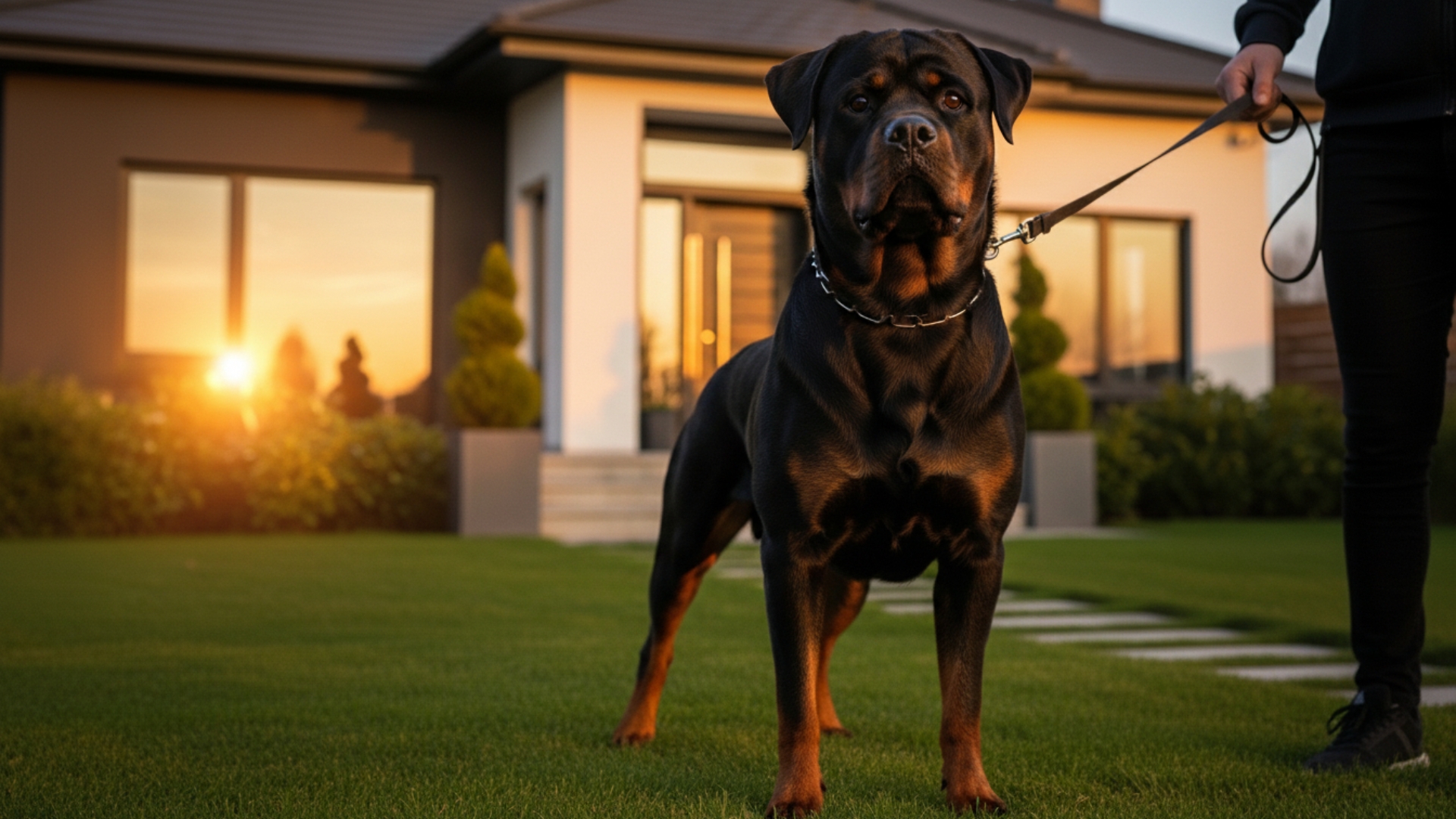
The strangest and creepiest sounds always seem to happen late at night: a sudden thump, a scrape, or a noise that makes you pause. Your mind tries to reassure you that it’s nothing, but your instincts tell you to stay alert.
This is where the right guard dog can make all the difference. A good guard dog isn’t just a form of protection; it’s a loyal, intelligent companion that acts as a living security system for your home.
The best guard dogs provide peace of mind, not just dramatic protection like in movies. Their presence alone can make you feel safer, knowing you have a reliable protector by your side.
In this article, we’ll explore nine of the best guard dog breeds that can help protect your property while you relax and enjoy your time at home.
Best Dog Breeds to Safeguard Your Property from Threats
1. German Shepherd
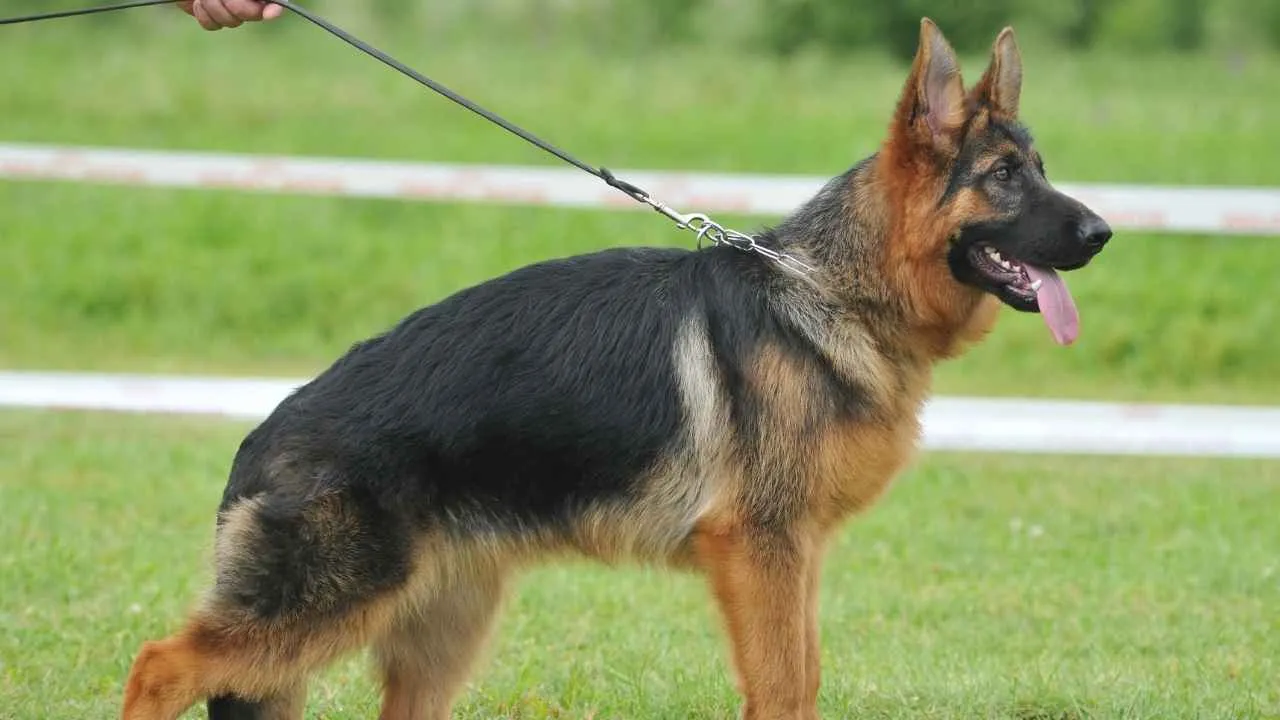
You probably have heard of German Shepherds, even if you don’t know much about the dogs. This breed needs no introduction. Courageous, loyal, confident, protective, and a family guard dog, what else can a person want in their life?
Why They Help With Property Safety?
The intimidating presence is so goated that even a single bark is enough to warn the attacker.
Unlike most alarm systems, German Shepherds can anticipate danger earlier.
German Shepherds are highly physically and mentally capable. Athletic and muscular physique, plus strong emotional intelligence, make them noble and demanding.
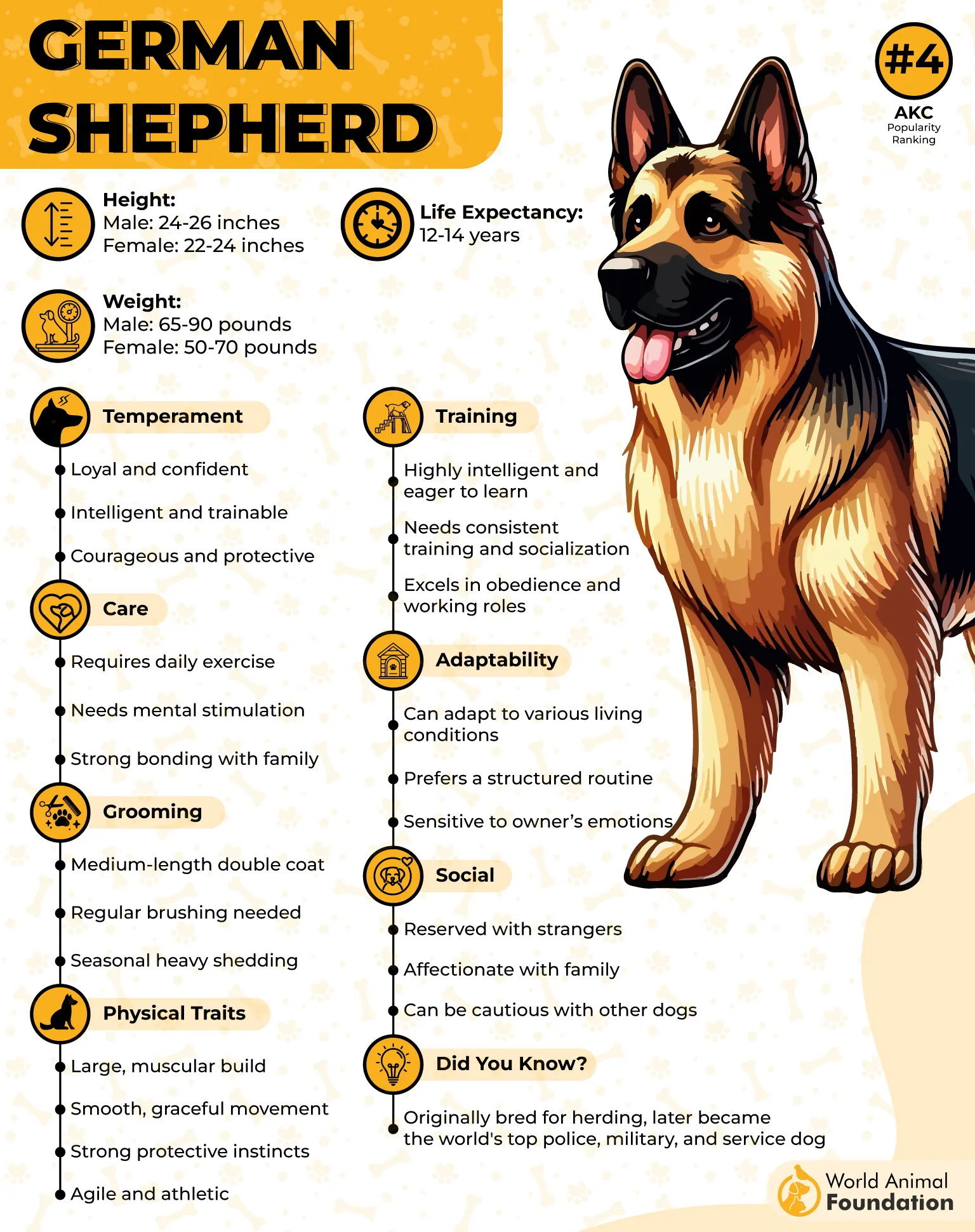
German Shepherds are brave and never shy of putting their own lives in danger to protect their owners.
Fun Fact: The sense of smell of this breed is 40 times stronger than that of humans, making them the most popular guard dog breed.
Understanding The Lineage Is Important
It is important to understand the genetic differences between lineages, including the working line and the show line. When looking for a protective dog breed, always go for a working breed because of their high energy levels, great physique, and strong bodies.
Quick Snapshot
Force: 238-300+ PSI
Movement: Daily scheduled walk
Training: Proper obedience training is important. Early socialization teaches them to stop barking on command and enhance ‘alertness skills’.
Watch outs: Degenerative myelopathy, bloat risks, elbow/hip dysplasia, cancer, heart diseases, allergies, pannus, and EPI.
2. Rottweiler
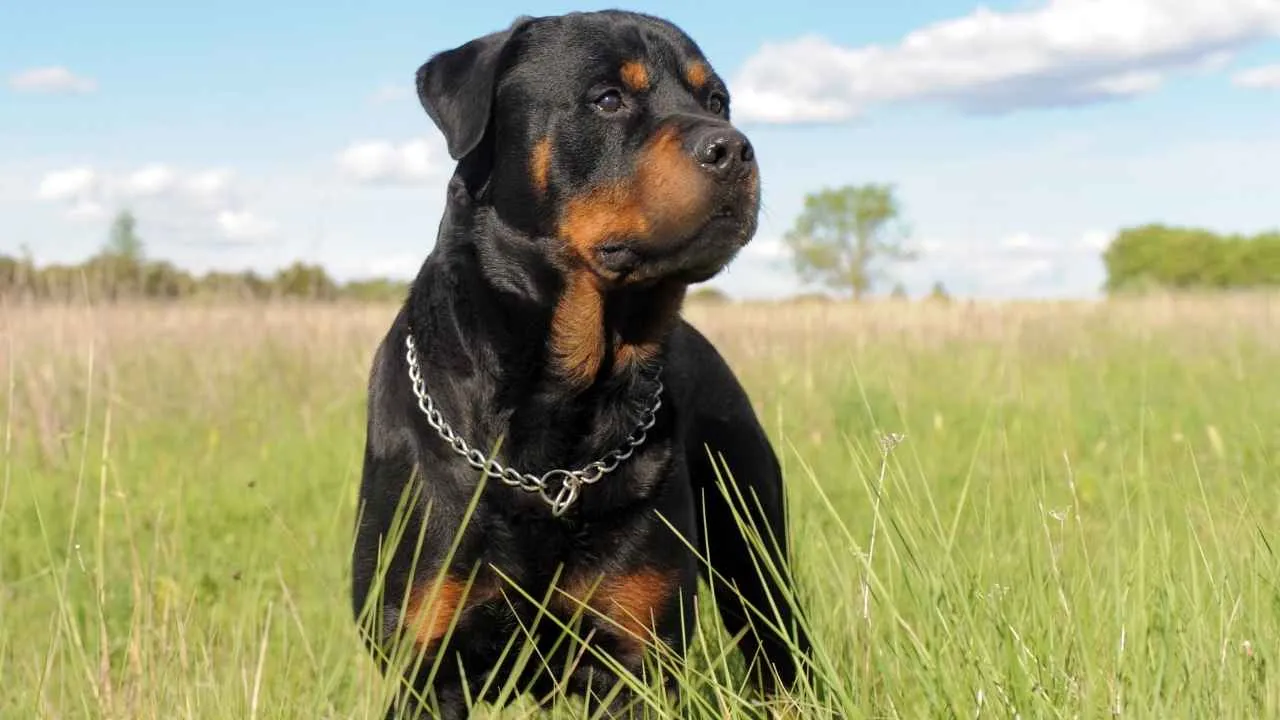
Jack of all trades is a master of none. Well, this does not imply on this breed. Rottweilers are caring, loyal, funny, calm, gentle with kids, and lovingly guard you.
Why They Help With Property Safety?
They have a calm demeanor and observe their surroundings keenly, unlike most of the breeds whose focus is on mere barking.
They make great bonds with their owners and are ready to make any sacrifice to protect them.
This dog breed is highly trainable, and with proper training and early socialization, they can be turned into an excellent guard dog.
Fun Fact: They are ranked as the 9th smartest dog breed, as per Wikipedia.
Gentle Giants and Family Compatibility
One of the safest guard dogs to live with. They are gentle with small children and usually stay calm. Proper training helps set the boundaries and control intense behavior.
‘Place’ command to quiet them during harsh activities. Also, teach kids how to interact with these dogs.
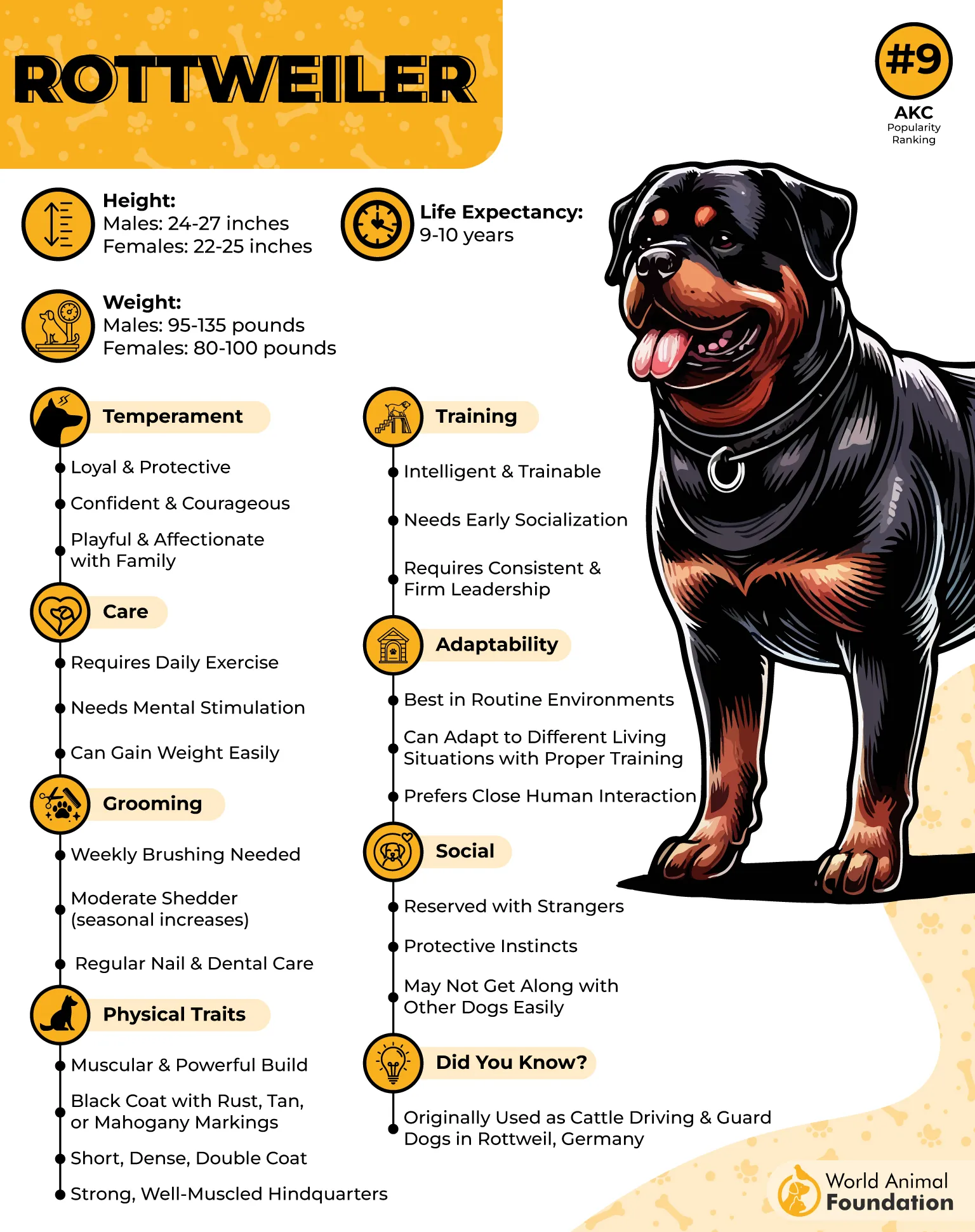
Quick Snapshot
Force: 328 PSI
Movement: Moderate-to-strong regular exercise
Training: Socialization from puppyhood and positive reinforcement training
Watch outs: Obesity, hip/elbow dysplasia, cranial cruciate ligament rupture, osteosarcoma, GDV, entropion, and subaortic Stenosis
3. Doberman Pinscher
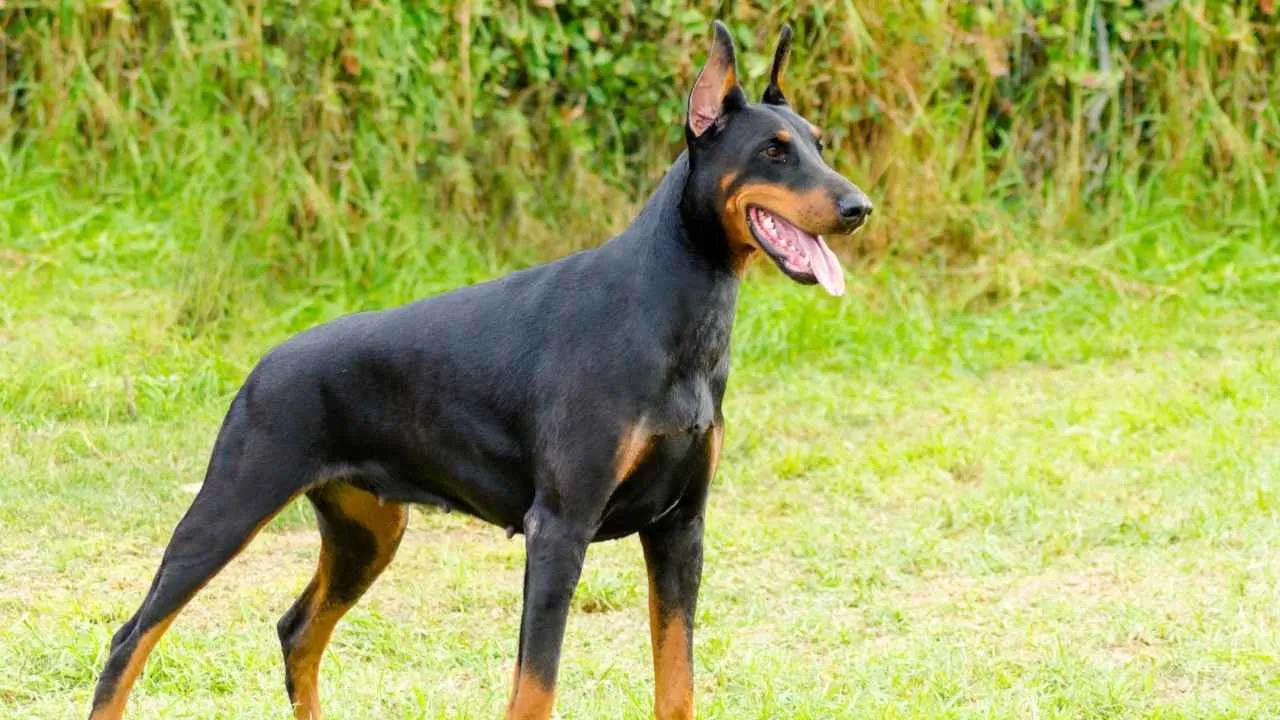
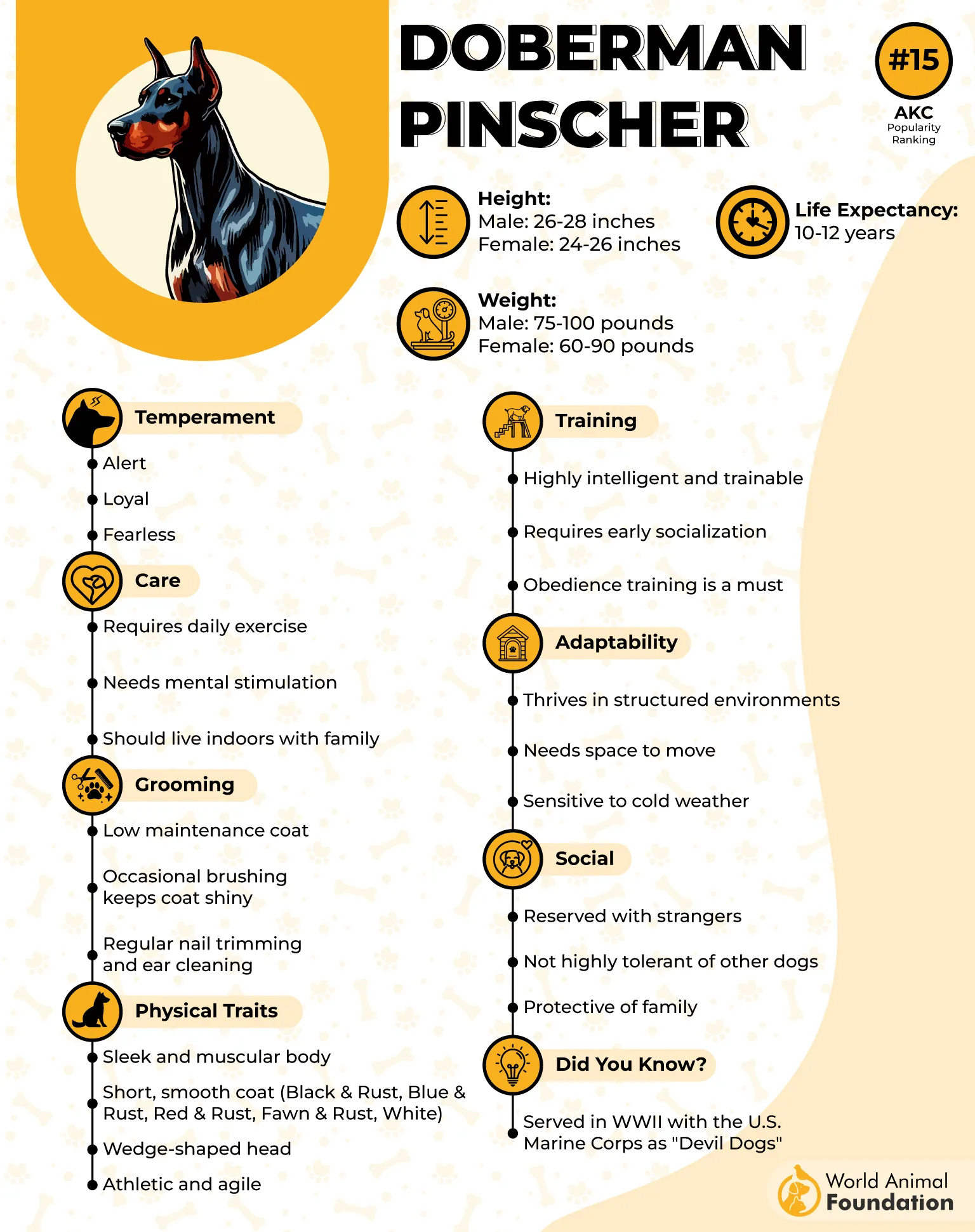
Doberman Pinschers are born athletes. This breed is among the top 5 smartest dog breeds of all time, so training is quite easy if planned properly. Doberman Pinschers are alert, friendly, and loyal to their dog owner.
Why They Help With Property Safety?
The perceptive instincts of these beasts are highly strong and accurate. They can differentiate between a safe visitor and potential threatening situation.
Territorial behavior with a sharp gaze and muscular physique already casts a fearful impression upon the attacker.
Doberman Pinschers may look lazy, but they are extremely fast and responsive when danger comes.
Fun Fact: They were originally bred from many different dog breeds, including Manchester Terrier, Rottweiler, German Pinscher, and Greyhound.
A Police Companion And An Assistant Dog
Doberman Pinschers have been serving in military and police roles for many years. They are used for scouting, guarding, and sending messages.
Not only that, they are great guard dogs for physically disabled people (blind and the deaf) and for senior citizens.
Quick Snapshot
Force: 205 PSI
Movement: High daily exercise
Training: Positive reinforcement, obedience training, and early socialization to avoid any behavioral complications
Watch outs: Gastric dilatation-volvulus, hypothyroidism, dilated cardiomyopathy, von Willebrand disease, and hip dysplasia
4. Bullmastiff
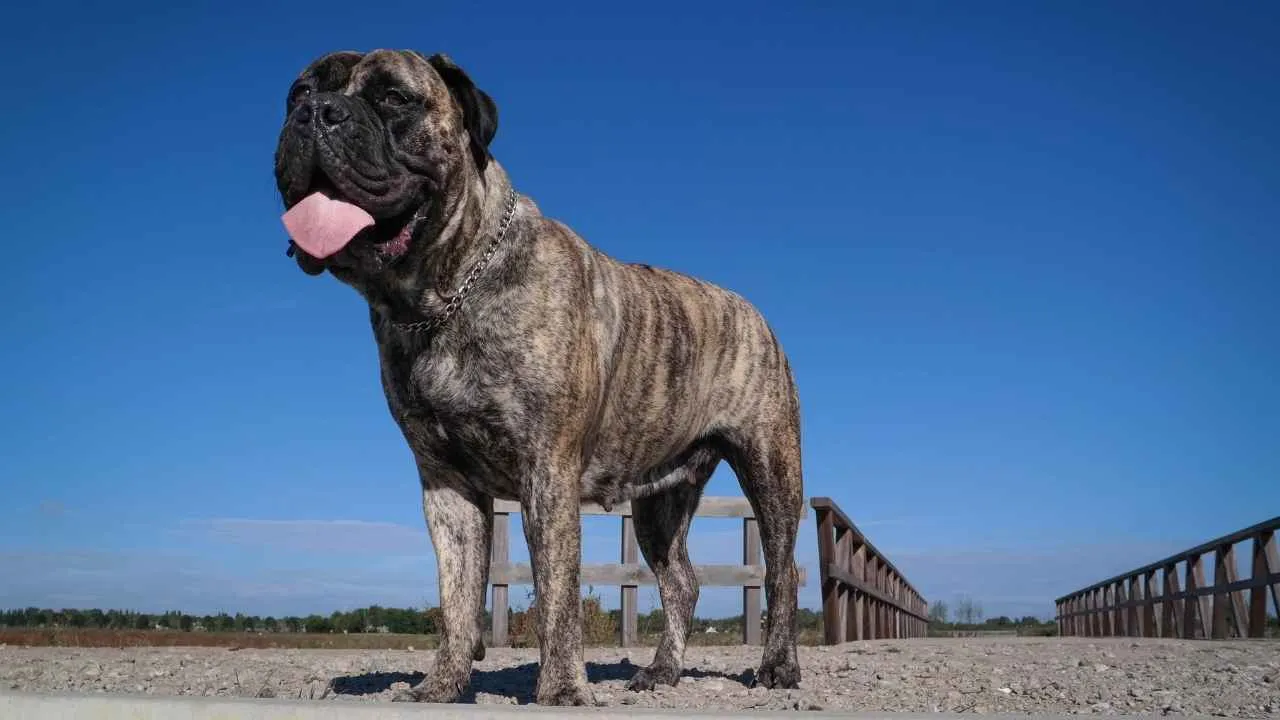
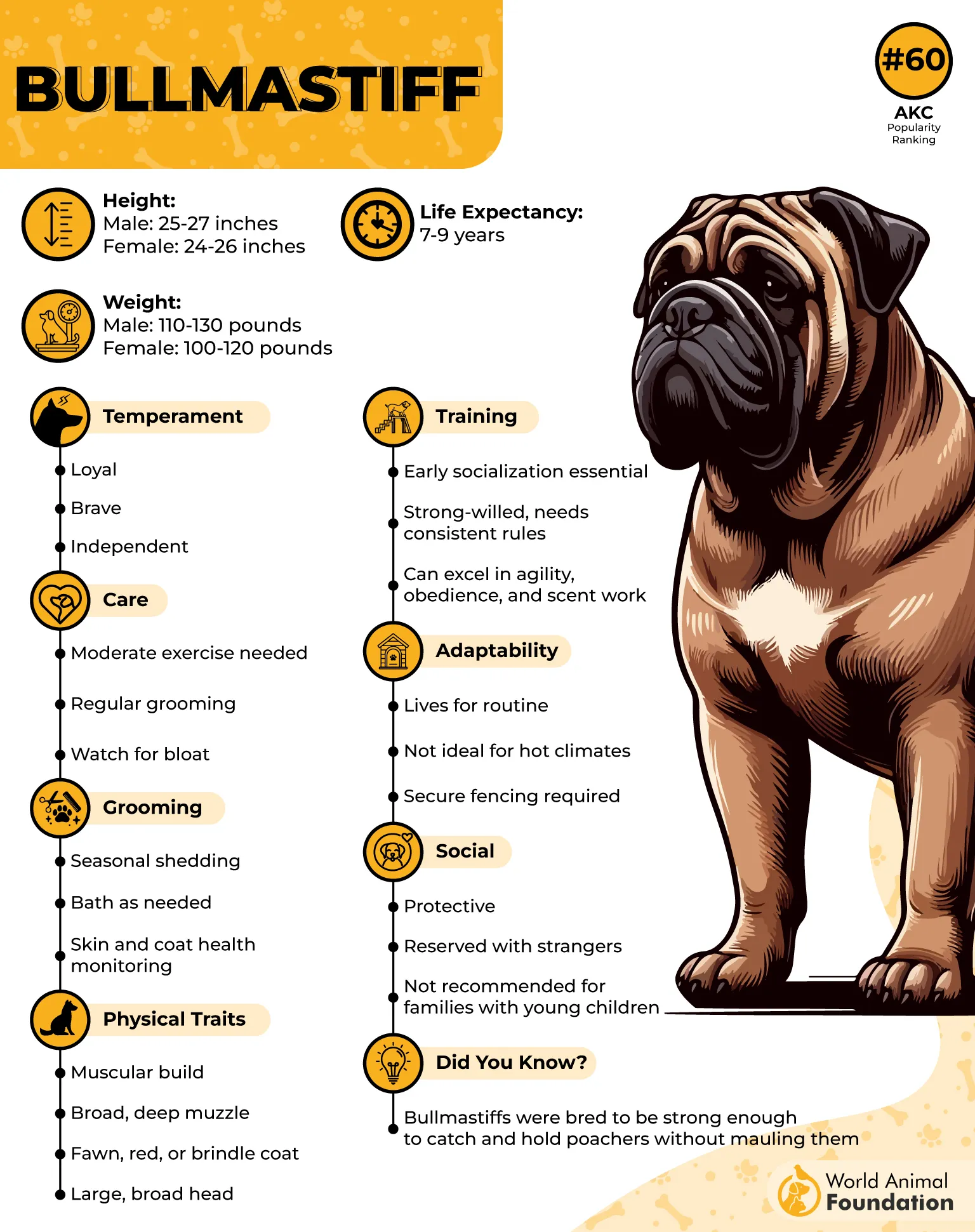
Unaware of their power and size, these protection dog needs intense care and proper training. This universal “hugger” stays calm and loves to show its love to the owner. While immensely in love with its own family, the Bullmastiff stays alert outdoors and aims to be a great guard dog.
Why They Help With Property Safety?
They use their physical strength to neutralize the attack by knocking the attacker down and lifting him without biting.
Bullmastiffs are excellent watchdogs and quietly observe the movements around without creating chaos.
These family guard dogs are ‘velcro’ and thrive on staying closer to the person they love.
Fun Fact: These dogs are “celebrity favorites.” Bullmastiffs have been adopted by many stars, including Christina Aguilera, Jon Bon Jovi, and Boby Dylan.
An Expensive Protective Dog Breed
Just like their size, this large dog requires great care and routine. Omlet says that a healthy and regular diet schedule should be maintained. If you are living in a warmer environment, you must arrange for an air-conditioner or be ready for its mood swings.
Quick Snapshot
Force: 250-556 PSI
Movement: consistent walks
Training: Early training is needed. They turned out to be strong-willed and rude if not trained early.
Watch outs: DCM, Entropion, SAS, PRA, hip/elbow dysplasia, lymphoma, and bloat risks
5. Belgian Malinois
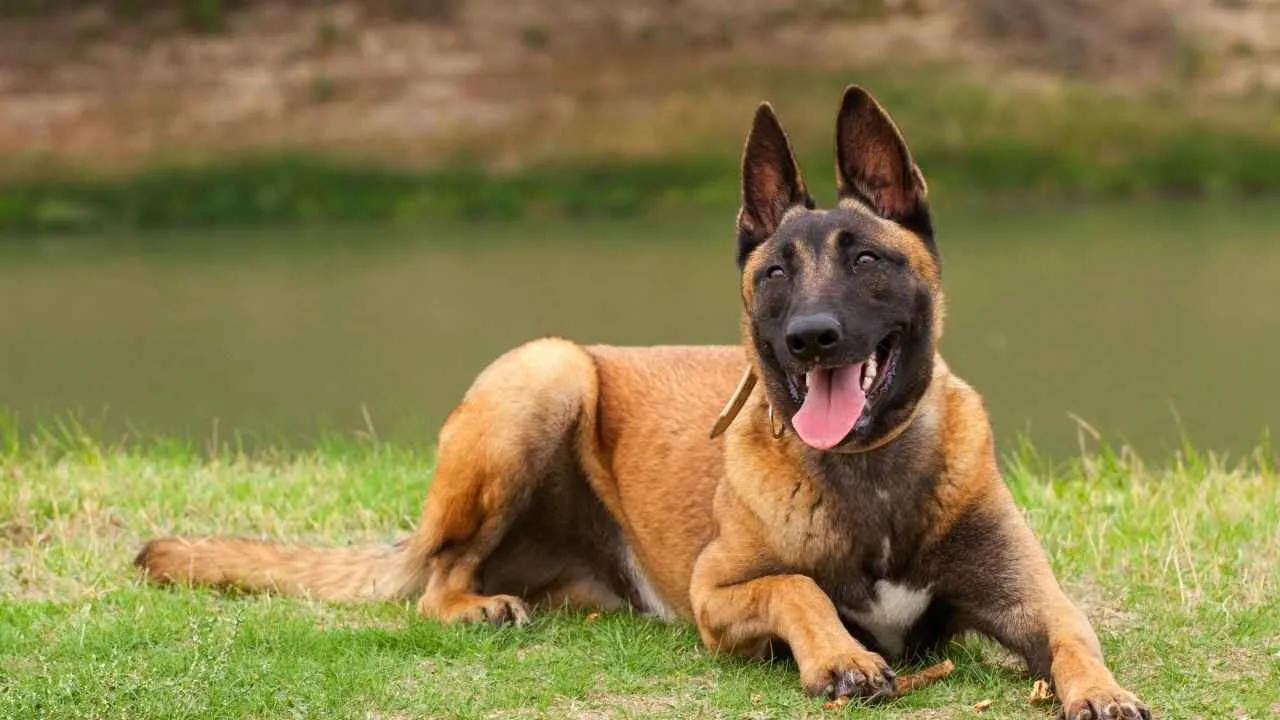
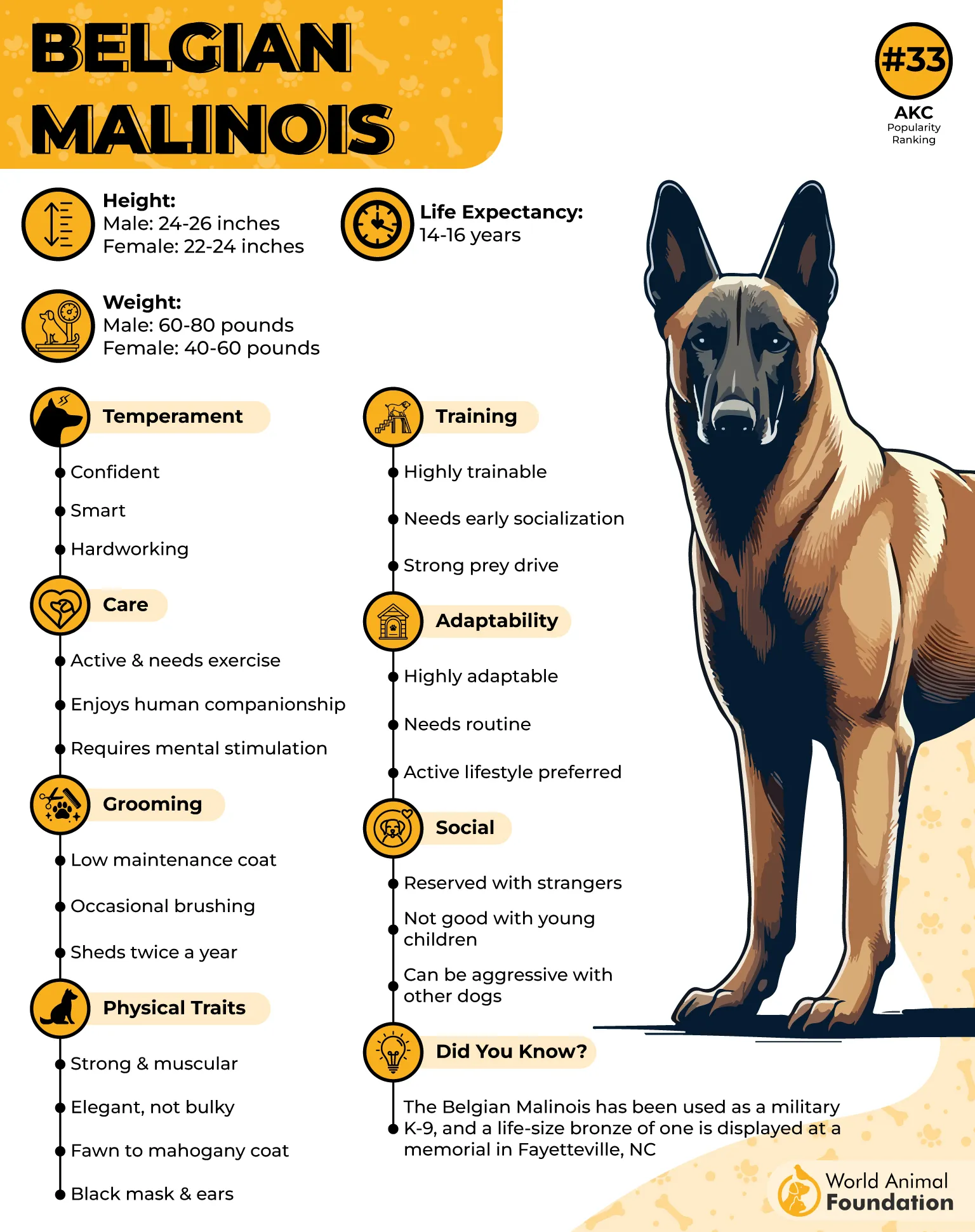
Belgian Malinois are excellent guard dogs who love to guard their pet parent. They make a strong bond with the owner’s family and stay reserved among strangers. Early socialization helps them familiarize themselves with other dogs and families.
Why They Help With Property Safety?
Belgian Malinois are highly trainable and intelligent. So, they can guard you in stressful and dynamic conditions.
Their natural instincts include alertness and protectiveness, which help them to anticipate the threat early.
In addition to home security, this best friend of yours can also guard larger properties because of their muscular and athletic body.
Services In Gas Detection and Drug Departments
Belgian Malinois are not just personal protection buddies. They also serve in government departments, including search and rescue, tracking, gas detection, drug and bomb defusal teams.
Quick Snapshot
Force: 195-225 PSI
Movement: Regular exercise and consistent walking are needed
Training: An experienced trainer who can help with mental stimulation with fun games
Watch outs: Elbow/hip dysplasia, cataracts, and PRA
6. Cane Corso
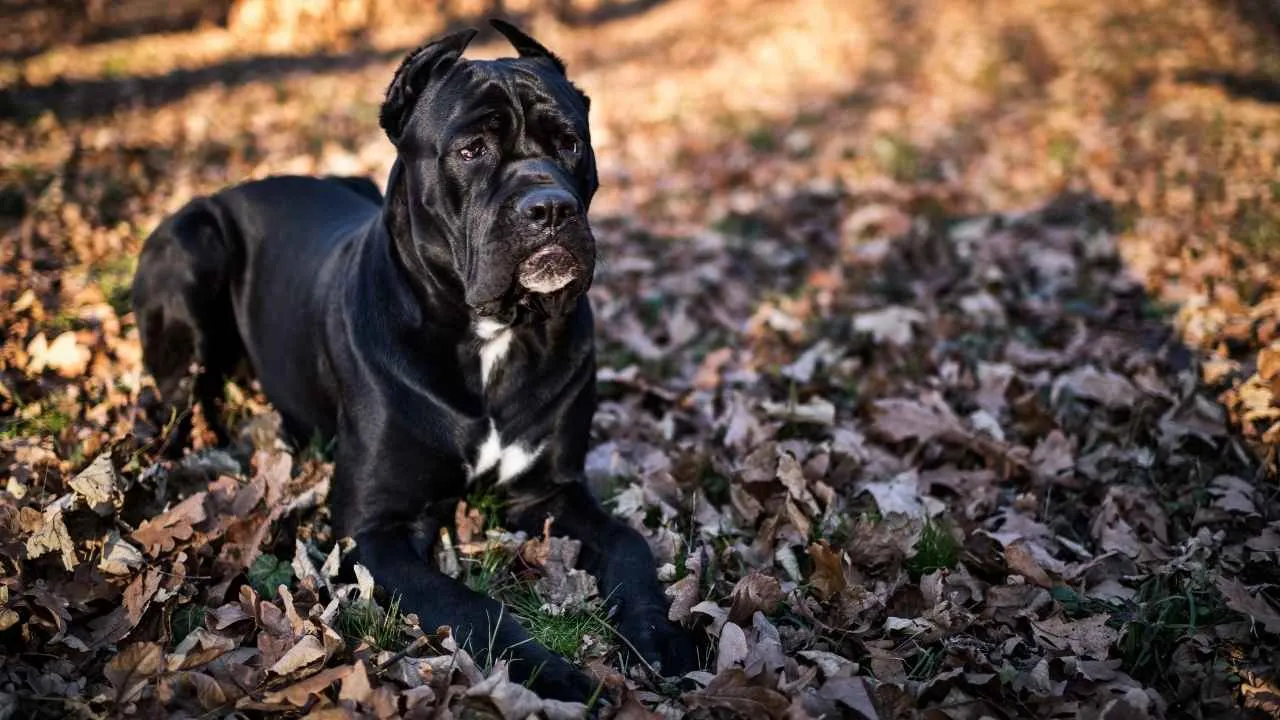
This “bodyguard dog” is naturally inclined to guard its owners. Originally bred as a herding cattle and a hunting dog, the protective nature of Cane Corsos continues to exist today.
Why They Help With Property Safety?
Cane Corsos do not need extensive training to guard property since they are genetically trained for this.
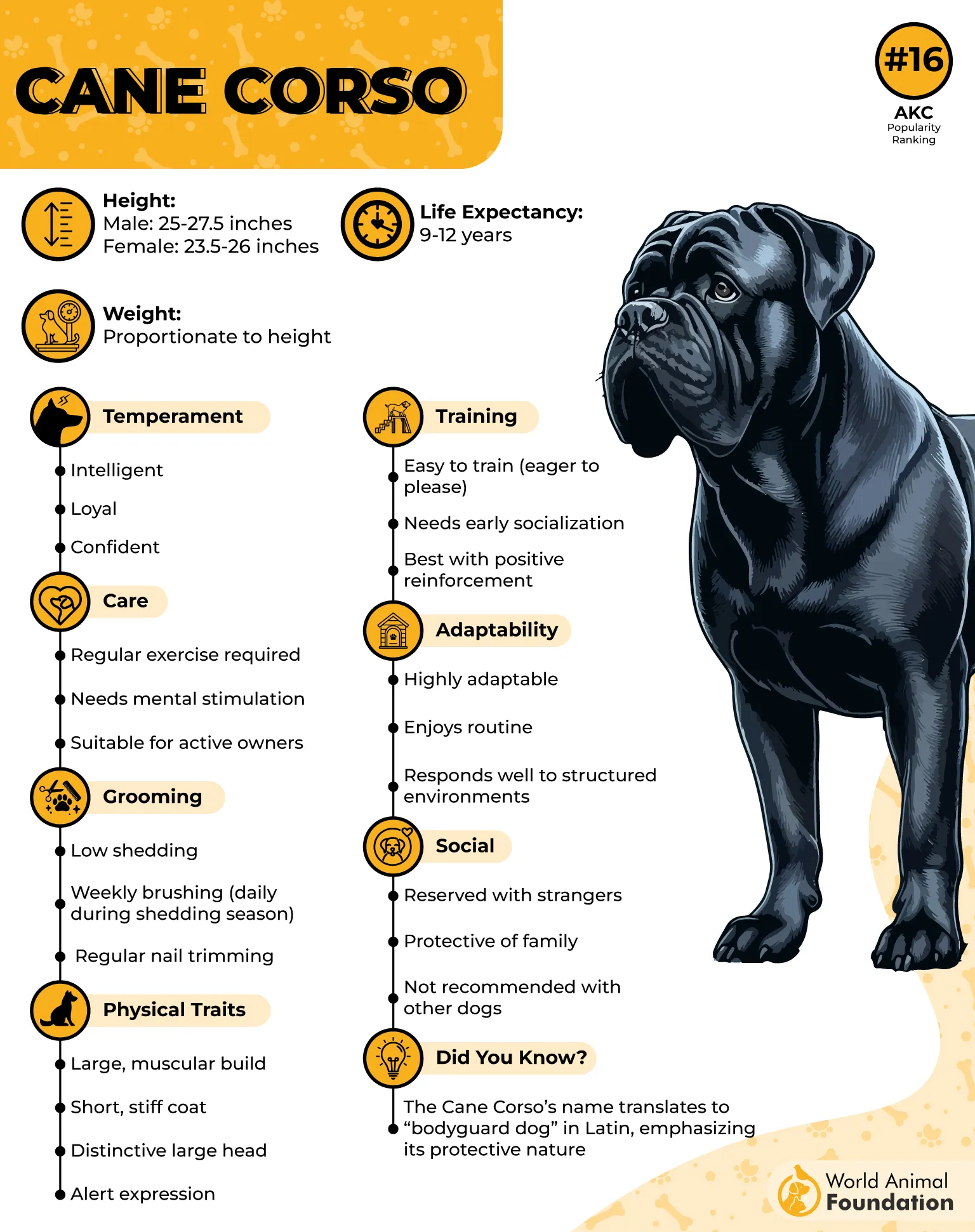
They are known for the calculated strategy they adopt for protection: loud barks, sharp gaze, and intimidating presence.
Cane Corsos are incredibly loyal and always come forward to deter intruders.
A War Dog From Ancient Rome
The word corso literally means ‘protector’ in Latin. The ancestors of modern-day Cane Corsos used to serve as estate guardians, war dogs, and boar hunters.
Quick Snapshot
Force: 700 PSI
Movement: Intense physical workouts
Training: Purposeful leashed outdoor activities, dock diving, and agility training. Early age and proper training help prevent pawing, jumping, and digging, and also help them behave around other pets and harmless people.
Watch outs: Obesity, hip/elbow dysplasia, idiopathic epilepsy, demodectic mange, eyelid abnormalities, and bloat risks
7. Giant Schnauzer
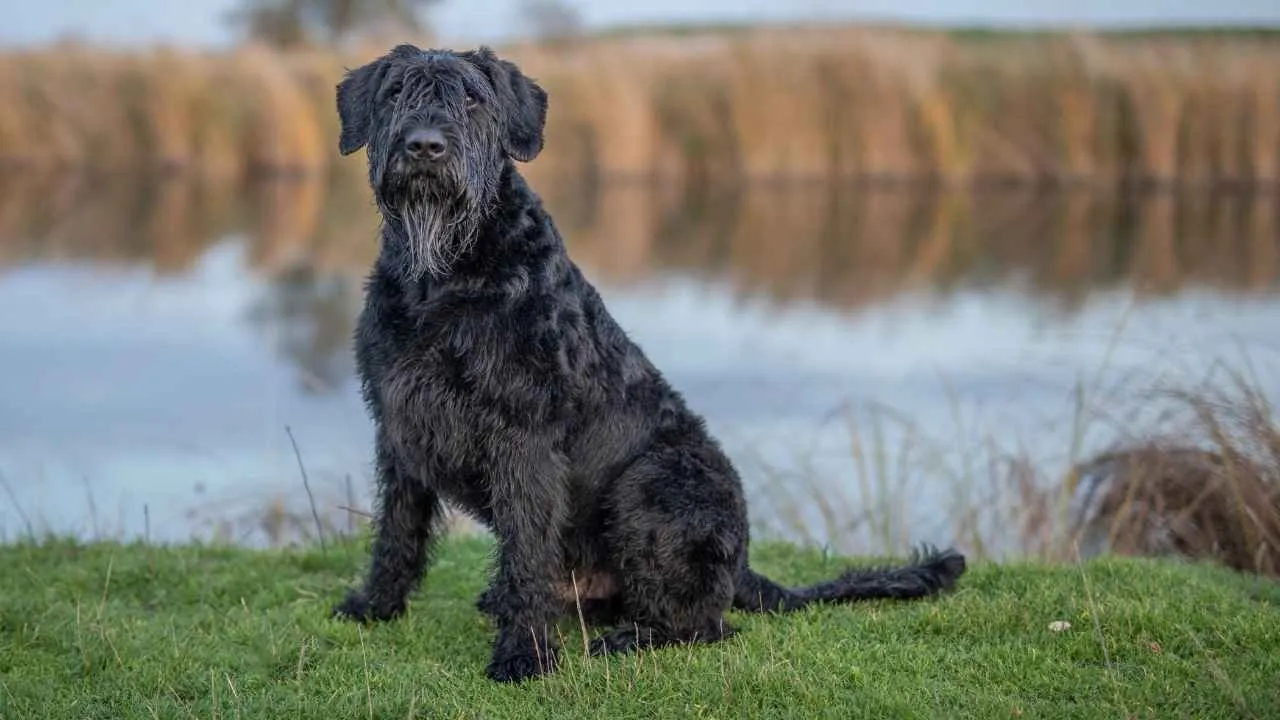
Naturally wary of strangers, Giant Schnauzers are highly energetic, loyal, and affectionate dogs with loving guard instincts.
Why They Help With Property Safety?
PetMD notes that this breed does not require extensive guard training. These dogs have sharp instincts of protection from a very young age.
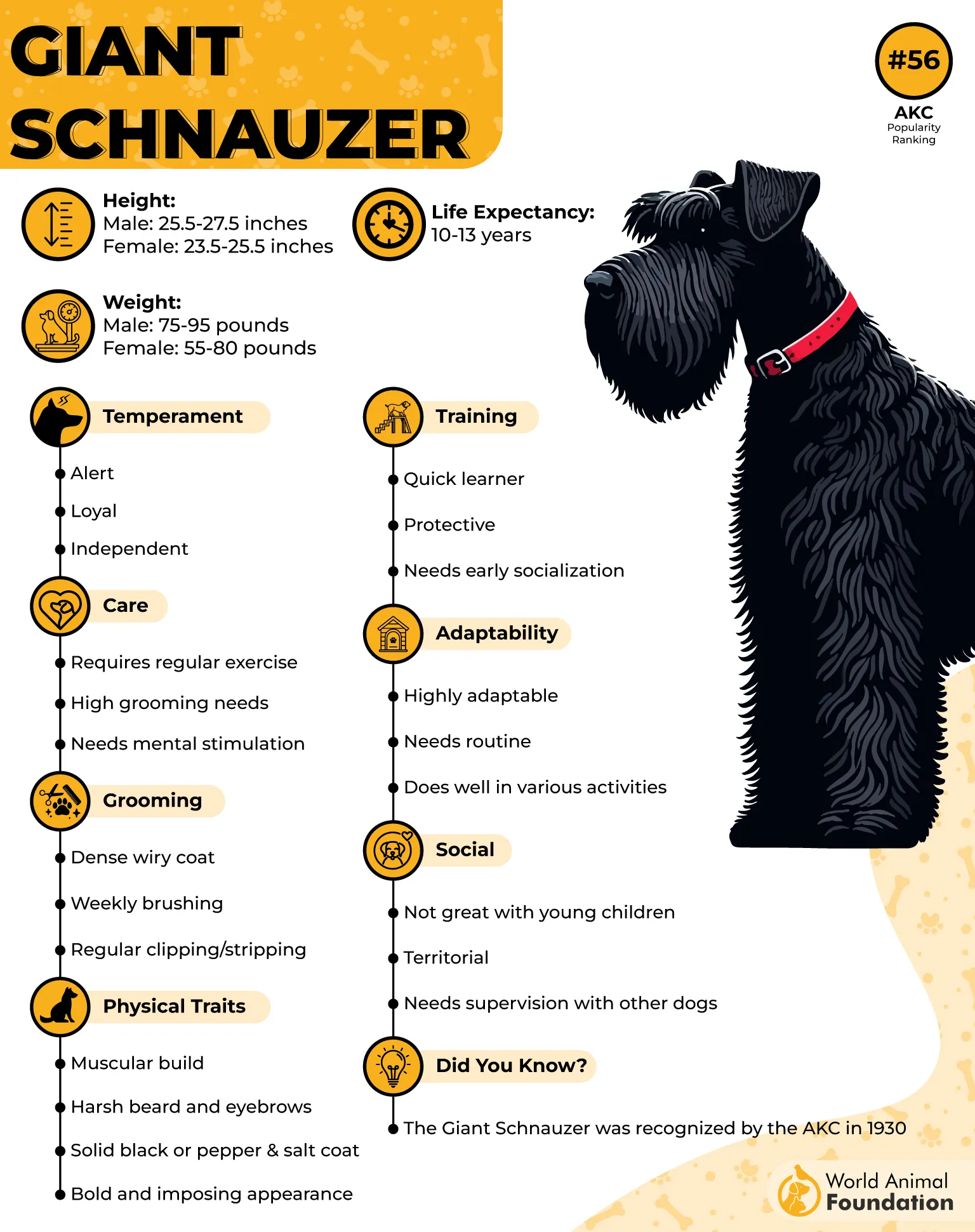
One of the extremely smart breeds, the Giant Schnauzers are capable of differentiating between a threatening and a healthy environment in a split second.
Giant Schnauzers need a constant, purposeful job, such as patrolling a yard and mentally challenging games
Thick Coat Against Harsh Weather And Vermin
They have a very dense and thick coat with tri-color varieties, which guards them against vermin and both hot and cold weather. These natural guardians also participate in dog sports and serve in the police department.
Quick Snapshot
Force: 300-550 PSI
Movement: Fun mind games and intense physical activities
Training: Proper socialization, positive reinforcement training, and mental stimulation games are recommended.
Watch outs: Osteochondritis Dissecans, hip dysplacia and hypothyroidism
8. Akita
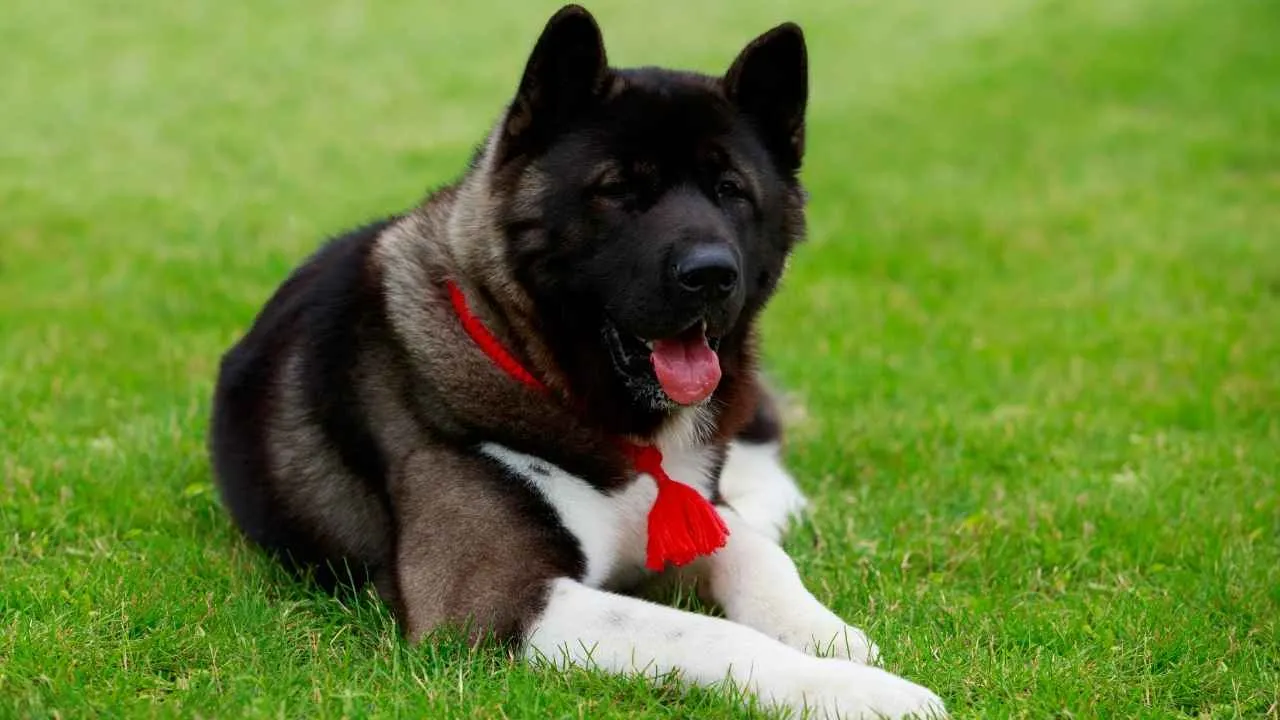
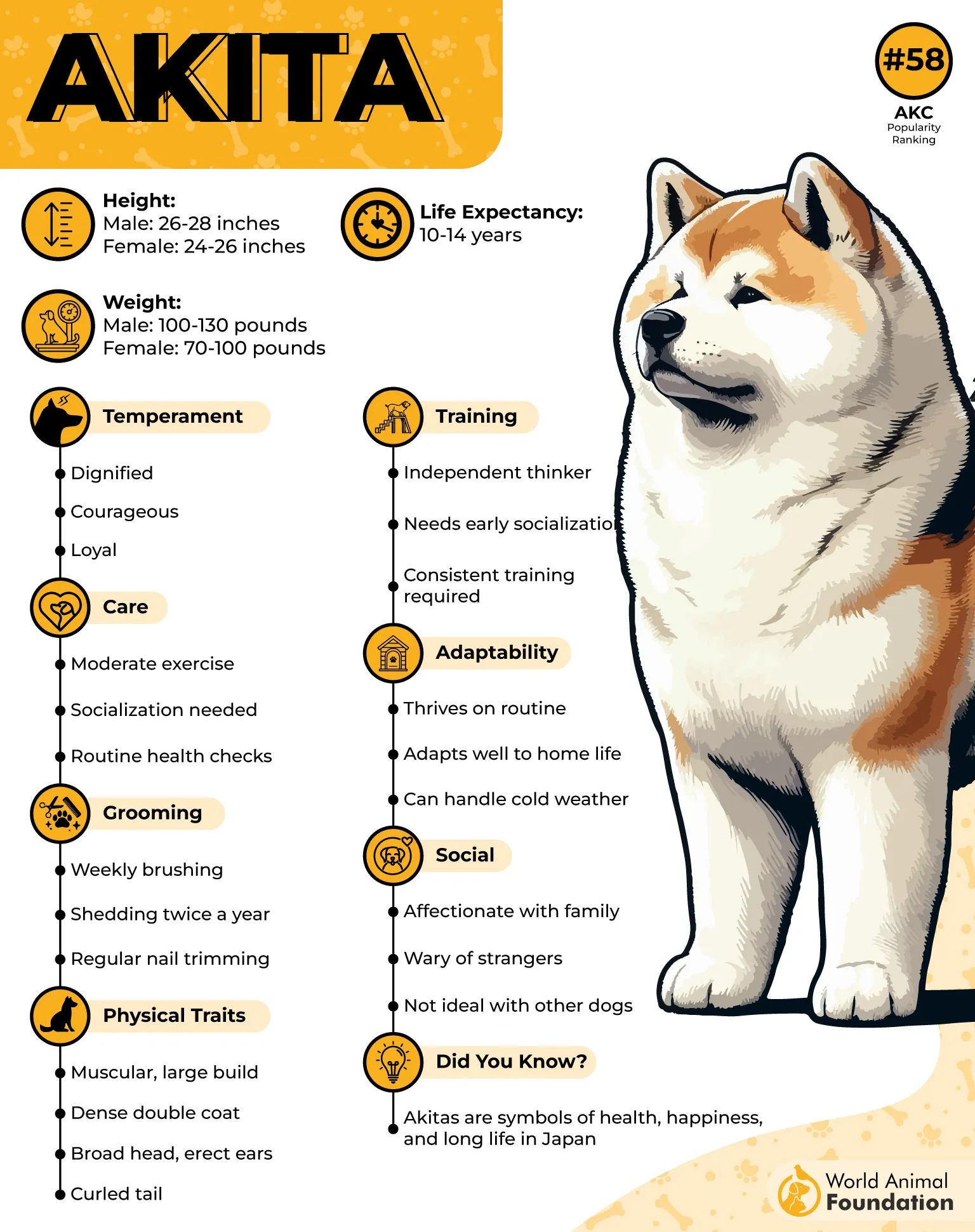
Akita are friendly animals when the family is around. They are independent dogs who prefer to stay alone or in pairs. Early obedience training may help them behave among strangers and other breeds.
Why They Help With Property Safety?
They are smart dogs, so training them does not require professional help. This protective dog breed tends to guard the family and the property naturally.
Due to their highly vigilant natural instincts, they tend secure a healthy family environment by keenly observing their surroundings.
The history of Akita dates back to Japan, where Akita were used by the Samurai as a fighting dog. This aggressive trait is still present and a big factor in protecting your family life by deterring intruders.
Akita And The Barking Behavior
There are two lineages of this breed: American Akita and Japanese Akita. Both of these breeds love to bark, and this loud barking can be due to various reasons. The reasons can be depression, anxiety if they are left alone for too long, unhappiness, or an alert sign.
Quick Snapshot
Force: 350-400 PSI
Movement: Steady exercise is enough
Training: Early training helps them familiarize themselves with the new surroundings. Proper obedience training and positive reinforcement help them learn faster.
Watch outs: Eye issues, hypothyroidism, hip dysplasia, sebaceous adenitis, and GDV risks
9. Tibetan Mastiff
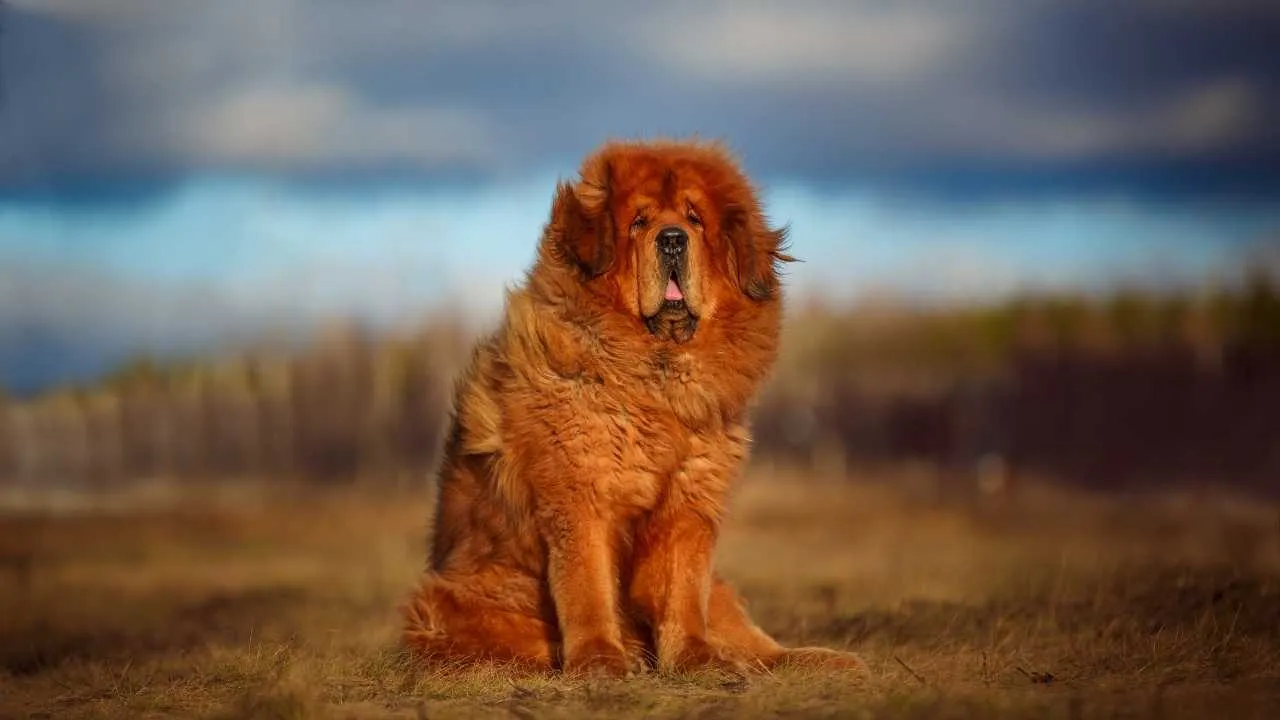
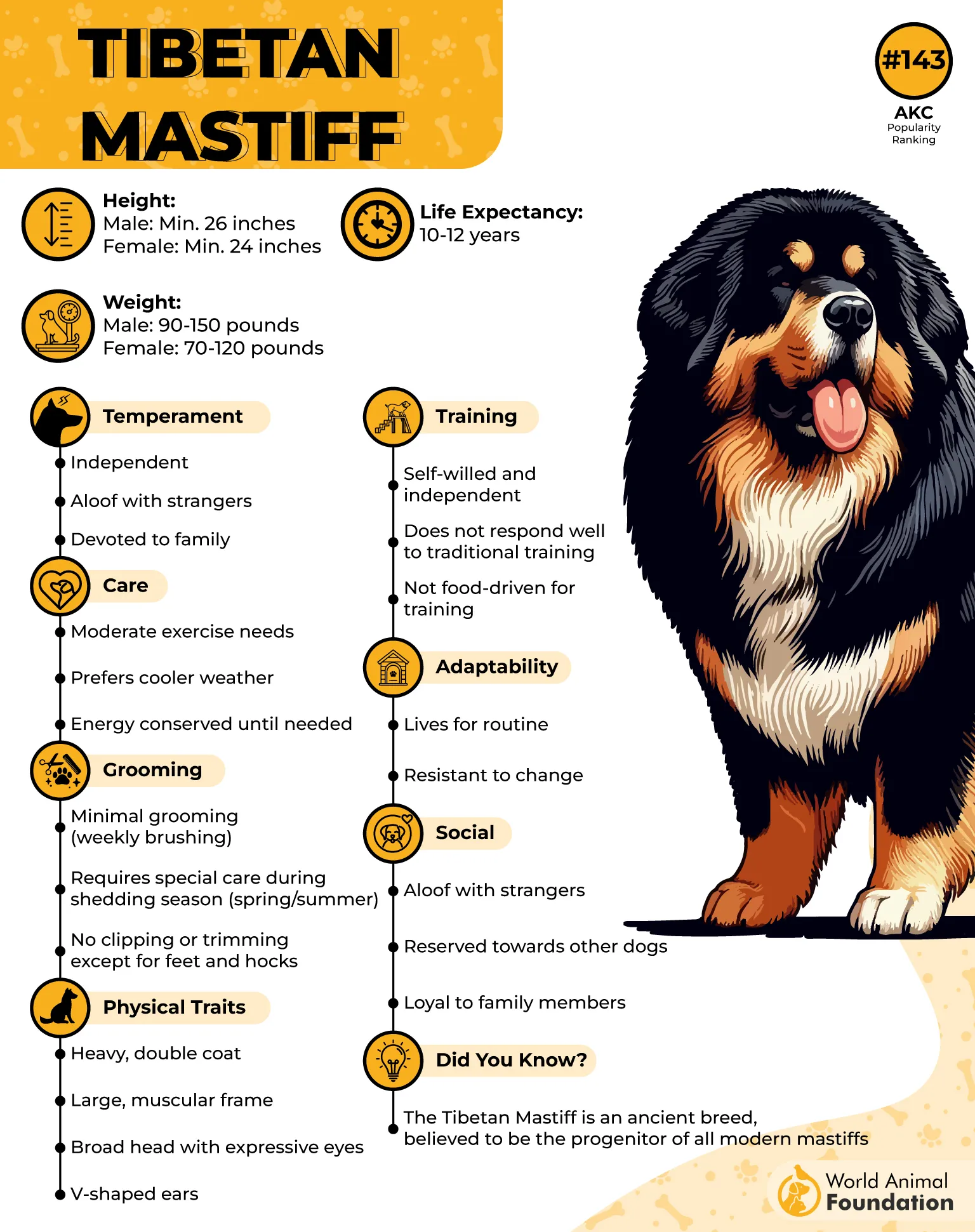
With a history of almost 58,000 years, Tibetan Mastiffs are considered the “ancient fortress” of dogs.
Why They Help With Property Safety?
In previous times, when there were no strong security systems, Tibetan Mastiffs were chained during the day and unchained at night to guard villages. This trait of their ancestors is passed on to the modern-day breeds as well.
With the help of strong vocal cords, Tibetan Mastiffs bark loudly to warn attackers initially.
These dogs make independent judgments without asking for a second opinion. Their response is fast, accurate, and scary.
Wolf-like Canid And High Hemoglobin
Tibetan Mastiffs can survive in high altitudes because of high hemoglobin levels. The genetic analysis explains that this unique trait may be attributed to primitive interbreeding of some “ghost population” of an unknown wolf-like canid.
Quick Snapshot
Force: 500-550 PSI
Movement: Regular and steady walks
Training: Intelligent but strong-willed, hence it’s sometimes difficult to introduce them to training. Positive reinforcement, patience, and consistent training are needed.
Watch outs: Hip/elbow dysplasia, eye issues, and hypothyroidism
Conclusion
Resilience starts long before someone touches your door. Hence, an alarm system does not always help. Keeping a dog for property security may look old-fashioned and outdated, but it is still one of the most credible and reliable means of protection.
Just like not any key can open a lock, not every protection dog is meant for you. Training commitment, perfect match of routines, and family environment determine what should be a perfect fit for you.
