




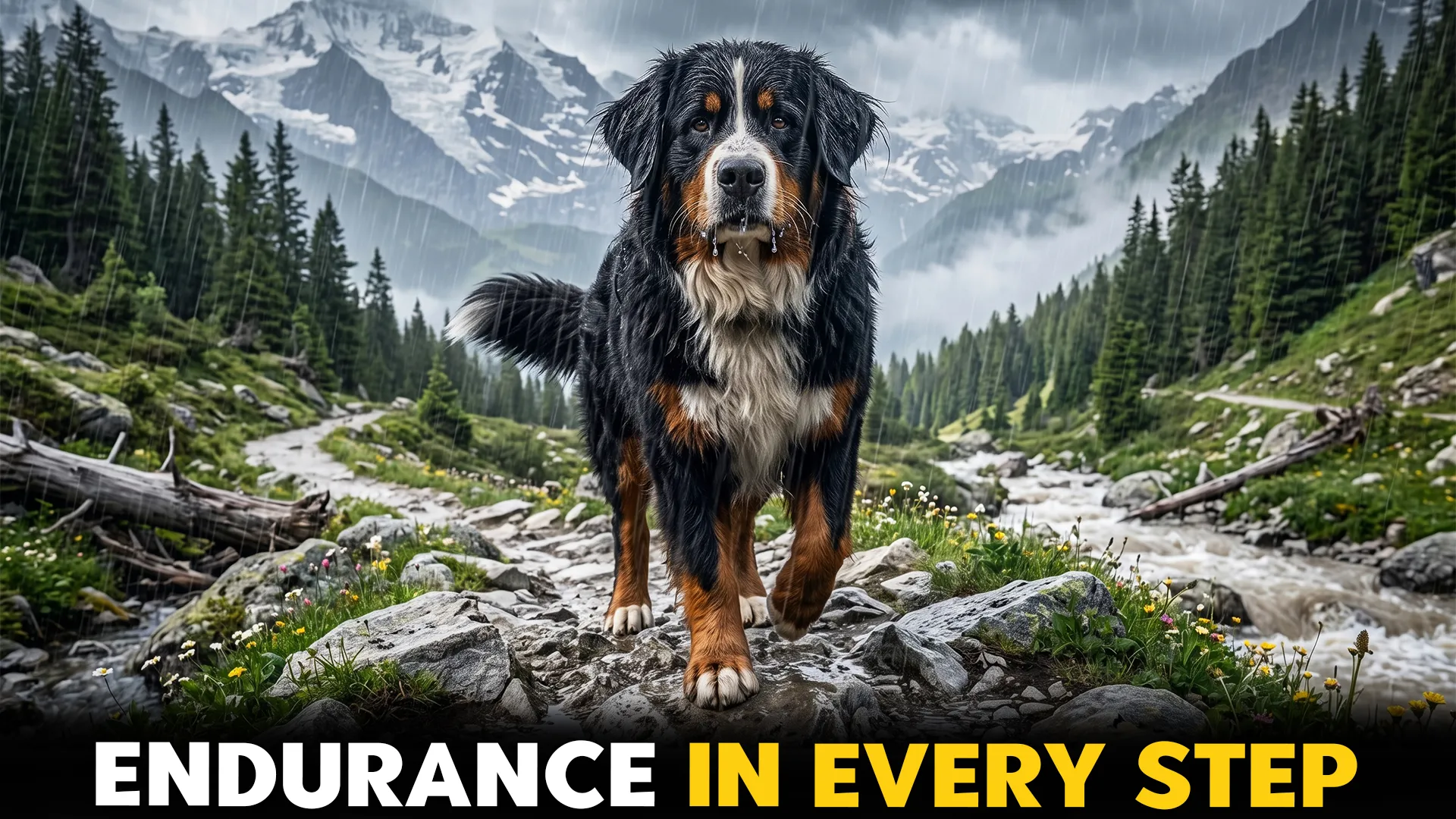
Some dogs see a muddy trail, snowy hill, rocky path, or windy open field and immediately think, “Finally, my moment.” These are not delicate little couch ornaments who panic at wet grass. These are endurance-built, weather-ready, adventure-loving breeds that were shaped by hard work, harsh places, and humans who needed more than just a cute companion.
Wilderness dogs usually share a few major traits: stamina, toughness, intelligence, weather resistance, and the ability to keep moving when conditions get messy. Some were bred to pull sleds across Arctic ice, while others tracked big game, guarded farms, or moved livestock through brutal terrain.
So, let’s meet the best dog breeds built for wilderness conditions. These breeds bring stamina, survival instincts, working history, and just enough chaos to keep life interesting. If your idea of fun includes hiking boots, cold air, dirt roads, or open land, this list will hit the spot.
Enduring Dog Breeds That Thrive in Wilderness Conditions
1. Alaskan Malamute
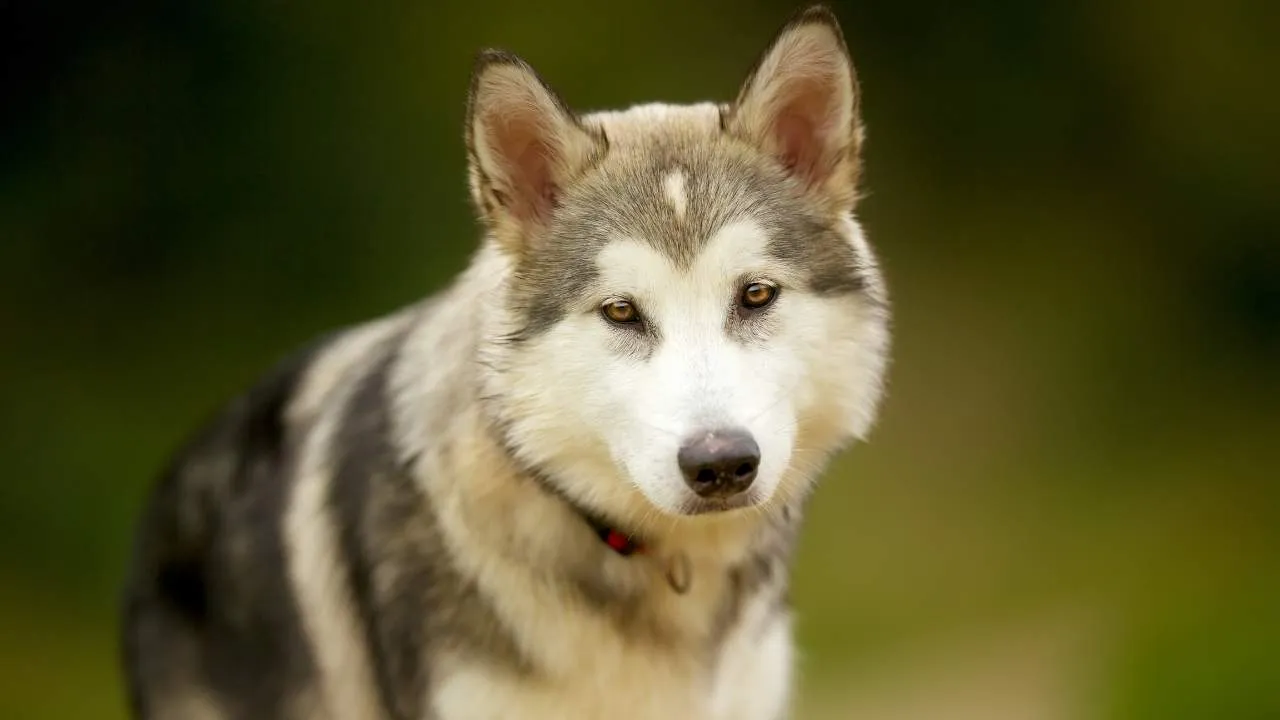
The Alaskan Malamute is the heavy-duty freight truck of the dog world, except fluffier and way more dramatic during bath time. This ancient Arctic sled dog was bred for strength, endurance, and the ability to pull heavy loads through brutal northern conditions, as noted by the AKC.
Unlike some faster sled breeds, the Malamute is more about power and stamina than sprinting like it just drank three energy drinks.
Their thick double coat is one of the biggest reasons they can handle cold wilderness settings. The dense undercoat holds warmth close to the body, while the coarse outer coat helps resist snow, wind, and moisture.
In freezing weather, this coat is iconic, but in hot climates, it can become a serious overheating risk.
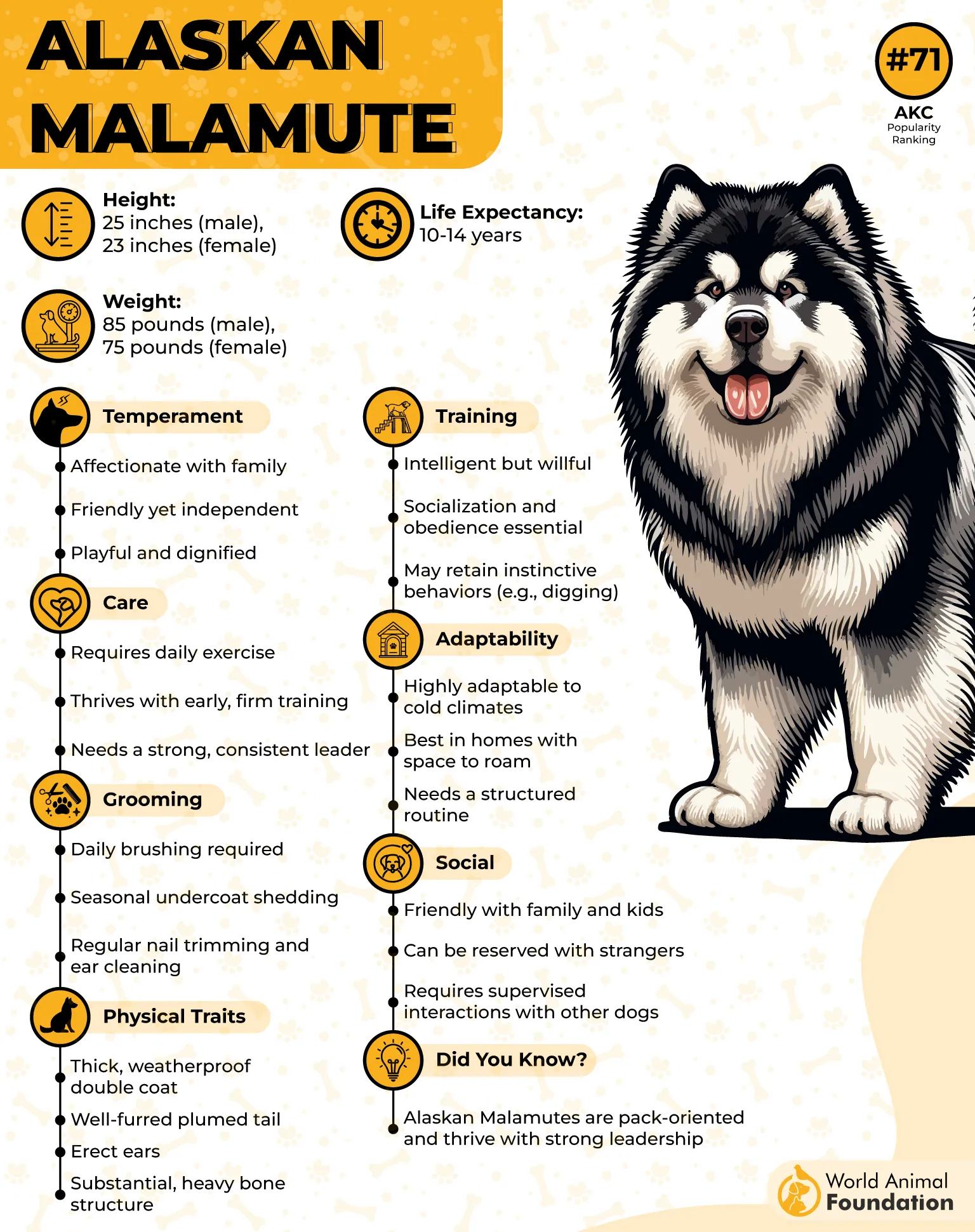
These canine companions are friendly, loyal, and affectionate, but they also have independent working-dog brains. They were bred to cooperate with humans while still making decisions in difficult environments, so they may not obey like a remote-controlled robot.
These dogs need serious physical outlets, especially hiking, pulling sports, backpacking-style walks, or structured outdoor work. They often enjoy activities like sledding, carting, skijoring, and weight-pull-style conditioning when introduced responsibly and only after maturity.
Their bodies are strong, but puppies should never be overworked, as their joints need time to develop.
What Makes Them Perfect For Wilderness Conditions
Their dense Arctic double coat helps protect them from wind, snow, and freezing outdoor conditions.
Their freight-hauling history gives them the strength to handle long, slow, demanding terrain.
Their independent thinking helps them navigate challenging environments, but it also requires careful handling.
2. Siberian Husky
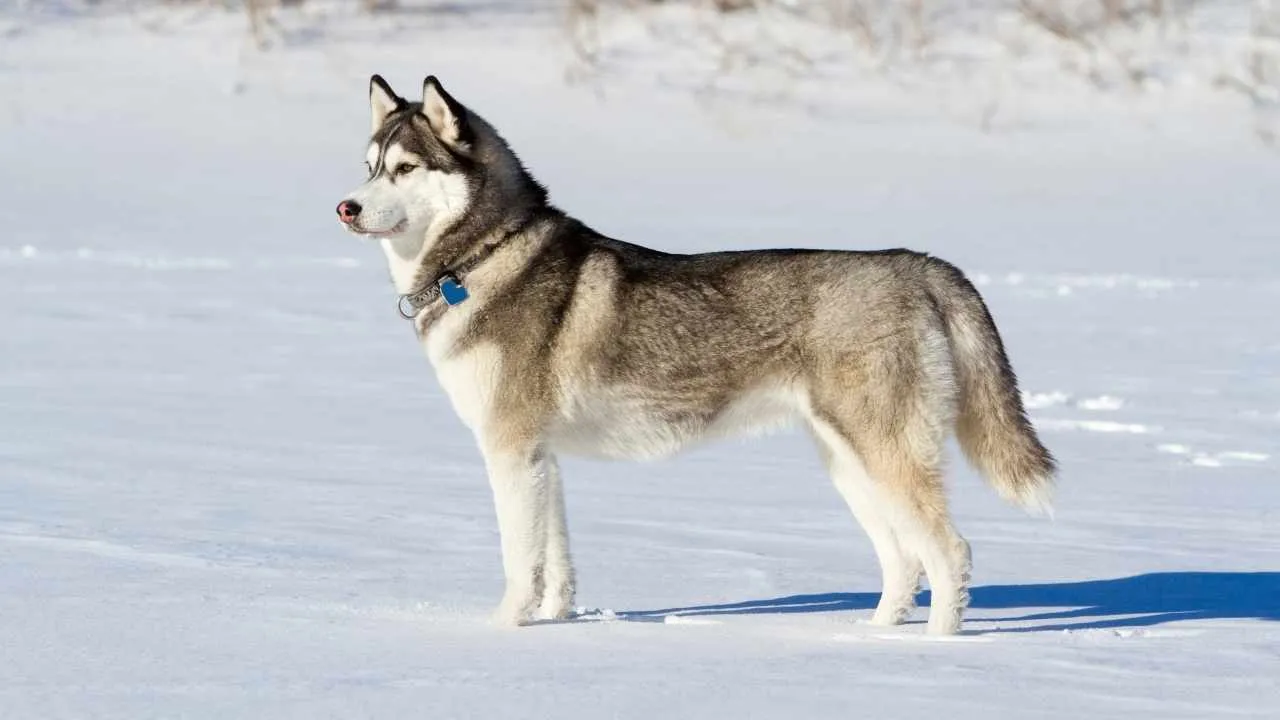
The Siberian Husky is the wilderness athlete with blue-steel eyes, endless opinions, and a voice that could headline its own podcast.
Originally developed by the Chukchi people of northeastern Siberia, as per PetPlace, they were bred to pull sleds over long distances in extreme cold with impressive efficiency. They are lighter and faster than Malamutes, making them endurance runners rather than heavy-load powerhouses.
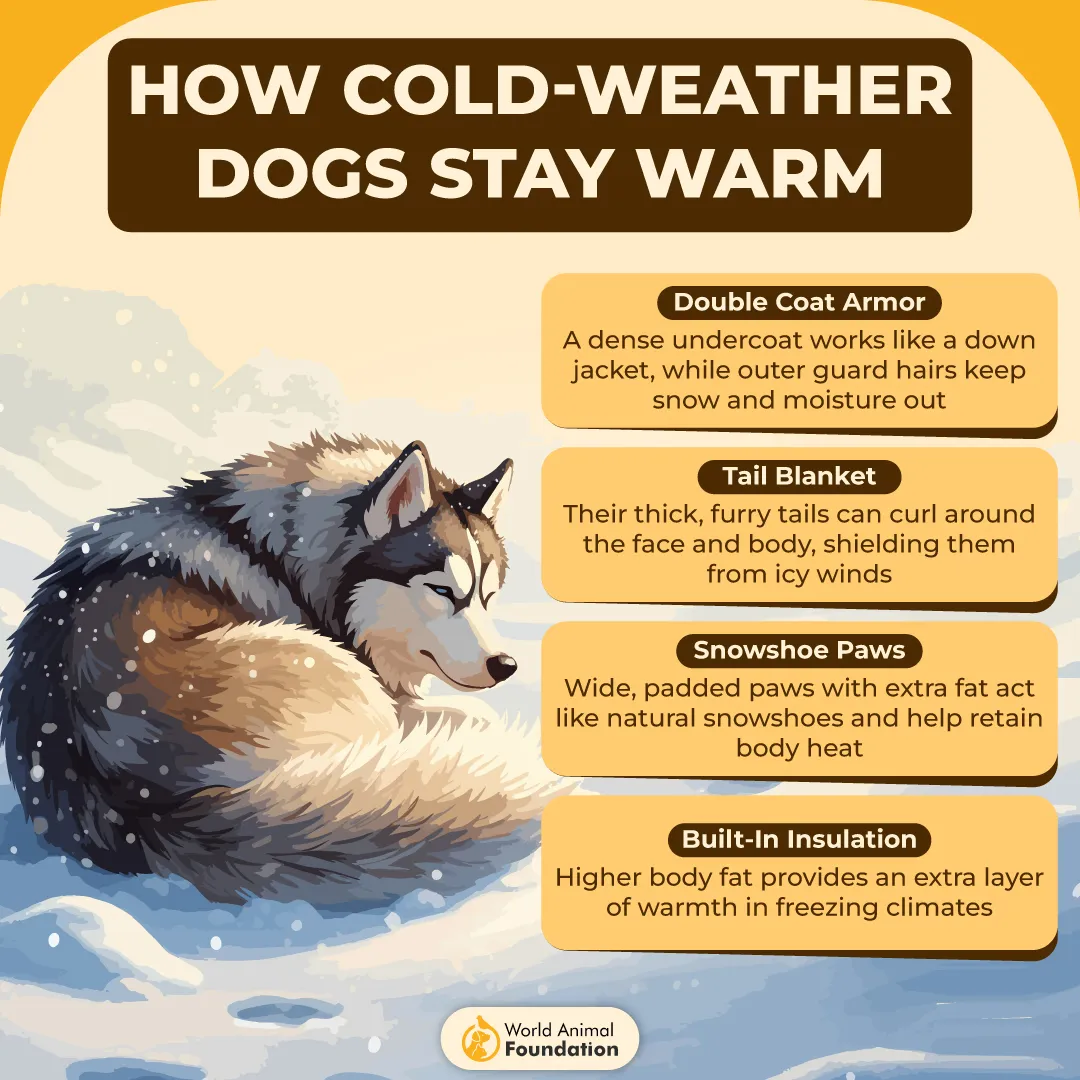
Their double coat, curled sleeping posture, and bushy tail all support cold-weather survival. Huskies famously curl into tight balls and cover their noses with their tails to conserve warmth during freezing conditions. That is not just cute; that is biological genius wrapped in fluff.
Huskies are social, playful, intelligent, and famously independent. They love being part of a group, but they are not always interested in your boring human agenda. If left unstimulated, they may howl, dig, chew, escape, or create a home renovation project nobody approved.
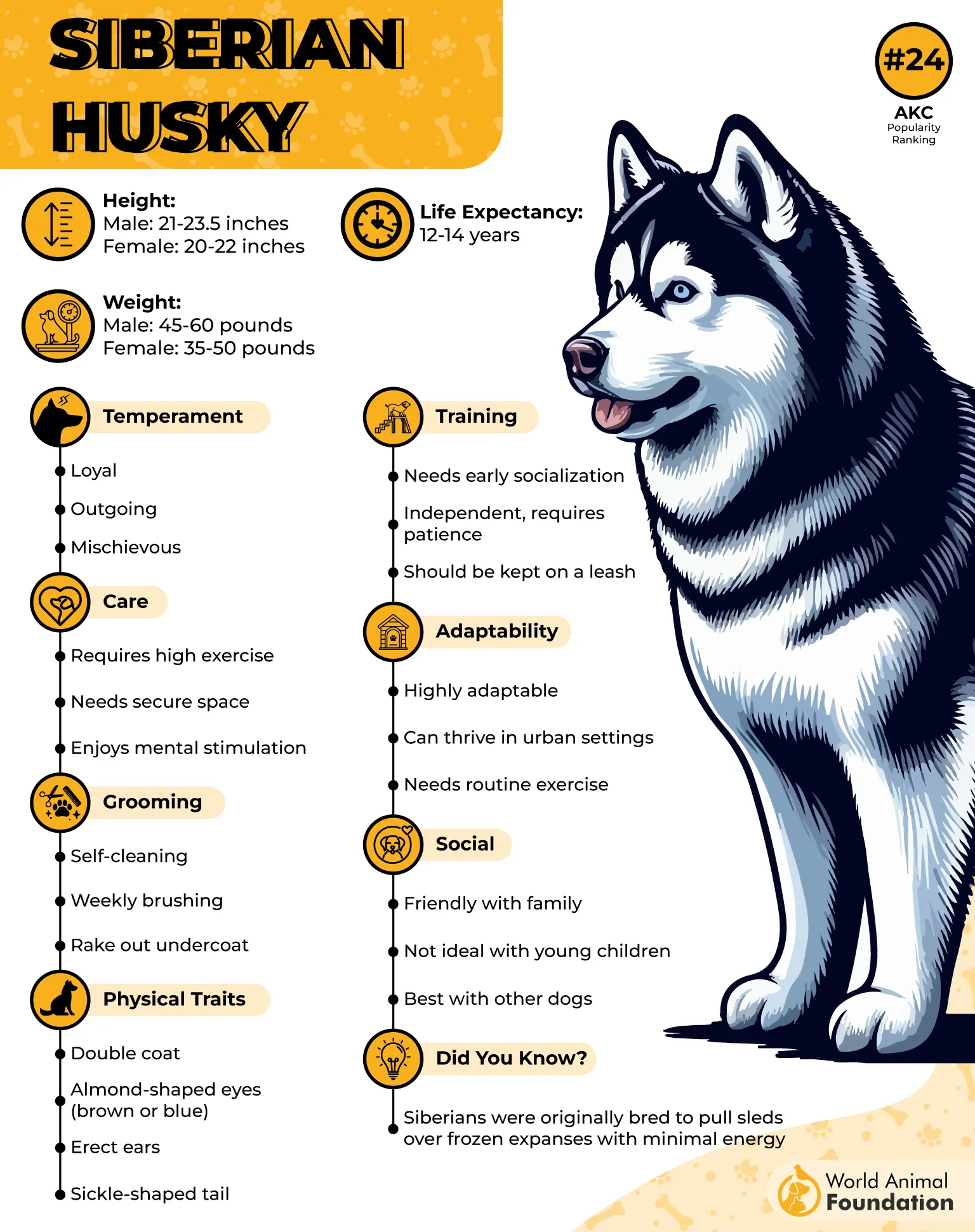
In wilderness conditions, Huskies shine on cold trails, in snowy environments, in sledding sports, and for long-distance travel. They need daily exercise and mental engagement because their working heritage did not come with an off switch.
They are not ideal for homes with close neighbors if noise is an issue, because Huskies communicate as if they were filing public complaints. Also, they need constant mental and physical stimulation so they are not bored at home!
What Makes Them Perfect For Wilderness Conditions
Their sled-dog background gives them elite stamina for long-distance movement across harsh terrain.
Their weather-resistant double coat and heat-saving sleeping habits help them survive in cold climates.
Their pack-oriented personality helps them work well in active outdoor groups when properly trained.
3. Bernese Mountain Dog
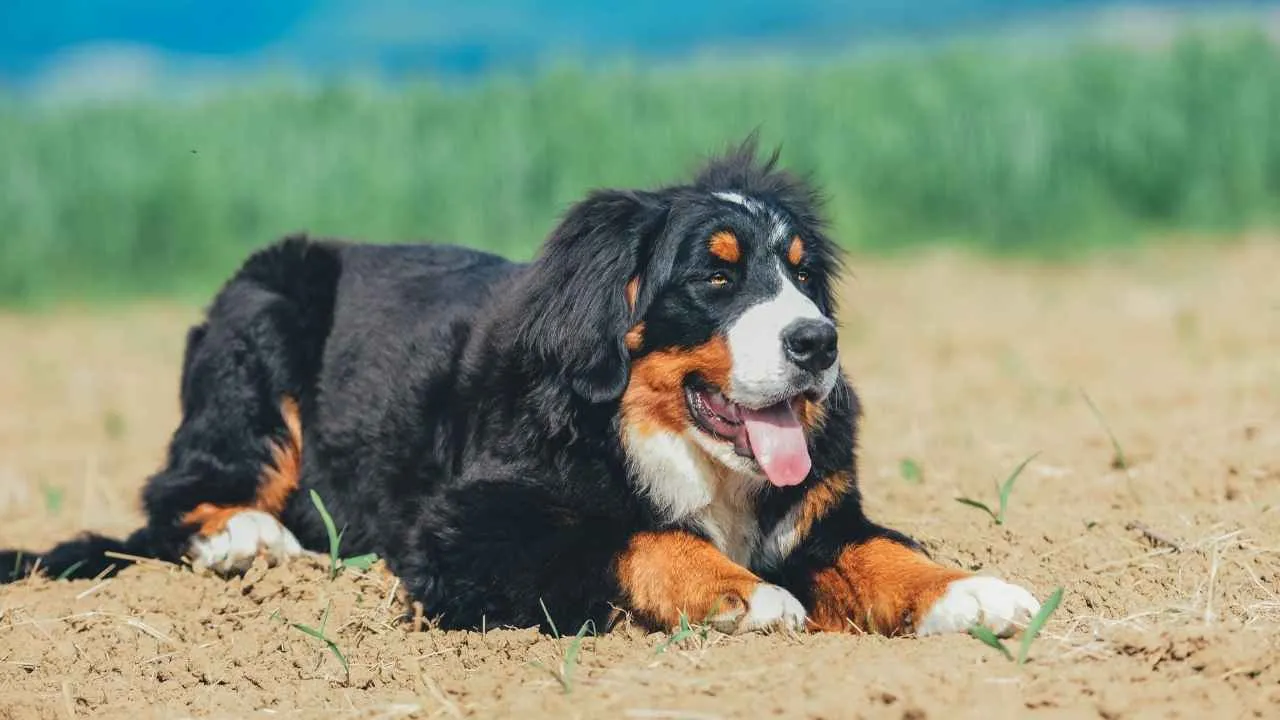
The Bernese Mountain Dog brings Swiss farm-dog strength, mountain charm, and gentle-giant energy into the wilderness conversation. Originally developed around Bern, Switzerland, this breed worked on farms, pulled carts, drove cattle, and supported rural families. They may look like soft teddy bears, but their background is pure working-dog practicality.
Their thick tricolor double coat makes them well-suited to cooler climates and snowy outdoor adventures. Berners often enjoy cold weather, winter walks, and mountain-style environments where overheating is not a major threat.
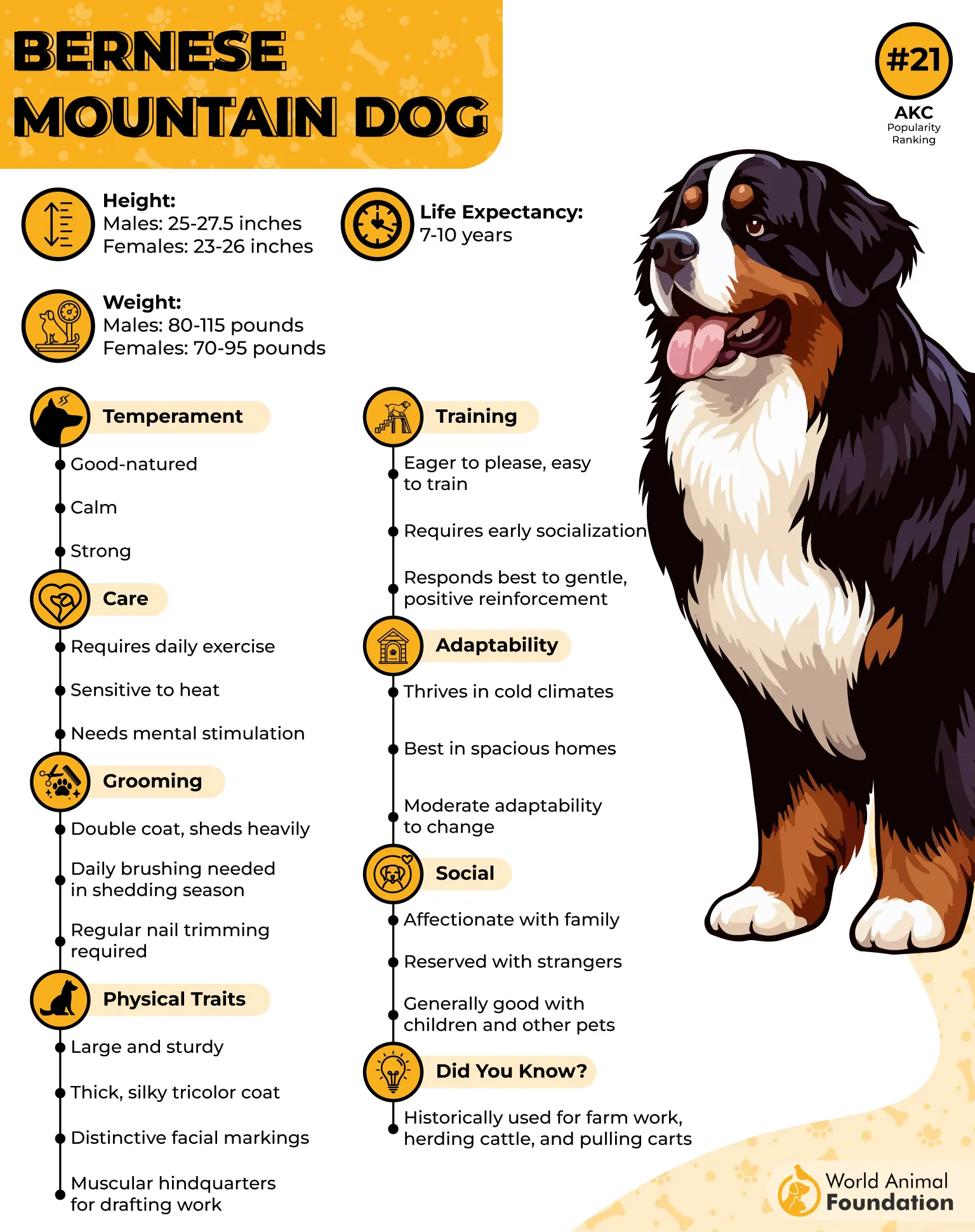
These hiking buddies are usually affectionate, steady, and eager to please. Their gentle nature makes them beloved family dogs, though their large size means supervision around children is important. One happy Berner bump can accidentally launch a toddler into another dimension.
For wilderness fun, these mountain dogs often enjoy hiking, drafting, scent work, carting, and calm outdoor exploration. They are not built for endless high-speed running, but they can be excellent companions on moderate trails in cool conditions. Puppy exercise must be carefully controlled because rapid growth and joint development require protection.
Grooming is part of the Bernese Mountain Dog lifestyle because its coat sheds heavily. Regular brushing keeps loose hair under control and helps check for burrs, ticks, and debris after outdoor trips.
What Makes Them Perfect For Wilderness Conditions
Their Swiss farm background gave them strength for carting, working, and moving through rugged rural terrain.
Their thick coat supports cold-weather comfort during snowy hikes and mountain outings.
Their steady temperament makes them reliable outdoor companions for calm, well-planned adventures.
4. Rhodesian Ridgeback
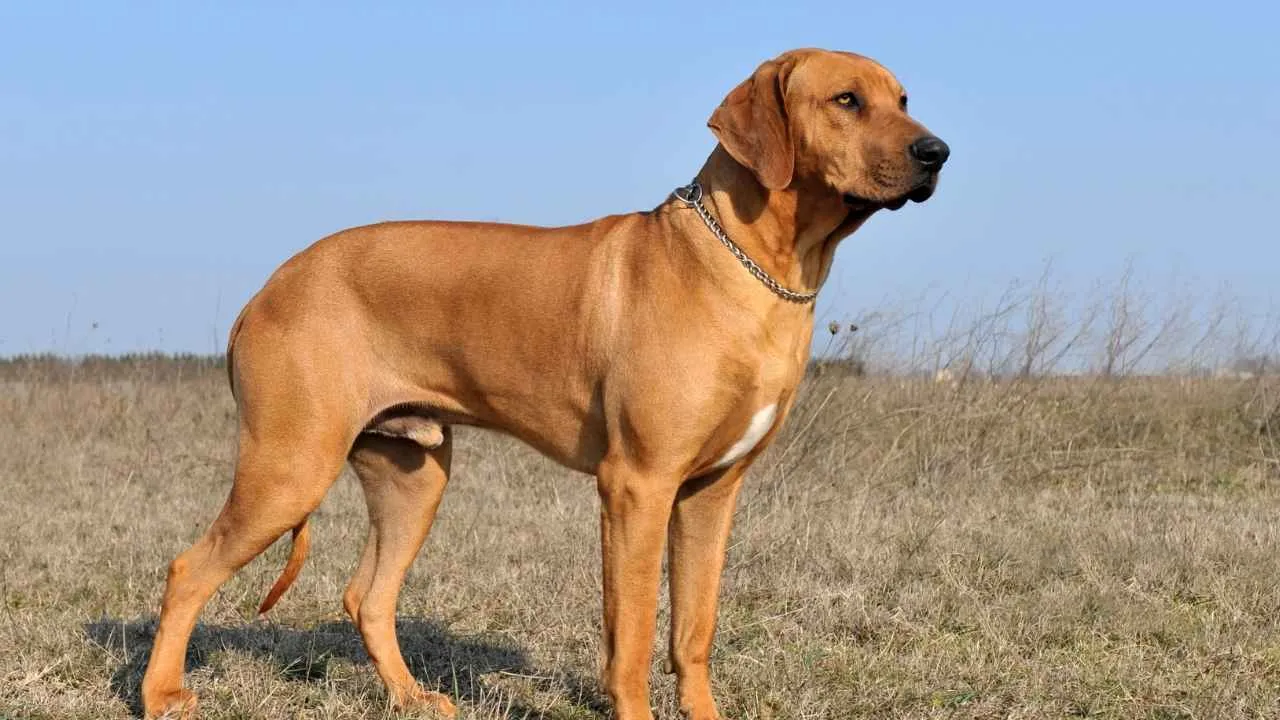
The Rhodesian Ridgeback is the sleek wilderness survivor for hot trails, open land, and long-distance movement. Developed in southern Africa, this breed was historically used to support big-game hunting and to guard homesteads.
Unlike cold-weather northern breeds, the Ridgeback is better adapted to warm climates thanks to its short coat and athletic body. They still need shade, water, and heat safety, but they are generally more comfortable in warmth than heavily coated breeds.
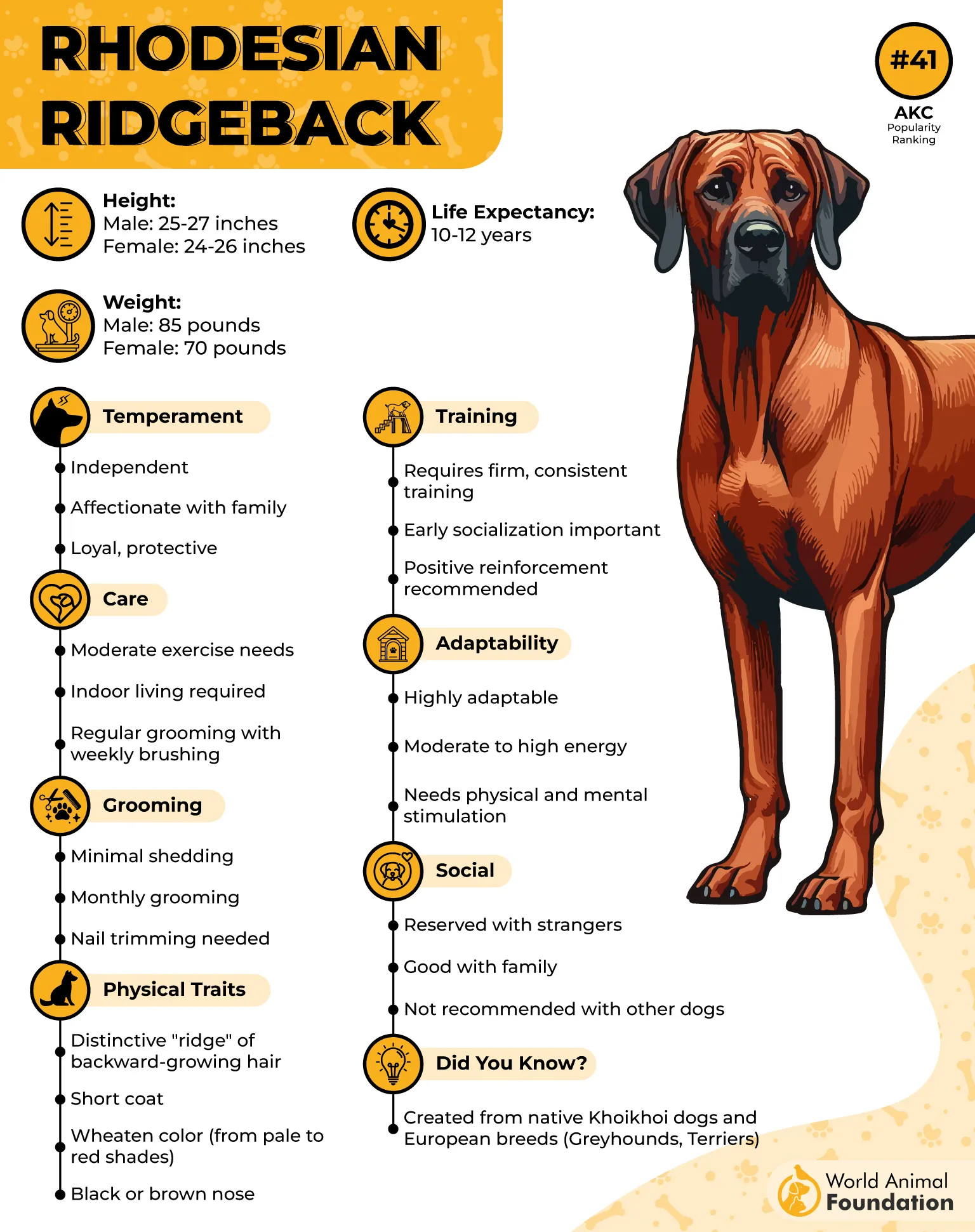
Ridgebacks are loyal and affectionate with family but often reserved with strangers. They are independent thinkers, and that serious personality can make them feel more like a quiet outdoor partner than a goofy people-pleaser. Early socialization helps them stay confident without becoming overly suspicious.
These dogs need regular physical exercise and mental challenges such as tracking, long walks, hiking, scent games, or structured running. Their prey drive can be strong, so secure areas and leash control are important in wild spaces. A Ridgeback spotting wildlife may suddenly forget your entire relationship history.
They are best for experienced owners who understand athletic, strong-willed dogs. They can be calm indoors after proper exercise, but outdoors they may switch into alert, driven explorer mode. For warm wilderness conditions, the Rhodesian Ridgeback offers stamina, courage, and polished desert-runner energy.
What Makes Them Perfect For Wilderness Conditions
Their short coat and athletic frame help them handle warmer outdoor environments better than many heavy-coated breeds.
Their hunting history gave them stamina, courage, and the ability to move efficiently over open terrain.
Their alert but composed nature makes them useful companions in remote areas where awareness matters.
5. Karelian Bear Dog
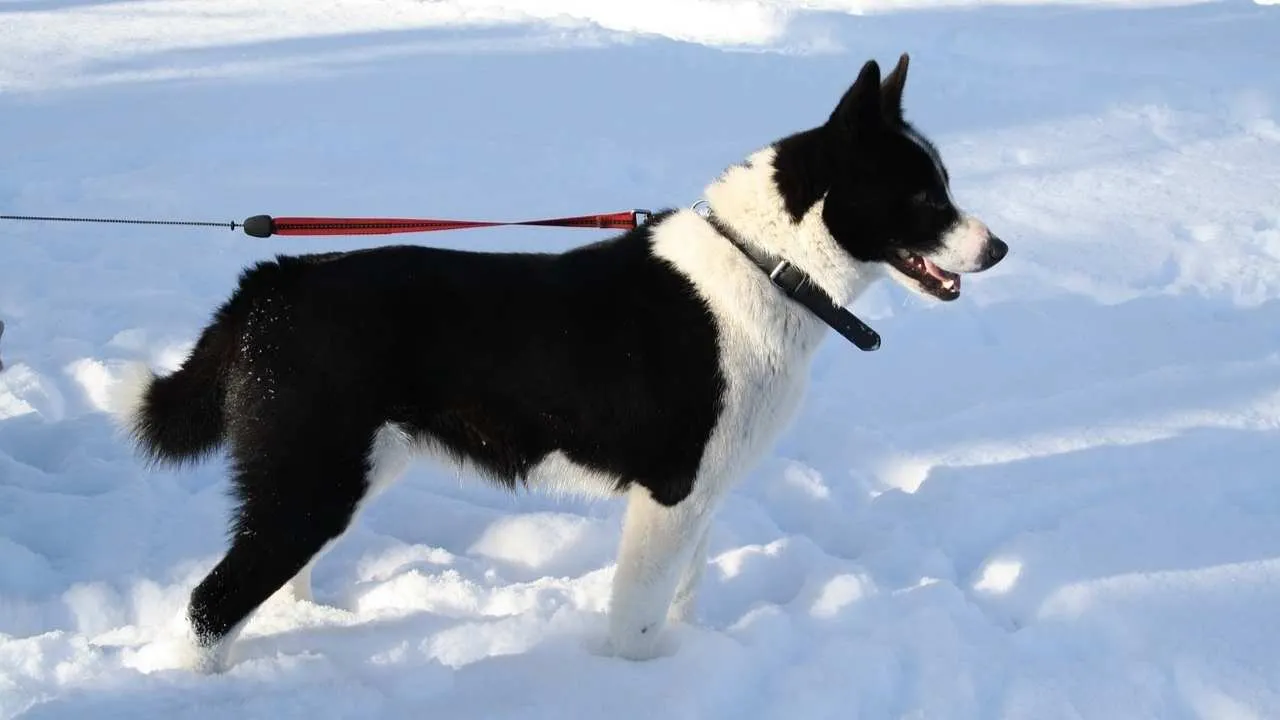
The Karelian Bear Dog is not here for soft suburban nonsense; this breed was developed for serious wilderness hunting. Originating from the Karelia region of northern Europe, these dogs were used to track and confront large game such as bears, moose, and wild boar.
This medium-sized spitz has a dense coat, strong body, and sharp outdoor instincts. They are built to move through cold, rugged, forested areas while staying focused on a task. Their black-and-white coat is practical, hardy, and easier to maintain than many longer-coated wilderness breeds.
The United Kennel Club mentions that they are extremely intelligent, persistent, and brave, but they are not casual beginner dogs. They can be affectionate with family, yet their prey drive and dog-to-dog intensity can be challenging. Small pets, loose wildlife, and weak fencing are not a great combo with this breed.
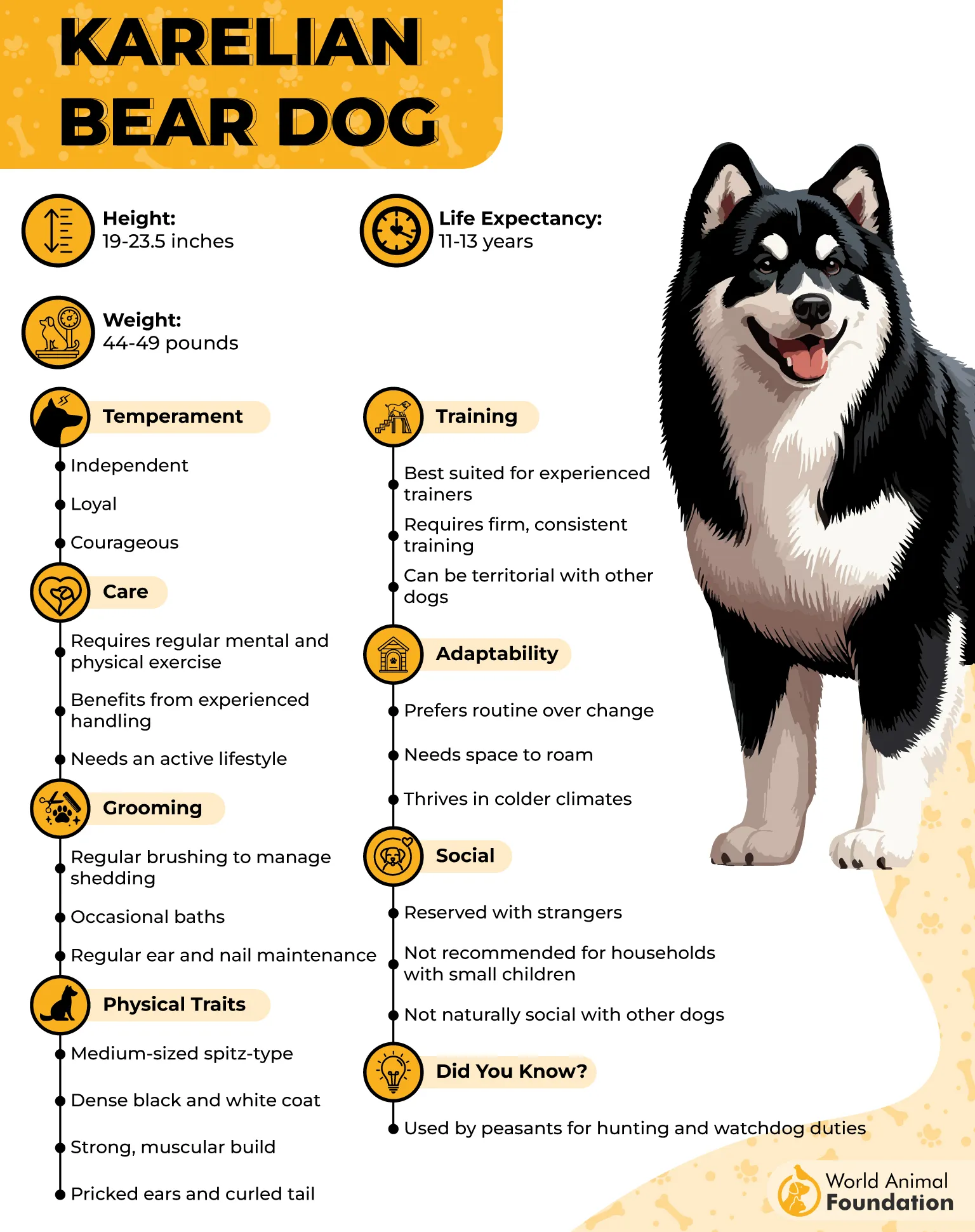
Their hunting style is especially interesting because they often work independently and use barking to communicate once game is located or held. Experienced handlers can read differences in their bark depending on the situation. That is basically wilderness Morse code, but with more adrenaline.
This dog needs space, structure, socialization, and a job that respects its working nature. Apartment life is usually a poor fit because these dogs need room to move and mental outlets that match their instincts.
For expert owners in rural or wilderness settings, this breed is bold, durable, and wildly capable.
What Makes Them Perfect For Wilderness Conditions
Their background in large-game hunting gives them the courage and persistence to navigate remote forest environments.
Their dense spitz coat helps them manage cold, brush, and rough outdoor conditions.
Their sharp communication style allows them to alert handlers when wildlife or danger is nearby.
6. Norwegian Elkhound
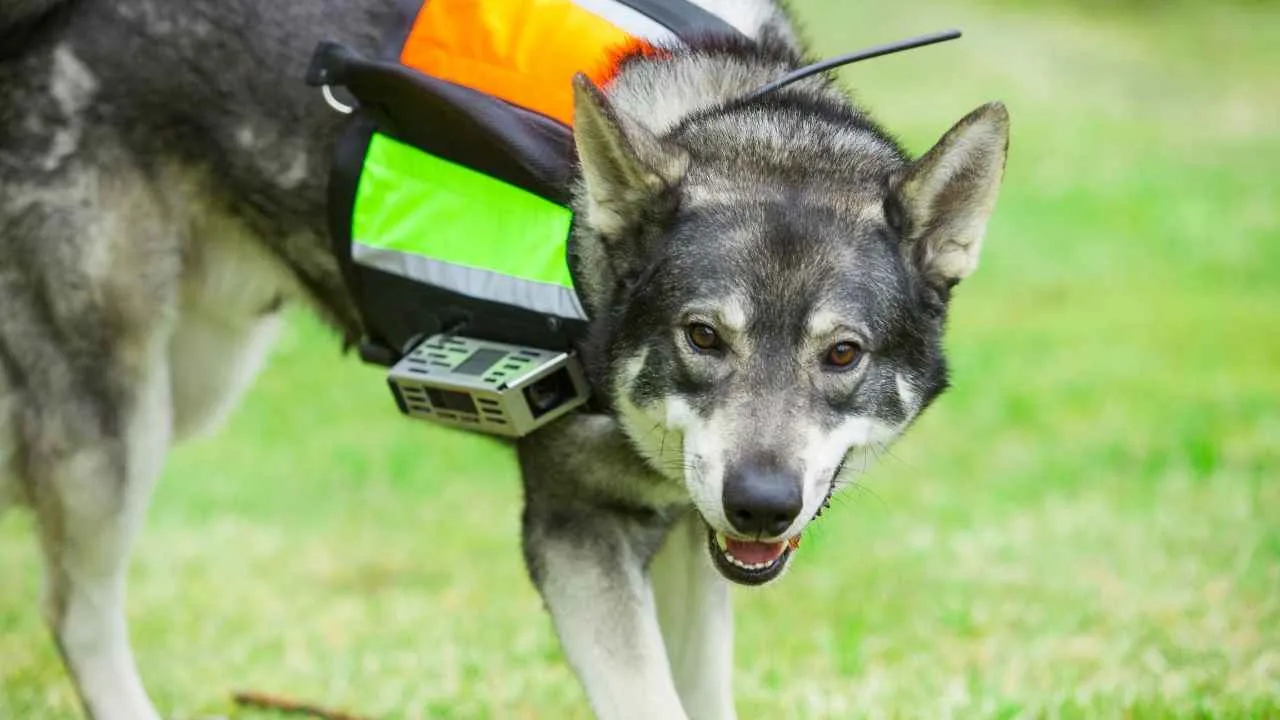
The Norwegian Elkhound is a rugged Nordic hunting dog with stamina, confidence, and a thick coat. One of Norway’s oldest breeds, the Elkhound was used to track and hold large game such as moose. Its compact, sturdy body and dense gray coat make it look like a wilderness veteran with a curled tail.
This breed thrives in cool climates and rough terrain. Elkhounds are agile, balanced, and surprisingly powerful for their medium size. They often enjoy snow, hills, timber, and natural trails more than plain sidewalk loops.
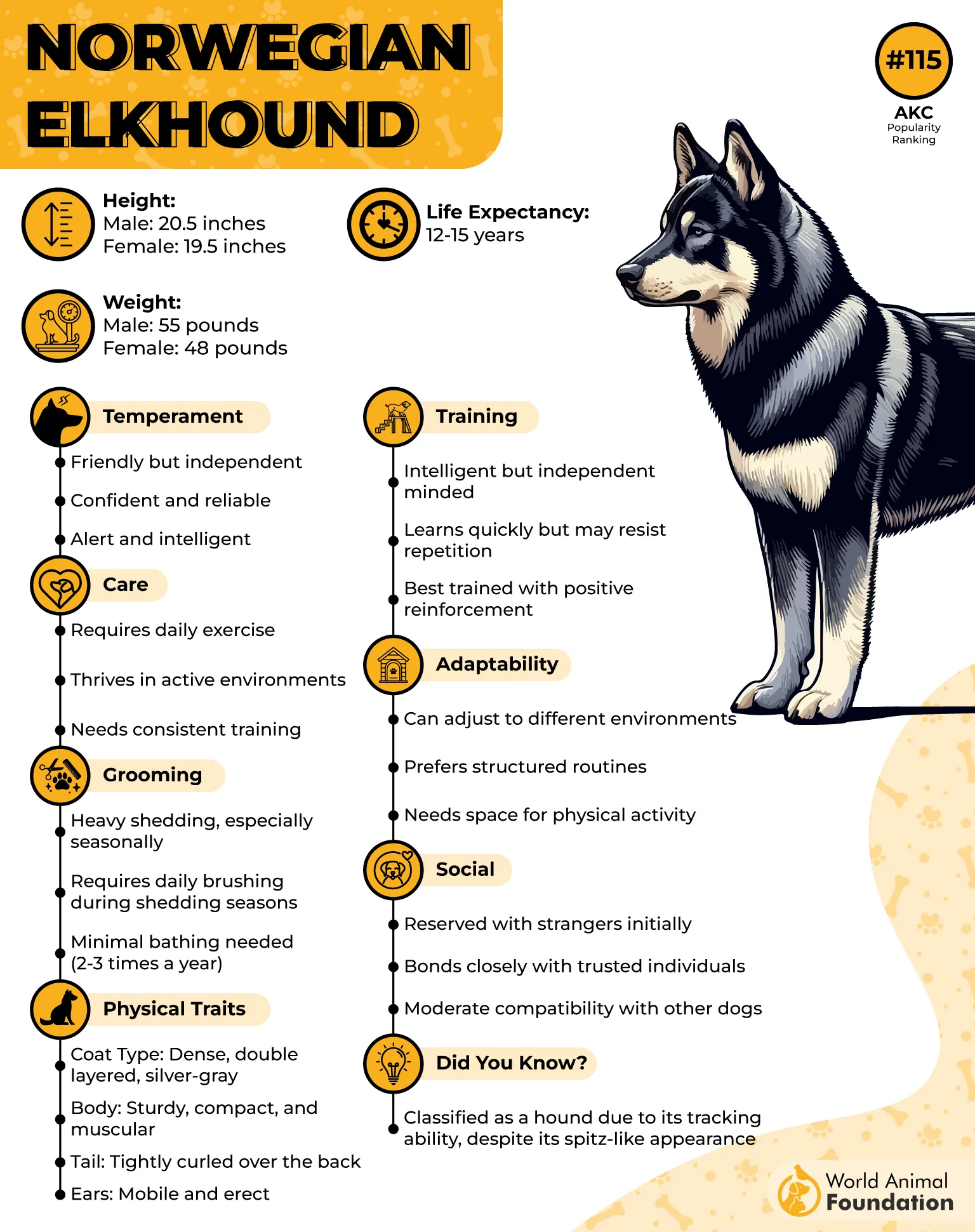
They are loyal, bold, playful, and vocal. Their watchdog instincts mean they may announce the presence of strangers, squirrels, changes in the weather, and possibly their own thoughts. That makes them fun companions for rural homes but potentially too loud for close apartment living.
Outdoors, they are lively explorers that enjoy hiking, tracking, long walks, and challenging terrain. Their independent streak means training must be consistent, fair, and interesting. They love an active lifestyle!
Their thick double coat sheds heavily and needs regular brushing, especially during seasonal coat changes. They are not low-maintenance in the vacuum department, but they are beautifully suited to life in the cold wilderness.
For active owners who love northern breeds, the Norwegian Elkhound is sturdy, spirited, and adventure-ready.
What Makes Them Perfect For Wilderness Conditions
Their dense gray double coat protects them in cold, snowy, and windy environments.
Their moose-hunting history gave them stamina, courage, and strong tracking instincts.
Their compact build helps them move confidently through hills, timber, and rugged trails.
7. Australian Cattle Dog
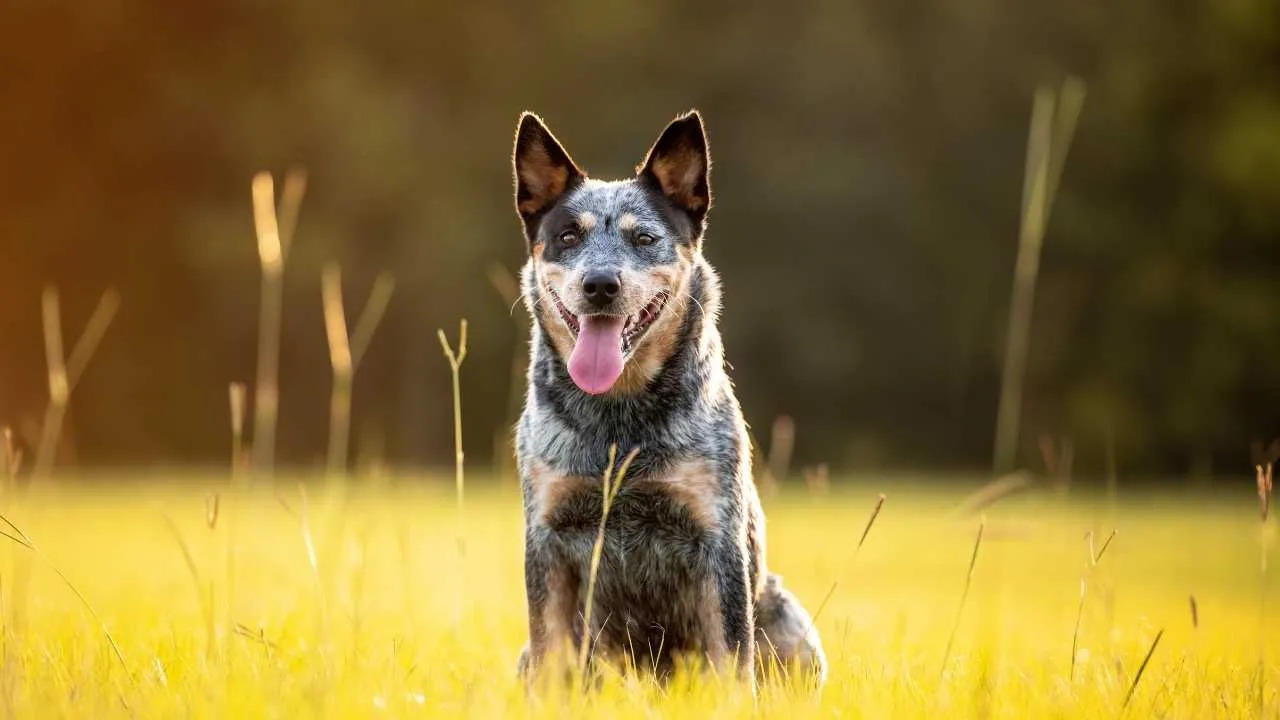
The Australian Cattle Dog is the compact wilderness workaholic that looks at a rough trail and says, “Easy.” Developed in Australia for tough cattle work, this breed was shaped for stamina, heat tolerance, distance, and quick decision-making.
Their history includes dingo influence, which helped create a hardy dog suited to rough working conditions.
Their short, dense, weather-resistant double coat helps protect them from scrub, dirt, and changing outdoor conditions. Water tends to bead off the coat better than on many softer-coated breeds, making them practical in the field. Grooming is not complicated, but seasonal shedding still needs regular brushing.
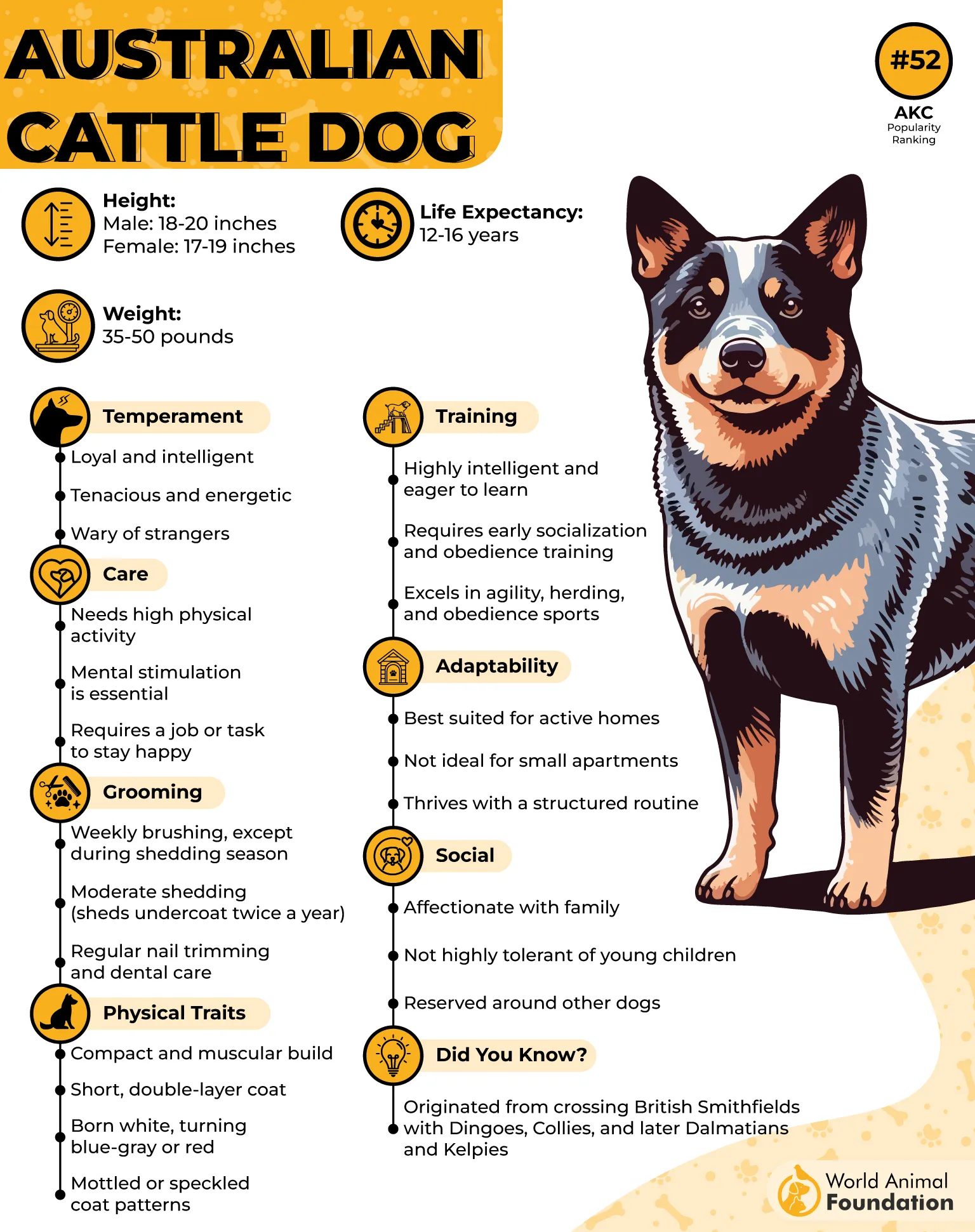
These adventure dogs are intensely smart, alert, and quick to react. Their herding instinct can make them want to control movement, which may include animals, bikes, runners, or humans who did not consent to being herded. Early training is important for teaching boundaries and preventing nipping habits.
This breed is happiest with real activity, such as hiking, farm work, agility, obedience, scent games, running, or structured play. A short walk around the block is not a lifestyle plan for an Australian Cattle Dog. Without a job, they may invent one, and it will probably involve chaos.
They suit experienced, active owners who can provide daily mental and physical challenges. Secure fencing matters because they are clever problem-solvers and determined explorers.
What Makes Them Perfect For Wilderness Conditions
Their cattle-droving background built a dog with stamina, toughness, and strong problem-solving instincts.
Their dense, weather-resistant coat helps protect them from rough scrub, dust, and changing conditions.
Their compact, muscular bodies make them efficient movers across farms, trails, and rugged outdoor spaces.
Conclusion
Wilderness-ready dogs are not just pretty breeds standing in dramatic landscapes. They are animals shaped by climate, work, terrain, and human survival needs. From Arctic sled routes to African hunting grounds and Australian cattle country, these dogs carry real working history in their bodies and behavior.
Greater Swiss Mountain Dog, Australian Shepherd, Labrador Retriever, Jack Russell Terrier, German Shorthaired Pointer, and Border Collie are some excellent family dogs that perform well in wilderness conditions.
Climate matters, too, because not every breed endures in every environment. Cold-weather dogs may struggle badly in heat, while warm-climate athletes still need water, shade, and rest. Responsible wilderness ownership means respecting the breed’s limits, not just admiring its toughness.
