




Bringing a dog and a cat together can feel like a tiny soap opera.
Some cat breeds act like the house is their kingdom. Some dogs act like every living thing is a best buddy. And here’s the best part! With certain dog breeds, that first meeting can turn into a real friendship faster than you expect.
This blog is for anyone who loves cats and also wants a new dog. It is not about forcing a bond. It is about picking a dog breed with the right traits, then setting the scene so both pets feel safe. Because most cats need time, and most dogs need clear rules.
We will look at 7 dog breeds that tend to be good with cats. Every cat has an individual personality, so we will keep it real.
Dog Breeds That Quickly Form Bonds with Felines
1. Beagle
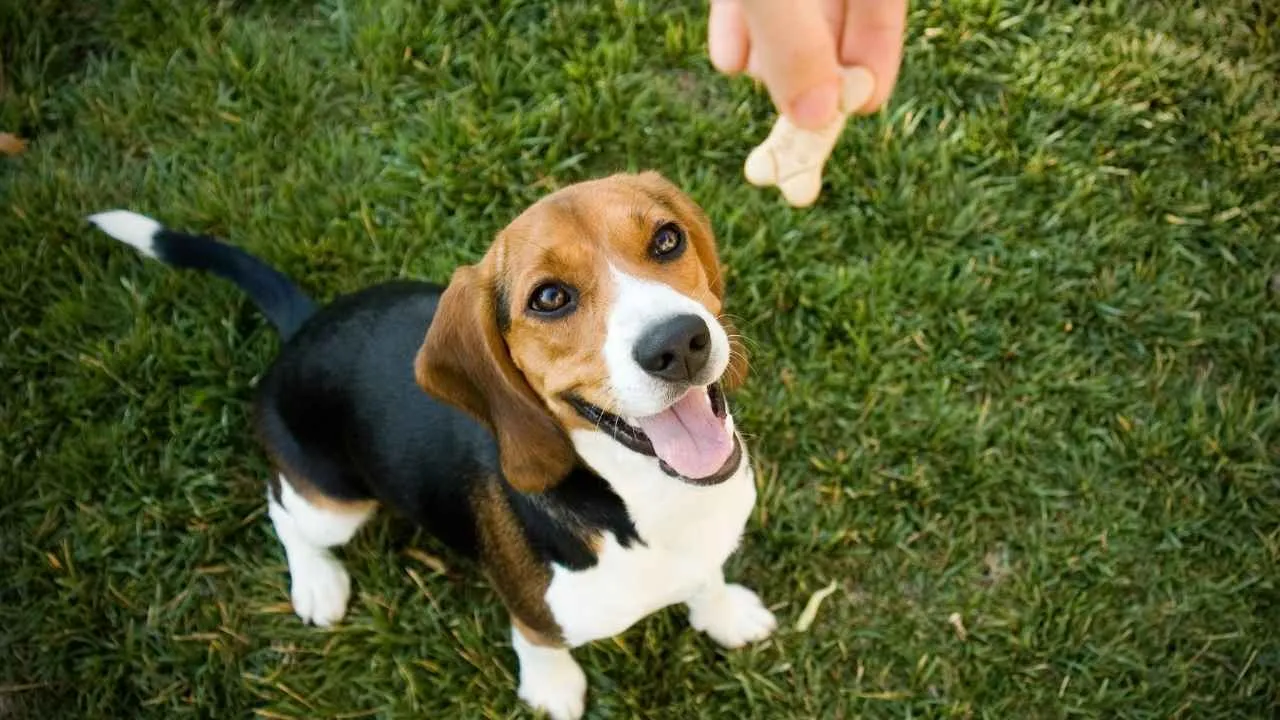
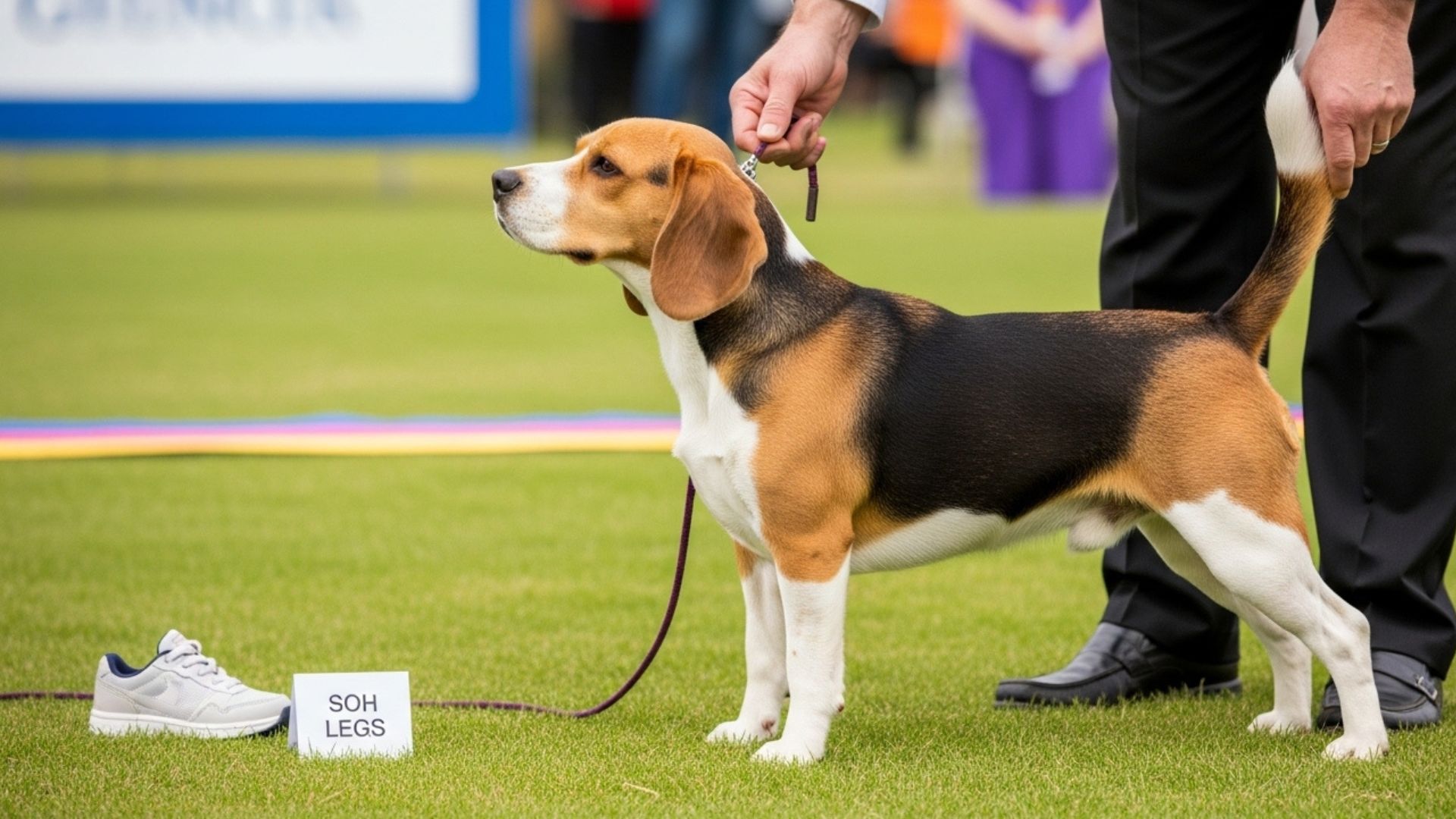
Beagles were bred to hunt in packs, so they often treat a cat like part of the group. Sounds crazy, right? But it makes sense. Their sociable nature helps them settle in with animals they see every day. If your cat likes calm company, a Beagle may become a gentle, steady buddy.
Beagles do have a strong nose and a curious mind. That can lead to chase moments if the cat runs. This is why training matters early.

Start in the house with short meetings, a leash, and treats. Keep things light. Your puppy is learning what “family” means, and your cat is deciding if this dog is safe.
But wait, there’s more! Beagles also need daily walks and play to stay relaxed. A bored Beagle may tend to get loud, bark, or look for trouble. When their exercise needs are met, they are often pretty calm indoors and more likely to form strong bonds with felines.
Calm Home Habits For This Breed
- Keep playtime planned, not chaotic
- Use training to stop chasing before it starts
- Give your cat its own space up high
- Do short meets at a young age when possible
2. Bulldog
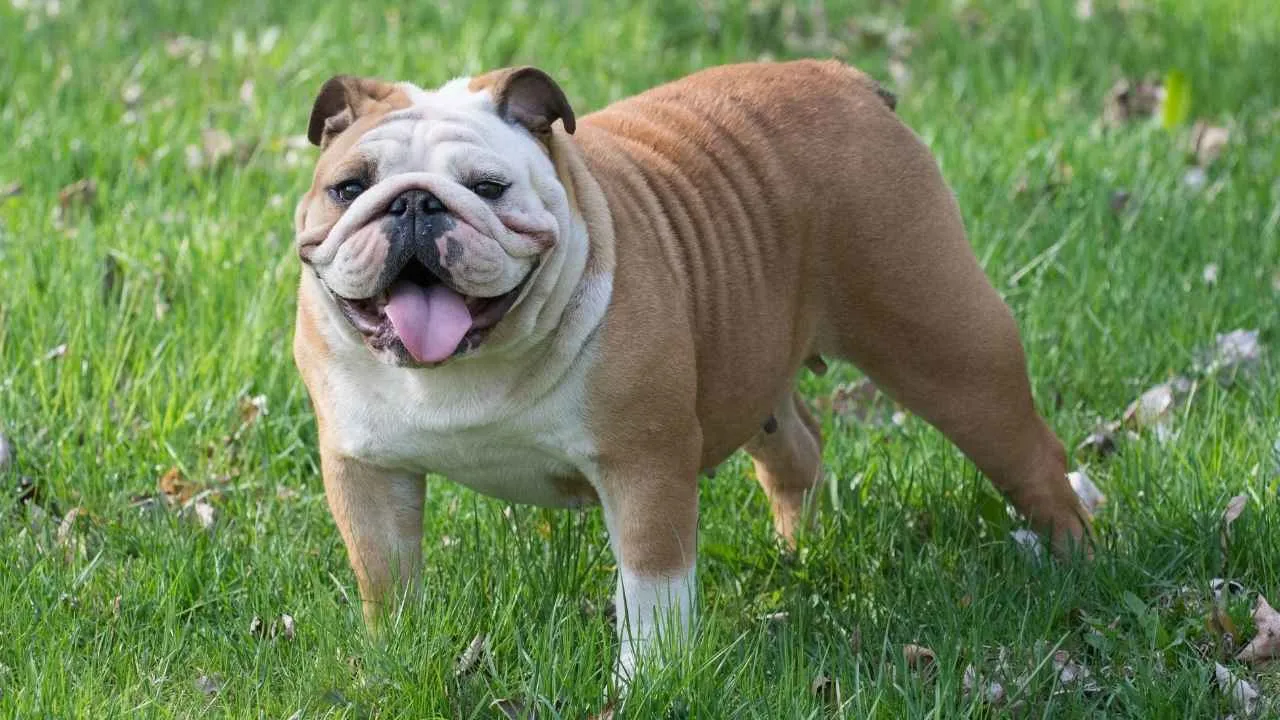
A Bulldog looks tough, but this breed often brings a laid-back vibe into the room. Many people expect drama, but then they see a Bulldog blink slowly at a cat, like, “Hey, we cool?” Here’s the good part. Their low-energy style can be a relief for felines who hate wild movement.
According to Wikipedia, Bulldogs tend to enjoy being near their humans, then napping hard. That can make them easier around most cats, because the cat is not being chased from room to room.
Still, introductions should be slow. Give your cat space to walk away. A calm cat breed feels brave enough to sniff, and that first sniff is where trust begins.
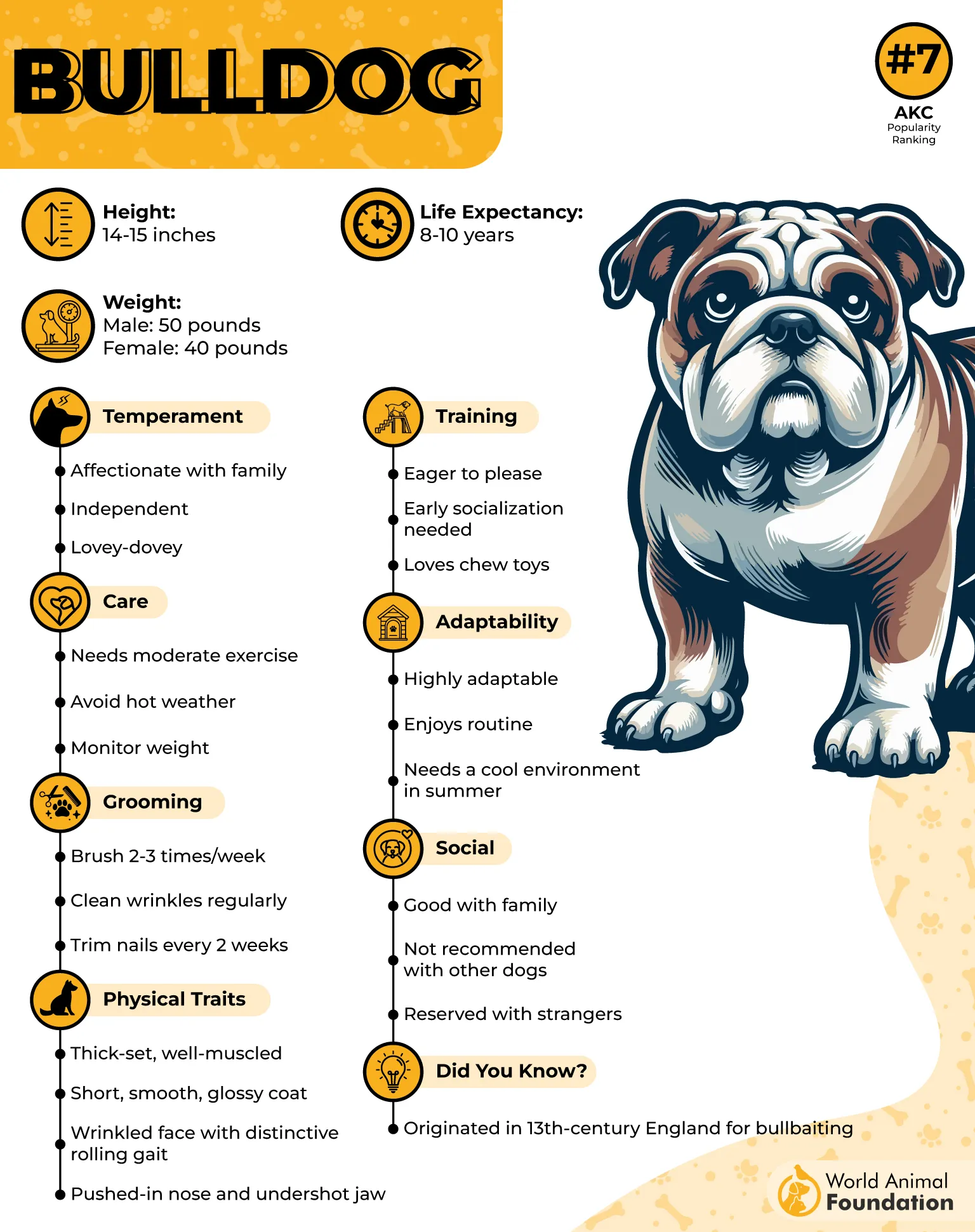
Bulldogs also do best with gentle rules. Keep training simple. Reward quiet behaviour. If the dog gets too excited, pause the meeting.
It gets even worse, though, if people let the first week turn into nonstop face-to-face time. Do not do that. Start with short sessions, then build up. A steady start helps the dog and cat feel like true best buddies.
Calm Home Habits For This Breed
Keep exercise easy and regular
Let the cat choose the distance
Use baby gates to protect the space
Reward gentle greetings every time
3. Labrador Retriever
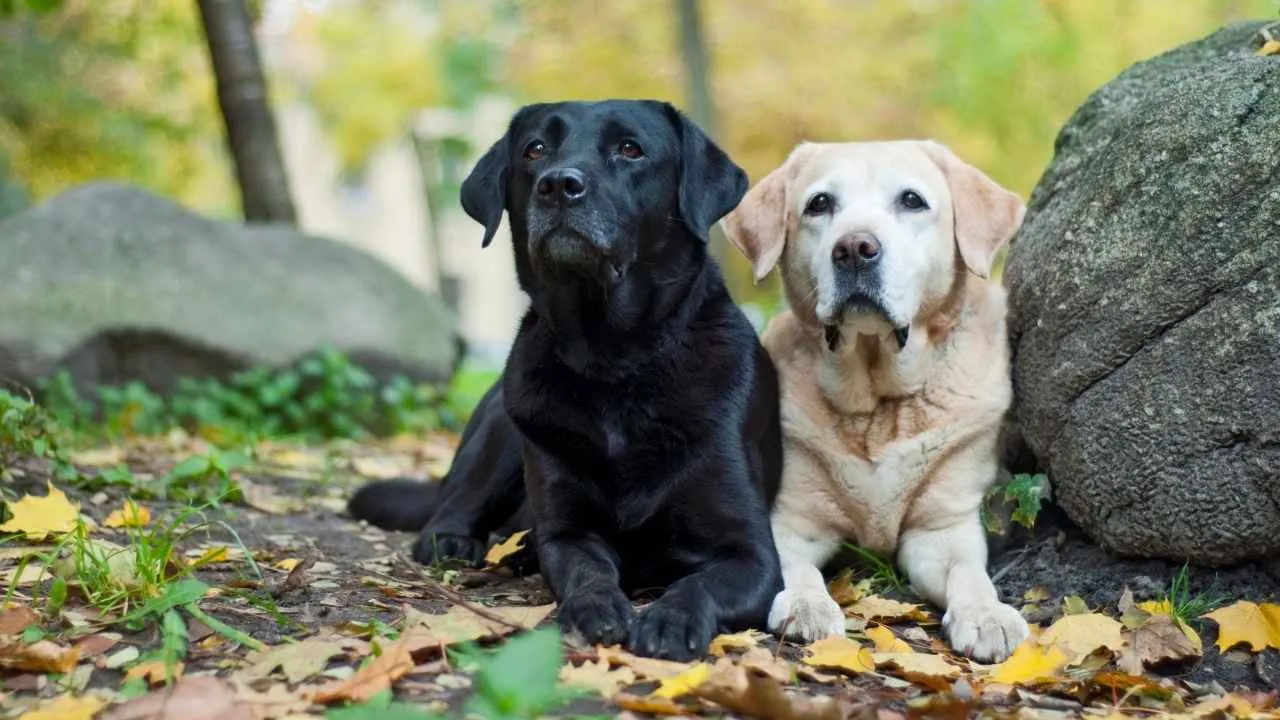
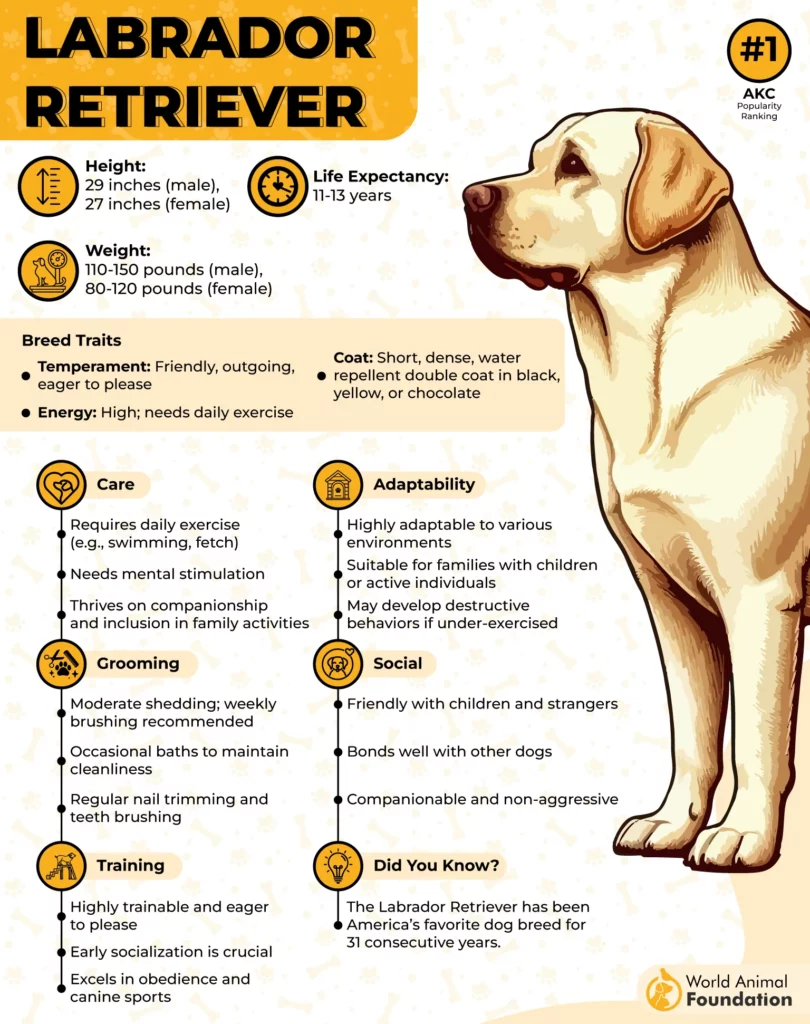
The Labrador Retriever is famous for a big heart and a friendly spirit. Many families choose this hunting dog breed because it is gentle, intelligent, and eager to please. A Labrador Retriever may walk up to a cat as if it just met a new friend. That friendliness can be a real gift when you want a dog and a cat to share a home.
This breed can be a gentle giant, but size still matters. The cat must feel safe around that big body. Use calm training from day one. Teach “leave it” and “wait.” Keep meetings controlled, and let the cat set the pace. A Lab that learns manners early is more likely to be good with cats in the long run.
Labs also need exercise and daily walks. If they do not get enough activity, they may tend to get bouncy and mouthy. That energy can stress felines, even if the dog means well.
But why bother with that? Because when the Lab’s needs are met, the home feels smoother. The Lab often becomes a steady friend who can share space without jealousy, making the dog and cat routine feel normal.
Why This Breed Can Fit Cat Homes?
Strong focus on humans and praise
Training usually goes well with food rewards
Friendly towards animals in the home
results with planned play and rest
4. Papillon
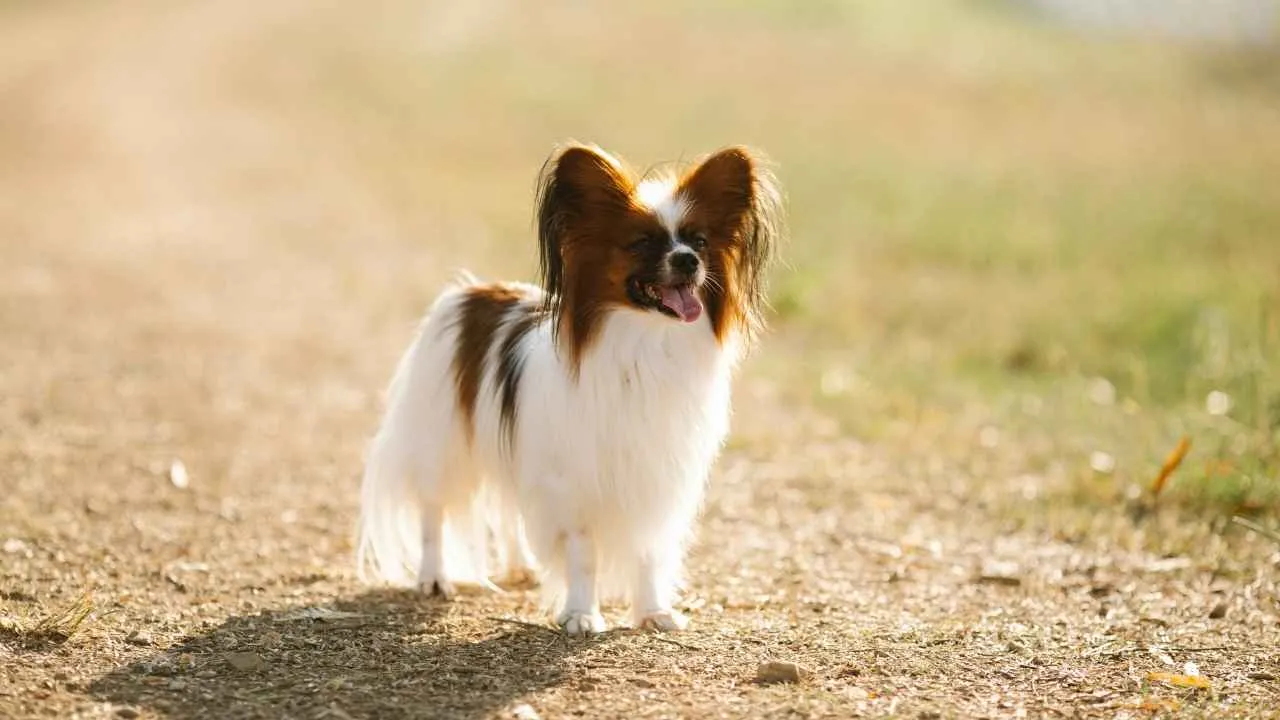
Papillons have those “butterfly” ears and a bright little face that can charm almost anyone. This small dog breed is close to a cat in small size, which can lower fear during first meetings.
Many cats feel less threatened when the dog is not towering over them. That simple thing can make a big difference.
Papillons are playful and curious. They like to join whatever is happening. If your cat enjoys gentle games, this can be the best dog breed.
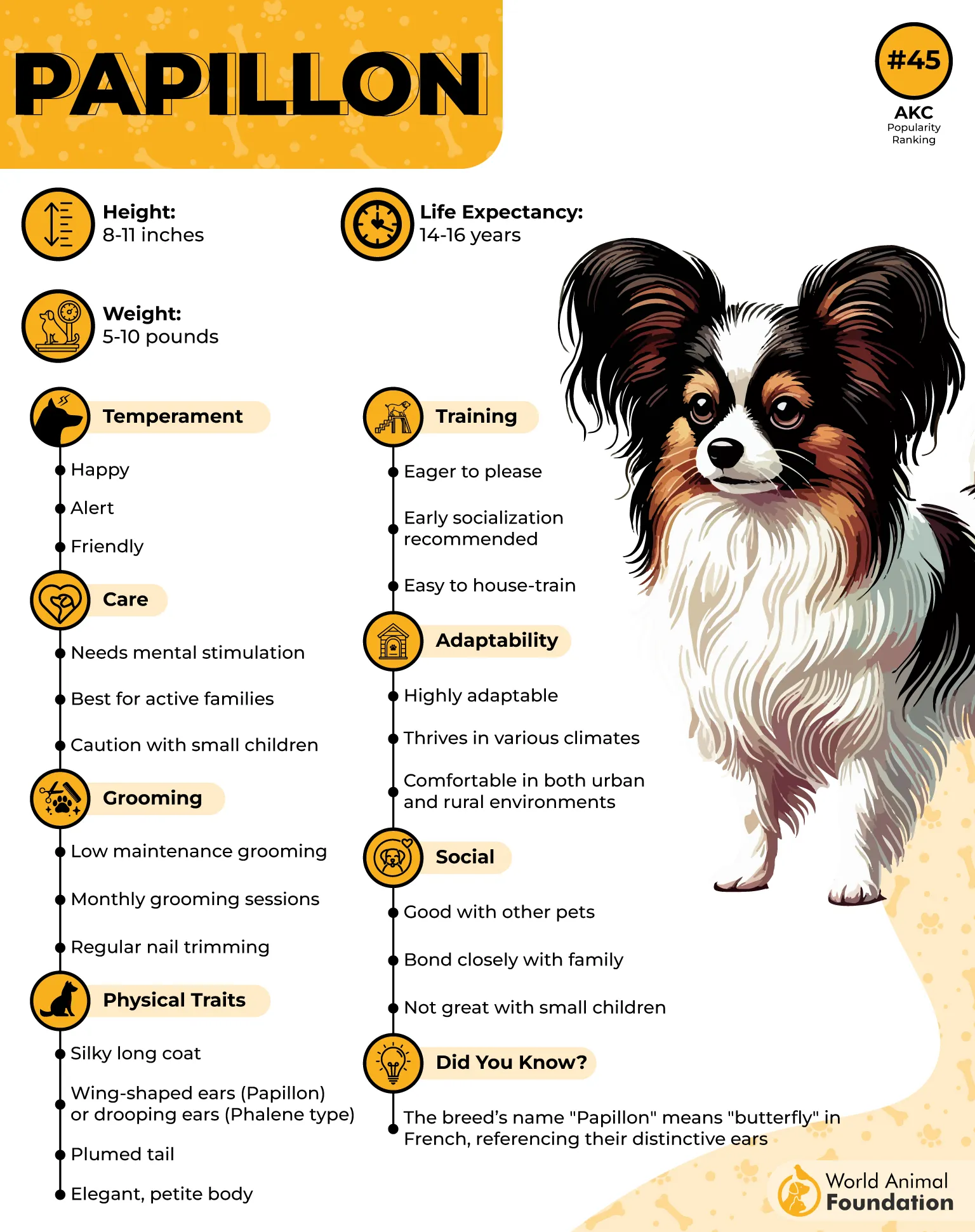
A Papillon can get excited and bounce into the cat’s personal bubble. Teach a soft approach. Use training to reward sitting, waiting, and calm sniffing.
Here’s the best part! When you guide the energy, Papillons often become sweet little shadows who want peace in the home. They tend to form strong bonds with their people, and that warmth can spread to other animals, too.
Keep play controlled. Give the cat space. Over time, the dog and cat relationship can shift from “Who are you?” to “Oh, it’s you. Cool.”
Calm Home Habits For This Breed
Keep toys that both pets can ignore
Offer short, calm play sessions
Use a harness at first to prevent chasing
Let felines retreat without being followed
5. Pharaoh Hound
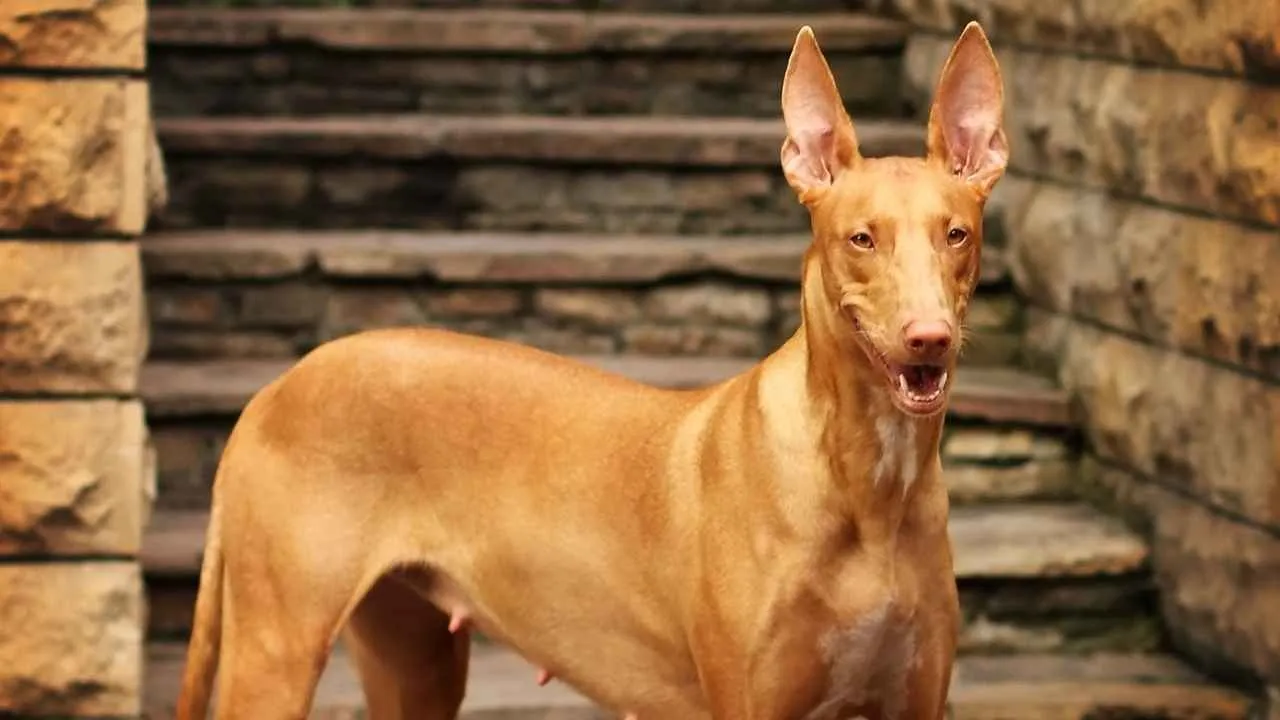
The Pharaoh Hound has an old history and a striking look. This breed was shaped for hunting in rocky areas, so it can have a prey drive that shows up fast, PetMD notes.
That sounds scary if you have a cat, but it does not have to be a deal-breaker. It just means you must handle the first steps with care, patience, and smart setup.
This dog tends to be sensitive and loyal, and it may form strong bonds with humans quickly. That bond can help with training, because the dog cares about your voice and mood. Keep sessions short. Keep them kind. Use rewards and calm practice inside the house.
A Pharaoh Hound that learns self-control can live peacefully with felines, especially if the cat is confident and not a “bolt and run” type.
But wait, there’s more! This breed loves routine. Routine helps a cat, too. Feed times, rest times, and calm walks can reduce stress for both pets. Still, take prey drive seriously. Do not leave them alone unsupervised, early on. It is not about blame. It is about safety and building a stable dog and cat bond that lasts.

Smart Safety Tips For This Breed
Use a leash for early indoor meetings
Give the cat escape routes and sp
Practice “leave it” every day
Stop chase patterns before they grow
6. Pug
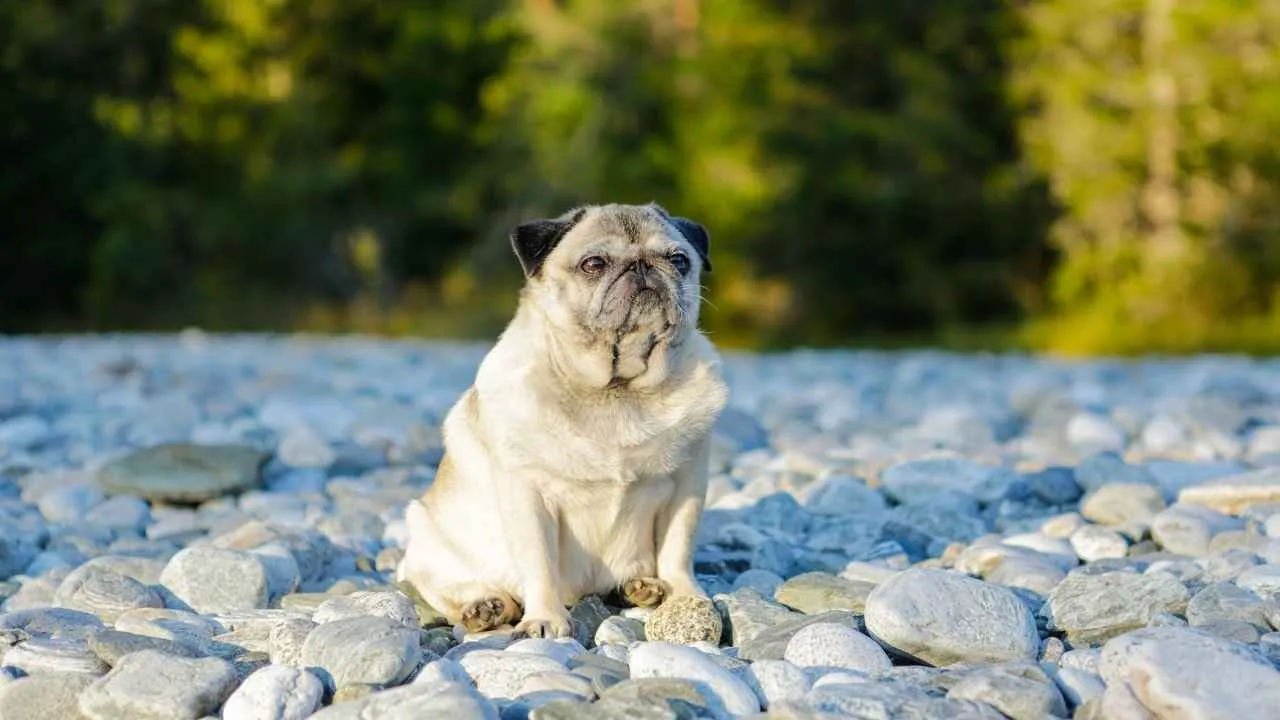
Pugs pack a lot of love into a small body. This breed often wants closeness, cuddles, and attention, as mentioned by the American Kennel Club. A Pug may follow you from room to room, then flop down like a tiny comedian. Many people love that. Many cats do too, once they realize the dog is not a threat.
Pugs are often good with cats because they are not built for nonstop running. Their lazy nature can be a win in a cat home. A cat that wants peace may accept a Pug faster than a dog that wants intense play.
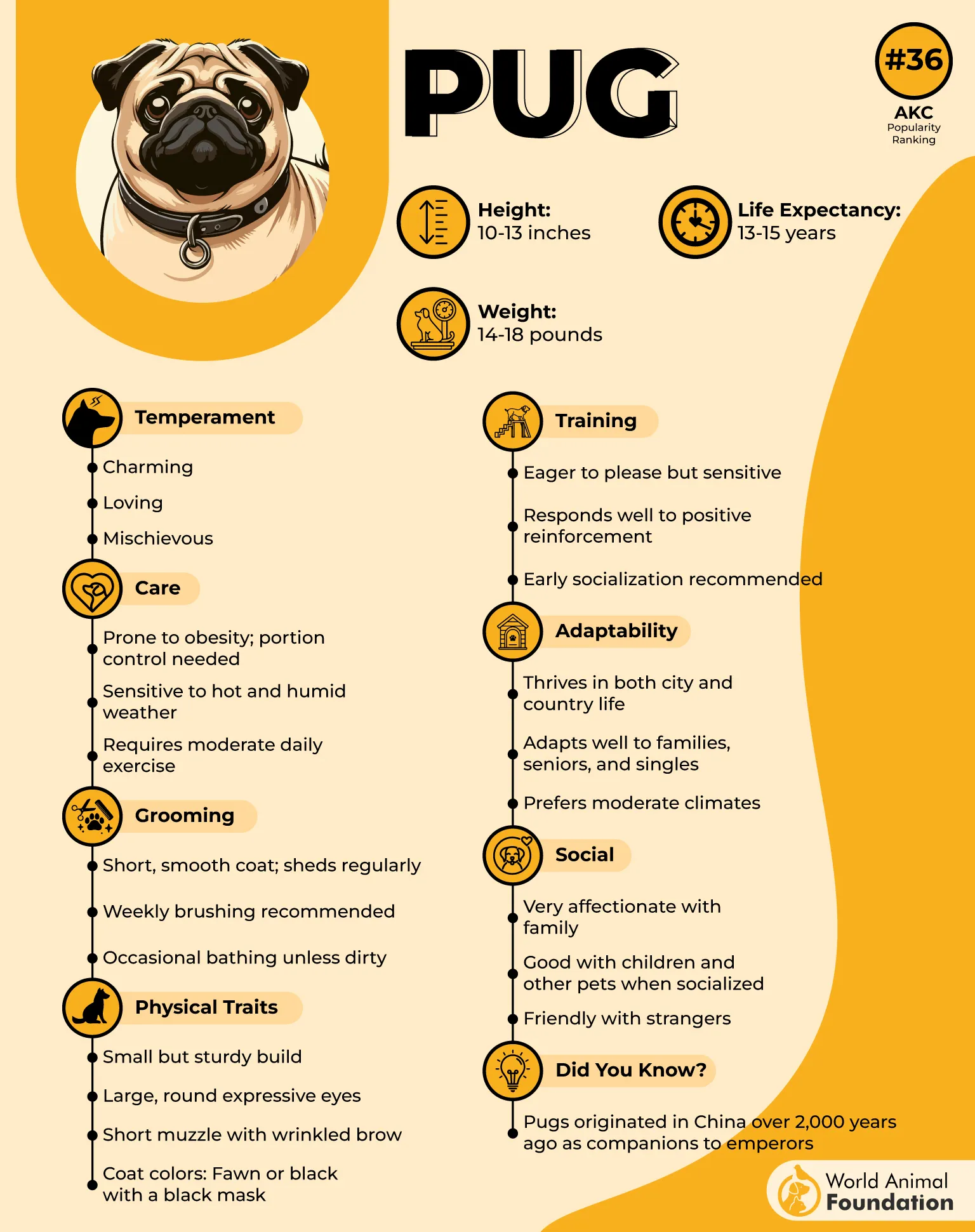
Still, Pugs can be clingy. If the cat needs space, set clear zones. Give the cat a quiet room, and teach the dog to respect that boundary.
And here’s the best part! Pugs can enjoy gentle play, then switch off fast. That balance helps felines feel safe. Use simple training so the dog does not chase when the cat darts past. Keep playtime short and sweet. When both pets feel secure, they often become best buddies who nap near each other like old friends.
Why This Breed Can Fit Cat Homes?
Calm energy that suits many felines
Enjoys quiet company when humans are busy
Training works best with treats and praise
Needs safe space breaks for the cat
7. Cavalier King Charles Spaniel
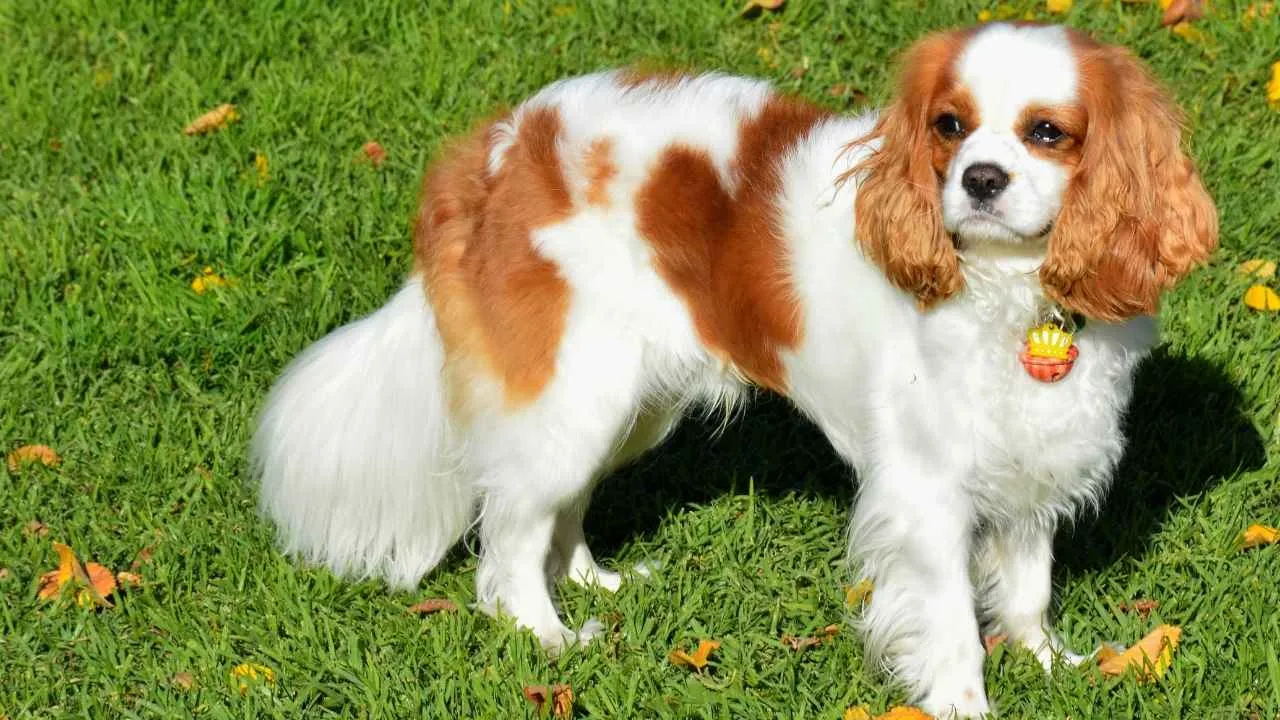
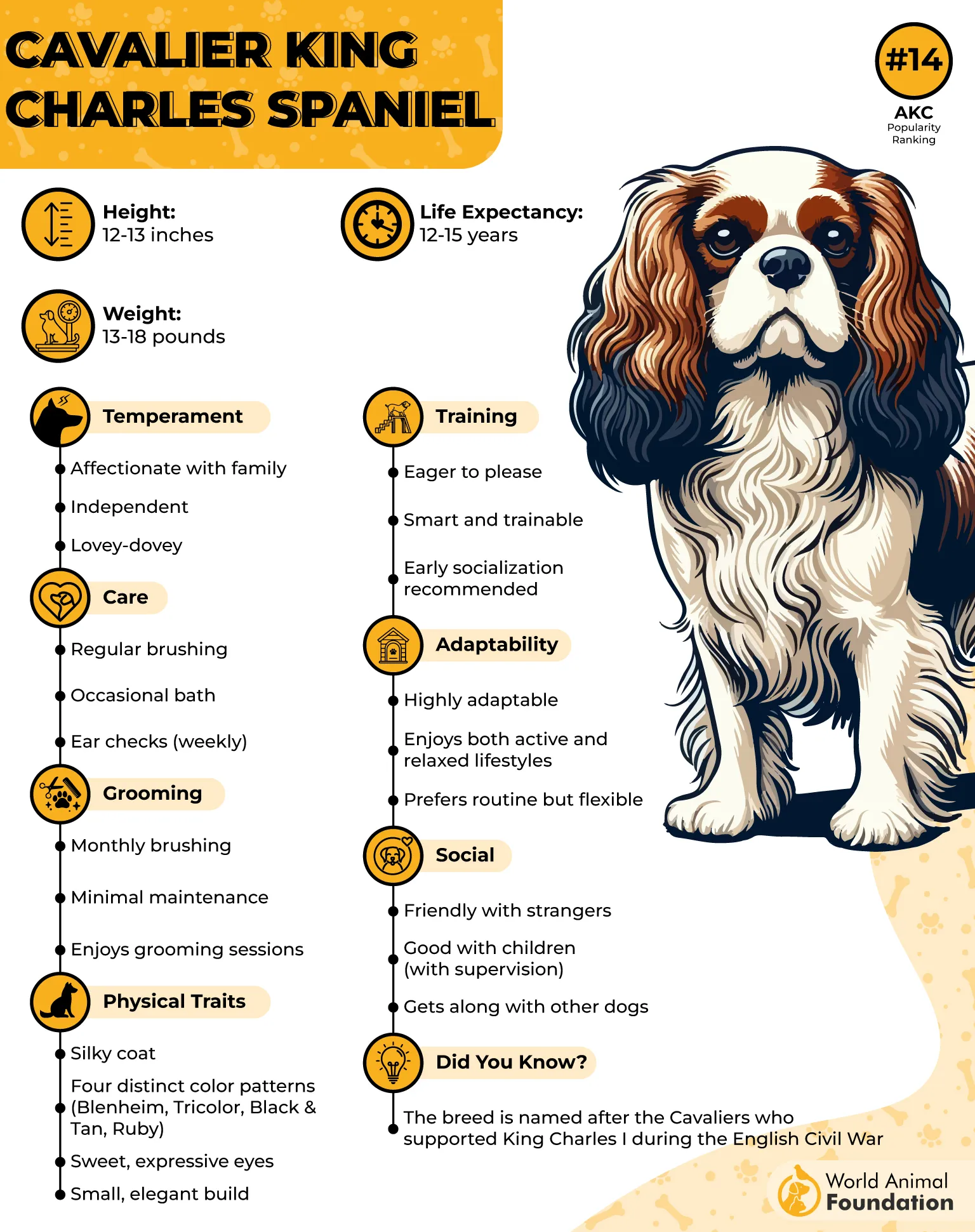
The Cavalier King Charles Spaniel is known for a soft heart and a gentle personality. This breed often feels like a warm blanket in dog form. Many Cavaliers are affectionate, friendly, and fearless in a quiet way. They may not be much bigger than a cat, and that can help with early comfort.
Cavaliers usually love company, including other pets. They may approach a cat with sweet curiosity, then settle down quickly. That calm matters.
Cats often test new animals with a stare, a slow walk, or a careful sniff. A Cavalier that stays gentle during that test can earn trust faster.
Here’s the good part. Cavaliers tend to adapt well to different homes, including homes with other pets and other animals. Keep the first days calm and simple. Use training to reward quiet behaviour.
Provide space so the cat can watch from a safe spot. With time, many families see their dog and cat sharing couches, sunny windows, and those little daily moments that make a home feel whole.
Simple Steps For a Smooth Start
Use soft introductions in a quiet room
Reward calm and gentle greetings
Keep the cat’s space protected
Offer light play, then rest time
Conclusion
If you want the best dog for a cat home, start with temperament, not hype. The right dog breed can make the first week feel safer for everyone.
Look for gentle behavior, low energy moments, and a willingness to learn. Then support it with training, planned daily walks, and clear space rules inside the house.
Most cats warm up faster when they have control. Let them choose distance and timing. Keep meetings short. Protect their own space.
Over time, many dog breeds can become a perfect match for cat-friendly living. So take a breath. You have got this. With patience and kindness, your pets can become real best buddies.
