





Bringing a dog into a home that already has a cat can feel like setting up a little “furry friendship experiment.” The good news? It doesn’t have to be dramatic at all.
In the right conditions, dogs and cats don’t just tolerate each other—they can genuinely become close companions who nap near each other, play together, and share space like lifelong buddies.
What really makes the difference isn’t just luck—it’s behavior and timing. Animals introduced early in life tend to adjust far better to each other, and early socialization significantly increases the chances of peaceful, friendly dog–cat relationships.
Dogs that are naturally calm, socially aware, and less driven by chase instincts are especially likely to read a cat’s signals and respond appropriately, rather than treating them like something to pursue.
With the right match and a thoughtful introduction, what starts as two very different personalities can turn into an unexpectedly strong cross-species bond—sometimes even the kind that looks a lot like true friendship.
Key Takeaways
Some dog breeds are naturally more likely to bond with cats and live peacefully in the same home when introduced correctly.
Early socialization, slow introductions, and the right environment matter more than just the breed alone.
Breeds like Labrador Retriever, Beagle, and Cavalier King Charles Spaniel often stand out for forming strong, friendly bonds with cats.
With patience and the right match, dogs and cats can move from strangers to real companions who comfortably share everyday life.
Dog Breeds That Quickly Form BFF Bonds with Cats
1. Golden Retriever
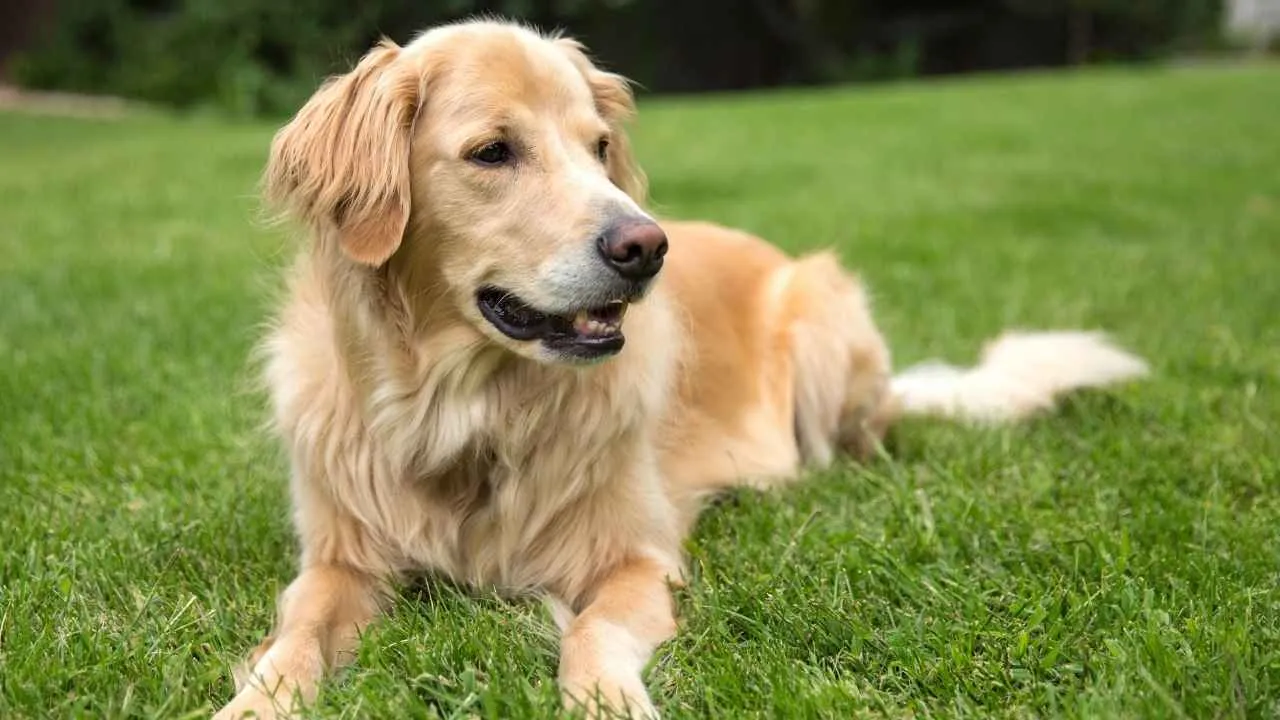
Golden Retrievers are often called the gold standard for homes with both dogs and cats. They are gentle, affectionate, and very patient by nature, which makes them one of the easiest breeds to introduce into a multi-pet household.
Their calm and friendly attitude helps them settle well around cats without creating tension or fear. In fact, they are known for rarely showing aggressive behavior toward other animals, which makes them a safe and reliable choice for homes with feline friends.

Soft Temperament and Easy Training
They were originally bred to retrieve game without harming it, which gave them a “soft mouth” and careful approach. This gentle behavior also shows with smaller animals like cats.

Golden Retrievers are playful and full of energy, but they are also highly trainable and eager to please, as mentioned by the American Kennel Club. This makes it easier to teach them to respect a cat’s space and boundaries.
Natural Friend-Makers at Home
Golden Retrievers are intelligent, friendly, and love making new friends. They often try to bond with cats and other pets in the house. Early introduction works best, but they can adapt at any age.
While their playful energy can sometimes overwhelm a cat, they usually learn to coexist peacefully and even form close bonds over time.
2. Beagle

Beagles are scent hounds, which means they rely on their strong sense of smell to track and follow scents. They were originally bred to hunt in packs, often alongside other dogs and hunters.
This pack lifestyle made them naturally social and comfortable around other animals. Because of this, many Beagles tend to accept cats as part of their “group” rather than seeing them as strangers or threats.

Friendly Nature with a Hunting Instinct
Beagles are generally gregarious, friendly, and easygoing. This makes them capable of living peacefully with cats in many homes. However, they are still hunting dogs with a natural prey drive, so some may be tempted to chase.
Despite this, many Beagles do very well with cats, especially when they are properly socialized and trained from an early age.
What Helps Them Become Cat Friends
Success often depends on the individual Beagle’s personality and early behavior. If a Beagle shows curiosity or calm interest in cats, it is usually a good sign.
But strong chasing behavior can be a warning. Introducing pets slowly and safely helps build comfort. In the right setup, Beagles can learn to see cats as part of the pack and live together peacefully.
3. Basset Hound
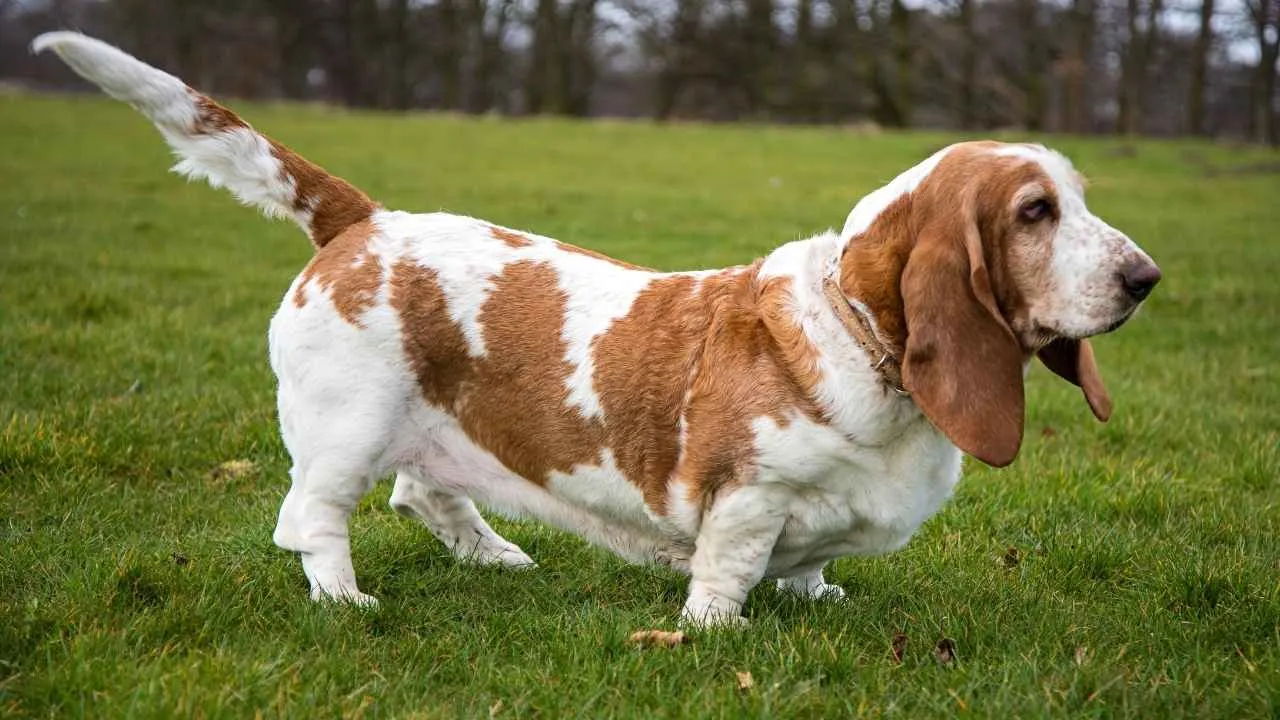
Basset Hounds are low-set scent hounds originally developed in France. They are known for being loyal, loving, and very laid-back.
Despite their serious-looking faces, they are gentle, affectionate, and often quite playful. Their calm nature makes them easy to live with in family homes, including those with cats and other pets.

Easygoing Temperament Around Other Pets
Basset Hounds are mellow and relaxed, especially for a working breed. They are typically very tolerant of other animals, and conflict is rarely an issue when they are properly introduced.
Veterinarians often describe them as placid and easygoing dogs that can adjust well to multi-pet households. Their friendly and social nature helps them coexist peacefully with cats.
Why They Can Bond with Cats Easily
Although they were bred for hunting, Basset Hounds are now mostly companion dogs with low energy levels. They prefer a calm, predictable home and enjoy being around both people and other pets.
With early socialization, they can learn to accept cats as part of their “pack.” However, they still need attention, light daily walks, and mental stimulation to stay happy and prevent boredom or loneliness.
4. Labrador Retriever

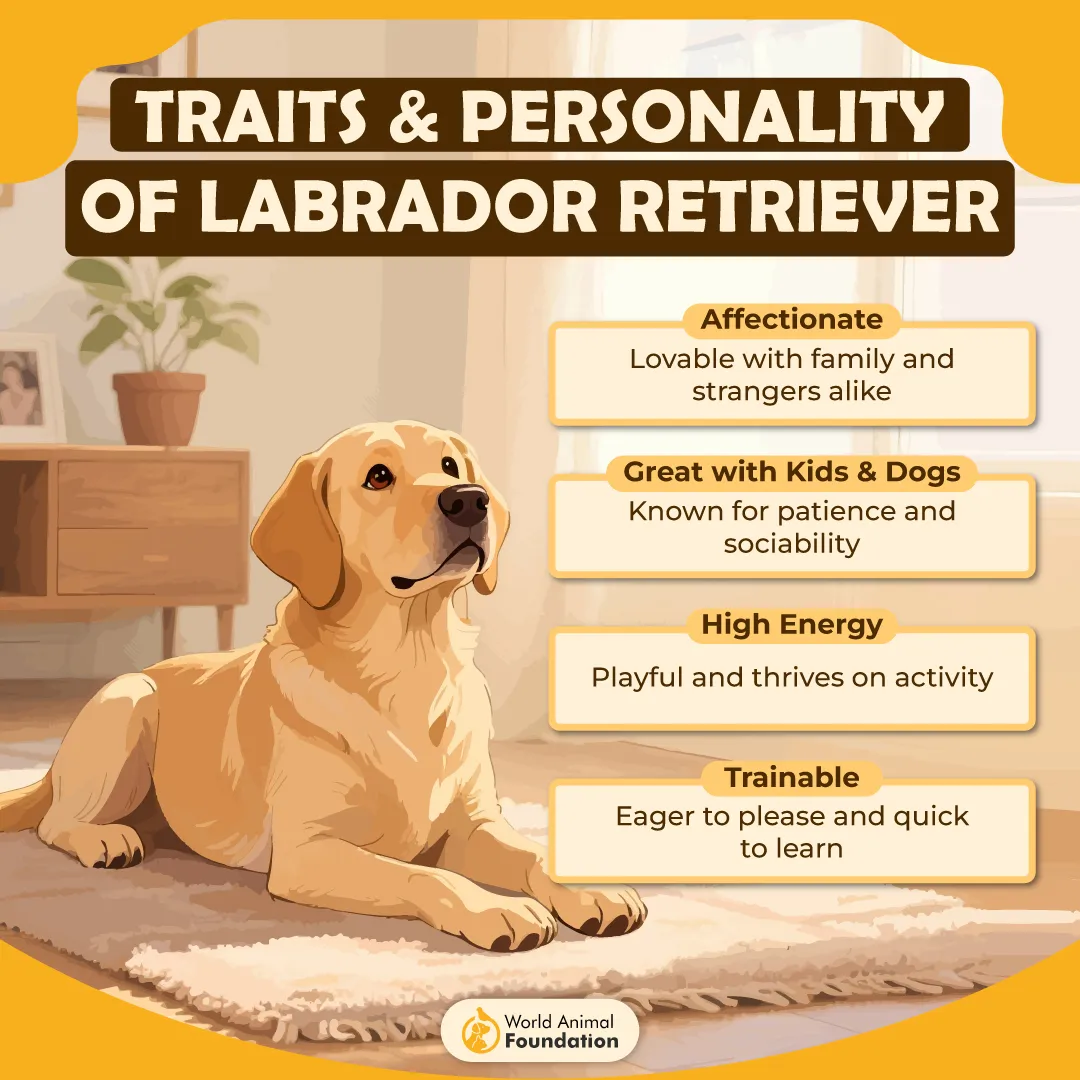
Labrador Retrievers are often seen as one of the most cat-friendly dog breeds. Popular culture sometimes shows dogs and cats as enemies, but Labradors break that idea with their sweet, social, and gentle nature.
They are naturally friendly and enjoy making new friends, which makes them more likely to form positive relationships with cats when introduced properly.

Calm Temperament and Easy Social Skills
Labradors are known for their warm temperament and are even ranked among the most popular dog breeds. They are not usually aggressive and often get along well with other animals in the home.
However, individual behavior can vary, and some may still have a mild prey drive. That’s why early socialization and controlled introductions are very important for peaceful coexistence with cats.
Building a Safe and Friendly Introduction
The success of a Labrador and a cat’s relationship depends on both pets’ personalities. A calm, confident cat can help reduce chasing behavior, while a shy cat may trigger it. It’s important to introduce them slowly, often starting with scent exposure and controlled meetings.
Keeping a puppy on a leash or in a restricted space at first helps both pets adjust safely. With patience and the right setup, Labradors often grow into loving companions who can happily share a home with cats.
5. Boston Terrier
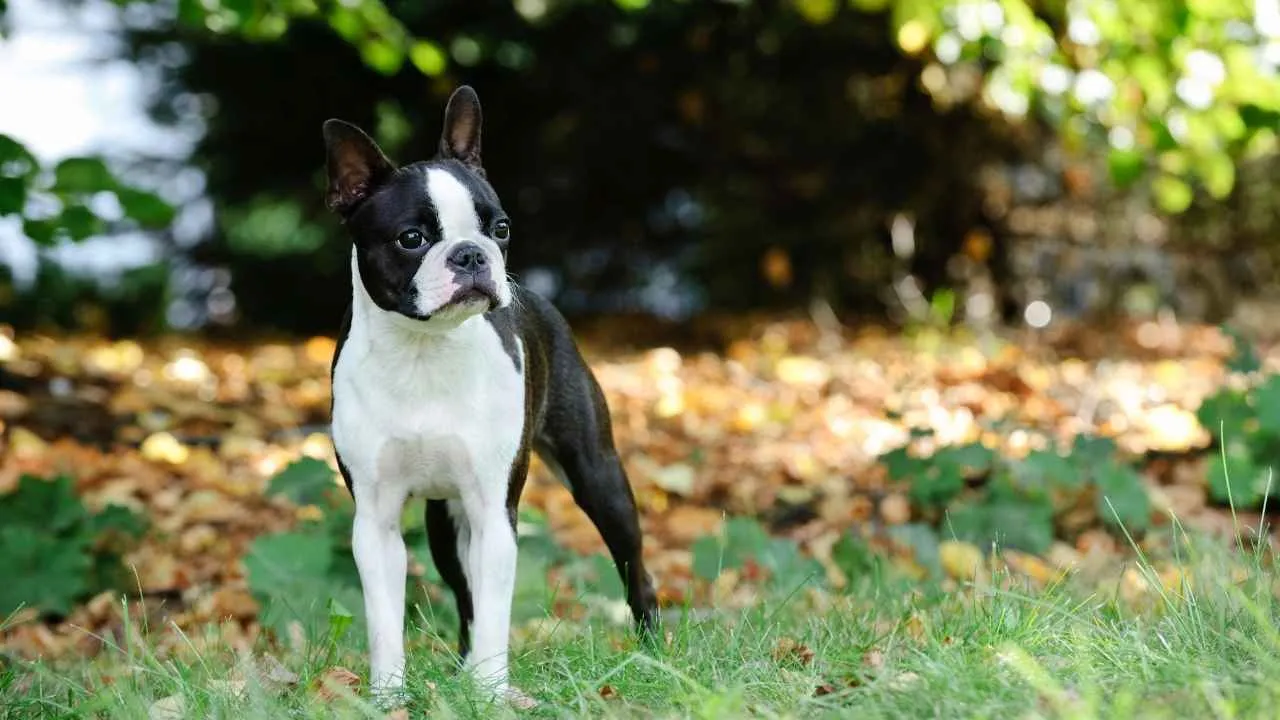
Boston Terriers are small, happy-go-lucky dogs with friendly and affectionate personalities. Like most terriers, they are energetic and playful, and they can sometimes show stubborn or chase-like behavior toward small animals.
Despite these typical terrier traits, Boston Terriers often live peacefully with cats, especially when raised together or properly introduced.
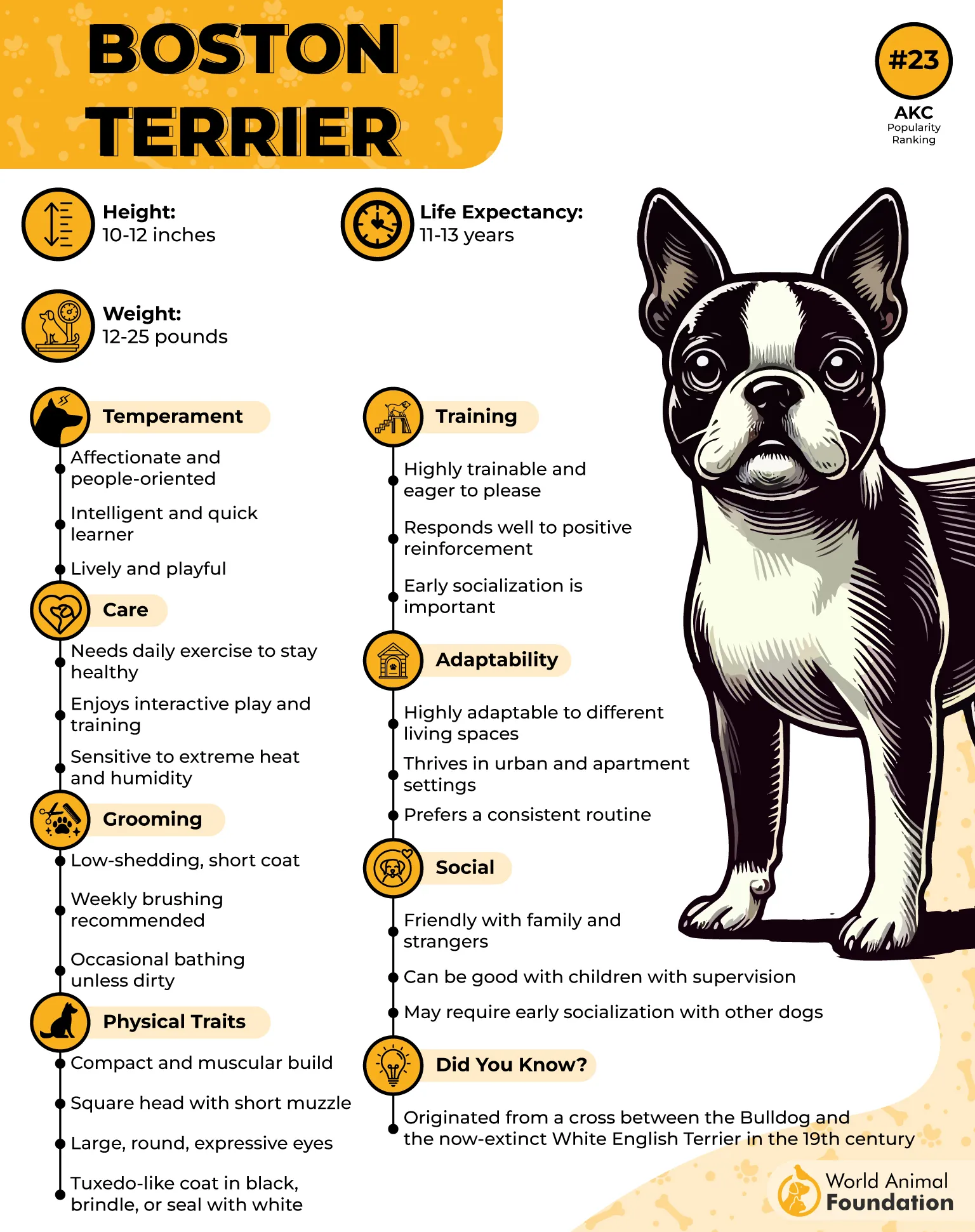
Terrier Energy and Gentle Potential
Boston Terriers may have a mild prey drive, which means they can sometimes get tempted to chase. But their behavior is usually more playful than aggressive.
Once the initial excitement passes, many Boston Terriers learn to ignore cats and treat them as normal members of the household. Their friendly nature and ability to get along with similarly sized pets also help them adjust better to feline companions.
How They Learn to Live with Cats
Early socialization makes a big difference, especially during the first few months of life when puppies are most adaptable. Proper introductions should be slow and controlled, often starting with scent and visual separation before face-to-face interaction.
Keeping the dog calm, rewarding good behavior, and giving the cat safe spaces to retreat all help build harmony. With patience and training, Boston Terriers can move from curiosity to calm coexistence—and sometimes even friendship.
6. Pug

Pugs are true companion dogs, originally bred to sit beside humans rather than perform any working tasks. They are affectionate, calm, and love being close to their owners.
Unlike many other breeds, these gentle dogs do not have a strong prey drive since they were never used for hunting. This makes them naturally less likely to chase cats, especially when raised in a peaceful environment.

Gentle Nature with Simple Needs
Because of their friendly and easygoing nature, Pugs often fit well into multi-pet homes. Their small size and low energy level also make them less intimidating for cats.
However, they are not automatically “cat experts.” Their behavior depends heavily on socialization. If they grow up around cats, they usually learn to treat them as normal members of the household instead of reacting with fear or curiosity.
How They Bond with Cats
Pugs can get along with cats, but a proper introduction is very important. Slow, controlled meetings help prevent chasing or fear-based reactions. Once a Pug learns a cat is part of the home, they often become indifferent or friendly rather than reactive.
Still, supervision is essential, especially with kittens, as Pugs can accidentally harm them during play. With patience and the right introduction, Pugs and cats can live together peacefully and comfortably.
7. Papillon

Papillons are small, intelligent, and affectionate dogs that often adjust well to living with cats. Their size is similar to a cat, which makes them less intimidating and easier for feline companions to accept.
With proper socialization from a young age, they can build calm and friendly relationships with cats and even form close bonds in multi-pet homes.
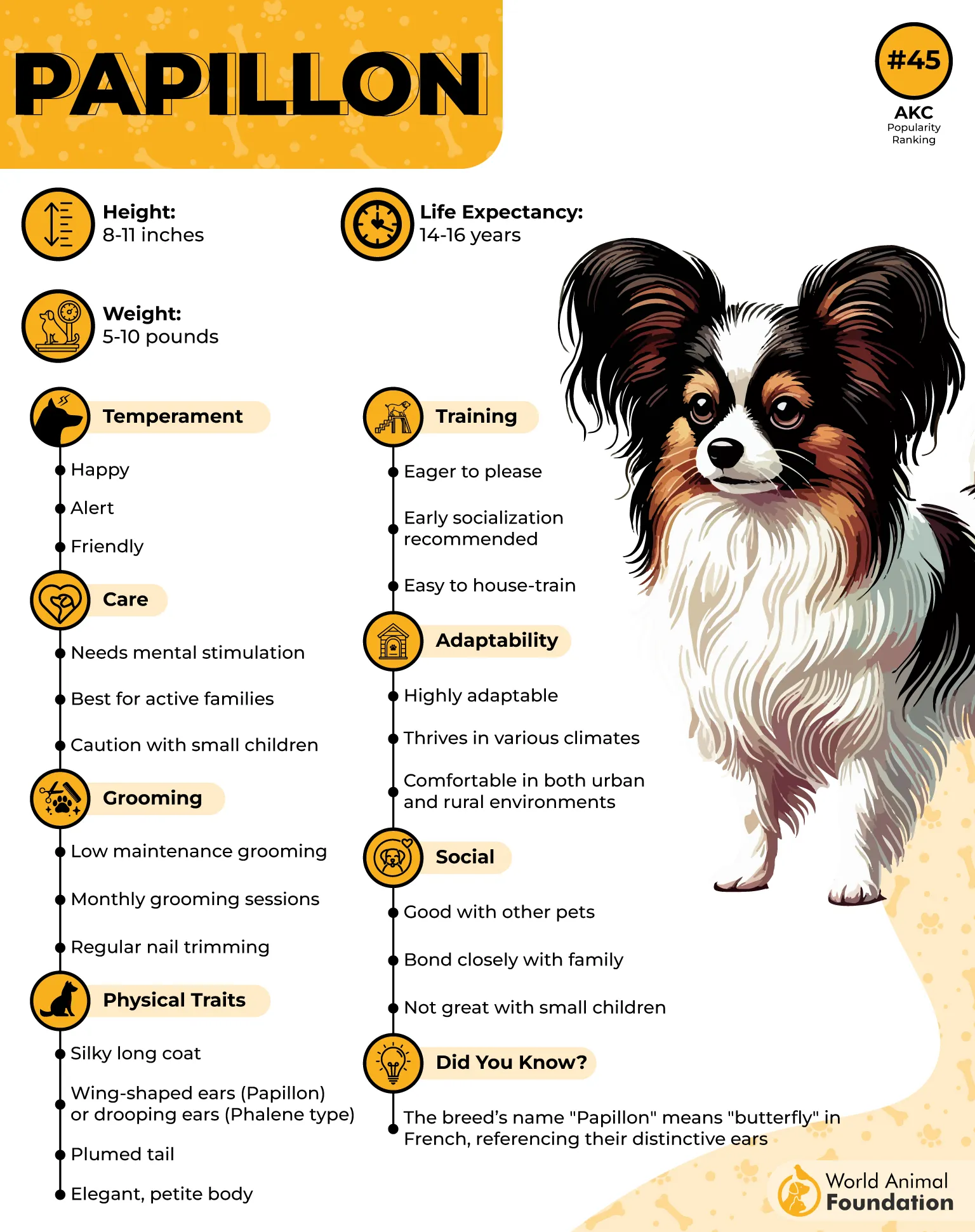
Social Nature and Easy Adaptability
Papillons are very people- and animal-oriented dogs. They love being around family members and do not like being left alone for long periods.
Because of this, they often enjoy having another pet in the home, including cats, to keep them company. They are playful, alert, and energetic, but not overly aggressive or fearful, which helps them adapt well to shared living spaces.
Building a Peaceful Cat Relationship
Cats can be territorial, so slow introductions are important when bringing a Papillon into the home. When raised or socialized with cats early, Papillons usually learn to coexist peacefully and may even enjoy their company.
They are gentle enough for small households, adaptable to apartments, and easy to manage with proper training. With patience and good introductions, Papillons can become cheerful little companions who happily share their space with cats.
8. Poodle
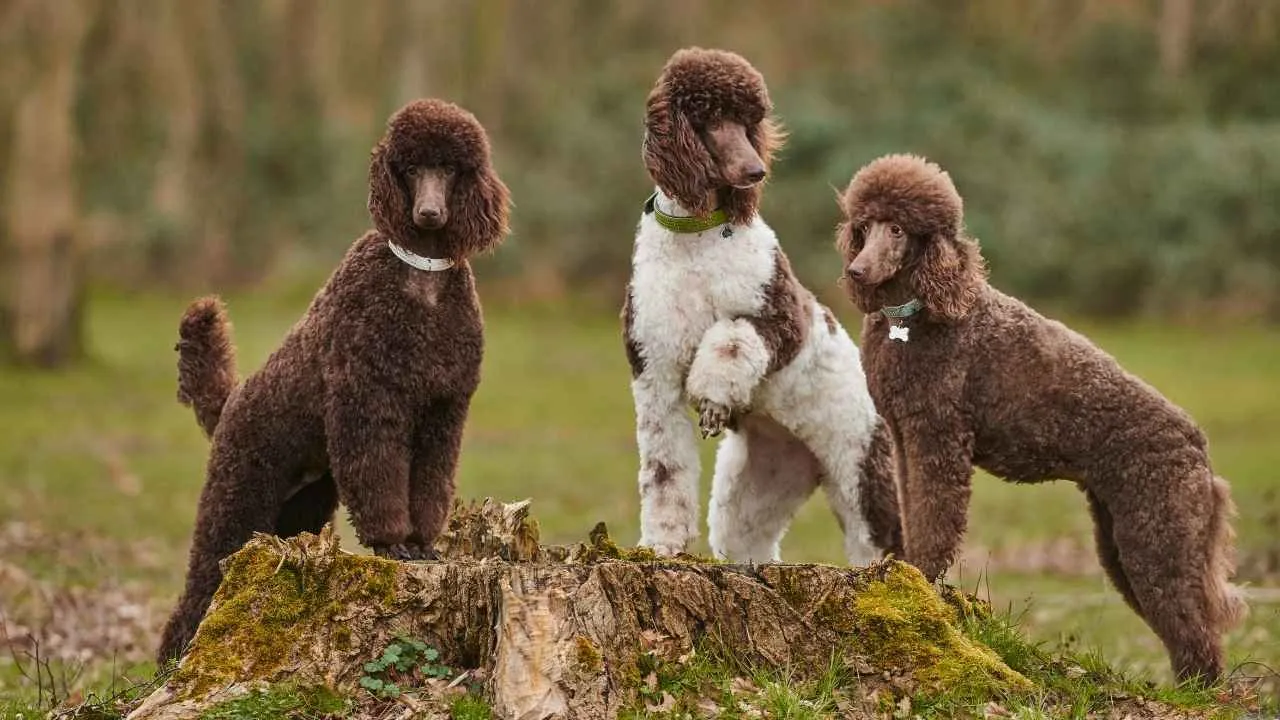
Poodles are elegant, intelligent, and highly trainable dogs that often adapt well to multi-pet homes. Despite their aristocratic look, they are energetic and playful, with a strong ability to learn routines and behavioral rules.
Because of their friendly and social nature, Poodles can live peacefully with cats when properly introduced and guided.
Temperament, Training, and Cat Compatibility
Poodles are generally good-natured and friendly, but like many dogs, they can have a natural instinct to chase smaller animals if not trained well.
However, they are highly responsive to training, which makes it easier to manage their behavior around cats. Their ability to understand commands and adjust to household rules plays a big role in building a calm relationship with feline companions.
What Helps Them Become Cat Friends
Successful cohabitation depends on socialization, personality, and experience. Poodles that are well-trained and exposed to other animals early are more likely to accept cats as part of the home.
Puppies are easier to shape, while older dogs depend more on their past experiences. With the right introduction, energy management, and patience, Poodles can learn to live peacefully with cats and even form strong, friendly bonds.
9. Cavalier King Charles Spaniel

Cavalier King Charles Spaniels are small, affectionate toy dogs known for their loving and loyal nature. They were bred as companion animals, so they naturally enjoy being close to people and other pets.
Their gentle temperament, adaptability, and friendly attitude make them one of the easiest breeds to include in a home with cats when properly introduced.

Friendly Nature with a Small Prey Drive
Cavaliers are social, people-oriented dogs that often get along well with other animals, including cats. However, they may still show a mild prey drive at times and could attempt to chase.
Because of this, early socialization and positive training are very important. They respond well to praise, affection, and gentle reinforcement, which helps shape calm and respectful behavior around feline companions.
Building a Peaceful Multi-Pet Home
Cavalier King Charles Spaniels can live harmoniously with cats when introductions are slow and well-managed. They should always have a safe, dog-free space where the cat can retreat and feel secure.
PetMD mentions that these dogs do not like being left alone for long periods and thrive on companionship, which often encourages them to bond with other pets. With patience, structure, and early exposure, Cavaliers can become affectionate and gentle “best friend” type companions for cats.
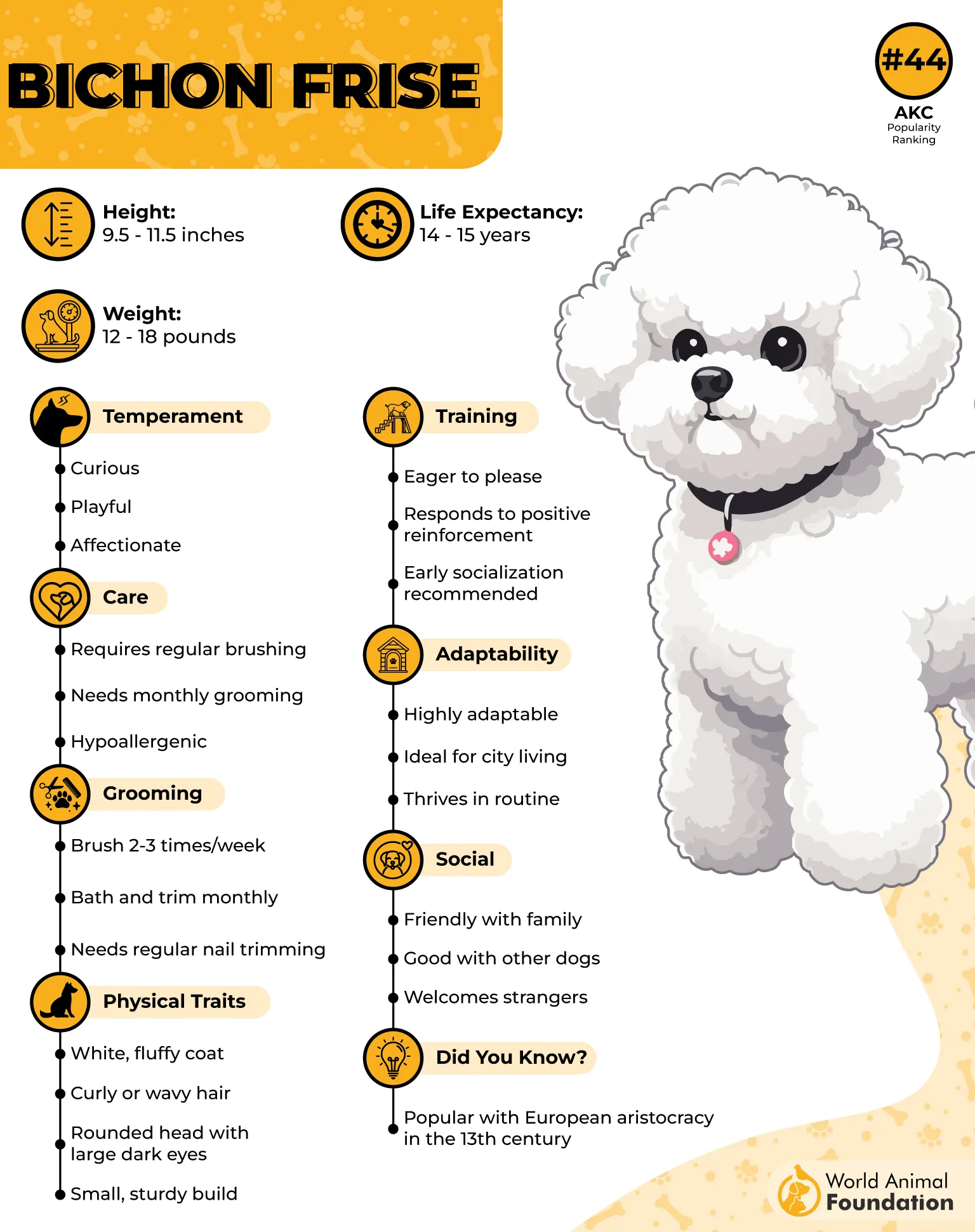
10. Bichon Frise
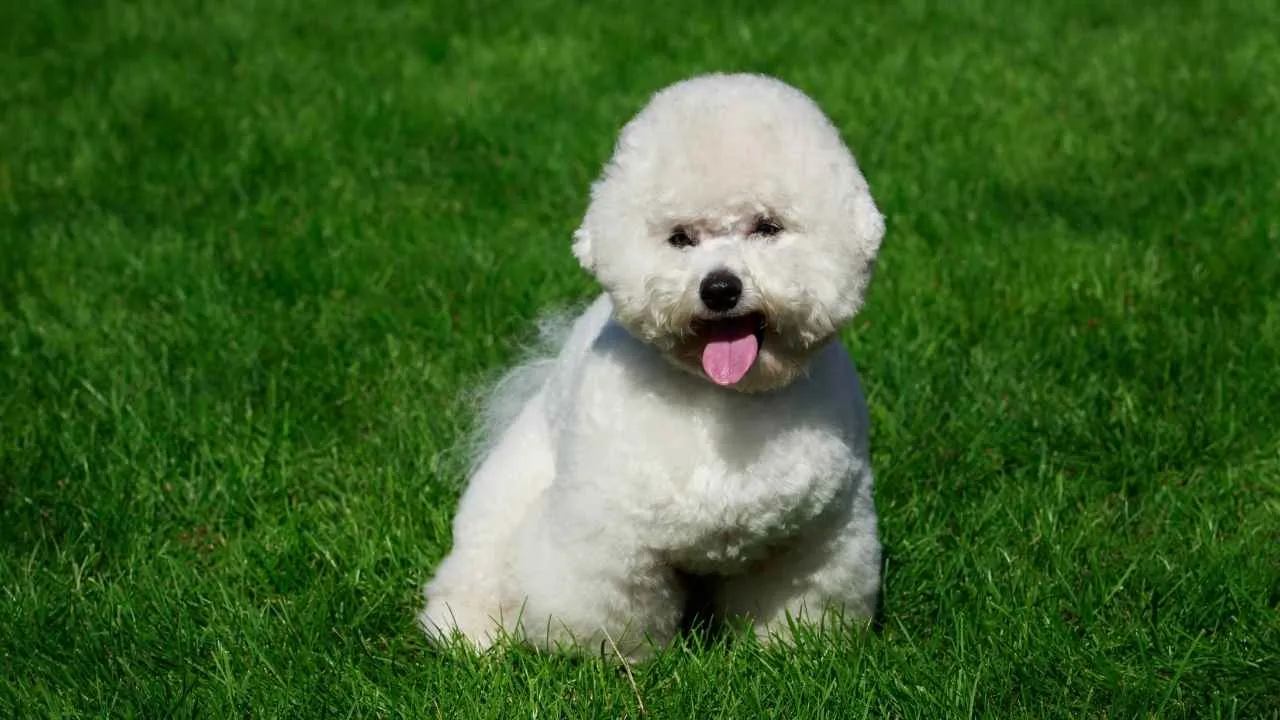
Bichon Frises are small, cheerful, and highly sociable dogs that often get along very well with cats. They were bred as companion dogs, so they naturally enjoy being around people and other animals.
Their playful, affectionate, and gentle nature makes them a strong candidate for multi-pet households where harmony with cats is important.
Social, Smart, and Playful Personality
Bichons are intelligent and quick learners, which makes training and socialization easier. They are friendly with children, strangers, and other pets when introduced properly.
While they love to play and can sometimes become overly excited, their generally gentle temperament helps them adjust well to living with cats. Early positive introductions are key to building calm and respectful behavior.
Loving Companions Who Need Company
Bichon Frises are extremely affectionate and form strong bonds with their families. They love attention and enjoy being close to their favorite people, often acting like “velcro dogs,” as mentioned by Chewy.
Because they dislike being left alone for long periods, having another pet like a cat can help them feel more secure. With proper training, socialization, and supervision, Bichons can become happy, friendly companions who share their home peacefully with cats.
Conclusion
Living with both cats and dogs isn’t about luck—it’s about choosing the right temperament and setting the right foundation. Across different breeds, the most cat-friendly dogs tend to be social, trainable, and less driven by chasing instincts.
With slow introductions, early socialization, and respect for each pet’s space, dogs and cats can move past the old rivalry myth and actually learn to coexist peacefully.
At the end of the day, every animal has an individual personality, and relationships grow with time, not assumptions. The real magic happens when patience replaces pressure, and both pets are allowed to adjust at their own pace.
If you’re planning to build a multi-pet home, focus on calm introductions and consistent guidance—you might just end up with an unexpected friendship that feels less like “dog vs cat” and more like a quiet, everyday companionship under one roof.
