





Let’s be real—bringing a dog and a cat under the same roof sounds like you’re setting up a reality show with guaranteed drama. But here’s the plot twist: a lot of dog breeds are actually wired to coexist peacefully with cats, and sometimes they even become besties.
According to behavioral research from veterinary associations, temperament, early exposure, and training matter much more than species rivalry.
Cats are independent, territorial, and low-key judgmental, while dogs are social, expressive, and sometimes a little too excited for their own good. That difference can either cause chaos or create balance, depending on how well you manage introductions.
The goal isn’t to force friendship but to build tolerance, trust, and eventually companionship over time.
In this blog, we’re breaking down ten dog breeds that statistically and behaviorally tend to get along with cats. These breeds are known for their gentle temperament, adaptability, and lower prey drive—basically, they’re less likely to treat your cat like a moving toy.
Dog Breeds That Quickly Bond With Feline Friends
1. Labrador Retriever

Labrador Retrievers are often ranked among the most family-friendly and adaptable dog breeds in the world, and that includes living with cats. Their naturally gentle and social temperament makes them less likely to show aggression toward other animals.
According to studies, Labs consistently score high in tolerance and friendliness across species.
That said, they are not exactly low-energy couch potatoes, especially in their younger years. Their playful and sometimes chaotic energy can overwhelm a cat that prefers peace. This is why early training and controlled introductions are essential to avoid accidental chasing or overly rough play.

One of the biggest advantages of Labs is their trainability. They respond extremely well to positive reinforcement, meaning you can shape their behavior around your cat with treats, praise, and consistency. Over time, they learn that calm behavior equals rewards, which helps build a peaceful environment.
Real-life experiences from pet owners often show that Labs eventually become protective companions to their feline housemates. It’s not uncommon to see a Lab following a cat around gently or even guarding them from strangers. That nurturing instinct plays a big role in forming strong interspecies bonds.
Ultimately, they don’t just tolerate cats—they often accept them as part of their social circle. With proper guidance, they can turn a potentially chaotic dynamic into a wholesome friendship. If you’re willing to invest time in training, a Lab can be one of the safest and most rewarding choices.
3 Ways These Dogs Play/ Interact With Cats
Learns to tone down energy levels when around calmer pets
Uses curiosity and friendliness instead of dominance
Builds long-term bonds through consistent positive interactions
2. Golden Retriever
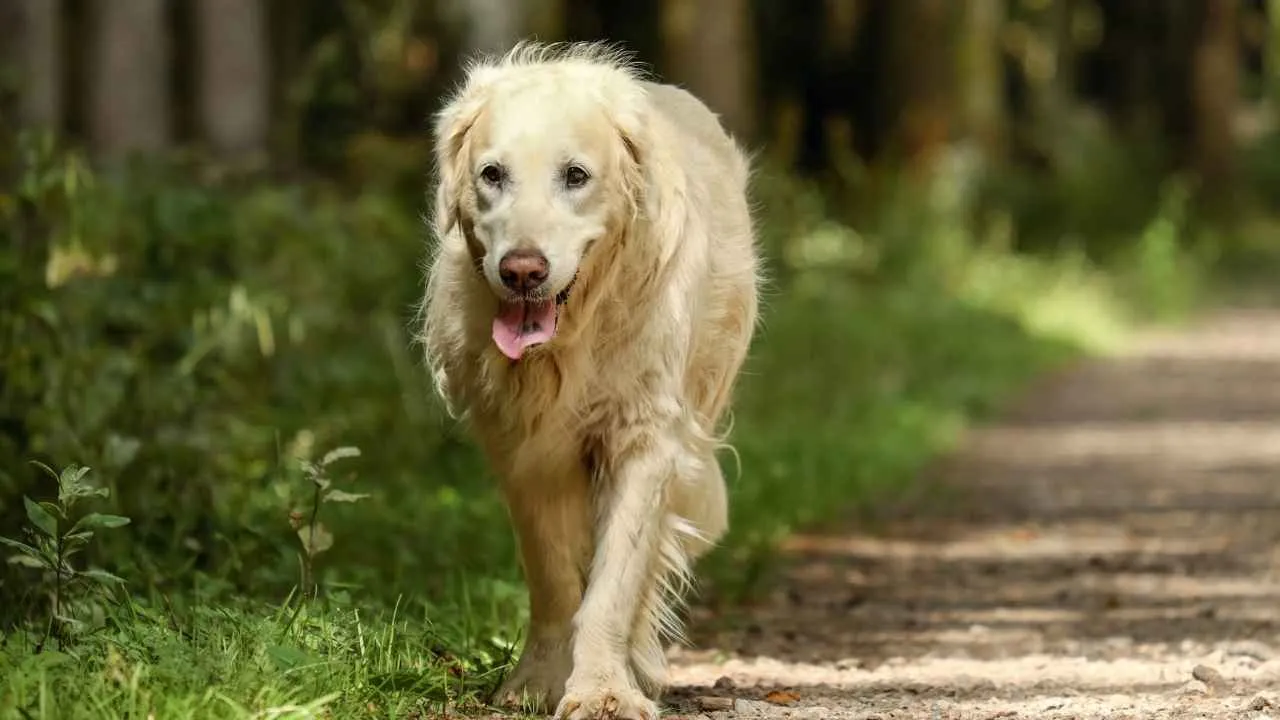
Golden Retrievers are basically the peacekeepers of the dog world. Their calm demeanor, emotional intelligence, and friendly nature make them highly compatible with cats. Many experts consider them one of the most reliable breeds for multi-pet houses.
Their intelligence and eagerness to please make training relatively easy. You can teach a Golden Retriever to respect a cat’s boundaries faster than most breeds. This ability to adapt their behavior plays a huge role in maintaining harmony at home.

These large dogs are playful, but their play style is generally gentle and controlled. They’re less likely to engage in aggressive chasing and more likely to initiate soft, friendly interactions. This makes them less intimidating for cats, especially those that are already social.
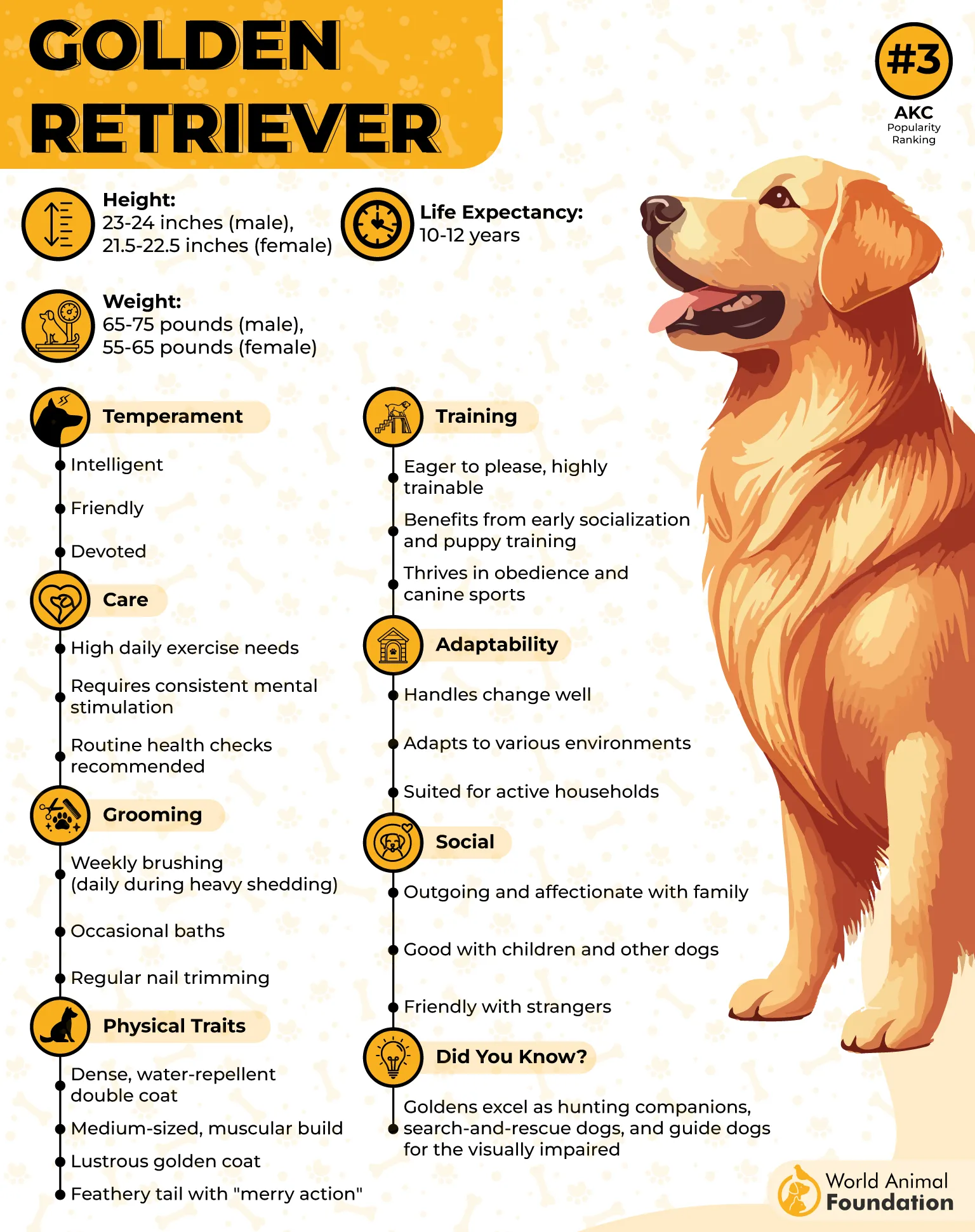
Many owners report that they eventually develop protective instincts toward their cats. Despite being a new dog in the house, they begin to see them as part of their “pack,” which strengthens their bond over time. This emotional connection can lead to surprisingly affectionate relationships.
In the right environment, Golden Retrievers can go from curious newcomers to loyal companions for your cat. Their balanced personality makes them one of the most dependable choices for a peaceful multi-pet home.
3 Ways These Dogs Play/ Interact With Cats
Initiates gentle, non-threatening play sessions
Learns boundaries quickly through structured training
Forms emotional bonds that reduce tension over time
3. Cavalier King Charles Spaniel

Cavalier King Charles Spaniels are known for their affectionate, easygoing nature, making them excellent companions for both humans and other animals. They are neither dominant nor territorial, which reduces the risk of conflict with cats.
Their friendly nature makes them easy to adapt to multi-pet environments. Even cats love having them in the house.
These dogs thrive on companionship and often seek out closeness with varied animals, including cats. It’s common for Cavaliers to curl up next to a cat for a nap, especially once they feel comfortable. Their calm demeanor aligns well with a cat’s relaxed lifestyle.
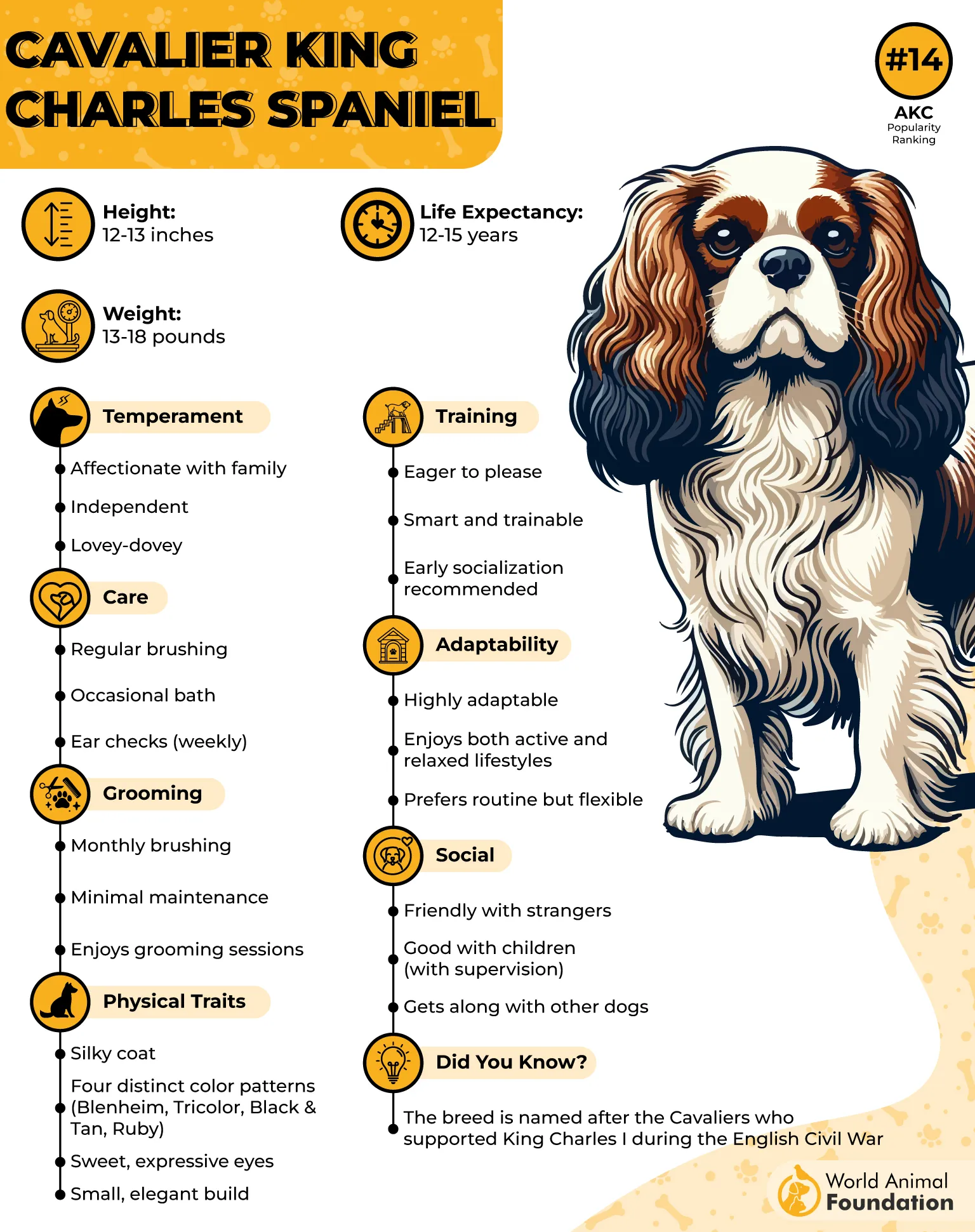
However, like many breeds, Cavaliers can have a mild prey drive. While it’s not particularly strong, early socialization is still important to prevent occasional chasing behavior. Training and exposure help them understand that the cat is not something to pursue.
PDSA claims they are some of the most popular family dogs out there!
Their responsiveness to positive reinforcement makes them easy to guide. They enjoy praise, attention, and affection, which can help reinforce calm interactions with cats. Over time, this builds trust and reduces misunderstandings.
They are one of the most emotionally compatible breeds for cats. Their gentle, loving nature makes them more likely to form peaceful, affectionate relationships with their feline companions.
3 Ways These Dogs Play/ Interact With Cats
Prefers calm companionship over high-energy play
Builds trust through consistent, gentle behavior
Adapts easily to a cat’s slower pace of life
4. Basset Hound
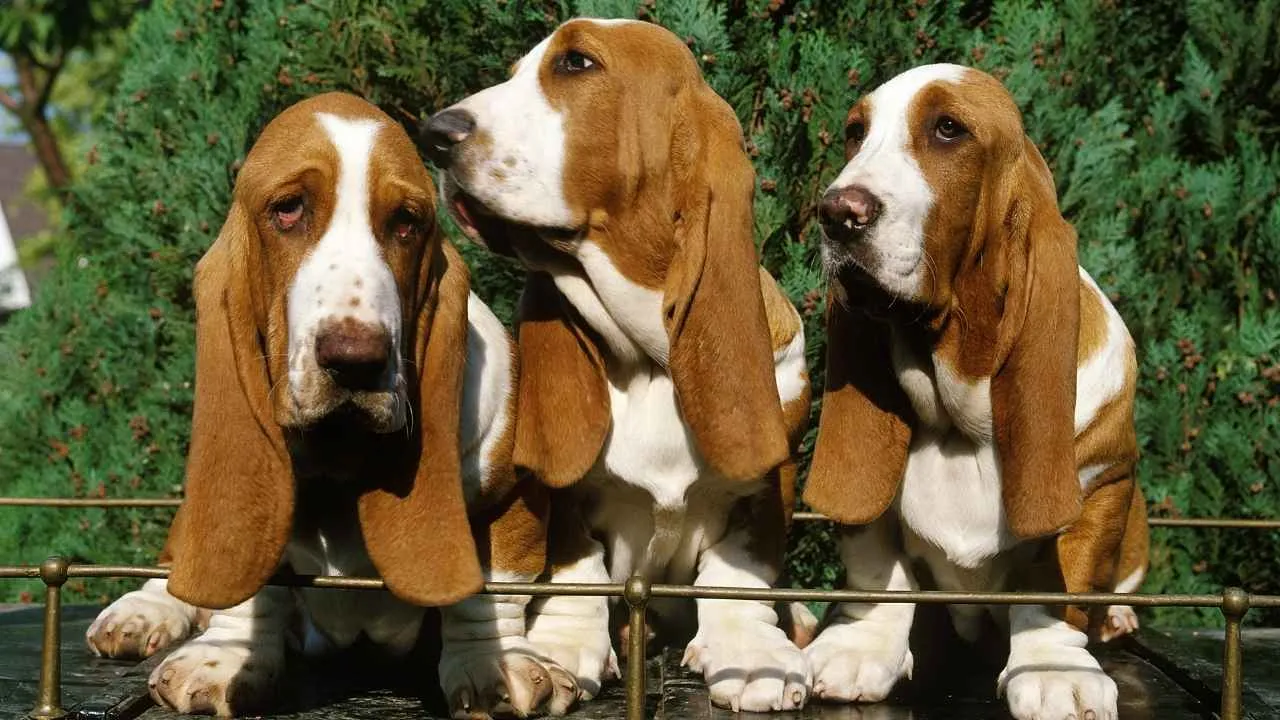
Basset Hounds are famous for their laid-back personality and slow-moving nature, which makes them non-threatening to most cats. They are not highly reactive, meaning they’re less likely to chase or startle a feline companion. This calm presence creates a stress-free environment for cats.
As scent hounds, Bassets are more focused on smells than movement. This reduces their instinct to chase, which is a major advantage when living with cats. Instead of reacting to a cat’s quick movements, they’re more likely to stay relaxed and observant.

Their patience is another strong trait, says Purina. Basset Hounds can tolerate a cat’s unpredictable behavior without reacting aggressively. This helps prevent conflicts and allows both animals to coexist peacefully.
Many pet owners describe them as “quiet roommates” for their cats. They don’t demand constant interaction and are content sharing space without causing disruption. This low-maintenance dynamic works well for independent cats.
If your goal is a calm and drama-free household, the Basset Hound is a strong contender. Their relaxed nature makes them one of the easiest breeds to integrate into a cat-friendly home.
3 Ways These Dogs Play/ Interact With Cats
Maintains a calm presence that doesn’t trigger fear
Avoids sudden movements that could stress a cat
Coexists comfortably without forcing interaction
5. Pug
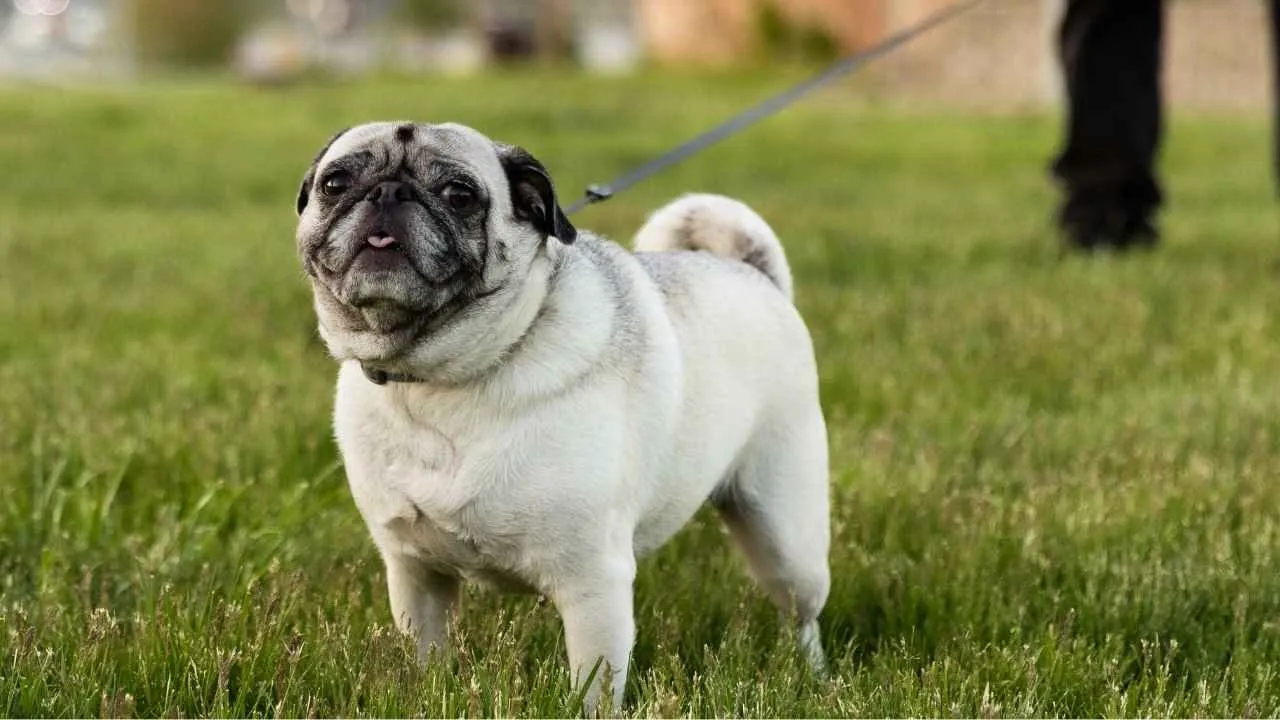
Pugs are small, affectionate, and naturally social, which makes them great candidates for homes with cats. Their friendly personality means they are more interested in companionship than conflict. They tend to approach new animals with curiosity rather than aggression.
One of the biggest advantages of Pugs is their low energy level. They don’t require intense physical activity, reducing the risk of overwhelming a cat. This makes them especially suitable for calmer or older cats.

As per PetMD, Pugs also lack a strong prey drive, which is a major factor in cat compatibility. Instead of chasing, they are more likely to observe or follow a cat in a playful but harmless way. This behavior helps build trust over time.
They thrive on attention and companionship, so having another pet around can actually benefit them emotionally. A cat can become a source of comfort and interaction for a Pug. This mutual presence often leads to a peaceful coexistence.
In many cases, Pugs and cats develop a quiet but steady bond. Their chill nature makes them one of the safest small breeds for multi-pet homes.
3 Ways These Dogs Play/ Interact With Cats
Engages in gentle, low-energy interactions
Shows curiosity without triggering chase instincts
Builds comfort through shared living space
6. Boston Terrier
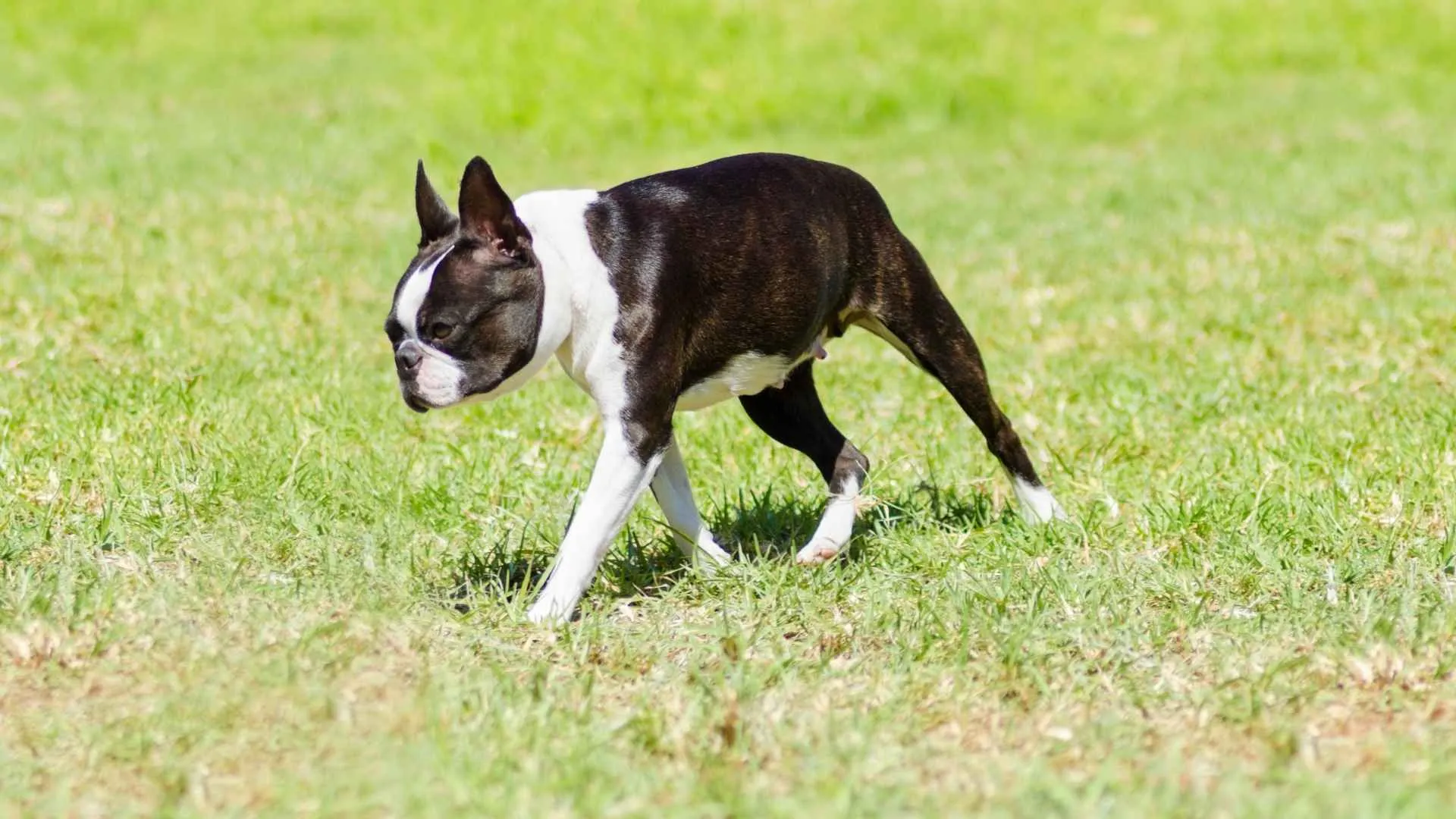
Boston Terriers are lively, intelligent dogs that thrive on companionship and social interaction. They are generally friendly toward other pets, including cats, especially when introduced at a young age. Their adaptable nature makes them a popular choice for urban and multi-pet households.
Despite their friendly personality, Boston Terriers do have a mild prey drive. This means they may occasionally feel the urge to chase a cat, especially during early interactions. However, with consistent training and supervision, this behavior can be managed effectively.
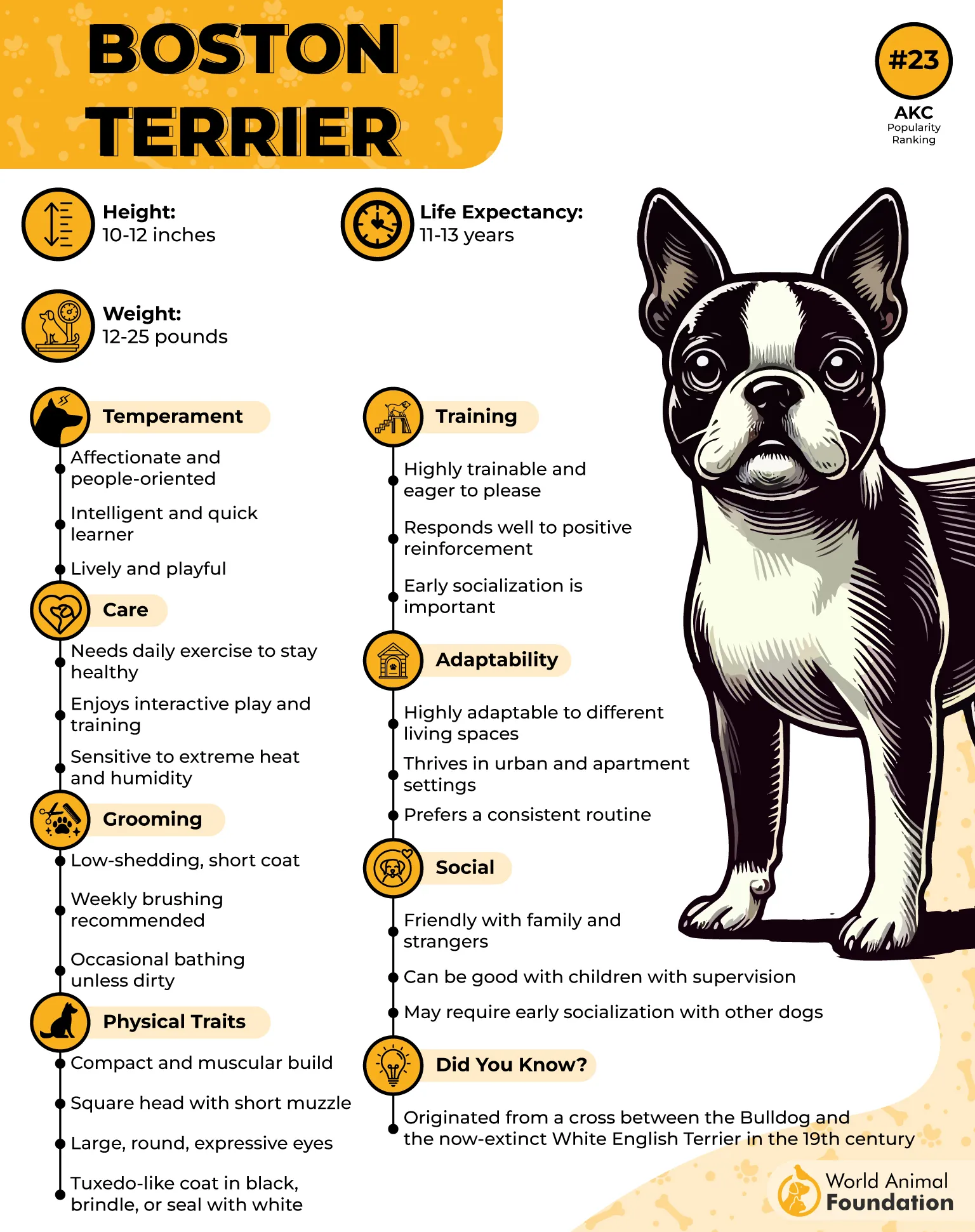
One of the biggest strengths of this breed is its eagerness to please. They respond well to positive reinforcement, which helps in teaching them boundaries around cats. Rewarding calm and respectful behavior accelerates the bonding process.
Their playful nature can actually be a benefit if your cat is active and enjoys interaction. Some cats may even engage in light play sessions with a Boston Terrier once trust is established. This creates a more dynamic and engaging environment for both pets.
With patience and structured introductions, Boston Terriers can become friendly and respectful companions to cats. Their balanced personality makes them a solid choice for owners willing to invest time in training.
3 Ways These Dogs Play/ Interact With Cats
Learns to replace chasing with controlled, playful engagement
Responds quickly to training cues during interactions
Builds familiarity through repeated, positive exposure
7. Maltese

Maltese dogs are small, gentle, and known for their affectionate personalities. They are not naturally aggressive and tend to approach other animals with curiosity rather than dominance. This makes them one of the safest breeds to introduce to cats.
A major advantage of the Maltese is its low prey drive. Unlike many other breeds, they do not have a strong instinct to chase smaller animals. This significantly reduces the risk of conflict in a cat-dog household.
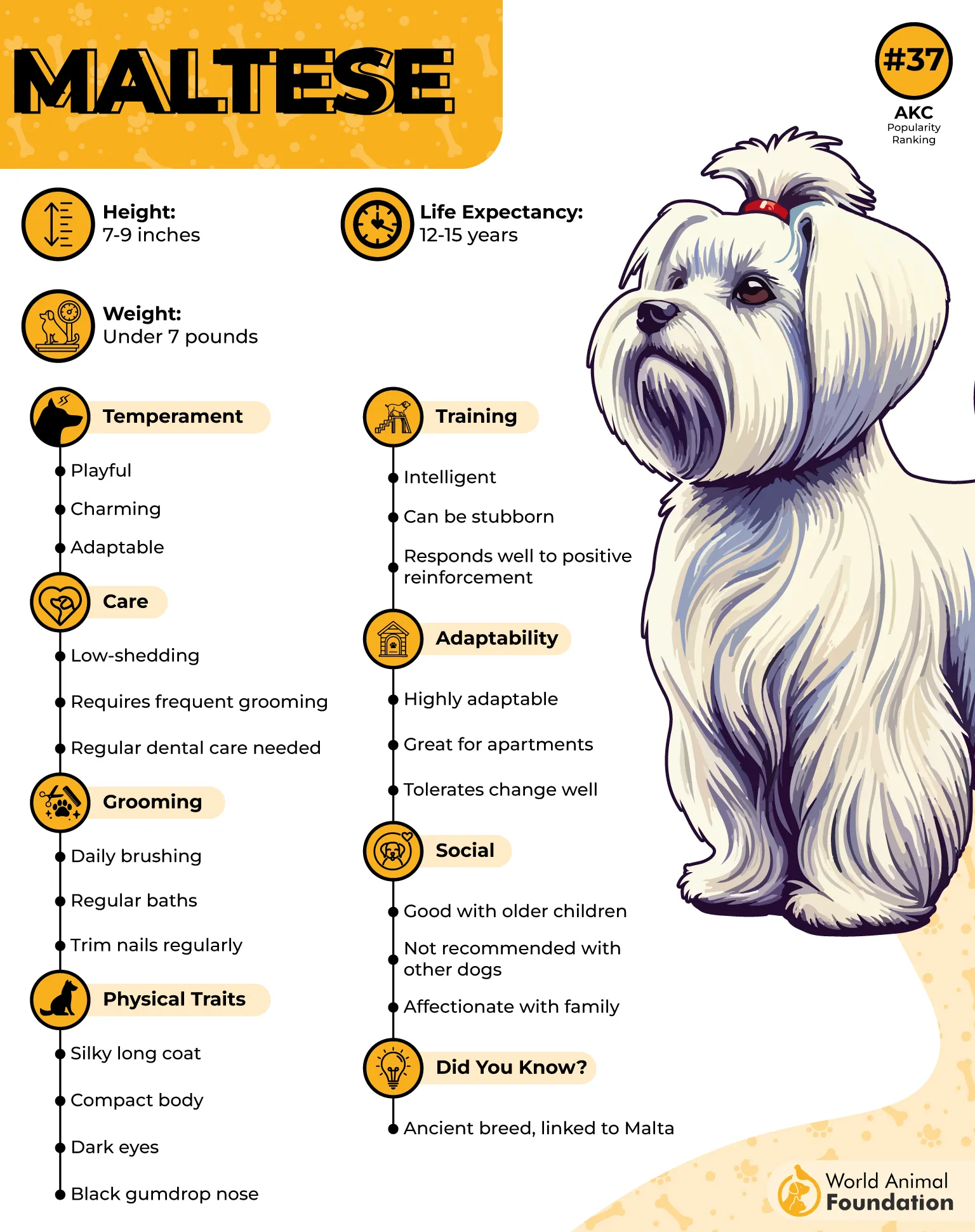
Their small size also works in their favor. Cats are less likely to feel threatened by a Maltese, which helps ease the introduction process. This allows both animals to become comfortable with each other more quickly.
Maltese dogs are highly trainable and respond well to gentle guidance. Teaching them basic commands and reinforcing calm behavior can help establish clear boundaries with your cat. Over time, this leads to a more harmonious relationship.
In many homes, Maltese dogs and cats coexist peacefully with minimal supervision. Their calm and friendly demeanor makes them an excellent choice for first-time multi-pet owners.
3 Ways These Dogs Play/ Interact With Cats
Approaches cats with gentle curiosity instead of excitement
Maintains respectful distance during early interactions
Builds trust through consistent, calm behavior
8. Bichon Frise
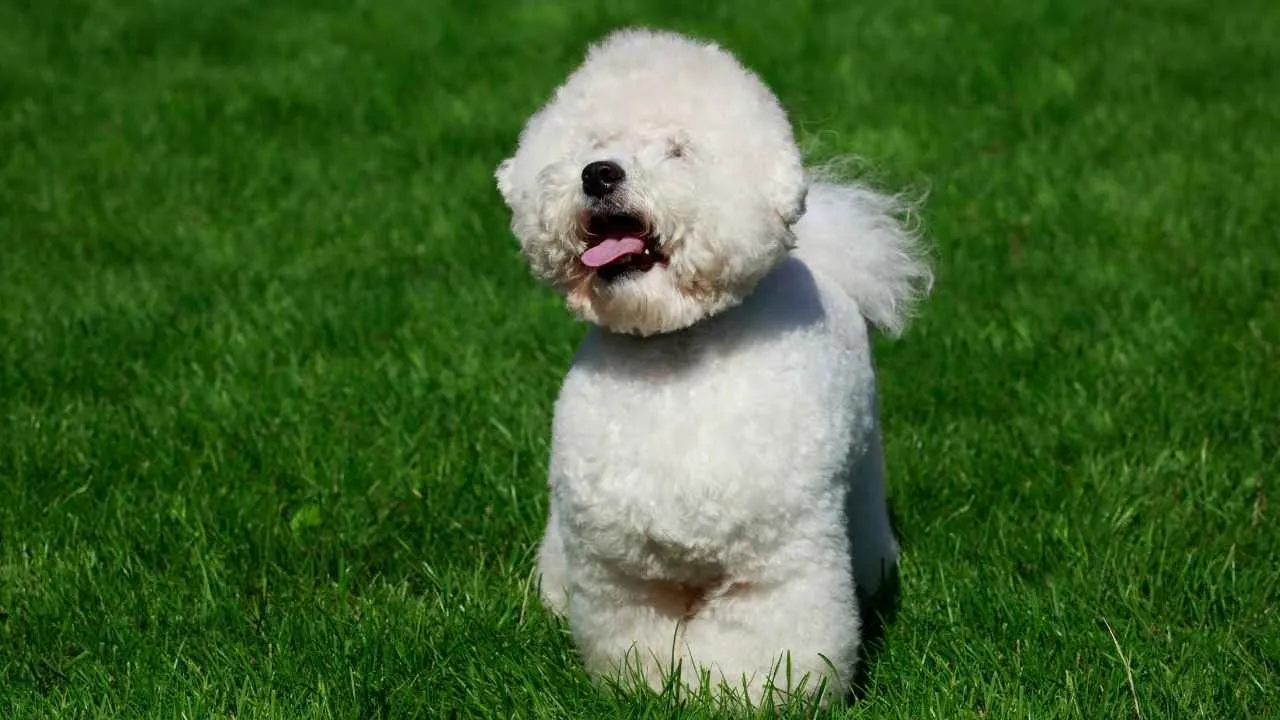
Bichon Frises are cheerful, playful dogs with a naturally friendly disposition. They enjoy social interaction and are generally open to sharing their space with other pets. This makes them a good match for households with cats.
Their playful energy can be both a strength and a challenge. While they are not aggressive, their enthusiasm might overwhelm a more reserved cat. Proper introductions and monitoring are important during the early stages.
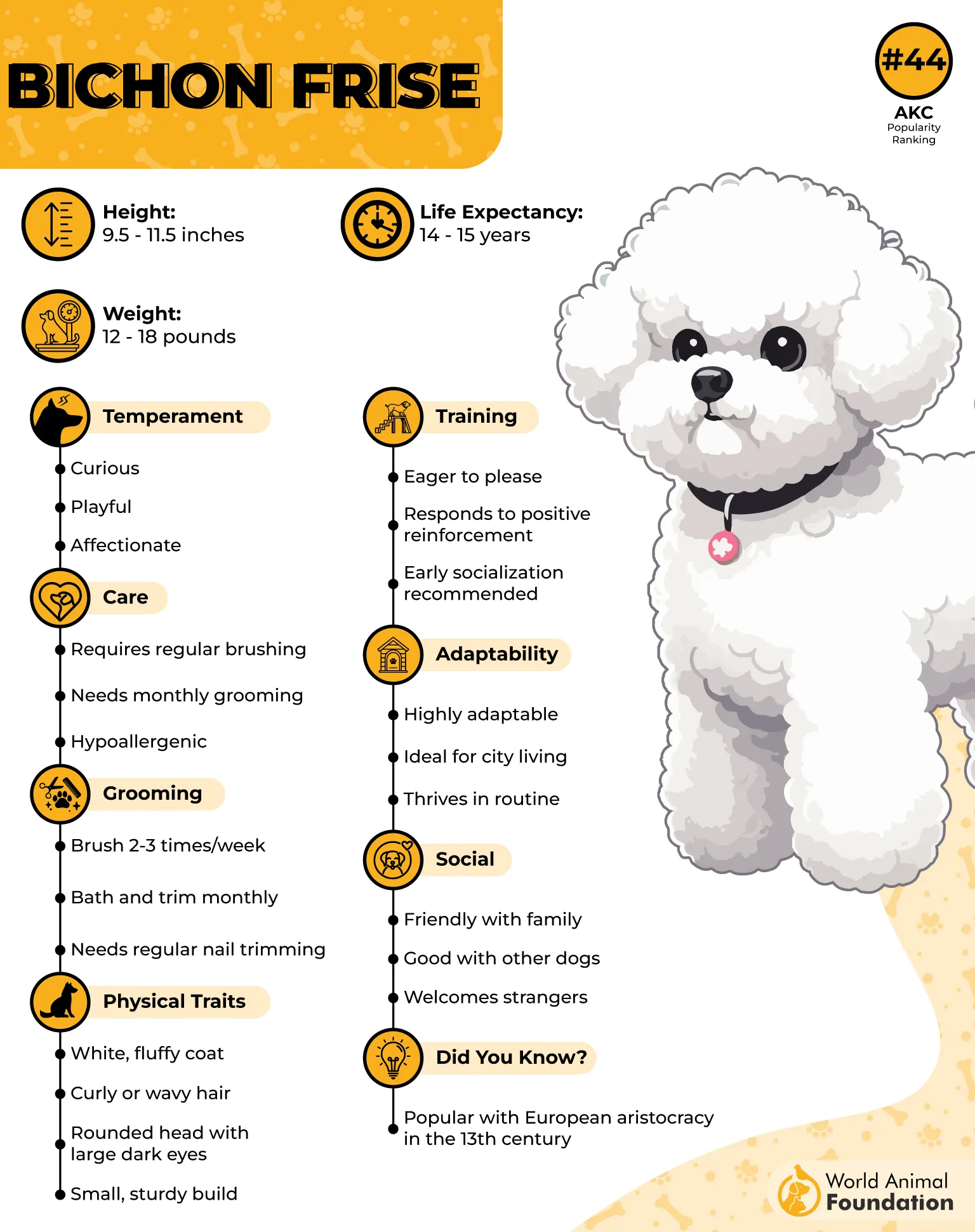
Bichons are highly adaptable and can adjust their behavior based on other animals’ reactions. If a cat signals discomfort, a well-trained Bichon will learn to back off. This adaptability helps prevent conflicts from escalating.
They also benefit from regular mental and physical stimulation. Keeping them engaged reduces the likelihood that they will bother the cat out of boredom. A well-exercised Bichon is much more likely to behave calmly around other pets.
They can form positive relationships with cats when given proper guidance and peacefully coexist with them. Their friendly and flexible nature makes them a reliable option for multi-pet homes.
3 Ways These Dogs Play/ Interact With Cats
Initiates playful interaction without aggression
Adjusts energy levels based on the cat’s response
Encourages engagement while respecting boundaries
9. Beagle

Beagles are friendly and social dogs, but they come with a strong hunting instinct. This prey drive can make living with cats more challenging if not managed properly. However, with the right training and early exposure, Beagles can learn to coexist peacefully with cats.
Their pack-oriented nature means they enjoy companionship and can form bonds with other animals. If raised alongside a cat, a Beagle is more likely to accept it as part of its social group. Early socialization is crucial in shaping this behavior.

One important factor to consider is the Beagle’s individual personality. Some may show more restraint, while others may be more reactive to a cat’s movements. Observing and guiding their behavior is key to success.
Training plays a major role in managing their instincts. Teaching commands like “leave it” and reinforcing calm behavior can significantly reduce chasing tendencies. Consistency is essential to ensure long-term harmony.
These hunting dogs require more effort compared to other breeds on this list, but they are not impossible to manage. With patience and proper training, they can become respectful companions to cats.
3 Ways These Dogs Play/ Interact With Cats
Can shift from chasing to calm coexistence with training
Builds familiarity through repeated supervised exposure
Learns to control instincts with consistent guidance
10. Havanese

Havanese dogs are affectionate, intelligent, and highly adaptable, making them excellent companions in multi-pet households. They are naturally social and enjoy being around both humans and other animals. This openness makes them more likely to accept a cat into their environment.
Their moderate energy level helps maintain balance in the household. They are playful but not overly hyper, which reduces the chances of overwhelming a cat. This makes interactions smoother and more predictable.
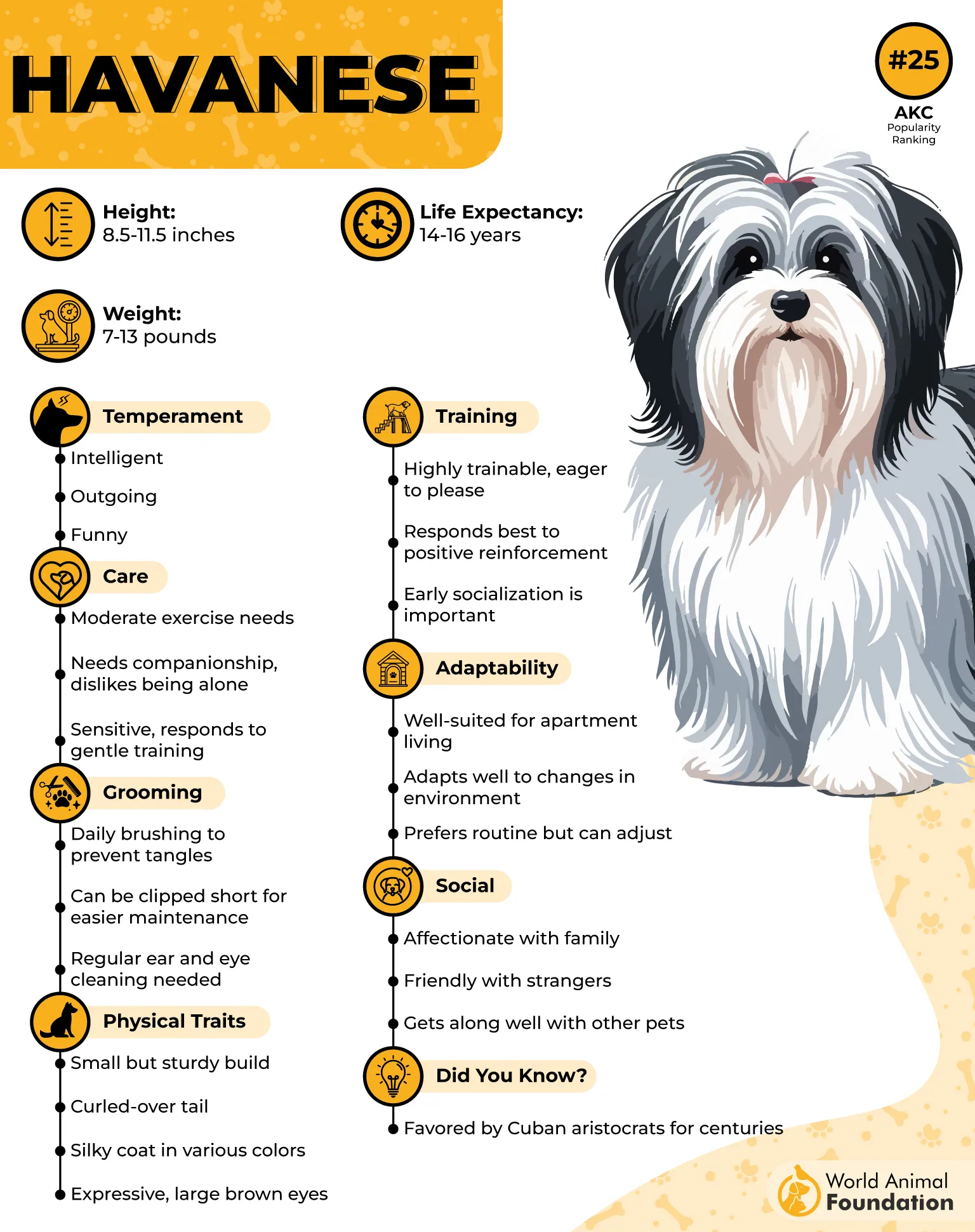
They are also very trainable and responsive to positive reinforcement. They quickly learn what behaviors are acceptable around a cat. This ability to adapt makes them one of the easier breeds to manage in a mixed-pet home.
One thing to note is their strong attachment to their owners. They do not like being left alone for long periods, so having another pet around can actually benefit them emotionally. A cat can provide companionship when you’re not home.
In many cases, Havanese dogs form gentle and friendly relationships with cats. Their balanced temperament and social nature make them a top-tier choice for peaceful coexistence.
3 Ways These Dogs Play/ Interact With Cats
Builds companionship through shared daily routines
Engages in gentle, non-intrusive play
Forms bonds gradually through consistent interaction
Conclusion
So, here’s the real deal—dogs and cats living together isn’t some rare Disney-level miracle. It’s actually very doable if you pick the right breed and, more importantly, put in the effort to train and introduce them properly. The breeds we covered aren’t just “cat-tolerant”—they’re wired in a way that makes bonding easier and conflict less likely.
Australian Cattle Dog, Shih Tzu, German Shepherd, and Shetland Sheepdog are other breeds known to get along well with cats.
That said, no breed is a 100% guarantee. Your individual personality, past experiences, and approach as an owner play a massive role in shaping the relationship. Even the friendliest dog can mess things up without structure, and even the chillest cat can throw attitude if rushed.
The secret formula is simple: slow introductions, positive reinforcement, and respecting both animals’ boundaries. Give them space, reward calm behavior, and let the relationship develop naturally instead of forcing it. Over time, tolerance turns into familiarity, and familiarity often turns into friendship.
And honestly, when it works—it really works. You’ll go from supervising every interaction to catching them casually chilling together like they’ve been roommates forever. That’s when you know you’ve successfully built a peaceful, multi-pet home
