




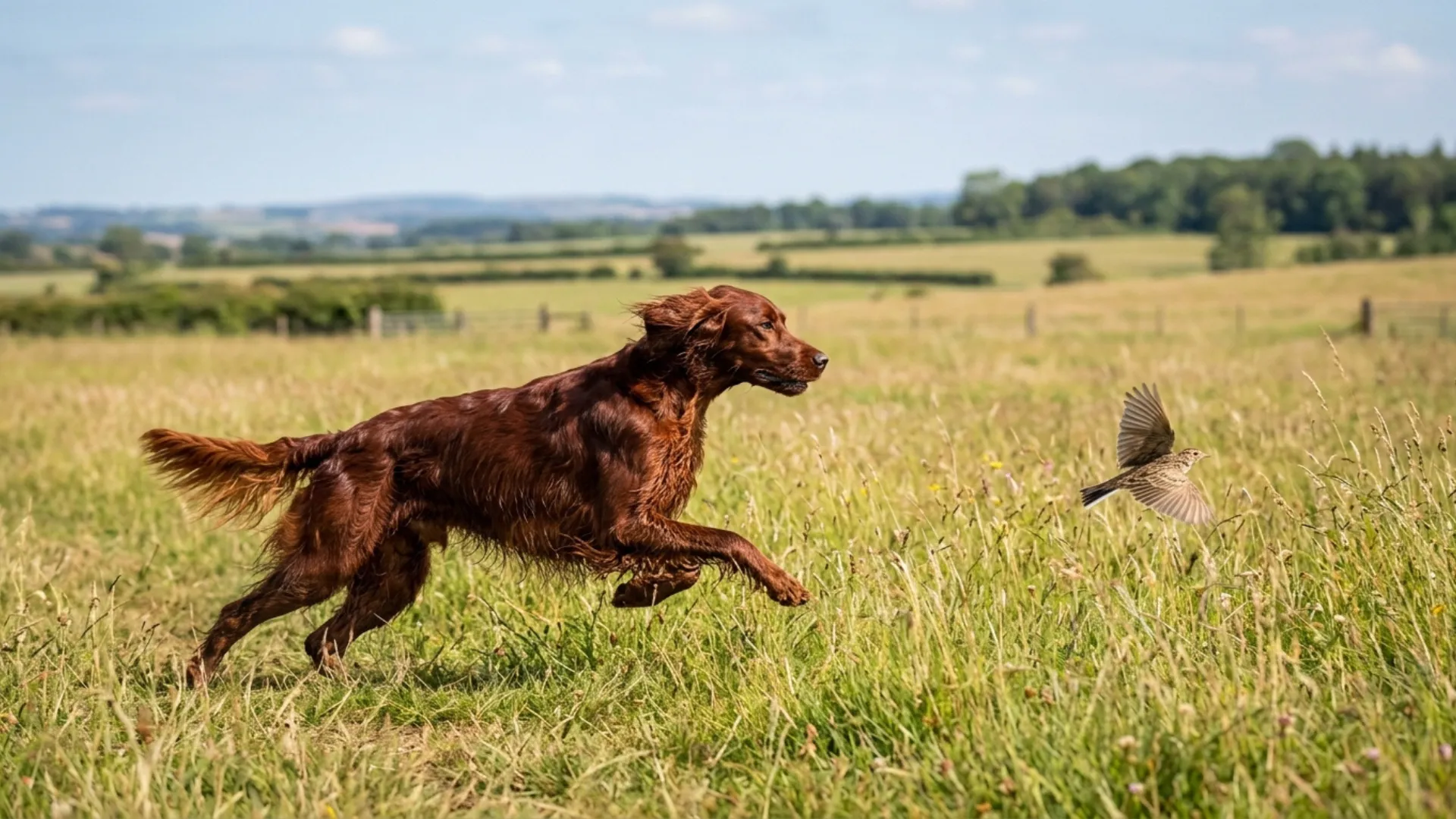
Open fields have a funny way of making birds disappear into grass, wind, and pure mischief. That is where skilled bird dogs shine. With sharp noses, focused instincts, and enough energy to make your hiking boots nervous, they search wide country while staying closely connected to the person guiding them nearby.
Some locate hidden birds, some freeze into a dramatic point, and others charge through cover to send feathers skyward.
The best field partners combine stamina, trainability, determination, and teamwork, turning a quiet stretch of prairie into a full-blown outdoor adventure. Ready to meet the dogs naturally built for this exciting chase?
Did you know?
Trained bird-hunting dogs can locate fallen birds even when they land out of sight, using their strong sense of smell and keen eyesight. They are also taught to release the bird calmly instead of turning retrieval into tug-of-war.
Dog Breeds that Pursue Wild Birds Across Open Fields
1. German Shorthaired Pointer
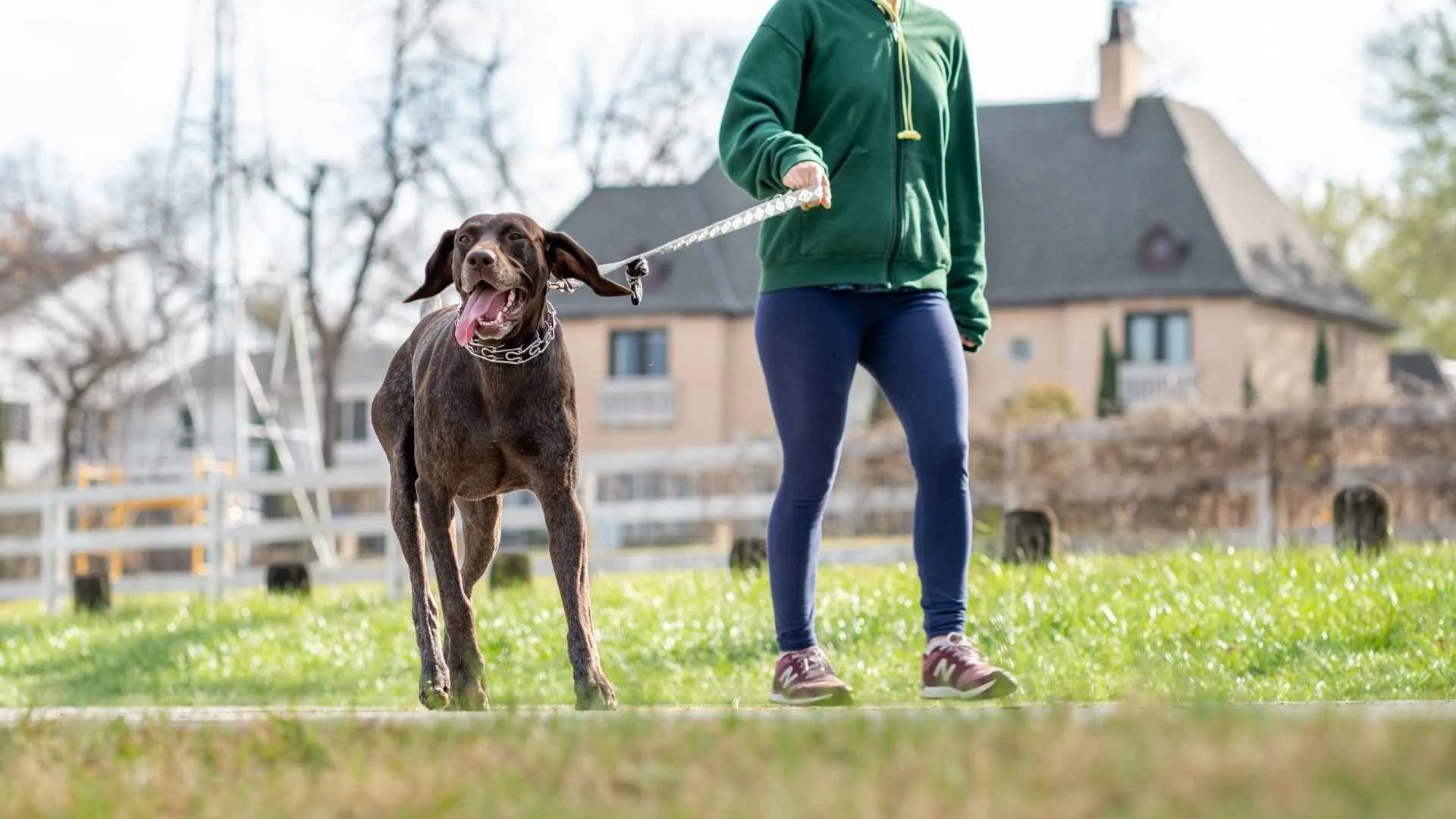
A German Shorthaired Pointer enters an open field like the morning has assigned it a mission. This versatile dog is alert, energetic, and focused. Speed, agility, and endurance help it pursue game while staying eager to work beside its person.
German hunters developed this multipurpose bird dog during the nineteenth century. They selected useful workers rather than decorative lawn ornaments. The finished breed could track, point, retrieve, and handle assignments on land or water, giving it one impressively packed résumé.
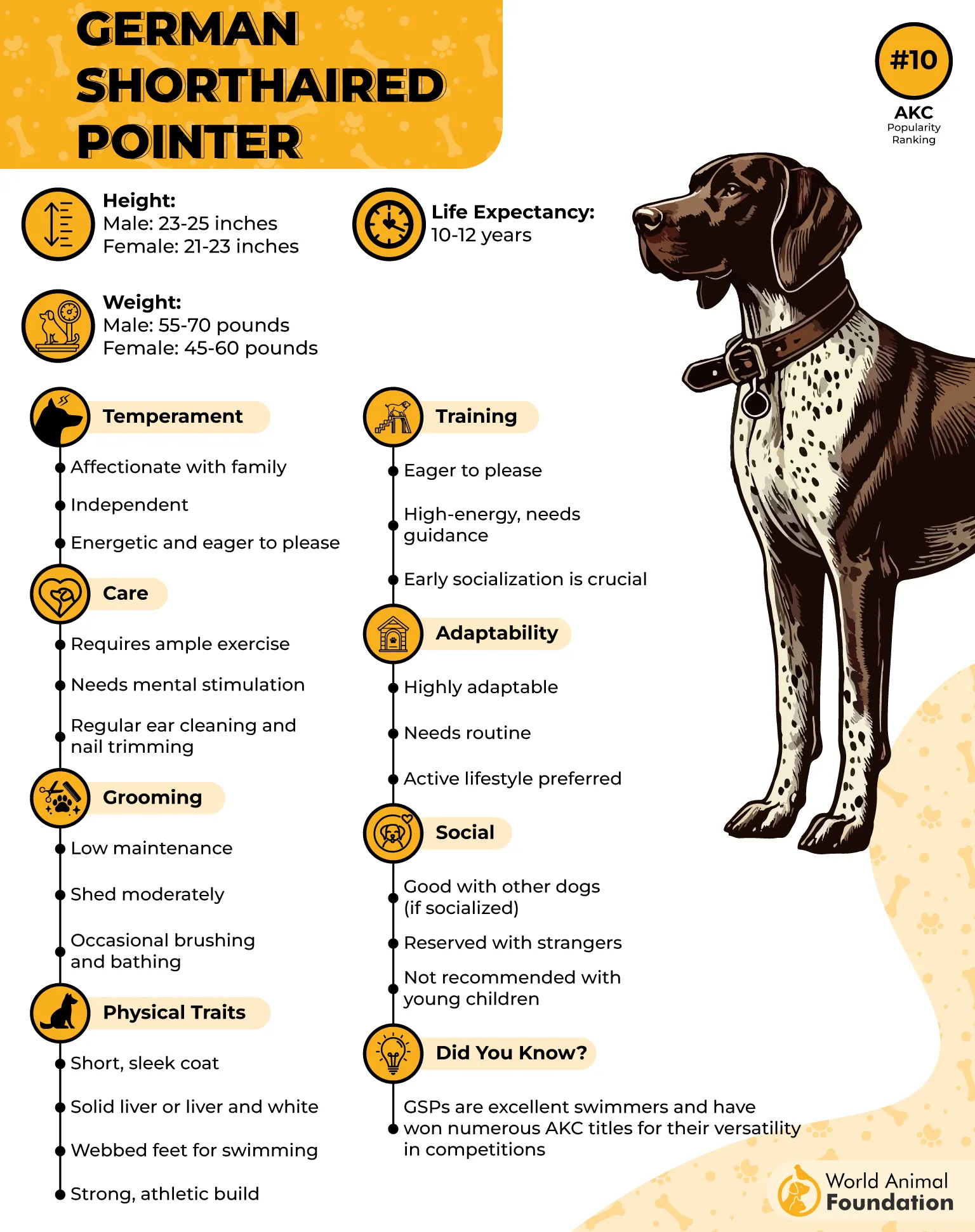
Wide fields suit this pointing dog’s balanced build and seemingly bottomless enthusiasm. Its strong nose locates game, while its pointing stance signals the scent’s direction. Power and stamina then help it cover demanding ground without treating every pause like quitting time.
What Makes This Breed Stand Out
Webbed feet support work both across dry ground and through water.
A short, thick coat keeps grooming needs of this pointing breed relatively simple.
2. English Setter
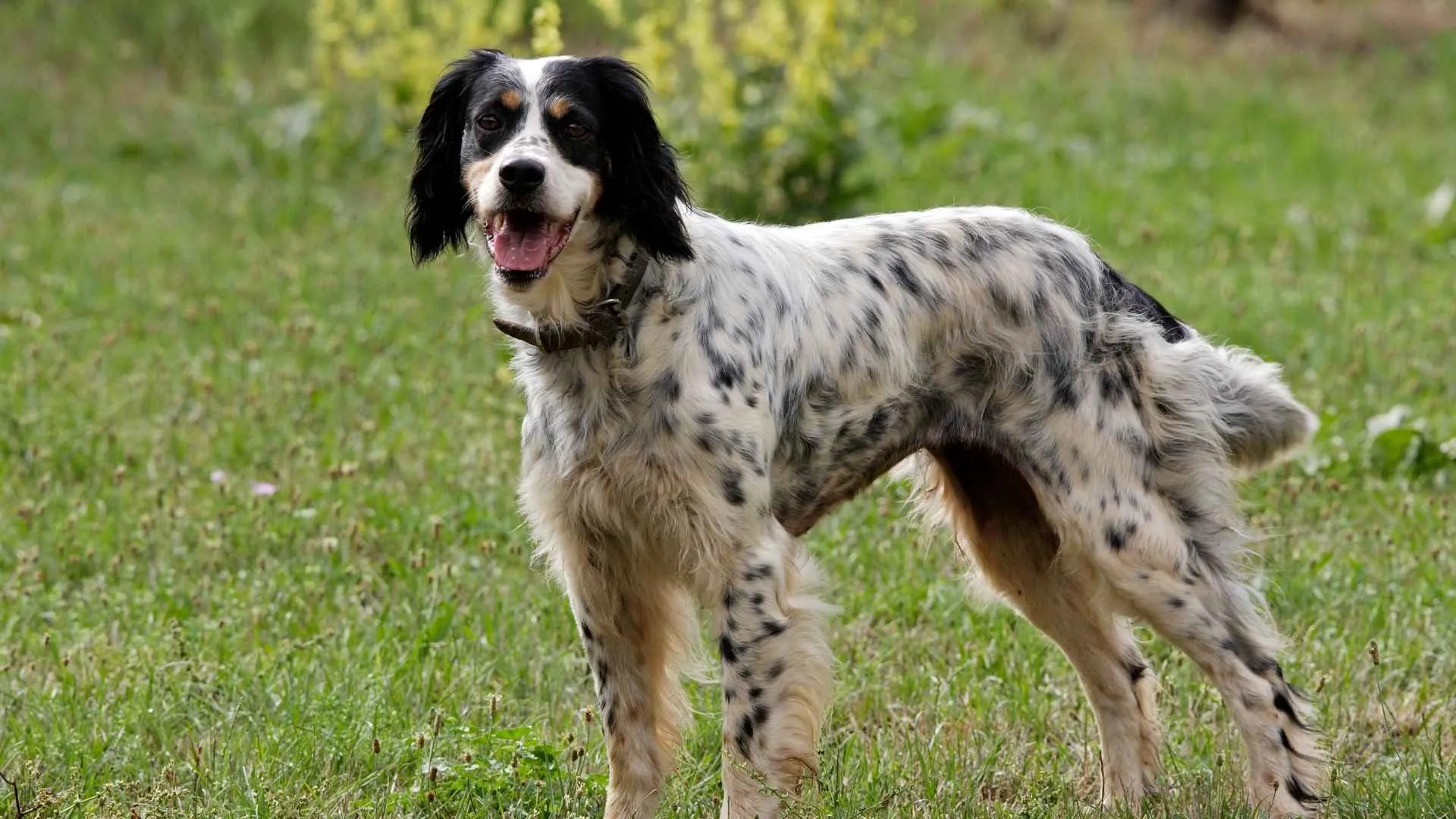
The English Setter brings field talent wrapped in silky feathering and polite manners. Once game scent enters the conversation, this gentle sporting dog ranges across open ground. Then it crouches low and points with the stillness of a decorated statue.
This capable hunter can successfully locate and pursue pheasants, prairie grouse, woodcock, and other upland bird species.
English Setters were developed to find game birds, crouching or pointing once they located them. Their stamina also allows them to work through open country and grouse woods with enthusiasm.
As noted by PetMD, positive reinforcement using praise, treats, and rewards suits this sensitive breed best. Early socialization and calm guidance build reliable habits. Patience and consistency matter when an exciting scent suddenly tries to hijack the entire field outing.
What Makes This Breed Stand Out
A quiet indoor manner can follow an energetic outdoor session.
This sociable breed generally enjoys close companionship with people.
3. Irish Setter
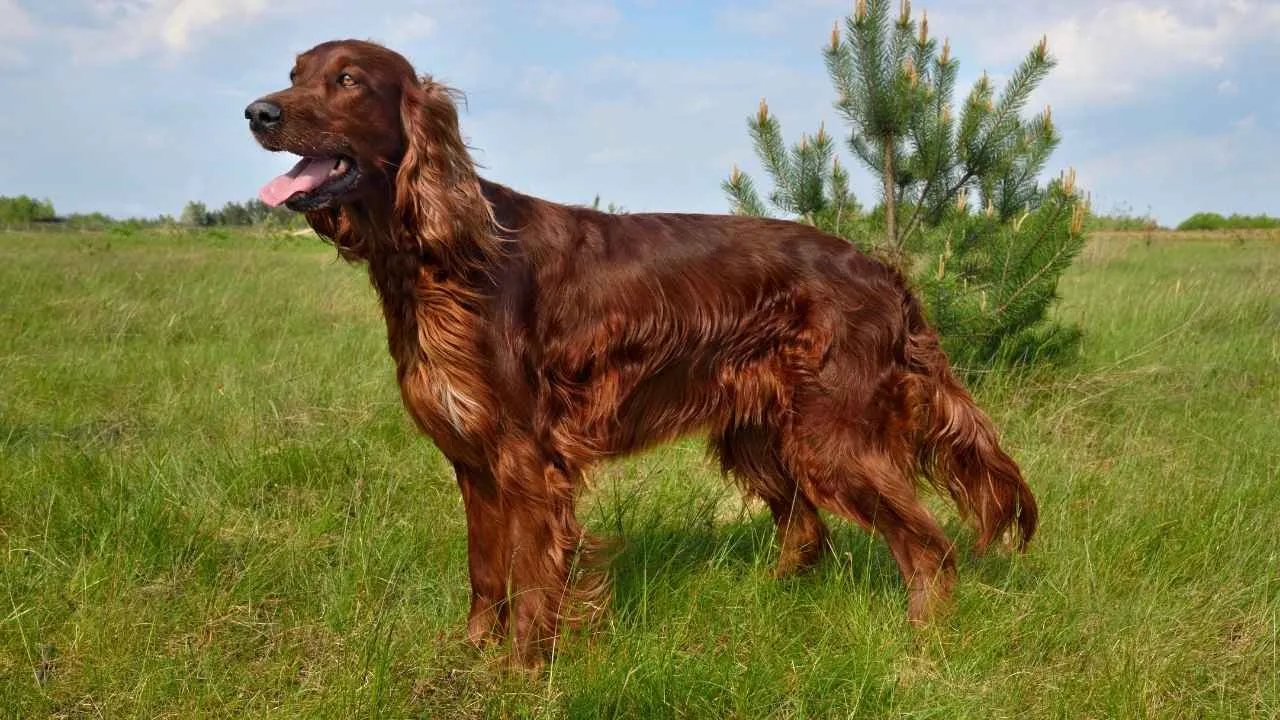
A flash of red crossing the countryside is not always autumn showing off. The Irish Setter is a swift, high-spirited gundog with a keen nose. Broad, flat ground becomes the perfect stage for its bold hunting style and powerful stride.
Tracking begins with that highly capable nose, and curiosity supplies the follow-through. Irish Setters naturally follow scents and may chase intriguing discoveries. Secure boundaries matter when their inner detective decides a distant trail deserves an immediate and extremely enthusiastic investigation.
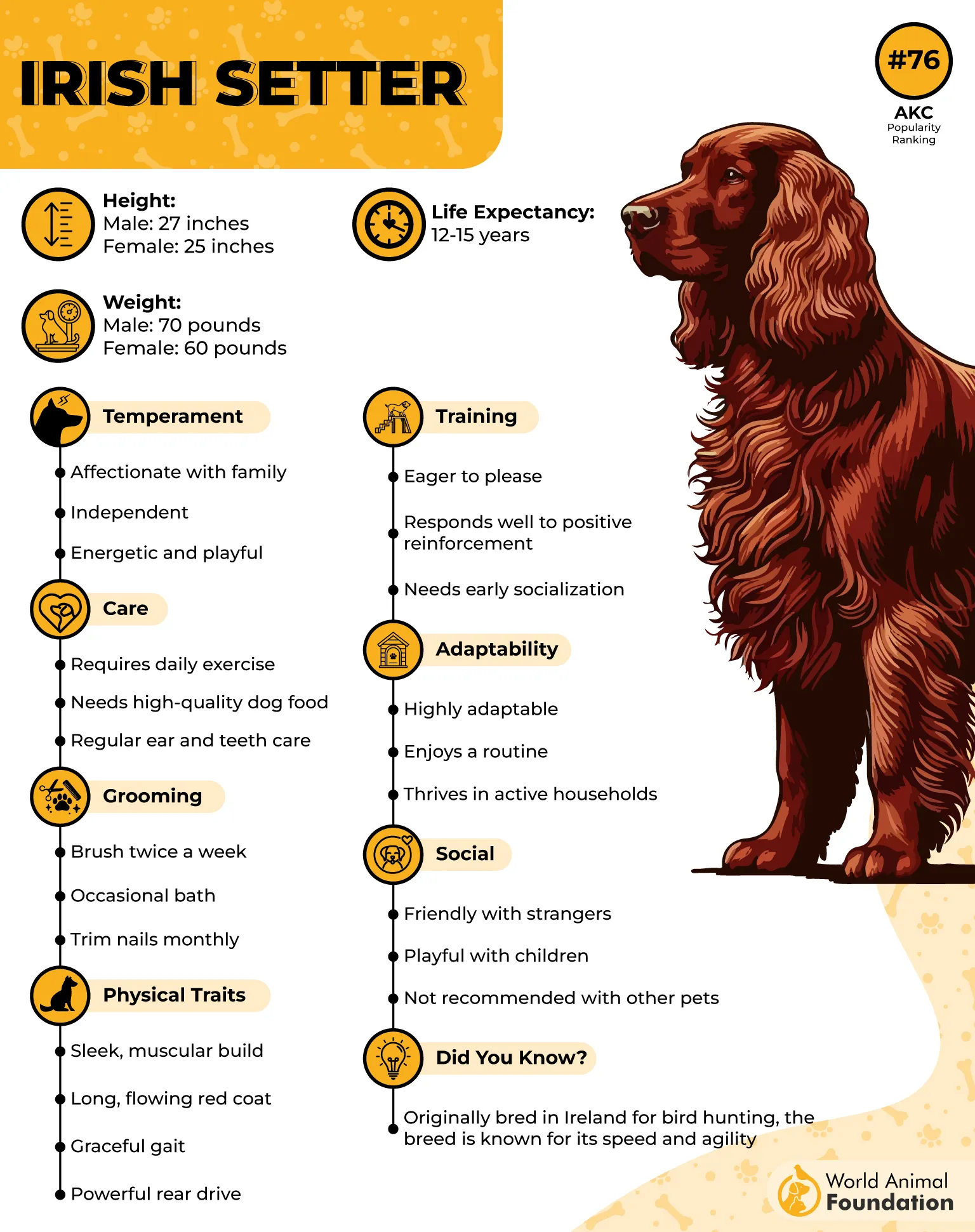
Setter heritage includes locating gamebirds and signaling a find by settling low. Earlier hunting dogs also retrieved birds after the action moved forward. That background gives the Irish Setter a working story combining searching, swift pursuit, and recovery rather neatly.
What Makes This Breed Stand Out
Its vivid red coloring remained easy for hunters to spot in cover.
Reward-based sessions help keep this playful worker interested.
4. Brittany
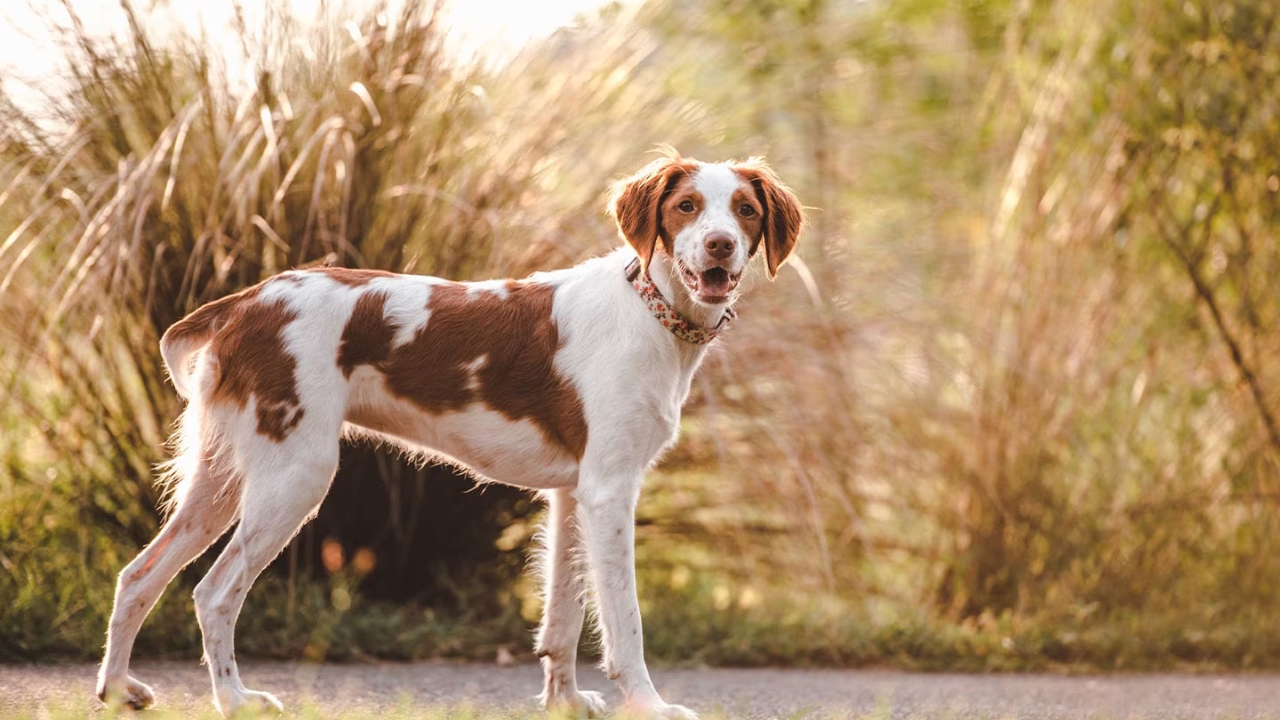
The Brittany arrives with cheerful energy, a soft expression, and no interest in wasting daylight. Recognized by the AKC in 1934, this French sporting breed is quick-footed. Open country gives its upbeat nature and working enthusiasm plenty of room.
Generations of practical breeding shaped the Brittany into a versatile bird dog. Early owners often needed one capable worker rather than a kennel full of specialists. This eager hunter could hunt ducks, woodcock, pheasants, and partridges, making fieldwork far more manageable.
Pointing is only part of the Brittany’s assignment. Its versatility also includes retrieving and flushing birds. Stamina and agility help it cover substantial ground quickly when a wounded or downed bird requires determined follow-up rather than a hopeful search.
What Makes This Breed Stand Out
Patient, encouraging guidance suits this gentle and willing worker.
The short, flat or wavy coat requires only minimal upkeep.
5. Boykin Spaniel
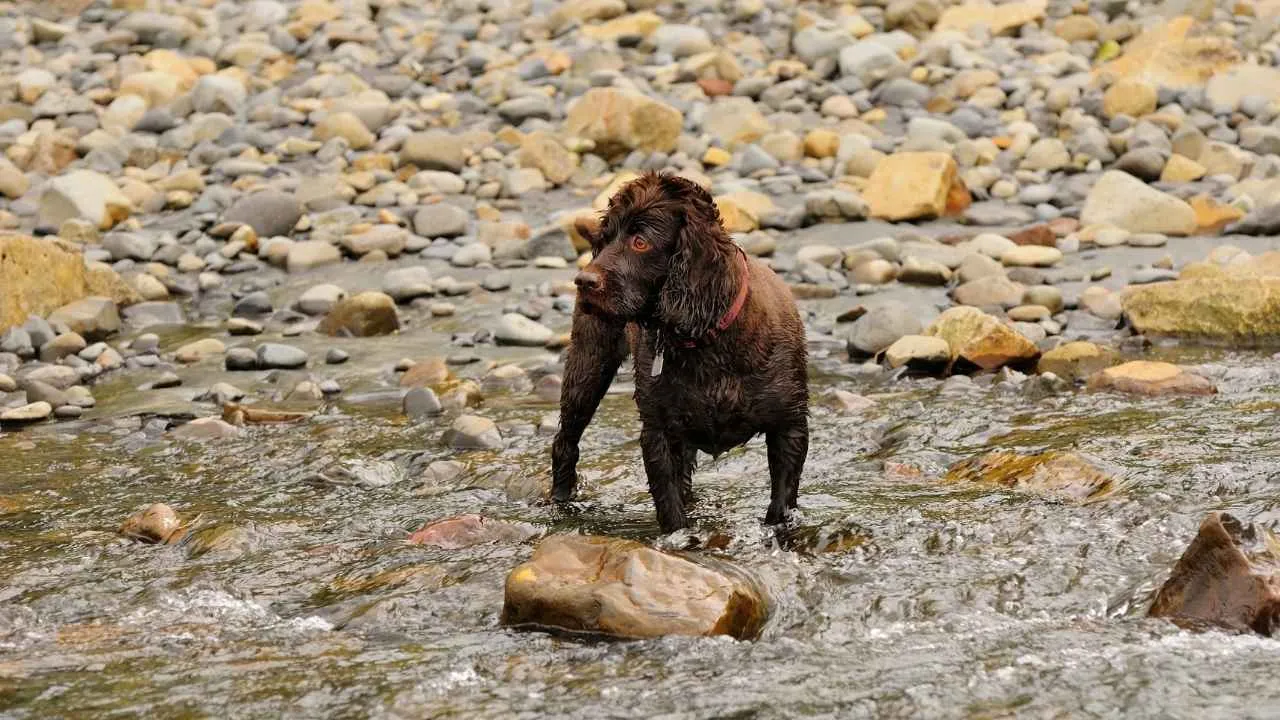
The Boykin Spaniel may wear a rich brown coat, but its field personality is anything but plain. This eager sporting dog brings stamina, enthusiasm, and sharp focus, happily turning a long day around birds into its favorite kind of adventure.
South Carolina hunters originally bred this compact worker for pursuing wild turkeys and ducks across swampy country. Its flushing and retrieving skills work on land and water, while webbed toes make swimming and waterfowl hunting look suspiciously easy. Thick cover rarely gets much time to prepare.
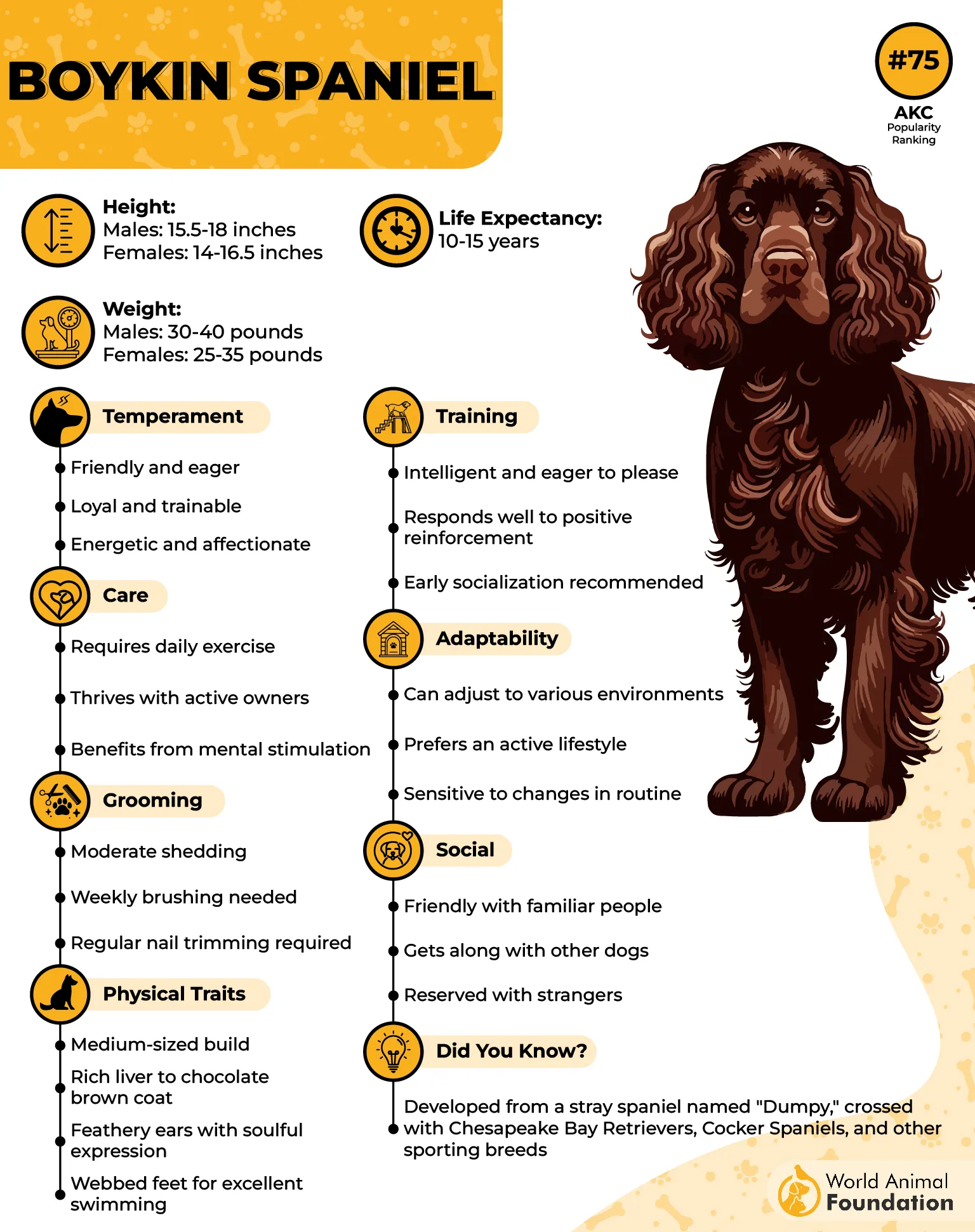
Good teamwork extends beyond people. Properly socialized Boykins generally enjoy the company of other dogs and can behave well around unfamiliar canine partners. Early introductions help this friendly hunter share the field without turning the outing into unnecessary workplace drama.
What Makes This Breed Stand Out
Its compact frame once fit comfortably inside small hunting boats.
Strong retrieving instincts and a sturdy jaw allow it to carry game with ease.
6. Weimaraner
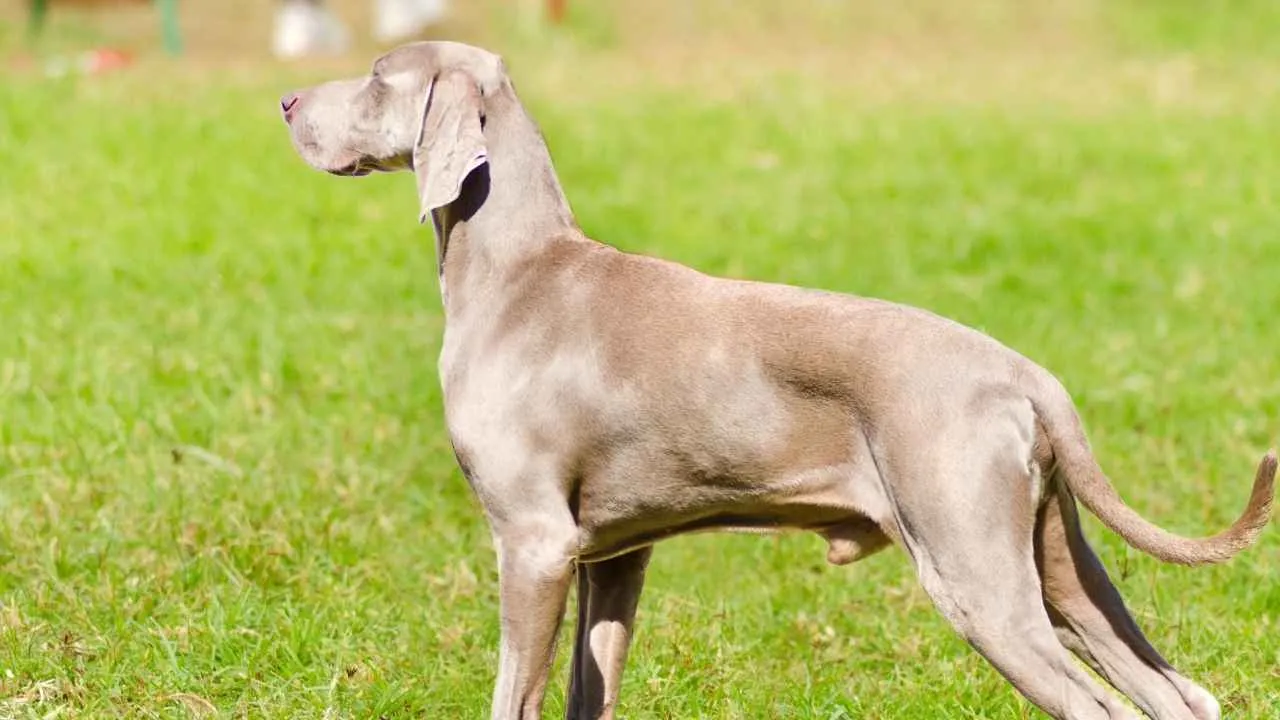
Silvery, streamlined, and famously nicknamed the Gray Ghost, the Weimaraner makes open country look like its private runway. This athletic dog brings endurance, alertness, and a fearless attitude whenever an interesting scent gives the day a sudden change of plans.
German nobles developed the breed during the nineteenth century for pursuing large game. When those animals became less common, the Weimaraner changed careers rather smoothly, becoming an all-purpose hunter capable of pointing and retrieving game birds. That is quite the professional pivot.
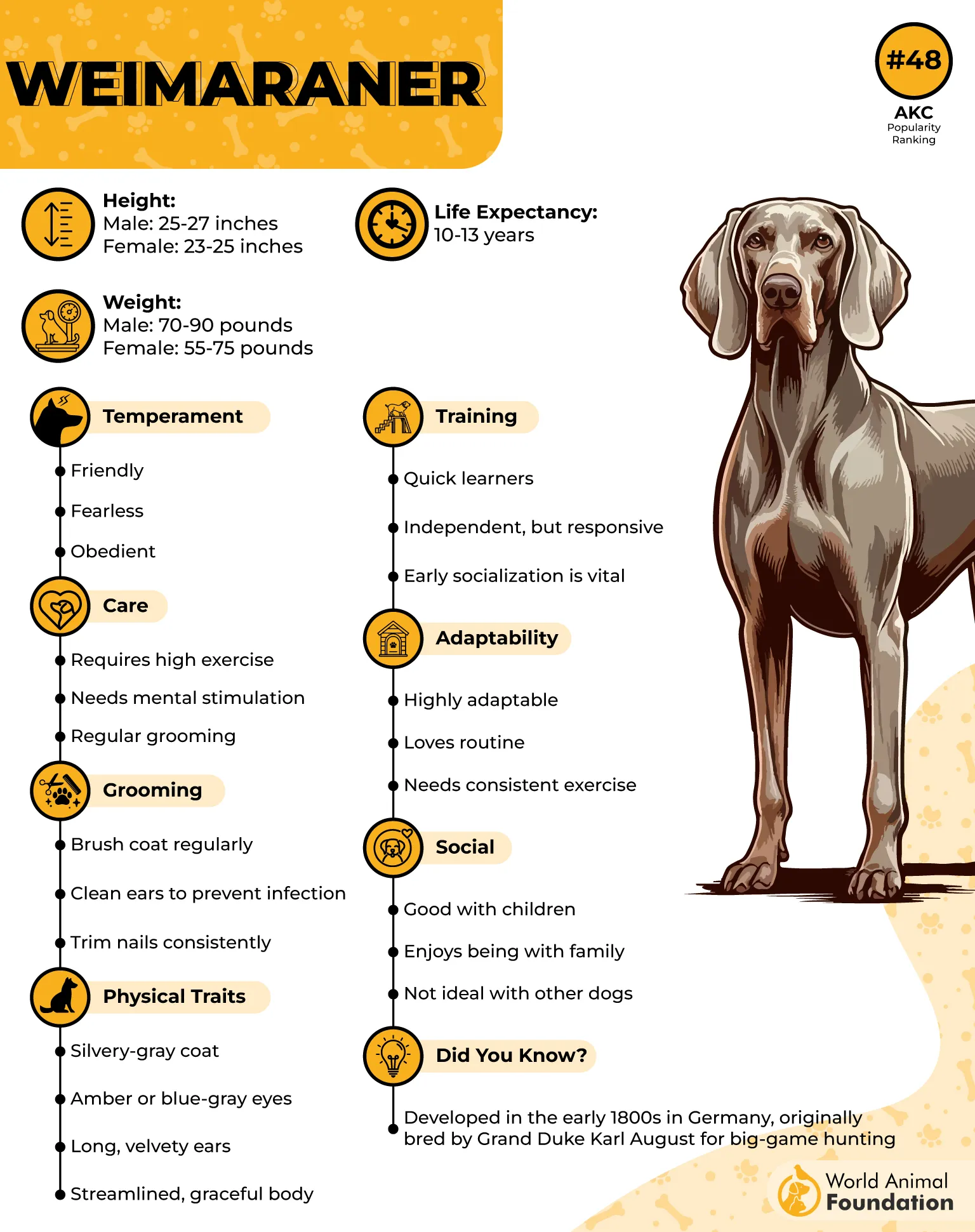
As mentioned by WebMD, Weimaraners learn both desirable and troublesome behaviors quickly. Early socialization, consistency, praise, petting, and treats help direct that sharp mind. Otherwise, the clever student may begin designing its own curriculum, usually without asking permission first.
What Makes This Breed Stand Out
Its keen tracking ability was deliberately valued during early development.
Strong attachment to people makes it an engaged working companion.
7. Vizsla
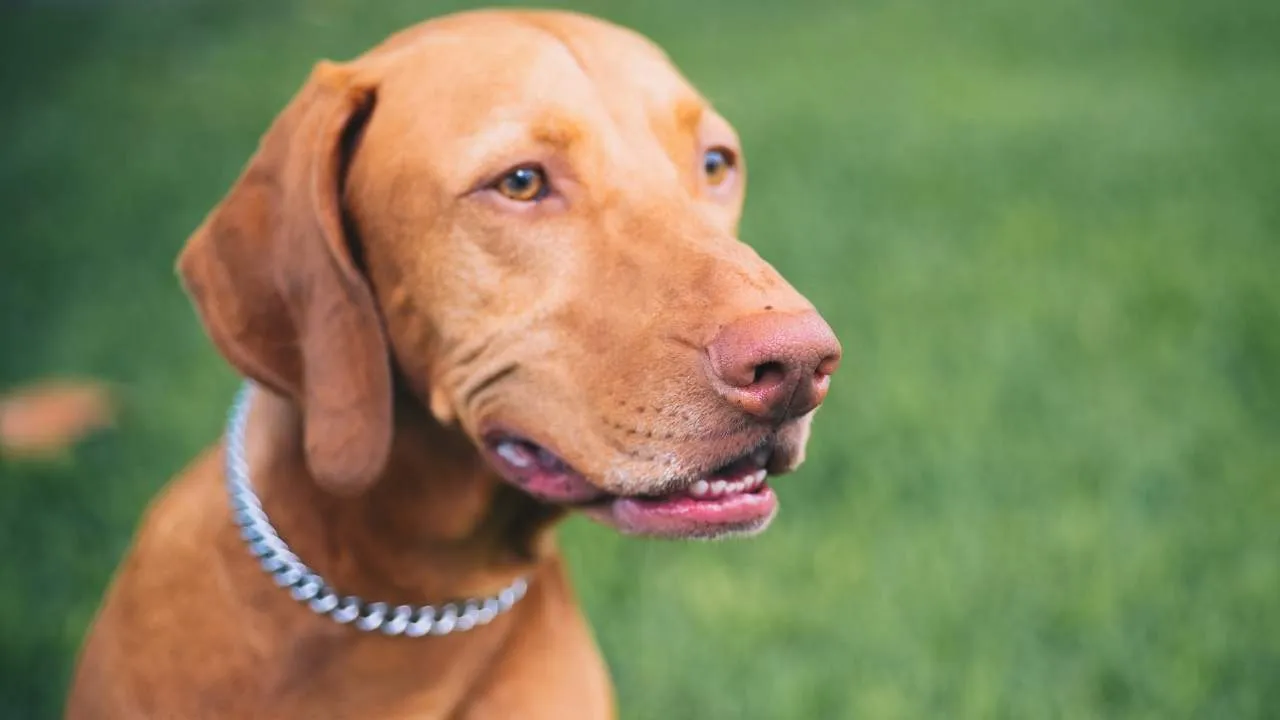
The Vizsla does not merely enter a field. It arrives ready for business, dressed head to toe in golden rust. Graceful movement, lively curiosity, and serious stamina give this Hungarian sporting dog an unmistakable presence when feathers are somewhere nearby.
Centuries beside human hunters helped shape an attentive partner eager to cooperate. Intelligent, curious, and responsive, this rugged dog works best with consistent guidance and meaningful tasks. Give this dog a purpose, and it treats the job like a shared expedition.
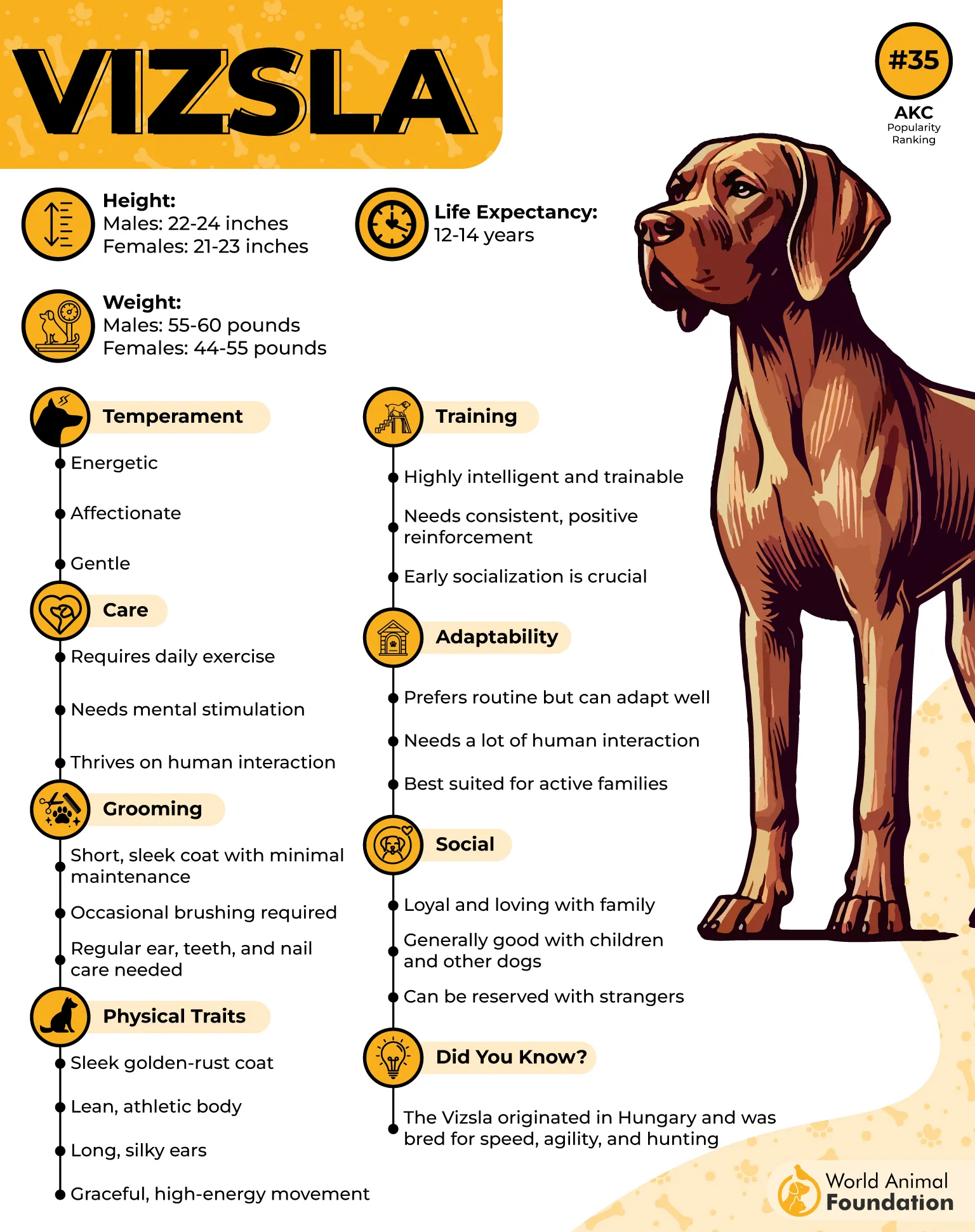
Pointing and retrieving come naturally to this versatile hunter. Its speed, agility, and endurance support lengthy work, while a close bond with its handler keeps the partnership connected. This is no freelancer disappearing over the horizon and forgetting the assignment.
What Makes This Breed Stand Out
Its short coat allows quick, straightforward upkeep after outdoor work.
Natural tracking ability adds another useful skill to its hunting toolkit.
Conclusion
These bird dog breeds bring far more than speed and sharp noses to open country. Each one offers a different mix of drive, teamwork, trainability, stamina, and personality. The best match depends on the kind of hunting partner, activity level, and companionship you genuinely want.
Take time to consider which breed fits your experience, routine, and expectations before making that choice. The right dog can turn every field outing into something more meaningful, built on trust, shared purpose, and plenty of unforgettable moments together. That bond may become the greatest reward of all.
