





Dogs and cats can share a home successfully when their personalities, energy levels, and boundaries are compatible. Although individual temperament matters more than breed alone, certain dogs are often easier to introduce to feline companions because they tend to be sociable, adaptable, gentle, or responsive to training.
A successful relationship does not happen automatically. Puppies and adult dogs both need time to understand that a cat is part of the household rather than an animal to chase. Likewise, cats need secure areas where they can retreat, observe the dog, and approach at their own pace.
The breeds below represent a variety of sizes, personalities, and activity levels. Some are naturally relaxed, while others depend more heavily on their intelligence and trainability to develop appropriate behavior around cats.
Top Dog Breeds That Live Harmoniously With Cats
1. Basset Hound
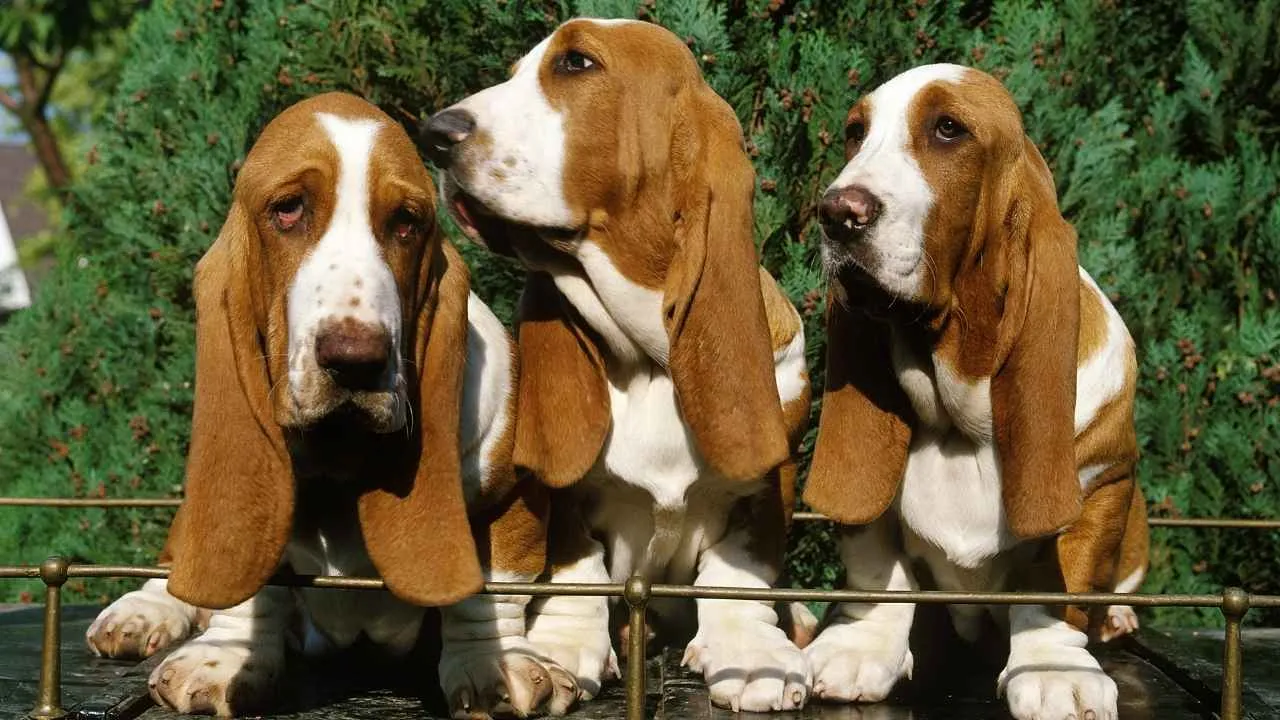
Basset Hounds originated in France and were developed as scent hounds capable of following trails over long distances. Their low-slung bodies, powerful noses, and distinctive appearance reflect their working heritage.
Despite their hunting ancestry, they are often known for having a slower-paced personality at home. They can form strong attachments to their families and may be content spending much of their day relaxing nearby.
Establish Good Manners From the Beginning
Basset Hounds can be stubborn at times, making consistent, reward-based training especially useful. Short sessions can help keep their attention while reinforcing commands such as “leave it,” “stay,” and “come.”
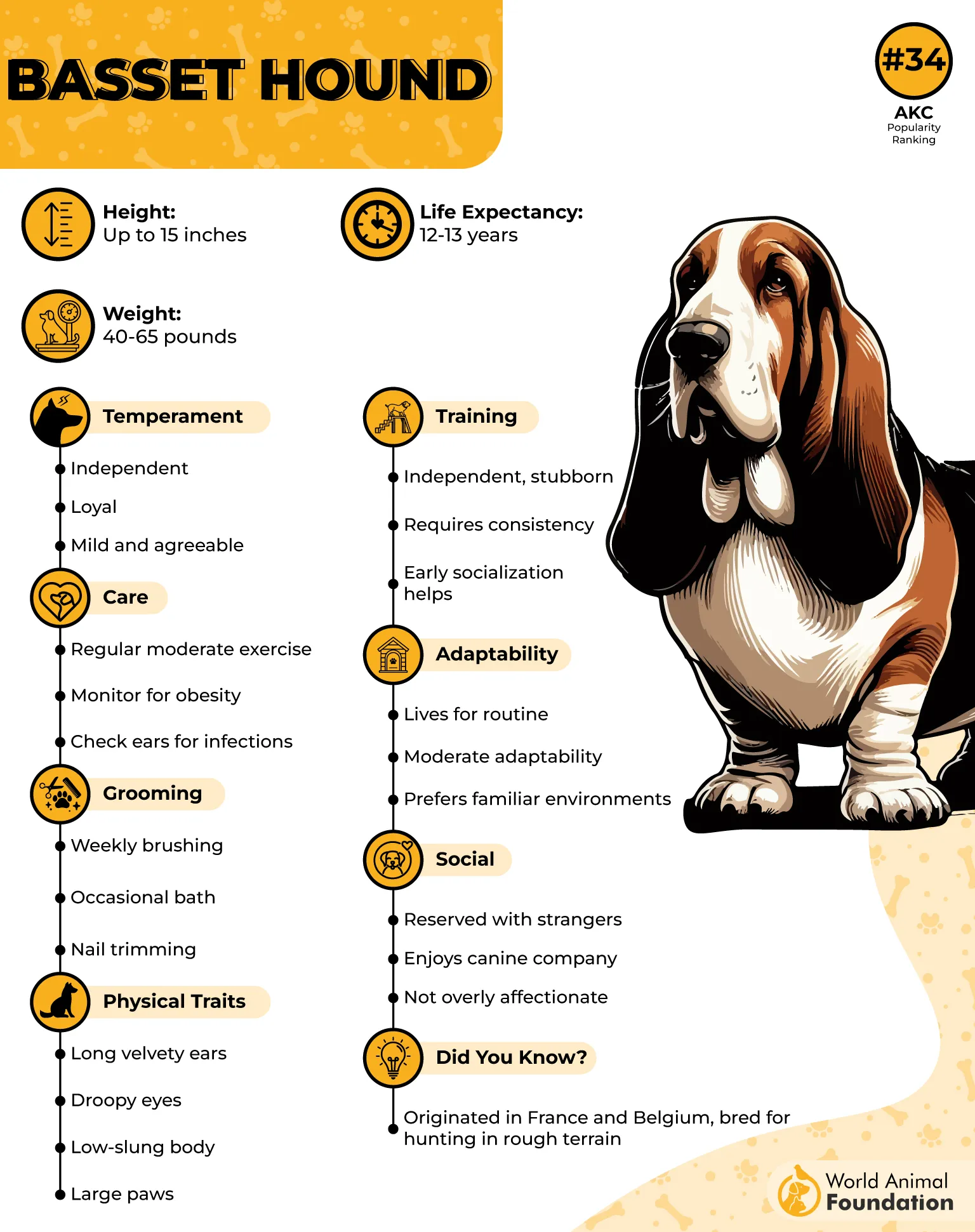
Regular walks and opportunities to investigate scents can satisfy their natural curiosity. Providing appropriate outlets for their nose can reduce the temptation to investigate the cat excessively.
A Relaxed Personality Around Feline Friends
Their relatively unhurried demeanor can make Basset Hounds suitable for cats that prefer a quieter canine companion. Rather than constantly demanding interaction, many are happy to coexist in the same room.
A cat should still have areas the dog cannot access. With gradual introductions and supervision, the Basset’s mellow household style can support a comfortable relationship with a feline companion.
2. Beagle
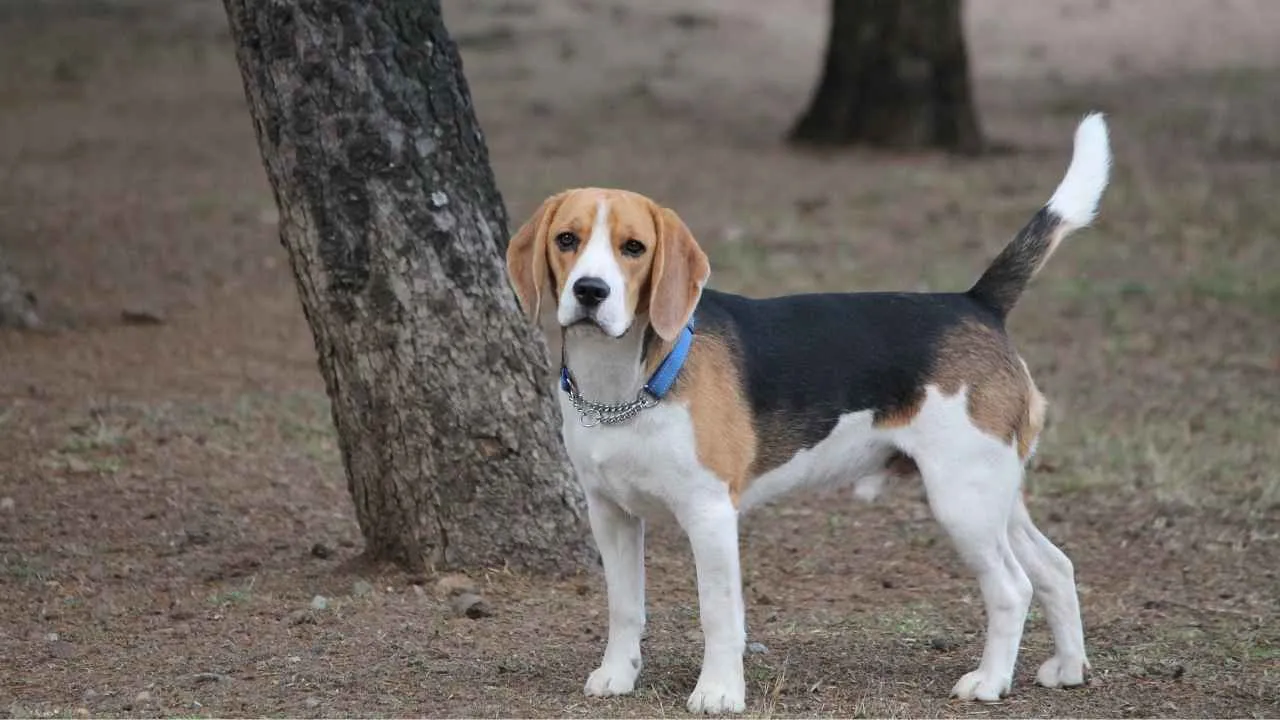
Beagles were developed as scent hounds and were traditionally used to track rabbits and other small game. Their exceptional noses, compact build, and determination made them effective hunting partners.
Today, they are popular family dogs appreciated for their friendly and curious personalities. Their social nature can help them adjust to other household animals, although their hunting background means introductions should be handled carefully.
Keep Their Curious Nature Productively Engaged
The AKC states that Beagles need regular physical activity and mental stimulation. Walks that allow controlled sniffing, scent games, puzzle toys, and basic obedience exercises can help satisfy their active minds.

Recall training is particularly important because their powerful noses can easily distract them. Teaching them to disengage from interesting sights and smells can also help when they are around a cat.
Sociability Can Encourage Peaceful Sharing
Many Beagles enjoy companionship and may appreciate having another animal around. A properly socialized individual can learn to regard a resident cat as part of its everyday environment.
Their playful personality may occasionally lead to unwanted pursuit, especially in younger dogs. Teaching the Beagle to respect the cat’s decision to walk away helps turn natural friendliness into appropriate household behavior.
3. Bichon Frise
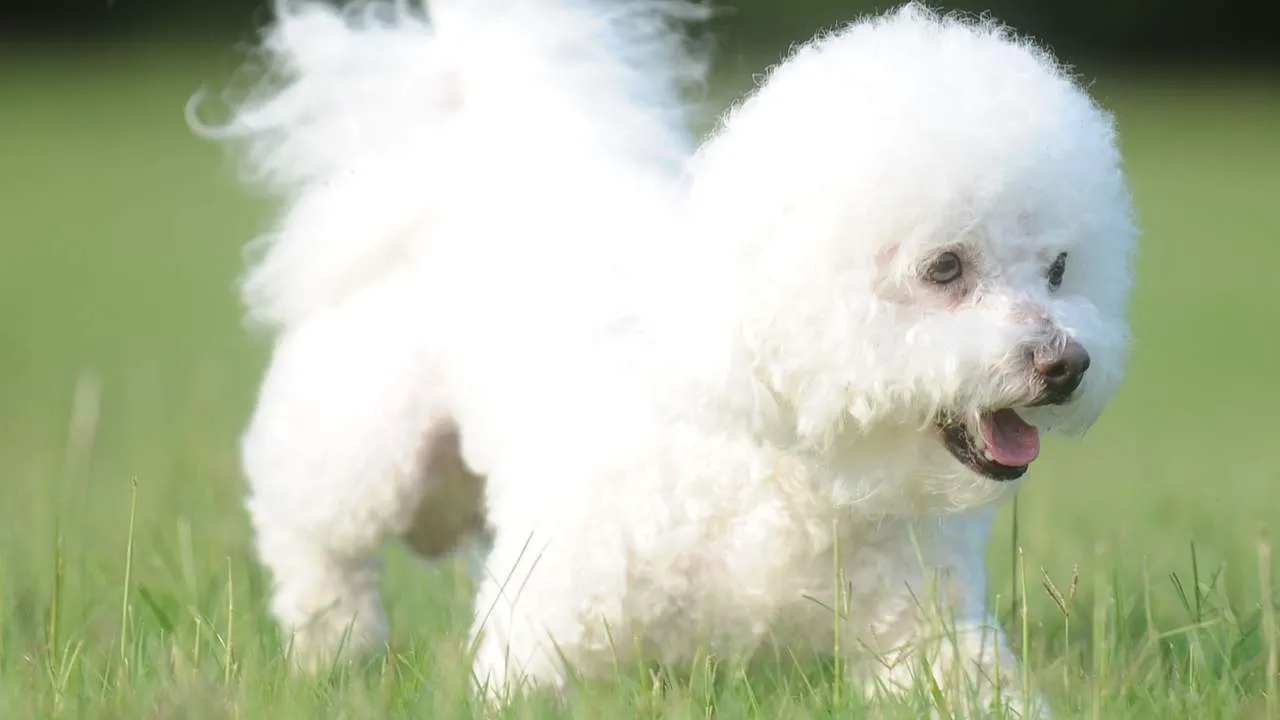
The Bichon Frise is a small companion breed recognized for its soft coat, cheerful expression, and affectionate disposition. Its development centered largely on companionship rather than demanding hunting, guarding, or herding work.
Bichons are often adaptable and enjoy being involved in family activities. Their manageable size can also make them easier to accommodate in homes where a cat already has established territory.
Give Their Playful Energy Appropriate Outlets
Bichon Frises benefit from daily walks, interactive play, and short training sessions. Mental stimulation can be particularly useful because these intelligent dogs often enjoy learning tricks and responding to rewards.
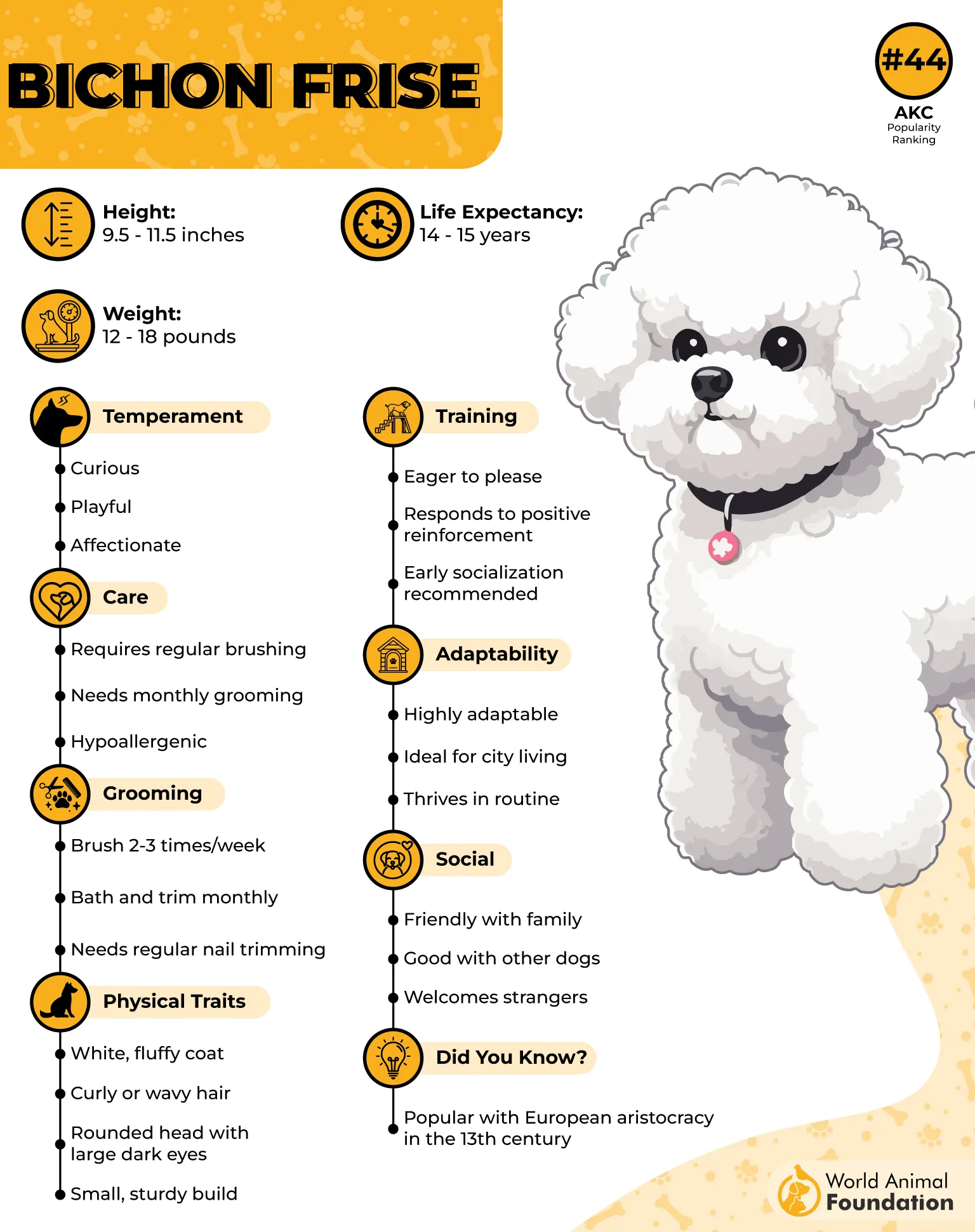
Owners should teach polite behavior around other pets from an early age. If excitement turns into repeated chasing or pestering, calmly redirecting the dog can establish better habits.
Small-Scale Companionship That Suits Cats
Their modest size and generally sociable nature can make Bichons less intimidating to many cats than larger, boisterous breeds. A confident Bichon may happily share toys, resting areas, and family attention without needing to dominate the household.
The relationship still depends on the individual animals. A cat should never be forced into interaction, and the dog should learn that feline body language signals when playtime is over.
4. Golden Retriever
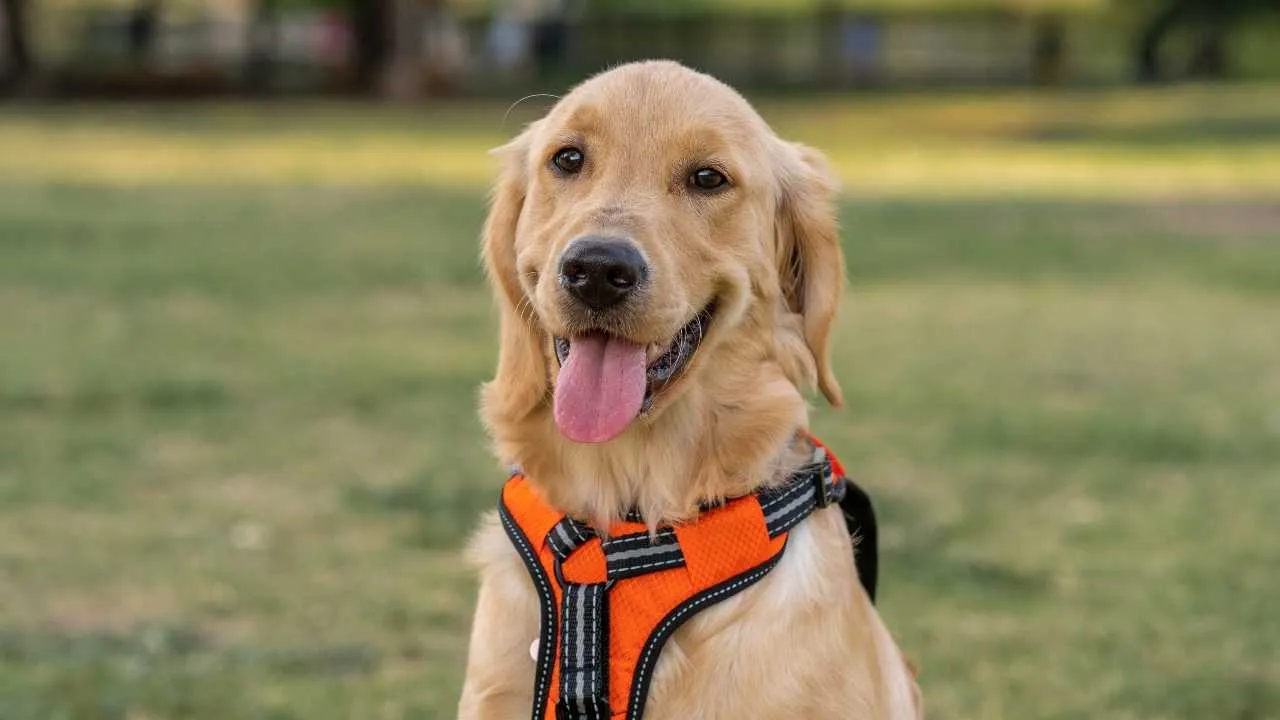
Golden Retrievers originated in Scotland and were developed to retrieve game for hunters. Their working role emphasized cooperation, responsiveness, and the ability to carry retrieved animals gently.
The qualities that made them useful working dogs also helped establish their reputation as versatile family companions. They are typically enthusiastic, people-oriented, and eager to participate in activities with their owners.
Balance Their Enthusiasm With Obedience
Young Golden Retrievers can be energetic and physically exuberant. Daily walks, retrieving games, swimming where appropriate, and structured training can help them channel that energy constructively.
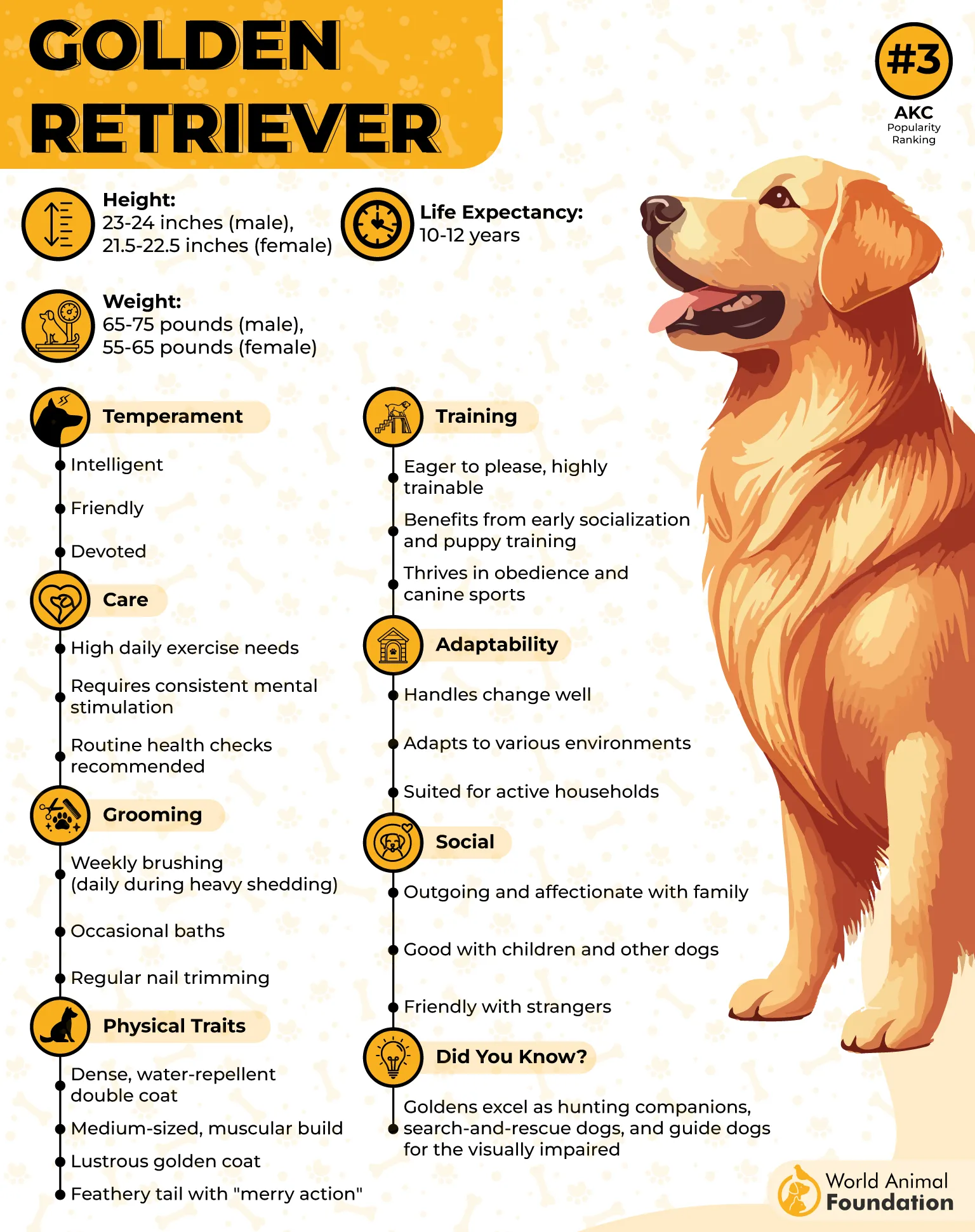
Basic obedience should be established early. Commands that encourage waiting, settling, and disengaging from distractions are especially valuable in homes containing smaller animals.
A Patient Nature Can Help Them Accept Cats
Golden Retrievers are often capable of developing affectionate relationships with cats when they are introduced carefully. Their tendency to cooperate with people can make it easier to reinforce calm behavior around a feline housemate.
Their friendly attitude should not be confused with automatic compatibility. A large dog can accidentally frighten or injure a small cat through excessive enthusiasm, so supervision remains important until both animals demonstrate reliable boundaries.
5. Cavalier King Charles Spaniel
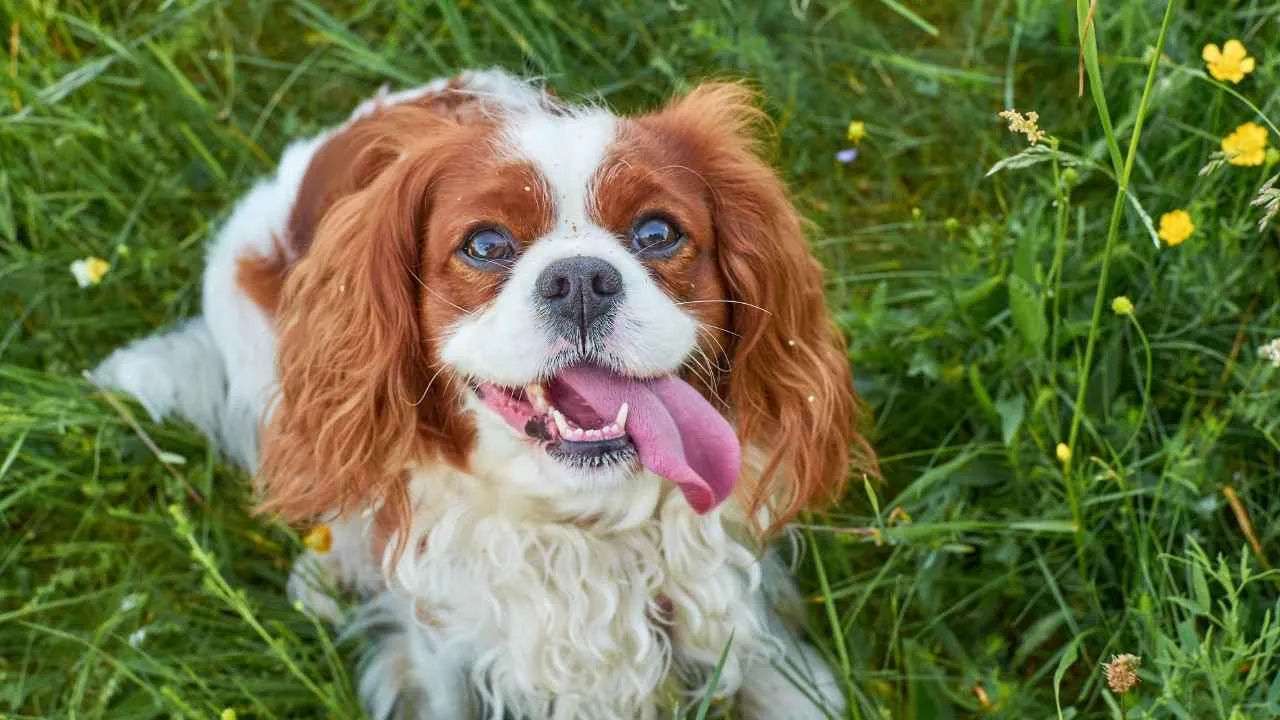
The Cavalier King Charles Spaniel is a British toy breed with a long history as a companion dog. Its development emphasized an affectionate temperament and close association with people rather than demanding physical work.
PetMD adds that Cavaliers are generally adaptable and enjoy household companionship. Their smaller stature can also make them less physically overwhelming for a cat that is accustomed to having its own space.
Build Confidence Through Gentle Training
Cavaliers respond well to positive reinforcement and benefit from learning household manners while young. Simple exercises involving waiting, staying, coming when called, and settling can help them behave appropriately around other pets.
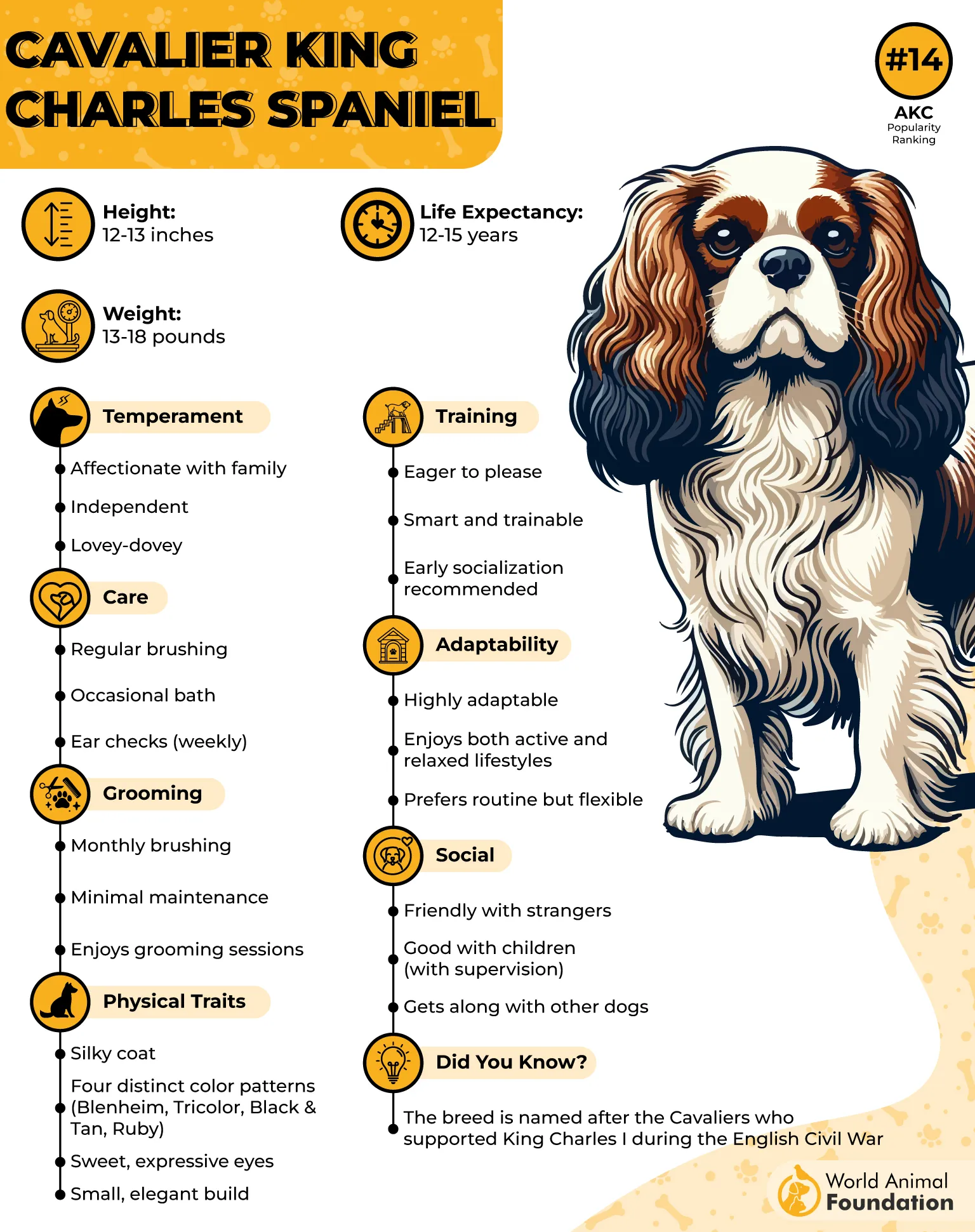
They also need regular but moderate activity. Walks and interactive games can provide enough stimulation without creating the extreme exercise demands associated with highly athletic breeds.
Affection Without Excessive Intensity
A Cavalier may be content sharing a room with a cat without constantly attempting to control its movements. Its companion-oriented nature can make quiet coexistence relatively natural when the animals are introduced at a comfortable pace.
Some individuals can be highly attention-seeking, so owners should ensure that both pets receive individual affection. This can prevent unnecessary competition and allow the dog and cat to establish their own routines.
6. Labrador Retriever
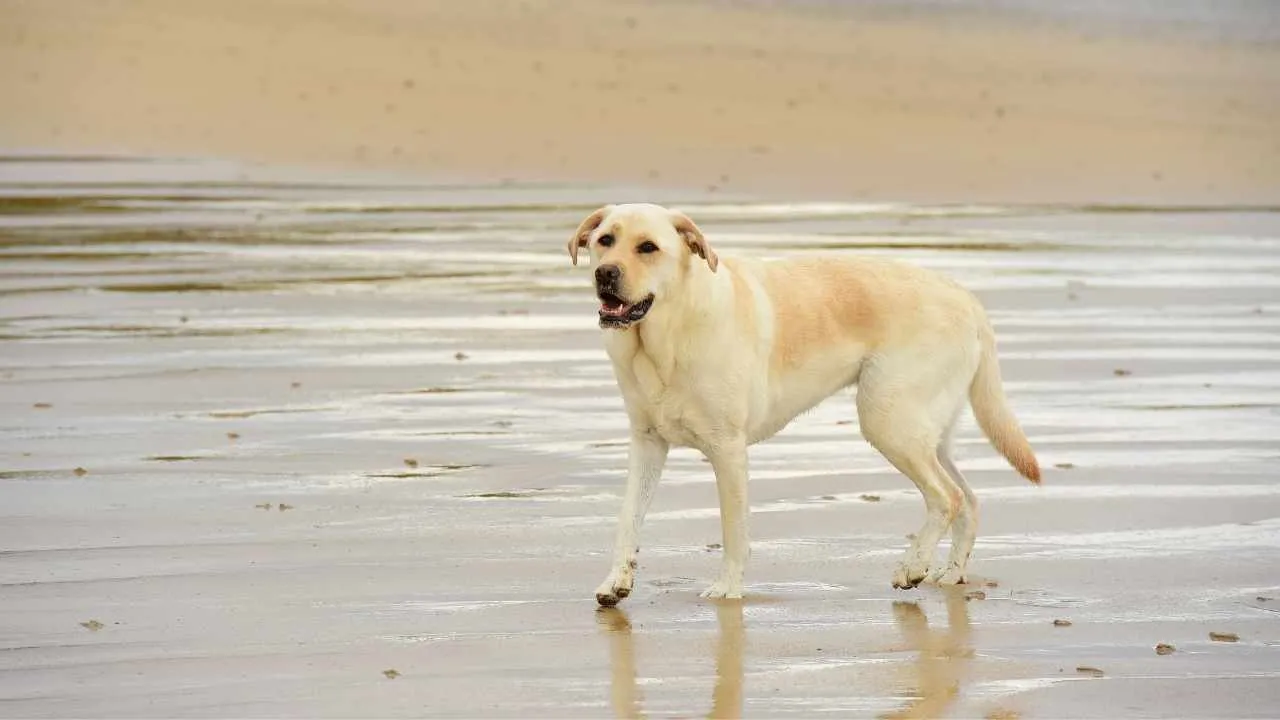
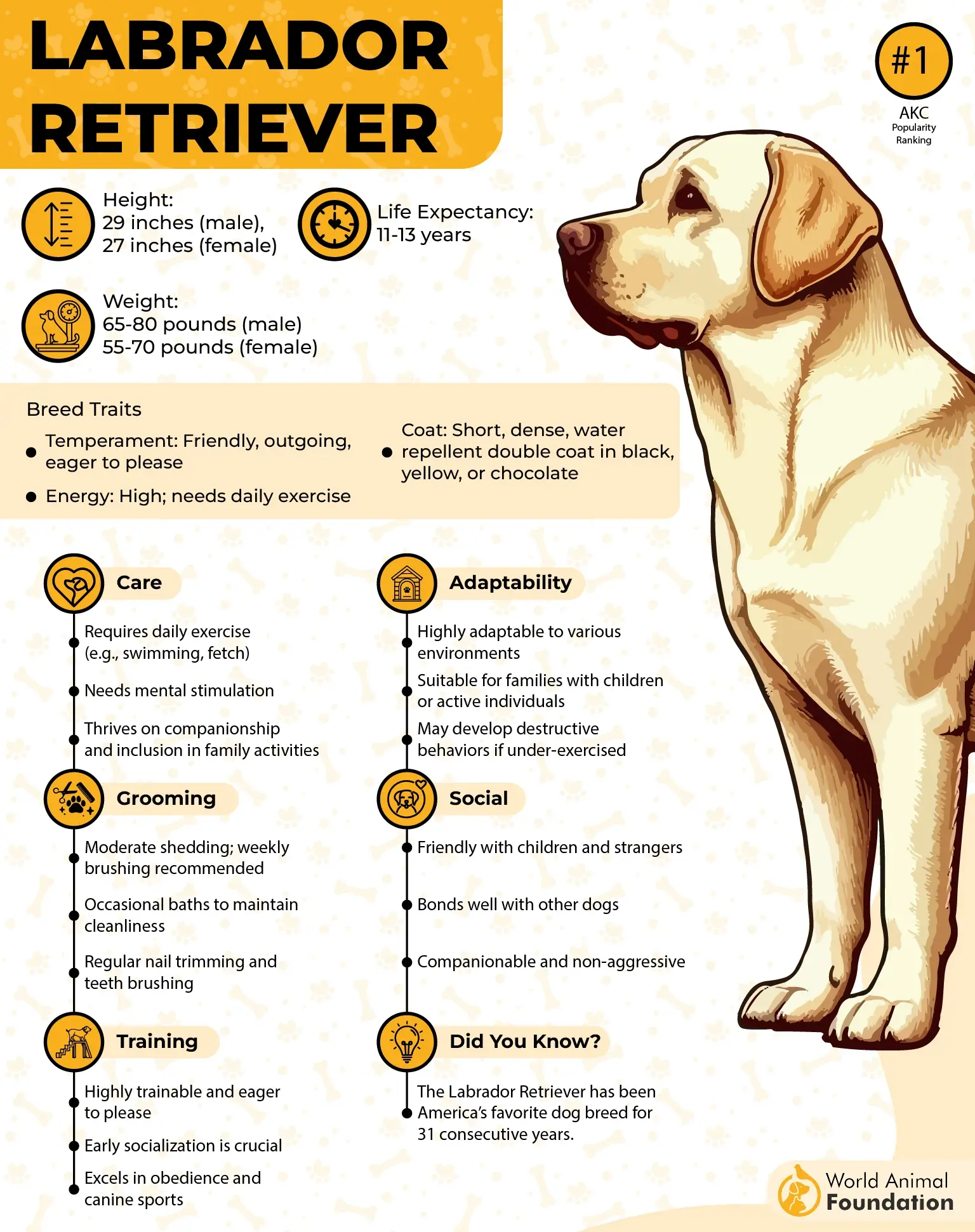
Labrador Retrievers trace their working history to Newfoundland before becoming established as versatile retrieving dogs in Britain. They were valued for their willingness to work with people, strength, swimming ability, and dependable retrieving skills.
Their modern reputation centers on their outgoing personality and trainability. Labradors can be enthusiastic companions, although their youthful energy needs appropriate direction when they share a home with a cat.
Turn Their Energy Into Constructive Activities
Labradors require regular exercise to stay physically and mentally satisfied. Walking, retrieving, swimming, obedience practice, and interactive games can help prevent boredom.
Training should include impulse control and reliable responses to commands. Teaching a Labrador not to chase moving objects can be especially useful when a cat suddenly runs across the room.
Trainability Supports Feline-Friendly Behavior
A Labrador’s willingness to work with its owner can be a major advantage in a multi-pet household. Calm behavior around the cat can be rewarded consistently, helping the dog understand which interactions are acceptable.
A well-exercised adult Labrador may become a relaxed household companion capable of ignoring the cat during ordinary activities. Early supervision is still essential because a playful young Lab can unintentionally overwhelm a smaller animal.
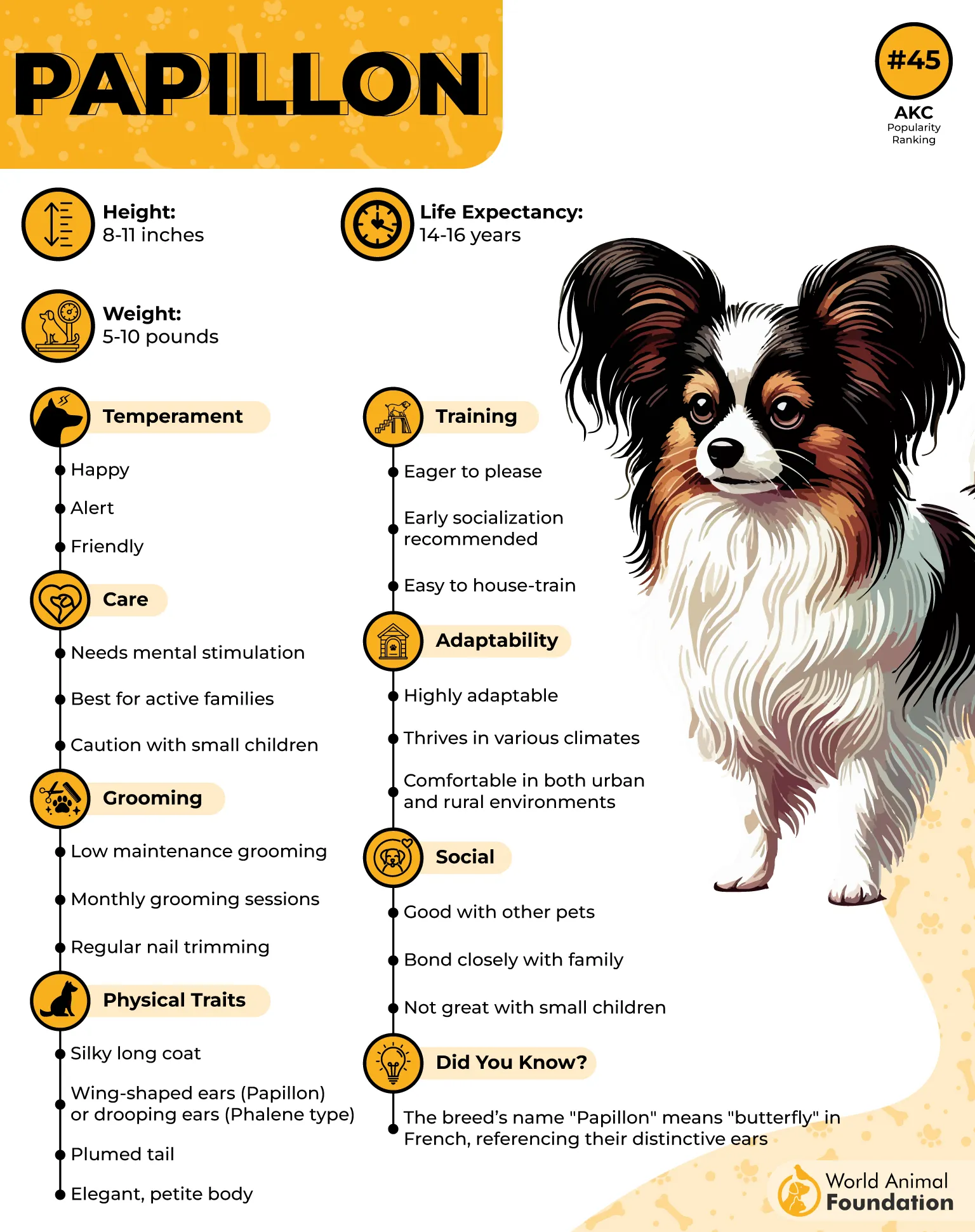
7. Papillon
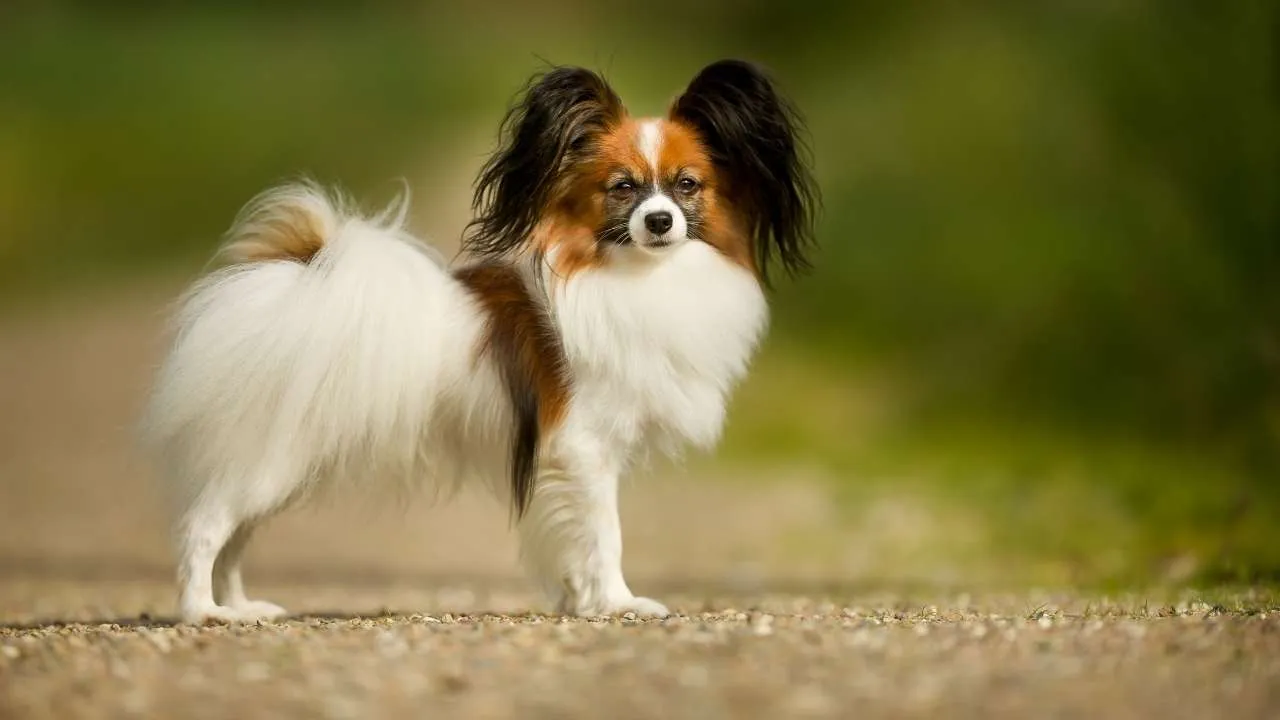
The Papillon is a small European companion breed best recognized for its large, butterfly-shaped ears. Despite its delicate appearance, it is energetic, intelligent, and capable of learning a wide range of behaviors.
Papillons have traditionally lived closely with people, and their alert nature makes them responsive to activity around the home. Their small size can also make physical interactions with a cat easier to manage than those involving a giant breed.
Keep Their Sharp Minds Occupied
Britannica notes that Papillons benefit from training games, trick practice, interactive toys, and short daily exercise sessions. Their intelligence means they can become bored if their environment provides too little stimulation.
Owners should introduce impulse-control exercises early. Rewarding the dog for remaining settled while the cat moves nearby can gradually build reliable household manners.
An Intelligent Small Dog That Can Respect Cats
Their responsiveness to training can help Papillons learn appropriate boundaries with feline companions. Instead of allowing curiosity to develop into chasing, owners can redirect their attention toward toys, commands, or other activities.
Because of their small stature, Papillons may be less intimidating to some cats. However, their lively personality can still irritate a feline that prefers solitude, making respect for the cat’s personal space essential.
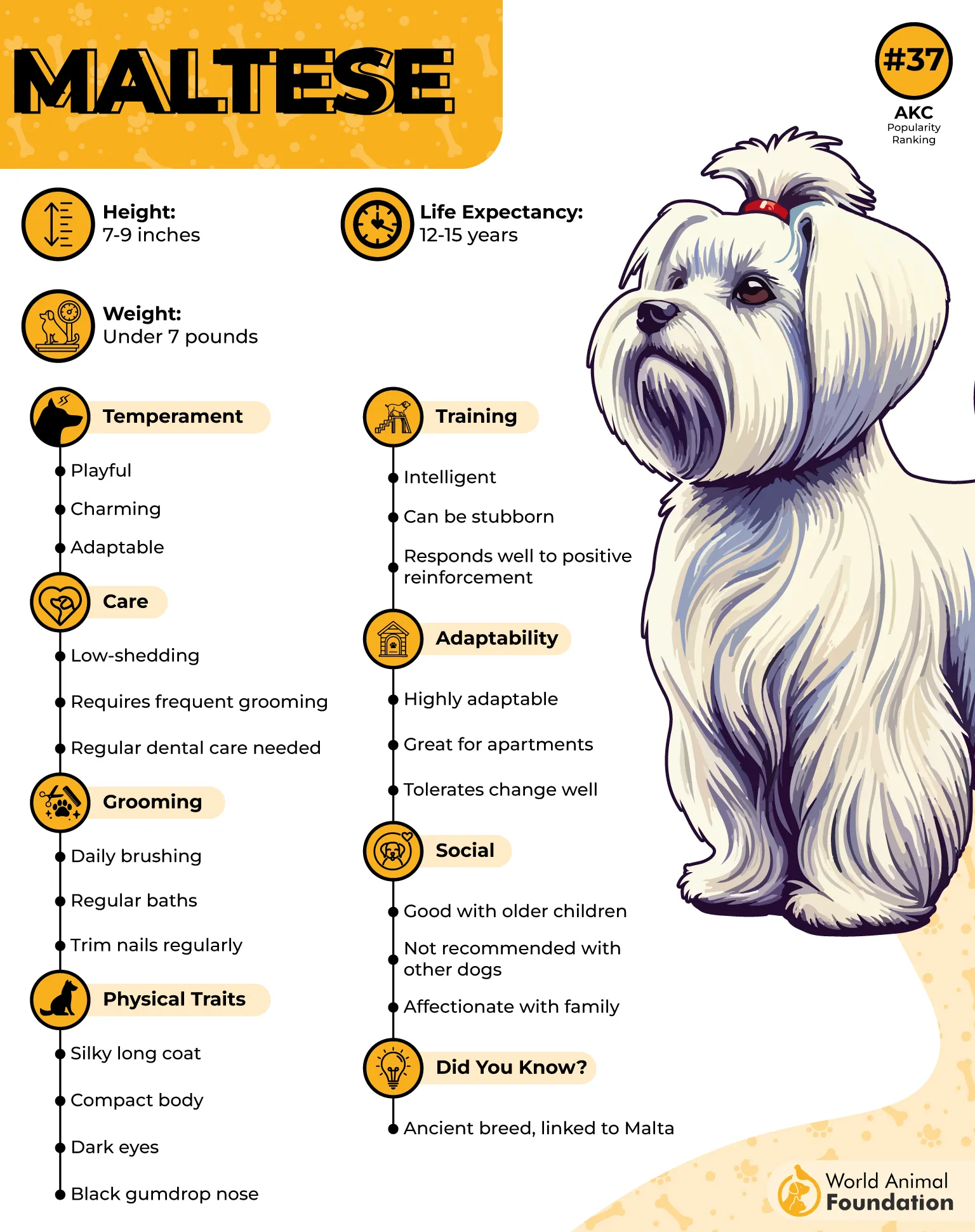
8. Maltese
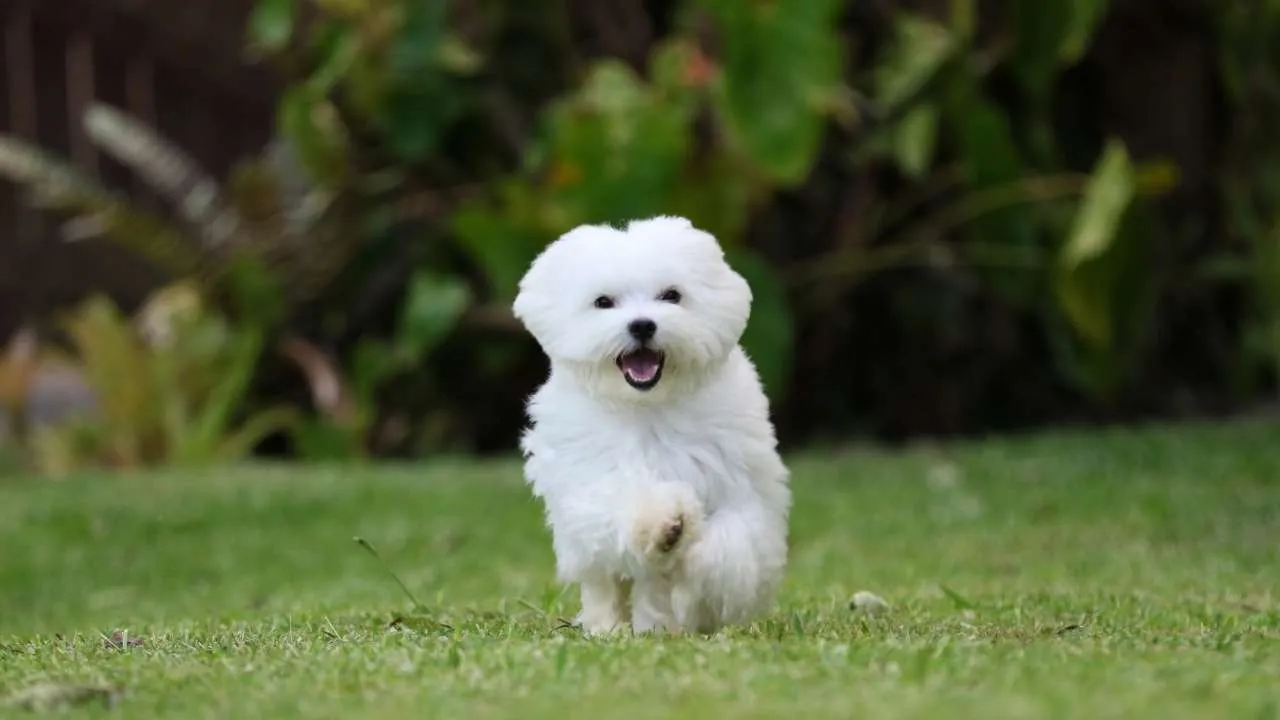
The Maltese is an ancient companion breed associated with the Mediterranean region. It was valued primarily for companionship and became closely connected with households rather than being developed for strenuous working duties.
These small dogs often form strong bonds with their owners and can adapt well to indoor living. Their compact build can also make them convenient companions in homes where cats already occupy much of the available space.
Encourage Independence Alongside Affection
Maltese dogs enjoy attention but should still learn to spend time calmly on their own. Short training exercises, interactive toys, and predictable routines can help prevent excessive dependence on their owners.
Gentle daily activity is generally sufficient for many individuals. Teaching polite greetings and discouraging barking at every household movement can also contribute to a calmer environment.
A Companion Breed Comfortable With Shared Spaces
A Maltese can often adapt to the presence of a cat because companionship is central to its traditional role. It may prefer staying close to its owner rather than constantly pursuing another animal around the house.
Cats that appreciate peaceful indoor environments may find this type of dog easier to tolerate. Careful introductions are still necessary, particularly if the cat is nervous or the Maltese becomes possessive of food, toys, or human attention.
9. Collie
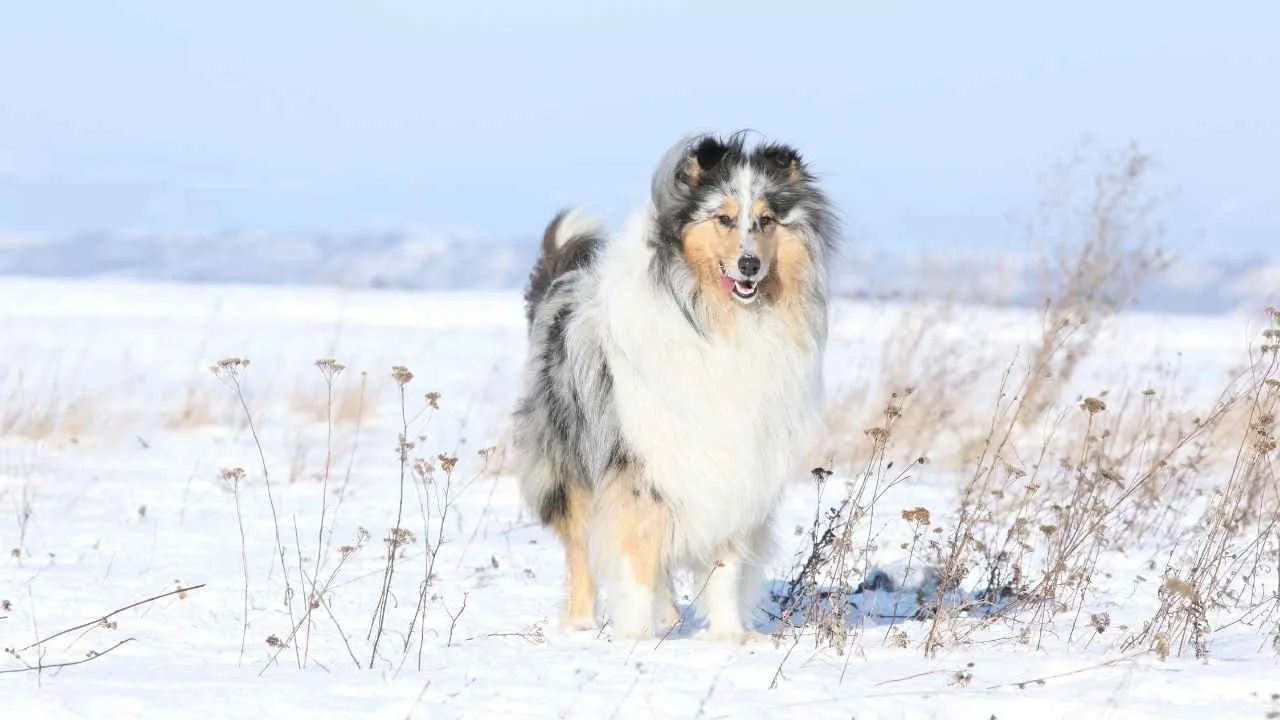
Collies originated in Scotland and northern England, where they were developed as herding dogs. Their work required them to remain attentive to livestock while responding closely to human direction.
Their intelligence, sensitivity, and strong desire to cooperate can make them highly trainable household companions. At the same time, their herding heritage means some individuals may instinctively attempt to influence the movement of other animals.
Give Their Herding Instinct a Healthy Outlet
Collies need regular exercise and mental challenges. Walking, obedience work, scent activities, agility-style games, and other structured tasks can help satisfy their need for purposeful activity.
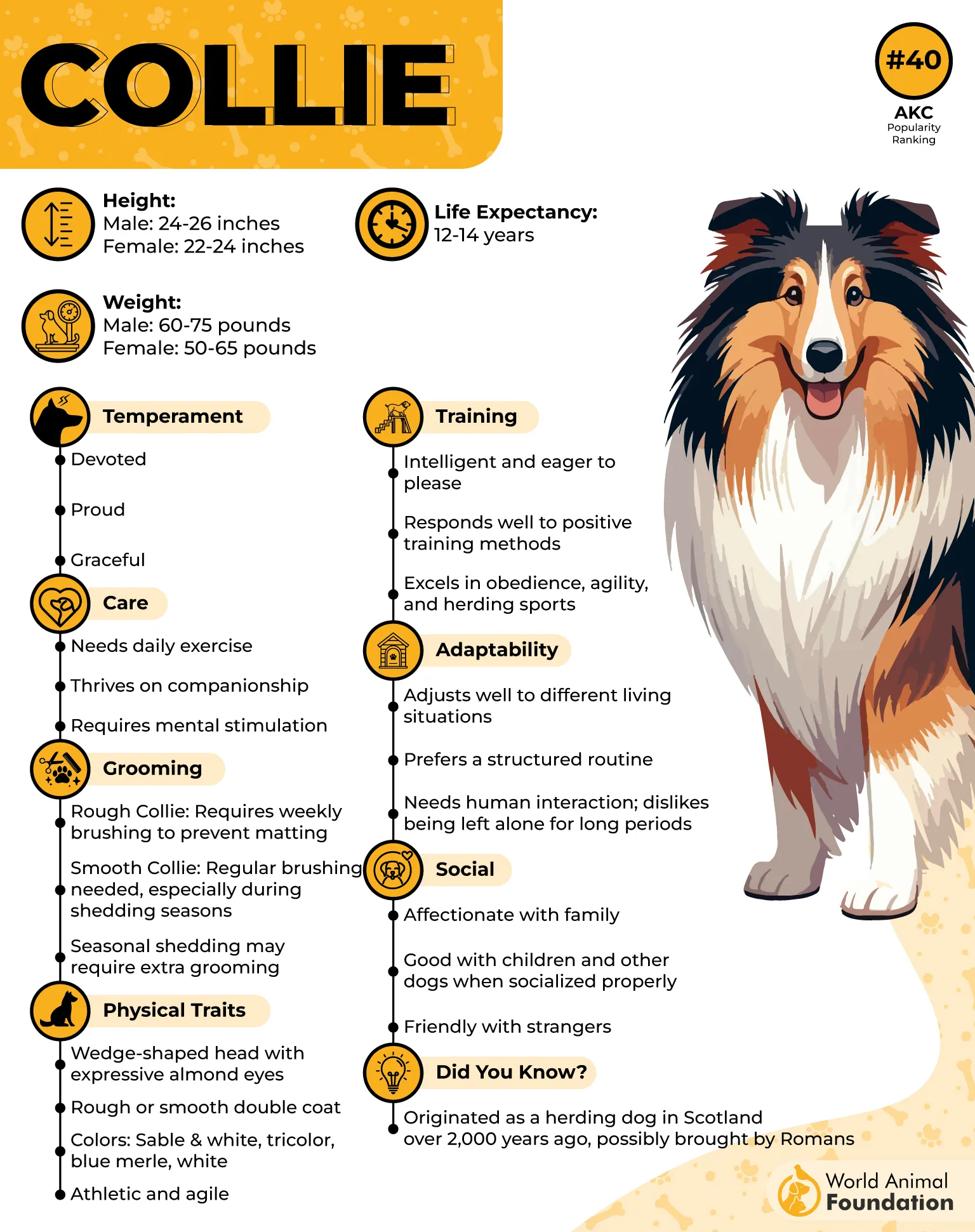
Owners should pay attention to behaviors such as staring, circling, blocking, or attempting to control the cat’s movements. Redirecting these actions early can prevent them from becoming established habits.
Intelligent Enough to Learn Feline Boundaries
A well-trained Collie can learn that a cat is a household companion rather than an animal that needs to be managed. Their responsiveness to human guidance makes it possible to reinforce calm observation instead of unwanted herding.
Some cats may even appreciate a Collie’s predictable behavior once they become accustomed to each other. Providing the feline with escape routes and private resting areas gives both animals greater freedom to maintain comfortable distances.
10. Pug
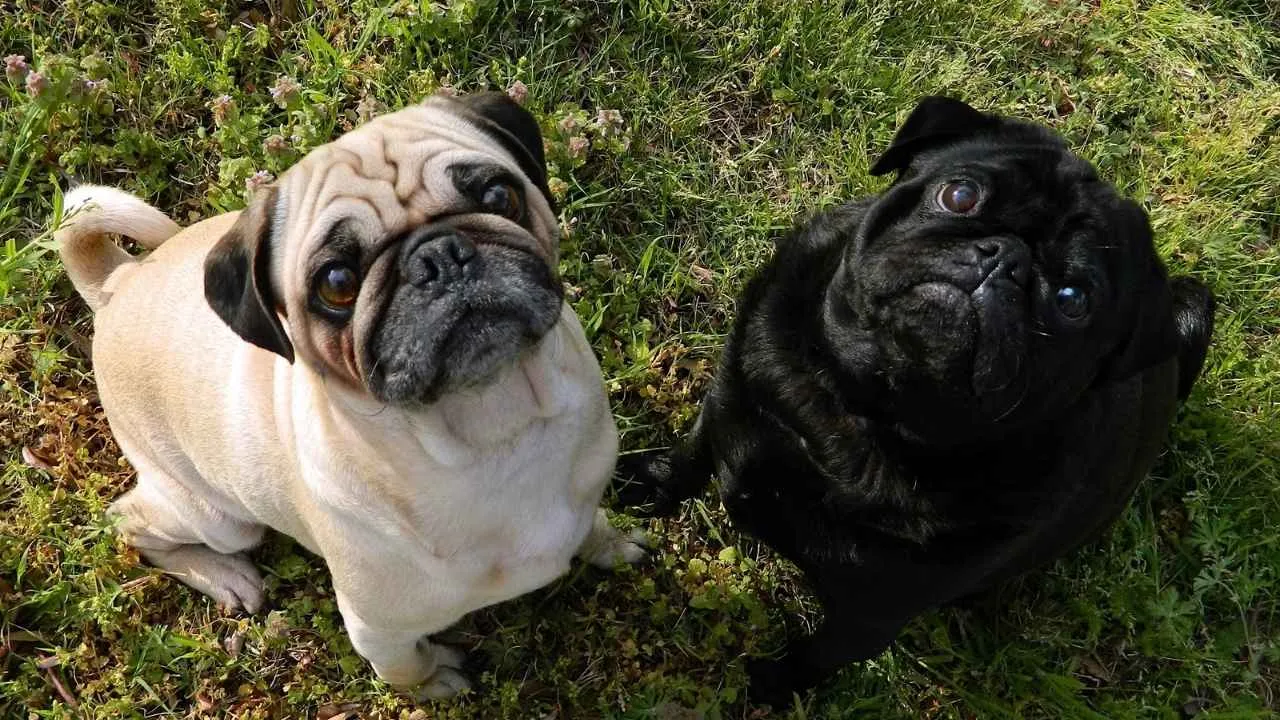
Pugs have ancient Chinese origins and were developed primarily as companion dogs. They later became favored pets among European royal and aristocratic households, helping establish their enduring reputation as affectionate domestic companions.
Their compact bodies and generally social personalities can make them suitable for indoor family life. They often enjoy being near their owners and may be happy to spend much of the day relaxing.
Choose Moderate Activities for Their Needs
Pugs benefit from gentle walks, indoor games, and short training sessions rather than demanding endurance exercises. Their short facial structure can make them vulnerable to breathing difficulties and overheating, so activity should be carefully managed.

Positive reinforcement can help teach polite behavior around other pets. Owners should also supervise play because a Pug’s curiosity or enthusiasm can occasionally become bothersome to a cat.
An Easygoing Personality for Multi-Pet Homes
Many Pugs are content to share their environment with other animals and may show more interest in human companionship than in pursuing a feline housemate. Their generally relaxed lifestyle can suit cats that prefer predictable household routines.
They still need to learn when another animal wants space. A cat should have access to elevated surfaces or separate rooms, allowing the two pets to coexist without being forced into constant interaction.
Conclusion
No breed can guarantee a successful dog-cat relationship. Individual temperament, previous experiences, age, prey drive, socialization, and training all influence how an animal responds to another species. The cat’s personality matters just as much, particularly when introducing a lively dog to an older or easily stressed feline.
The safest approach is to introduce the animals gradually. Separate areas, scent swapping, controlled visual contact, supervised meetings, and accessible escape spaces can give both pets time to adjust. With patience and consistent boundaries, dogs and cats can learn to share their home comfortably while maintaining their own space and routines.
