




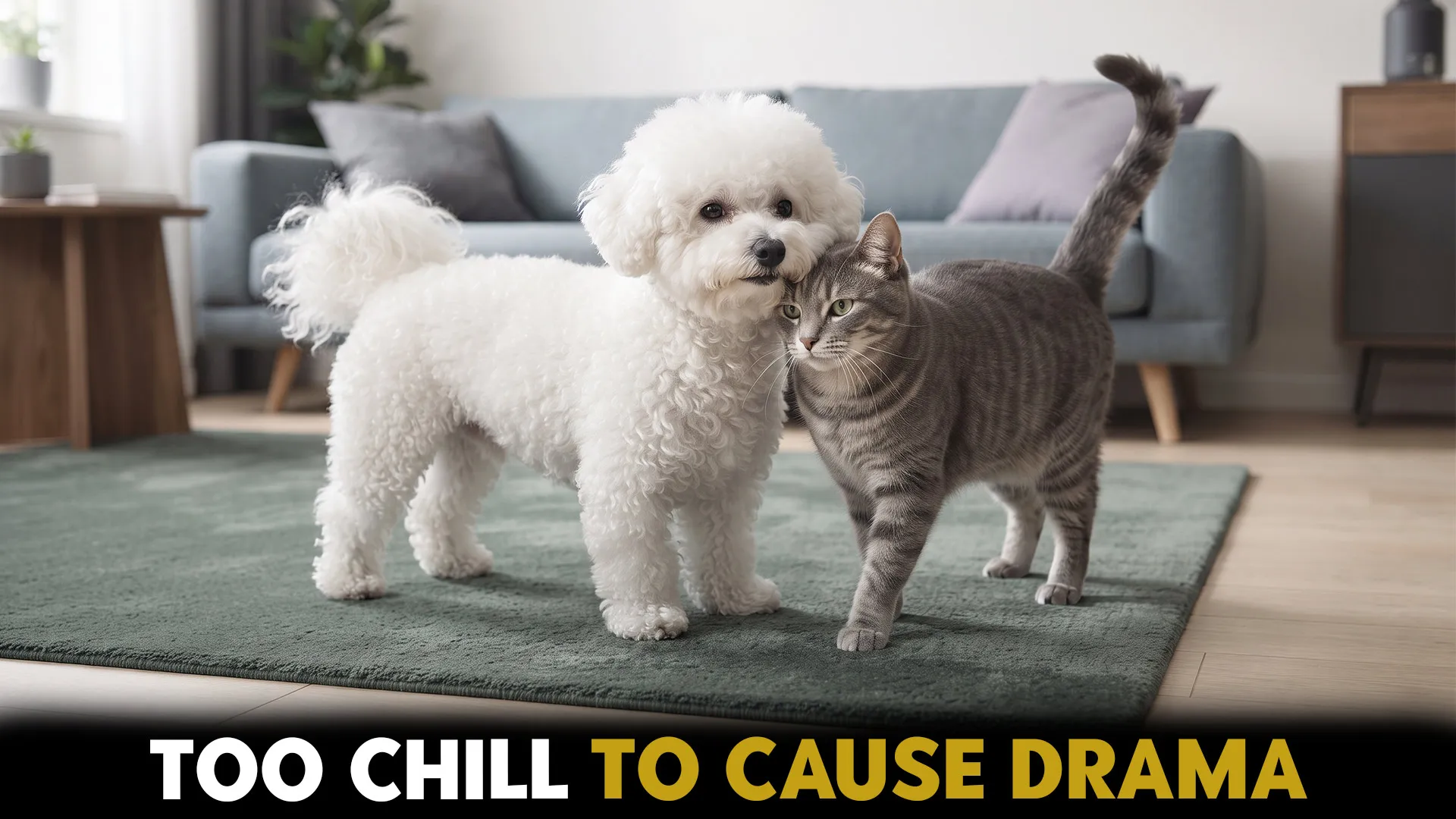
A household shared by dogs and cats can become remarkably harmonious when the animals have compatible temperaments. While some dogs are naturally more interested in chasing smaller creatures, others tend to approach new companions with curiosity, patience, or a relaxed attitude.
Choosing a breed with a generally sociable nature can give a cat-owning household a useful starting point.
Breed tendencies are only part of the equation. The dog’s age, previous exposure to cats, training, energy level, and individual personality can all influence how quickly it accepts a feline housemate.
Likewise, a confident cat may respond very differently to a boisterous puppy than an older, quieter cat would.
The breeds featured here are known for qualities that can support successful relationships with cats. Their histories, grooming demands, and activity requirements vary, but each can potentially become a comfortable companion for a feline when introductions are handled carefully, and both animals are given enough space.
Dog Breeds That Fast-Track Friendship with Cats
1. Beagle
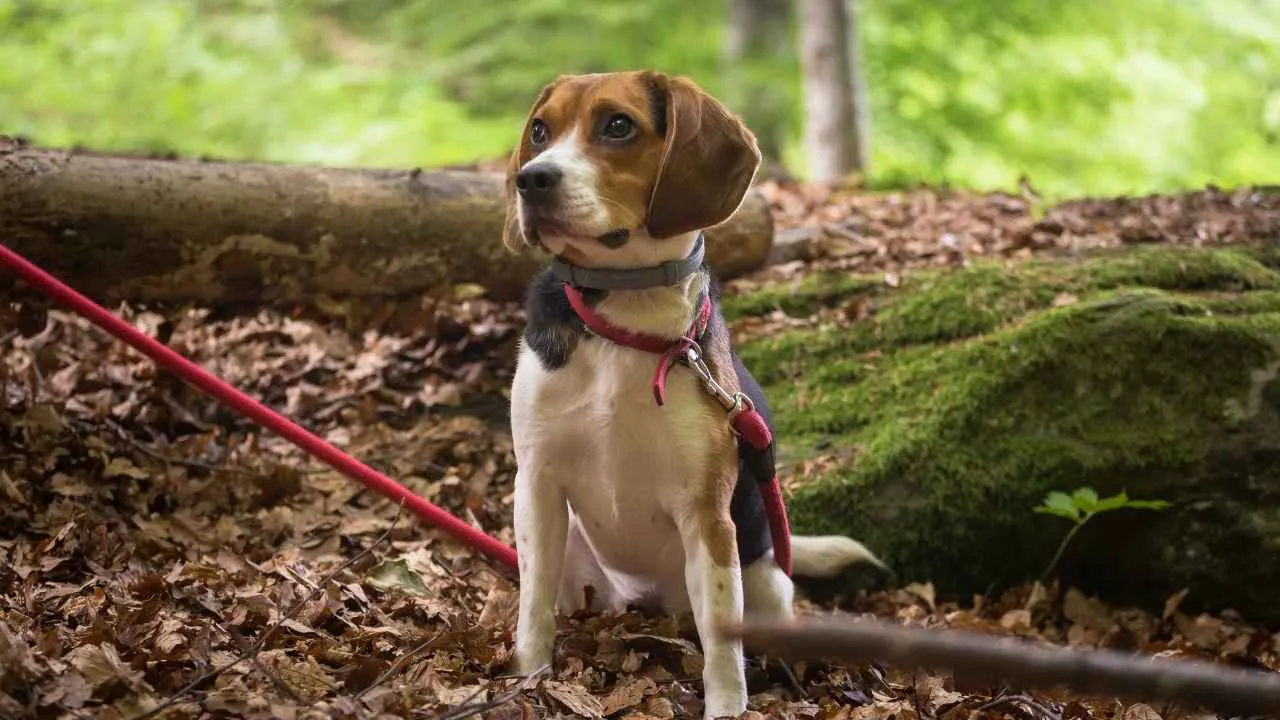
Beagles originated in Britain, where small scent hounds were developed to pursue rabbits and other small game, as per WebMD. Their compact proportions allowed them to travel through dense countryside while their exceptional noses helped them follow trails. Over generations, their cheerful appearance and friendly nature also made them increasingly popular as household companions.
Short Fur and a Nose That Needs Work
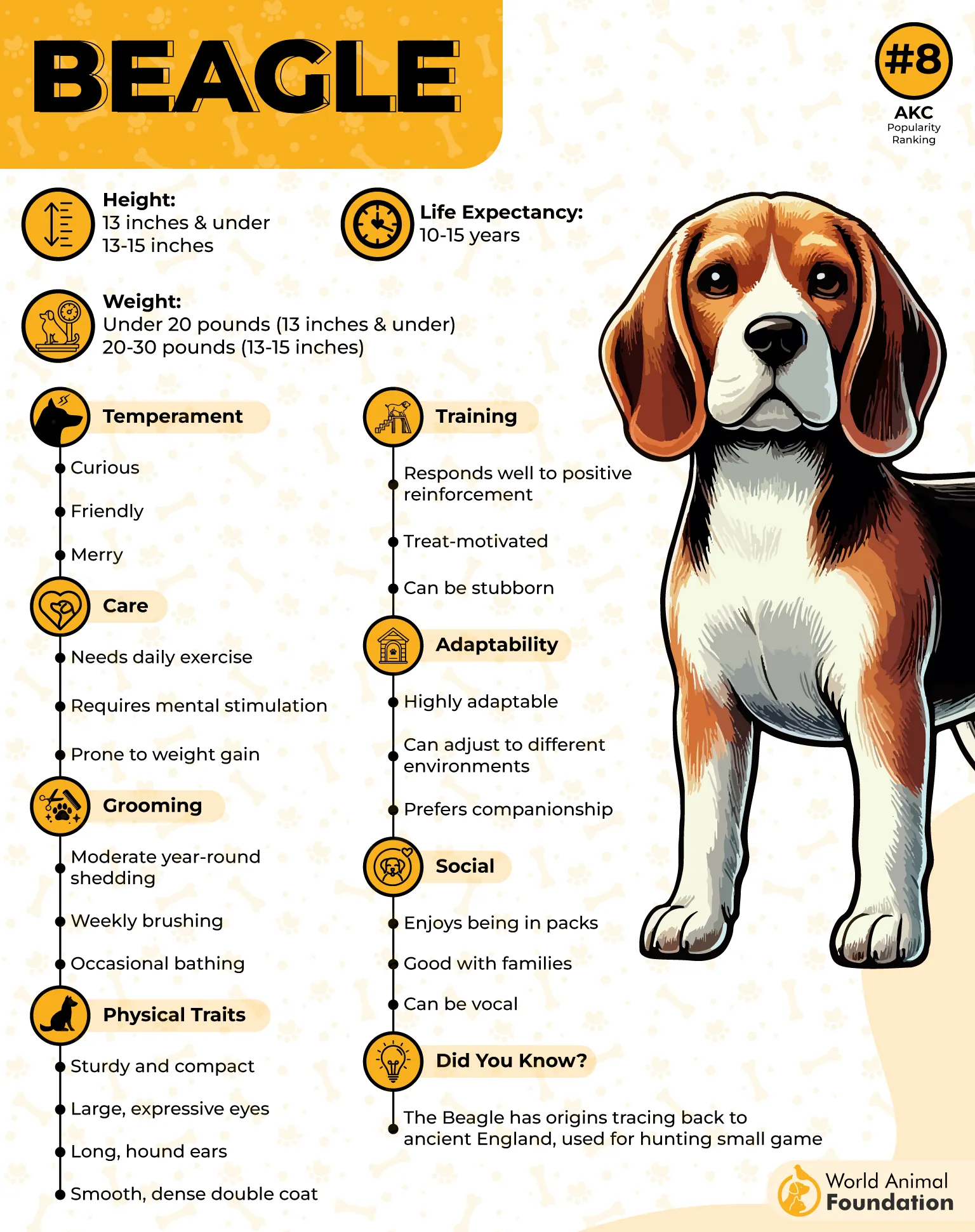
Beagles have short coats that are relatively easy to maintain with regular brushing. Their grooming needs are modest, but their activity requirements are considerably higher. Walks, scent trails, interactive games, and opportunities to explore can help satisfy their energetic bodies and curious minds.
A Sociable Hound That Can Learn Cat Etiquette
Beagles often enjoy the company of other animals and can be quite outgoing. Their social nature may help them accept a resident cat, especially when they are taught from the beginning that the feline is part of the household. Their strong scenting and hunting heritage means supervision is still necessary around a running or frightened cat.
2. Basset Hound
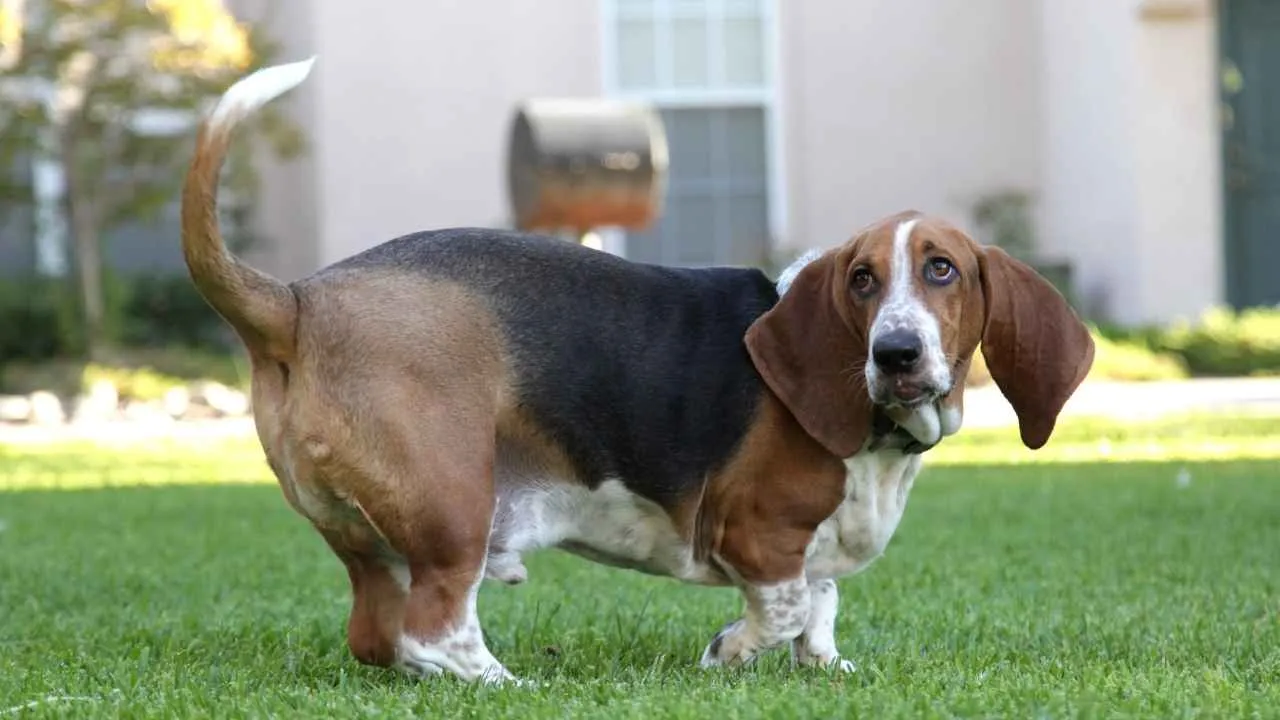
Basset Hounds have roots in France, where short-legged scent hounds were developed for following trails at a deliberate pace. Their low-slung bodies allowed them to work through thick vegetation while their powerful noses kept them focused on scent. The breed eventually became known as much for its distinctive appearance and mellow personality as for its hunting background.
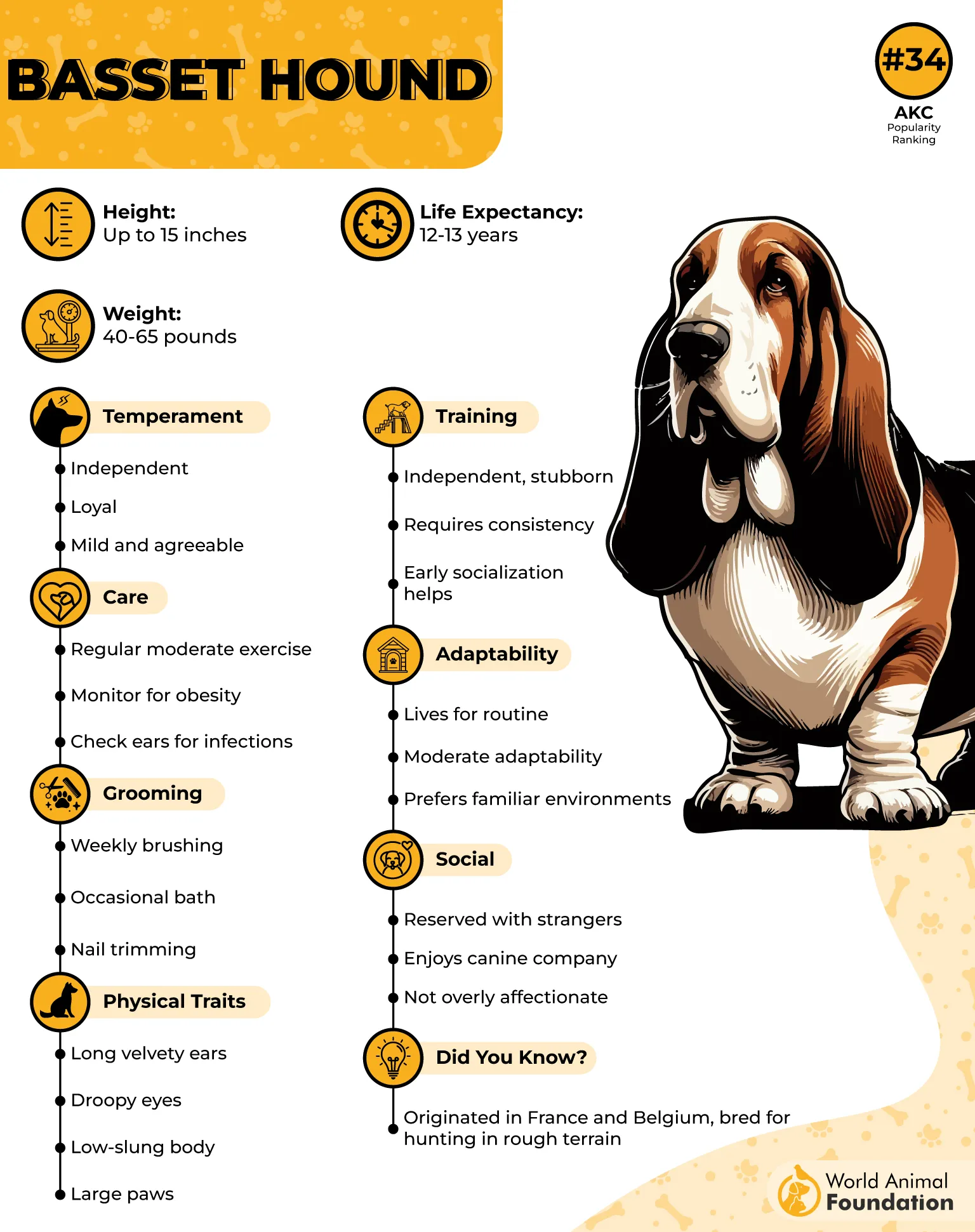
Simple Coat Care With Leisurely Exercise
The Basset Hound’s short coat generally needs only routine brushing, although its long ears and skin folds deserve regular attention. These dogs enjoy leisurely walks where they can investigate scents, but they usually do not require intense athletic workouts. Keeping their weight under control is particularly important because of their body structure.
A Relaxed Attitude Can Help With Cats
Many Basset Hounds have a laid-back approach to everyday life. They may be content to share a room with a cat without constantly demanding interaction. Their hunting ancestry means individual dogs can still become interested in movement, but their generally unhurried manner can make them easier companions for some feline households.
3. Bichon Frise
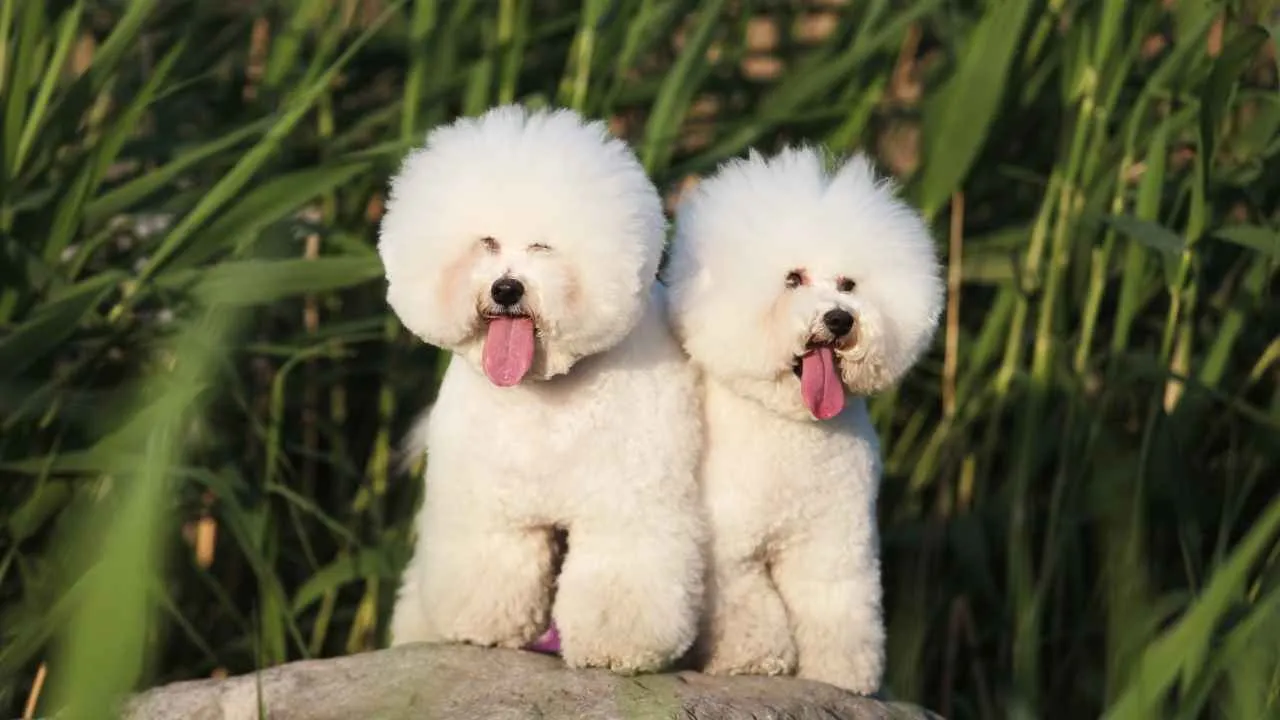
The Bichon Frise developed from small Mediterranean companion dogs and eventually became associated with European courts and aristocratic households. These little white dogs were prized for their attractive appearance and entertaining personalities rather than for hunting or guarding duties. Their long history as companions helped shape the sociable temperament they are known for today.
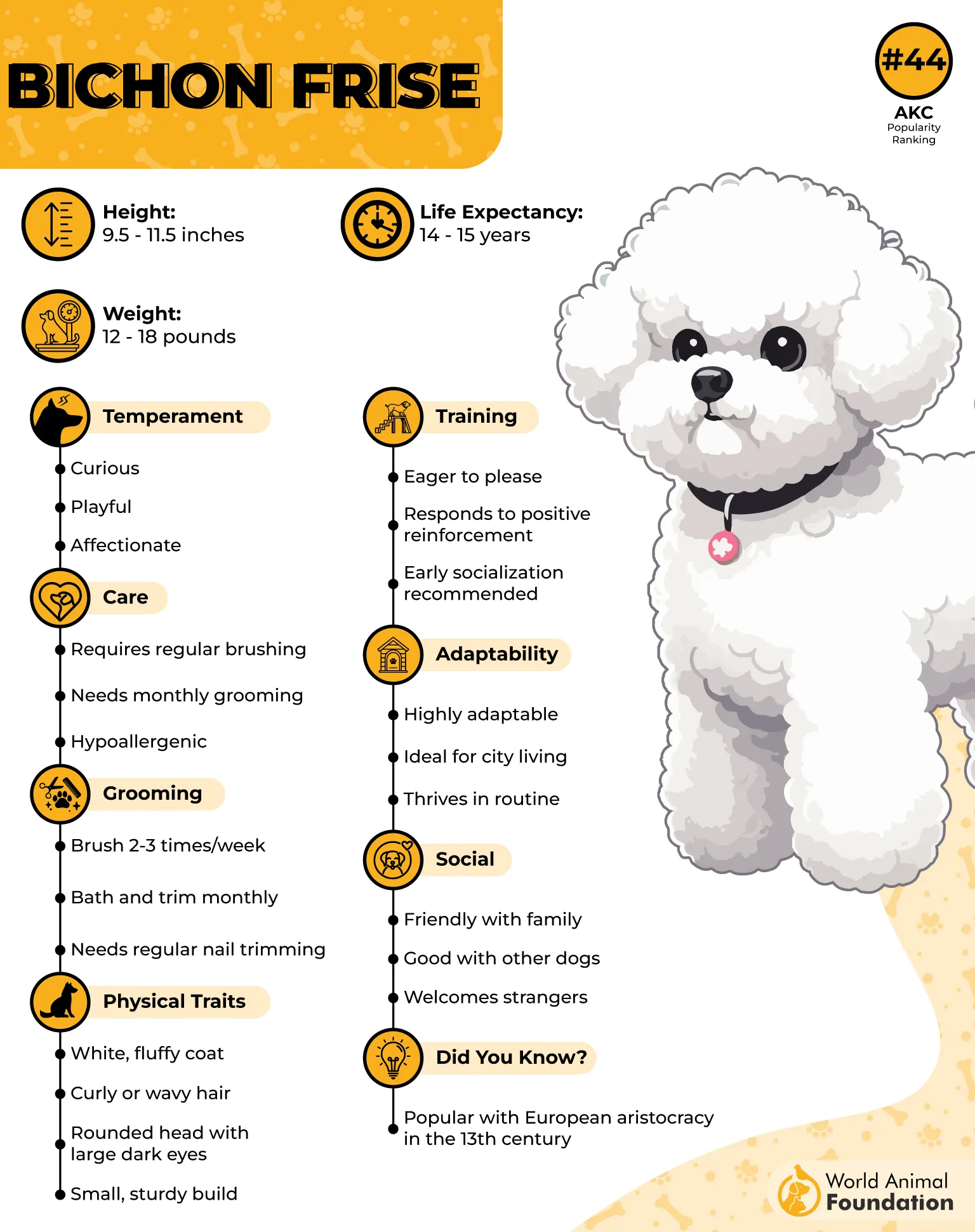
A Fluffy Coat and a Surprisingly Playful Routine
The Bichon Frise has a soft, curly coat that requires regular brushing and professional grooming to maintain its characteristic appearance. Despite its small size, the breed enjoys daily play, short walks, training exercises, and interactive activities that keep it engaged.
Cheerful Social Skills Around Feline Friends
Bichons are often enthusiastic about meeting people and other animals. Their playful disposition can make them interested in a cat without necessarily treating it as something to pursue. Because their energy can be bouncy, introductions should allow the cat to move away whenever it wants a break.
4. Pug
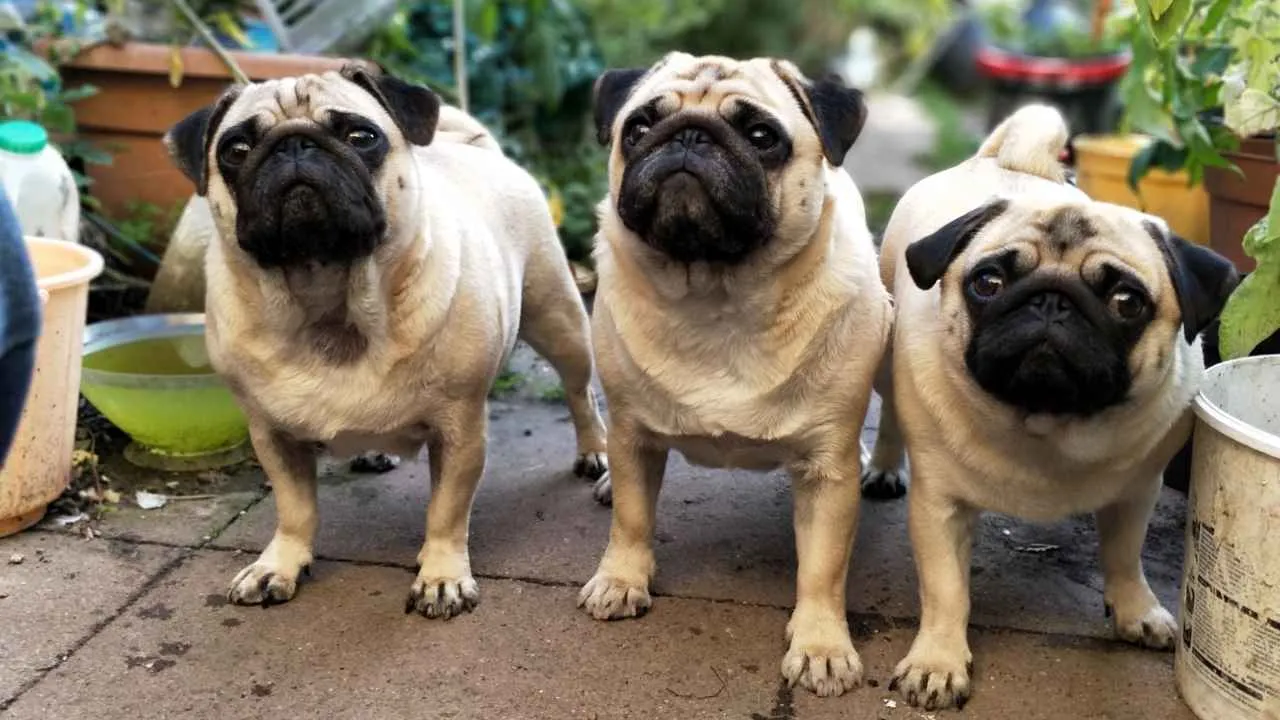
Pugs have ancient Chinese origins and were kept as cherished companion dogs by members of imperial households. Their ancestors were selected primarily for their affectionate companionship rather than for strenuous work. From China, Pugs eventually became popular in European royal and aristocratic circles, as per Britannica.
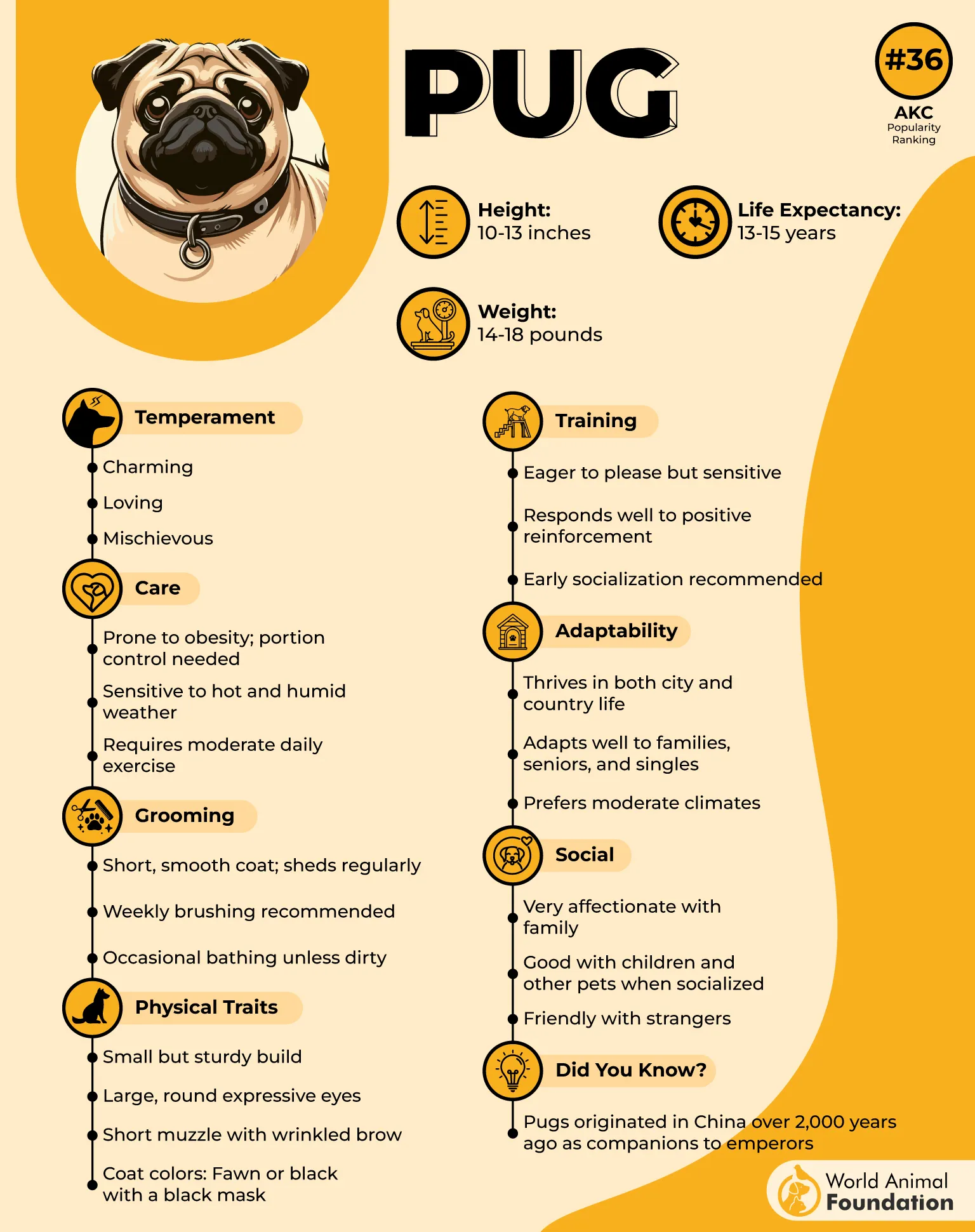
A Short Coat With Gentle Fitness Requirements
Pugs have short coats that can shed more than their appearance suggests, making routine brushing helpful. Their facial folds need regular cleaning, while their compact respiratory anatomy means strenuous activity and hot conditions should be approached cautiously. Short walks and indoor play can provide suitable exercise for many individuals.
A Companion-Oriented Nature That Fits Shared Homes
Pugs often enjoy being surrounded by people and other household animals. Their generally playful and affectionate character can allow them to become comfortable with cats, particularly when neither animal is pressured into immediate interaction. Teaching the dog to respect the cat’s resting areas can make the relationship smoother.
5. Golden Retriever
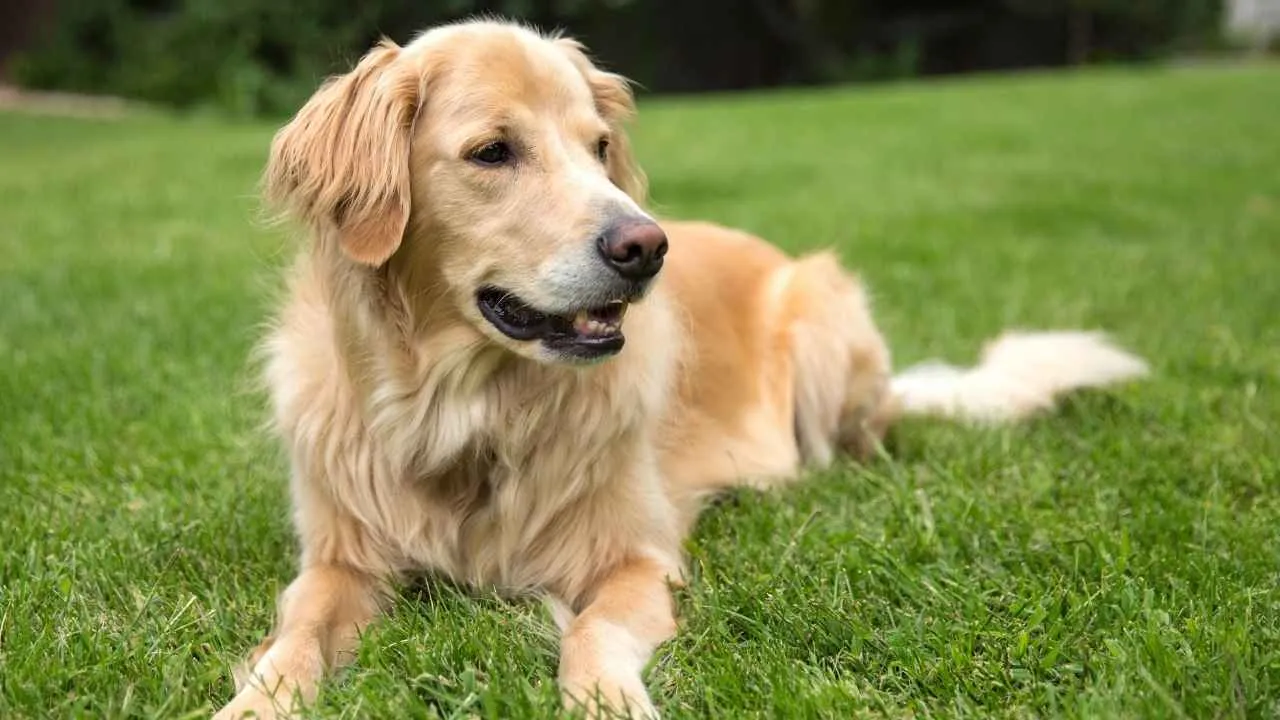
Golden Retrievers originated in Scotland during the nineteenth century, where sporting enthusiasts developed them as capable dogs for retrieving game from land and water, as per Purina. Their ancestors were selected for qualities such as swimming ability, trainability, stamina, and a gentle retrieving style. Those characteristics later helped establish the breed as one of the world’s best-known family dogs.
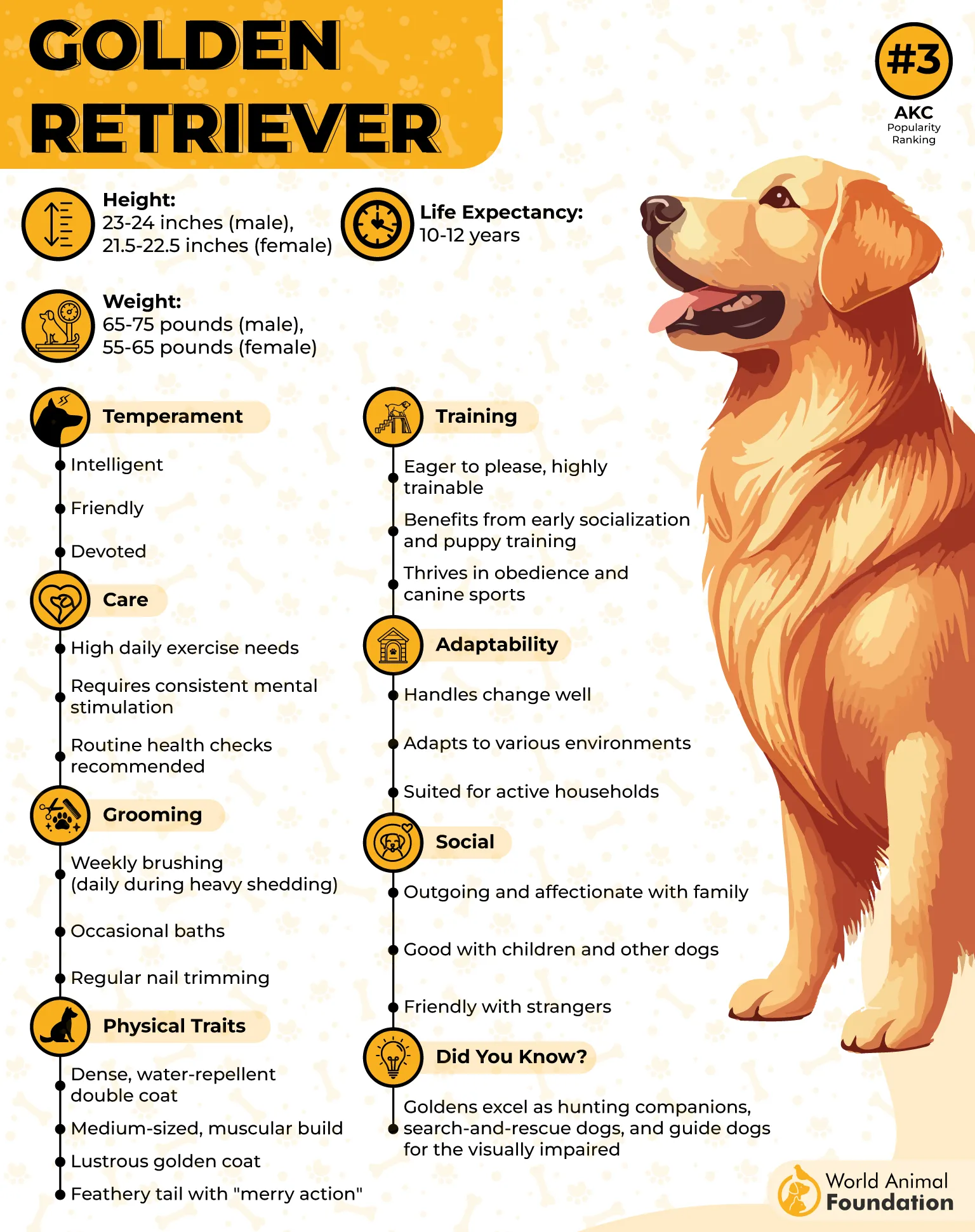
A Feathered Coat and a Full Calendar of Activities
Golden Retrievers have dense double coats that require frequent brushing, particularly during heavy shedding periods. They are energetic dogs that benefit from substantial daily activity. Swimming, retrieving, hiking, long walks, training, and interactive games can provide both physical exercise and mental engagement.
Friendly Enthusiasm Can Become Feline Friendship
Golden Retrievers are often eager to interact with members of their household and may be highly receptive to learning appropriate behavior around cats. Their size and youthful enthusiasm can initially be intimidating to a smaller animal, so calm introductions and impulse-control training are important for creating a comfortable relationship.
6. Labrador Retriever
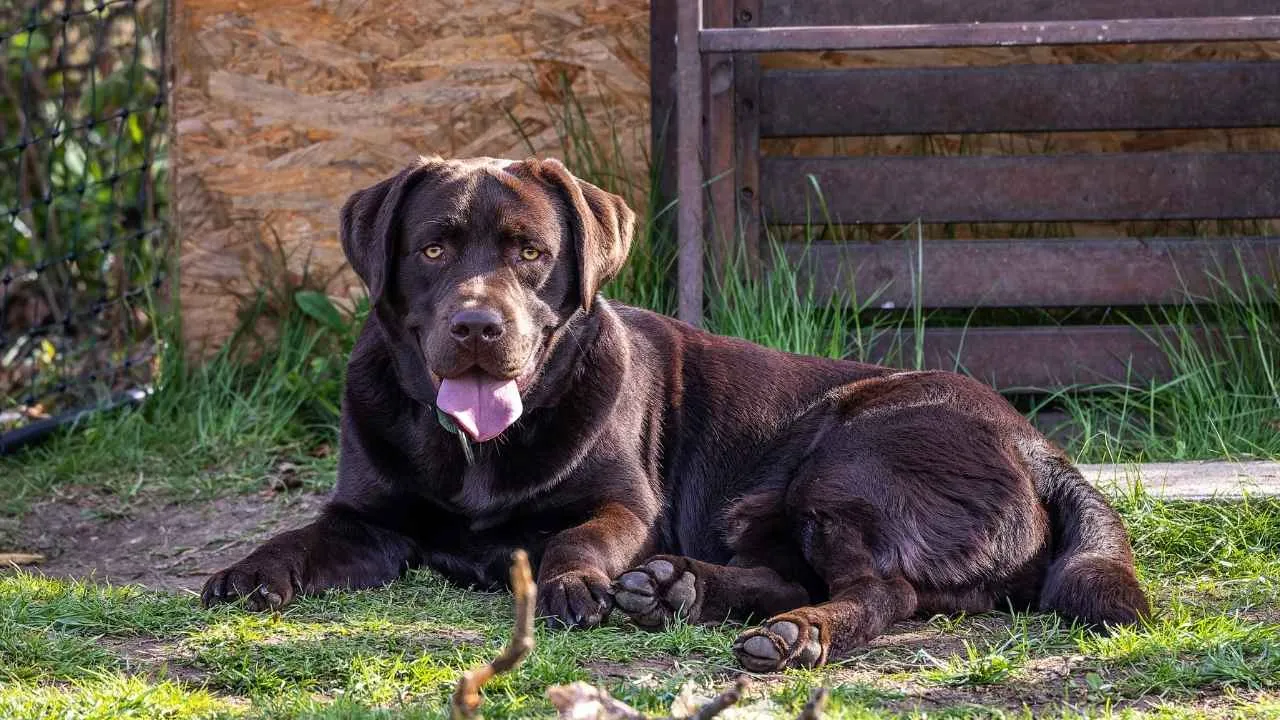
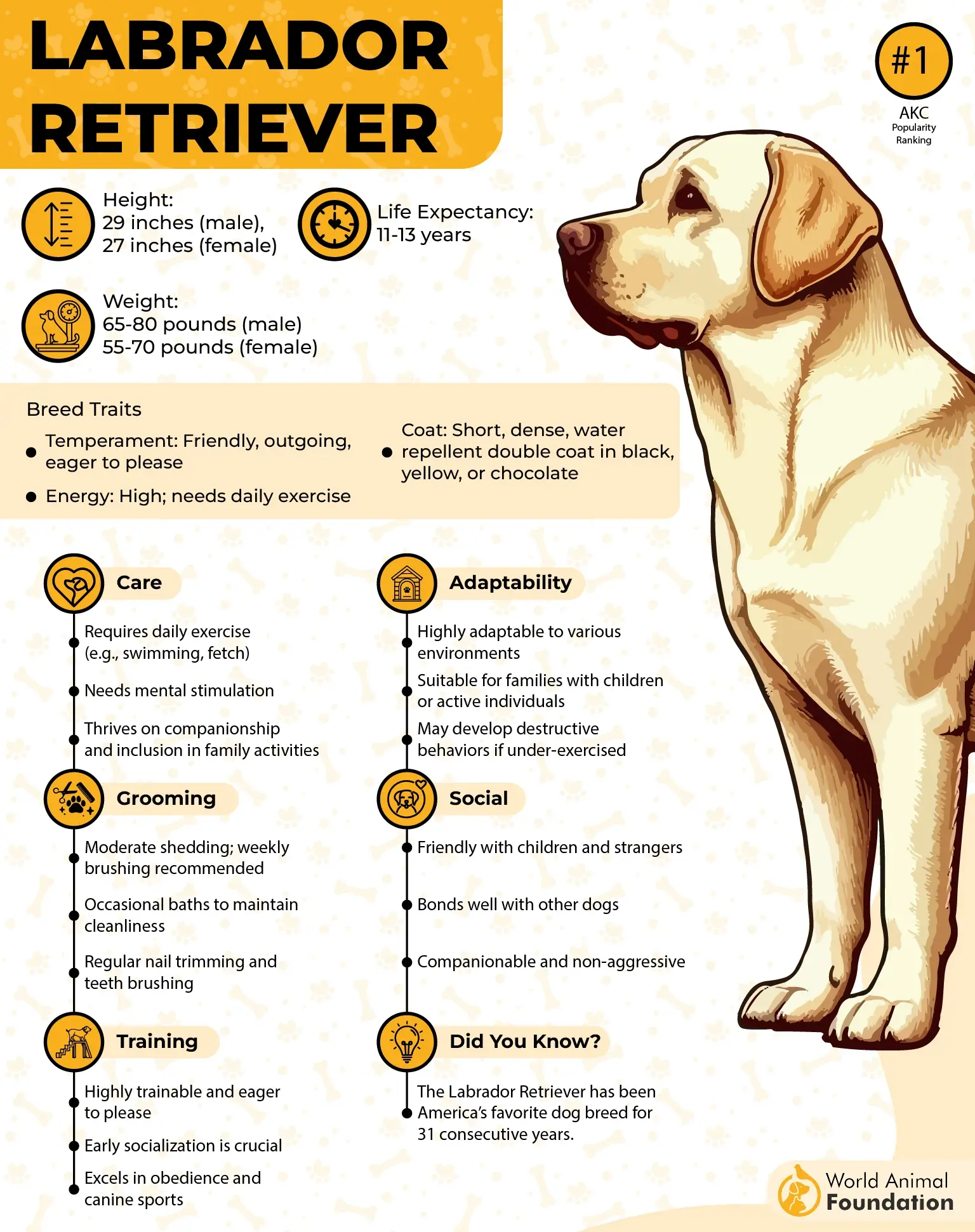
Labrador Retrievers trace their ancestry to working dogs from Newfoundland, where they assisted fishermen and developed a reputation for retrieving objects from the water. British breeders later refined them into versatile sporting retrievers, as per the AKC. Their cooperative nature and adaptability eventually made them popular companions far beyond the hunting field.
A Shedding Double Coat and High Activity Level
Labradors possess dense, water-resistant double coats that shed throughout the year. Regular brushing can help manage loose fur. Their exercise needs are substantial, and retrieving, swimming, hiking, running, training, and active games can help prevent boredom.
A Trainable Personality That Can Accept Cats
Labradors are frequently social and eager to work with their owners. That willingness to cooperate can make it easier to teach them calm behavior around a cat. Young Labs can be particularly excitable, however, so a cat should have escape routes and the dog should learn that chasing is not an acceptable game.
7. Cavalier King Charles Spaniel
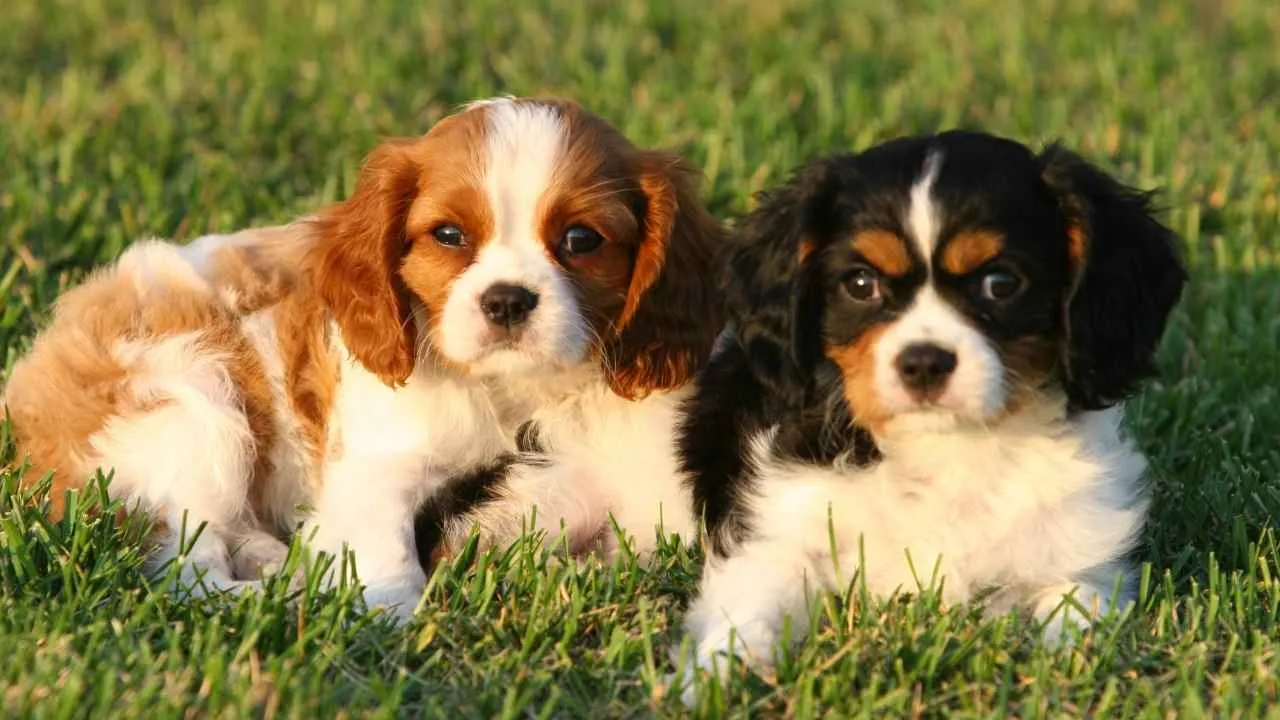
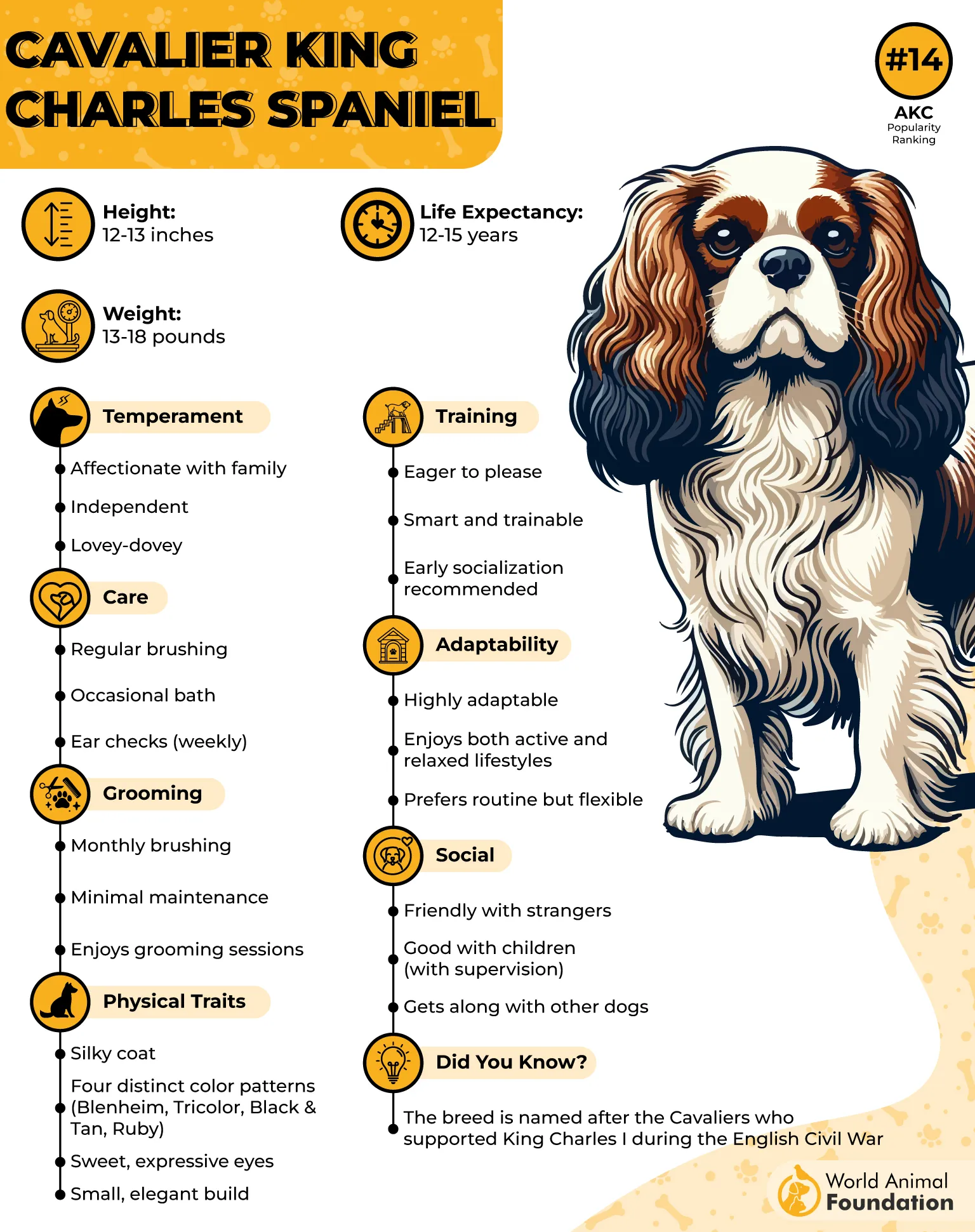
The Cavalier King Charles Spaniel descends from small spaniels that were popular among British royalty and aristocratic families. Historical paintings frequently show similar toy Spaniels accompanying their owners. These loyal dogs were bred primarily for companionship, helping establish a close relationship with humans as a defining feature of their character.
A Silky Coat and Balanced Exercise Needs
Cavaliers have soft coats with feathering that benefit from regular brushing to prevent tangles. They enjoy daily walks and play but generally do not need the demanding exercise schedule of a working breed. Interactive activities and time spent with their families can be just as valuable.
A Gentle Social Style Around Other Pets
The Cavalier’s affectionate and approachable personality can make it a promising option for homes with cats. Many enjoy social interaction without being excessively dominant. Nevertheless, individual dogs vary, and early exposure combined with respectful introductions gives both animals a better opportunity to become comfortable.
8. Papillon
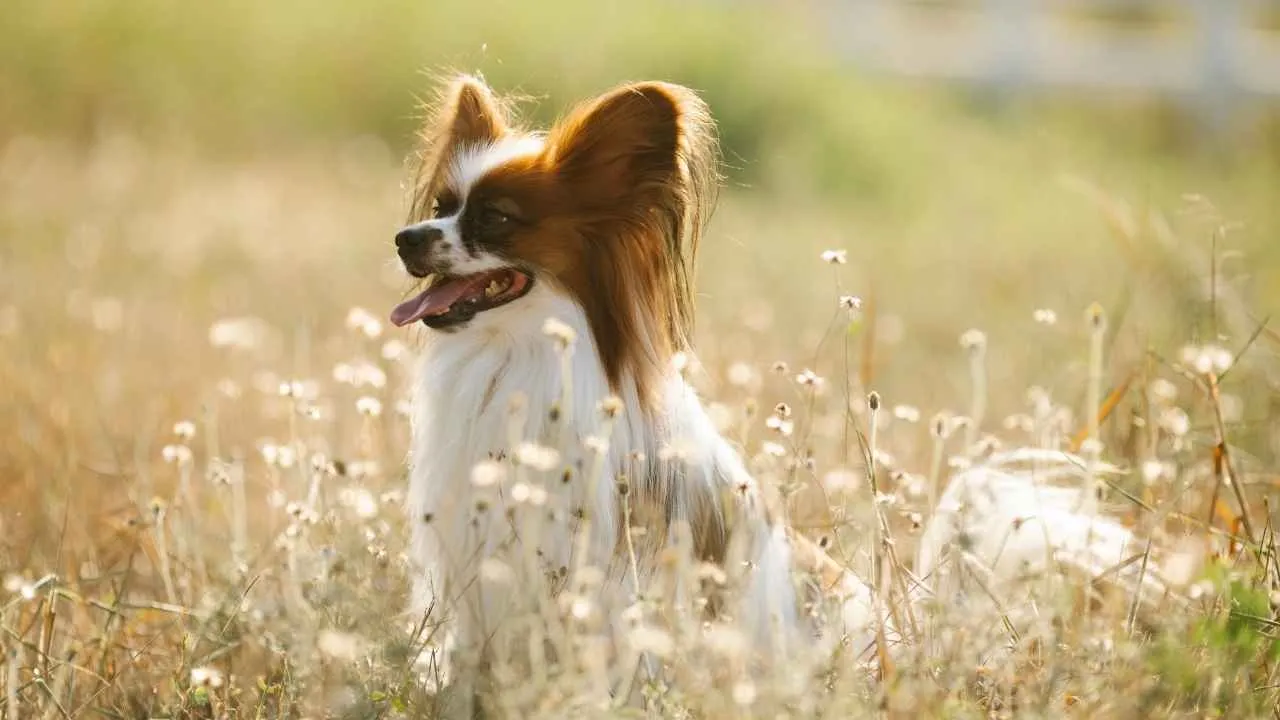
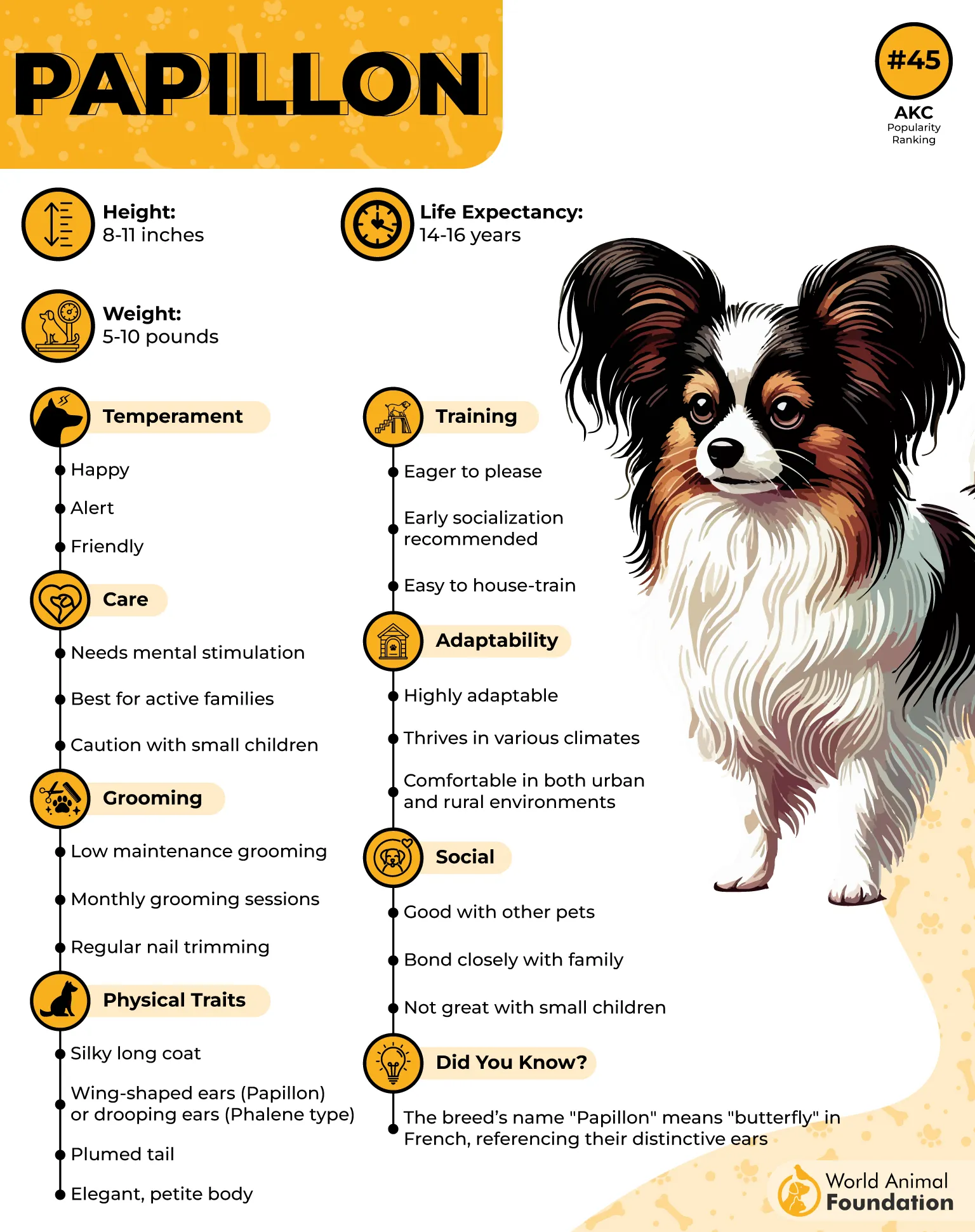
Papillons have been associated with European companion-dog traditions for centuries, appearing in portraits of aristocratic families and royal households. Their name refers to their distinctive butterfly-like ears. Although tiny, they were developed as alert companions with considerably more intelligence and energy than their delicate appearance might suggest.
Fine Fur and an Active Little Frame
Papillons have a long, silky coat with feathering that benefits from regular brushing. Their small bodies are capable of surprising athleticism, and they often enjoy walks, trick training, agility, puzzle toys, and energetic indoor games.
Clever Enough to Learn Feline Boundaries
Papillons are intelligent dogs and often respond well to training. This can be useful when teaching them not to disturb a cat or chase it through the home. Their playful personality may encourage interaction, but structured introductions can help ensure their enthusiasm does not become overwhelming.
9. Collie
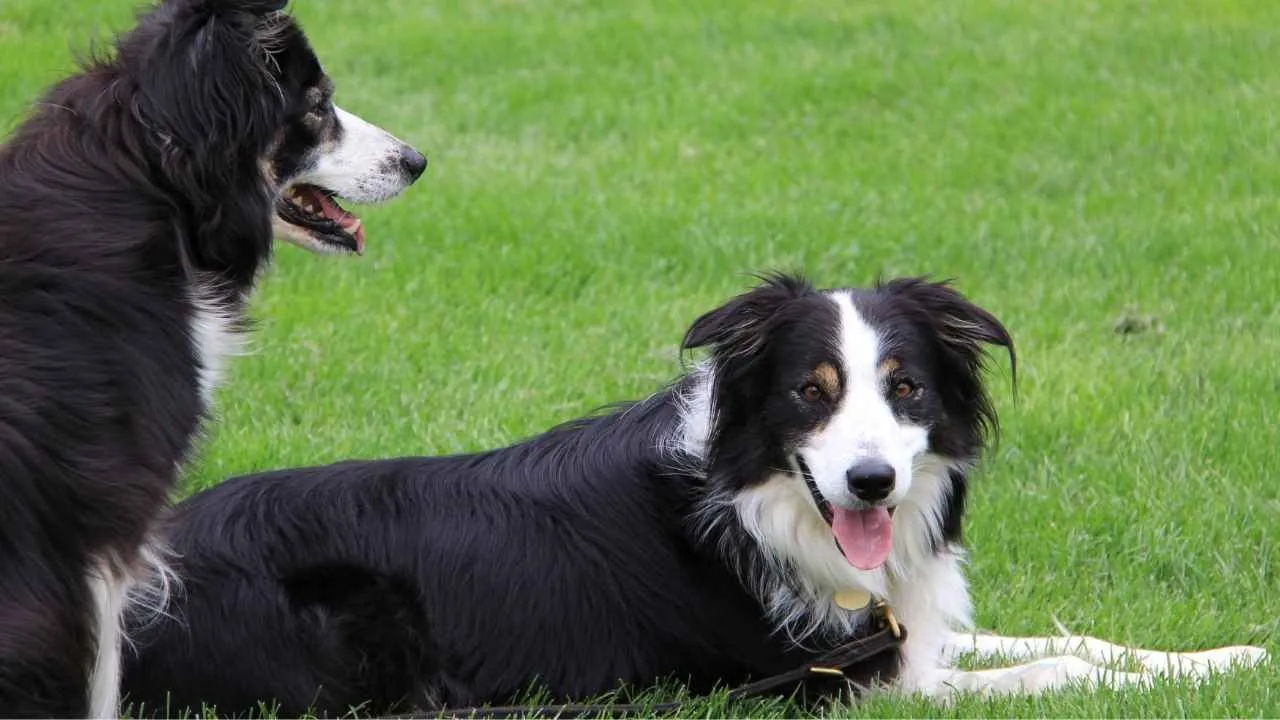
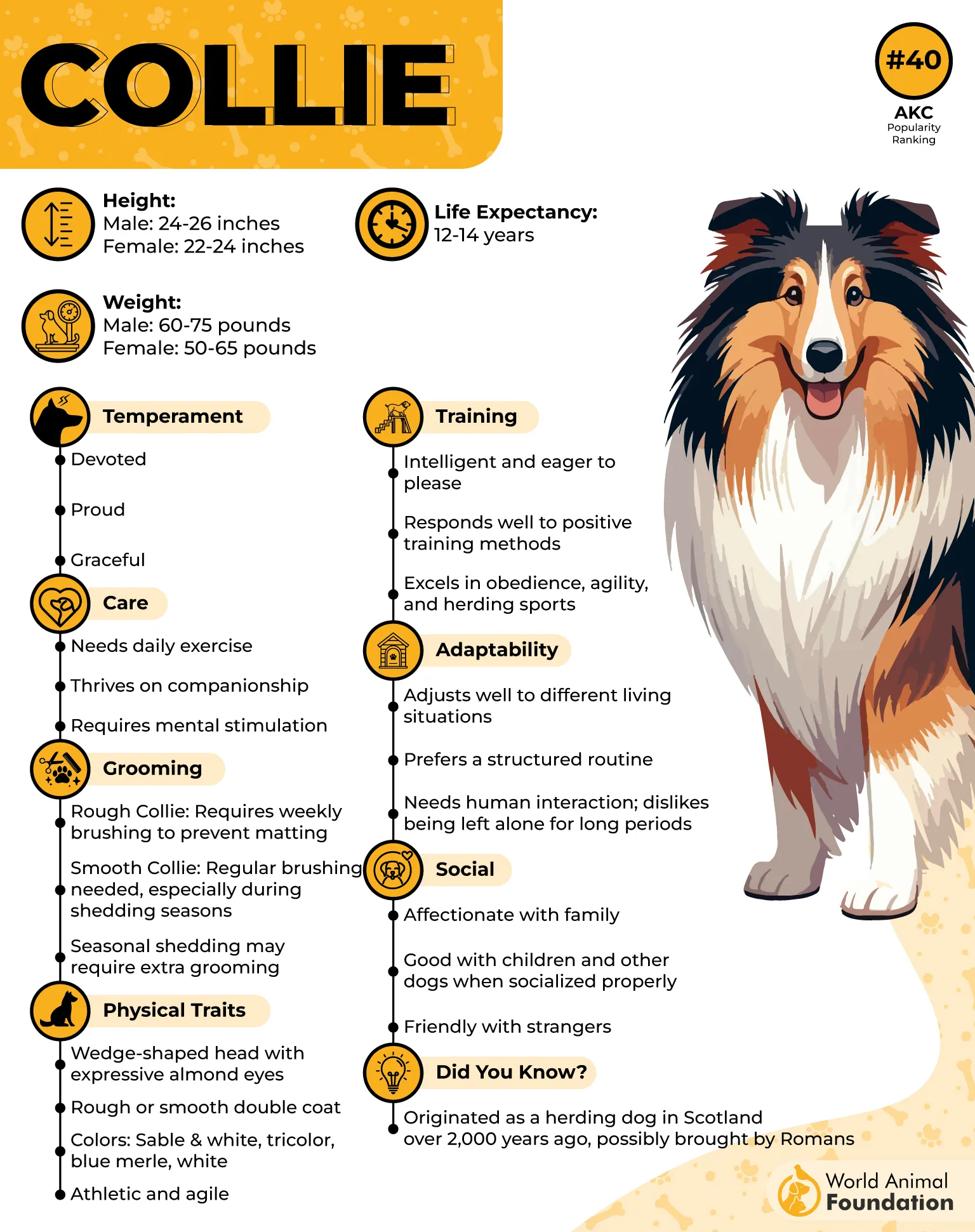
Collies originated in Britain and were developed primarily as herding dogs. Their work required them to pay close attention to livestock while responding to human direction. Over time, their intelligence, responsiveness, and attractive appearance helped them become popular both as working animals and family companions.
A Full Coat and a Need for Meaningful Activity
Depending on the variety, Collies can have abundant long coats or shorter coats, with grooming requirements varying accordingly. Regular brushing is important for long-coated individuals. Their exercise needs are moderate to high, and walks, training, herding activities, games, and mental challenges can keep them satisfied.
A Responsive Herding Dog That Can Adapt
Collies often have a strong desire to cooperate with their owners, which can make household training easier. Some may attempt to herd cats by following or controlling their movement, so owners should redirect that behavior appropriately. With clear guidance, many can learn to treat a feline housemate as a family member rather than livestock.
10. Maltese
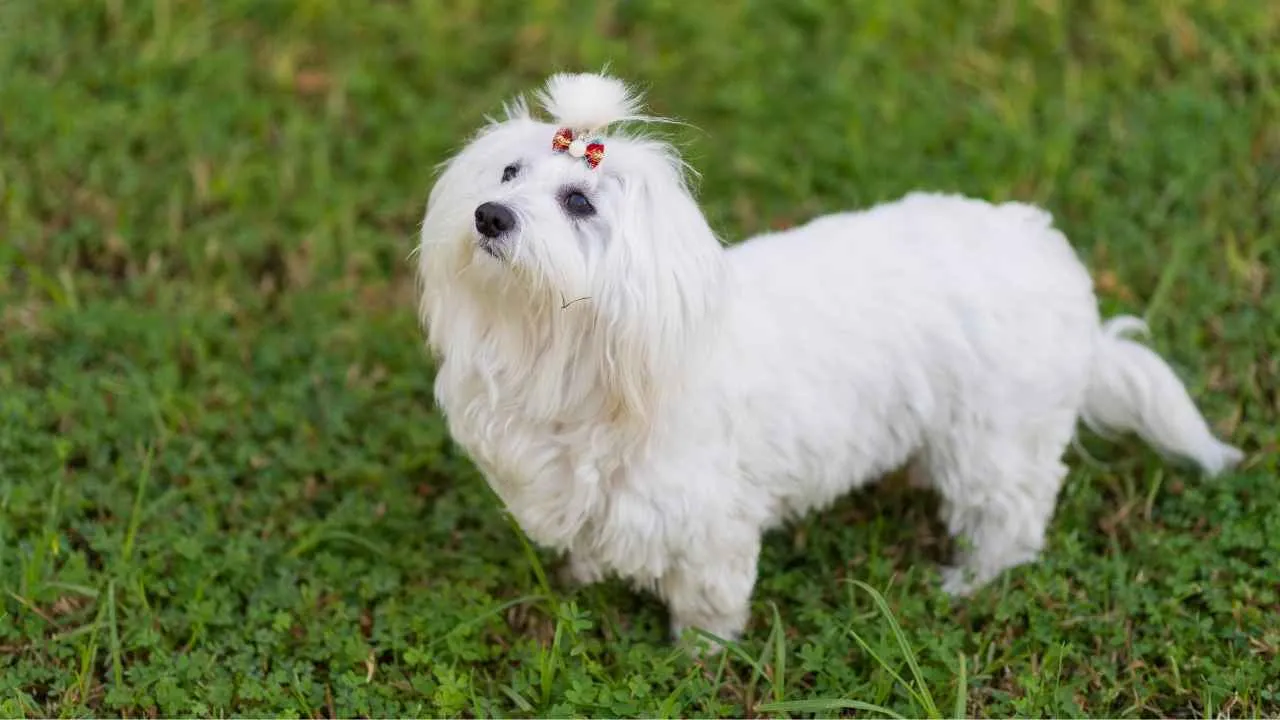
The Maltese has an ancient history connected to the Mediterranean, particularly the island of Malta. Small white companion dogs of a similar type were admired by wealthy households for centuries. Their role centered on companionship, and they were valued for their elegant appearance and affectionate presence.
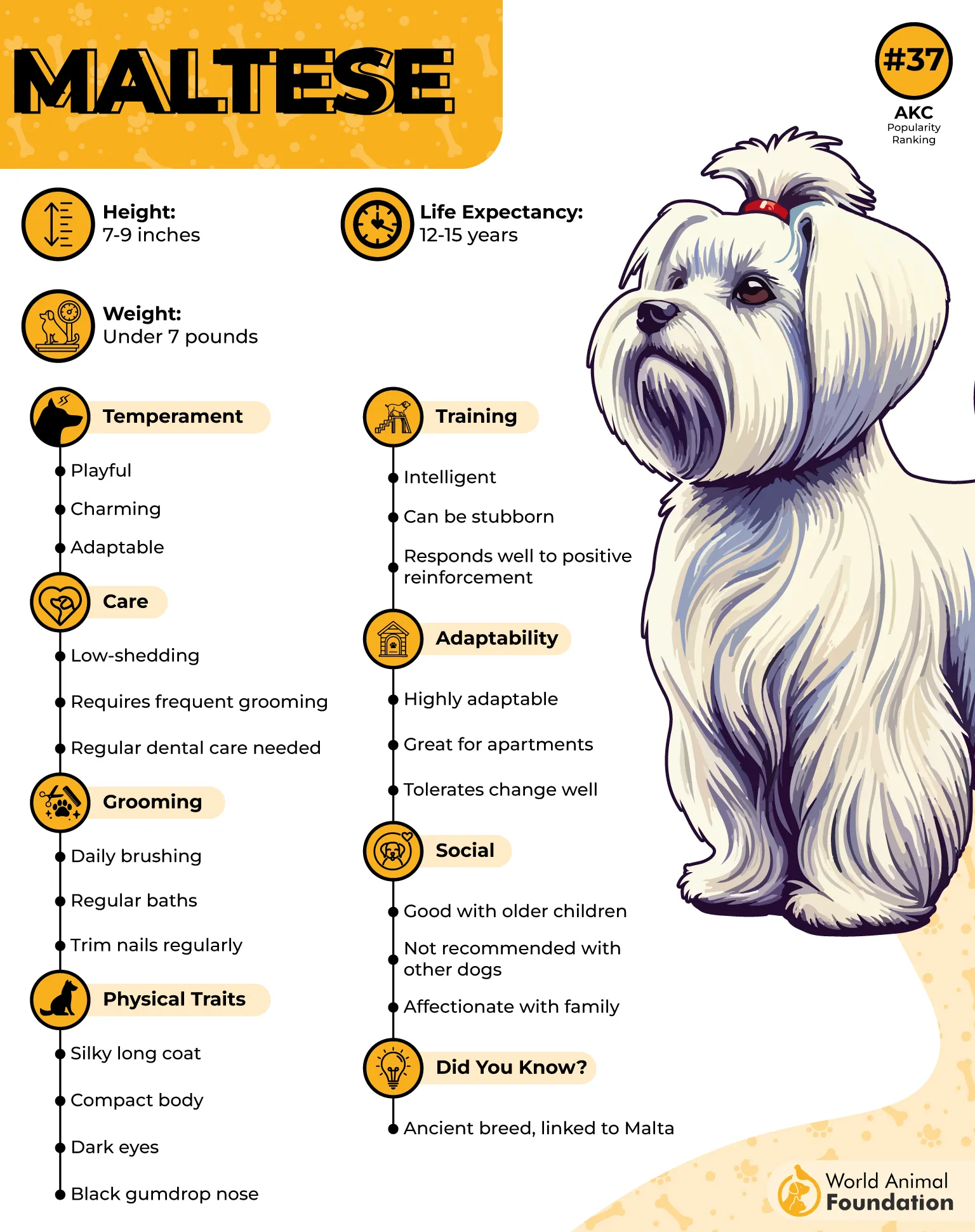
A Flowing Coat With Modest Exercise Demands
The Maltese has a fine coat that can become long and silky when left untrimmed. Regular brushing is important to prevent knots, while shorter haircuts can simplify maintenance. Their exercise requirements are manageable, with short walks, indoor games, and interactive play often providing enough daily activity.
An Affectionate Small Dog With Social Potential
Maltese dogs frequently enjoy close relationships with their owners and can adapt well to household life. Their small size and companion-oriented background may allow them to settle comfortably around cats when introductions are handled carefully. They should still be protected from rough interactions, particularly with larger or highly energetic pets.
Conclusion
All the dog breeds given in the above article can offer qualities that may support a positive relationship with cats. Their personalities range from energetic and playful to relaxed and affectionate, giving cat owners several different types of canine companions to consider.
A breed described as cat-friendly is never a guarantee of compatibility. Individual history and temperament can have a greater impact than breed labels, particularly if a dog has a strong tendency to chase moving animals or has never encountered cats before.
The introduction process should therefore be gradual. Keeping the animals separated initially, exchanging scents, allowing visual contact through a barrier, and progressing to supervised meetings can help reduce unnecessary stress. The cat should always have safe areas that the dog cannot access, while the dog should receive enough training and attention to make calm behavior rewarding.
With appropriate preparation, patience, and respect for each animal’s boundaries, a dog and cat can move from cautious housemates to genuine companions.
