




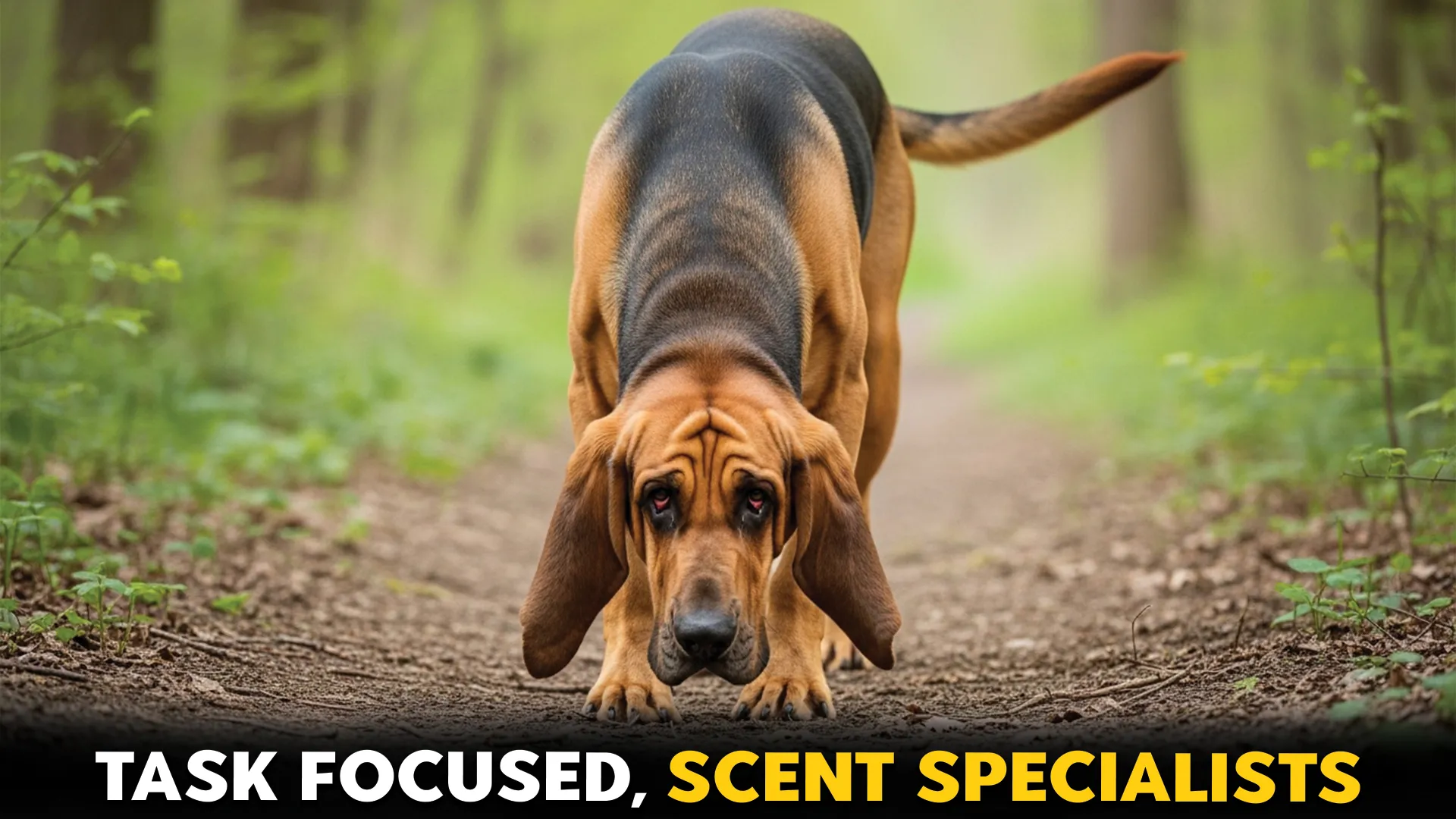
Ever wondered which dogs are naturally equipped with super-sniffing skills? Some breeds are born with an extraordinary sense of smell, razor-sharp focus, and unwavering loyalty, making them top performers in scent-based tasks.
From search and rescue missions to law enforcement and competitive scent sports, these dogs consistently prove their remarkable abilities, earning their place as trusted partners who rarely miss a scent.
Whether you’re training a pup for professional work or seeking a companion that thrives on mental challenges, certain breeds shine in tracking, detection, and scent games. Their energy, determination, and precision make them exceptional at tasks that go far beyond fetch or basic obedience.
From bushwalks to backyard scent games, dogs with superior noses bring both adventure and companionship into daily life. Understanding which breeds excel in olfactory feats can transform how we interact with our furry friends and appreciate their incredible talents.
Top Dog Breeds That Excel In Scent-Based Search Tasks
Some dogs don’t just follow their noses—they redefine what it means to sniff out excellence!
1. Bloodhound
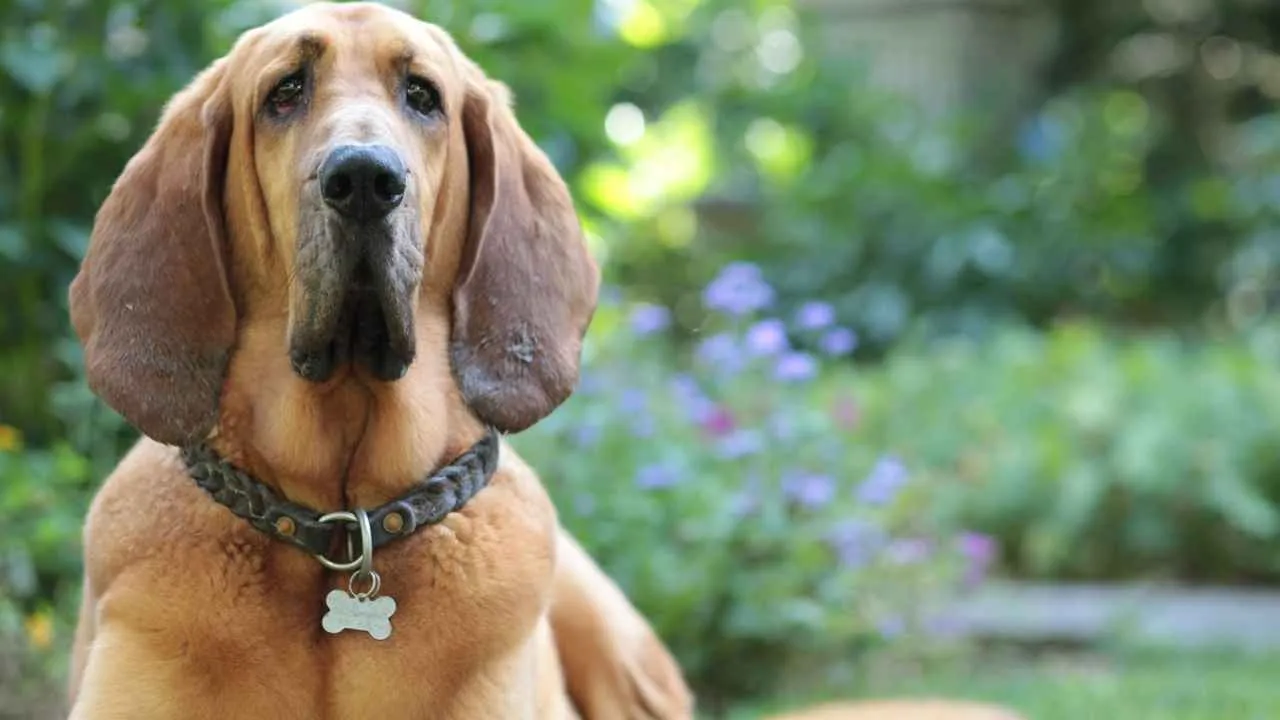
The Bloodhound is one of the oldest scent hounds, with origins tracing back to medieval Europe and the revered St. Hubert Hound bred by monks in Belgium, as per PDSA. Known for its aristocratic “blooded” ancestry, this breed has been a trusted tracker for centuries, assisting royalty and eventually spreading across England and beyond.
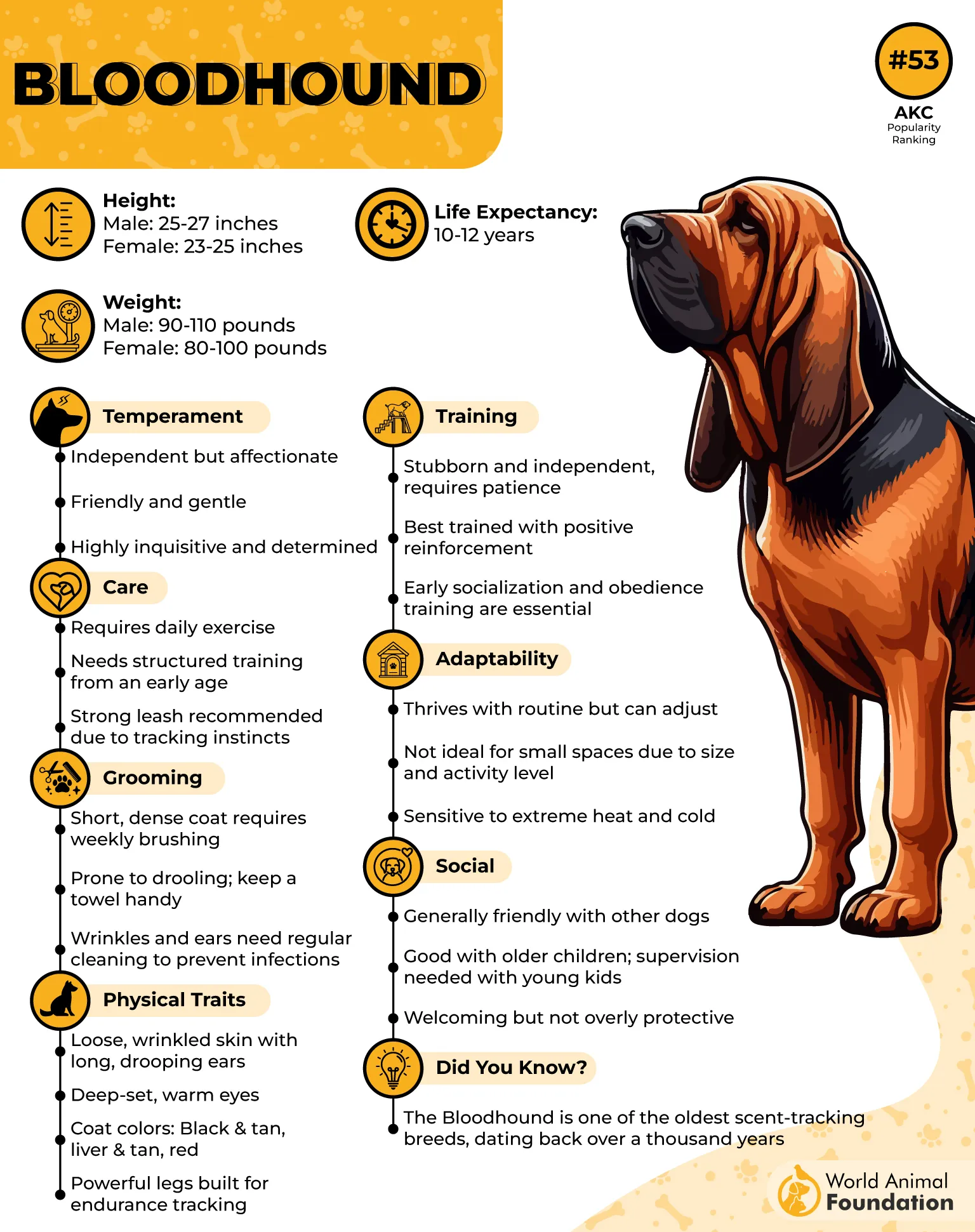
Gentle Giants with Determined Minds
Despite their size and imposing appearance, Bloodhounds are calm, affectionate, and highly patient, especially with children and other animals. They thrive with patient, consistent training, require daily exercise, and excel in activities that let them follow their noses, like tracking, search-and-rescue work, or nose sports.
Grooming, Health, and Everyday Care
Bloodhounds have short coats that need minimal brushing, though their long ears, facial wrinkles, and drooling areas demand regular cleaning to prevent infections. Despite training challenges, their intelligence, loyalty, and remarkable olfactory skills make them exceptional partners for scent-based work.

What Makes Bloodhounds Masters of Scent Tracking
Possess an extraordinary 230 million scent receptors, far surpassing humans
Facial wrinkles and long ears help trap and amplify odors
Highly focused and persistent once a trail is detected
Historical use in hunting, law enforcement, and search-and-rescue proves reliability
A strong, patient temperament allows long hours of tracking without fatigue
2. Basset Hound
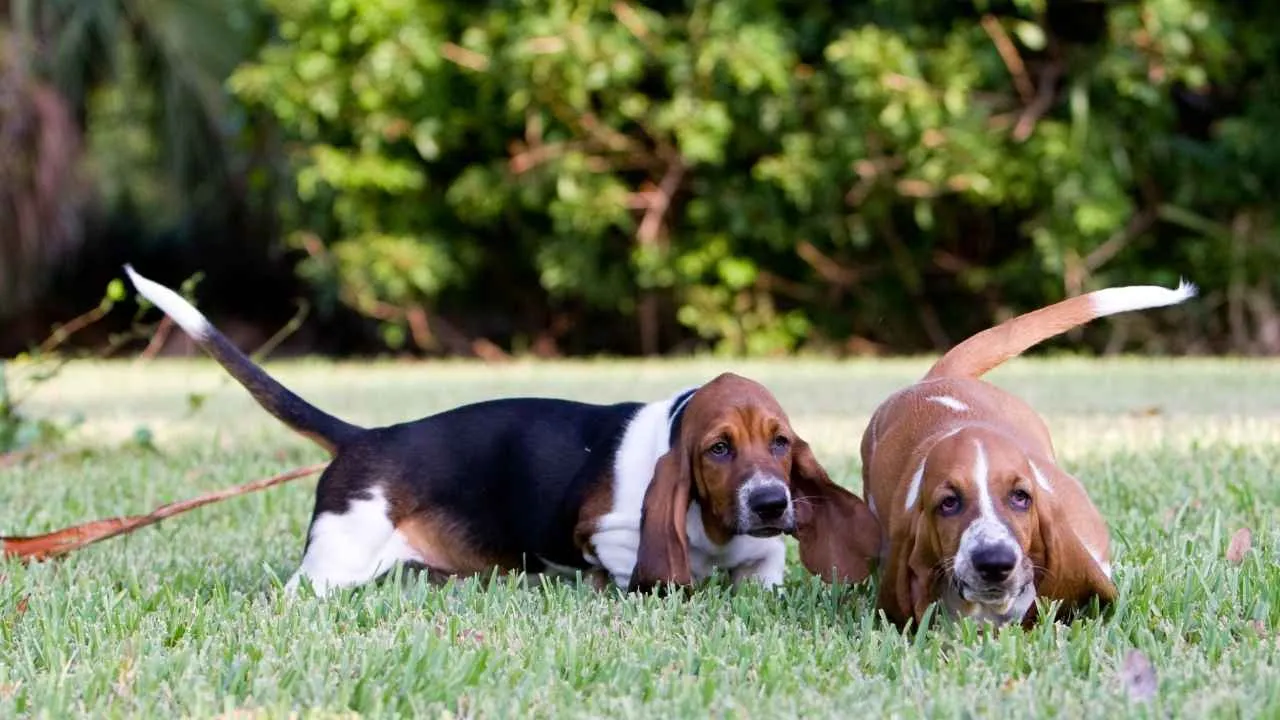
The Basset Hound is one of the most instantly recognizable breeds, with its droopy ears, wrinkled brow, and mournful eyes giving it a perpetually endearing expression. Though small in stature—standing no more than 14 inches—they pack remarkable stamina and strength, thanks to their heavy bones, muscular legs, and massive paws.
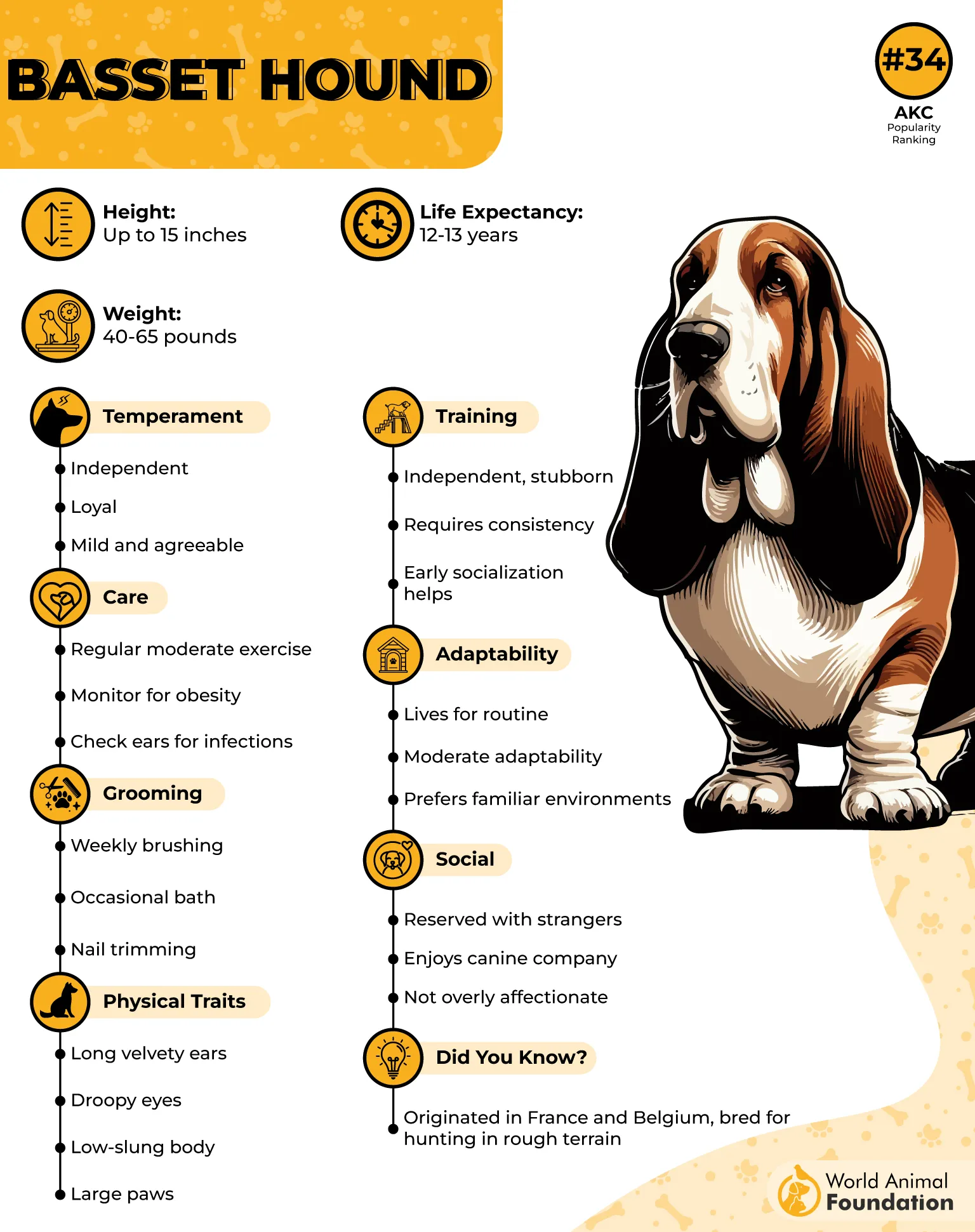
From Abbey Hunting Grounds to Modern Companions
Originally bred in France and Belgium by the friars of the Abbey of St. Hubert, Bassets were designed to track rabbits and deer over rugged terrain while being followed on foot, as per PetMD. Their keen scenting skills and persistence made them favorites among French aristocrats, and today they continue the legacy of their St. Hubert ancestry.
Health, Habits, and Training Tips
Basset Hounds are low-energy but food-motivated, which makes training both a challenge and an opportunity. Their short, smooth coat requires minimal grooming, though their long ears, droopy face, and wrinkles need regular cleaning to prevent infections.
With strong noses and independent minds, they may follow an enticing scent into trouble, so supervision and positive reinforcement are essential.
Why Basset Hounds Excel at Scent Work
An exceptionally low-to-the-ground build allows closer contact with scents
Remarkably strong, persistent tracking instincts inherited from St. Hubert Hounds
Acute olfactory senses rival even the most skilled hunting breeds
Stubborn but highly food-motivated, aiding focused training sessions
Endurance over speed makes them ideal for long tracking missions
3. Beagle
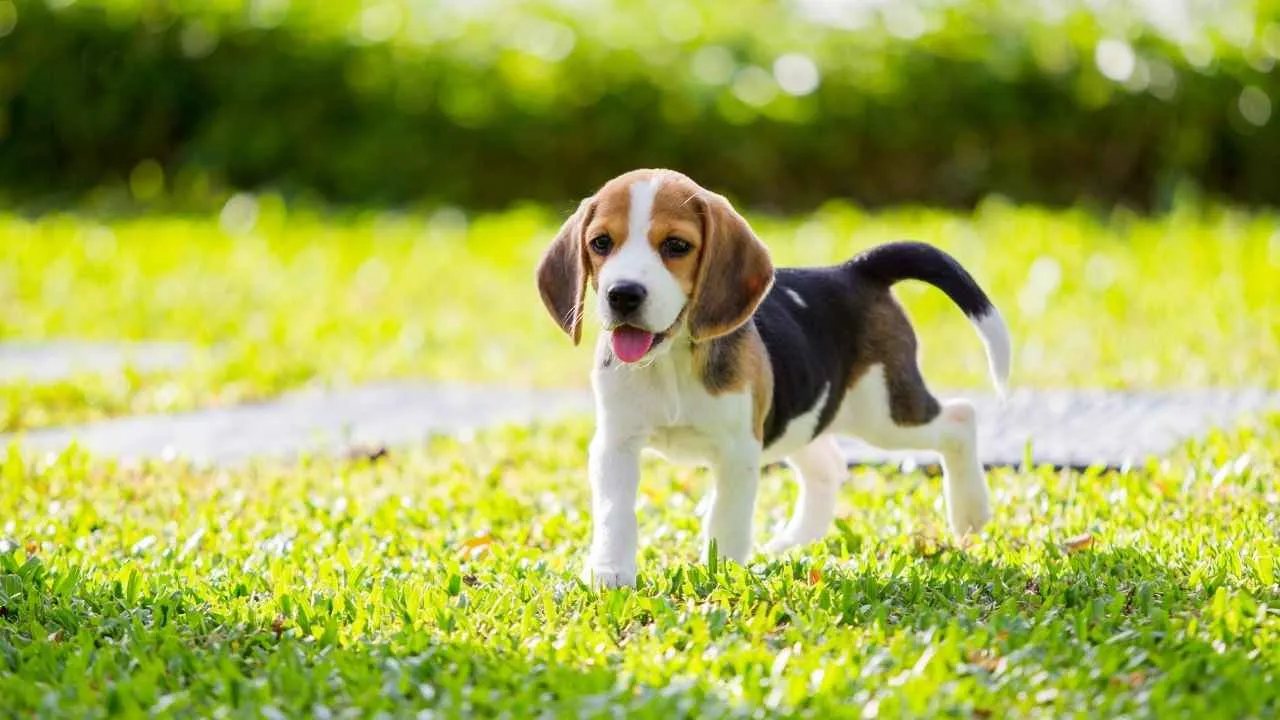
The Beagle’s history stretches back to England, where small pack hounds were used to track rabbits and hares on foot, as per Purina. Bred for endurance and teamwork, Beagles were prized companions for English hunters, valued for their ability to follow scents over long distances.
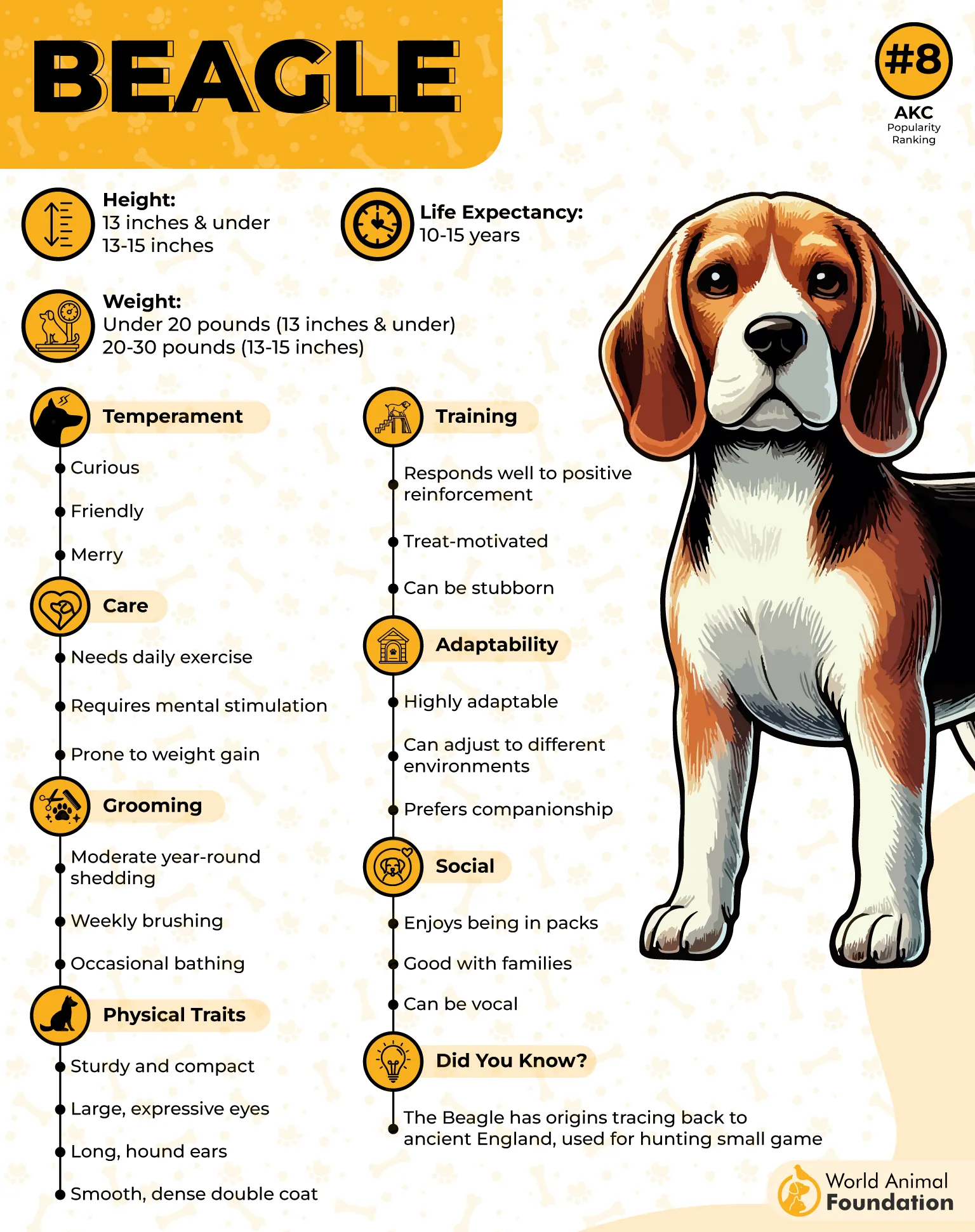
Lively, Loyal, and Social
Beagles are pack animals at heart, thriving in homes with other dogs or plenty of human companionship. Their friendly, playful nature makes them excellent with children, while their intelligence allows them to learn tricks and participate in scent-based games.
Scent Experts with Character
With their medium-length snouts and long floppy ears, Beagles excel at drawing scents to their noses, making them natural trackers. Their short, low-maintenance coat requires minimal grooming, and their energetic, food-motivated personality makes training sessions fun and rewarding, especially when paired with scent work and outdoor adventures.
What Makes Beagles Exceptional at Tracking
Highly acute sense of smell, ideal for detecting hidden scents
Pack-oriented instincts encourage persistence and teamwork
Medium-length snout and droopy ears enhance scent capture
Energetic and curious, motivating them to follow trails thoroughly
Friendly, intelligent, and food-driven, which aids focused training
4. Belgian Malinois
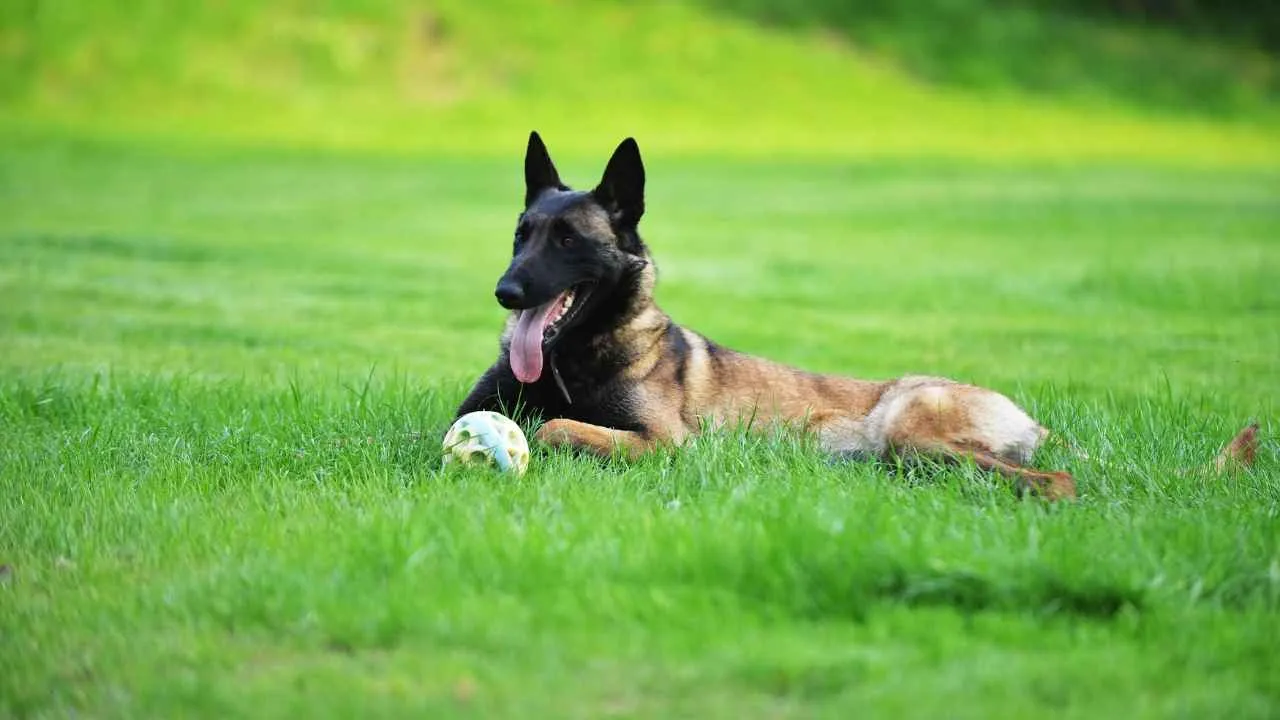
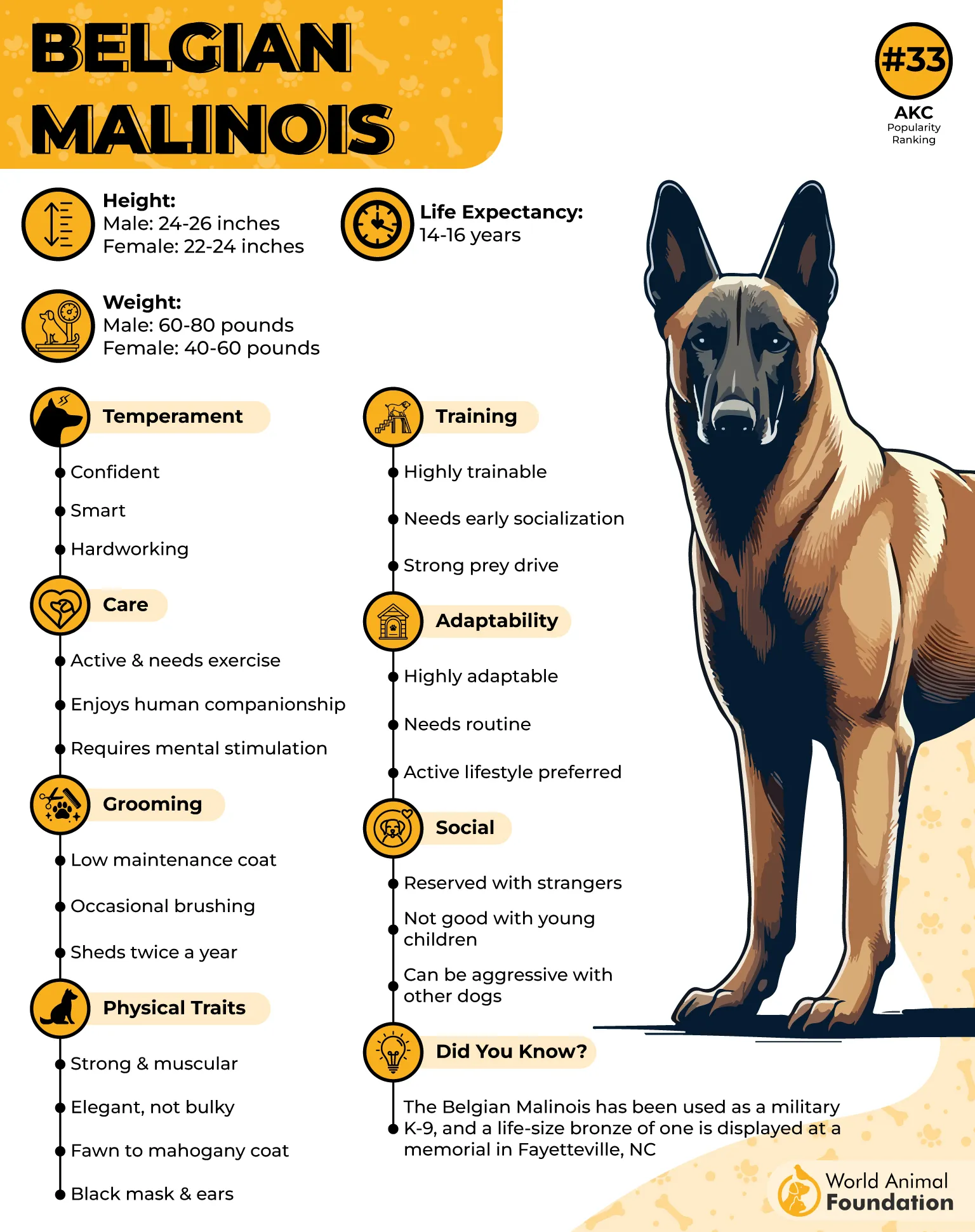
The Belgian Malinois is an athletic, medium-sized dog built for stamina and strength, originally developed in Mechelen, Belgium. Lean yet muscular, these herding dogs possess a weather-resistant coat that protects them in all conditions, making them ideal for outdoor work.
Energetic, Loyal, and Task-Oriented
Known for boundless energy and razor-sharp focus, Malinois thrive when given clear, purposeful tasks. They form strong bonds with their families but require structured training and early socialization to channel their herding instincts safely. While affectionate, their natural tendency to chase and herd can make them unsuitable for homes with very young children unless closely supervised.
Care, Training, and Daily Life
Belgian Malinois are low-maintenance in grooming, requiring weekly brushing and occasional baths, though their dense undercoat sheds seasonally. These intelligent dogs need daily physical exercise and mental stimulation to prevent boredom, which can lead to destructive behavior.
Why Belgian Malinois Shine in Scent Work
Highly intelligent and quick learners, ideal for specialized tasks
Exceptional focus and persistence on a scent trail
Strong drive and energy for long-duration tracking missions
Acute olfactory senses combined with agility and speed
Versatile in police, military, and search-and-rescue operations
5. German Shepherd
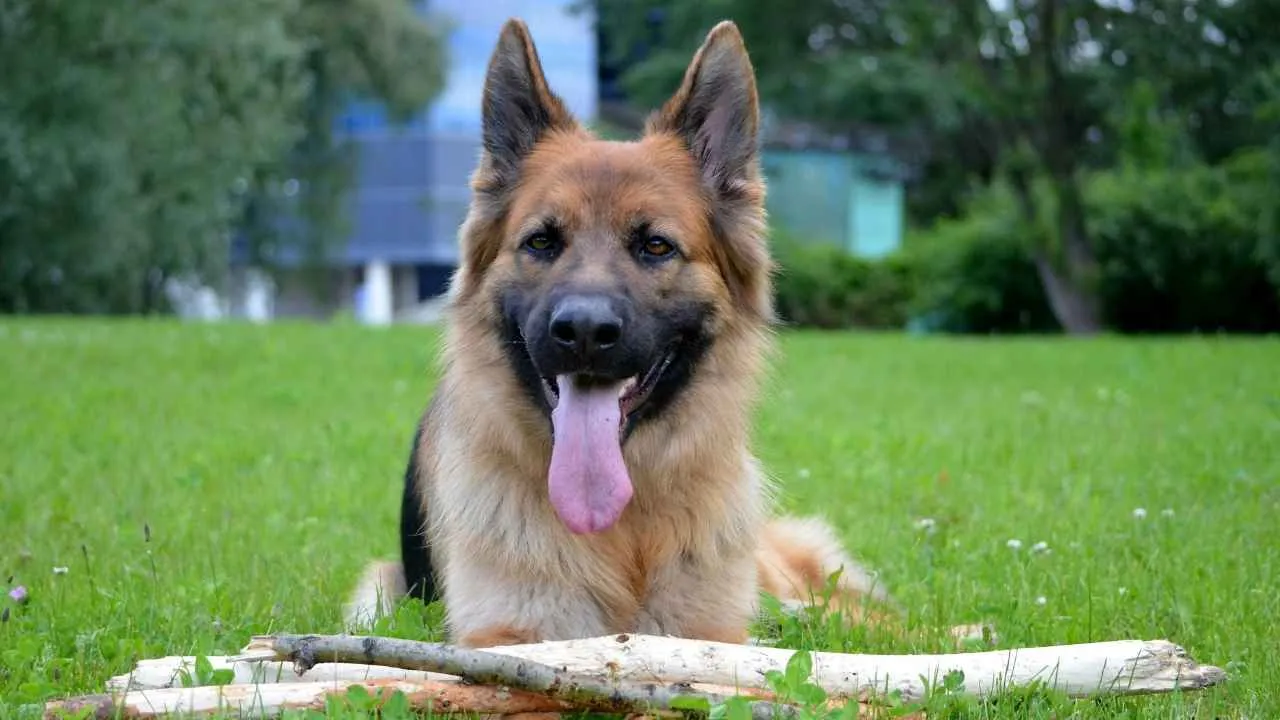
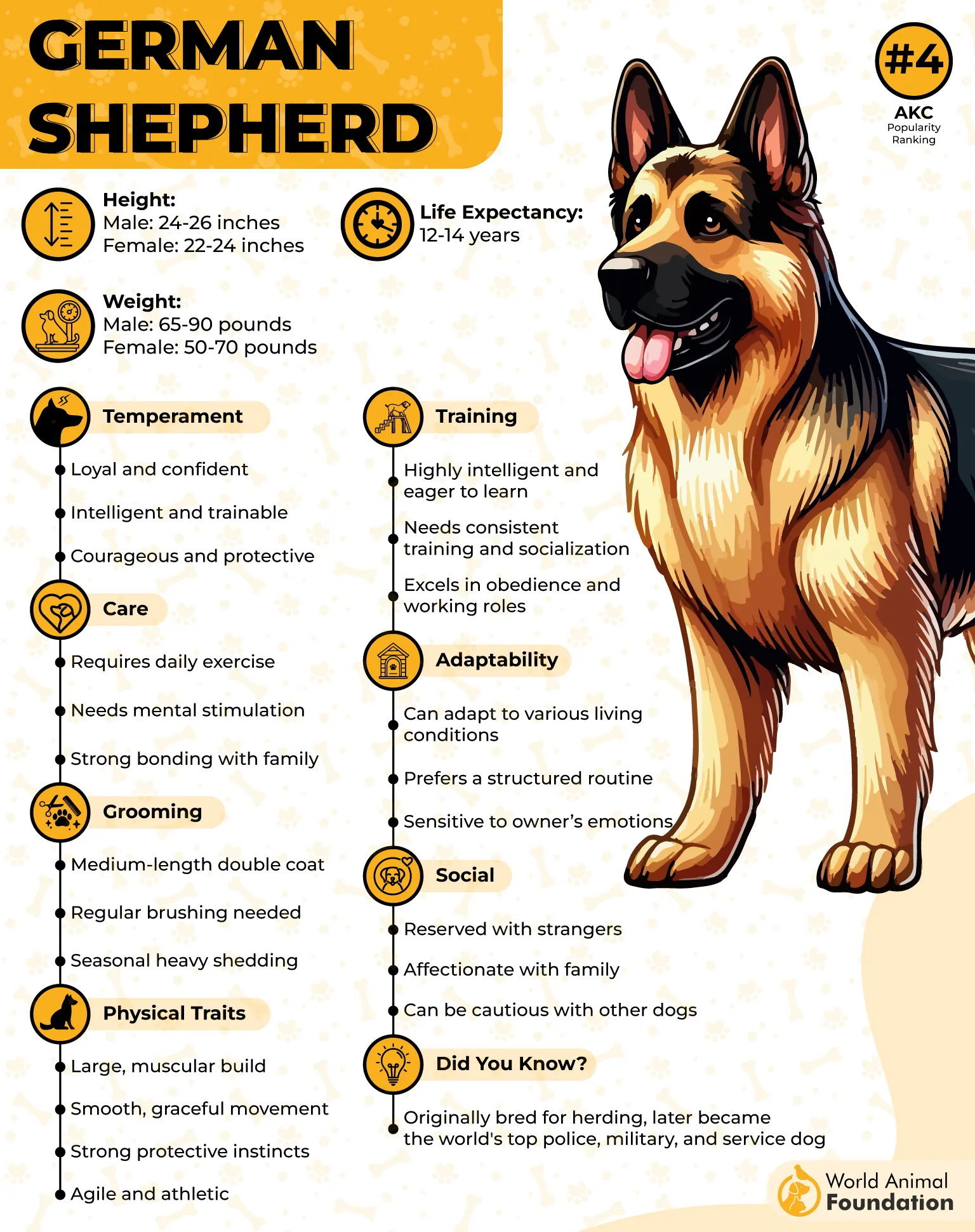
The German Shepherd Dog (GSD) was meticulously developed in late 19th-century Germany to create the ideal herding dog. From sheep herding to police and military service, the GSD’s courage and loyalty have earned it a reputation as one of the most capable working breeds in the world.
Intelligent, Loyal, and Alert
German Shepherds thrive when given purpose, whether that’s obedience, tracking, or protection work. Highly social yet discerning with strangers, they bond closely with family and respond best to consistent, positive training.
Care, Training, and Everyday Life
With a thick double coat, German Shepherds shed heavily and need regular grooming, particularly during seasonal coat changes. Their combination of intelligence, loyalty, and physical ability allows them to excel in scent detection, search-and-rescue, and a variety of canine sports, provided they receive the stimulation and structure they crave.
Why German Shepherds Excel in Scent Tasks
Acute olfactory abilities honed from generations of herding and hunting
High intelligence allows rapid learning of scent-based commands
Strong work ethic and focus for long-duration tracking missions
Agile and powerful build for navigating challenging terrain
Loyal and motivated, forming deep bonds that enhance handler teamwork
6. Labrador Retriever
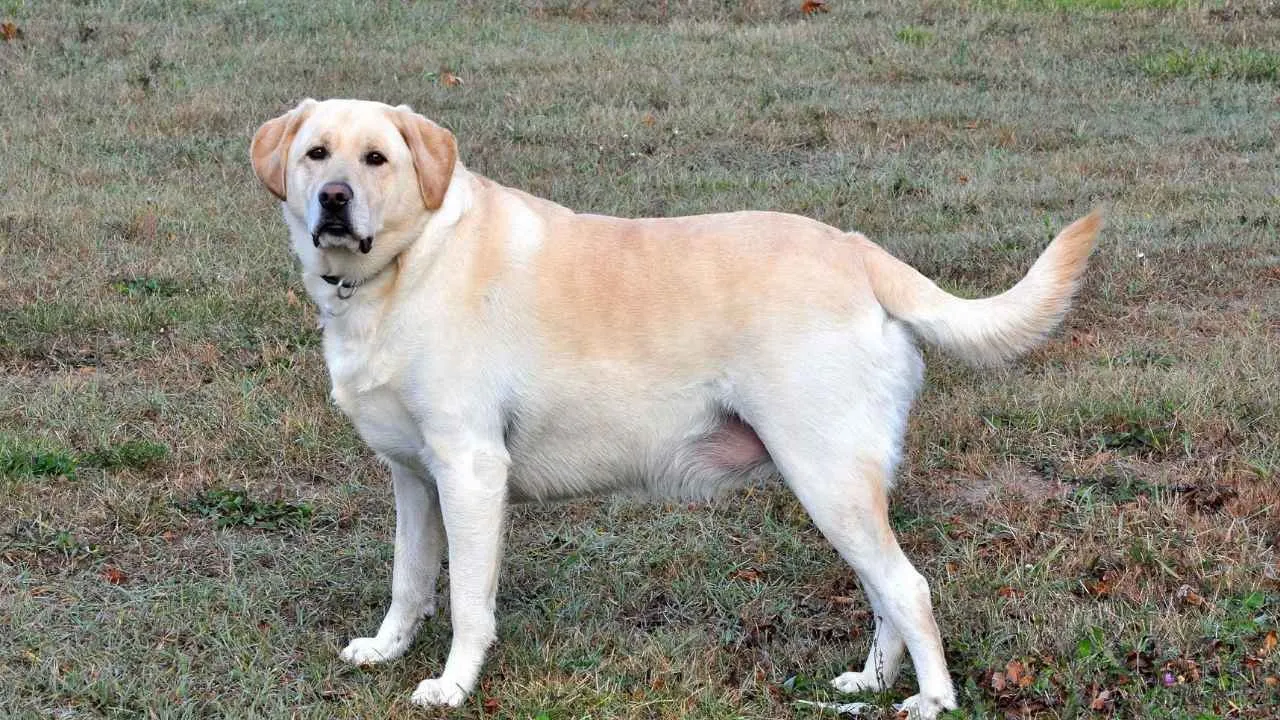
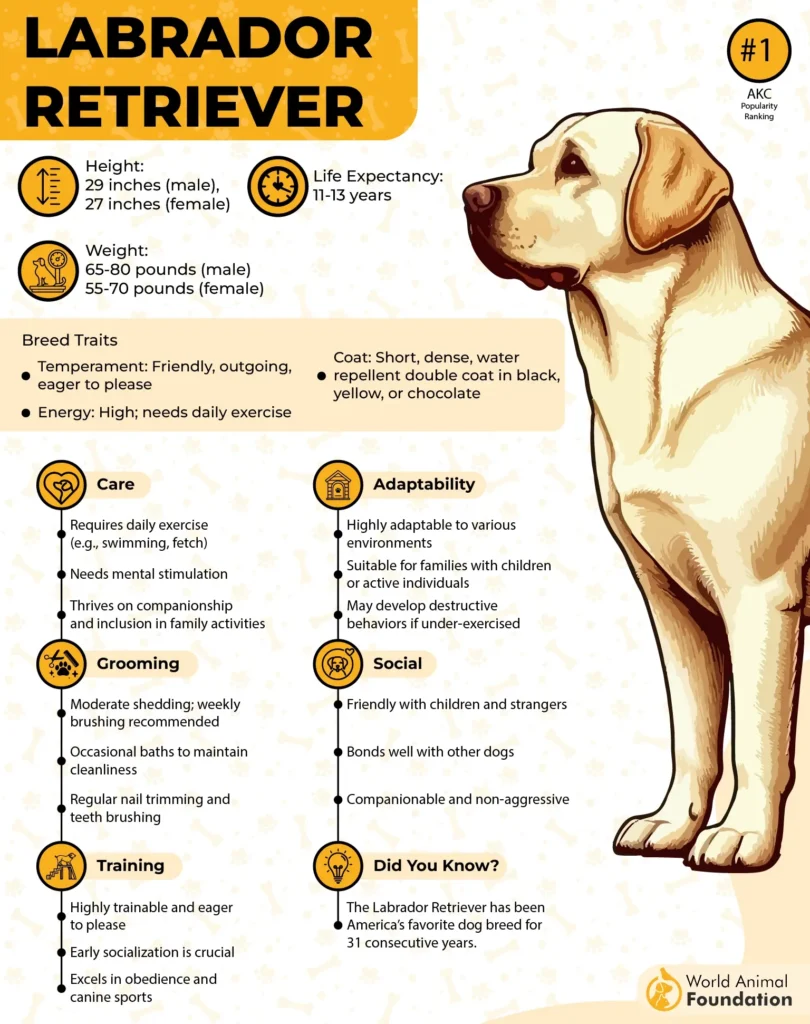
The Labrador Retriever traces its roots to the early 1800s in Newfoundland, where the St. John’s water dog helped fishermen retrieve nets and fish from icy waters. British nobles imported these hardworking dogs to England, refining them into skilled gun dogs and companions.
Personality, Play, and Family Life
Labradors are affectionate, outgoing, and endlessly enthusiastic, thriving on human interaction and active play. While highly trainable and food-motivated, they require daily physical activity and mental stimulation to stay happy, making them ideal for active households or professional work like search and rescue.
Care, Training, and Work Ethic
Labs have short, water-resistant coats that shed seasonally and need weekly brushing. Early socialization, consistent training, and mental engagement help them channel their energy positively. With their loyal, eager-to-please nature, Labradors seamlessly combine family companionship with professional reliability.
Why Labrador Retrievers Excel in Scent Tasks
Highly sensitive noses inherited from retriever and water dog ancestry
Exceptional focus and drive for finding targets
Energetic and enduring, ideal for long search missions
ntelligent and eager to learn scent-based commands
Loyal and cooperative, enhancing teamwork with handlers
7. English Springer Spaniel
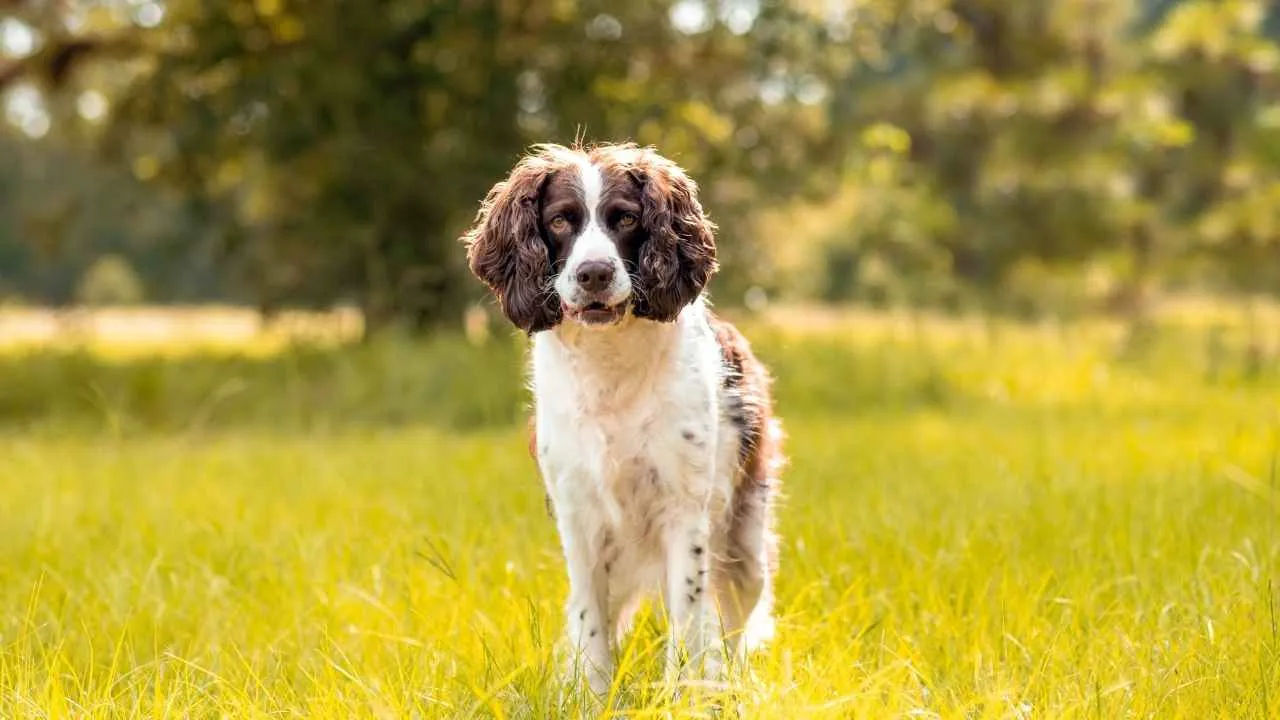
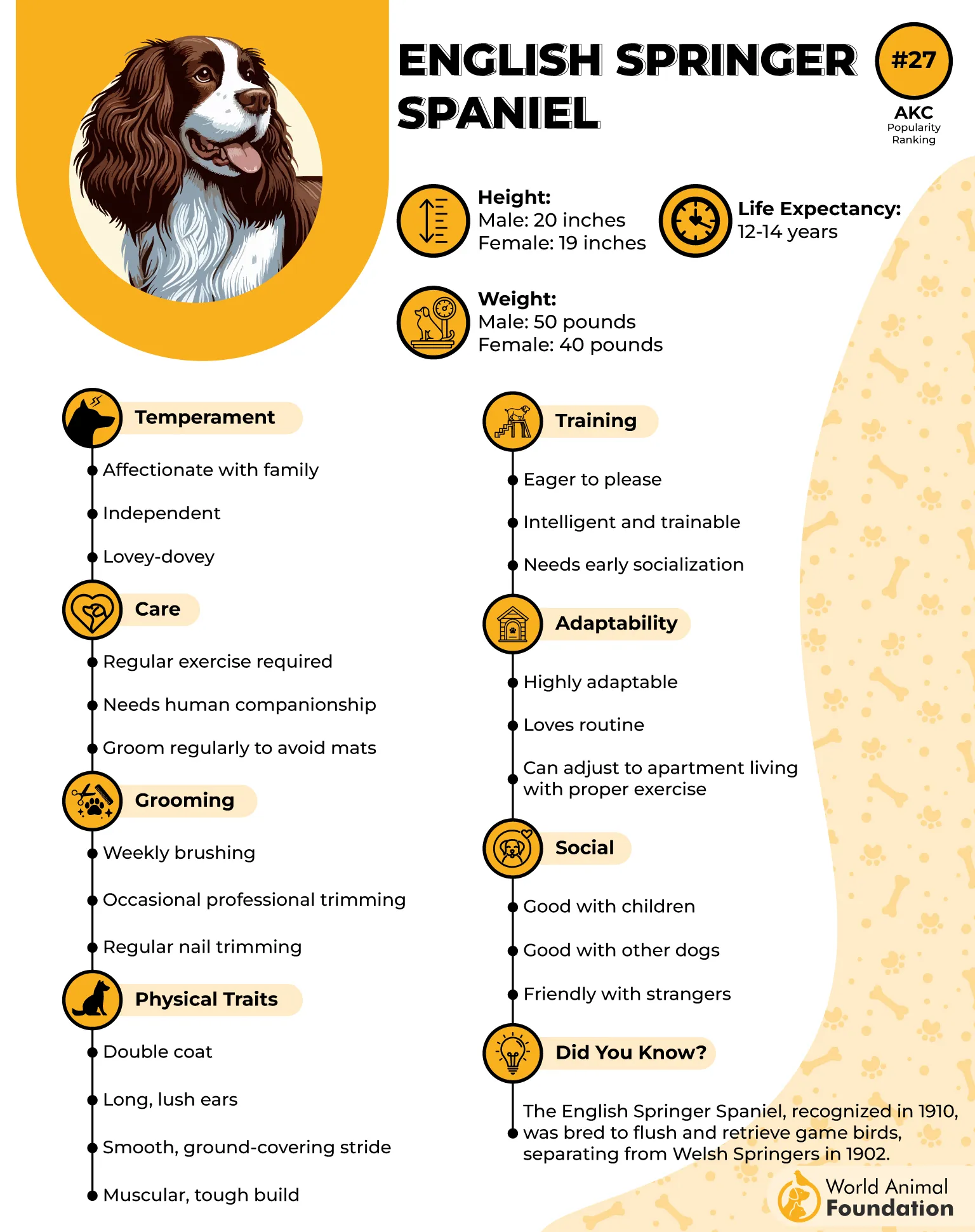
The English Springer Spaniel belongs to the esteemed Gundog group, originally bred to flush out game and retrieve wounded or fallen prey. Its lineage stretches back to the 1500s in England, with selective breeding by the Duke of Norfolk in the 1800s shaping the modern breed, as per Britannica.
Personality, Energy, and Family Life
Springers are lively, affectionate, and highly social, making them excellent family companions. Intelligent and eager to please, they respond well to reward-based training, though their high energy levels require over two hours of exercise daily to prevent boredom and destructive behavior.
Care, Grooming, and Working Skills
English Springer Spaniels sport medium-length coats with feathering on the legs, chest, and ears, and their common colors include liver-and-white or black-and-white. These versatile dogs excel in hunting, agility, obedience, and scent work, enjoying both land and water-based activities, and often live well into their teens with proper care.
Why English Springer Spaniels Excel in Scent Tasks
Highly developed noses for tracking game and following scents
sstrong retrieving instinct inherited from their Gundog ancestry
Energetic and persistent, ideal for extended search efforts
Quick learners, responsive to training for scent-based tasks
Loyal and focused, enhancing coordination with handlers
Conclusion
Dogs’ sense of smell is nothing short of extraordinary, giving them abilities that far surpass our own. From sniffing out hidden items to aiding in search and rescue, these talented companions prove just how remarkable their noses can be. Their focus, intelligence, and loyalty make them truly indispensable partners.
Beyond their working skills, these dogs bring unmatched energy, playfulness, and devotion into our lives. They thrive when given tasks that challenge their minds and bodies, reminding us that an active, engaged pup is a happy pup. Investing time in training and exercise helps unlock their full potential while strengthening the bond you share.
Whether helping humans in critical roles or simply brightening our everyday adventures, these dogs show that talent comes in all shapes and sizes. By recognizing and nurturing their natural abilities, you can give your companion a purposeful, fulfilling life. So embrace the challenge, stay active together, and let their incredible skills inspire you every day.
