




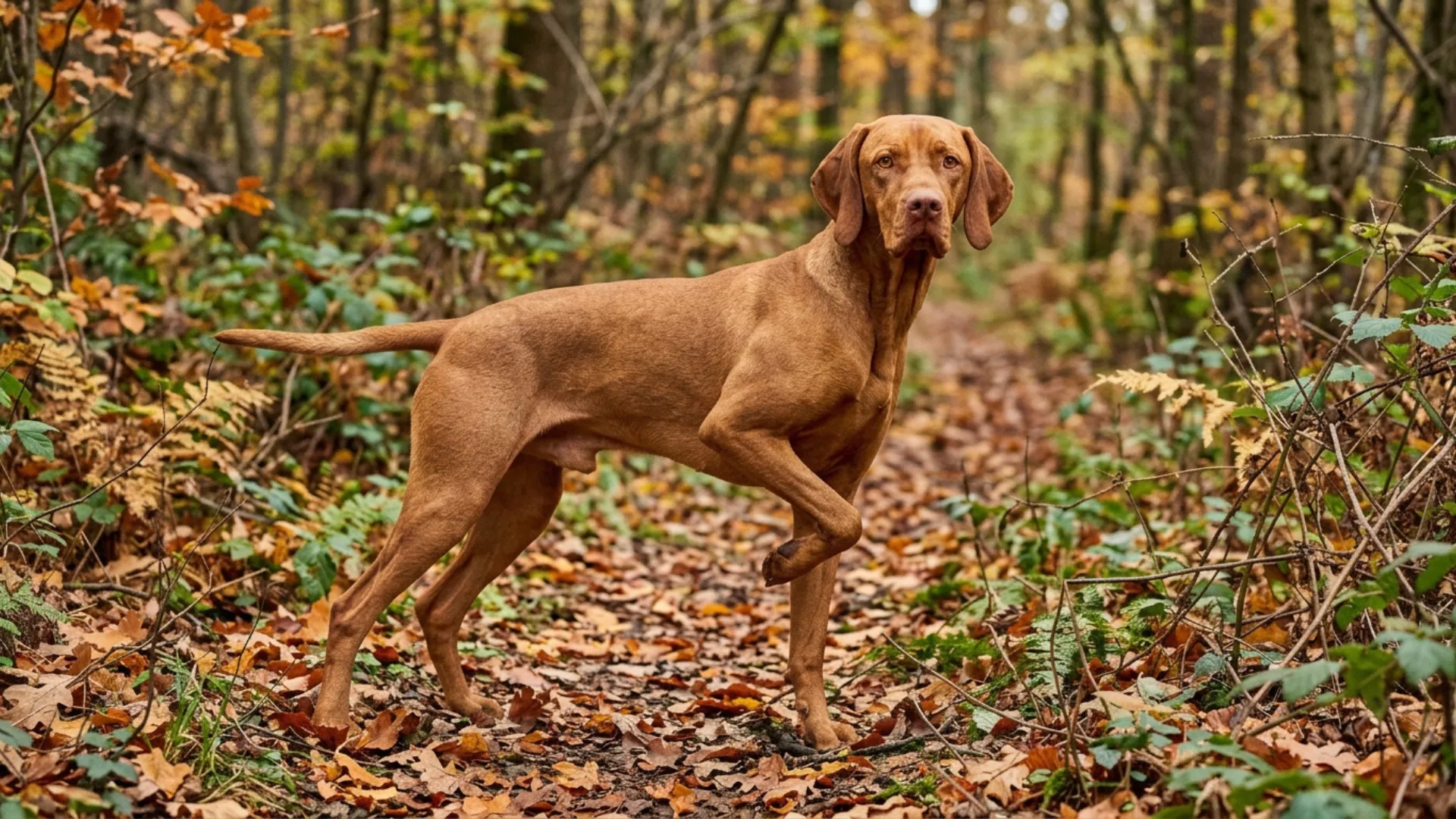
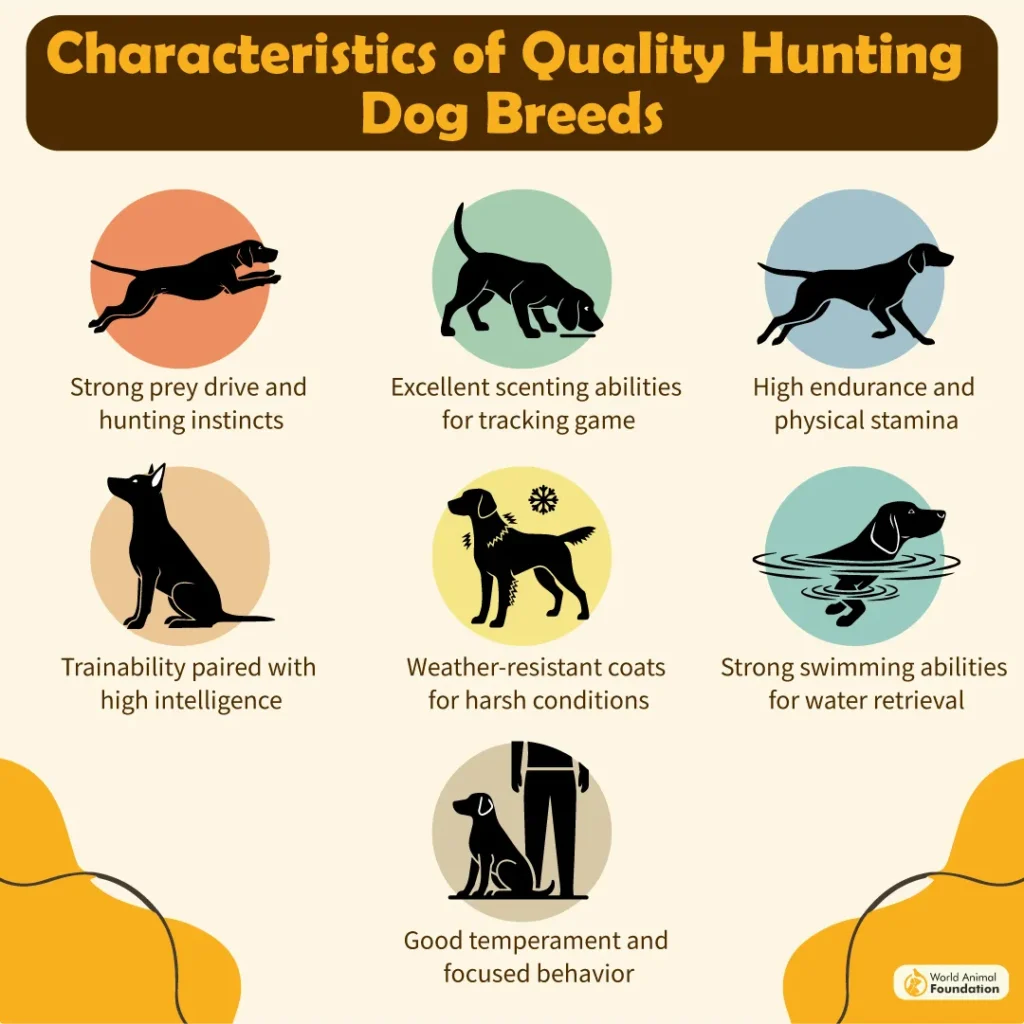
Bird dog breeds tend to have sharp noses, quick refexes, and the ability to stay close and focused while hunting. These are the exact traits that make for a great hunting companion.
The best pointing dogs can zero in on the specific bird species they’re after. They point or flush birds and retrieve them shortly after they’re shot. On top of that, they need the stamina and muscular build to cover ground easily through dense woods, muddy trails, and thick brush for hours at a stretch.
Below are 10 dog breeds that have a long history of excelling at woodcock hunting, which is exactly why experienced hunters still consider them the best for the job.
Top Dog Breeds That Excel at Woodcock Hunting
1. German Shorthaired Pointer
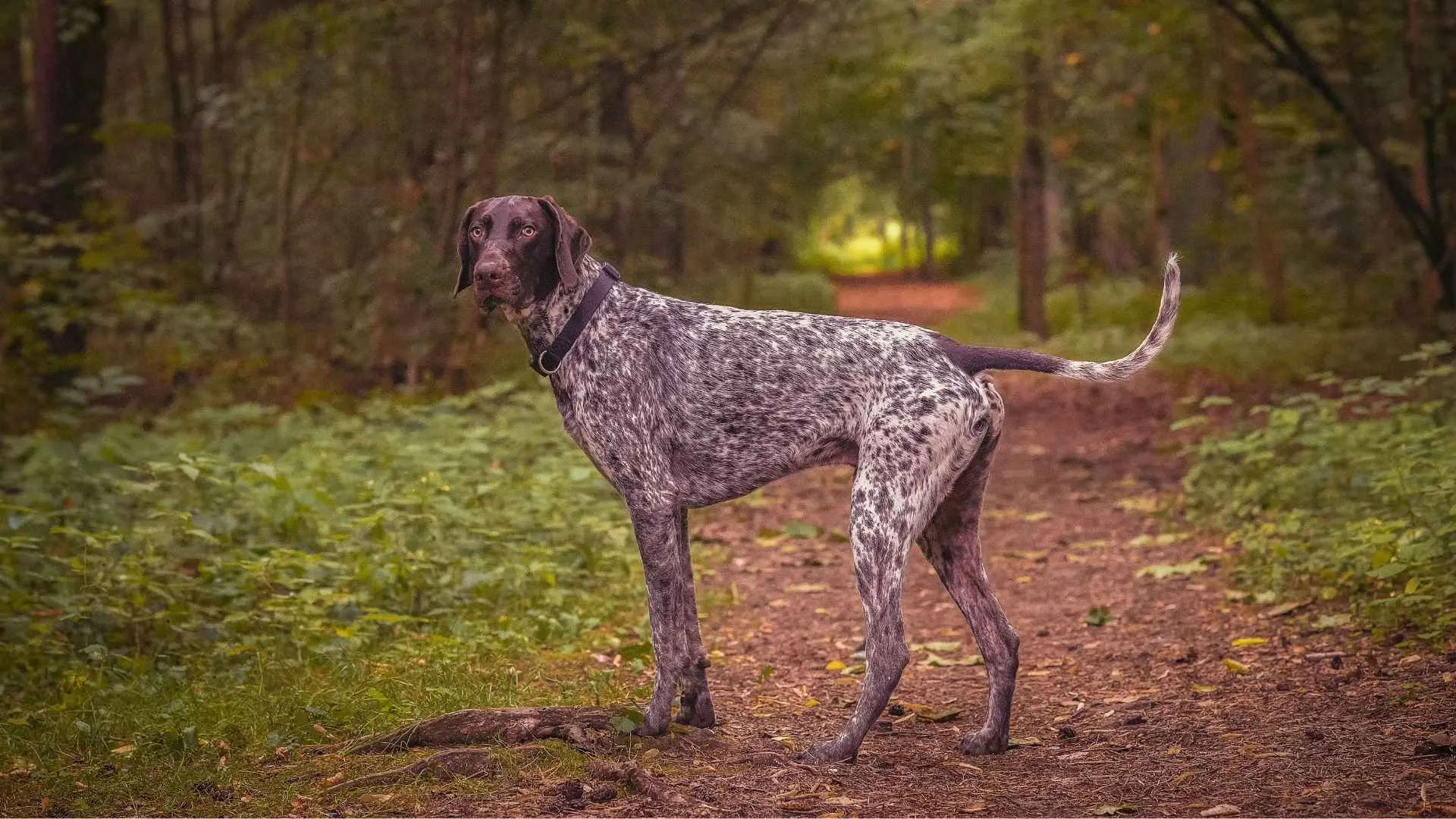
The German Shorthaired Pointer is one of the most well-rounded bird dogs in the hunting world, a great pick for woodcock hunters working grouse woods who want a versatile dog that can point, track, and retrieve all in one.
This breed has an excellent nose that easily picks up fresh bird scent, and it works at a comfortable range, making retrieving a smooth process during pheasant hunts.
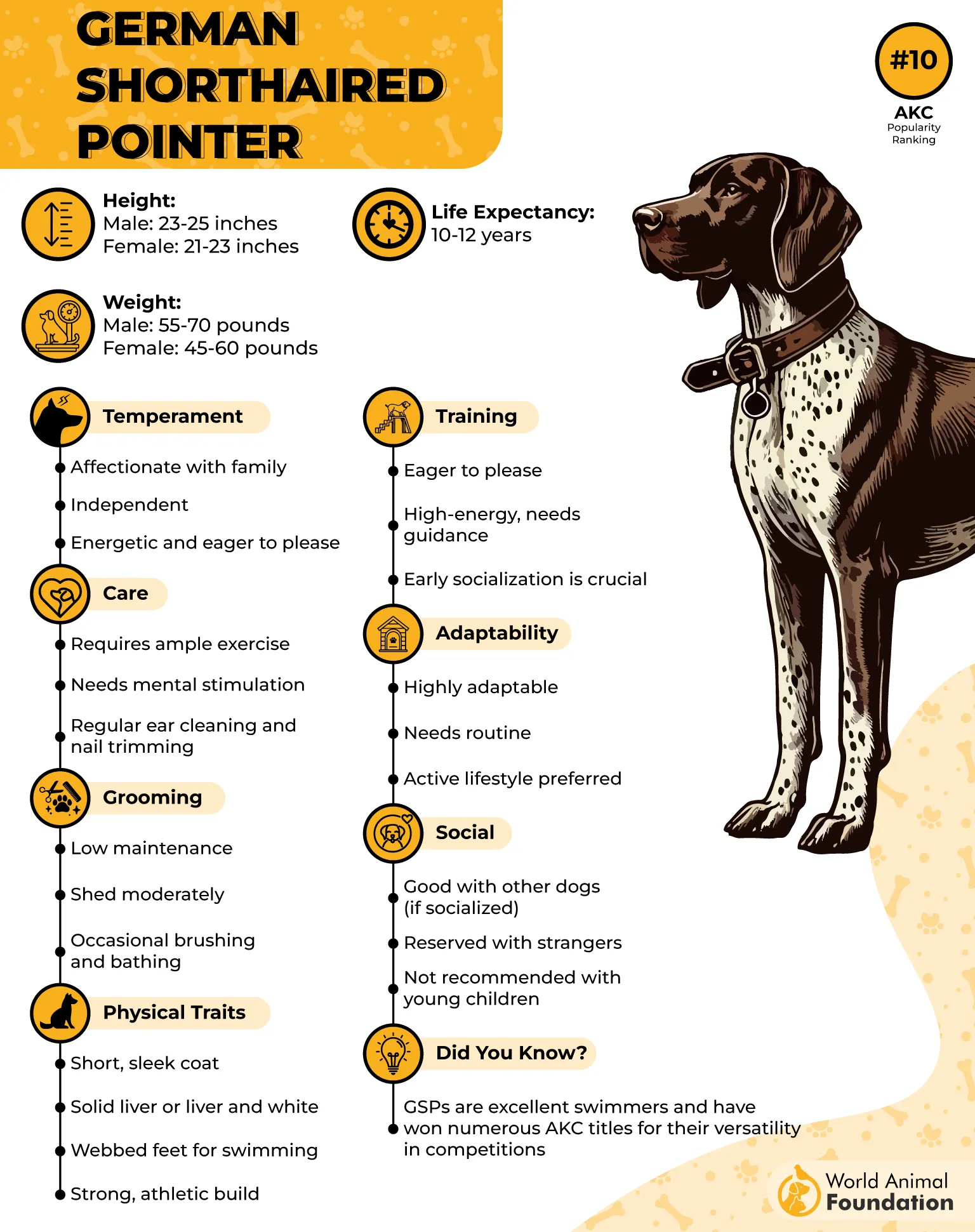
Their athletic build lets them weave through dense cover with ease, and their short coat means they pick up far fewer burrs than longer-haired breeds. These dogs are full of energy and do best with frequent training leading up to hunting season.
They genuinely love working in the field and pick up hunting routines quickly. Many hunters appreciate how naturally they chase down running birds, showing strong retrieving instincts at a solid gun range in open fields.
2. Vizsla
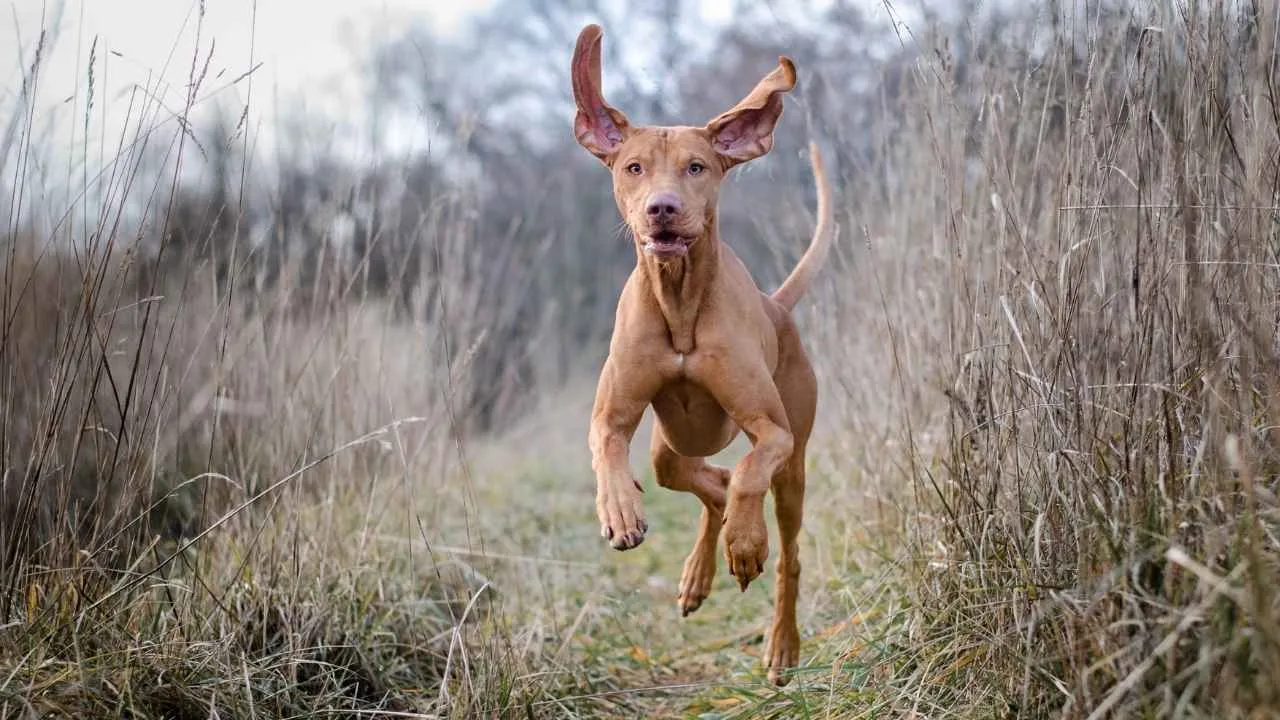
The Vizsla is a dog breed built for fast, accurate hunting. It moves well through woodland cover and tends to stay close to its handler rather than ranging far off.
This breed is highly sensitive to scent and will often find birds before less experienced dogs even catch a trace of them. Vizslas typically prefer to hunt at a comfortable range rather than cover miles of open ground.
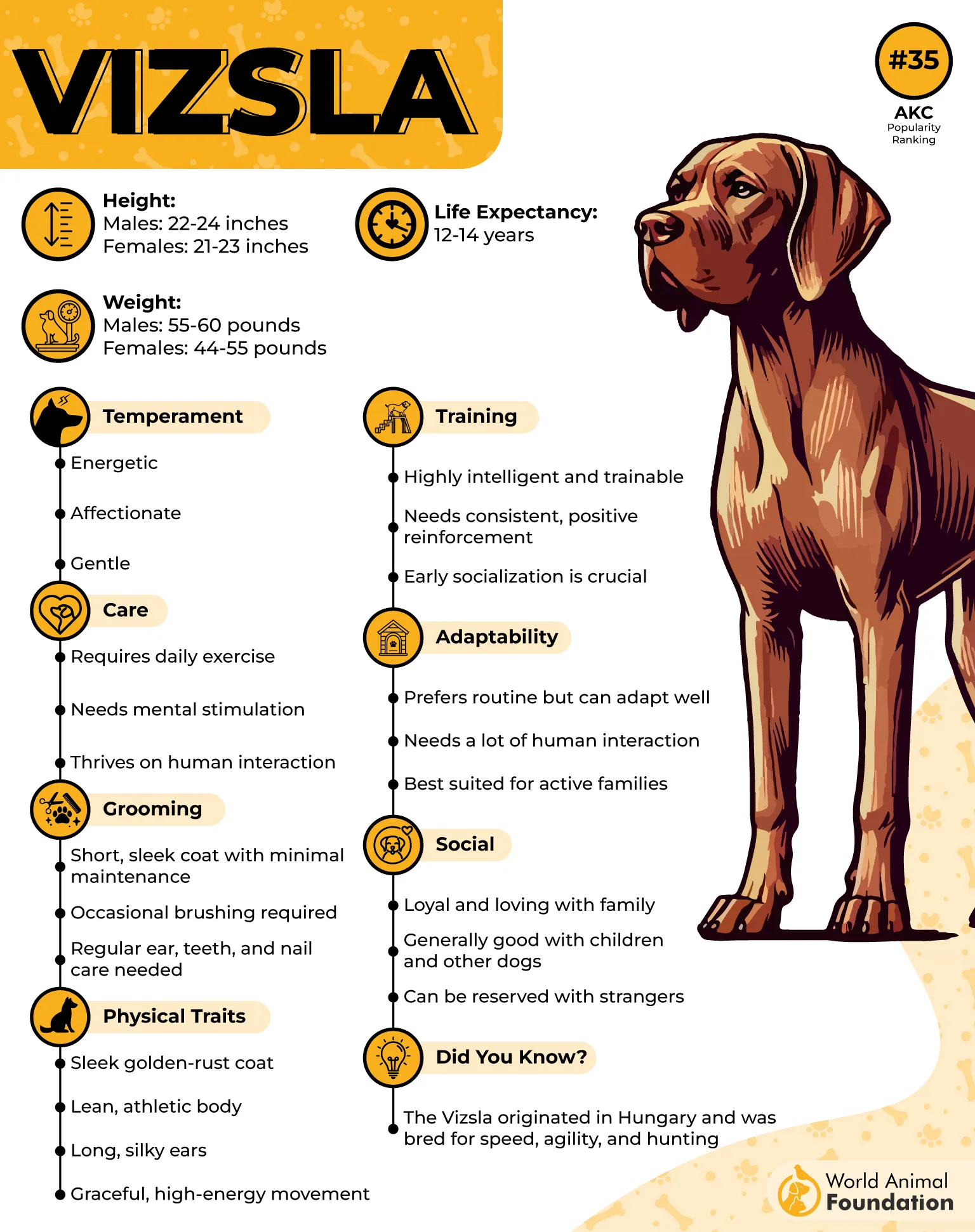
Their short golden coats are easy to maintain after a long day in the field; mud and leaves brush off without much fuss. Vizslas are eager to please and easy to train, making them a solid choice for both novice and experienced hunters. Positive reinforcement works especially well with this breed, helping boost their prey drive and adaptability in tougher conditions.
Outside of hunting season, Vizslas make affectionate family companions who genuinely love spending time with their people.
3. Weimaraner
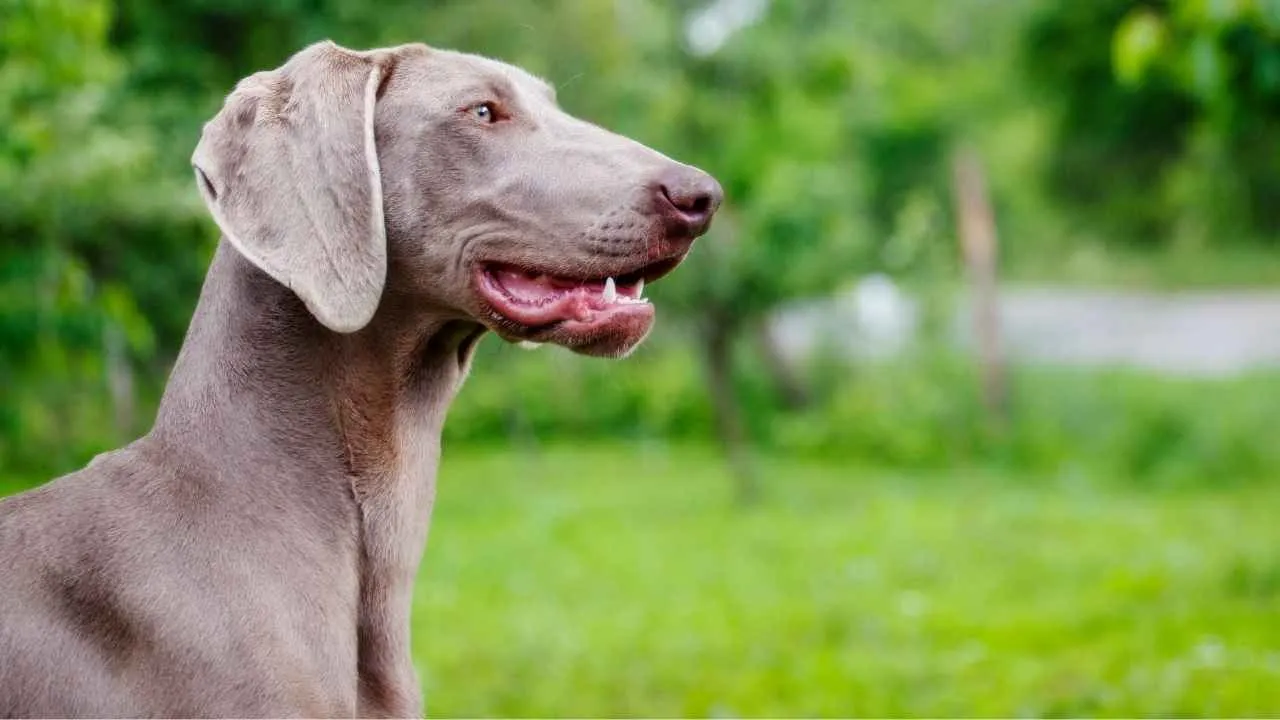
Weimaraners were originally bred in Germany to hunt all kinds of birds and large game, and that versatility still shows up clearly in woodcock hunts today.
Their long legs let them move quickly over rough terrain, handling fallen logs and uneven ground with ease.
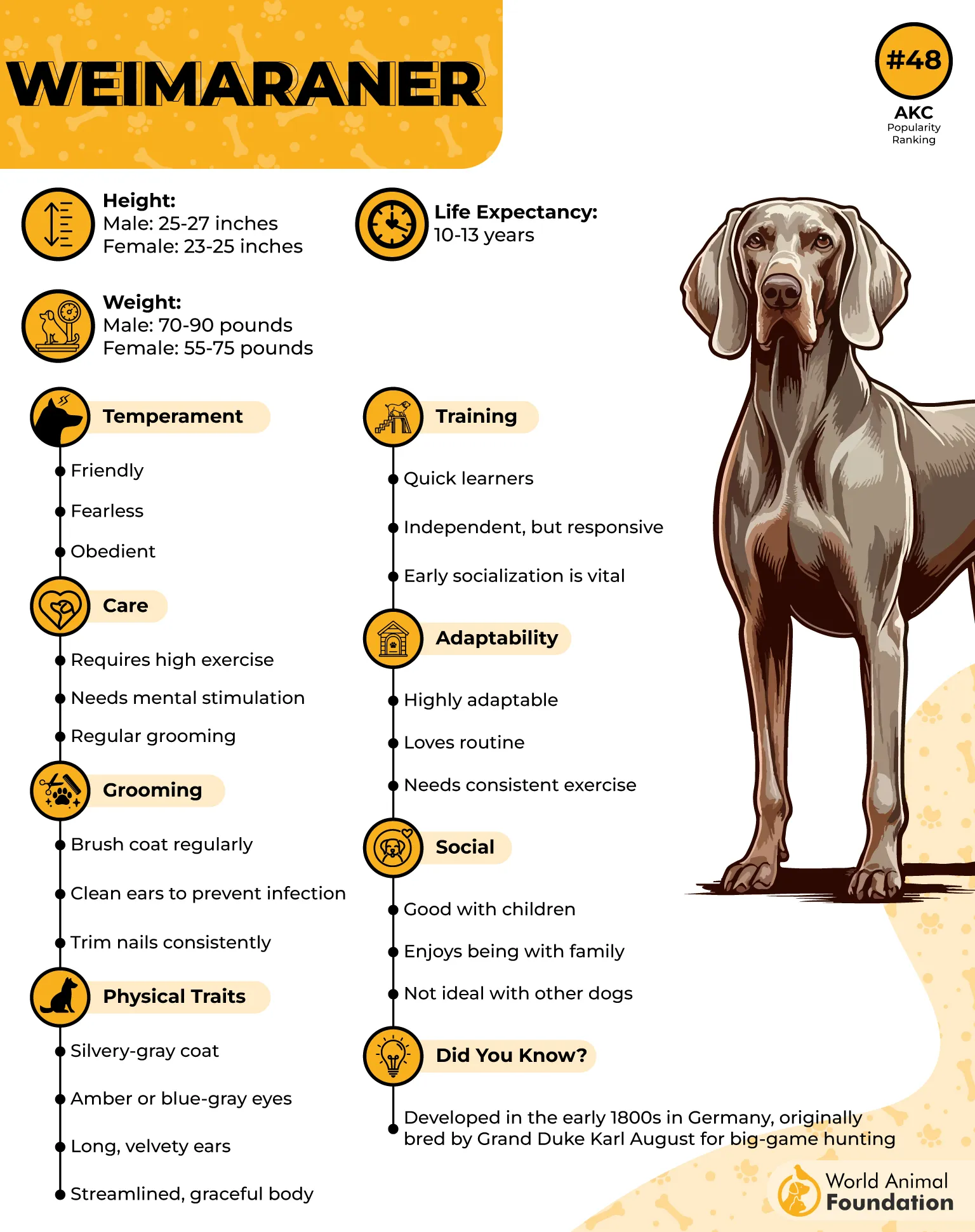
The breed’s excellent scenting ability helps them locate birds hidden under dense cover. When they catch a new scent, they naturally slow down and lock onto a solid point.
Weimaraners are also strong retrievers who genuinely enjoy bringing game back to their handler. They need daily exercise year-round. An active Weimaraner that hunts hard all day does best when it’s a well-conditioned dog overall, not one that only gets moving during hunting season.
4. Boykin Spaniel
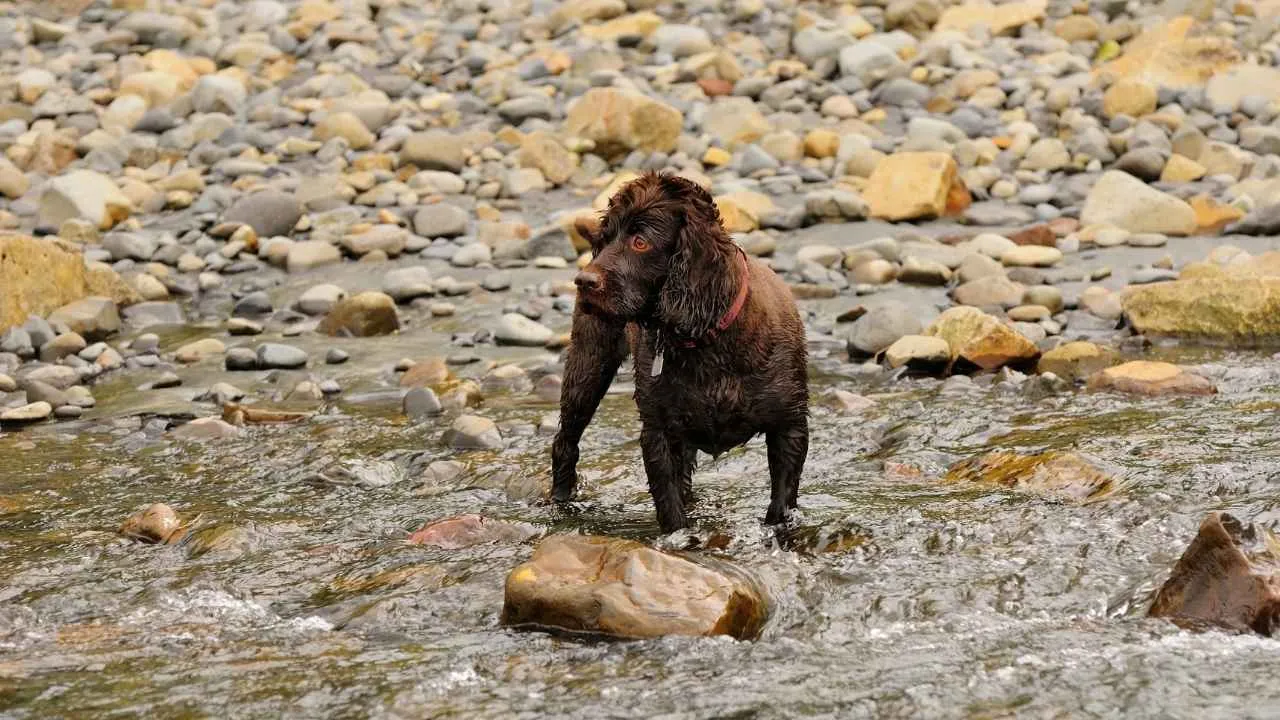
The Boykin Spaniel, a South Carolina native, is a favorite among upland bird hunters. Its medium size makes it easy for the breed to move through dense undergrowth where bigger dogs might struggle.
Boykin Spaniels work through cover to flush birds and quickly retrieve fallen game, unlike pointing breeds that work a bit differently. Their enthusiasm keeps birds moving while still staying under control.
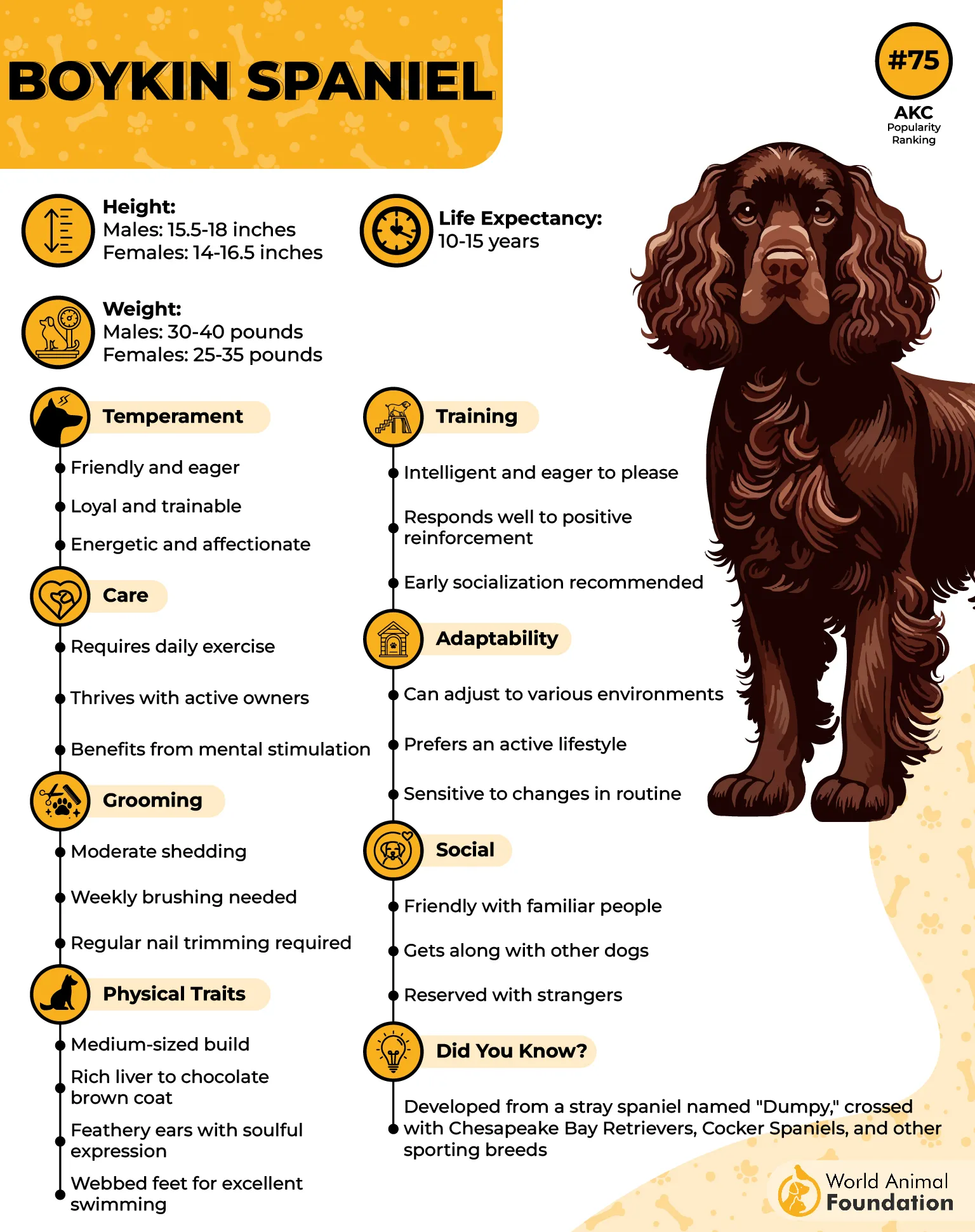
They also have a waterproof coat, which makes them just as effective near wetlands or in wet woodland habitats.
Boykins are bright, cooperative, and genuinely enjoy working alongside their handler rather than on their own. This makes training highly effective. Many hunters love that the same dog can hunt woodcock early in the season and then retrieve ducks by the time it ends.
5. Nova Scotia Duck Tolling Retriever
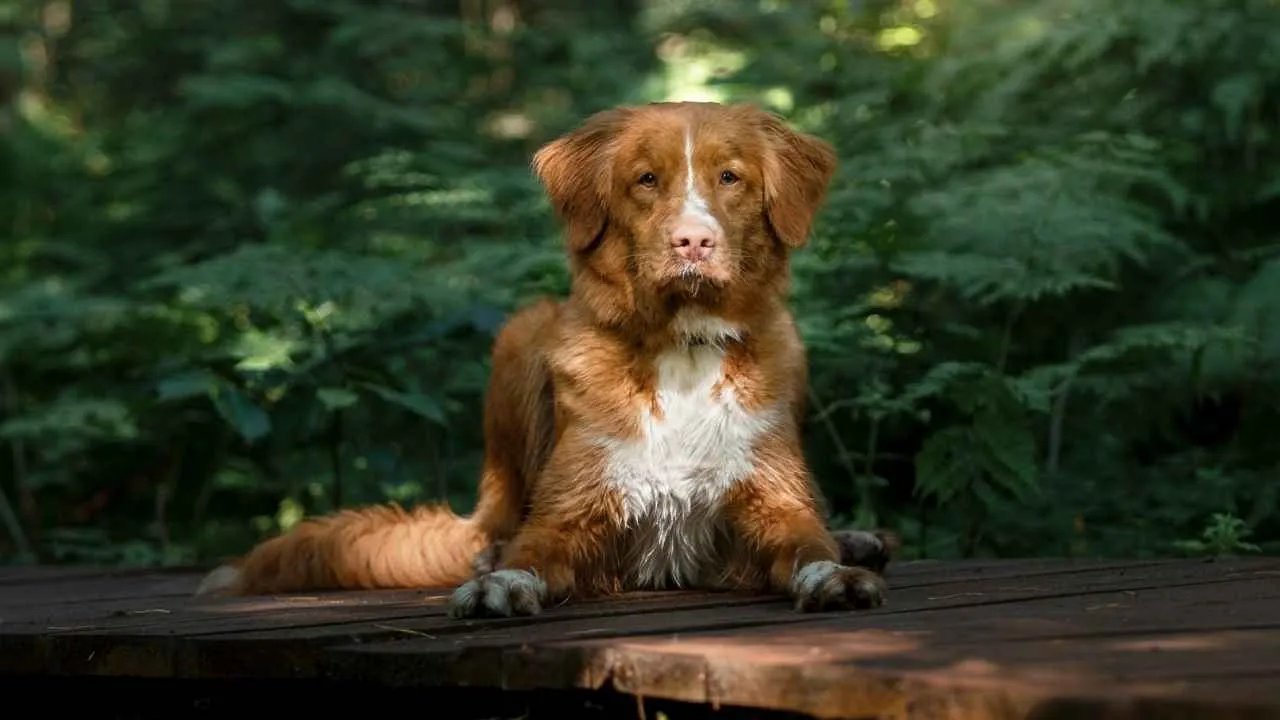
The Nova Scotia Duck Tolling Retriever is best known for luring in ducks, but it’s also an outstanding upland hunter. Its intelligence, energy, and retrieving ability make it especially effective during woodcock season.
Described by Purina as highly alert, intelligent, and outgoing, this medium-sized breed can move through thick woods for hours without wearing out. It’s a bird dog with a strong nose for finding birds in tricky spots, backed by the patience and drive to work those areas thoroughly.
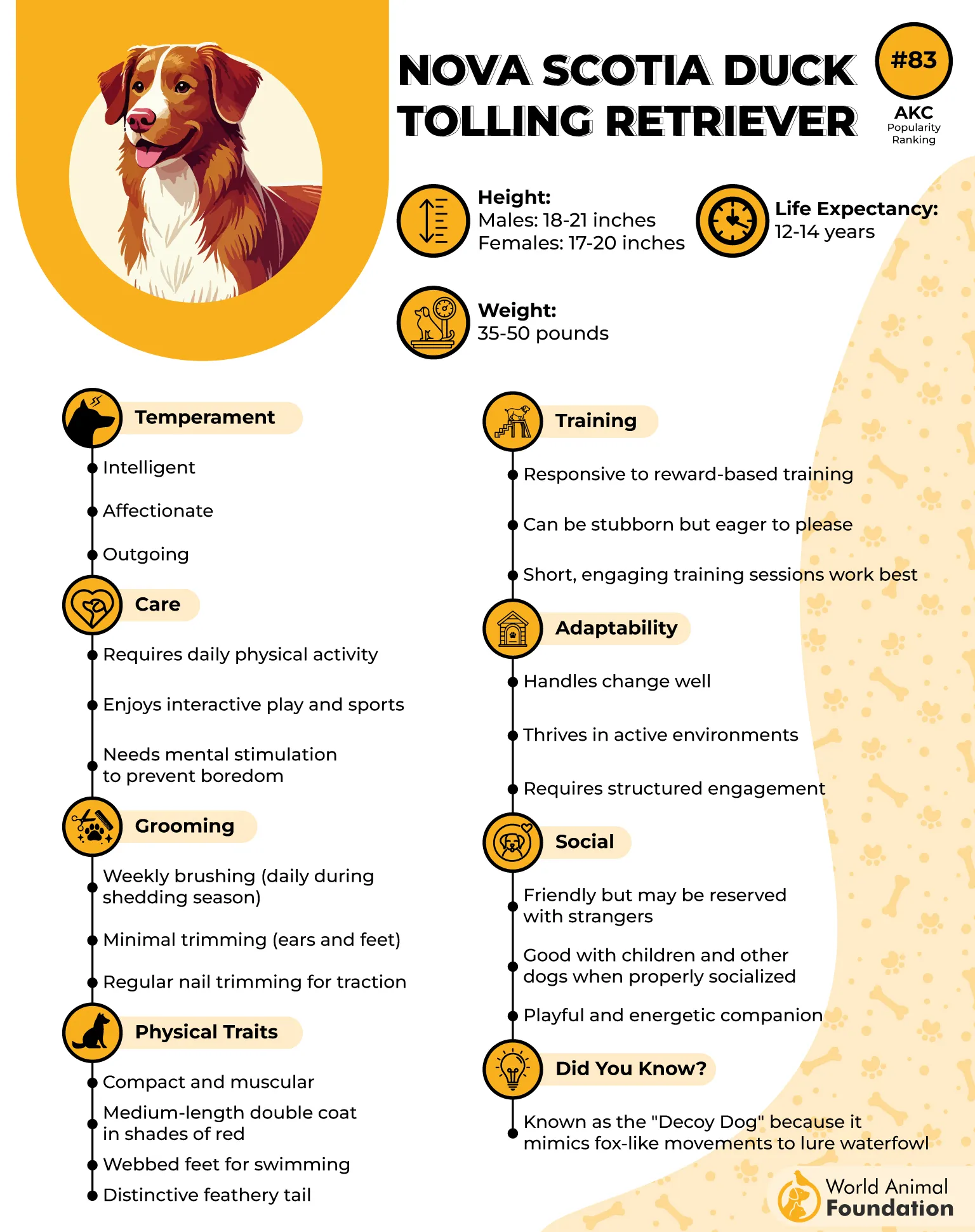
Tollers are smart and genuinely enjoy a good training challenge. They’re excellent retrievers who love bringing game straight back to their owner. Their water-resistant coat holds up well on rainy hunting days, and their friendly nature makes them just as great as family dogs once the season winds down.
6. Brittany
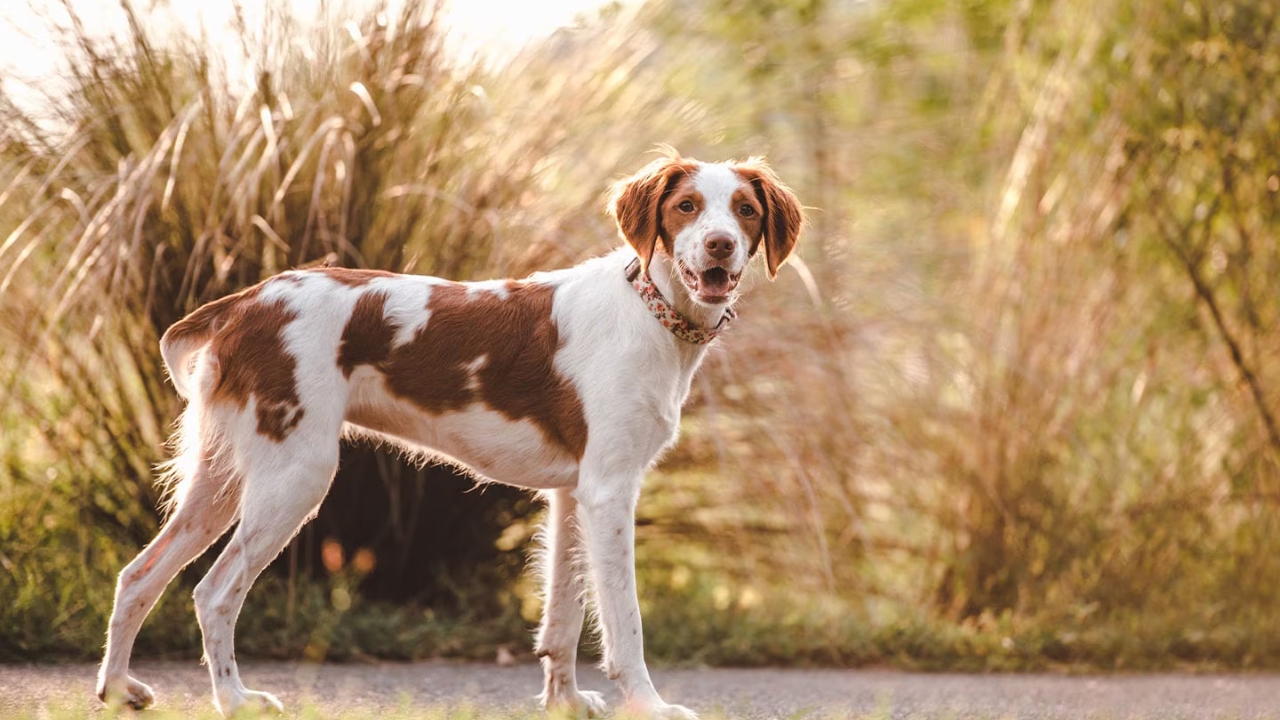
The Brittany is one of the fastest upland hunters around. Despite its speed, it’s light on its feet and can change direction in an instant when weaving through dense woodland.
This breed also has serious endurance; it won’t lose focus or interest even after hours of hunting. Brittanys tend to point rather than flush, giving hunters just enough time to get within range before the bird takes off.
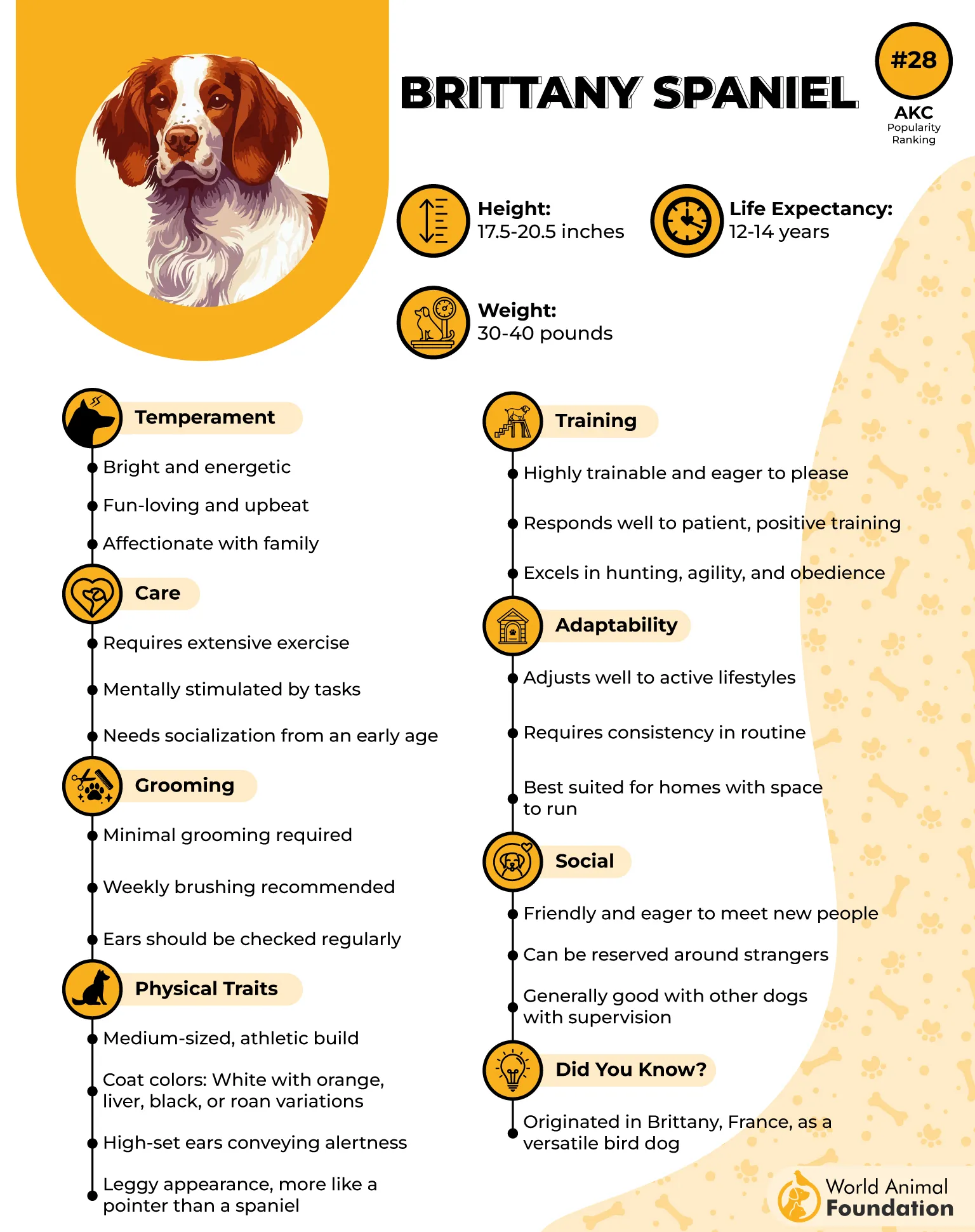
Their smaller frame makes them especially good at navigating narrow trails and thick vegetation where larger breeds might struggle. On top of that, the Brittany is highly trainable and genuinely enjoys picking up new field commands, and with regular practice, it holds onto its hunting instincts well.
It’s easy to see why so many hunters prefer the Brittany: it brings together speed, intelligence, and reliable pointing skills in one package.
7. English Springer Spaniel
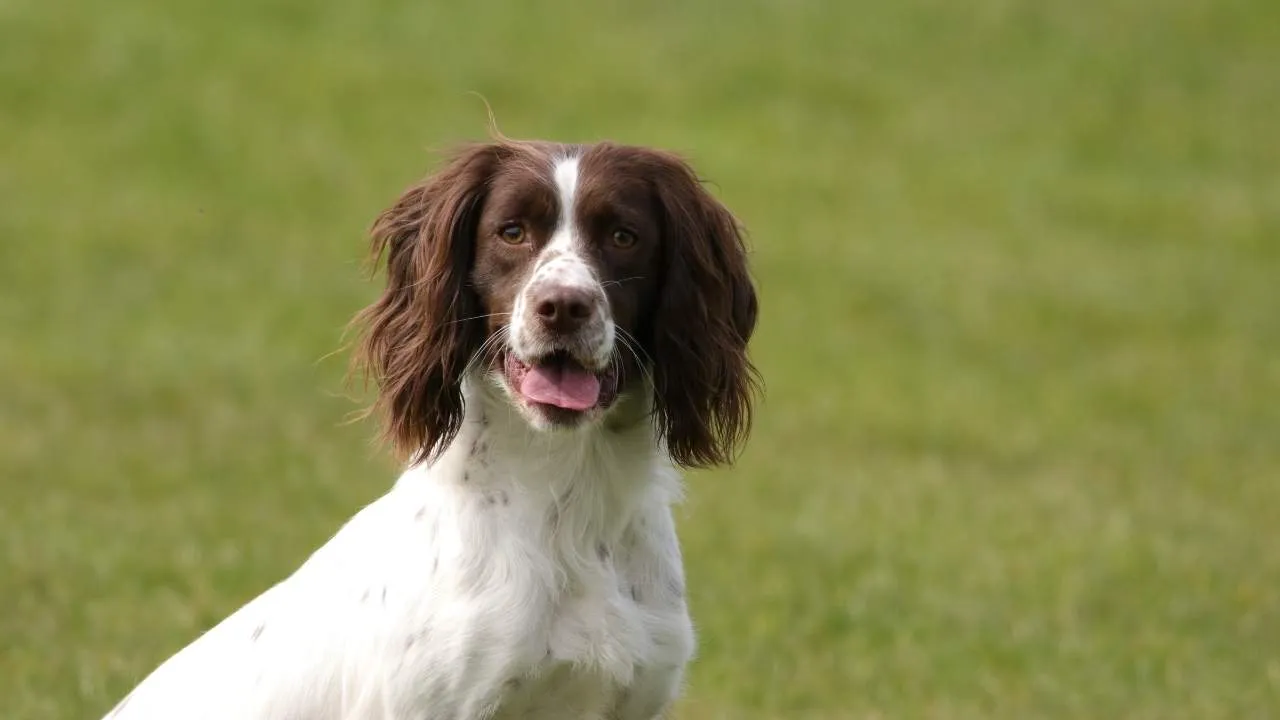
The English Springer Spaniel is one of the best flushing dogs for woodcock hunting. Once it locates a bird, it flushes it fast and is instantly ready for the retrieve.
Its compact, agile body lets it push through thorny bushes, fallen branches, and thick woods without hesitation, and its solid stamina means it can keep hunting for hours.
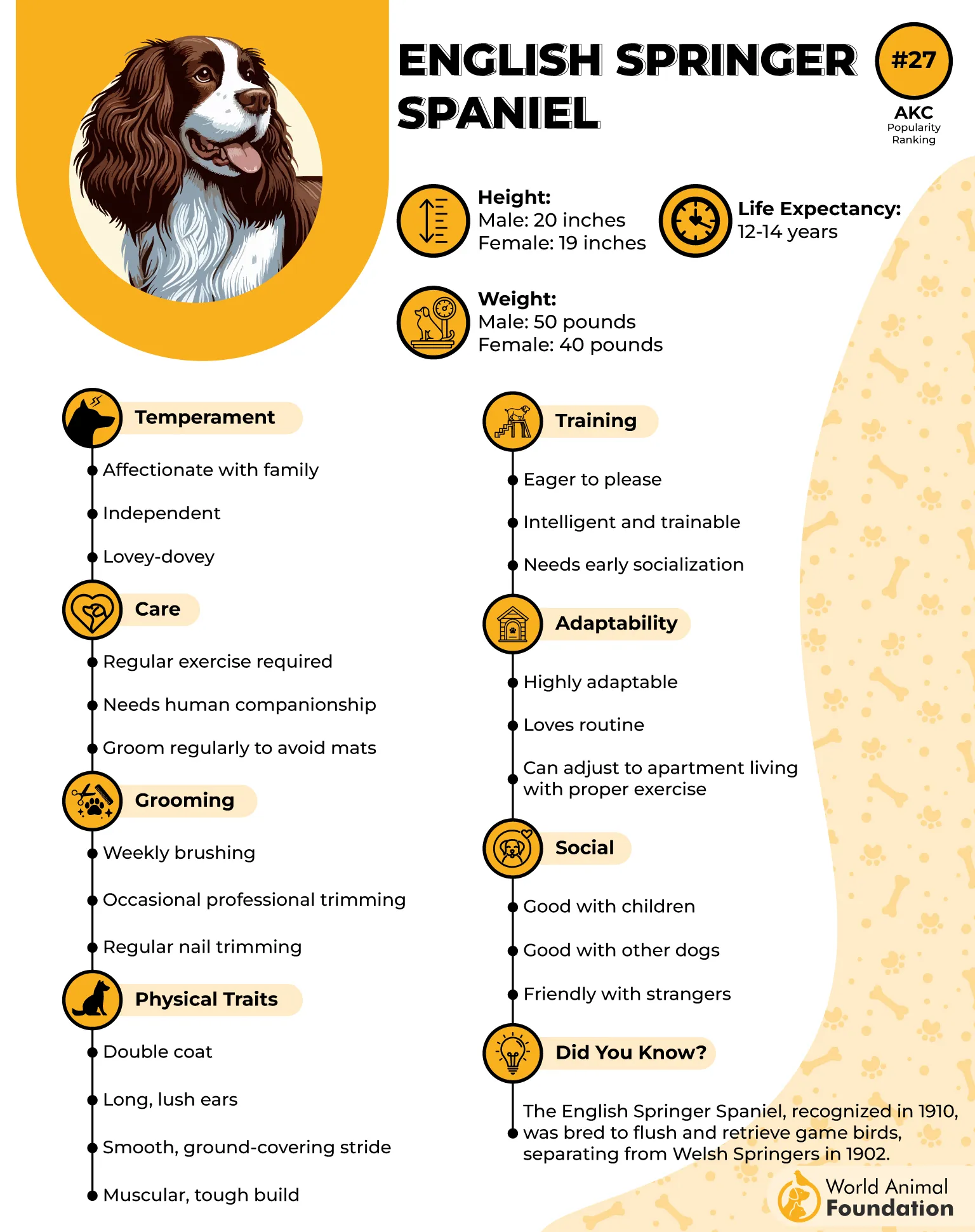
Springers are eager learners who genuinely enjoy working as a team, and they respond well to whistles and hand signals in the field. Once a bird is down, they retrieve it with a soft mouth, keeping the game in good condition.
8. German Wirehaired Pointer
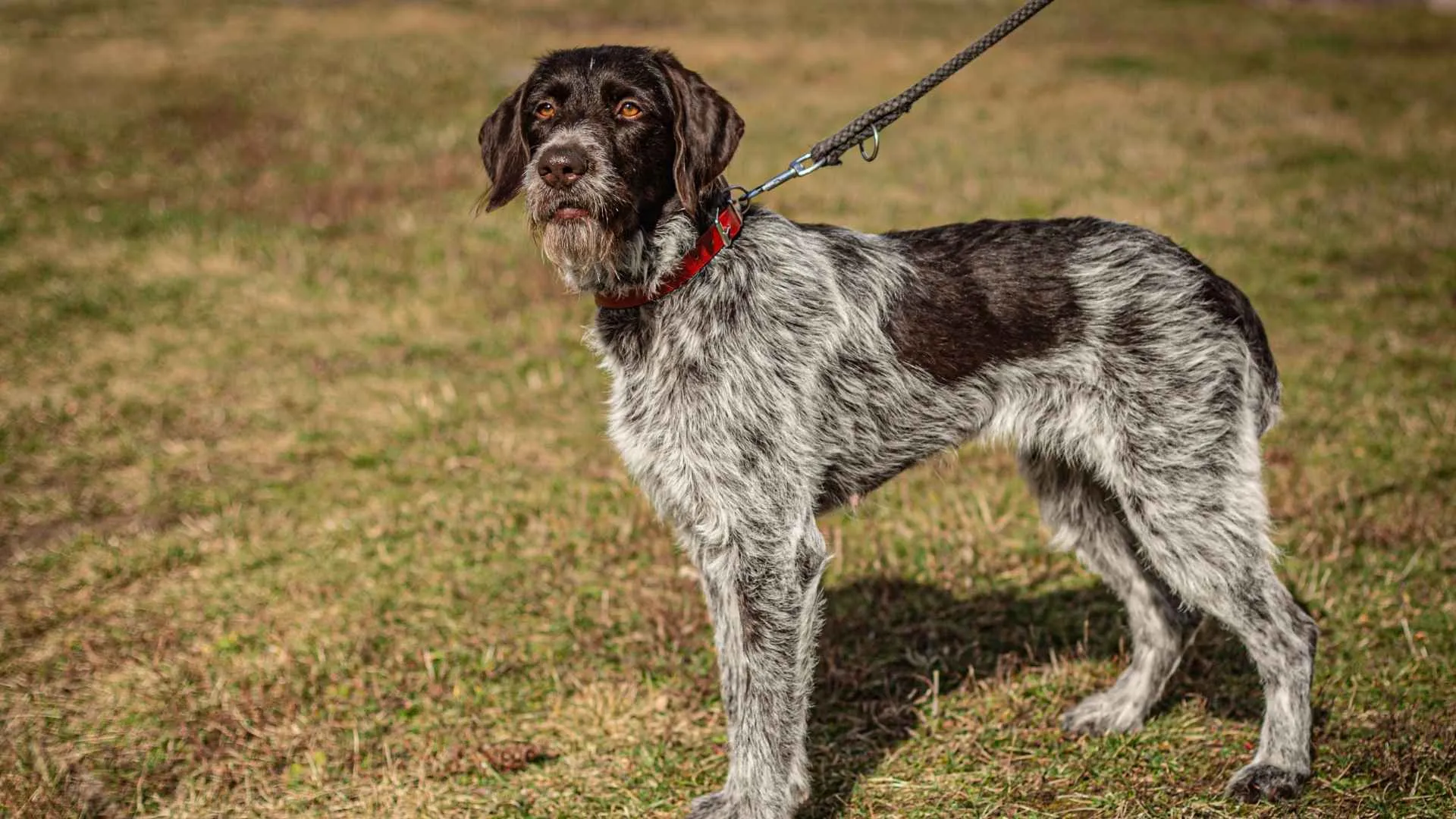
The German Wirehaired Pointer was bred for hunters who needed a truly versatile dog, one capable of finding, tracking, and working confidently on both land and water.
Orvis describes it as a smart, energetic breed with dense, wiry fur that protects against thorns, cold, and rough vegetation, which comes in especially handy late in the season when the weather turns damp and tough for woodcock hunting.
This breed has a sharp nose that carefully tracks bird scent before settling into a solid point, rarely rushing in without pinpointing the bird first. German Wirehaired Pointers are busy, driven working dogs that need plenty of exercise and a solid level of field training.
They also tend to bounce back well after long hunting days and are known for being able to work multiple days in a row without losing steam.
9. Chesapeake Bay Retriever
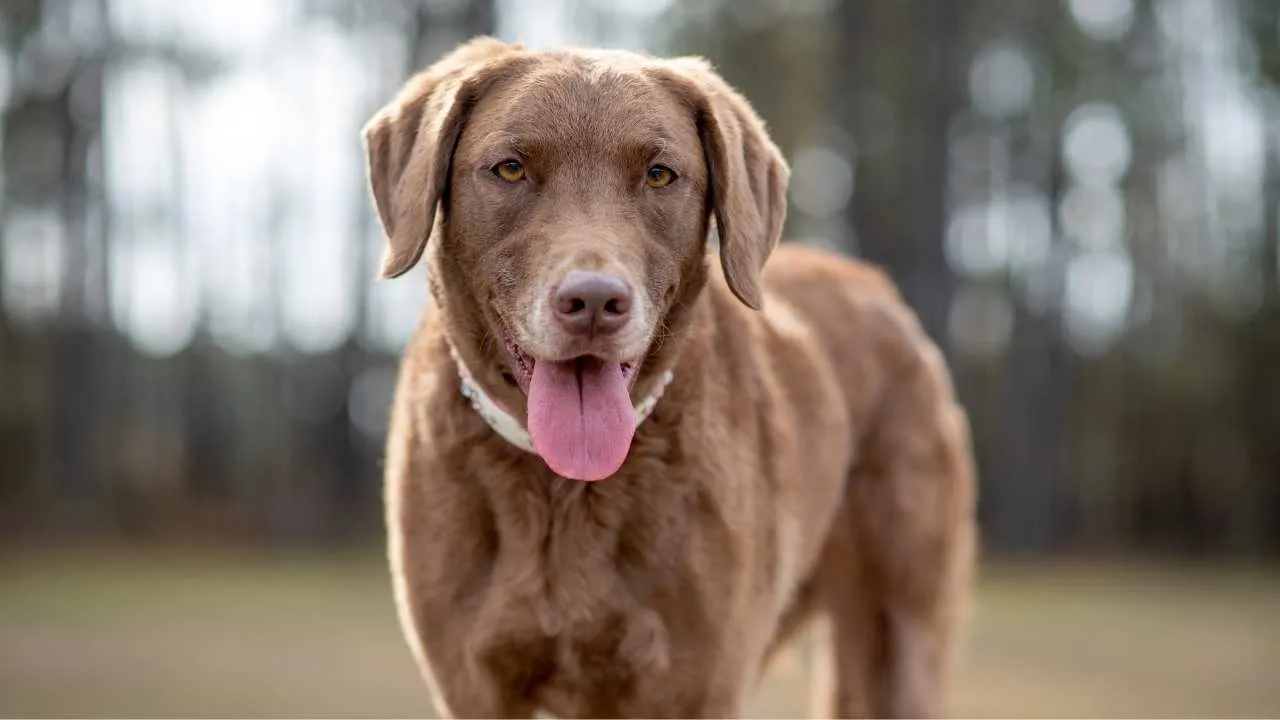
The Chesapeake Bay Retriever is best known as a waterfowl retriever, but it’s also a capable woodcock hunting dog. It’s sturdy enough to push through deep undergrowth while staying calm and focused the whole time.
Its double coat is waterproof, giving it solid protection across different terrains, even in cold, rough weather.
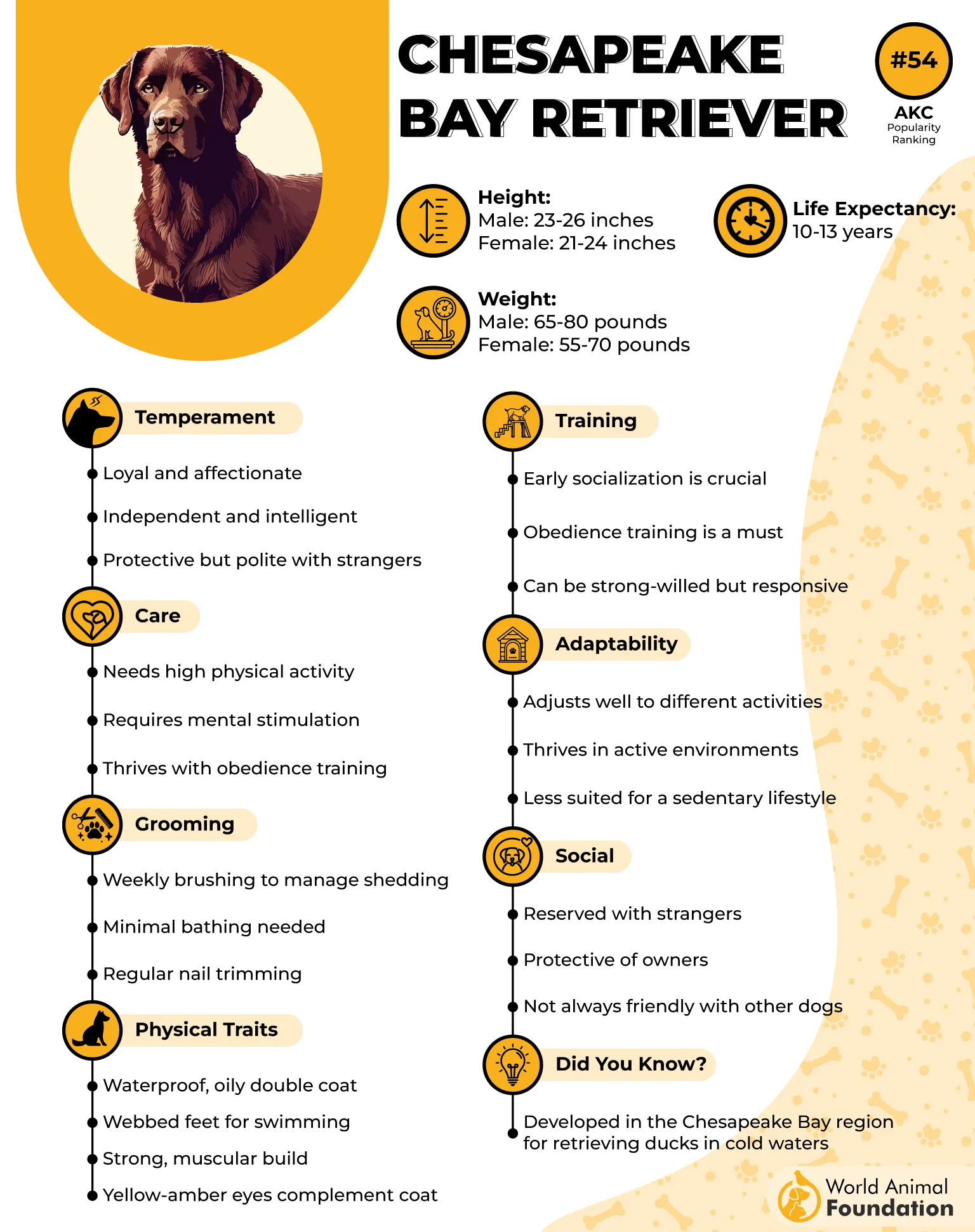
Chesapeakes are highly trainable with excellent memories, and they pick up on hunting routes and retrieving patterns fairly quickly. Once trained, they’re capable of working independently without needing constant direction.
They don’t point birds the way some breeds do, but they’re true masters at retrieving downed birds, especially the ones that land in tricky cover. Their sheer perseverance is exactly why so many hunters rely on them to retrieve game that other dogs might give up on.
10. Wirehaired Pointing Griffon
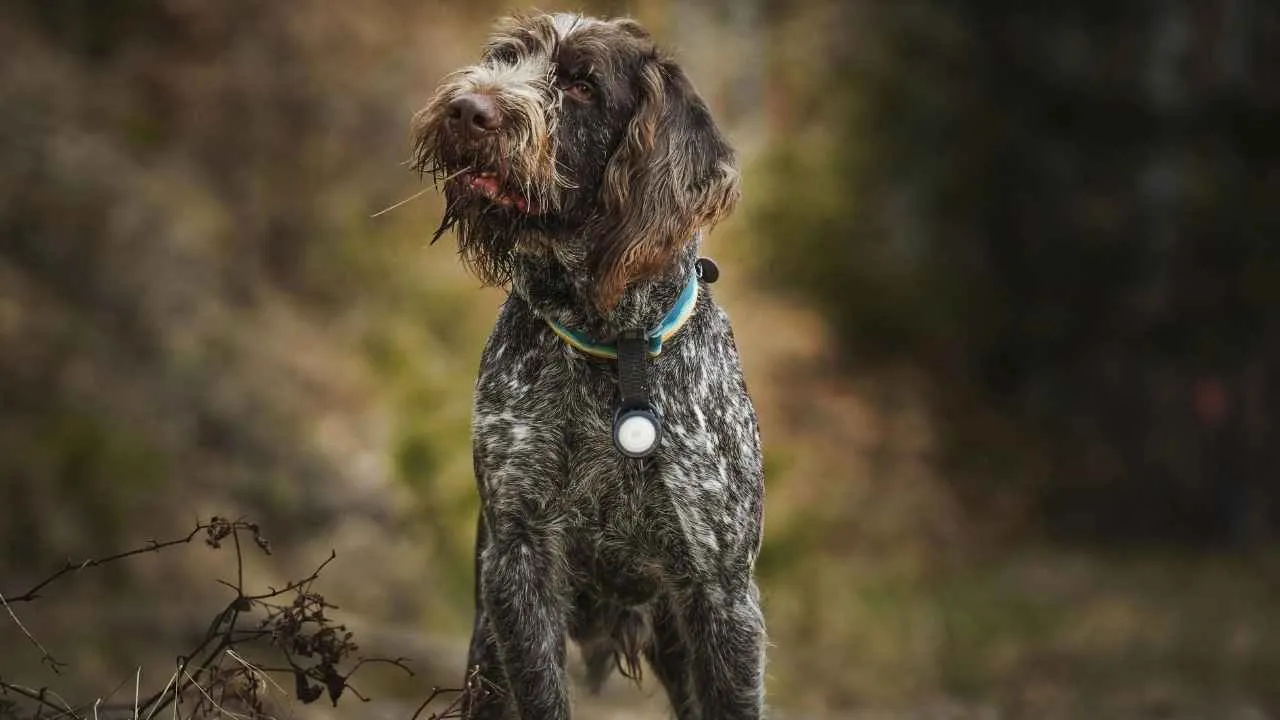
The Wirehaired Pointing Griffon’s versatility has earned it a reputation as the ultimate gundog. It combines outstanding scenting and pointing skills with solid retrieving ability.
Described by PetMD as smart and eager to please its family, this breed hunts at a steady, medium pace rather than rushing ahead, carefully searching out spots where woodcock might be hiding.
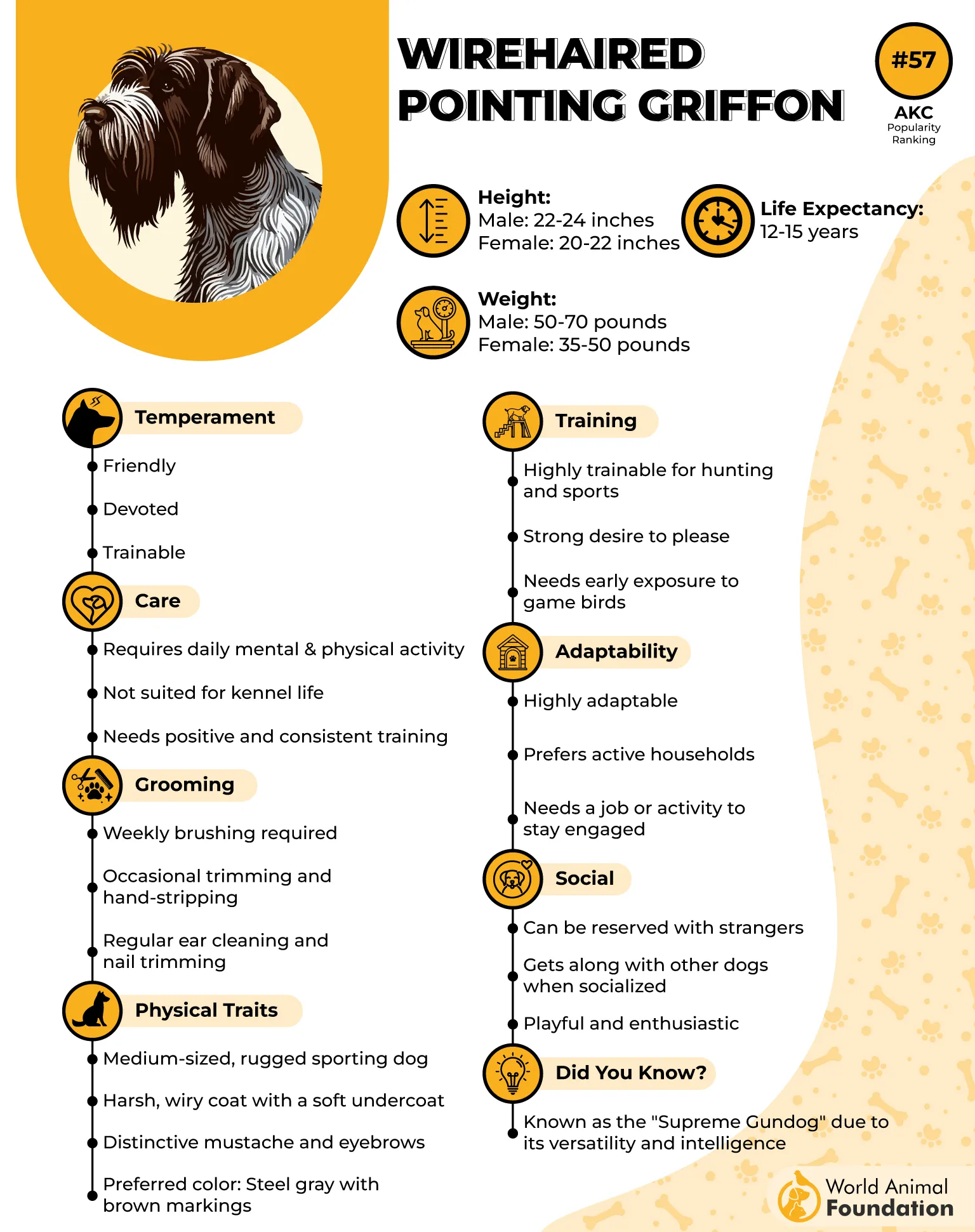
Its rough coat protects the skin from cuts while working through rough vegetation and sheds dirt more easily than the coats of longer-haired breeds.
The Wirehaired Pointing Griffon is smart, easy to train, and tends to stay within a comfortable range of its handler. It’s not the fastest hunter out there, which is exactly why owners who value accuracy over speed tend to love it.
Conclusion
Woodcock hunting is about more than just speed. A good hunting dog must have all these qualities, such as scenting, intelligence, endurance, and teamwork. They have to pass through vegetation, find elusive birds, and get game consistently in varying situations.
Make sure you select the right hunting partner with the right hunting style. All of these breeds can make an excellent choice for a woodcock dog with the right amount of training.
