




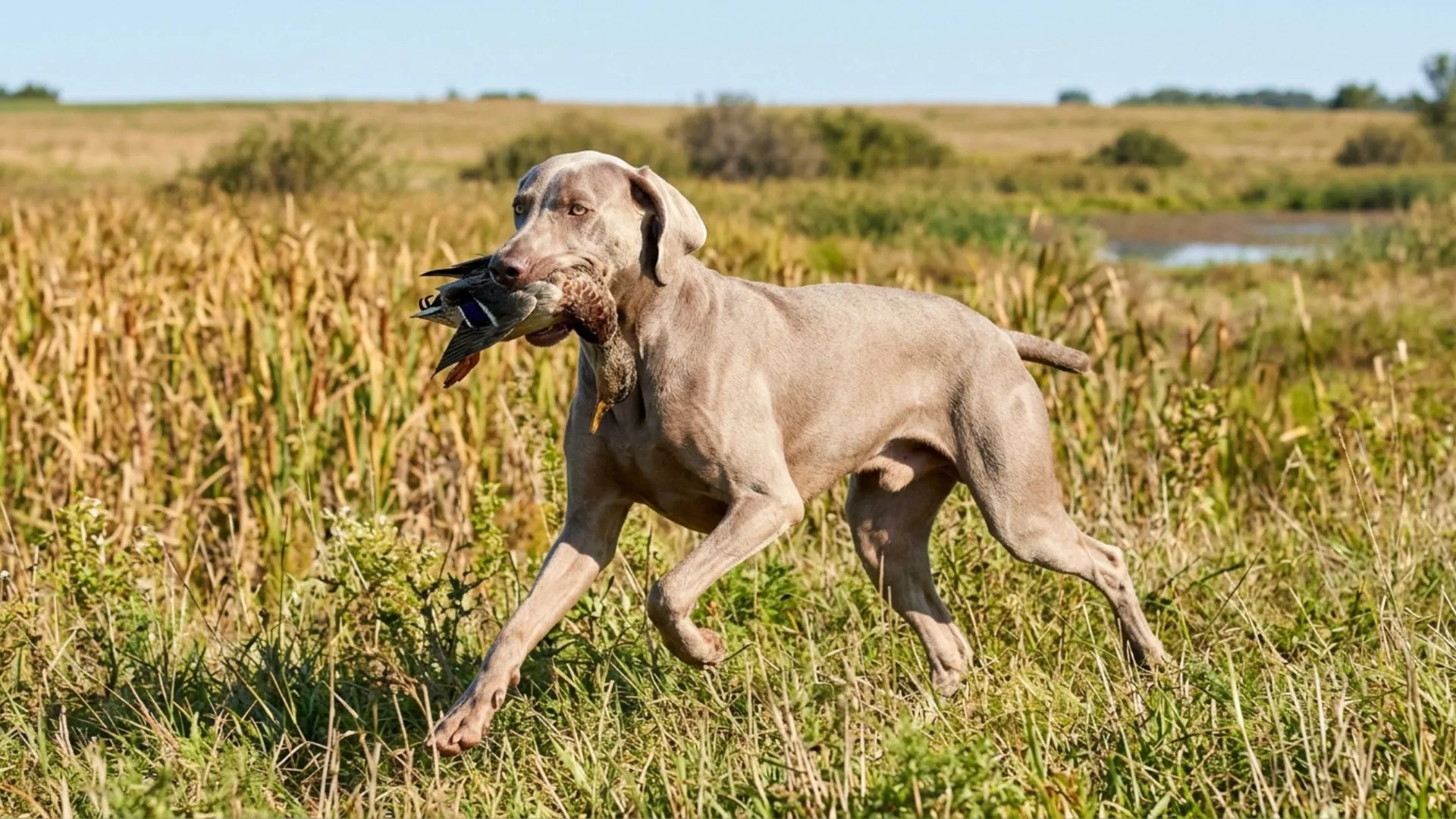
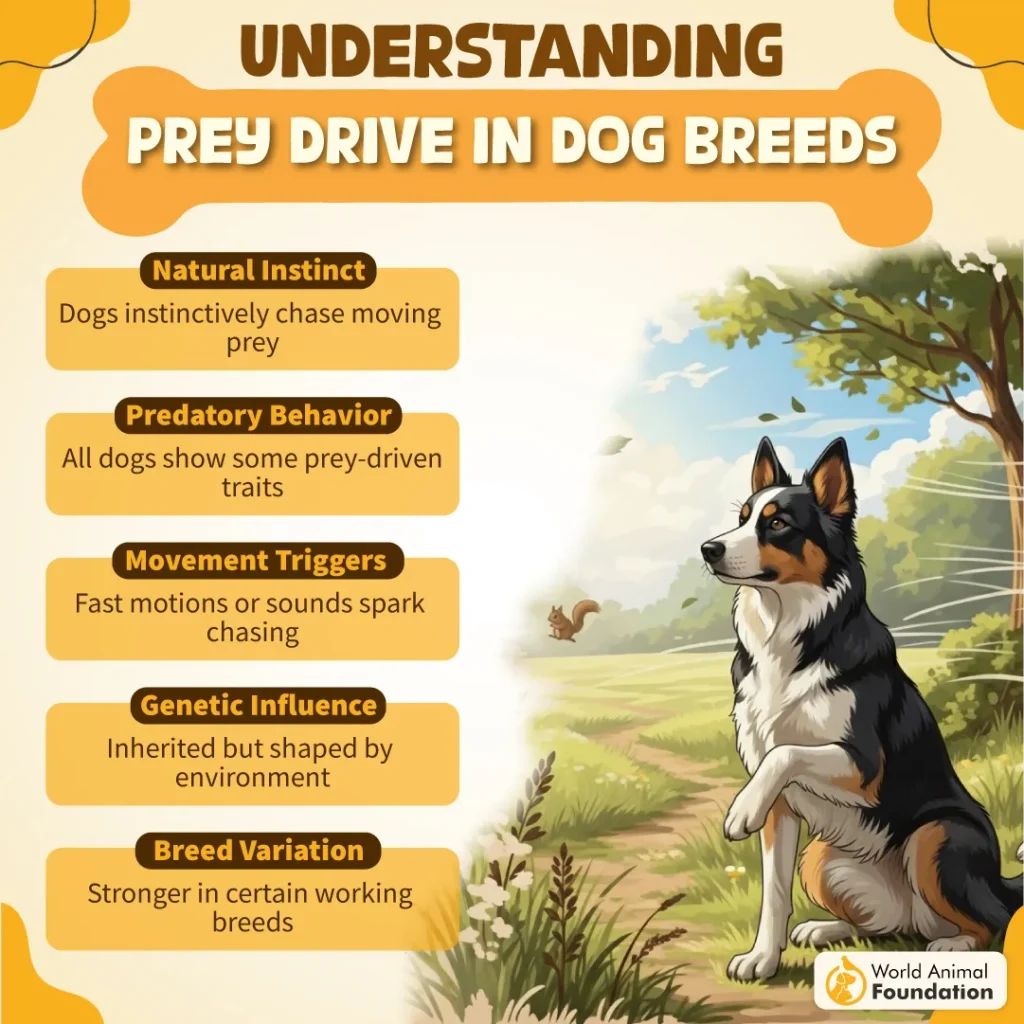
The rabbit appeared for only a moment before disappearing into the brush. Long before its owner noticed the movement, the dog had already frozen, eyes fixed ahead, every muscle ready to respond.
There was no command, no hesitation, and no uncertainty. The reaction came from an instinct that had been shaped over countless generations. Moments like this reveal what prey drive truly means. It is not something that can be fully taught or switched on with training alone.
It is a natural ability that influences how a dog observes the world, follows scent or movement, and stays committed to the pursuit. That is why some breeds have remained trusted hunting partners for generations, earning their reputation through consistent performance in demanding conditions.
Continue reading to meet the breeds whose exceptional prey drive has made them reliable hunters and learn what qualities allow them to excel where instinct matters most.
Key Takeaways
One quick movement in the distance is all it takes for the right dog to lock in with complete focus and refuse to look away.
The Bluetick Coonhound can follow a scent for remarkable distances, while the Rhodesian Ridgeback once earned recognition for tracking lions across challenging terrain.
Add a fearless Weimaraner and an Irish Setter that never misses fast-moving wildlife, and every breed brings a different kind of hunting instinct to the field.
Keep reading because these remarkable abilities are only the beginning of what makes these hunting dogs stand out.
Dog Breeds That Excel at Hunting – Prey Drive Focus
1. Bluetick Coonhound
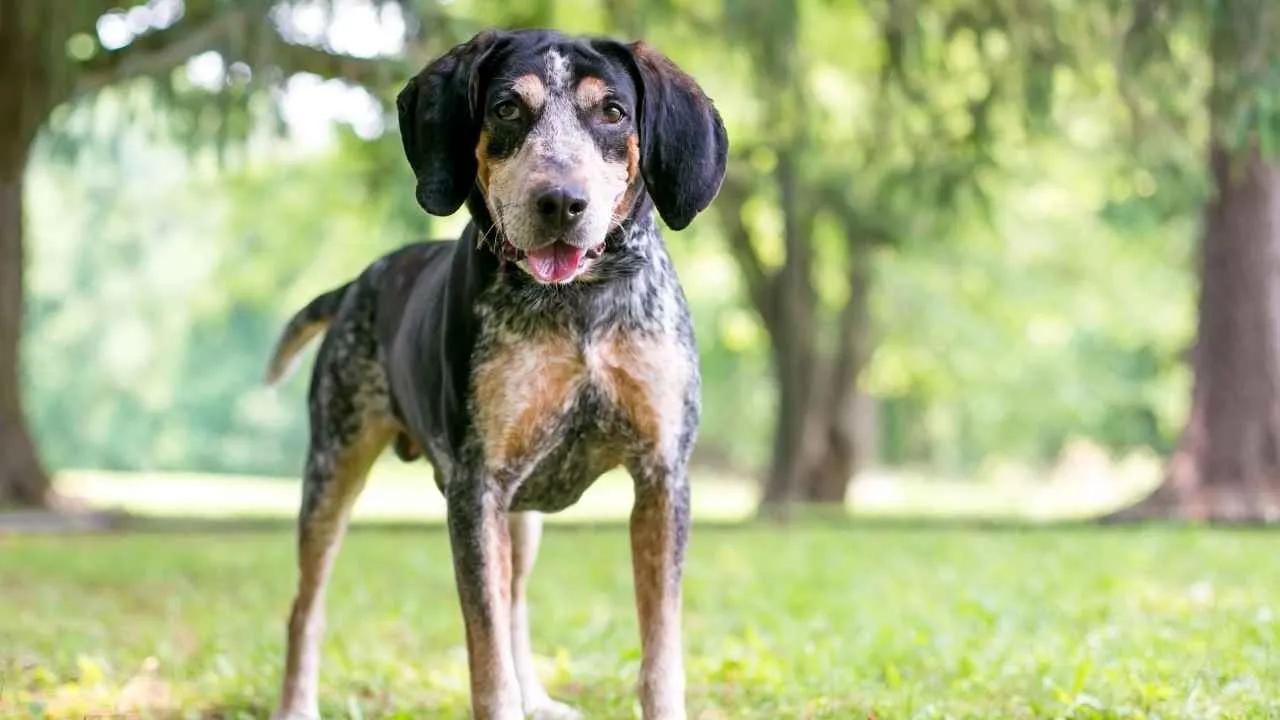
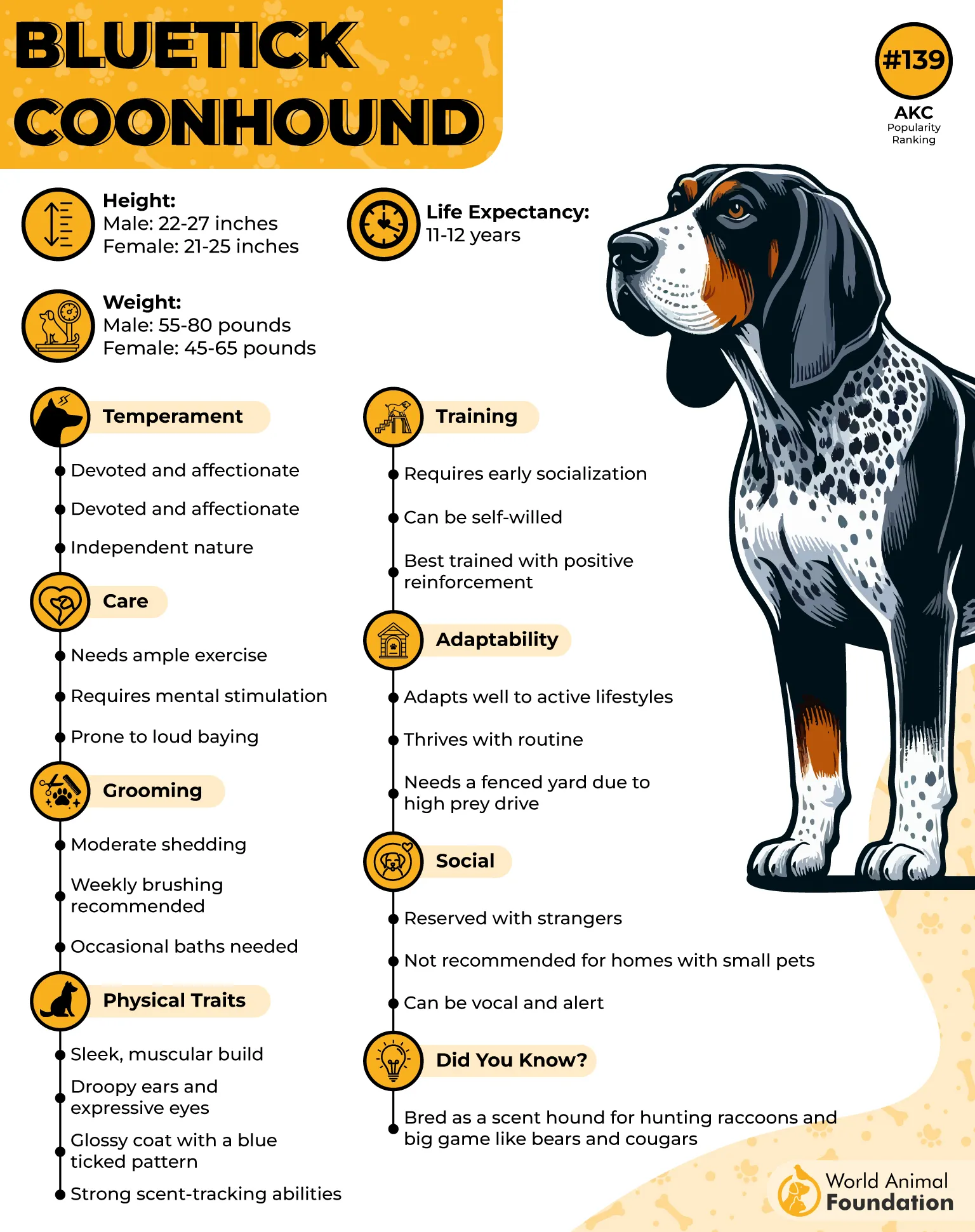
The Bluetick Coonhound built its reputation around an exceptional sense of smell, allowing it to follow scent trails across long distances without losing focus.
Early hunting work included raccoons as well as demanding game such as bears, wild boars, and cougars, reflecting remarkable determination in the field.
Born to Follow Scents
This breed enjoys solving scent challenges with both endurance and careful decision-making, which explains why long hunts suited it so well. That same instinct also means a secure fenced area or leash becomes important whenever interesting scents appear nearby.
Its background tells more:
French staghound ancestry
Connection to Marquis de Lafayette’s gift
Linked to George Washington’s hunting dogs
Voice With a Purpose
The Bluetick Coonhound communicates with a deep bay that resembles a loud yodel, a vocal signal originally used while tracking game through rugged terrain, as VCA Hospital noted. Consistent training can help reduce excessive baying, howling, and barking in everyday settings around the home.
2. Rhodesian Ridgeback
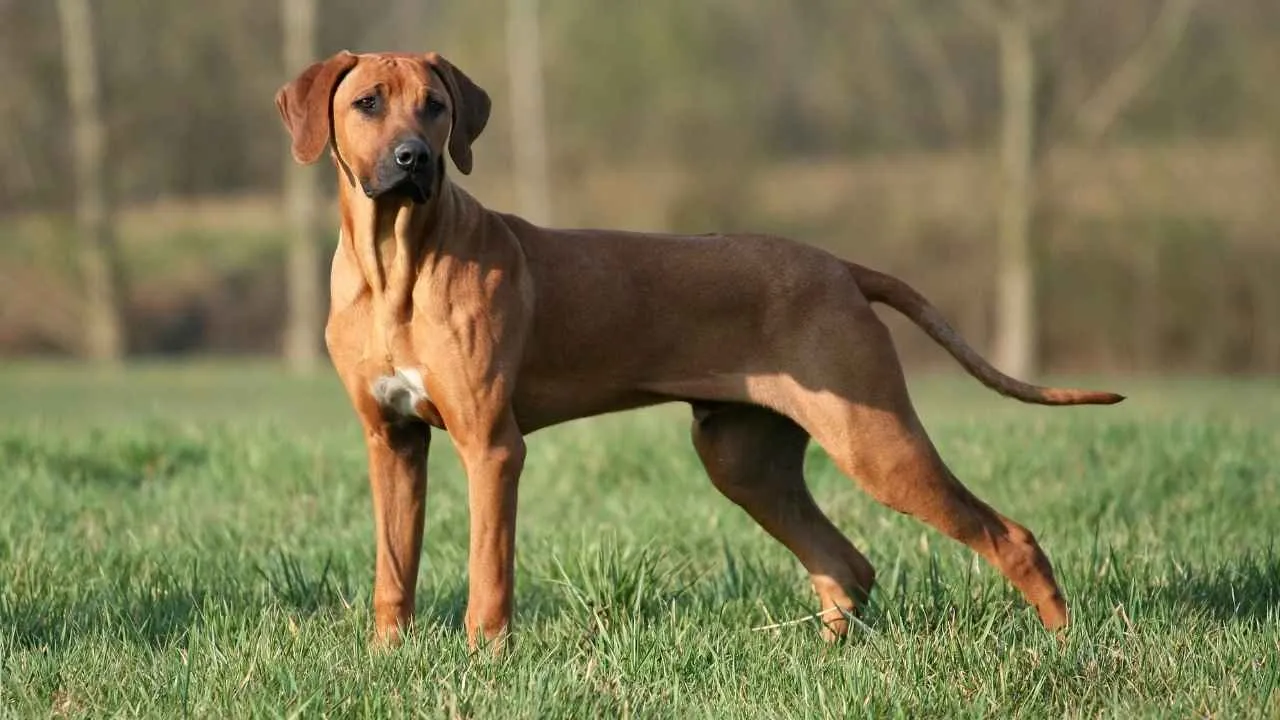
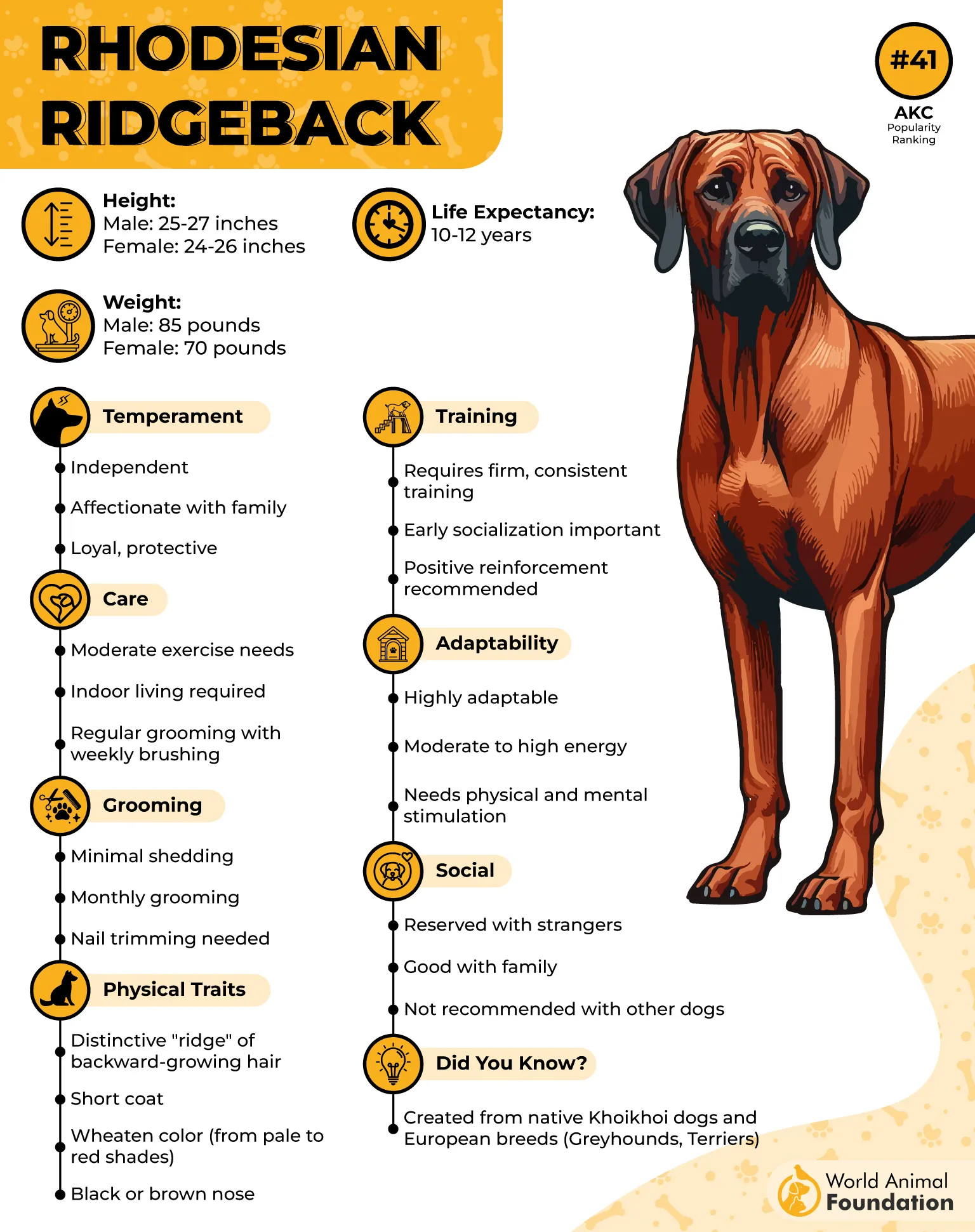
The Rhodesian Ridgeback catches attention with the narrow strip of hair running along the center of its back, growing in the opposite direction from the rest of the coat. That distinctive ridge accompanies a muscular frame built for tracking and pursuing formidable game, including lions.
Purpose in the Field
African Lion Hound is another name linked to this breed because of its role in locating and flushing large predators across demanding terrain. Endurance and athletic ability also explain why regular activity remains an important part of its daily routine.
These lesser-known details add another layer:
Some puppies are born without the ridge
“Ridgeless Ridgeback” is a recognized nickname
Needs daily mental enrichment alongside exercise
Instincts That Last
This high prey drive dog still retains a strong interest in chasing smaller animals, making homes with cats a less suitable match in some situations, as PetMD claims. Careful introductions at a young age can help this breed build positive relationships with other dogs while growing up.
3. Weimaraner
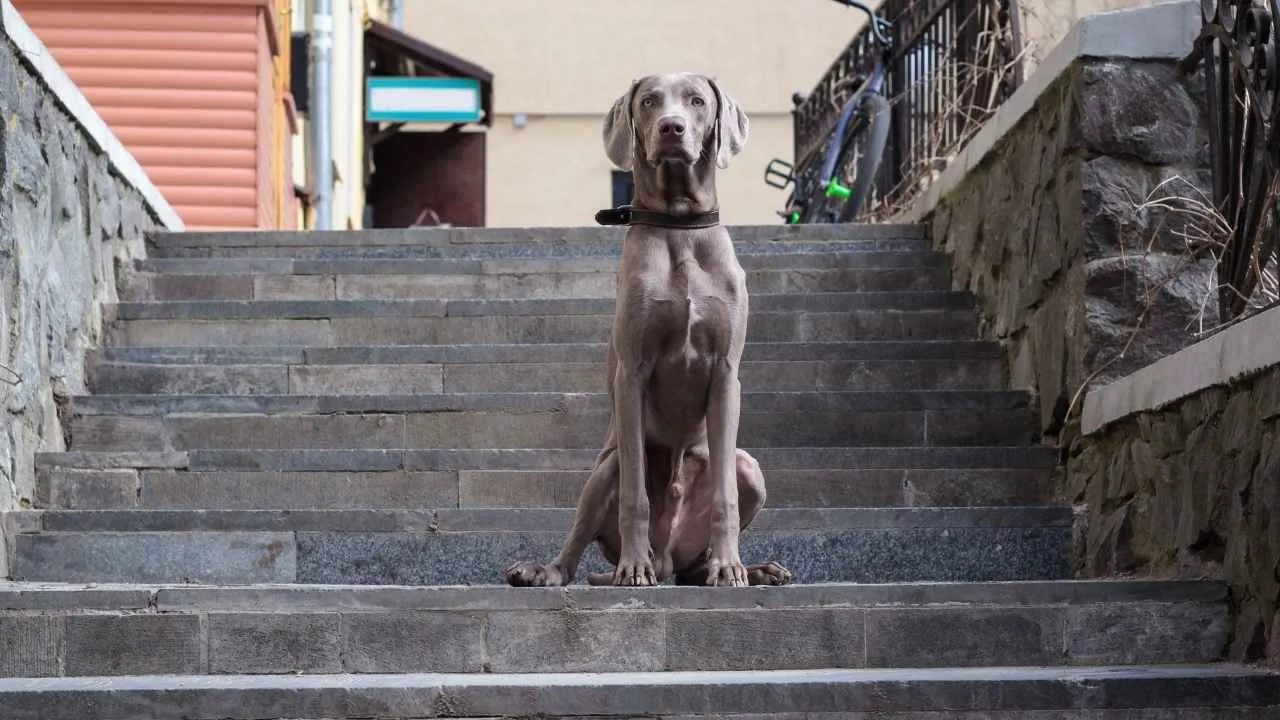
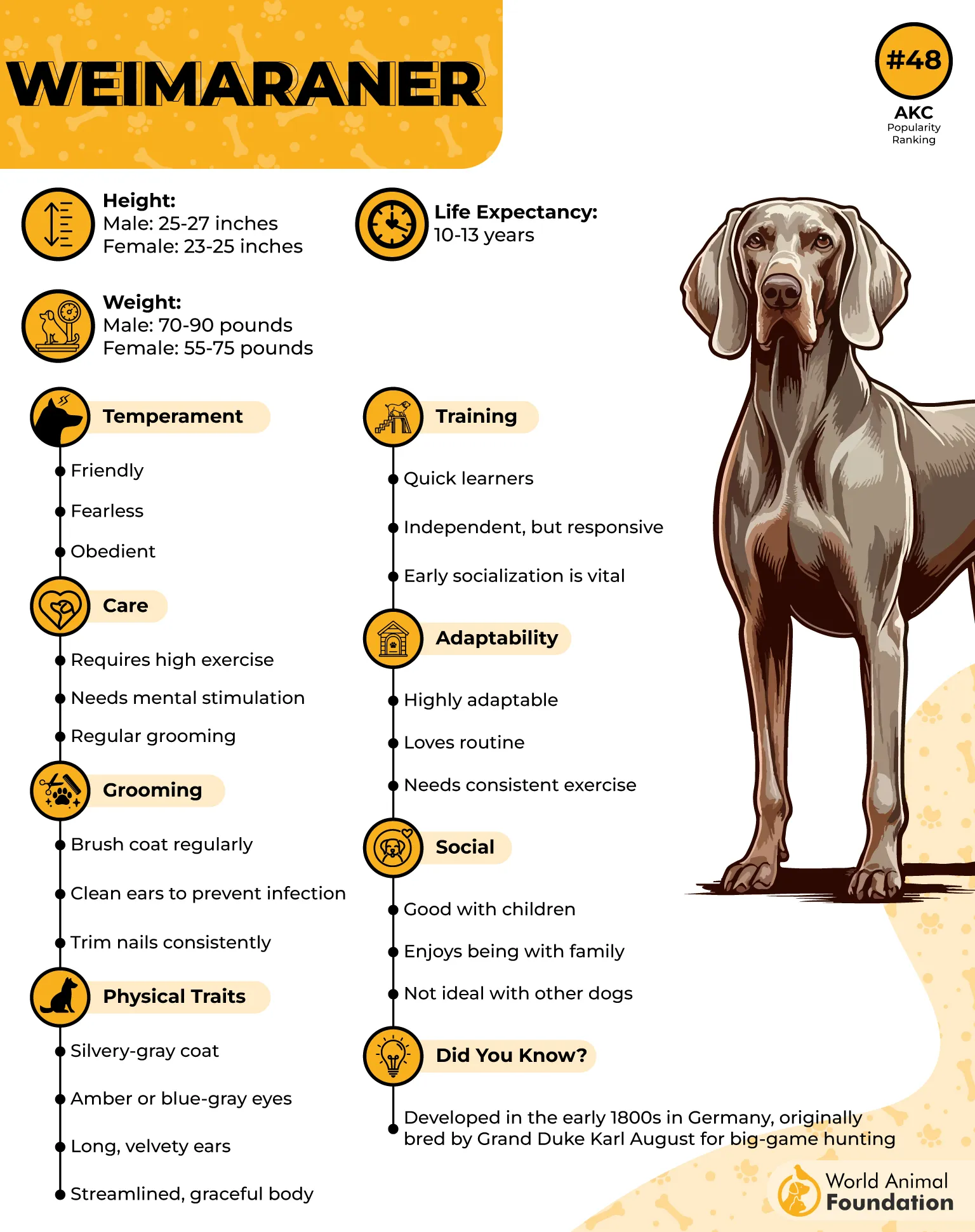
The Weimaraner first appeared during the 19th century and quickly gained recognition as a capable hunting companion with a fearless attitude and eager obedience. It’s an instinct to pursue game that remains one of the defining reasons this breed performs so well in hunting environments today.
Energy With Purpose
The Weimaraner combines athletic ability with sharp intelligence, making long hours of activity and problem-solving an important part of everyday life. Hunting, hiking, and other demanding outdoor pursuits provide meaningful outlets for both body and mind.
The interesting part starts here:
Reached the U.S. in the late 1920s
President Eisenhower owned one
Grace Kelly also kept the breed
Instincts at Home
The Weimaraner forms close bonds with people and responds well to training, yet its hunting instincts can create challenges around cats and other small animals. Its long legs and extended reach also make unattended kitchen counters surprisingly easy to investigate for snacks.
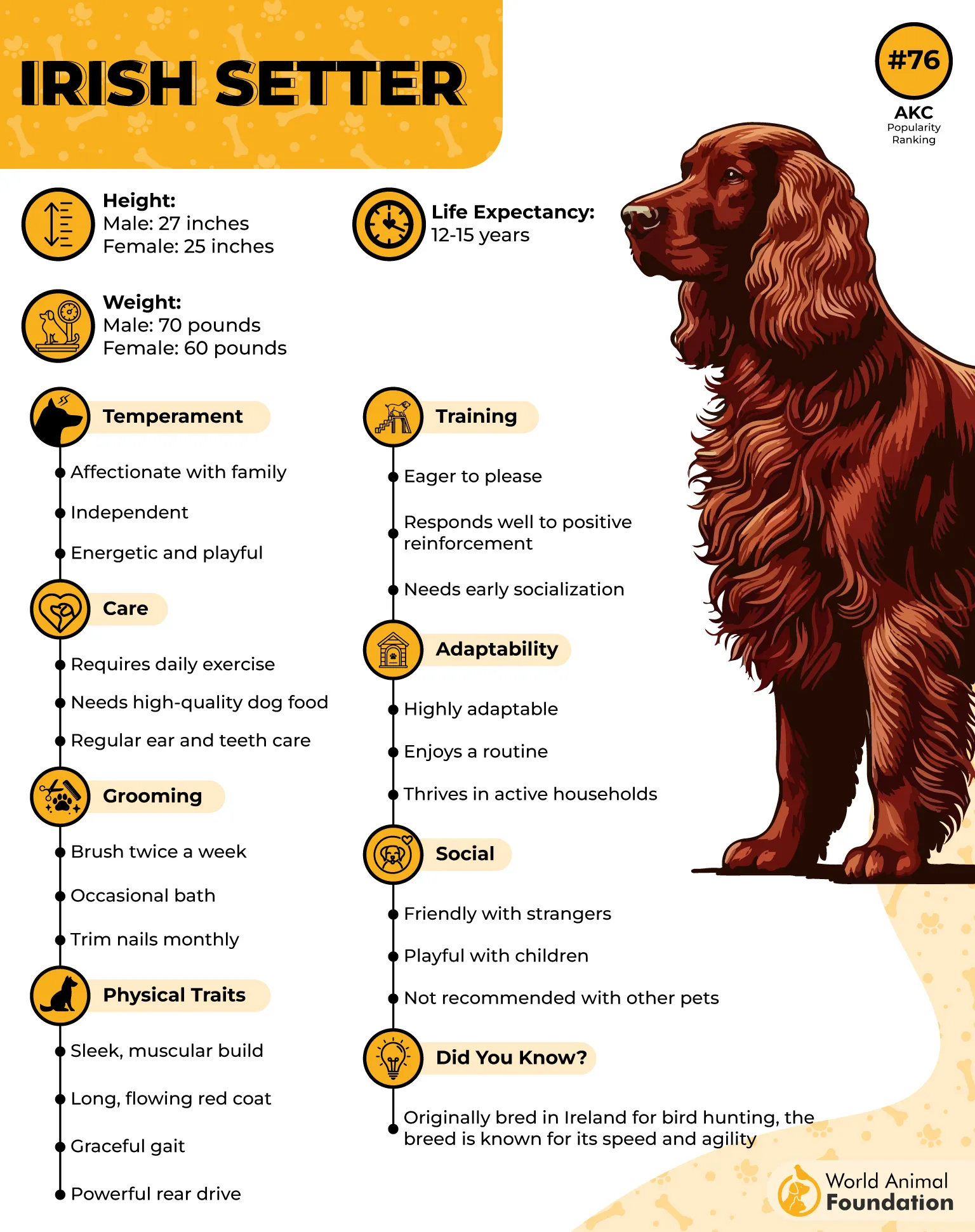
4. Irish Setter
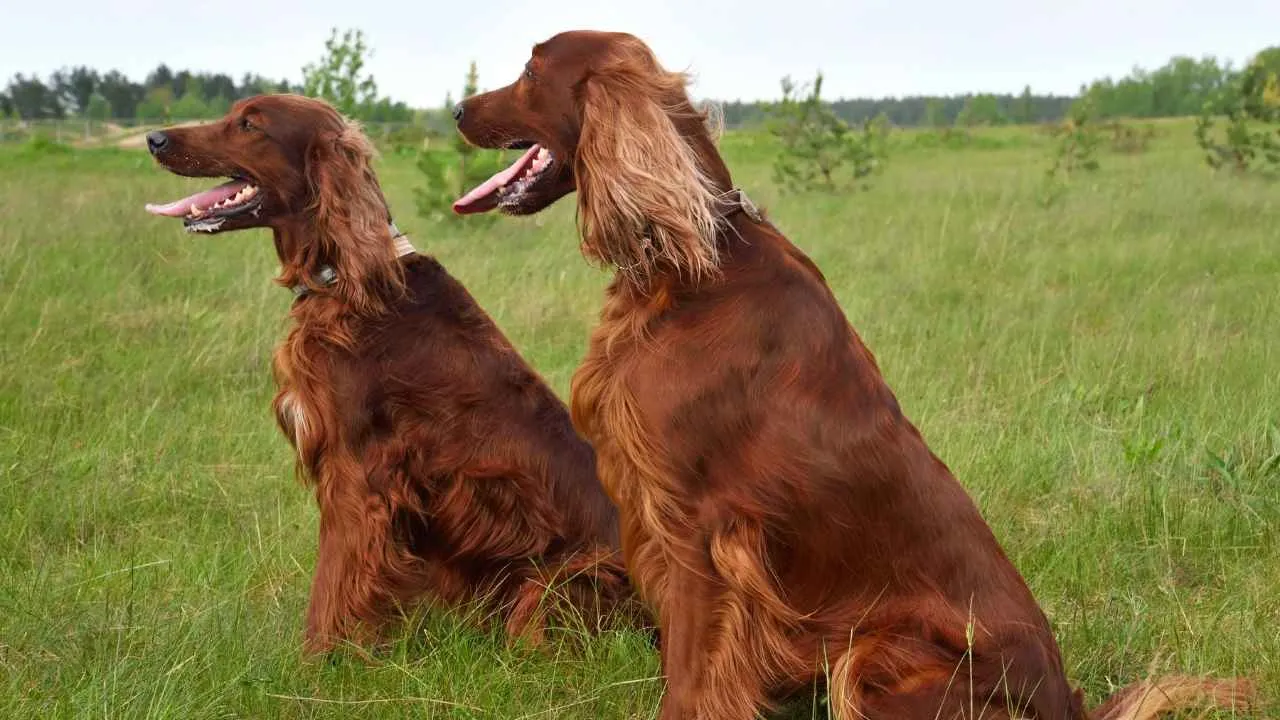
The Irish Setter combines athletic ability with an instinct to pursue fast-moving wildlife, making squirrels and smaller animals especially tempting targets. That natural prey drive explains why reliable recall and early guidance are valuable during outdoor adventures.
Always Ready for Action
This energetic breed enjoys busy days filled with activity and is best suited to families who like spending time outdoors together. Apartment living usually falls short because Irish Setters need far more room and purposeful exercise than a brief daily outing.
There’s another side worth knowing:
Typically barks only when needed
Friendly toward new people
Independent during training sessions
Playful With Purpose
The Irish Setter approaches life with enthusiasm and happily joins family outings, games, and new experiences throughout the week. Young children may need extra supervision because an excited greeting or playful burst of energy can accidentally knock over toddlers.
5. Siberian Husky
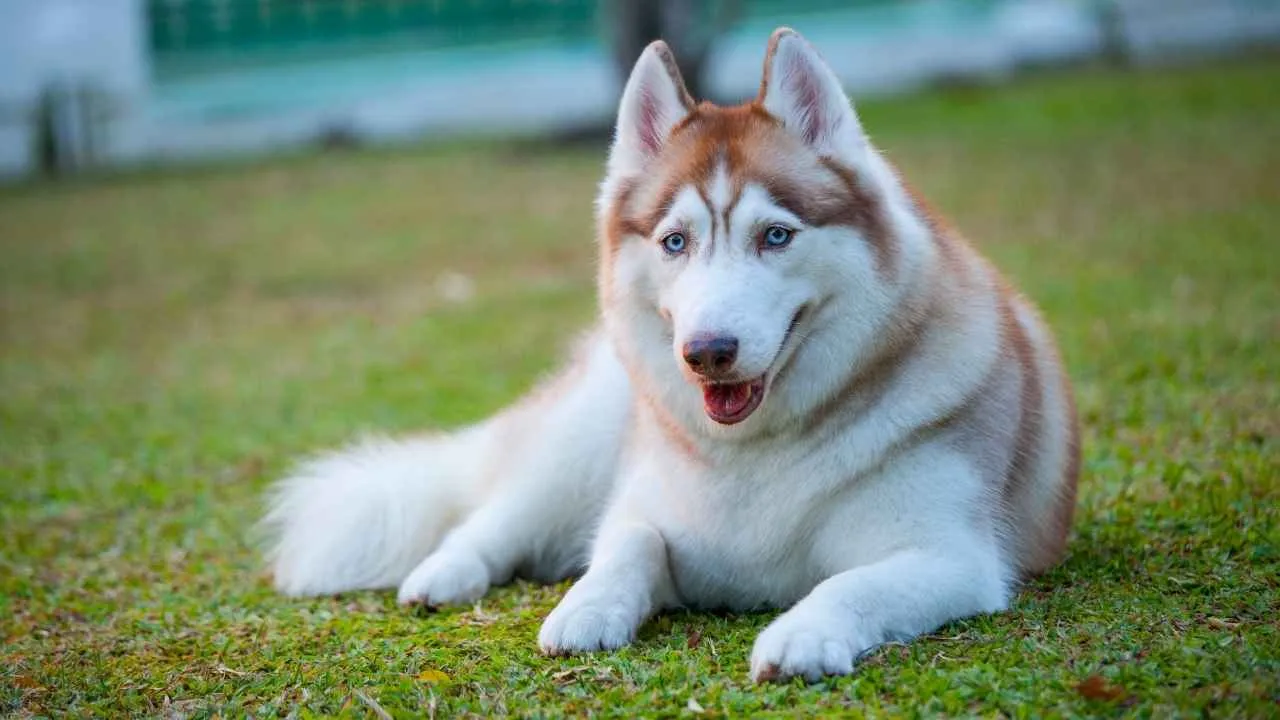
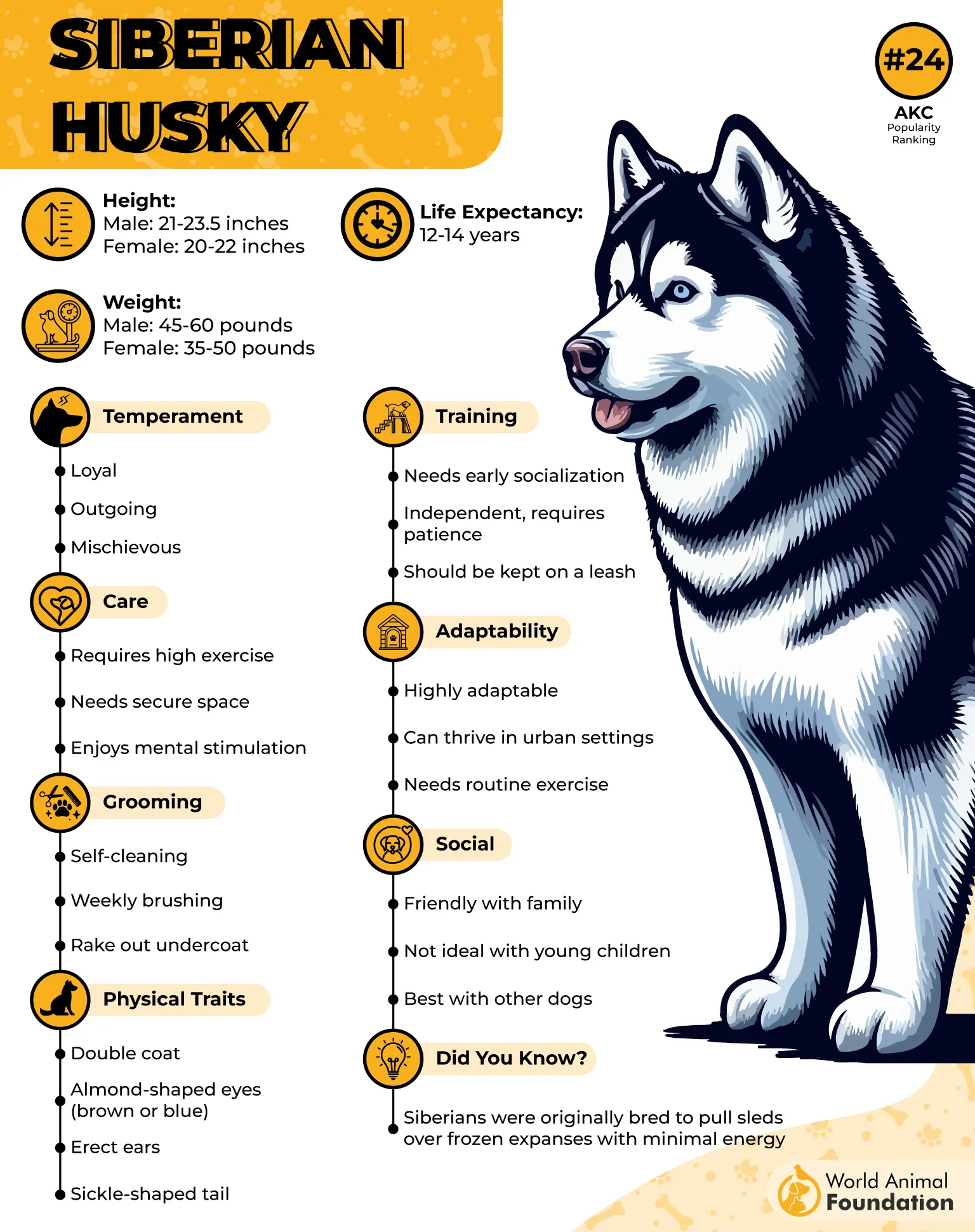
The Siberian Husky shares a partnership with the Chukchi people of Eastern Siberia that stretches back more than 4,000 years, as Greencross Vets stated. Alongside pulling sleds across frozen landscapes, these dogs also assisted with hunting, making keen instincts an important part of their daily work.
Driven to Chase
Small animals can quickly spark the attention of a Siberian Husky, which explains why rabbits and cats often trigger its strong prey drive. Early socialization helps this intelligent breed interact more confidently with other dogs and family life.
Its character runs even deeper:
Chukchi Peninsula origins
Vocal through howls and “talking”
Strong-willed personality
Family Life
Siberian Huskies usually get along well with children and other dogs when socialized from an early age, although supervision remains important around younger kids. Jealous behavior can appear when attention shifts toward a new family member or another dog within the home.
6. Greyhound
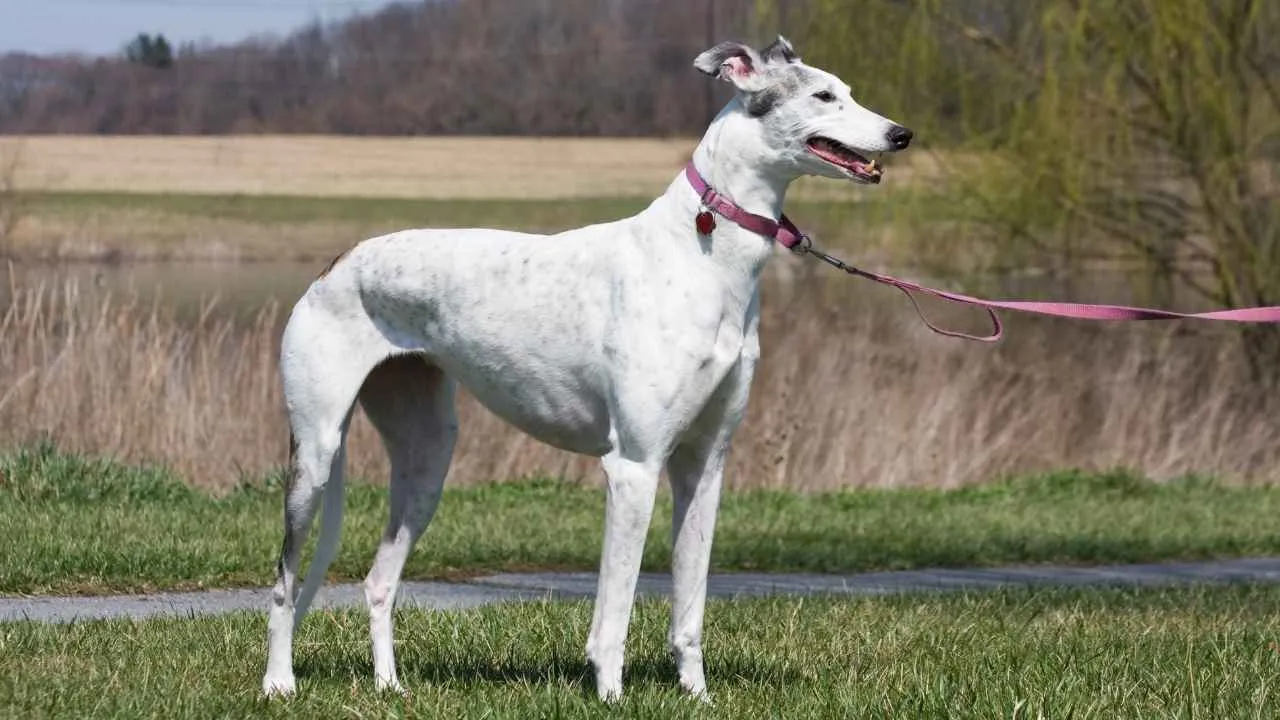
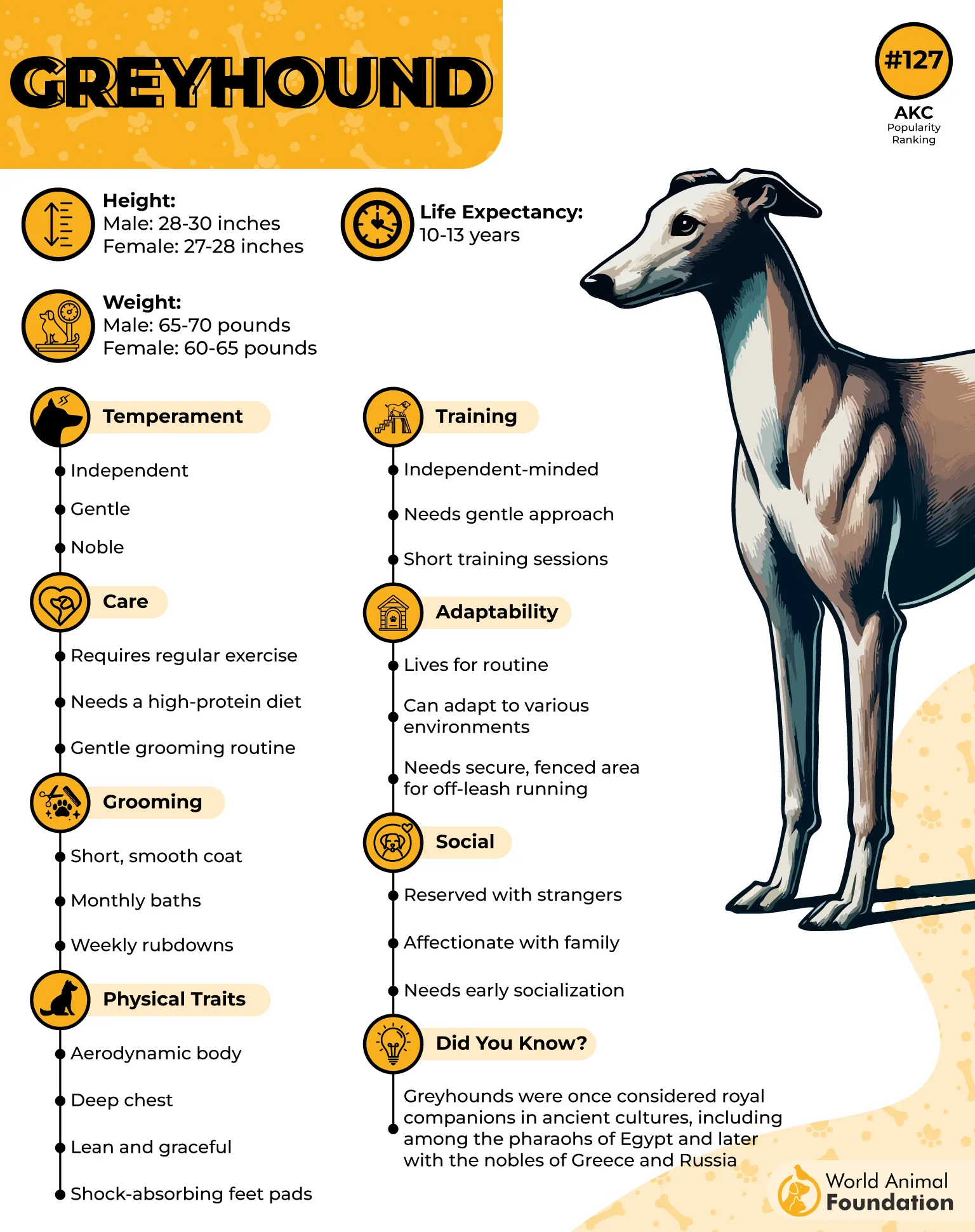
Greyhounds rely on exceptional eyesight and explosive speed to locate and pursue game, a hunting style known as coursing instead of scent tracking.
Its lean “inverted S” body shape has fascinated artists, poets, and royalty for centuries because every part of that design supports swift pursuit across open ground.
Eyes Before Nose
It follows what it sees rather than what it smells, making visual detection the starting point of every pursuit. That instinct continues today, even though this breed is more familiar to many people as a racing dog or household companion.
A few details reveal how this breed approaches the chase:
Hunts by sight instead of scent
Originally bred for coursing game
Powerful instinct to pursue small animals
Instinct Still Matters
Greyhounds can react quickly when another animal darts across their path, making enclosed areas the safest choice for off-leash time. Early socialization may help shape everyday behavior, but awareness of nearby triggers remains just as important during outdoor activities.
7. Basenji
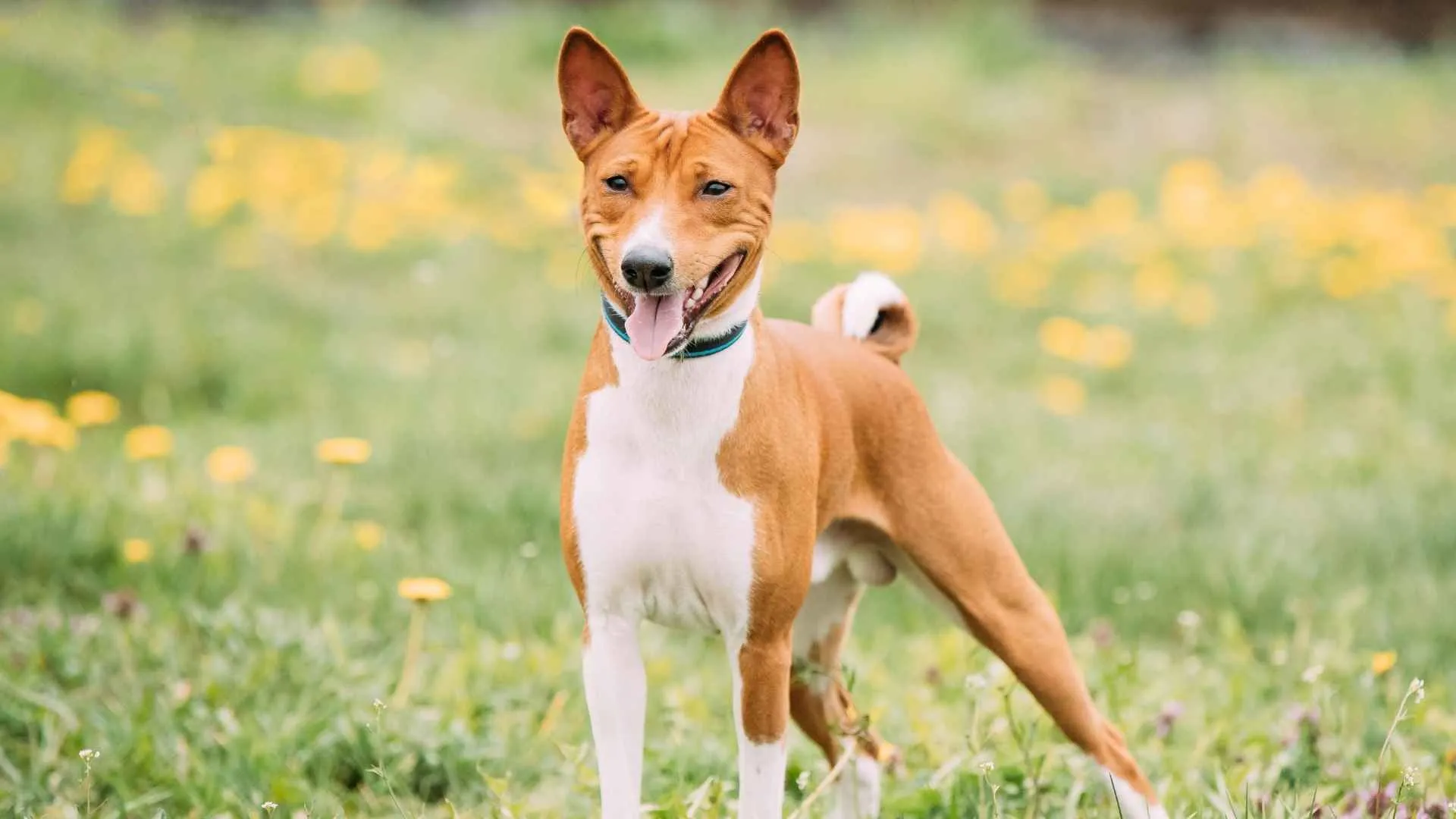
The Basenji appeared alongside human hunters in Africa thousands of years ago, with cave paintings in Libya dated between 6000 BCE and 100 CE depicting dogs of this type. That long partnership explains why following scent and pursuing fast-moving animals remain such strong instincts.
Quiet but Focused
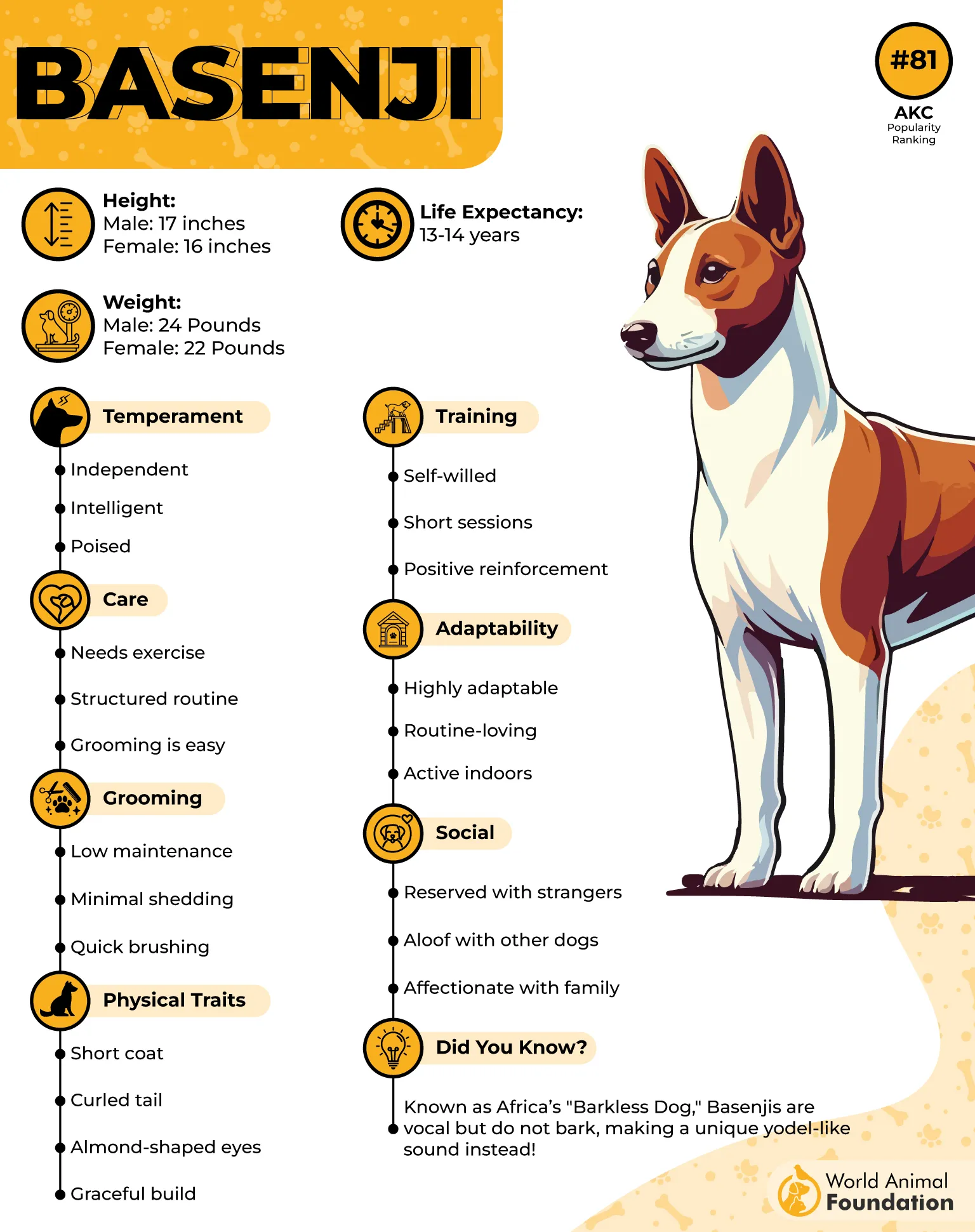
They are widely recognized as the “barkless dog,” although silence does not mean complete quiet. When excited or communicating, this breed produces its well-known yodel, adding another distinctive feature to its hunting heritage.
This is what makes this breed fascinating:
Catlike self-grooming habits
Needs a 6-foot fenced yard
Responds best to scented training treats
Always Watching the Scent
The Basenji relies heavily on its keen sense of smell and can become absorbed in following an interesting trail outdoors. A leash or secure fenced area is important because the urge to chase squirrels or investigate new scents can quickly take over its attention.
Conclusion
Every remarkable hunting companion shares one thing in common. The dog’s prey drive did not appear overnight but developed through generations of demanding work beside people. That history still influences everyday behavior, especially around moving objects and other animals, making thoughtful training and regular activity essential for pet owners of these high-energy dogs.
When those instincts are respected instead of overlooked, these dogs reveal the intelligence, determination, and dedication that have earned admiration for centuries. Whether exploring trails, enjoying outdoor adventures, or simply sharing daily life, they continue proving that natural ability and loyal companionship can exist together in an impressive and rewarding partnership.
