




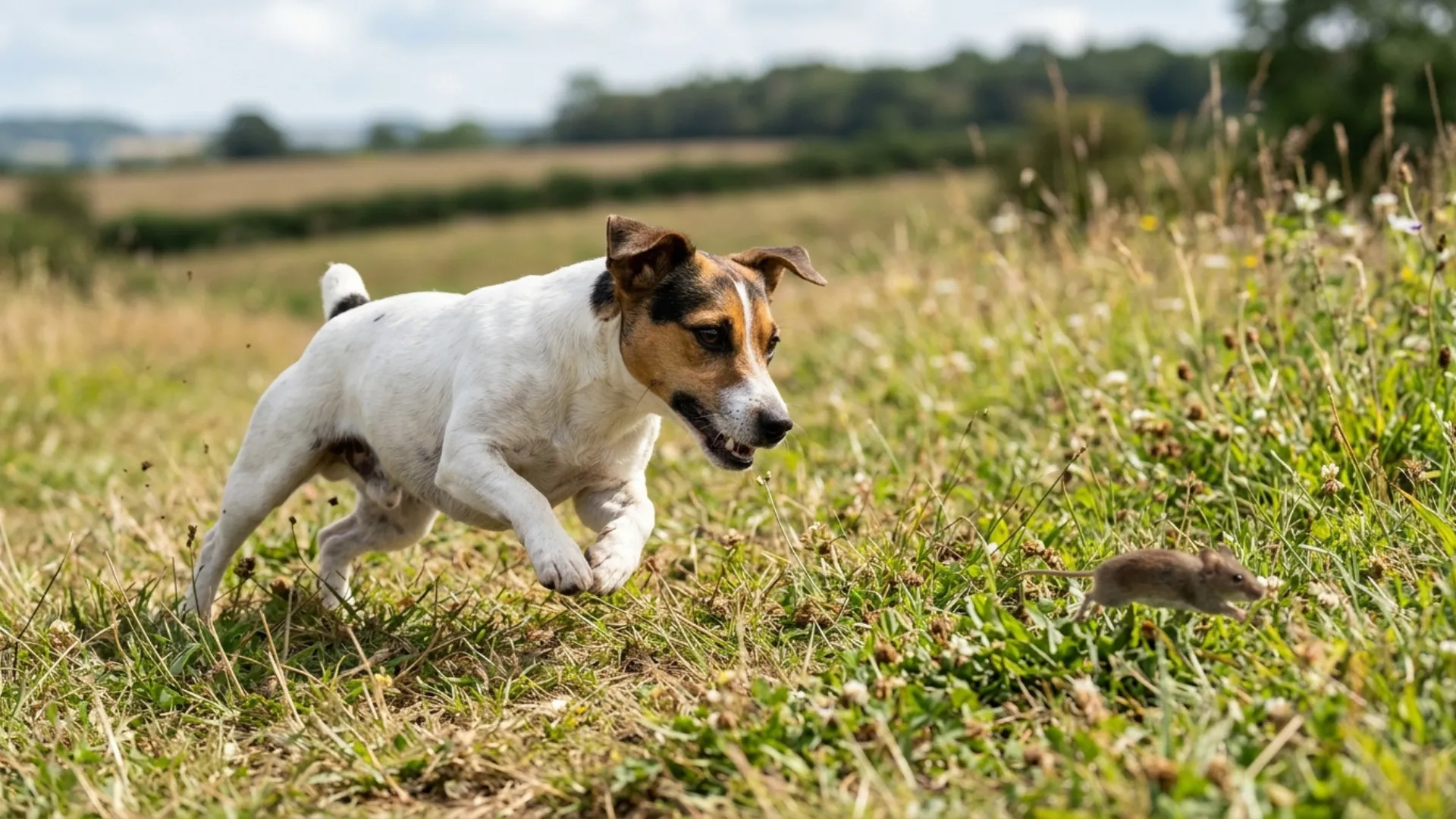
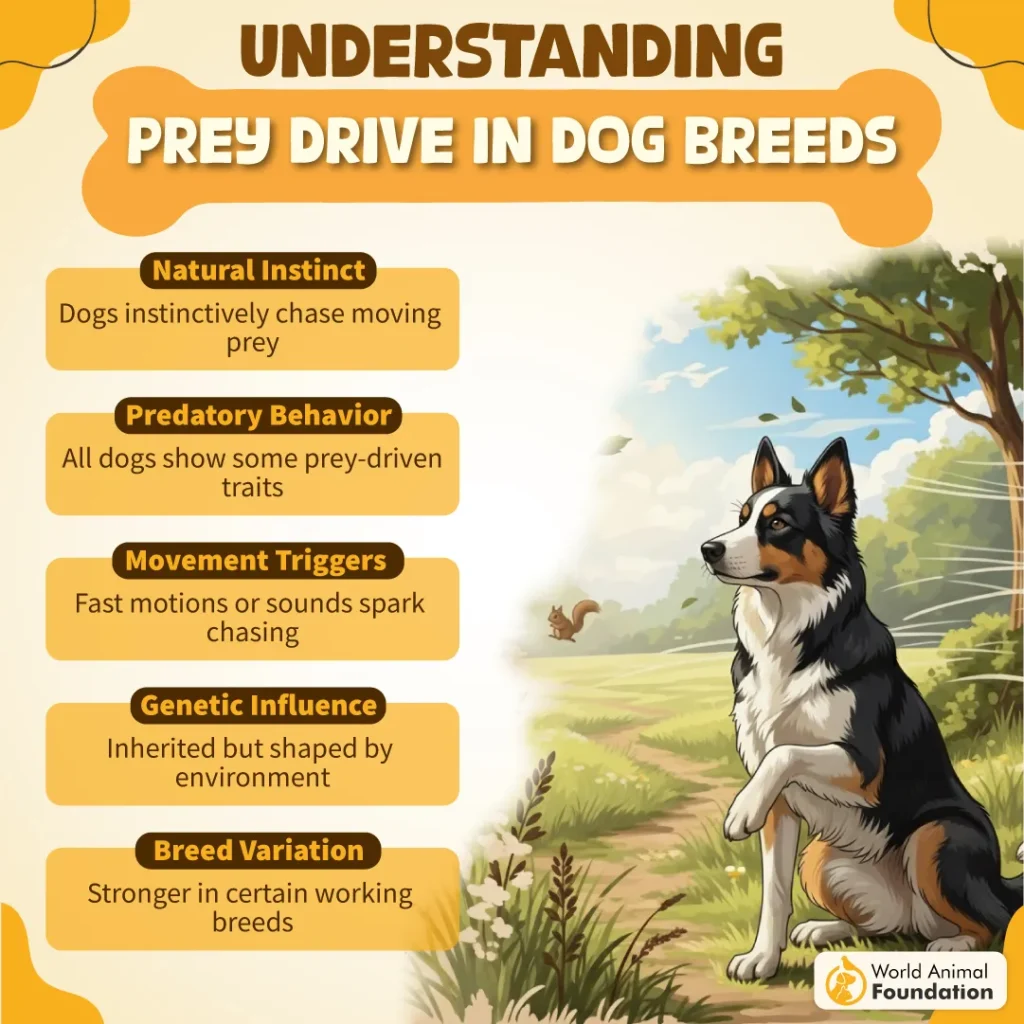
Every dog, from the laziest lap companion to the most driven hunting breed, carries the same ancient hunting program in its brain. Breeding never deleted that program; it just froze each breed at a different step of it.
A 2024 ethogram study from the University of Padua mapped this exact hunting sequence across dozens of breeds for the first time. Researchers found it breaks down into four clear phases, and most strange habits trace straight back to one.
Once you know which phase a hunting dog gets stuck on, every odd habit stops feeling random. It becomes a clue you can actually use for training, for play, and for keeping an individual dog safe around every other creature in the house.
Curious where your own dog’s wiring gets stuck? The breakdown below names exactly which tracking breeds push each phase to its limit.
Dog Breeds That Demonstrate a Remarkable Prey Drive
1. Greyhound
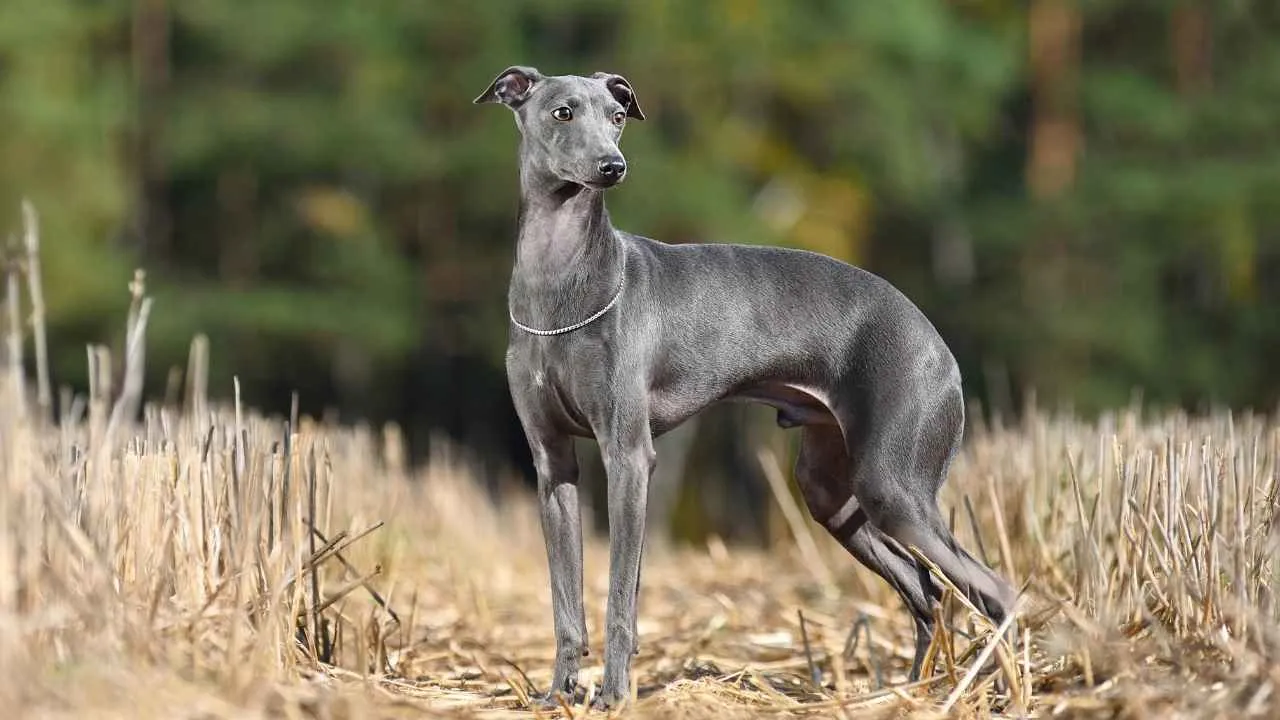
It can stand dead still, eyes locked on something moving far across a field, then erupt into a full sprint in an instant. This breed freezes the hunting sequence at the chase stage and little else. Meet the Greyhound.
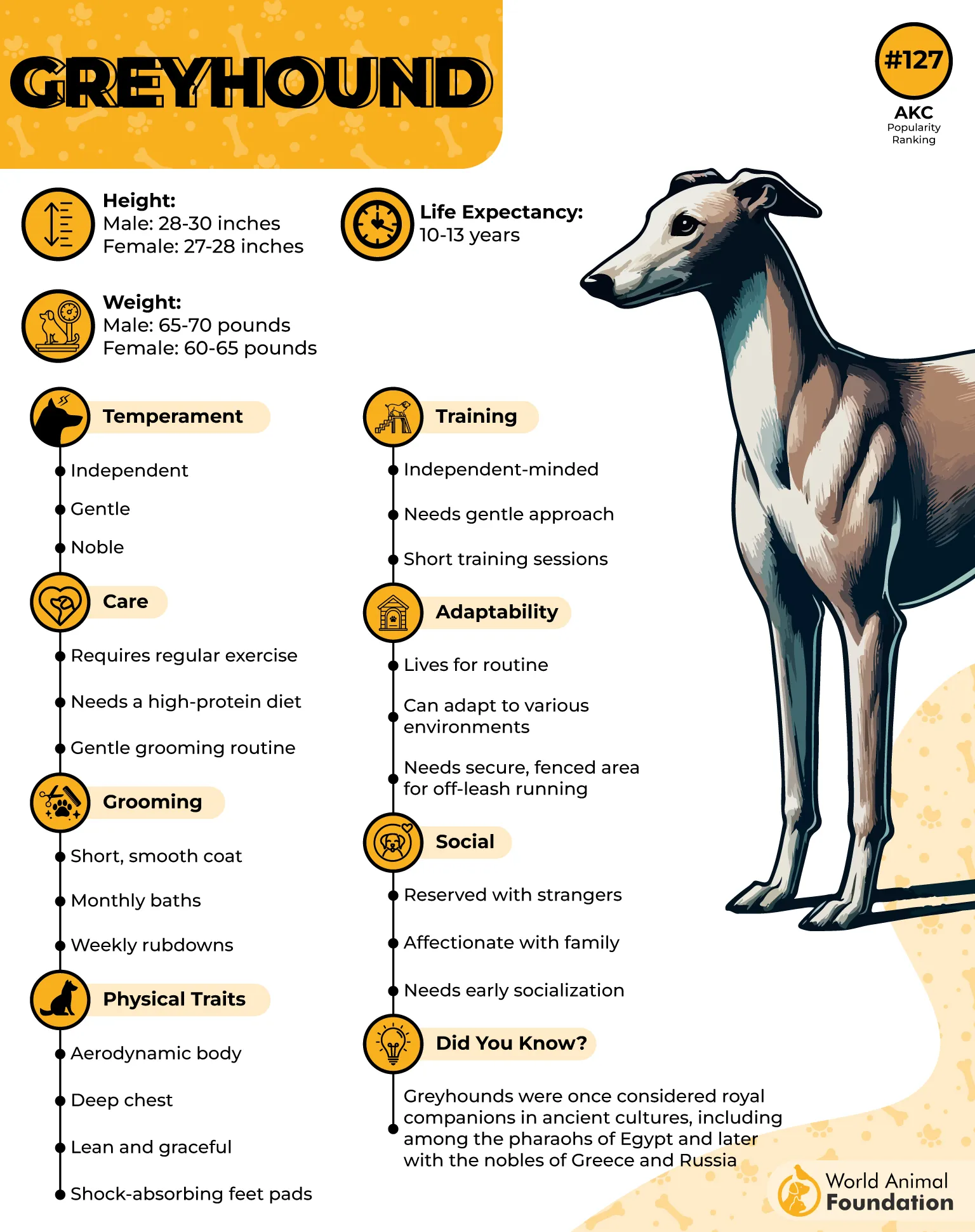
Centuries of coursing built this dog to run prey down across open ground, never to finish the job up close, and VCA notes its independent streak resists retrieving. At the park, that shows up as a sudden, silent launch after a jogger or squirrel.
Outlet: A securely fenced yard or a lure-coursing class gives this chase urge somewhere legal to land.
People assume a sprinting Greyhound threatens every small pet nearby, but most never develop the bite that would make the chase dangerous. The legs do the talking, not the jaws. Many retired racers live calmly alongside cats once introduced with care.
2. Whippet
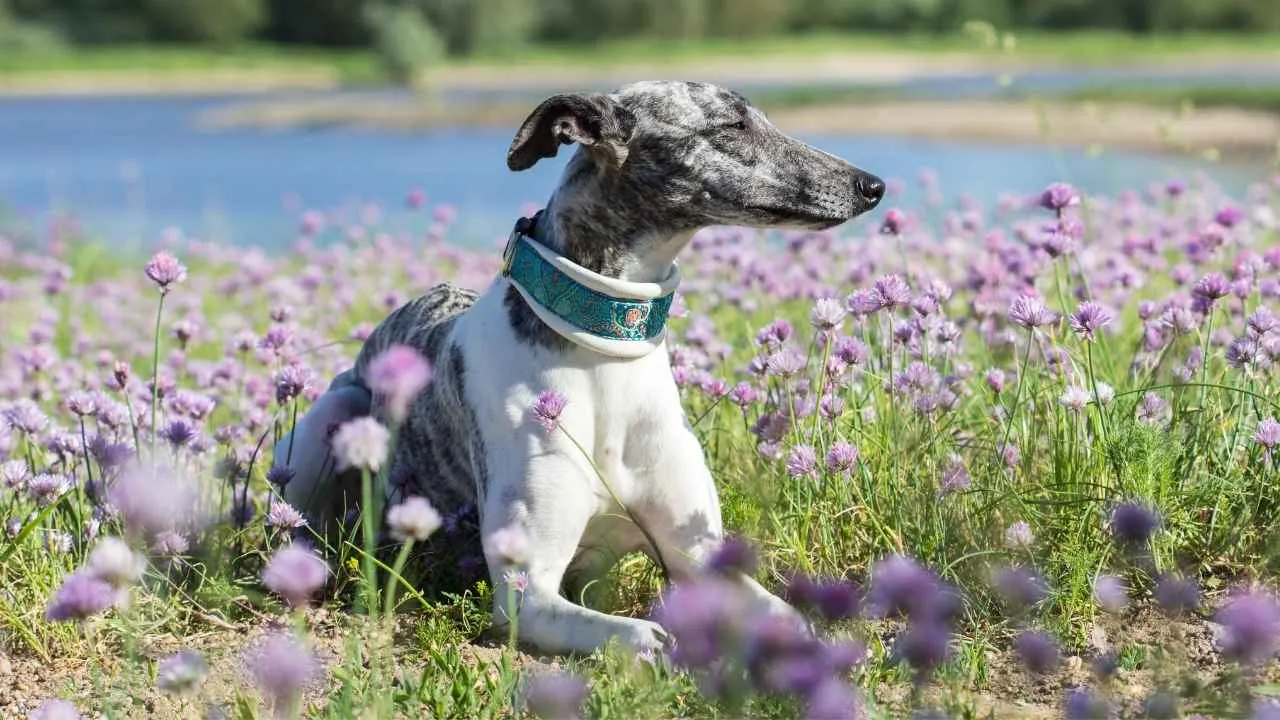
It can go from a dead stop to top speed before a rabbit even finishes its first hop, then lose all interest the moment the chase ends. This breed exaggerates the same chase stage as its larger cousin, just in short, explosive bursts. Say hello to the Whippet.
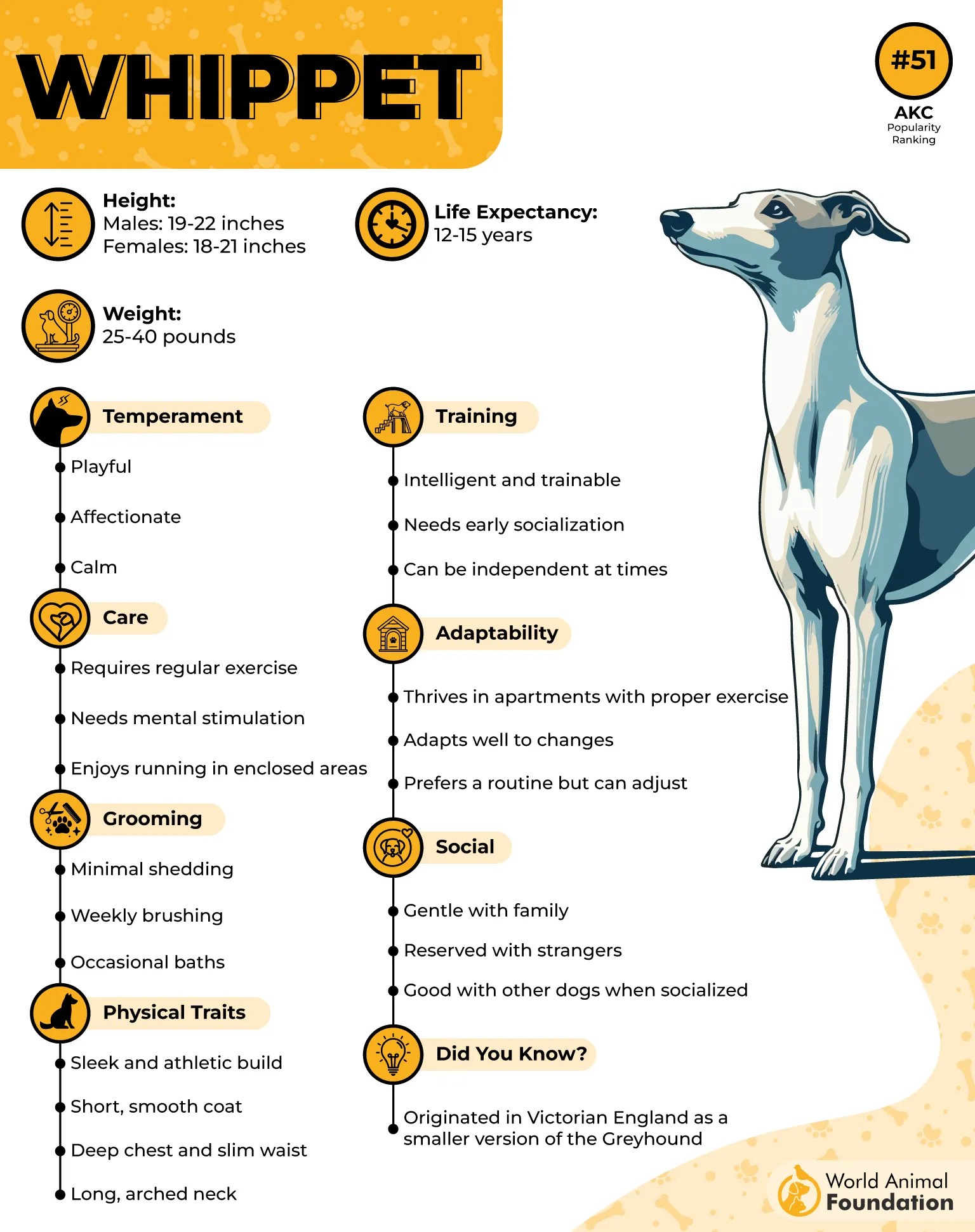
Built in England for short, fast coursing rather than long open-plain pursuits, this dog’s whole frame is tuned for acceleration over distance. In a yard, that means an all-out burst after a blowing leaf or a cat, over almost as soon as it starts.
Outlet: Flirt-pole games or short sprint drills in a fenced space satisfy the burst without needing acres of land.
Owners sometimes assume a dog this fast must be relentless, but the Whippet’s drive fades as quickly as it fires up. Once the target vanishes, the chase usually ends there too. That makes this breed easier around small pets than its speed suggests.
3. Jack Russell Terrier
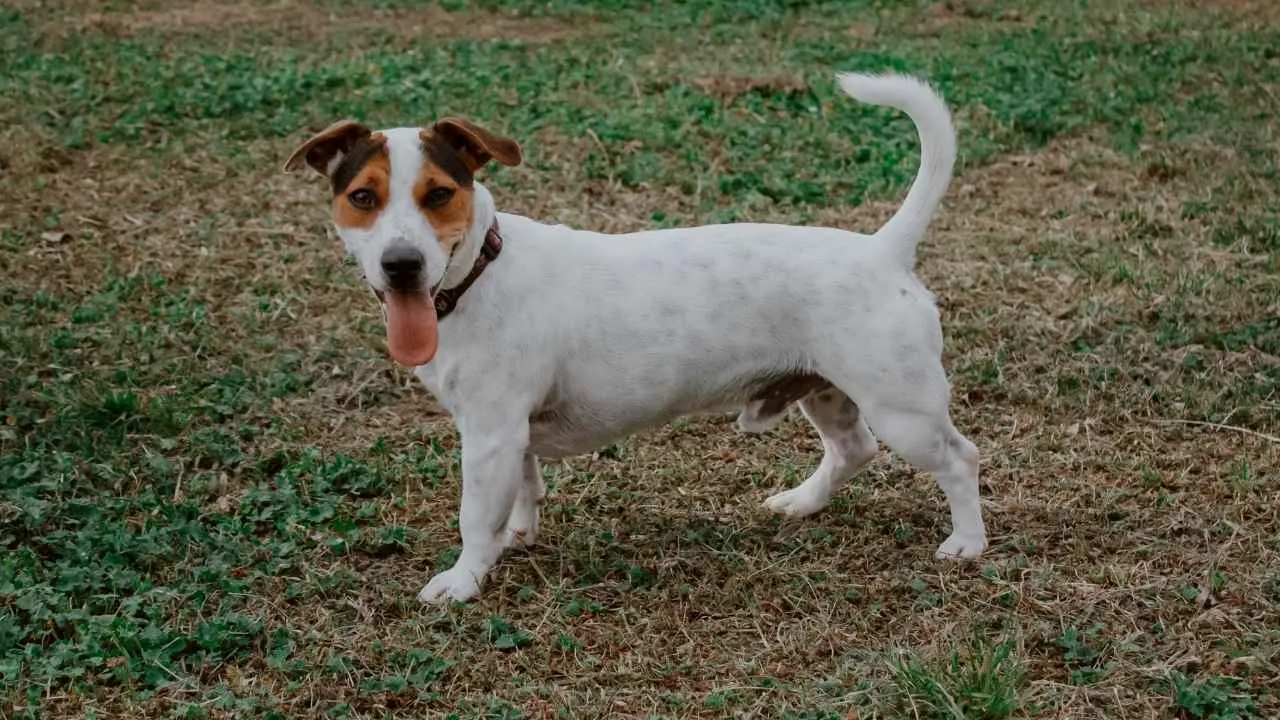
It can vanish into a flowerbed for an hour and resurface caked in dirt, looking thoroughly proud of itself. This dog carries the sequence through to the grab bite and the dig, stages most companion breeds never reach. That determined digger is the Jack Russell Terrier.
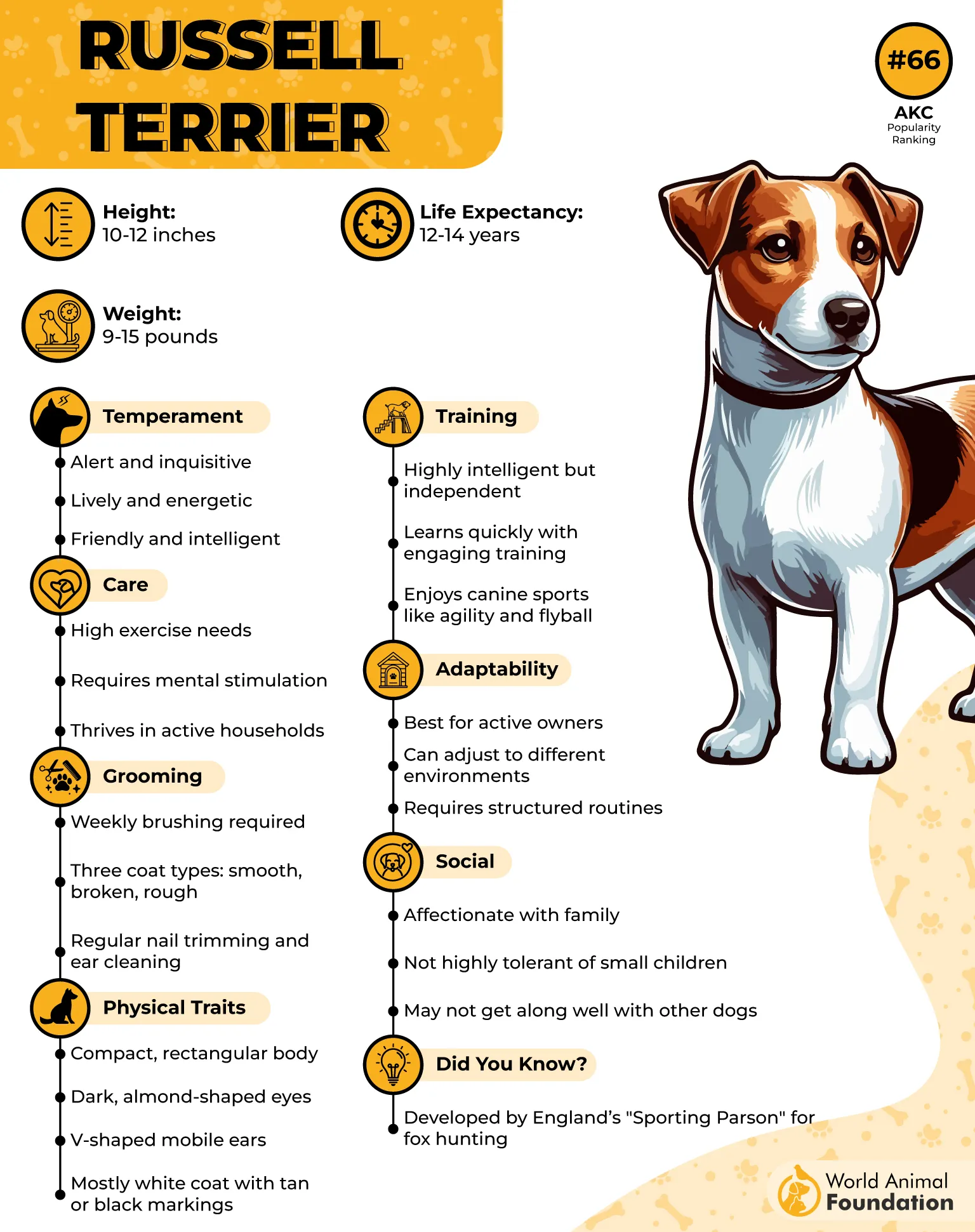
Farmers bred this terrier to go to ground after foxes and rats and finish the hunt, and Hill’s Pet says the hunting urge pushes the breed to explore and wander once a scent hits. At home, that turns flowerbeds into excavation sites.
Outlet: Earthdog trials or a dedicated digging pit give this terrier a legal burrow to chase into.
People assume a dog this small carries a correspondingly small prey drive, but size has nothing to do with it. This terrier was built to finish fights with animals far bigger than itself, underground. Supervision around cats and small pets matters more than its size implies.
4. Belgian Malinois
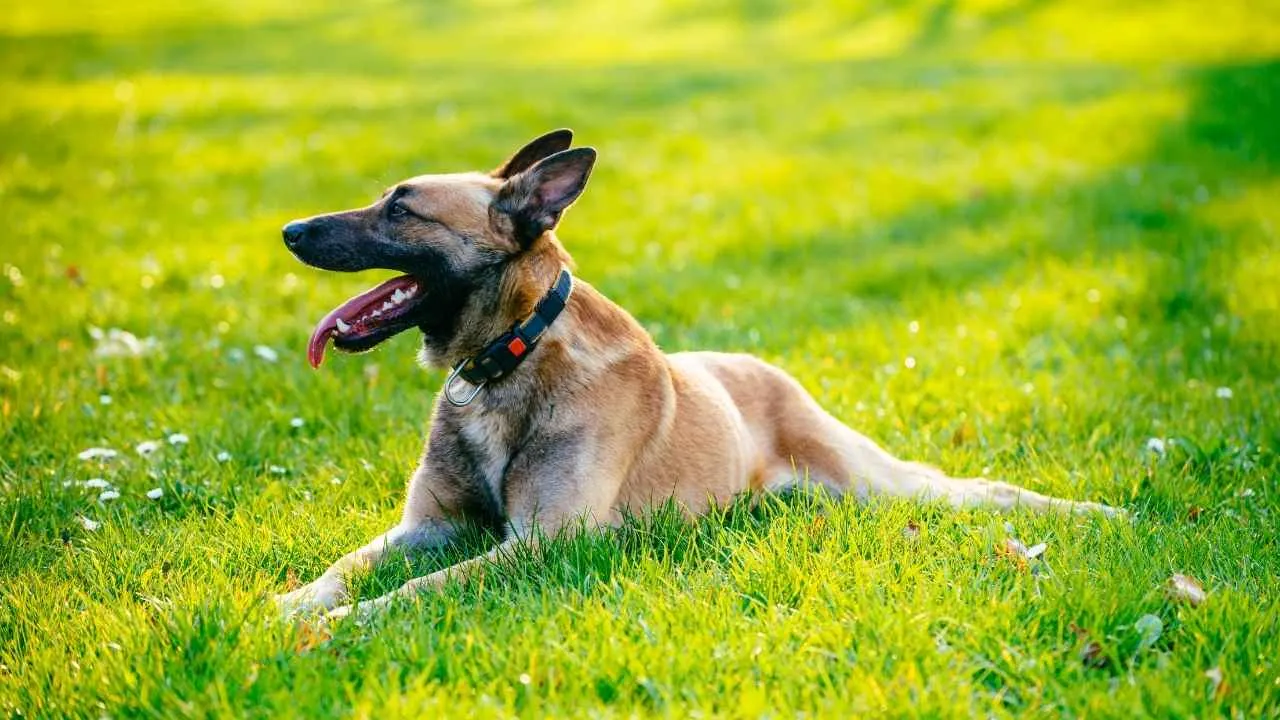
It can lock onto a sleeve, a bike tire, or a jogger with a focus that looks almost unsettling, then launch into a full, controlled grab. This breed exaggerates the grab-bite stage and channels it into trained work rather than letting it run loose. That intensity belongs to the Belgian Malinois.
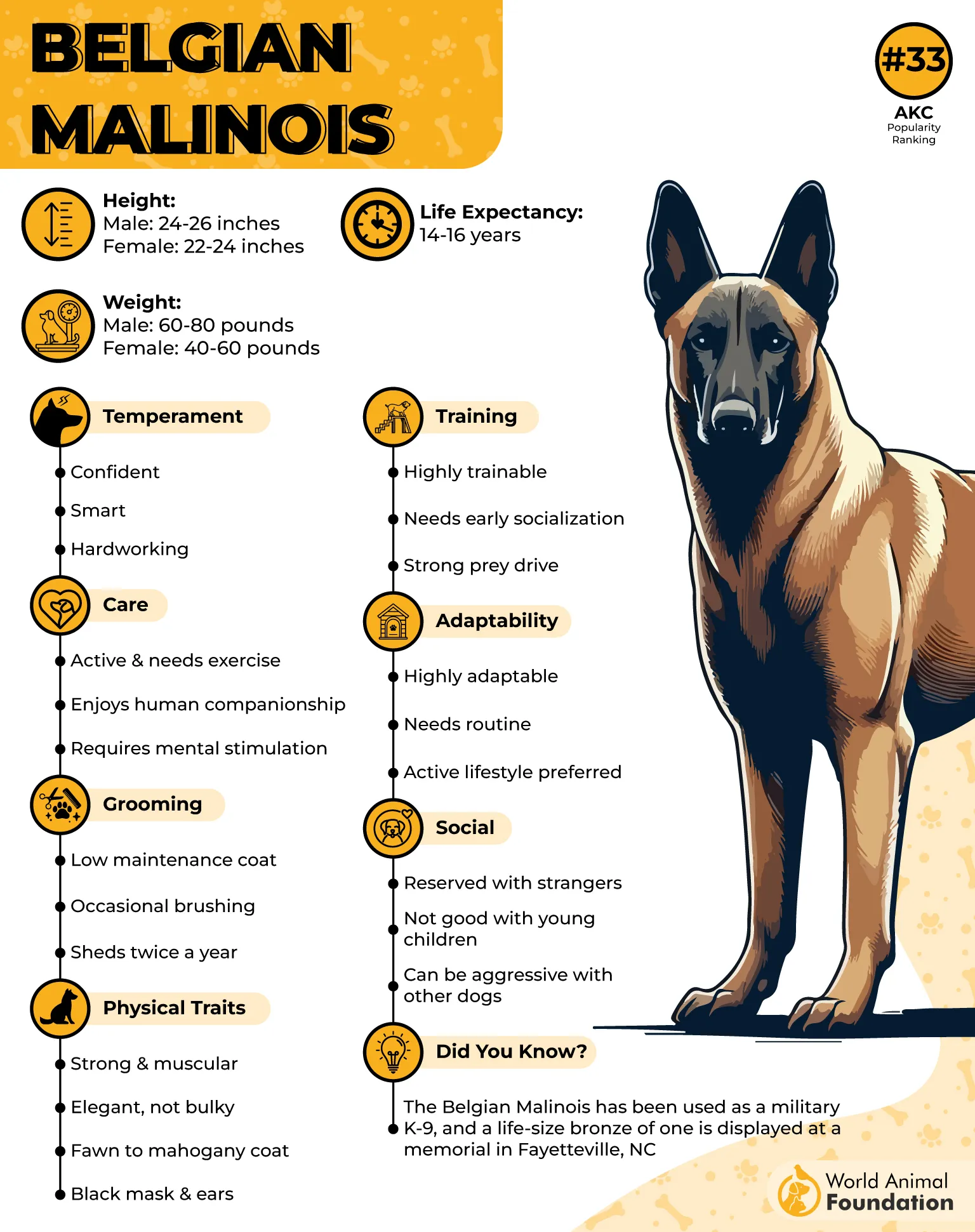
Bred first to herd and later drafted into police and military work, this dog was selected for a strong desire to work that the AKC calls essential to correct temperament. Without a job, that same drive turns toward cars, bikes, or the family cat.
Outlet: Structured bite work, tracking, or herding training gives this drive a task instead of a target.
People sometimes read this breed’s intensity as aggression, but a well-trained Malinois fires that grab-and-bite on command, not at will. The drive itself is a tool, not a temper problem. Early training decides how well that tool gets used.
5. German Shorthaired Pointer
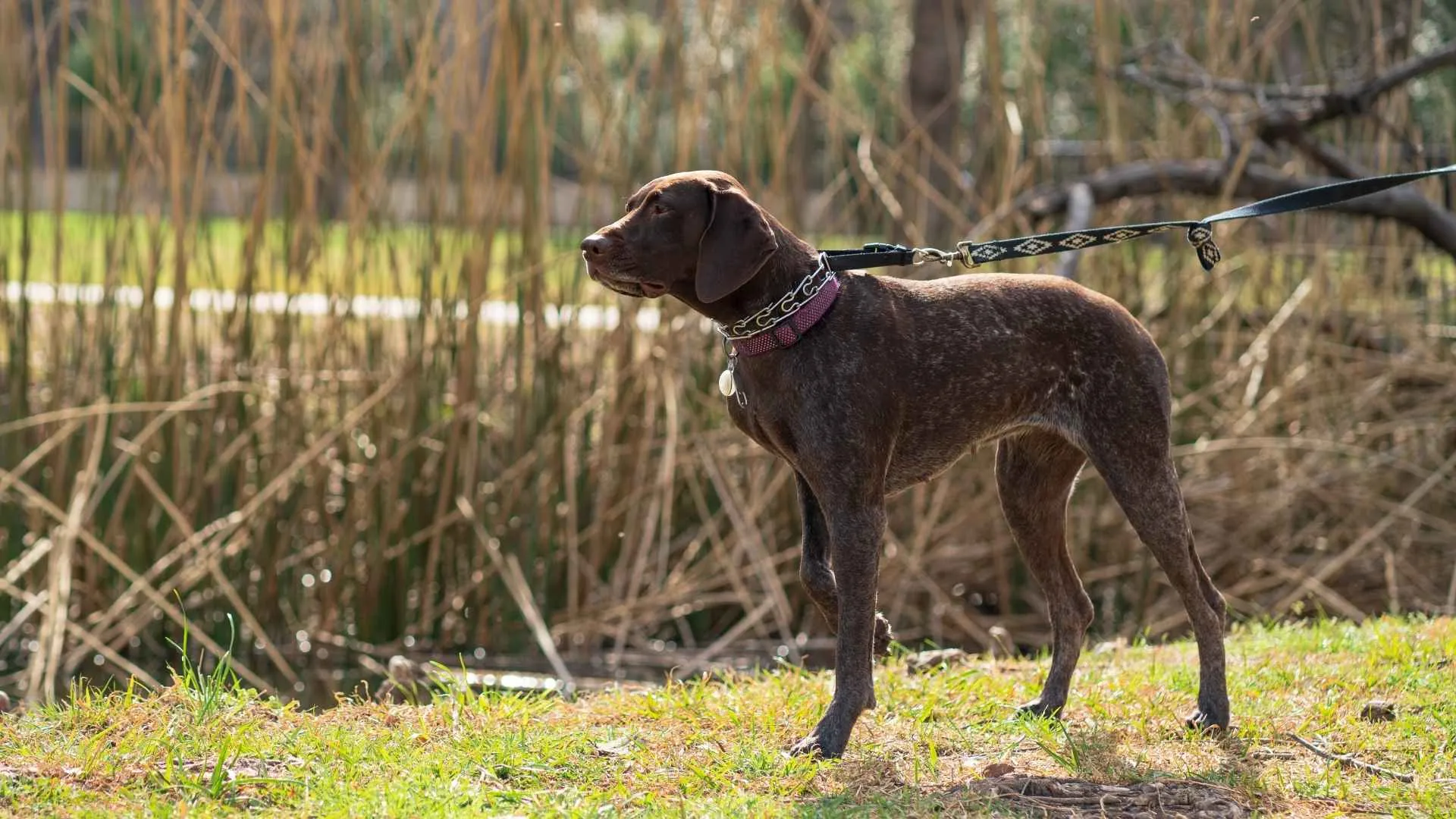
It can freeze mid-step, one paw lifted, nose aimed at a patch of grass where nothing seems to be happening. This breed exaggerates the point, the pause before the pounce, more than almost any hunting breed alive. That statue act belongs to the German Shorthaired Pointer.
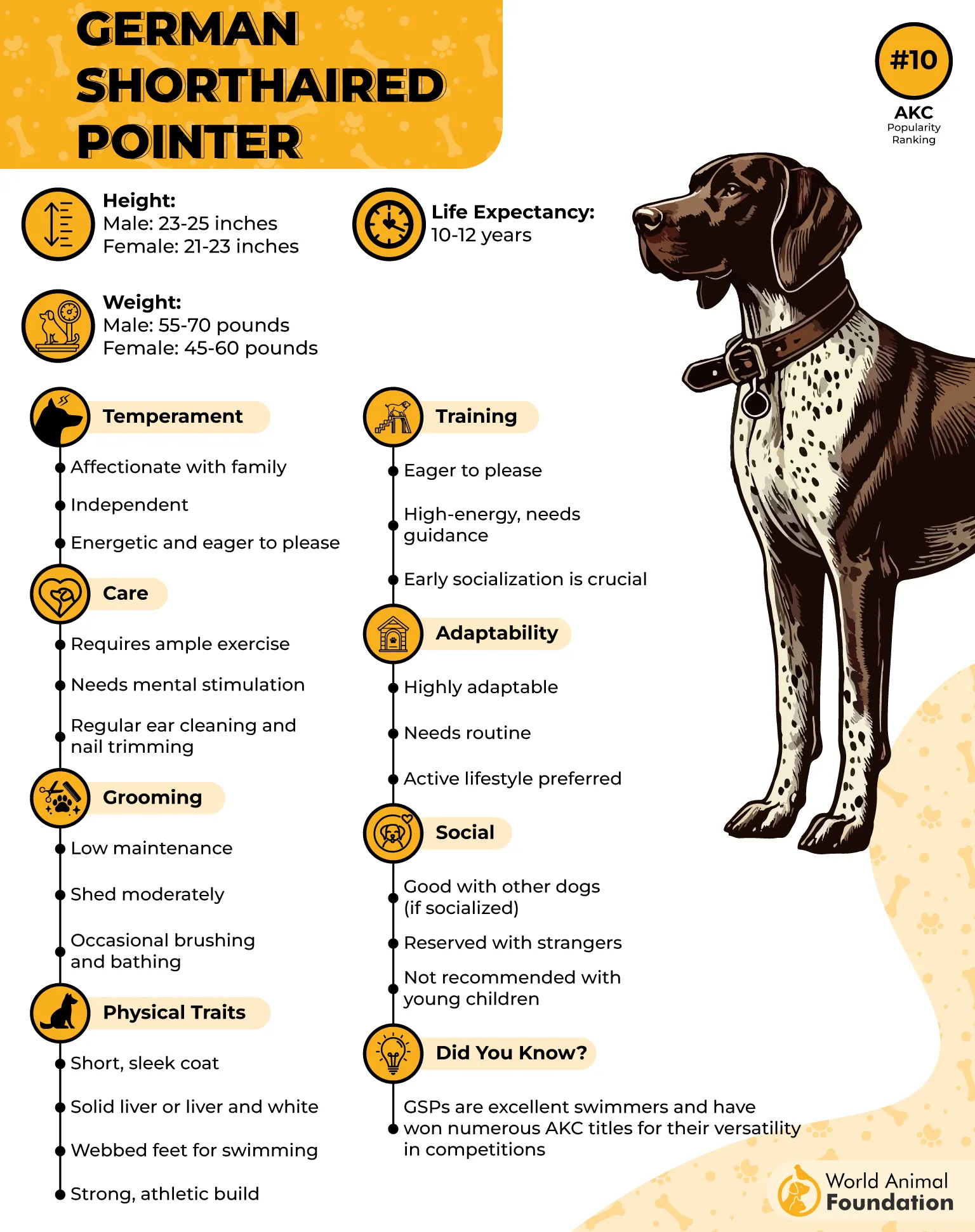
Bred as an all-purpose gun dog for upland birds, this breed was shaped to locate and hold game rather than rush in, and Purina credits its powerful nose and enthusiasm for the work. At home, that becomes sudden, rigid pointing at birds, squirrels, or even a dropped toy.
Outlet: Hunt tests or supervised walks where real birds are nearby satisfy the stage this breed was built for.
Some owners worry a dog freezing this hard is about to attack, but the point is the opposite of an attack. It is the pause holding the dog back from charging in. Once the bird flushes, this breed waits for its cue rather than striking first.
6. Beagle
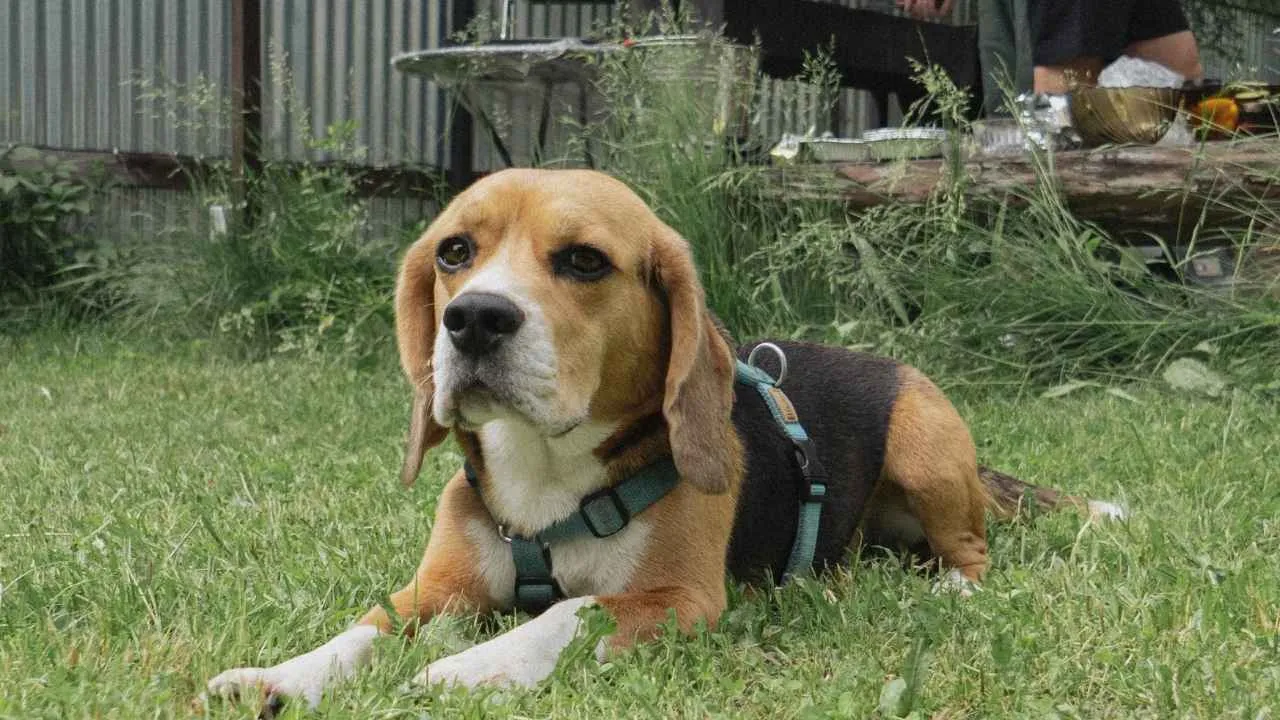
It can trot in a straight line one moment and vanish nose-first into a hedge the next, deaf to its own name. This breed exaggerates the trailing stage, the long follow of a scent, beyond what most dogs manage. That single-minded tracker is the Beagle.
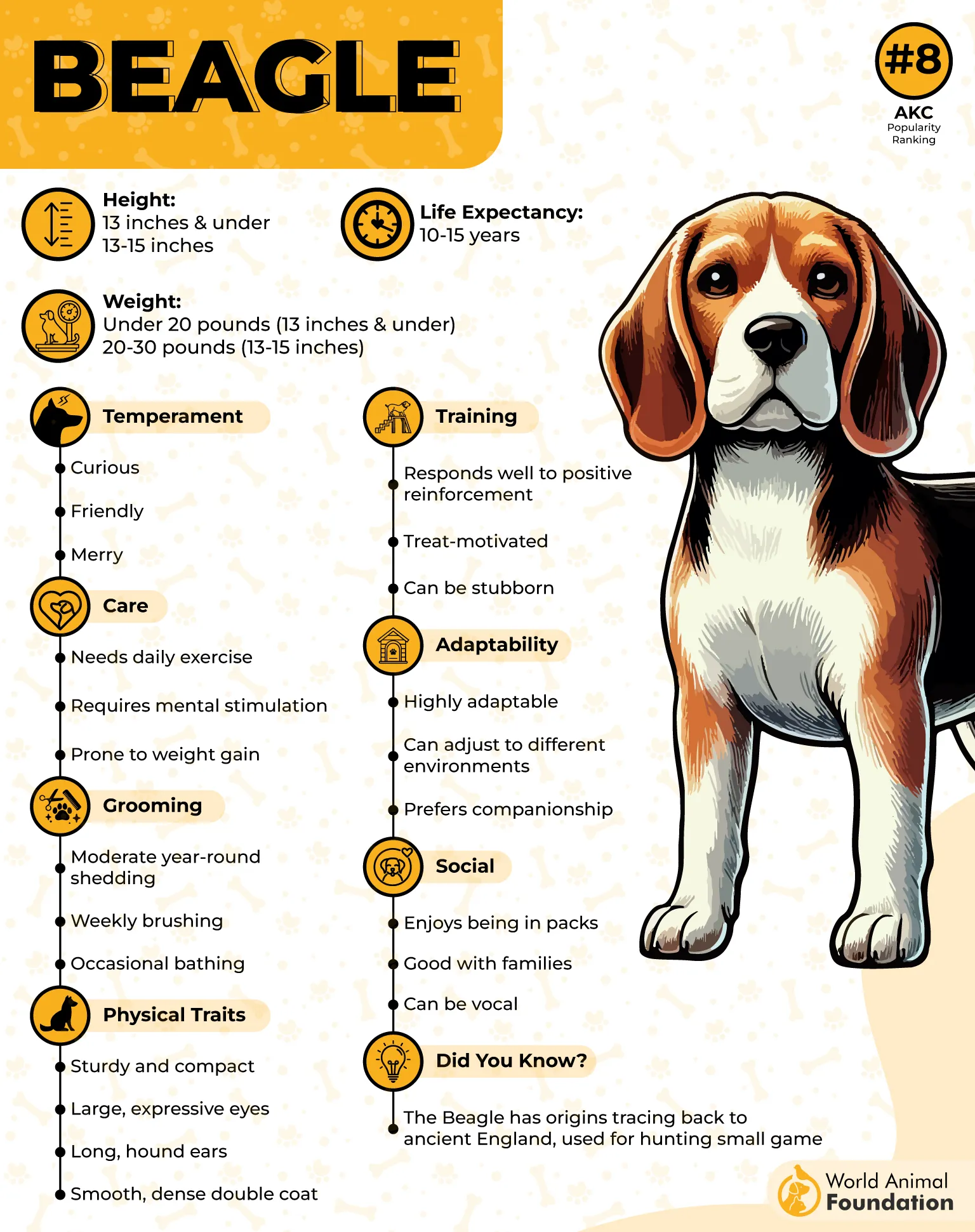
Bred to trail rabbits across open country for hours, this scent hound’s nose can override nearly every other instinct it owns. On a walk, that means a sudden stop followed by minutes of committed, oblivious sniffing in one direction.
Outlet: Scent-work classes or a dedicated sniff walk let this nose do its job without a leash battle.
Owners often read a Beagle ignoring its name as stubbornness, but the trailing instinct can genuinely override hearing once a scent lands. This is biology, not defiance. A long lead and patience beat a raised voice every time.
7. Dachshund
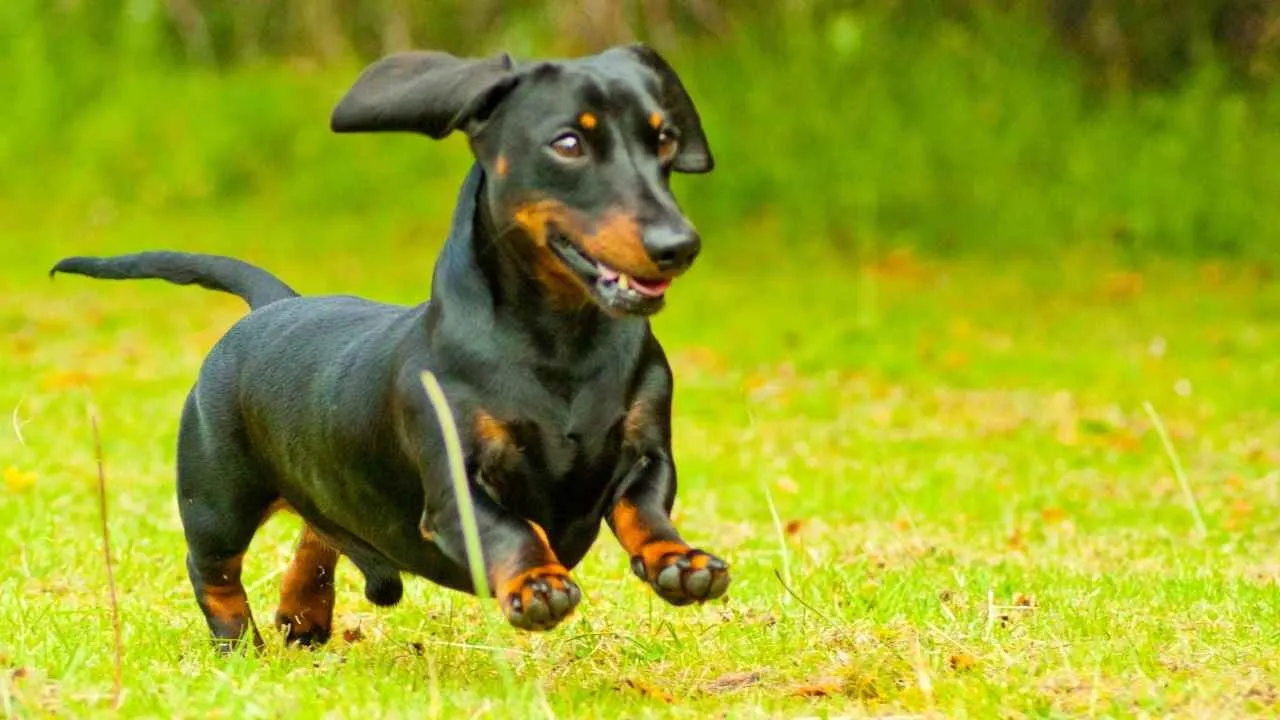
It can tunnel under a blanket, a cushion, or a garden bed with the same single-minded commitment, chasing something only it can sense. This special breed exaggerates the chase-into-the-burrow stage more than almost any other, following prey into tight spaces most dogs avoid. That determined burrower is the Dachshund.
Britannica describes this breed as developed in Germany specifically to pursue badgers into their burrows, with short legs and a long body built for exactly that job. At home, that becomes real effort spent tunneling under blankets, furniture, or the yard.
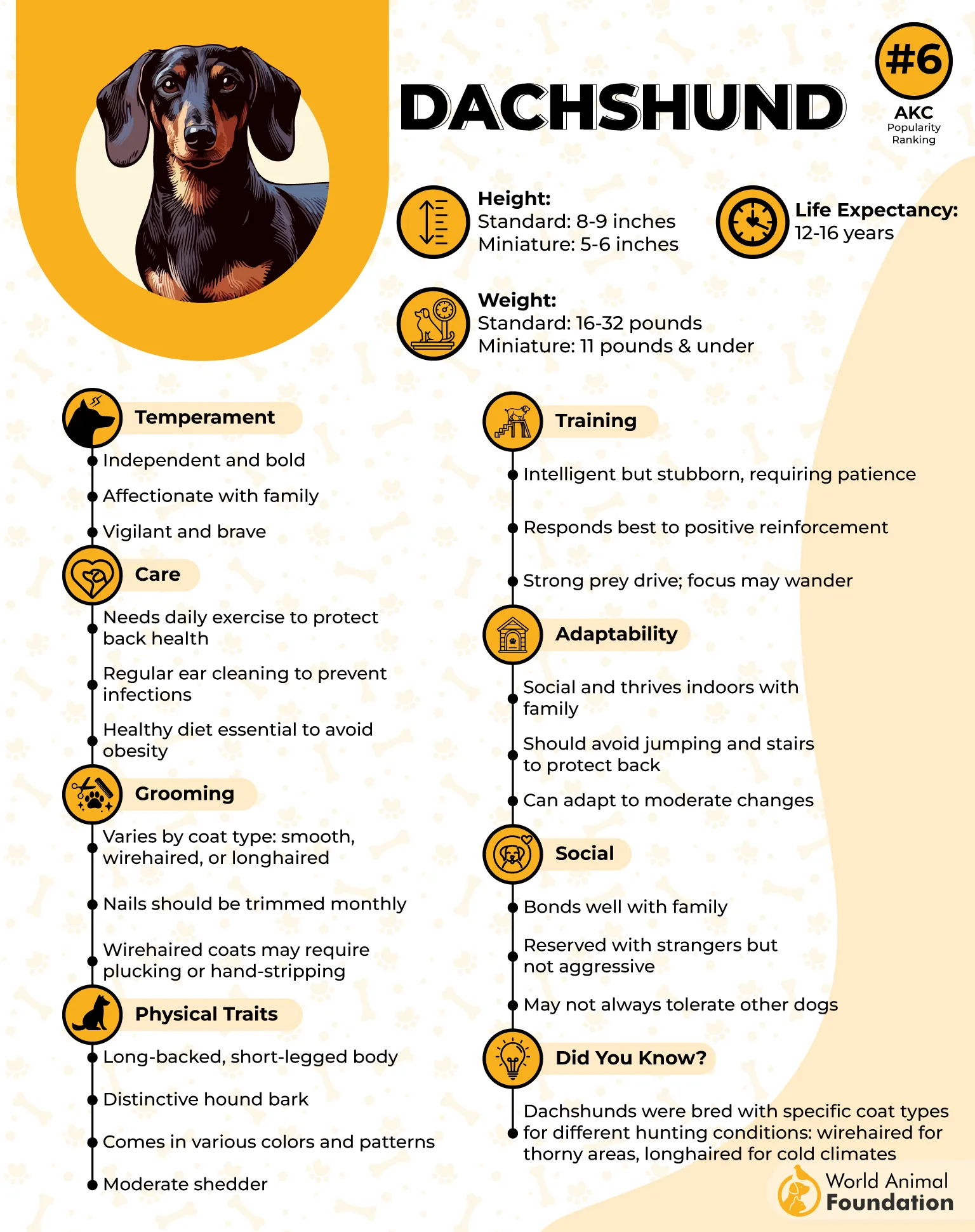
Outlet: A sandbox or designated digging patch channels the burrow instinct away from the flower beds.
People sometimes read the digging as restlessness or bad manners, but it traces straight back to the job this breed was built for. Badger hunting demanded exactly this kind of tunneling persistence. A Dachshund without an approved spot to dig will simply choose its own.
Conclusion
Seven very different dogs, one shared blueprint. Every point, dig, grab, or chase is the same ancient hunting sequence, just dialed up loudest at a different phase in each breed, and that single idea explains most of what looks confusing about prey drive in any dog.
Once you can name a dog’s stage, a strange habit stops looking like bad behavior and starts looking like a job waiting for a stimulating outlet. Match that outlet to the instinct, stay consistent about good recall and training, and try it with your own dog this week.
