




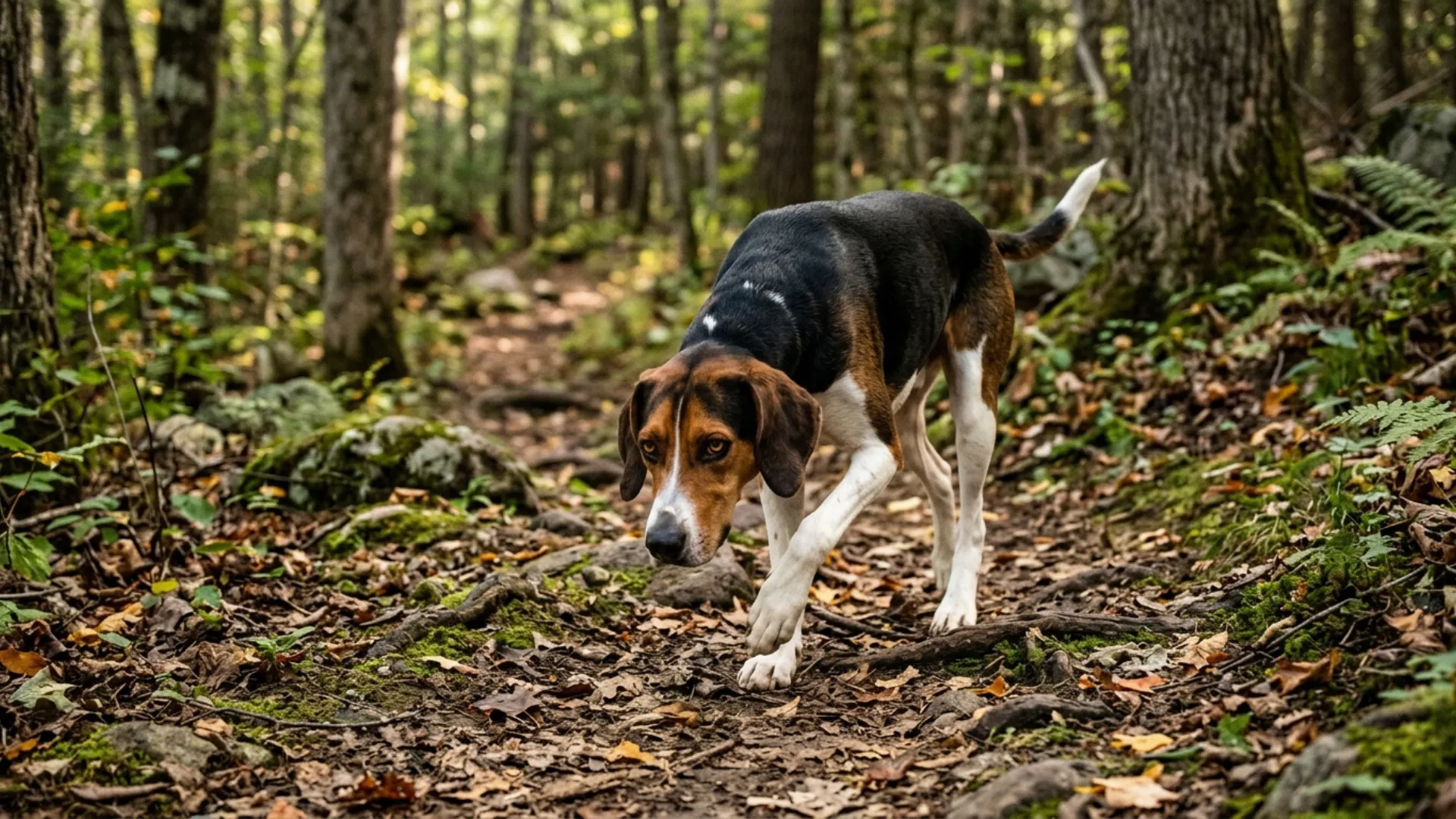
Have you ever watched a dog stop in the middle of a walk because it caught a scent you could not even notice?
It feels almost like a superpower.
While humans mostly depend on sight, many dogs experience the world through their noses. Some breeds can follow a scent trail that is days old, detect missing people, or even help scientists identify disease.
As comedian Bill Murray once joked, “I am suspicious of people who do not like dogs.” Spend time with these remarkable sniffers, and it is easy to understand why. Their noses tell stories hidden from us.
Let us meet the dog breeds that truly boast the ultimate sense of smell and discover what makes each one exceptional.
Dog Breeds that Boast the Ultimate Sense of Smell
1. Basset Hound
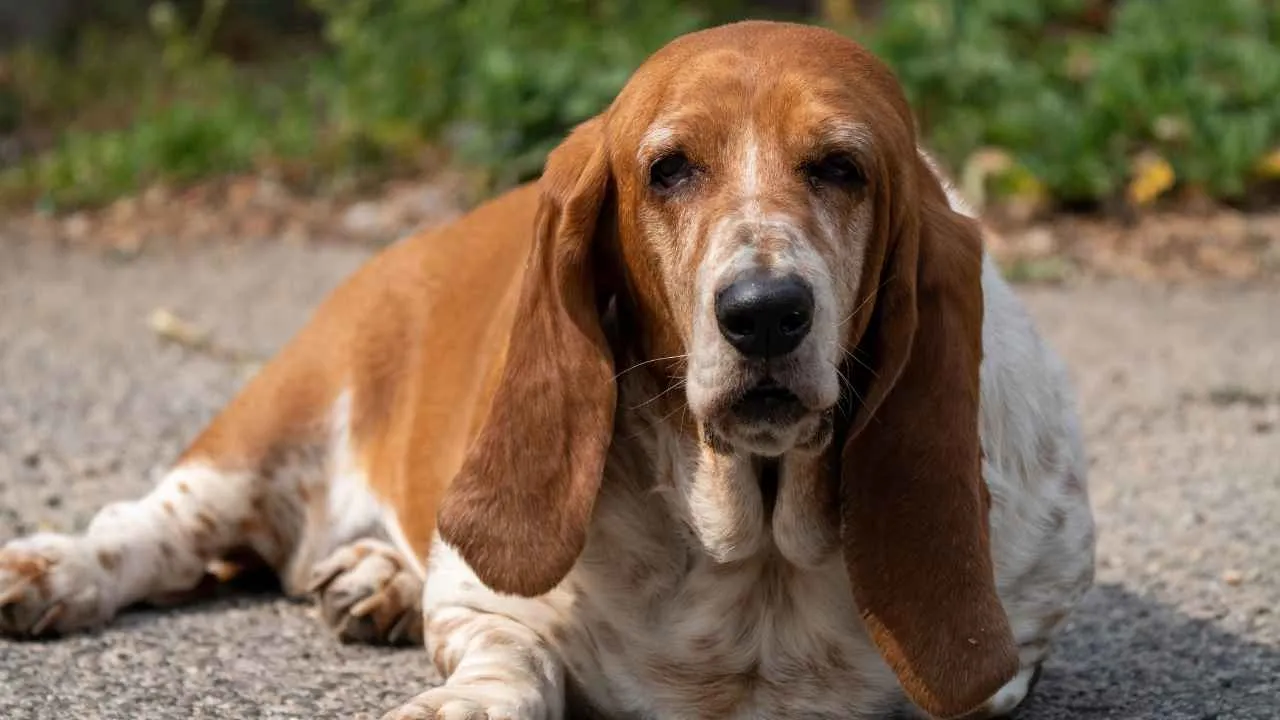
This dog breed descended from a hunting dog, the St. Hubert hound (7th century), which was known for its strong sense of smell. It was then split into two breeds: the Bloodhound and the Basset Hound. The Basset Hound has short legs, making it ideal for tracking purposes, according to Orvis.
It has a hangdog expression, floppy ears, and a low-slung body. The breed was originally bred to sniff out rabbits and other small animals. The down nose contributes to the forlorn expression. It loves taking long walks and investigating backyard scents. It excels in nose work and has remarkable scenting skills.
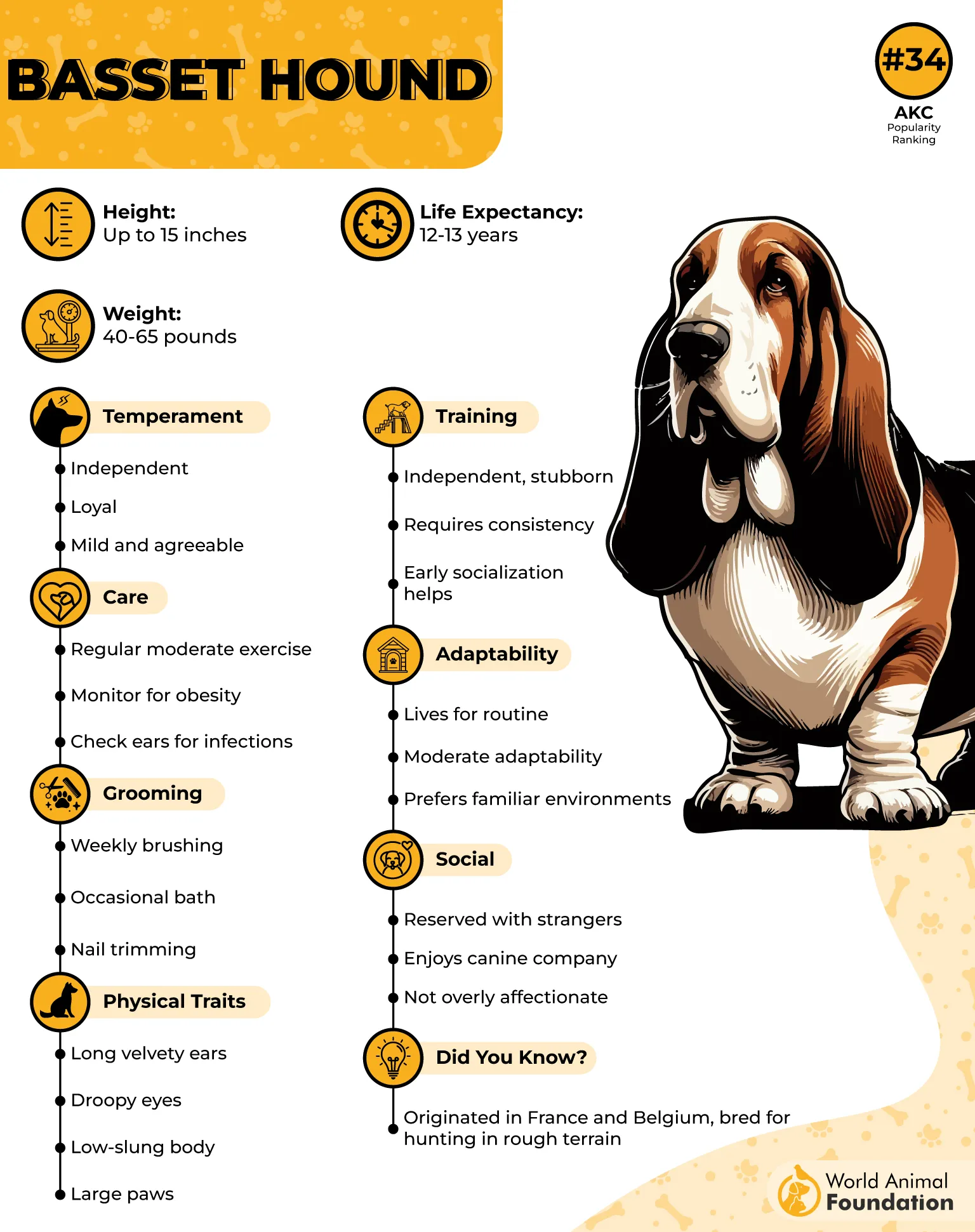
Because of its strong instincts to follow interesting scents, it must be kept on-leash. It is a slow-paced breed with a laid-back nature. It sheds heavily and needs extensive grooming.
2. American Foxhound
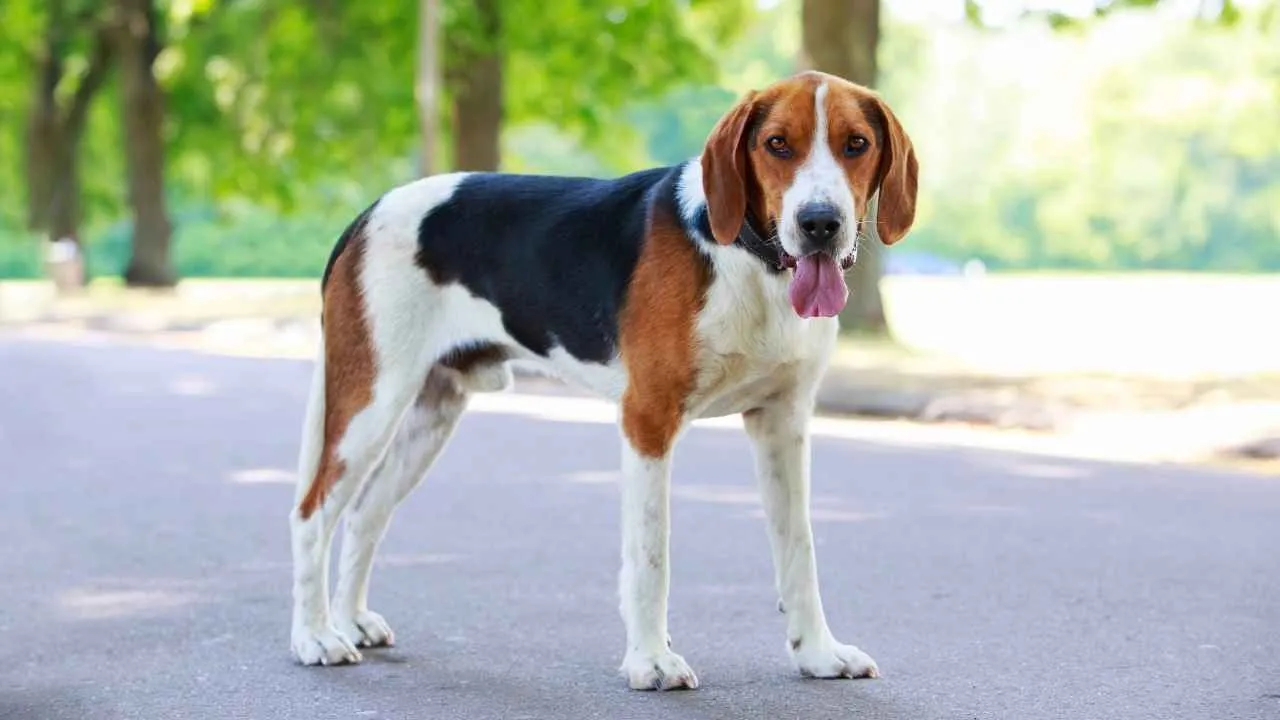
Arriving in the United States in the 1650s, the breed gained popularity in the 18th century as a sporting breed, as noted by the AKC. With its strong scent receptors, it can travel miles to find its quarry. It was bred by crossing the Irish Scenthound and the American Coonhound.
It rarely gets aggressive and gets along well with kids and other pets. The breed has a pack mentality and does great with other breeds. It has a musical bark (bay) that can be heard from miles away after this independent breed goes too far by following scent.
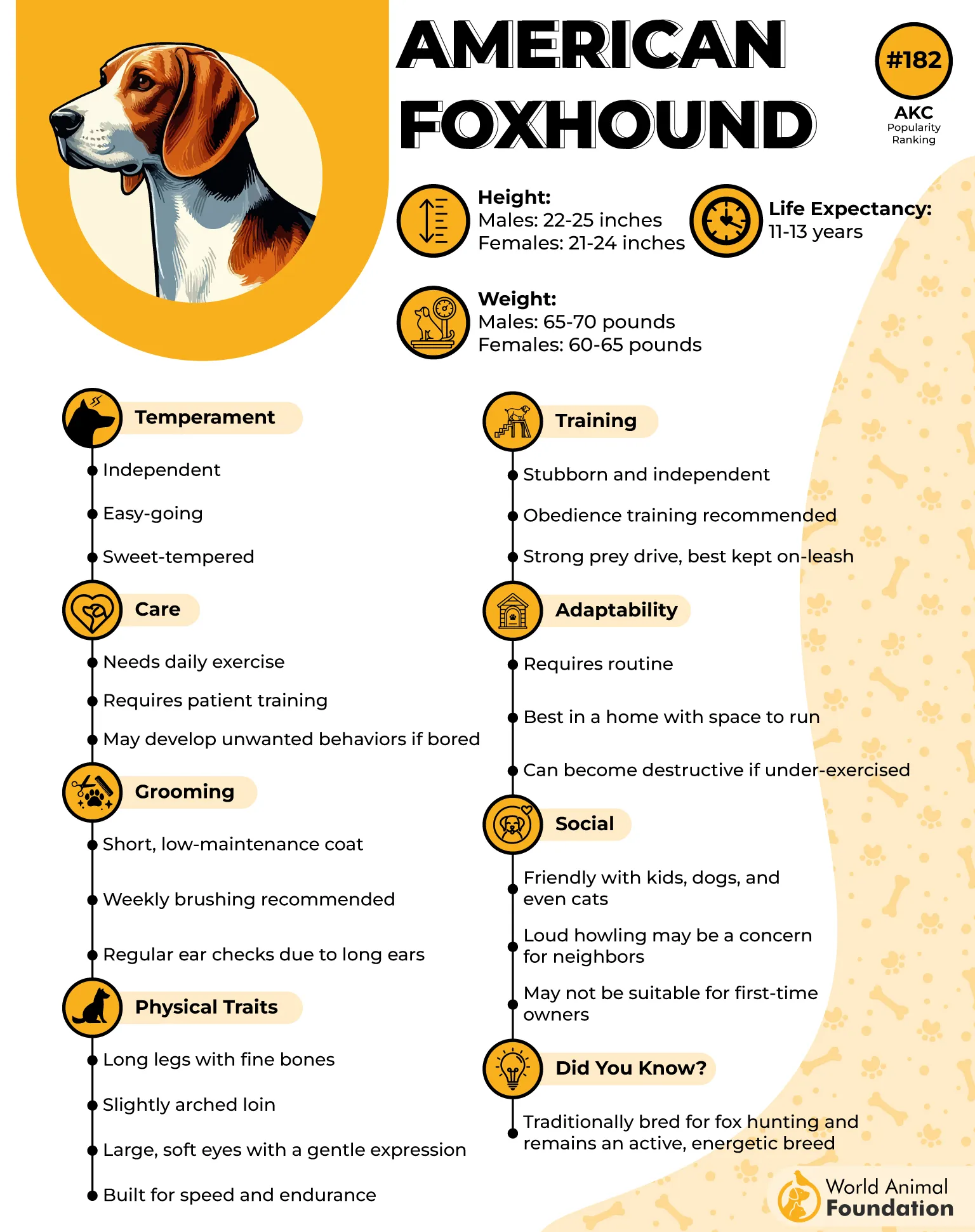
Low exercise can lead to loud barking and destructive behaviors. It is prone to ‘selective hearing’ while following a scent trail; thus, obedience training is non-negotiable.
3. Treeing Walker Coonhound
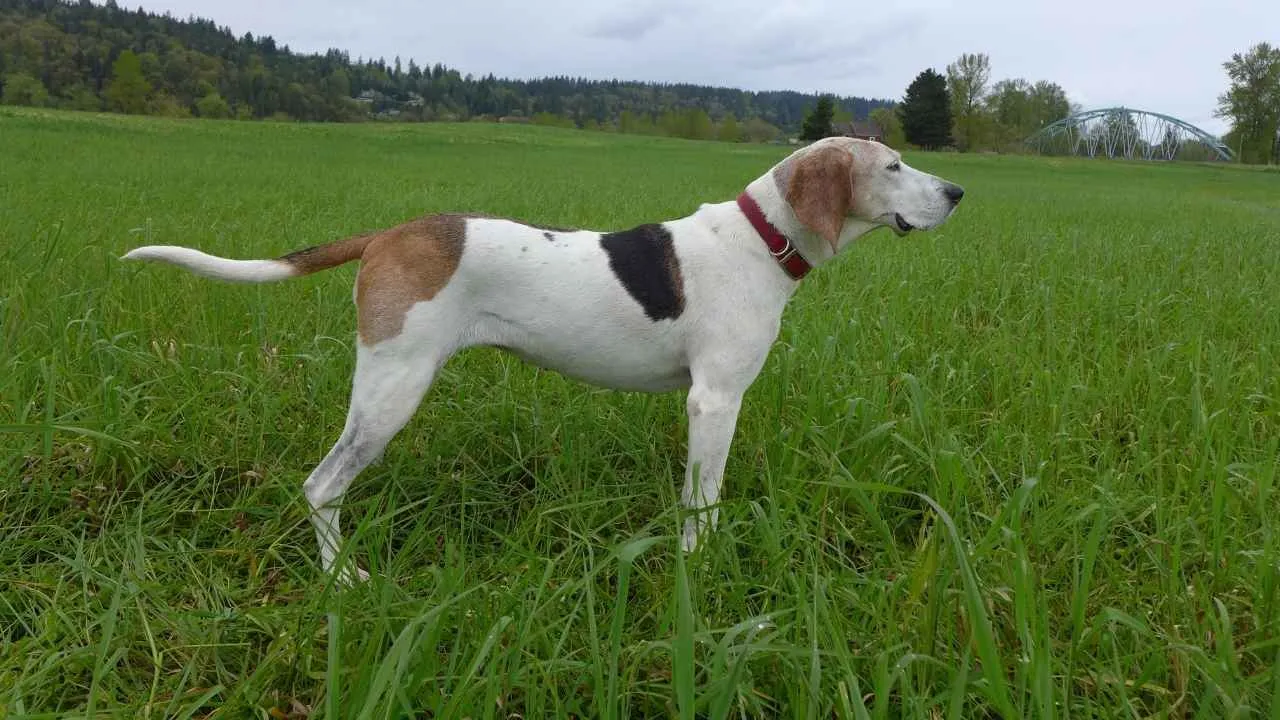
British colonists brought their English Foxhound to America and bred it with local Coonhounds, naming it English Coonhound originally. Later, the name was changed in honor of an enthusiastic breeder named Thomas Walker. The primary goal of the breed was to hunt raccoons.
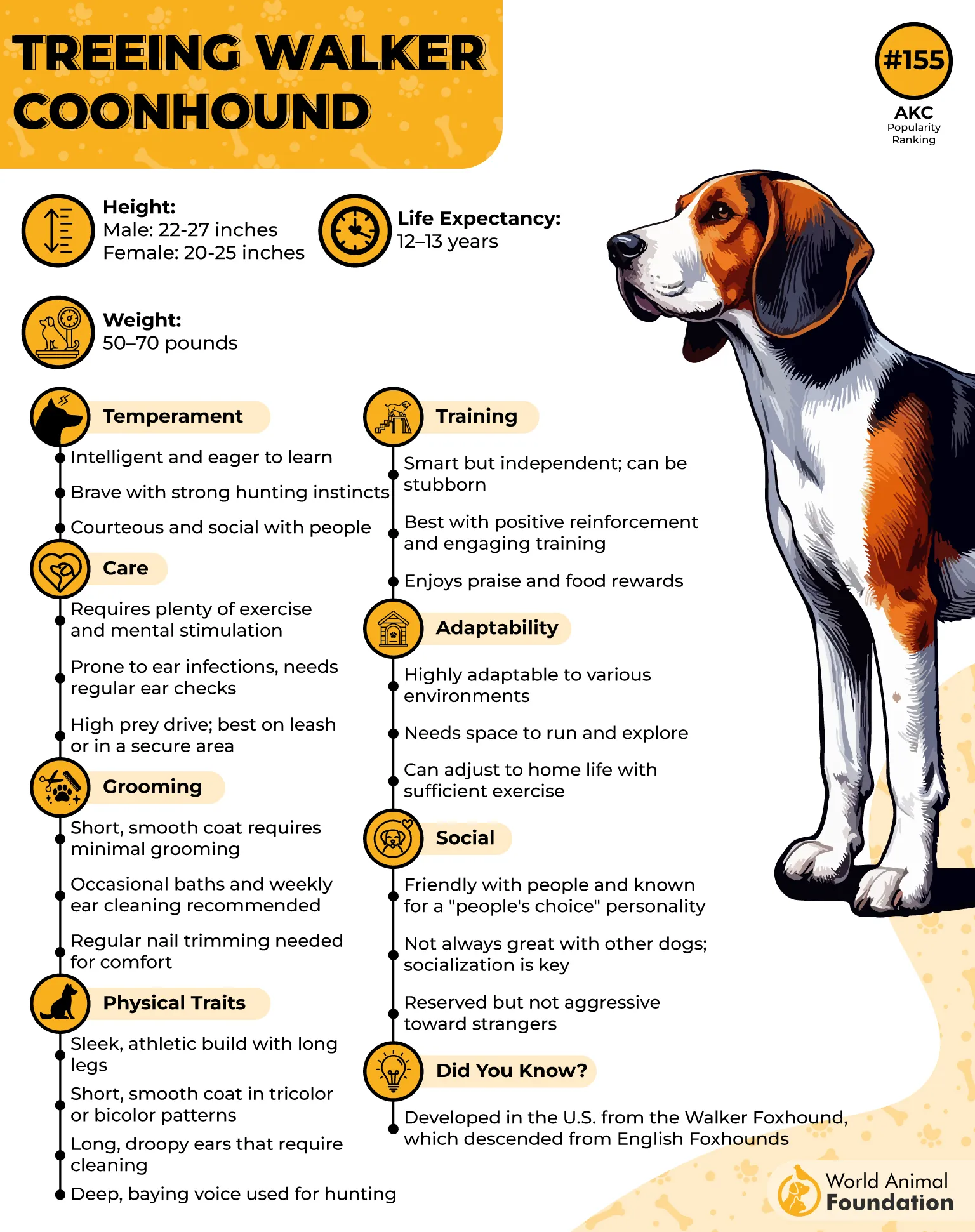
It was designed to track raccoons through dense underbrush. The breed has low-set ears, and their rounded tips reach the nose when the head is down. This helps direct the scent particles to the nose, which further processes them with advanced olfactory receptors.

It stays on high alert when hunting, though it does not have strong protective or territorial instincts. The breed has boundless energy and needs ample exercise for physical and mental stimulation.
4. German Shorthaired Pointer
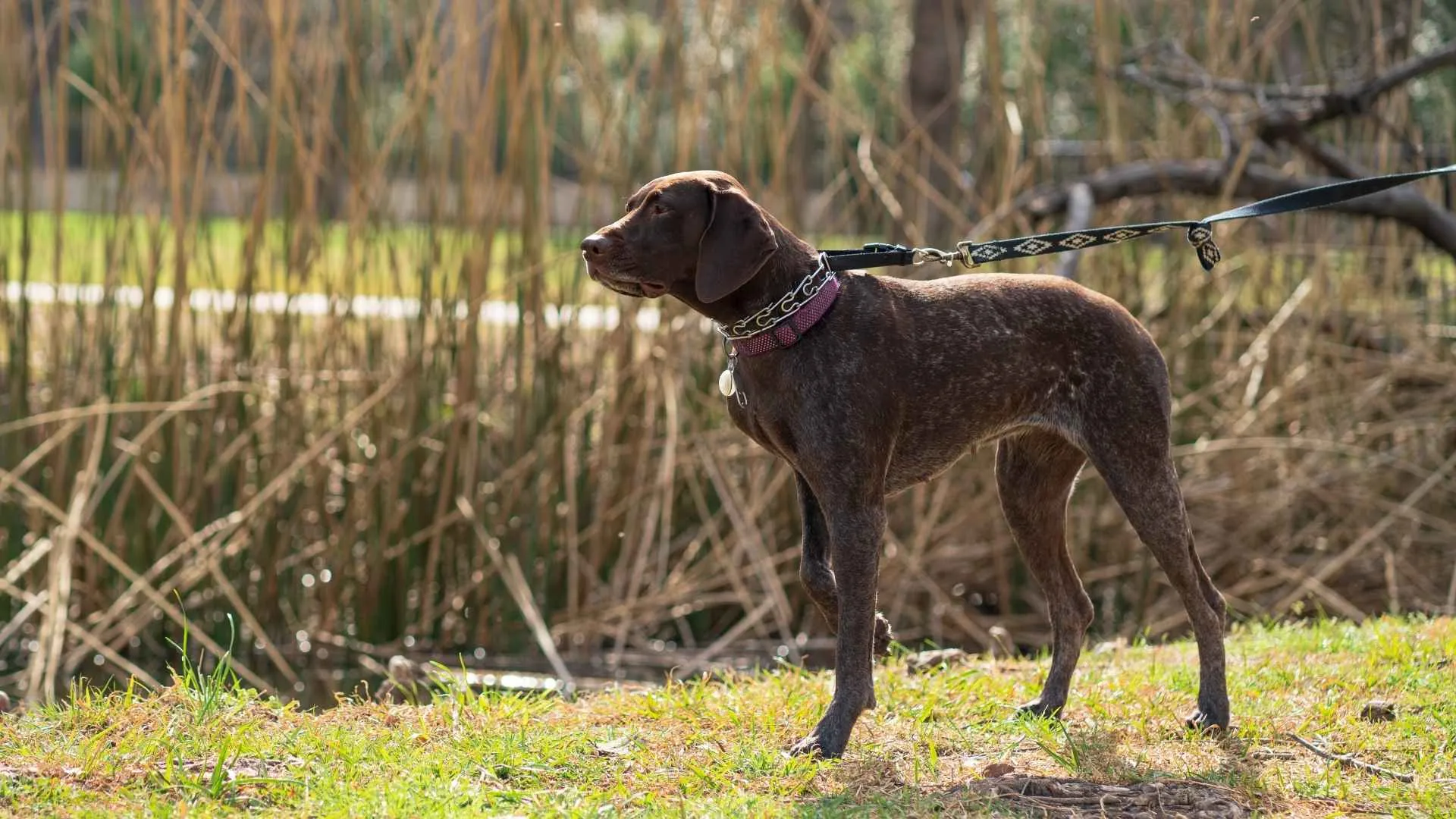
Bred in Germany in the 19th century, the German Shorthaired Pointer is closely related to the German gun dog, which was descended from the Spanish Pointer that was introduced to Germany in the 17th century. Today, it actively participates in competitive hunting events, as reported by WebMD.
This sporting breed was developed to thrive both in water and on the land. It has a much longer muzzle, allowing it to carry scents for an extended period of time. It tends to stop, point, and signal with its nose in the direction of the prey. This bird dog then waits for the hunter to signal when to flush out.
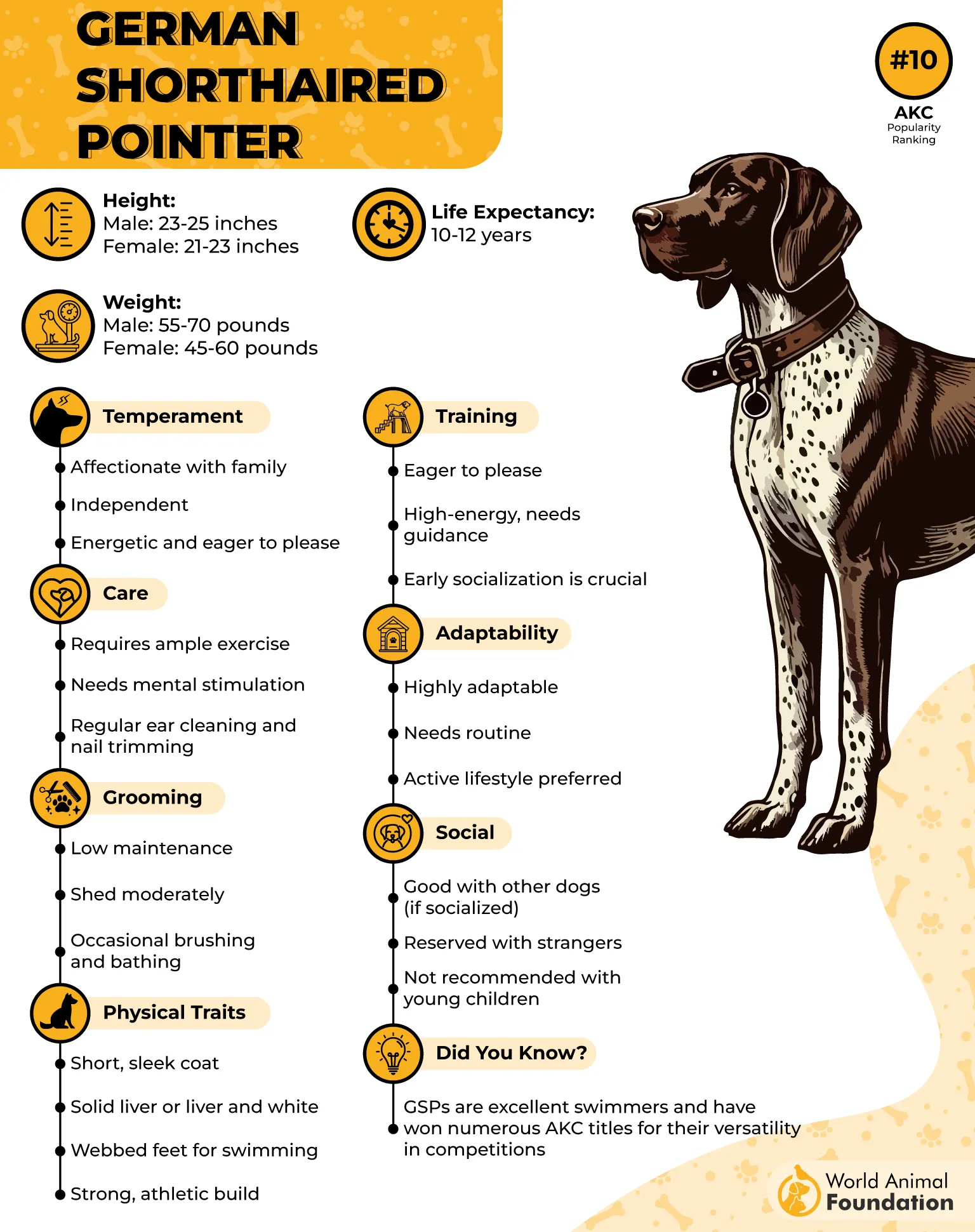
It has a biddable and eager-to-please nature and forms strong bonds with the owner family. While both social and vigilant, it makes a great alert and comfortable breed.
5. Bluetick Coonhound
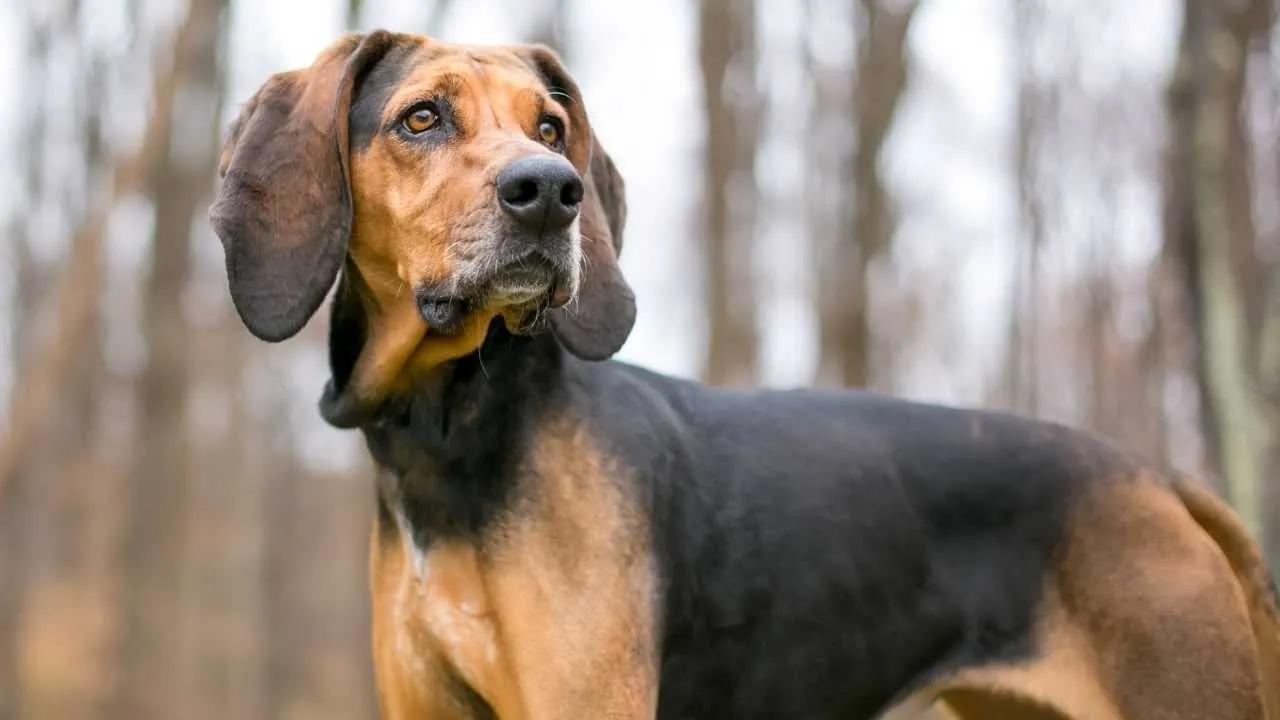
Originally bred in the United States, the Bluetick Coonhound is descended from the French Hound and was gifted to George Washington. The English Foxhound has also contributed to the development of the modern-day Bluetick Coonhound.
Despite originally being bred for raccoon hunting, the breed also excels in hunting big game. Because of its high prey drive, the breed tends to chase small animals. Being a scent hound, it loves to spend its time in natural places where it can be active and use its nose to catch and track a variety of scents.
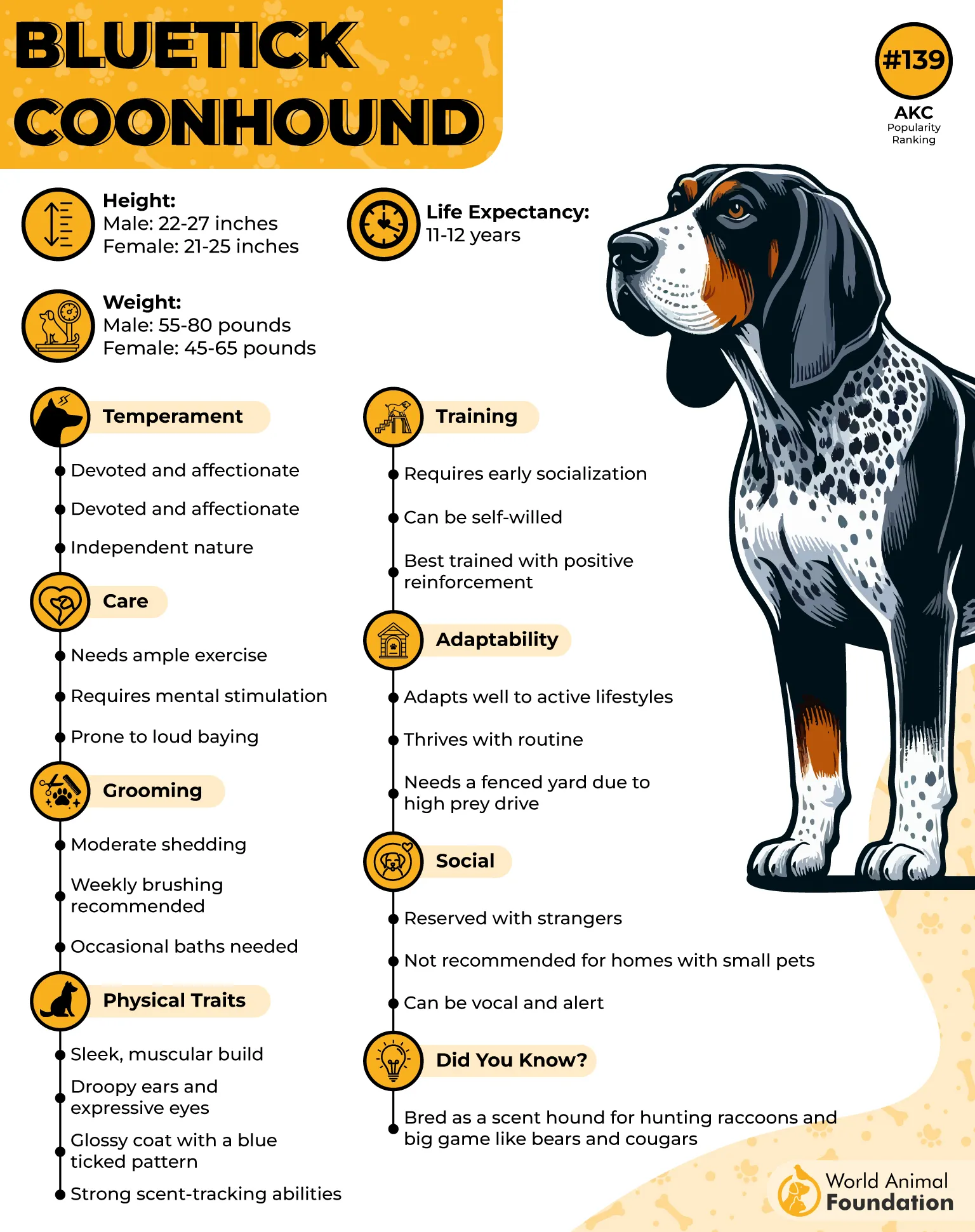
This high-energy dog needs at least two hours of daily exercise: walking, jogging, hiking, dog sports, and agility. It is a great escape artist, so it needs constant supervision outdoors.
6. Redbone Coonhound
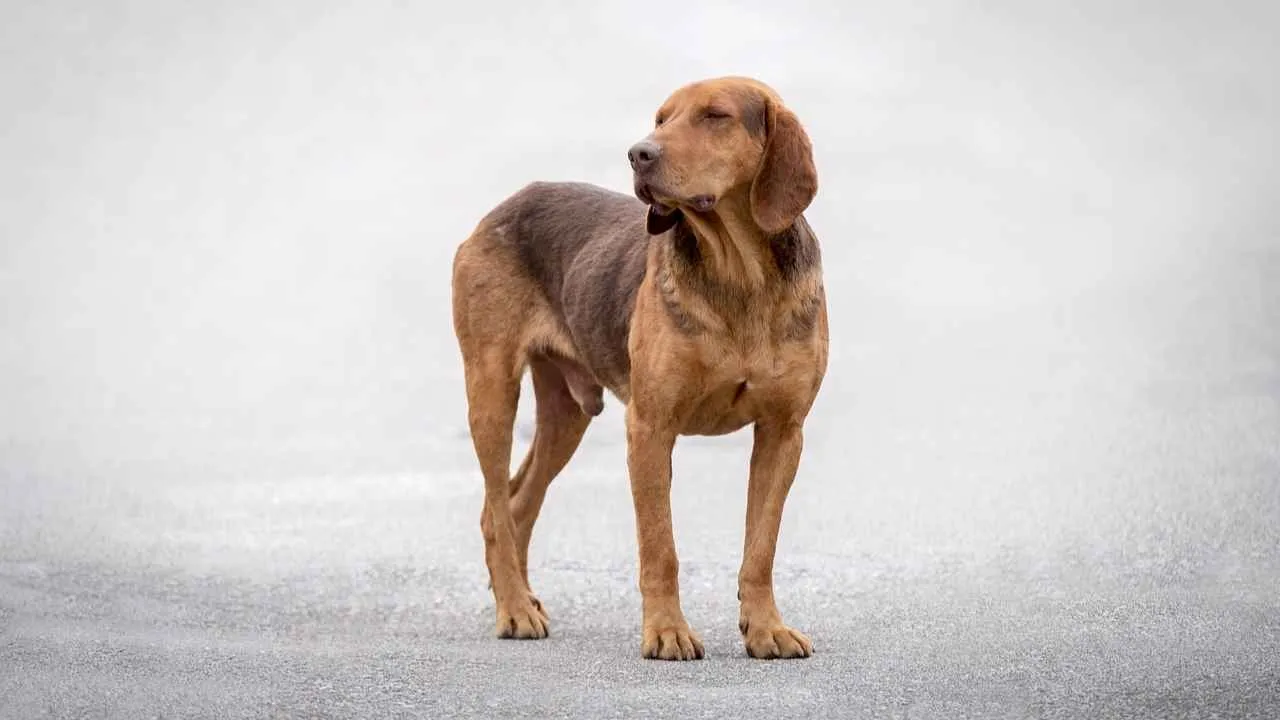
This versatile hunting dog was developed in the United States in the 18th century. It was specifically bred to navigate various terrain to catch prey. Famously known for its eye-catching red coat, the primary goal of this breed was to hunt raccoons.
Known to chase critters outdoors, the Redbone Coonhound is suggested to be microchipped and to use an up-to-date dog ID. The breed has high energy levels and a strong tendency to bark. It needs a lot of space to run and sniff.
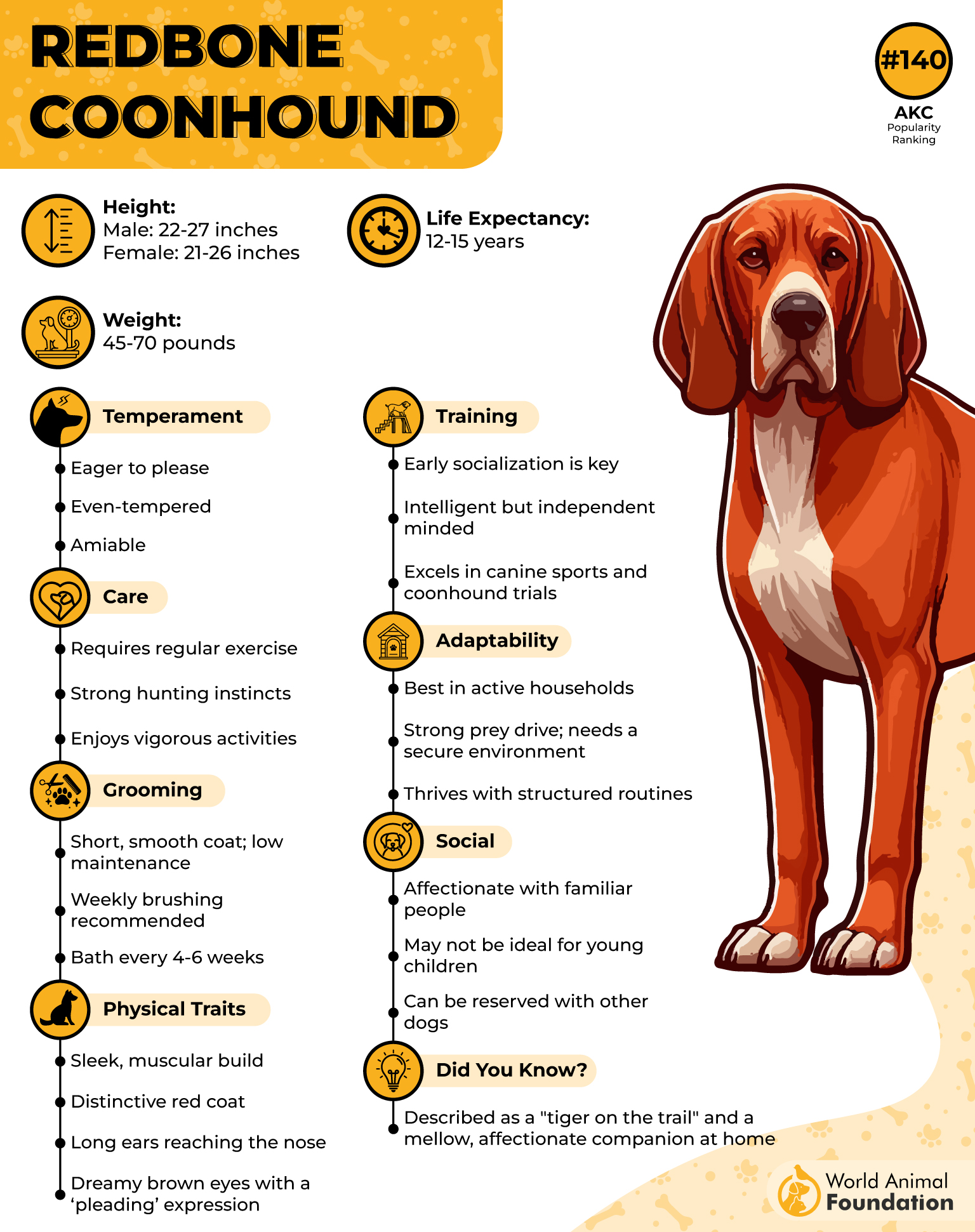
It has regular exercise needs and excels in nose work, hiking, hunting, agility, and fetching with positive reinforcement. The short and smooth coat sheds moderately and requires weekly brushing to remove loose hair.
7. Belgian Malinois
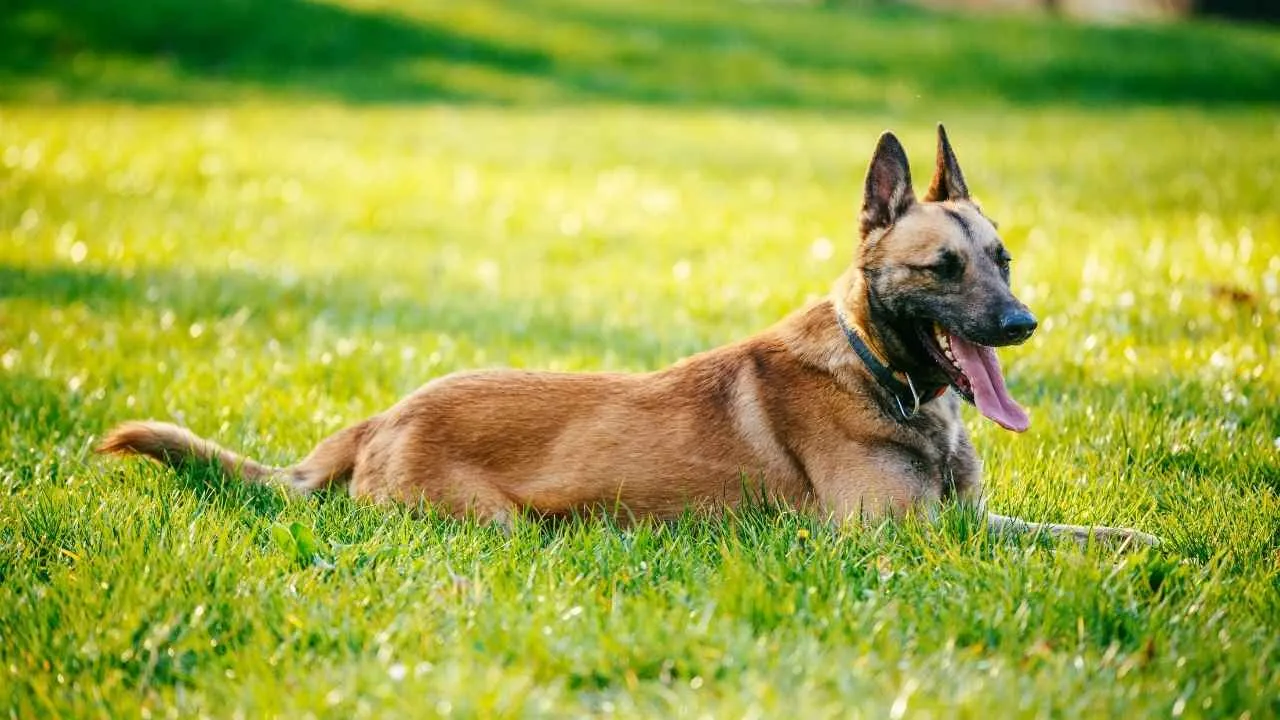
The history of this breed dates back to Belgium, where it was bred in the 18th century. The primary goal for breeders was to develop a breed with strong herding and protective instincts. The breed arrived in the USA in the early 20th century, but its popularity disappeared during World War II.
Widely used as a rescue dog, search and rescue dog, and a police and military dog, the breed takes a curved path rather than a straight one because of its herding roots, covering more area to gather scents. It keeps an eye on the perimeter and alerts the owner when it detects unusual activity.
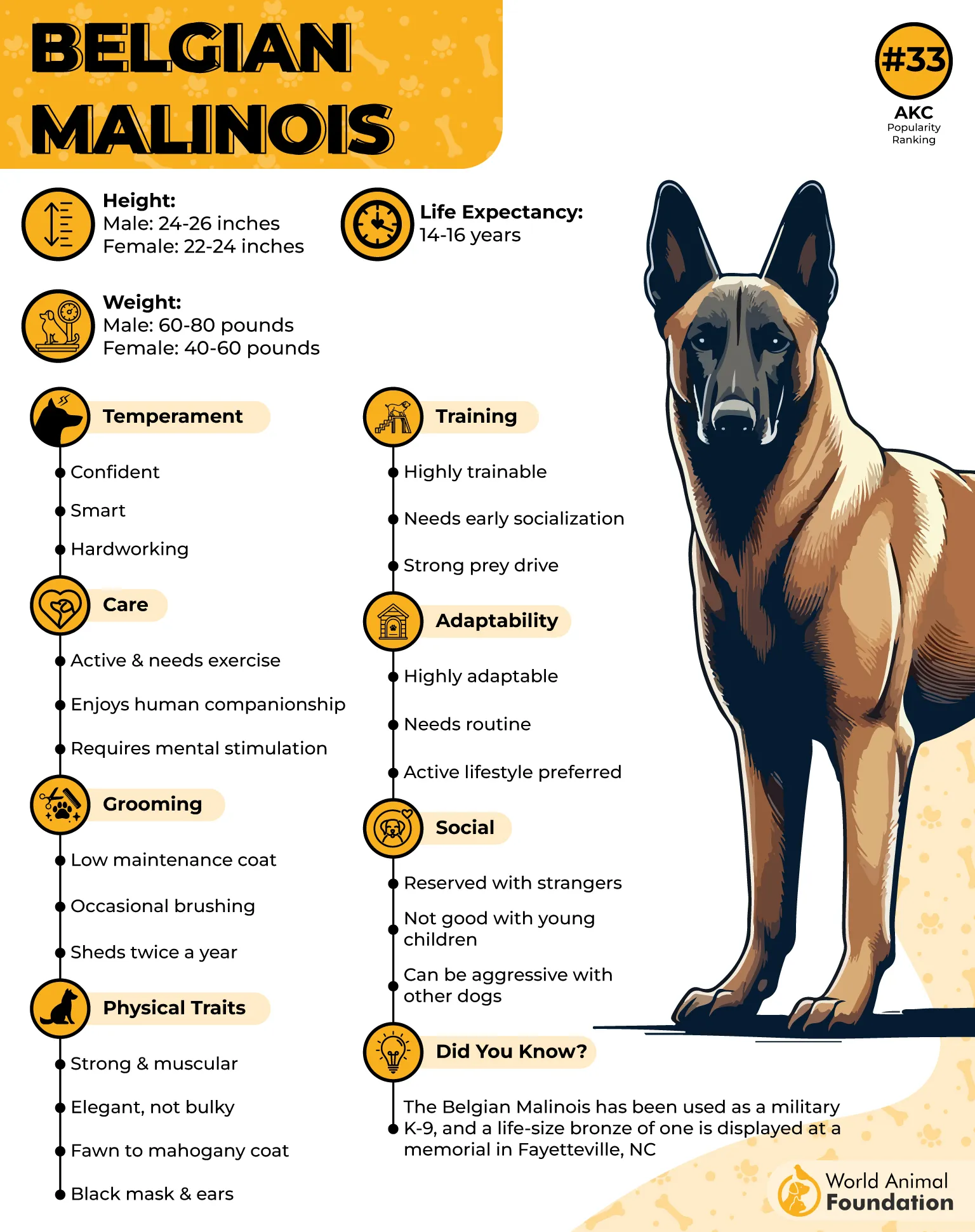
This highly energetic dog needs a constant job to avoid boredom and destructive behavior, such as chewing and barking. Training, working, playing, and walking are highly recommended.
8. English Foxhound
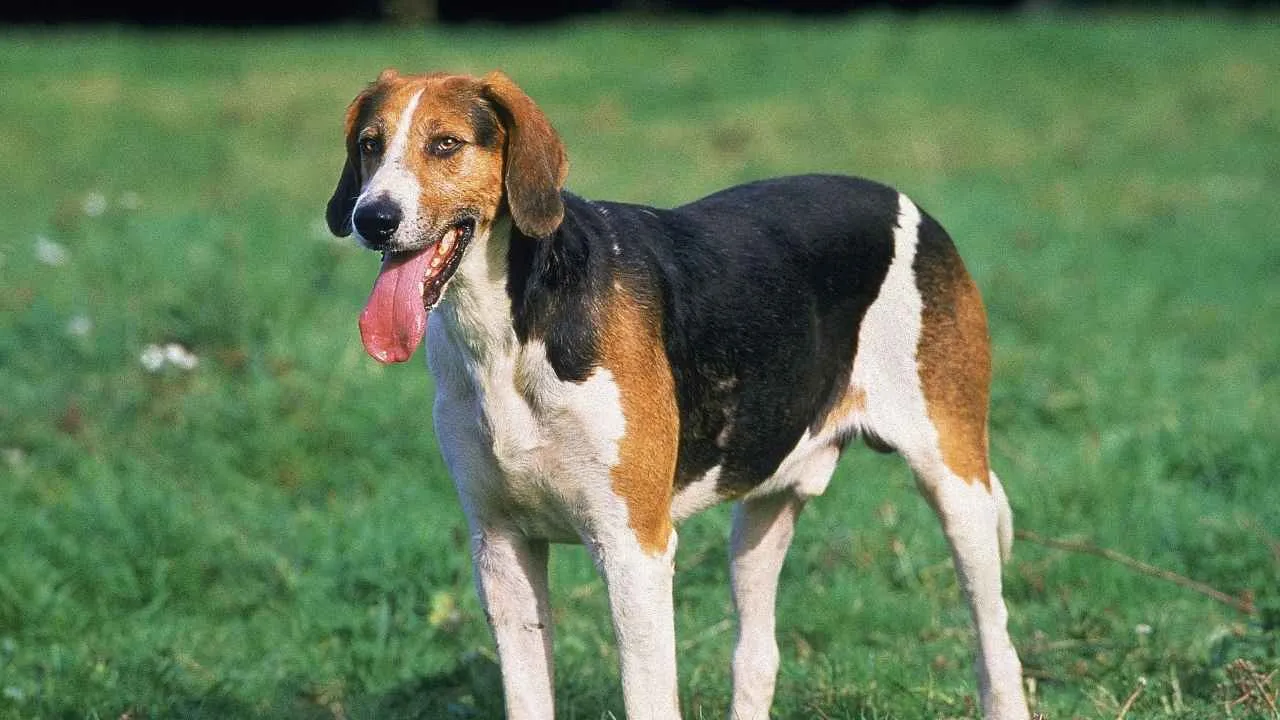
The breed was originally developed in England in the 16th century for fox hunting. The breed was developed by crossing the Greyhound, the English Bulldog, and the Fox Terrier. One of the most common traits of this dog is droopy ears, sniffing, and howling.
A large lung capacity enables fast speed in thick woods while chasing for the hunt. It has a pack mentality; thus, the breed thrives in companionship. Long legs, a perfect back, and a deep chest combined enable a grueling day’s hunt.
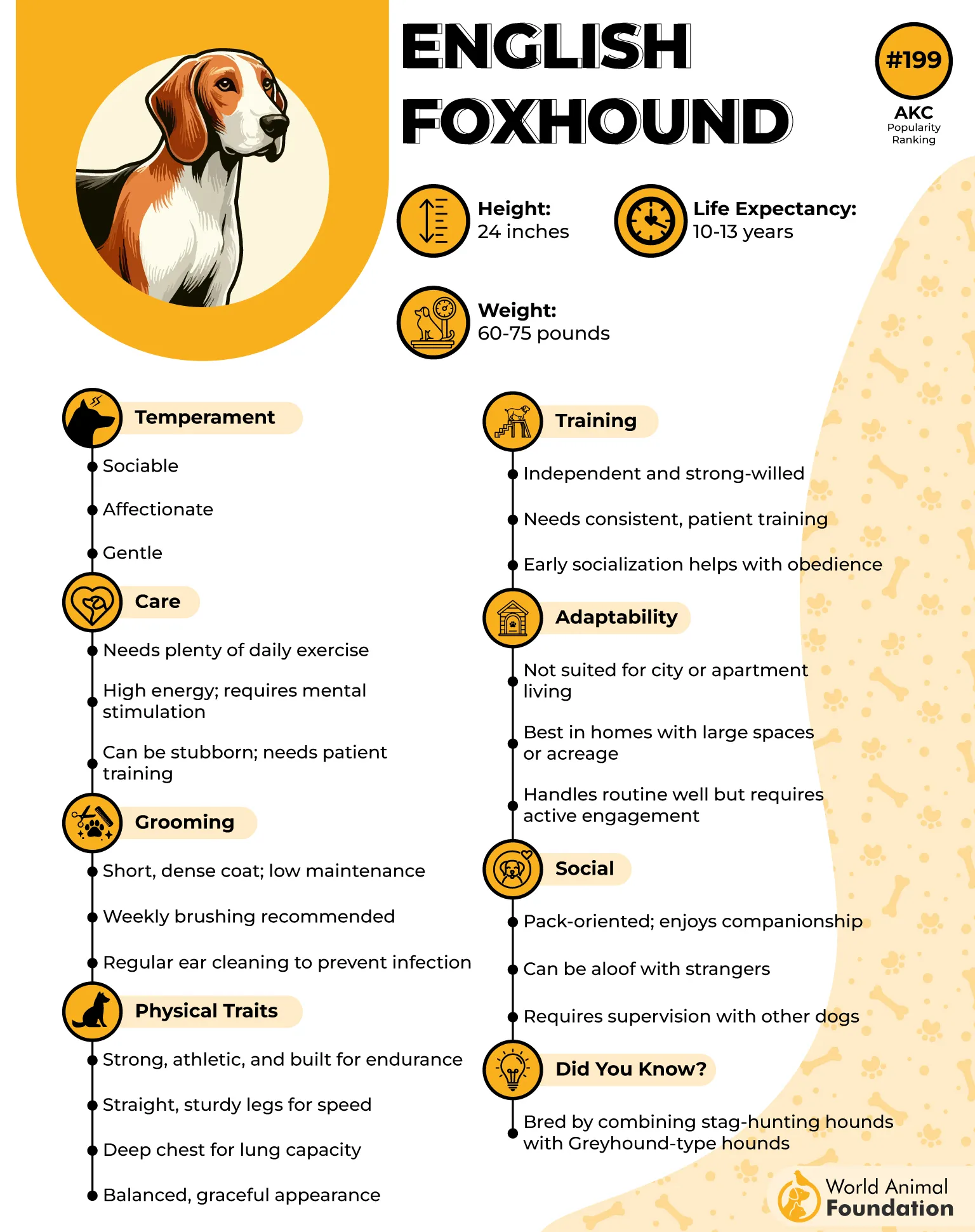
Being a shorthaired breed, it has minimal grooming needs. The breed is highly energetic, but once the physical and mental needs are fulfilled, it goes back to the couch.
9. American English Coonhound
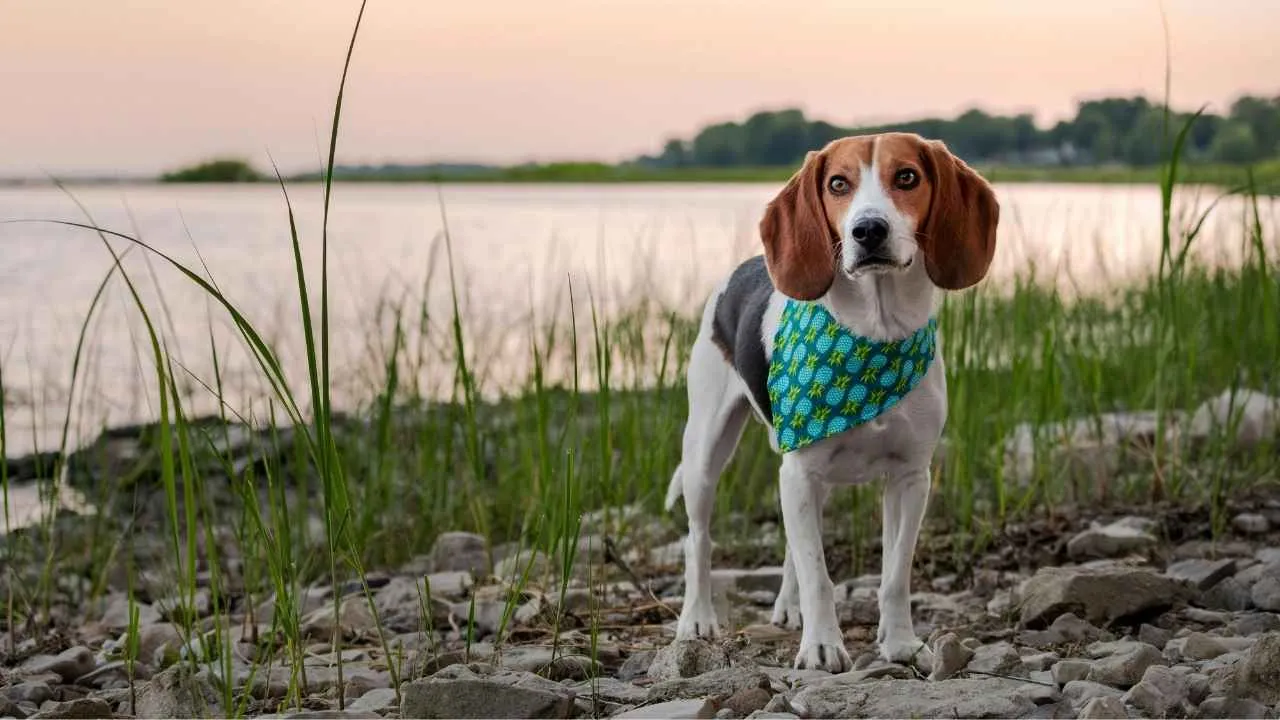
The breed has both American and English roots, as it was born in America and got genetics from England. It is included in the only 6 types of Coonhound developed to hunt raccoons. Descended from an English Foxhound that came to America in the 19th century.
Being a nocturnal breed, it tends to be more active at night and relies heavily on its keen senses of smell and sight. A doomed skull and low-hung ears. It has a high prey drive and loud bark that demand constant supervision in a populated society.
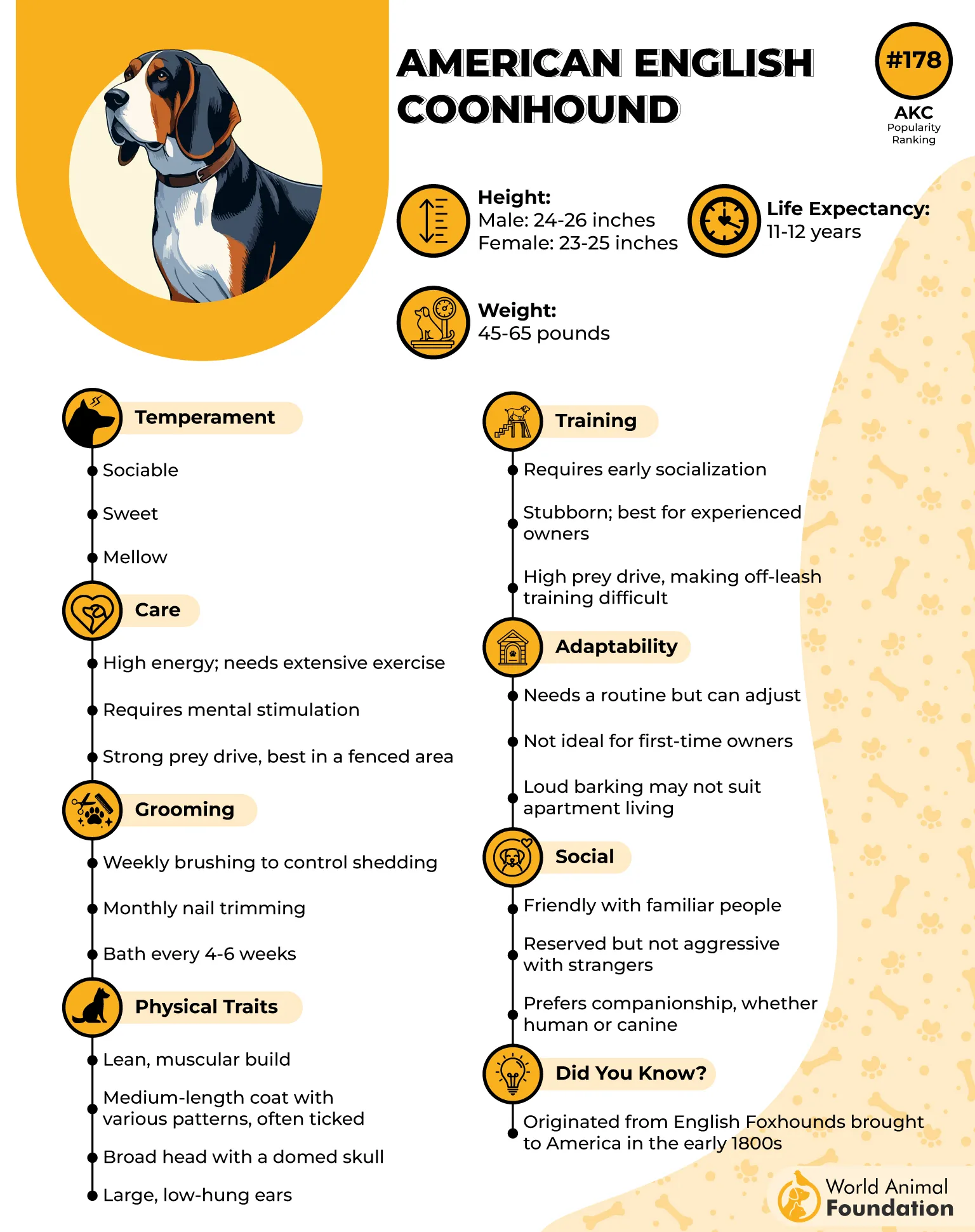
It is moderately open to strangers and has a protective nature. Since it is not an eager-to-please breed, it is difficult to train this breed. It has a split personality, making it gentle at home and fierce outdoors.
10. Bloodhound
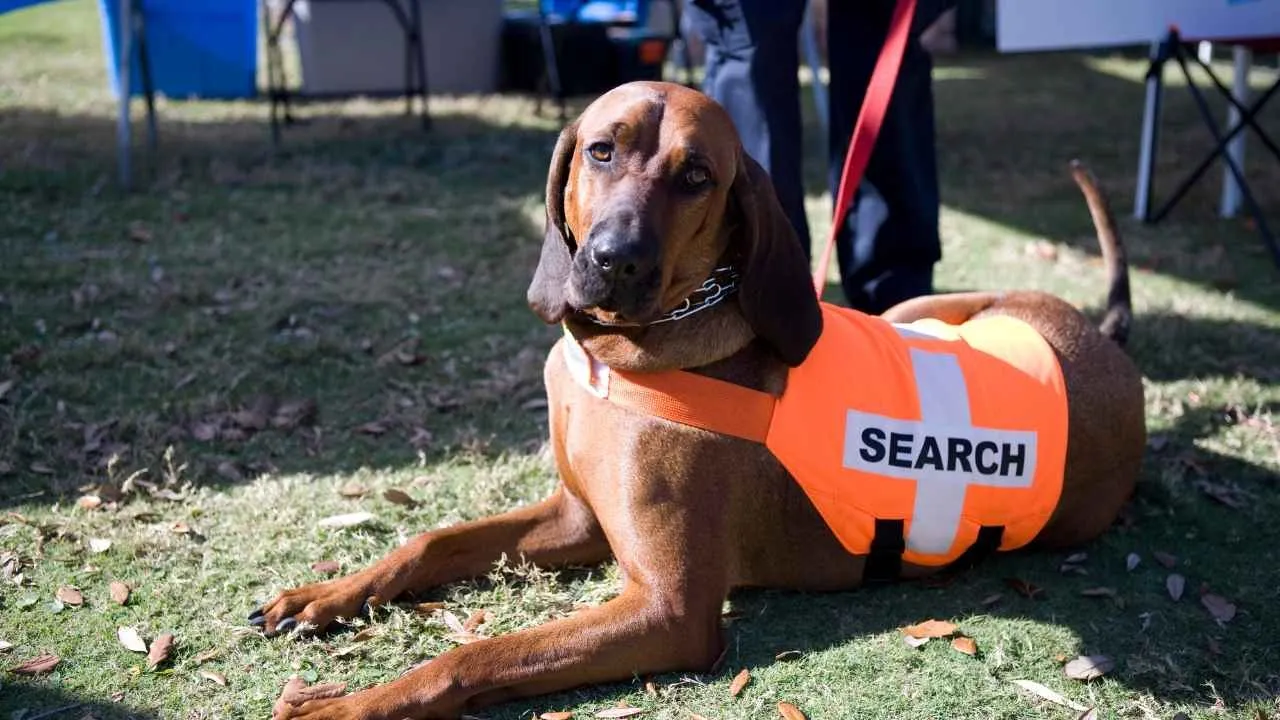
This ancient dog breed has a history of assisting medieval nobles in tracking game. Today, it is widely recruited as a SAR dog, and its trails are officially used as evidence in courts. It follows its nose after an interesting scent and does not fear falling into a dangerous situation itself.
It is known to have long and droopy ears and skin folds around its face. This mechanism helps trap scent particles and direct them to the nose. It was designed to track a scent for hours; thus, it requires leash training for outdoor adventures.
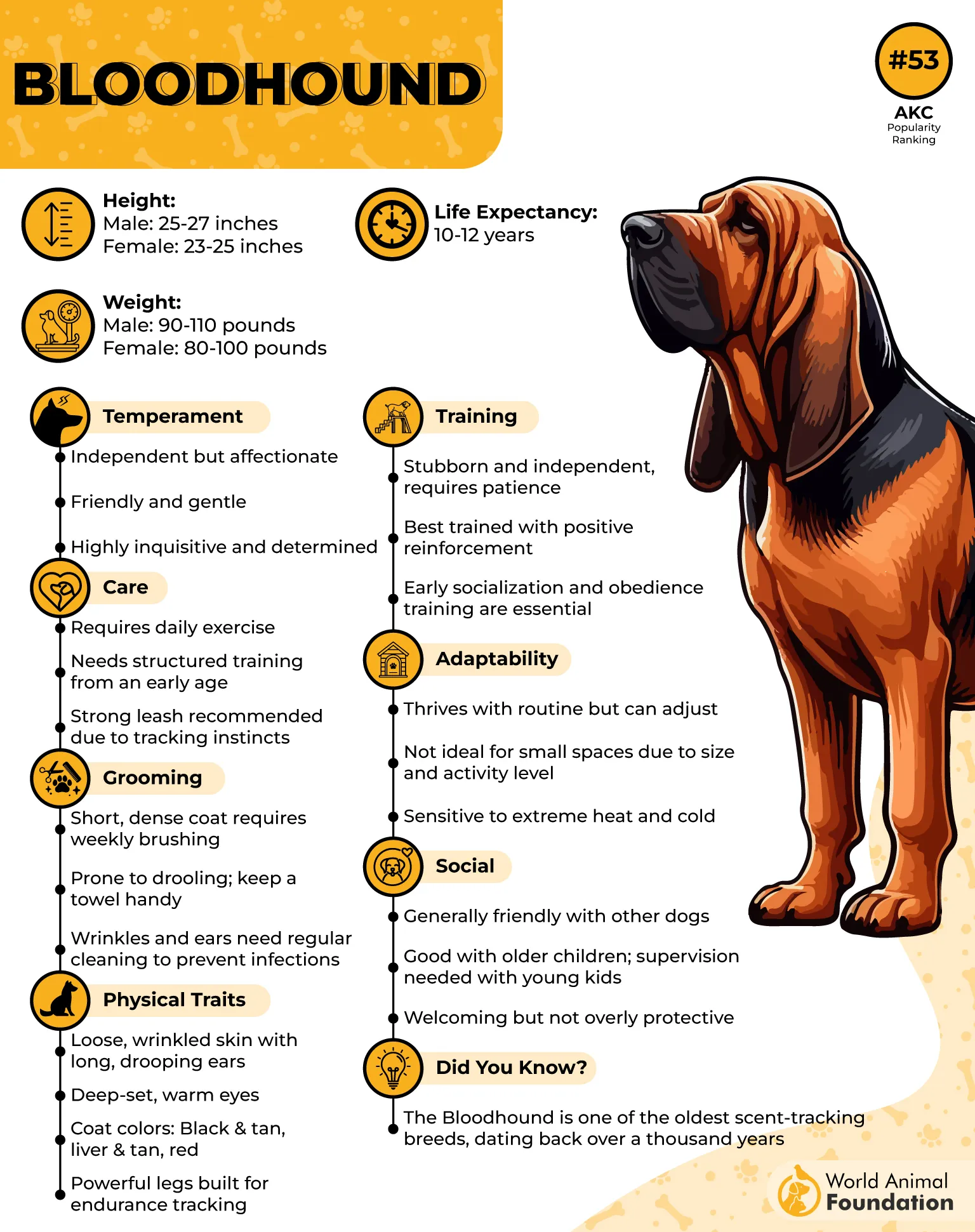
It has moderate daily exercise needs: long walks, outdoor playtime, nose work, trailing, hunting, hiking, and fetching are its favorite activities. The breed can jump over 6 feet.
Conclusion
A great nose is much more than an interesting talent. For these dog breeds, it is a tool that helps them hunt, rescue, protect, and work alongside people every day. From the patient Bloodhound to the energetic Belgian Malinois, each breed uses its scenting ability in a different way. That is what makes them so fascinating.
If you ever share your life with one of these dogs, do not be surprised if every walk turns into a full-time sniffing adventure. Let them explore, stay patient, and remember that following scents is their natural language. Sometimes the quickest route is not the one they choose, but their nose usually has a very good reason.
