





Between school runs, work calls, mountains of laundry, and the eternal “what’s for dinner?” question, adding a dog to the family can feel like taking on another full-time job. It doesn’t have to.
Some breeds suit busy households naturally: they’re small, adaptable, and happy with a steady routine instead of round-the-clock attention.
Think of them as the low-maintenance friends who still show up with snacks. A good dog gives you a reason to slow down, step outside, and enjoy a few minutes of cuddles at the end of a hectic day.
From pint-sized lap dogs to spirited little athletes, here are nine breeds that can fit into real family life without turning your calendar upside down.
Dog Breeds That Are Perfect for Parents with Busy Schedules
1. Chihuahua
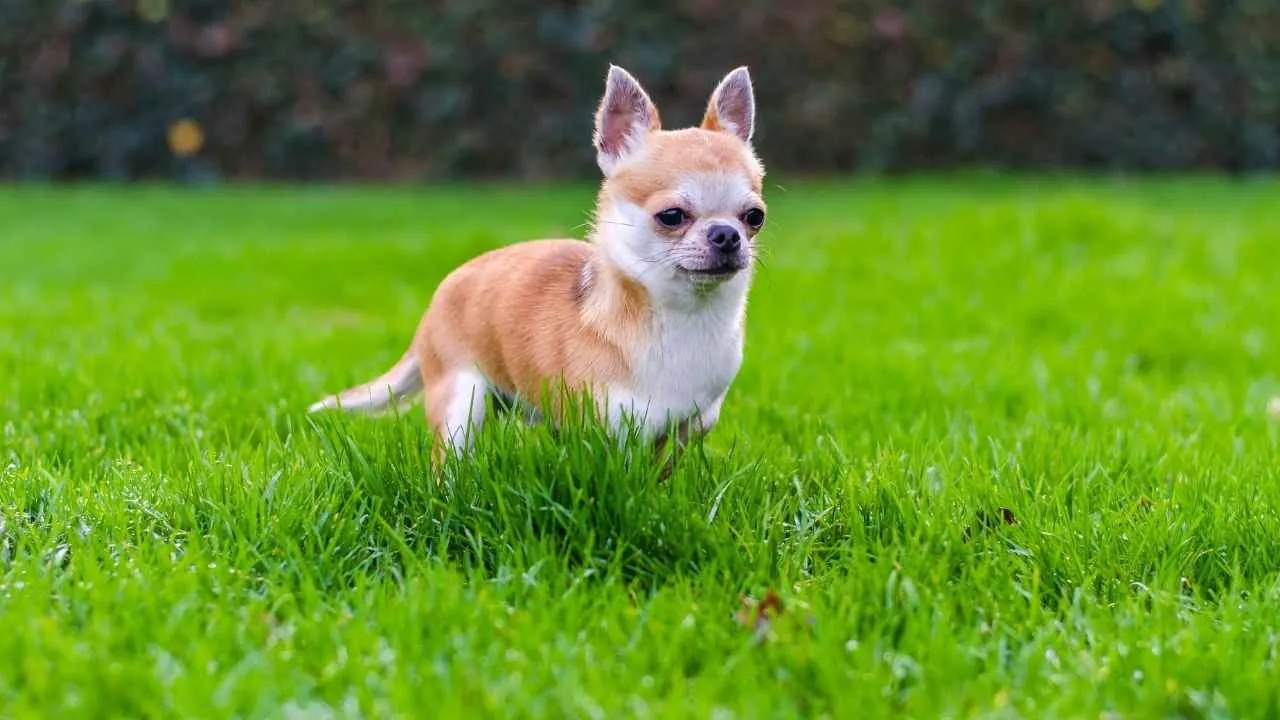
The Chihuahua was discovered in Mexico in the mid-19th century and is thought to descend from the Techichi, a small dog kept by ancient Mexican civilizations such as the Toltecs and Aztecs. The breed’s original purpose is still uncertain, according to Hill’s Pet.
Thanks to its tiny stomach, this little dog needs only about 1/4 to 1/2 cup of high-quality food a day. Since it was never bred for hard work, it tends to be less prone to destructive habits, even though it’s naturally alert.
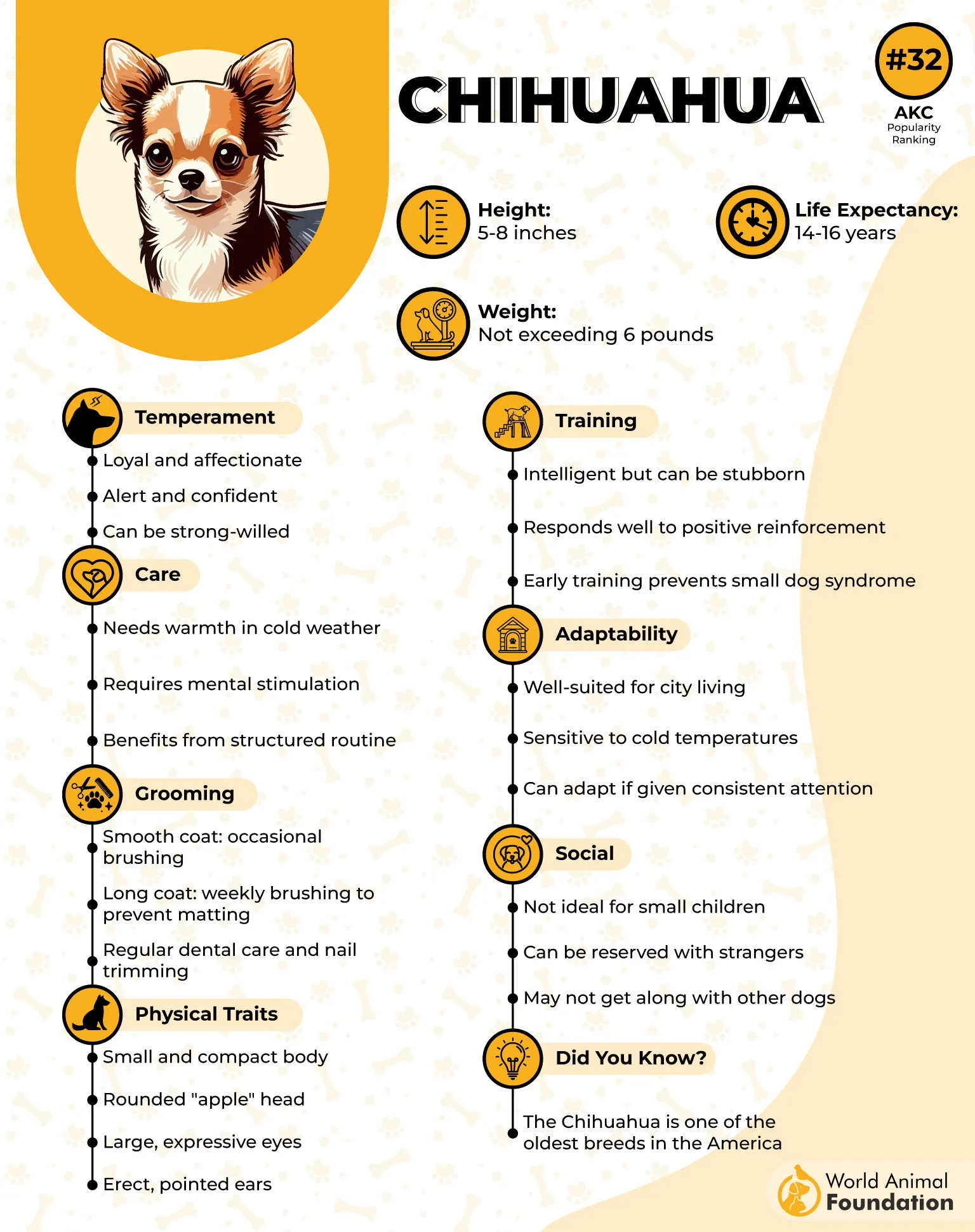
It typically lives 14 to 16 years, which means plenty of time to bond. It also makes a vigilant watchdog and will bark to let you know when something’s up.
Exercise needs are moderate, around 30 to 60 minutes a day, split between indoor play sessions and two or three short walks. The coat comes in two types: long-haired Chihuahuas need brushing two to three times a week, while short-haired ones are fine with a weekly brush.
2. Miniature Pinscher
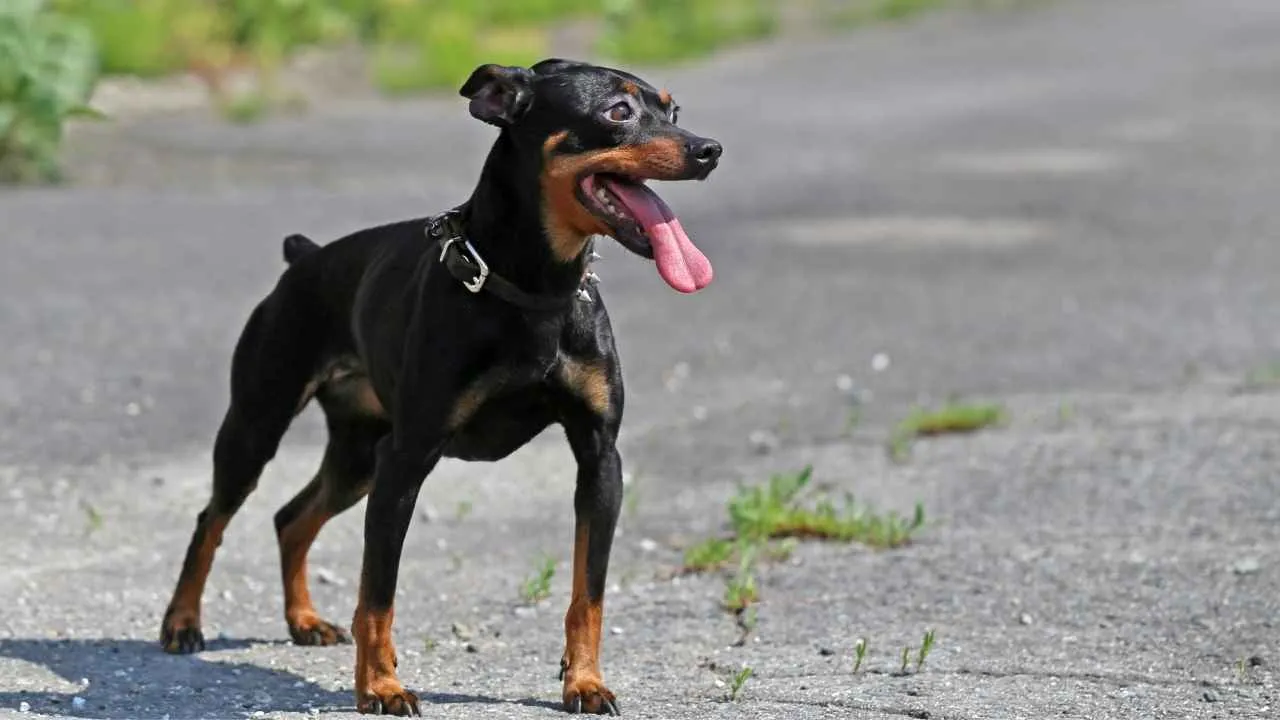
Also known as the Zwergpinscher, the Miniature Pinscher was originally developed in Germany as a hunting dog to go after small game like mice and other little critters. It is believed to share ancestry with the Toy Manchester Terrier, and it’s a low-maintenance breed to boot.

This is a highly intelligent dog, so it tends to pick up house rules quickly. With its terrier-like spirit, it’s more likely to invent its own entertainment than to cling to your lap.
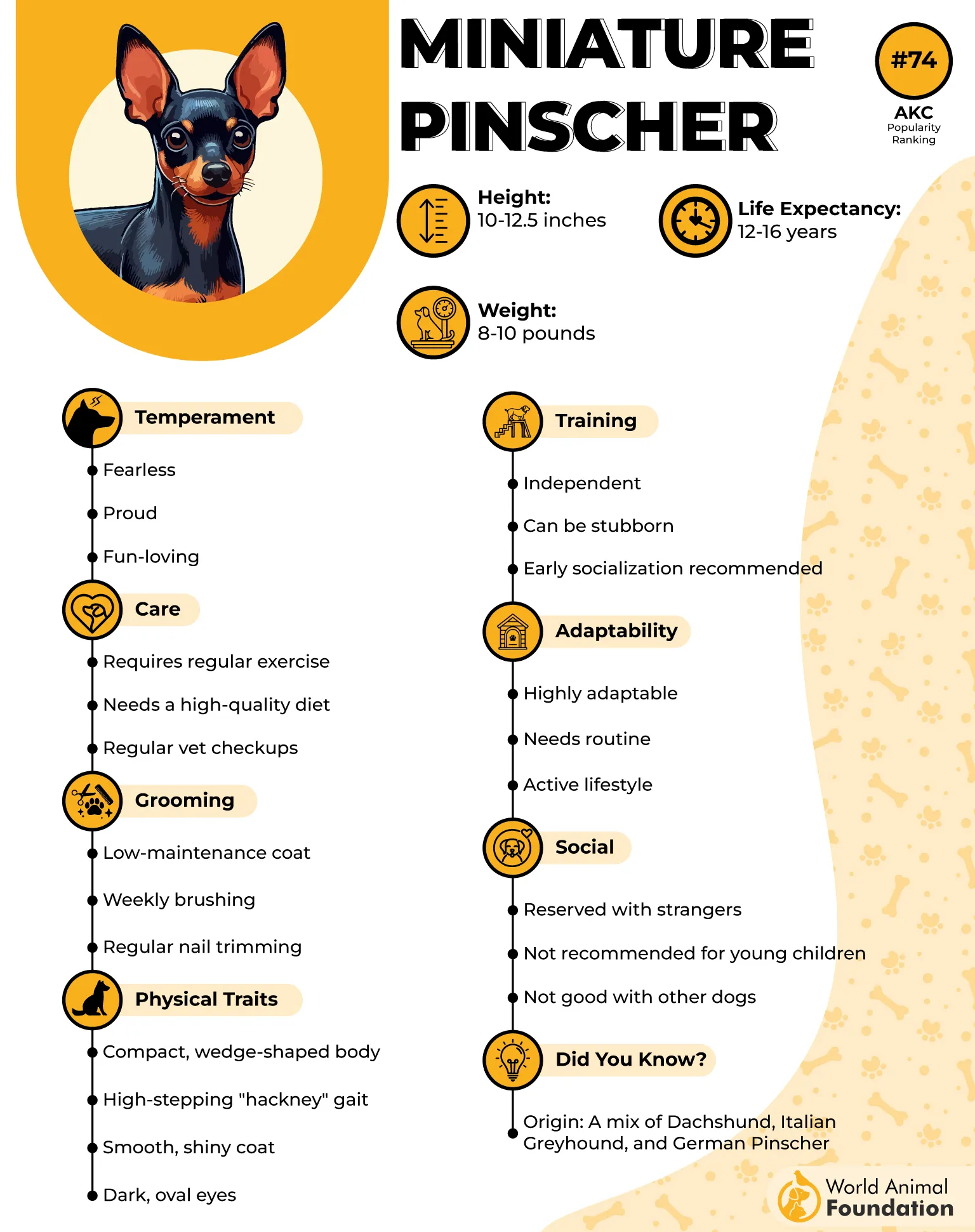
It’s also known for its high-stepping “hackney” gait, which means plenty of happy steps even in a small apartment. Just keep in mind that it’s sensitive to cold weather.
Thanks to its athletic build, the adult dog does well in canine sports. A weekly brushing with a soft-bristle brush keeps the coat in good shape, and a bath and nail trim every three to four weeks is usually enough.
3. Dachshund

The Dachshund’s history stretches back about 600 years to Germany. Its German name, Dachshund, literally means “badger dog,” and its low-to-the-ground body and short legs were designed to slip into tight burrows.
This dwarf-type build, known as chondrodysplasia, gives the dog a long body and short limbs, which makes for a shorter stride. With its strong sense of smell, the little hound was built to hunt at a slow, steady pace.
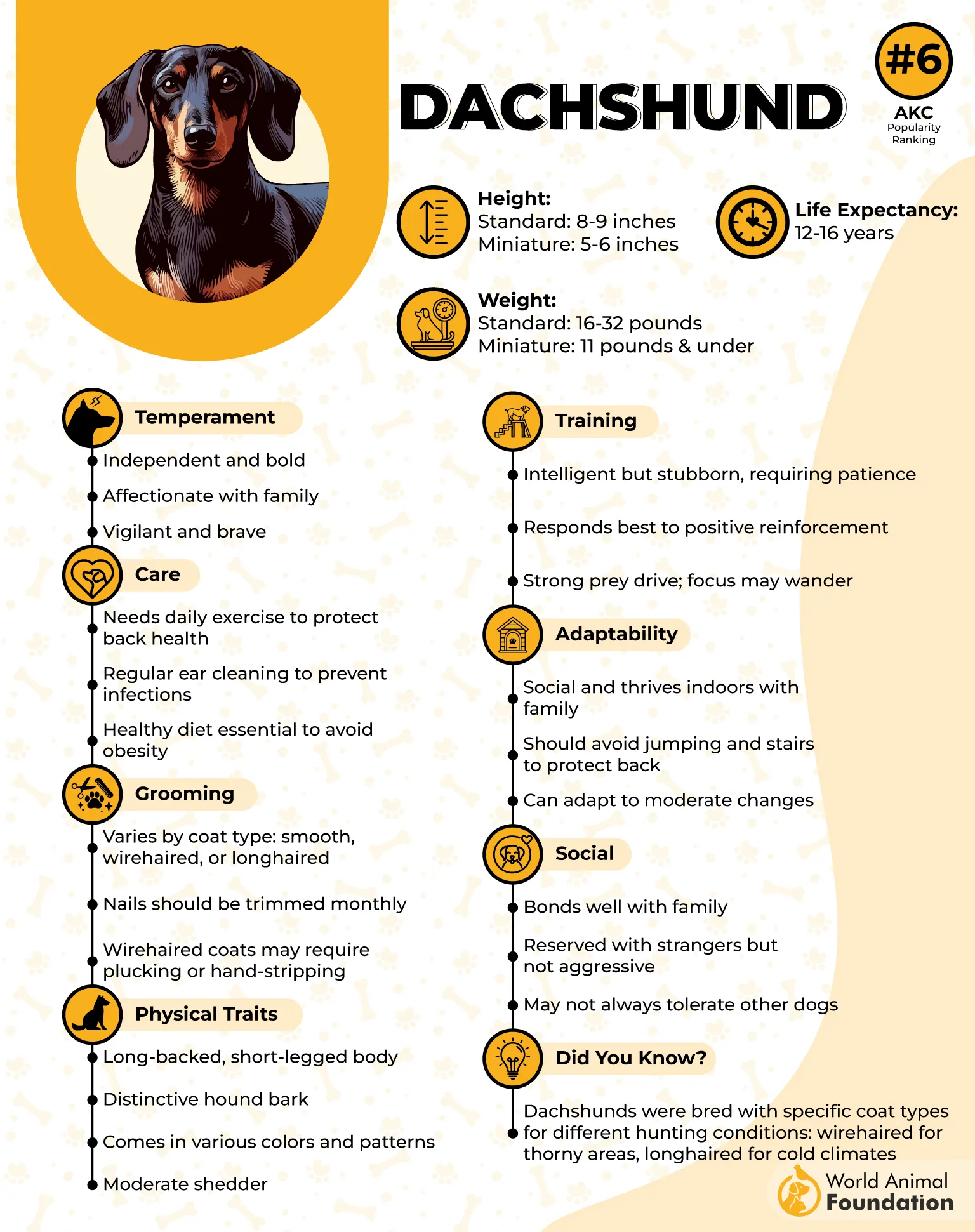
It also has a moderate to high independent streak, so it doesn’t rely on its owner for emotional support the way some lap dogs do.
Puppies do well with the 5-minute rule: allow about five minutes of structured exercise per month of age, up to 18 to 24 months. Sniffari walks of 15 to 20 minutes are highly recommended, since they let your pup follow its nose. Avoid jumping and climbing, as the breed is prone to spine problems such as intervertebral disc disease (IVDD).
4. Boston Terrier
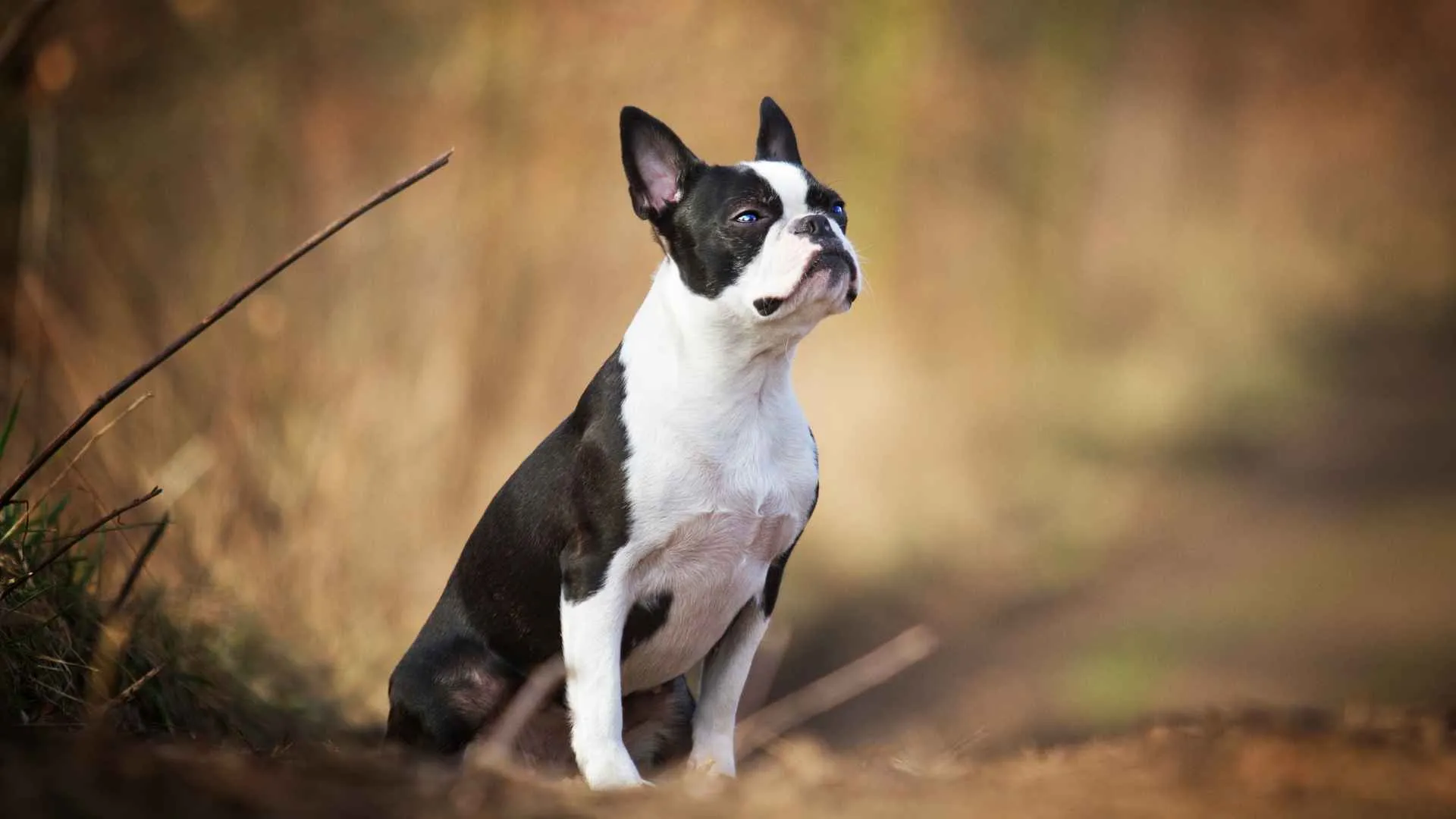
The Boston Terrier was developed in America, but its roots trace back to England, where a dog that was a cross between the now-extinct English Terrier and the Bulldog was imported. Bred by Robert C. Hooper, this family favorite is also nicknamed the “American Gentleman,” according to Chewy.
Thanks to its short muzzle and narrow airways, the breed tires out easily and needs a good rest after short bursts of zooming. It’s eager to please, which makes it highly trainable, and its quiet nature means it rarely barks without a reason.
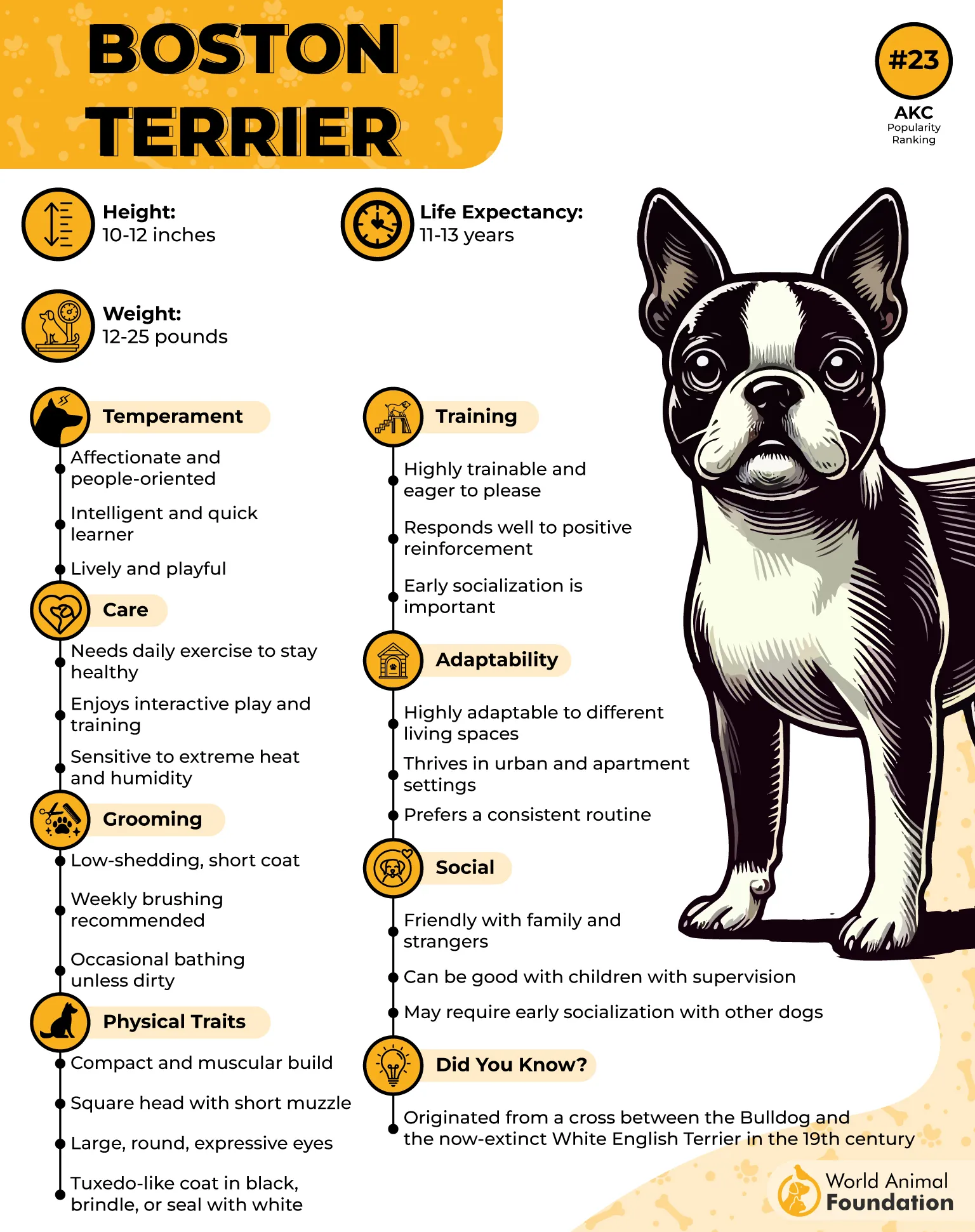
Boston Terriers are very sociable and generally get along well with children, other pets, and familiar visitors. They need 30 to 60 minutes of daily exercise and mental stimulation. A weekly brushing keeps the coat in good shape, and the facial wrinkles should be cleaned two to three times a week.
5. French Bulldog
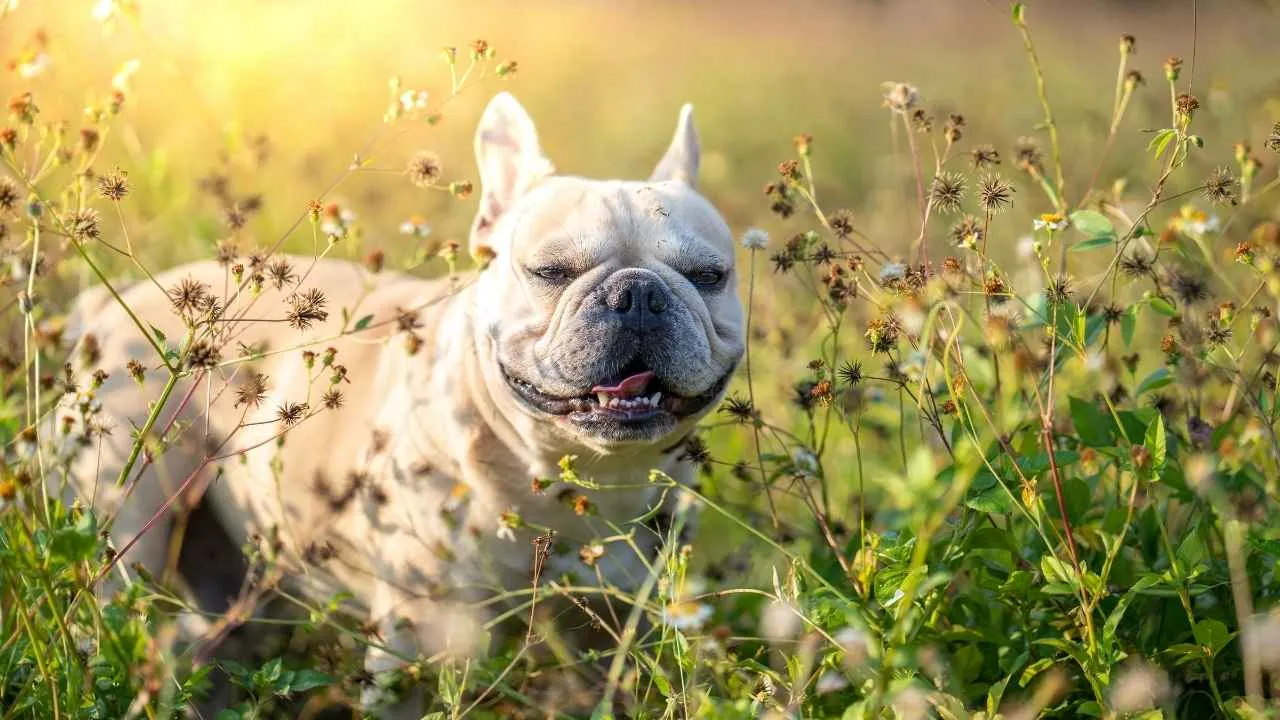
Lace workers from Nottingham brought their miniature bulldogs with them when they moved to France, where the little dogs became favorites among women and children. They were later crossed with local dogs, which led to the French Bulldog we know today.
The Frenchie has low stamina and can sleep 14 hours or more a day. It’s highly food-motivated, which makes training easier but also makes weight gain a real risk.
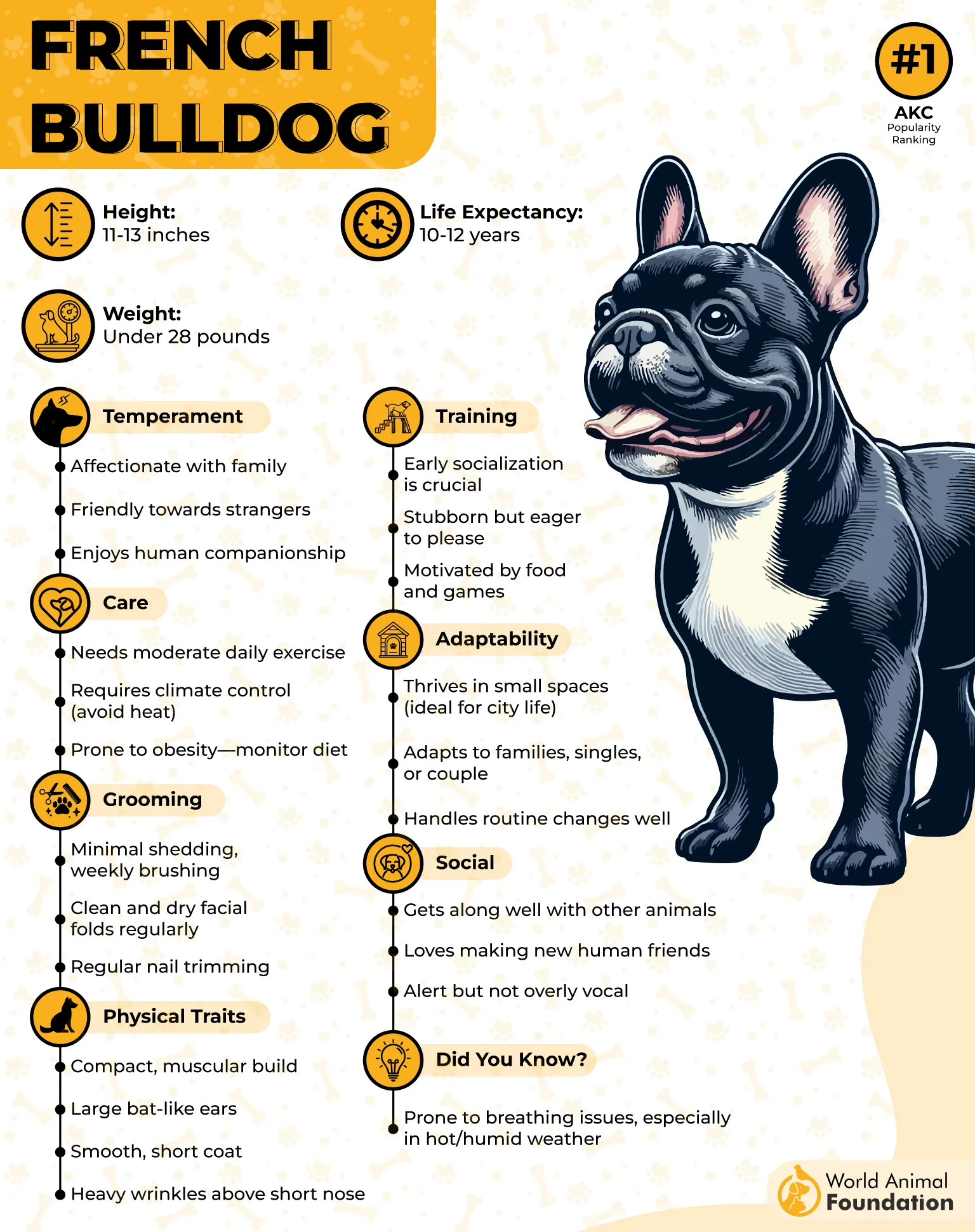
Two to three daily walks of 10 to 15 minutes are usually enough to keep it in shape. It has a minimal prey drive and gets along well with other pets and children.
Grooming is simple: one to two baths a month, a weekly brushing, and regular ear and dental checkups. Some Frenchies have a tight tail pocket, which should be cleaned and dried thoroughly to prevent infection.
6. Pug
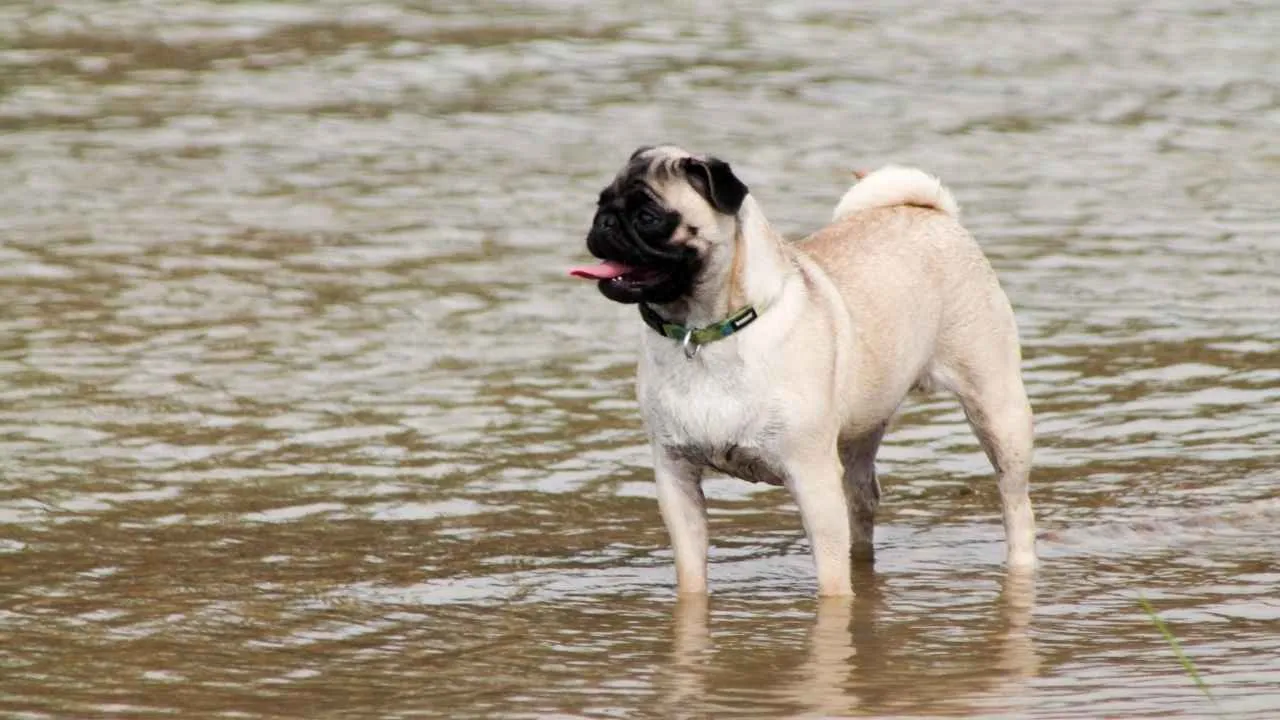
The Pug is one of the oldest breeds around, with a history that stretches back to ancient China, possibly as far as 400 BCE. It was developed as a lap dog for royalty, and commoners weren’t allowed to keep one. Breaking that rule could even be punishable by death.
True to its Latin motto, “Multum in Parvo” (“a lot in a little”), this little dog packs plenty of personality into a small frame. It loves short bursts of sprinting and zooming, followed by a good rest.
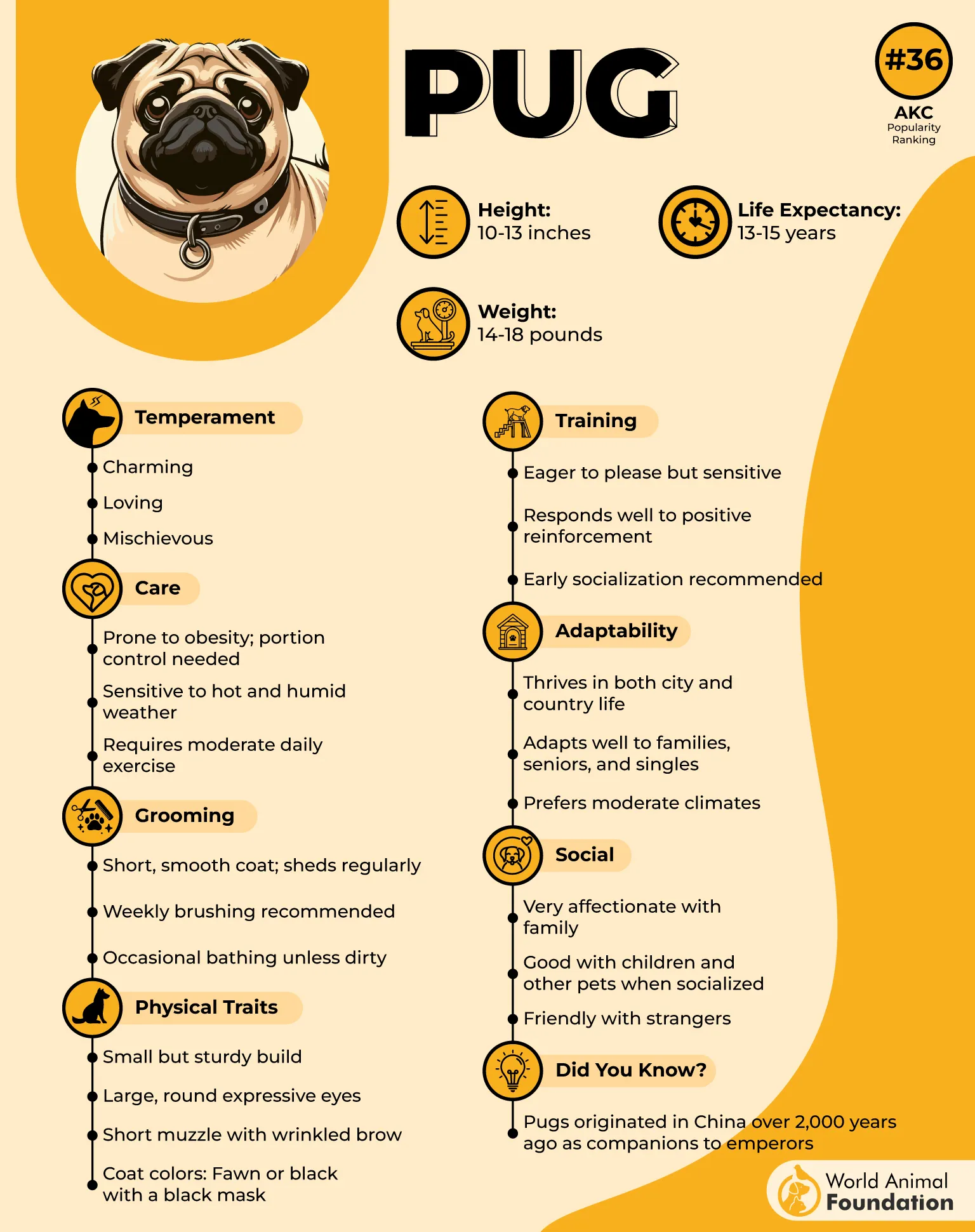
Since it wasn’t bred for work, it doesn’t need structured agility sports to stay happy. It also tends to be gentle with strangers and other dogs.
The Pug is very sensitive to heat, because its short muzzle makes panting less efficient. Grooming needs are regular but manageable: brushing two to three times a week, wrinkle cleaning about three times a week, and a bath once a month.
7. Italian Greyhound
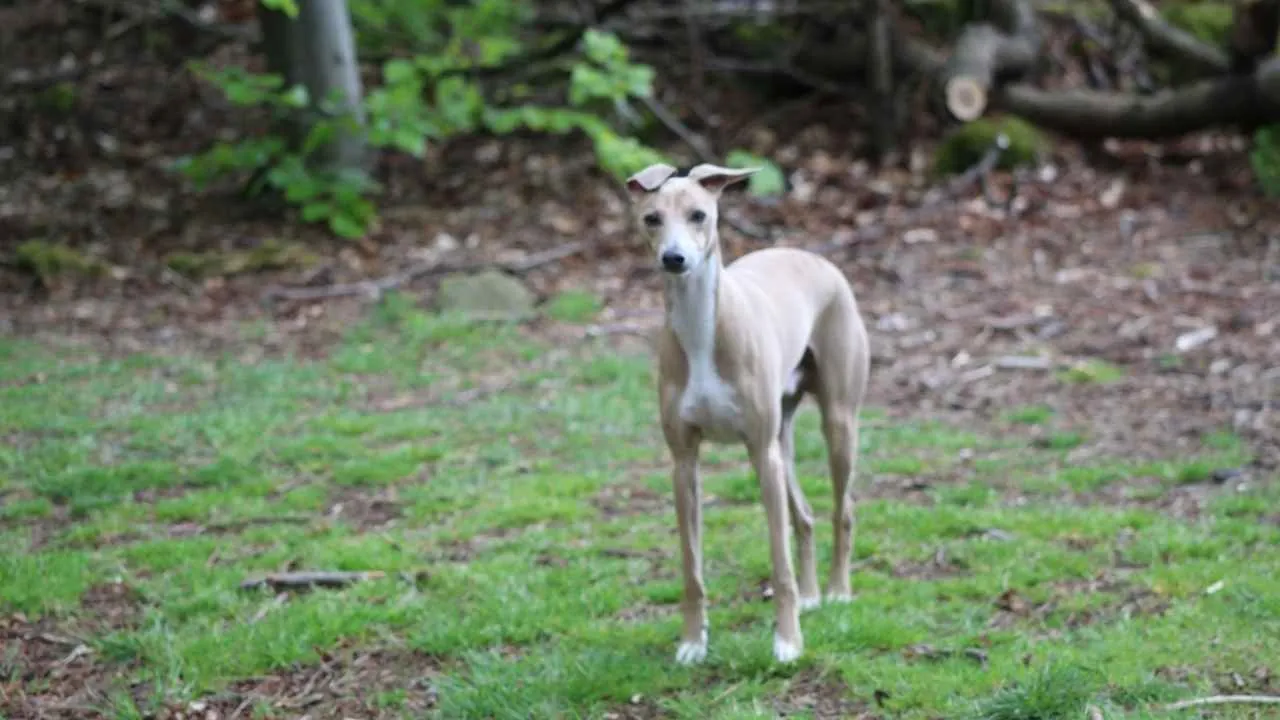
The Italian Greyhound is a small sighthound that is often said to have been developed in Italy, where it was used to hunt rabbits and hares, and it’s known for its sharp eyesight and speed. Today, the breed is widely kept as a companion dog, according to Wikipedia.
With its cat-like habits, it tends to spend most of the day snoozing in patches of sunlight or other warm spots. Often called a “Velcro breed,” the Italian Greyhound forms a strong bond with its owner, which makes it eager to please and quick to learn tricks. The flip side is that it’s prone to separation anxiety.
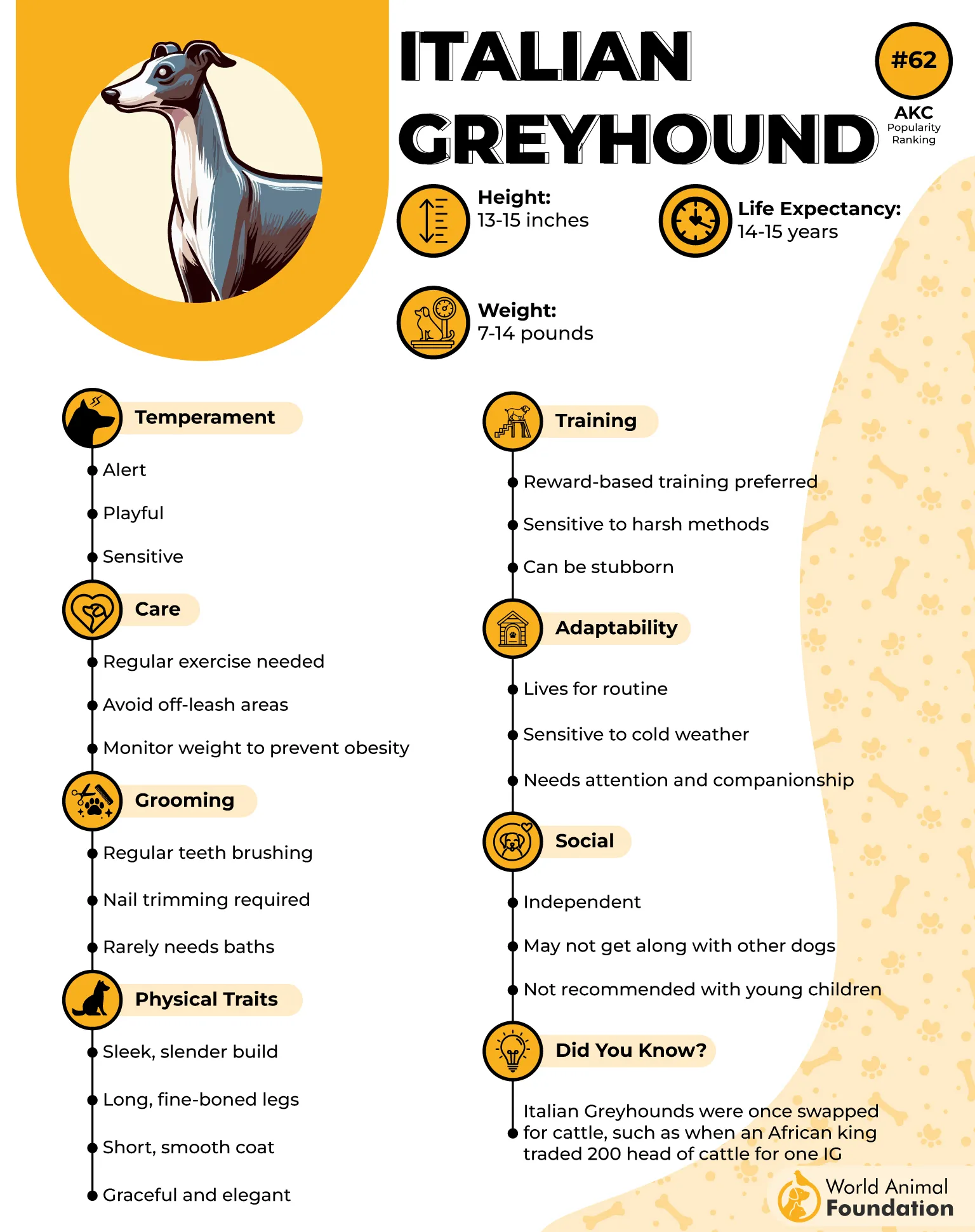
The breed loves a good free sprint and needs 45 to 60 minutes of exercise a day. Never let it off-leash in open outdoor spaces, though. Its high prey drive means it will happily chase anything small that moves.
8. Rat Terrier
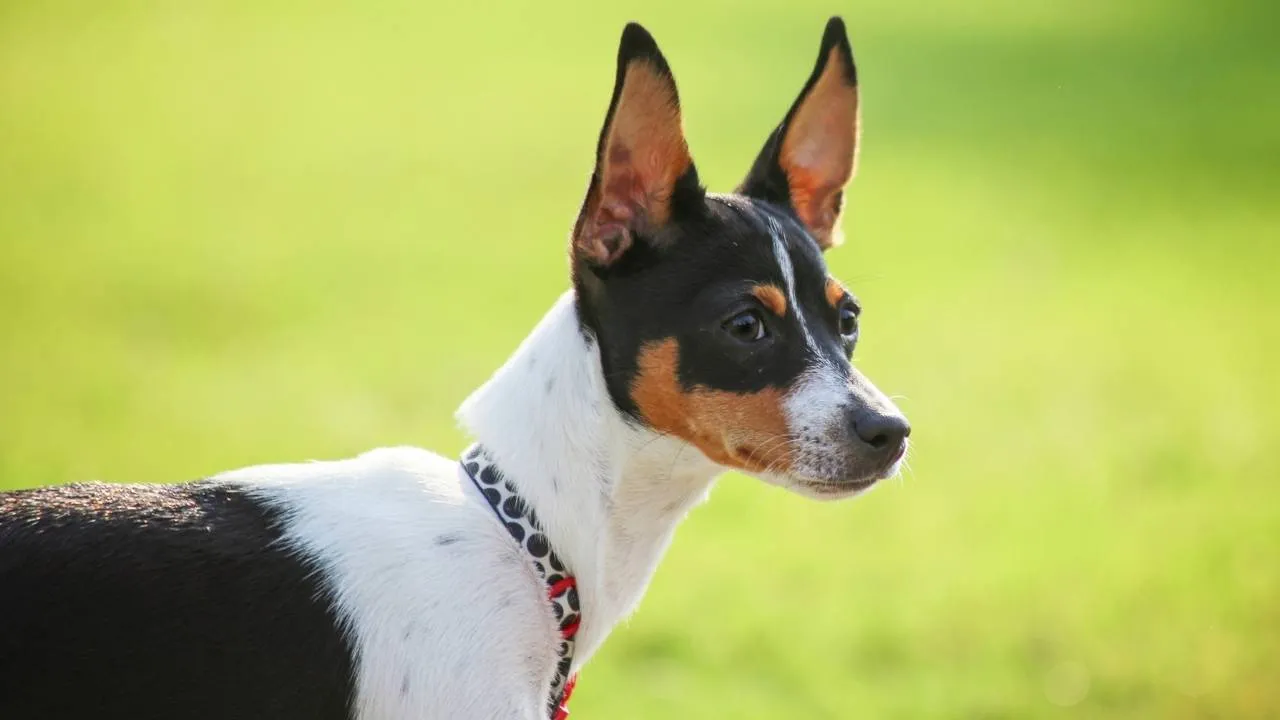
The Rat Terrier was developed in America as a rat-catching dog and is thought to descend from the Manchester Terrier, Whippet, Italian Greyhound, Smooth Fox Terrier, and Beagle.
Its short coat is weather- and dirt-resistant, and it’s often described as low-allergen. The Rat Terrier has a bit of a split personality: energetic outdoors, couch potato indoors.
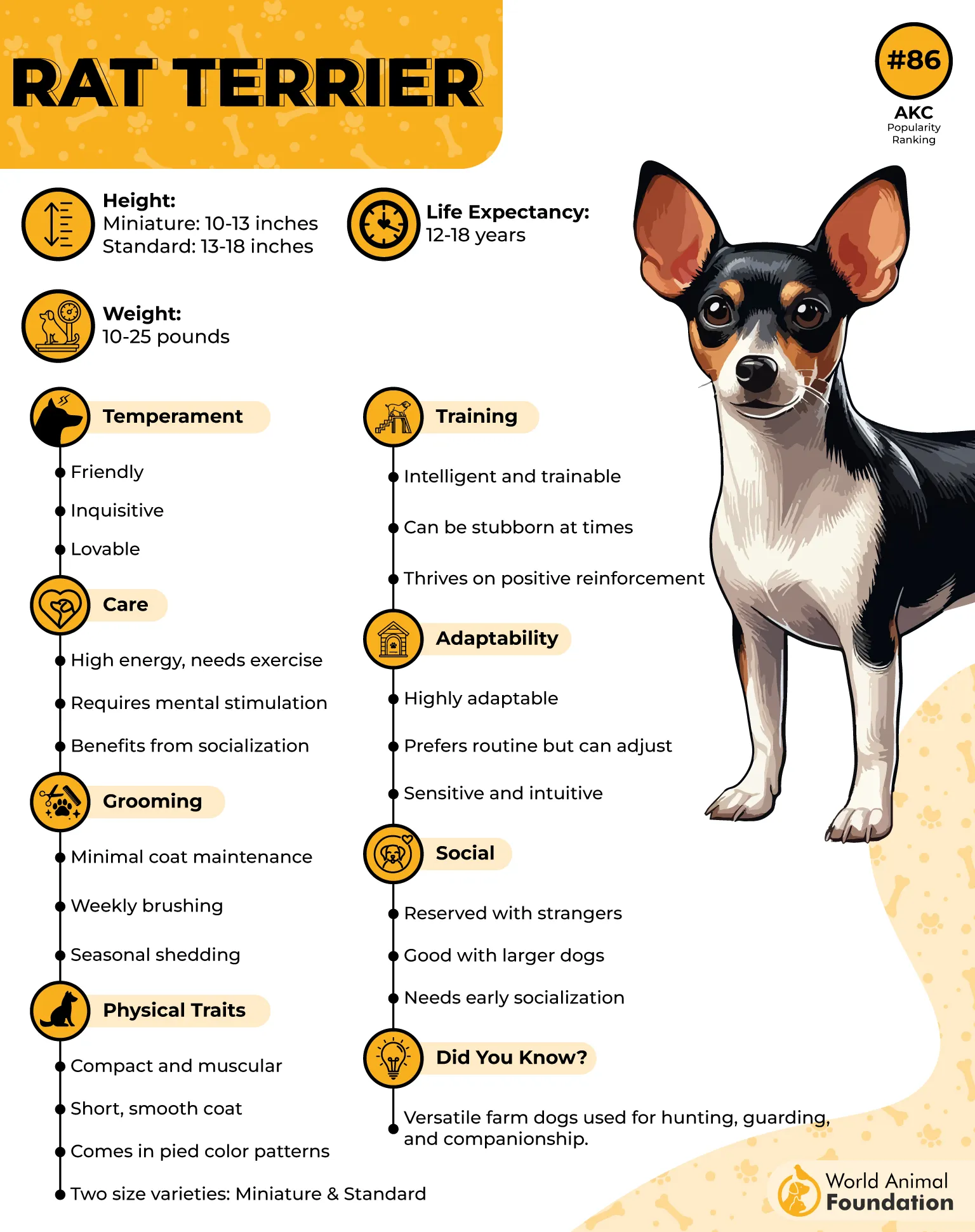
Since it’s so people-focused, it takes well to basic obedience training. It can also live up to 18 years, which means plenty of time together.
This affectionate dog needs weekly brushing, or daily during the heavier shedding seasons in spring and fall. It’s also prone to periodontal disease, so brush its teeth about three times a week.
9. Toy Fox Terrier
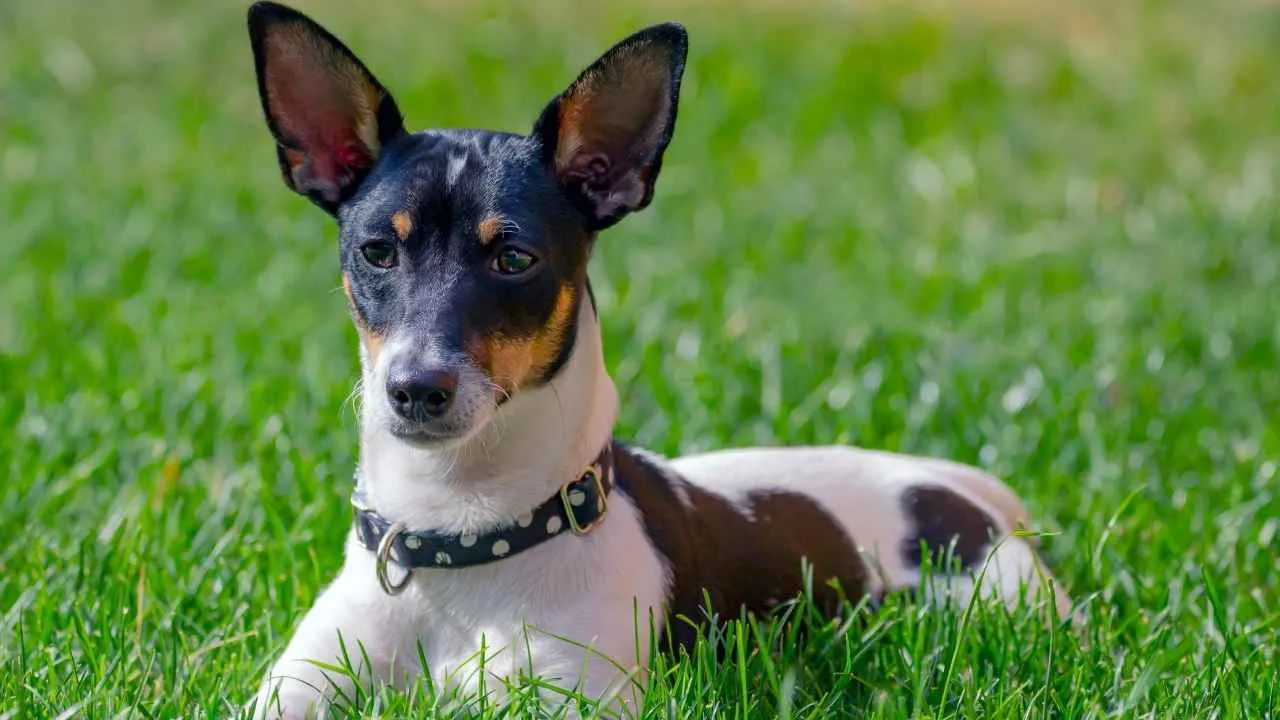
The Toy Fox Terrier was developed in America in the 1930s, descending from the larger Smooth Fox Terrier, an English breed once used for fox hunting. Breeders crossed it with the Chihuahua and the Italian Greyhound to create the little dog we know today.
Its well-muscled, square body and cat-like feet give it plenty of stamina and agility. Thanks to its circus history, it picks up house training in just a few repetitions, and its small size means some owners even teach it to use an indoor litter box. Those V-shaped ears also give it sharp hearing, which makes it a good watchdog.
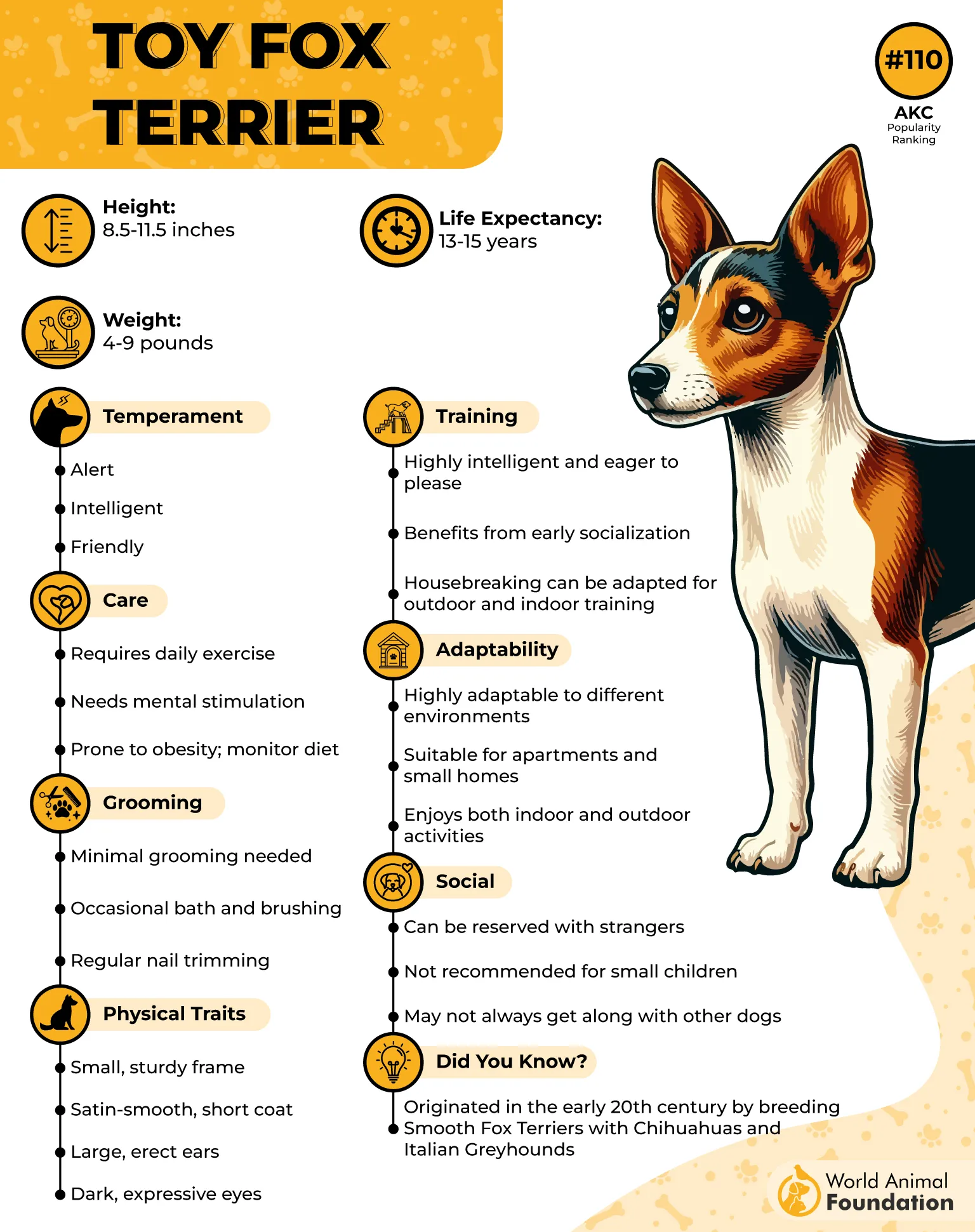
A rubber grooming mitt and a soft-bristle brush, used once a week, will remove loose hair and spread the natural oils evenly. Aim for 30 to 60 minutes of daily exercise, such as brisk walks, running, and hiking.
Conclusion
A busy schedule doesn’t mean you have to skip the joy of raising a dog. It just means choosing a companion whose energy, size, and temperament match your family’s real rhythm. The best low-maintenance dog breeds above tend to do well in smaller spaces, adapt easily to routines, and offer plenty of love without needing a personal assistant on standby. Still, every dog is an individual.
Before bringing one home, think about your work hours, your kids’ ages, your budget for vet care, and how much daily exercise you can honestly commit to. A short walk before school, a game after dinner, and a cozy spot on the couch can go a long way. Pick the breed that fits your life, not the one that looks cutest in a photo, and you’ll gain a loyal family member who makes the chaos a little warmer.
