




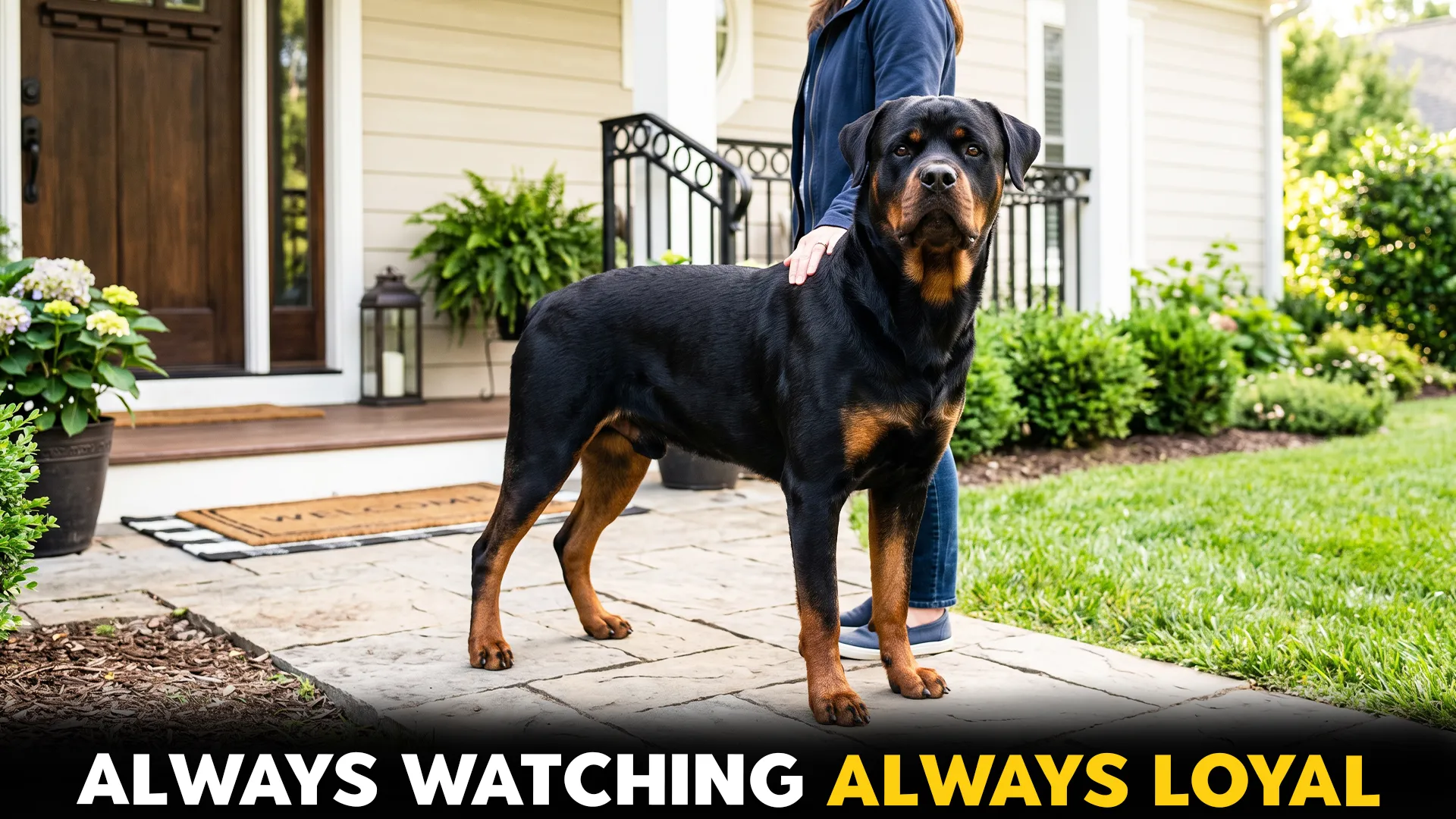
A good family dog does more than greet you at the door with a wagging tail. It offers comfort after a long day, keeps an eye on the kids in the backyard, and somehow always seems to know when something feels off.
As Konrad Lorenz, the renowned zoologist, once said, “The bond with a true dog is as lasting as the ties of this earth will ever be.” That rings especially true when you have a breed that’s naturally wired to protect the people it loves.
Plenty of dog owners, including farmers, women living alone, and estate dealers, choose their dogs specifically for protection, which just goes to show how much families value that sense of security and companionship.
The ten breeds in this guide are known for their courage, loyalty, and steady temperament, proving that sometimes the best guardian is the one curled up asleep at your feet.
Top Dog Breeds That Are Naturally Protective and Loyal
1. German Shepherd
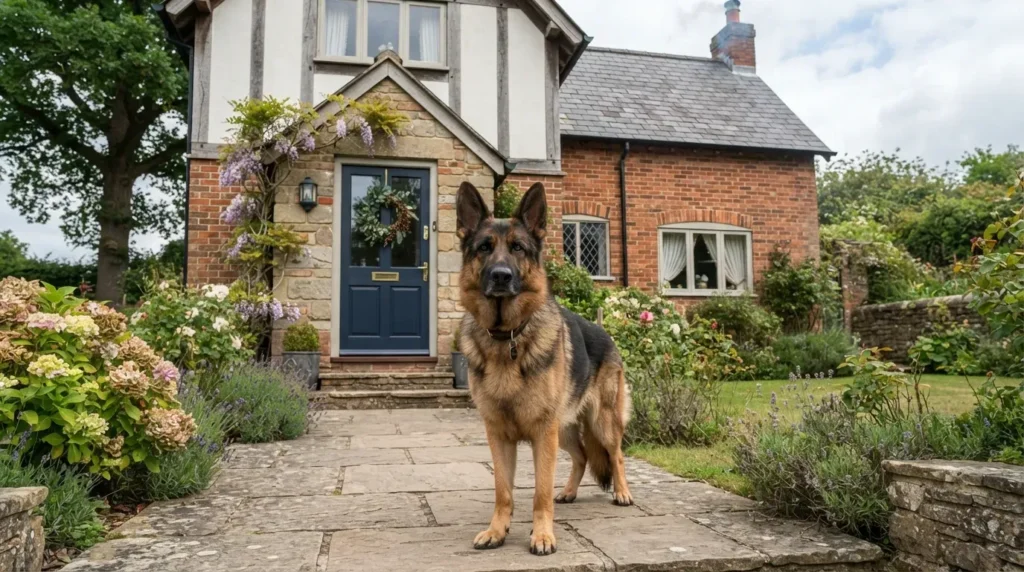
Developed in Germany in 1899 by Captain Max von Stephanitz, the German Shepherd was originally bred as a herding dog, created by crossing old shepherd and farm dog lines. It rose to fame in the early 1900s and went on to serve prominently during World Wars I and II as a messenger, rescue, and protection dog, according to the Royal Kennel Club.

This breed’s muscular build alone makes it a natural visual deterrent against intruders. Its radar-like ears give it exceptionally sharp directional hearing, allowing it to pick up on faint, distant sounds with ease, and it’s fast too, capable of reaching speeds of 30 to 35 mph.
With a square-cut muzzle and a strong jaw, the German Shepherd has a bite force of around 238 PSI, powerful enough to cause serious injury if needed.
Its nose is just as impressive, packing up to 300 million scent receptors that help it track intruders, monitor its surroundings, and pick up on warning signs long before humans would notice anything.
2. Rottweiler
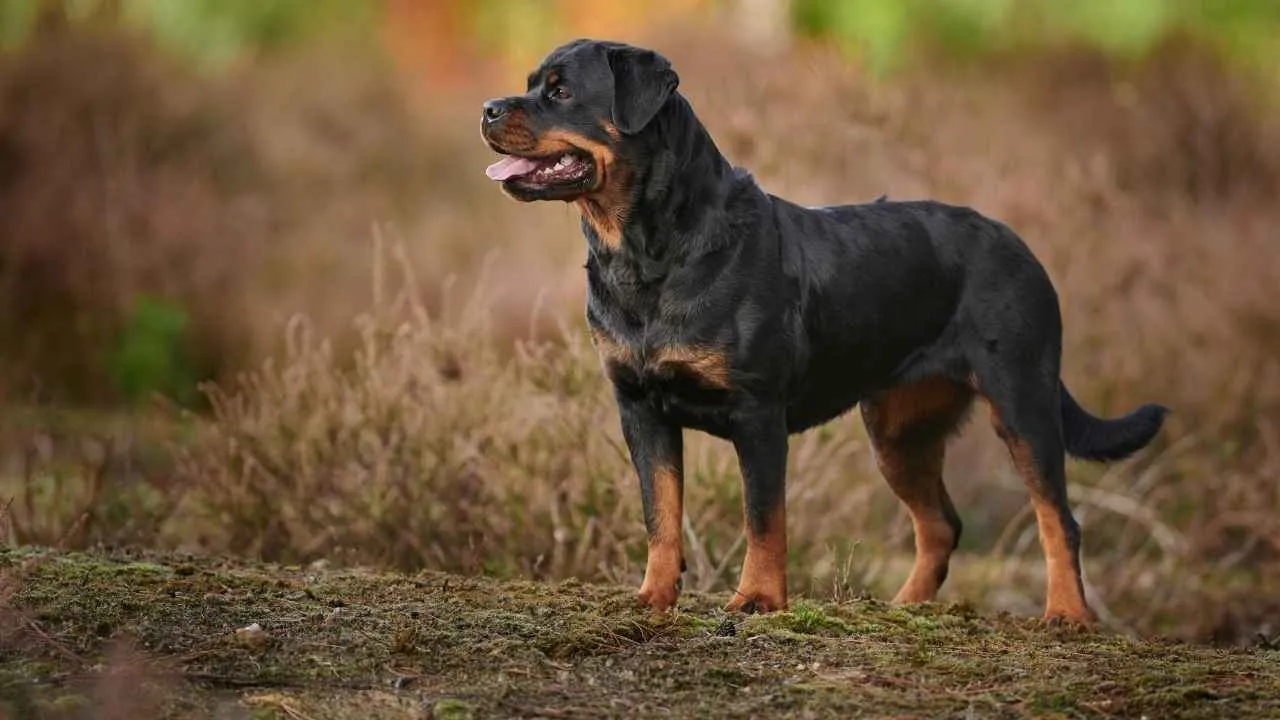
This large mastiff-type dog breed traces its roots back to the mastiffs of ancient Rome. Developed in Germany, it was once known as the "Rottweiler Metzgerhund," or Rottweiler Butcher's Dog, since it was originally used to pull heavy meat carts to market, long before railways existed.
Bred to herd livestock over long distances, the Rottweiler brings an unwavering, watchful gaze to everything it does, sizing up and controlling unfamiliar situations with a calm confidence.
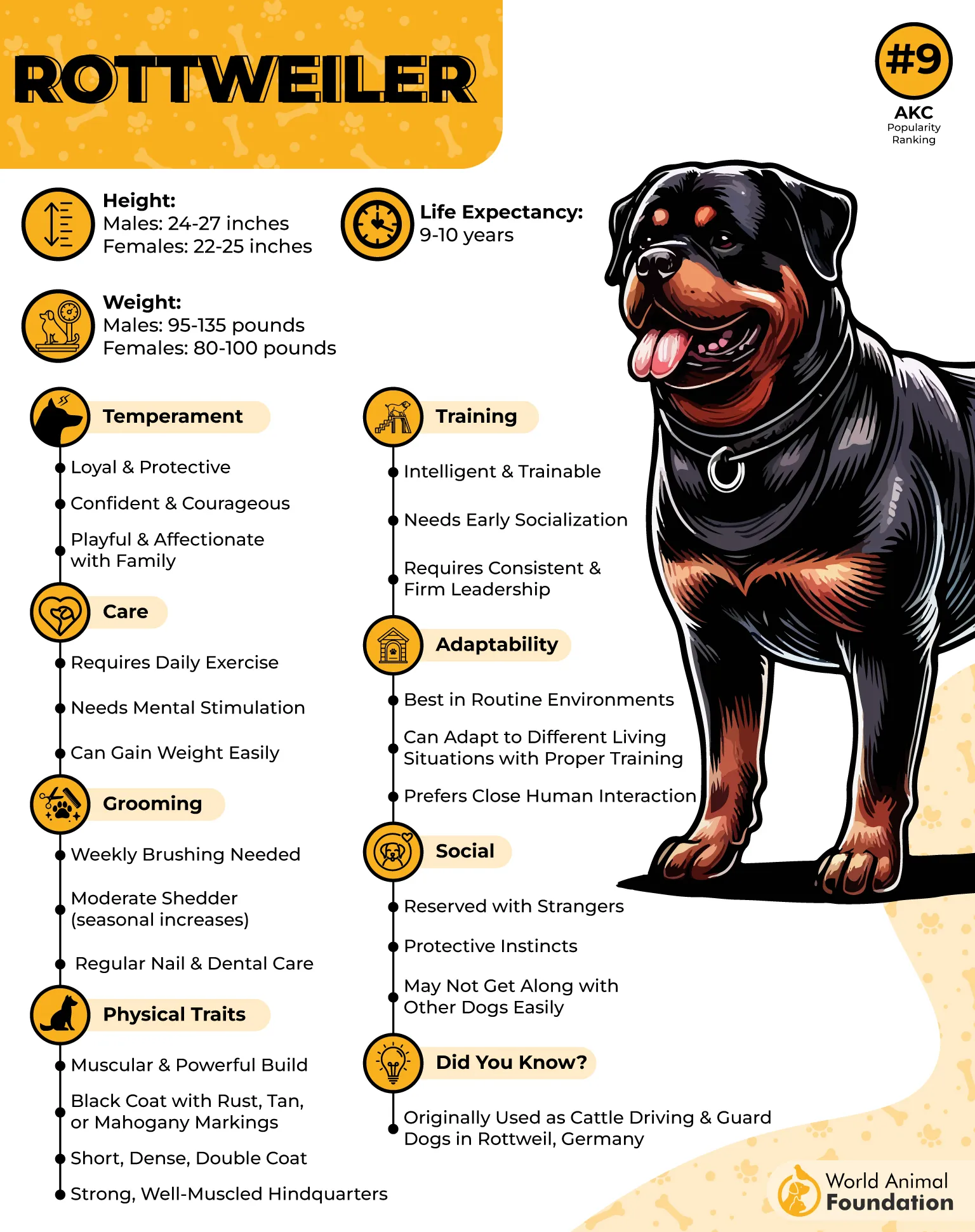
It's not an overly aggressive breed by nature and tends to act deliberately rather than react impulsively. Thanks to its fast-twitch muscles, it can make sharp, agile turns without losing speed.
Rottweilers are also known for their strong bite inhibition when properly trained, and their natural alertness and wariness around strangers make them excellent watchdogs. As a working protection breed, they need one to two hours of daily exercise and mental stimulation, whether that's brisk walks, jogging, hiking, playing fetch, or swimming.
🎧 Dogcast
Episode 37 — Why Dogs Stay Close without Touching
If you don't hear sound, tap the button above to enable audio.
3. Doberman Pinscher
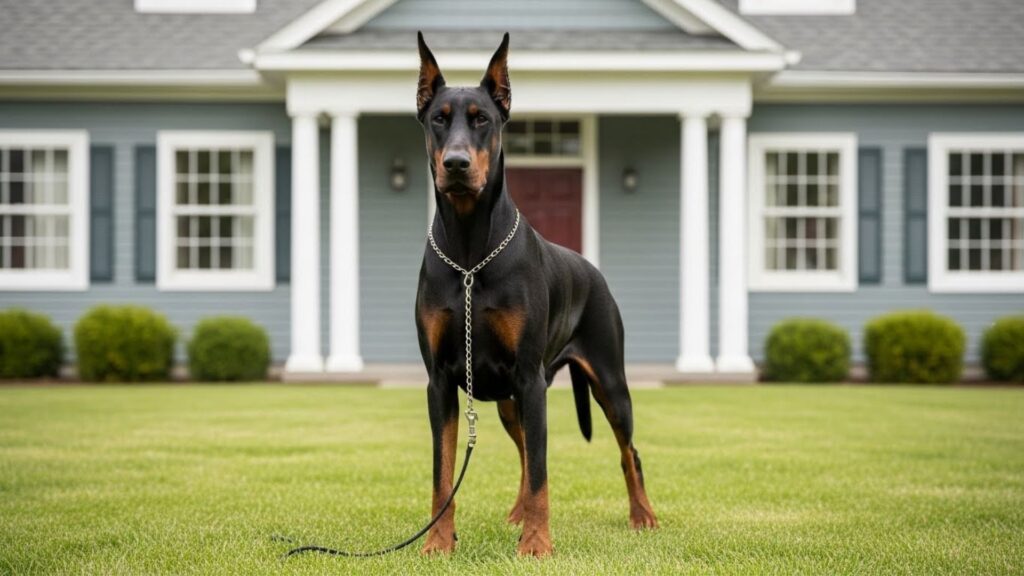
This medium-to-large pinscher-type working dog was developed by Louis Dobermann, a tax collector from Thuringia, Germany, back in the 1890s. Ranked as the fifth most intelligent dog breed, the Doberman has a finely tuned nervous system that can shift almost instantly from relaxed to high-alert "fight or flight" mode.
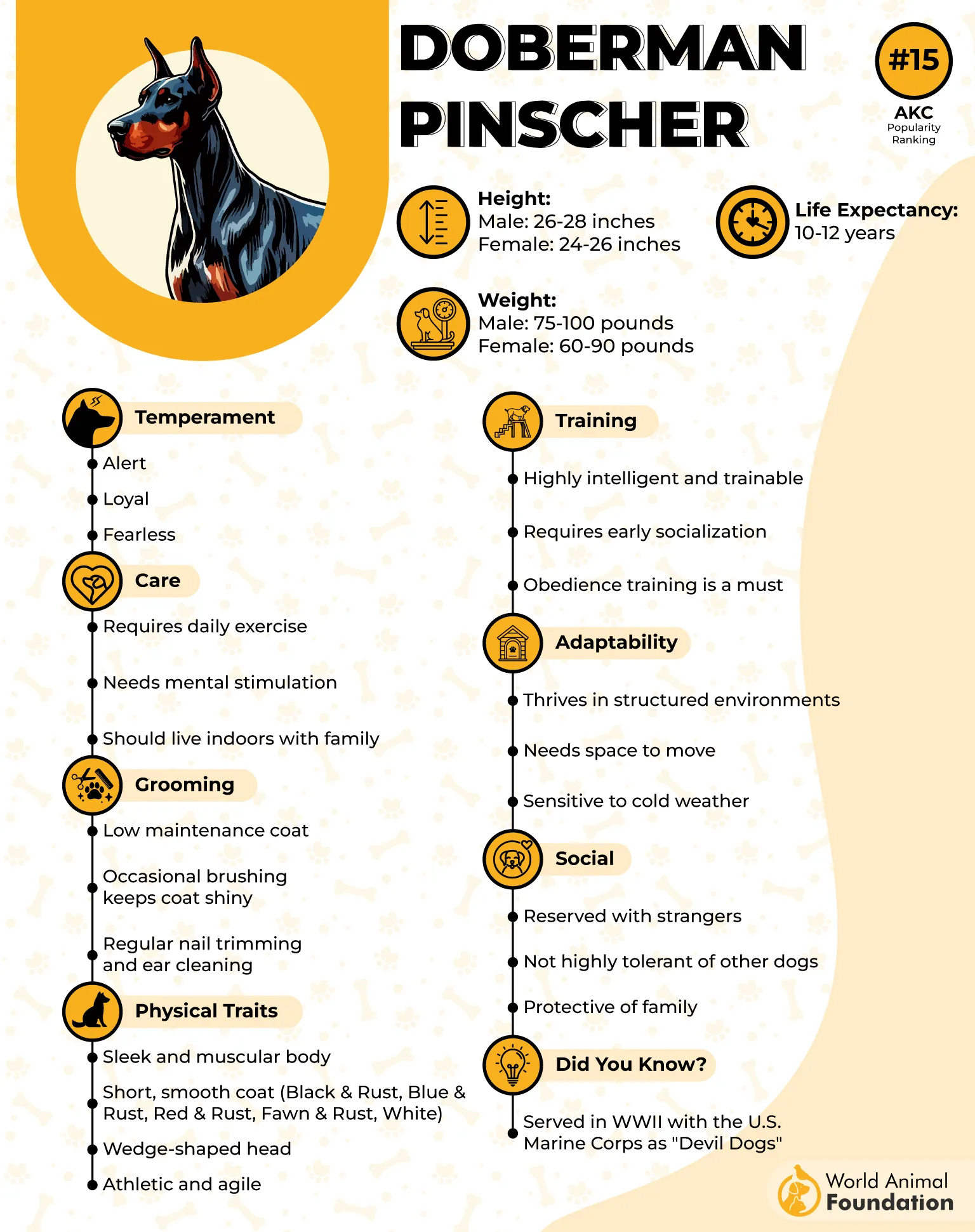
Dobermans are remarkably perceptive, picking up on body language and facial expressions to tell the difference between an everyday situation and a genuine threat. They see their family as their pack and form deep, loyal bonds with them. It's common for a Doberman to sit or lie near doorways, often positioning itself to keep watch over the space.
Being an athletic, high-energy breed, Dobermans can get bored fairly easily, which sometimes leads to destructive habits like chewing or digging if their needs aren't met.
They need a solid 1.5 to 2 hours of exercise daily, including walks, jogging, hiking, interactive puzzle toys, and games of fetch to stay mentally and physically satisfied.
4. Akita
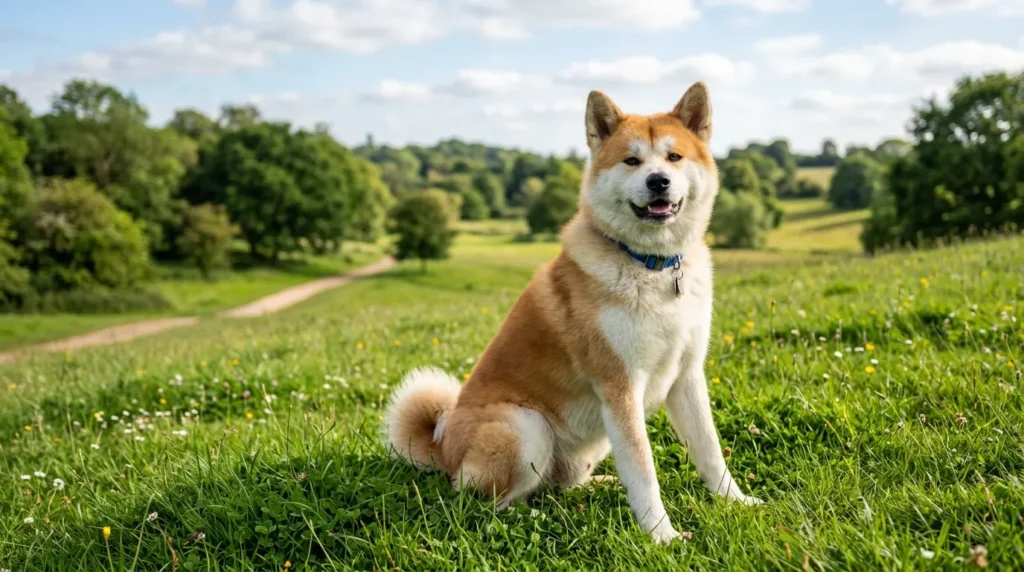
This natural guardian breed was developed in the mountainous regions of northern Japan and is believed to have accompanied samurai as a fighting dog thousands of years ago. A spitz-type breed, the Akita traces its roots back to the Matagi Inu, originally bred by the Matagi hunters to track and take down large game like the tsukinowaguma, or Japanese black bear, according to Wikipedia.
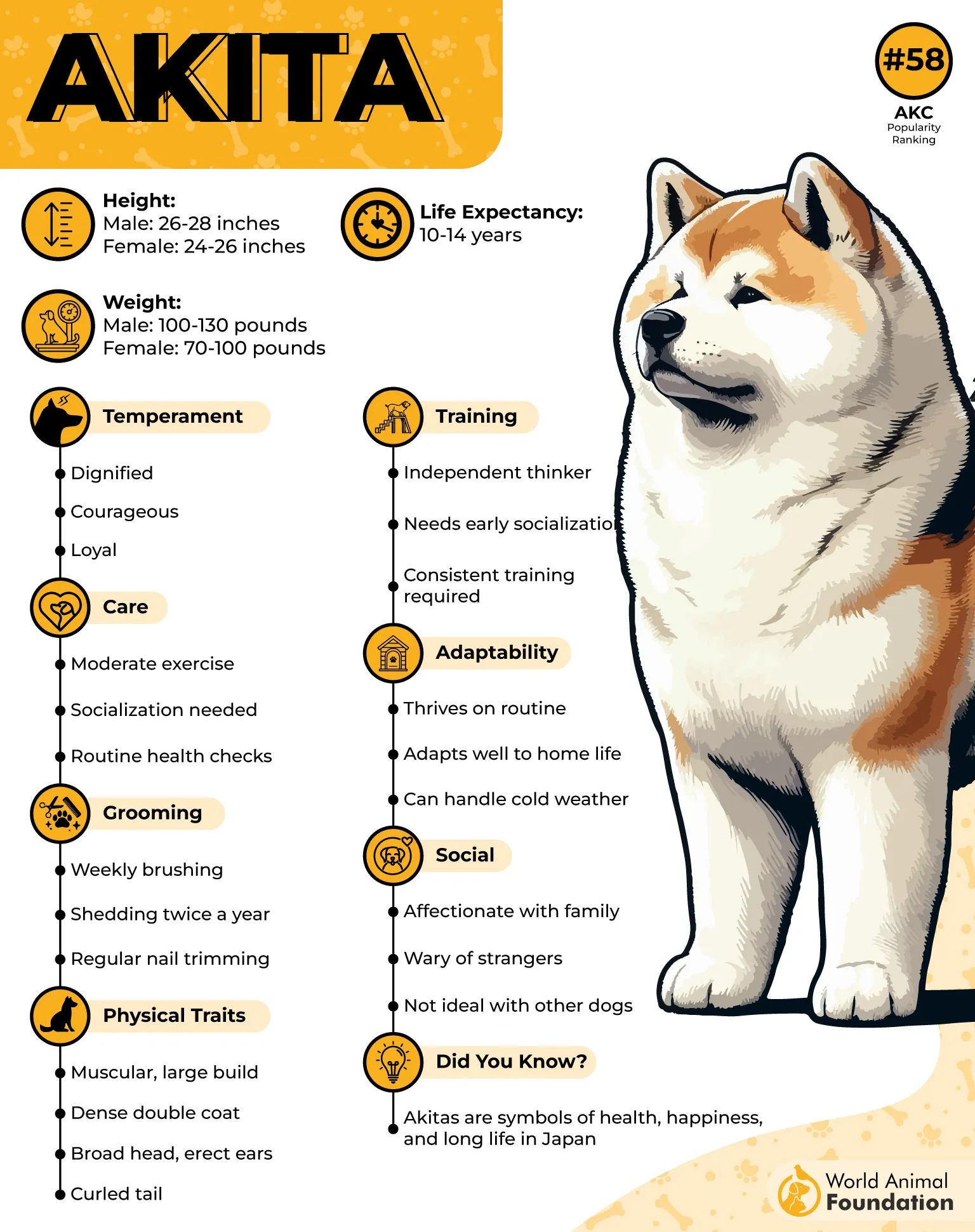
The Akita's thick, muscular neck gives it the strength and leverage needed to control a threat during a confrontation if it ever comes to that. Its small, triangular, dark brown eyes sit deep in the skull, offering natural protection during a fight. Even its thick tail, carried curled over the back, adds to that bold, confident posture the breed is known for.
Akitas rely heavily on their sharp senses of smell, sight, and hearing to quietly monitor their surroundings, and they typically only bark when they sense an actual threat. They need about 30 to 60 minutes of daily exercise, including walking, hiking, jogging, and some form of mental stimulation, to stay well-rounded.
5. Belgian Malinois
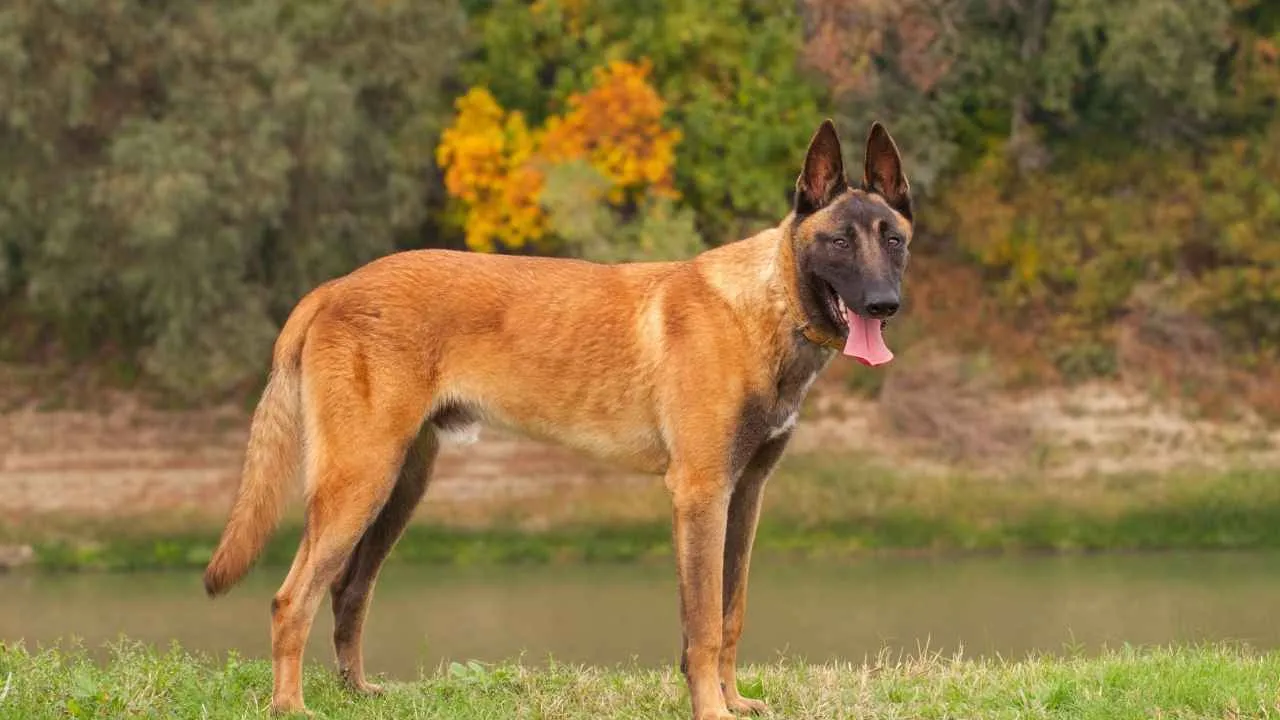
Bred near the city of Mechelen (Malines) in Belgium as a herding dog, the Belgian Malinois was originally developed for herding livestock, but its strong prey drive and high trainability eventually opened doors to other lines of work, including police duty, search and rescue, and bomb and drug detection.
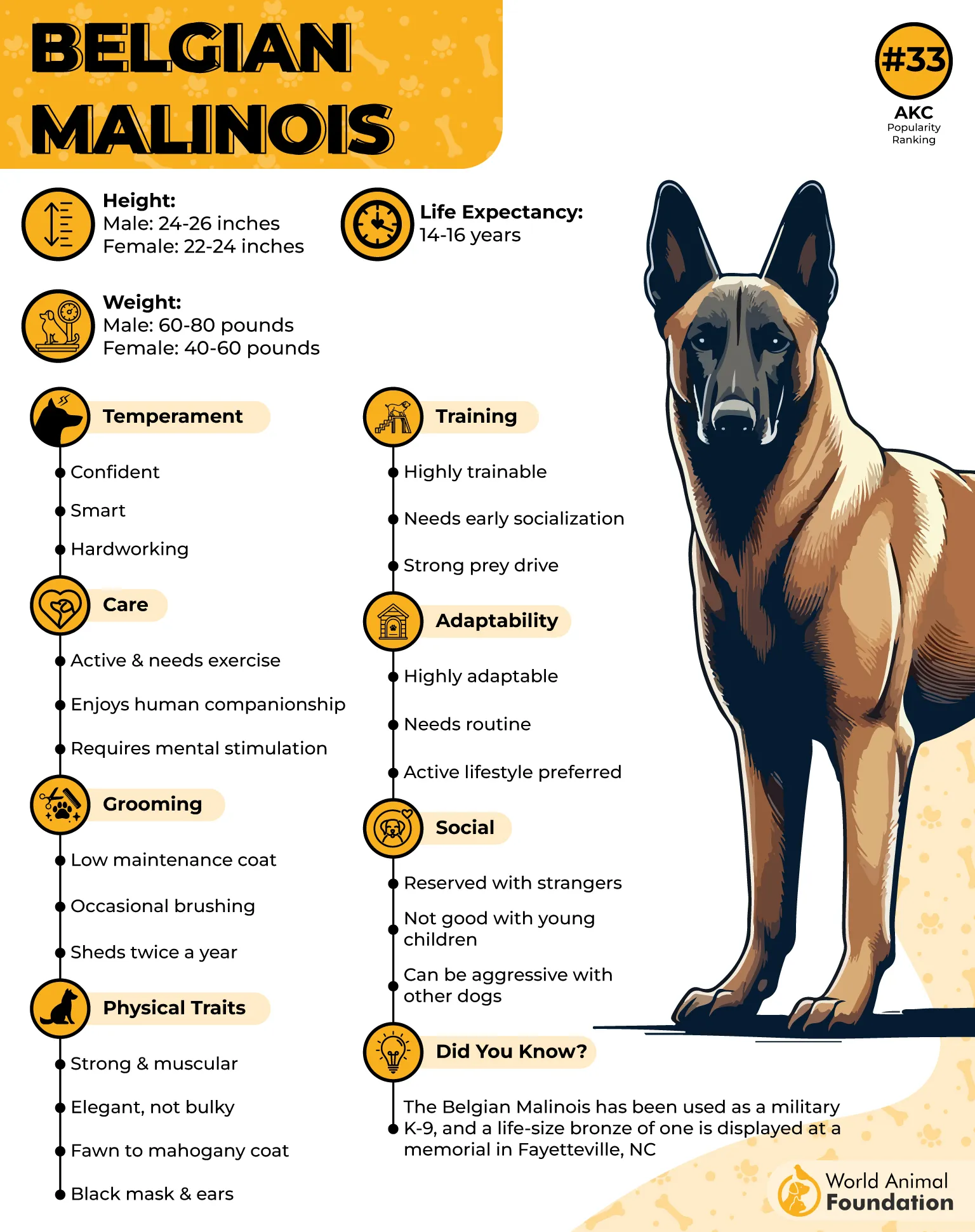
Thanks to its dichromatic vision, which picks up yellow and blue tones well in low light, the Malinois can spot subtle movement from a distance even at night. Its athletic, aerodynamic build allows it to reach speeds of around 30 mph and clear jumps of over 6 feet with ease. It's a breed that blends a strong play and prey drive with steady, unshakable nerves.
Often called a "velcro dog," the Malinois tends to follow its owner from room to room, staying close at all times. With naturally strong defensive and predatory instincts, early training and socialization are essential to prevent territorial or overly protective behavior. This breed needs a solid 1.5 to 2 hours of exercise every day to stay balanced and content.
6. Bullmastiff
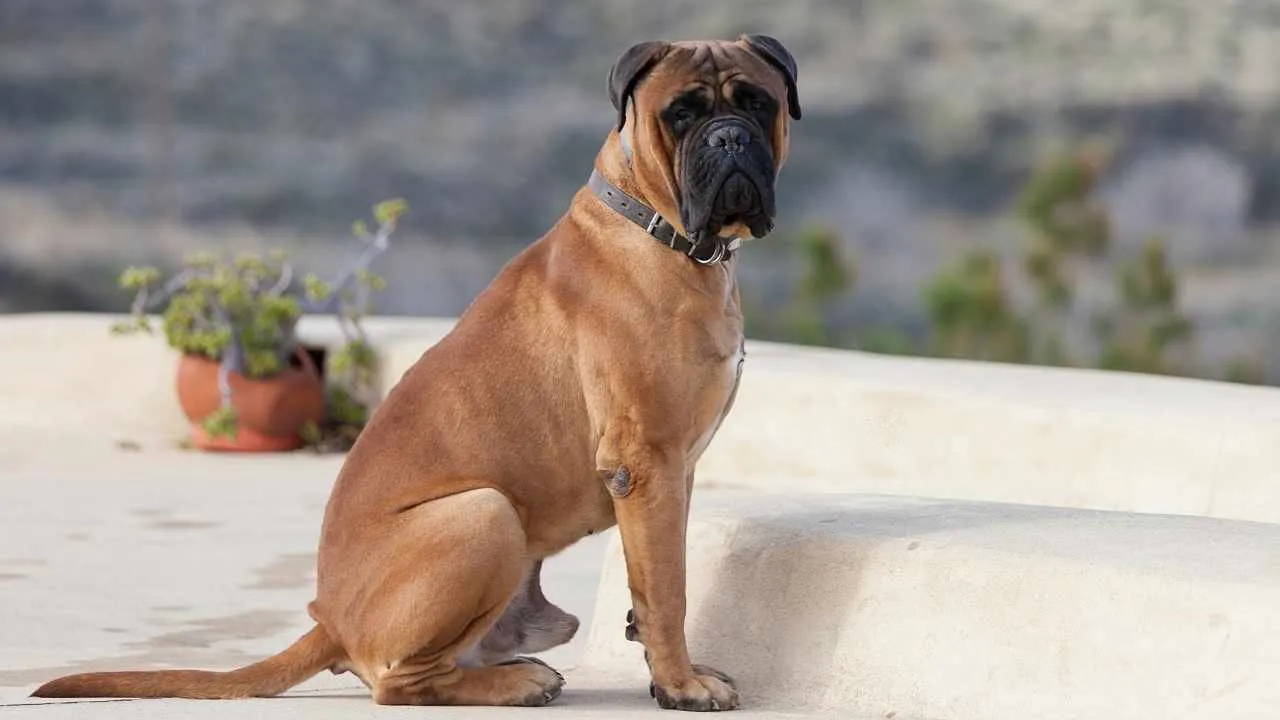
Known as the "Gamekeeper's Night Dog," the Bullmastiff was developed in the 19th century specifically to catch poachers. It's a cross of roughly 60% Mastiff and 40% Bulldog. Affectionate with its owner and gentle with young kids, the Bullmastiff is moderately playful and generally open to strangers, though its natural vigilance still makes it a solid watchdog.
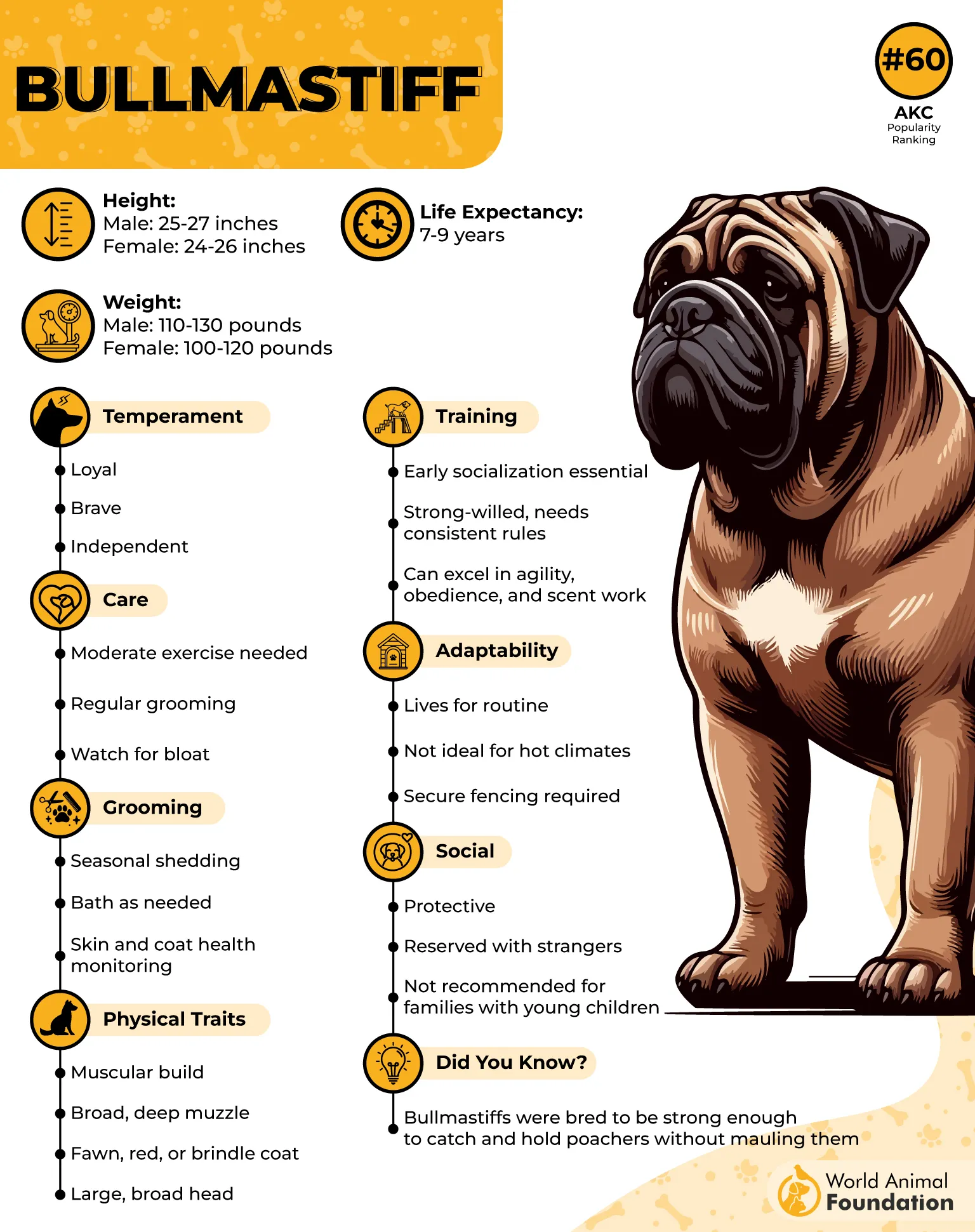
With sloping shoulders, a deep chest, and powerful legs, this breed has more than enough strength to knock down and pin an adult if it ever needed to. Its short, square, dark muzzle, inherited from its Bulldog side, gives it a strong, wide grip.
The deeply wrinkled forehead tends to bunch up when the dog is alert, framing a pair of sharp, intelligent eyes and giving the breed an intimidating look when it needs one. That said, once a Bullmastiff decides a guest is welcome, it tends to switch quickly from guard-dog mode into relaxed family companion mode.
7. Cane Corso
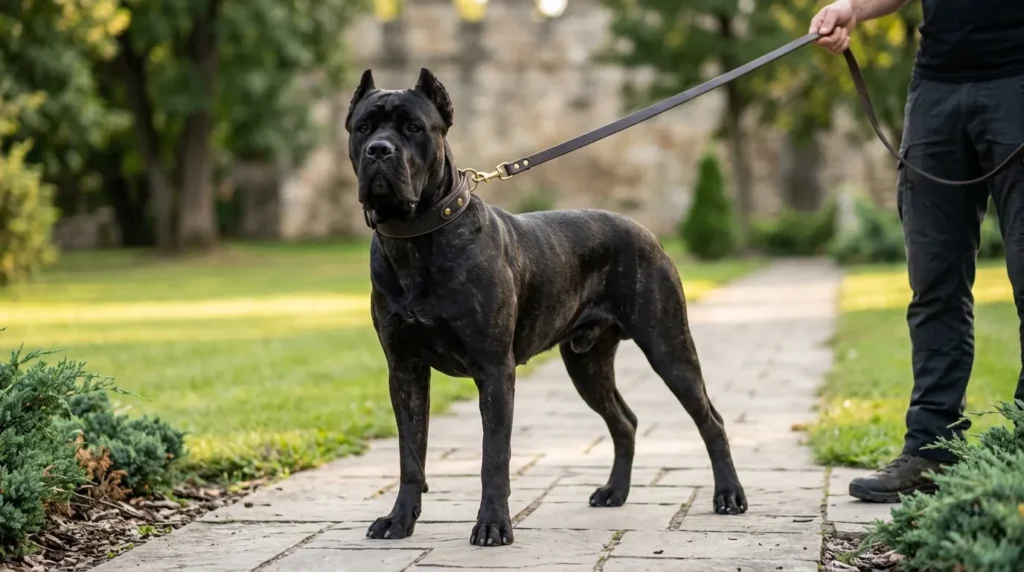
Belonging to the working dog group, the Cane Corso, also known as the Italian Mastiff, was developed in Italy, and its name roughly translates to "bodyguard dog." The breed descends from the ancient Molossus dogs crossed with native Greek dogs, and it's believed to have been used for civilian work as far back as the 5th century, according to Purina.
With a bite force of around 700 PSI, the Cane Corso is an incredibly powerful breed, capable of taking down much larger animals when working in a pack. It's also agile, able to sprint, jump, and change direction quickly when reacting to a sudden threat.
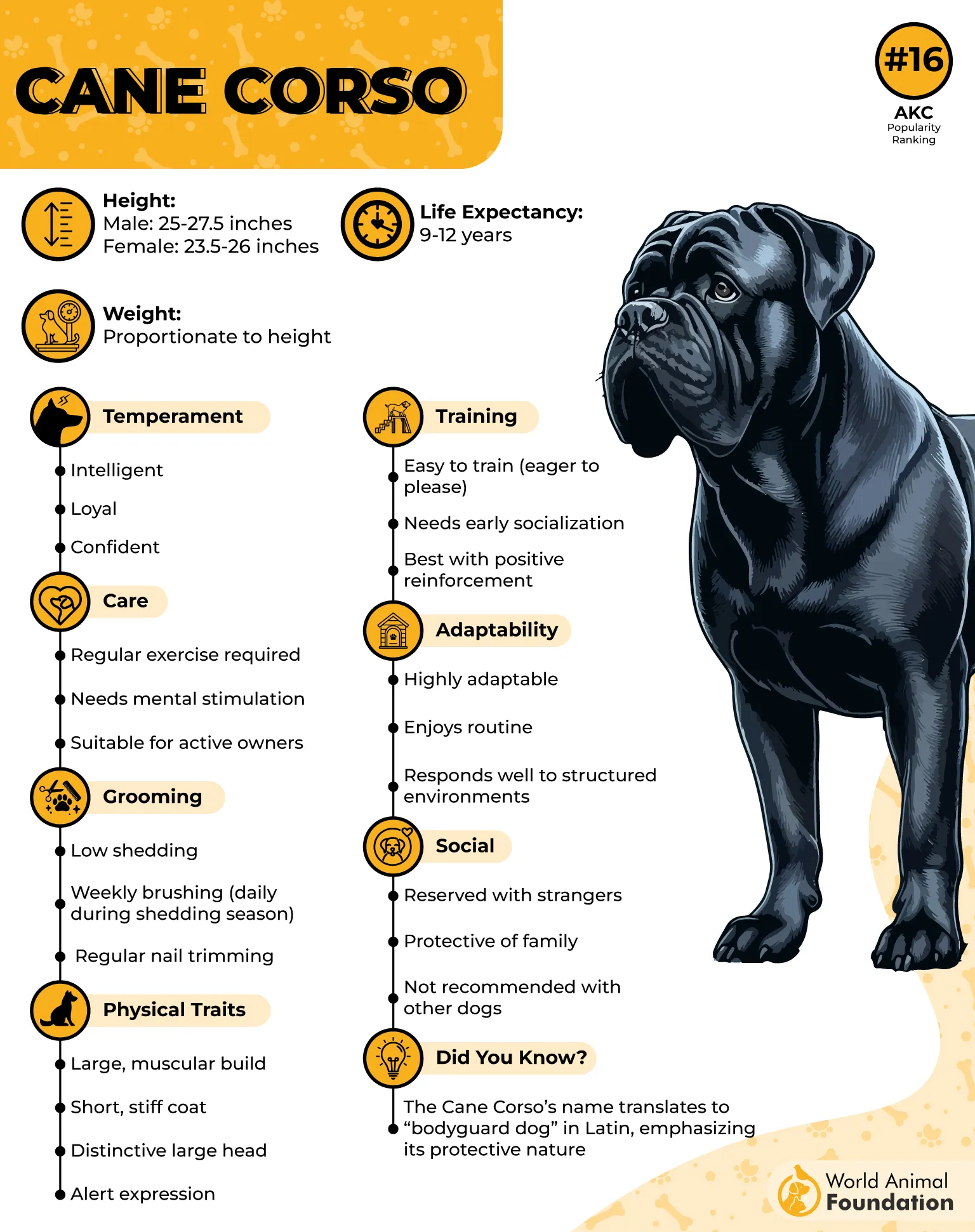
Its short, coarse, water-resistant coat comes with an undercoat that thickens in winter, helping it work comfortably outdoors without overheating.
This loyal, devoted breed does have an independent streak and can become stubborn without a confident, consistent owner to guide it. Cane Corsos need moderate exercise, around 60 to 90 minutes a day, though puppies should avoid high-impact activity until they're between 18 and 24 months old to protect their developing joints.
8. Giant Schnauzer
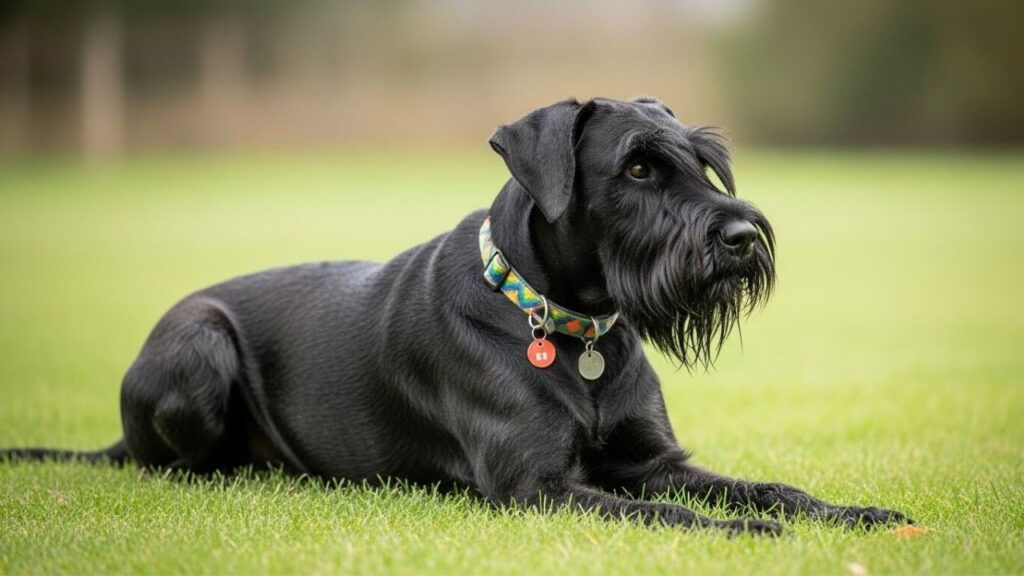
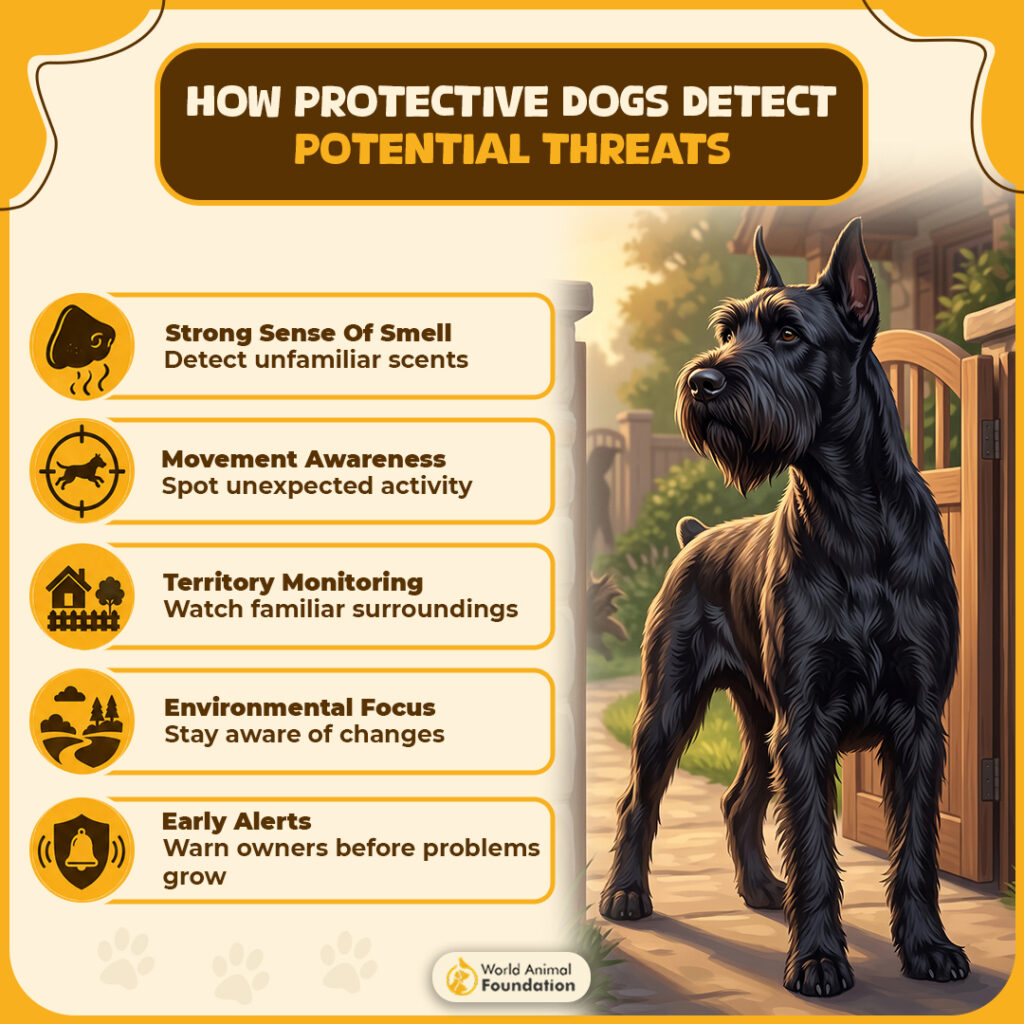
The Giant Schnauzer was developed in Germany by crossing the Standard Schnauzer with the Great Dane, originally intended to work as a farm dog and home guardian. Today, it's more commonly found in military and police work. Its C-clamp jaw structure gives it a powerful bite force of around 556 PSI.
Like many protective breeds, the Giant Schnauzer has strong natural instincts for herding and territorial protection. Its bushy eyebrows and thick beard aren't just for looks either; they help shield its eyes and muzzle from debris and potential harm during confrontations.
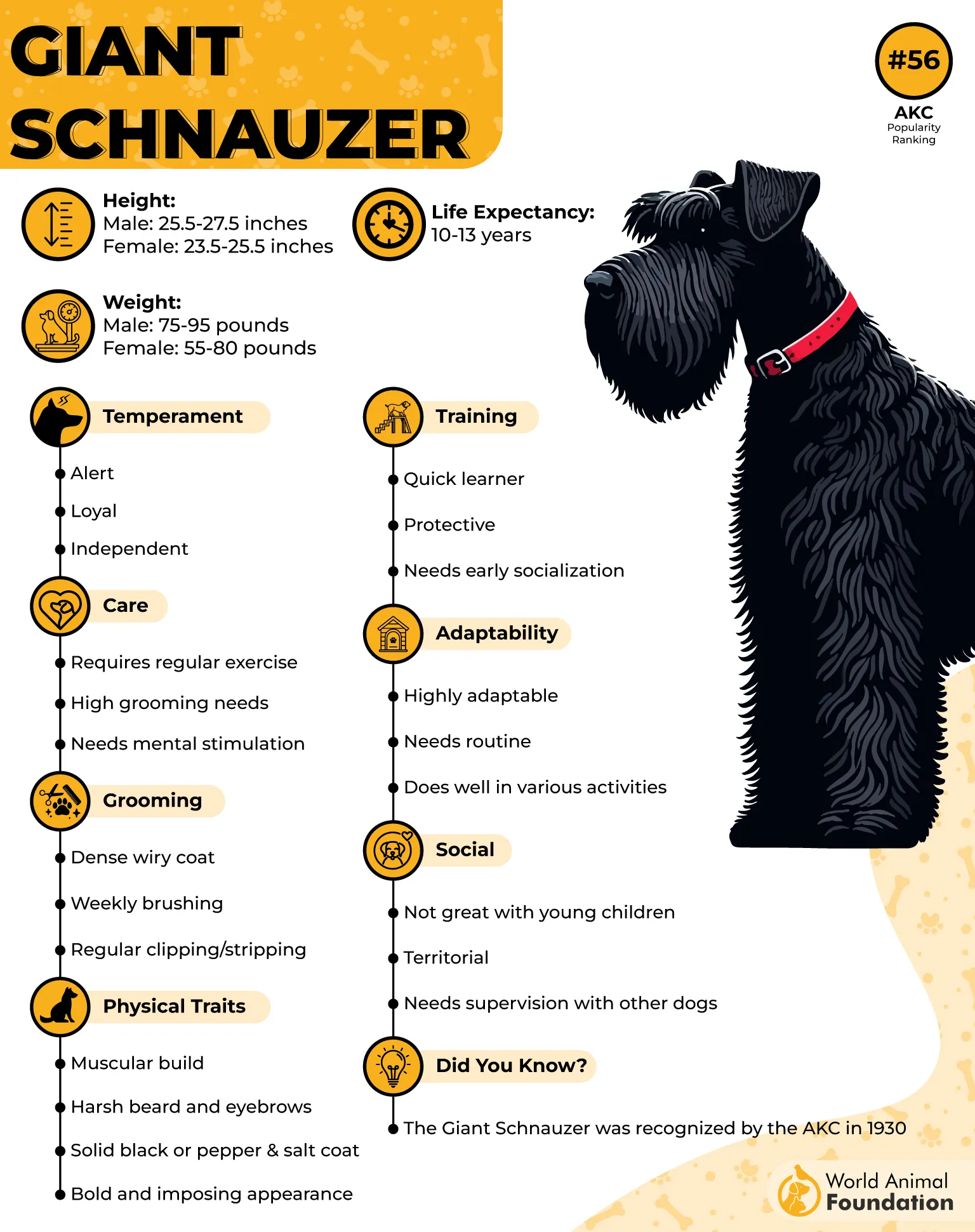
With proper socialization, the breed develops a strong ability to read body language and judge when a situation calls for barking, posturing, or stepping in directly.
This breed can be assertive around other dogs, particularly those of the same sex. Giant Schnauzers form close bonds with their family and may struggle with separation anxiety if left alone too often. Basic obedience training paired with positive reinforcement tends to work best for this breed.
9. Great Pyrenees
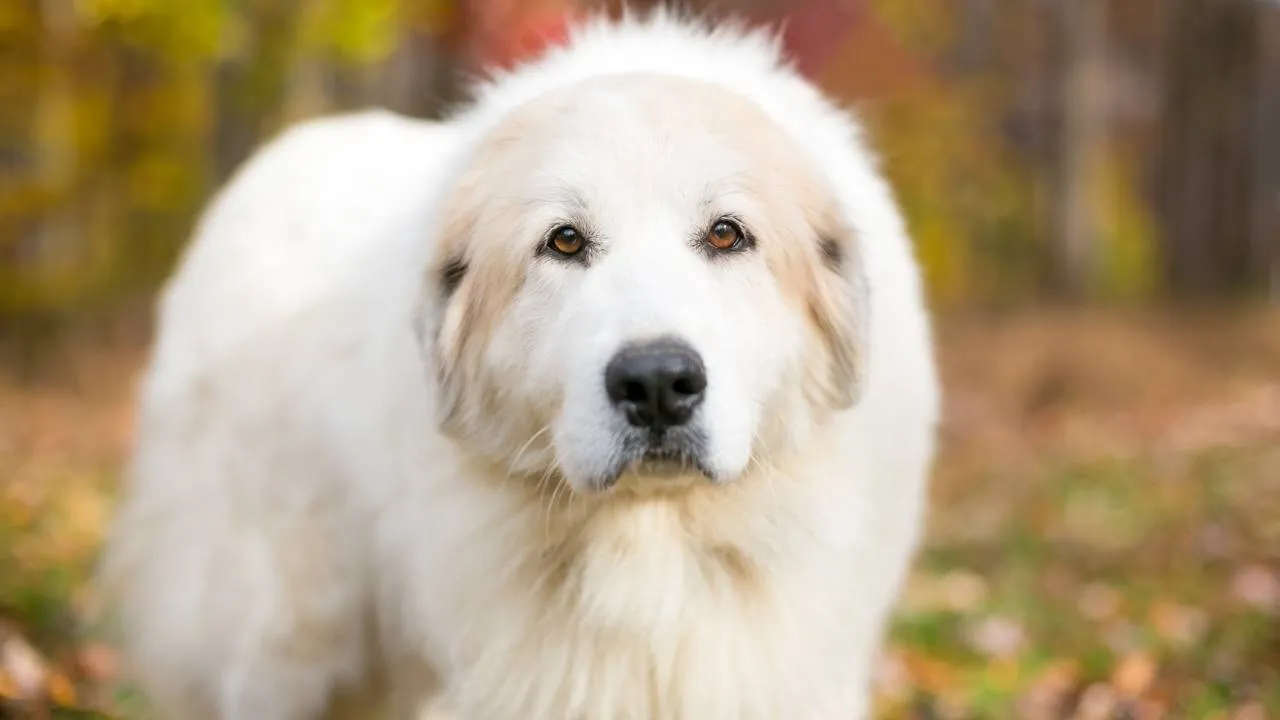
The Great Pyrenees has a history stretching back thousands of years as a livestock guardian, with fossil remains linked to the breed dating to the Bronze Age, roughly 1800 to 1000 BC. The breed was developed in the Pyrenees mountains between Spain and France, and by the 17th century, it had become a favorite among French nobility and royal courts.
One of its more unique traits is a set of double dewclaws on the hind legs, essentially an extra pair of "thumbs" that provide added stability, balance, and traction on rough, mountainous terrain. Since the breed was originally tasked with guarding livestock overnight while shepherds slept, Great Pyrenees dogs are naturally more active and alert during nighttime hours.
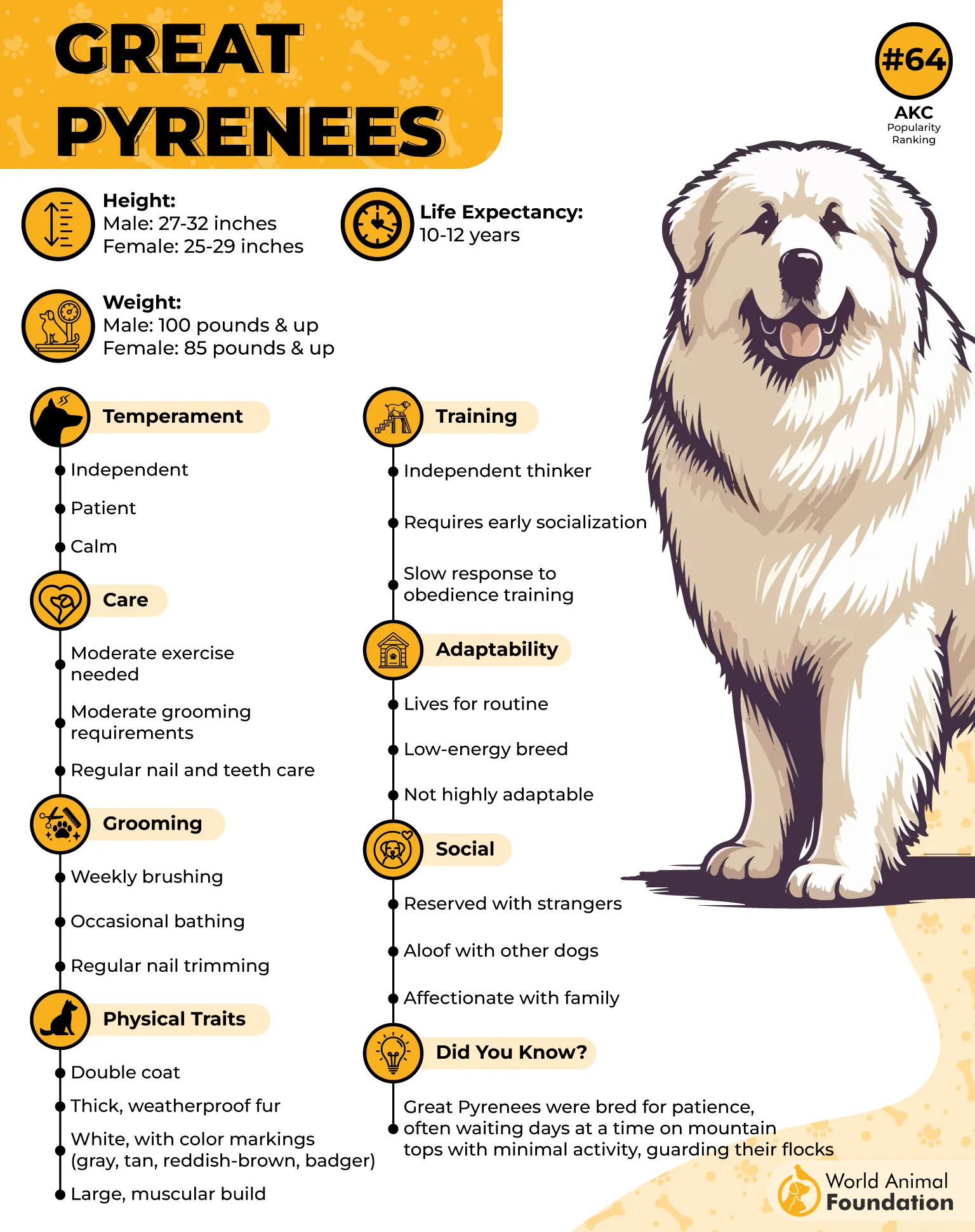
Their thick white coat isn't just for the cold, either; it also acts as natural camouflage in snowy terrain, helping them blend in with the flock while keeping watch for predators. Combined with their gentle, nurturing nature around children, this makes them wonderful nanny dogs.
When it comes to defense, barking is their go-to tool, used to mark territory and warn off any potential intruders.
10. Rhodesian Ridgeback
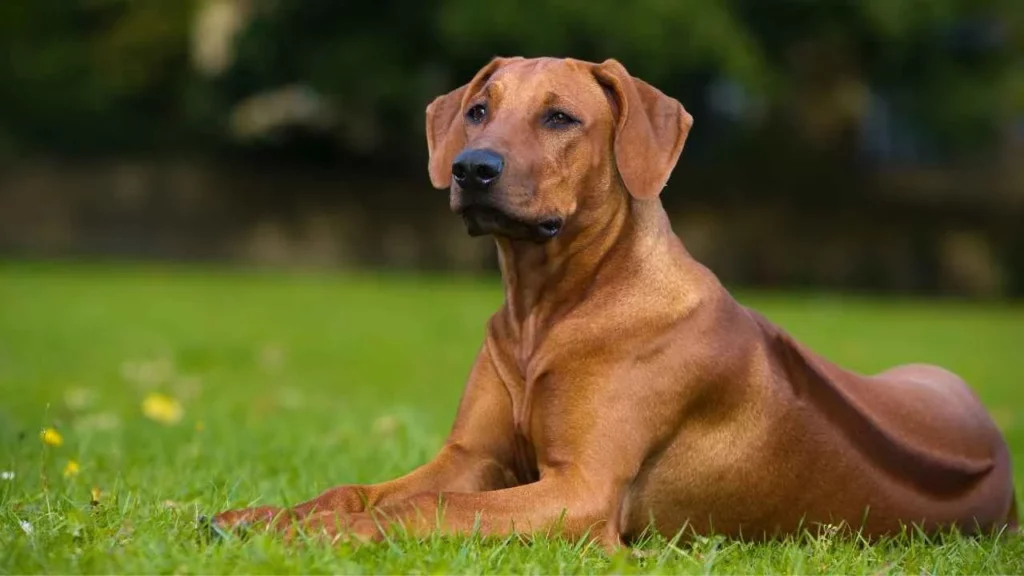
Developed in South Africa and sometimes called the African Lion Dog, the Rhodesian Ridgeback traces its roots back to dogs kept by the semi-nomadic Khoikhoi people. The breed as we know it today came together in the 16th and 17th centuries through crosses involving Mastiffs, Great Danes, Bloodhounds, Pointers, and Greyhounds.
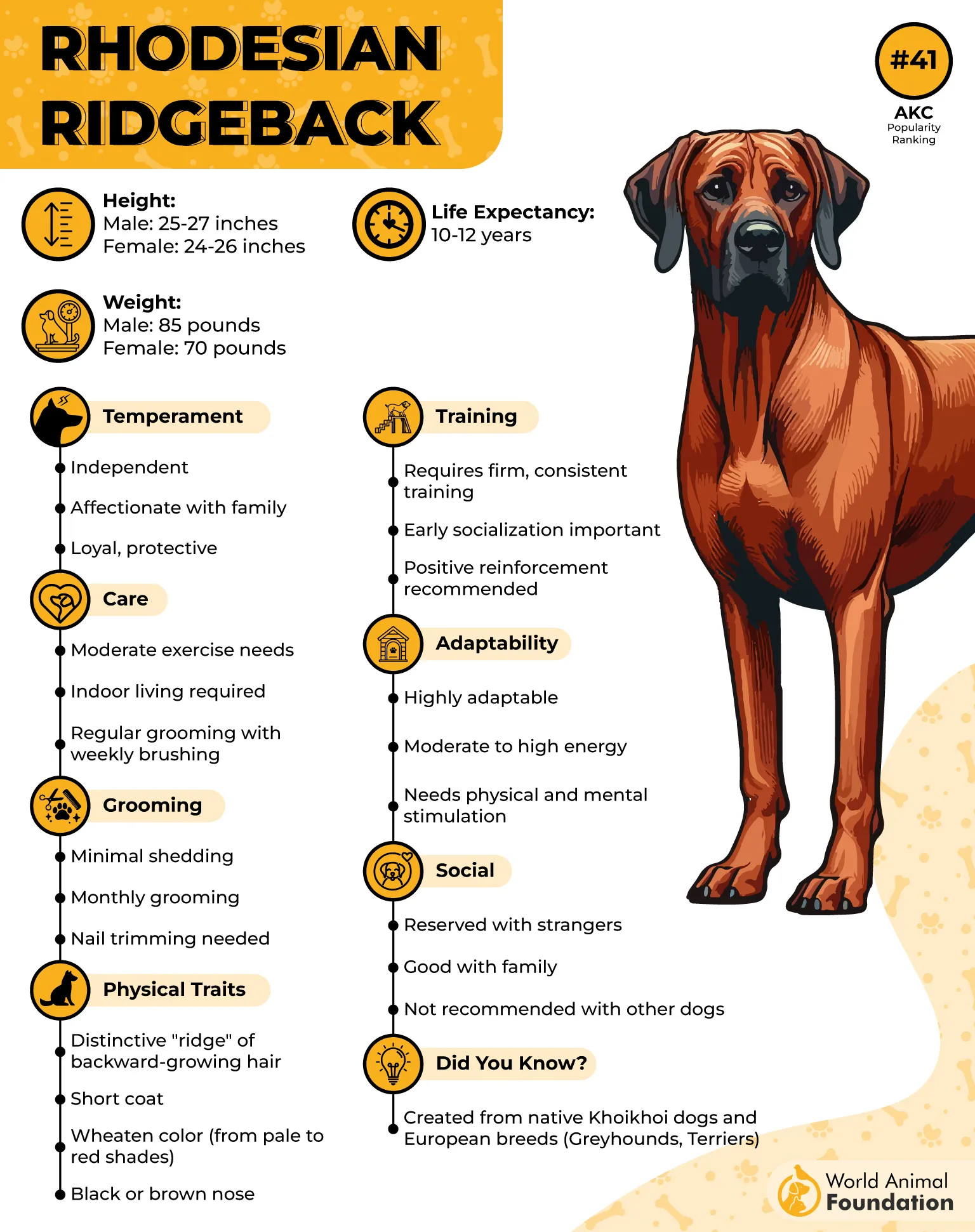
Originally bred to track predators across vast African terrain, the Ridgeback has a deep chest and strong lung capacity built for endurance. Sharp eyesight and a keen sense of smell round out its hunting instincts, while its lean, well-defined muscles and springy foot pads give it the agility needed to chase down a threat when necessary.
This breed tends to act as a calculated, thoughtful protector rather than a reactive one. It typically observes quietly first, positions itself between its owner and any perceived threat, and relies on barking to warn off intruders before escalating further if needed. Ridgebacks are fairly active dogs, needing about 1 to 2 hours of exercise daily to stay in good shape.
Conclusion
Choosing a protective dog breed is not about finding the toughest breed on the block. It is about finding a loyal companion that matches your family's lifestyle, experience, and daily routine. Every guard dog breed on this list has earned its reputation through intelligence, confidence, and an instinct to stand by the people it loves.
Remember that even the most naturally protective dog needs proper training, early socialisation, regular exercise, and kind leadership to become a trustworthy family guardian. Treat your dog with patience and respect, and you will gain more than a protector; you will have a faithful friend who watches over your family through every stage of life.
