




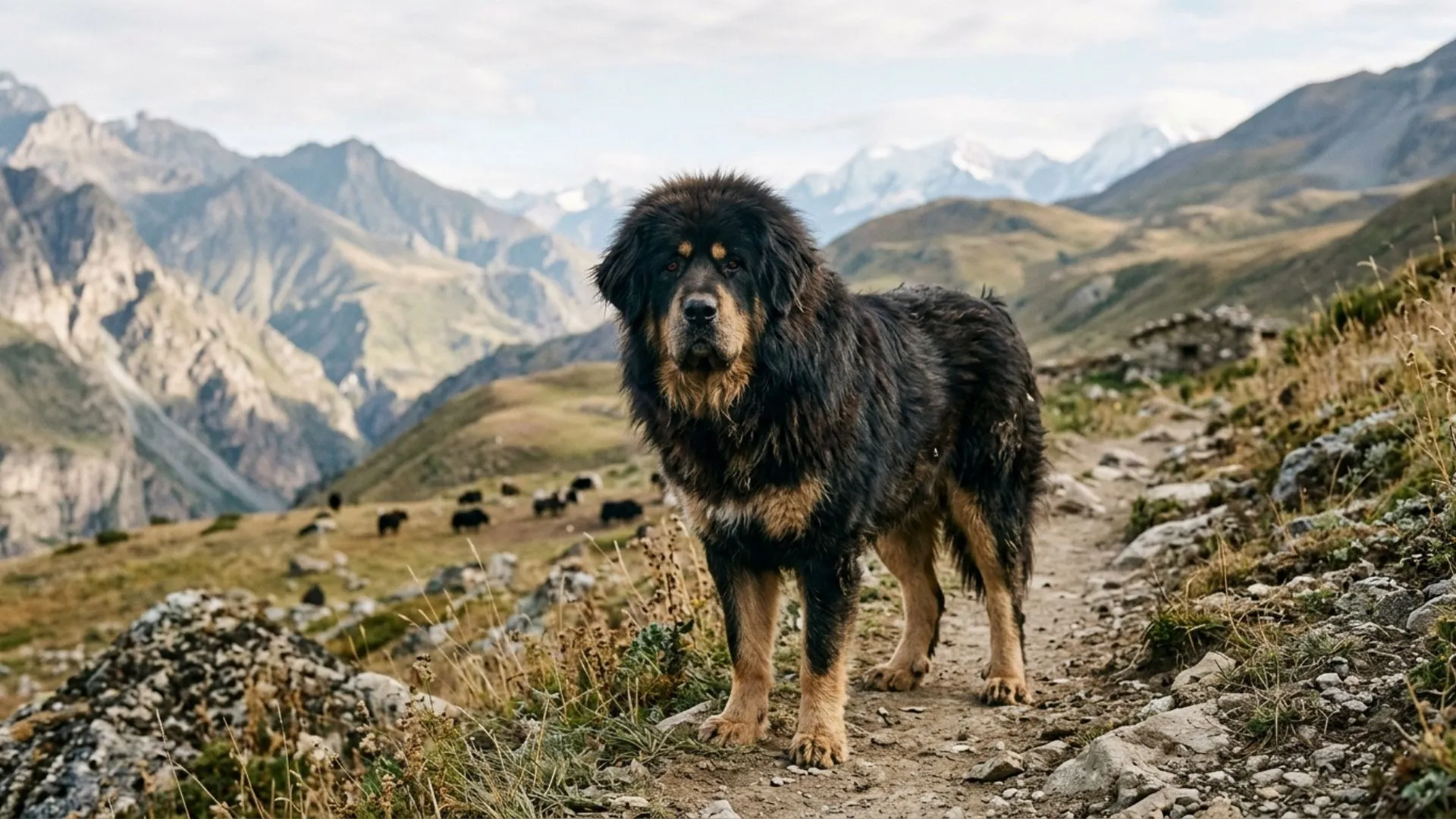
Some dogs are happy with a short walk and a cozy couch. Others are built from tougher stuff: capable of traveling miles, working in brutal weather, and staying focused when conditions push their limits. These remarkable animals have spent generations adapting to environments that would challenge most living creatures.
According to the American Kennel Club, many working breeds were originally developed to perform demanding jobs in harsh climates over long periods. Their physical endurance, mental resilience, and strong work ethic remain just as impressive today.
Canine endurance takes two distinct forms: conquering bone-chilling frozen landscapes and relentlessly tackling rugged terrain in blistering heat. To survive these brutal conditions, these animals rely on specialized traits: dense double coats, massive lung capacity, or lean, hyper-athletic frames.
From icy Arctic tundras to rugged mountains and scorching plains, these breeds prove that determination can come with four paws and a wagging tail.
Dog Breeds That Are Masters of Endurance and Extreme Conditions
1. Siberian Husky
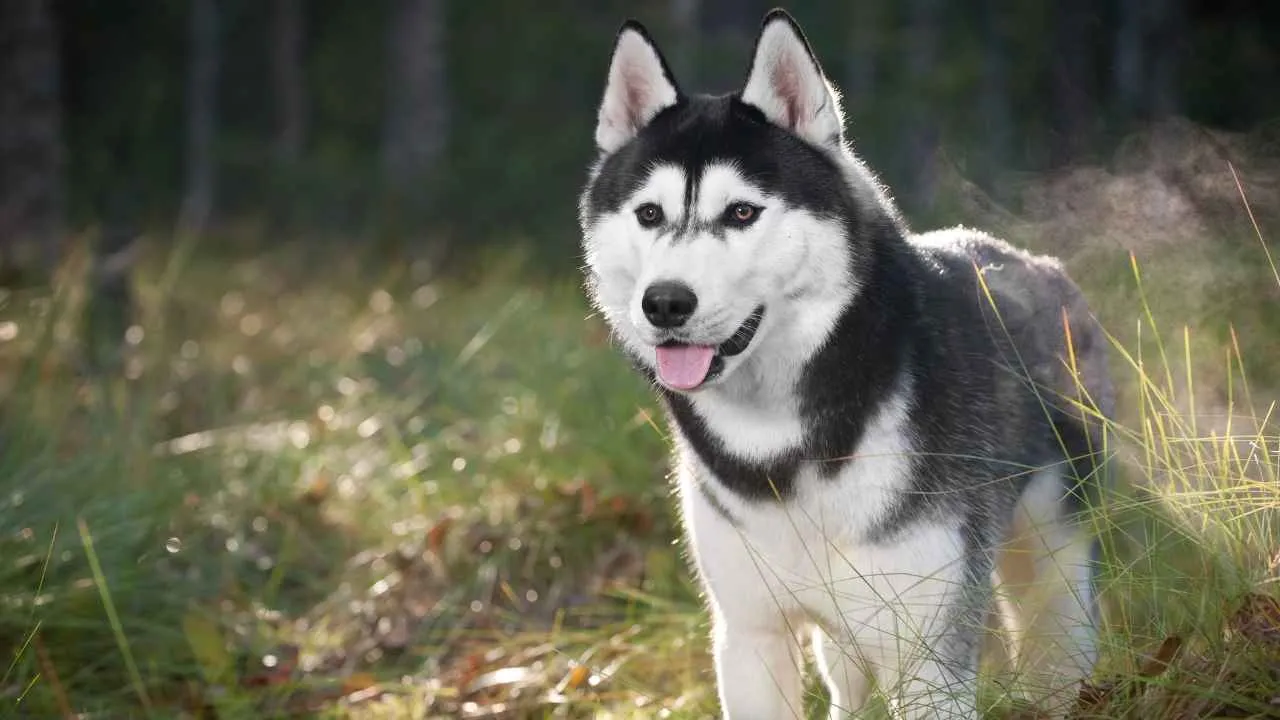
This medium-sized working sled dog was originally bred by the Chukchi people of the Russian Far East and belongs to the Spitz genetic family, according to Wikipedia. While widely used by competitive and recreational mushers, the Siberian Husky is also a popular companion dog.
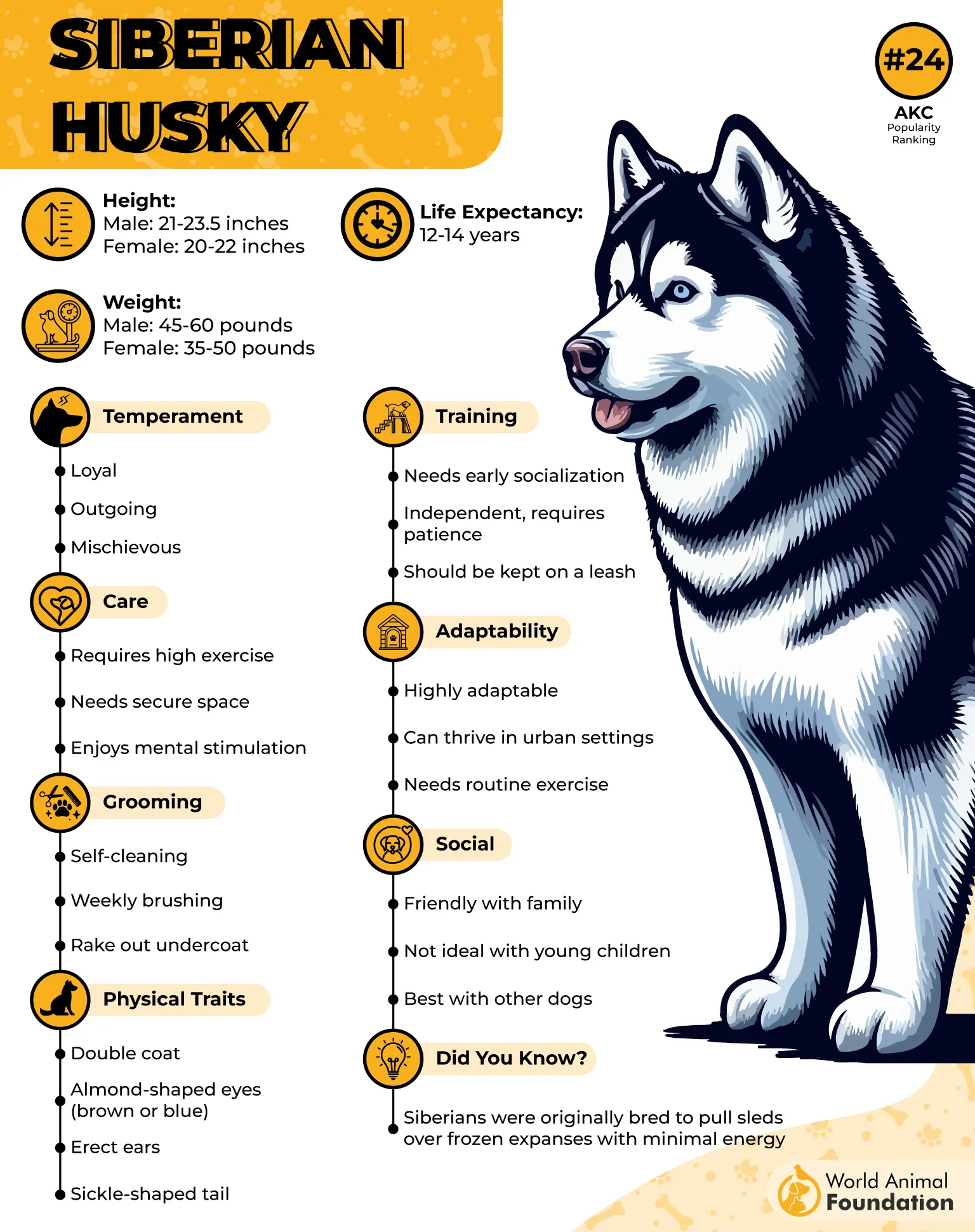
Its thick, double-layered coat consists of a dense, soft undercoat and a weather-resistant outer coat that traps air to provide insulation in freezing temperatures. Its webbed feet act like natural snowshoes, preventing it from sinking into snow and also making it a capable swimmer.
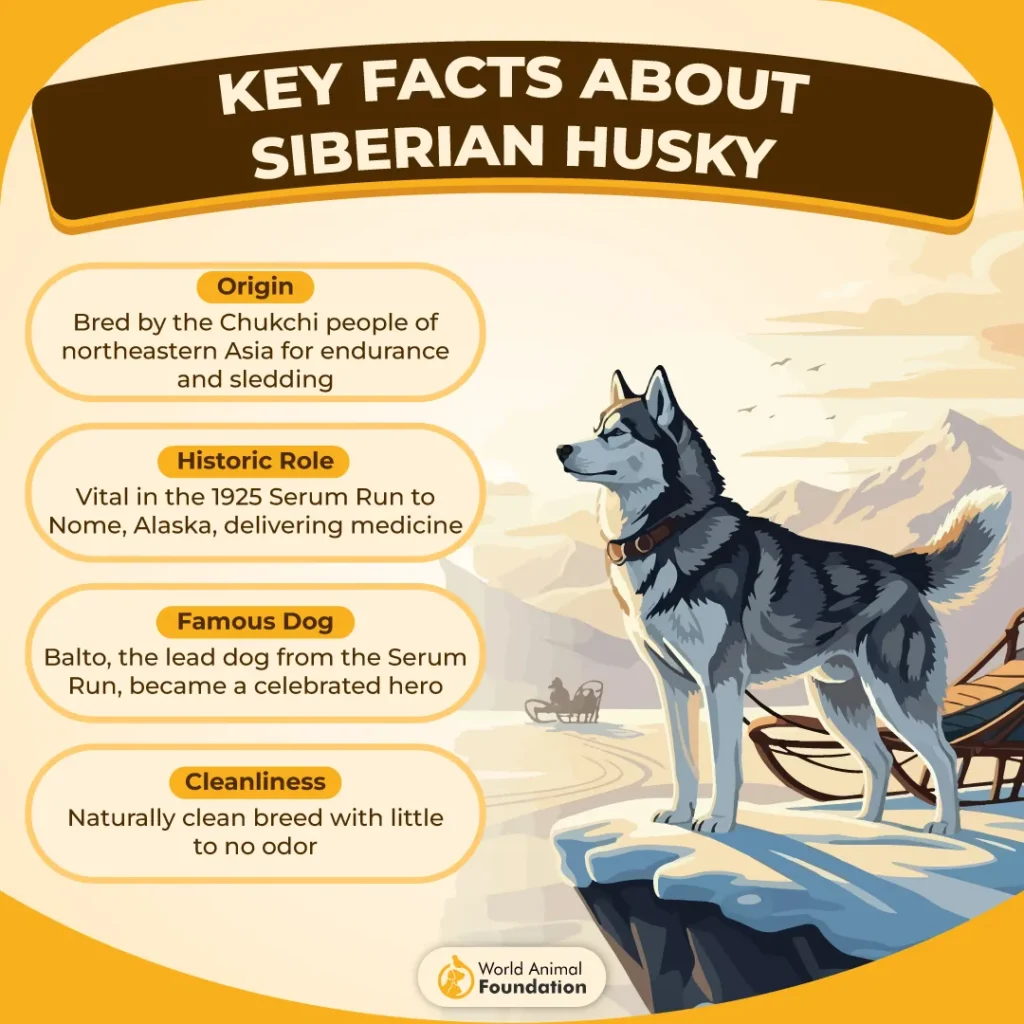
The Husky is also known for its remarkable efficiency; it can run and work for hours on minimal food, converting calories directly into muscular energy.
Its athletic build can endure temperatures as low as -50°C. When curling up to rest, it wraps its bushy tail over its nose, which filters and pre-warms incoming air before it reaches the airways. To stay mentally and physically satisfied, the Siberian Husky needs one to two hours of vigorous exercise daily.
2. Alaskan Malamute
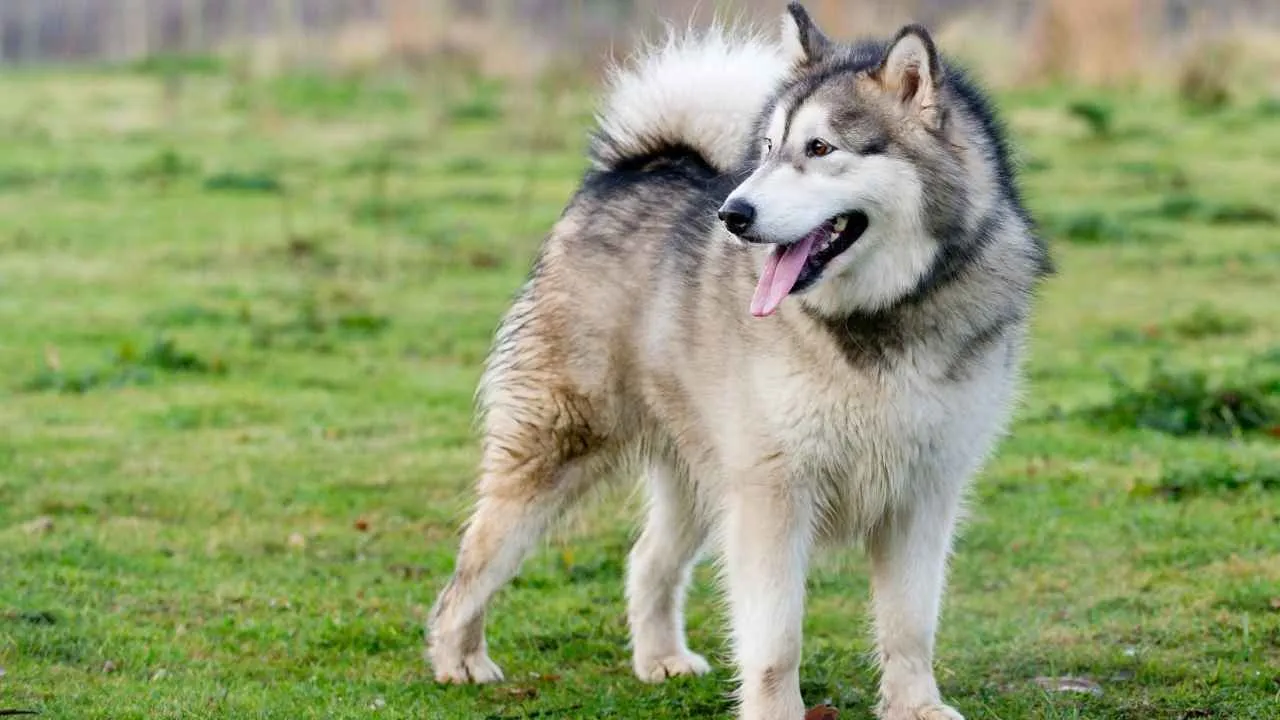
The Alaskan Malamute is a large breed developed by the Mahlemut Inuit people of Alaska and is closely related to the Siberian Husky and other sled dog breeds. Its broad paws and thick pads distribute weight evenly across snow and ice. The triangular ears, set wide on the head and covered in thick fur, help prevent frostbite and minimize heat loss.
The breed has a remarkable cold-weather adaptation known as vasoconstriction; the body restricts blood flow to the skin and paw surfaces, redirecting it to internal sections of the paws and vital organs to prevent freezing.
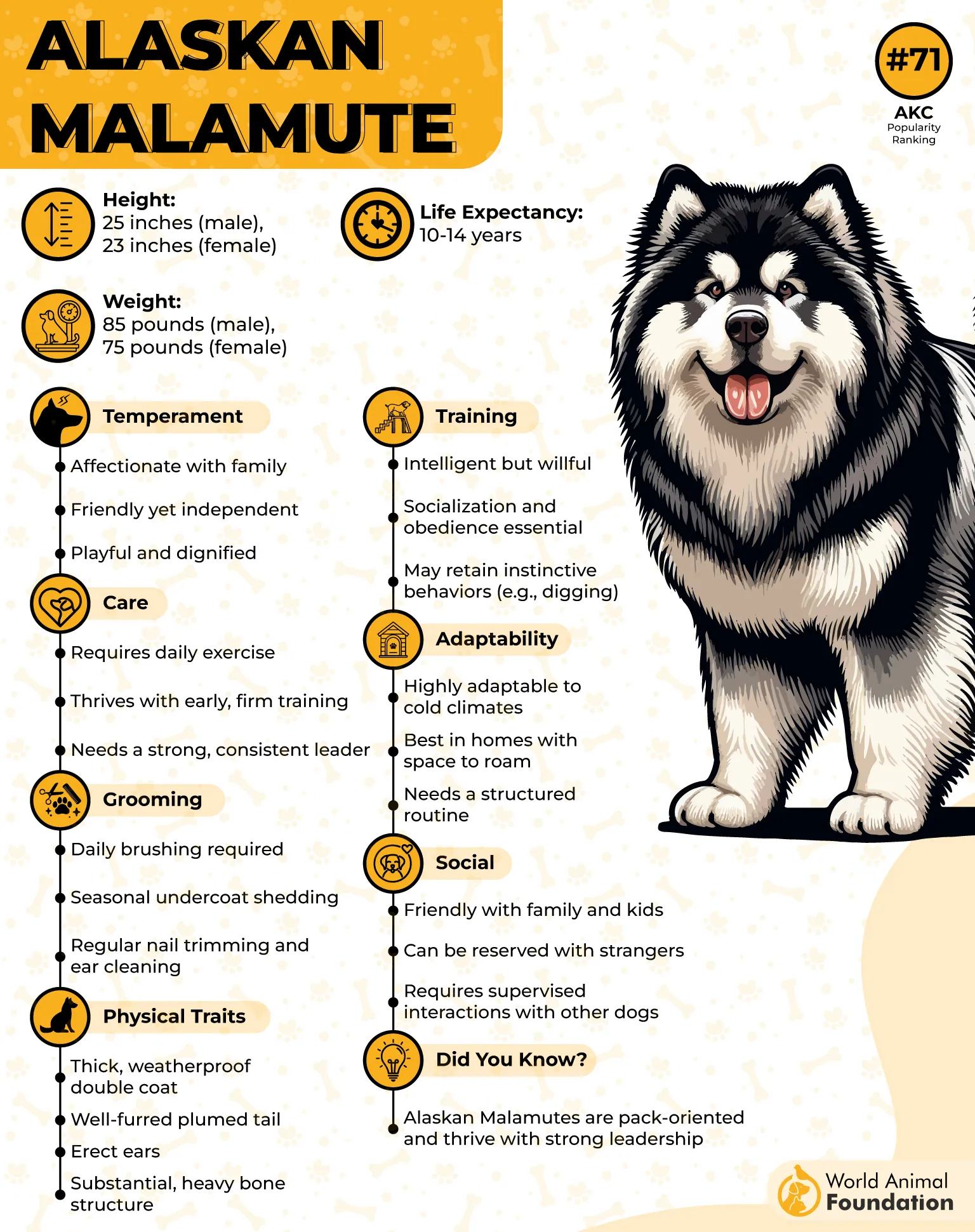
However, this same adaptation makes the Malamute highly vulnerable to heatstroke and dehydration in warm climates. It should never be shaved, and outdoor exercise should be avoided in hot weather.
The Alaskan Malamute is highly trainable and needs one to two hours of exercise daily. Good activities include weight pulling, carting, puzzle games, swimming, and long-distance running. For grooming, use a soft bristle brush and metal comb for daily brushing, and an undercoat rake to remove loose hair from the inner coat.
3. Tibetan Mastiff
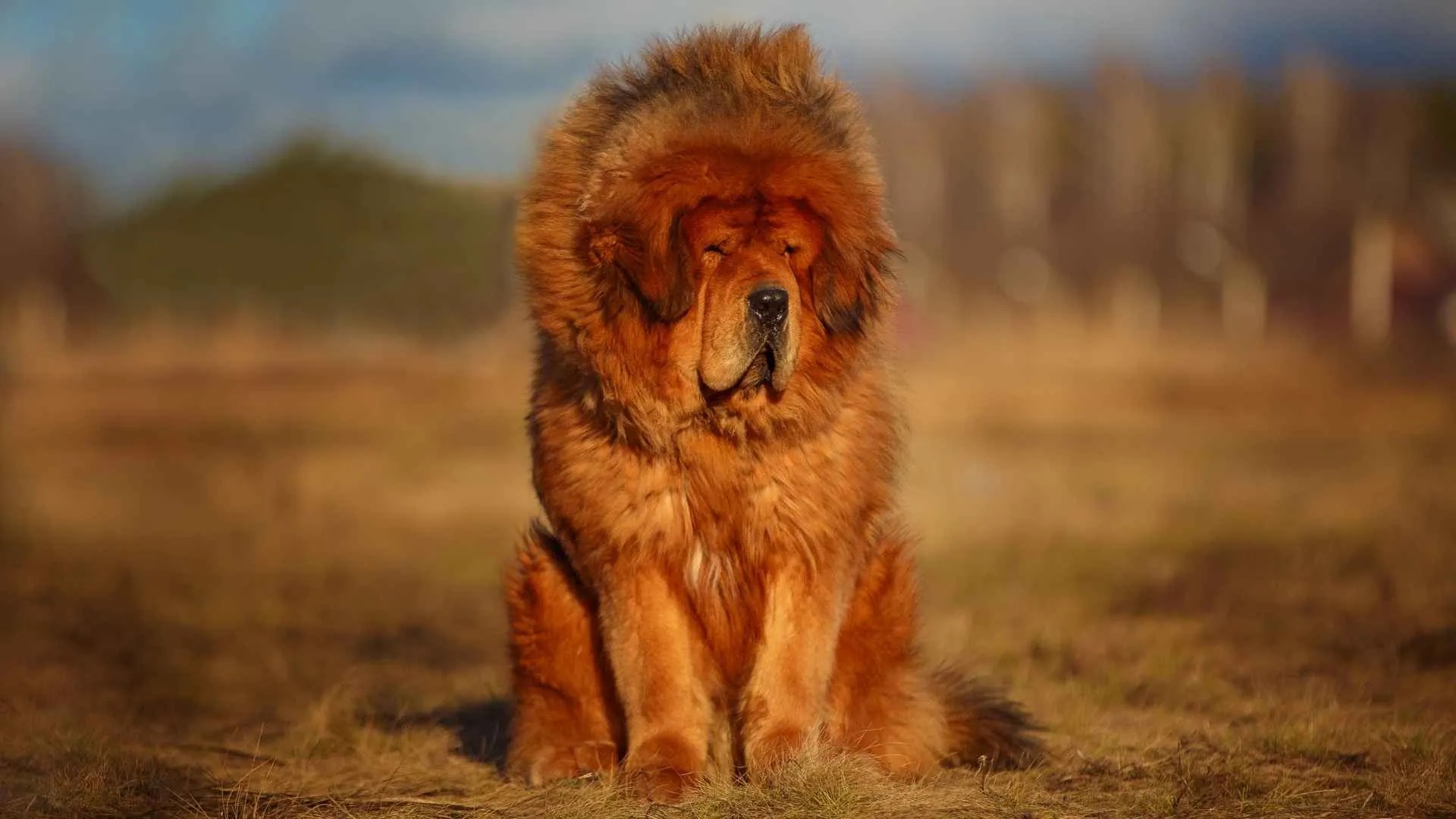
The Tibetan Mastiff is a large mastiff breed bred thousands of years ago to protect the villages and monasteries of the Himalayas. Considered an ancestor of breeds like the Great Pyrenees, Bernese Mountain Dog, and Saint Bernard, the Tibetan Mastiff was famously gifted to Queen Victoria and the Prince of Wales, according to Orvis.
The breed’s thick fur around its neck and shoulders forms a distinctive lion-like mane that shields it from biting winds and aggressive predators. It also carries notably high hemoglobin levels, believed to be linked to ancient crossbreeding with wolf-like canids; an adaptation that protects against hypoxia in the thin air of high-altitude mountain environments.
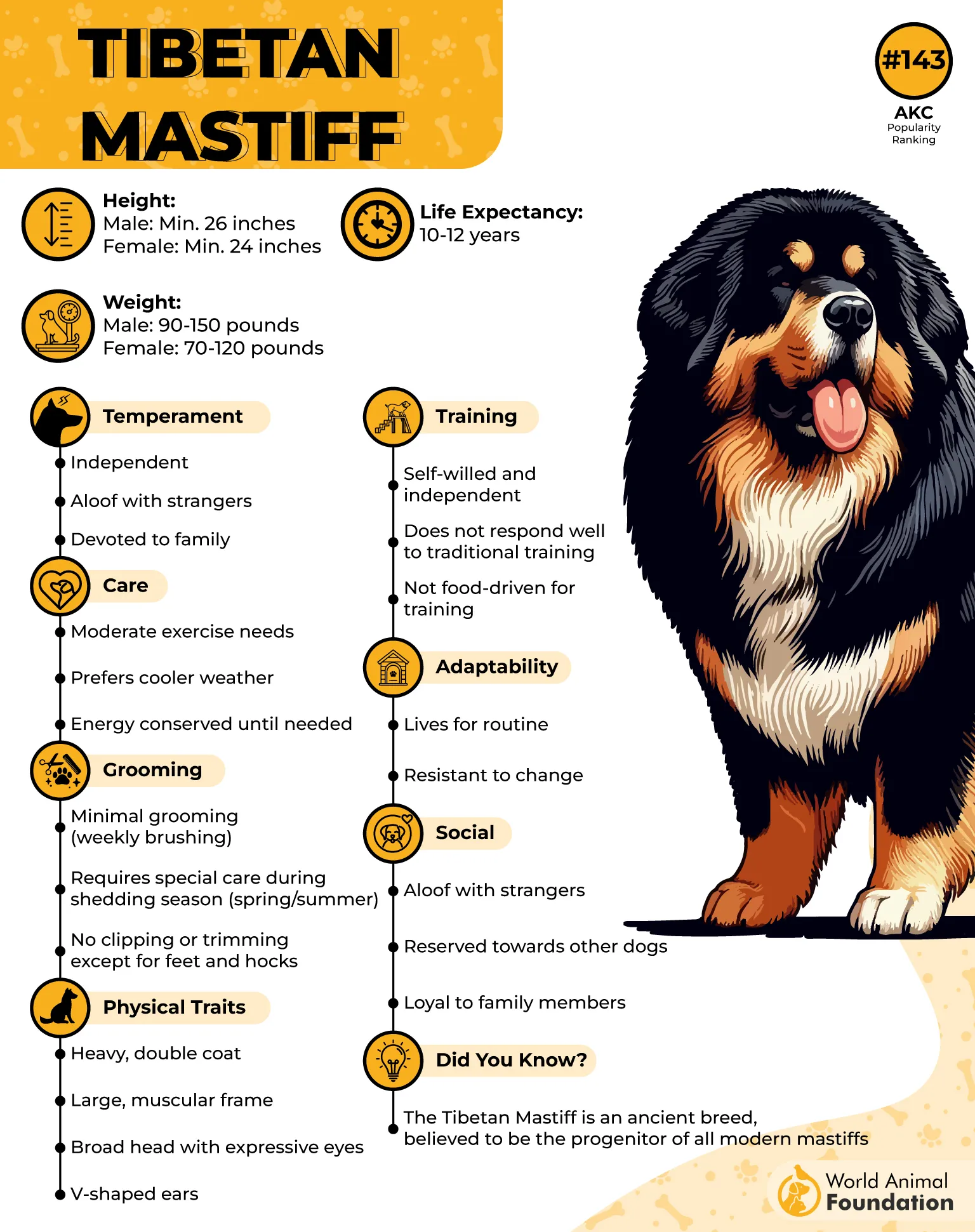
Weighing over 150 pounds and standing 24–30 inches tall, this is a formidable breed. Its almond-shaped eyes feature tight-fitting rims that reduce the risk of windburn and snow-related eye conditions.
Despite its size, the Tibetan Mastiff has relatively modest exercise needs; 20–30 minutes of daily activity such as leisurely walks, light patrolling, and indoor games is generally sufficient.
4. Anatolian Shepherd
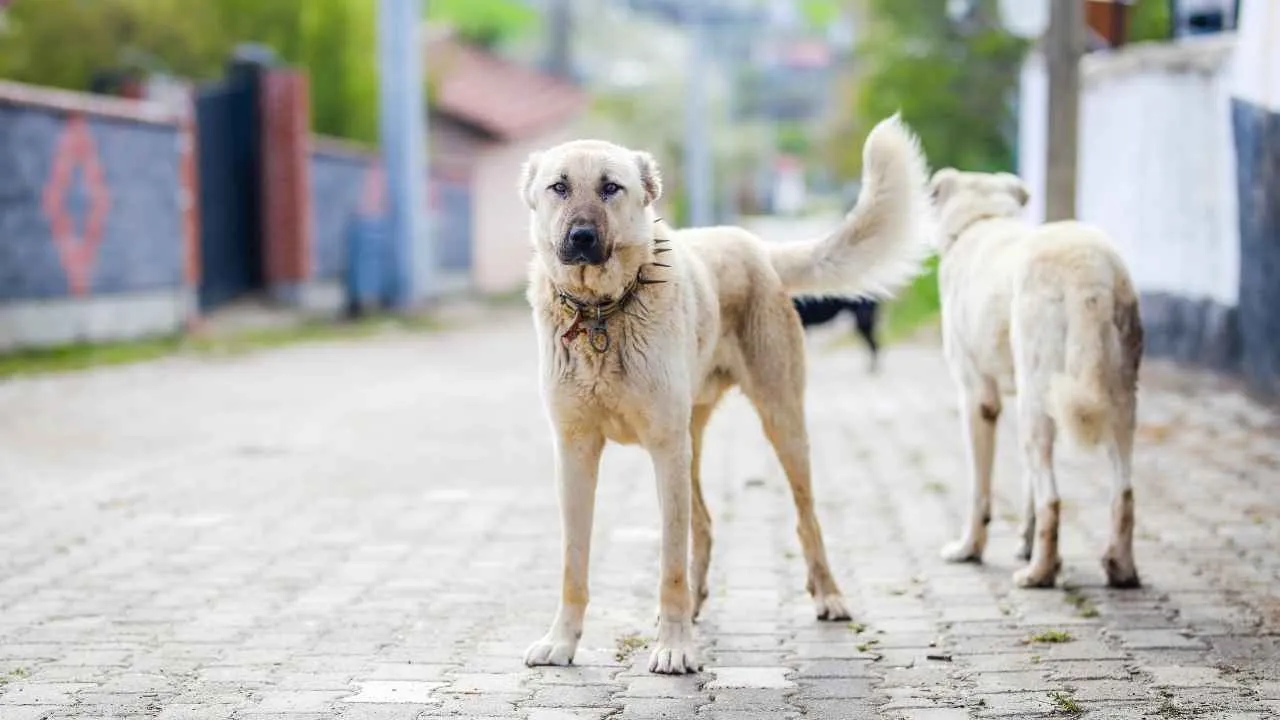
The Kangal is an ancient breed developed in the Anatolia region of central Turkey some 4,000 years ago. Bred primarily to protect livestock from large predators such as wild boars and bears, it remains one of the most capable guardian breeds in the world. Its dense double coat comes in two varieties: short (around 1 inch) and rough (1–4 inches).
Weighing between 80–150 pounds and standing around 32 inches tall, the Kangal is an imposing presence that acts as a natural deterrent to potential attackers. Its loose, thick skin provides a defensive layer against bites and scratches. With a bite force of 743 PSI, it is more than capable of defending its flock against serious threats.
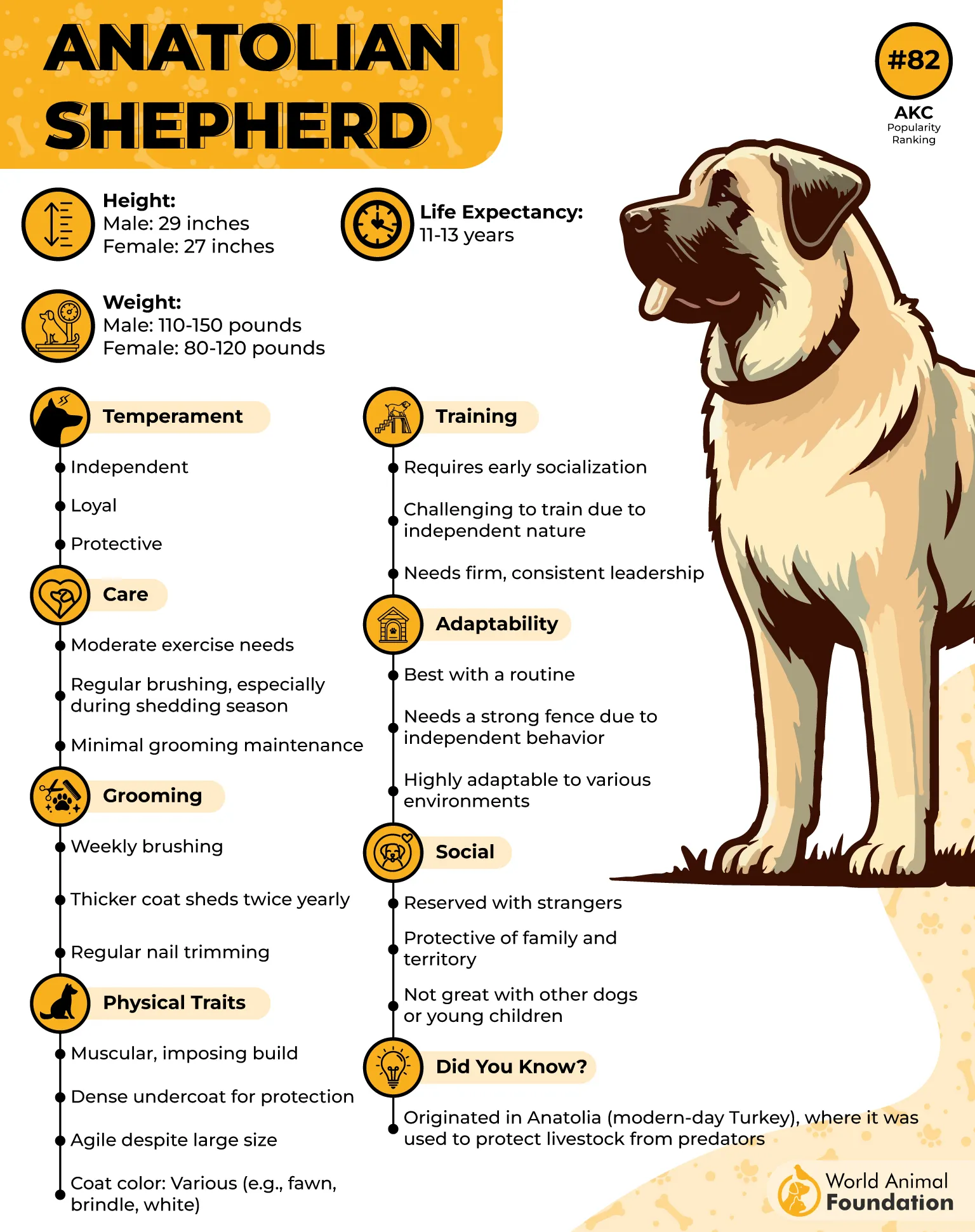
Despite its formidable build, the Kangal is a gentle giant with a surprisingly high heat tolerance. The spacing between its coat hairs allows for natural air circulation, preventing overheating.
Rather than relying on panting alone, it uses its powerful muzzle to maximize airflow over moist mucous membranes, effectively cooling its internal temperature from within.
5. Black Russian Terrier
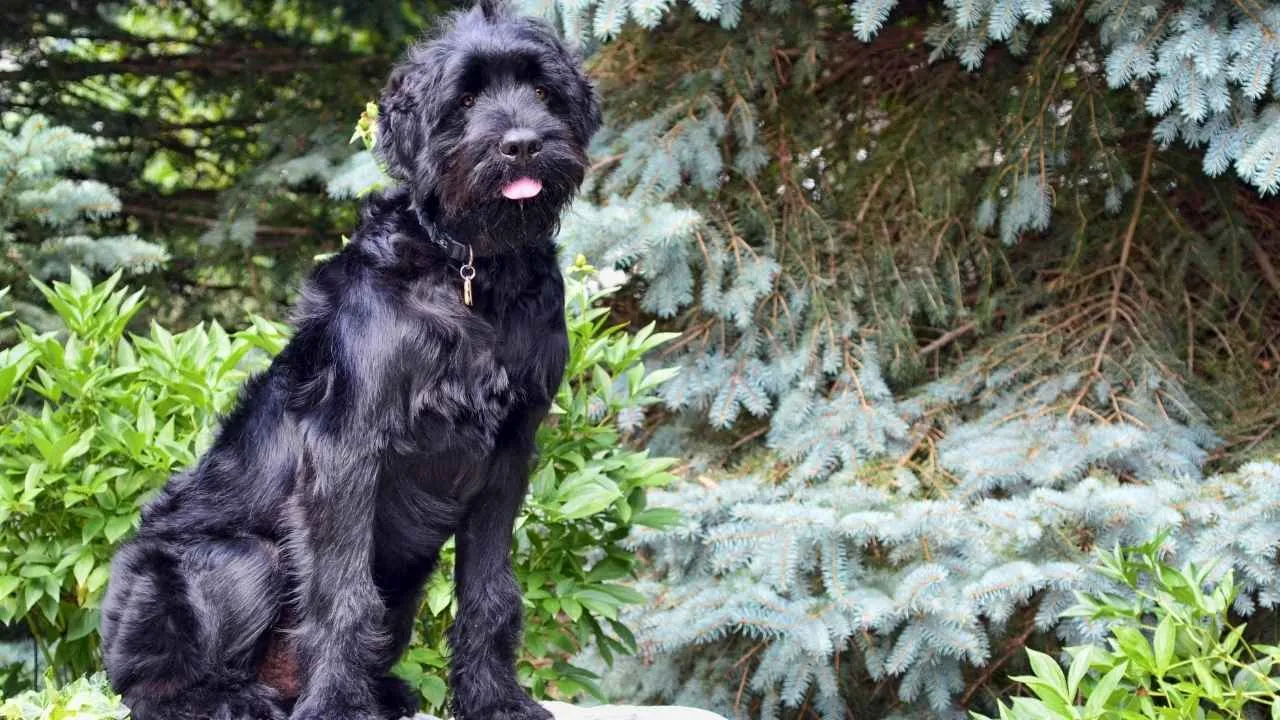
The Black Russian Terrier is a giant breed developed in Russia between the 1940s and 1950s as a working dog, primarily used in military and police roles. Today, it serves as a companion, guard dog, and working dog. Despite the name, it is not a true terrier; according to Omlet UK, it is a mix of the Airedale Terrier, Rottweiler, Giant Schnauzer, and Newfoundland.
The breed’s abundant facial hair, including a prominent beard, bangs, and mustache, protects the muzzle, eyes, and throat from freezing winds. Its well-padded feet act as natural shock absorbers on rough, icy terrain.
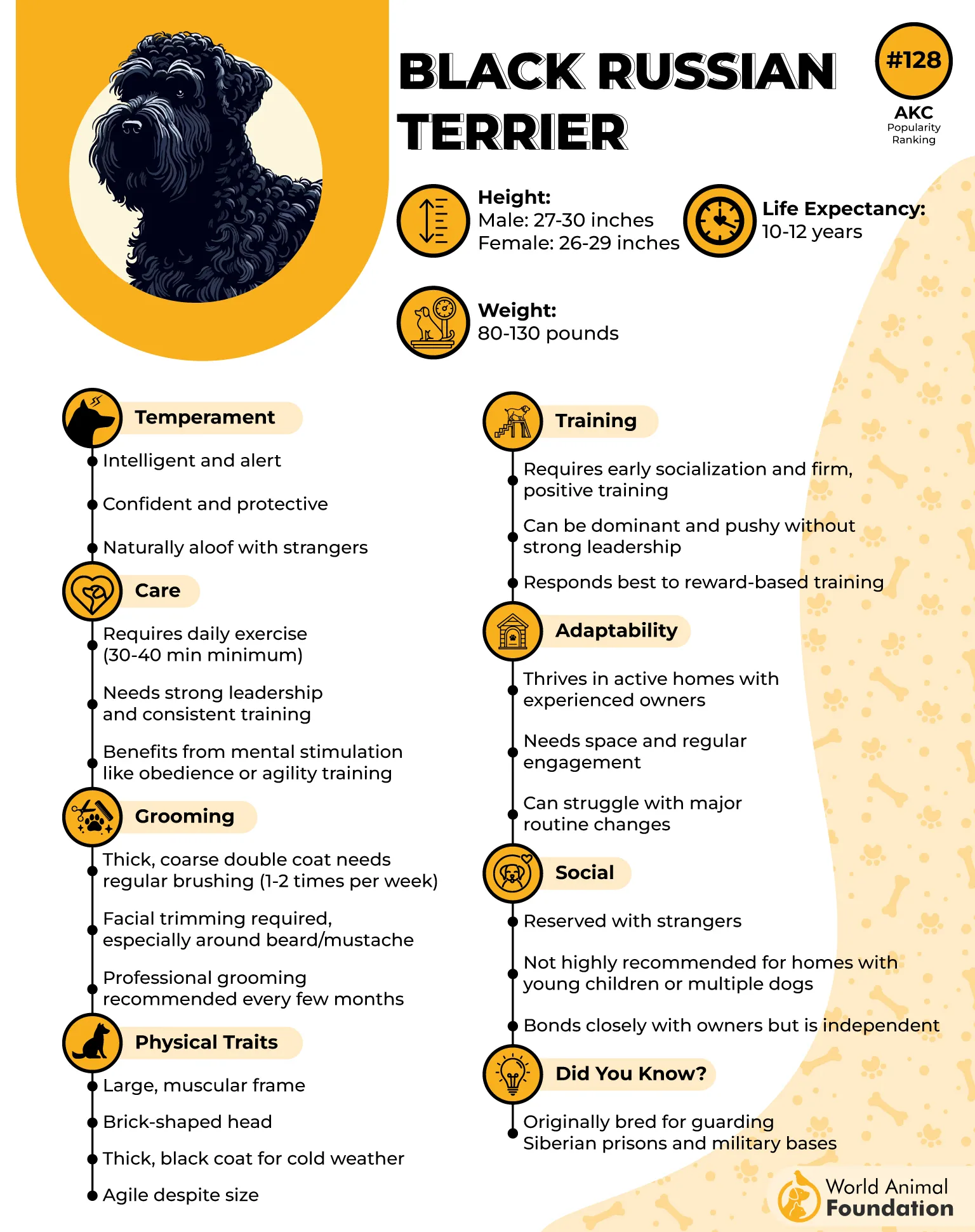
A strong heart and impressive lung capacity give it a steady internal heat generation system, helping it perform in harsh cold-weather conditions.
Exercise needs are moderate: 30–40 minutes a day through brisk walks, jogging, swimming, agility work, or indoor play is sufficient. The Black Russian Terrier is calm indoors and gets along well with family members, children, and other pets, though it tends to be reserved around strangers.
6. Boerboel
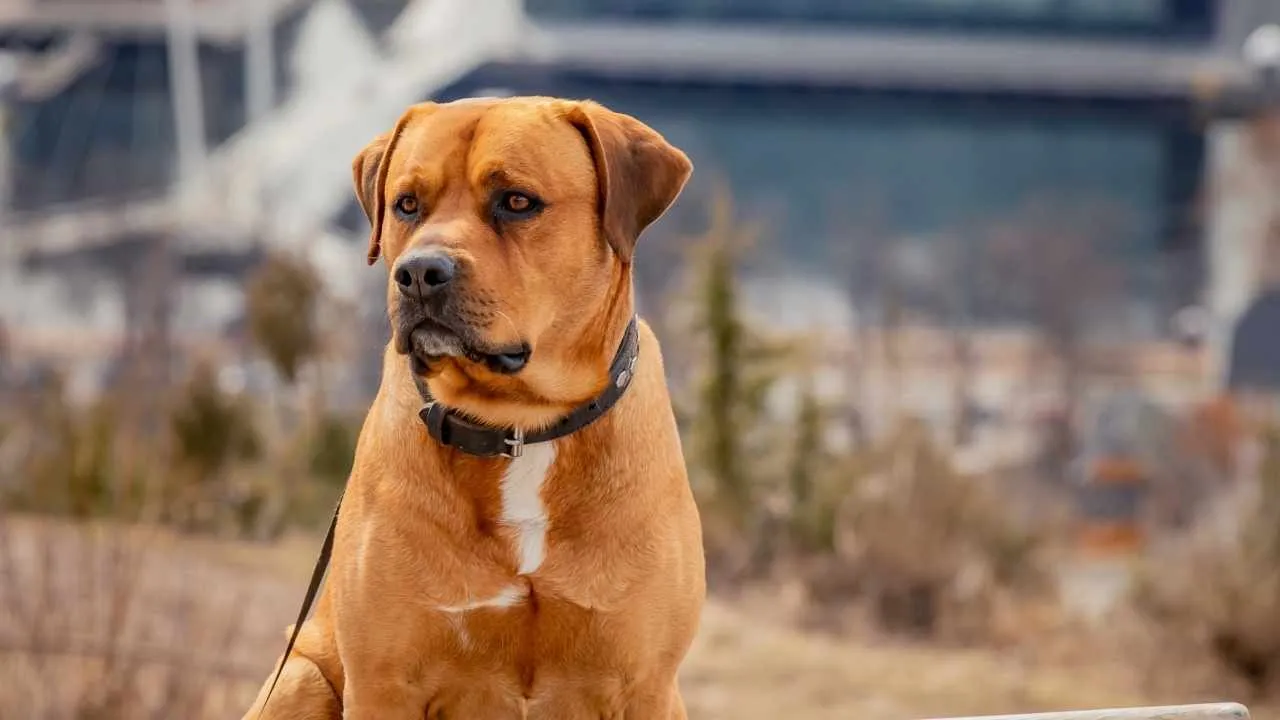
The Boerboel is a large, mastiff-type breed originally developed in South Africa, where it served as a family guard dog and protected farms from large predators such as lions and hyenas. It was not until the 1980s that efforts were made to preserve this rare and powerful breed.
Weighing around 200 pounds and standing 22–27 inches tall, the Boerboel is an imposing animal. Its pigmented skin, covering the muzzle and the roof of the mouth, offers natural protection against intense sun exposure.
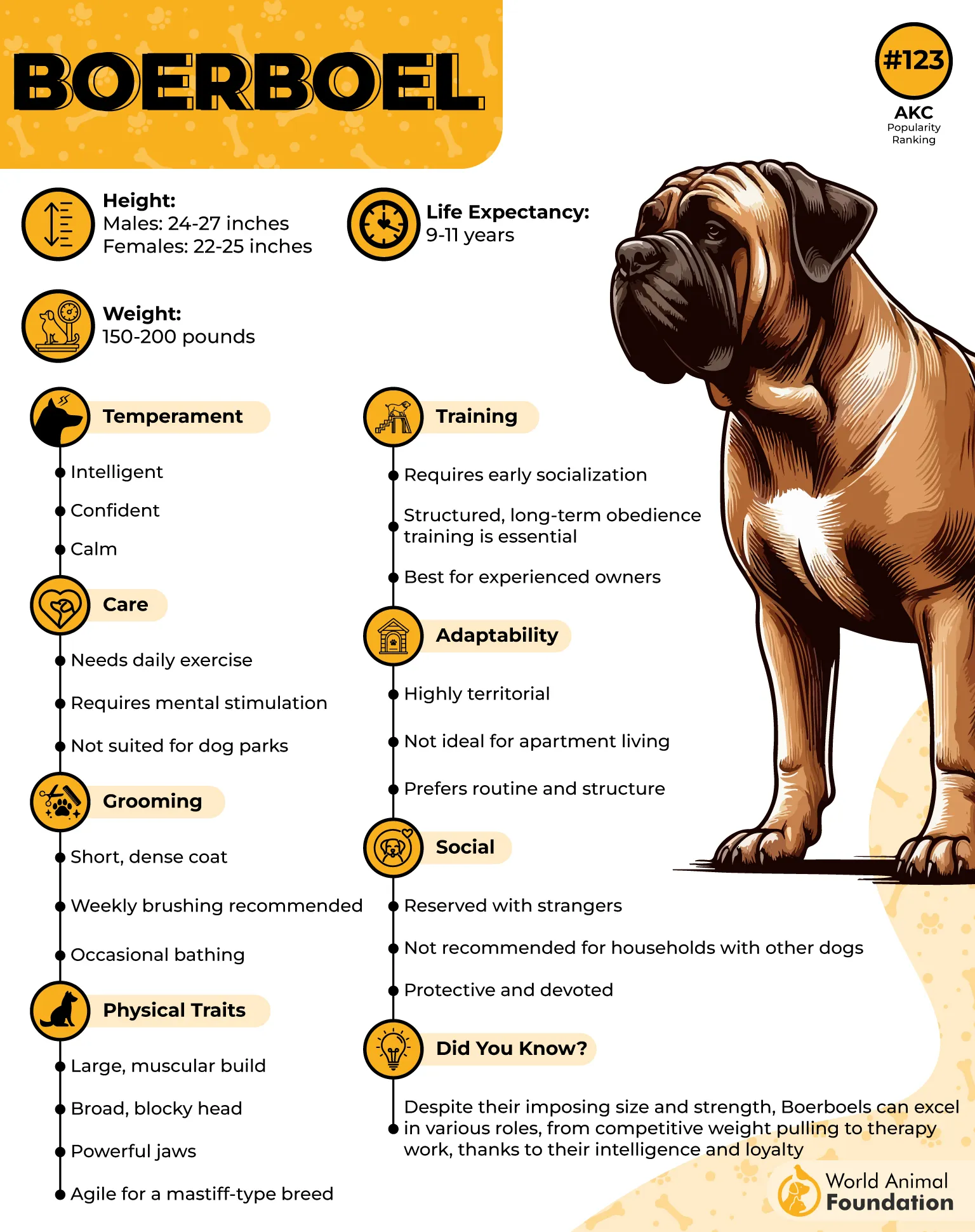
The breed also has a notably high stress threshold, attributed to naturally low cortisol levels. However, as a brachycephalic breed, it has poor heat dissipation and must be kept cool to avoid overheating.
One to two hours of low-to-moderate exercise daily is recommended: long walks, puzzle toys, and outdoor leash activities work well, ideally in cooler conditions. The short coat requires brushing one to three times a week with a rubber grooming mitt and bristle brush to stay in good shape.
7. Dogo Argentino
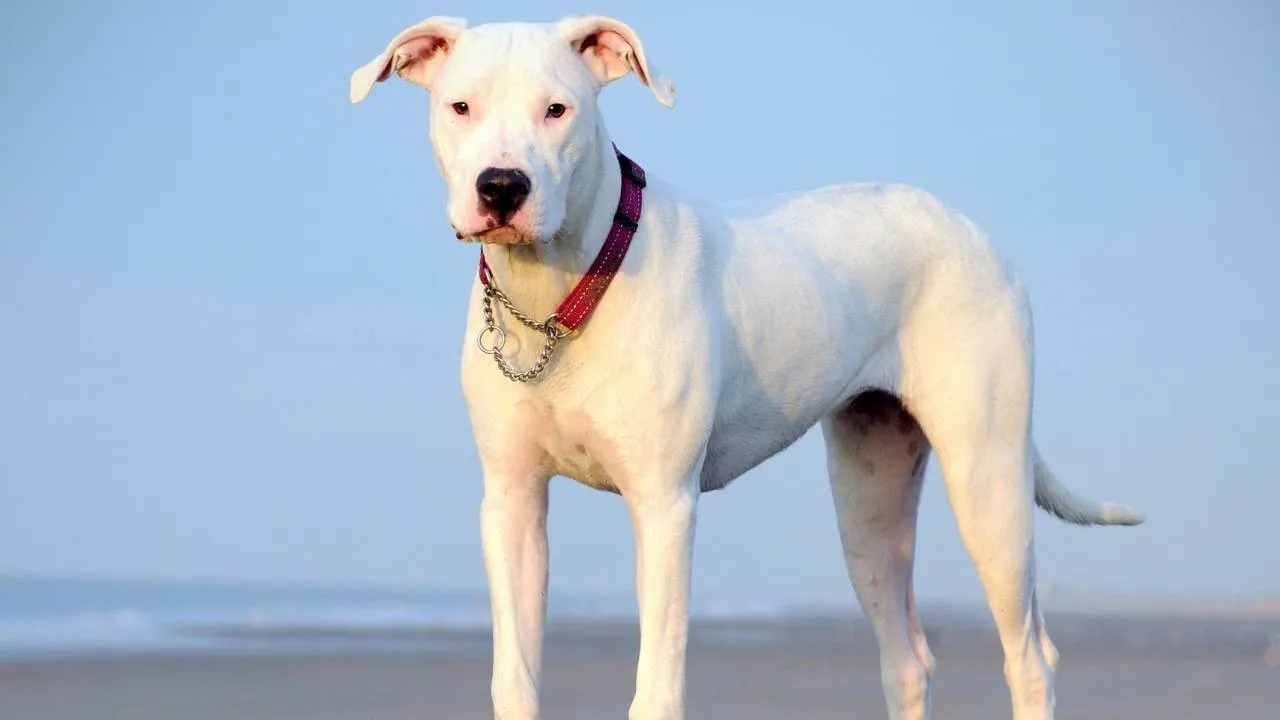
Developed in Argentina by Dr. Antonio Nores Martínez, the Dogo Argentino was created by crossing several powerful working breeds to produce an athletic hunter capable of taking on large, dangerous prey. It weighs between 80–100 pounds and stands around 27 inches tall.
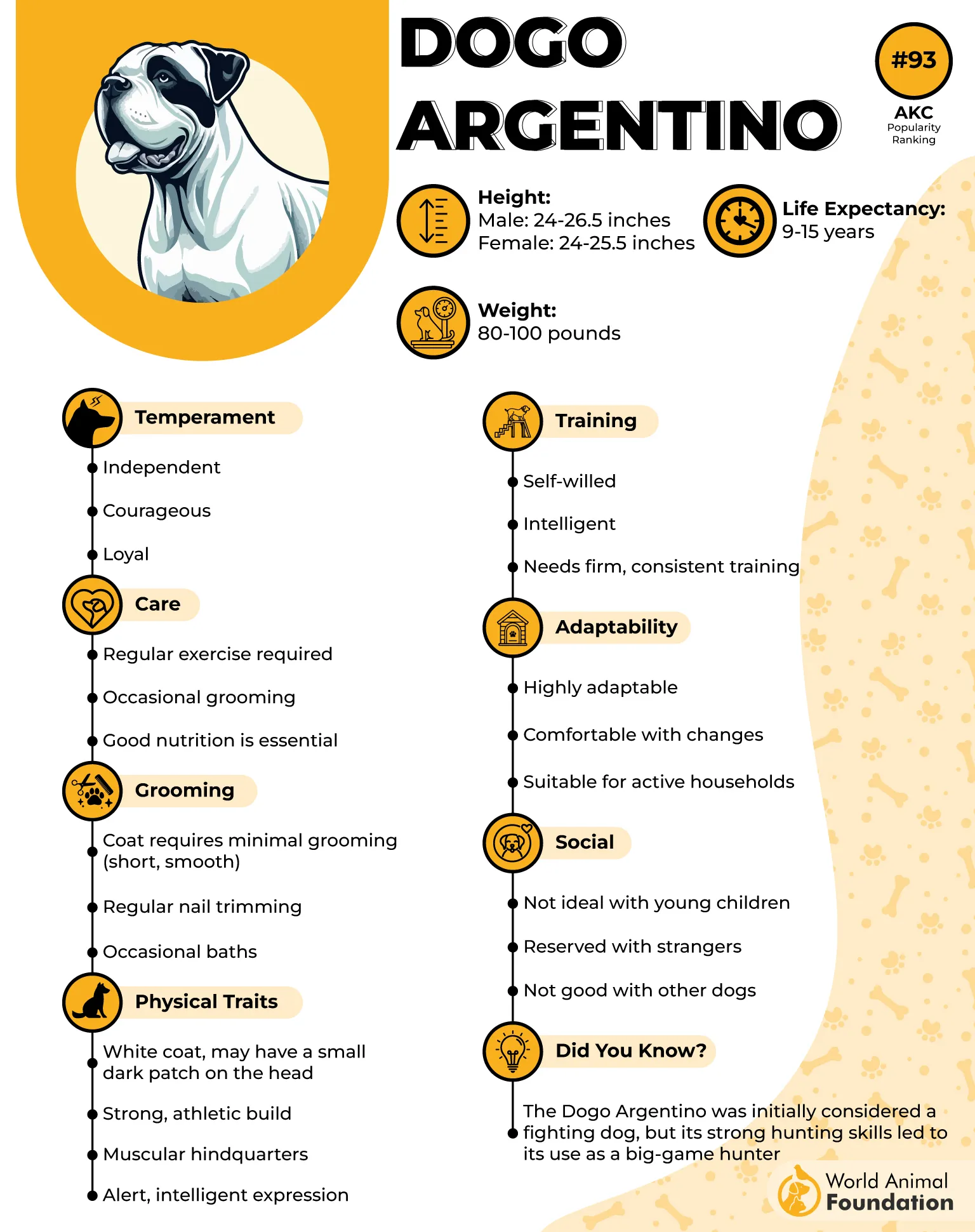
Its skin is elastic and fits tightly over its muscular frame, reducing the risk of serious tearing during aggressive encounters. The breed regulates its internal temperature through panting. It was also selectively bred for its white coat, which makes it easier for hunting partners to spot in the field.
The Dogo Argentino has moderate to high exercise needs, requiring 60–90 minutes of activity daily. Leashed walks, free running, hiking, scent games, tracking, agility, and obedience training all make excellent outlets. Baths should be kept occasional to avoid stripping the skin of its natural oils.
Conclusion
The world’s toughest dog breeds are more than impressive athletes. They are living examples of adaptation, resilience, and partnership with humans. Whether crossing frozen wilderness, guarding mountain villages, protecting livestock in scorching heat, or working in demanding society roles, these dogs have earned their reputations through generations of hard work.
Working breeds developed for specific environmental challenges retain many of those capabilities today. From the tireless Siberian Husky to the determined Dogo Argentino, each breed demonstrates endurance in a unique way. These extraordinary breeds remind us that courage, persistence, and loyalty often come wrapped in fur, and sometimes with muddy paws tracking across the floor.
