




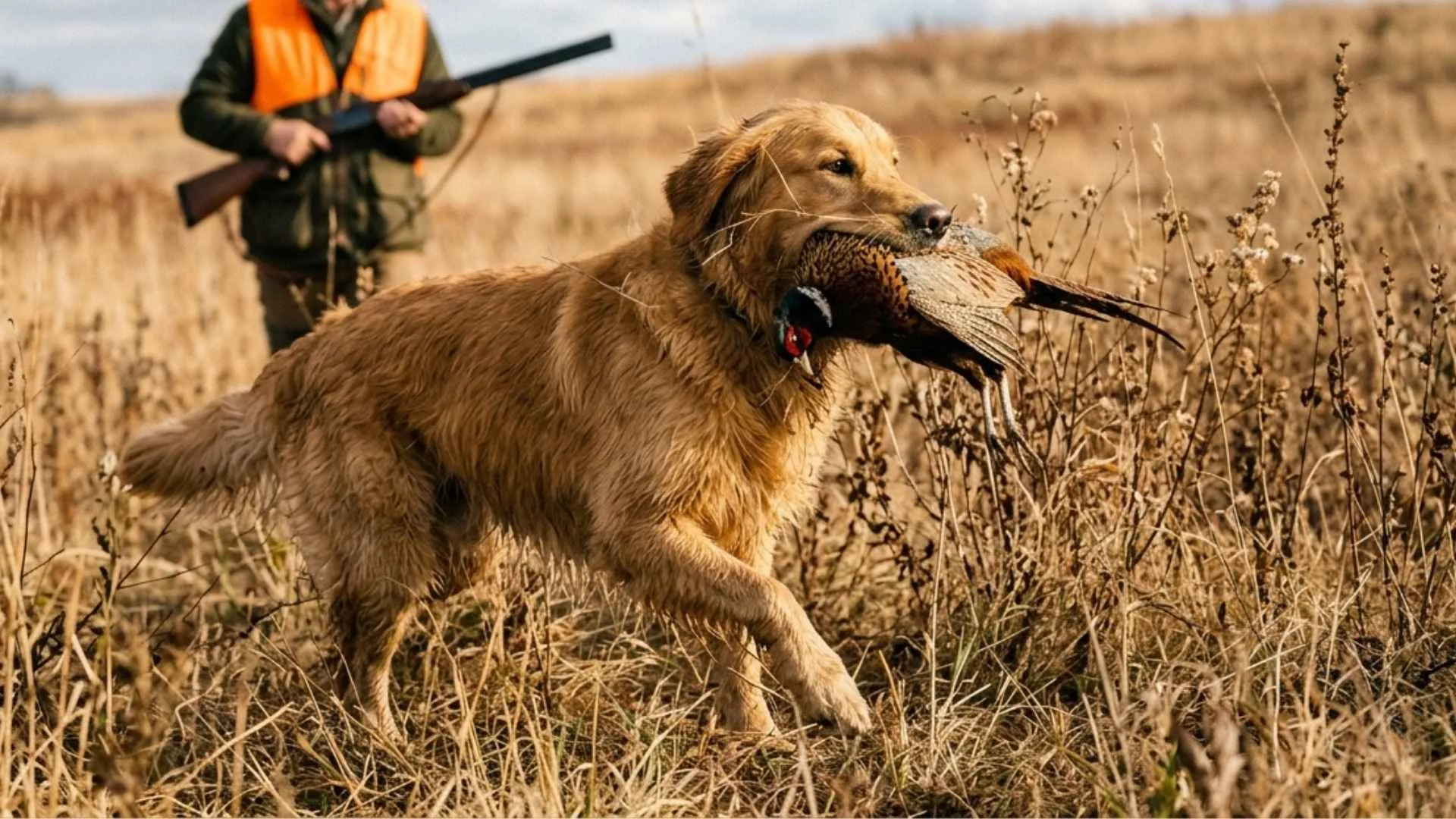
Step into a field without a dog, and upland hunting quickly turns into guesswork. Birds stay hidden, and chances slip away.
Upland hunting dogs usually work in two main ways: some locate birds and freeze to signal their position, while others flush them into the air within shooting range. Both styles demand stamina, intelligence, and strong instincts.
They also help conserve game by tracking and retrieving wounded birds, making the hunt more efficient and responsible. Choosing the right dog isn’t just about breed—it’s about fit. Even within the same breed, dogs can have very different personalities and working styles.
Some range far and cover more ground, while others stay close and controlled. The best upland partner is the one that matches your hunting style, turning the experience into a true team effort.
Let’s take a look at some of the most versatile breeds that excel at upland game hunting.
Key Takeaways
Upland hunting feels completely different when you have a skilled dog turning hidden birds into real opportunities.
Labrador Retriever, Brittany, and English Springer Spaniel each bring a unique hunting style built for real field conditions.
From Vizsla to Boykin Spaniel, every breed blends instinct, energy, and control in its own way.
The right upland dog isn’t just a helper—it’s a true hunting partner that works with you every step of the way.
Top Dog Breeds Specializing in Upland Game Hunting
1. Labrador Retriever
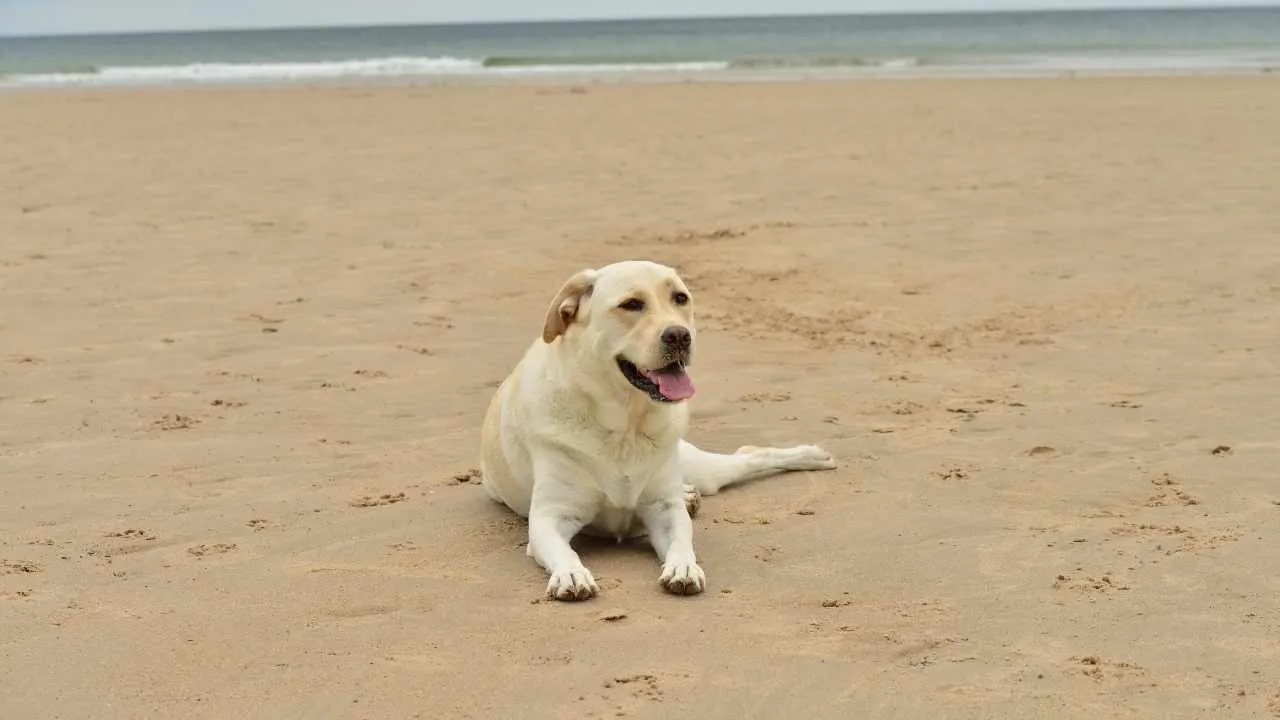
In upland game hunting, the Labrador Retriever stands out as one of the most dependable and versatile dogs. Known as the most popular dog breed in America, Labs are equally at ease in a family setting or working hard in the field during pheasant season.
They excel as flushing dogs, moving ahead of the hunter and pushing birds out of thick cover like cattails, brush lines, and crop fields. Their energy, drive, and focus make them especially effective in tough upland terrain.
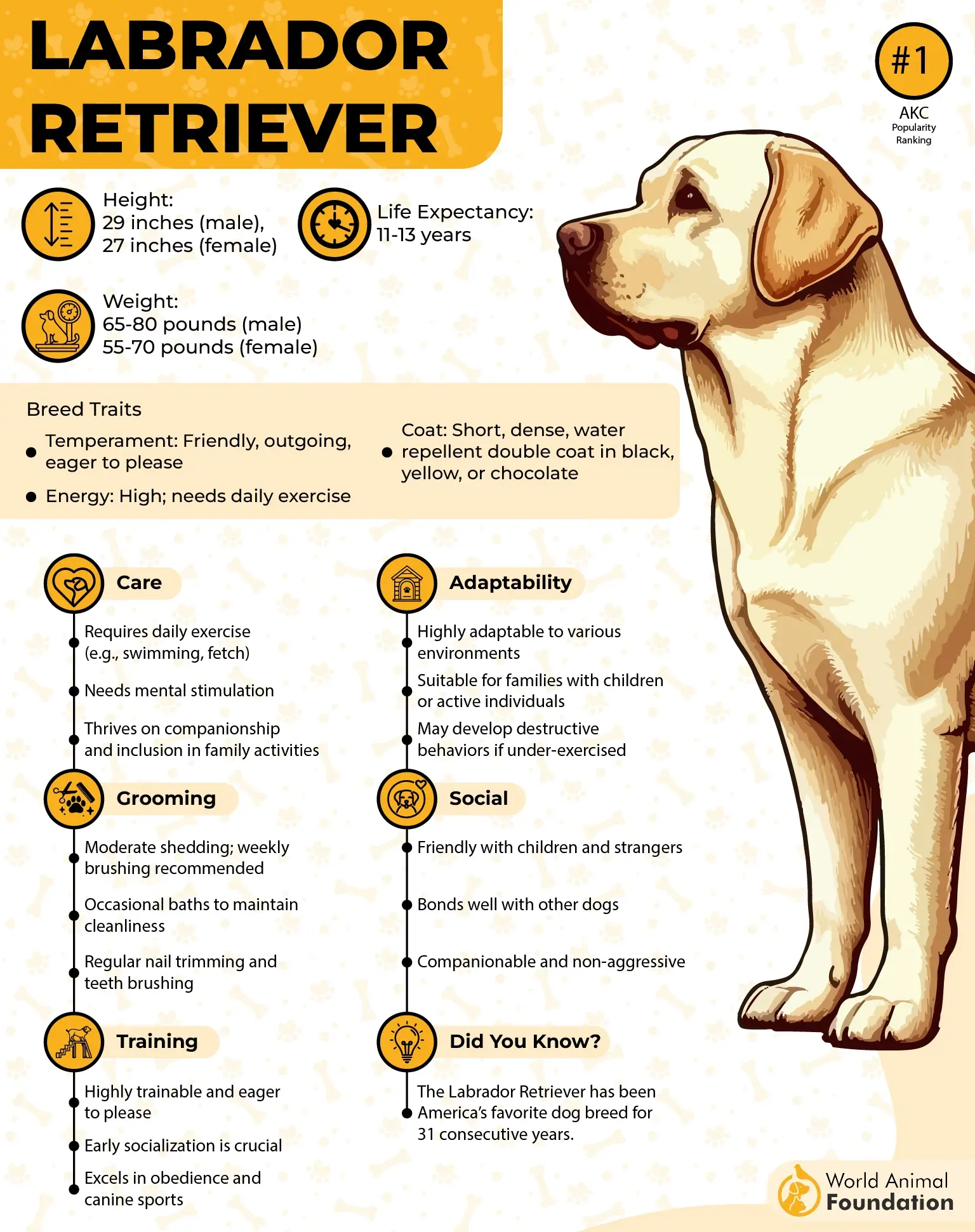
Labs are built for action and stamina. They can work for long hours without losing enthusiasm, making them ideal for demanding hunts. Their strong nose helps them track running birds, while their natural retrieving instinct ensures clean and reliable recovery of downed game.
Originally bred in the early 1800s in Newfoundland to retrieve fishing nets in icy waters, they developed strength, endurance, and water resistance—traits that still define them today.
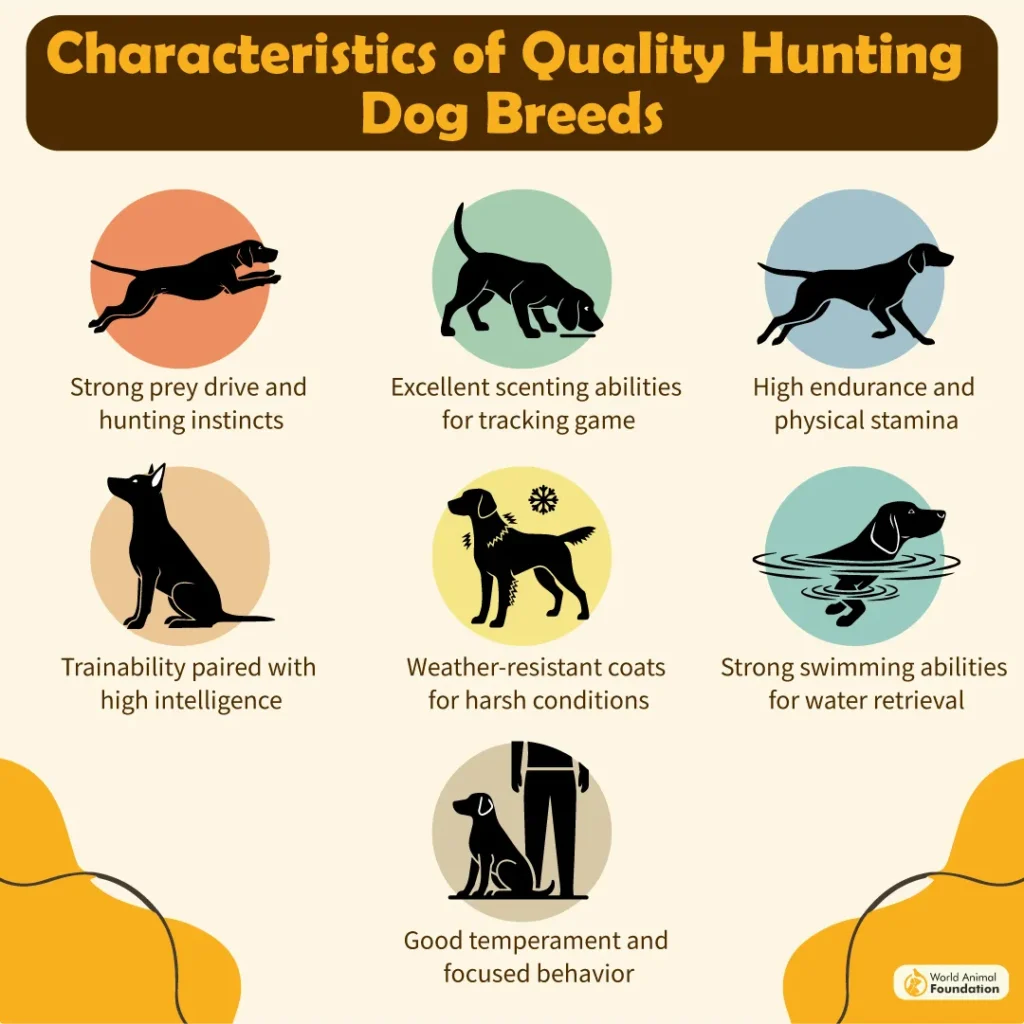
Excellent flushing dogs for upland birds, especially pheasants
Strong stamina and the ability to hunt for long hours
Natural retrievers with a soft mouth for clean recovery
Highly intelligent, biddable, and easy to train
Versatile for both upland hunting and waterfowl work
Confident in thick cover like marshes, brush, and fields
Beyond the field, Labs are known for their friendly and social temperament. They bond closely with families and quickly switch from high-energy hunting mode to calm companionship at home.
Because they are so adaptable and eager to please, many hunters consider them the ultimate all-around gun dog. Whether it’s early-season fields or frozen late-season marshes, the Labrador Retriever delivers consistent performance, making it a top choice for upland game hunting.
2. Irish Water Spaniel
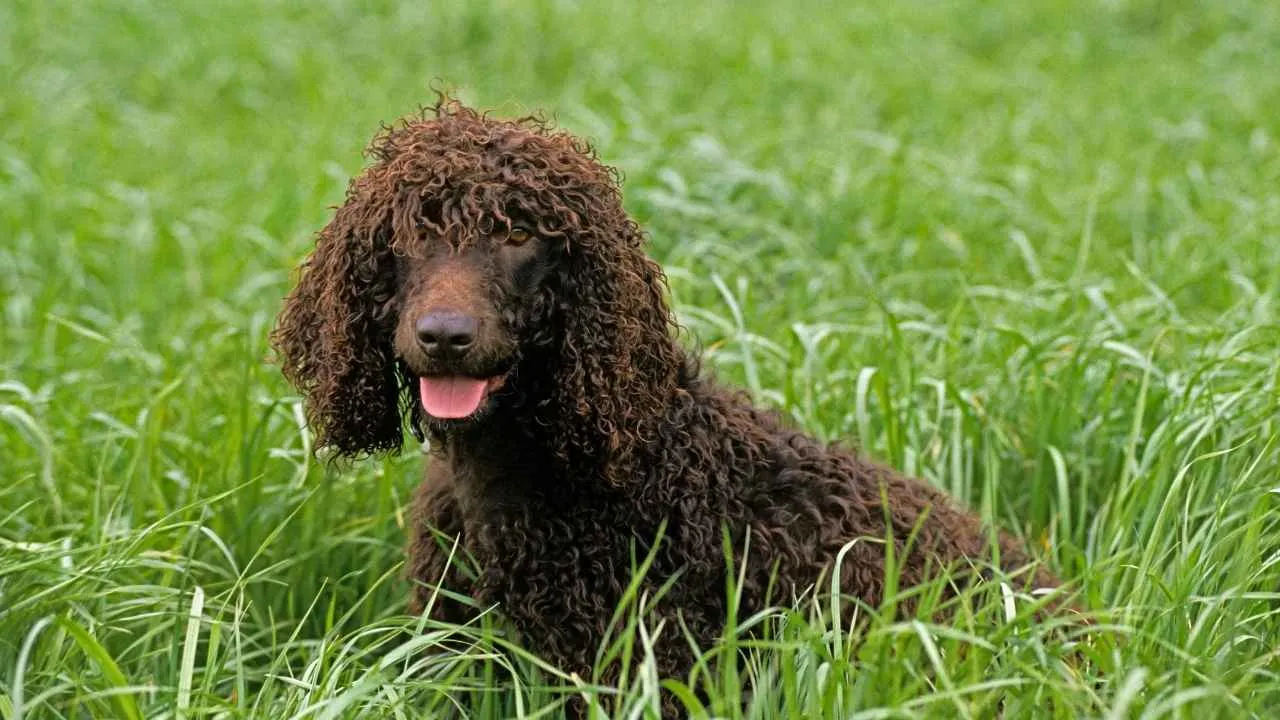
In upland game hunting, the Irish Water Spaniel is a rare but highly skilled all-rounder. Known in old Gaelic times as “Beannaithe,” meaning blessed, this breed was valued for its ability to retrieve waterfowl and also work upland game.
Hunters saw it as a true dual-purpose dog. It can flush birds, retrieve them, and work in both heavy marsh and field cover with confidence.
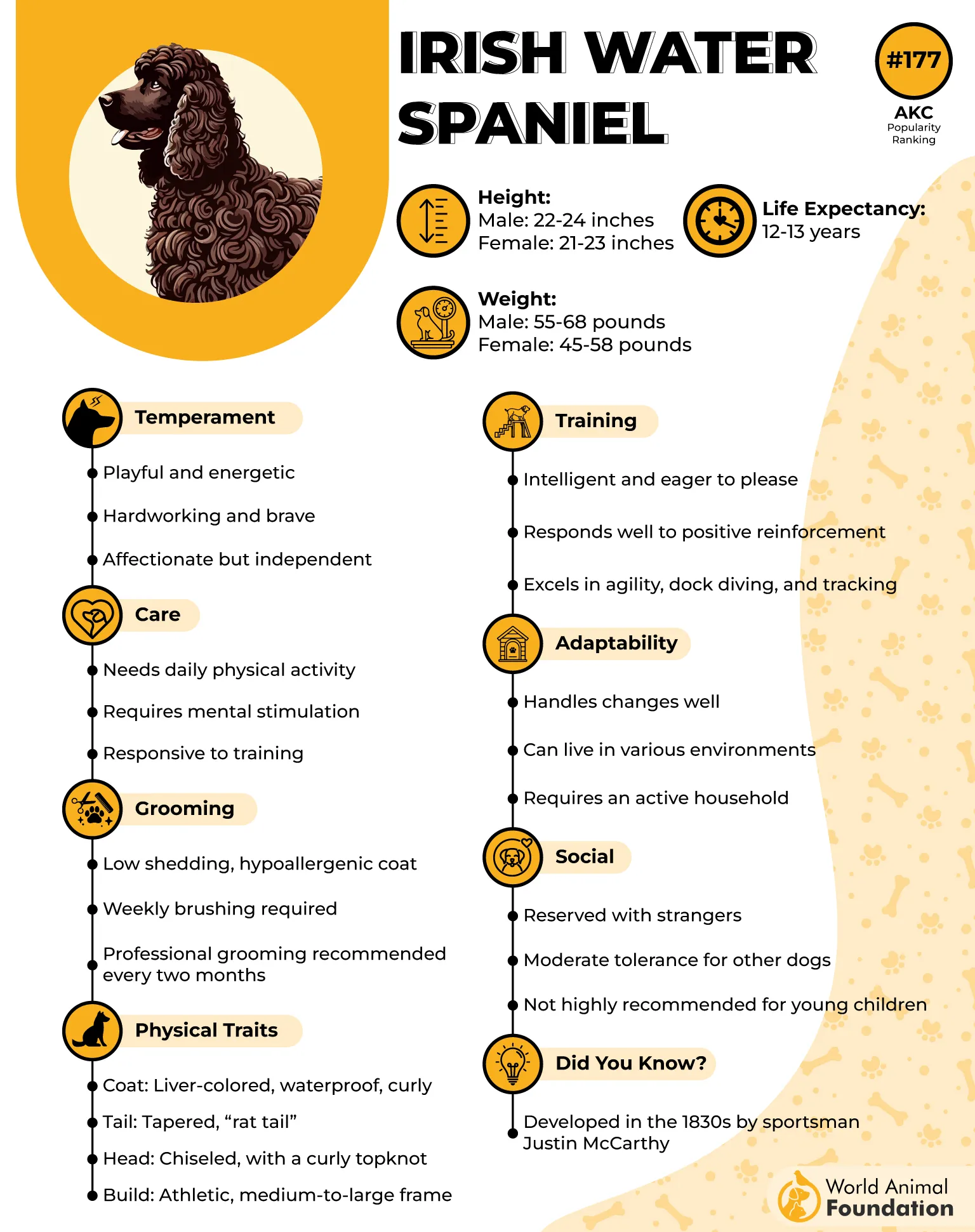
This bird dog breed is intelligent, energetic, and highly driven. It uses its strong nose to locate birds in thick cover and stays persistent until it makes contact.
It can stay close to the hunter and work within gun range. It is also highly trainable and enjoys mental challenges, but it can be independent at times and needs clear, consistent handling.
Excellent nose for finding birds in heavy cover
Works as both a retriever and an upland flusher
Strong at tracking and persistent in running birds
Stays close and within gun range
Highly intelligent and eager for training and games
Strong retrieving instinct with good marking ability
The Irish Water Spaniel has a long history, originating in Ireland and later becoming popular in the U.S. in the 1800s for waterfowl hunting. It is known for its unique curly coat, which offers protection in water and dense cover.
It is also a rare breed today due to the rise of more common retrievers, but dedicated hunters still value it for its versatility. It is a bold yet sensitive hunting partner. It performs best with active owners who hunt regularly and give it mental stimulation.
3. Boykin Spaniel
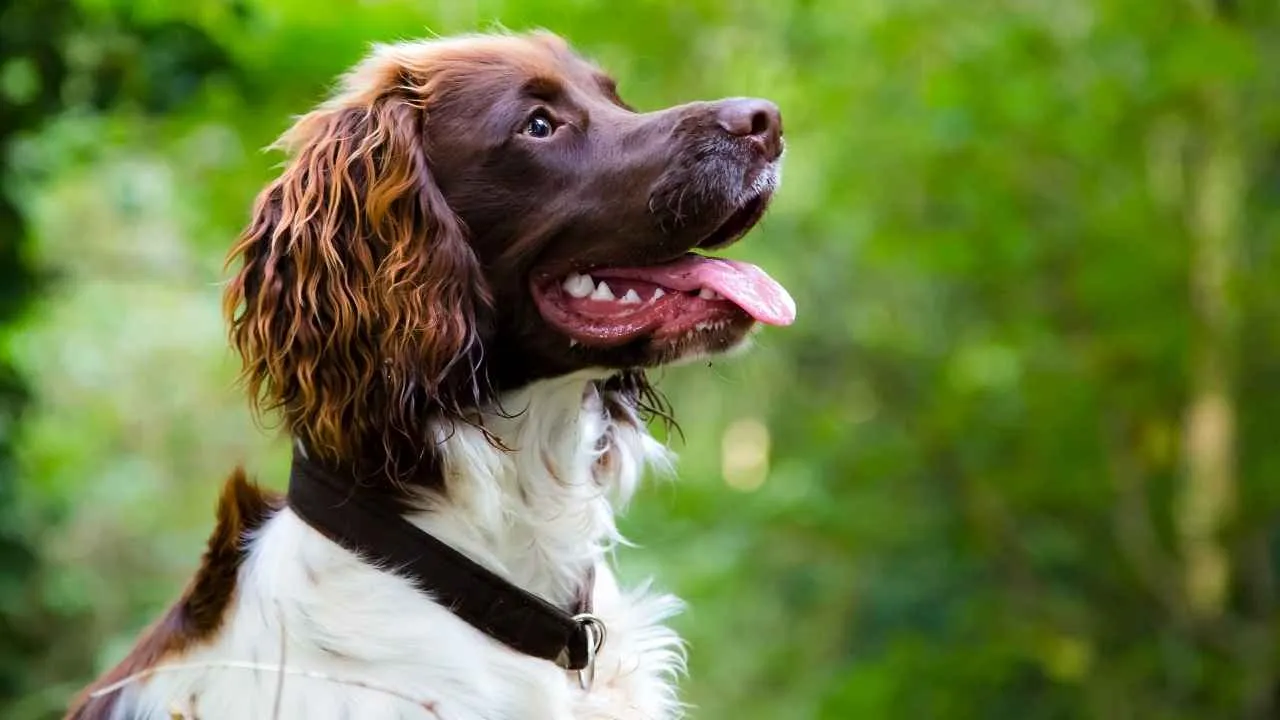
In upland game hunting, the Boykin Spaniel is a small but powerful dual-purpose hunting dog. Bred in South Carolina in the early 1900s for swamp and boat hunting, it was designed to retrieve waterfowl and also work upland birds.
In the field, it moves at a steady, moderate pace within shotgun range. It tracks birds using both scent and sight, making it reliable in mixed terrain like fields, marshes, and wooded edges.
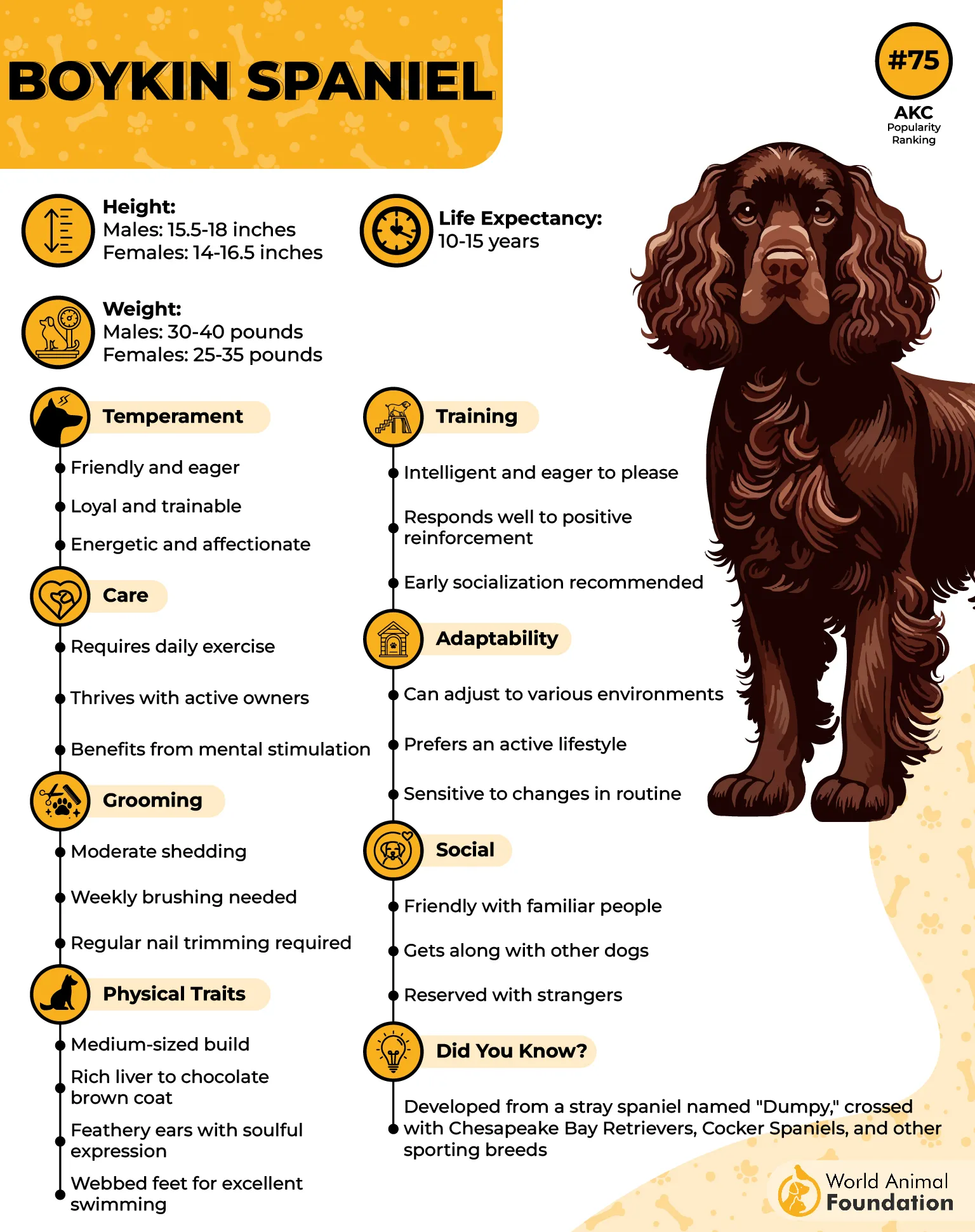
Boykins are known for their unique hunting style called “hesitation flushes.” Instead of rushing in wildly, they carefully locate birds and then flush them with control.
They are natural retrievers with a strong desire to work and a keen nose for game. Their stamina allows them to hunt for long periods, and they stay focused even in heavy cover or wet conditions.
Stays close within shotgun range at a steady pace
Excellent nose for scent tracking and bird location
Uses both sight and smell to find game
Known for controlled “hesitation flush” behavior
Strong natural retrieving instinct
Works well in water, marsh, and upland fields
Boykins are intelligent, affectionate, and people-oriented dogs. They thrive in active homes and form strong bonds with their owners. While they are eager workers, they respond best to patient, consistent training, and clear communication.
They are not just hunting dogs but also loyal family companions. Originating from a famous little brown dog named “Dumpy,” the breed was refined for tight hunting boats and swamp environments, which shaped its compact size and versatility.
4. Golden Retriever
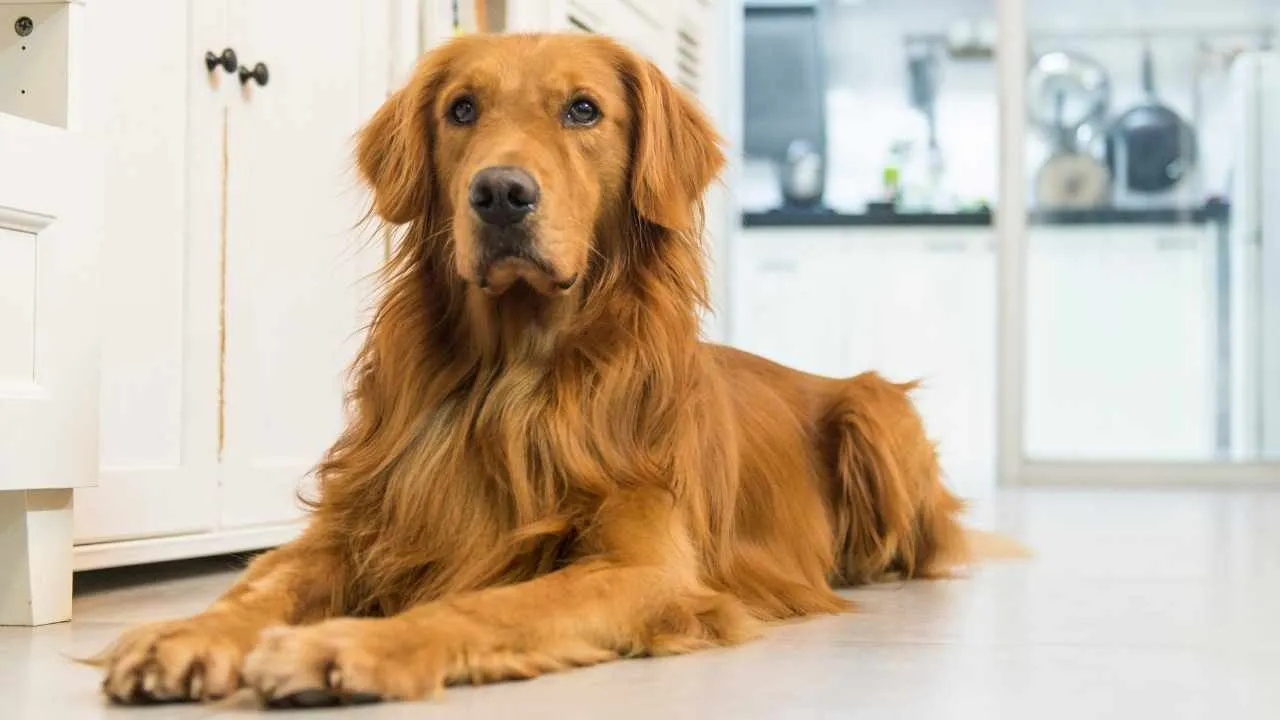
In upland game hunting, the Golden Retriever is a classic flushing and retrieving dog. Originally developed in Scotland between 1850 and 1890 for wildfowl hunting, this breed was designed to retrieve game both on land and in water.
In the field, Goldens are enthusiastic workers. They flush birds in heavy cover and retrieve them with patience and accuracy. They are also widely used in hunt tests because of their steady, cooperative nature.
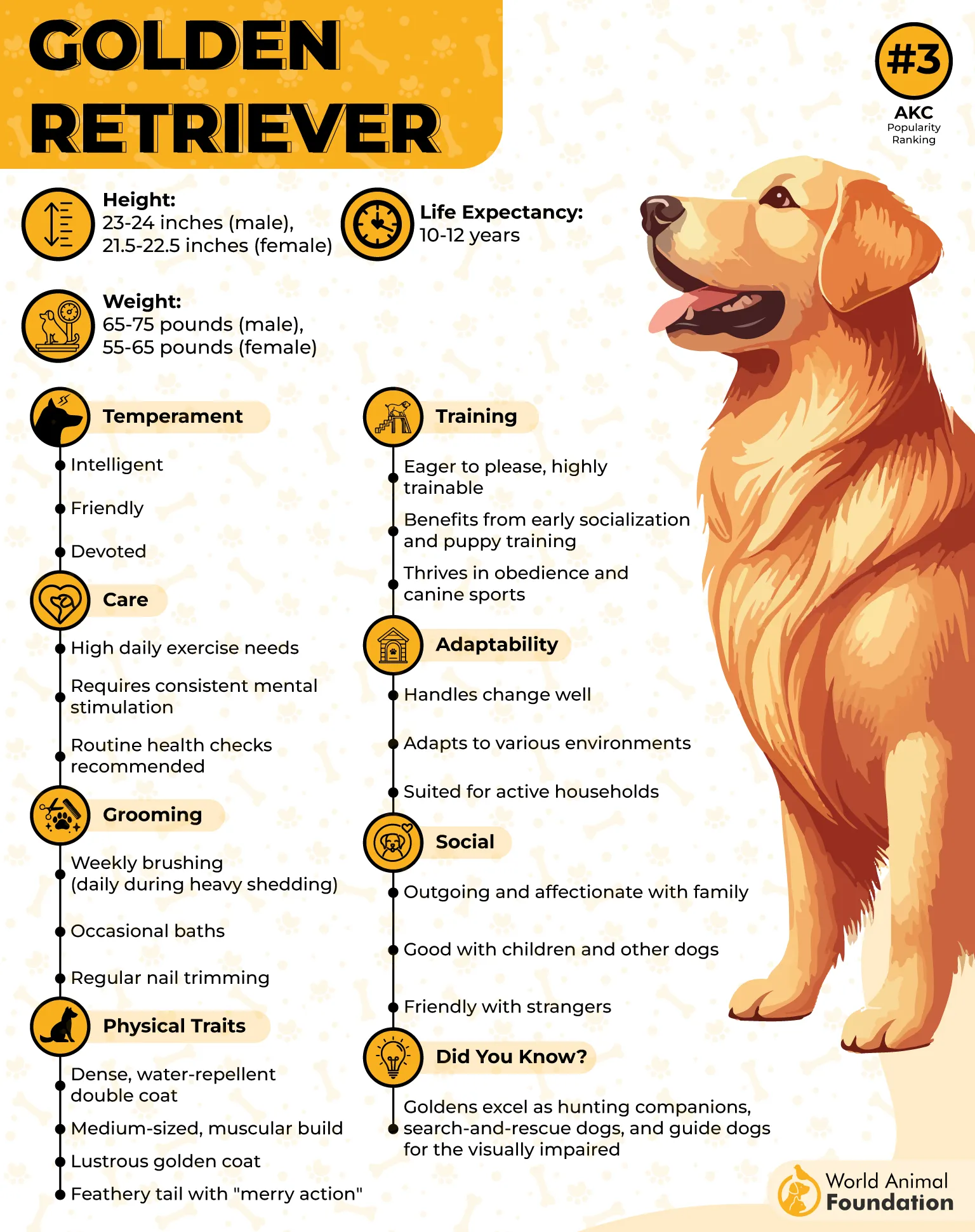
According to AKC, Golden Retrievers are highly trainable and eager to please. They are energetic in the field but calm and affectionate at home. Their strong retrieving instinct, intelligence, and social nature make them easy to work with in different hunting conditions.
They also adapt well to upland environments like fields and edges, as well as water-based hunting. However, they need regular physical and mental activity to stay balanced and focused.
Strong flushing and retrieving ability for upland birds
Highly intelligent, loyal, and easy to train
Excellent temperament around children and families
Works confidently in both land and water hunting
Natural eagerness to please the handler
Steady behavior in busy hunting environments
Golden Retrievers come in shades of light to dark gold, with three general types: English, American, and Canadian lines. English Goldens are more muscular and lighter in color, American Goldens are leaner and often darker, and Canadian Goldens tend to be taller with thinner coats.
Despite these variations, all share the same strong hunting instinct and friendly temperament. Originating from a mix of water spaniels and retrievers, the breed was built for versatility in the field.
5. Chesapeake Bay Retriever
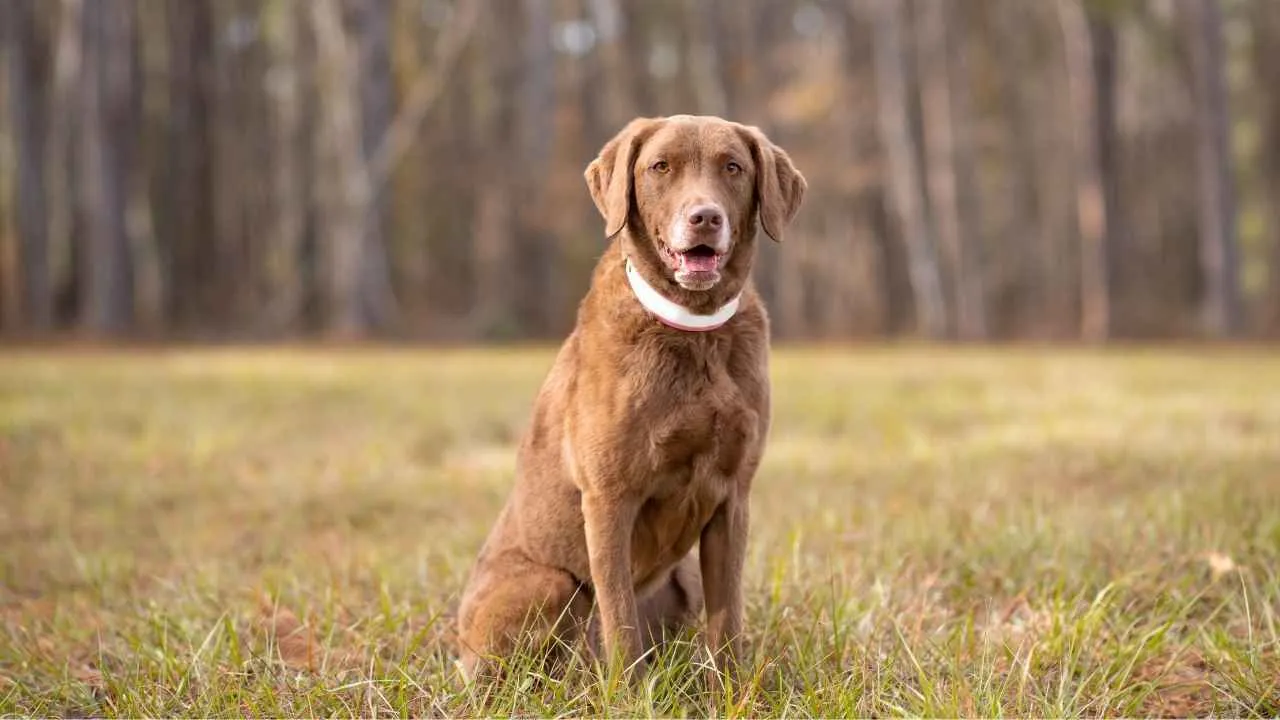
In upland game hunting, the Chesapeake Bay Retriever is a powerful and determined working dog. Bred in the early 1800s around Maryland and Virginia, it was created to retrieve waterfowl in freezing, icy conditions.
While known mainly as a waterfowl specialist, the Chessie also performs well in upland fields. It can track birds, push through heavy cover, and retrieve game with strength and confidence, making it a true dual-purpose hunting dog.
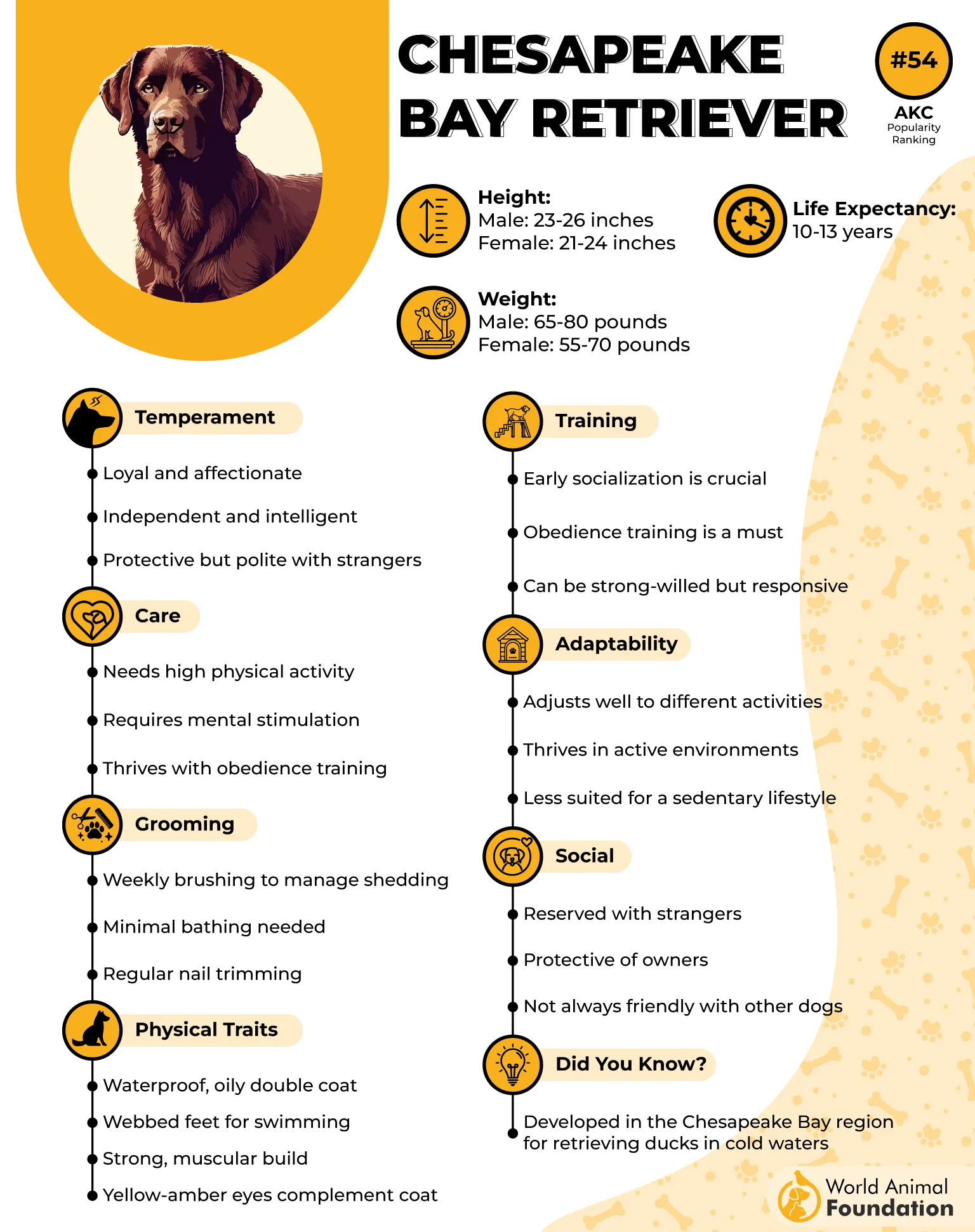
This breed is known for its stamina, intelligence, and independence. It has a strong work drive and can handle long, demanding hunts in harsh environments. Chessies use both scent and problem-solving ability in the field.
They are protective, loyal, and very alert, but they are not overly friendly with strangers. They need clear leadership and consistent, patient training.
Excellent swimmer and powerful retriever in cold water
Strong nose for tracking birds in upland cover
High stamina and tireless working ability
Independent thinker with strong problem-solving instincts
Protective and loyal toward family
Thick, waterproof coat for harsh weather conditions
The Chesapeake Bay Retriever developed from early water dogs, including Newfoundland-type dogs, hounds, and spaniels. Over time, it became a rugged retriever capable of breaking ice and working in extreme conditions.
It is also one of the few breeds with deep historical roots in the United States, earning recognition as the official dog of Maryland. Overall, the Chessie is not a soft or easy-going dog, but a bold and capable hunting partner. It thrives with experienced handlers who understand its independent nature.
6. Vizsla
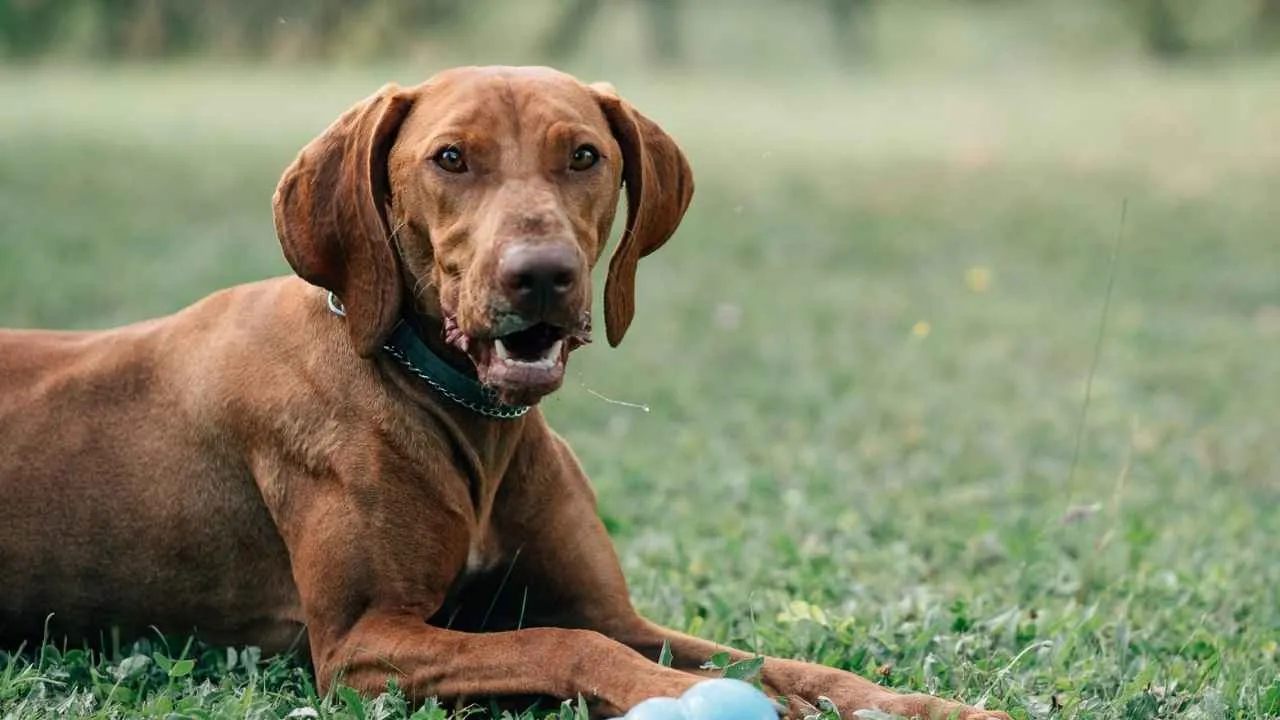
In upland game hunting, the Vizsla is a fast, stylish, and highly versatile pointing dog. Originally bred in Hungary for aristocratic hunters, it was used to point and flush birds while also retrieving game. In the field, Vizslas cover ground quickly and work with strong purpose.
They are excellent for early- and mid-season upland hunting, especially for fast-moving birds like quail, grouse, and pheasants.
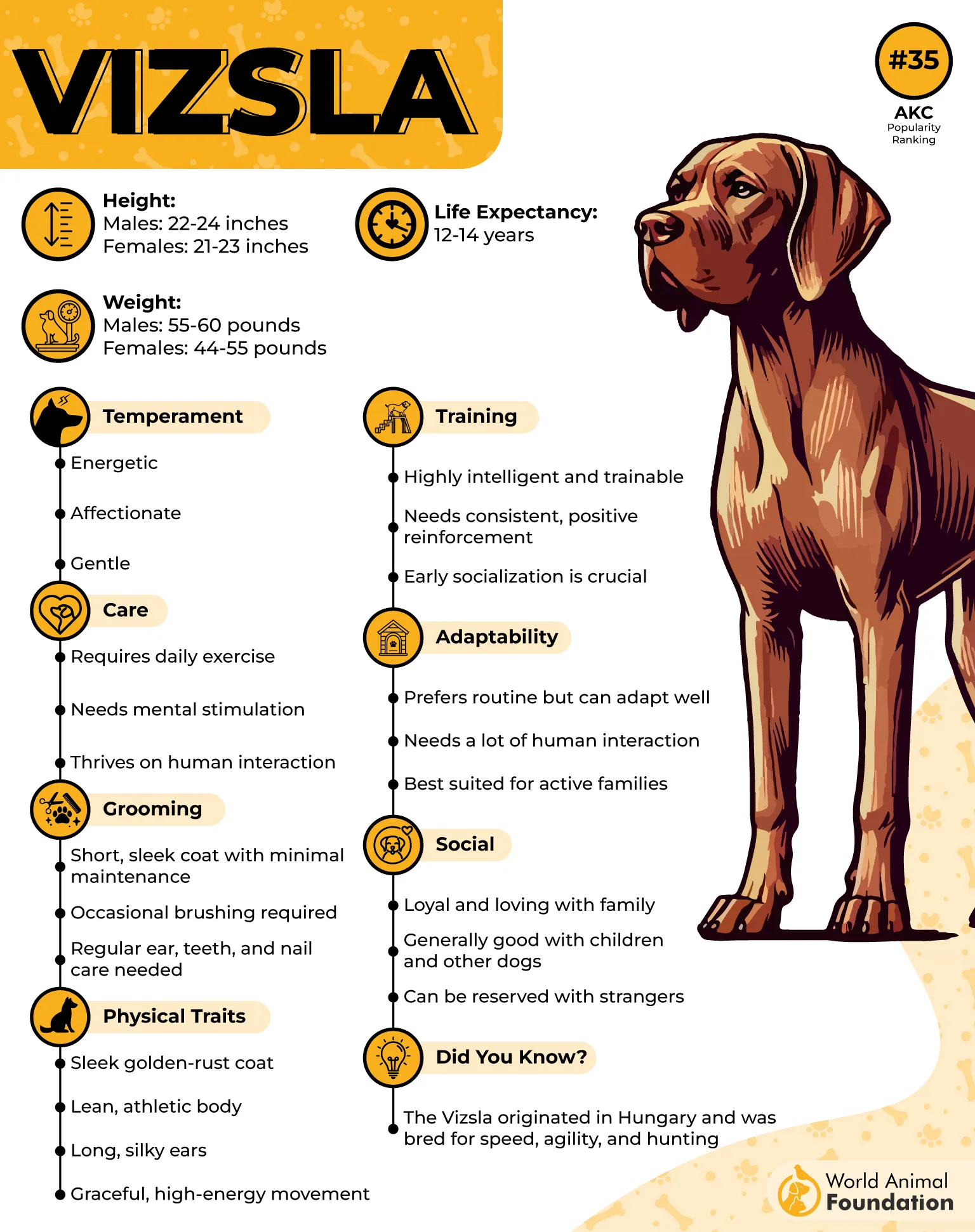
Vizslas are known for their natural pointing instinct, speed, and strong desire to retrieve. They are energetic working dogs that perform best with active handlers. While they can handle late-season hunts, their short coat makes them less suited for extreme cold.
They are intelligent, sensitive, and very responsive to training, but they need gentle handling and plenty of attention to stay confident and focused.
Natural pointing and retrieving instincts
Very fast and athletic ground coverage
Excellent nose for locating upland birds
Strong water drive and love for swimming
Best suited for early and mid-season hunts
Highly trainable but sensitive to harsh correction
The Vizsla has a long history, dating back to Hungarian nobility as early as the 14th century. Despite surviving wars and political turmoil, the breed remained valued for its hunting ability and loyal nature. Today, it is admired for its elegance, endurance, and close bond with handlers.
It is best suited for hunters who want a close-working, affectionate dog that can point, retrieve, and adapt across different upland environments with speed and enthusiasm.
7. English Springer Spaniel
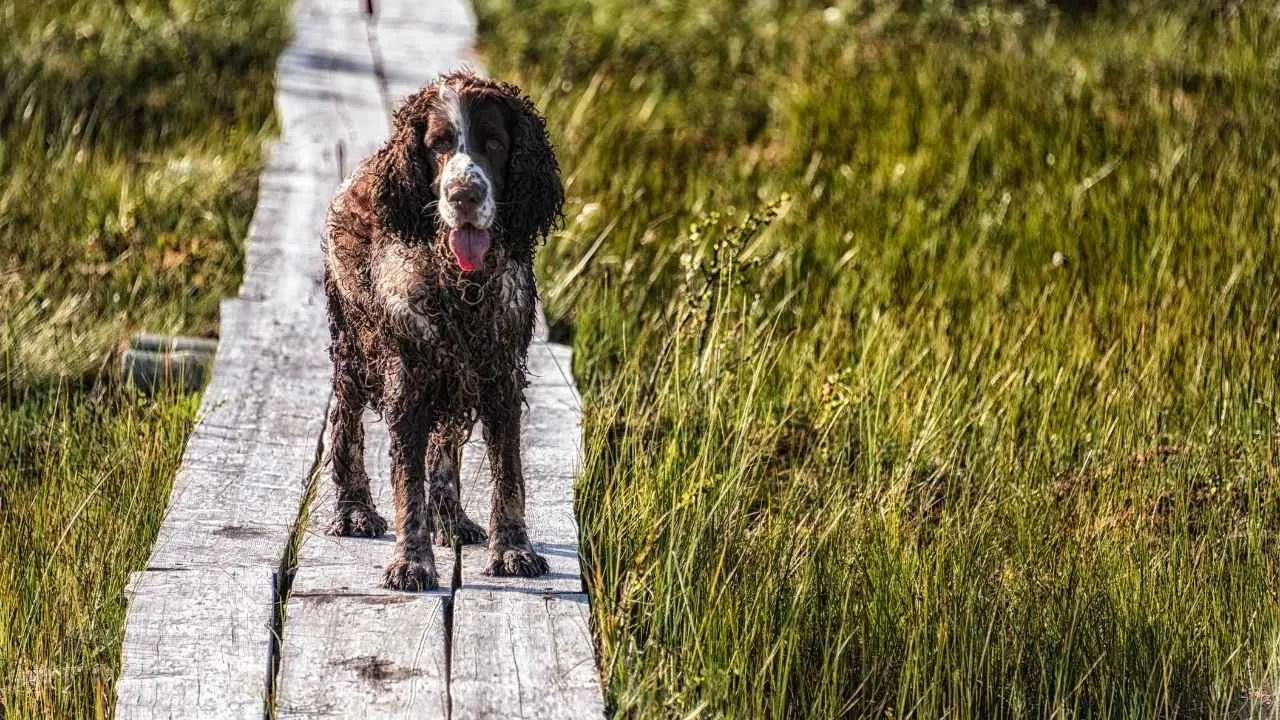
In upland game hunting, the English Springer Spaniel is a hard-driving flushing dog built for thick cover. The name “springer” comes from its natural ability to spring birds out of hiding.
It moves in front of the hunter and pushes into dense brush, grass, and woodland edges where upland birds like pheasants, grouse, and woodcock hide. It is also a capable retriever, working well on both land and in water.
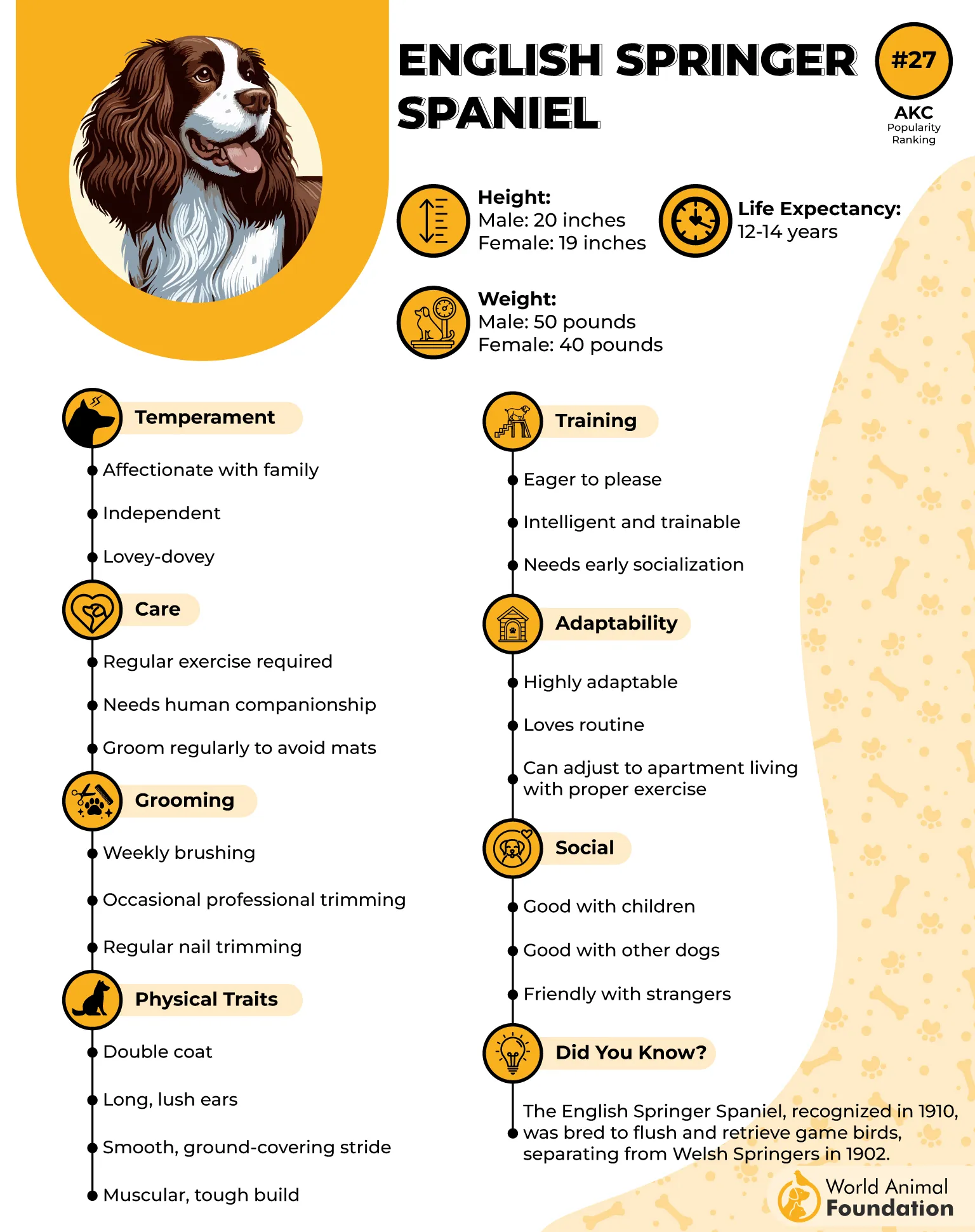
Springers are highly energetic, agile, and built for long hunting days. They use a strong sense of smell to locate birds and then flush them into the air for the shot.
They can sometimes range too far ahead if not properly trained, so steady handling is important. Their stamina, drive, and willingness to work make them reliable all-season hunting partners in both field and wet conditions.
Strong flushing instinct for upland birds
Excellent nose for locating game in dense cover
Capable retriever on land and water
High stamina for long hunting days
Works well in heavy brush and tight spaces
Eager to please but needs consistent training
Built for power and endurance, the Springer Spaniel has long been used in England for pheasant and woodcock hunting. It shares history with smaller cocker-type spaniels, but developed into a larger, more powerful working dog designed for “springing” birds from cover.
Its coat is dense and protective, helping it move through rough terrain with ease. Overall, the English Springer Spaniel is one of the most dependable flushing dogs for upland hunters. It combines speed, intelligence, and retrieving ability in one compact package.
8. Nova Scotia Duck Tolling Retriever
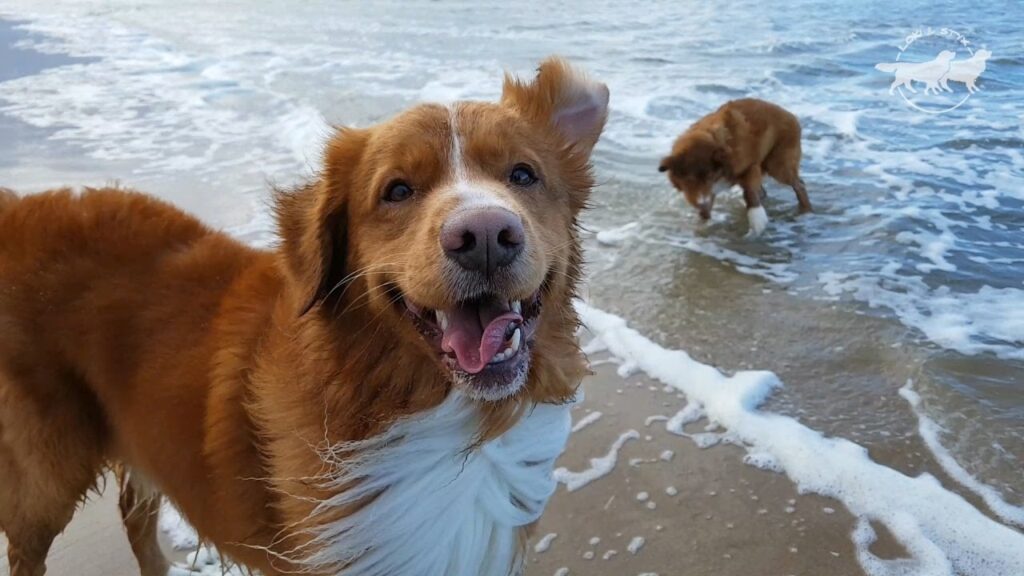
In upland game hunting, the Nova Scotia Duck Tolling Retriever is a compact, high-energy sporting dog known for its unique working style. Originally developed in Canada, it was bred to “toll” or lure waterfowl by playing along shorelines, then retrieve the birds once they came within range.
In upland fields, Tollers also work as capable flushers, using their speed, agility, and sharp nose to locate and push birds out of cover.
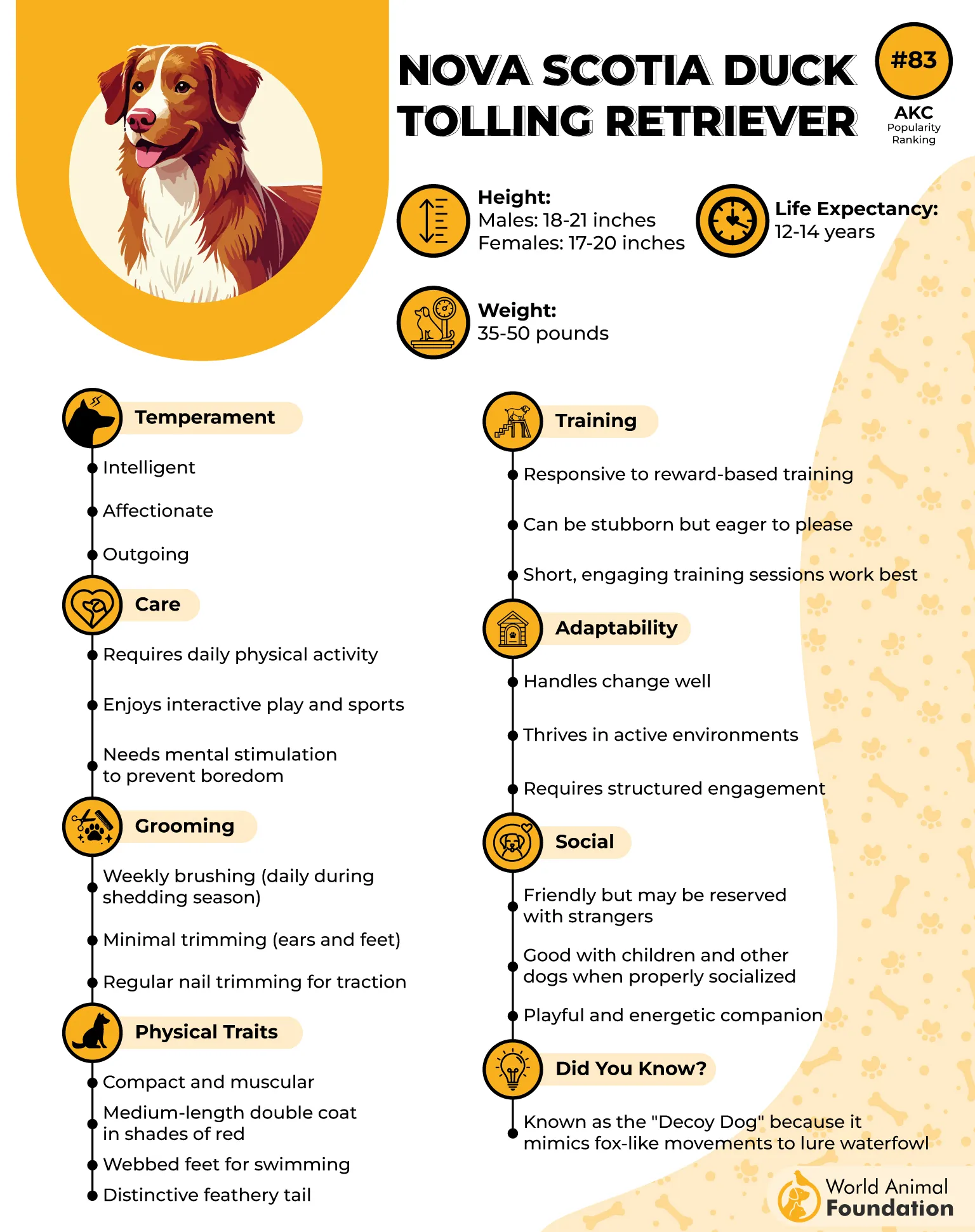
Tollers are intelligent, active, and highly driven dogs. They are tireless retrievers with a strong love for water and field work. Their hunting style is close-working, and they stay engaged with the handler when properly trained.
However, they require daily exercise and mental stimulation, or they can become bored and destructive. They are sensitive dogs and respond best to patient, balanced training.
Excellent retrieving drive in both water and upland fields
Natural “tolling” instinct to attract and locate birds
Strong swimmer with cold-weather tolerance
Energetic and capable of all-day hunting
Close-working style ideal for upland cover
Intelligent but sensitive to overtraining or pressure
The breed originated in Nova Scotia in the 1800s, likely influenced by multiple working dog types. It was later recognized for its unique hunting method and officially established as a distinct breed in the 20th century.
Today, it remains a versatile hunting companion, especially valued by hunters who enjoy both upland birds and waterfowl. For hunters looking for a smart, agile, and enthusiastic partner that excels in both water and field work, the Nova Scotia Duck Tolling Retriever is a unique and highly capable choice.
9. Brittany
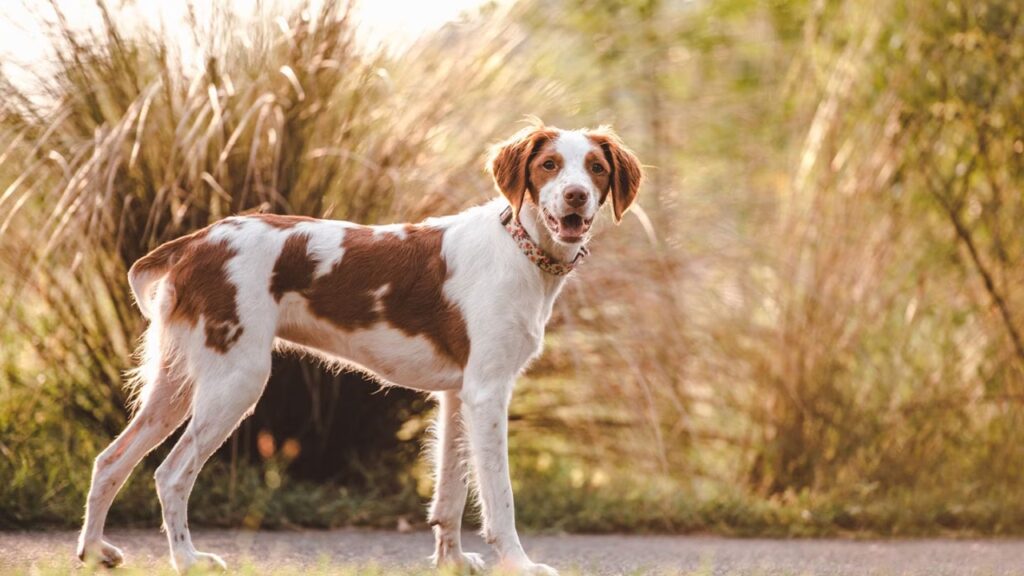
In upland game hunting, the Brittany is a fast, close-working pointing dog built for dense cover and quick bird contact. Originating from the Brittany region of France, it has been valued for centuries as a versatile bird dog.
In the field, Brittanys move with speed and purpose, staying close to the hunter while using both scent and instinct to locate birds. They are especially effective in tight grouse cover where precision matters more than wide-ranging speed.
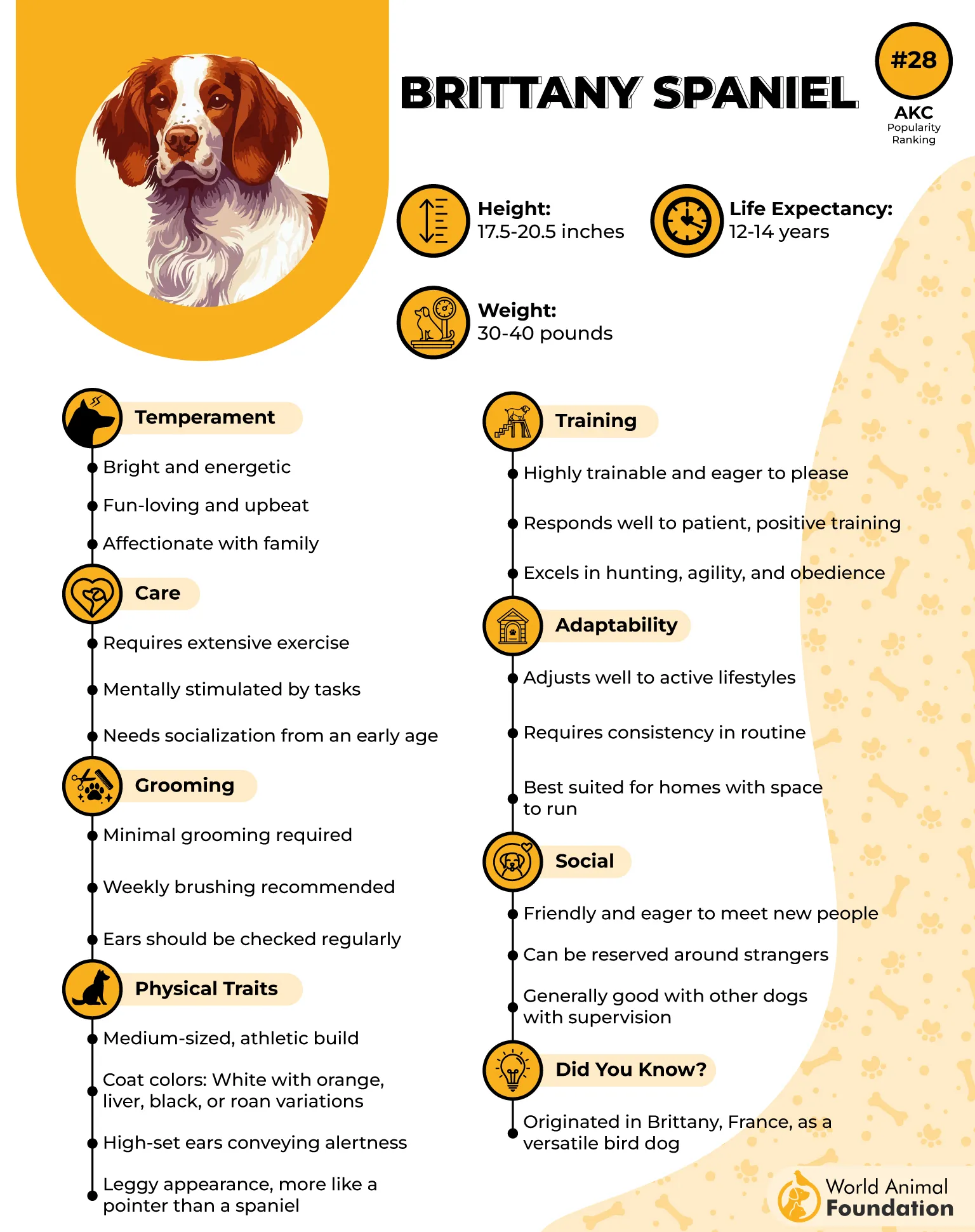
Brittanys are energetic, intelligent, and highly trainable dogs with a strong natural pointing instinct. They combine drive with sensitivity, meaning they respond best to calm and consistent handling. While smaller than many pointing breeds, they are tough, durable, and built to handle thick brush.
Close-working pointing style ideal for tight upland cover
Strong natural nose and early-developing pointing instinct
High energy and excellent endurance for long hunts
Agile and quick, able to maneuver through dense brush
Highly trainable but sensitive to harsh correction
Strong retrieving ability for upland bird hunting
Brittanys have a long history, appearing in artwork as early as the 17th century. Though once called “Brittany Spaniels,” the “Spaniel” was dropped in 1982 to reflect their true pointing nature, as mentioned by Chewy. Today, they are loved for their balance of intelligence, energy, and versatility.
10. Curly Coated Retriever
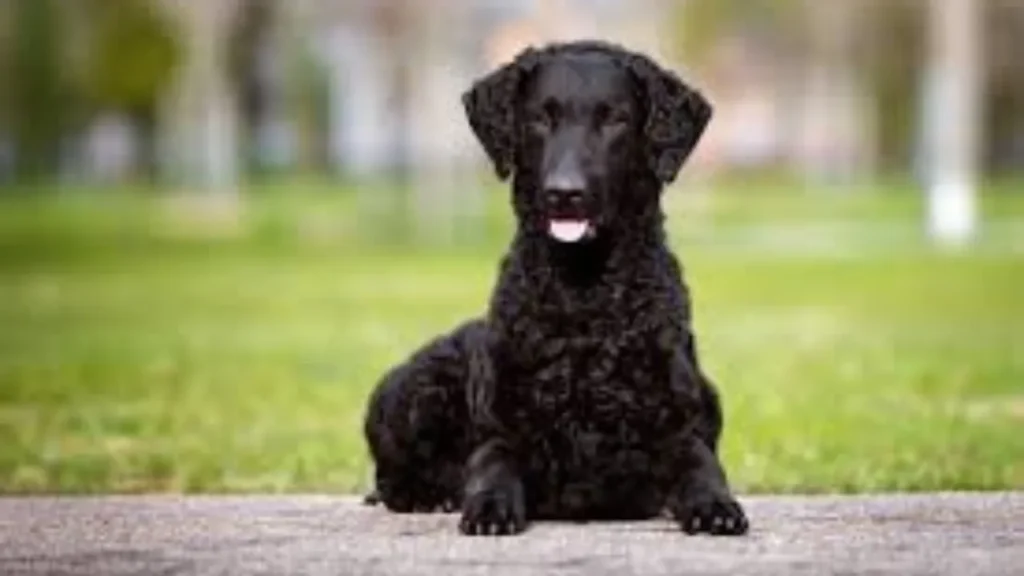
In upland game hunting, the Curly-Coated Retriever is a powerful, versatile working dog known for its ability to perform on both land and water. One of the oldest retriever breeds, it has been used in England since the early 1800s for retrieving waterfowl and upland game.
In the field, Curlies stay within gun range and work steadily through cover, flushing birds and retrieving them with confidence and control.
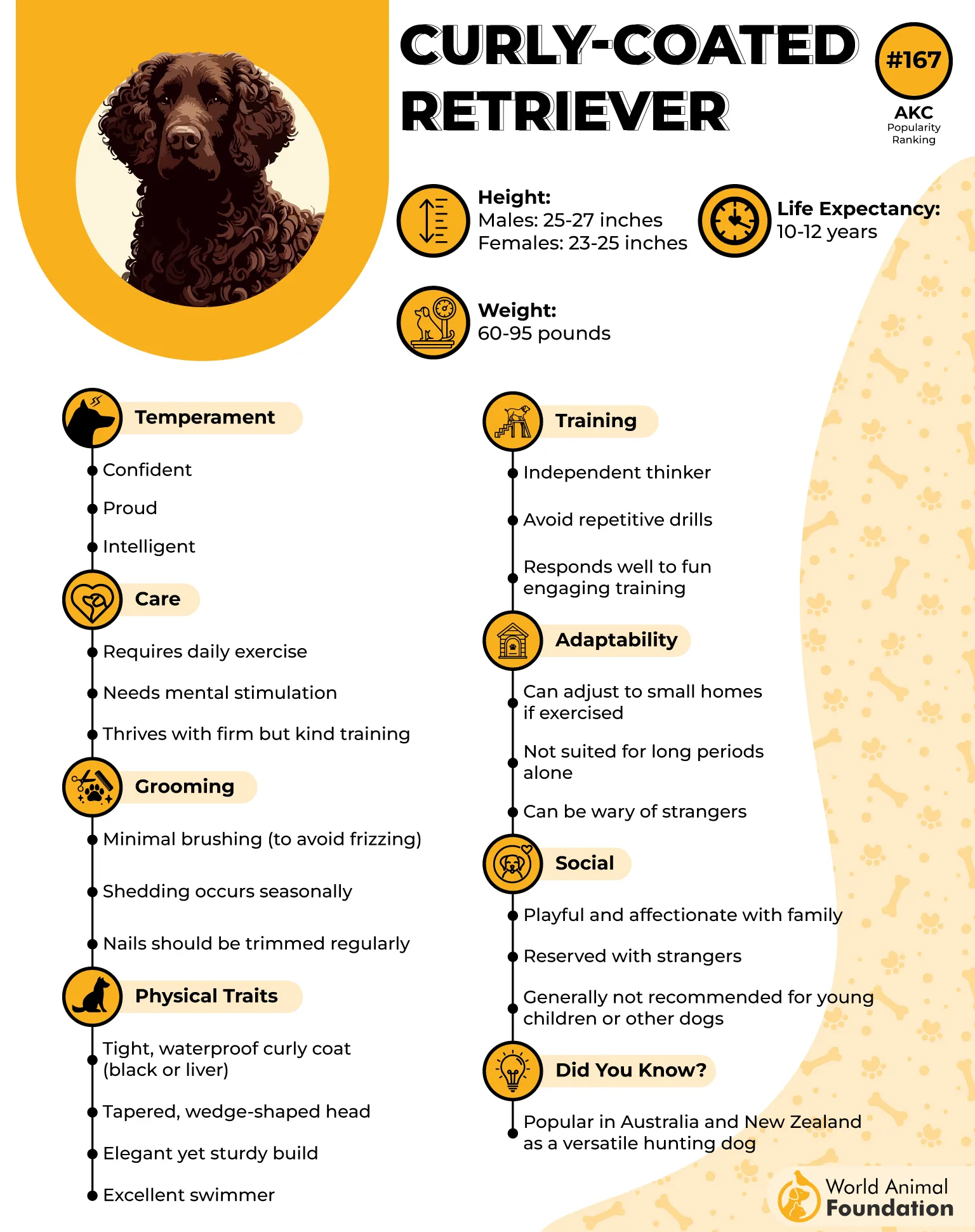
Curlies are agile, intelligent, and highly athletic dogs. They have strong endurance and require plenty of daily exercise to stay balanced. While they are affectionate with family, they are more independent than many retrievers.
This makes them focused workers in the field, but sometimes reserved with strangers, according to Hill’s Pet. Their intelligence means they need mental stimulation as much as physical activity.
Strong upland and water retrieving ability
Works close within shotgun range
Excellent endurance and athletic build
Natural ability to flush birds from cover
Highly intelligent and an independent thinker
Requires regular exercise and mental engagement
The Curly-Coated Retriever has a unique, tight, water-resistant curly coat that protects it from cold water, thorns, and thick brush.
This coat is also highly suited for rugged upland environments. It was developed from early water dogs, including spaniel-type and retriever-type breeds, giving it a strong working foundation.
Conclusion
Upland game hunting is never just about the shot—it’s about the partnership in the field. From close-working flushers to wide-ranging pointers and powerful retrievers, each breed brings its own style, strengths, and personality to the hunt.
What truly matters is not just ability, but how well a dog matches your terrain, your pace, and your way of hunting. At the end of the day, the best upland dog is the one that feels like a true teammate when you step into the field.
Take time to understand their traits, energy levels, and instincts before choosing. Because when the right bond clicks, it turns every hunt into more than success—it turns it into a shared experience you’ll remember long after the season ends.
