




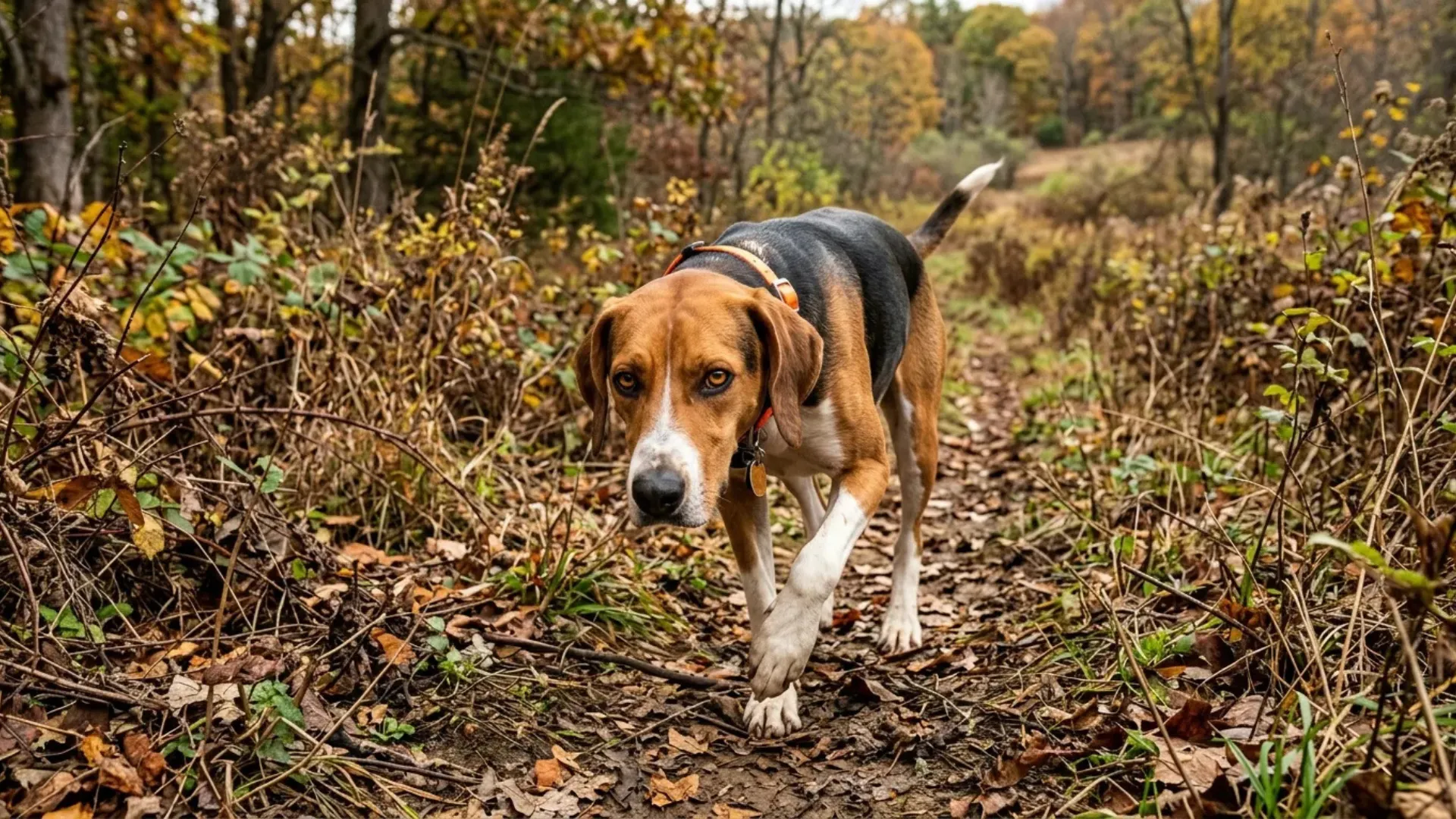
Have you ever wondered why some dogs seem born to find rabbits while others struggle to stay on the trail?
Rabbit hunting takes much more than speed. Rabbits often dart through dense cover and run in wide circles to confuse predators. That is why a hunting dog needs a strong nose to follow scent trails, even when the track becomes difficult.
Persistence also matters because rabbits frequently change direction during a chase. Many dogs use scent trailing to work through thick brush, while scent hounds often use a unique baying voice that helps hunters follow the action from a distance.
These qualities explain why scent hounds remain a favorite choice for many hunters. Different breeds bring different strengths, including tracking, trailing, and flushing skills. Early training, simple recall commands, and strong teamwork help young pups develop these natural talents.
Let’s explore the top examples of dog breed specializations for rabbit hunting success and discover what makes each one unique.
Dog Breeds Specialized for Rabbit Hunting Success
1. German Shorthaired Pointer
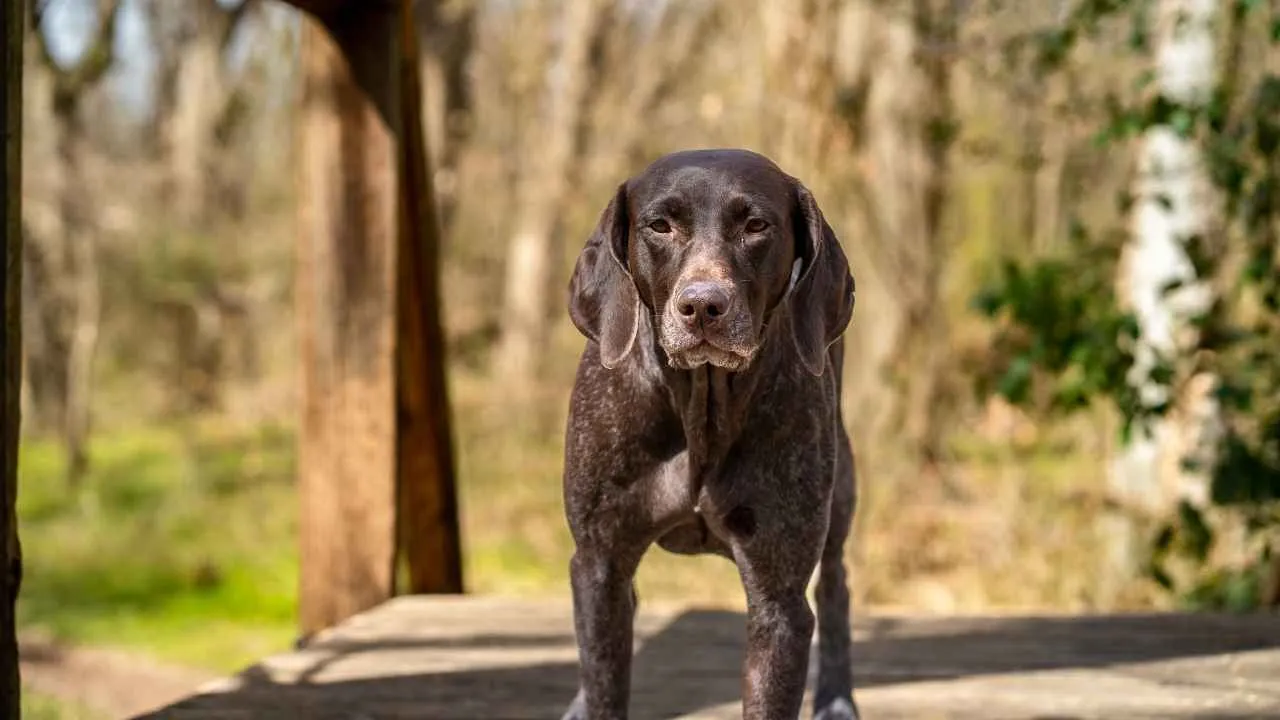
What if one dog could handle almost every challenge a rabbit hunt brings?
The German Shorthaired Pointer- aka the bird dog is famous for doing exactly that. According to Wikipedia, the German Shorthaired Pointer, or Deutsch Kurzhaar, originated in 19th-century Germany as a multipurpose hunting dog suited for work on both land and water.

This rabbit dog was originally bred to assist hunters in many field tasks, making it a highly capable hunting companion. Unlike breeds that rely on only one method, it uses both its nose and eyesight to locate game.
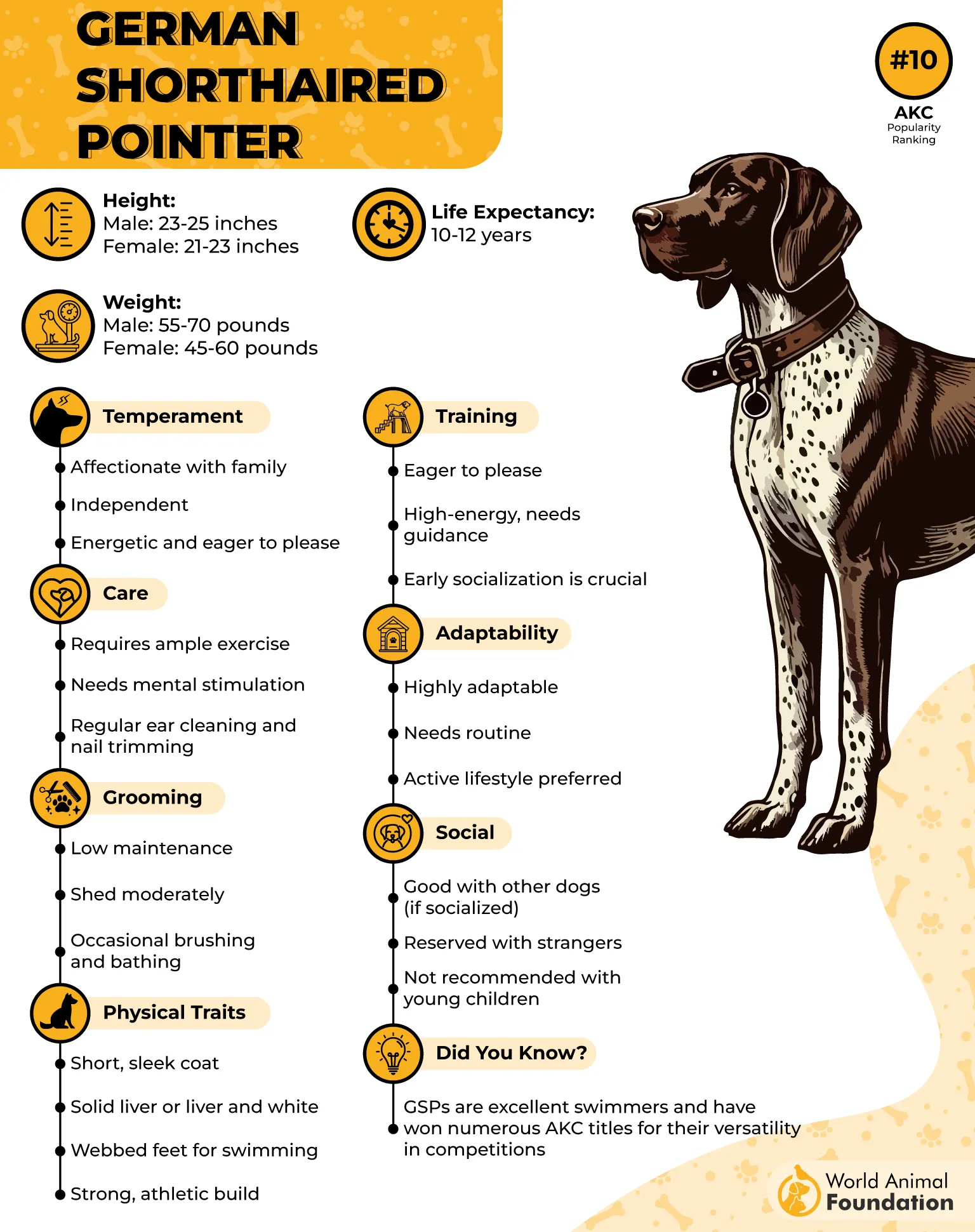
This Pointer breed moves quickly across open fields, yet it can also work through lighter cover where rabbits often slip away. Its energy level helps it stay productive during long outings without losing focus.
While many hunters value it for pursuing birds and other upland game, it also performs well when tracking scents left behind by rabbits. These qualities have helped it earn a place among the best hunting dog breed options for active hunters.
Quick Highlights
Strong scent detection for rabbit trails
Uses both nose and eyesight to locate game
Maintains energy during extended hunts
Covers wide hunting grounds with ease
Performs well in open spaces and light cover
Builds strong partnerships with handlers
Effective for rabbits, birds, and upland game
2. Basset Hound
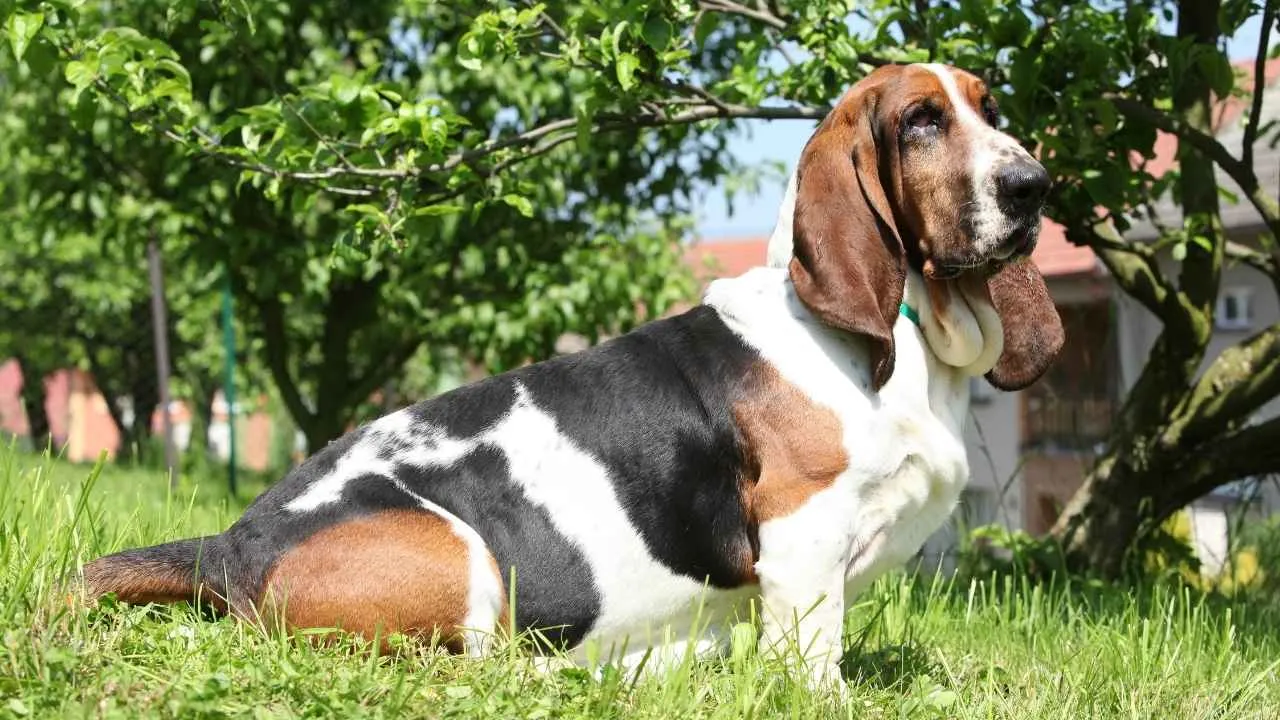
Patience can be just as valuable as speed when rabbits are involved. The Basset Hound has built its reputation by staying focused and following a trail with remarkable determination. According to Hill’s Pet, the breed traces its roots to France in the 1500s, where low-bodied hounds were used to trail rabbits.
It’s famous low-to-the-ground build places its nose close to scent paths, helping it stay connected to a rabbit’s route. The breed’s long ears also play an important role by stirring scent particles toward the nose as it moves.
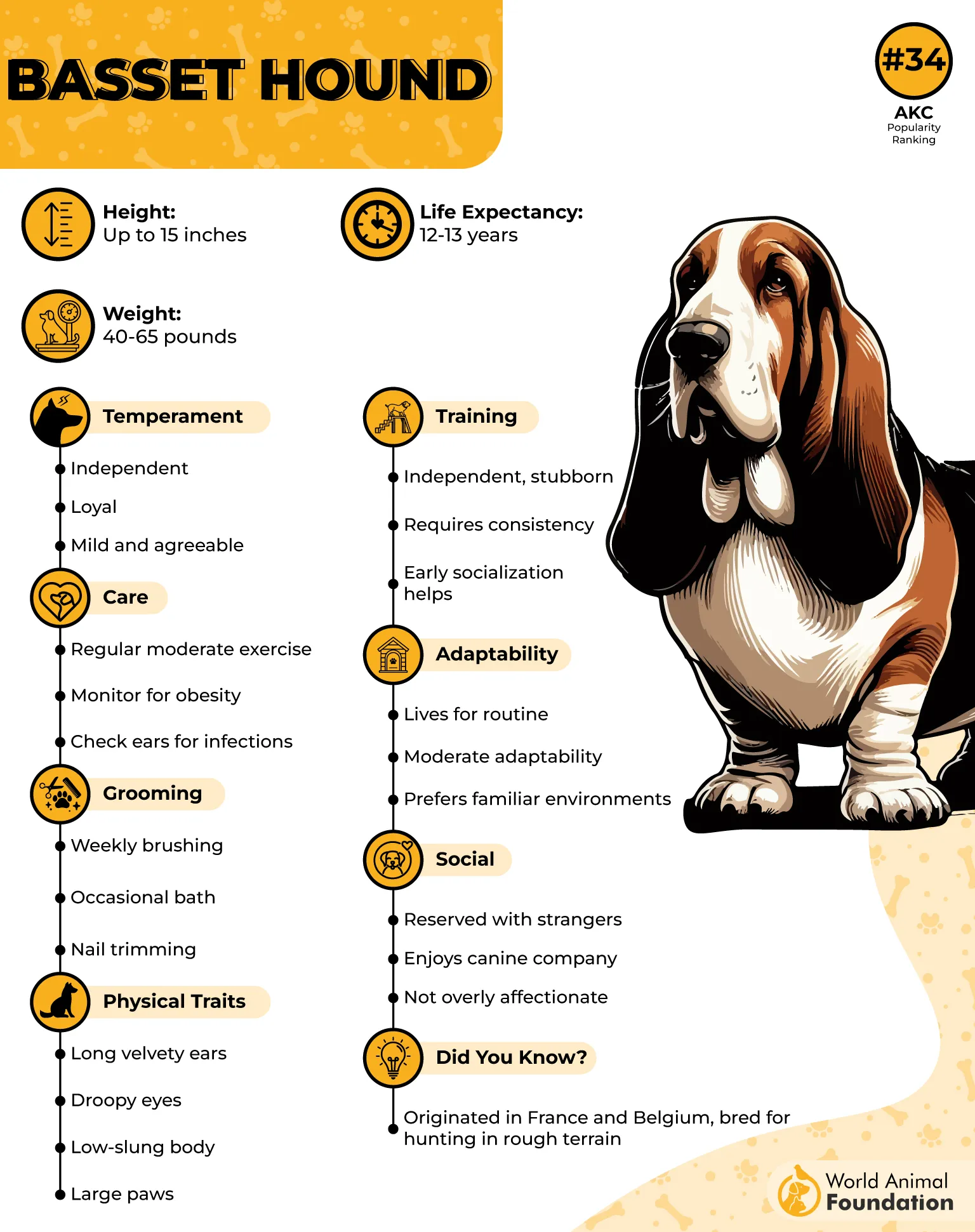
Rather than charging ahead, the Basset Hound advances at a measured pace. This approach often keeps rabbits moving through their usual patterns instead of pushing them into deep hiding. Hunters appreciate how easy it is to keep up with the dog’s progress and understand where the pursuit is heading.
Thanks to its instinct, calm working style, and incredible nose, many enthusiasts consider it a top hunting dog breed for those who hunt rabbits and other forms of small game.
Quick Highlights
Maintains focus even on older scent trails
Follows routes with a careful, step-by-step approach
Creates a manageable pace for hunters on foot
Stays committed when a trail becomes difficult
Well-suited for working through brushy areas
Responds best to consistent training
Enjoys the excitement of a rabbit chase
3. American Foxhound
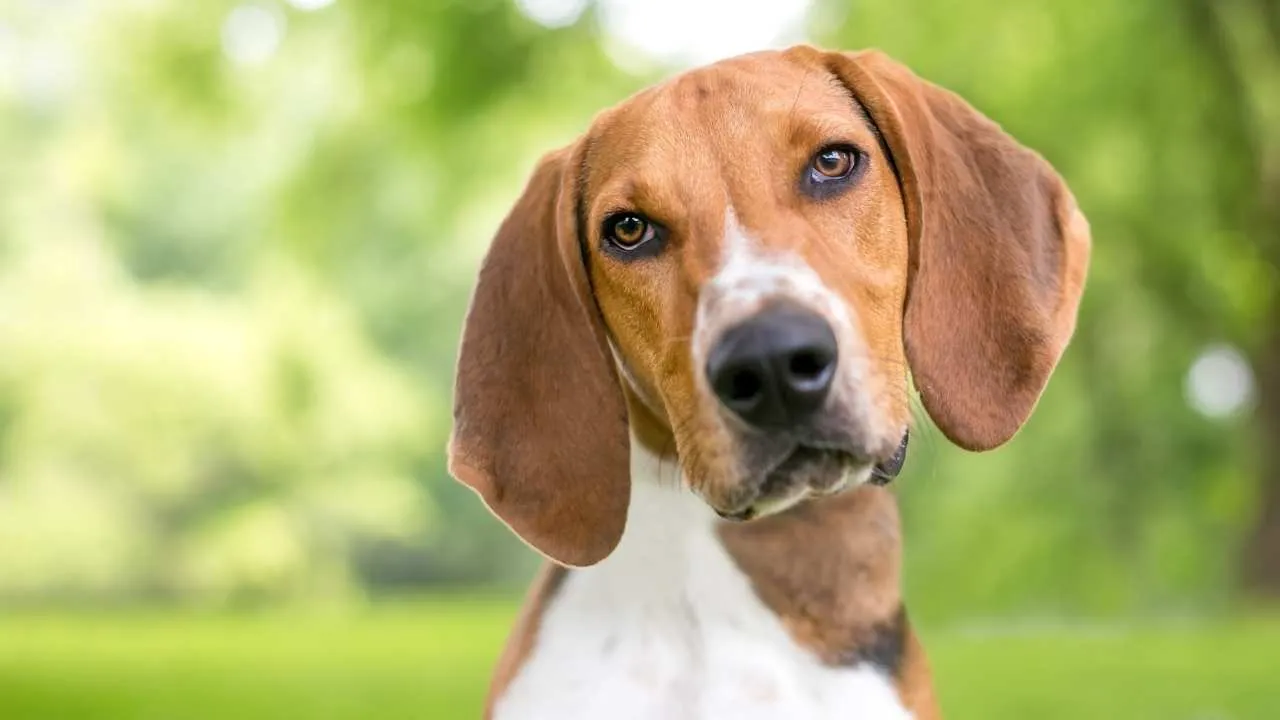
Some hunting dogs excel because of speed, while others stand out because they simply refuse to quit. The American Foxhound belongs in the second group. Closely related to the English Foxhound, this breed was developed to pursue game across vast areas for extended periods.
That history gave it the stamina needed for long hunts and the determination to keep moving when scent trails become challenging. As a skilled rabbit dog, it can stay engaged even when a rabbit twists through fields, woods, or rough terrain.
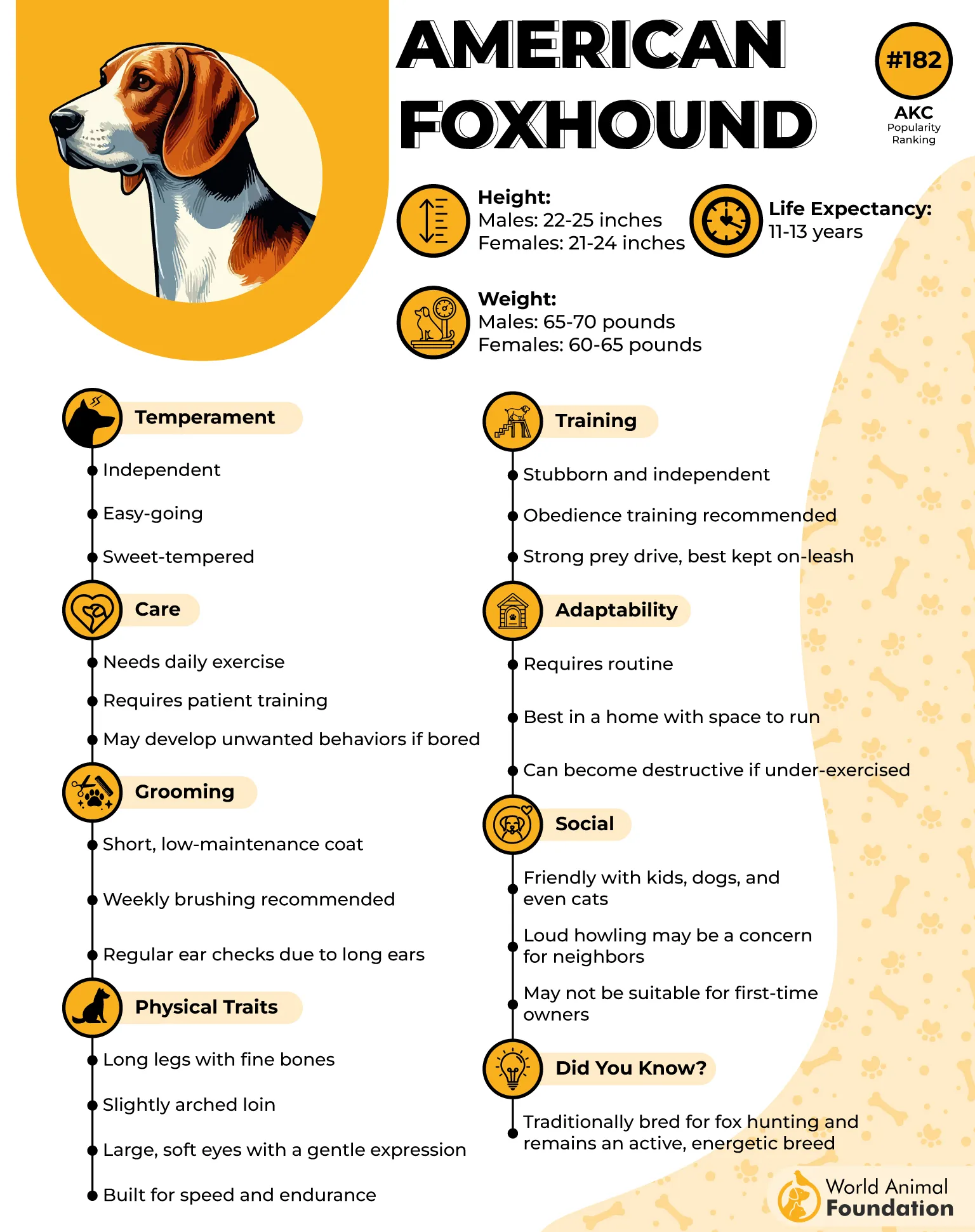
Unlike breeds that perform best in smaller spaces, the American Foxhound thrives on larger properties where it can travel long distances without tiring. According to the American Kennel Club, the breed is known for its friendly nature and easygoing personality around families and other pets.
However, this energetic hunting dog breed requires plenty of daily exercise to stay happy. Its willingness to continue the chase for extended periods makes it a favorite among hunters who value endurance above all else.
Quick Highlights
Built for all-day activity in the field
Handles changing scent conditions with confidence
Moves comfortably across large hunting grounds
Maintains concentration during extended pursuits
Adaptable to different outdoor environments
Benefits from structured training and routine
Known for a determined work ethic
4. Brittany Spaniel
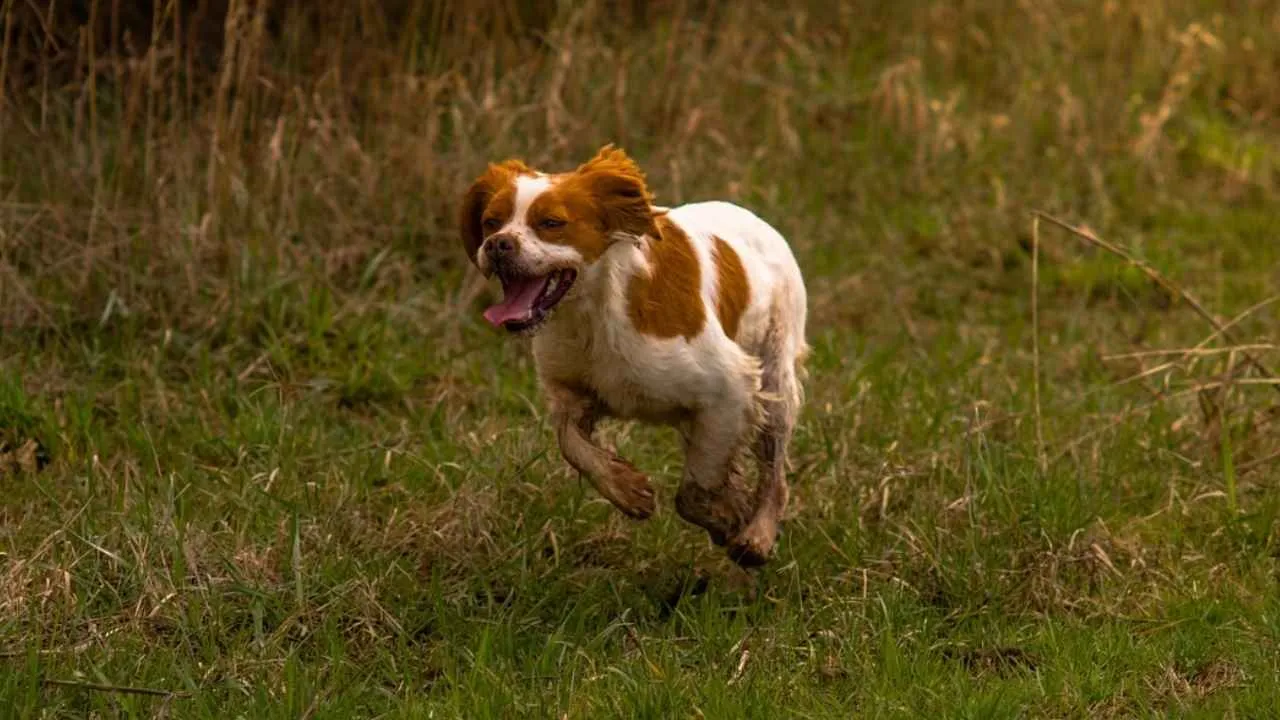
Quick thinking can be just as valuable as a powerful nose in the field. The Brittany Spaniel, also known as the Breton Spaniel, stands out for its intelligence and willingness to work closely with people. This French hunting dog was bred specifically for locating bird species such as partridge, duck, and pheasant.
According to Royal Canin, hunters developed the breed because of its natural pointing talent, agility, and responsiveness. Those same qualities make it an effective rabbit dog as well. Brittany learns hunting routines quickly and understands directions with very little repetition.
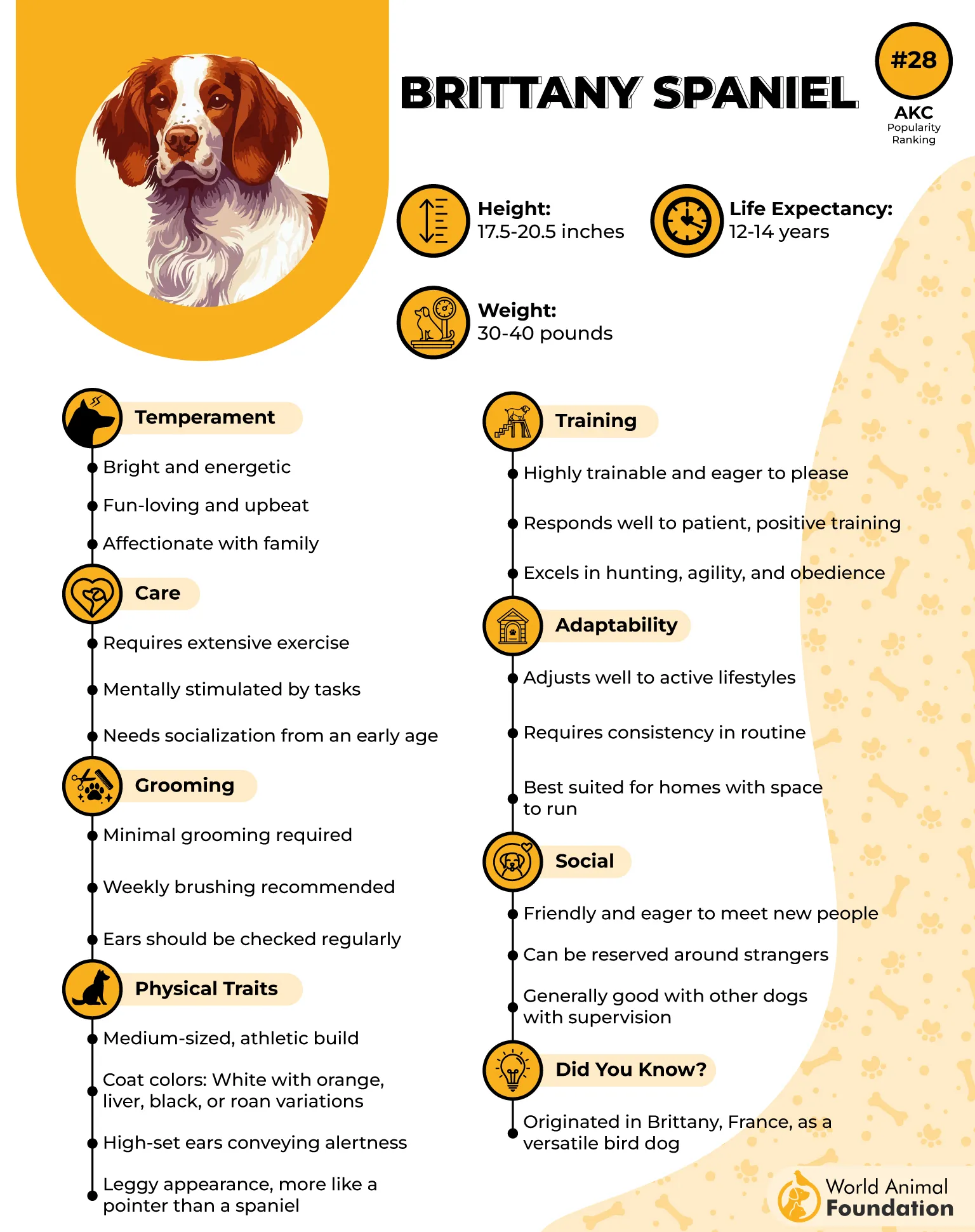
Its ability to move through fields, brush, and woodland edges helps it locate rabbits in mixed terrain. Strong communication with its handler allows both to work as a team during a chase.
Because of its eagerness to learn, training often feels rewarding even for first-time owners. While Brittany is famous for upland game hunting, its high energy and sharp instincts make it a versatile field companion.
Quick Highlights
Picks up new tasks quickly
Pays close attention to handler cues
Adjusts well to changing hunting conditions
Works effectively in partnership with people
Confident in a variety of outdoor settings
Enjoys mentally engaging activities
Well-suited for beginners seeking a cooperative hunter
5. Redbone Coonhound
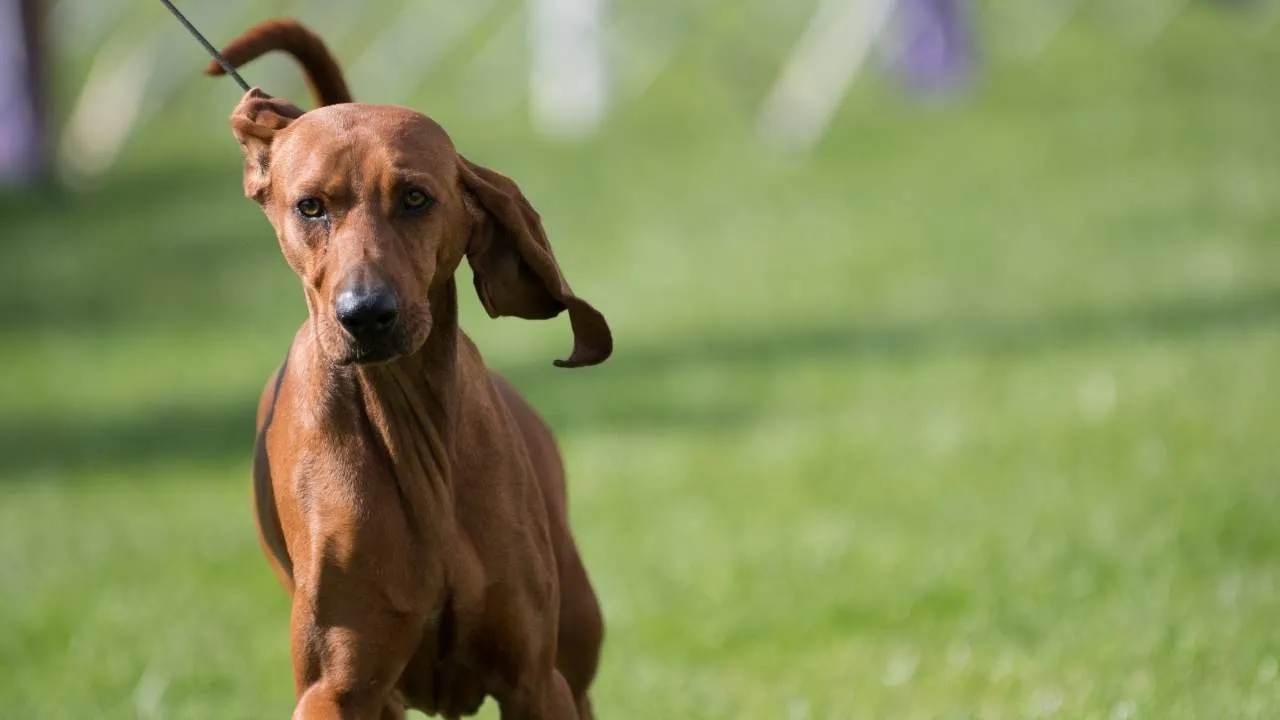
Some dogs give up when a trail becomes confusing. The Redbone Coonhound keeps searching. According to PetMD, this American breed emerged in the late 1700s when hunters wanted a dog capable of working across swamps, forests, and mountains while pursuing prey.
Although it was specifically designed to follow the raccoon, its remarkable scent-trailing skills also make it a capable rabbit dog. This medium-to-large hunting dog breed excels when scent conditions become difficult.
If a rabbit doubles back, crosses other trails, or disappears into thick vegetation, the Redbone Coonhound stays committed to solving the puzzle. Its persistence often proves valuable during complicated rabbit runs that challenge less determined dogs.
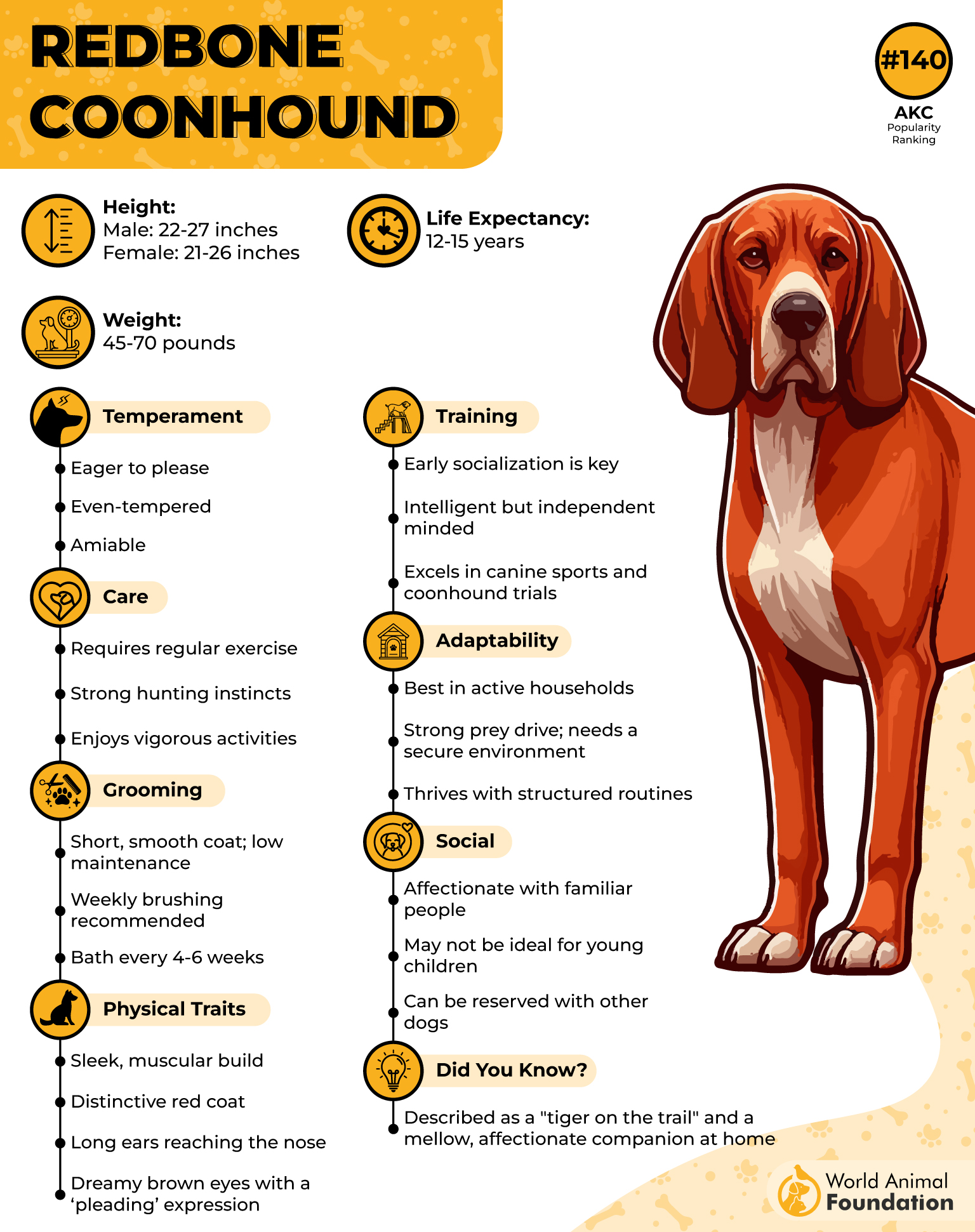
Hunters also appreciate the breed’s dependable nature in the field. Beyond small game hunting, these high-energy dogs fit well with owners who enjoy an active lifestyle and outdoor adventures.
With proper training, the Redbone Coonhound develops into a reliable partner that remains focused when the hunt becomes demanding.
Quick Highlights
Excels at following challenging scent trails
Maintains determination during extended searches
Works confidently in dense cover
Adapts well to varied hunting environments
Known for dependable field performance
Enjoys physically demanding activities
Thrives when given a clear job to do
6. Bluetick Coonhound
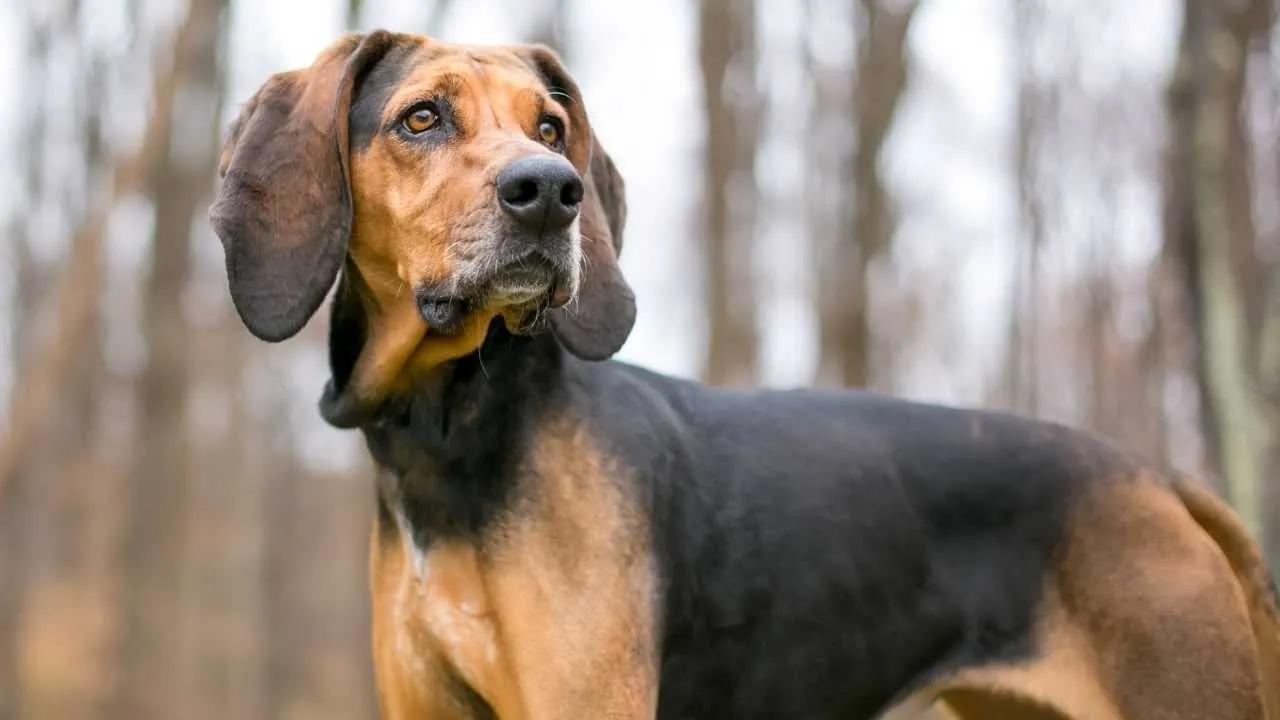
When a rabbit disappears into thick brush, hunters often rely on more than sight alone. The Bluetick Coonhound stands out because of its unmistakable voice. This intelligent hunting dog is known for a distinctive bay that signals its location and progress during a pursuit.
According to WebMD, Bluetick Coonhounds are affectionate with their families but become highly determined once they pick up a scent. Their high prey drive and keen senses help them stay locked onto a trail, even when a rabbit weaves through dense cover.
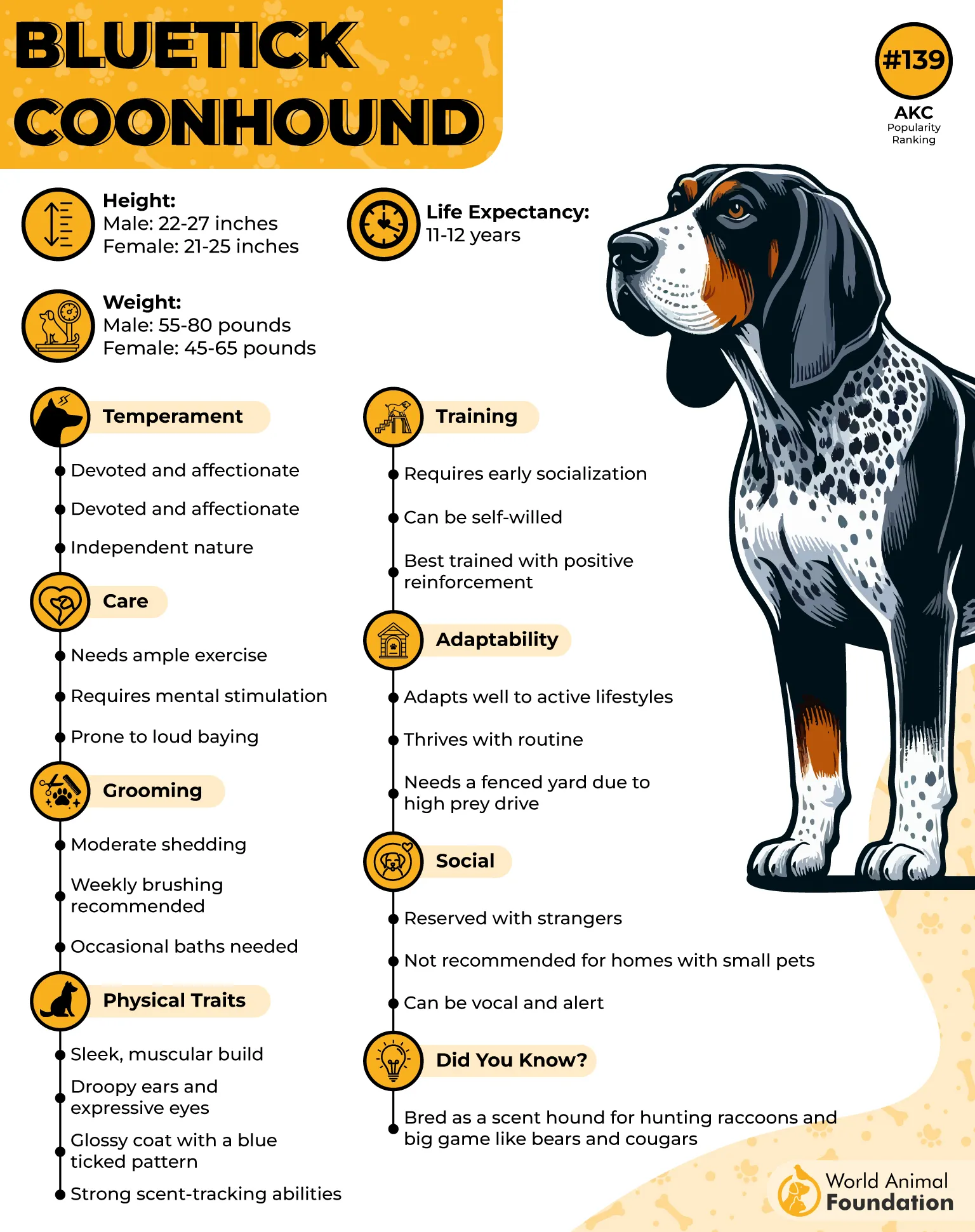
Hunters can listen to the dog’s vocal nature and gain valuable clues about the direction of the chase without seeing the dog directly. This skill becomes especially useful in areas filled with thick vegetation.
Although often associated with tracking game, deer, and other wildlife, the breed has also earned a reputation as a classic rabbit dog. With consistent training, it can become both a dependable hunting partner and a great family pet.
Quick Highlights
A distinctive baying sound carries across long distances
Maintains strong attention on scent work
Performs well in brushy and overgrown areas
Helps hunters monitor movement during pursuits
Combines determination with intelligence
Enjoys mentally challenging outdoor tasks
Builds strong bonds with its human companions
7. Irish Setter
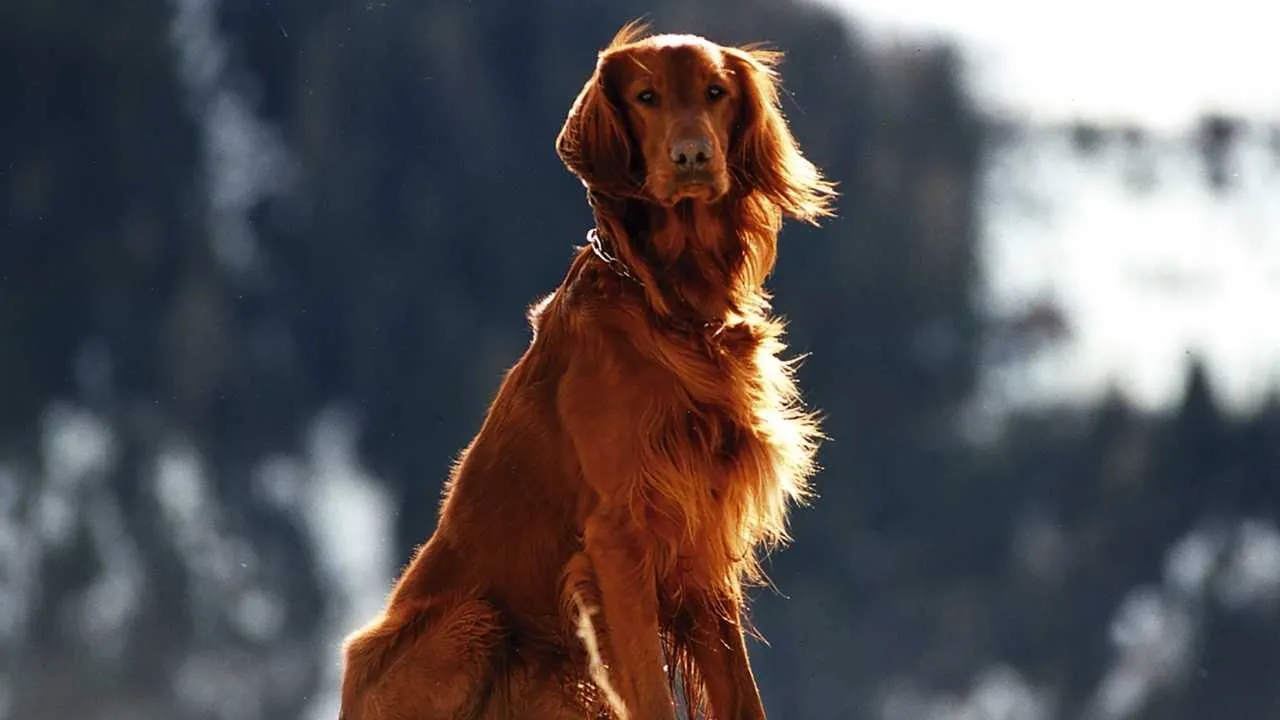
Few breeds bring as much excitement to the field as the Irish Setter. Known for its speed and enthusiasm, this elegant hunting dog breed excels at covering large areas in a short amount of time.
When rabbits move across open ground, the Irish Setter’s natural hunting instinct helps it locate activity quickly and direct hunters toward promising spots. Its ability to sweep across fields and navigate brush piles makes it especially useful where rabbits have plenty of room to roam.
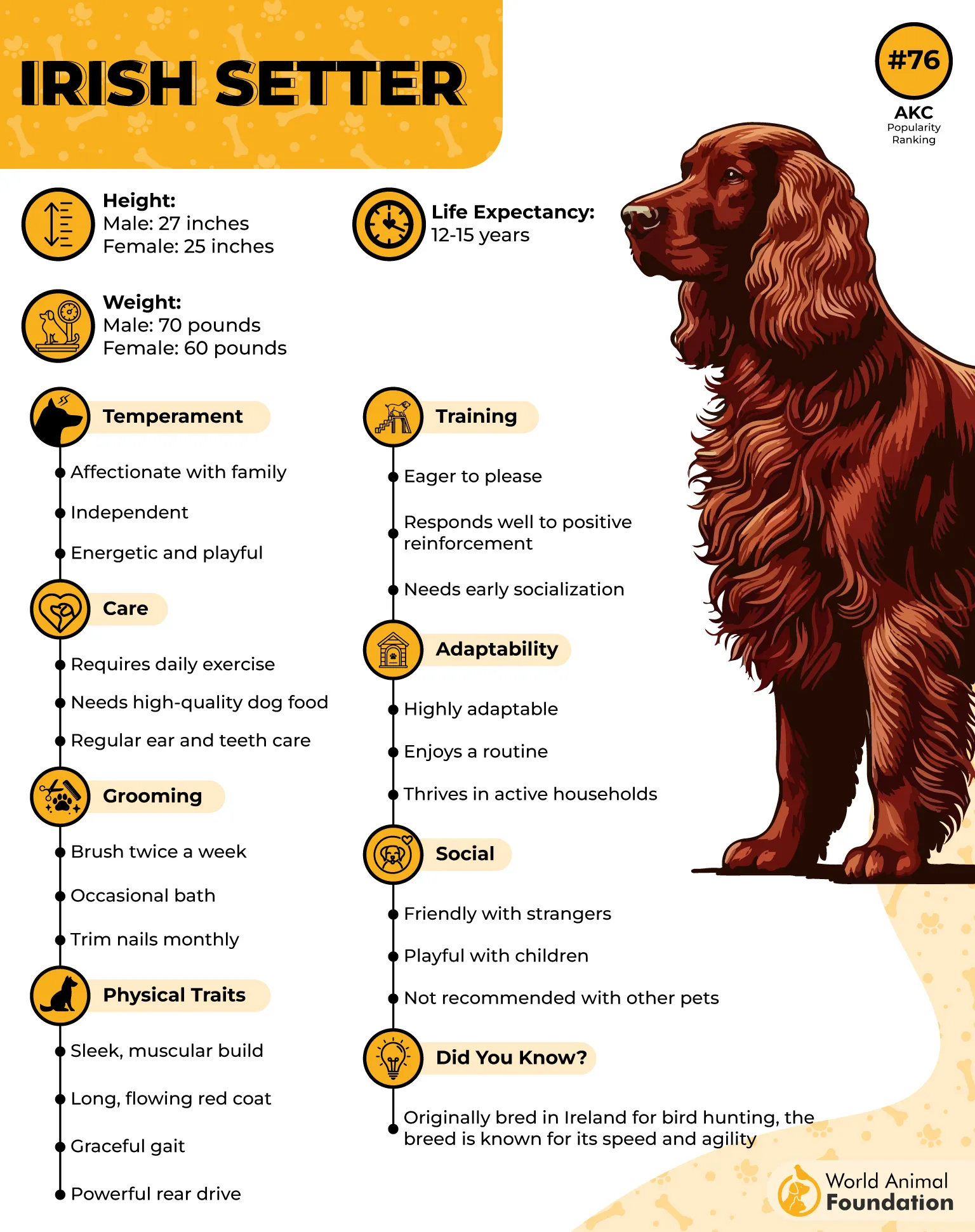
Traditionally valued as a bird dog, the breed has also been used for retrieving downed birds, pursuing game, and assisting with waterfowl hunting. According to Purina, a well-bred, well-socialized, and well-trained Irish Setter is an affectionate and loyal family pet that responds well to positive training.
While some hounds rely heavily on scent work, the Irish Setter shines through movement, awareness, and athleticism. This energetic breed thrives when given a specific task and enough activity to match its zest for life.
Quick Highlights
Covers large hunting areas with impressive speed
Excels in open countryside and spacious terrain
Brings enthusiasm to every outdoor adventure
Helps locate active rabbits across wide ranges
Possesses one of the best noses among sporting breeds
Can assist with pursuits involving larger game
Enjoys active owners who spend time outdoors
Conclusion
Successful rabbit hunting requires a mix of special skills, including a sharp sense of smell, determination, focus, and the ability to work through changing conditions. As we’ve seen, each breed brings something unique to the field.
Some excel at endurance, others shine through intelligence, speed, or scent-trailing expertise. Understanding all the differences can help you choose the right dog for your hunting style and local terrain.
While natural talent matters, success also depends on consistent training, proper nutrition, regular grooming, and a strong bond between hunter and dog. No single breed is the best dog breed for every situation because key traits vary from one hunter’s needs to another.
Some are equally adept in multiple roles, while others specialize in one task. And while exclusions apply depending on conditions, the right canine partner can help fill your game bag and turn every hunt into a rewarding adventure.
