




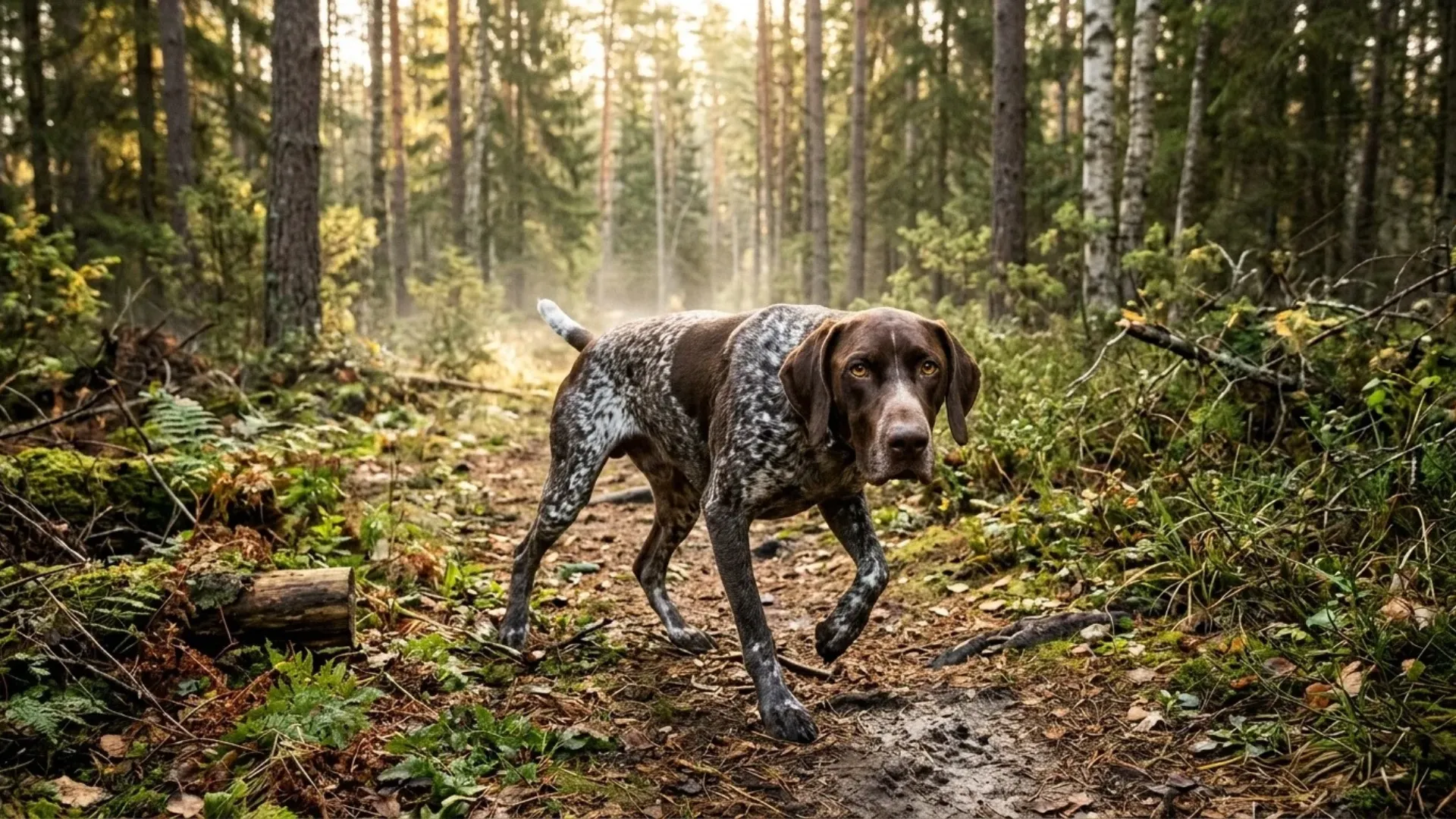
Tracking wildlife takes more than patience; it requires a remarkable nose, sharp instincts, and the determination to follow clues hidden in forests, grasslands, and even open water.
Some dog breeds possess natural scenting abilities and stamina that make them especially valuable for this demanding work. From following animal trails to locating droppings that help scientists monitor endangered species, these dogs can uncover evidence that would otherwise be difficult to find.
Their skills are useful not only for studying elusive wildlife but also for detecting invasive predators and helping conservation teams combat poaching. However, successful tracking depends on more than a powerful nose.
Focus, trainability, energy, and a strong partnership with a handler all contribute to the work. The top seven dog breeds skilled in wildlife tracking stand out for the qualities that make them effective in the field, showing how canine instincts can help researchers understand, monitor, and protect the animals sharing our planet.
Key Takeaways
A powerful sense of smell is essential for tracking wildlife across different environments.
High energy levels and stamina help tracking dogs work for extended periods in challenging terrain.
Specially trained dogs can locate animal droppings, helping researchers monitor wildlife health and populations.
Wildlife tracking dogs support conservation efforts by detecting rare and endangered species.
Dogs can help identify invasive animals that threaten native wildlife and disrupt ecosystems.
Top Dog Breeds Skilled in Wildlife Tracking
1. Treeing Walker Coonhound
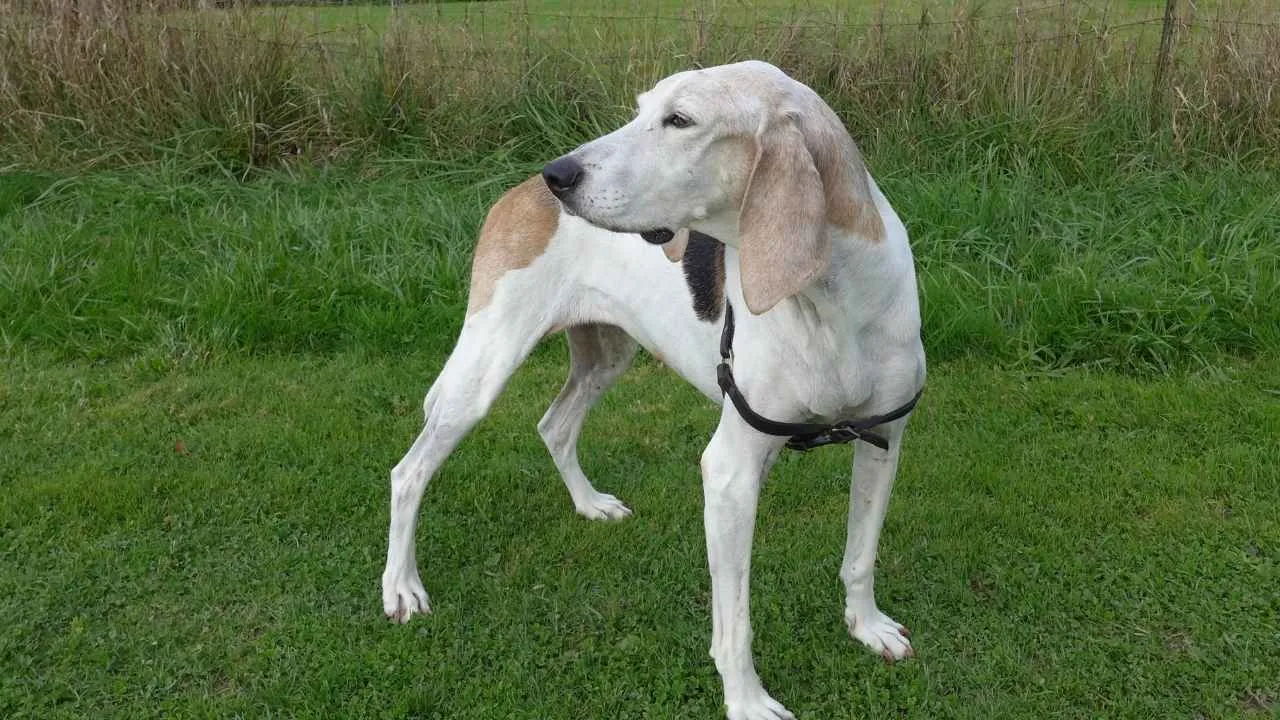
Wildlife tracking demands more than speed; it takes a sharp nose, remarkable stamina, and the determination to follow a scent across challenging terrain.
The Treeing Walker Coonhound brings these qualities together, making it a strong contender among dog breeds skilled in tracking.
Nicknamed “The People’s Choice,” this intelligent and courageous American hound was bred to pursue raccoons, locate them quickly, and keep them cornered in trees until hunters arrive.
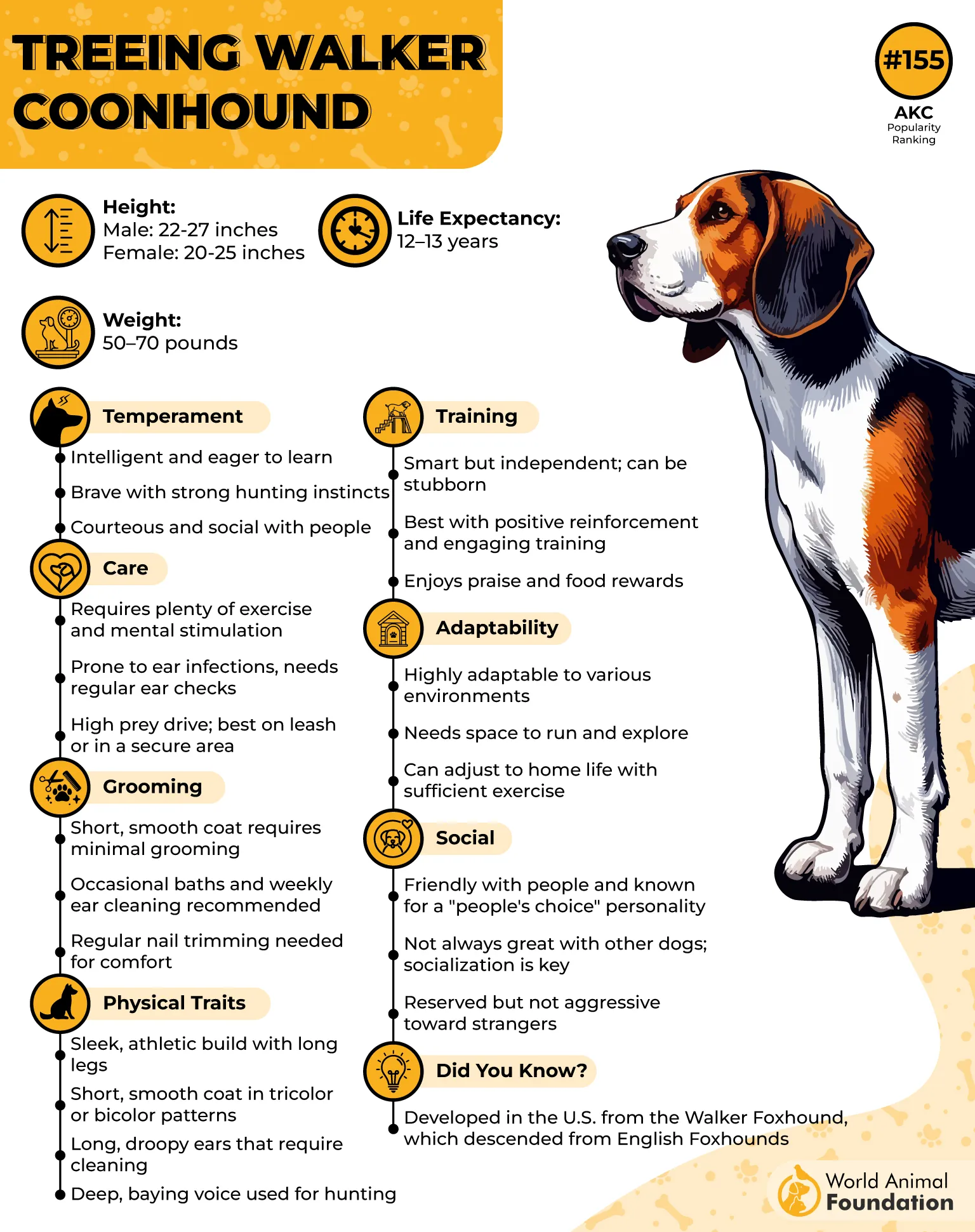
Its muscular legs, streamlined body, and powerful hindquarters help it cover considerable ground with impressive efficiency.
Just as important, its keen hunting instincts and distinctive, ringing bark help hunters follow its movements across long distances.
Although independent and occasionally stubborn, the Treeing Walker responds well to engaging training built around encouragement and rewards, according to the American Kennel Club.
Beyond the hunt, this energetic companion thrives on long runs, outdoor adventures, and meaningful time with its family, combining serious tracking ability with an affectionate nature.
2. Labrador Retriever
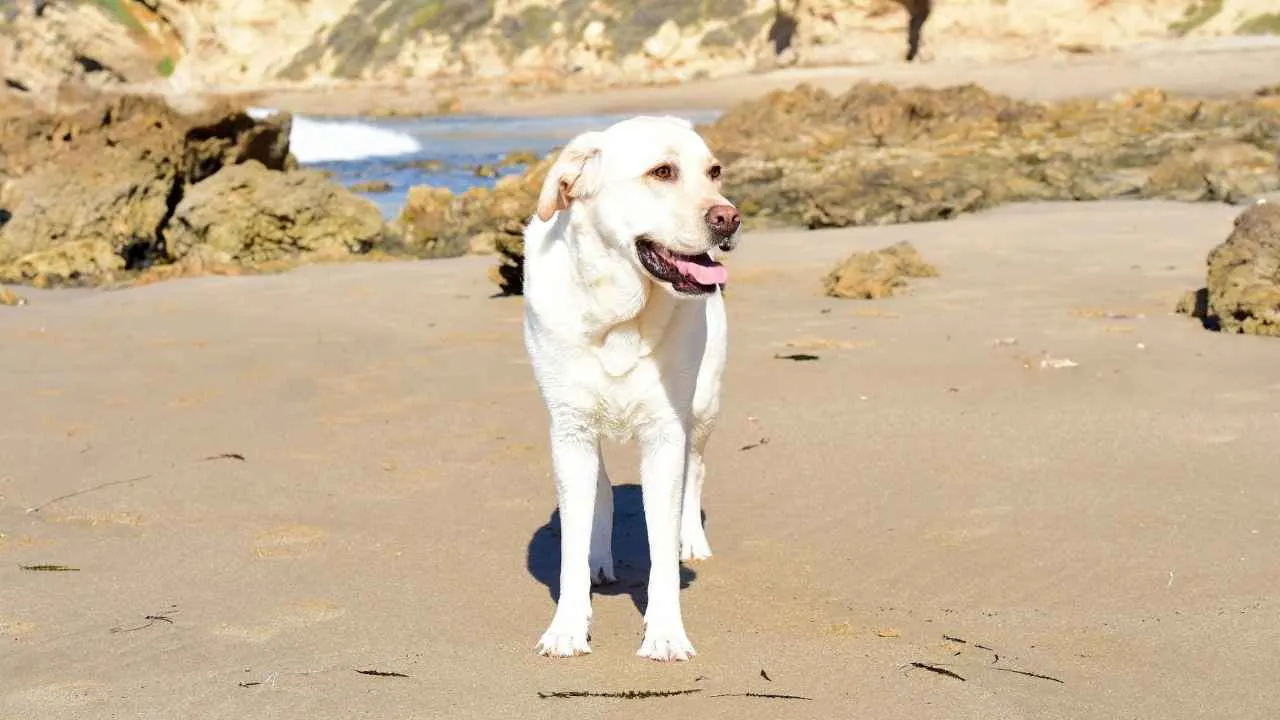
Wildlife tracking calls for a dog that combines energy, intelligence, and a willingness to work closely with people, and the Labrador Retriever brings all three qualities to the field.
Although widely loved as a friendly family companion, this athletic breed has a working background that extends far beyond the home.
Originally bred to help fishermen retrieve fish-laden nets, Labradors have since taken on many demanding roles, including search and rescue, detection work, and tracking.
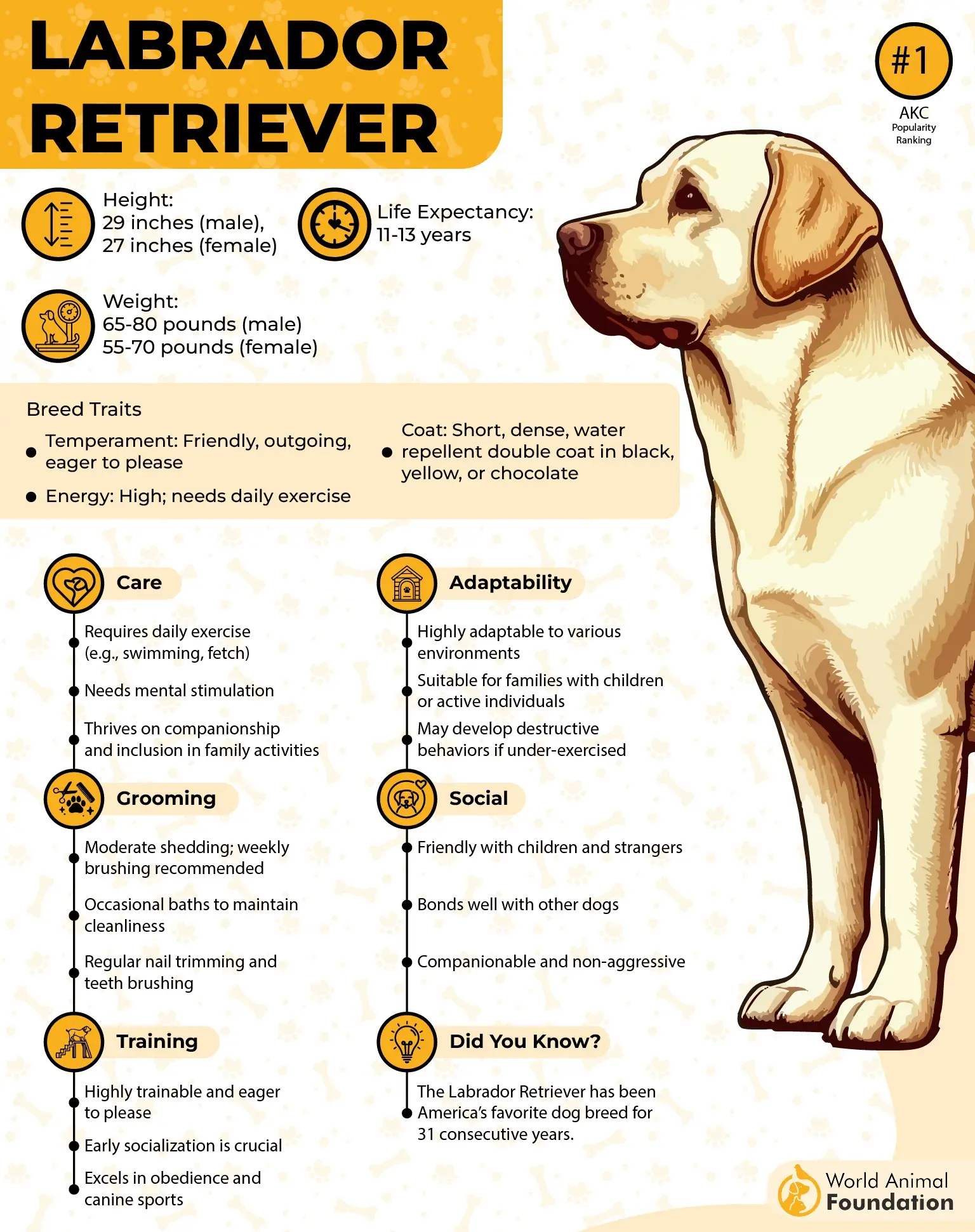
Their eagerness to learn, responsive nature, and strong desire to please make them well suited to training that develops their scenting abilities.
Their water-repellent double coat and love of outdoor adventures also make them comfortable companions for active handlers exploring different environments.
However, their enthusiasm needs direction, and regular exercise and consistent training are essential to keep them focused. Behind the Labrador’s familiar, affectionate personality lies a capable working dog with the energy and adaptability to make tracking a rewarding pursuit.
3. Mountain Cur
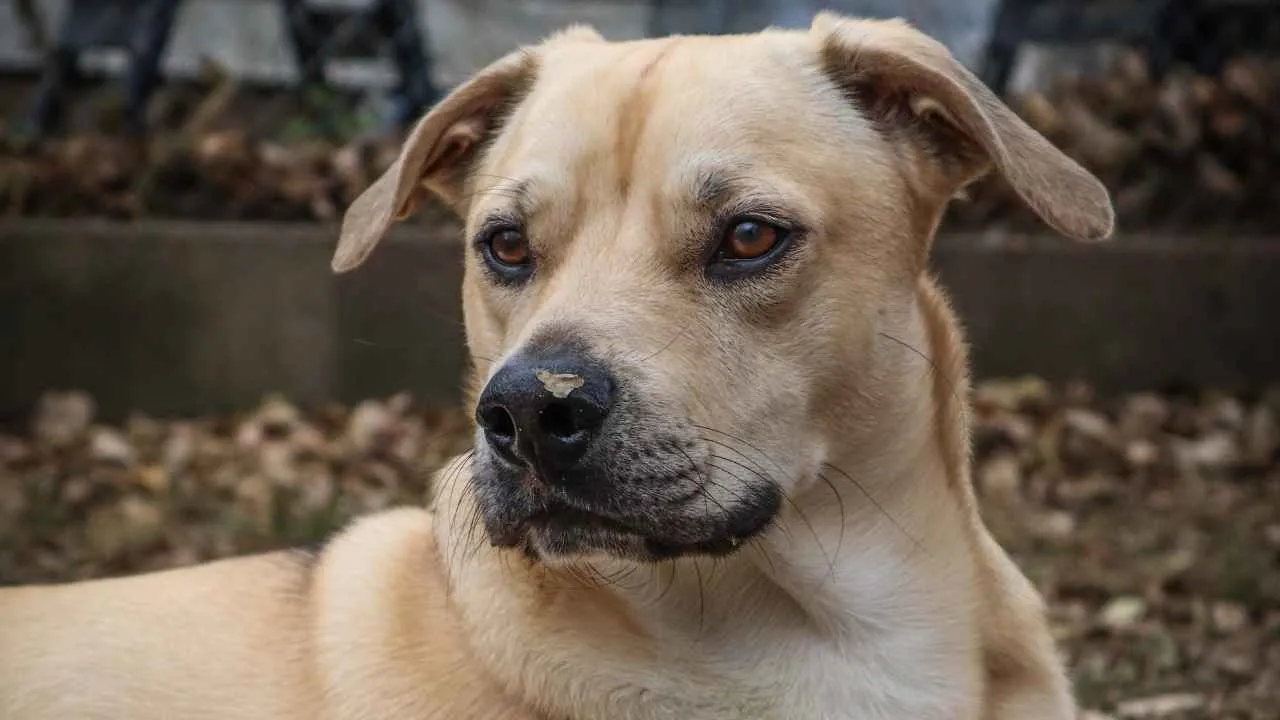
Some dogs follow a trail; the Mountain Cur has the determination to stay with it across challenging terrain.
Developed by settlers in the Appalachian Mountains, this hardworking American breed was valued for hunting and tracking game, along with treeing prey, herding, and guarding.
Its history as a versatile hunting dog breed helps explain why it stands out among breeds skilled in wildlife tracking.
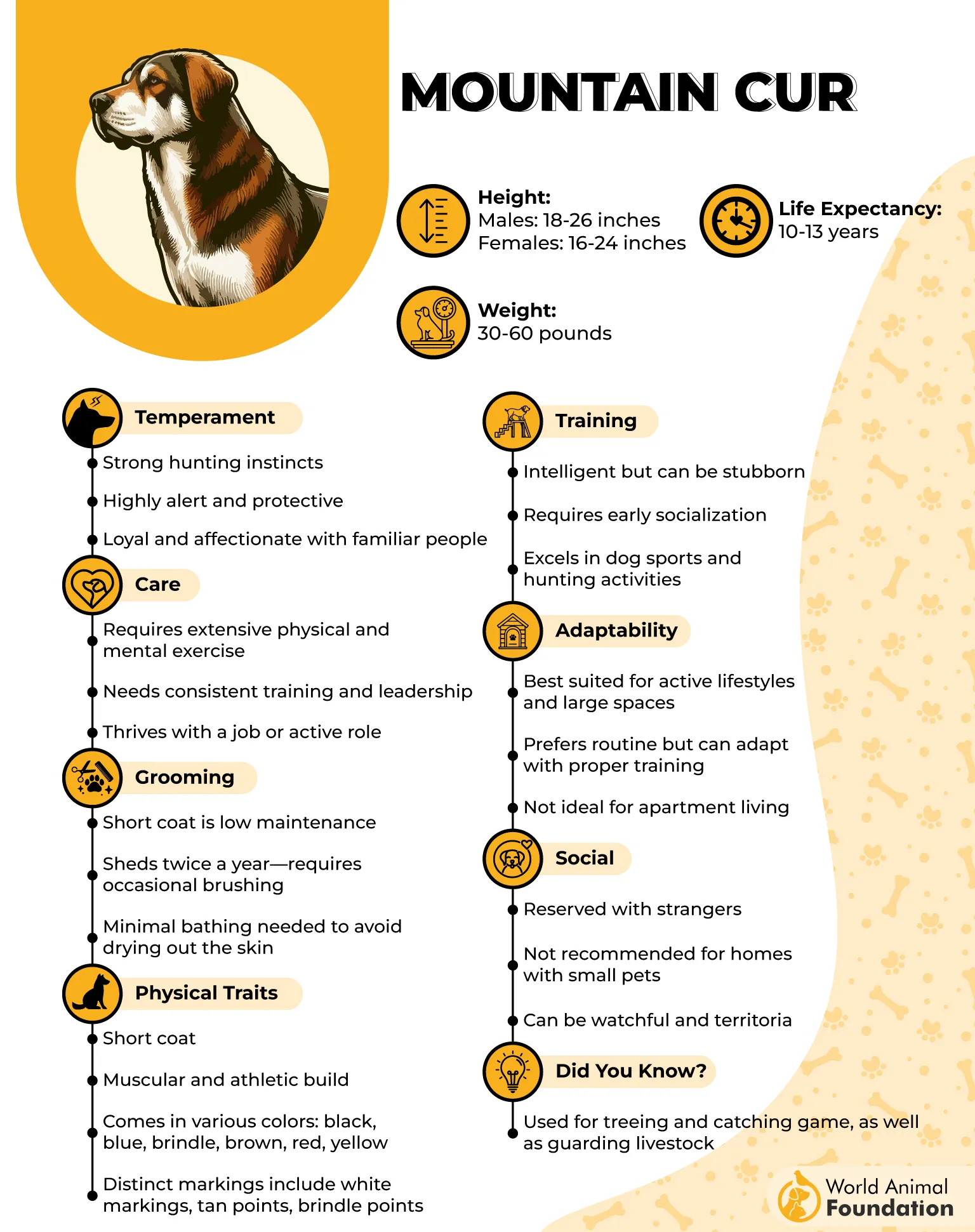
Intelligent, alert, and remarkably energetic, the Mountain Cur combines physical stamina with a strong prey drive that keeps it focused during a pursuit.
Its muscular, agile build supports movement through rugged landscapes, while its willingness to learn makes training an important part of developing its natural abilities.
Yet, this is more than a determined hunter. The Mountain Cur forms close bonds with its family and thrives when given meaningful work, outdoor adventures, and mental challenges. For handlers seeking a loyal, capable partner with a strong working spirit, this breed deserves attention.
4. American Foxhound
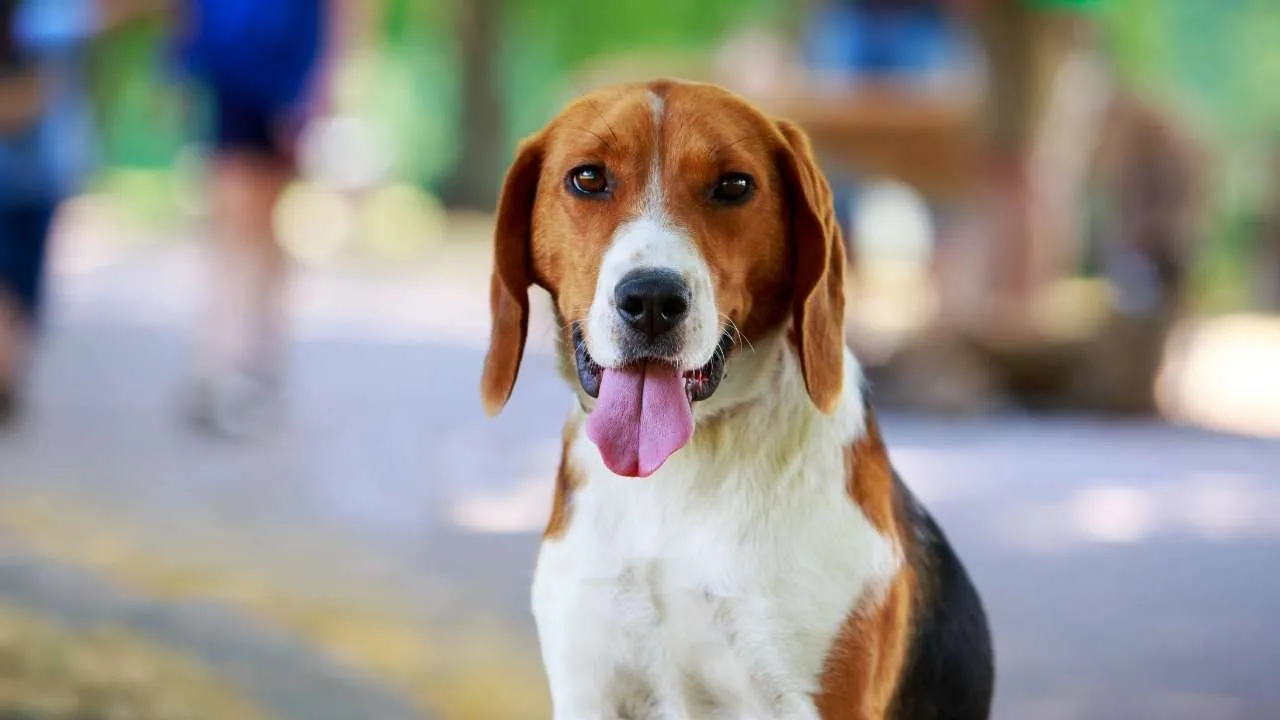
Following a scent across open country takes stamina, focus, and an instinct that does not fade when the trail grows long.
The American Foxhound brings these qualities together, earning its place among dog breeds skilled in wildlife tracking.
Originally developed for hunting, this lean, muscular scent hound was bred to pursue foxes over long distances, with its deep chest supporting the endurance needed for sustained running.
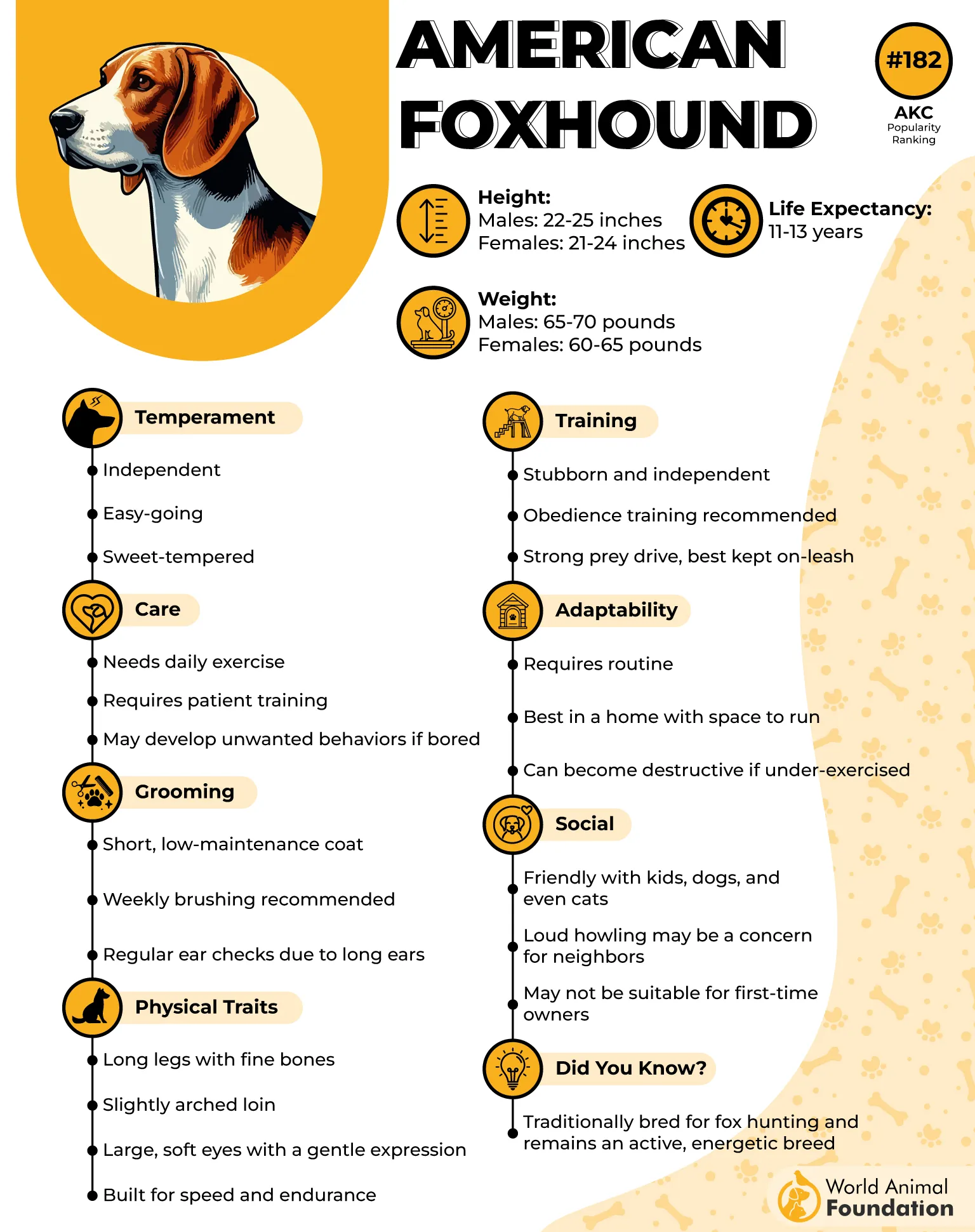
Its exceptional drive to follow a trail, combined with its ability to work alongside other hounds, makes it particularly suited to tracking tasks in the field.
Even across challenging stretches of terrain, the American Foxhound’s determination and athletic build help it maintain its pace.
Its distinctive, ringing bark also allows handlers to recognize and follow its movements from a distance. Yet, this passionate hunting breed has an independent streak and requires experienced handling, consistent training, and extensive exercise.
For those who understand its working instincts, the American Foxhound offers a powerful blend of endurance, persistence, and hunting ability.
5. German Shorthaired Pointer
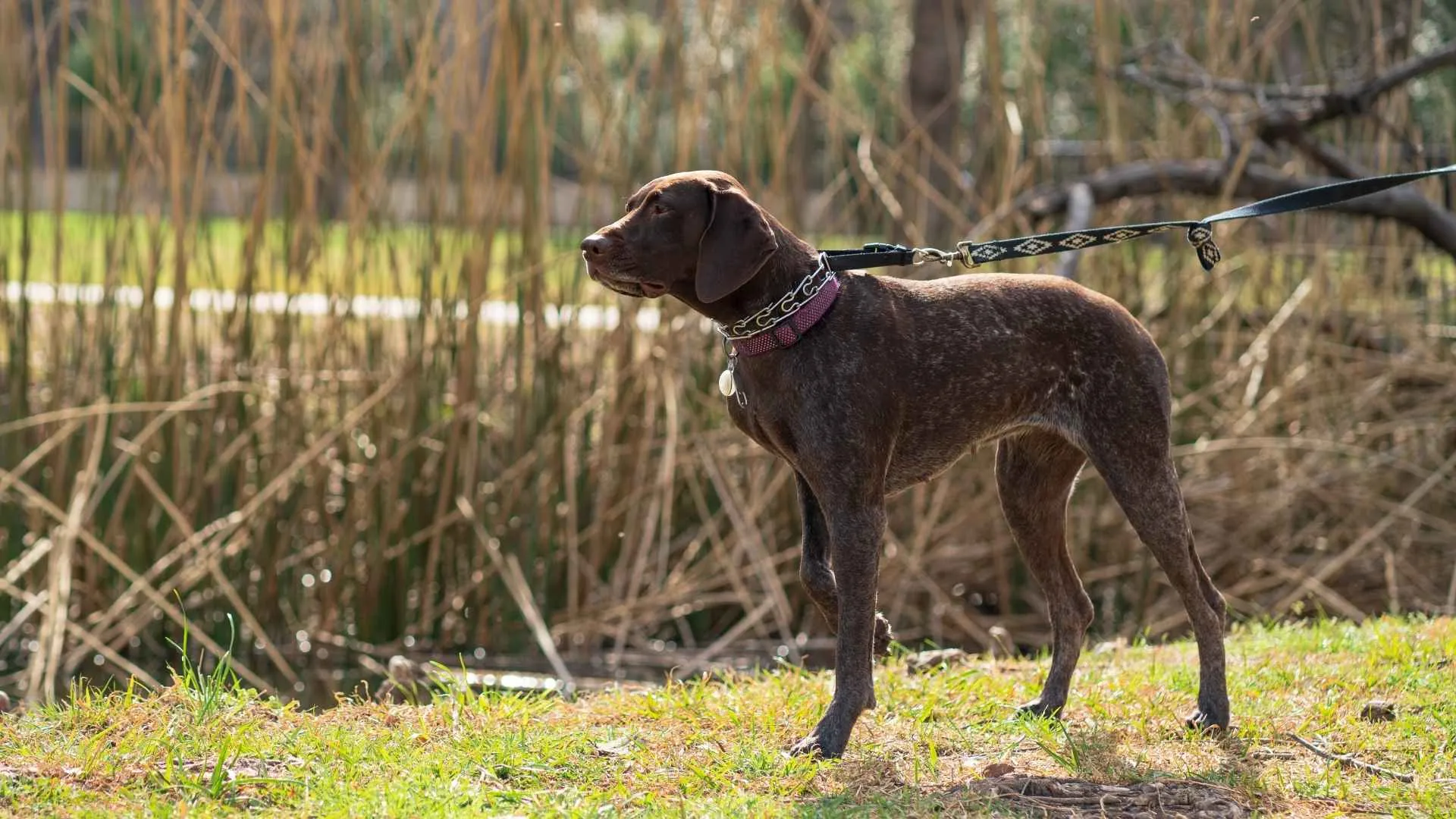
Wildlife tracking demands more than a keen nose; it takes stamina, intelligence, and the determination to follow a trail across challenging terrain.
The German Shorthaired Pointer brings these qualities together in a remarkable bird dog.
Developed in Germany during the 19th century, this Pointer breed was intended to track different kinds of game, from birds and small animals to larger wildlife such as wild boar and wounded deer.
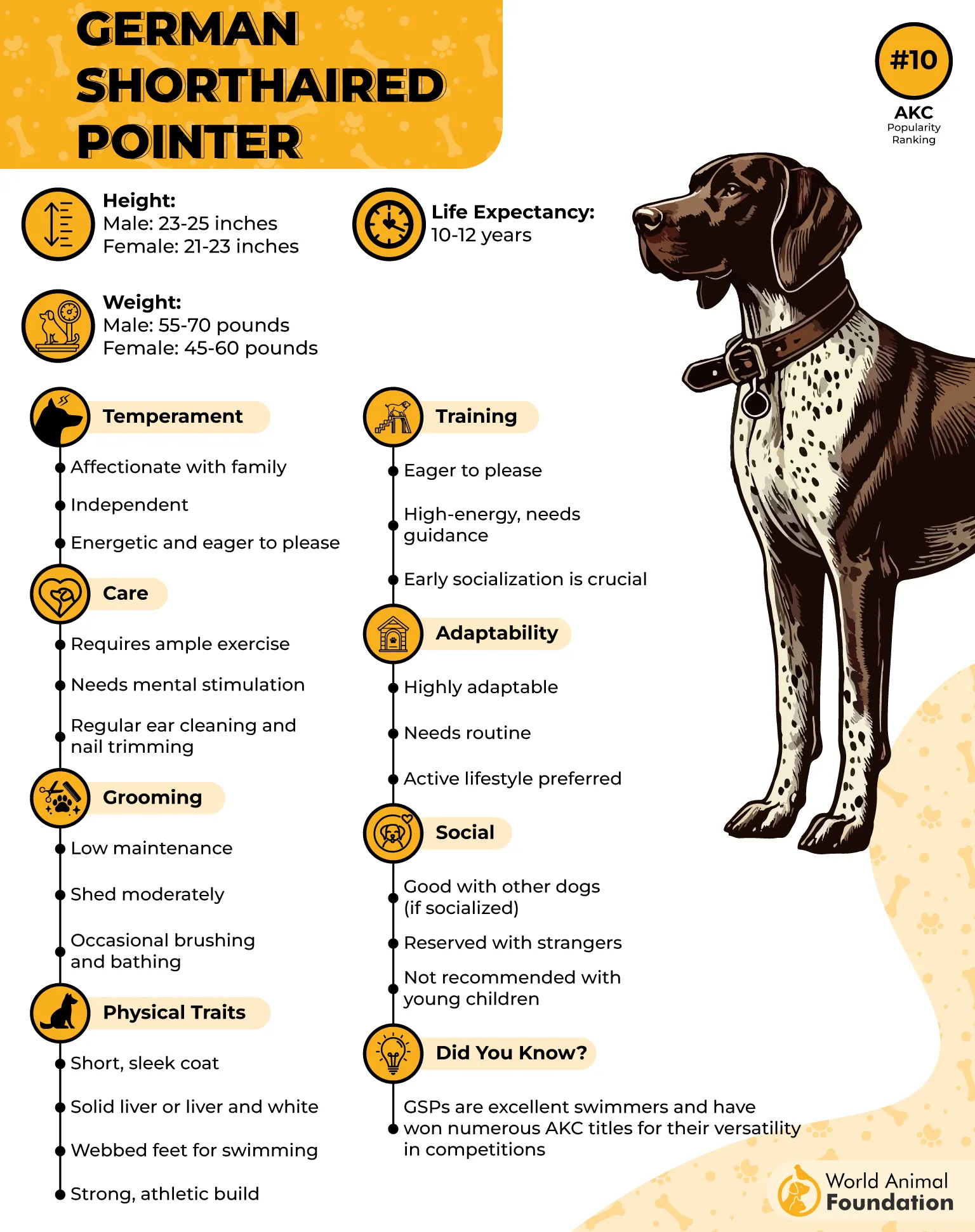
Its natural prey drive, sharp scenting ability, speed, and endurance make it particularly skilled at locating and following wounded game. Equally impressive is its ability to learn quickly, respond to training, and work across varied hunting environments, including fields and water.
Its athletic build supports demanding outdoor activity, while its short coat requires relatively little grooming, as explained by Dogs NSW.
However, this energetic, intelligent dog needs consistent training and vigorous exercise to channel its hunting instincts. For wildlife tracking, the German Shorthaired Pointer stands out for its versatility and natural hunting ability.
6. Redbone Coonhound
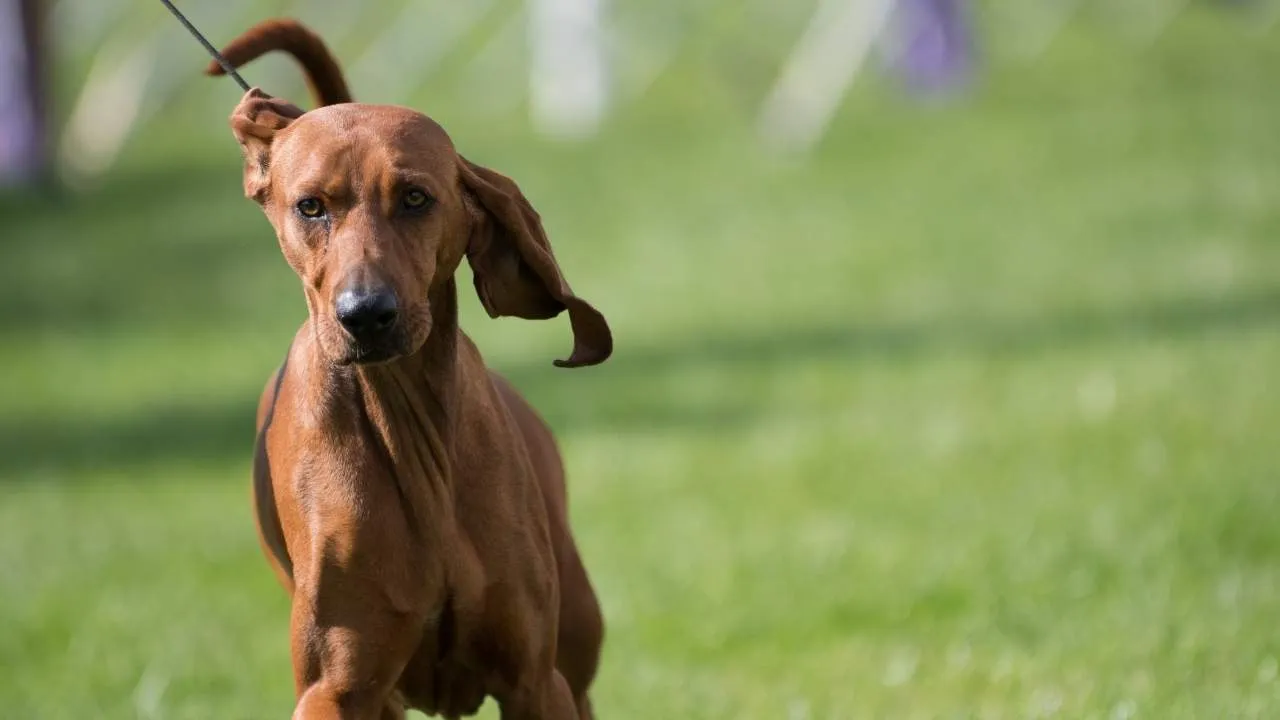
A wildlife trail can disappear into dense undergrowth, cross rough ground, or lead far beyond the hunter’s sight, but the Redbone Coonhound is bred to keep pursuing it.
Developed in the United States, this striking hound was valued for tracking raccoons and hunting big game, including deer, bears, and cougars.
Its powerful scenting ability, sharp eye, speed, and stamina make it a determined partner in the field.
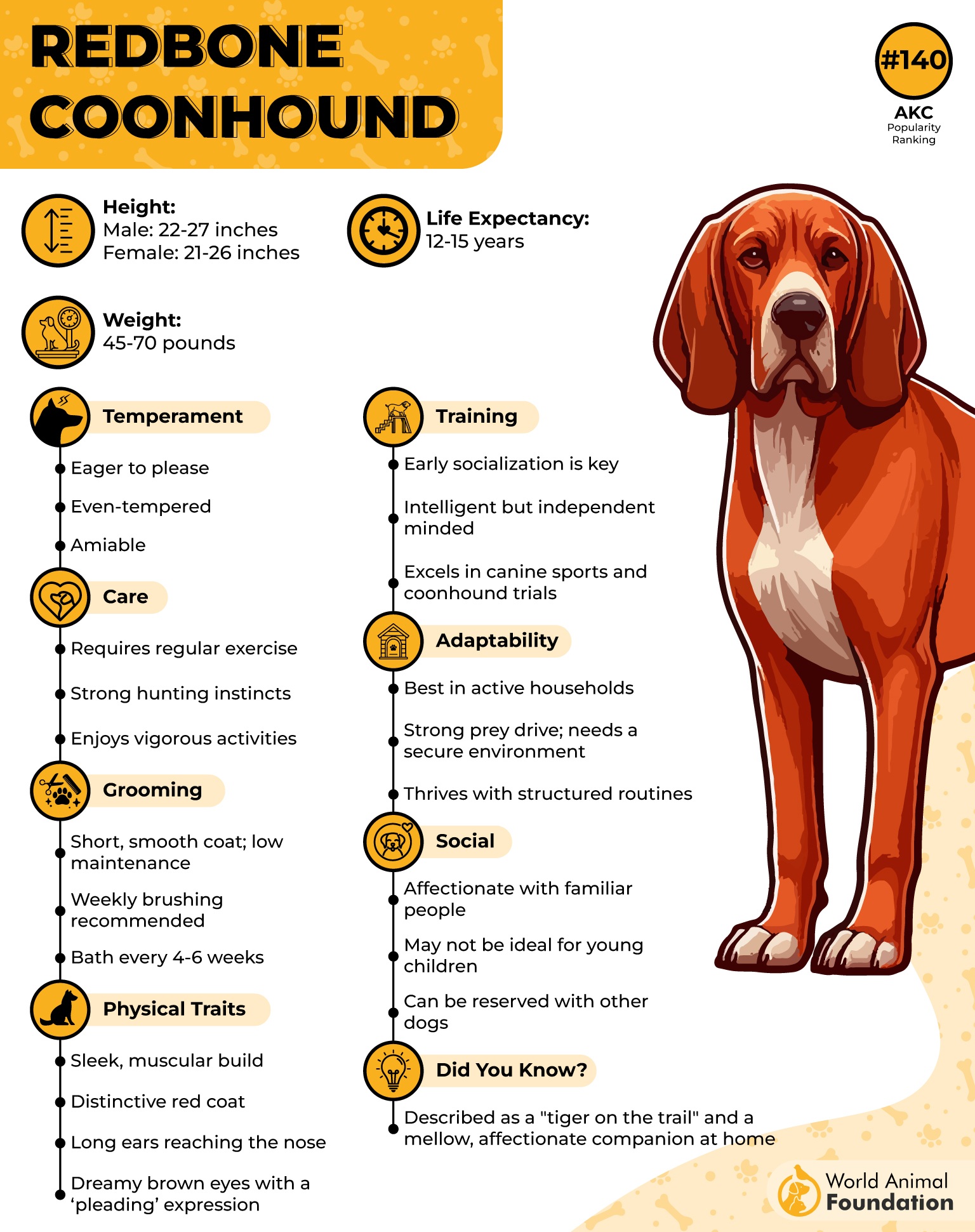
When following a trail, the Redbone relies on its nose and persistence, while its distinctive, drawn-out bay helps hunters locate it and follow the action from a distance.
Its muscular body supports long days outdoors, and its short, smooth coat is practical for an active hunting life. Yet the breed’s character extends beyond the chase.
Once the work is over, this focused hunter becomes an affectionate, playful companion that enjoys being close to its family. That combination of tracking instinct, endurance, and determination makes the Redbone Coonhound a standout wildlife-tracking breed.
7. Vizsla
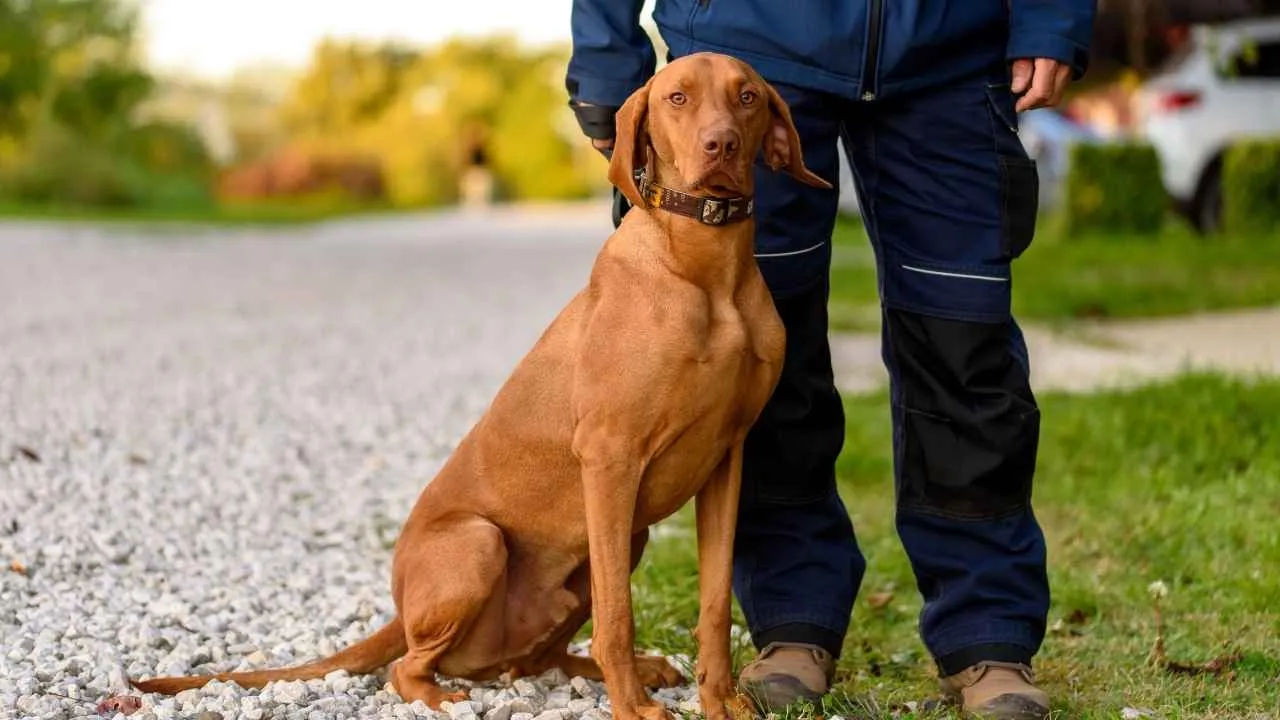
A successful wildlife-tracking dog needs more than speed; it must follow scents, cover ground tirelessly, and stay focused when the trail becomes challenging.
The Vizsla combines these abilities with remarkable athleticism, making it a valuable hunting companion.
Originating in Hungary, this breed was developed by the Magyar tribes more than a thousand years ago to hunt and retrieve game on land and in water.
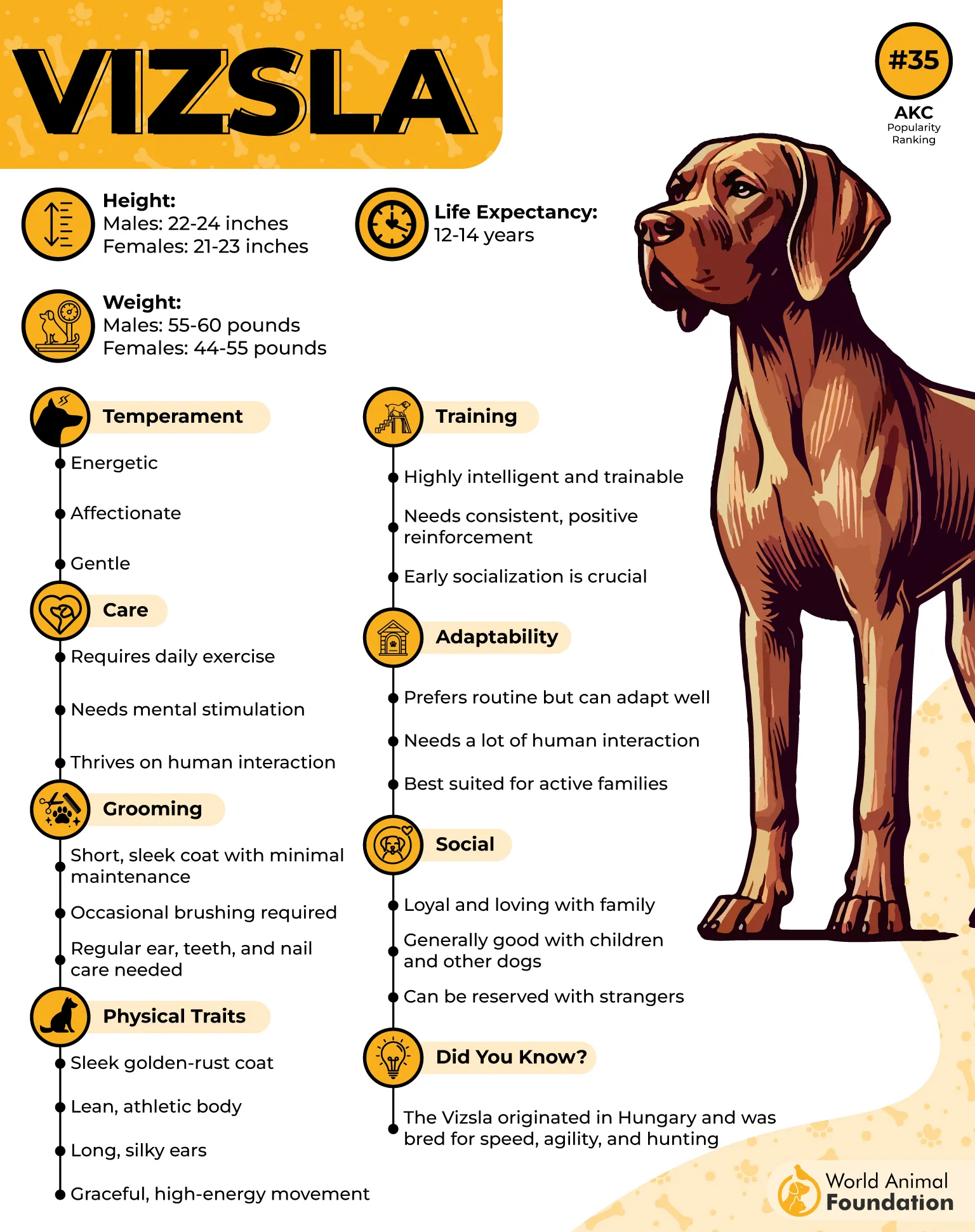
Its keen sense of smell, natural hunting instincts, and impressive endurance help it locate game and remain active during long days outdoors.
A lean, muscular frame supports its speed and agility, while its intelligence and eagerness to please make it responsive to consistent, positive training.
Yet the Vizsla is not simply a hardworking field dog. Often called a “Velcro dog,” it forms deep bonds with its family and thrives on companionship, according to Vets Love Pets.
This blend of scenting ability, stamina, trainability, and devotion makes the Vizsla stand out among breeds skilled in wildlife tracking.
Conclusion
Wildlife tracking requires a unique combination of scenting ability, endurance, focus, determination, and high prey drive; the right dog can make a meaningful difference in the field. The seven breeds featured in this article demonstrate how canine instincts can support both traditional tracking tasks and modern conservation efforts.
Whether following animal trails, locating wildlife droppings, or helping researchers monitor threatened species, these dogs are quick learners that offer valuable skills that humans cannot easily replicate.
Their contributions also extend to detecting invasive animals and supporting efforts to prevent illegal wildlife trade. However, natural ability alone is not enough. Proper training, patience, and a strong bond between each dog and its handler are essential for successful tracking.
Beyond their impressive noses, these dogs remind us that the relationship between humans and animals can serve a greater purpose. With the right guidance, their abilities can help researchers gather vital information, protect vulnerable wildlife, and preserve the delicate ecosystems that countless species depend on.
