




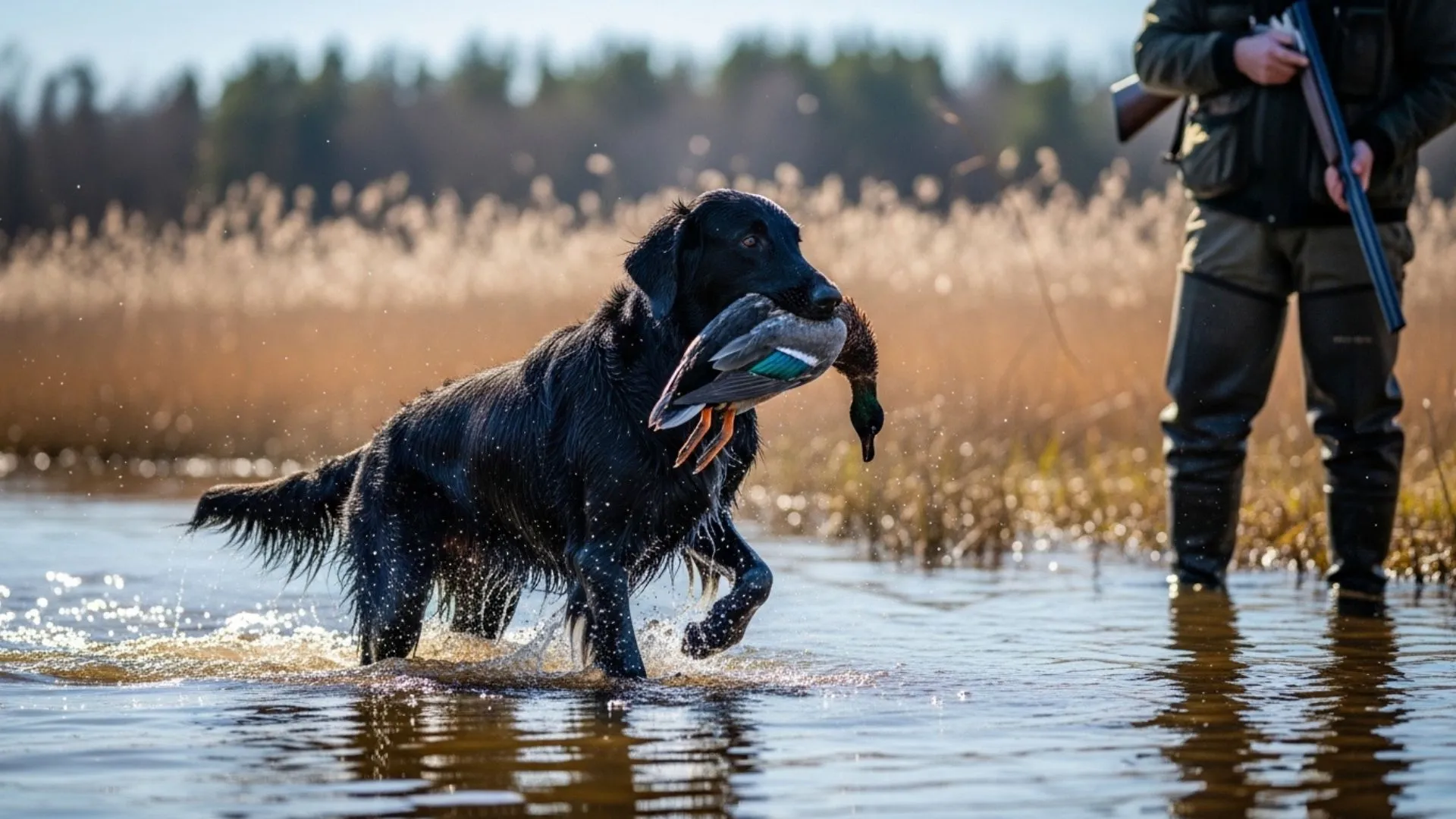
There is something deeply satisfying about watching a skilled hunting dog move through water with purpose, searching tirelessly for waterfowl. For many waterfowl hunters, these dogs are far more than working animals; they are trusted partners who bring efficiency, precision, and a strong sense of companionship to every outing.
Top waterfowl retriever breeds have been carefully shaped through generations of selective breeding. They are equipped with natural retrieving instincts, powerful swimming ability, and the resilience to perform in challenging conditions. Whether navigating icy lakes or pushing through dense marshes and underbrush, these dogs remain focused, steady, and reliable in the field.
Fun fact: Many waterfowl retriever breeds were specifically developed to retrieve birds from frozen or near-freezing waters. Some can even break thin ice to complete a retrieve. Their water-resistant double coats help protect them from extreme weather, while their success in the field often relies on strong training and precise hand signals from their handlers.
In the sections ahead, let’s explore some of the best dog breeds known for exceptional waterfowl retrieval skills.
Top Dog Breeds Skilled in Waterfowl Retrieval
1. Labrador Retriever
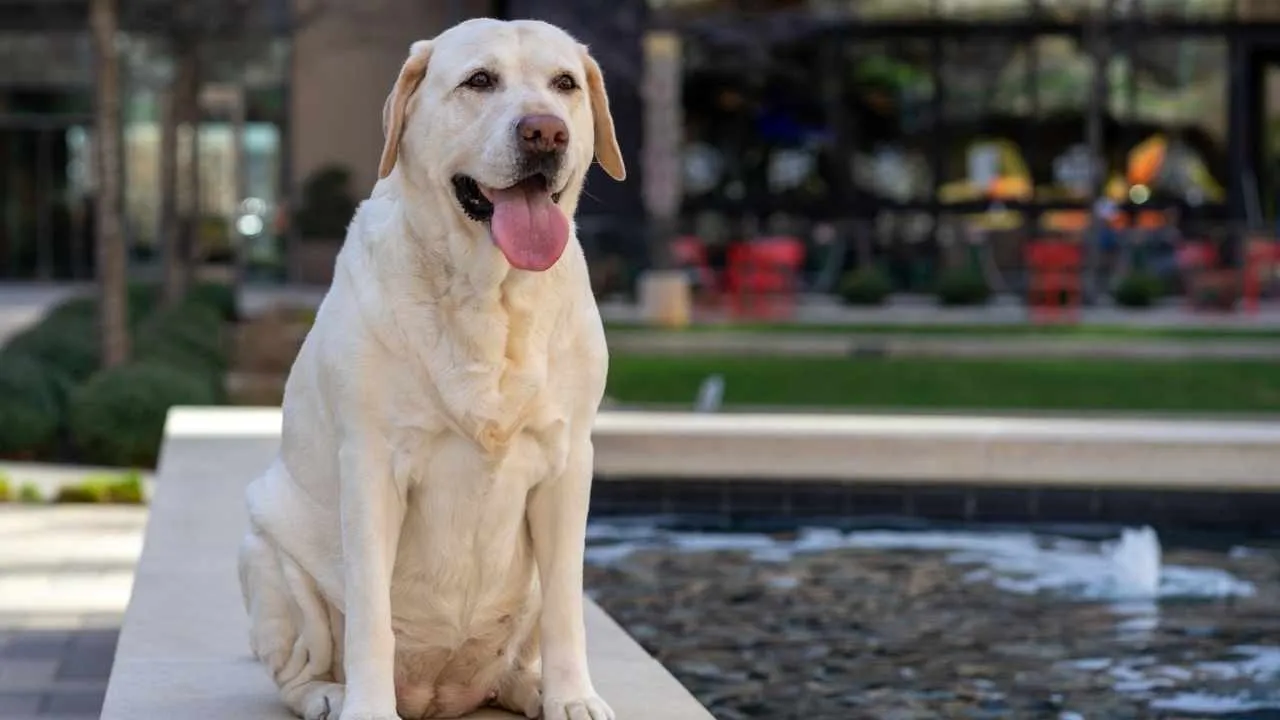
The Labrador Retriever is widely regarded as one of the top choices among waterfowl hunters. Known for its dependable performance, this breed combines steady focus with calm determination in the field. With a long history of working alongside hunters, Labradors have especially proven their value in regions like the Upper Midwest, where retrieving game from cold water is a regular challenge.
According to the American Kennel Club, the Labrador Retriever remains one of the most popular dog breeds due to its friendly temperament, adaptability, and strong working ability. These traits make it equally suited for demanding fieldwork and family life.
Labradors excel at retrieving ducks and tracking wounded game with impressive accuracy and reliability. Their dense, water-resistant double coat allows them to work comfortably in cold and wet conditions for extended periods without losing efficiency.
With proper training and regular exercise, this breed performs exceptionally well in the field while maintaining a stable, well-balanced temperament.
2. Golden Retriever
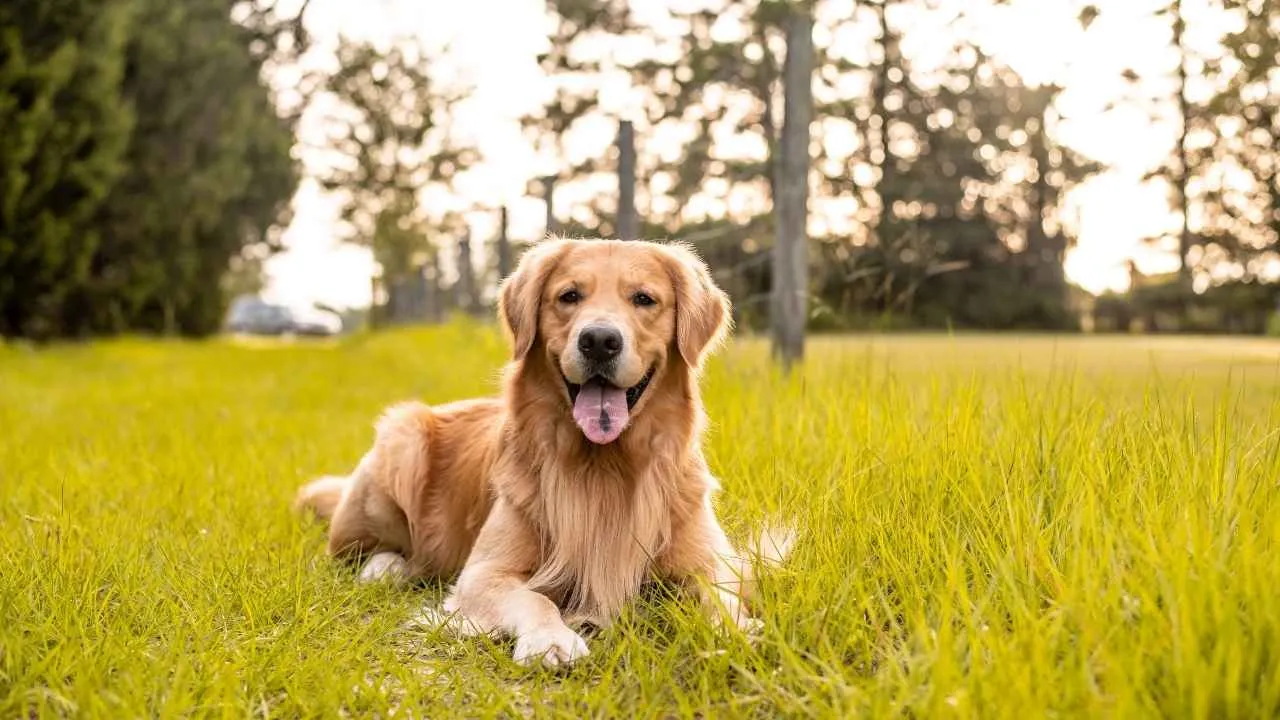
The Golden Retriever is widely admired for its affectionate temperament and dependable working ability, making it one of the most versatile retrieving breeds. While it is a well-loved family companion, it also retains strong natural instincts that make it highly effective in waterfowl hunting and field retrieval work.
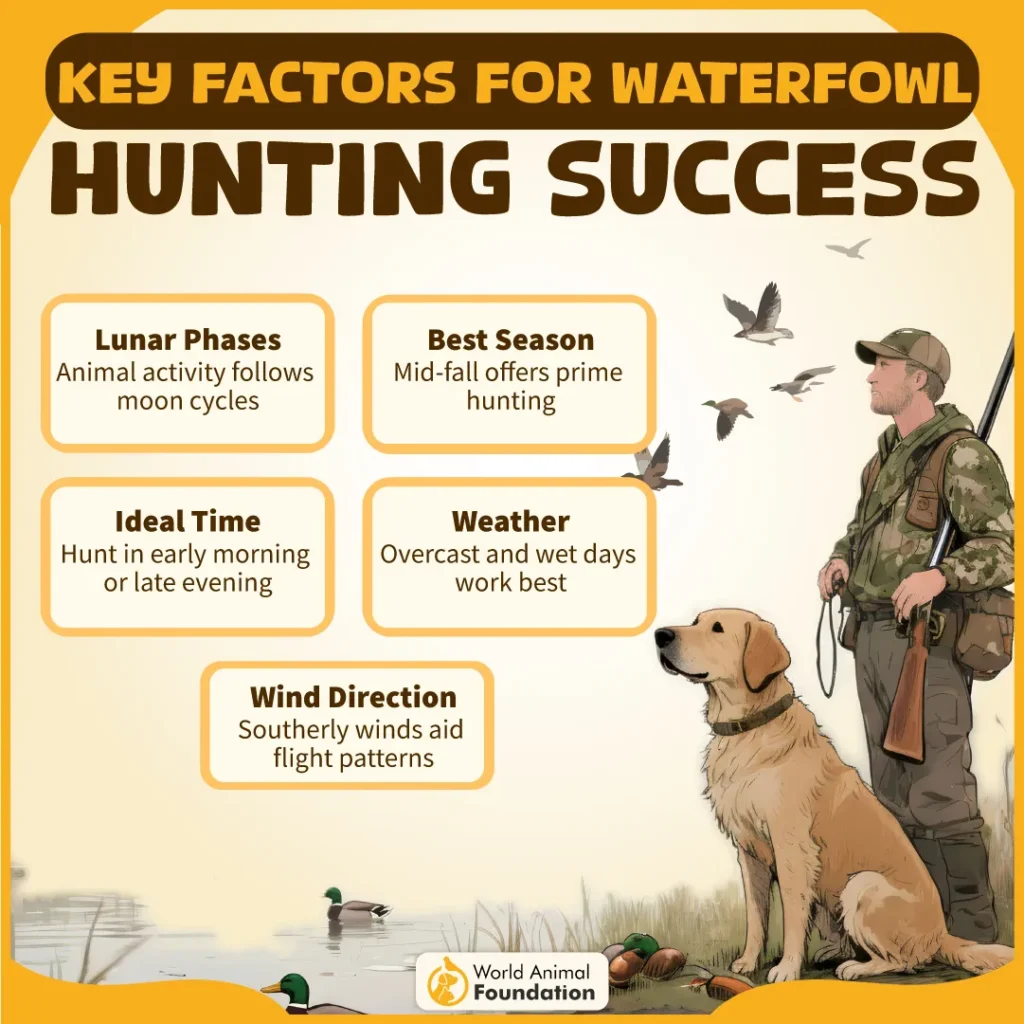
Known for its patience, consistency, and eagerness to please, the Golden Retriever is a reliable partner for both beginner and experienced hunters. According to Purina, this breed thrives on human interaction and structured activity, performing best when it is mentally and physically engaged.
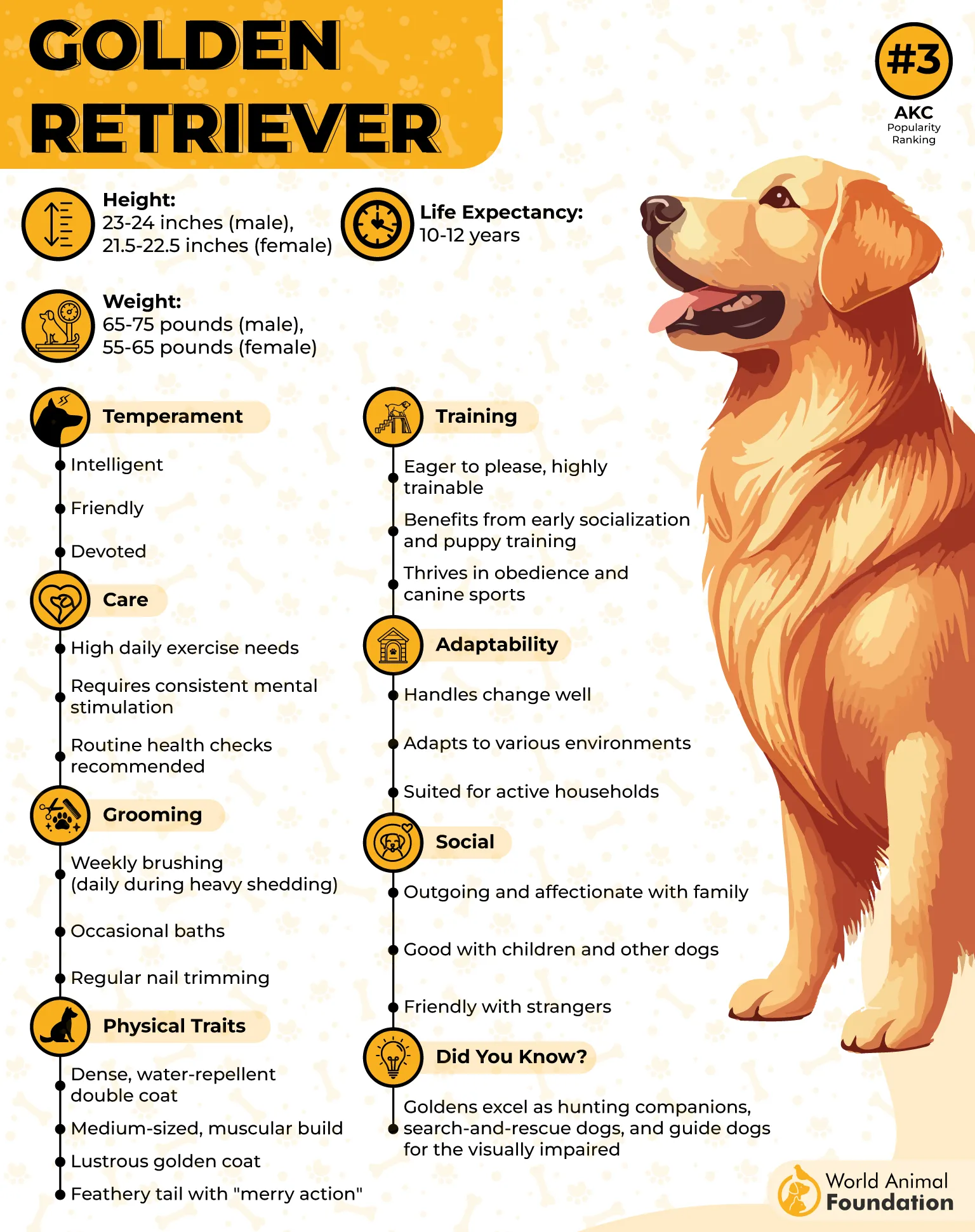
Golden Retrievers excel in both water rescue operations and upland hunting scenarios. Their dense double coat provides insulation in cold and wet conditions, allowing them to work comfortably for extended periods. Combined with their intelligence, this makes them highly responsive to hand signals and field commands.
To stay balanced and focused, the breed requires regular physical exercise as well as mental stimulation. When properly trained and engaged, the Golden Retriever becomes a highly capable, dependable, and versatile working companion.
3. Chesapeake Bay Retriever
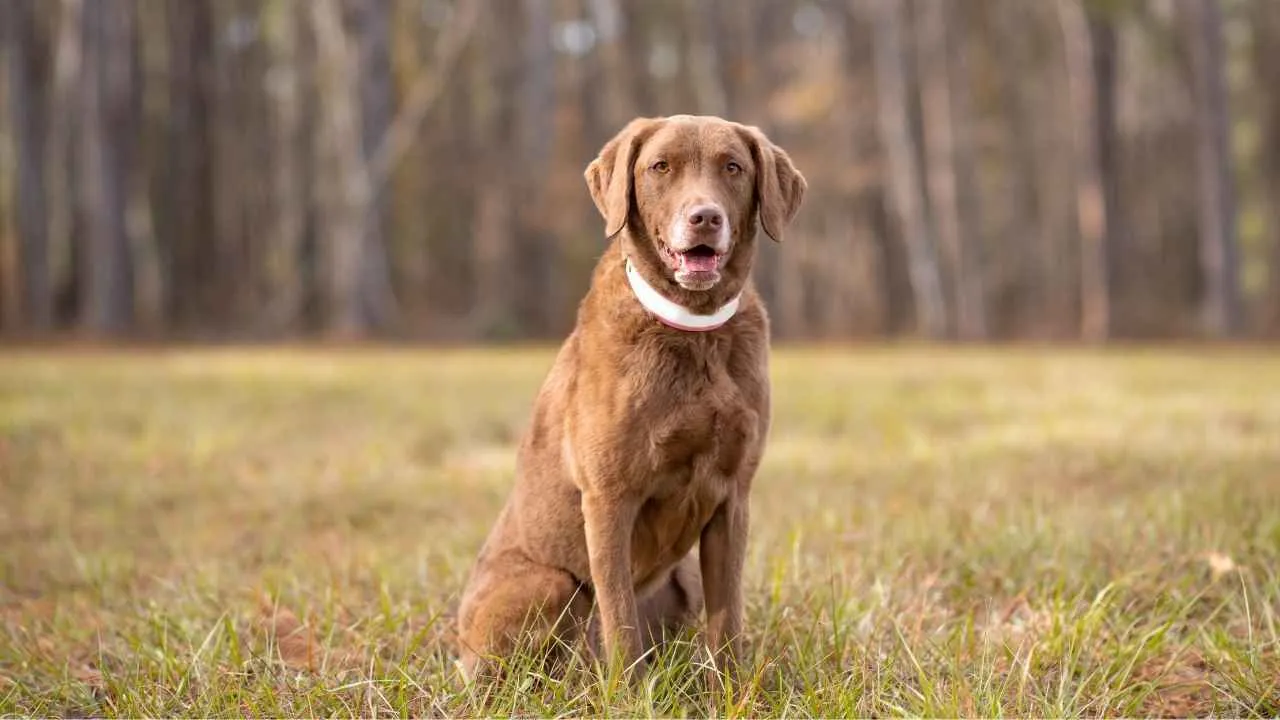
The Chesapeake Bay Retriever is built for endurance, strength, and resilience, especially in harsh weather conditions. Originating from the Chesapeake Bay region, this breed was developed specifically to retrieve waterfowl from cold, rough waters, where both stamina and toughness are essential.
Known for its independence and determination, the Chesapeake Bay Retriever is an excellent choice for hunters who need a dog capable of handling challenging terrain and demanding conditions. It remains focused and steady in the field, even when faced with extreme outdoor environments.
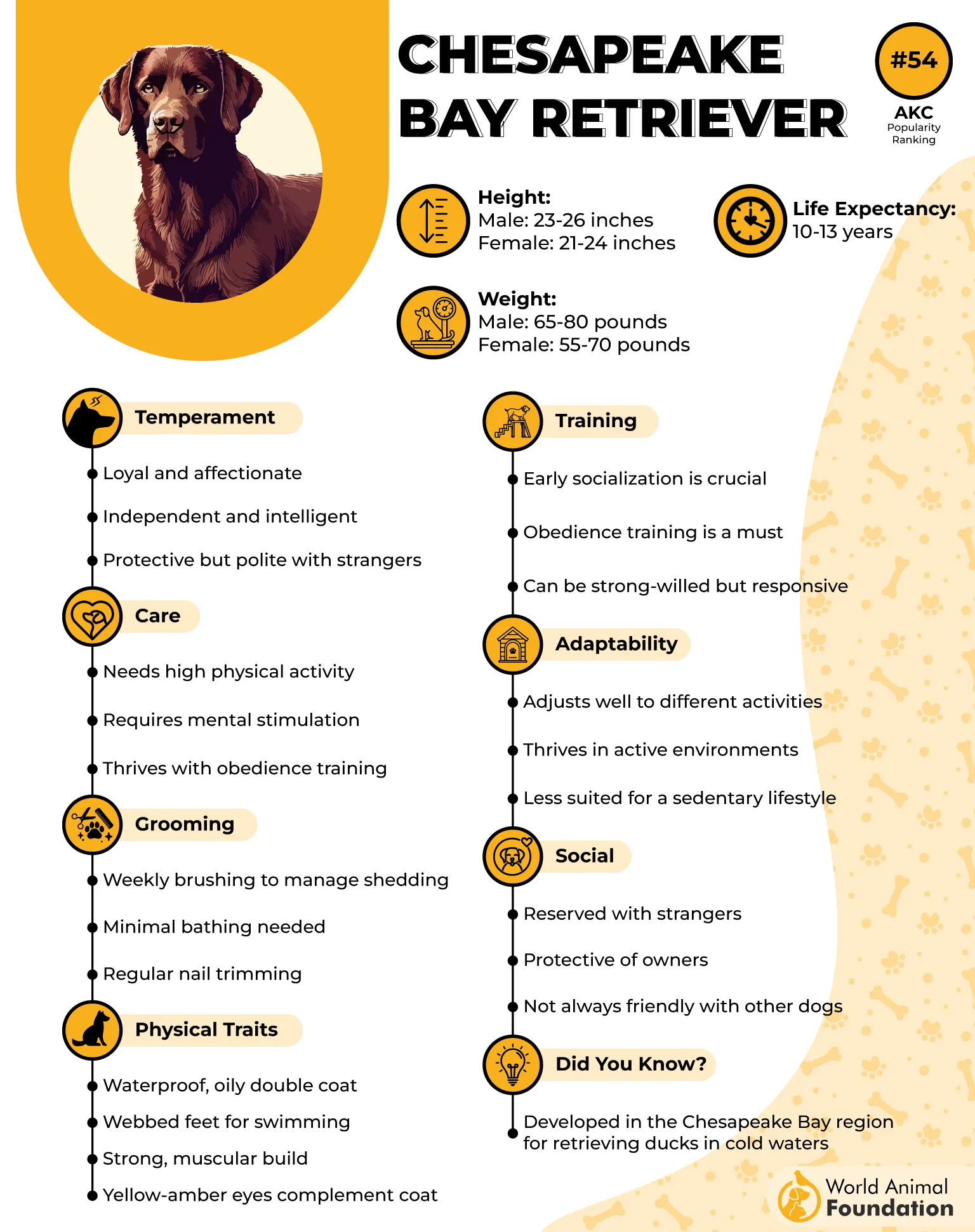
This breed has a dense, water-resistant double coat that provides excellent protection against icy water and cold climates. It is highly skilled at retrieving ducks and tracking wounded game, often displaying strong protective instincts while working.
Proper training is important to manage its strong prey drive and natural independence. With consistent guidance and structure, the Chesapeake Bay Retriever becomes a disciplined, reliable, and highly effective working companion.
4. German Shorthaired Pointer
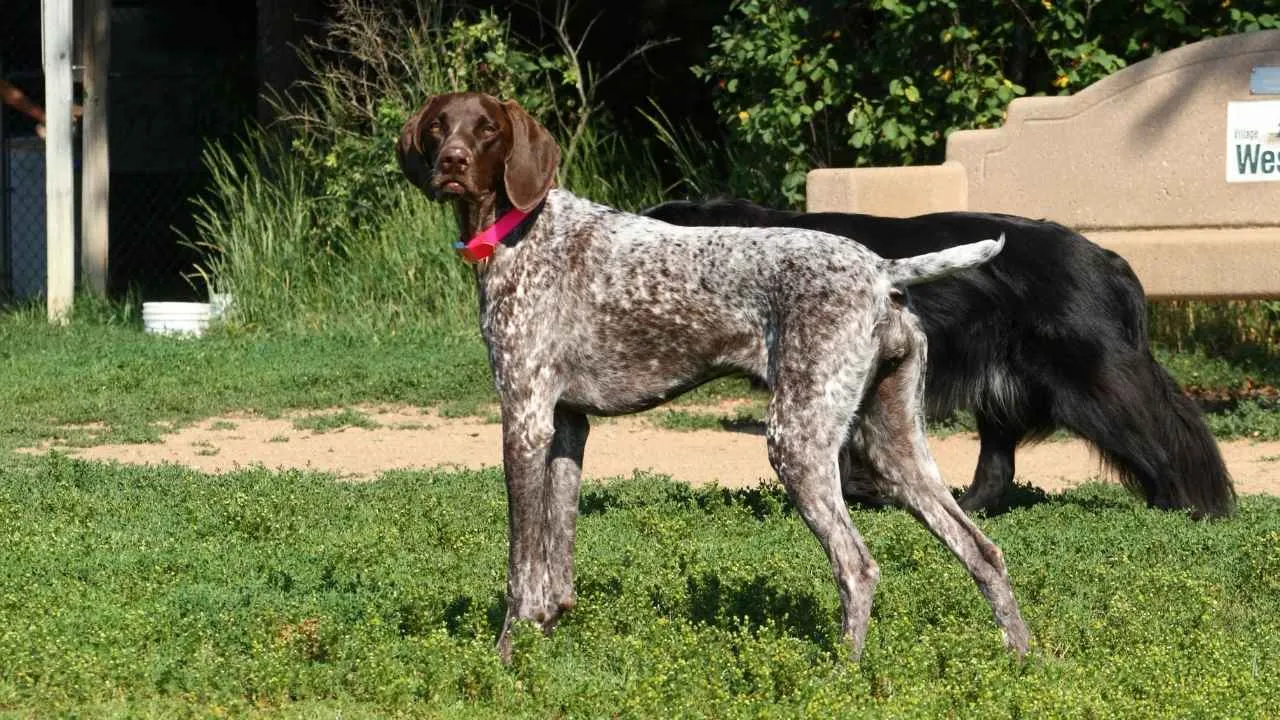
The German Shorthaired Pointer is a versatile hunting breed capable of both pointing and retrieving, making it highly effective in a wide range of field conditions. It performs well in both upland bird hunting and waterfowl retrieval, earning its reputation as one of the most adaptable sporting dogs.
With high endurance and an energetic, enthusiastic temperament, this breed thrives in environments that require continuous movement and activity. According to Hill’s Pet, regular physical exercise is essential for maintaining its balance, focus, and overall well-being.
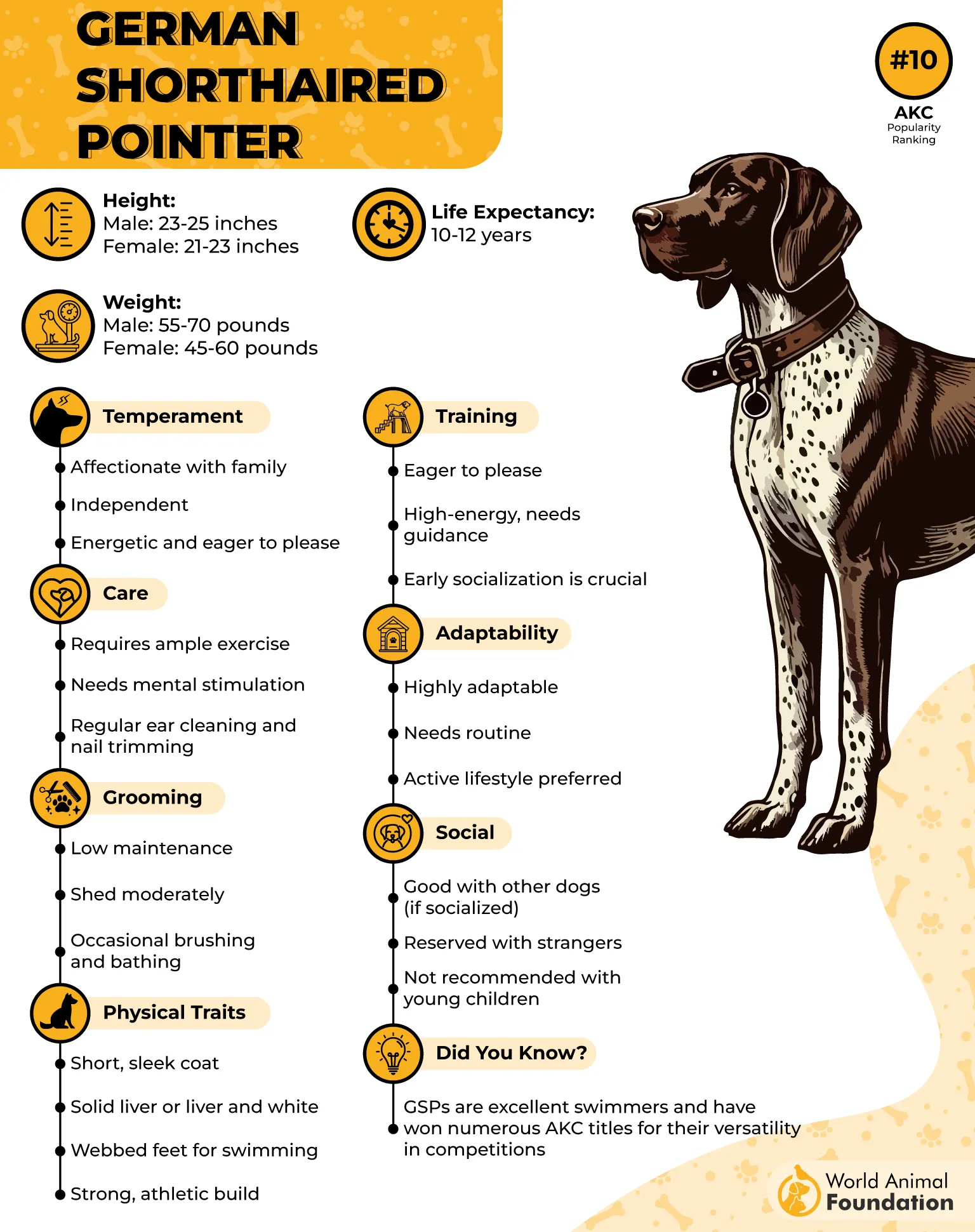
The German Shorthaired Pointer is a true multi-purpose hunter, excelling at flushing birds, pointing game, and retrieving waterfowl. Its strong prey drive and wide-ranging ability make it especially suited for large hunting grounds where versatility is key.
Proper training is essential to channel its energy and develop consistent focus. With structured guidance, the breed becomes a reliable, responsive, and highly skilled hunting companion.
5. Flat-Coated Retriever
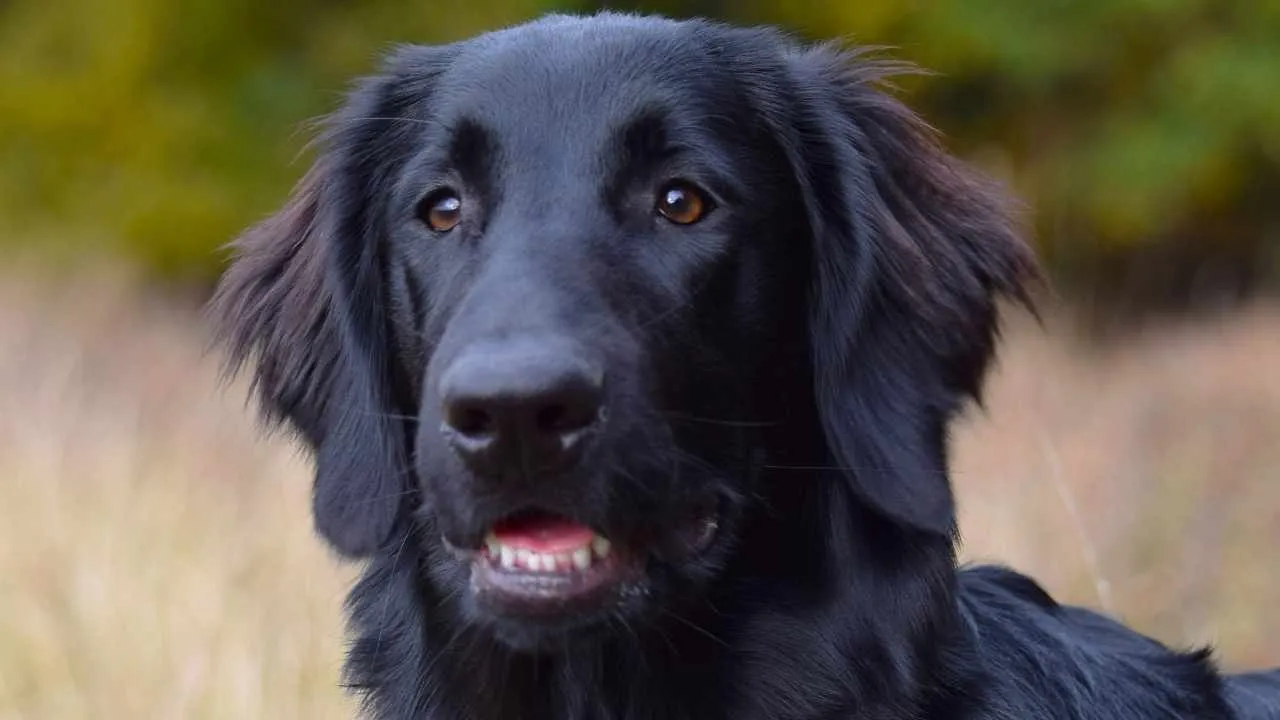
The Flat-Coated Retriever is an energetic and enthusiastic working breed that brings both skill and a cheerful temperament to field tasks. Known for its natural retrieving instinct from an early age, this dog especially enjoys water-based activities and demonstrates a strong affinity for swimming and fetching.
In waterfowl hunting, the breed excels due to its eagerness to retrieve and consistent performance in the field. According to PetMD, the Flat-Coated Retriever requires regular mental stimulation to prevent boredom and restlessness, making engagement and activity an essential part of its routine.
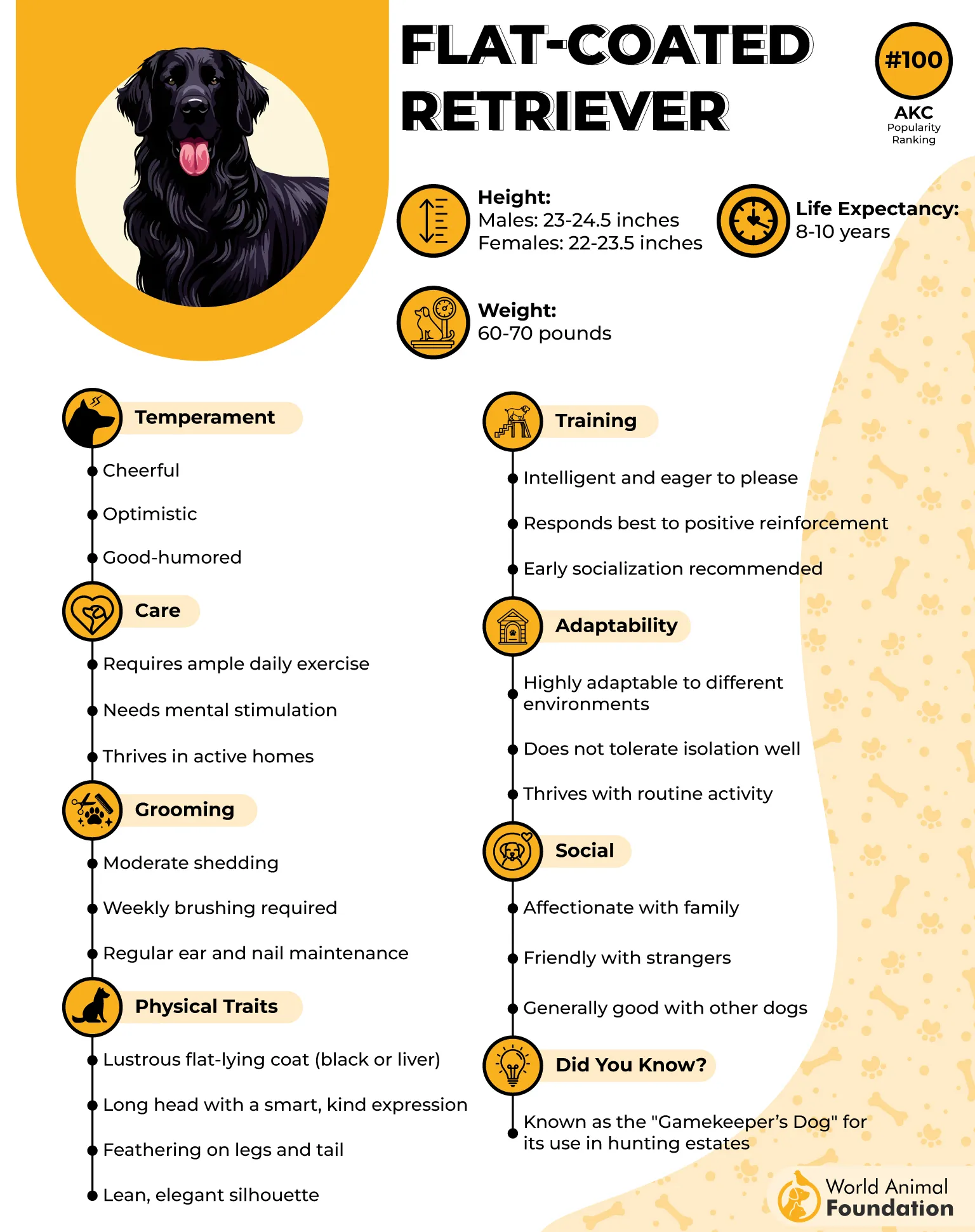
Flat-Coated Retrievers are strong, capable swimmers that confidently retrieve game from both shallow and deep water. A structured training routine is important to channel their high energy and prevent unwanted behaviors while reinforcing focus and discipline.
With proper guidance and consistent activity, this breed performs well as both a reliable hunting partner and a loyal, affectionate household companion.
6. Nova Scotia Duck Tolling Retriever
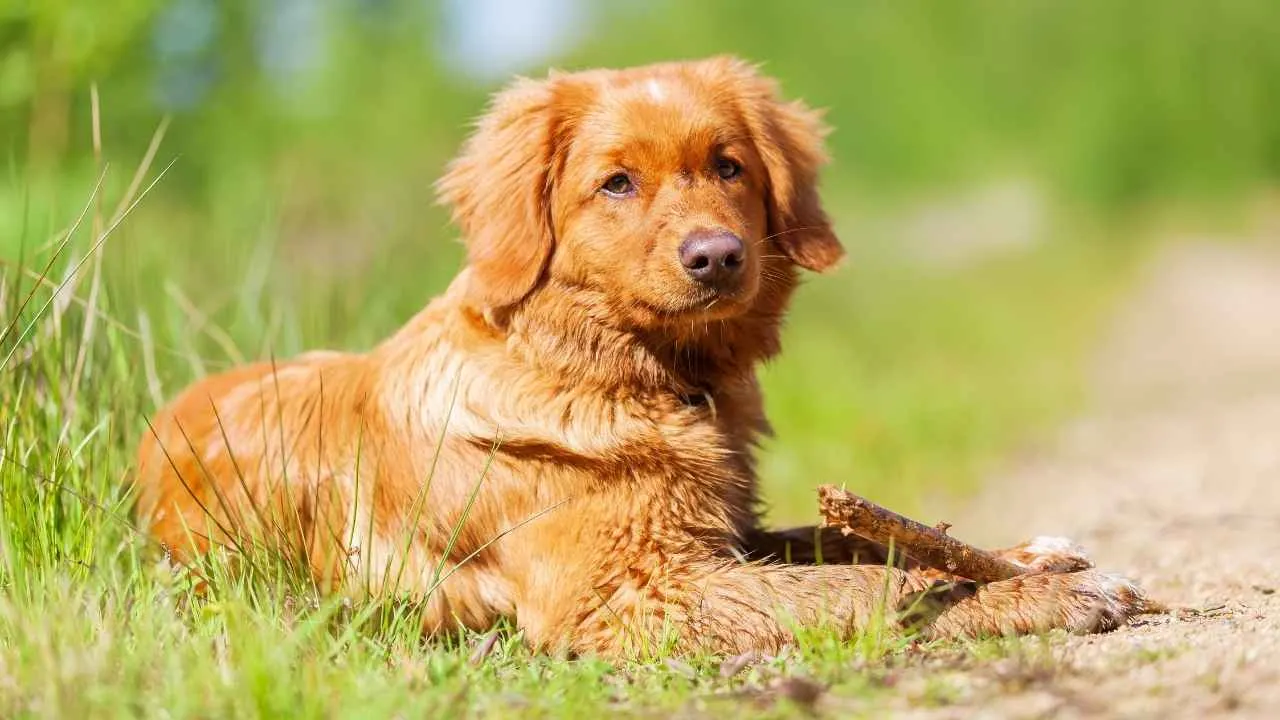
The Nova Scotia Duck Tolling Retriever stands out for its unique hunting technique known as “tolling,” where playful movement is used to attract waterfowl within range of hunters. This intelligent and strategic breed combines instinct with precision, making it highly effective in waterfowl hunting scenarios.
Working with both focus and awareness, the breed is well-suited for retrieving birds during controlled hunting sessions. Its alert nature and strong determination allow it to perform consistently in demanding field conditions.
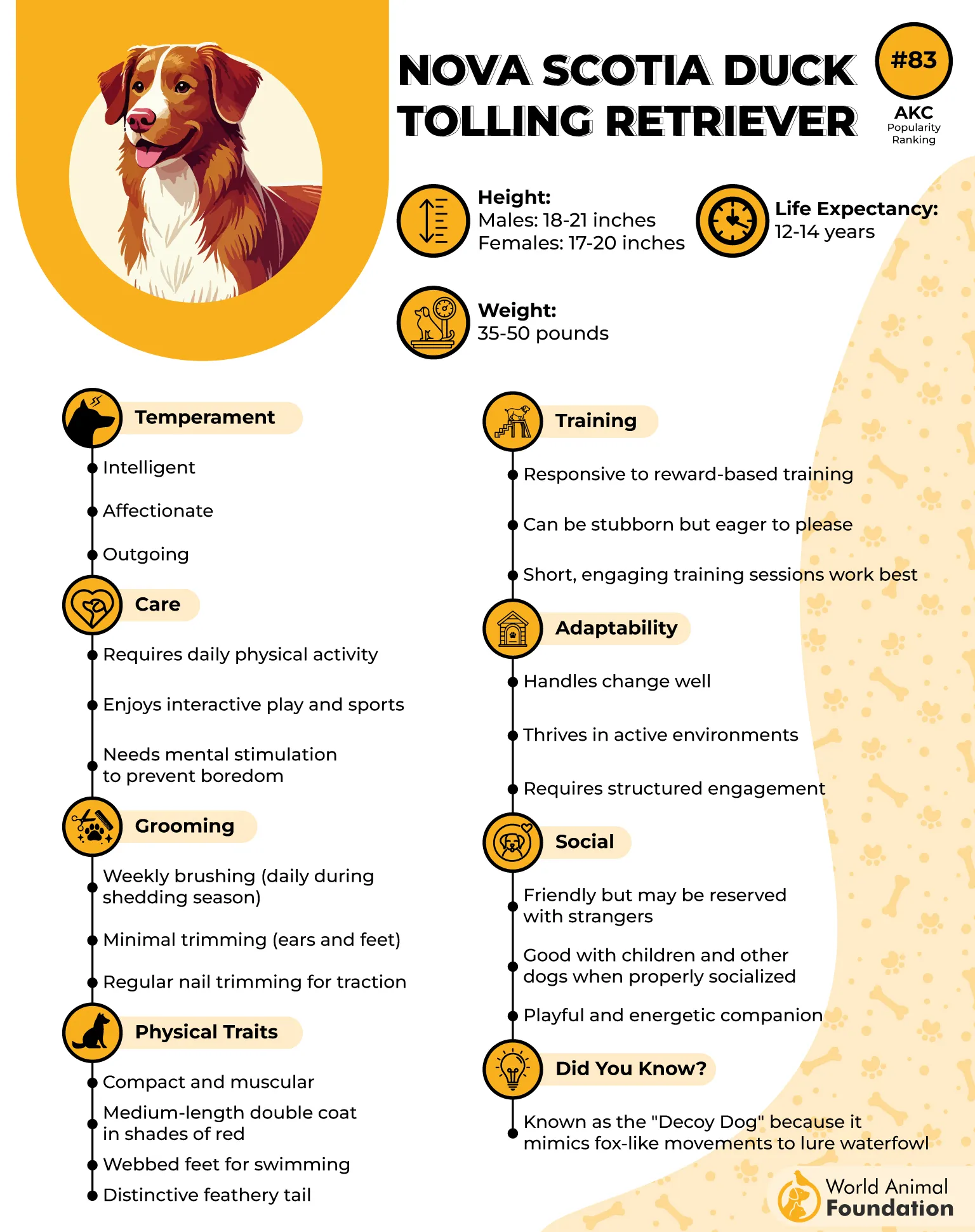
The Nova Scotia Duck Tolling Retriever has a dense double coat that provides protection against cold water, enabling it to work comfortably during long retrievals. It is capable of both retrieving ducks and flushing birds, making it a versatile hunting companion.
This breed requires regular mental and physical exercise to properly channel its high energy levels. With consistent training and engagement, it develops into a focused, efficient, and highly capable working dog.
7. Irish Water Spaniel
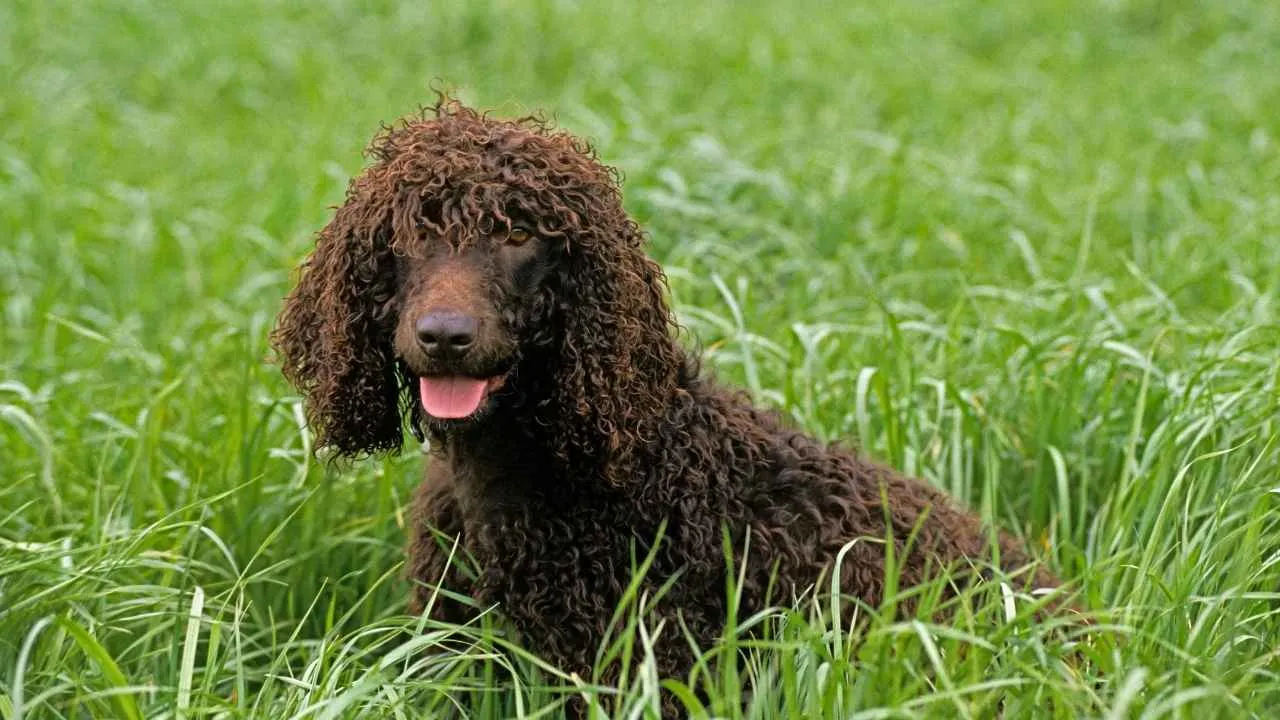
The Irish Water Spaniel is one of the most distinctive waterfowl hunting breeds, easily recognized by its dense, curly coat and strong affinity for water. Long valued for its ability to retrieve birds in wet, marshy environments, this breed combines working skill with a unique and striking appearance.
Intelligent and courageous, the Irish Water Spaniel performs effectively as a retriever while also serving as a loyal and friendly companion. According to Royal Canin, it is an energetic and highly responsive breed that thrives when given both physical and mental engagement.
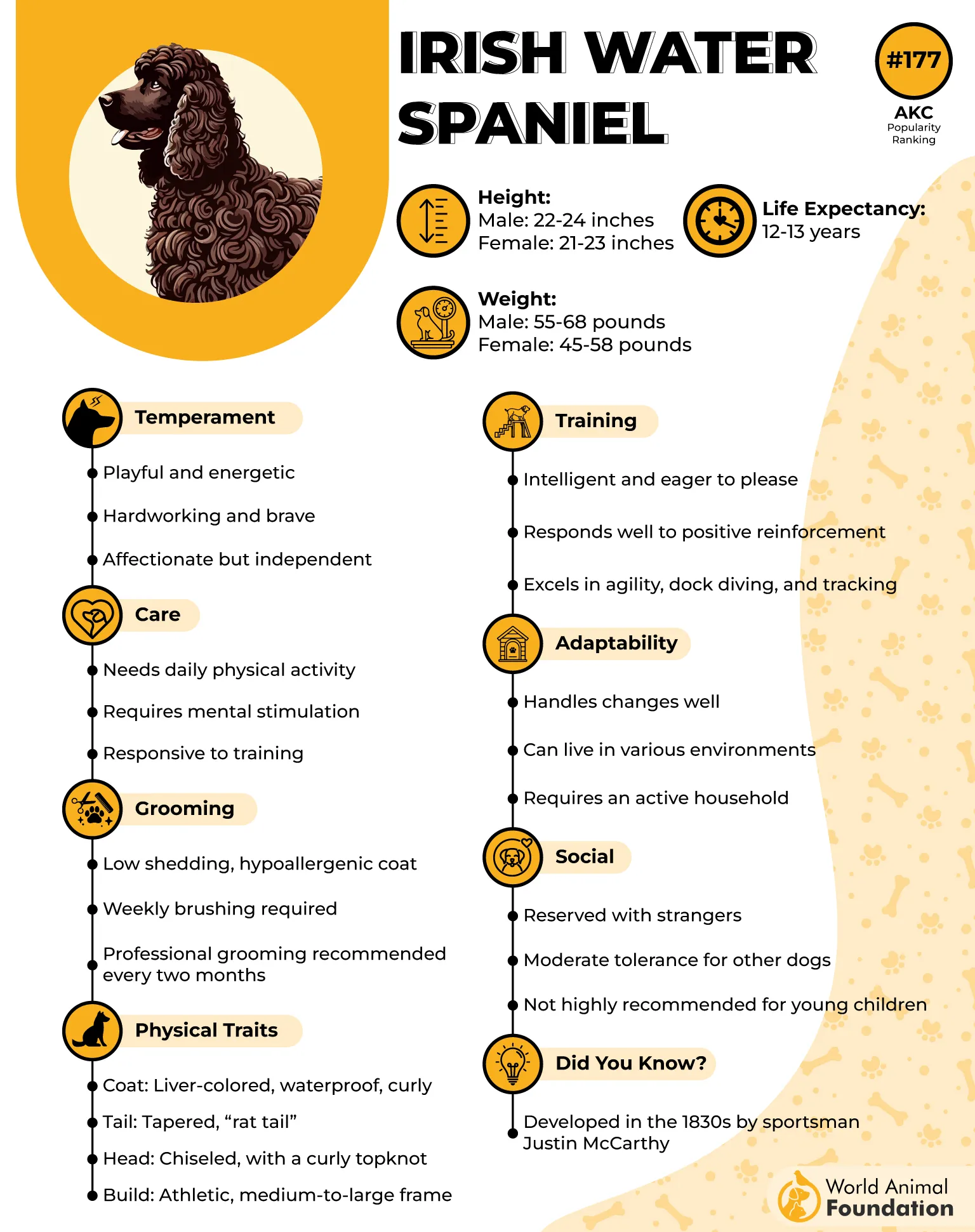
This breed is highly capable of retrieving waterfowl and navigating dense vegetation with ease. Its water-resistant coat provides protection during prolonged exposure to cold and wet conditions, allowing it to work reliably in challenging environments.
The Irish Water Spaniel requires regular exercise and structured daily activity to maintain good behavior and optimize its performance in the field.
8. American Water Spaniel
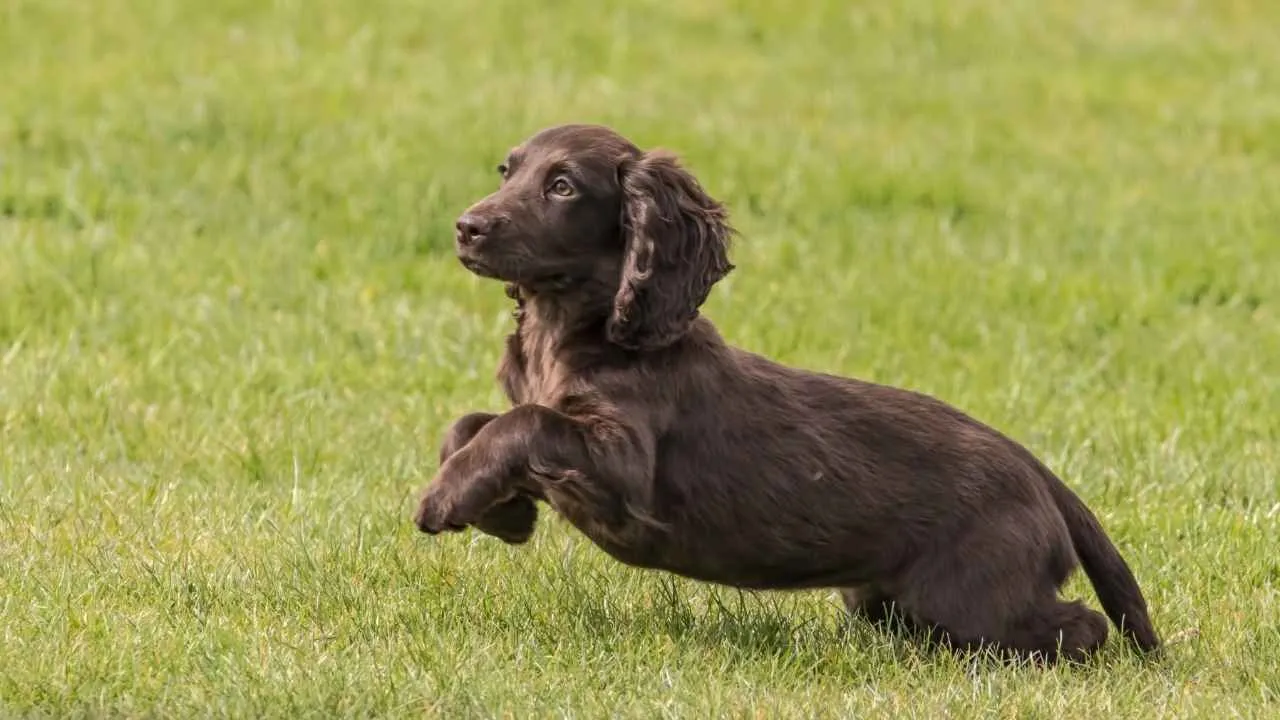
The American Water Spaniel is a compact yet capable retrieving breed, originally developed to work in tight spaces, dense cover, and challenging terrains. It is well-suited for both upland game hunting and waterfowl retrieval, making it a versatile companion in the field.
According to Omlet, this breed adapts well to active households and thrives in environments that provide regular physical engagement. Its energetic nature and eagerness to work mean it benefits greatly from regular exercise and interaction to maintain balanced behavior and overall well-being.
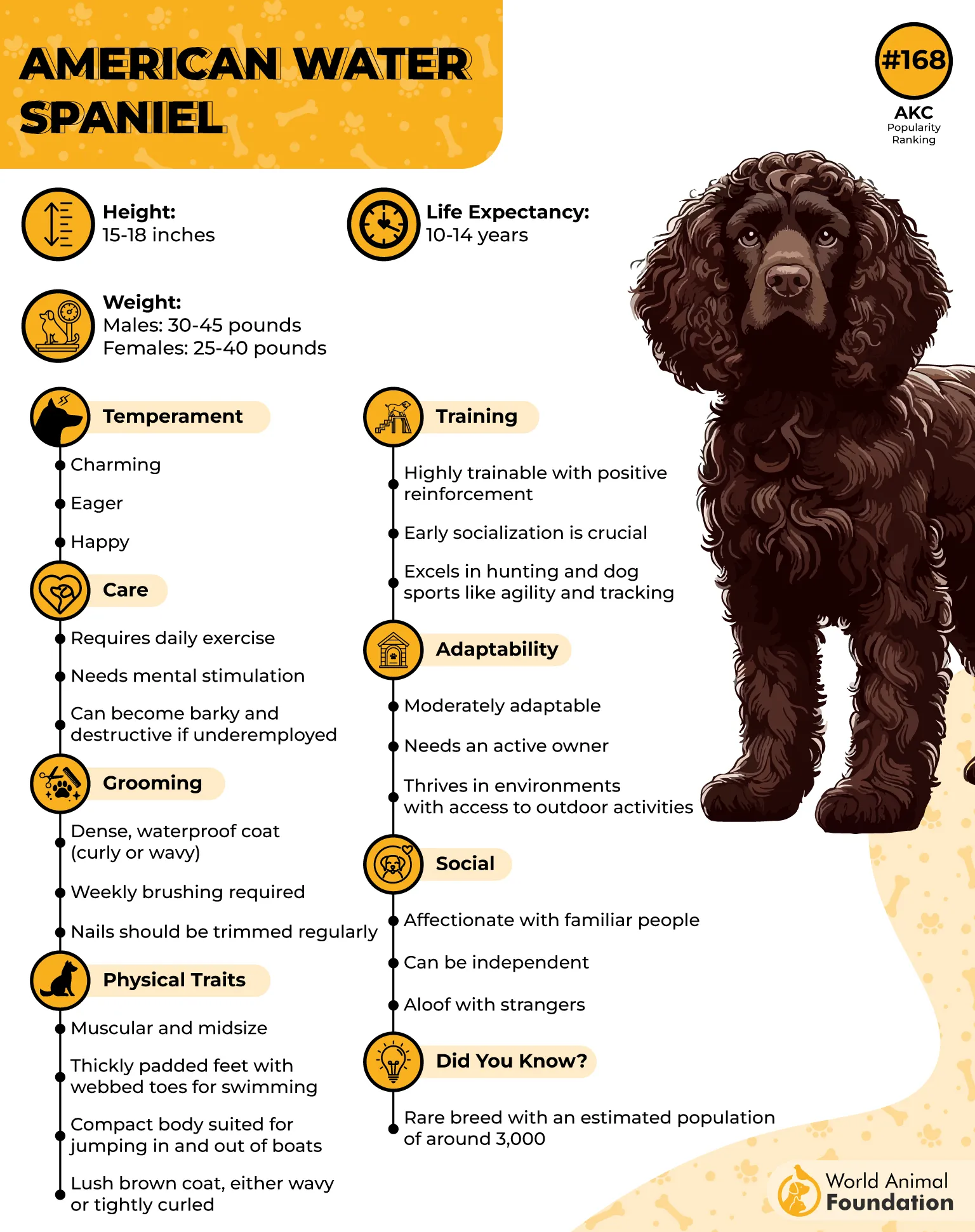
The American Water Spaniel is a strong swimmer with reliable tracking and retrieving abilities. Its dense double coat offers protection during water work, allowing it to perform effectively in wet and cold conditions. Strong natural instincts support efficient bird retrieval in varied environments.
Consistent training and structured activity are essential to channel its energy and refine its working drive, helping the breed develop discipline and reliable performance in the field.
9. Boykin Spaniel
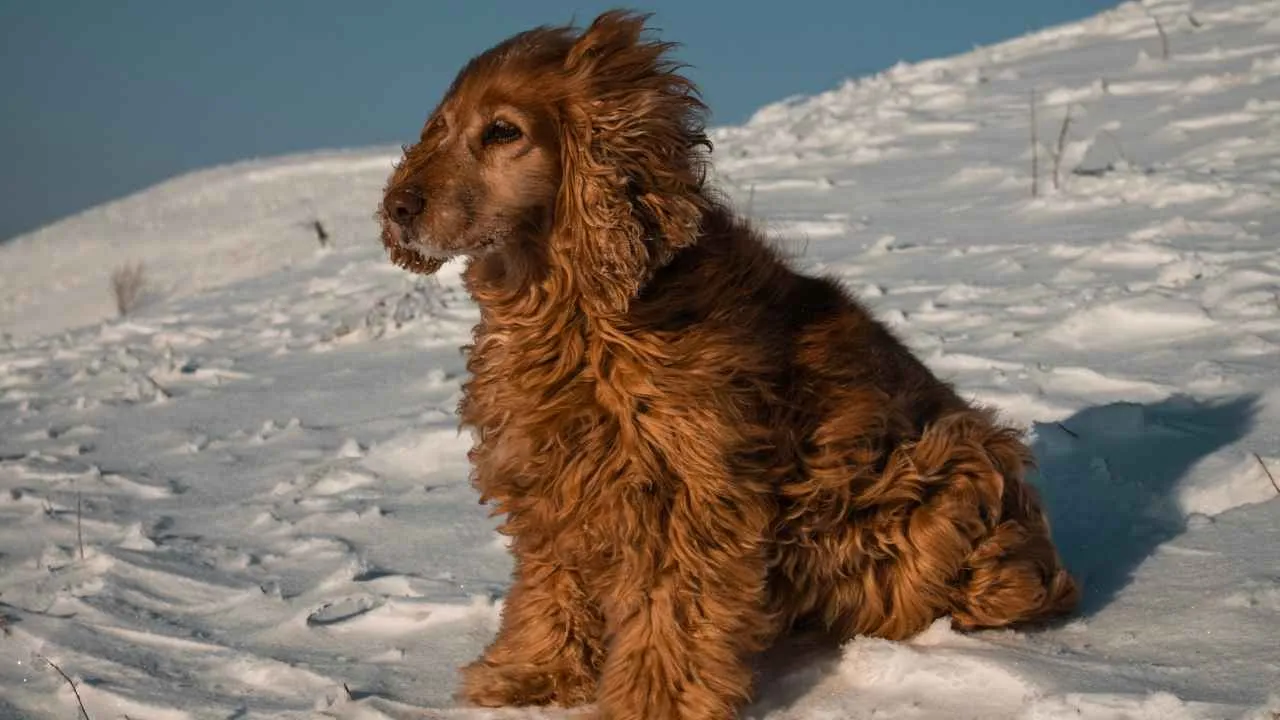
The Boykin Spaniel, originally developed in South Carolina, is a dedicated waterfowl hunting companion known for its agility, enthusiasm, and dependable working ability. It was specifically bred to retrieve birds shot by hunters in wetlands and freshwater environments, where precision and endurance are essential.
This breed displays a balanced temperament that allows it to perform effectively both as a skilled retriever and as a friendly family companion. According to Orvis, the Boykin Spaniel is highly adaptable and thrives in active, outdoor-oriented lifestyles.
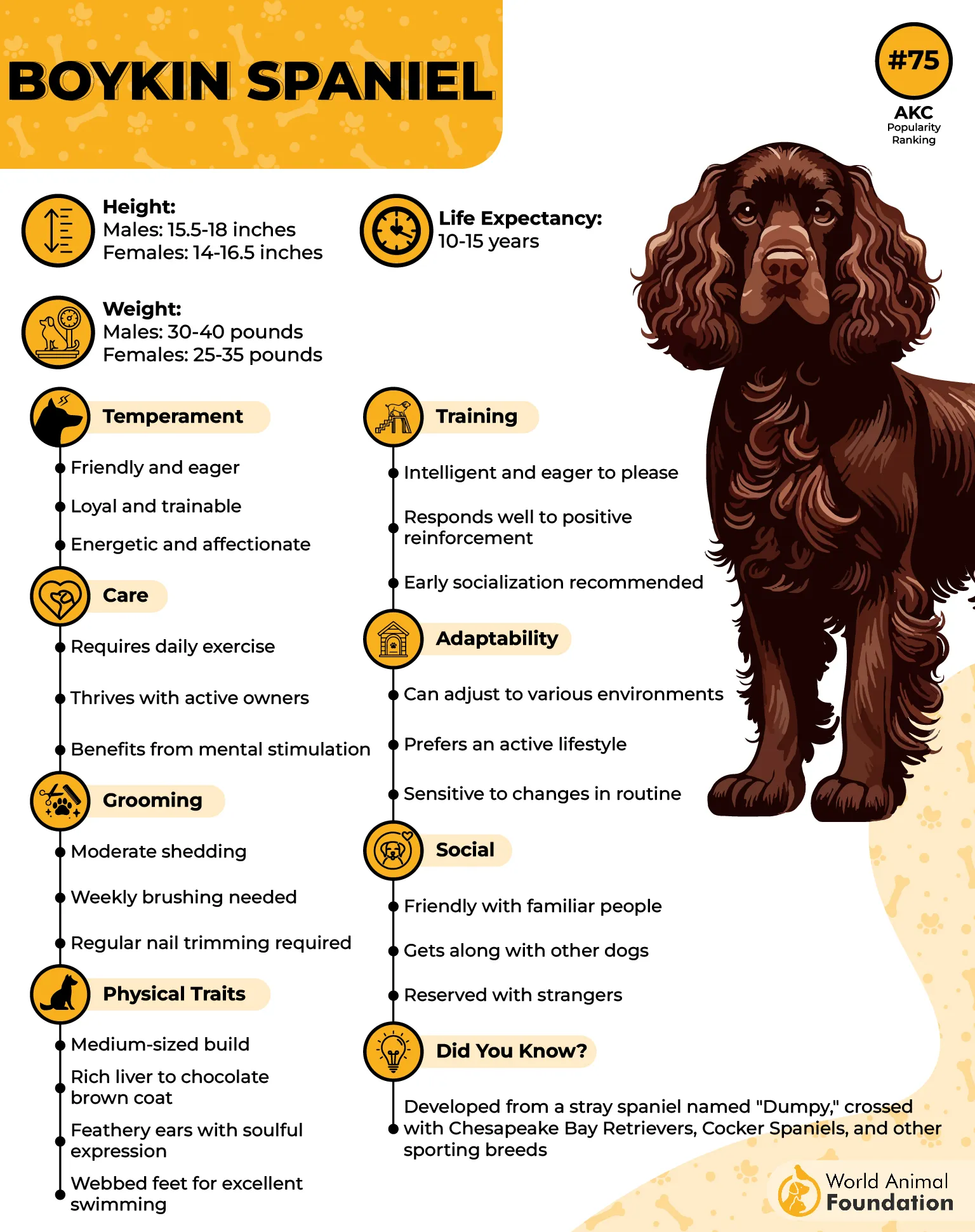
The Boykin Spaniel has webbed feet, which enhance its swimming efficiency and allow it to move smoothly through water. It is well-suited for retrieving ducks and navigating dense vegetation where movement can be difficult and demanding.
Regular physical activity is important for maintaining both its strength and mental sharpness, helping this energetic breed perform at its best in the field.
10. Standard Poodle
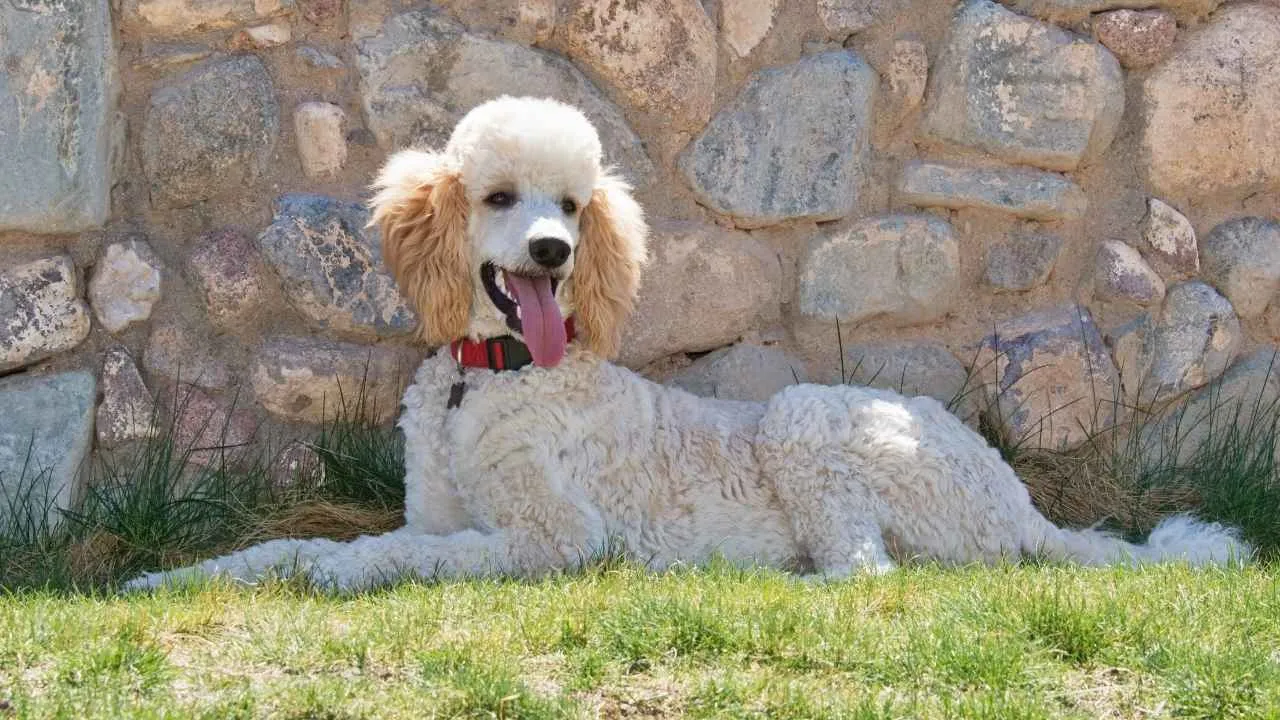
The Standard Poodle was originally developed as a water retriever, a fact that often surprises many people today. Despite its reputation as an elegant companion dog, this breed has a strong working background and is highly capable in both home environments and hunting fields due to its intelligence and adaptability.
Its refined appearance is not just aesthetic; it reflects a functional history as a dedicated waterfowl hunting dog. Known for exceptional intelligence and ease of training, the Standard Poodle responds quickly to commands and performs reliably in structured working situations.
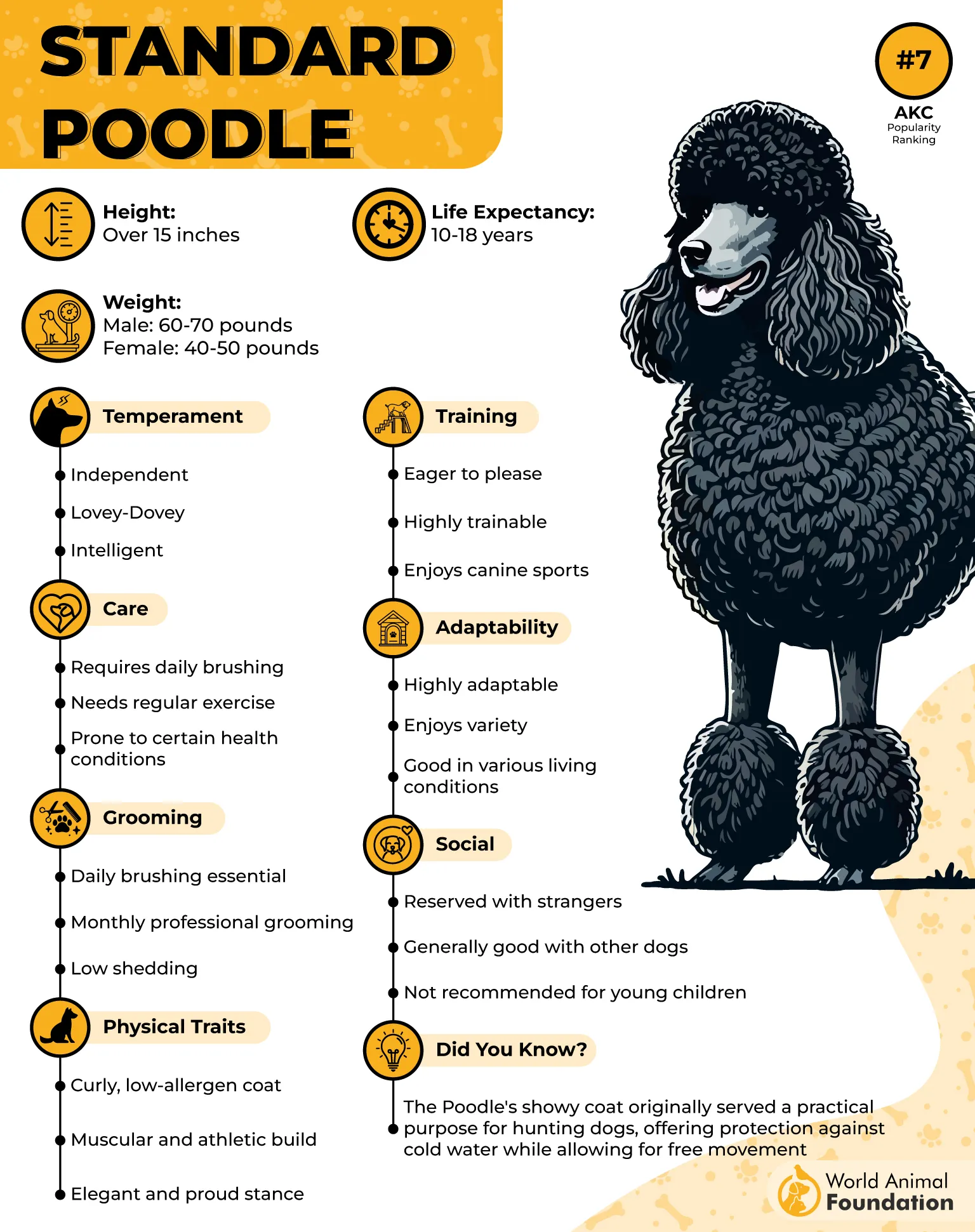
Standard Poodles are excellent swimmers, and their dense, curly coats help protect them from cold water during retrieval work. They are often trained to respond to hand signals in the field, making them highly effective hunting partners.
To maintain peak performance, the breed requires regular mental stimulation and structured training, ensuring both its physical abilities and intelligence are fully engaged.
Conclusion
The top dog breeds that excel in waterfowl retrieval are defined by strong natural instincts combined with carefully developed training, allowing them to work in close coordination with their handlers. These dogs are more than just hunting partners—they are dependable companions that provide consistent support across a wide range of outdoor activities.
Each breed brings its own unique strengths to the field, from the tactical “tolling” technique of the Nova Scotia Duck Tolling Retriever to the steady reliability of the Labrador Retriever. Their differences in style, energy, and approach make them suitable for different hunting conditions and handler preferences.
Choosing the right companion ultimately depends on lifestyle, living environment, and hunting needs. When properly matched and well-trained, these waterfowl retrievers become highly effective working partners as well as loyal, adaptable companions.
