




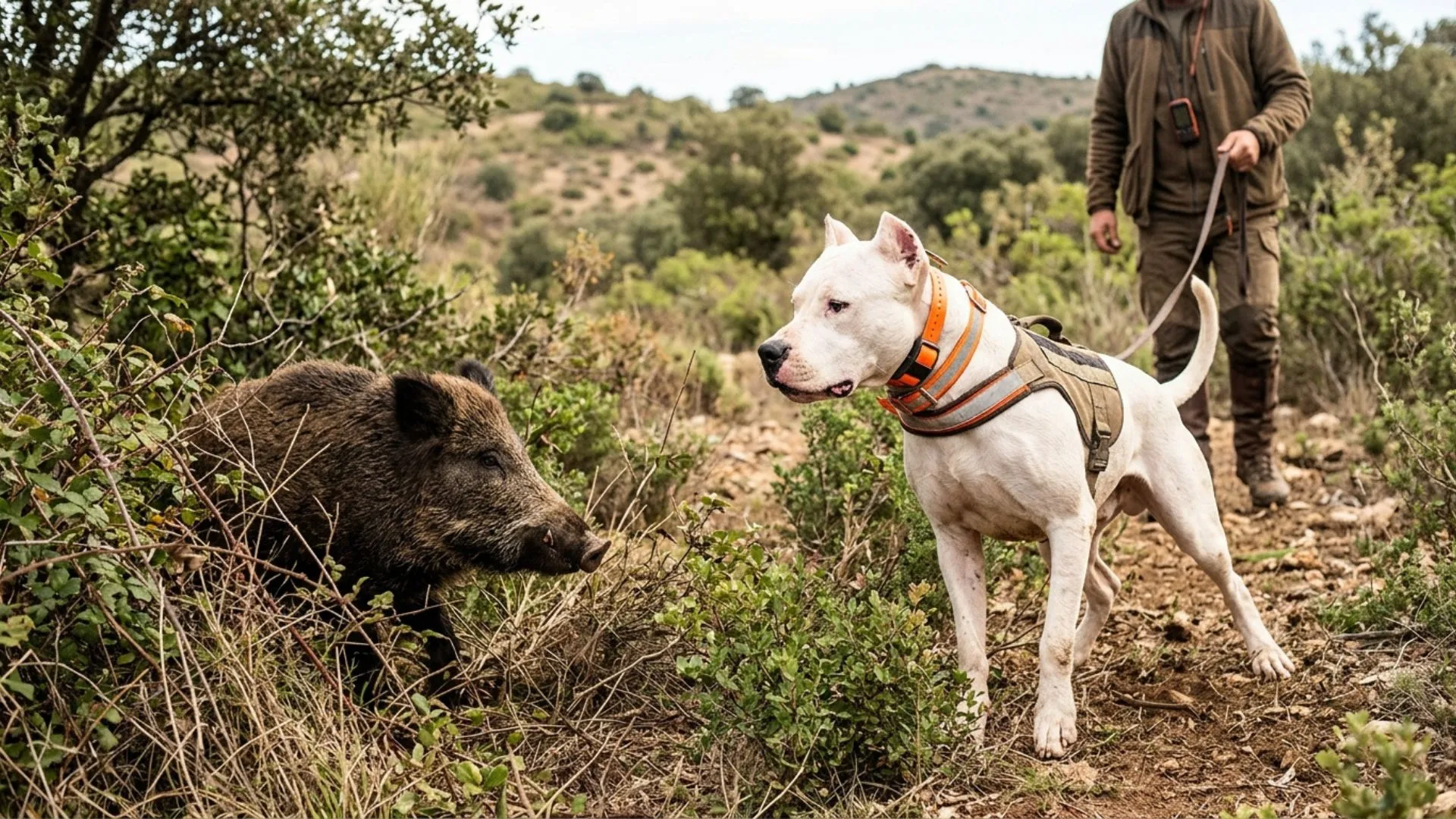
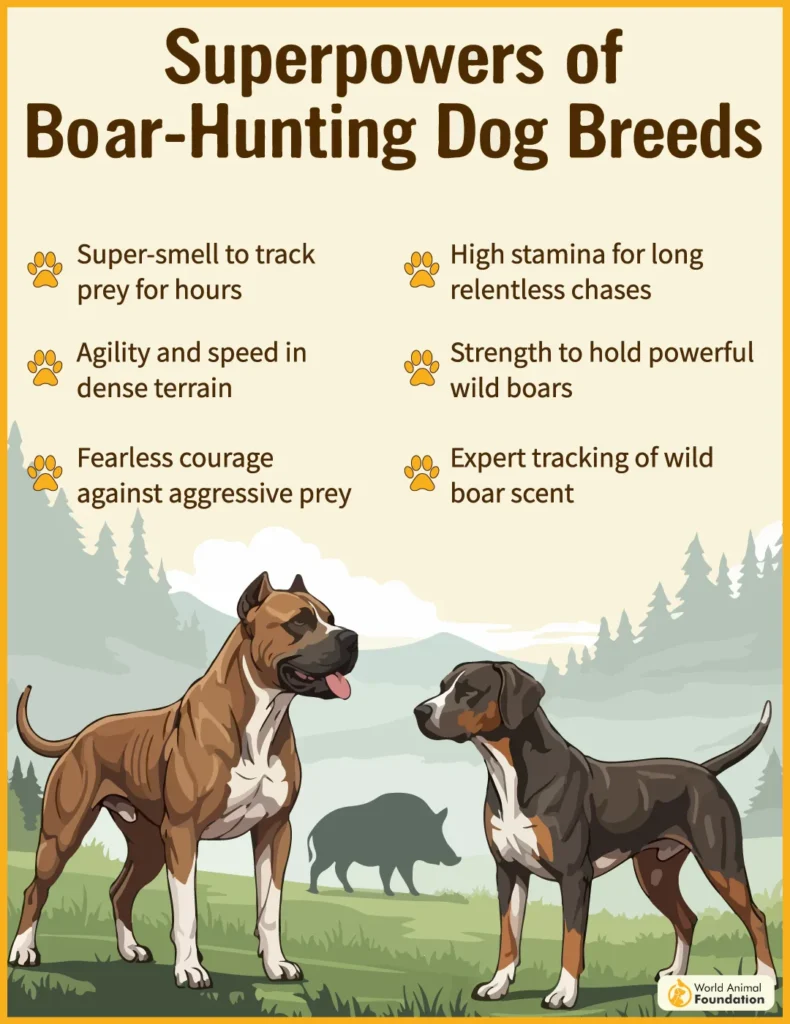
Wild boar hunting has never been a task suited for ordinary dogs. The terrain is rough, the pace is unpredictable, and one wrong move can place a dog directly in front of an aggressive animal built to fight back without hesitation.
Hunters learned long ago that not every powerful-looking dog can handle that pressure once the chase begins. Some lose focus in thick cover, while others struggle to keep pace during long pursuits. The dogs that consistently succeed in boar hunts carry a very different combination of traits.
They possess the stamina to push through exhausting conditions, the confidence to confront dangerous prey, and the instinct to work with precision instead of reckless aggression. Those qualities were shaped through years of demanding fieldwork rather than appearance alone.
This article presents the remarkable hunting dogs that earned reputations by standing their ground where many others failed.
Key Takeaways
Thick forests, dangerous terrain, and aggressive wild boars created the kind of pressure only a handful of dogs could truly handle.
The Plott Hound earned its reputation by pushing through rugged mountain terrain with a level of focus that rarely breaks once a scent is locked in.
Dogo Argentinos and Catahoula Leopard Dogs brought power, endurance, and control into hunts where hesitation could end badly within seconds.
As this list unfolds, it becomes clear why these breeds were trusted in places where courage alone was never enough
Dog Breeds Proven to Dominate Wild Boar Hunts
1. Plott Hound
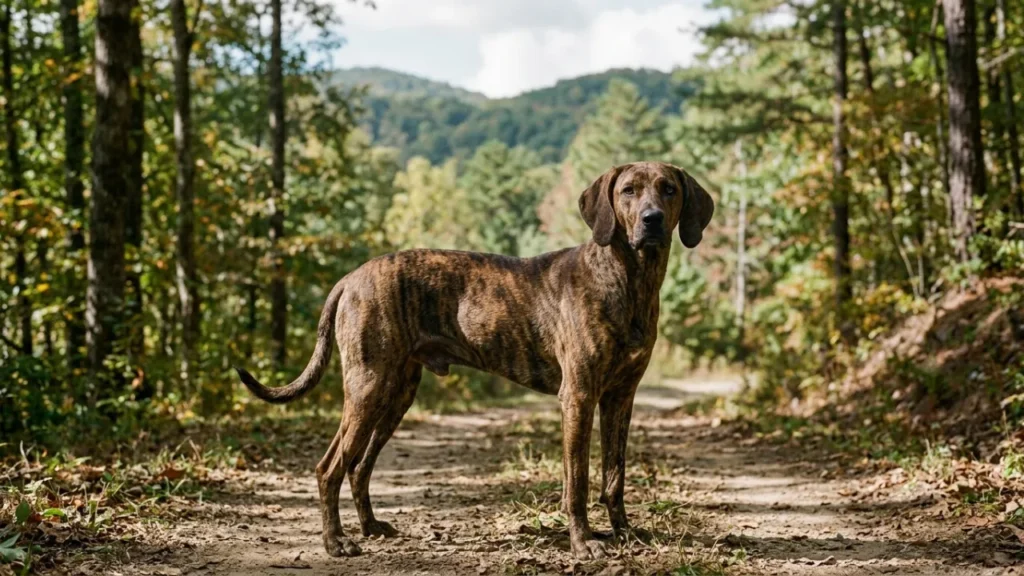
The Plott Hound comes from the western mountains of North Carolina, where rugged terrain shaped a dog built specifically for boar hunting. Its identity centers around scent work, persistence, and confidence during difficult pursuits. Among Coonhounds, Plotts remain separate from the Foxhound lineage.
Nose-first hunting behavior
They approach tracking with intense scent focus, often lowering their nose to the ground or locking onto trails above eye level. This fixation on scent gives the breed a relentless hunting rhythm during pursuit work.
That instinct appears through distinct field habits:
Tracks scent trails with prolonged focus
Pursues the game across rough wooded terrain
Redirects attention quickly toward new smells
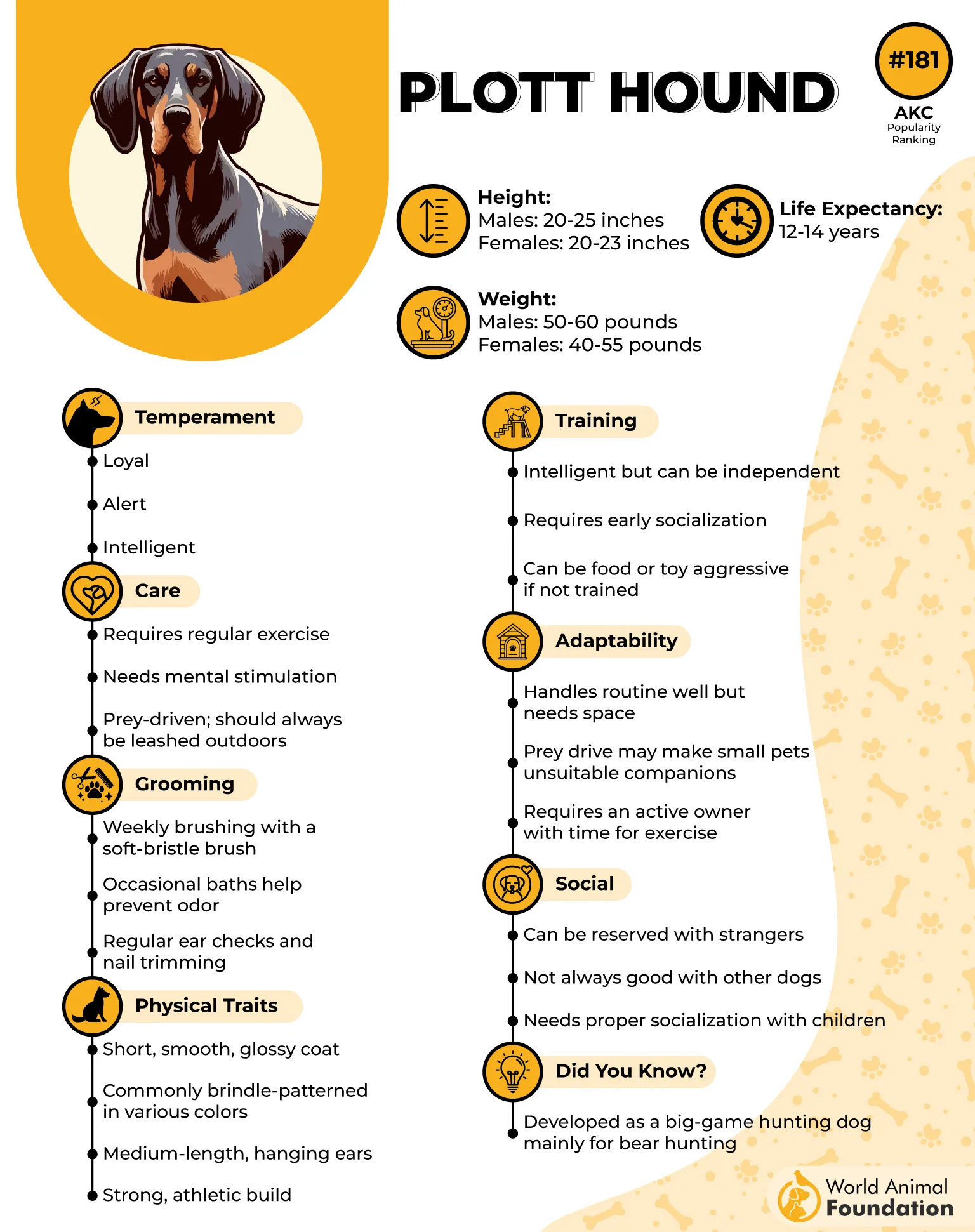
Temperament shaped through task work
The Plott Hound responds best when mentally engaged, preferring structured activity over idle routines. As per the AKC, its intelligence pairs with a stubborn streak, making repetitive training less effective than interactive sessions. Game-style exercises often produce better engagement during learning.
2. Catahoula Leopard Dog
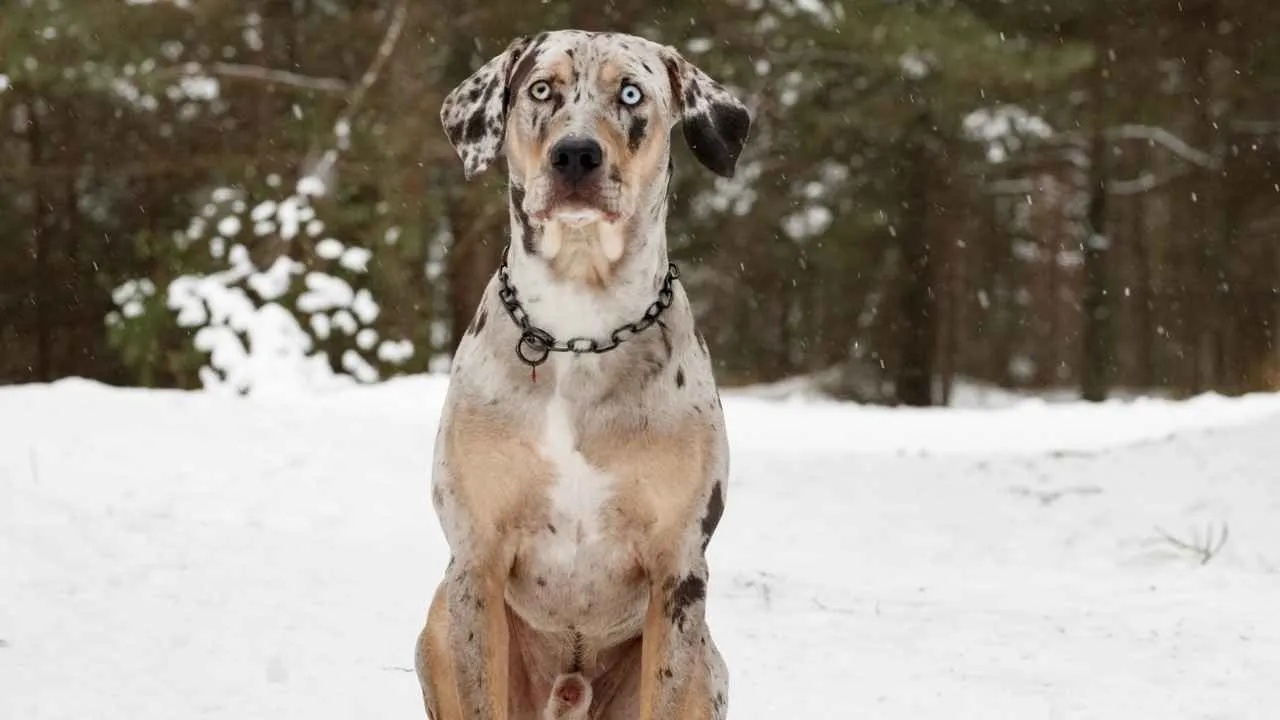
Catahoula Leopard Dogs take their name from a Choctaw word linked to Louisiana’s “sacred lake,” where these rugged hog dogs earned respect in swamp country. Hunters relied on them to locate and pressure wild hogs through dense forests and wet terrain.
Built for pursuit
These hog hunting breeds were expected to push through rough ground for hours while handling stubborn livestock and aggressive hogs. Their working nature still shapes daily behavior today.
Several traits explain that toughness:
Strong endurance in swamp terrain
Independent problem-solving instincts
High drive for physical activity
Energy with purpose
Catahoula Leopard Dogs need large spaces where constant activity feels natural, especially because boredom quickly turns into digging or destructive chewing, as stated by PetMD.
Their intense work ethic suits experienced handlers willing to provide structure and direction. A fenced yard becomes important once this breed locks onto movement or scent outdoors.
3. Dogo Argentino
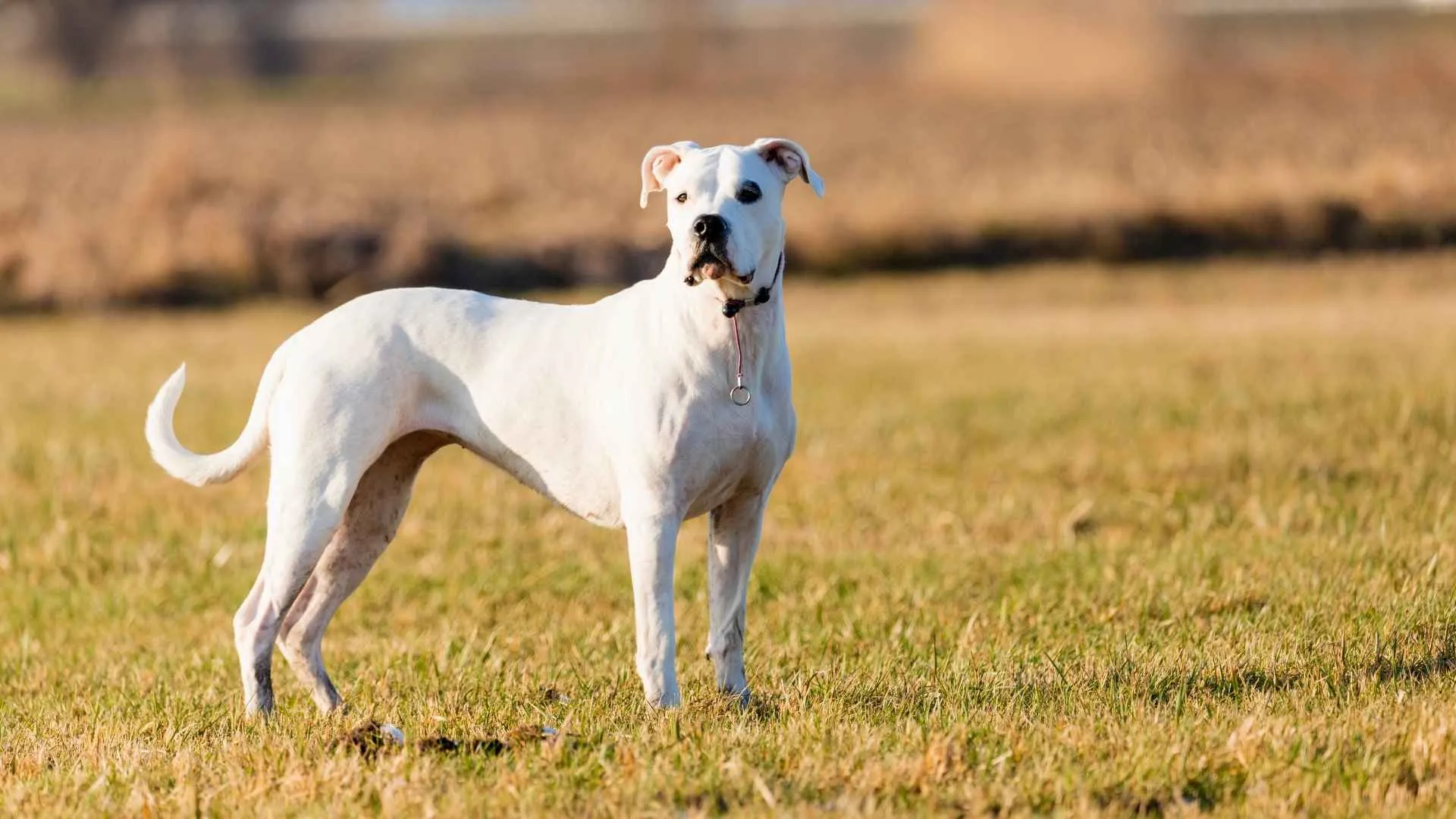
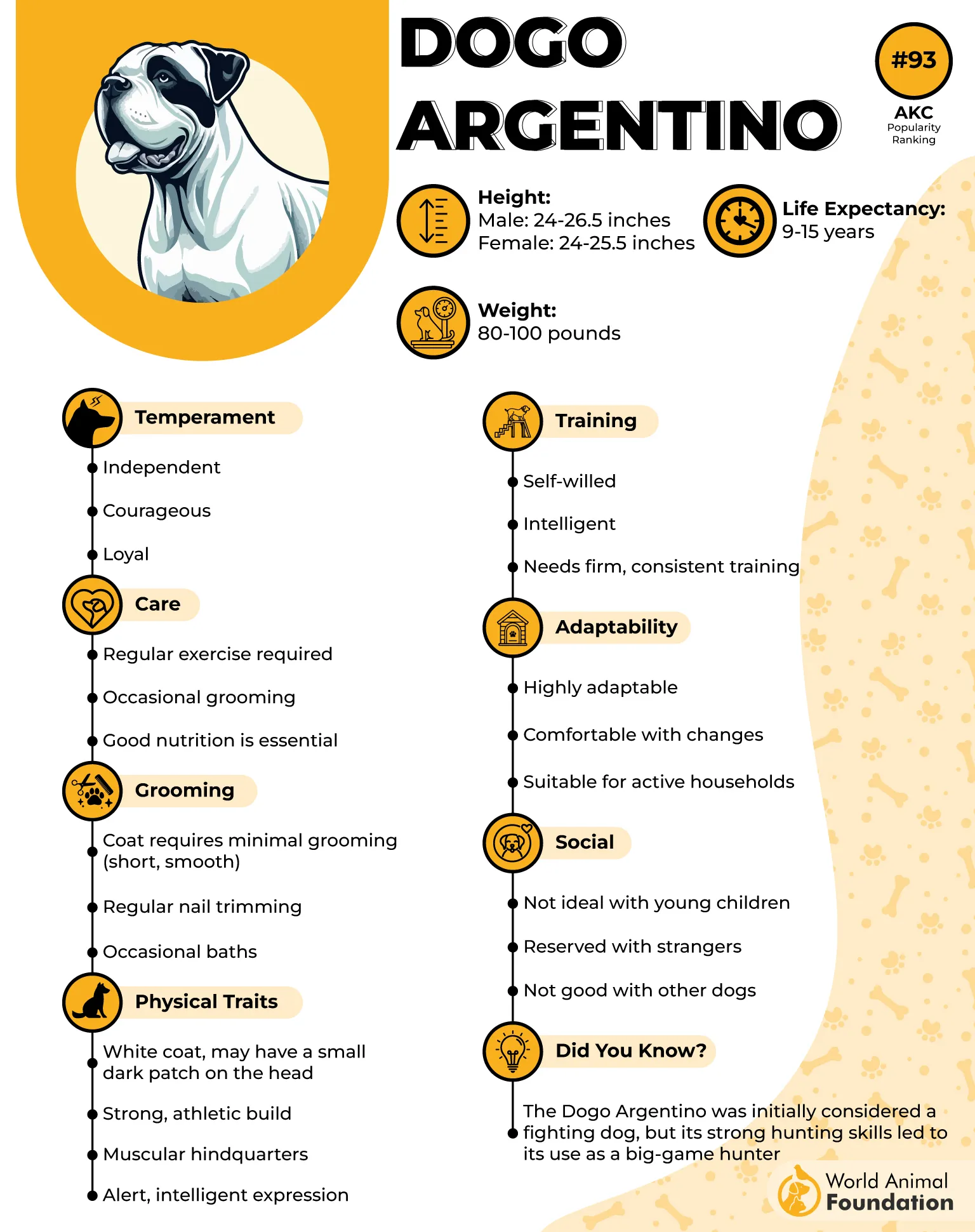
The Dogo Argentino entered big-game hunting with a purpose built around tracking and confronting wild boar and puma in coordinated pack work. Its completely white coat made the breed visible across rough terrain, while the alert expression and hardened focus reflected a dog selected for dangerous pursuits.
Built for collision
This hog hunter combines a broad, powerful frame with the agility needed to corner fast and unpredictable prey. The body structure reveals how this hunter operates in the field.
A few details shape that ability:
Great lung capacity for endurance
Muscular hindquarters driving acceleration
Strong nose suited for scent tracking
Energy with purpose
The Dogo Argentino responds best when physical effort becomes part of daily structure rather than an occasional activity. Hiking, retrieving games, swimming, agility drills, and scent-focused exercises give this breed productive outlets for the intensity wired into its working instincts.
4. Redbone Coonhound
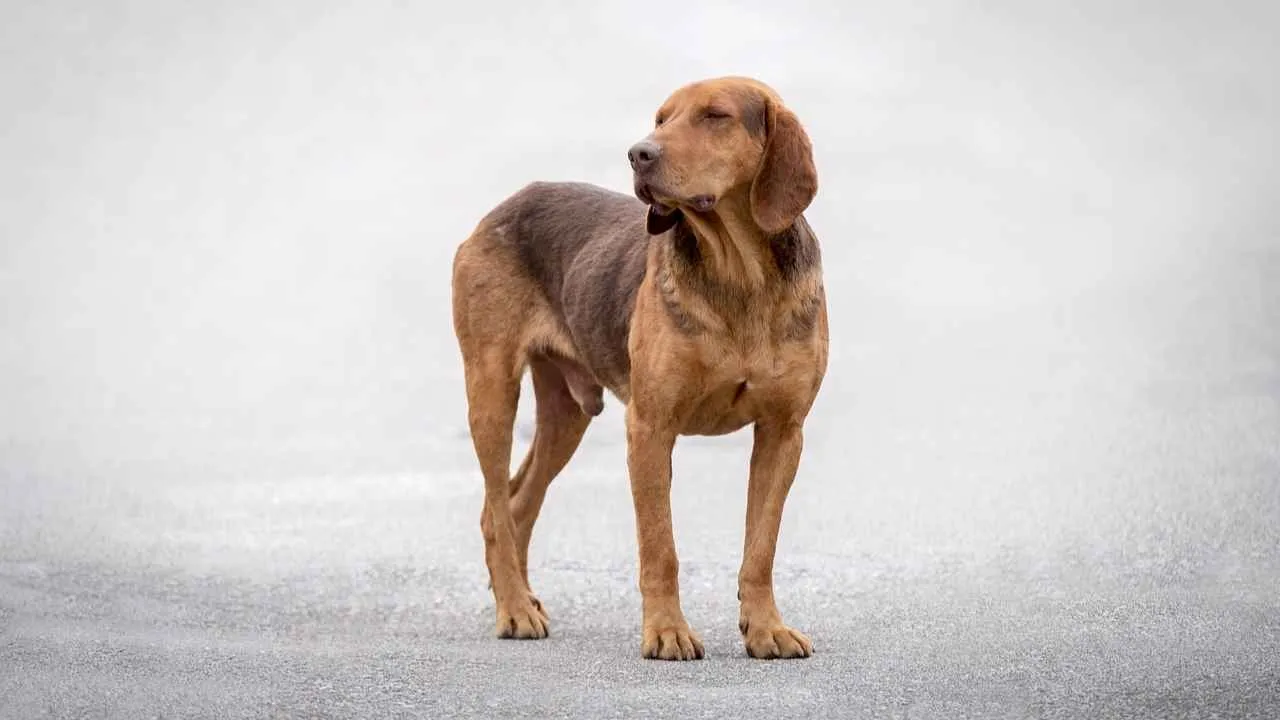
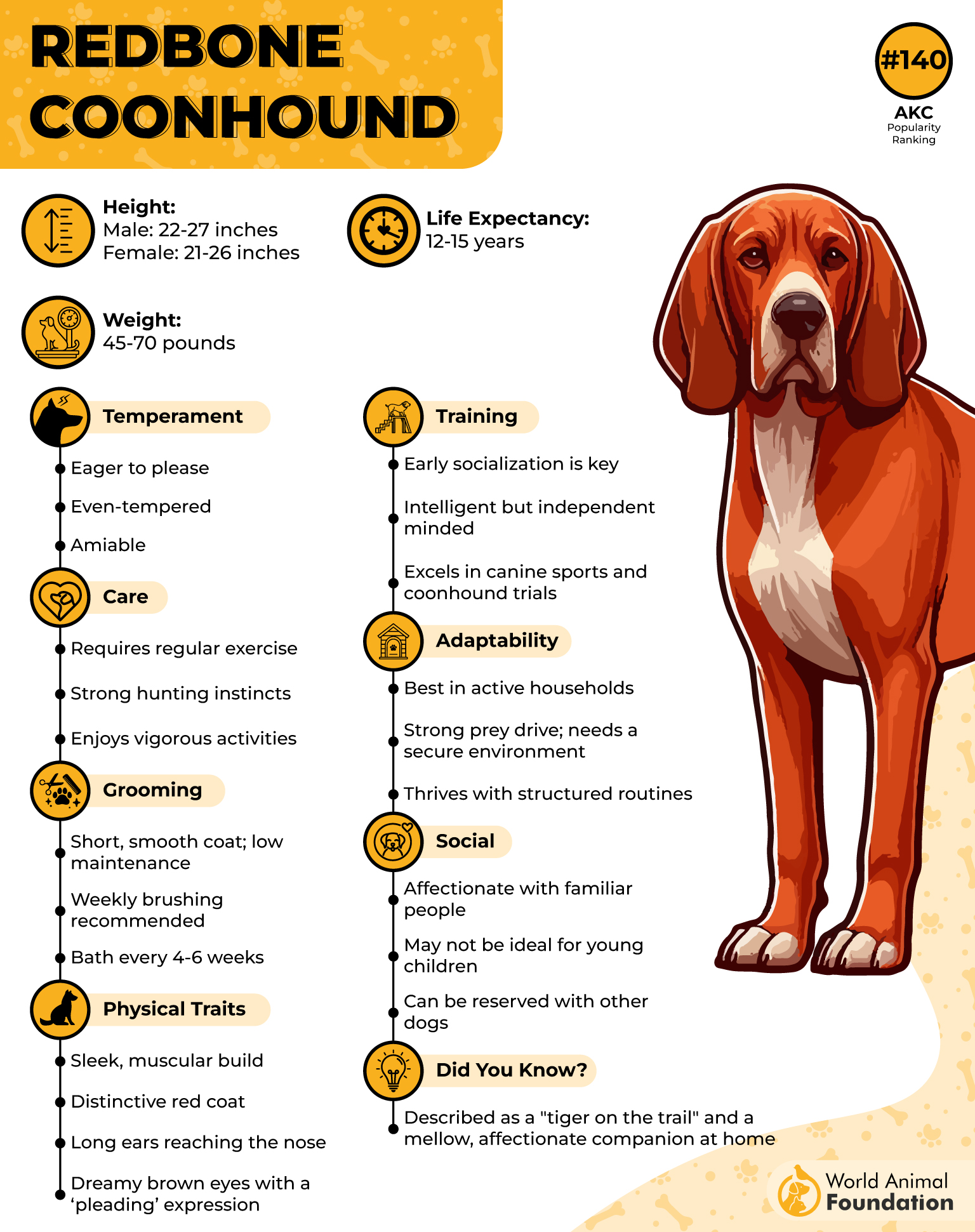
The Redbone Coonhound earned recognition in the United States through raccoon and large-game hunting, where hunters relied heavily on its long, drawn-out bay during pursuit. That vocal tracking style allowed people to follow the dog through dense terrain without visual contact.
Focus once the quarry is cornered
This Coonhound shifts into an intensely fixed hunting mode after driving prey up a tree, holding attention on the target until hunters arrive. Sharp eyesight, speed, and scent recognition all contribute to that relentless field behavior, as Orvis claims.
Several traits shape this hunting approach:
A distinctive bay is heard across long distances
Strong scent detection during active pursuit
Fast pacing across rough outdoor terrain
Energy is tied closely to outdoor life
The Redbone Coonhound connects strongly with physical activity, often seeking long hikes, open exploration, or water-based outings with its family. Curiosity influences much of its behavior, especially in spaces filled with scents and movement. Limited activity often leads to digging or repeated vocal behavior.
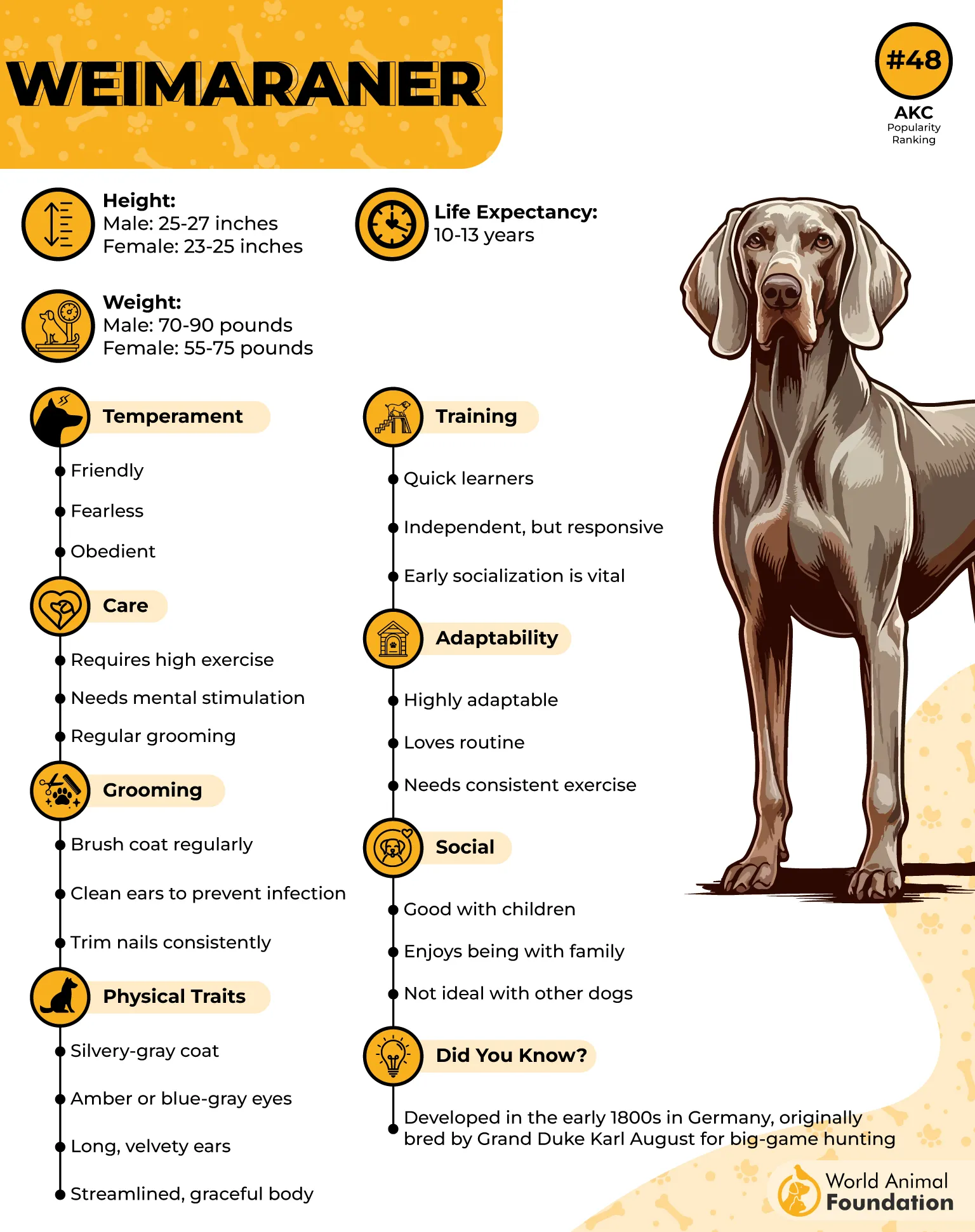
5. Weimaraner
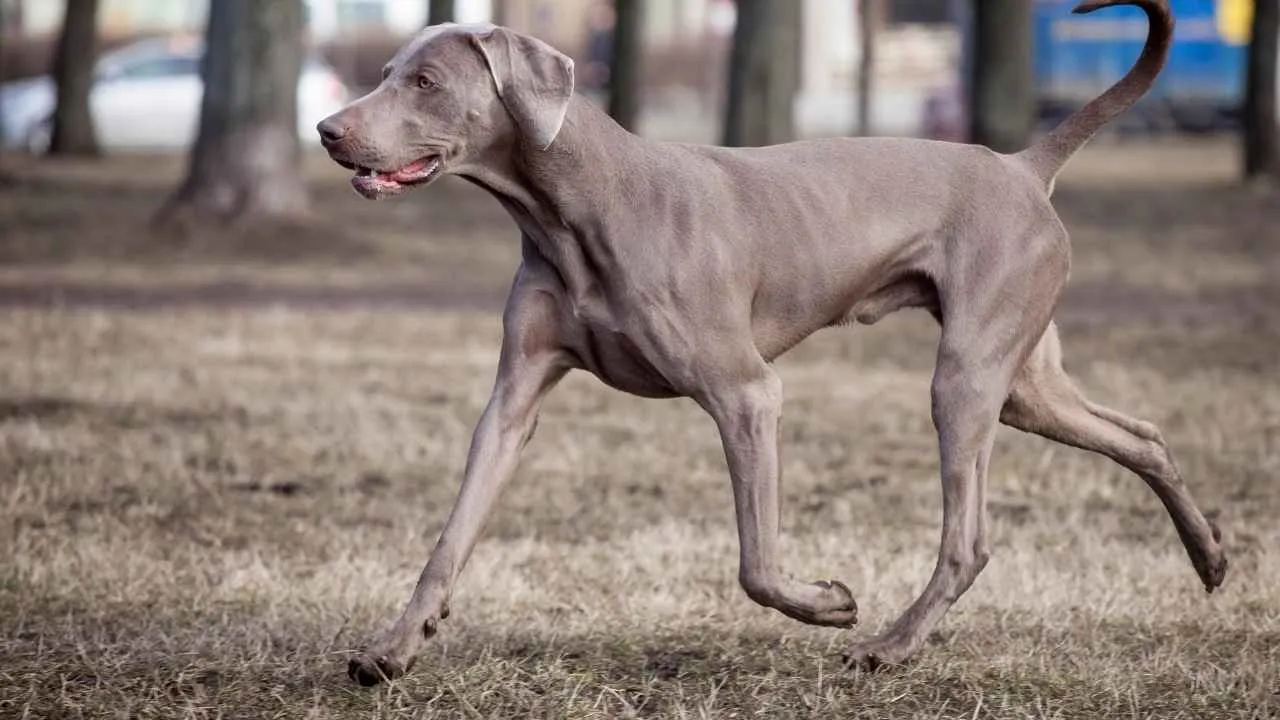
The Weimaraner emerged from Germany’s Weimar region, where dense forests and dangerous game demanded speed, endurance, and sharp tracking instincts.
Hunters relied on the breed for boar and bear pursuits that required both control and athletic reach. Its sleek silver-gray coat later earned the nickname “Gray Ghost.”
Precision during pursuit
It moves through scent work with sharp focus, covering ground fast while staying responsive to direction in the field. The breed’s athletic frame and alert focus fit demanding hunts that involve distance and sudden terrain changes.
Several traits shape this hunting style:
Long-distance tracking across rough terrain
Fast acceleration during active pursuit
Strong response to the handler’s direction
Power built through motion
The Weimaraner thrives during extended physical activity, preferring full-speed running over slow-paced routines or short walks. A conditioned dog in working form reflects streamlined muscle, balance, and coordination during field movement. The breed’s energy level connects directly to its original hunting role.
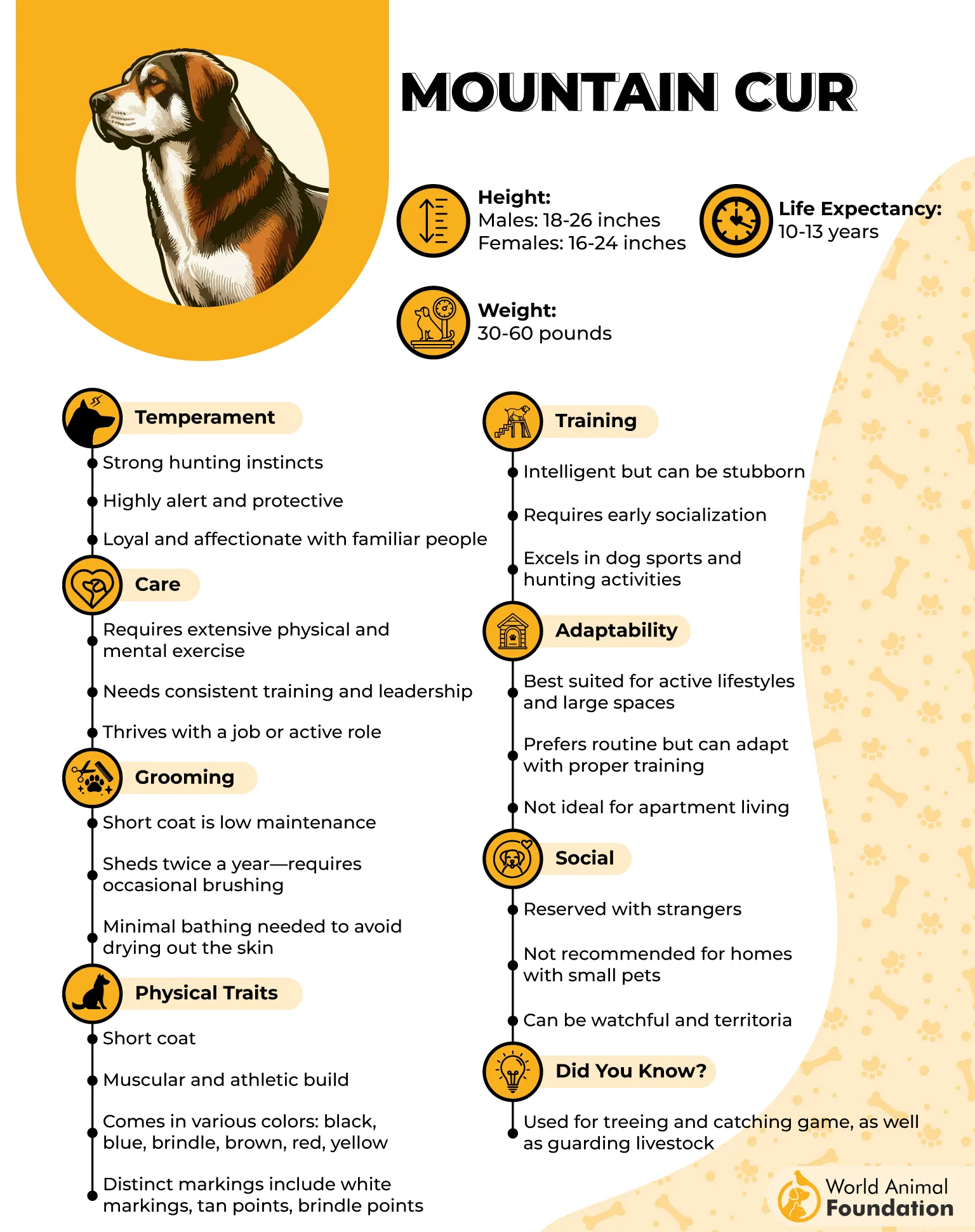
6. Mountain Cur
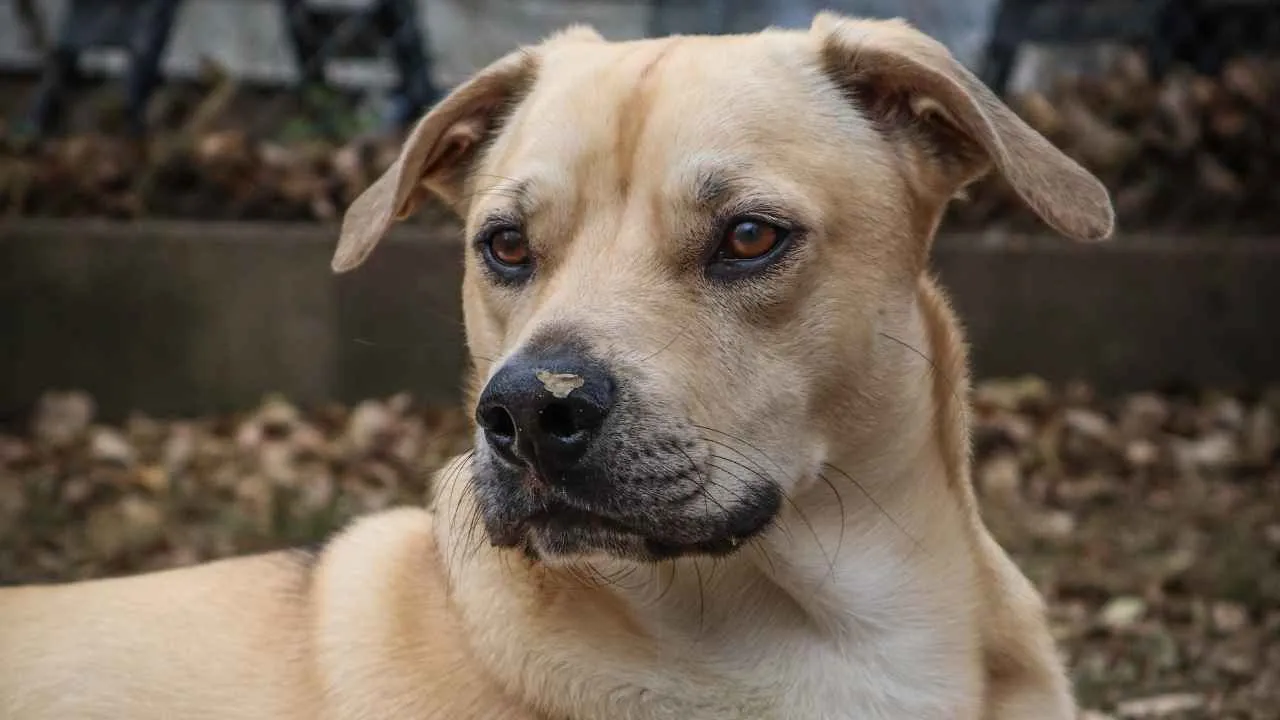
The Mountain Cur was originally bred in the Appalachian region as a multipurpose farm dog trusted for hunting, guarding, and demanding outdoor labor.
Its role beside early pioneers shaped a dog built around grit, endurance, and quick decision-making. Treeing and baying instincts gave hunters clear direction during fast-moving pursuits.
Purpose in the field
The Mountain Cur follows trails with intense focus and persistence, navigating rugged ground with confident movement. Its hunting style relies on pressure and control around game rather than hesitation during pursuit.
That working pattern appears through practical traits:
Bays loudly once the game is located
Handles rough wooded terrain confidently
Tracks with sustained focus and pressure
Driven by constant activity
The Mountain Cur responds best in households built around outdoor routines, especially where physical tasks remain part of daily life. Hiking trails, hunting trips, and open fenced spaces fit naturally into its rhythm. Long periods without engagement can quickly turn restless energy into destructive habits.
7. Bluetick Coonhound
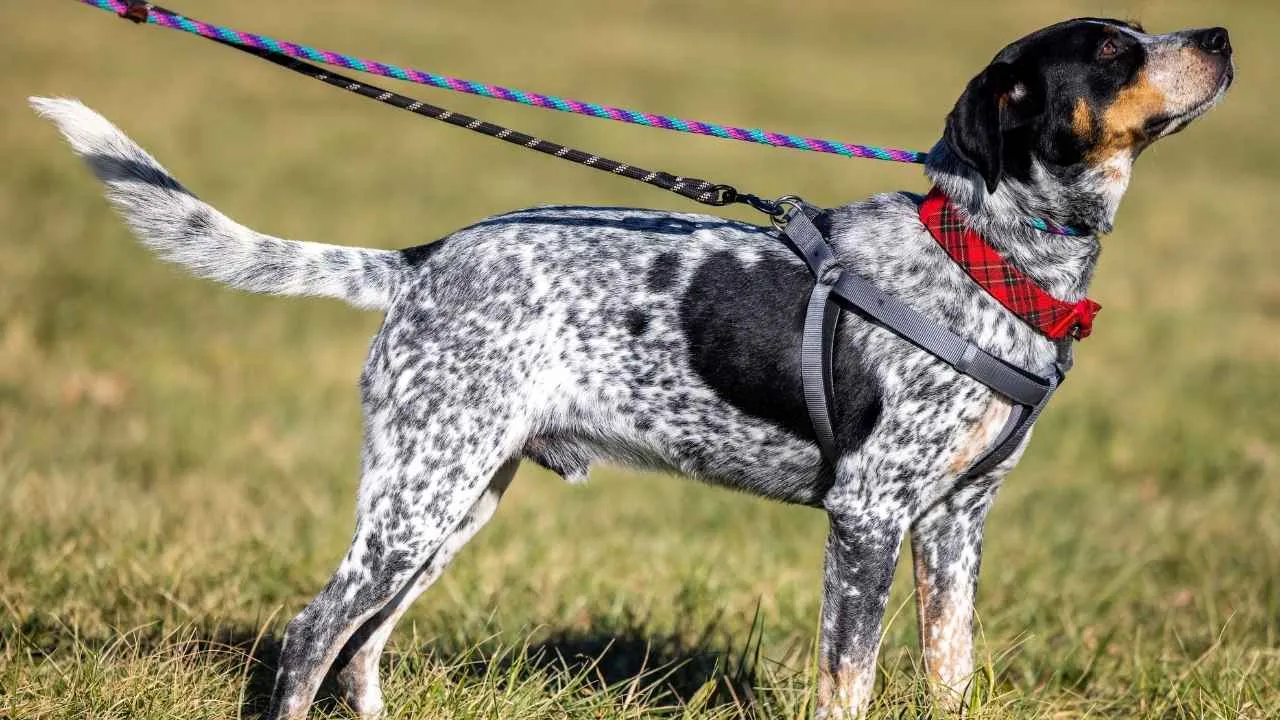
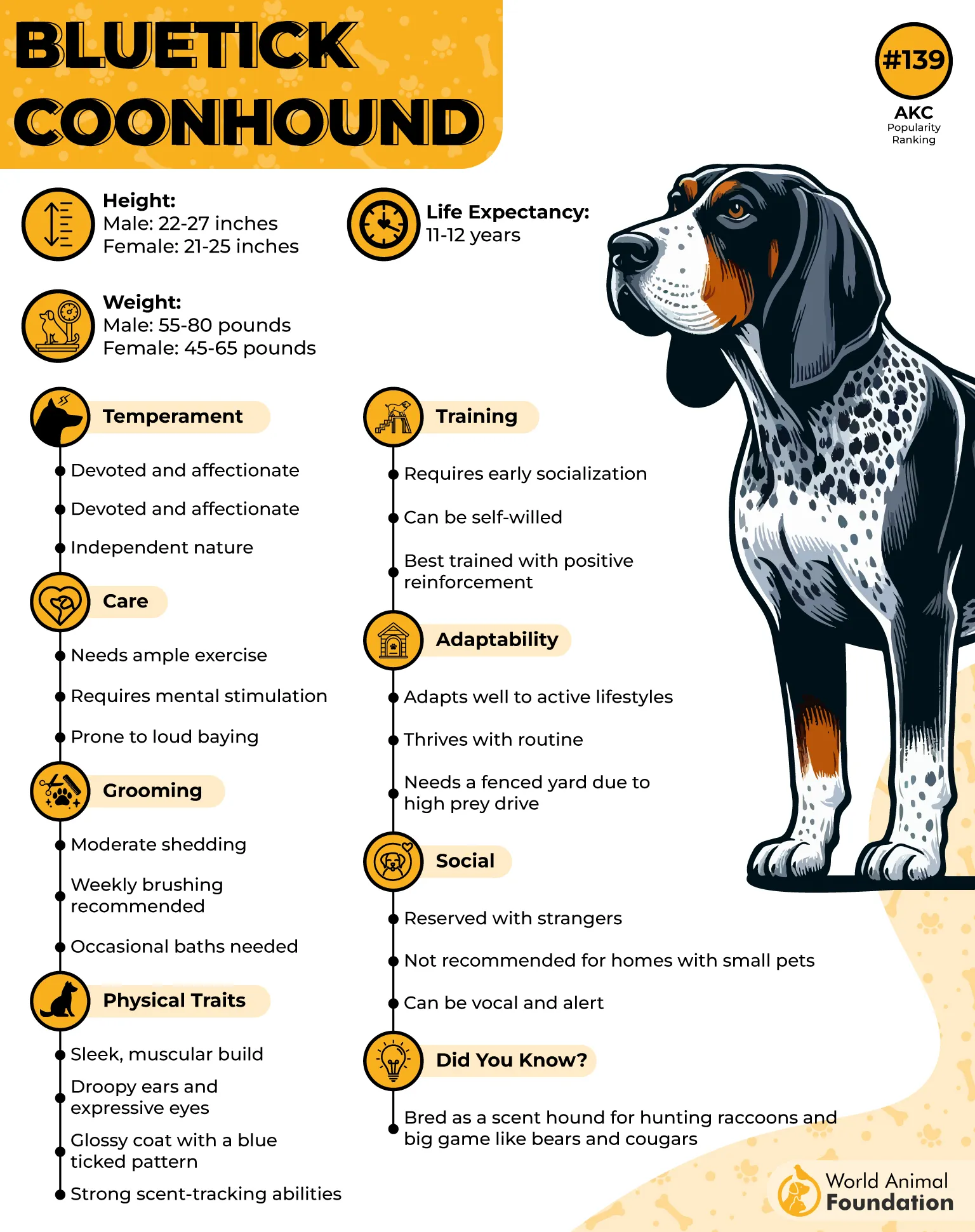
The Bluetick Coonhound earned its reputation beside American frontiersmen, trailing raccoons first and later facing wild boar, bear, and even cougar across unforgiving terrain. Its long-distance tracking ability depends on endurance, focus, and a nose that rarely abandons a scent.
Built around the chase
Blueticks were expected to pursue game for hours, which shaped both their stamina and determination in the field. Even today, their instincts influence nearly every outdoor activity.
That drive appears through:
Deep baying is used during hunts
Strong scent-following instincts
Confidence working in packs
Loud, loyal, relentless
Blueticks communicate through a booming howl that resembles a drawn-out yodel, originally useful for hunters locating dogs across wooded ground. Inside the home, they become affectionate companions that often enjoy the company of other dogs.
8. Black And Tan Coonhound
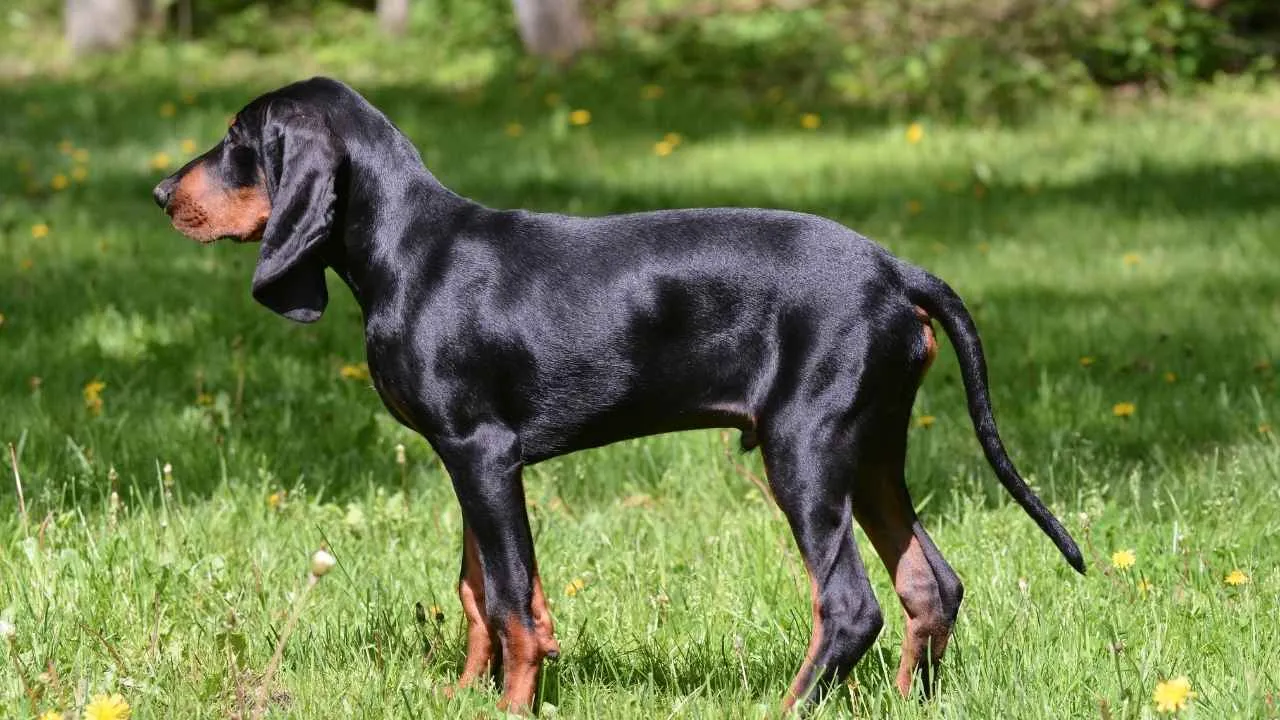
Black and Tan Coonhound came from crosses involving Bloodhounds and Virginia Foxhounds, forming a dog suited for difficult game across the southeastern U.S.
Its role extended beyond raccoons to wild boar, bear, and mountain lion pursuit. This breeding created a hound deeply tied to scent-driven tracking work.
Tracking instinct over long distances
They follow scent trails with unusual persistence, often locking onto odor paths far beyond normal range. Once outdoors, its attention shifts heavily toward environmental scent information rather than nearby distractions.
That instinct becomes clear through behaviors like:
Following trails across extended terrain
Prioritizing scent over visual tracking
Vocalizing through baying during pursuit
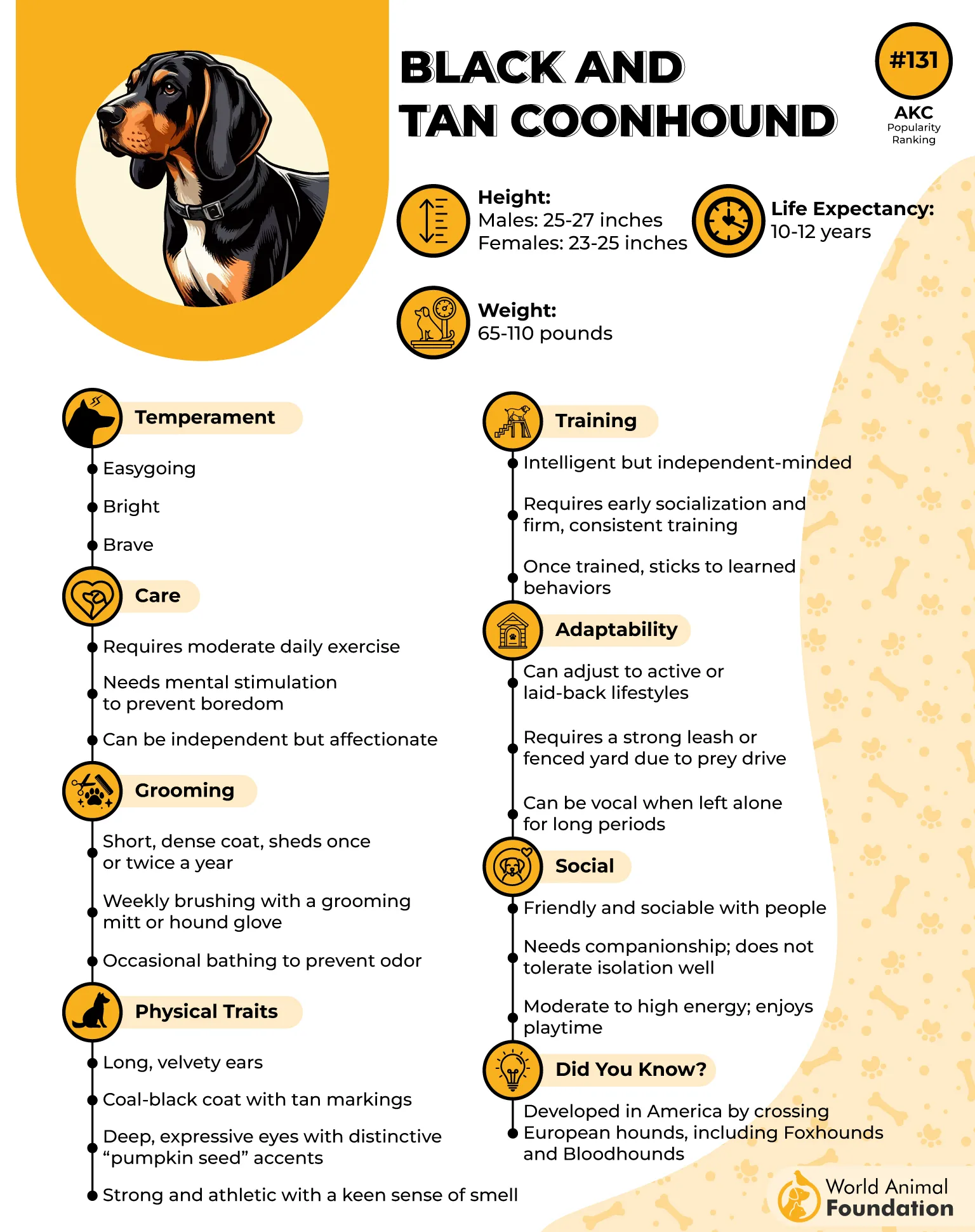
Indoor calm with outdoor intensity
Coonhound settles into a quieter rhythm indoors, often appearing mellow and relaxed around familiar surroundings. Outside environments trigger a far more determined working mindset linked to active scent pursuit. This sharp behavioral contrast reflects its long use in demanding field hunts.
9. Polish Hound
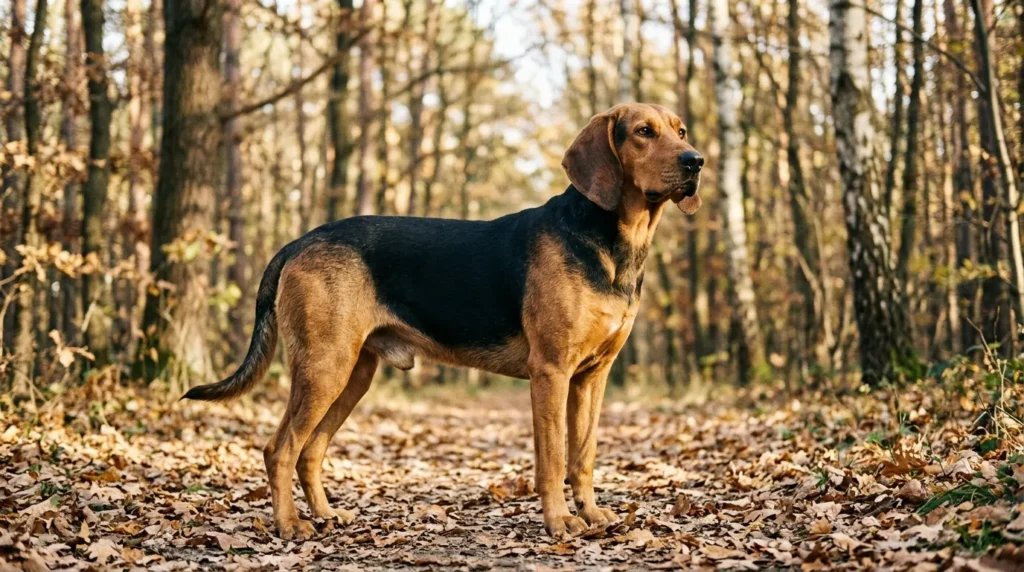
Polish Hounds rely on a deep, melodic bark that helps hunters track their position during demanding hunts. This vocal communication becomes especially useful in dense woodland where visibility drops quickly. Their role in wild boar pursuit depends as much on coordination as physical ability.
Nose built for long pursuit
These hounds work through scent with remarkable persistence, following trails across difficult ground without losing direction. Their endurance and determination made them valuable in hunts involving foxes, roe deer, and boar across Poland.
Several working traits shape this hunting style:
Extraordinary scent-trailing ability
Strong perseverance across long hunts
Agile response in rough terrain
Household behavior away from the field
Polish Hounds shift comfortably into family life once their working needs are met through regular activity and engagement. Their loyalty toward the household pairs with natural caution around unfamiliar people. Daily exercise plays an important role in keeping their behavior balanced indoors.
Conclusion
Few hunting environments place dogs under pressure the way wild boar pursuits do. The terrain changes constantly, visibility disappears inside dense cover, and the animal being tracked is fully capable of fighting back with serious force.
That reality shaped hunting dogs built around endurance, sharp instincts, and fearless control rather than appearance alone, especially across large and small game pursuits.
Their confidence comes from generations of demanding work where focus mattered as much as strength. Even now, those traits remain visible through scent-driven activity and outdoor behavior. Watching several breeds work explains why they earned such strong reputations among hunters in situations where hesitation or weakness carried immediate consequences.
