




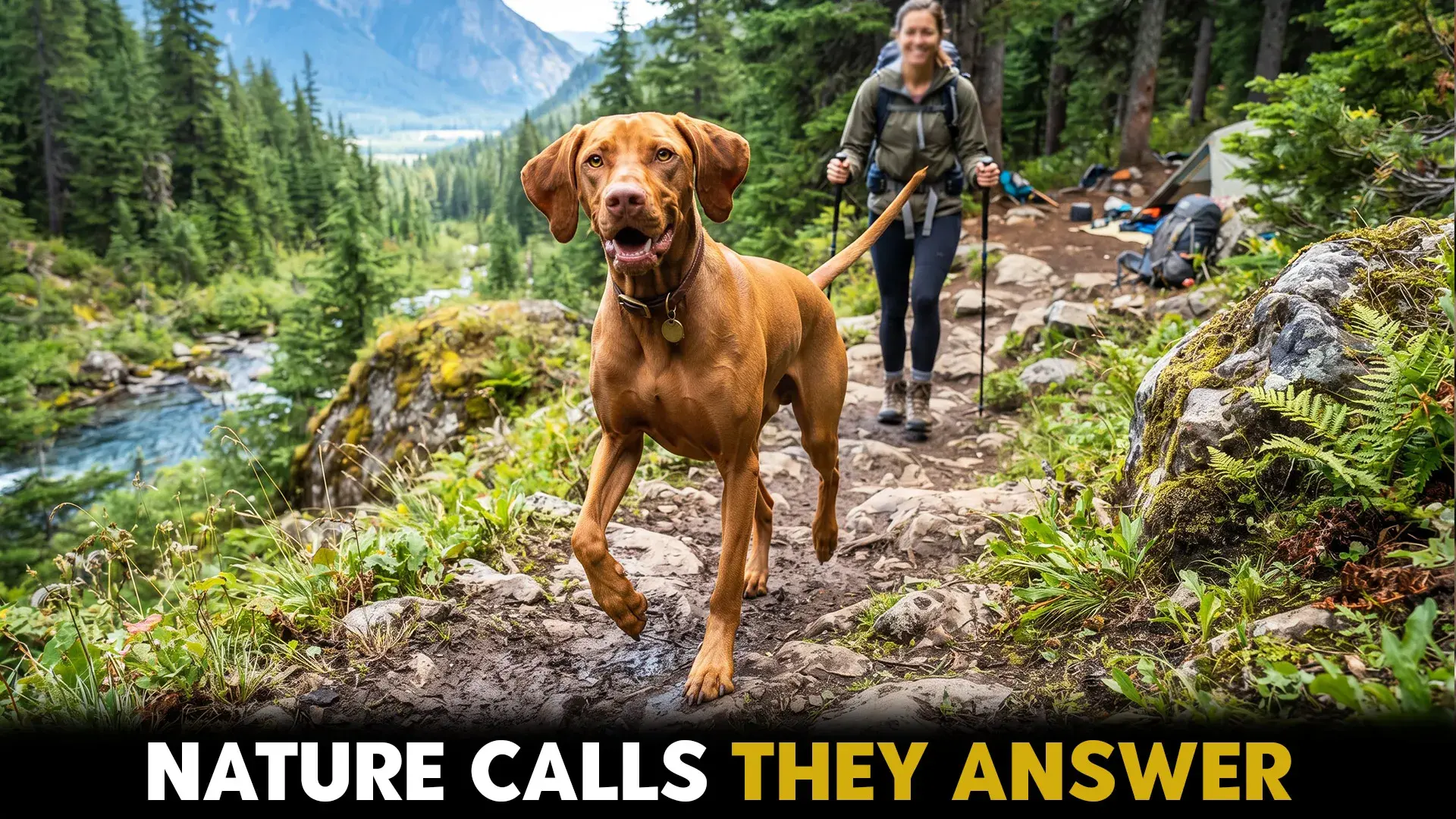
Some dogs are born for the couch. Others are born for the outdoors, and honestly, they know it.
You can see it in how they move outside, tail up, nose working, eyes scanning the tree line like they are already planning the next three miles. These are not backyard pet-type content with a quick lap around the block. These are dogs that come alive out on scenic trails, steep terrain, and long stretches of wilderness that most of us would need a map for.
If you are the wise adventurer type, someone who spends weekends hiking, camping, or chasing the outside world whenever possible, certain breeds are the best fit for that lifestyle.
Not every dog can keep pace on long hikes or handle extreme weather without complaint. But these breeds were made for it.
So today, we are covering dog breeds perfect for wilderness adventures. Mind you, these are adventure dog breeds, with the stamina, instincts, and enthusiasm to match your outdoor lifestyle.
Did You Know?
Certain breeds, mainly working and herding dogs like Border Collies and Australian Shepherds, have exceptional problem-solving abilities. This stems from generations of breeding for independent decision-making in the field, herding livestock across unpredictable terrain without constant human direction.
So when your adventure dog seems to instinctively find the smart route around a rocky patch on the trail? That’s not luck, but centuries of working-dog intelligence doing what it was bred to do.
Dog Breeds Perfect for Wilderness Adventures
1. Labrador Retriever
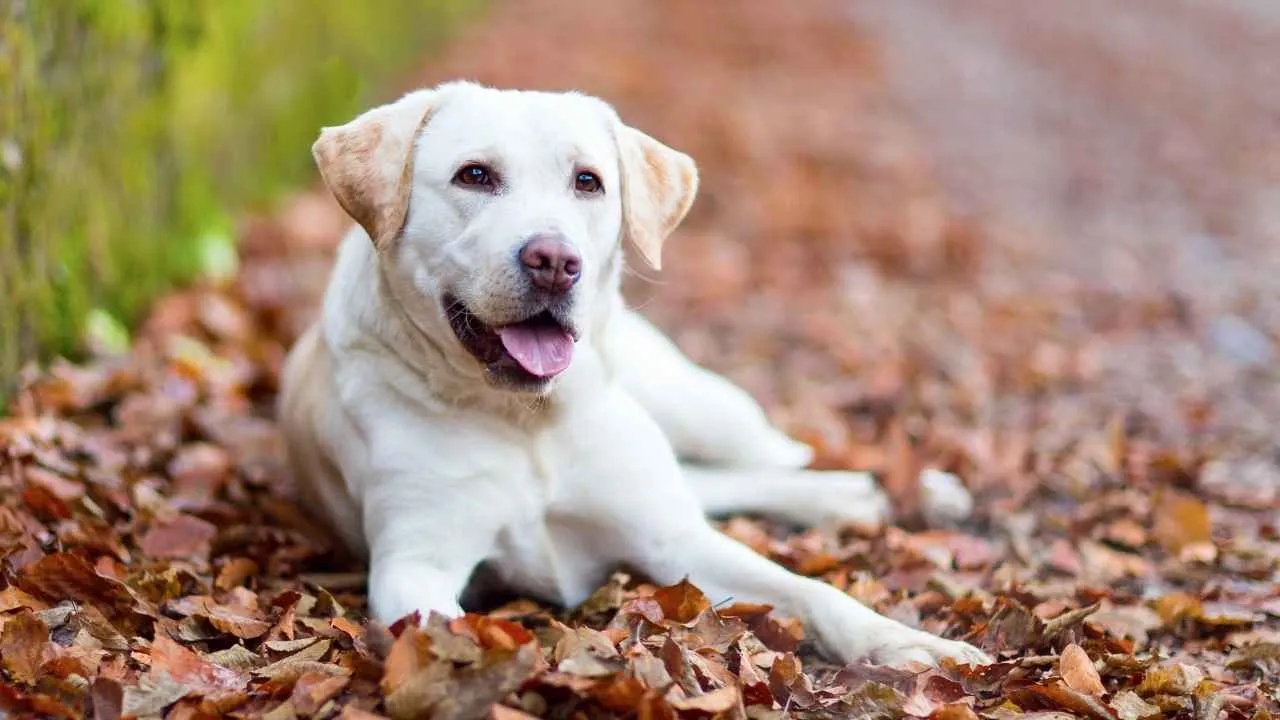
If there is a common adventurer’s dog, a true jack-of-all-trades for the outdoors, it is the Labrador Retriever.
Labs have excellent stamina and a genuine love of adventure baked into their DNA, originally bred to work long days retrieving in cold water for fishermen. That same enthusiasm carries straight into hiking, swimming, camping, whatever the outdoor lifestyle throws at them.
According to PetMD, this breed handles long hikes and varying weather with ease, and their friendly, adaptable nature makes them an excellent companion for road trips too. They are calm in the car, ready to explore the second the door opens.
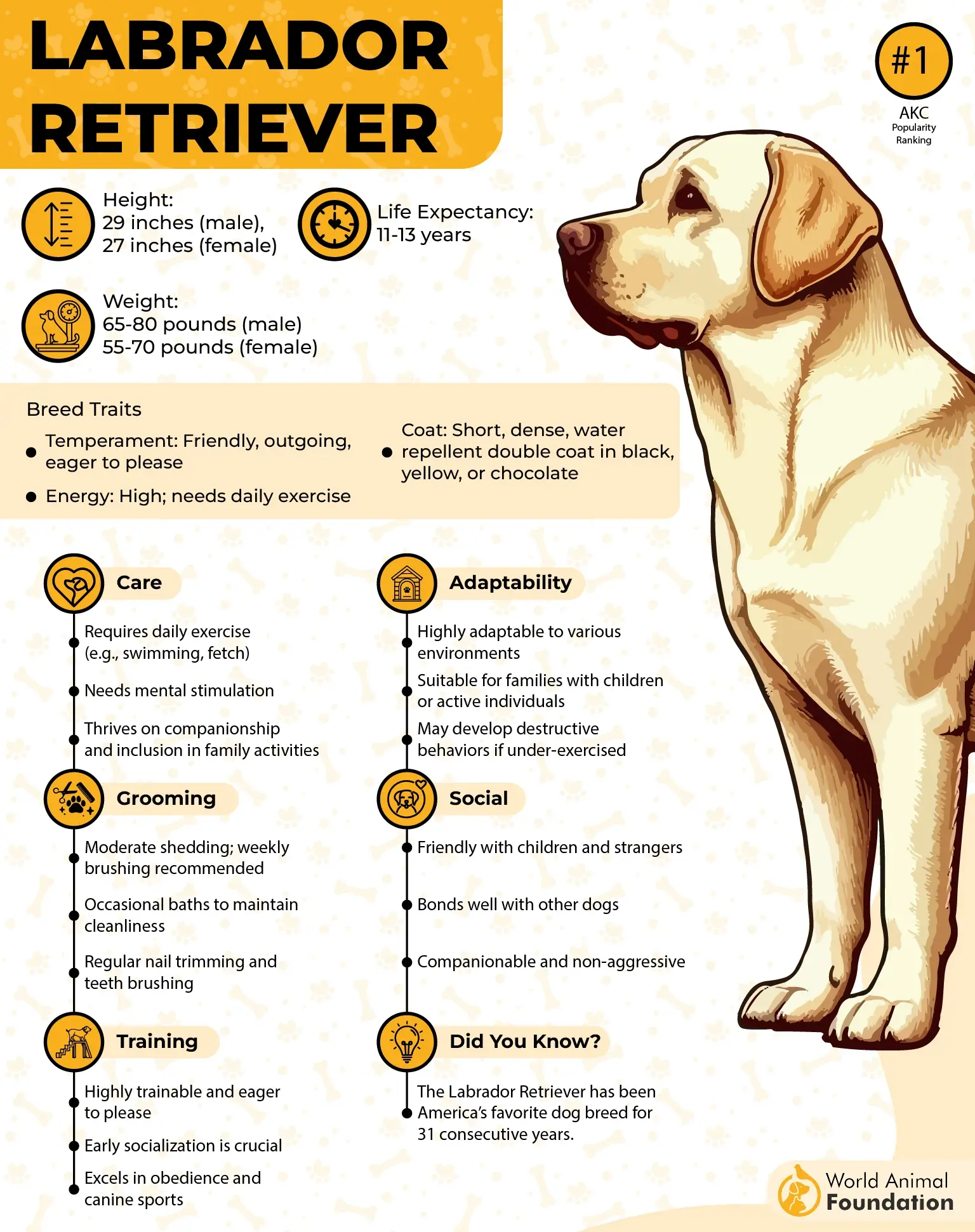
Labs are also great with kids and other animals. That makes them a wonderful family pet for adventure-loving households. Their thick coat offers some protection against the elements.
But remember! Extreme weather on either end, brutal heat or serious cold, still calls for some caution and planning.
2. Siberian Husky
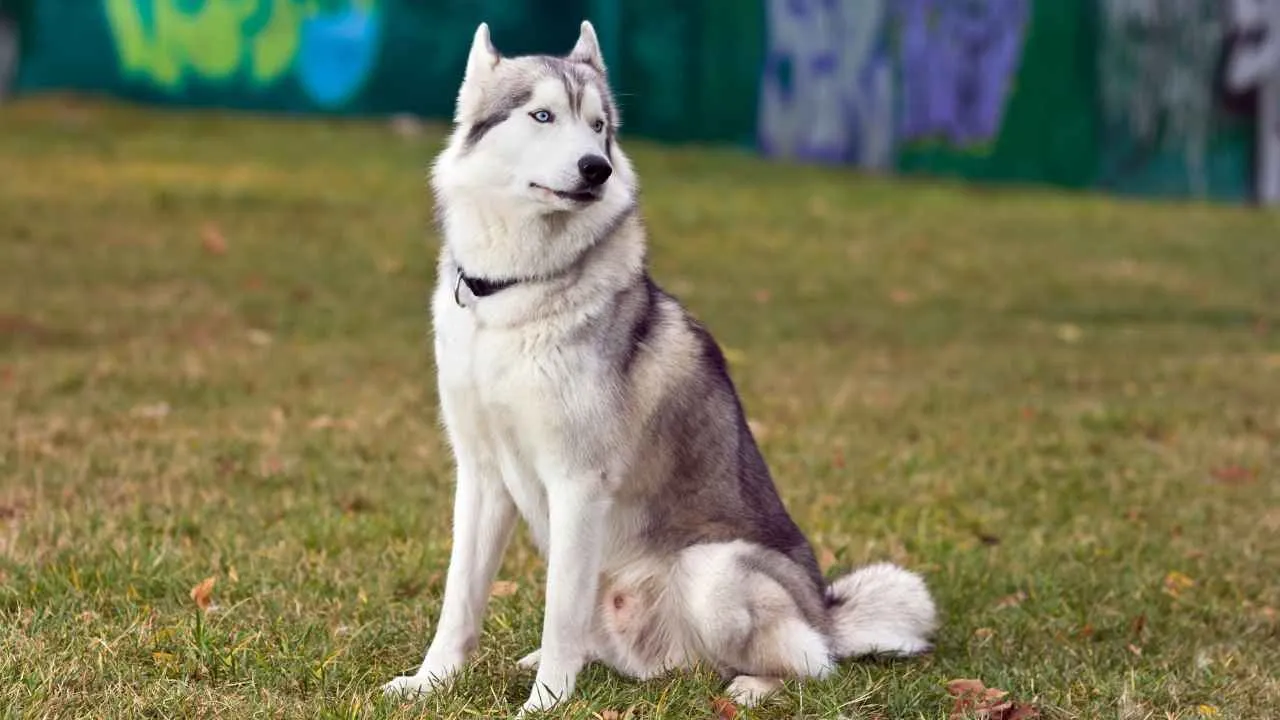
Born for endurance and cold, this is one of the most adventurous breeds you will ever find.
Siberian Huskies were bred to pull sleds across brutal Arctic terrain, which means their stamina for long-distance travel on foot is honestly hard to match. These Husky dogs thrive outdoors in colder climates and need serious physical activity to stay balanced and happy.
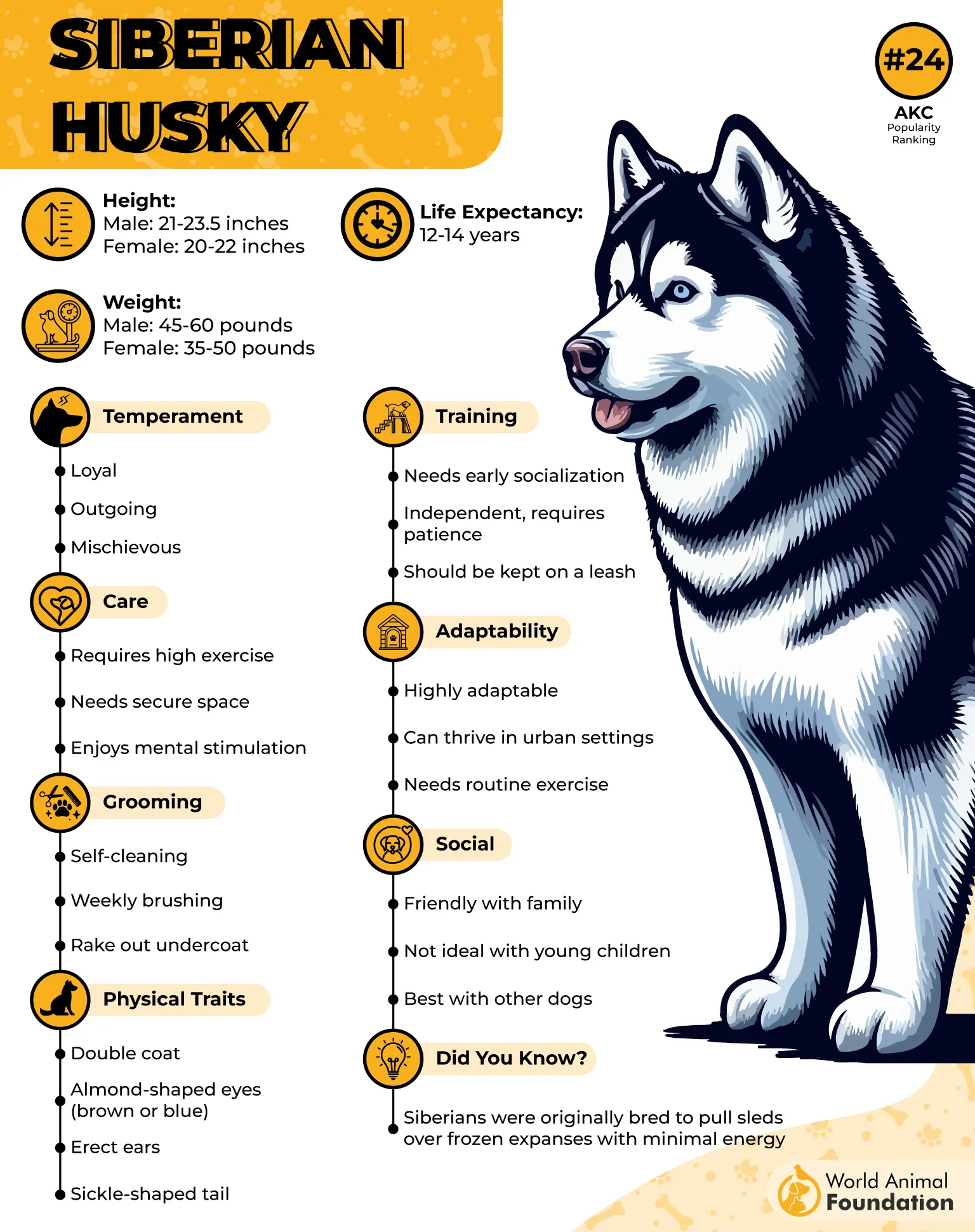
Huskies are excellent companions for hiking in snowy and mountainous areas. Their independent, driven nature shows they need a real job to do rather than a casual stroll. Their strong prey drive means leashed hikes are better than off-leash freedom. The American Kennel Club mentions that they have an “overwhelming drive to run.”
This breed is not the best fit for casual weekend walkers. Huskies want big adventures, real mileage, and plenty of outside time to feel fulfilled.
3. Border Collie
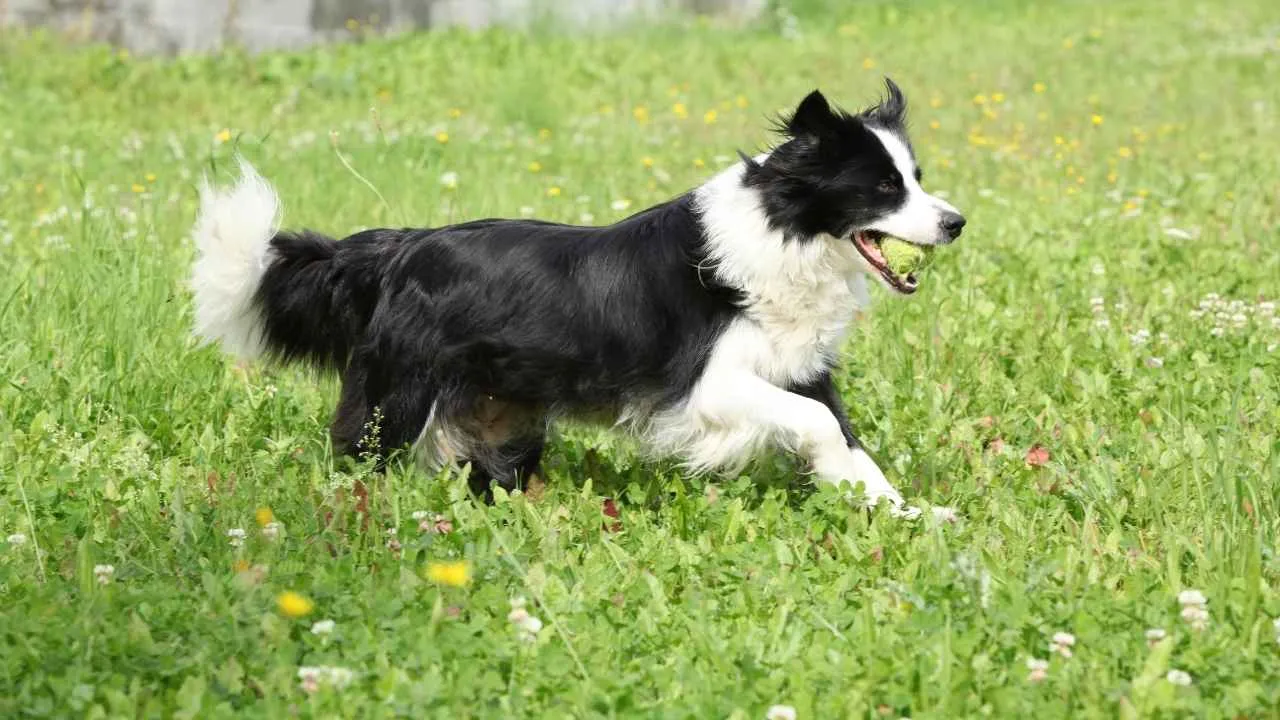
Smart does not even begin to cover it. Border Collies bring serious brainpower to every outdoor adventure, on top of some seriously impressive physical stamina.
Bred to herd and gather livestock across steep terrain, this Collie breed has both endurance and sharp instincts to deal with unpredictable wilderness. They need an outdoor lifestyle, with enough exercise and mental stimulation.
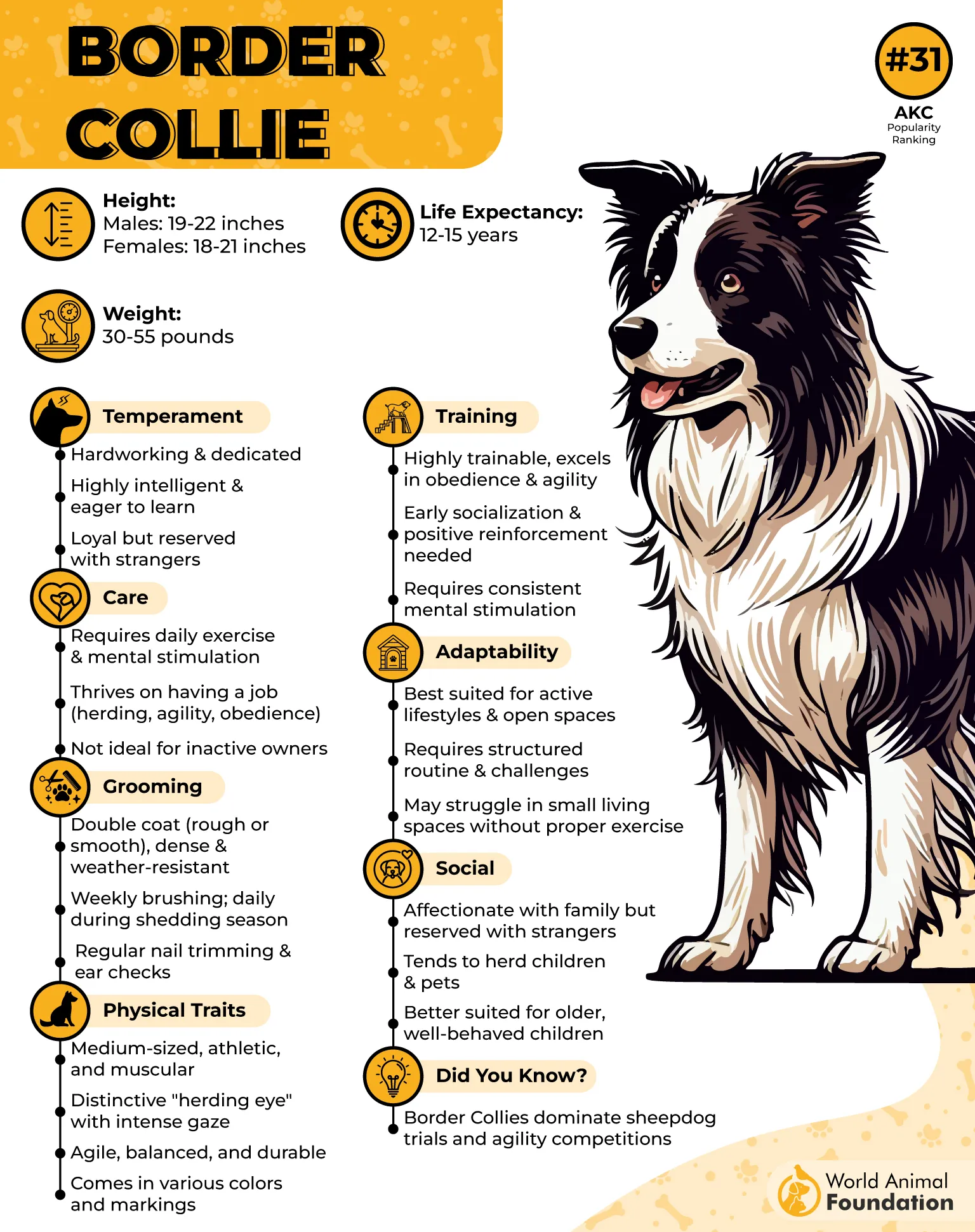
Without these outlets, that famous Border Collie energy makes them restless.
These dogs excel at long hikes, agility-style trail obstacles, and pretty much anything that keeps both their mind and body engaged. Their intelligence also makes them quick to adapt to new trails, new terrains, and new challenges. But this intelligent dog breed handles it all.
For active owners wanting a true partner in the outdoors, not just a pet who tags along, the Border Collie delivers in a big way.
4. Vizsla
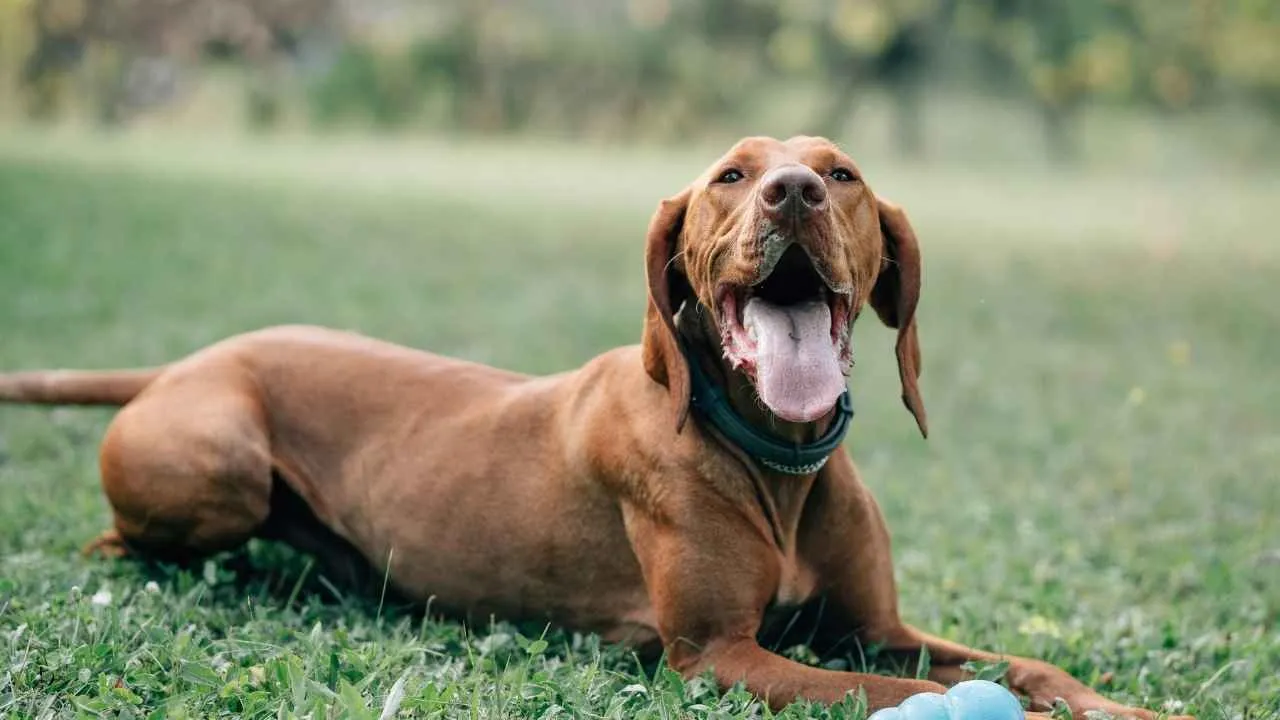
Sleek, athletic, and devoted to sticking close to their person, the Vizsla brings a slightly different energy to wilderness adventures and intense loyalty.
This breed was originally bred as a versatile hunting dog to cover long distances across open terrain with real speed and stamina. That working history translates beautifully into modern hiking, trail running, and general outdoor adventures.

Vizsla dogs have excellent stamina and thrive when included in nearly everything their favorite person does. This breed does not do well as a purely backyard pet left behind while the family heads outside without them.
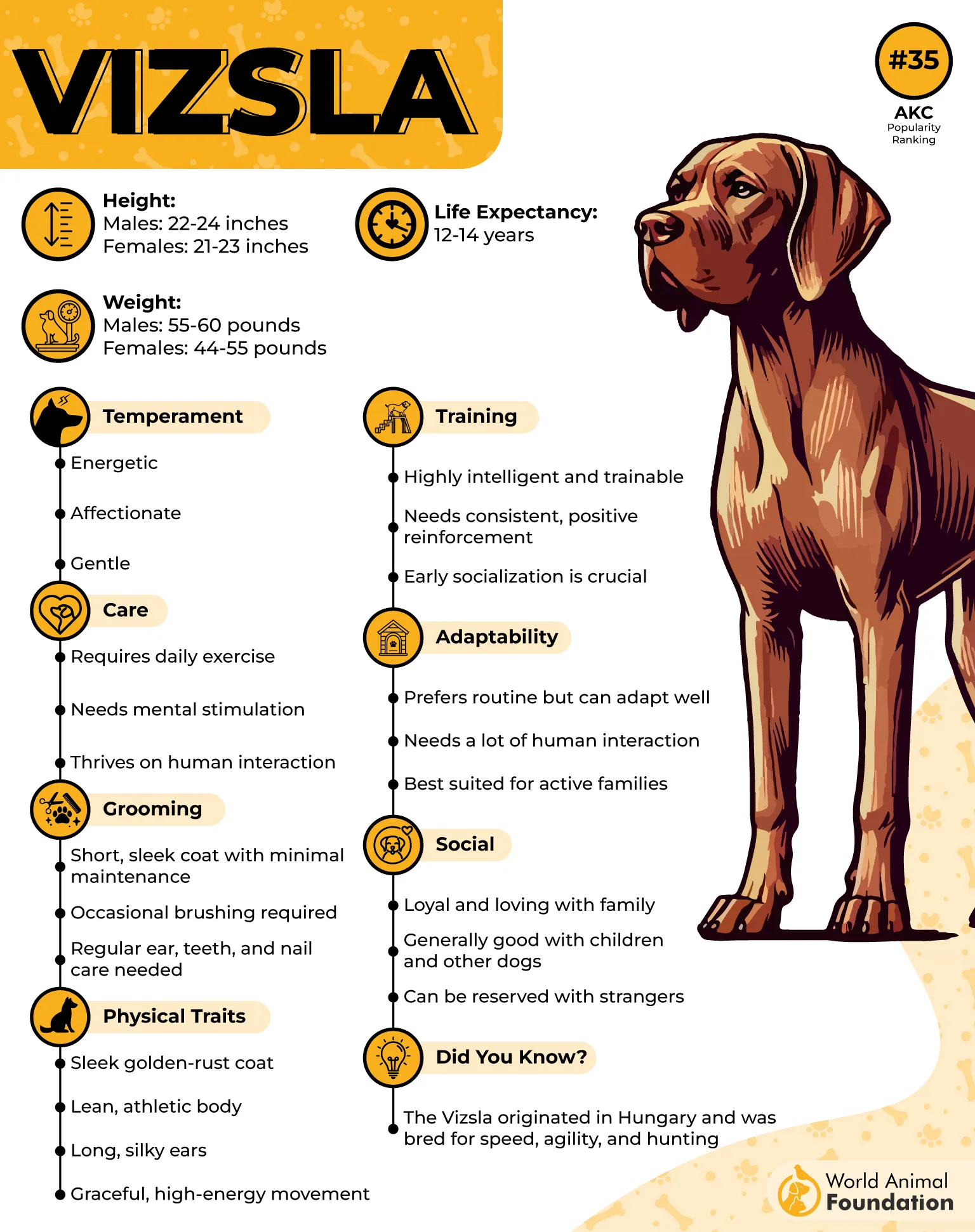
According to the UKC, their short coat needs less maintenance on the trail, though it does offer less protection in extreme weather than thicker-coated breeds.
This is an enthusiastic companion. The Vizsla brings both athleticism and emotional connection to every wilderness outing.
5. Bernese Mountain Dog
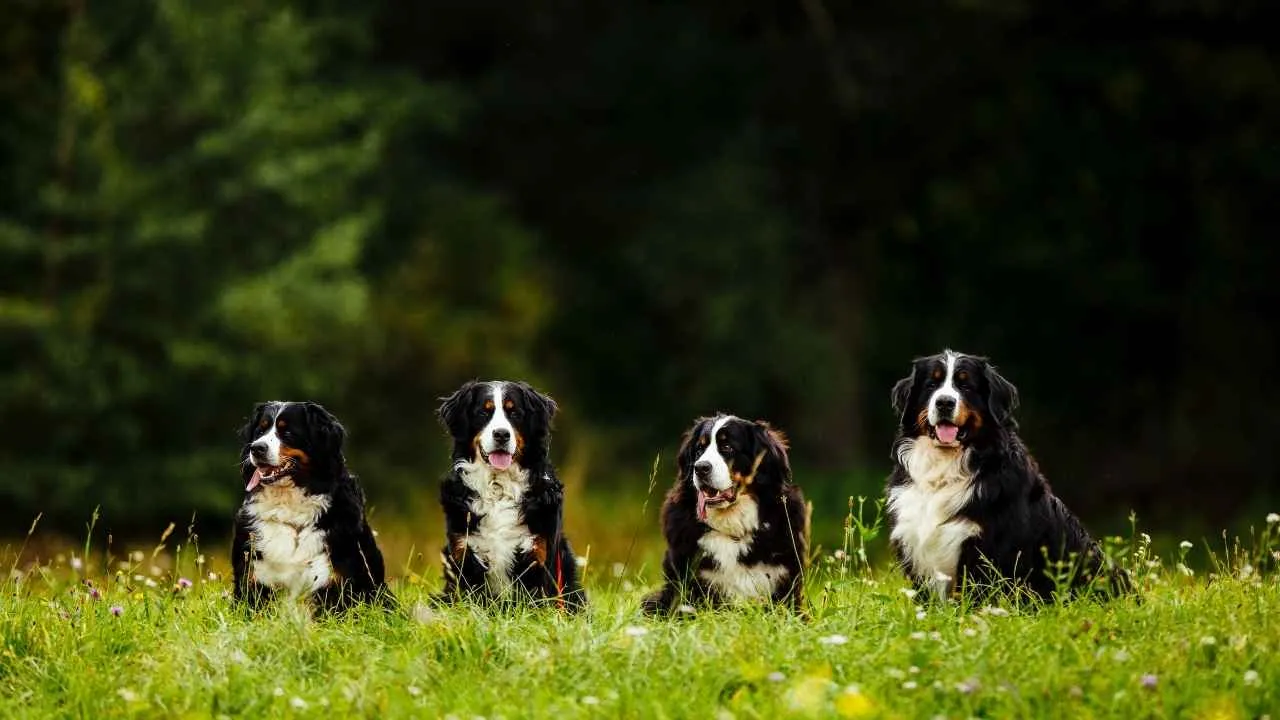
Big, gentle, and born for mountain life. The Bernese Mountain Dog carries serious working-dog roots straight from the Swiss Alps.
This mountain dog breed was used for herding, hauling carts, and general farm work across steep, difficult terrain. That gives them a naturally sturdy build for hiking and outdoor exploring.
Despite their size, Bernese Mountain Dogs are calm, affectionate, and make wonderful companions on the trail and back at camp. Their thick coat handles cold weather impressively well.
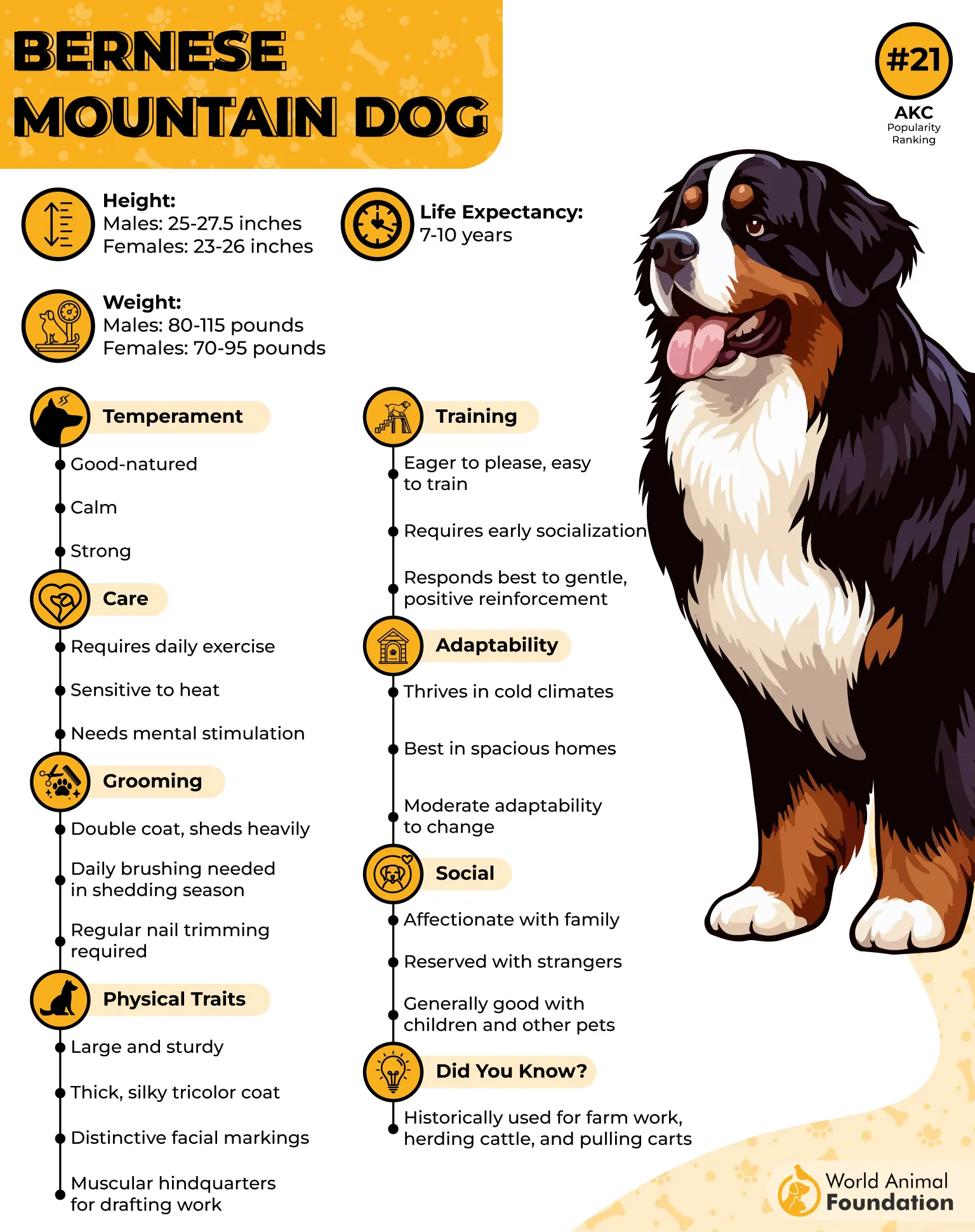
This trait makes them excellent companions for adventures in seasonal climates. Their size and coat show they are not always the best fit for extreme heat. Short, well-timed hikes work better during warm months.
Loyal, steady, and good-natured for such a big dog, the Bernese Mountain Dog makes an ideal companion for families wanting an outdoor-loving dog.
6. Golden Retriever
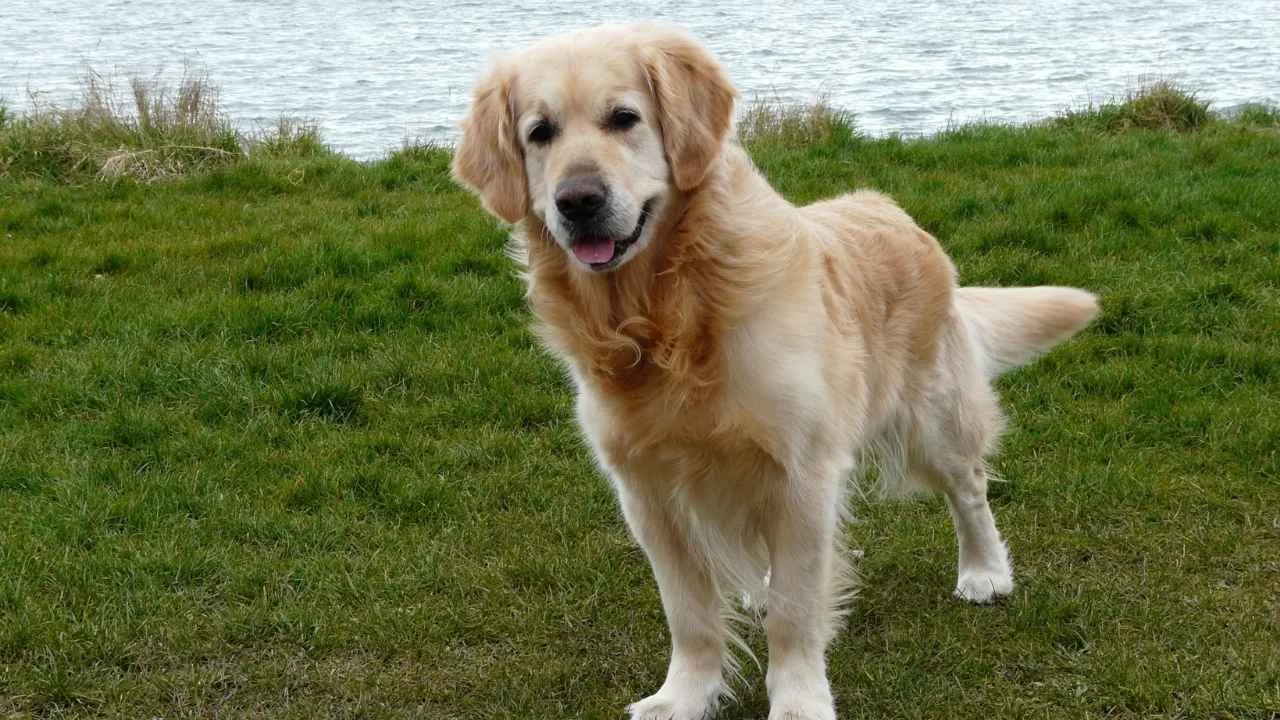
Friendly, adaptable, and one of the best dog breeds for pretty much any kind of adventure. Indoors or out.
Golden Retrievers have excellent stamina and a natural love of the outdoors, originally bred to retrieve game across varied terrain and water. That versatility means they handle hiking, swimming, camping, and road trips.
They have the same tail-wagging energy everywhere.
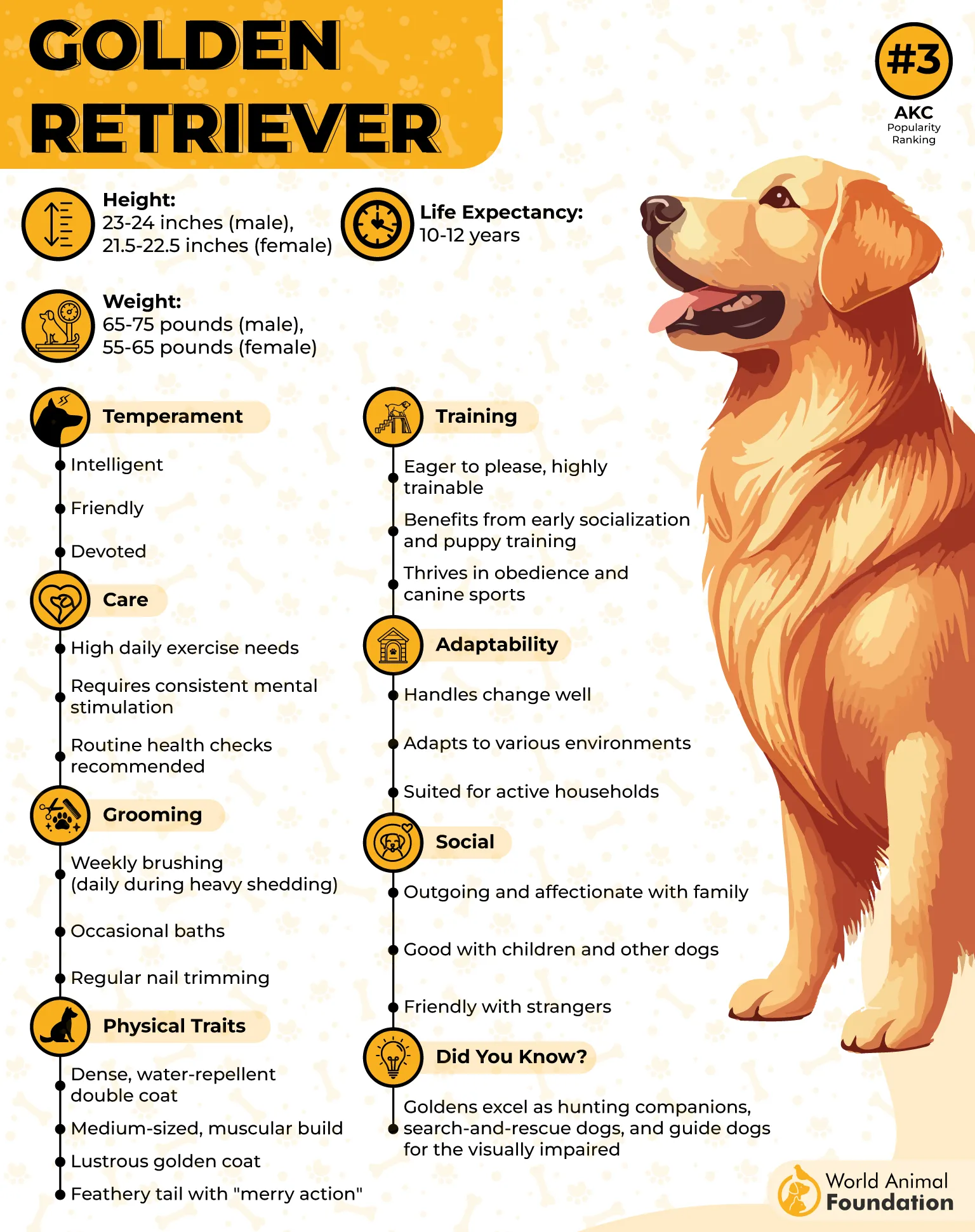
This breed is famously good with kids, other animals, and pretty much any stranger they meet on the trail. That’s why they are excellent companion for families or solo adventures alike. Golden Retrievers also adapt well to new environments. They rarely show any anxiety that some breeds display.
Long hikes, weekend camping trips, or just exploring a new trail together, the Golden Retriever brings joy to every outdoor moment.
7. German Shorthaired Pointer
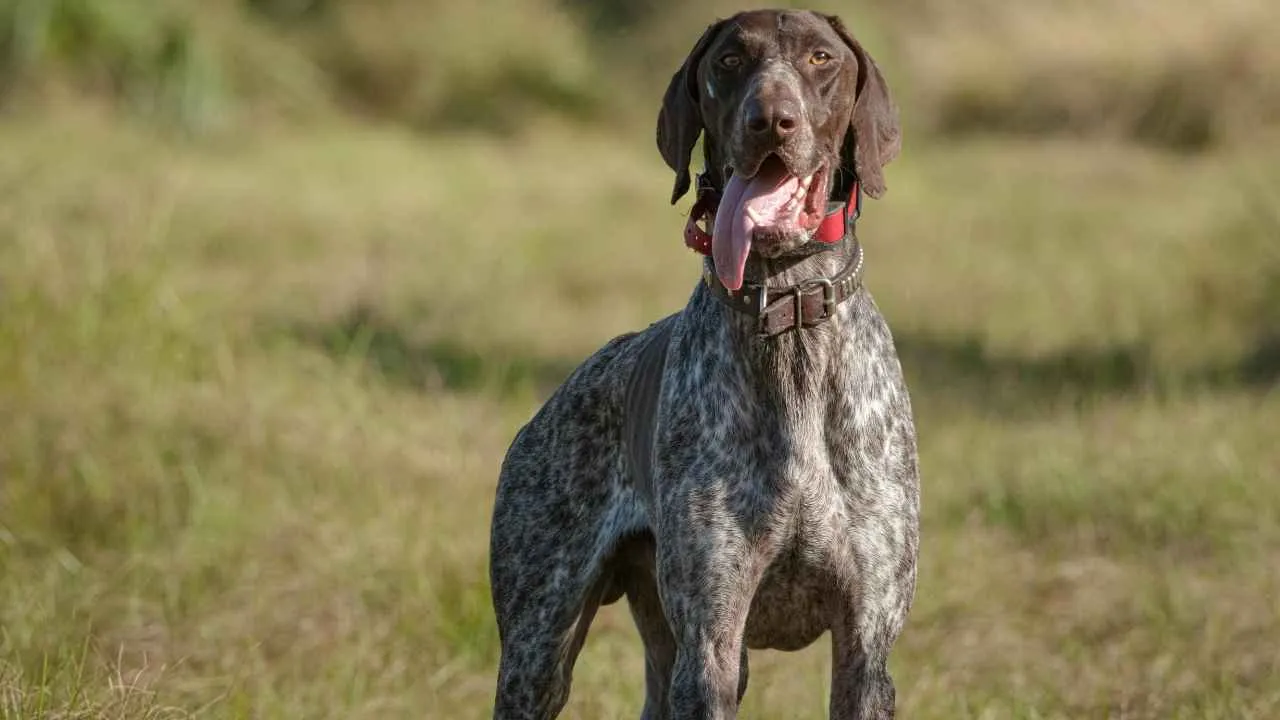
Athletic, driven, and born for serious ground coverage, the German Shorthaired Pointer ranks among the most versatile hunting dogs and wilderness companions.
This Pointer dog breed has excellent stamina and thrives with an active, outdoor lifestyle. Without enough exercise, that natural drive can turn into restless, hard-to-manage energy at home. German Shorthaired Pointers excel at long hikes, trail running, and managing difficult terrain.
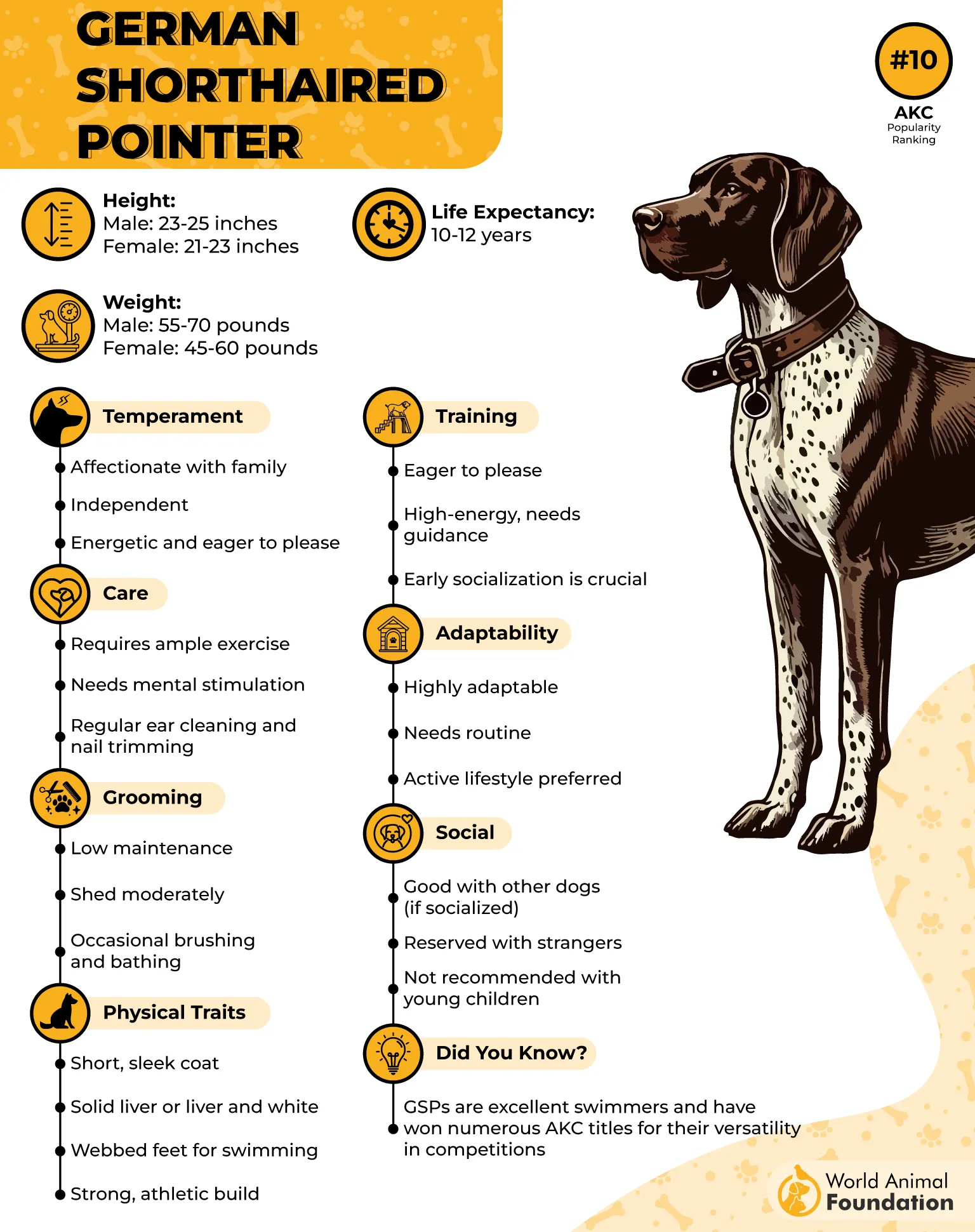
Their short coat makes for easy trail maintenance. Like other short-coated breeds, extreme cold demands extra care. This breed bonds closely with its person. It seems happiest when included in big adventures rather than left behind as a purely backyard pet.
For hikers and hunters alike wanting a purebred adventure dog with versatility, the German Shorthaired Pointer checks nearly every box.
Conclusion
Not every dog is born for the wilderness.
But these dogs make every hike, every camping trip, every new trail feel like something extraordinary.
These seven breeds bring their own version of stamina, loyalty, and enthusiasm to outdoor adventures.
Brachycephalic dog breeds, those with short, flat faces, don’t handle extreme heat or high-altitude hiking.
Just REMEMBER!! When choosing the right dog breeds for hiking adventures, match breed characteristics with your outdoor lifestyle, terrain, climate, and how many miles you realistically cover weekly.
Get that right, and you will have a constant companion for every trail.
