




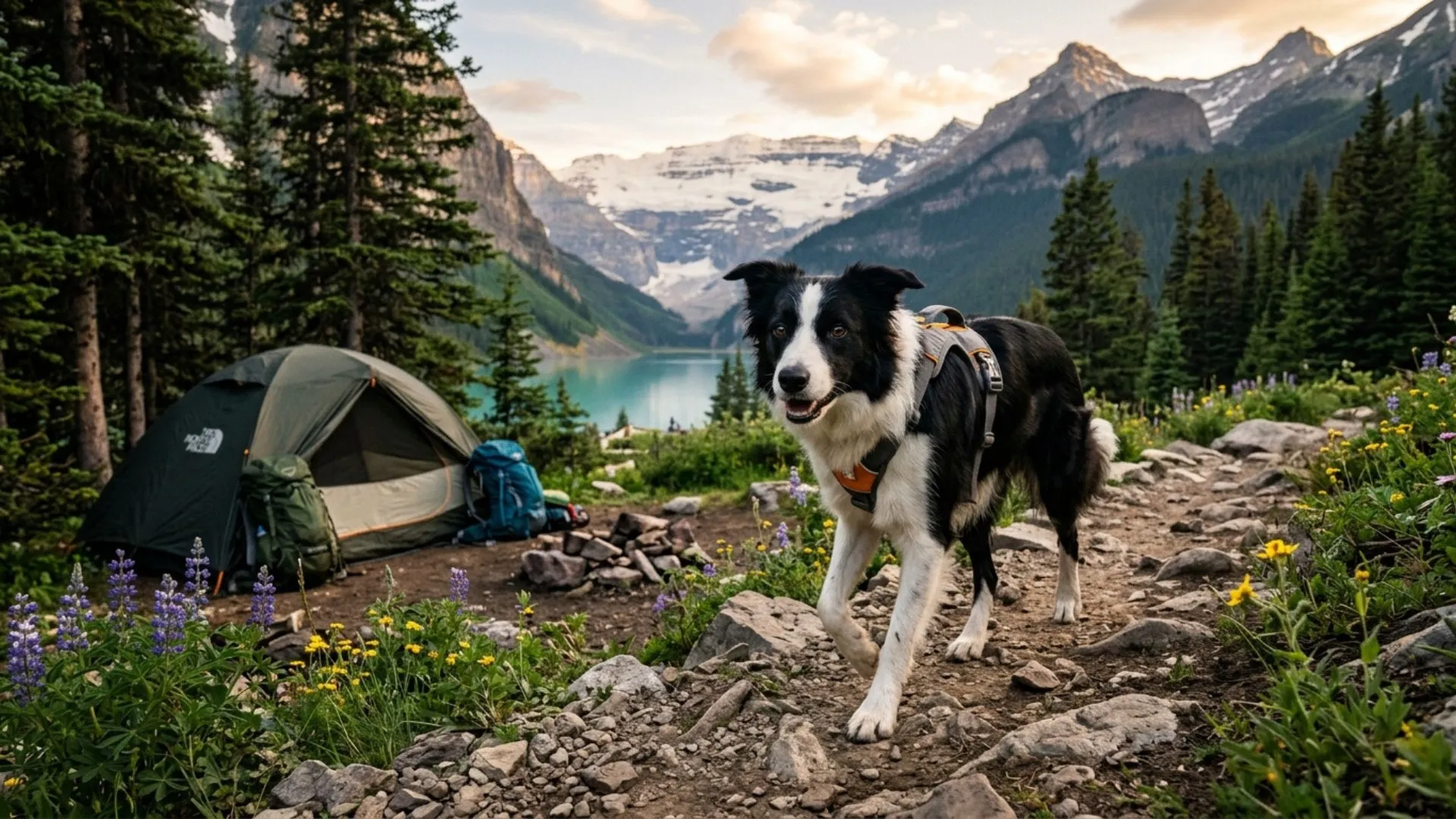
If you love spending time outdoors—whether it’s hiking up scenic trails, camping under the stars, or exploring rugged mountain paths—having a four-legged companion by your side can make the experience even more rewarding.
There’s something special about sharing every step of the journey with a dog that matches your energy and enthusiasm for adventure.
But not every dog is naturally built for long treks or unpredictable outdoor conditions. The best trail companions are those with strong stamina, good agility, and a curious but focused mindset.
That’s why choosing the right canine companion matters so much for camping and trekking. A well-suited dog doesn’t just keep up—they enhance the entire experience, offering loyalty, motivation, and companionship on every path you explore.
With the right match, every outdoor trip becomes safer, smoother, and far more enjoyable, turning simple hikes into unforgettable adventures. So what are you waiting for? Let’s take a look at some of the best dog breeds for an active lifestyle.
Key Takeaways
Thinking of a dog for your next hike? Discover which adventure dogs are truly built for camping and trekking adventures
From Labrador Retrievers to Border Collies, meet high-energy dogs that love trails, movement, and the great outdoors
See how Vizslas, Australian Shepherds, and Siberian Huskies bring stamina, smarts, and nonstop adventure energy
Find out which hiking companion matches your lifestyle before your next outdoor journey begins
Dog Breeds Perfect for Camping and Trekking
1. Labrador Retriever
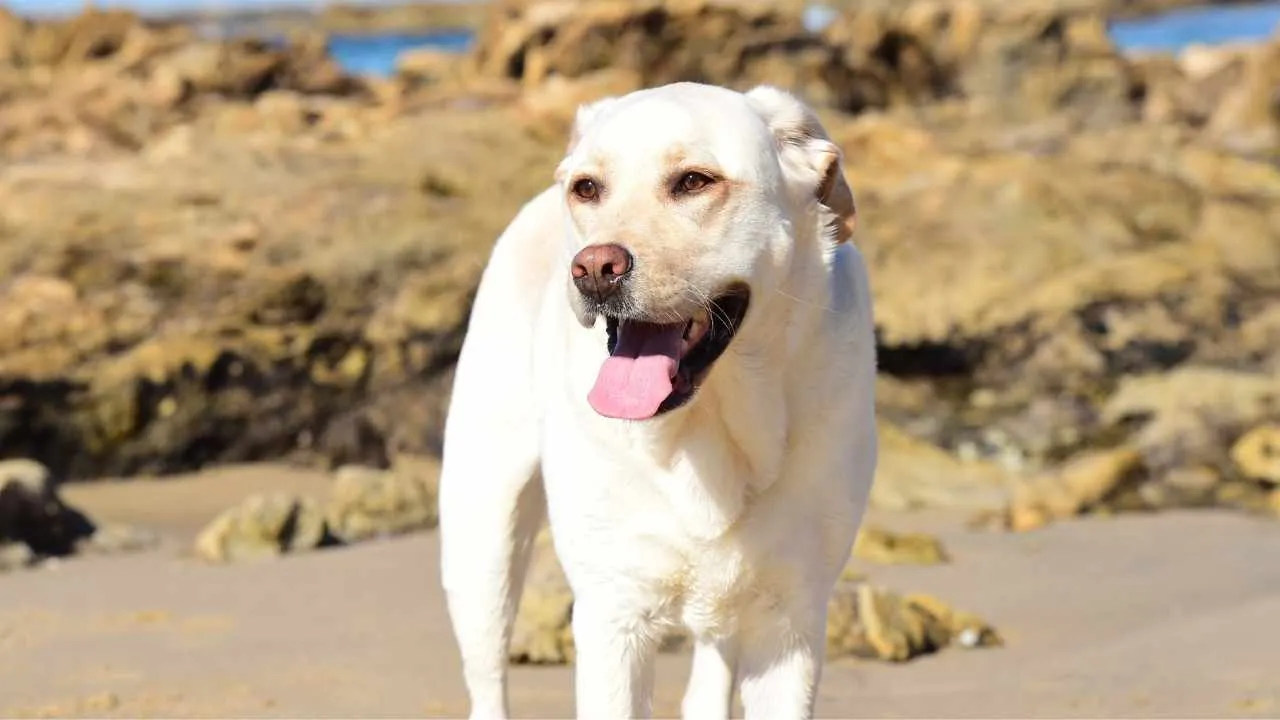
Labrador Retrievers are a popular choice for camping and trekking. They are friendly, active, and naturally drawn to outdoor environments.
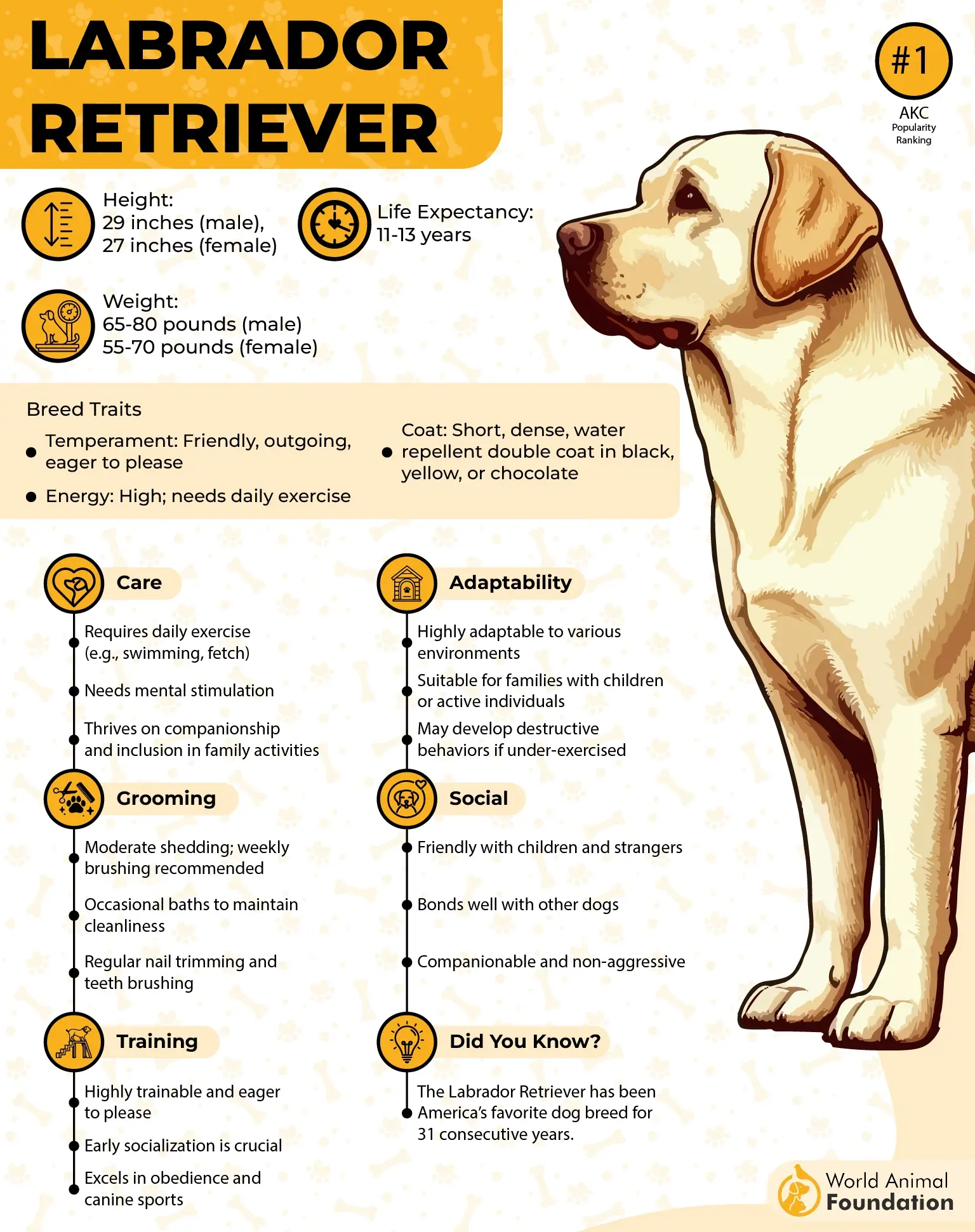
Originally bred to work with fishermen, they are strong swimmers and enjoy water activities. Their water-repellent double coat and webbed feet help them move easily in wet and rugged conditions.
Energetic, Smart, and Easy to Train
Labradors are intelligent and eager to learn. They are highly trainable because they enjoy working with people. Orvis says they are affectionate with families, children, and other animals, which makes them easy companions on group trips.
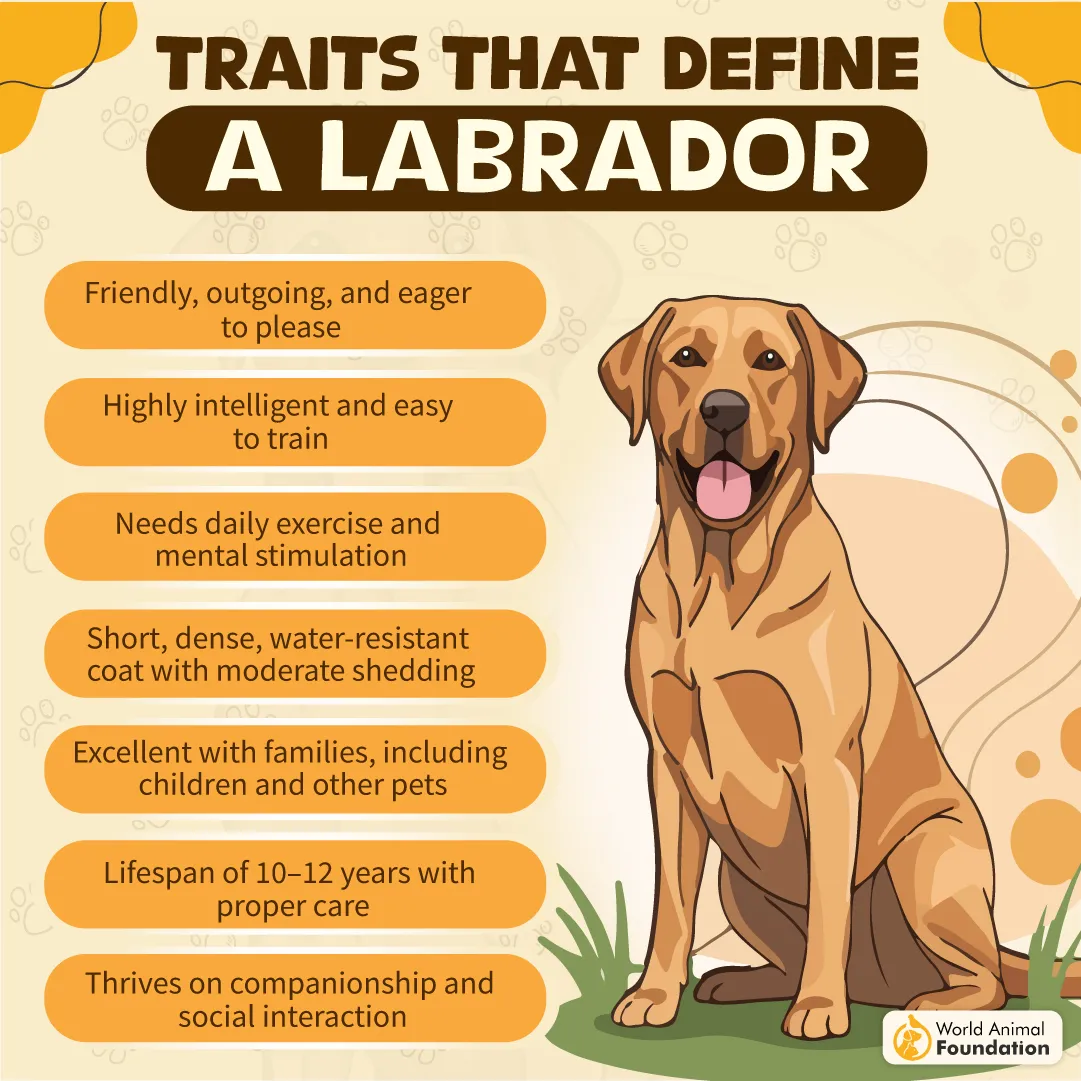
However, they have high energy levels and need regular exercise. Without enough activity, they can become destructive through chewing, digging, or barking.
Outdoor Care and Trail Behavior
Labradors do best when they are active and included in daily outdoor life. They should not be left alone for long periods, as they prefer companionship.
Their double coat sheds heavily and requires regular brushing, especially during shedding seasons. Their strong retrieving instinct also means they may carry objects in their mouths, which can be guided with proper toys and training.
2. Alaskan Malamute
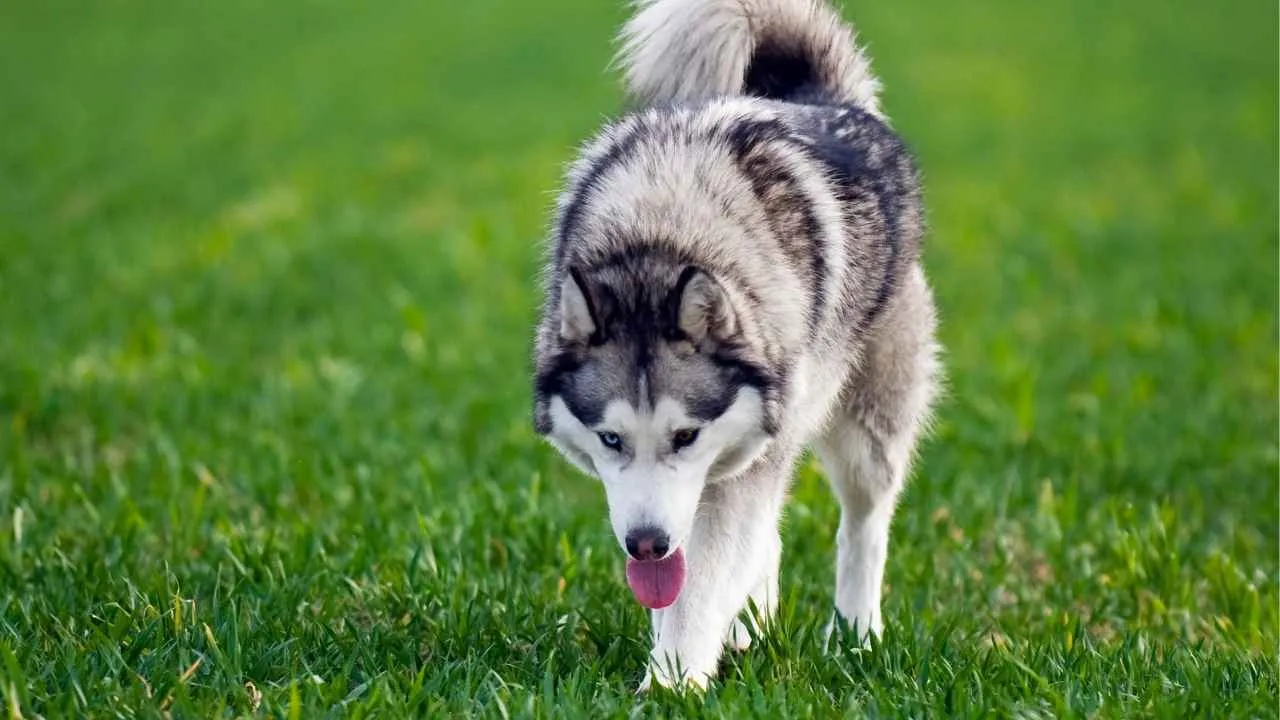
Alaskan Malamutes are built for adventure and love being part of active outdoor experiences like hiking, trekking, and camping.
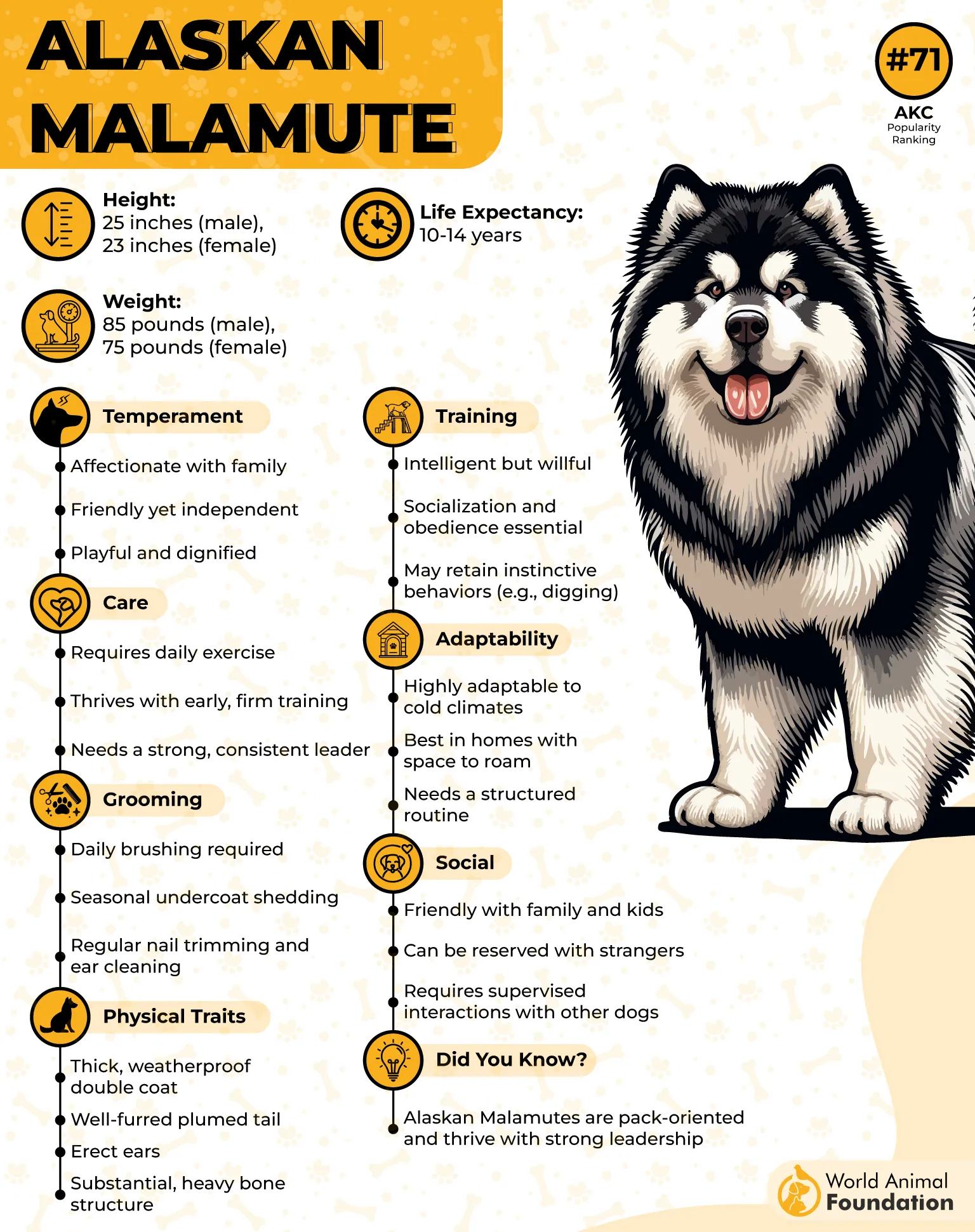
Originally bred in Alaska to pull heavy sleds, hunt seals, and even scare polar bears, they are strong, hardworking dogs with incredible endurance. Their thick double coat protects them in freezing conditions, making snow and cold environments their natural playground.
Playful, Social, and Full of Personality
Alaskan Malamutes are affectionate and people-oriented dogs that enjoy human company. They do not usually pick favorites and tend to treat everyone like a friend. With proper socialization, they are welcoming toward guests and can get along well with children when mutual respect is taught.
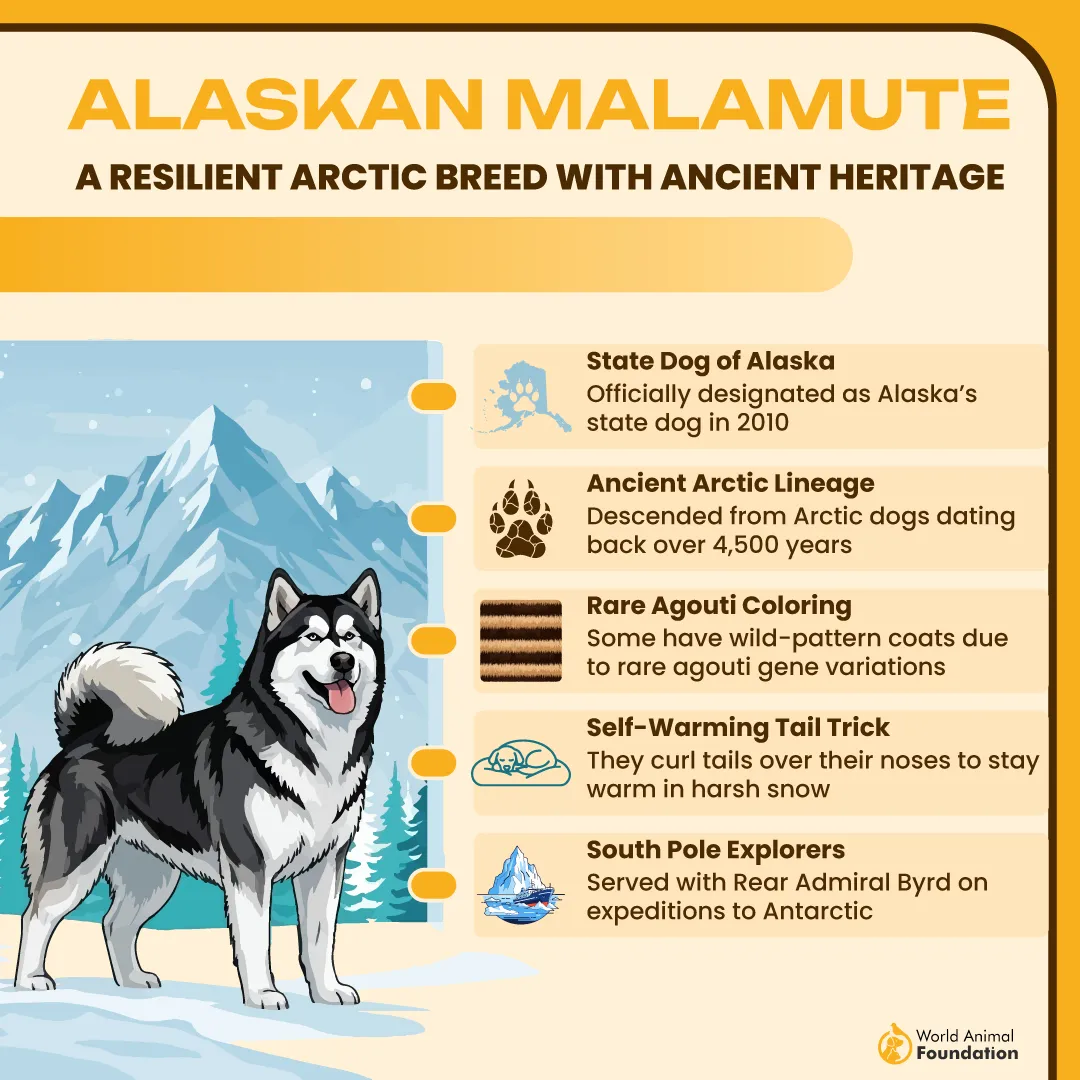
They are not typical barkers but communicate through expressive “woo woo” sounds, yelps, and howls. Their playful and curious nature also makes them mentally active and always looking for something to do.
Energetic Minds, Strong Bodies, and High Maintenance Needs
Alaskan Malamutes need plenty of physical and mental activity to stay balanced. They enjoy early-morning hikes and outdoor play, especially in cooler weather, but struggle in the heat.
They are clever problem-solvers and can become mischievous if bored, sometimes digging or trying to escape enclosures. Regular exercise, training sessions, games like hide-and-seek, and dog sports help keep them engaged.
3. Border Collie
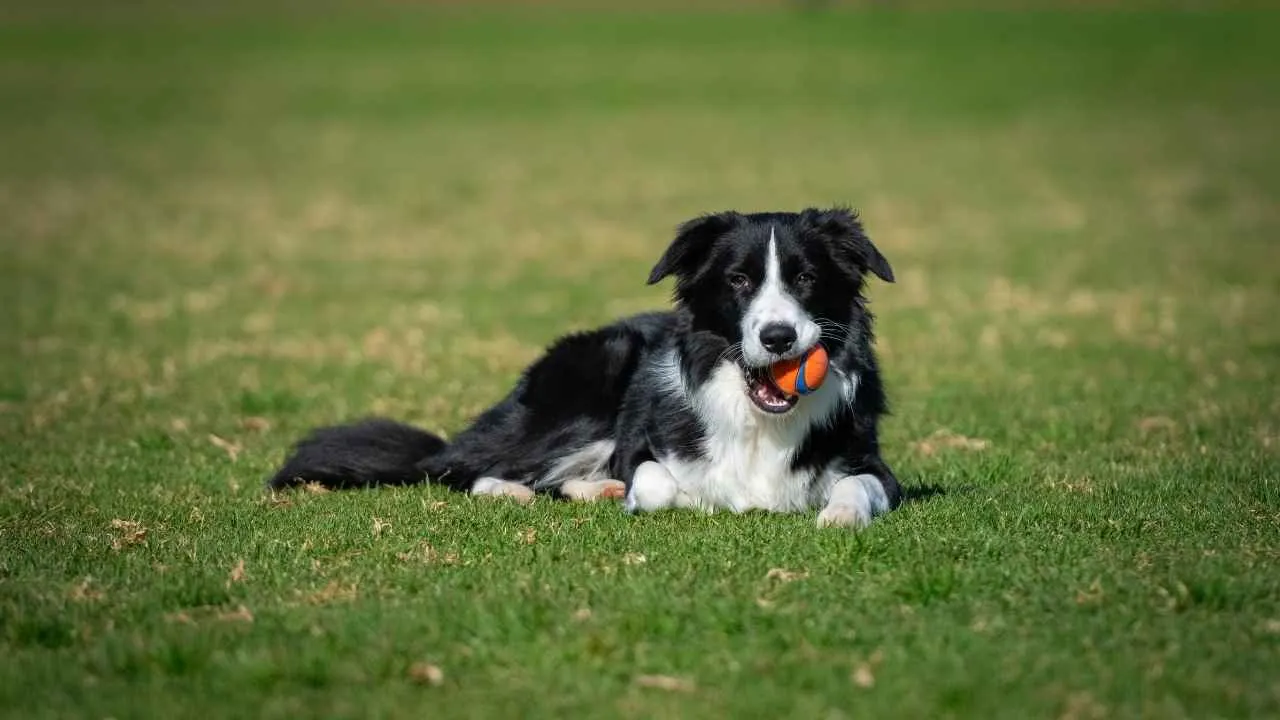
Border Collies are highly energetic working dogs originally bred to herd livestock in the countryside of Great Britain. They are fast, agile, and built for sharp, quick movements, which makes them excellent companions for hiking and trekking.
Even today, they are still used on farms, but they are also popular as active family pets who enjoy outdoor adventures.
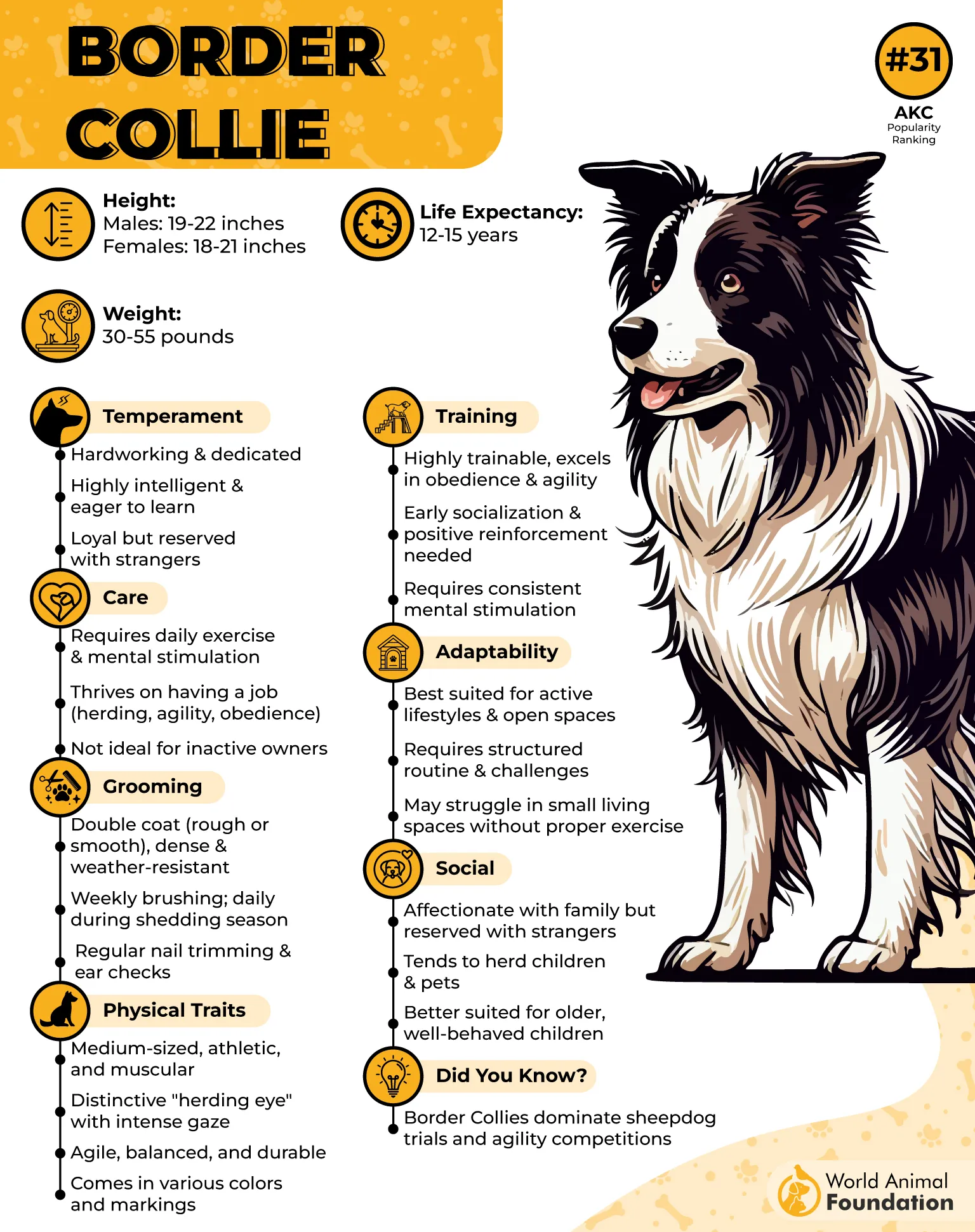
Highly Intelligent, Active, and Always “On Duty”
Border Collies are often considered the smartest dog breed. They are alert, curious, and always looking for something to do. They love having a purpose and do best when given tasks or structured activities.
Without enough mental and physical stimulation, they may become destructive and start chewing, digging, or finding their own “projects.” Their strong herding instinct can also make them try to chase or control moving things, including children or small animals.
Training Needs, Behavior, and Outdoor Suitability
Border Collies thrive in active homes where routine and structure are part of daily life. They enjoy hiking, agility games, frisbee, and other mentally engaging activities.
They are affectionate and loyal but can become overwhelmed in chaotic environments, so consistency helps them stay balanced. They also need regular brushing due to their double coat and shed quite a bit.
4. Vizsla
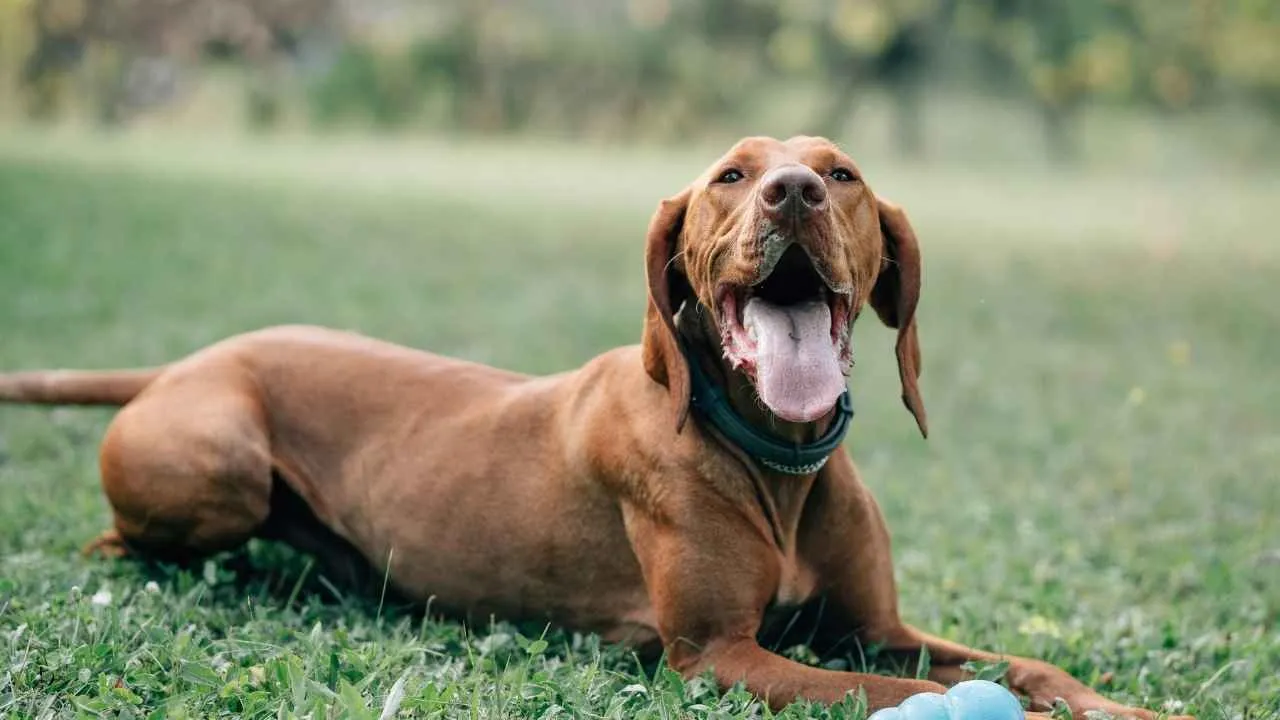
Originally developed in Hungary as hunting companions, Vizslas are athletic dogs built for outdoor activities. They are known for their striking red-golden coat, graceful movement, and impressive stamina.
Whether it’s trekking, hiking, jogging, swimming, or agility training, these dogs thrive when they have an active job to do.
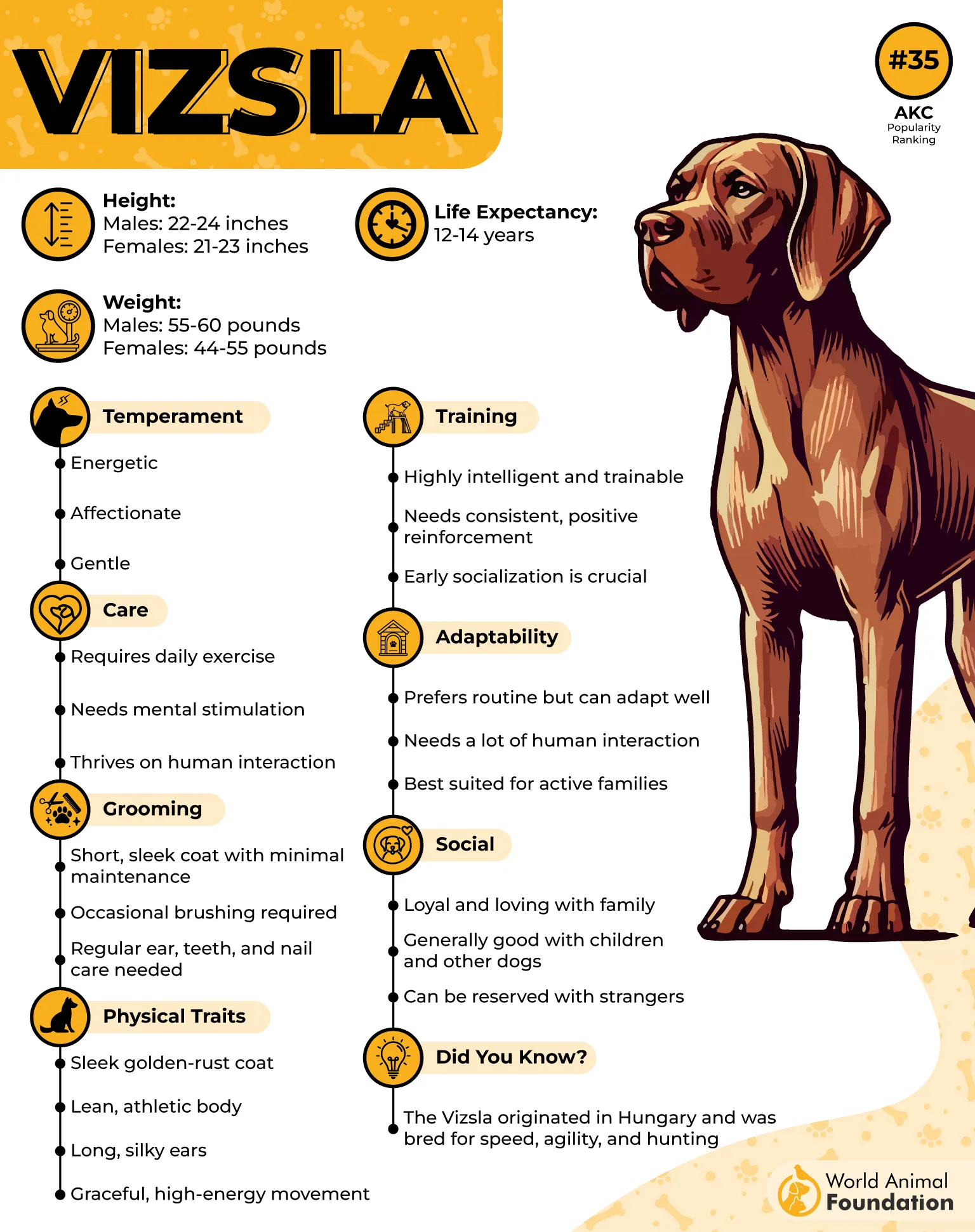
Affectionate, Loyal, and People-Oriented
Vizslas form exceptionally strong bonds with their families and love being around people. According to PetMD, they are often called “velcro dogs” because they prefer staying close to their owners and may follow them from room to room.
Friendly and loving by nature, they generally get along well with other dogs and cats when properly socialized. However, they do not enjoy being left alone and can develop separation anxiety if isolated for long periods.
High Energy and Mental Stimulation Needs
Vizslas are highly intelligent and require plenty of daily exercise and mental challenges to stay happy. Without enough activity, they may become bored and develop unwanted behaviors such as chewing or digging.
They respond well to positive reinforcement training and enjoy learning new skills. Their short coat is relatively easy to maintain, requiring only regular brushing to keep it looking its best.
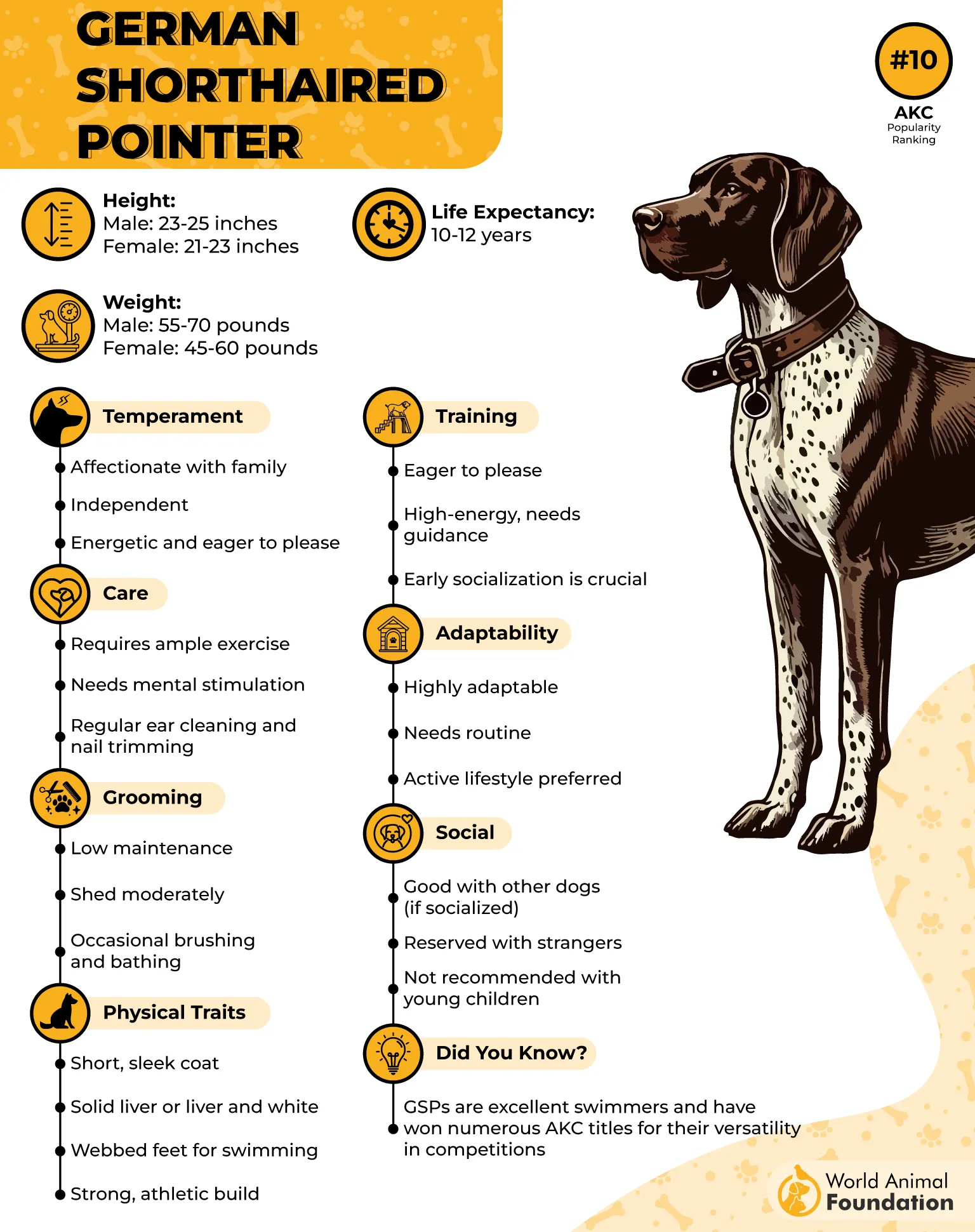
5. German Shorthaired Pointer
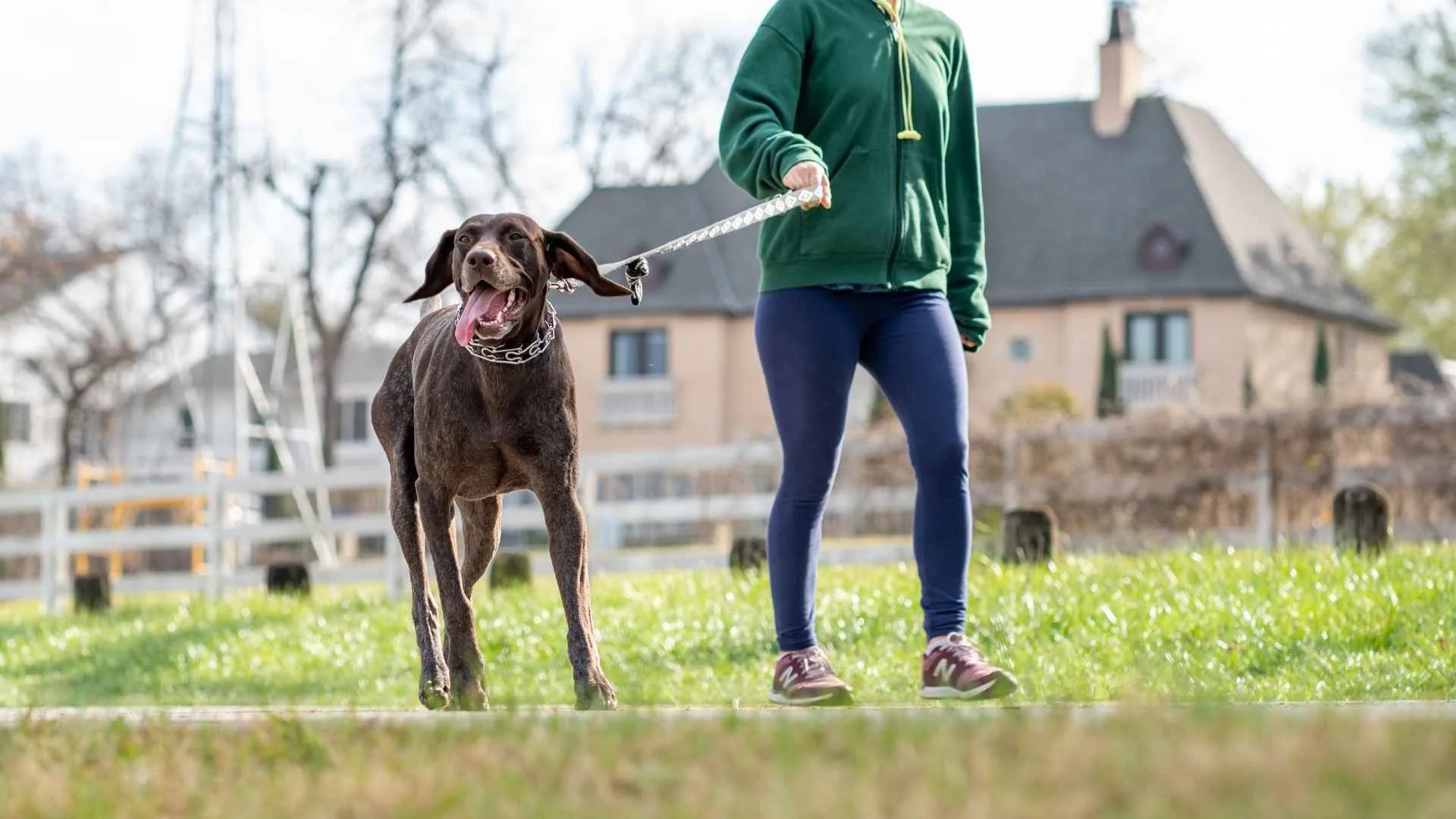
German Shorthaired Pointers are energetic sporting dogs that thrive on outdoor adventures. Originally bred as hunting dogs, they are known for their speed, agility, endurance, and love of exploring.
Whether trekking through trails, running across open terrain, or spending a day outdoors, these dogs are happiest when they have room to move and a job to do.
Active, Intelligent, and Family-Oriented
German Shorthaired Pointers are playful, intelligent, and highly people-oriented. They enjoy spending time with their families and usually get along well with children and other dogs.
These intelligent dogs are eager to learn, though their strong hunting instincts can sometimes make them easily distracted. Because they form close bonds with their owners, they do not enjoy being left alone for long periods.
Exercise Needs and Easy Care
This breed has very high energy levels and needs plenty of daily exercise and mental stimulation. Without enough activity, boredom can quickly lead to unwanted behaviors. They can also be cautious around small animals due to their hunting background.
Their short coat is low-maintenance, requiring minimal grooming and only moderate shedding, making them relatively easy to care for compared to many other active breeds.
6. Australian Shepherd
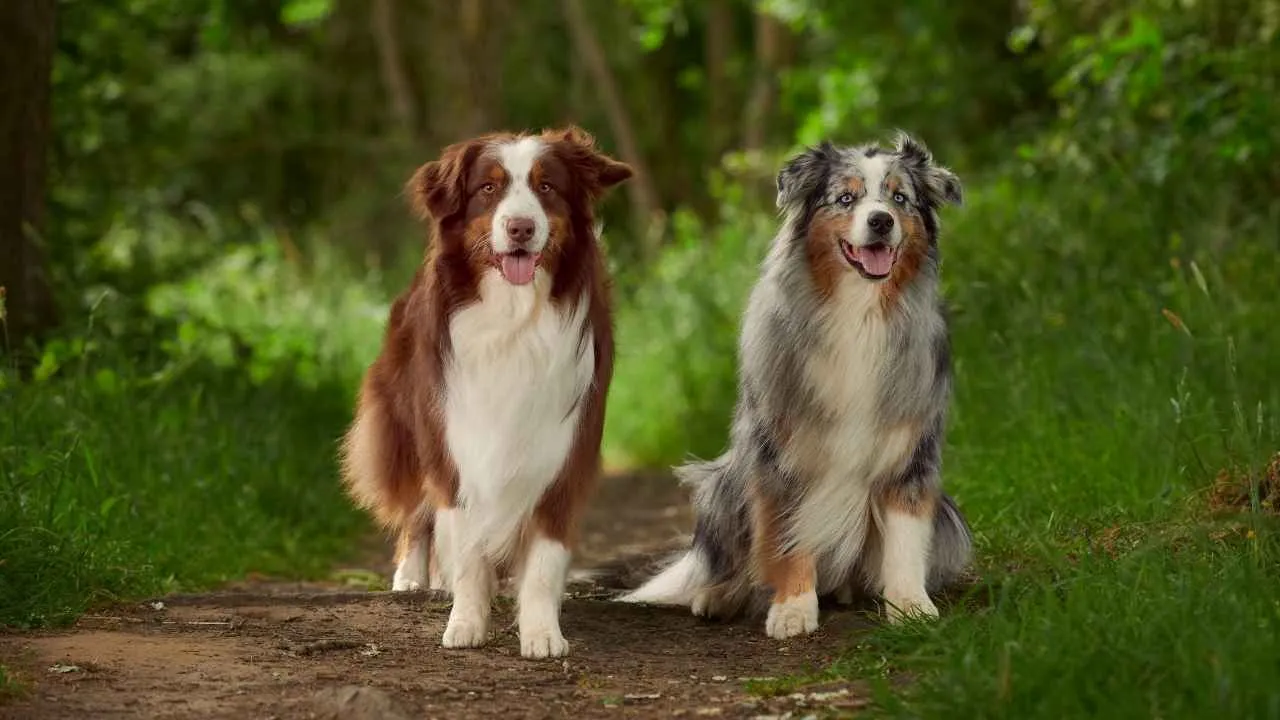
Australian Shepherds are intelligent working dogs with endless energy and a strong desire to stay active. Originally bred for herding and ranch work, they are agile, athletic, and always ready for outdoor adventures.
Long hikes, trekking trips, and active days in nature are excellent ways to keep these agile dogs engaged and satisfied.
Loyal, Smart, and Eager to Work
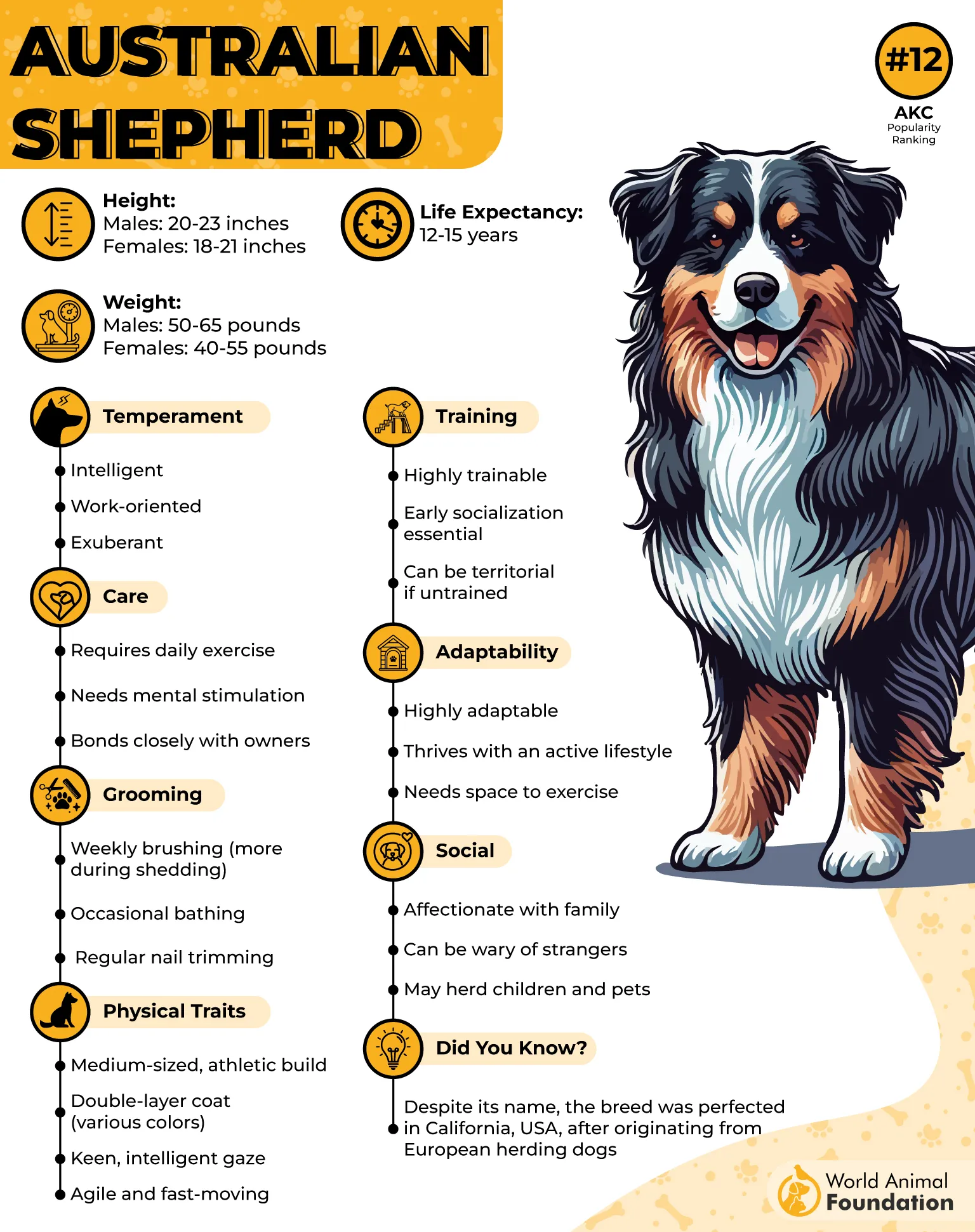
Australian Shepherds form strong bonds with their families and enjoy being involved in daily activities. They thrive on companionship and prefer staying close to their people rather than being left alone.
Highly intelligent and quick to learn, they excel at training and can pick up new commands with ease. They are naturally alert and may be aloof towards strangers, as noted by Britannica.
High Exercise Needs and Herding Instincts
Aussies need plenty of physical activity and mental stimulation every day. Without enough exercise, they can become bored and develop destructive behaviors.
Their strong herding instincts may also lead them to chase moving objects, including children, pets, bicycles, or cars. Activities like hiking, running, fetch, agility training, and obedience work help channel their energy in a positive way.
7. Siberian Husky
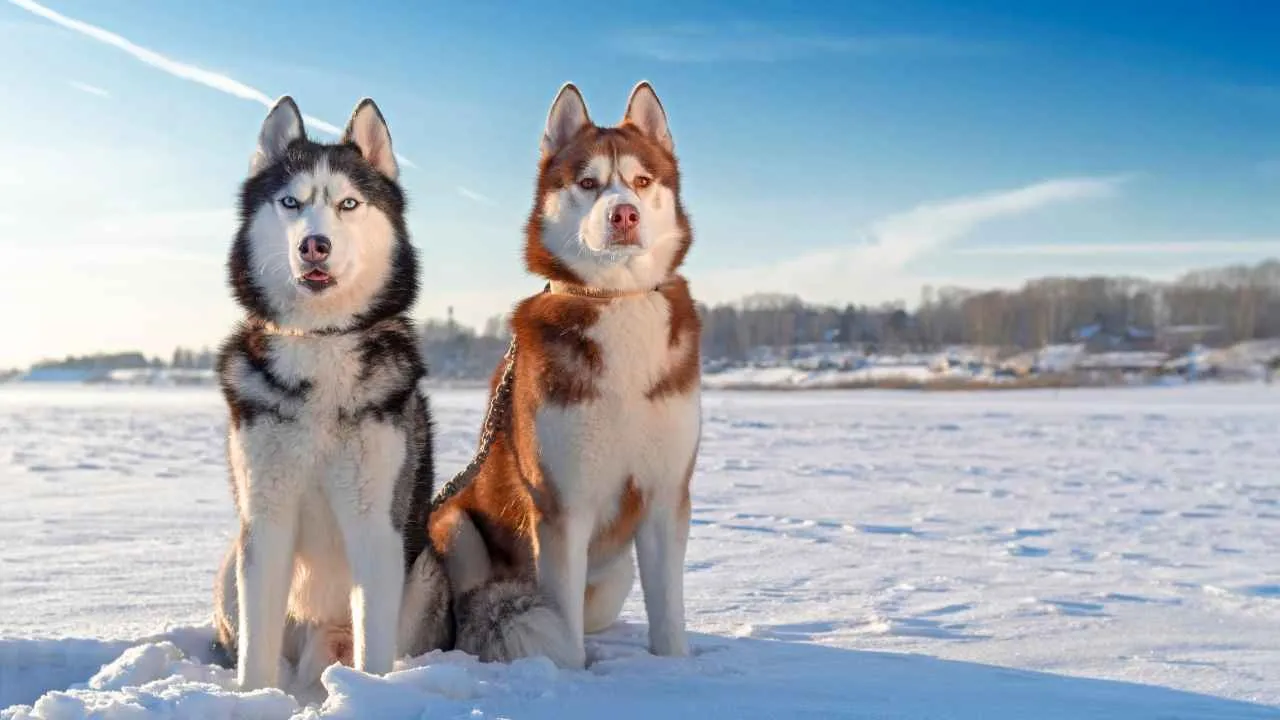
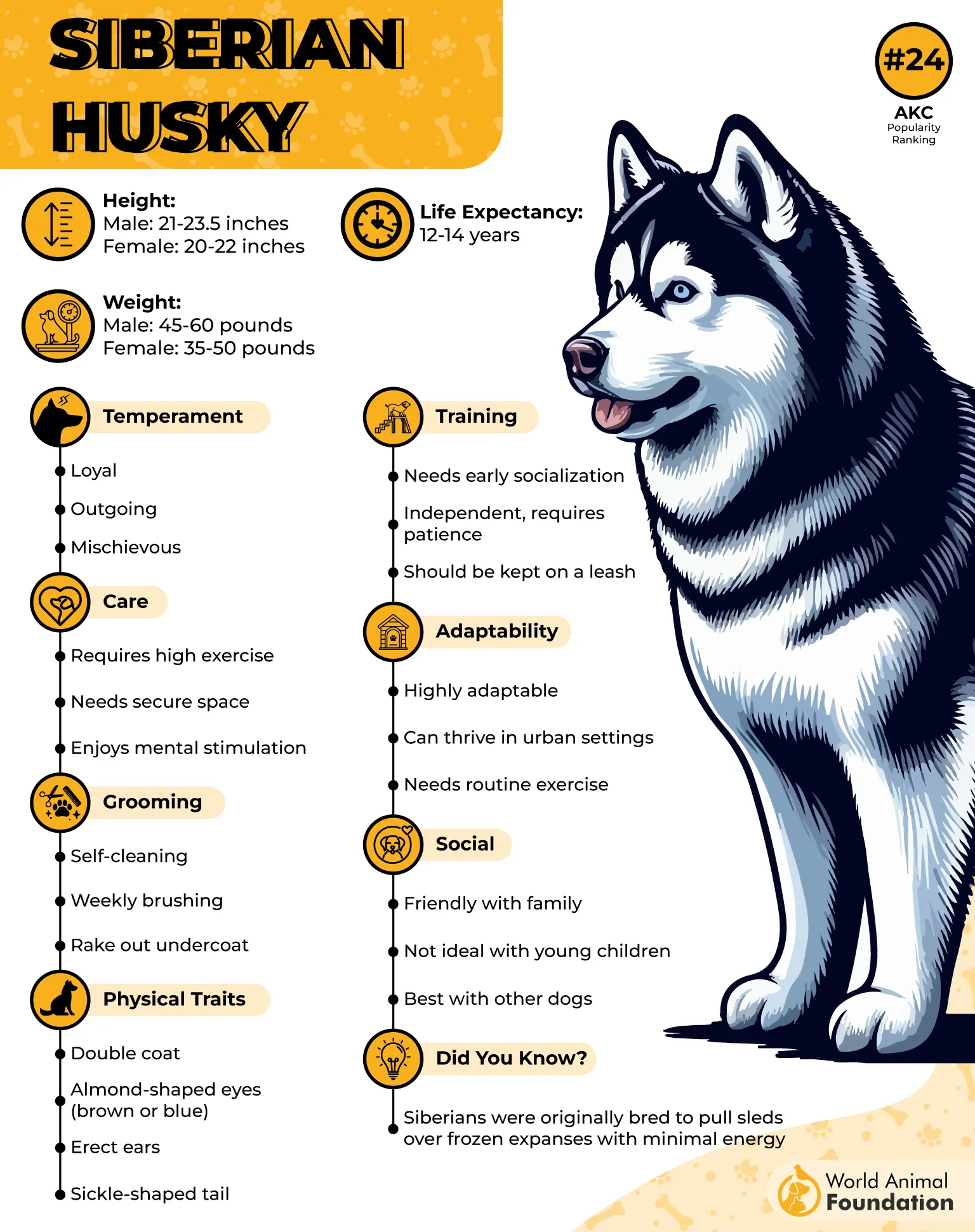
Siberian Huskies were originally bred as sled dogs and are known for their incredible endurance, athleticism, and love of movement. They thrive in active environments and enjoy outdoor activities that challenge both their body and mind.
Their history of working in teams and traveling long distances makes them good hiking dogs for active families.
Social, Playful, and Full of Personality
Siberian Huskies are friendly, confident, and highly social dogs. They usually get along well with people, children, and other dogs, especially when properly socialized.
Known for their playful and mischievous nature, they are also extremely expressive and communicate through howls, whines, and body language. They enjoy companionship and often prefer being part of a group rather than spending time alone.
High Energy and Training Needs
Huskies require plenty of daily exercise and mental stimulation to stay happy. Without enough activity, they can become bored and create their own entertainment through digging, chewing, or attempting to escape.
They are intelligent but independent thinkers, which can make training challenging at times. Consistent training, socialization, and a structured routine help keep their energy focused in a positive direction.
Conclusion
The best canine breeds for camping and trekking have more in common than just energy. They combine stamina, intelligence, adaptability, and a genuine love for the outdoors.
Whether you prefer long mountain hikes, weekend camping trips, or exploring new hiking trails, choosing a dog that matches your activity level can make every adventure more enjoyable for both of you.
At the end of the day, the perfect trail companion is one that fits your lifestyle, experience level, and commitment to exercise and training.
Take the time to understand a breed’s needs before bringing one home, and you’ll gain more than a hiking partner—you’ll have a loyal friend who’s excited to share every outdoor adventure by your side.
