




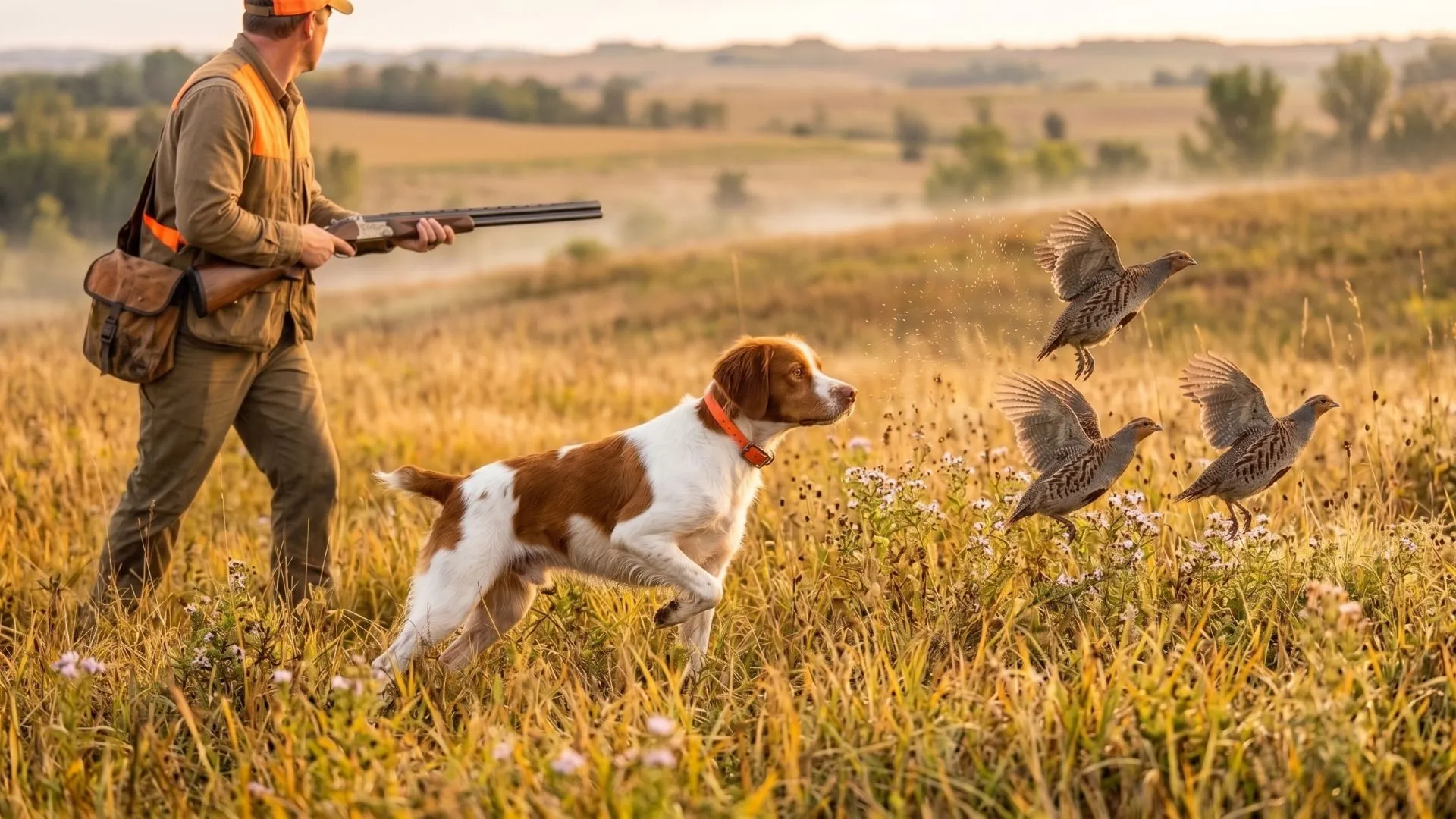
Upland bird hunting isn’t just about speed and endurance. A good hunting dog also needs a sharp nose, the instinct to work closely with its handler, and the ability to handle different types of terrain with ease. Some breeds shine at flushing birds out of thick cover, others are natural pointers, and some are prized for their retrieving skills.
These versatile dogs excel at tracking, pointing, or flushing birds like pheasant, quail, and grouse across dense fields and forests.
The best bird dog breed for you comes down to your hunting style, the birds you’re after, and the kind of terrain you love working. Let’s look at 10 of the best upland bird hunting dog breeds that have earned their reputation as reliable partners in the field.
Top Dog Breeds Known for Their Upland Game Hunting
1. German Shorthaired Pointer
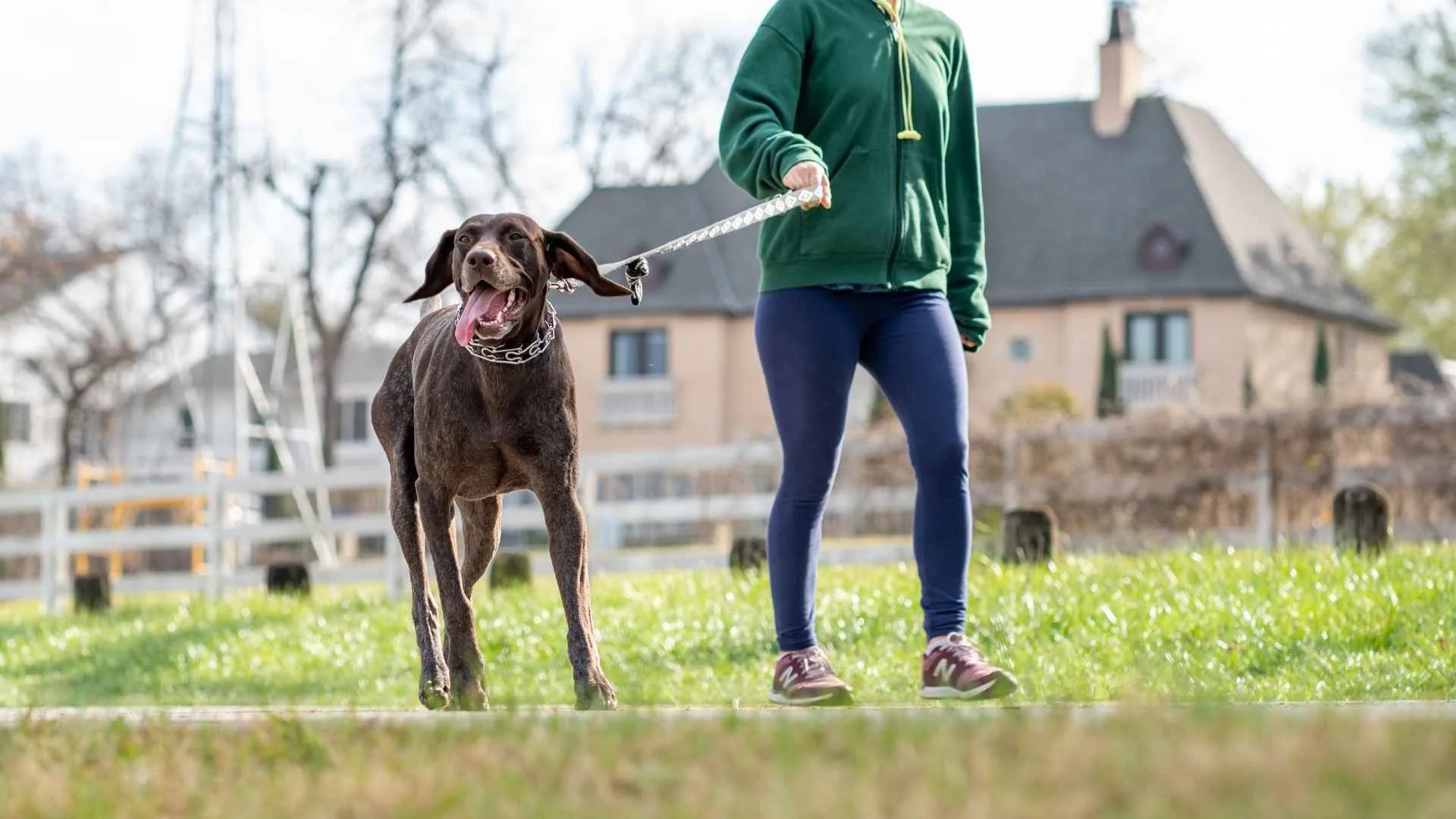
The German Shorthaired Pointer is one of the most useful upland hunting dogs out there. It’s a complete package: able to locate, track, and retrieve injured birds with impressive efficiency.
This breed works well in open grasslands, crop fields, and mixed woodland. It’s fast and covers a lot of ground without ever losing touch with the hunter. Its athletic build lets it hunt with real enthusiasm for hours on end.
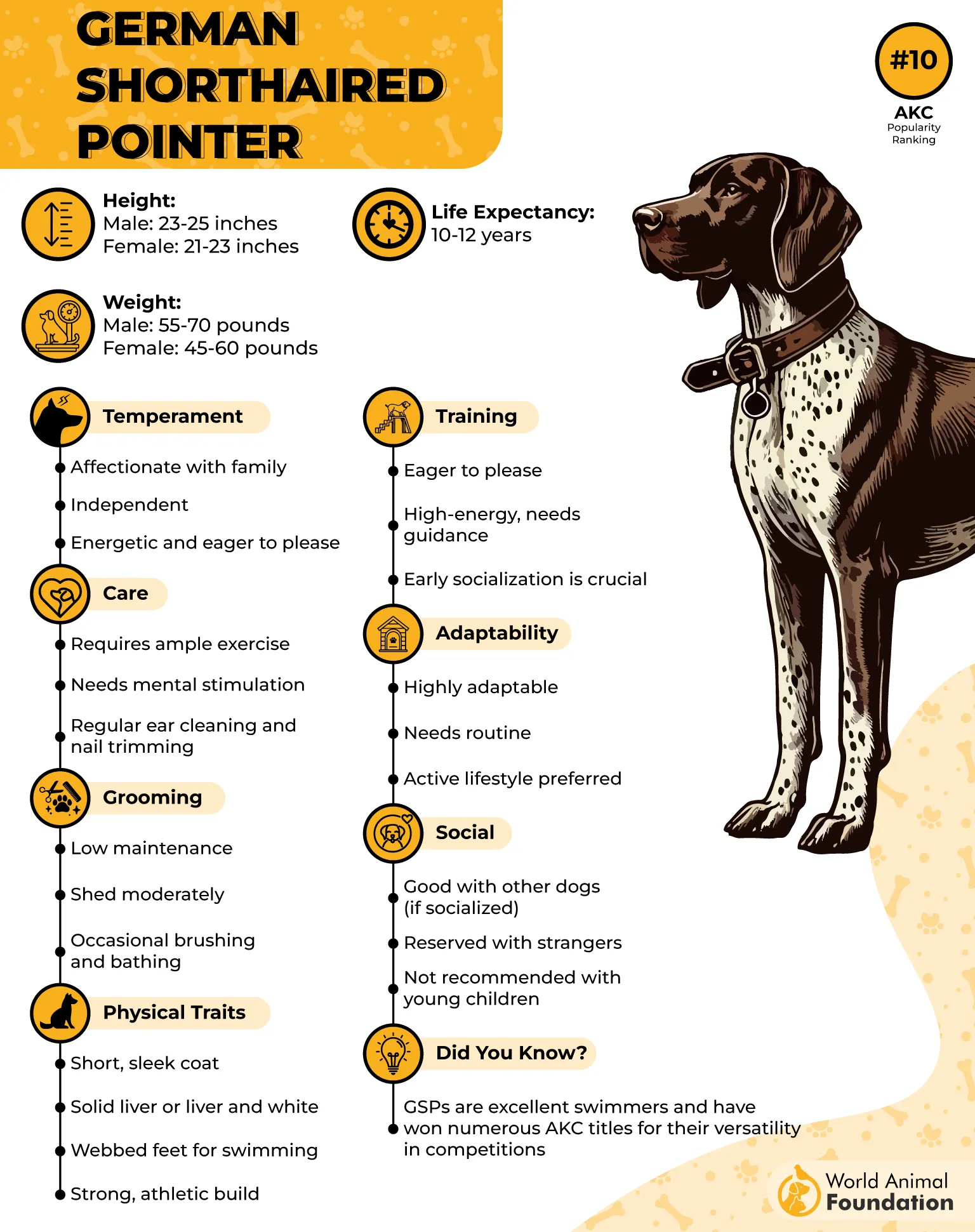
The GSP is especially good at pointing pheasant, quail, and chukar. Once it picks up a bird’s scent, it freezes in place, locking onto the exact direction of the bird and giving the hunter time to move in for the flush.
With proper training, these dogs can adapt to chasing all kinds of bird species. They’re highly intelligent and genuinely enjoy picking up new hunting skills, according to PetMD. Their ability to switch between different terrains in a single outing is part of what makes them one of the most popular dog breeds for upland game hunting.
2. English Setter
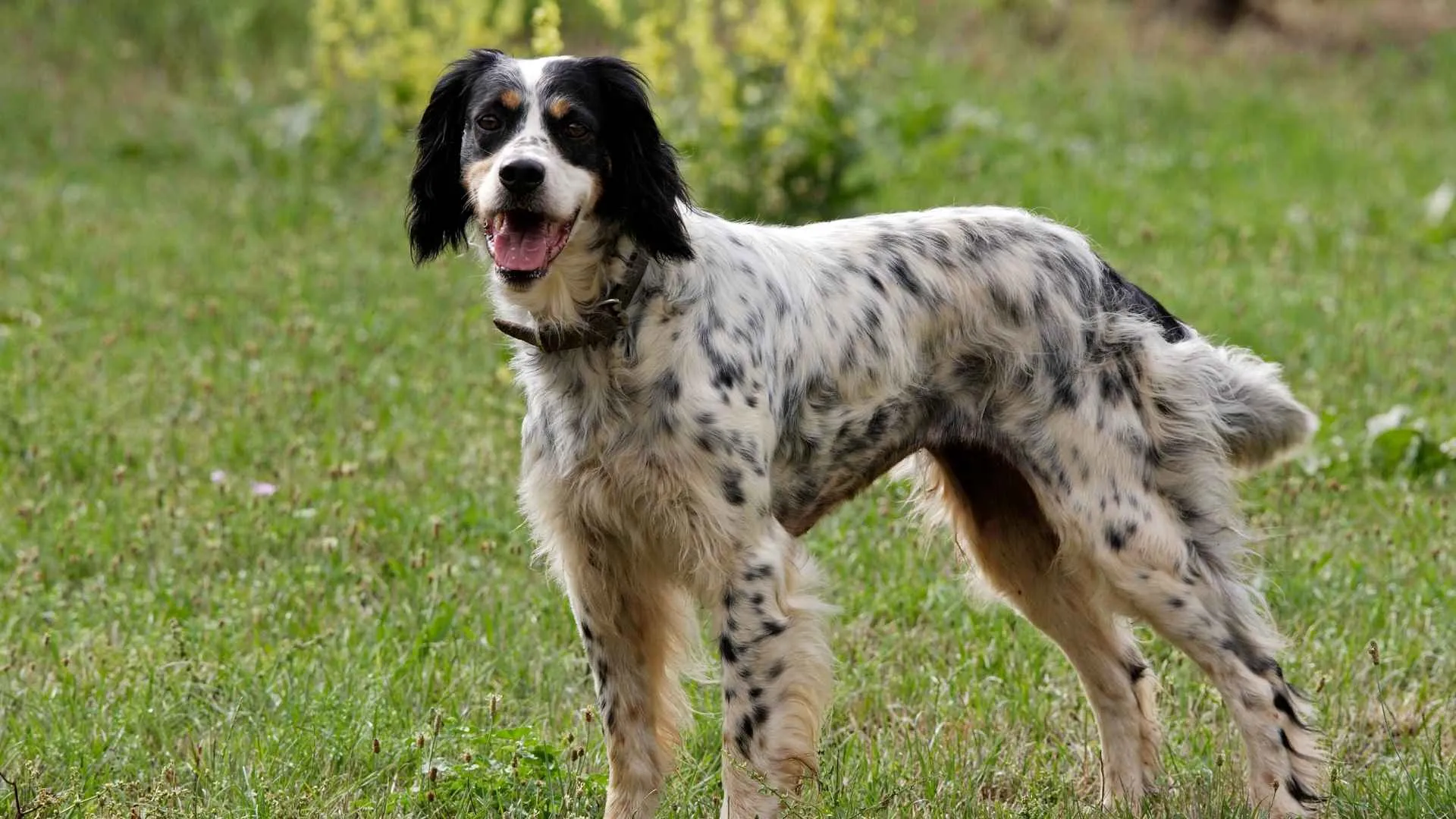
The English Setter is famous for its elegant hunting style and exceptional scenting ability. Rather than rushing from field to field, it works carefully and methodically, which makes it that much easier to find birds hiding in cover.
English Setters are known as wide-ranging, high-speed, high-stamina dogs that cover serious ground while hunting. They’re especially well regarded for their skill at hunting ruffed grouse and woodcock in wooded terrain, and they can pick up even the faintest scent trails that other breeds might miss entirely.
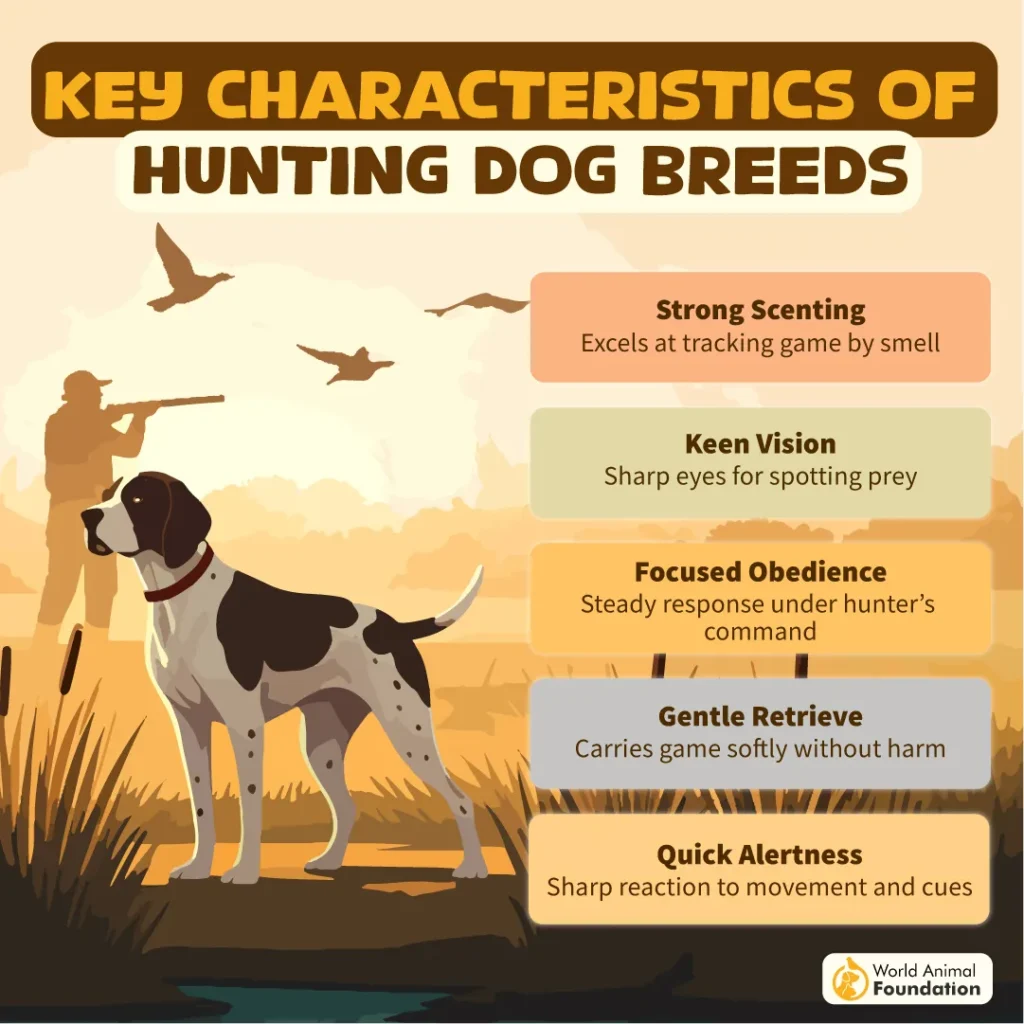
They also tend to work at a good distance from the hunter, which actually helps keep communication smooth during the hunt. On top of their pointing skills, these dogs are gentle by nature, making them wonderful pets at home. They love staying active and respond well to positive reinforcement training.
One thing to keep in mind: after hunting trips, their long coat needs a bit of extra attention, since burrs and debris tend to get tangled in it.
3. Brittany
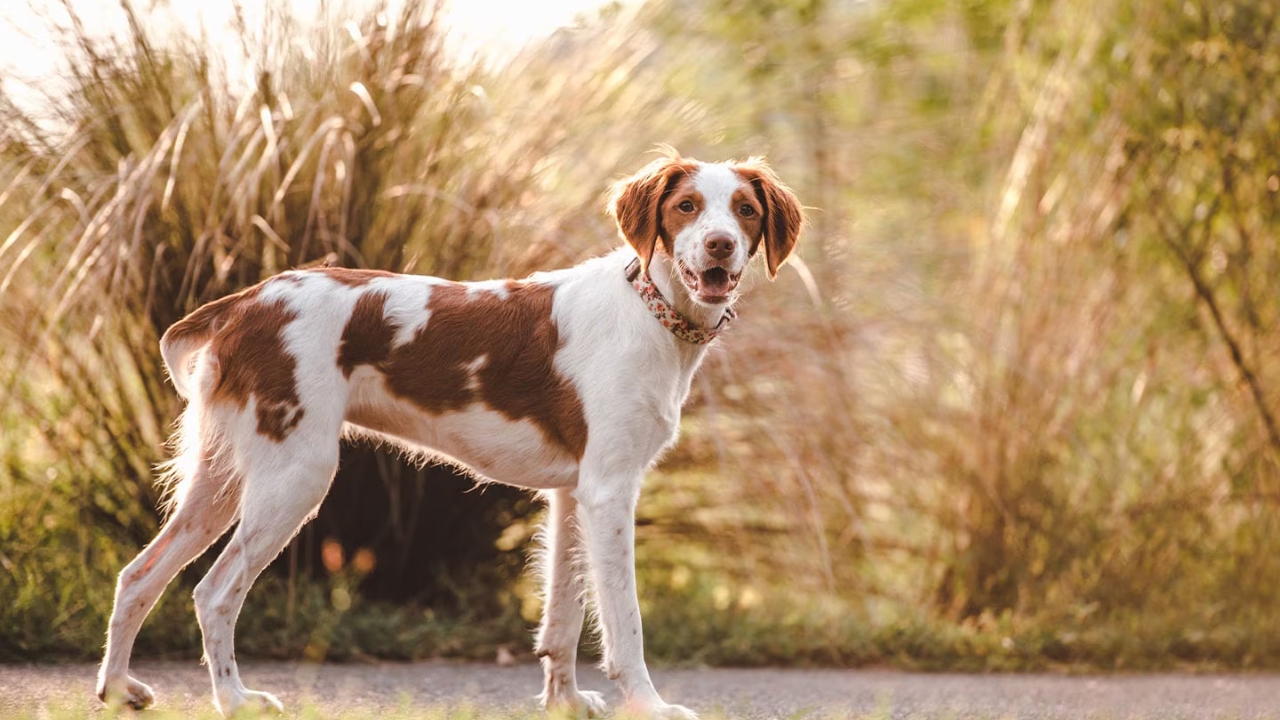
The Brittany is compact, intelligent, and fast. Thanks to its smaller size, it can slip through dense woods, narrow trails, and uneven ground with ease.
This breed is especially popular among quail and woodcock hunters, since it naturally points closer to the hunter compared to other bird dog breeds. That shorter range makes it easier for beginners to stay connected with their dog throughout the hunt.
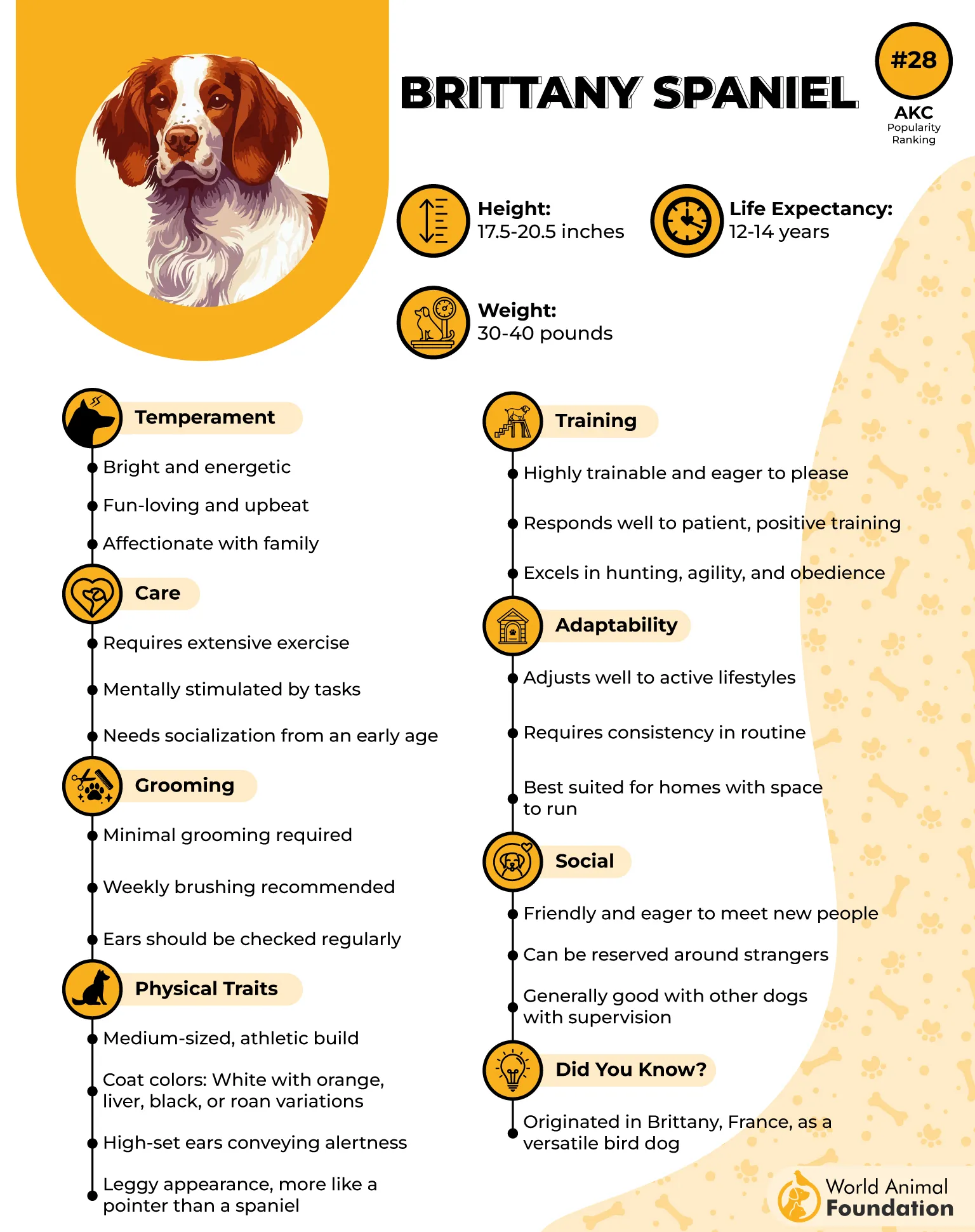
Brittanys are energetic and highly cooperative. They rarely stray off into unfamiliar territory and reliably make their way back to their handler. Eager to learn, they pick up new skills like pointing and retrieving quickly with consistent training.
They thrive on activity and mental stimulation, so the more they’re put to work hunting, the better they perform. Obedience work and agility training are great ways to keep these good-natured dogs happy and engaged.
4. German Wirehaired Pointer
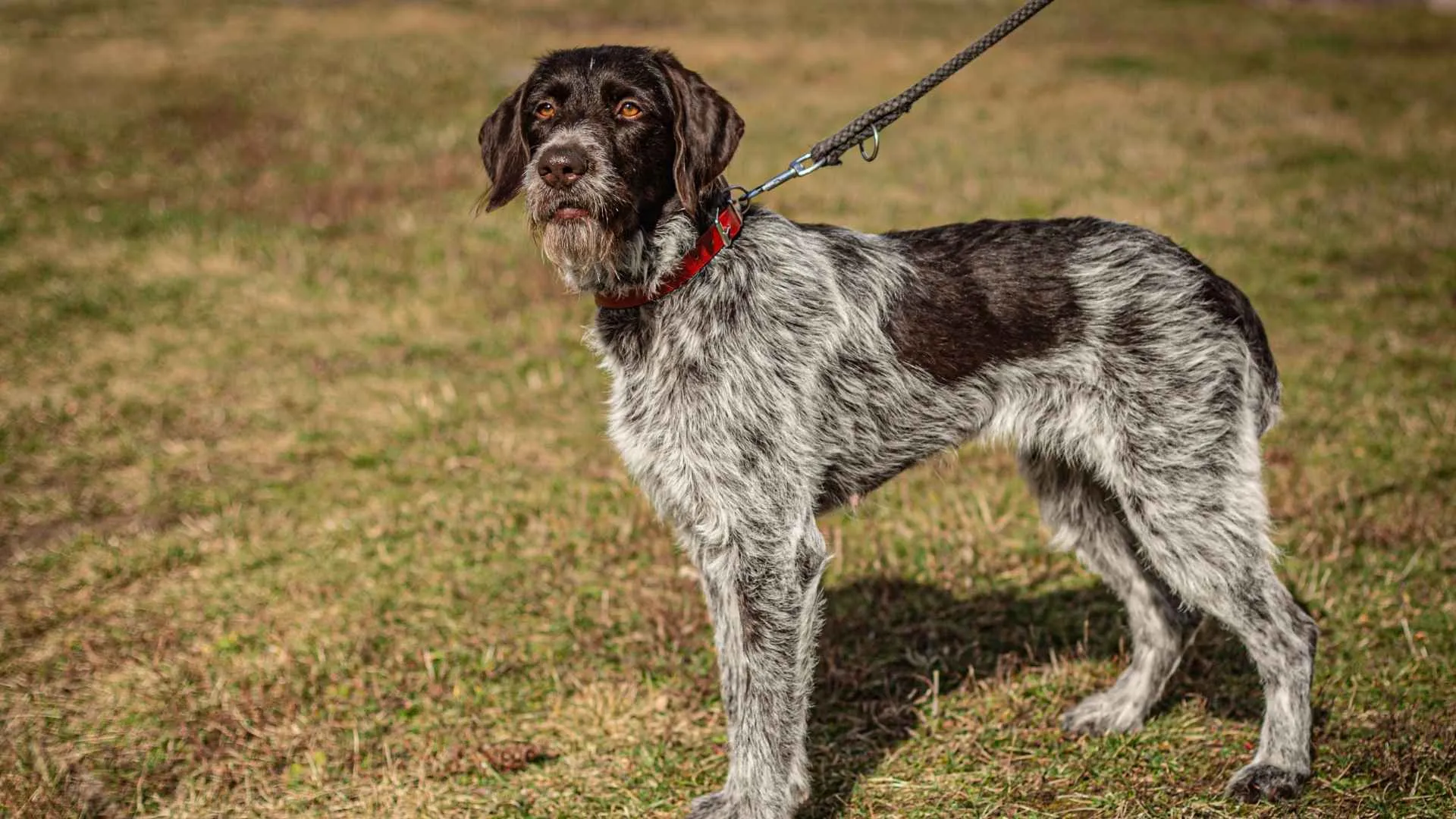
The German Wirehaired Pointer was bred for hunters tackling rough terrain and rough weather. Its thick, wiry coat helps it push through thorny brush and shrug off cold, damp conditions that would slow down many other breeds.
This versatile dog handles pheasant, grouse, and quail well, even in heavy cover. Rather than hesitating at the edge of dense brush, it dives right in to flush birds out.
With its excellent nose, it’s especially good at following older scent trails left by birds that ran before taking flight. The German Wirehaired Pointer is also just as comfortable on land as it is in shallow water.
This breed has a strong work drive and needs regular training and activity year-round. It does best when given a job to do and isn’t left idle for too long.
5. English Springer Spaniel
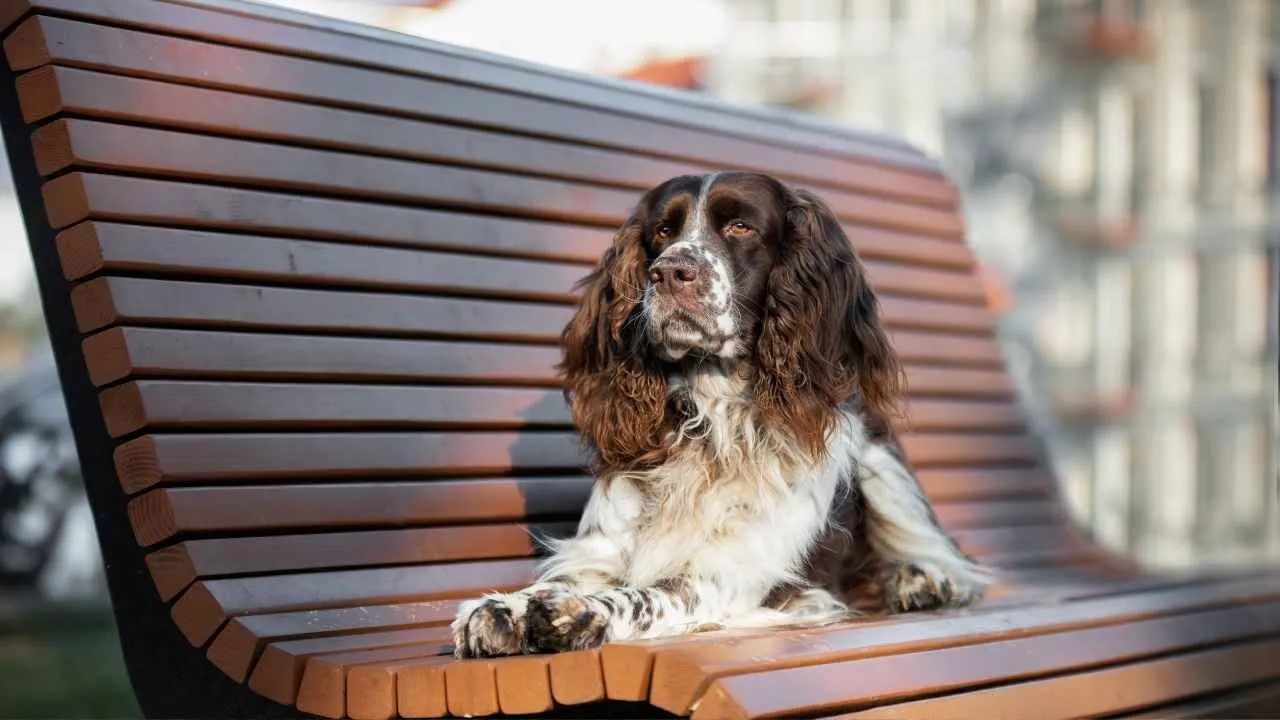
The English Springer Spaniel is a flushing dog rather than a pointing dog. Instead of freezing on a bird’s scent, it’s built to push through dense cover, find game birds, and flush them up for the hunter.
This hunting style works especially well in heavy underbrush, where birds like grouse, pheasant, and woodcock love to hide. Rather than ranging far and wide, the Springer sticks close, staying within shotgun range at all times.
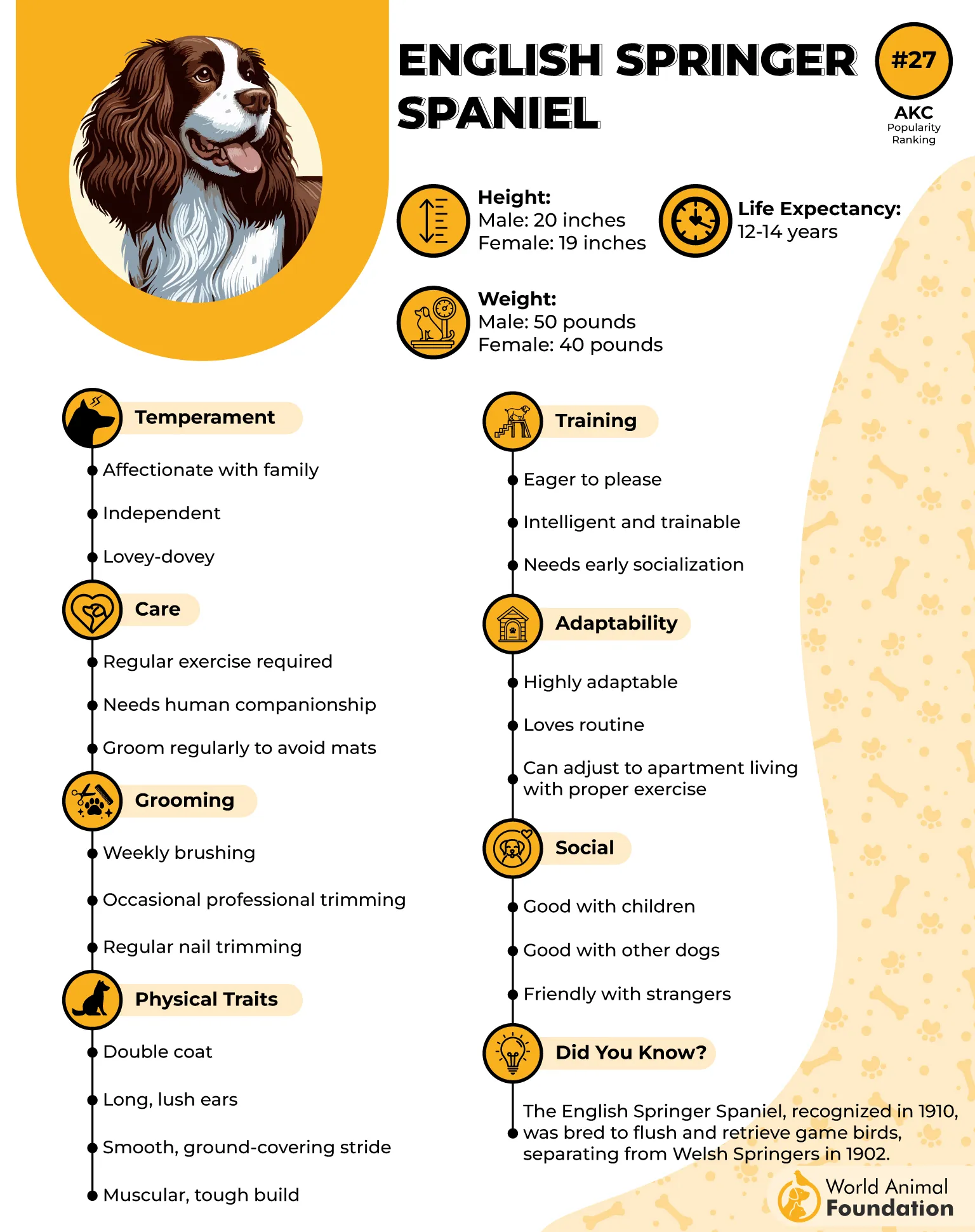
Its persistence when flushing upland birds is one of its biggest strengths. Unlike breeds that only excel in a handful of hunting scenarios, the Springer adapts to just about any upland setting. As a natural retriever, it also picks up downed birds gently, without damaging them.
Consistent obedience training throughout their lives goes a long way with these loyal dogs. Since they can be prone to wandering off, leash training is worth prioritizing too. Beyond the field, Springers are friendly, affectionate dogs that bond closely with their families at home.
6. Labrador Retriever
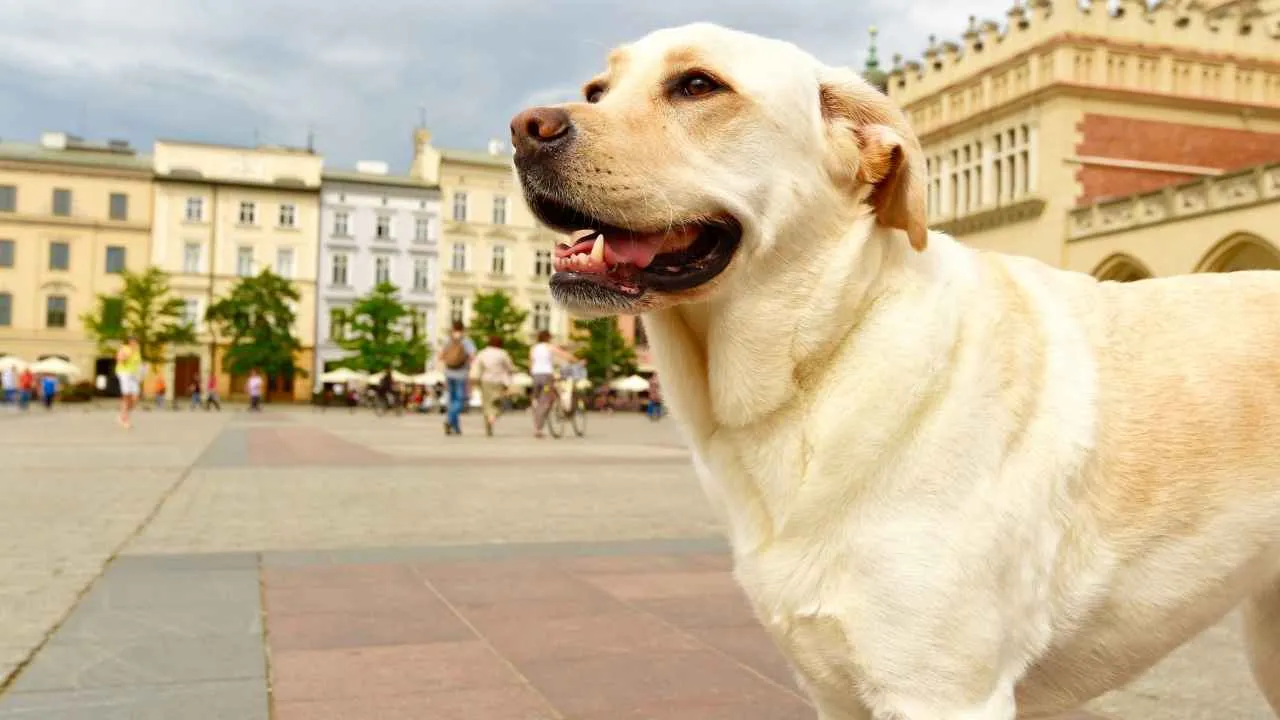
While the Labrador Retriever is best known for hunting waterfowl, it’s also a valuable asset in upland bird hunting, particularly when it comes to retrieving, according to Hill’s Pet.
Labs excel at marking where a bird falls and recovering it efficiently after the flush and shot. Thanks to their remarkable memory, they can track multiple fall locations even in tall grass or rough terrain. Many hunters pair Labradors with pointing breeds, since the Lab retrieves fallen birds right away and stays calm and steady even after the gunshot
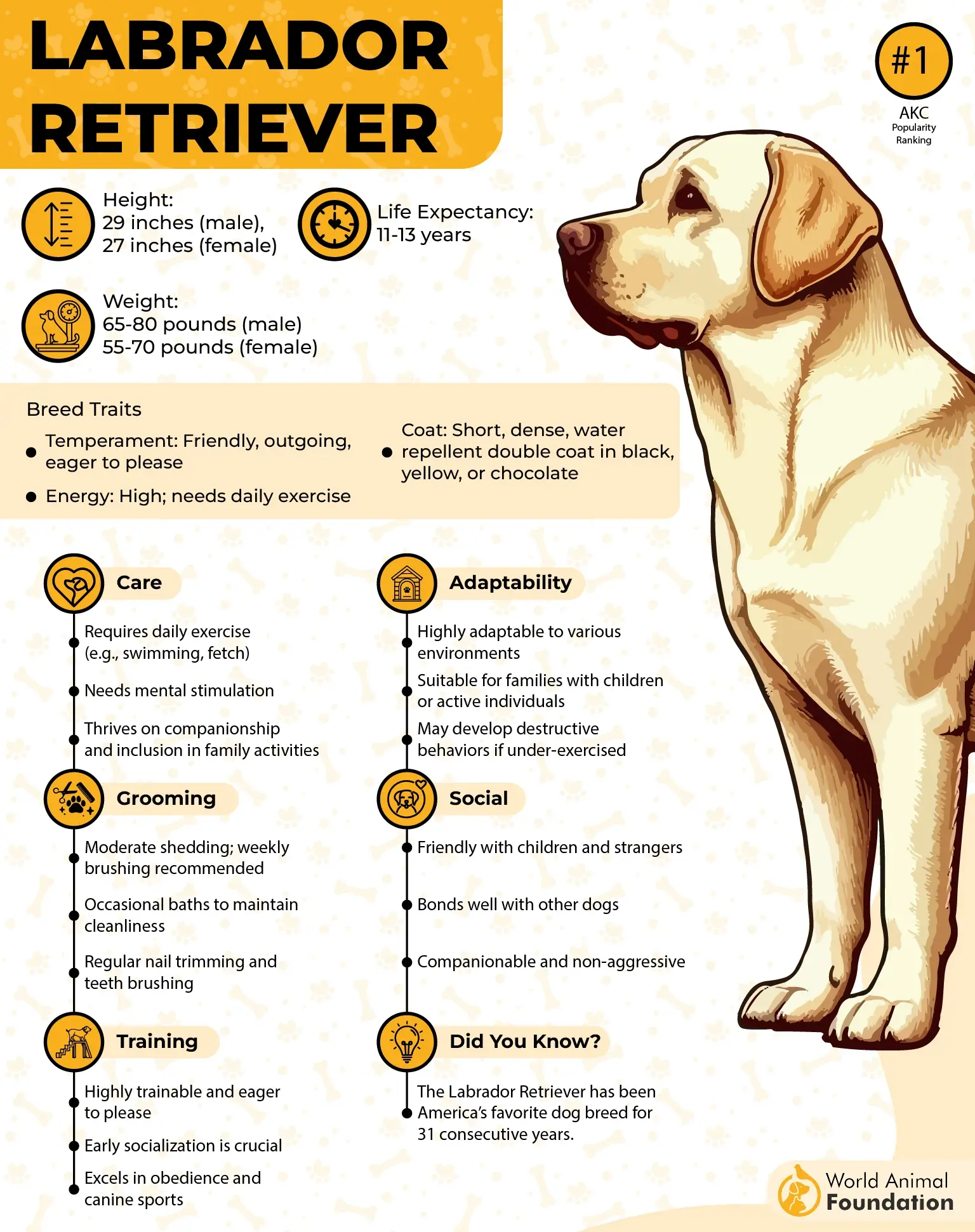
These dogs have a naturally soft mouth, so birds come back undamaged. They’re also easy to train professionally, making them a solid choice for experienced hunters and newcomers alike who are just getting into versatile hunting techniques.
Labs perform well in the field year-round, though they do need regular exercise and training to stay sharp.
7. Vizsla
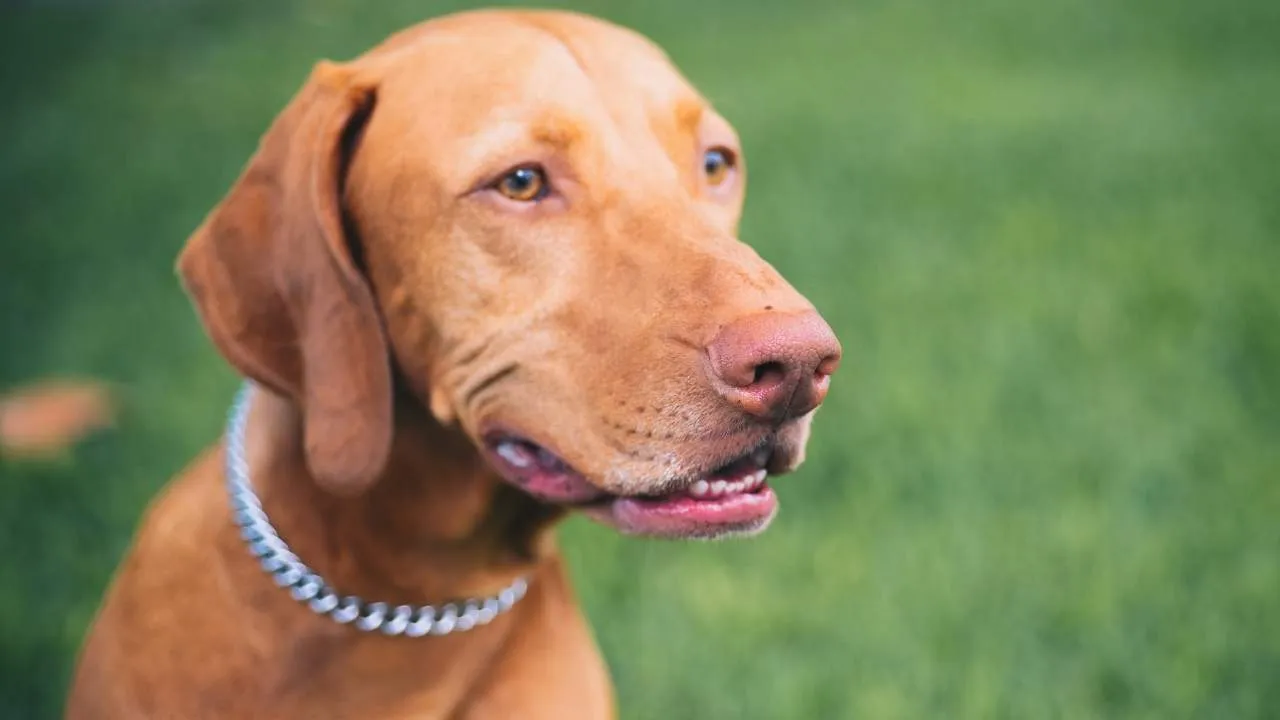
The Vizsla is a dog that genuinely loves working alongside its hunter. It naturally hunts at a comfortable, close range rather than ranging far ahead like some other breeds, which means communication is rarely an issue.
This breed does especially well in open fields and farmlands, hunting quail, pheasant, and partridge. It’s an efficient hunter with a strong retrieving instinct. Once it catches a scent, it slows down, follows the trail carefully, and holds still on point until the hunter arrives at the bird.
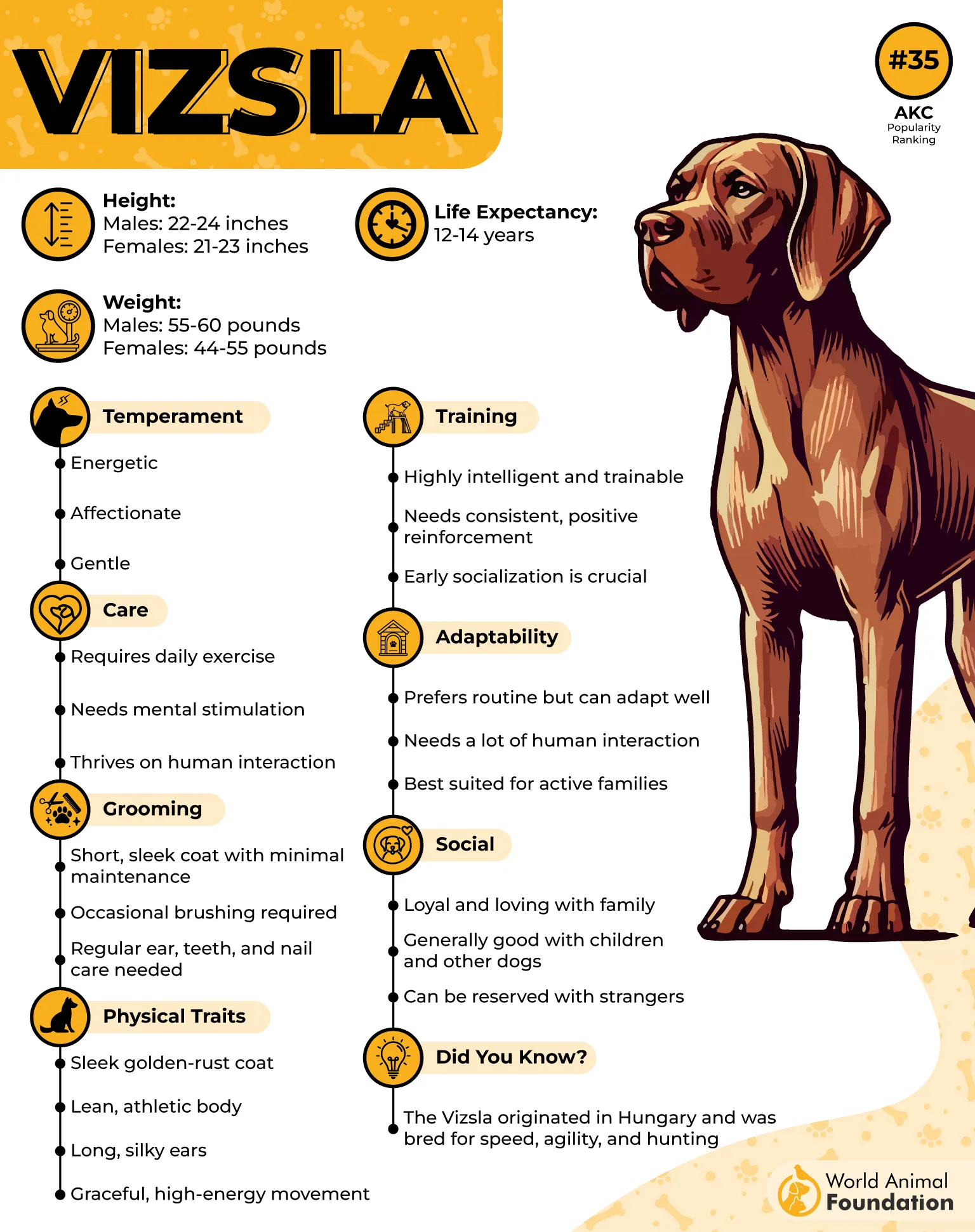
The Vizsla’s short coat suits it well for light cover, though it can’t quite match wirehaired breeds when it comes to pushing through thorny brush. It responds well to consistent training and tends to build a close bond with its handler.
These dogs are motivated by positive reinforcement and genuinely enjoy working as part of a team. They’re a great fit for hunters who want a dog that stays close by all day long.
8. Golden Retriever
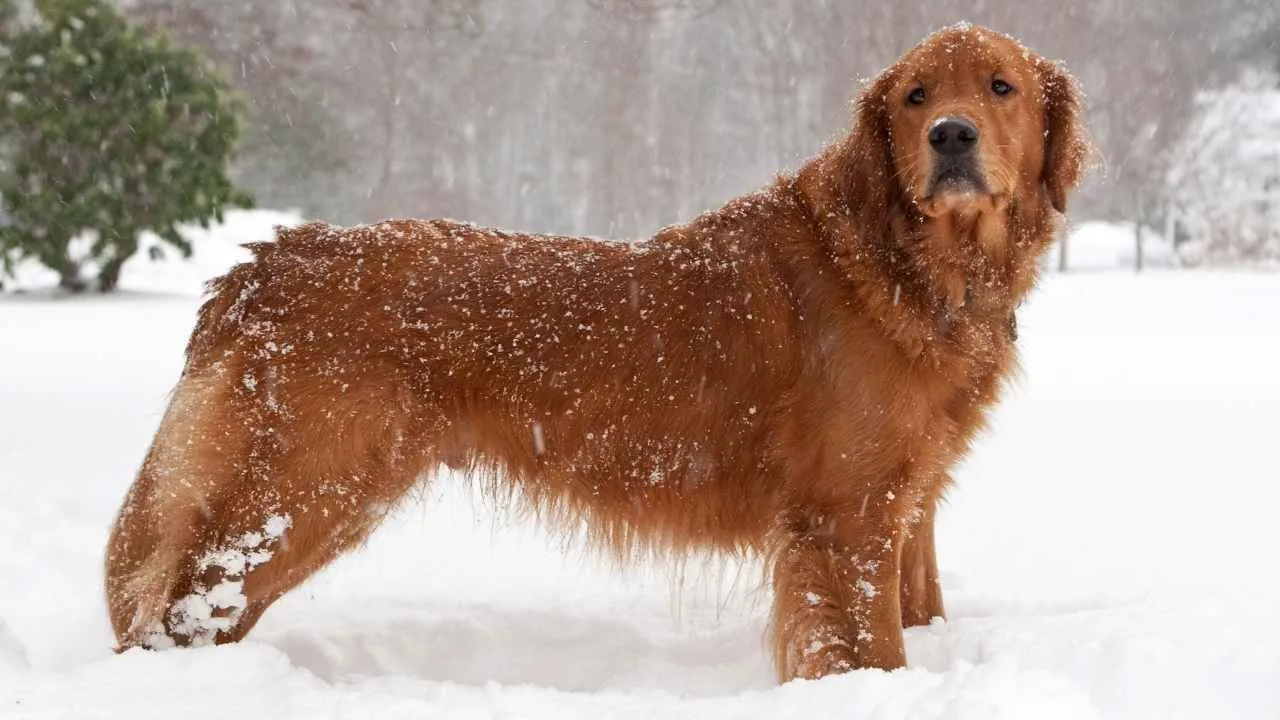
The Golden Retriever is highly valued for its reliability when it comes to gathering upland birds after they’ve been flushed and shot. It brings intelligence, patience, and a soft mouth to the job, retrieving game carefully and without damage.
The breed’s real strength lies in its memory for bird falls. Goldens are known for locating several birds scattered across different spots, and with the right training, they can be taught to fetch them one by one with impressive accuracy.
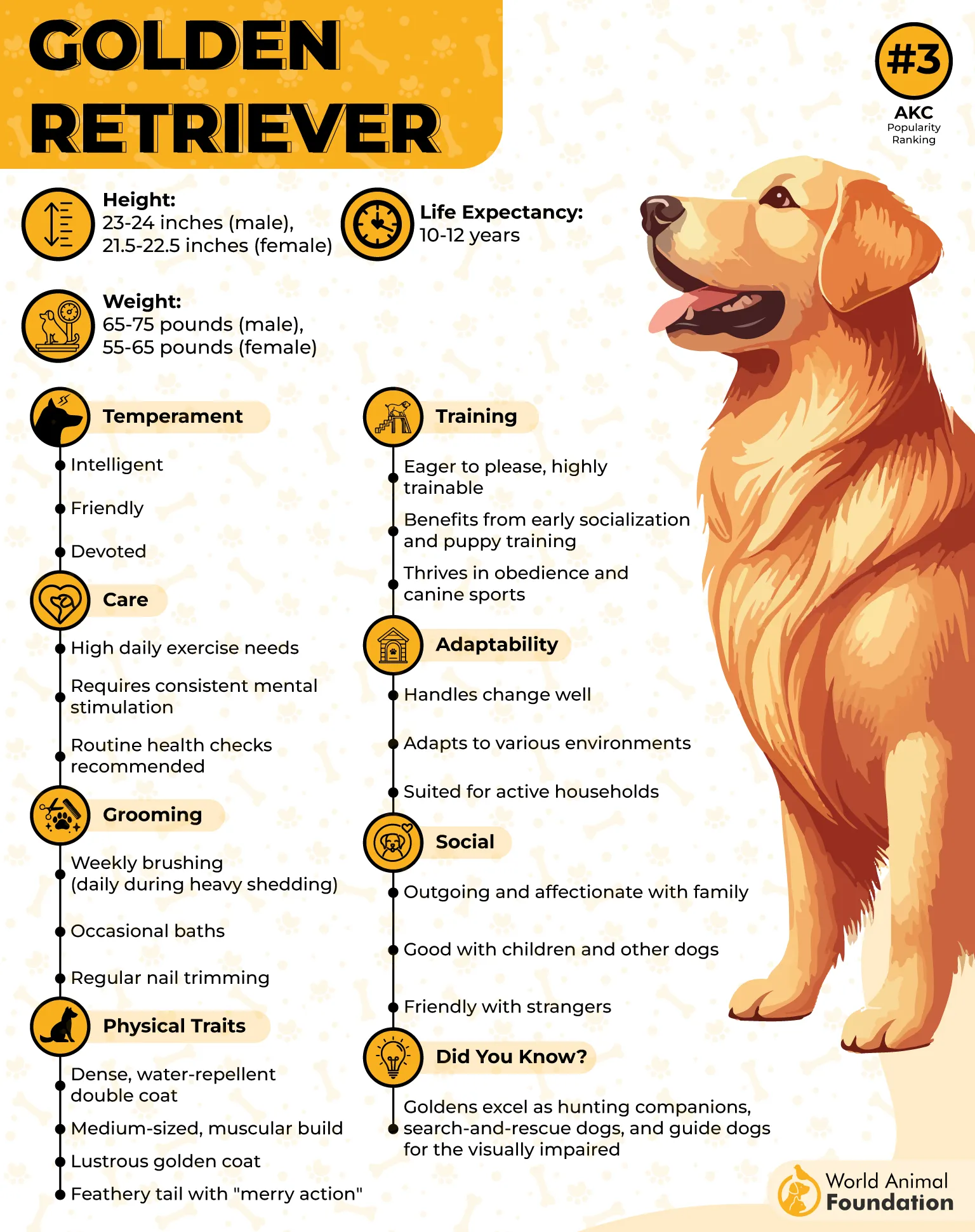
Their thick, water-resistant coat helps them handle cold and harsh weather with ease. They also won’t think twice about wading through a shallow stream or pushing through tall grass to get the job done.
Golden Retrievers are highly trainable and work well with all types of hunters. As natural people-pleasers, they’re happy to put in a full day’s work just to see their handler satisfied.
9. Boykin Spaniel
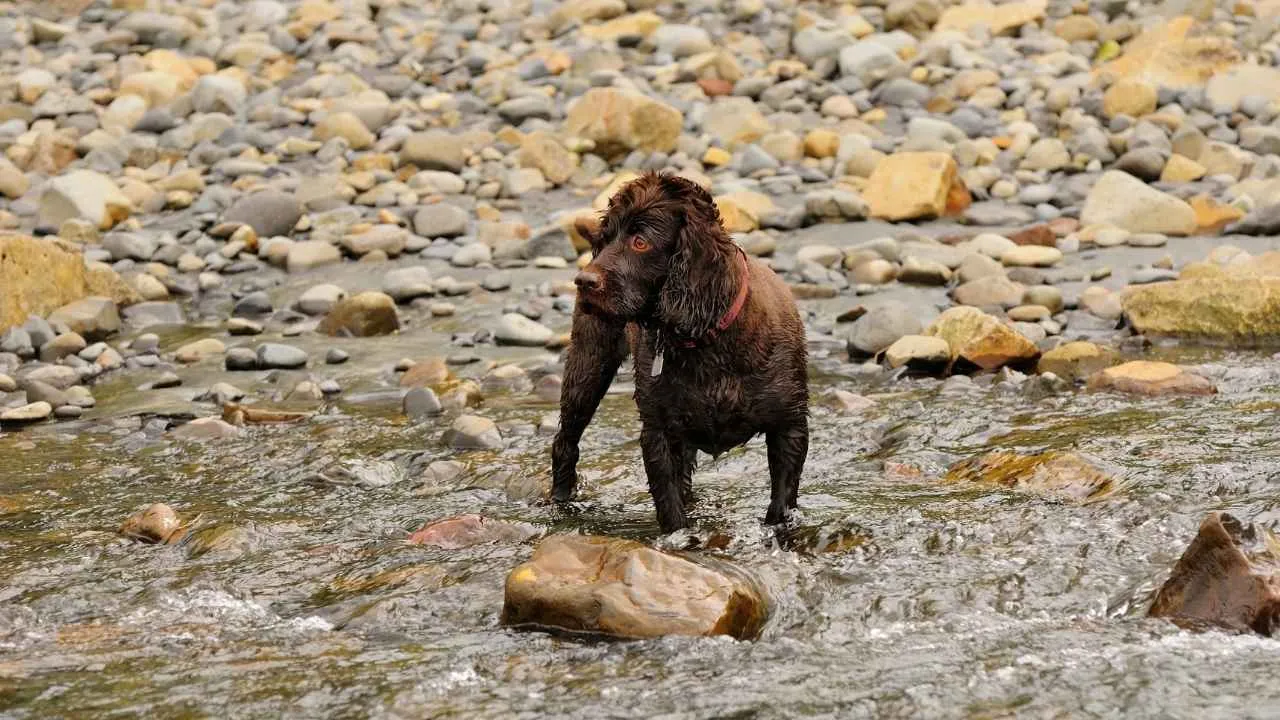
The Boykin Spaniel is a small flushing dog that thrives in heavy brush where larger dogs often struggle to move well.
Originating in the southeastern United States, this breed maneuvers easily through thick undergrowth, swamp edges, and narrow woodland trails. Its smaller size actually works in its favor, letting it stay mobile without getting tangled up in heavy cover.
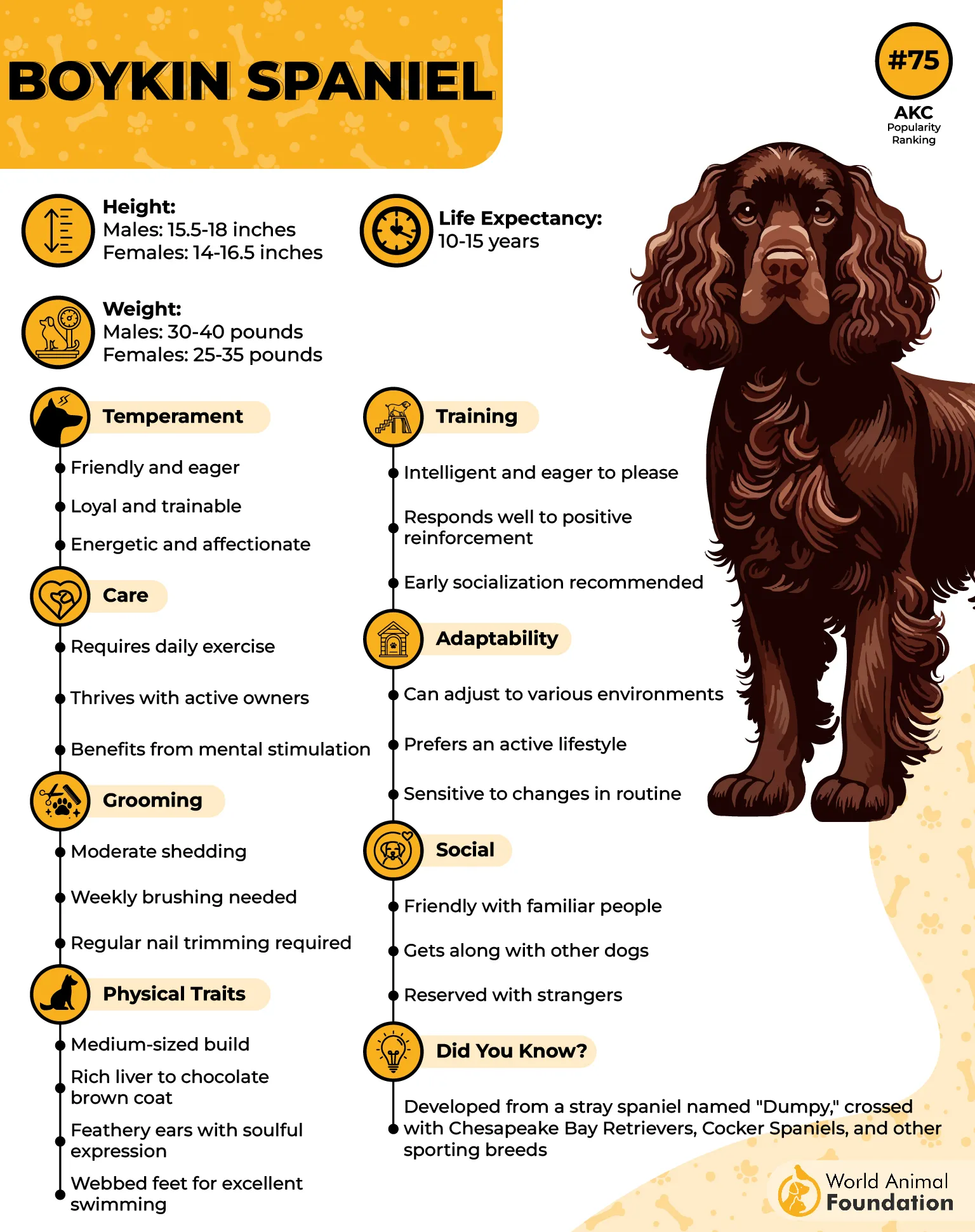
Boykin Spaniels are excellent at hunting woodcock, quail, and pheasant. They work methodically, flush birds with confidence, and retrieve them enthusiastically once the shot is taken.
They’re an adaptable breed, equally at home in thick cover or in the water. Boykins love working alongside people and stay sharp with regular field training and retrieval games that keep their instincts honed.
10. English Pointer
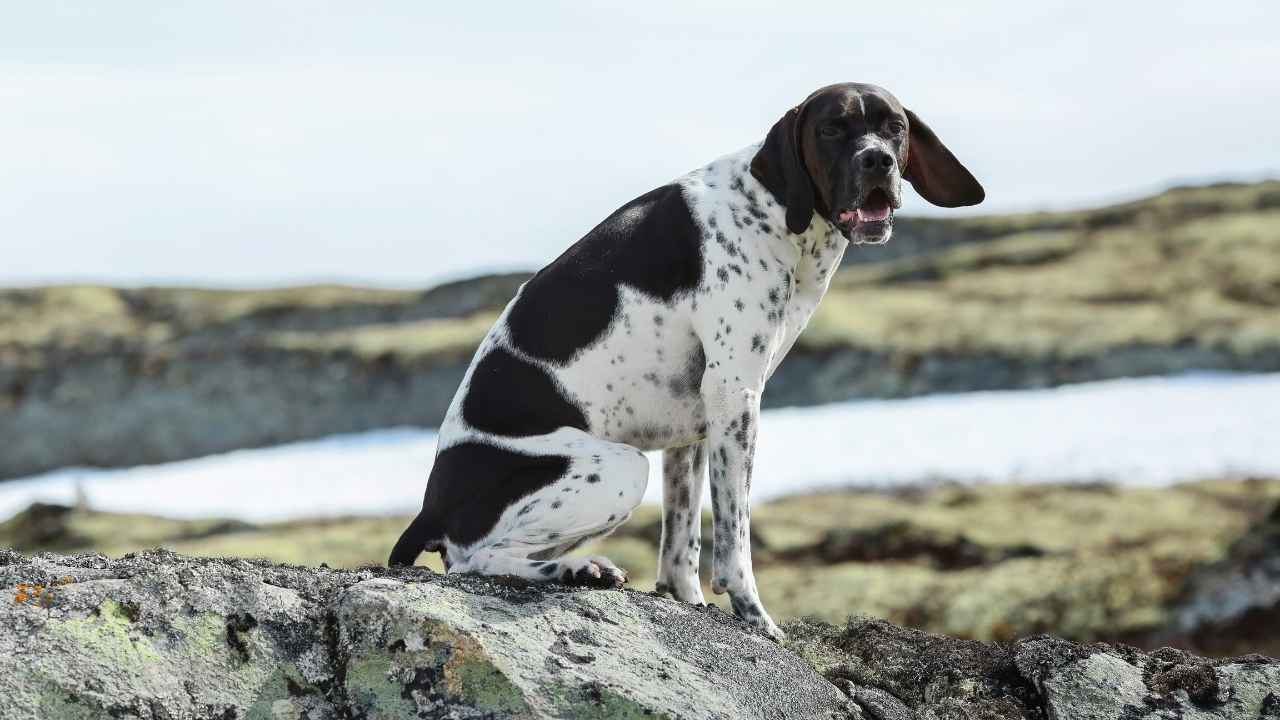
The English Pointer is renowned for one thing above all else: its remarkable pointing instinct. Few breeds can match its speed, range, and style out in a big hunting ground.
This is an active, athletic dog bred to cover large stretches of land, always working the wind to sniff out birds. When it locates game like chukar or quail, it locks into the classic pointing stance, giving hunters a clean shot at setting up.
The English Pointer really shines on large properties where it has plenty of room to run. Experienced hunters especially appreciate its ability to find birds at long range while staying precise and steady on point.
This breed needs frequent training to stay focused and burn off its energy. Interestingly, thanks to its friendly nature, it’s also sometimes used as a therapy or service dog, according to The American Kennel Club.
Conclusion
A successful upland hunt really comes down to how well the hunter and dog work together as a team. Some breeds excel at pointing, others are built for flushing, and the right choice ultimately depends on your terrain, the birds you chase, and the waterfowl hunting style you enjoy most. Give any of these breeds the training and attention they need, and they’ll make an outstanding partner in the field.
