





Have you ever caught yourself scrolling through old photos of your dog and thinking, where did the time go? One minute, they’re a clumsy puppy chewing your shoes, and the next, they’re napping peacefully with a slightly greyer muzzle.
It’s a moment every pet parent has—and it almost always leads to the same thought: How long will I have them?
The truth is, a dog’s lifespan isn’t random. Size, genetics, body weight, and overall health play a huge role in how many years our furry companions stay by our side.
Lifestyle matters too—dogs that maintain a healthy weight, get regular exercise, and receive routine veterinary care can gain extra years of quality life.
That’s why choosing a dog isn’t just about looks or personality. Longevity and long-term health are just as important—especially if you’re hoping for a companion who’ll be part of your life for many years to come.
So if you’re curious about the top dog breeds known for their remarkable longevity, you’re in the right place. Let’s explore the dogs that are famous not just for their charm, but for the many happy years they share with their humans.
Key Takeaways
Meet the longest-living dog breeds, from Chihuahuas to Australian Shepherds, and what keeps them thriving.
See why small breeds like Toy Poodles and Jack Russells often outlive bigger dogs.
Discover the personalities and care tips for Dachshunds, Shih Tzus, and Beagles.
Learn simple ways to boost your dog’s health and extend their happy years.
Top Dog Breeds Known for Their Remarkable Longevity
1. Chihuahua

Don’t let the Chihuahua’s tiny size fool you. This bold little dog is widely known for living a long time. While their average lifespan is only slightly above normal, many Chihuahuas live well into their late teens—and some even reach their twenties.
Several of the oldest dogs on record have been Chihuahuas, which is why this breed often tops lists of the longest-living dogs. Their small size can make them more vulnerable to accidents, but with proper care, they often enjoy many happy years.
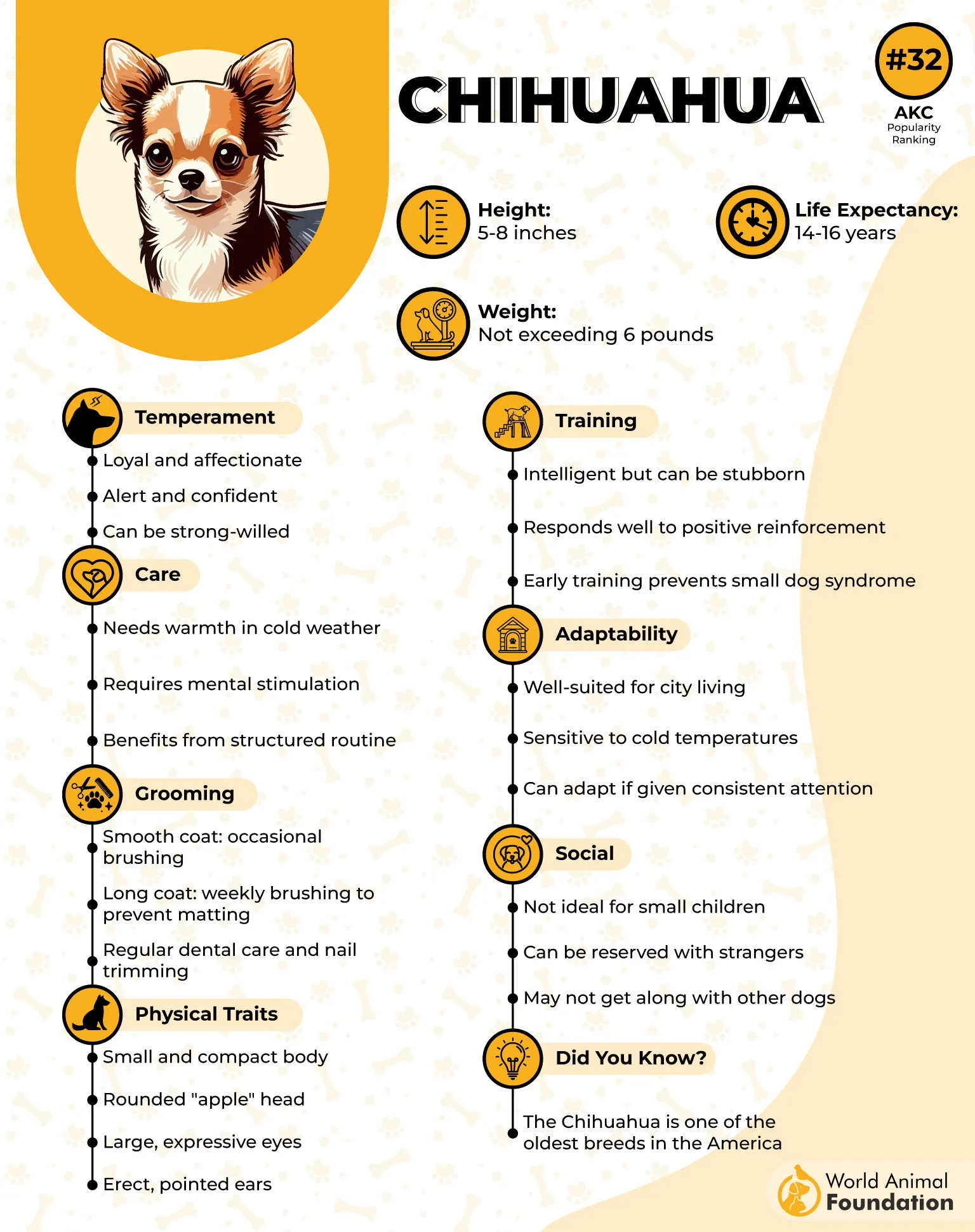
Chihuahuas originated in Mexico and are the smallest dog breed in the world. They’re alert, lively, and full of personality. Many owners describe them as “big dogs in small bodies.” They form deep bonds with their people and are extremely loyal, though they can be reserved around strangers.
Despite their size, they’re a hardy toy breed and are considered one of the healthier dog breeds overall. Interestingly, research has shown that Chihuahuas have the largest brain-to-body-weight ratio of all dog breeds.
What to know about Chihuahua longevity
Average lifespan is 14–16 years
Many live 15–20 years with proper care
Several world-record senior dogs have been Chihuahuas
Generally healthy, but responsible breeding matters
Like all breeds, Chihuahuas can face health issues over time. These may include heart disease, patellar luxation, eye problems, epilepsy, and tracheal collapse. Some also have a soft spot on the head, called a fontanelle, which needs protection.
2. Dachshund
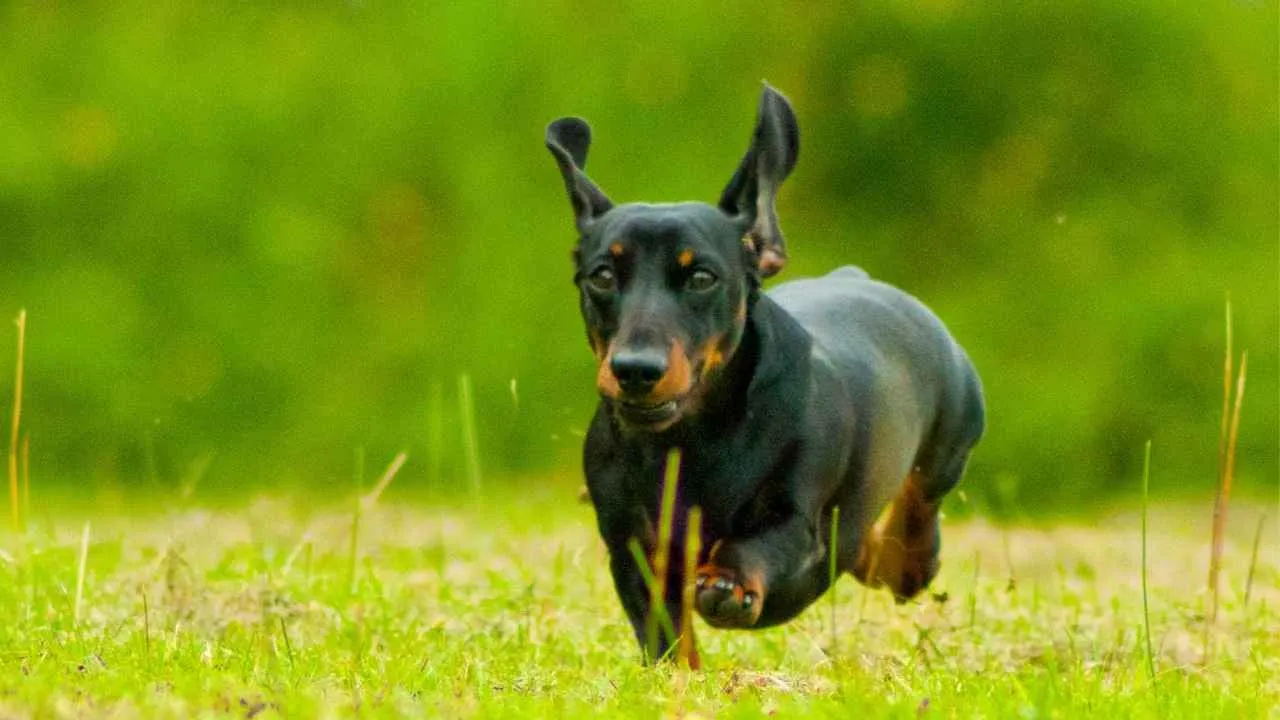
Dachshunds are much tougher than they look, and are nicknamed “wiener dogs” for their long bodies, according to Purina. They were originally bred as badger hunters, which explains their muscular build, energy, and fearless attitude. Despite their short legs, they’re active, curious, and full of confidence.
It’s very common to meet a Dachshund that lives well past 15 years, making them great family pets with impressive lifespans.
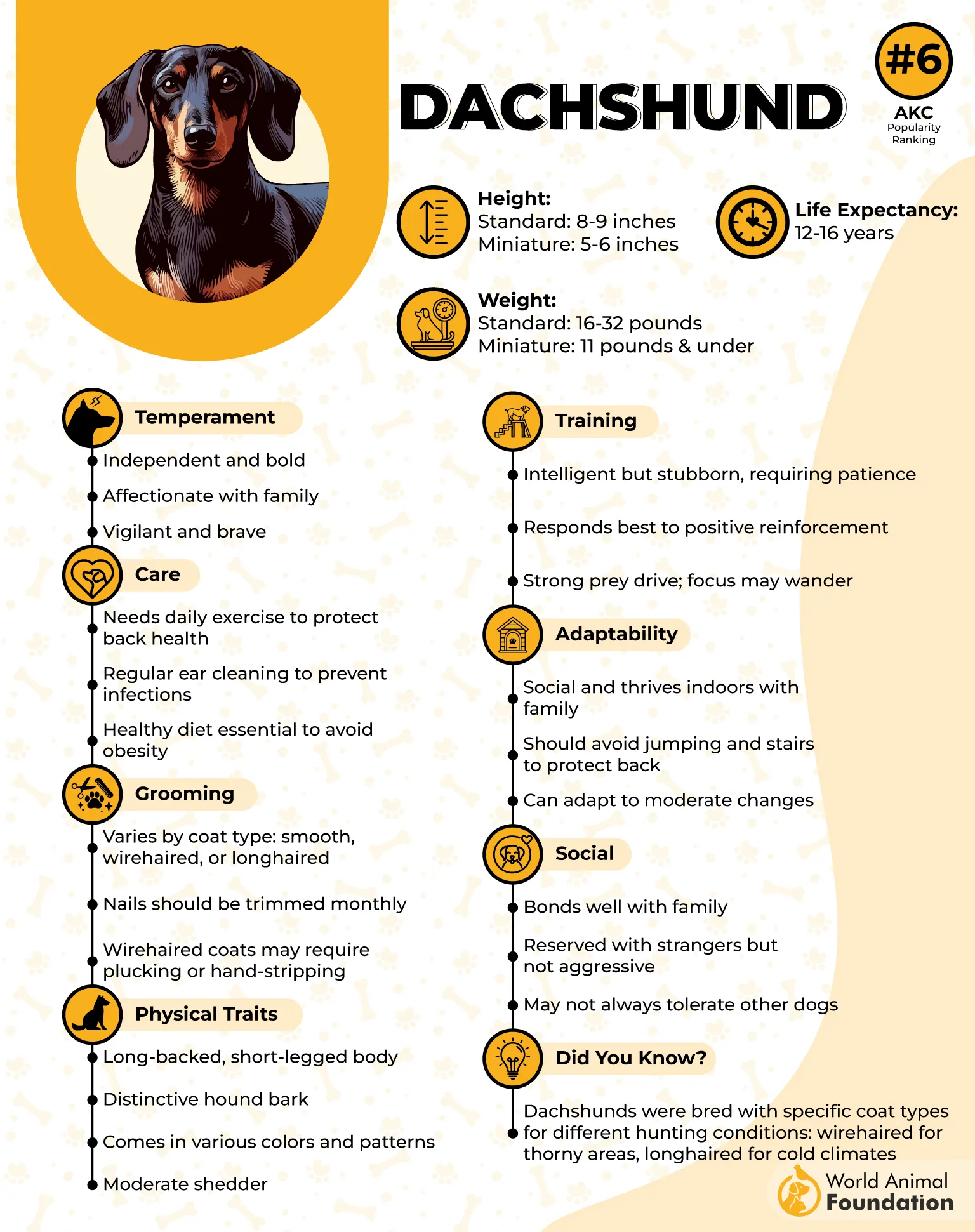
Dachshunds are known by many names—doxie, sausage dog, dashie—and they’ve earned a devoted fan base. They come in two sizes and three coat varieties, all of which share similar lifespans.
One Dachshund named Chanel even held the Guinness World Record for the oldest living Dachshund, reaching 21 years old. Their independence and bold nature may play a role in their long lives, especially when paired with an active lifestyle and attentive care.
What to know about Dachshund longevity
Average lifespan is 12–16 years
Many live over 15 years
Known for being clever, courageous, and playful
Extra care is needed to protect their backs
Because of their long backs, Dachshunds are prone to spinal issues, especially intervertebral disc disease (IVDD). This risk increases with age and excess weight, as they love to eat and can gain weight easily.
Joint and disc problems are the most common health concerns, but with proper weight management and care, this tenacious little hound can stay by your side for many happy years.
3. Toy Poodle

The Toy Poodle may be the smallest of the Poodle family, but it’s also one of the longest-living. These dogs are known for their sharp intelligence, lively personalities, and impressive longevity. Many Toy Poodles live well into their mid-to-late teens, and reaching 16 to 18 years isn’t unusual.
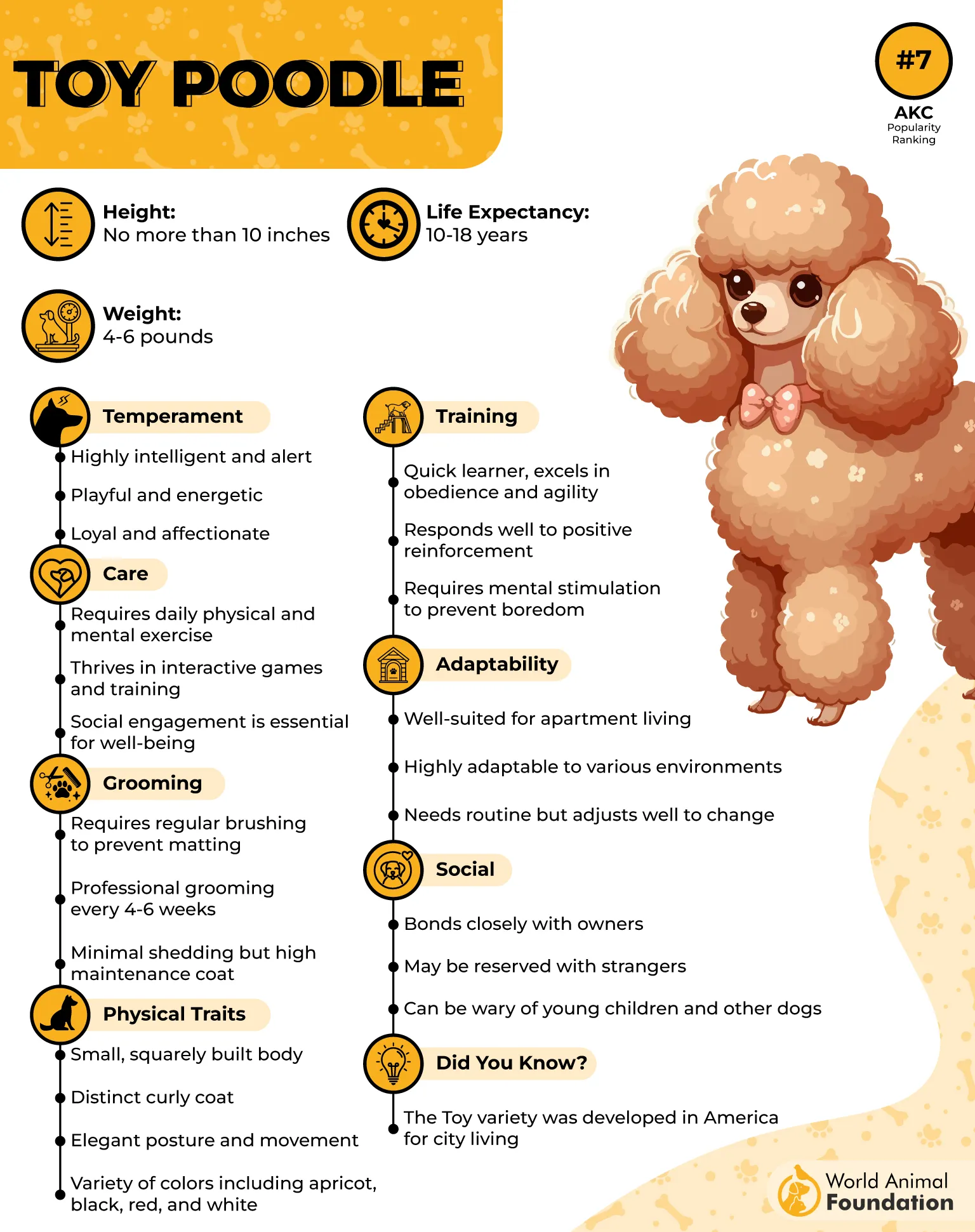
Toy Poodles became popular for their intelligence, non-shedding coats, and easy adaptability to different living spaces. They are quick learners and excel at both basic training and complex tricks.
Studies on canine lifespans in the UK and the US ranked Poodles—especially smaller varieties—at the top, with Toy Poodles close behind Miniature Poodles. They’re also known for being loyal, intuitive, and friendly with people and other pets.
What to know about Toy Poodle longevity
Lifespan commonly reaches the mid to late teens
One of the smartest dog breeds
Generally healthy with lower genetic risks
Needs regular mental stimulation

Despite their remarkable lifespan, Toy Poodles can face health issues common in small dogs. These include eye problems, dental disease, luxating patellas, and Legg-Calvé-Perthes disease.
Responsible breeding plays a major role in reducing these risks. With proper care, training, and attention, the Toy Poodle remains a devoted companion that can stay by your side for many joyful years.
4. Jack Russell Terrier

If longevity had a leaderboard, the Jack Russell Terrier would be sitting right at the top. In one of the most recent studies on canine life expectancy, this breed ranked number one, showing the longest lifespan overall.
Many Jack Russells live well into their mid to late teens, and some individuals have reached an astonishing 19 to 20 years.
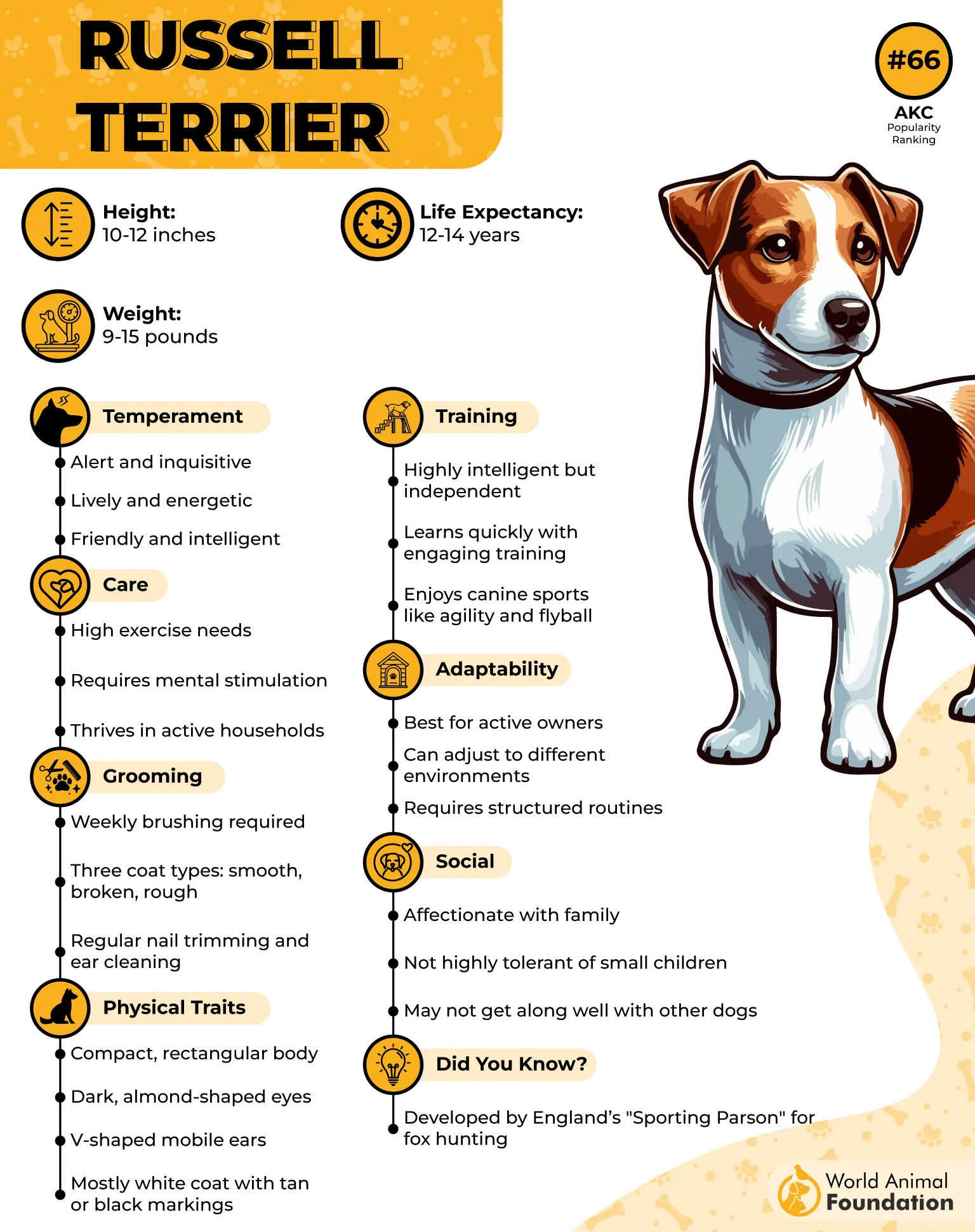
Often called Parson Russell Terriers, these dogs are smart, friendly, and bursting with energy. They were bred to work, and that drive never fades. Jack Russells thrive on activity and mental challenges like hiking, agility, flyball, and scent work.
Their sharp focus and speed are unmatched, but that active lifestyle can sometimes lead to joint-related issues later in life.
What to know about Jack Russell longevity
Average lifespan is 13–16 years
Many live well beyond that range
Ranked highest in recent lifespan studies
Extremely active and mentally sharp
Overall, the breed is considered healthy, but responsible breeding is important. Jack Russells can be prone to eye issues, joint problems, arthritis, patellar luxation, and congenital deafness.
Regular vet check-ups become especially important as they age. With the right care, exercise, and proper nutrition, this lively terrier can stay by your side for many energetic, adventure-filled years.
5. Australian Shepherd
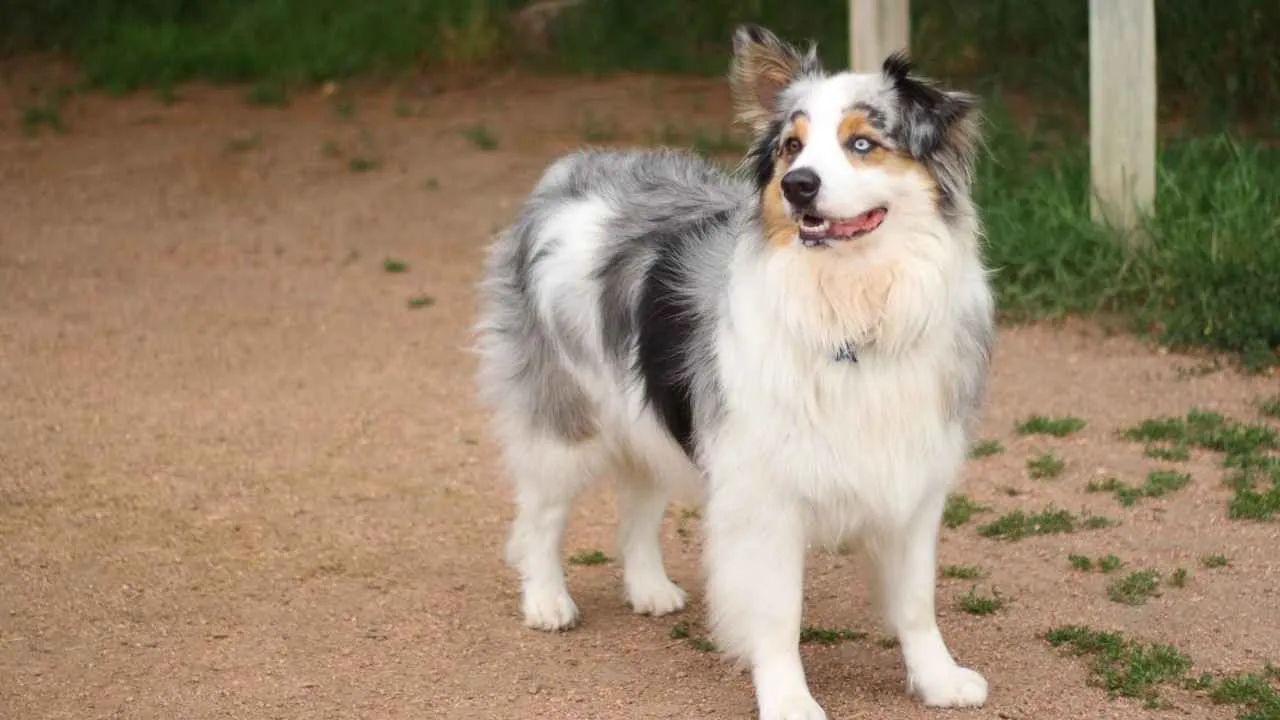
Australian Shepherds may be medium-sized, but their lifespan rivals that of many smaller breeds. Often called Aussies, these dogs are known for their intelligence, loyalty, and strong work ethic.
Australian Shepherds typically live 12–15 years, and many Aussies happily reach 16 years of age with proper care.
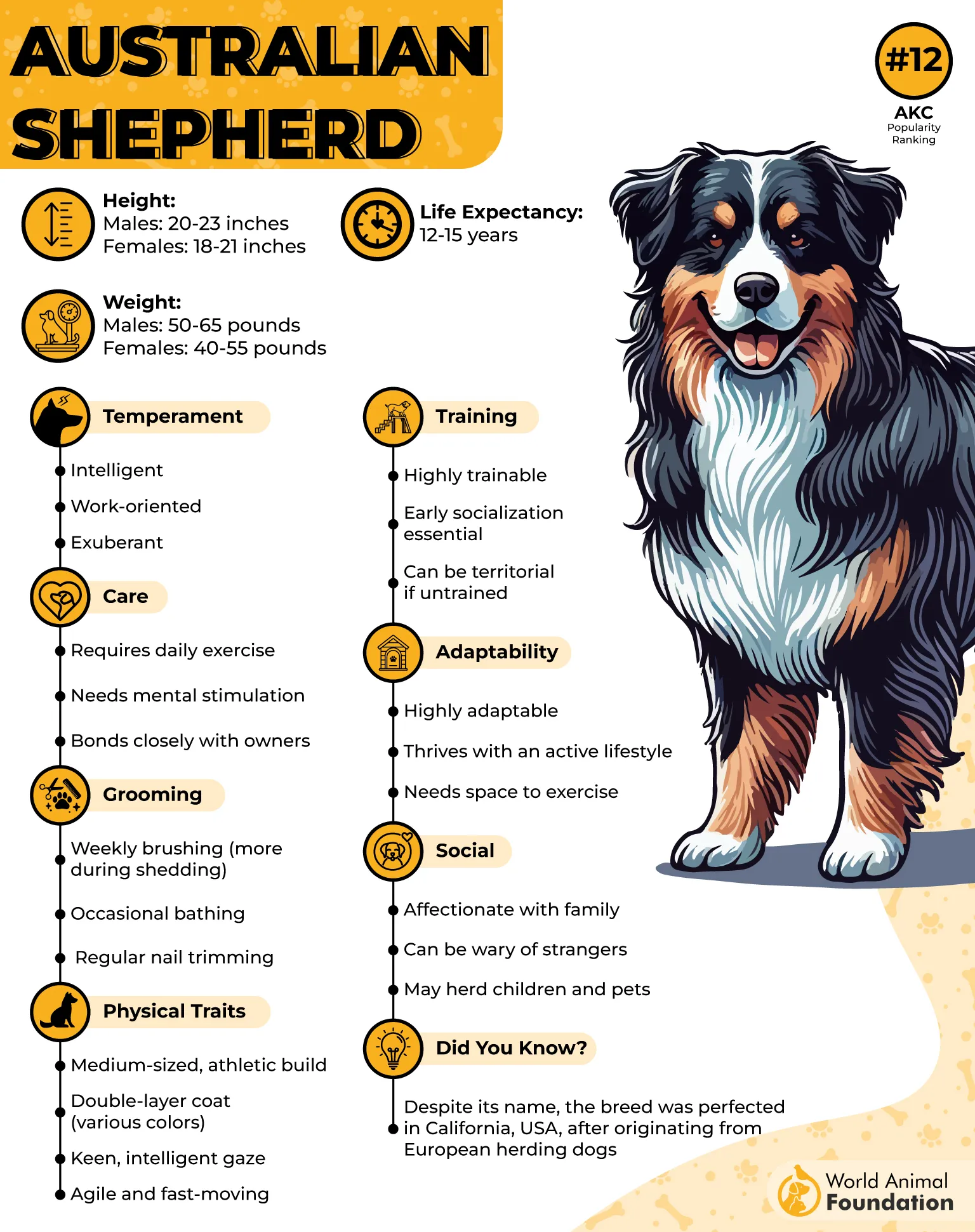
Bred as herding dogs, Australian Shepherds thrive when they have a job to do. They’re happiest in active homes that can meet their need for both physical exercise and mental stimulation.
You’ll see their drive in everything they do—from herding livestock to excelling in competitive sports, search-and-rescue work, and service roles. Their eagerness to please and sharp minds make them highly capable and deeply devoted companions.
What to know about Australian Shepherd longevity
Average lifespan is 12–15 years
Many live longer with proper care
Highly intelligent and task-driven
Athletic and generally healthy
That said, Australian Shepherds can be prone to certain health issues over time. These include hip dysplasia, cataracts, and epilepsy. They may also have a strong prey drive and enjoy chasing moving objects, though early socialization helps them adapt well to family life with children and other pets.
With the right preventive care, balanced diet, and engagement, Aussies often enjoy long, active, and fulfilling lives alongside their humans.
6. Shih Tzu

Shih Tzus are affectionate, cheerful, and deeply people-oriented dogs. Bred purely for companionship, they thrive on human attention and love spending time with their families.
Playful yet calm, they’re just as happy enjoying short play sessions as they are curling up on a lap. With an average lifespan of 12–16 years, and some even reaching 18, Shih Tzus are well known for their impressive longevity.
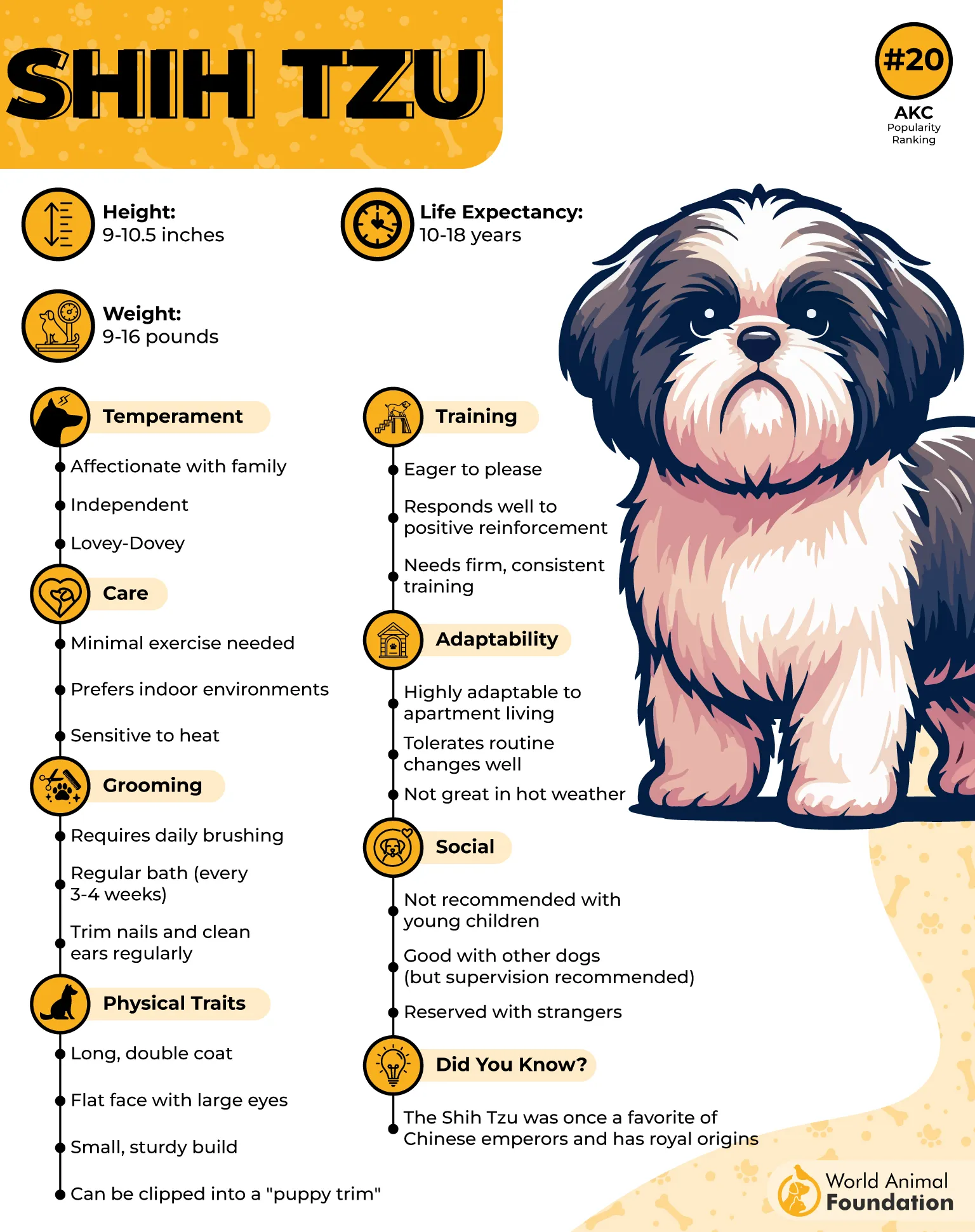
Friendly and adaptable, Shih Tzus fit easily into many lifestyles. They don’t need intense exercise—short daily walks and gentle play are enough to keep them content.
Their charming personalities and sweet expressions have earned them a spot among the most popular dog breeds. They’re also eager to please and quick to adjust when routines change, which makes living with them feel easy and rewarding.
What to know about Shih Tzu longevity
The average lifespan is around 14 years
Many live well into their teens
Small size supports a longer lifespan
Regular grooming and vet care are essential
Because Shih Tzus have a brachycephalic (flat-faced) structure, they can be prone to breathing difficulties and overheating. They may also need extra health monitoring as they age. Routine vet visits become especially important after seven years.
7. Beagle

Beagles are curious, friendly, and always ready for an outdoor adventure. Bred to hunt in packs, they have strong instincts and an excellent nose, which means they love to explore.
Because of their high prey drive, Beagles should stay on a leash or in a fenced area when outside. With an average lifespan of 10–15 years, they earn their place among the longest living dog breeds.
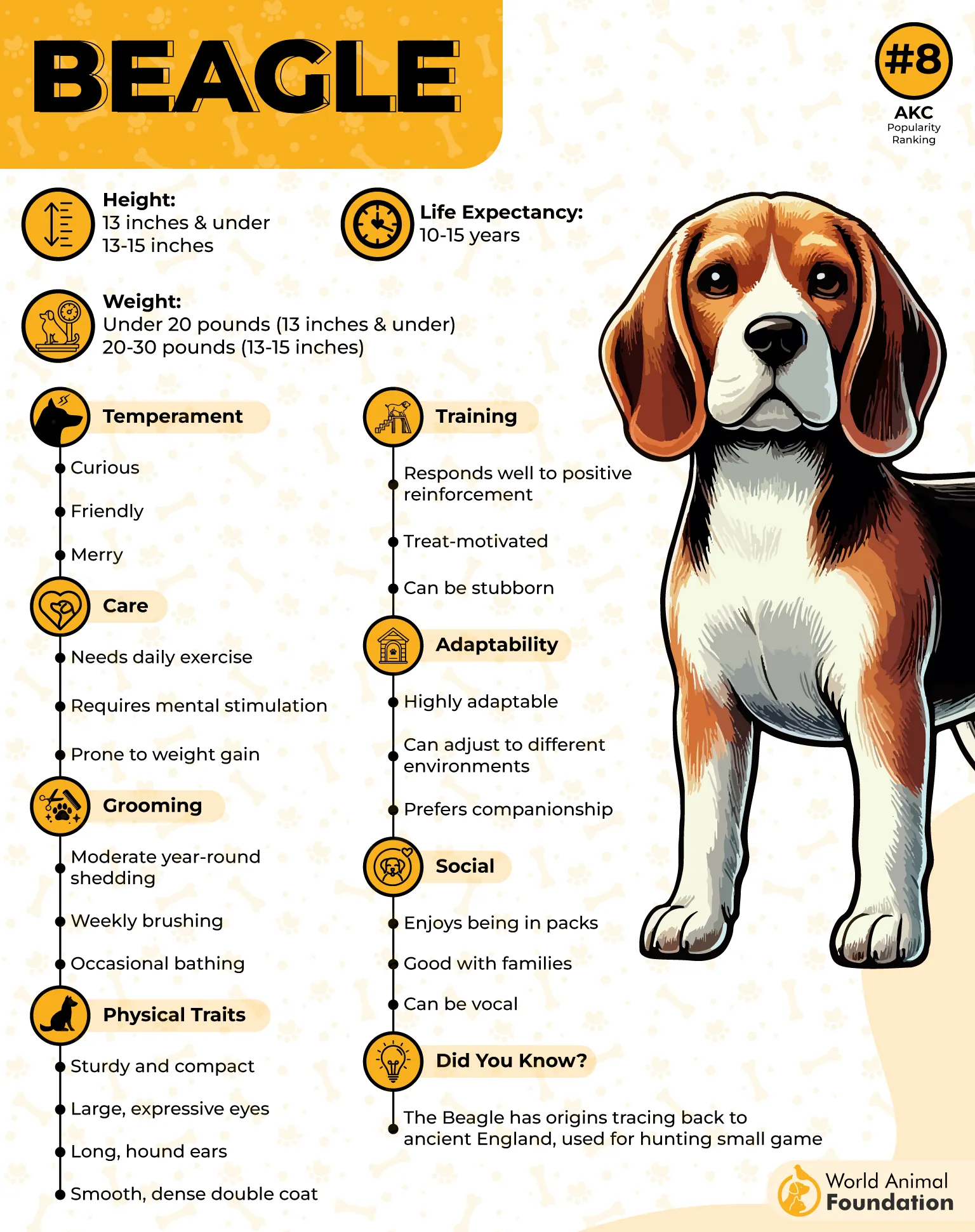
These good-natured dogs are affectionate and social. Beagles typically get along well with children, other dogs, and even dog-friendly cats.
Their playful energy makes them great companions for active families, especially those with kids. However, they need regular exercise, playtime, and attention to stay happy and avoid boredom-related behaviors like excessive barking or mischief.
What to know about Beagle longevity
Average lifespan is 10–15 years
Active and energetic throughout life
Friendly with families and other pets
Needs regular exercise and supervision
Health-wise, Beagles require a bit of extra care. Their floppy ears make them prone to ear infections, so regular cleaning is important. According to PetMD, they’re also susceptible to obesity, which means measured meals and scheduled feeding times are best.
Conclusion
Choosing a dog is about more than looks or popularity—it’s about finding a companion who fits your lifestyle and can stay by your side for many happy years. As we’ve seen, longevity is influenced by size, genetics, activity level, and everyday care.
Many of the longest-living dog breeds share common traits: strong bonds with their people, active minds, and a need for consistent love, exercise, and health care.
If a long-lasting friendship is high on your wish list, take time to research, choose responsibly, and commit to giving your future pup the best life possible.
A healthy diet, regular vet visits, and daily attention can make all the difference. After all, the goal isn’t just a longer life—it’s more years filled with tail wags, shared routines, and memories you’ll cherish forever.
There are many other long-lived dog breeds out there that dog lovers can check out. These include the Australian Cattle Dog, Yorkshire Terrier, Bichon Frise, Shiba Inu, Miniature Pinscher, and Lhasa Apso.
