




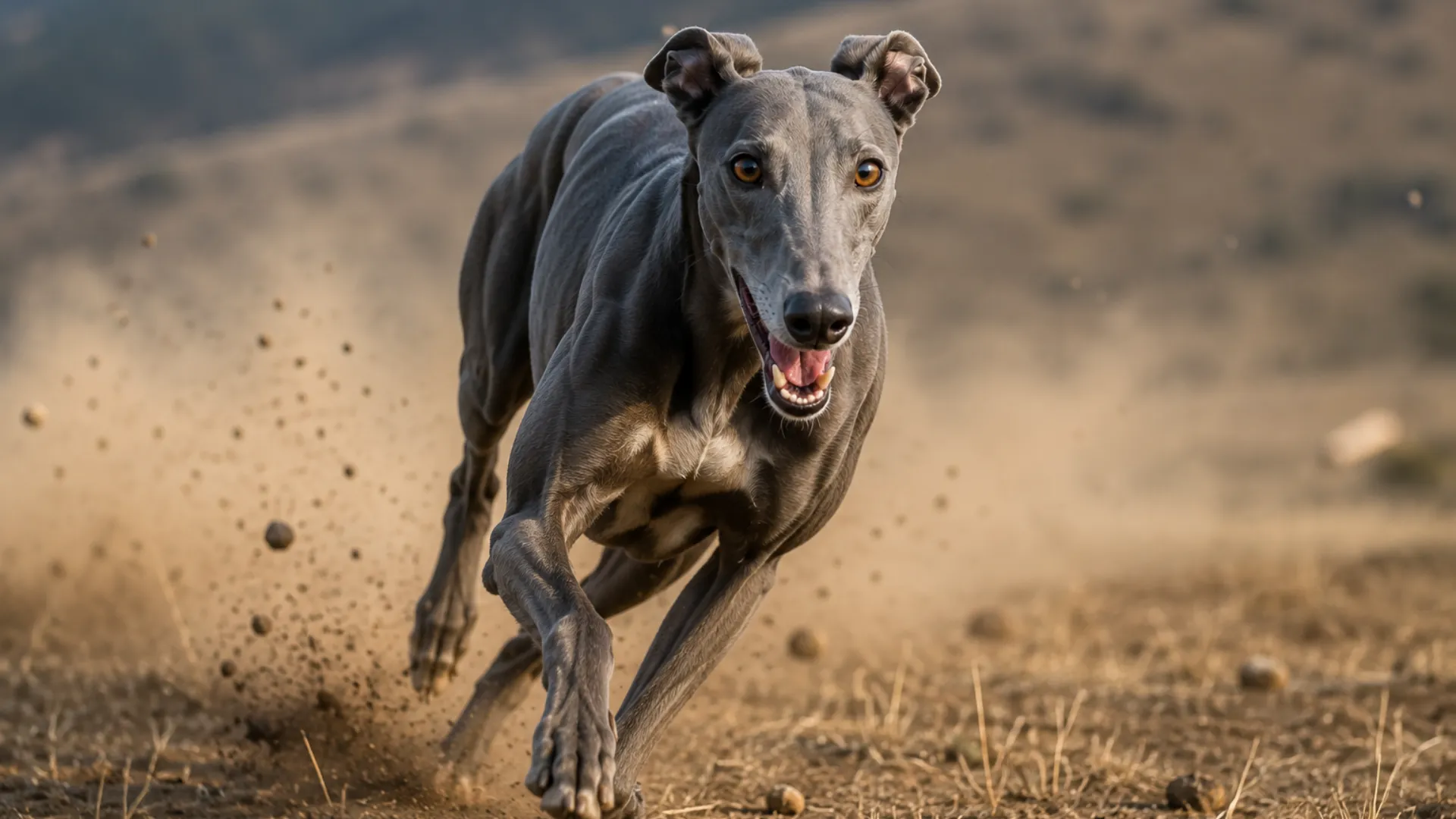
Watching a dog suddenly sprint after a squirrel, bird, or rabbit can catch even experienced pet owners off guard. That fast reaction is usually tied to a natural prey drive, an instinct present in many dog breeds for generations, quietly waiting in the background.
While the whole thing can seem fun or thrilling, understanding where it comes from makes it easier for families to guide it in ways that stay safe and positive.
Having a high prey drive doesn’t automatically mean a dog is mean or somehow hard to love. A lot of hunting dogs, working dogs, and even family dogs simply enjoy the chase, because that “hunting reflex” was developed over generations.
With early training, good mental stimulation, and steady day-to-day exercise, these high-energy dogs can turn into steady, loyal friends who fit right in at home.
Fun Fact: Some dogs can detect motion from surprisingly far away, so when a squirrel starts running or a bird flaps by, their attention can lock on within seconds. This sharp spotting ability helped many breeds do their jobs alongside people as hunters, herders, and protectors, long before they became the everyday, beloved family companions we know today.
Dog Breeds Known for Their High Prey Drive Traits
1. Greyhound
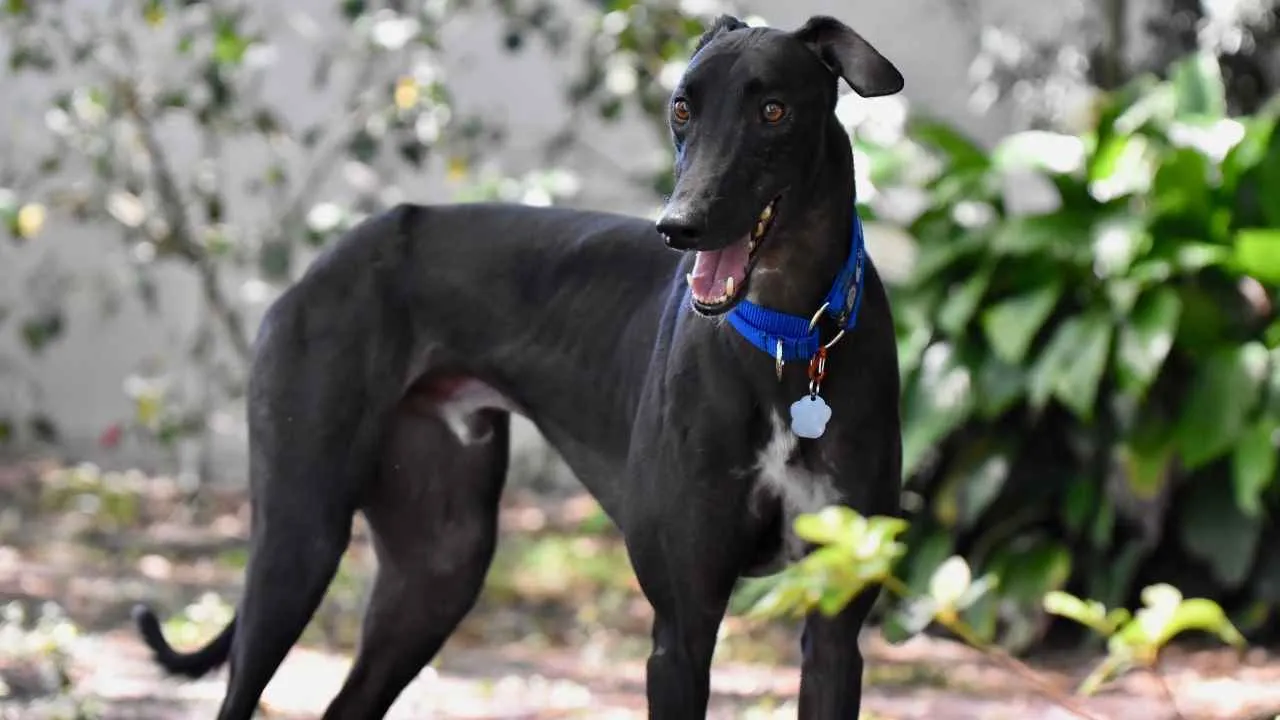
The Greyhound is well known for its incredible speed, but there’s way more going on than just quick racing. This elegant sighthound was originally bred to pursue small prey across open spaces, and it still holds onto a strong drive to chase movement. A rabbit that bolts or a squirrel that darts can take over its focus fast, which is why secure walks and fenced play spaces are such an important part of daily life.
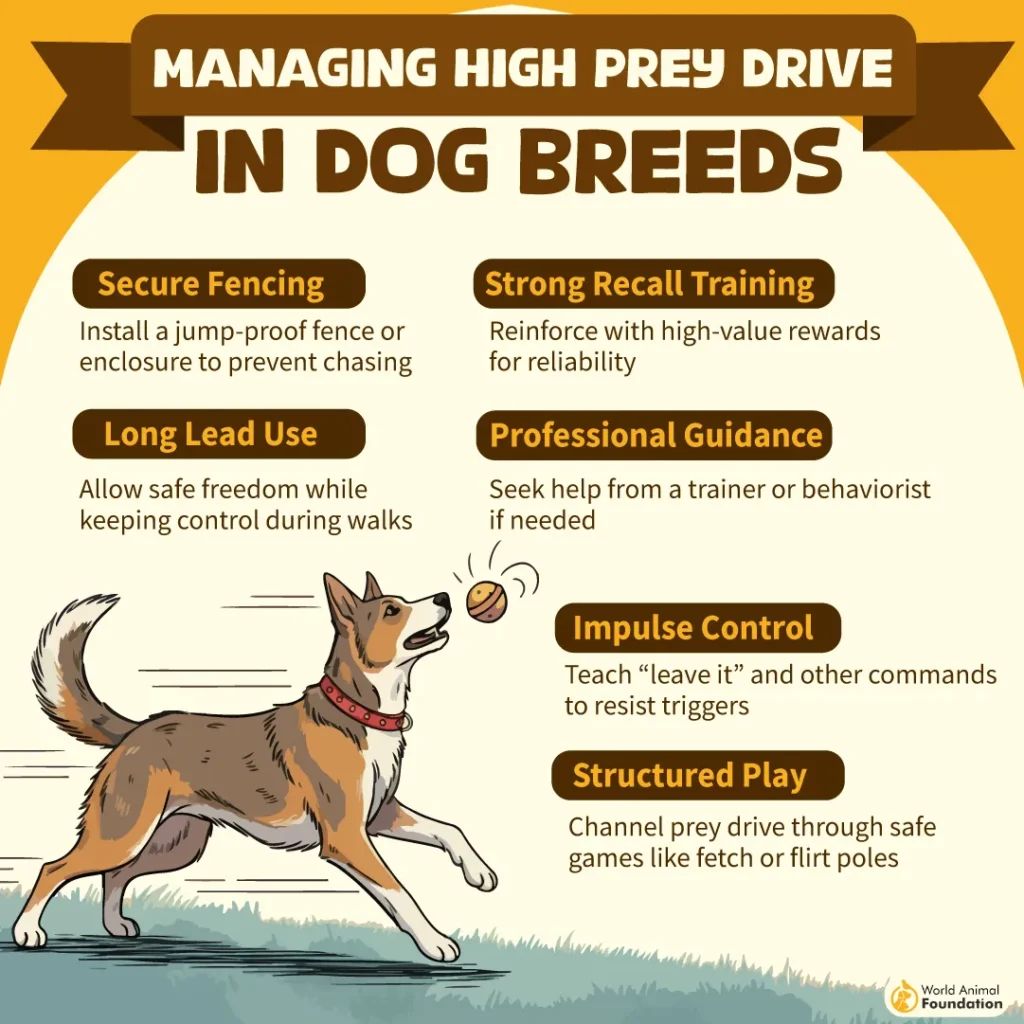
Even with remarkable athletic ability, this calm companion often just wants to sprawl out indoors after a solid walk or play session. Regular exercise gives the body and mind a healthy outlet while keeping those natural chase instincts more in check.
With positive training and a strong recall, time outside becomes safer and more enjoyable for everyone involved, pets included.
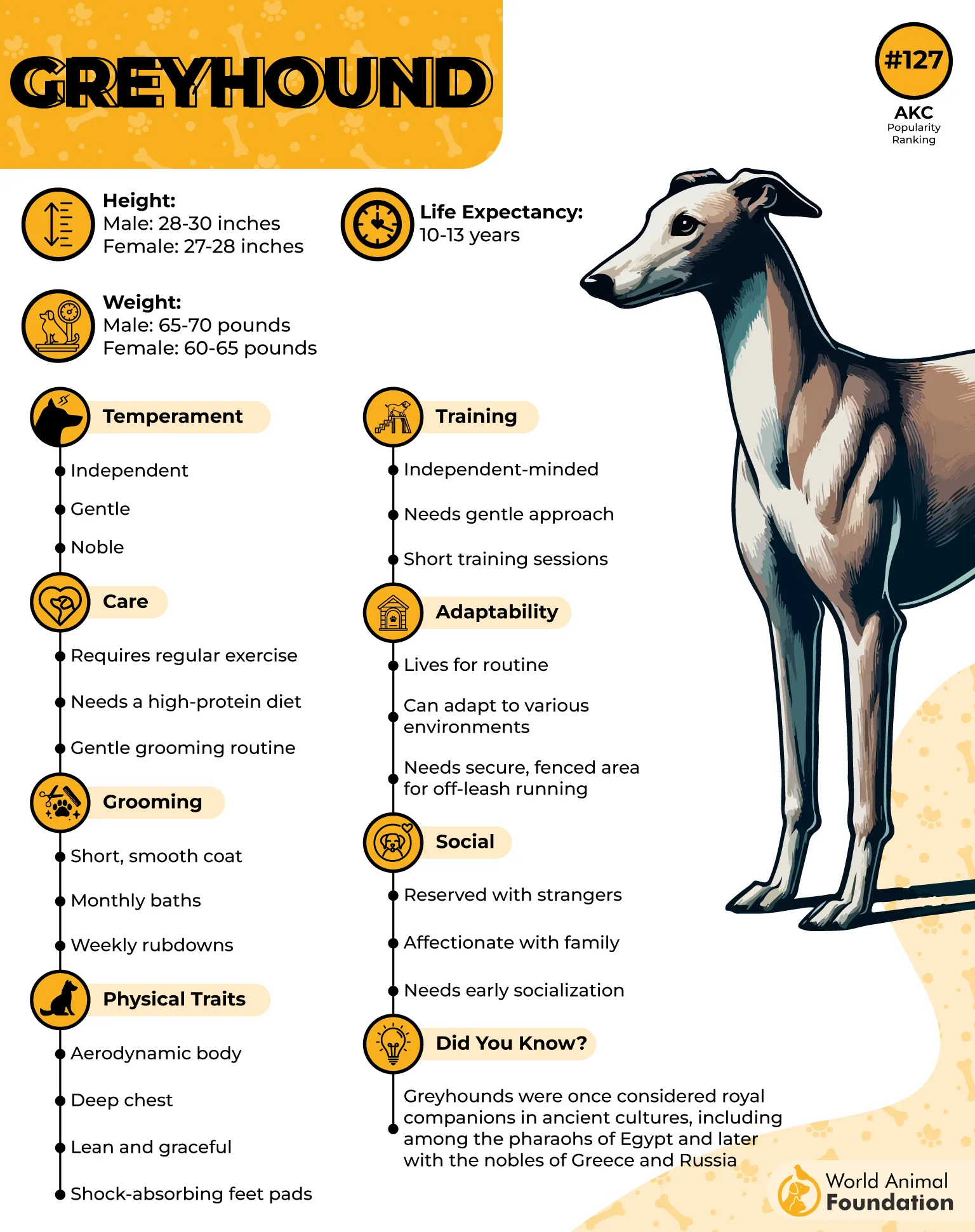
The American Kennel Club describes the Greyhound as gentle, noble, and sweet-tempered; a champion sprinter with an independent streak. These traits make this breed a great fit for active families who can manage a strong prey drive and are ready to offer consistent training and a secure space to run.
2. Saluki
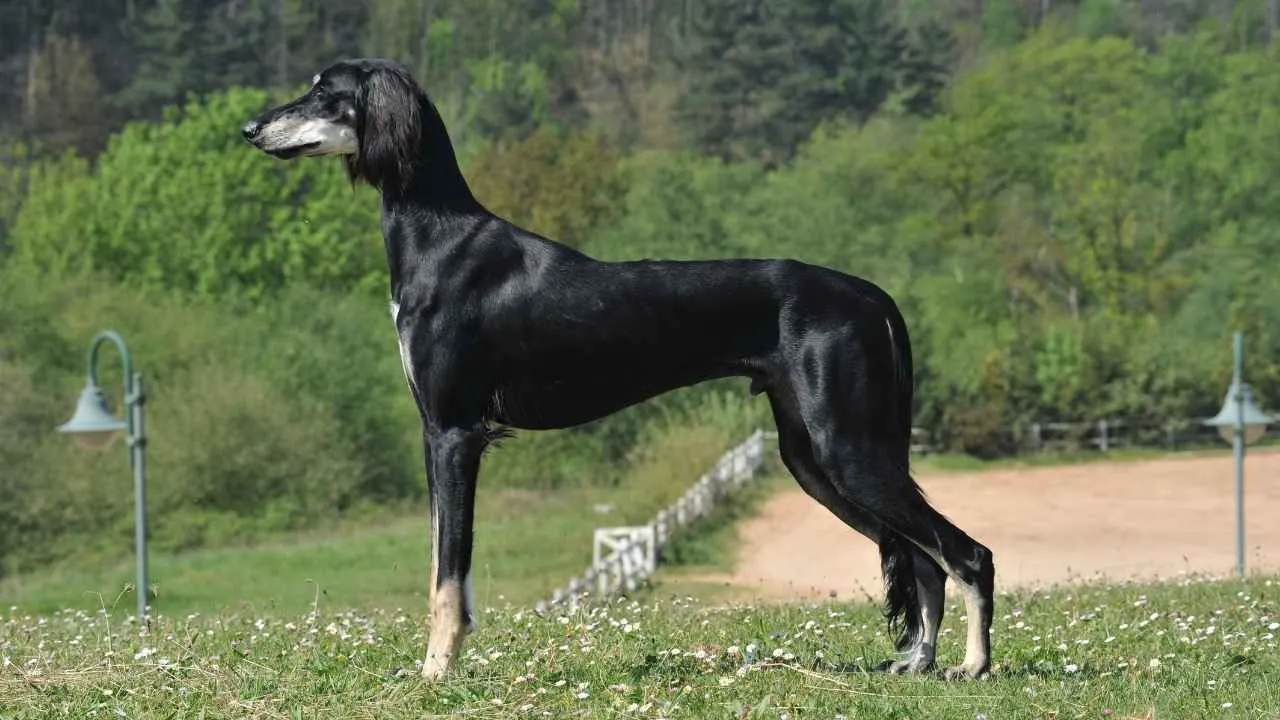
The Saluki has deep ties to old-school hunters and still ranks among the oldest dog breeds around. Bred for swift motion and lasting stamina, this elegant companion tends to spot fast-moving creatures right away. Birds, rabbits, and other small prey can quickly set off the urge to chase, especially in wide-open, windy fields.
Strong family bonds make this companion quite loving at home, though strangers are often met with a quiet, reserved kind of welcome. Enough daily exercise, long walks, and mentally stimulating games help burn off that high energy so unwanted habits don’t creep in.
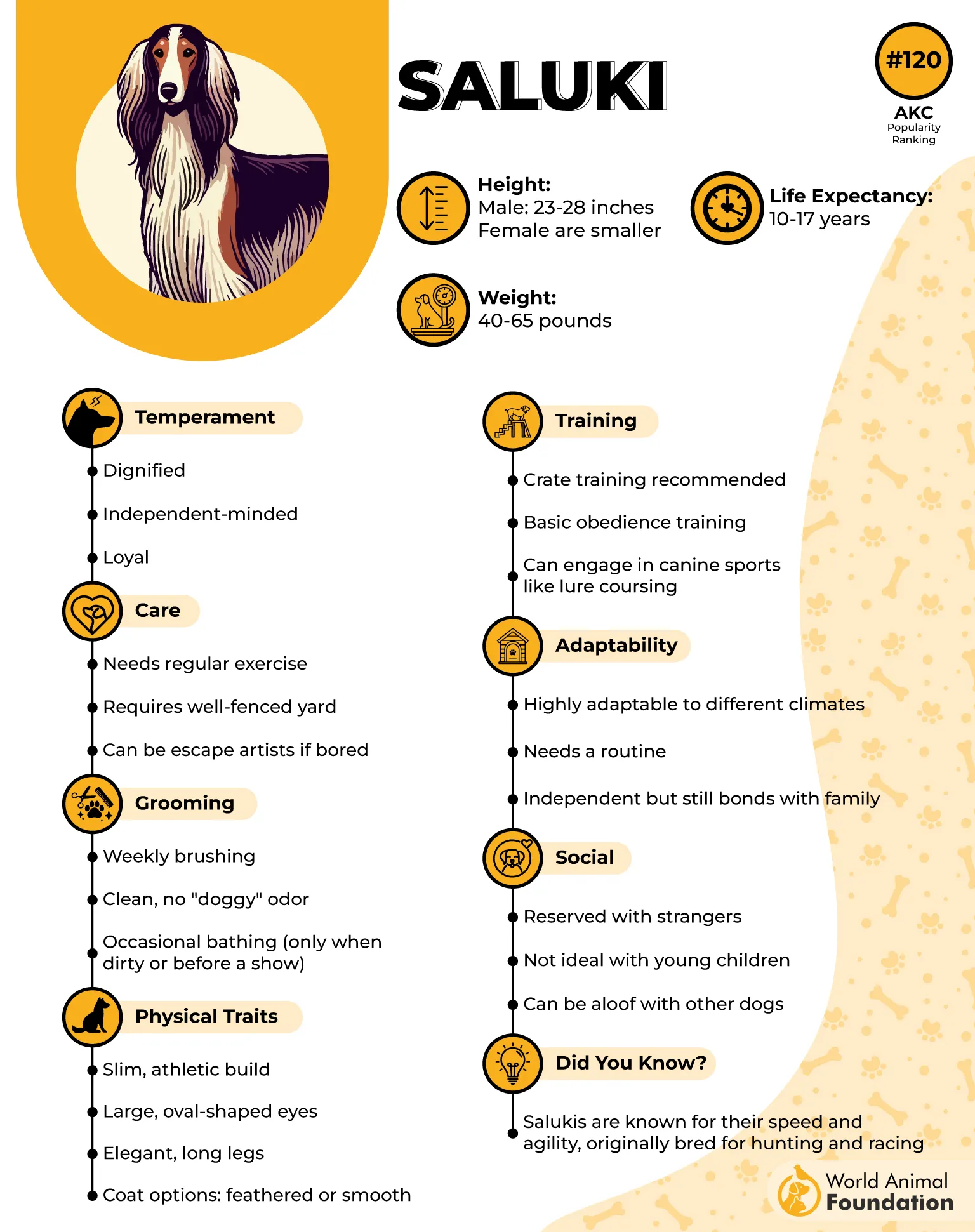
Secure fencing is just as important, because once the chase starts, distractions won’t cut it, and that focus can be hard to break.
The Saluki thrives on an active lifestyle and benefits from routine movement that suits its natural athletic build. With patience, early socialization, and reward-based training, this elegant companion can grow into a confident, dependable household member over time, at its own pace.
3. Afghan Hound
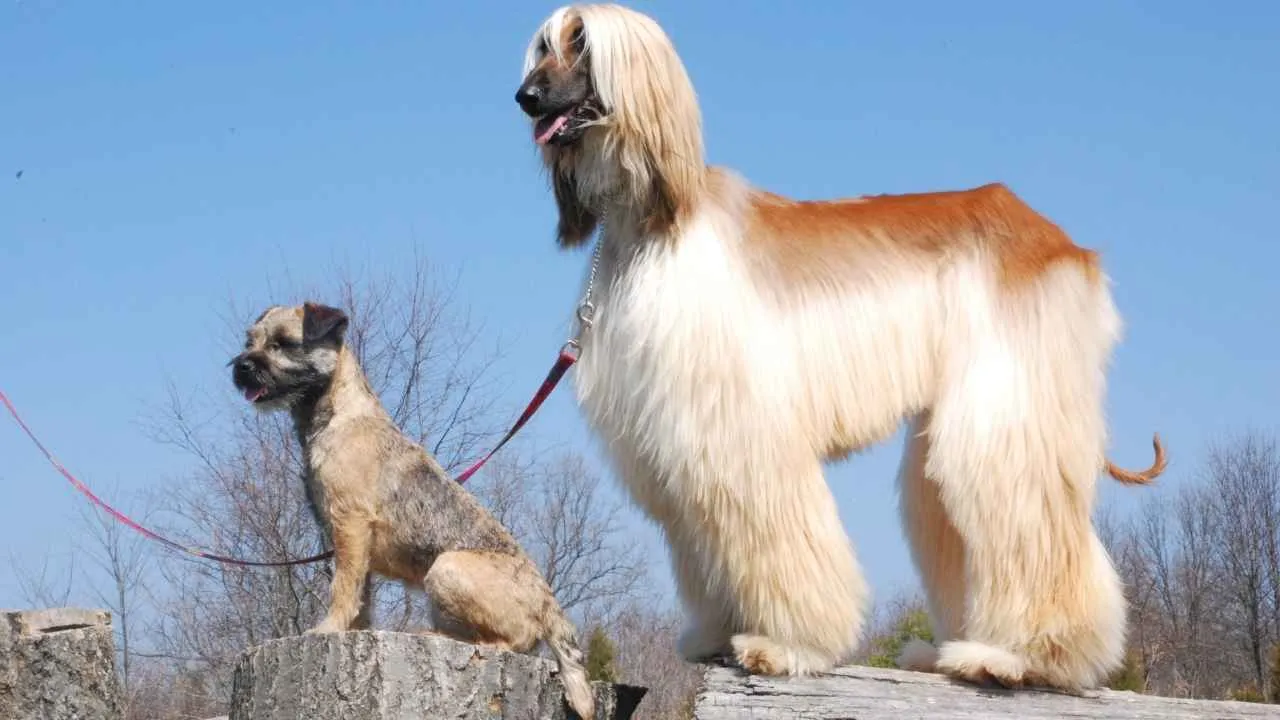
The Afghan Hound catches attention with a long, silky coat and a graceful flow, but behind that pretty picture is a companion with a strong prey drive. For many years, this sighthound worked across rough terrain, where speed and sharp vision were basically everything.
Even now, a rabbit or another fast-moving creature can quickly light up that urge to chase, no matter how calm the dog seems at first.
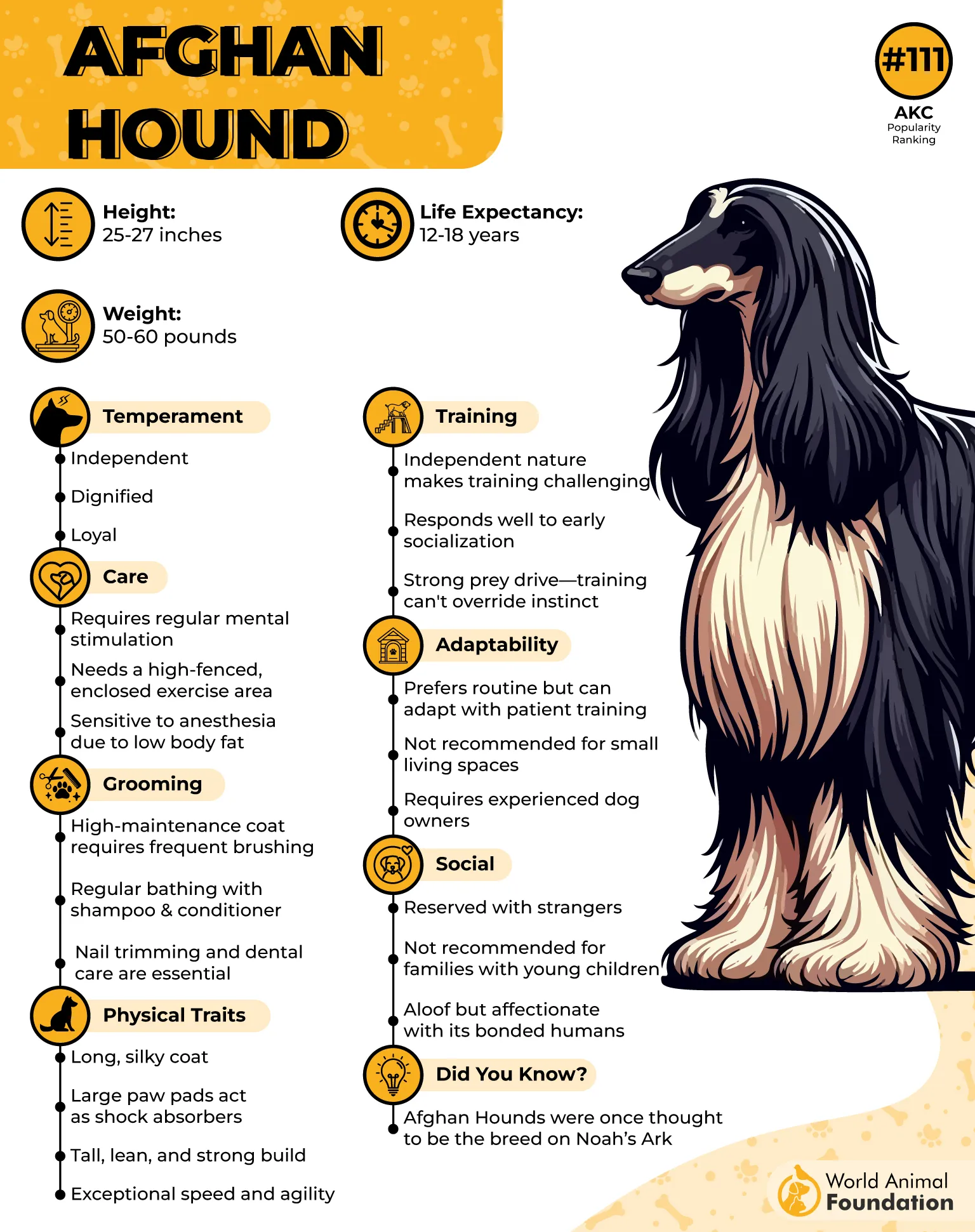
Life with this companion feels genuinely rewarding for pet parents who enjoy a more active rhythm and who accept that the dog can be independent-minded. Long walks, safe running areas, and reward-based training help steer those natural instincts, so everyday life stays fun rather than chaotic.
Hills Pet Nutrition describes the Afghan Hound as regal, elegant, and strong-minded, with a reserved vibe around strangers. Early socialization, plus gentle correction, supports confidence while also encouraging polite behavior around other pets and unfamiliar places.
4. Border Collie
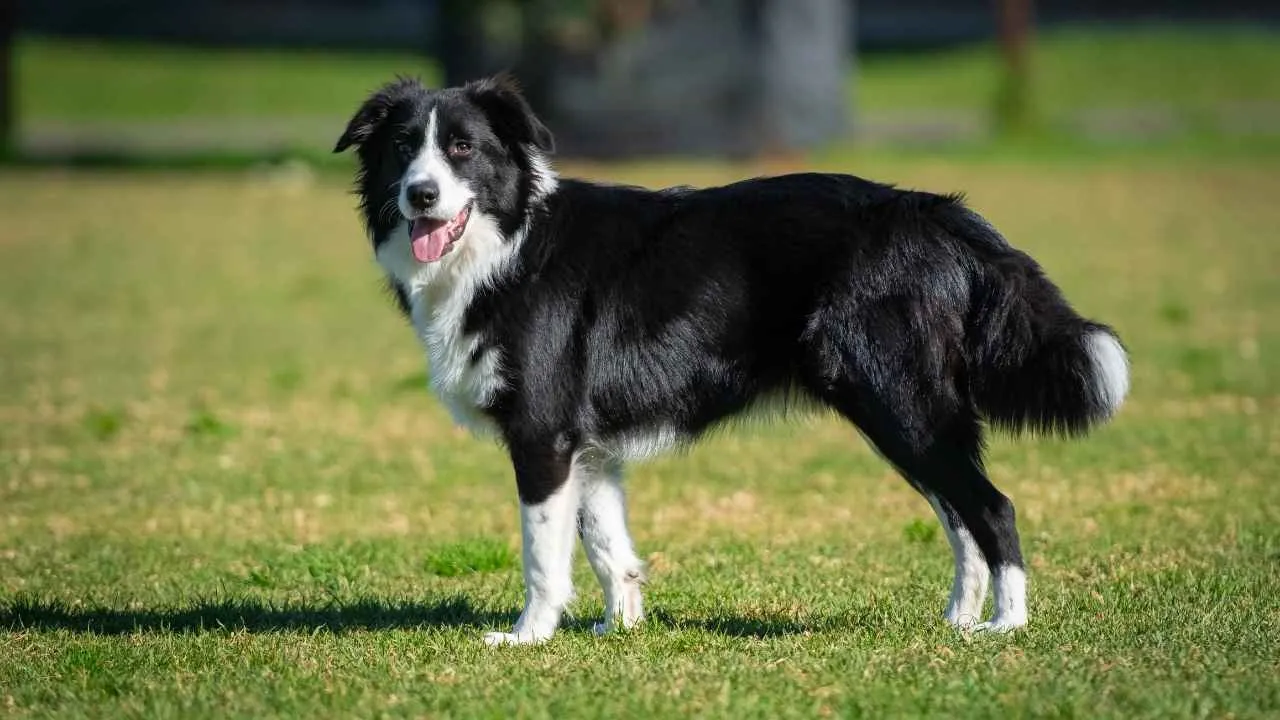
Border Collies are often praised for their intelligence, but people sometimes forget that this diligent companion can also have a noticeable prey drive. Quick movement naturally pulls their attention, which is why running animals, balls, or even bicycles can be hard to ignore. Those instincts weren’t random; they developed to help with herding livestock across wide-open fields.
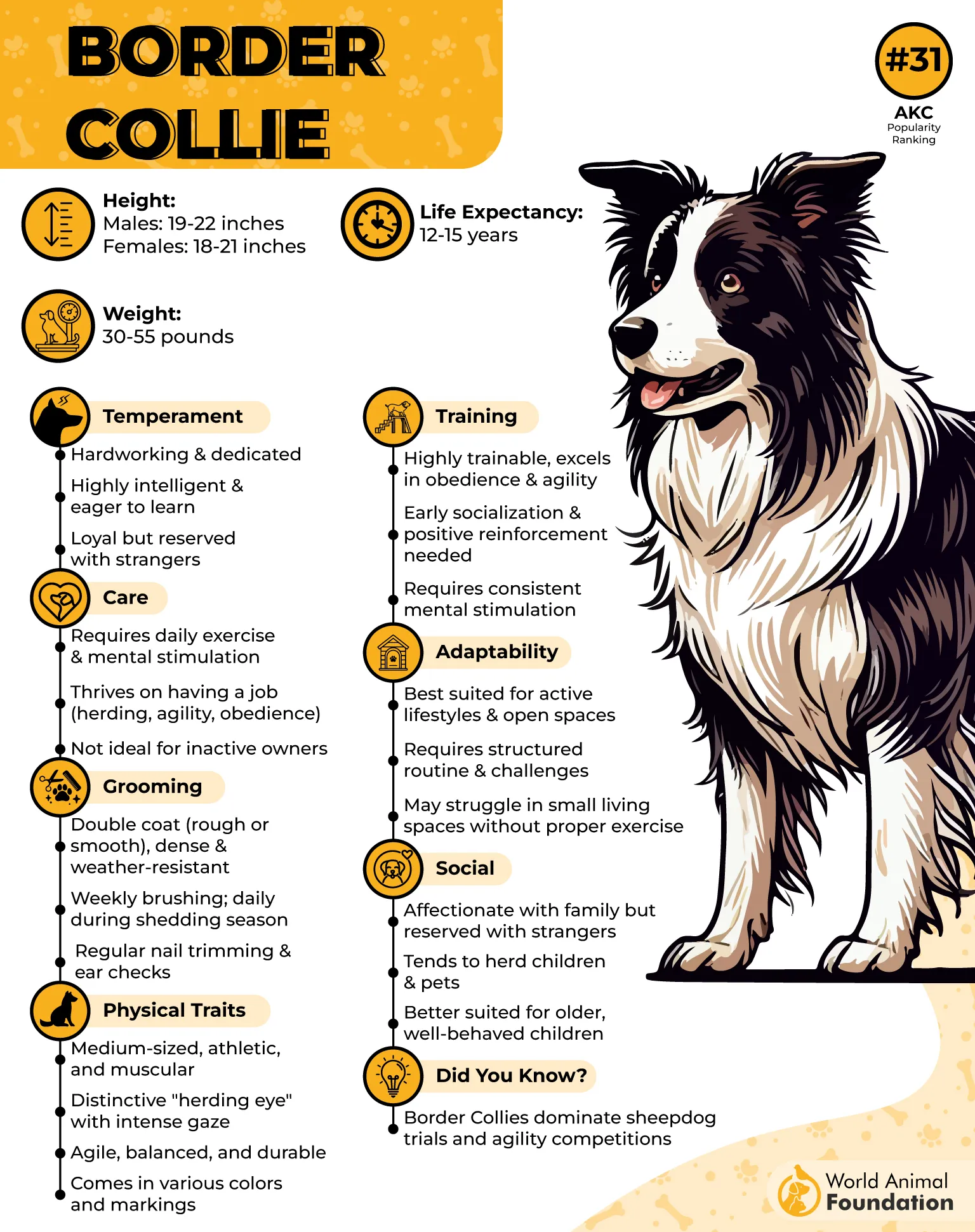
This energetic working partner usually wants a job to do every day, even if it’s something simple. Puzzle toys, fetch, obedience sessions, and regular exercise are great outlets for both the body and the mind. If the mental side isn’t fed, boredom can turn into unwanted behavior, and that gets frustrating for everyone, mostly the family, but the dog too.
Purina notes that Border Collies are affectionate and very smart, but they’re at their best when given some kind of meaningful task. When training stays steady, recall is strong, and good behavior gets rewarded, they can channel those natural herding urges into lively games instead of chasing other animals or trying to herd moving things around the house.
5. Australian Cattle Dog
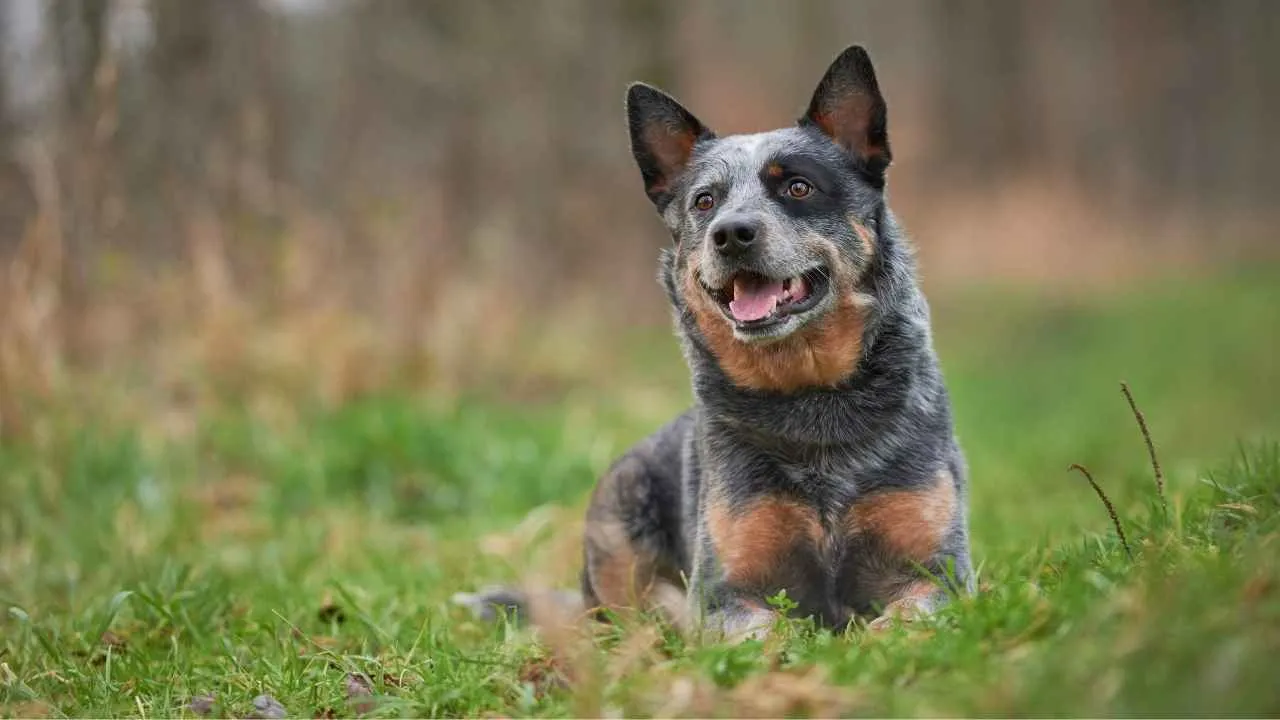
The Australian Cattle Dog was bred to move livestock over long distances, so quick thinking and rapid reactions are basically everyday traits for this breed. Instead of resting around for hours, this loyal sidekick tends to like staying busy and working through little puzzles.
Moving animals or unexpected motion can quietly flip on prey-driven instincts that have been handed down for generations.
To really thrive, this hardworking companion usually needs a home that keeps things moving. Long walks, agility-style games, hiking, and hands-on toys offer solid outlets for that constant energy, while also strengthening the bond with pet parents.
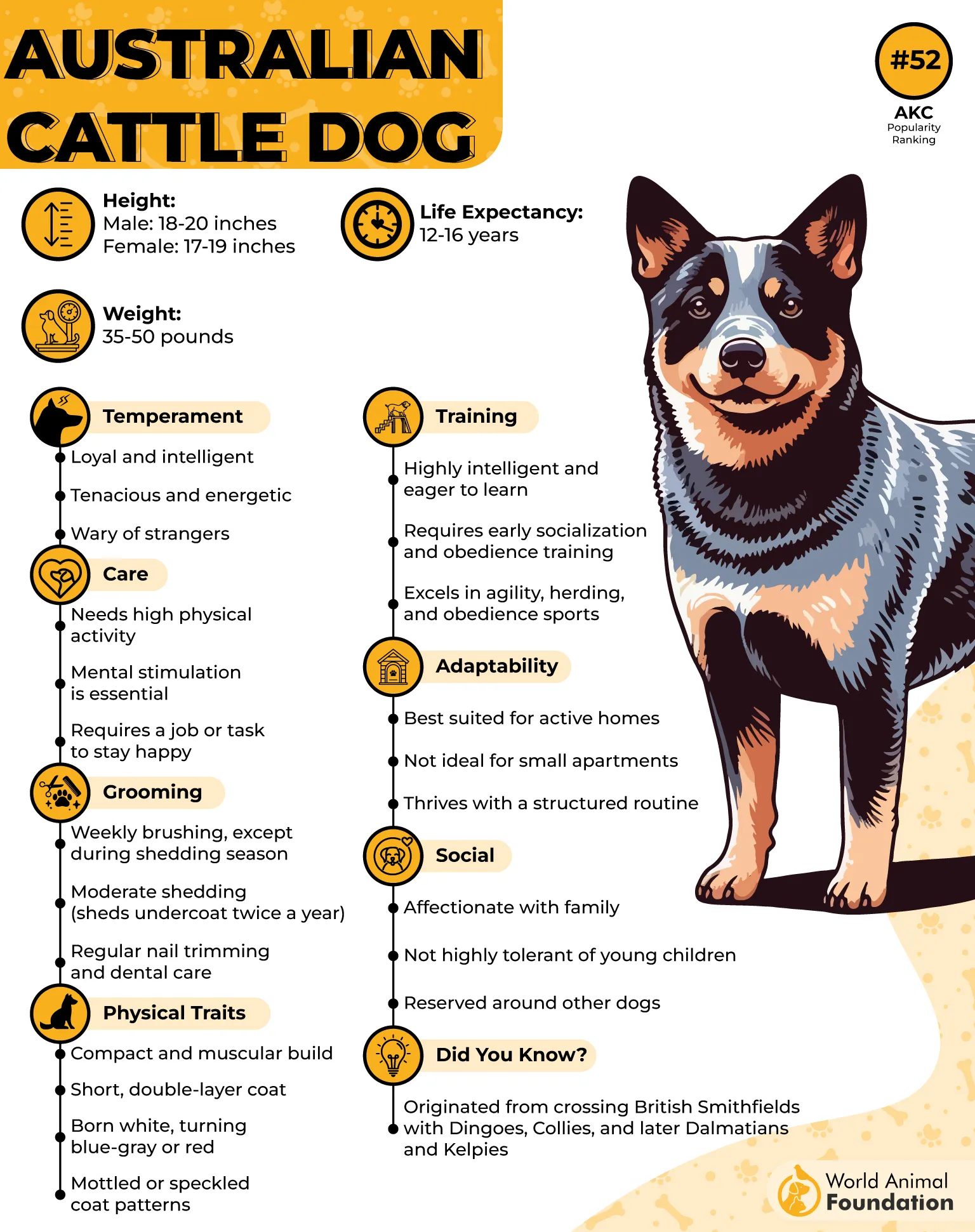
Early training, along with straightforward routines, makes it easier for this dog to feel confident and stay calm around other dogs and smaller pets.
The Australian Cattle Dog is loyal, protective, playful, and happiest when both mind and body stay active. With daily challenges and upbeat training, this dog can become a dependable companion while keeping those natural chasing impulses more in check.
6. Siberian Husky
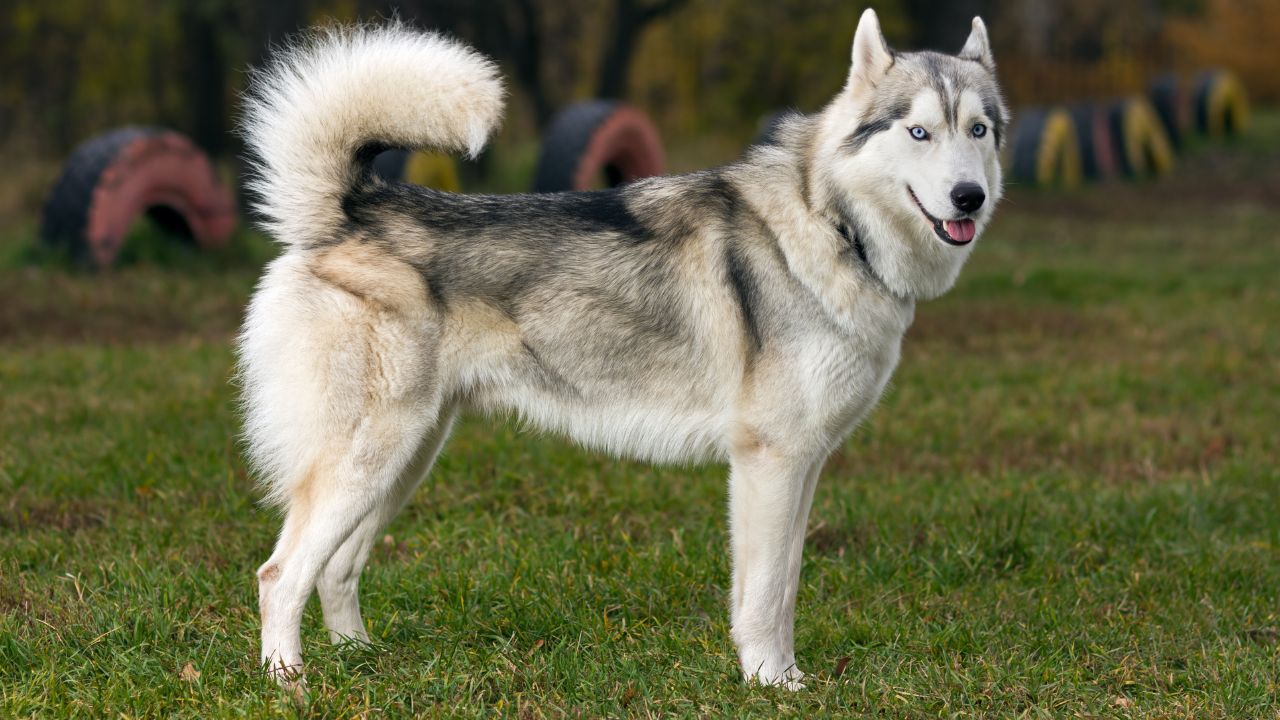
The Siberian Husky is famous for its bright eyes, endless energy, and a restless kind of love for adventure. While a lot of people admire the striking look, this companion also carries a strong prey drive that shouldn’t be quietly ignored. Small animals like squirrels, birds, and rabbits can catch its attention fast, especially during outdoor walks or playtime in open areas.
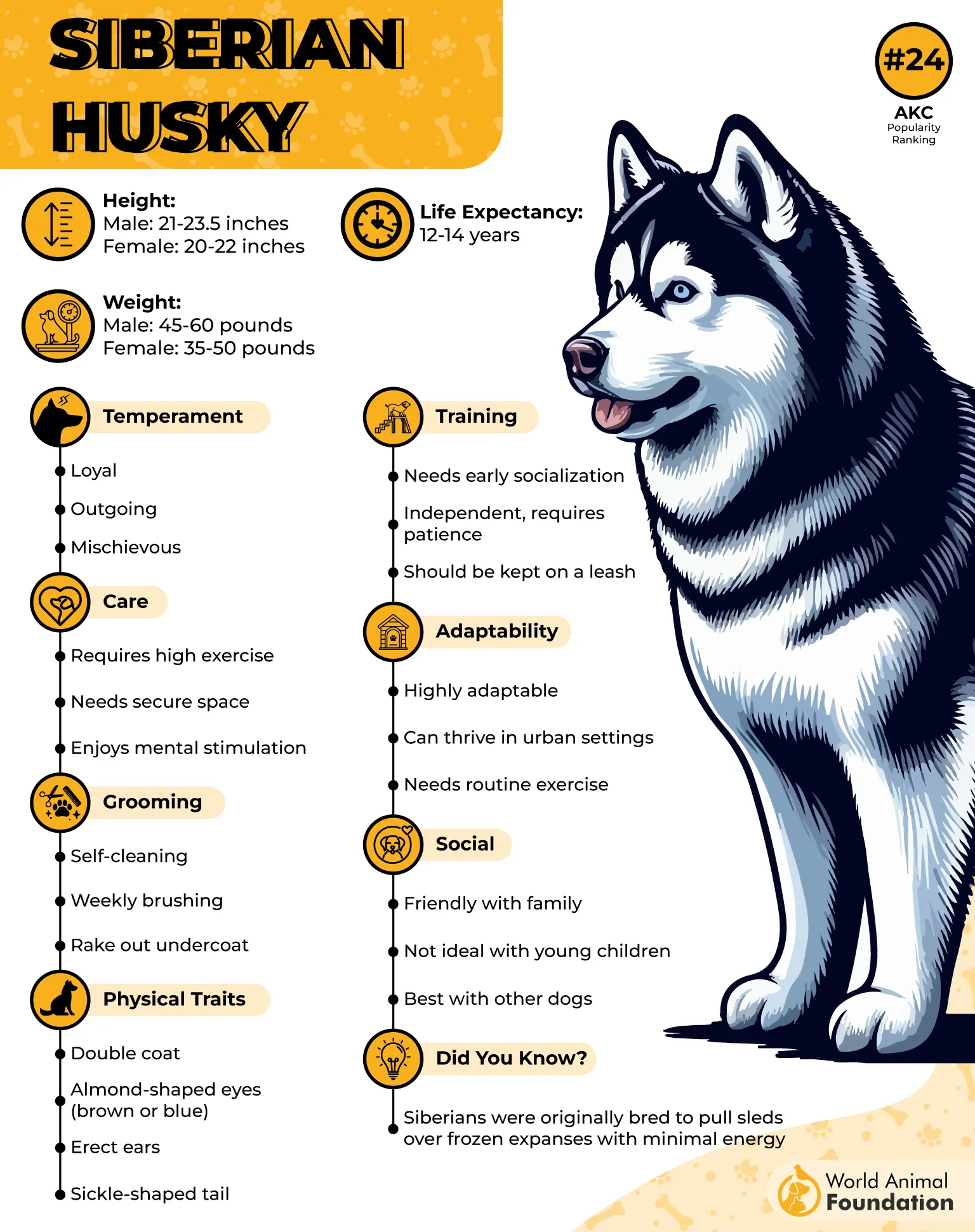
Keeping an active routine helps this high-energy friend stay happy and more even-keeled. Long walks, running sessions, and games that challenge both mind and body reduce boredom while also building a stronger bond with the family. A secure leash and a properly fenced yard matter a lot here, because once the chase starts, natural instincts can take over fast.
The Siberian Husky is an affectionate, friendly, intelligent, loyal, and energetic sled dog. Early socialization, positive training, and a dependable recall command make daily outings safer, and they also help pet parents manage this companion’s powerful need to run.
7. Weimaraner
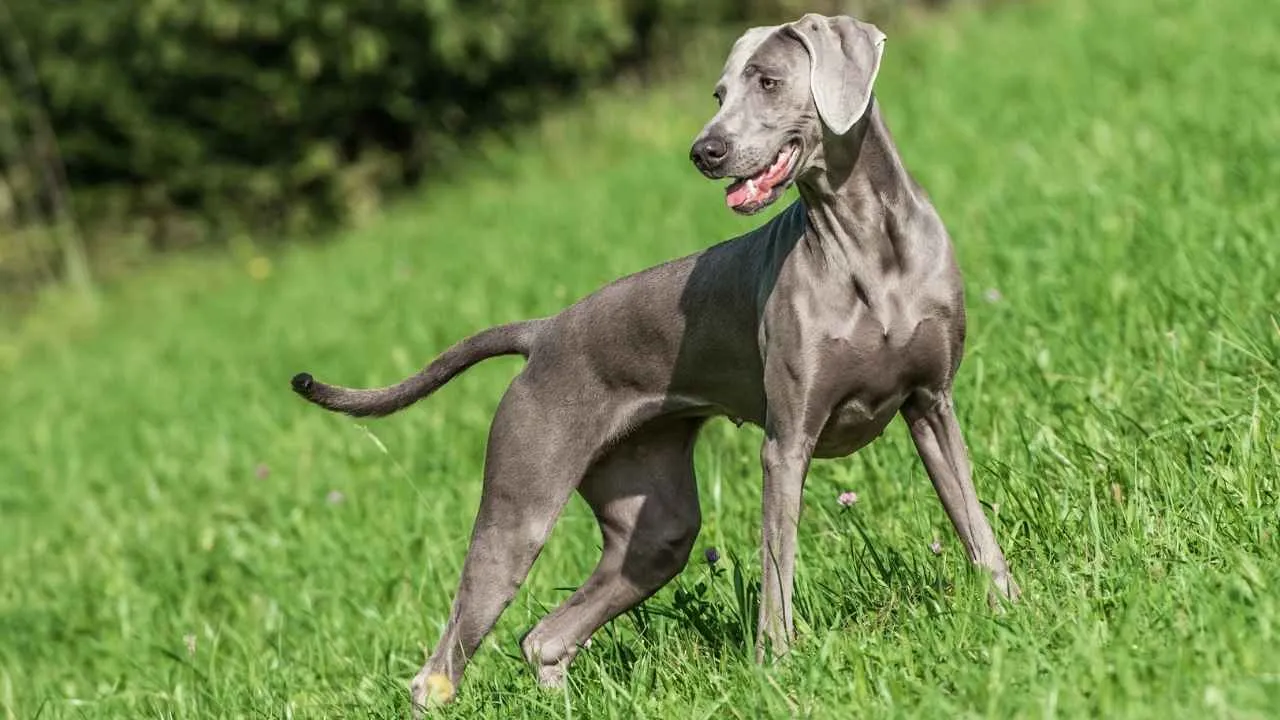
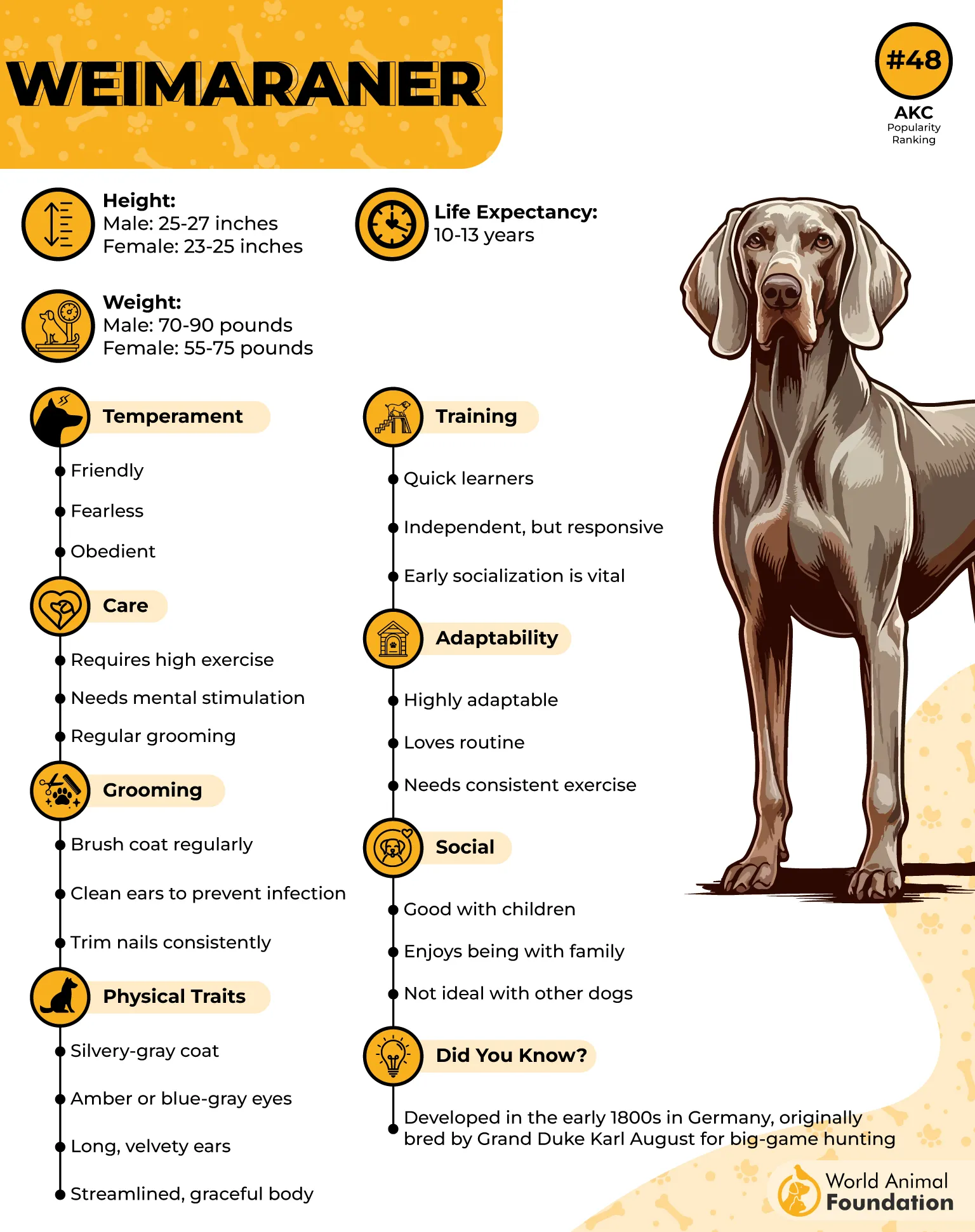
The Weimaraner blends beauty, intelligence, and constant enthusiasm into one athletic companion. It was originally developed as a hunting partner, so this breed tends to notice movement and react quickly when it spots small prey. That sharp focus still shows up in everyday behavior, which is why consistent training and regular exercise matter so much.
This loyal companion likes being around the family most of the time and rarely enjoys being left alone for too long. Long walks, hiking trips, scent games, and interactive toys make a lot of sense here, since they give this dog a healthy outlet for its energy while keeping the mind occupied too.
When routines stay consistent, and rewards are used well, confidence tends to grow, and self-control around other animals improves along with it.
According to PDSA, the Weimaraner is an intelligent, active, loving, and loyal companion that does best with experienced owners who can offer daily movement plus mental stimulation. With patience and early training, this energetic hunter can turn into a steady, dependable, affectionate family member.
8. Borzoi
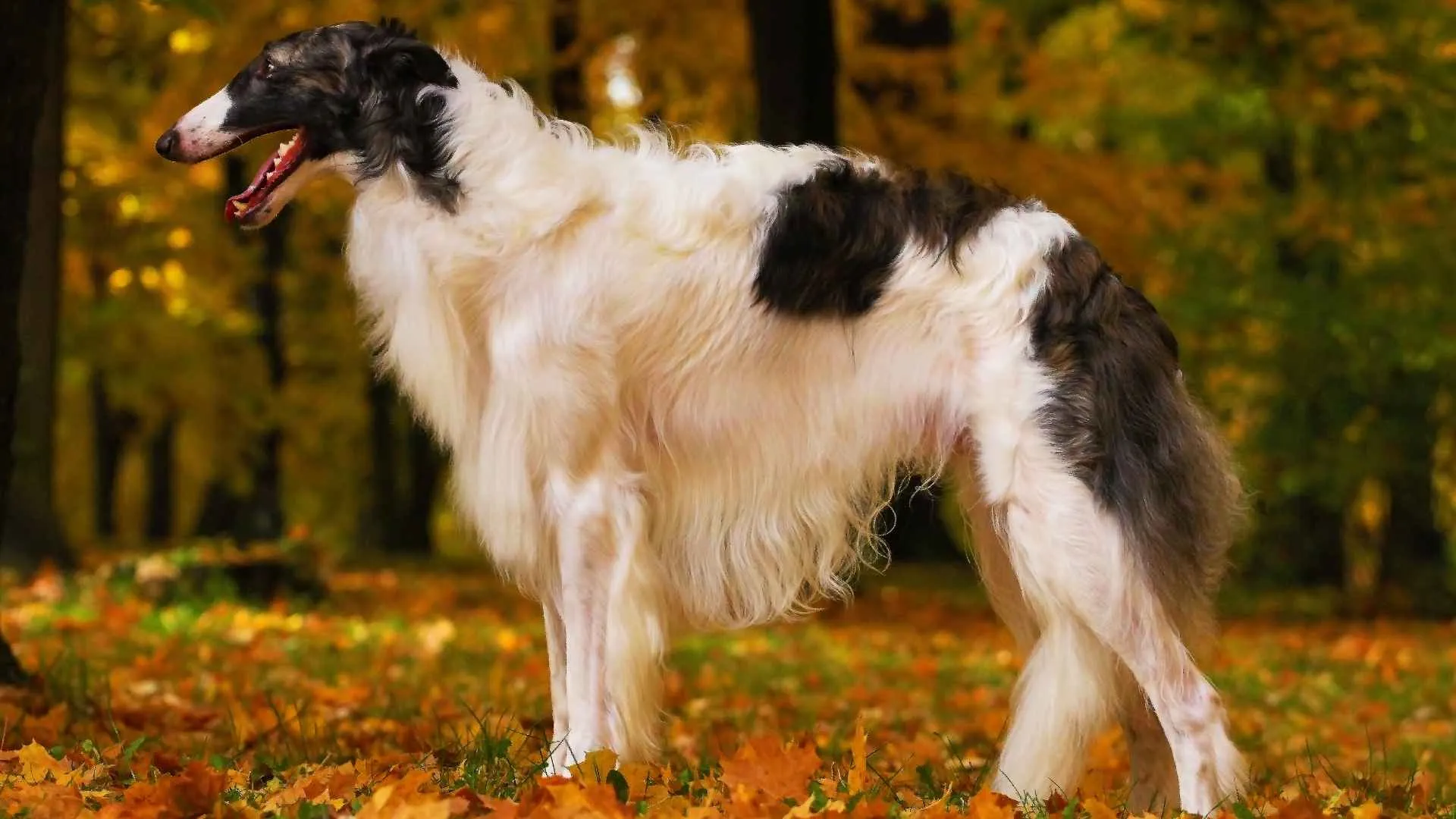
The Borzoi has an elegant look, but behind that calm exterior is a strong pull to chase. This graceful sighthound was bred to pursue fast-moving animals across wide-open spaces, so once it spots a rabbit or another small creature, an instant reaction can follow. Even in a peaceful home, those natural hunting instincts stay quietly in the background.
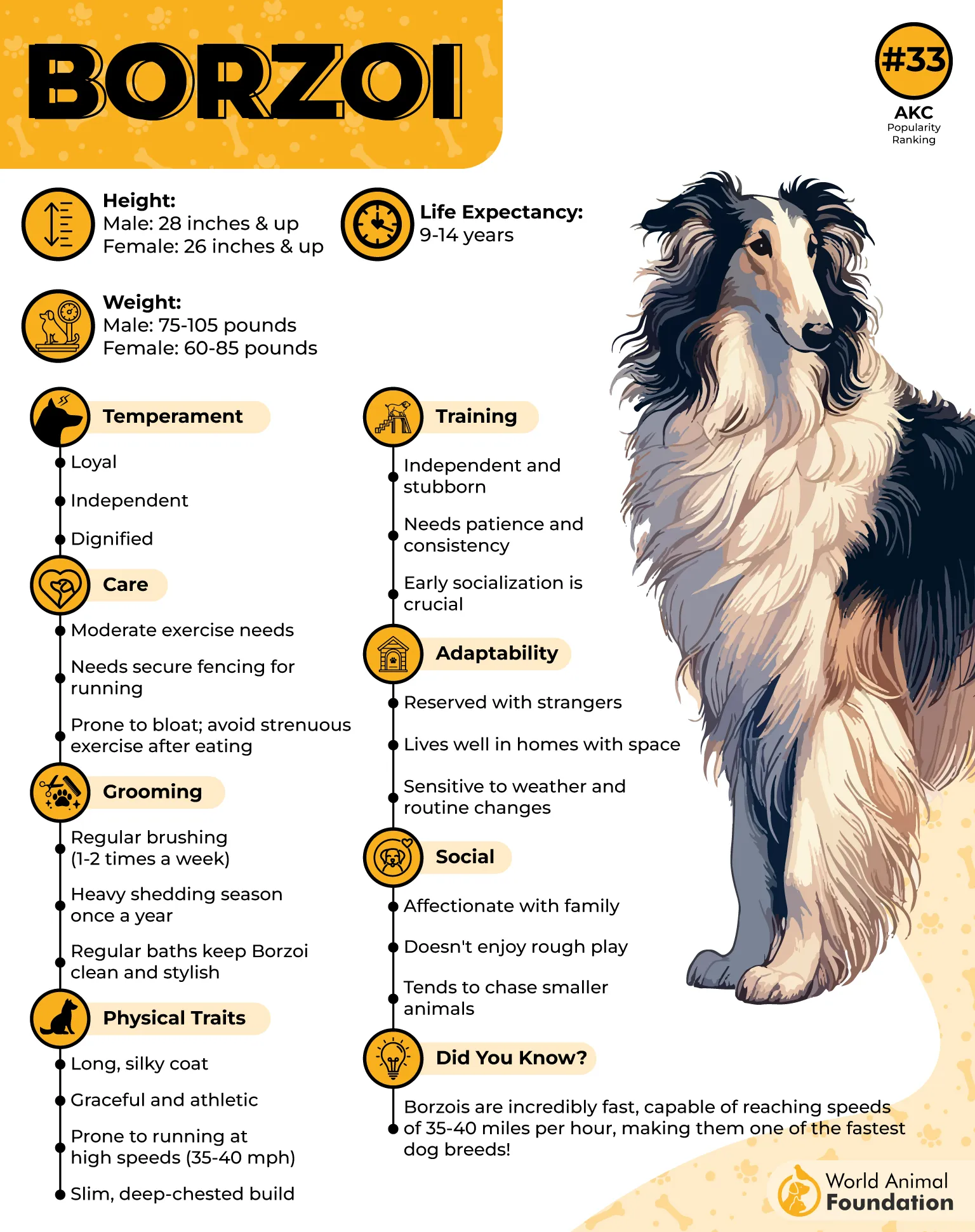
Life usually feels easier for this gentle runner with safe spots to stretch its long legs and regular exercise. Quiet homes often work well, since calm surroundings match its relaxed personality. Positive reinforcement and early socialization help shape good manners while supporting calm meetings with other pets on walks.
The Borzoi is gentle, calm, and independent, yet it still enjoys chances to run and stretch out. With a secure setup, patient guidance, and daily physical activity, those natural prey instincts can feel more balanced, while the dog keeps being a devoted family companion.
9. Jack Russell Terrier
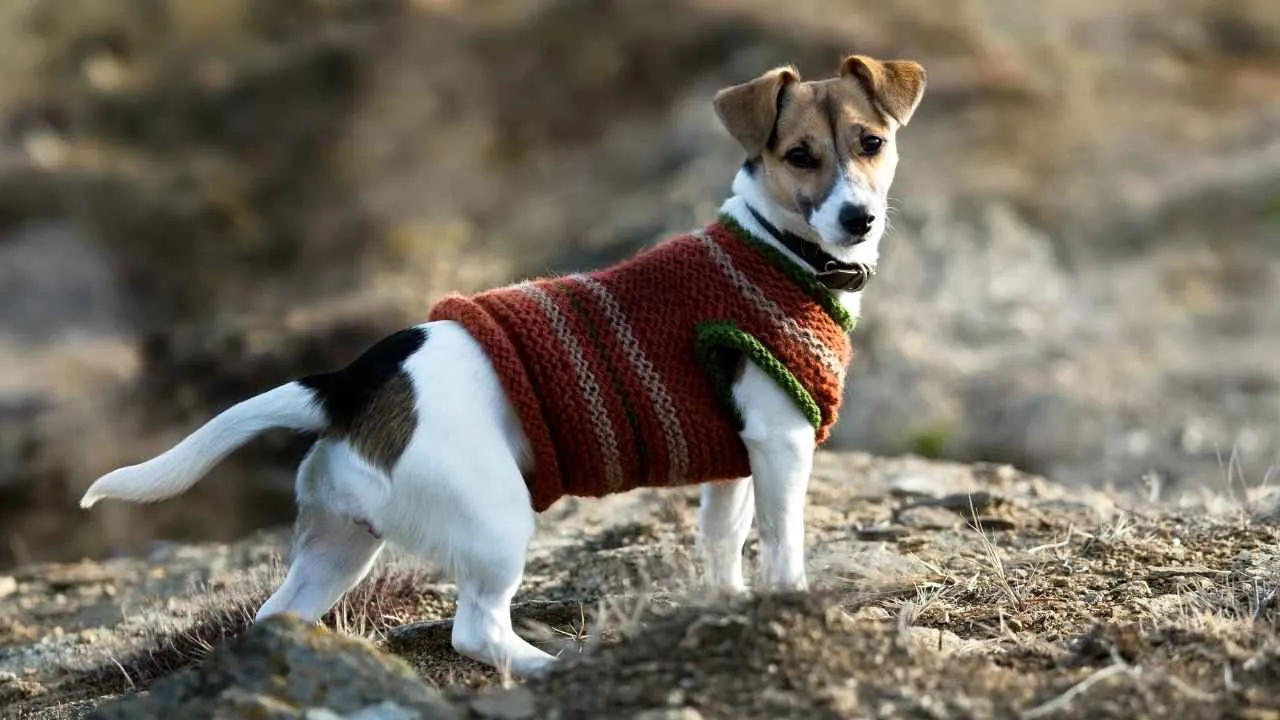
The Jack Russell Terrier might be small, but its fearless personality kinda fills the whole room. This lively buddy was originally developed for fox hunting, so chasing moving animals feels pretty natural; almost like a reflex.
A squirrel darting across the yard or a bird dropping down nearby can quickly turn an ordinary walk into an exciting mission if training isn’t set up properly.
A busy, varied routine keeps this energetic companion happy and steady. Fetch games, puzzle toys, agility activities, and regular walks work well as a way to burn off energy while still honoring those natural instincts.
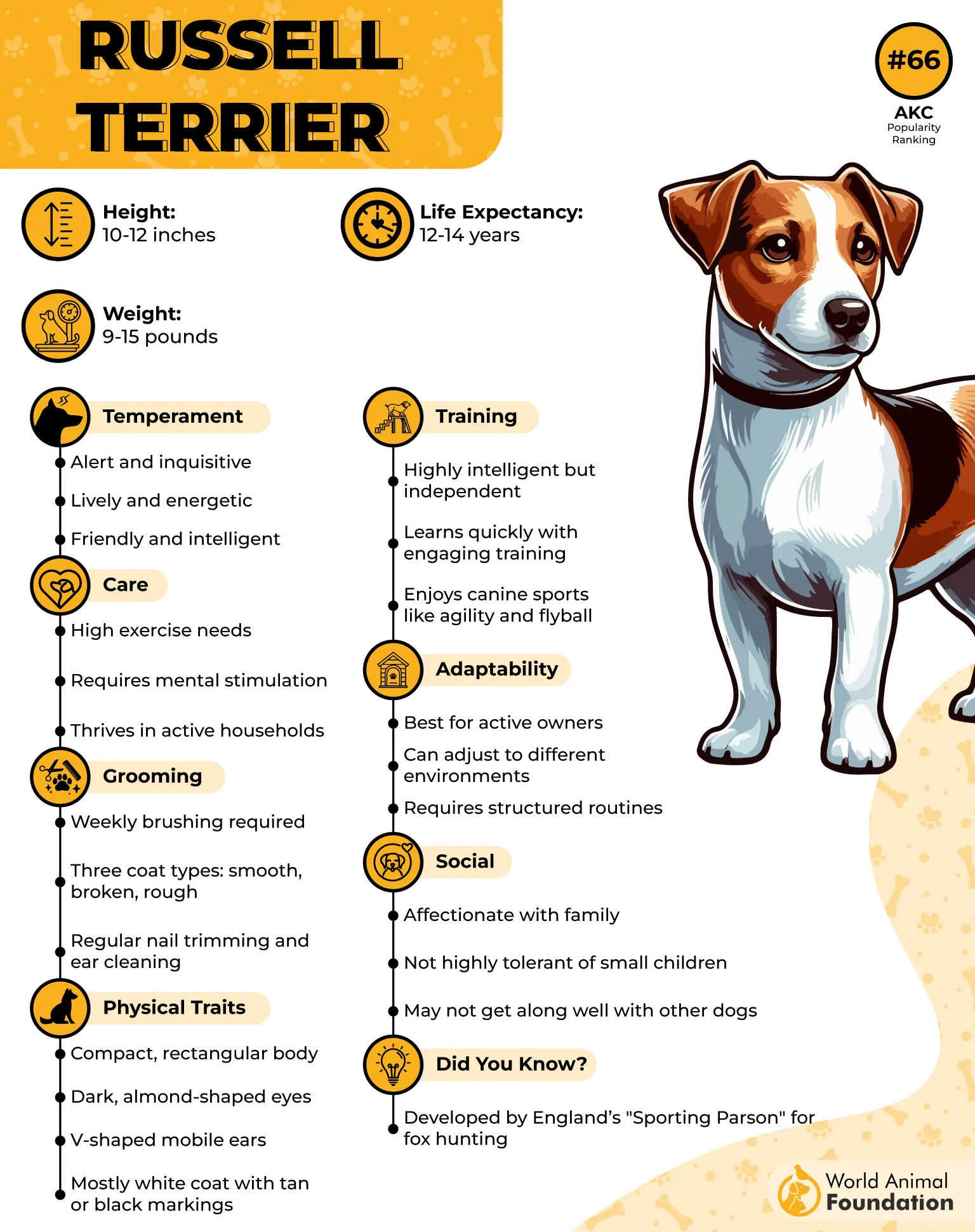
Early socialization plus positive training can sharpen focus around other pets and lower that urge to chase anything that moves, which tends to happen a lot if it’s left unaddressed.
The Jack Russell Terrier is lively, fearless, curious, intelligent, and energetic. With consistent routines and plenty of mental stimulation, this cheerful companion turns into an entertaining family member that genuinely enjoys both playtime and learning new skills.
10. Vizsla
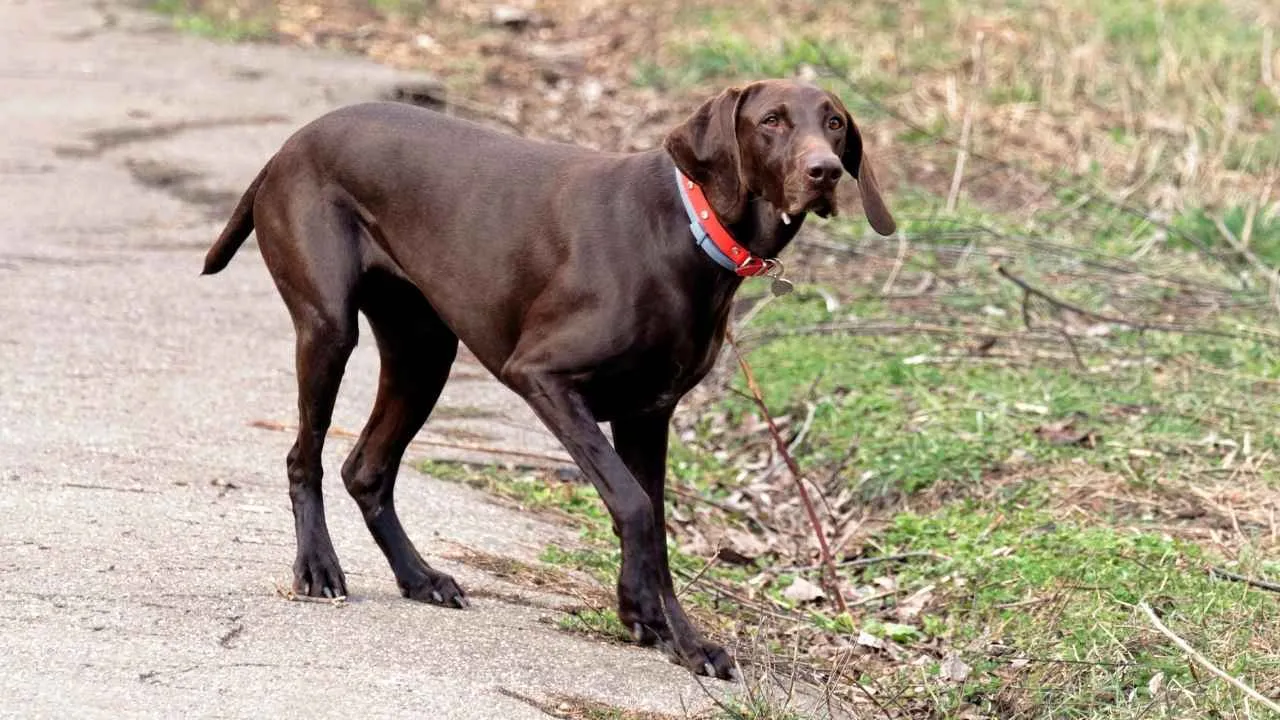
The Vizsla is often called a “velcro dog” because it sticks close to people it trusts. Under all that affectionate energy is an athletic hunting companion with a strong prey drive. Quick birds and small animals naturally catch its attention, which makes outdoor adventures more exciting while also reminding pet parents that training isn’t optional, especially early on.
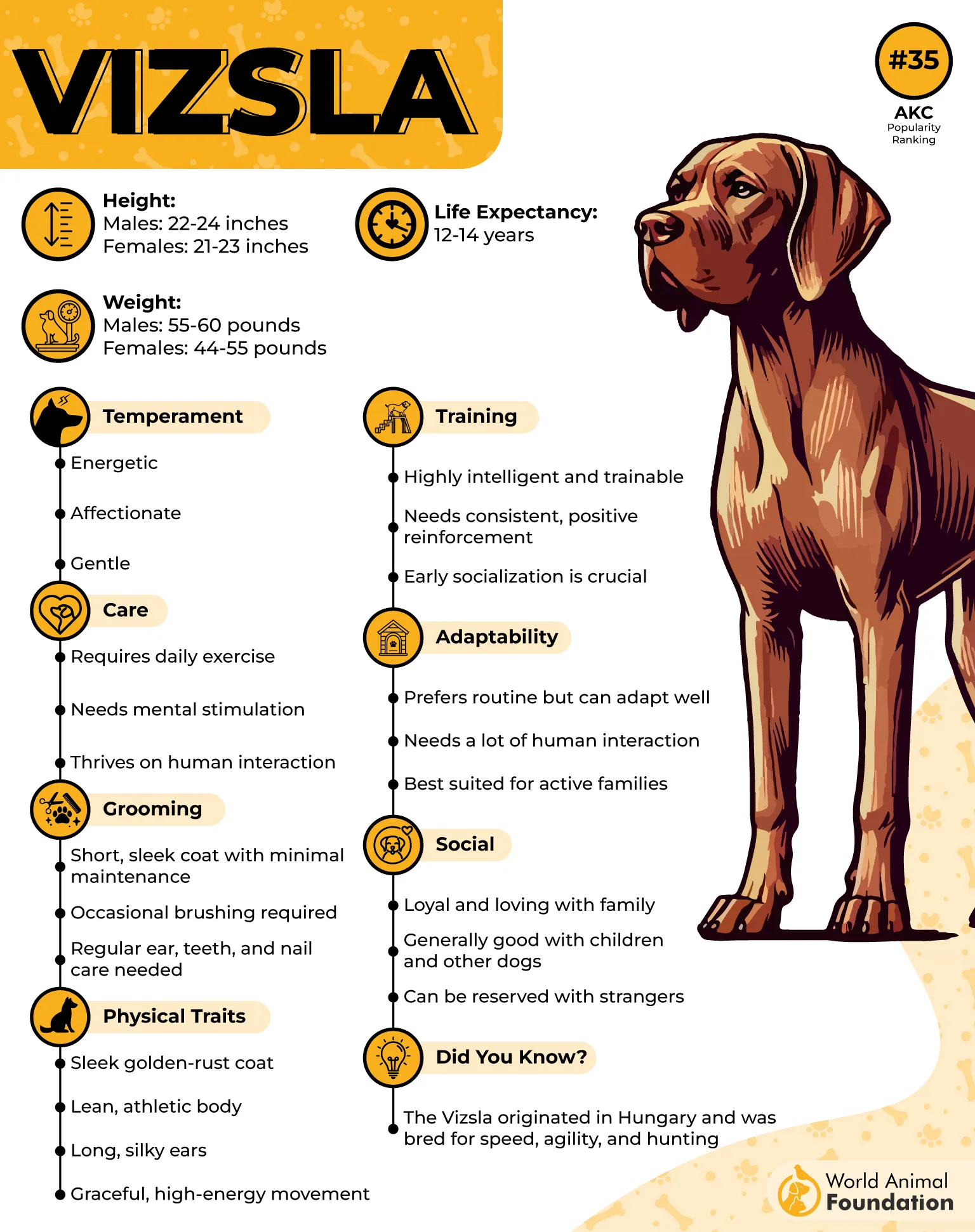
A truly active family gives this loving companion the life it likes best. Long walks, hiking, scent games, swimming, and interactive play create healthy outlets for all that endless energy, while also building trust between the dog and the household.
The Vizsla is affectionate, playful, highly active, and responds well to reward-based training. Daily exercise, patient guidance, and early socialization help this devoted hunting companion balance natural chasing instincts with calm behavior around other pets and people.
Conclusion
Dog breeds with strong prey traits aren’t necessarily hard to live with; it’s more that they carry instincts shaped by generations of work. Whether the job was hunting, herding, or guarding, those natural talents stick around in everyday behavior, quietly but consistently. When pet parents learn to recognize these instincts, they can respond with patience instead of getting irritated or frustrated.
With early training, regular exercise, mental stimulation, and safe outdoor routines, these loyal companions can truly thrive. Every dog brings its own unique personality, and figuring out what motivates that dog helps build a stronger bond built on trust. When those natural instincts are guided in a positive way, these energetic partners become wonderful family members, bringing excitement, loyalty, and unforgettable moments every single day.
