




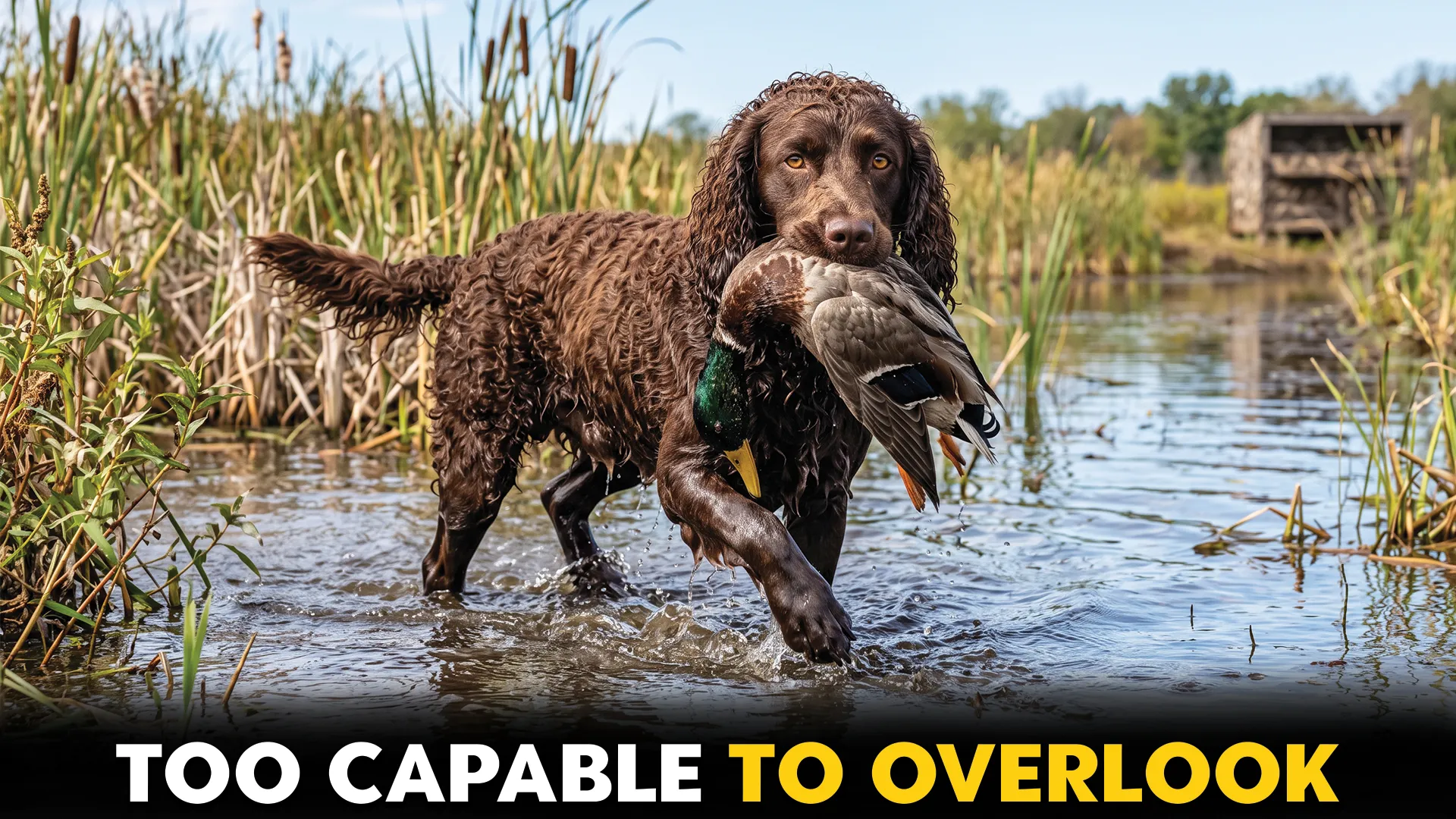
The first duck splashed down far beyond the decoys, disappearing into reeds that barely moved with the wind. From the shoreline, it looked like an impossible retrieve.
The dog waited for a single command, entered the water without hesitation, and disappeared into the cover until only ripples marked its path. Several quiet moments later, it emerged with the bird held securely, swimming back as confidently as it had left.
Scenes like this explain why experienced hunters place so much value on a dependable retriever. Success isn’t measured by speed alone but by patience, determination, intelligence, and the ability to handle challenging conditions again and again.
In this guide, you’ll explore the breeds that have built outstanding reputations for retrieving waterfowl and the strengths they bring to every hunt.
Key Takeaways
- Some dogs chase birds. Others were shaped for the moment when a bird hits the water and the real test begins.
- Labrador Retrievers have webbed paws, powerful tails, and water-resistant coats that help them work through cold ponds and thick cover with confidence.
- Then there are breeds with their own special skills, from the Nova Scotia Duck Tolling Retriever that lures birds closer to the shore to the Curly-Coated Retriever known for remembering blind retrieves.
- The deeper you go into this list, the more you discover how each of these nine breeds brings something special to the waterfowl hunt.
Top Dog Breeds Known for Retrieving Waterfowl
1. Labrador Retriever
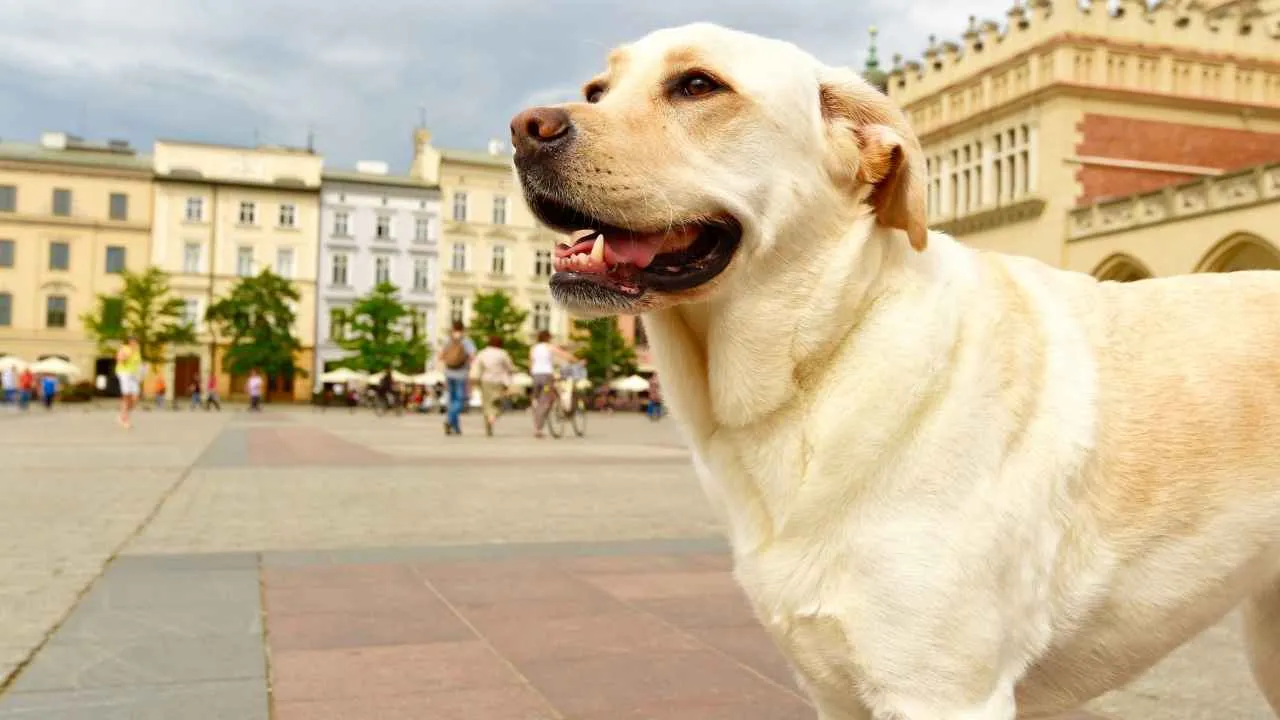
Labrador Retriever was bred in Newfoundland, where the early dogs looked much leaner than the Newfoundland breed recognized today and were almost entirely black.
Their days revolved around helping fishermen retrieve fish, assisting around boats, and working confidently in lakes and cold water long before the modern Labrador took shape.
Built for Water Work
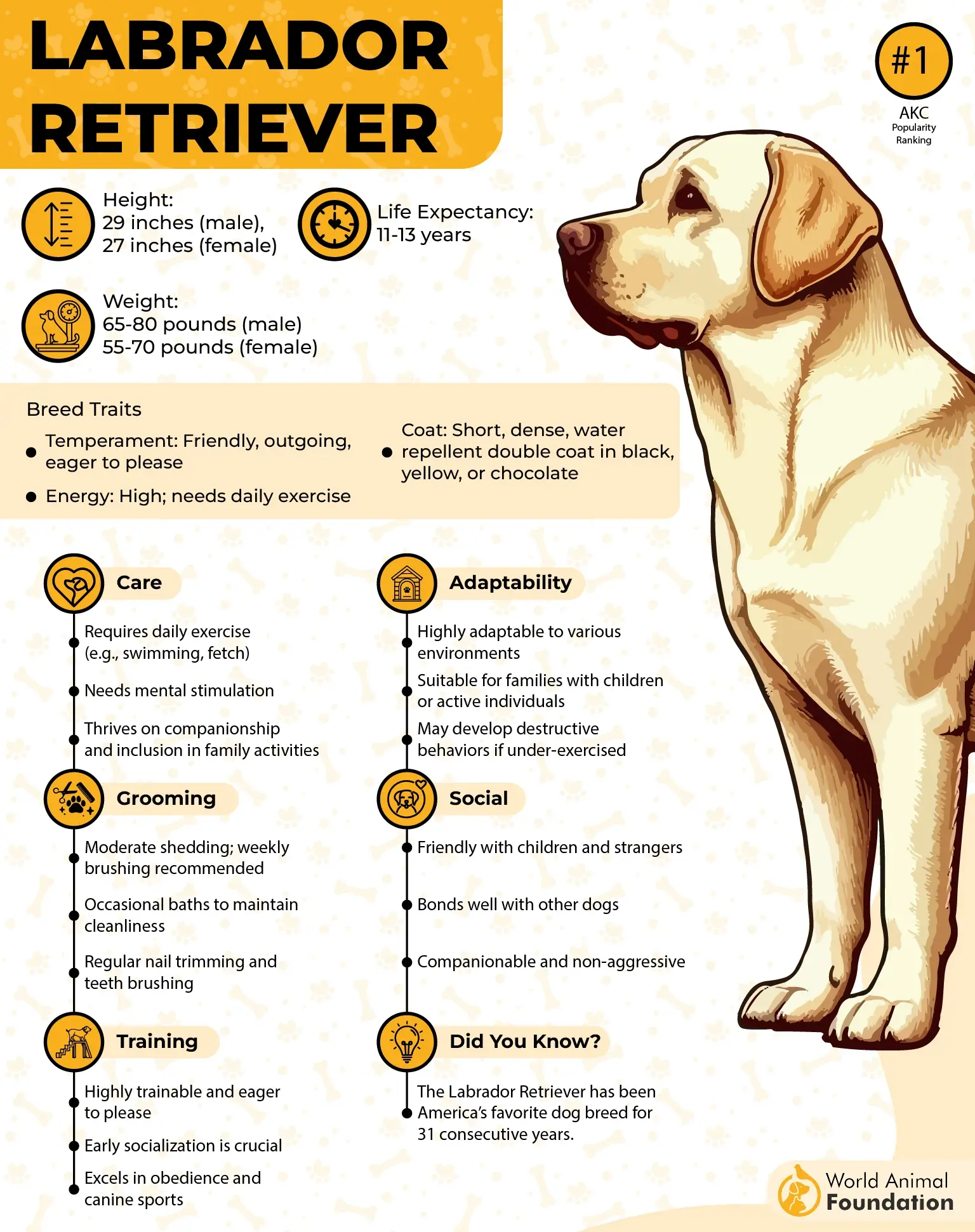
Generations spent working in water shaped a body well suited for duck and goose retrieval across icy ponds, thick mud, and dense vegetation. Every physical feature contributes to efficiency when swimming, tracking, and returning game in demanding conditions.
Several details explain that advantage:
- Webbed paws for stronger propulsion
- Otter-like tail for steering in water
- Dense undercoat protected by a water-resistant outer coat
Beyond the Marsh
This waterfowl hunting dog learns quickly and adapts to a remarkable variety of working roles, from assistance and therapy work to detection and gun dog duties, as Omlet writes. Early training builds on that natural willingness to learn, making this breed dependable across many different tasks and environments.
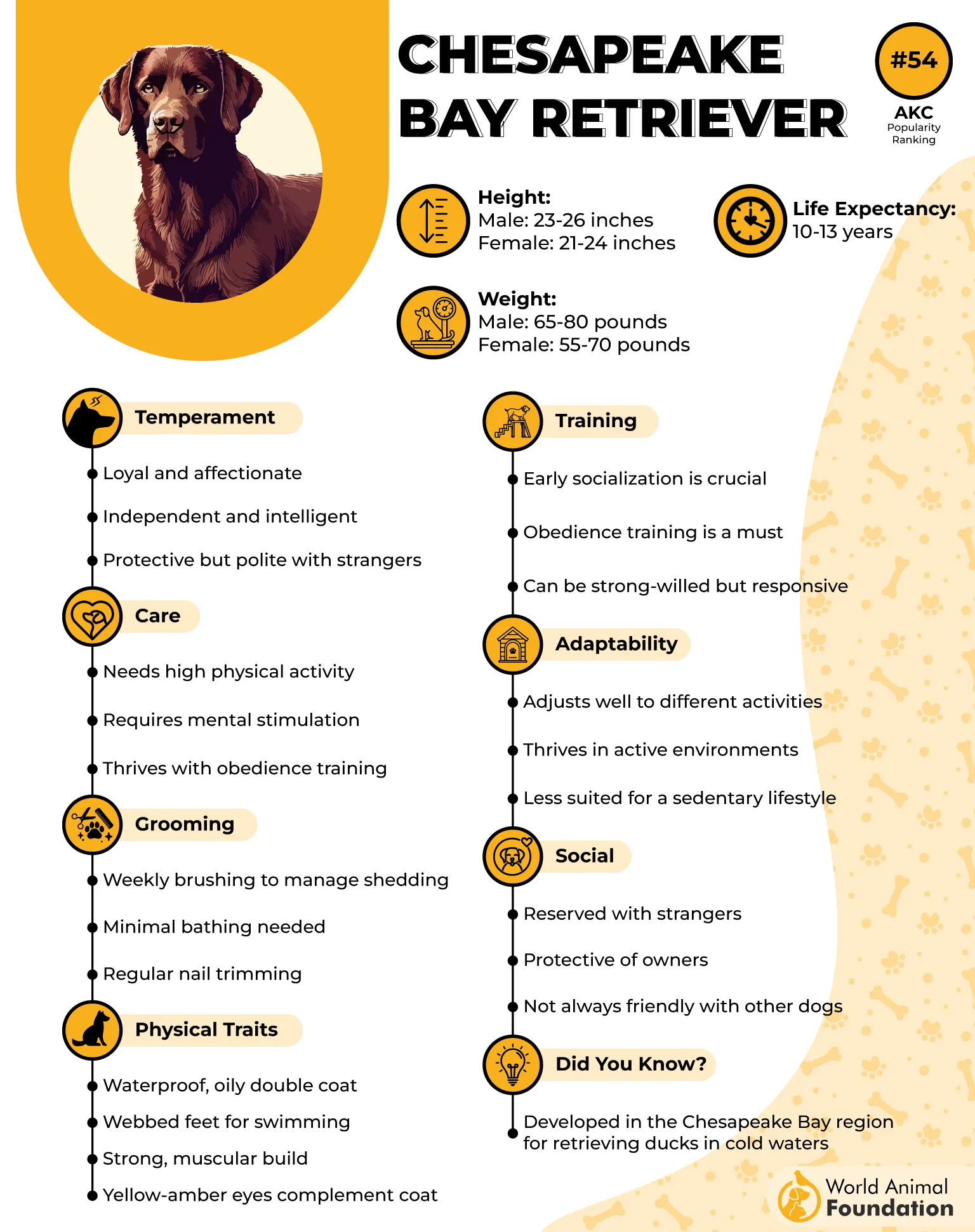
2. Chesapeake Bay Retriever
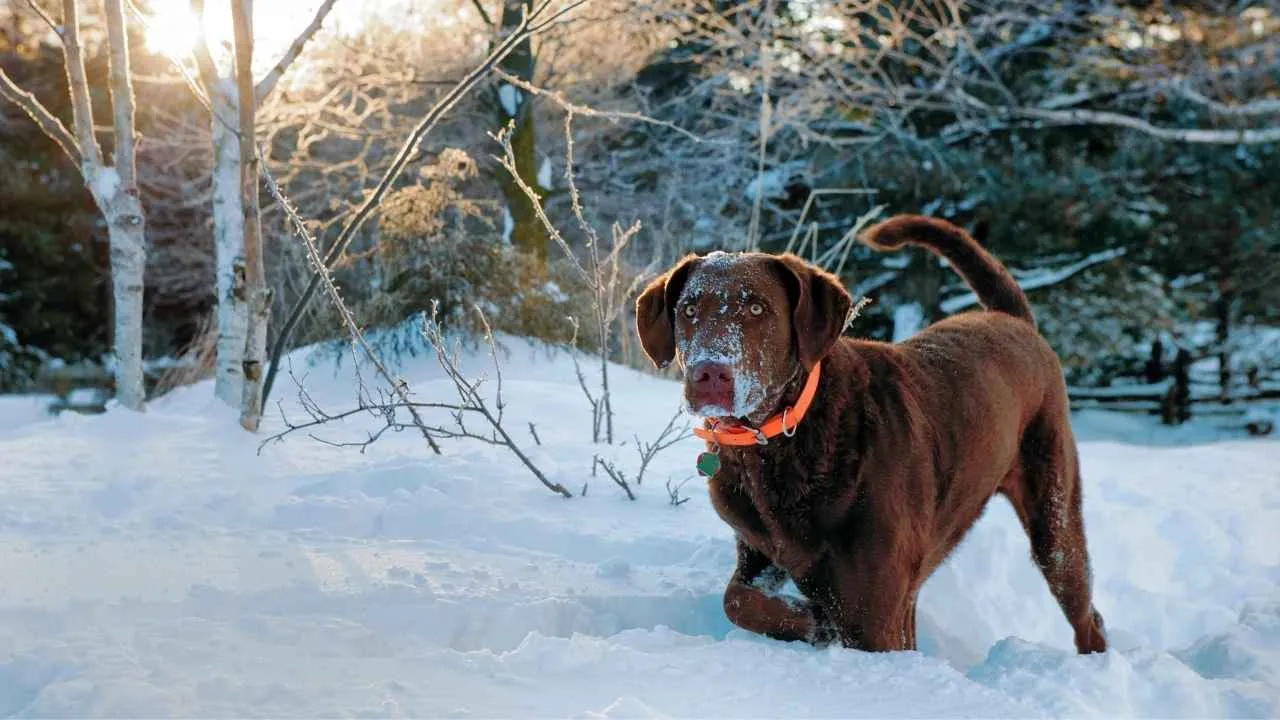
Chesapeake Bay Retriever began in the United States after two shipwrecked dogs were bred with local retrieving dogs, creating a capable hunting companion suited to the Chesapeake Bay region.
The American Kennel Club officially recognized the breed in 1885, and additional influence is believed to have come from the Newfoundland, Bloodhound, and Irish Water Spaniel.
Ready for Cold Water
Chessie approaches waterfowl work with determination, using powerful swimming ability and impressive endurance during long outings in icy conditions. A dense, oily double coat helps keep moisture away from the skin, allowing this breed to keep working in freezing water.
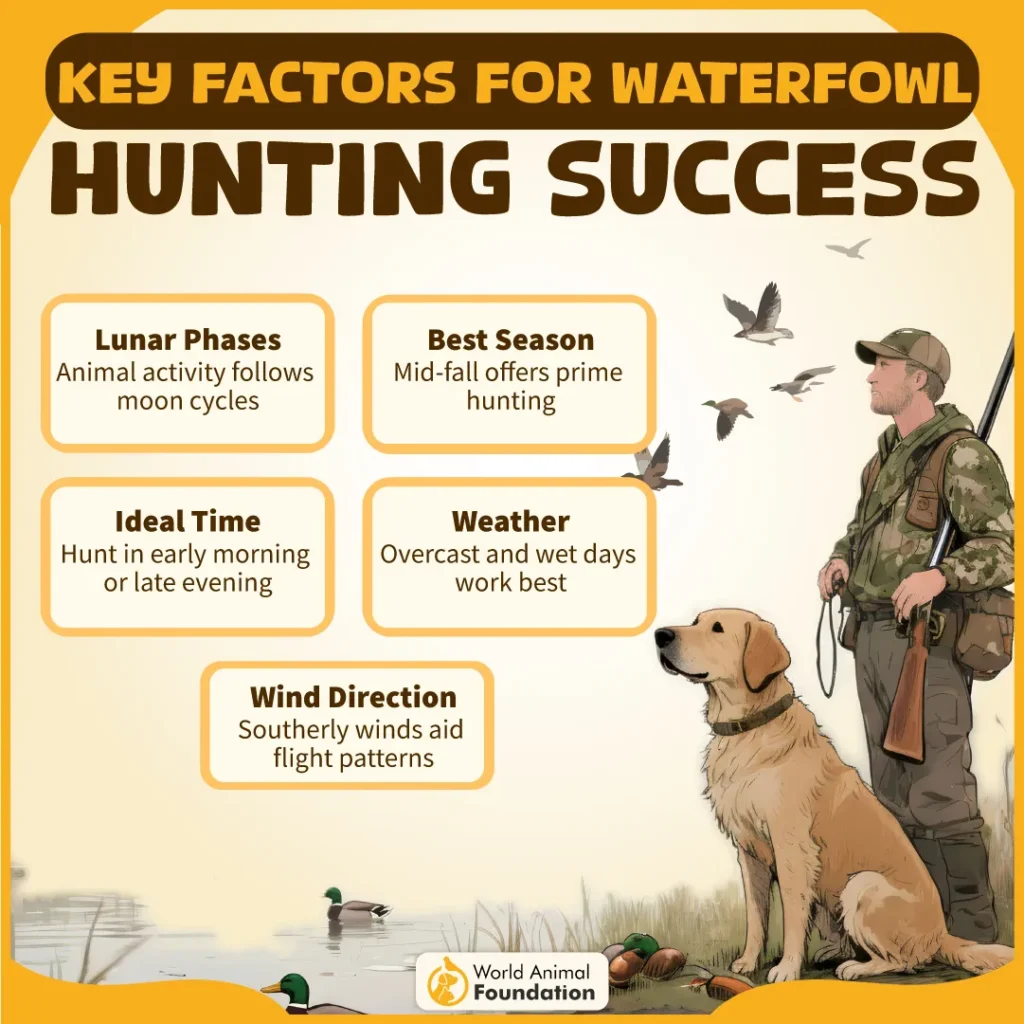
These traits add another layer to its working ability:
- Marsh-colored coat for natural concealment
- Powerful hind legs for strong swimming
- Makes independent decisions while tracking birds
Calm but Watchful
Chesapeake Bay Retriever combines an easygoing personality with a natural sense of caution around unfamiliar visitors, especially at home, as per the AKC. It usually gets along well with children, dogs, and household cats when those relationships begin early in life and grow together.
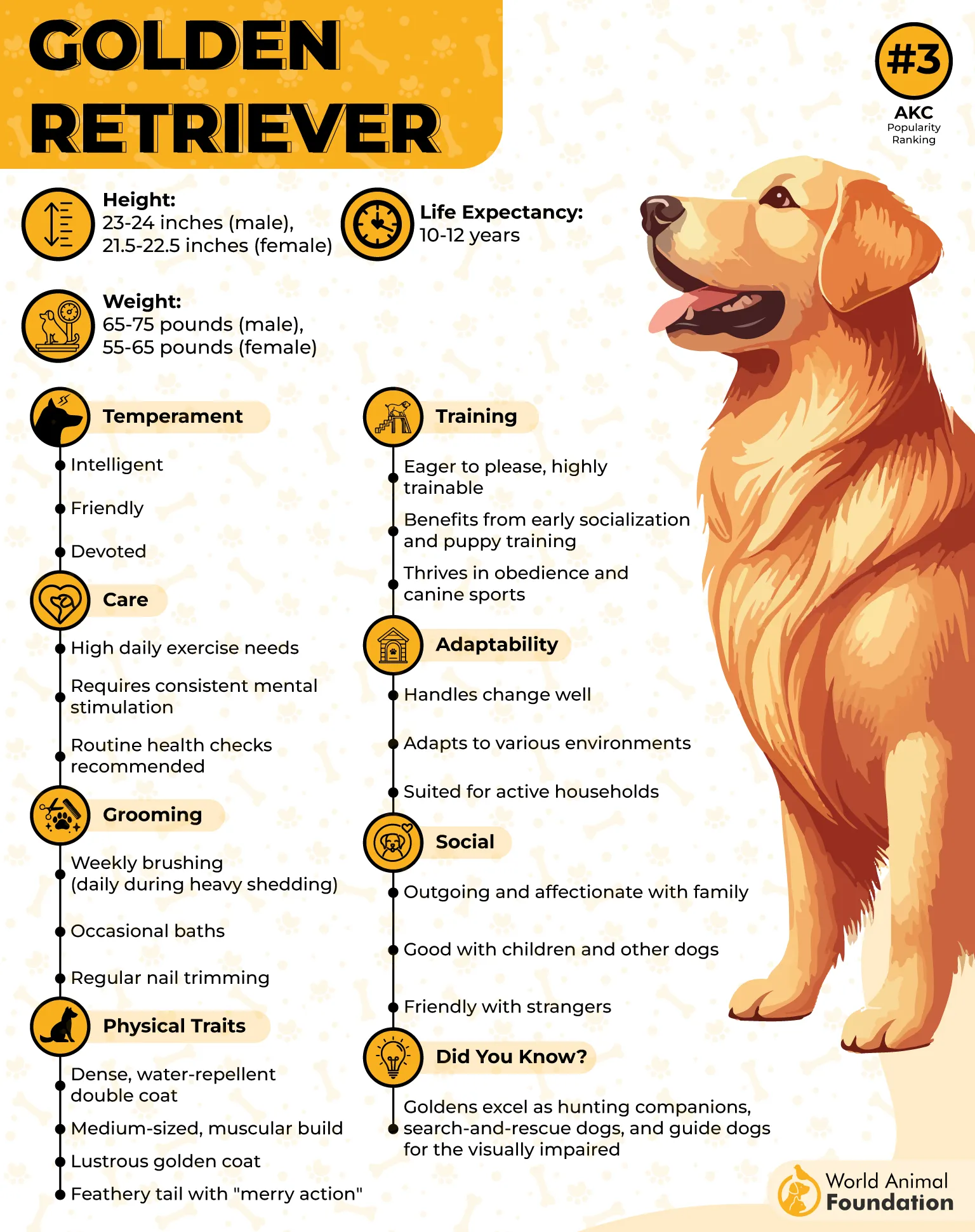
3. Golden Retriever
Golden Retriever first took shape in mid-19th century Scotland through the work of Lord Tweedmouth, who wanted a capable gundog for retrieving game across dense undergrowth.
Careful crossings involving a Newfoundland, a Labrador and Water Spaniel mix, and later Setters gradually formed the breed recognized today.
Built for the Retrieve
This popular dog performs best when water retrieves are part of the job, combining confident swimming with a gentle grip that protects game from damage. Among retriever breeds, it continues to be valued for dependable field work as much as its willingness to follow direction.
The following field features deserve a closer look:
- Webbed paws for stronger swimming
- Field-bred lines favor darker reddish-gold coats
- Leaner build preferred for hunting work
Beyond the Marsh
Golden Retriever also serves in guide work, hearing assistance, search and rescue, and explosives detection because it responds quickly to advanced training. That adaptability helps explain why it remains such a dependable and versatile breed for working roles and life as a family dog.
4. Nova Scotia Duck Tolling Retriever
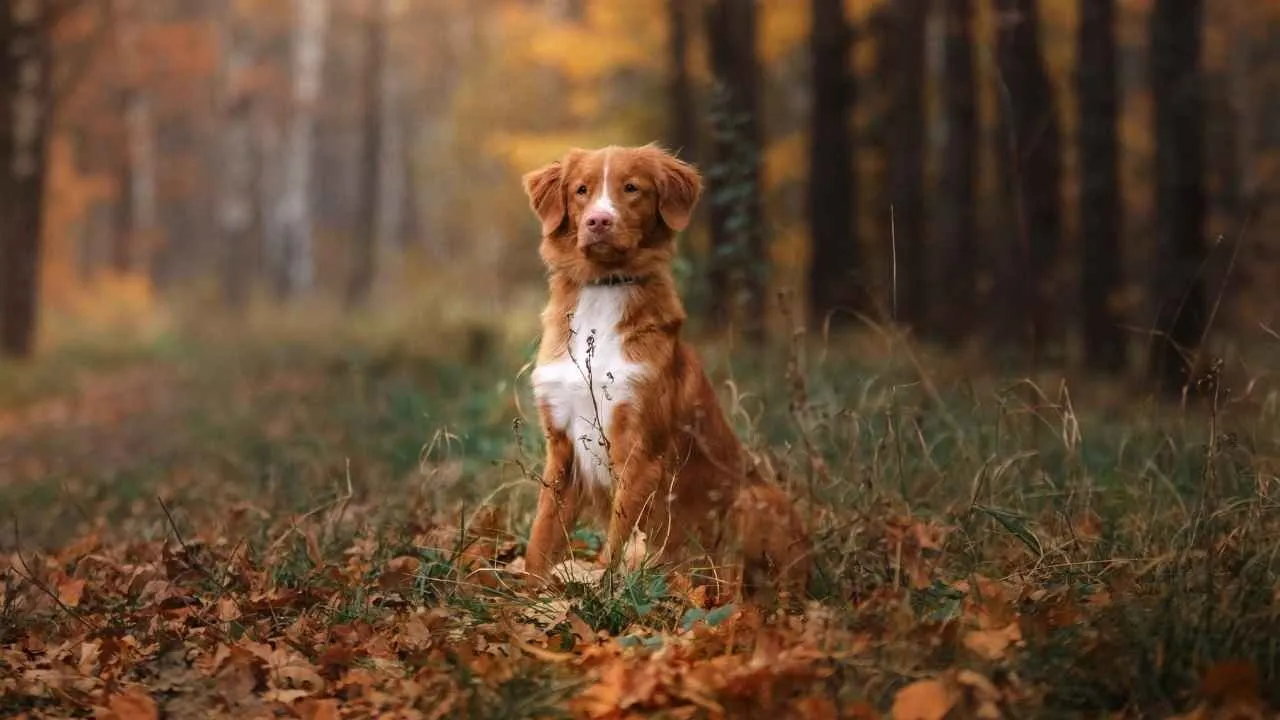
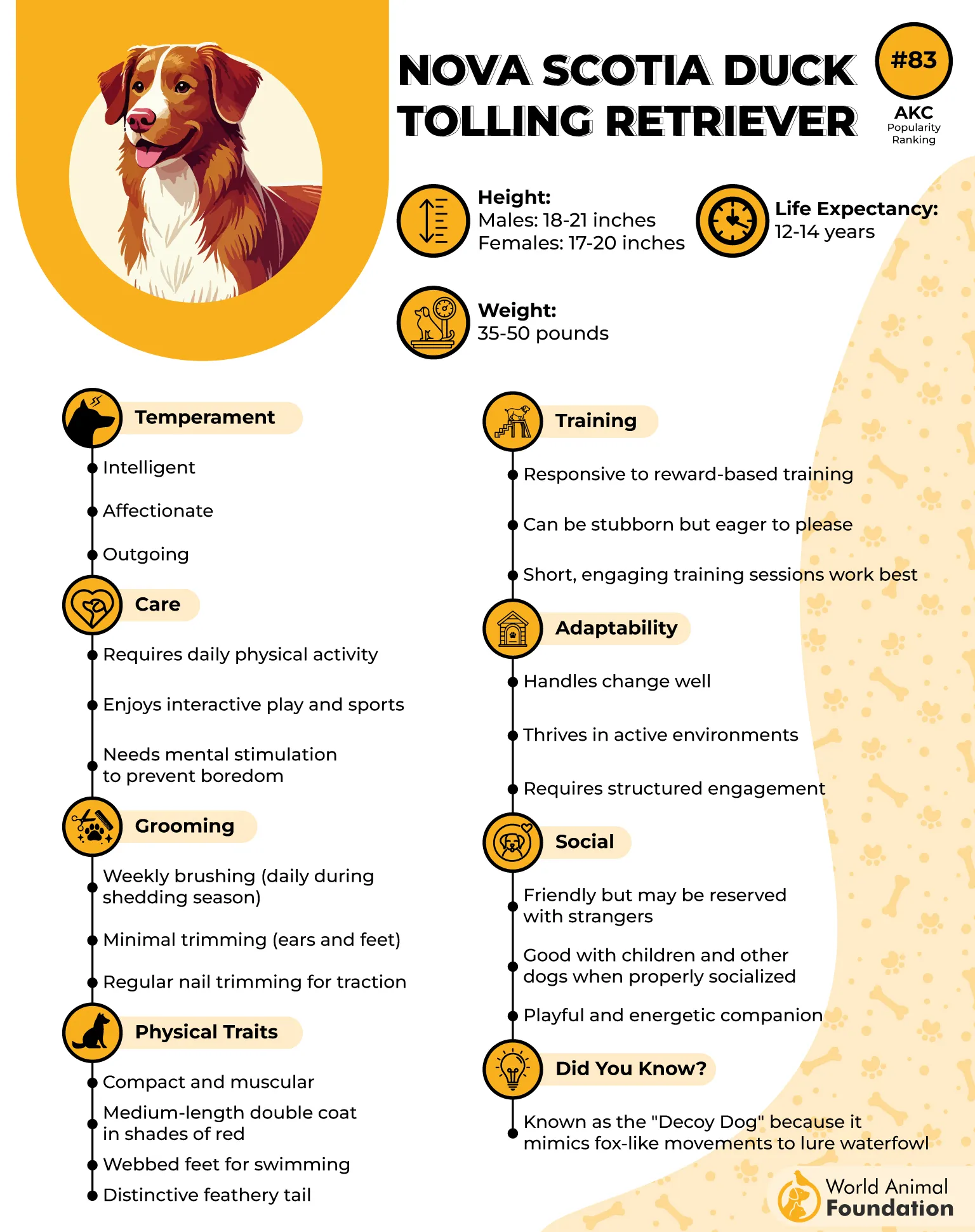
The Nova Scotia Duck Tolling Retriever has its roots in Nova Scotia’s Little River region, where hunters used an unusual trick to bring game within range. Its name comes from the word “tolling,” a technique centered on drawing waterfowl closer before the retrieval even began.
A Different Hunting Method
This duck dog played an active part long before birds entered the water. While the hunter remained hidden near the shoreline, the dog darted after tossed sticks along the water’s edge, encouraging curious ducks and geese to swim closer before switching instantly into retrieval work.
Characteristics that make their technique easy to recognize:
- White-tipped tail attracted attention
- Hunter remained hidden from view
- Retrieval began after the shot
Calm Beyond the Marsh
Nova Scotia Duck Tolling Retriever fits comfortably into family life with its lively personality and friendly attitude toward children, other dogs, and familiar pets, as PetMD noted. Strangers often receive a more reserved greeting, while early socialization helps build confidence around new faces and household visitors.
5. Boykin Spaniel
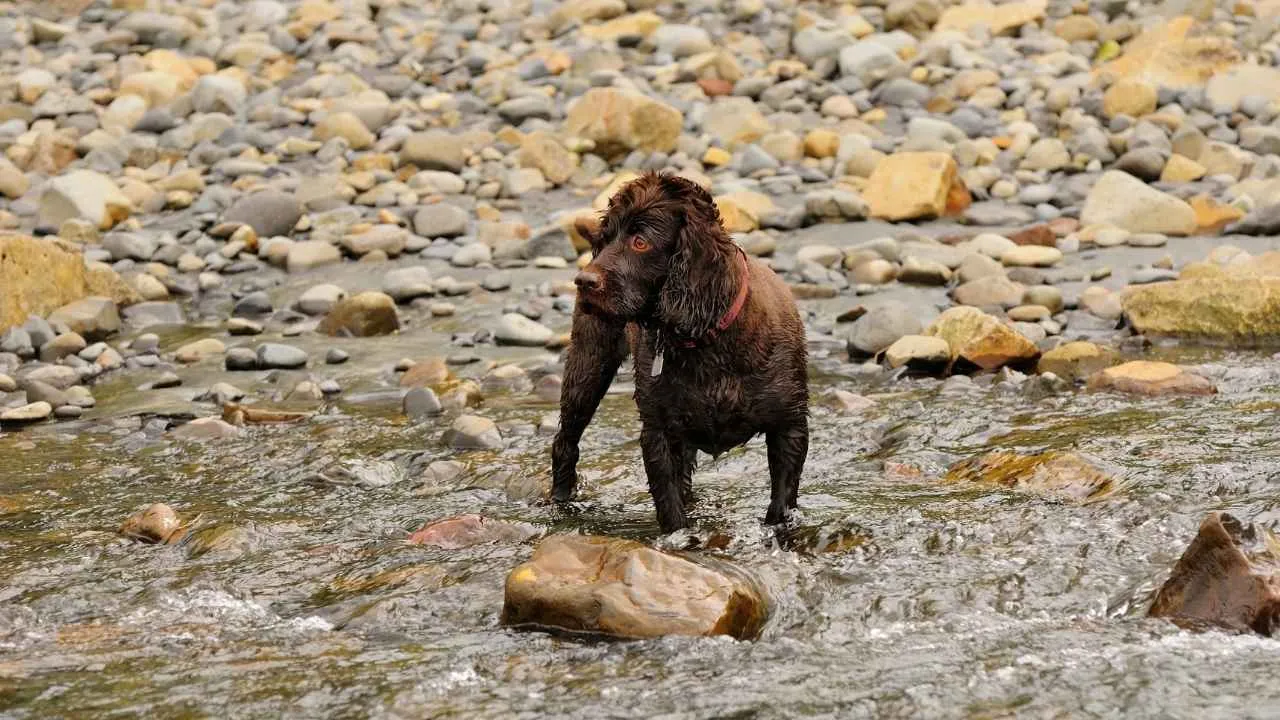
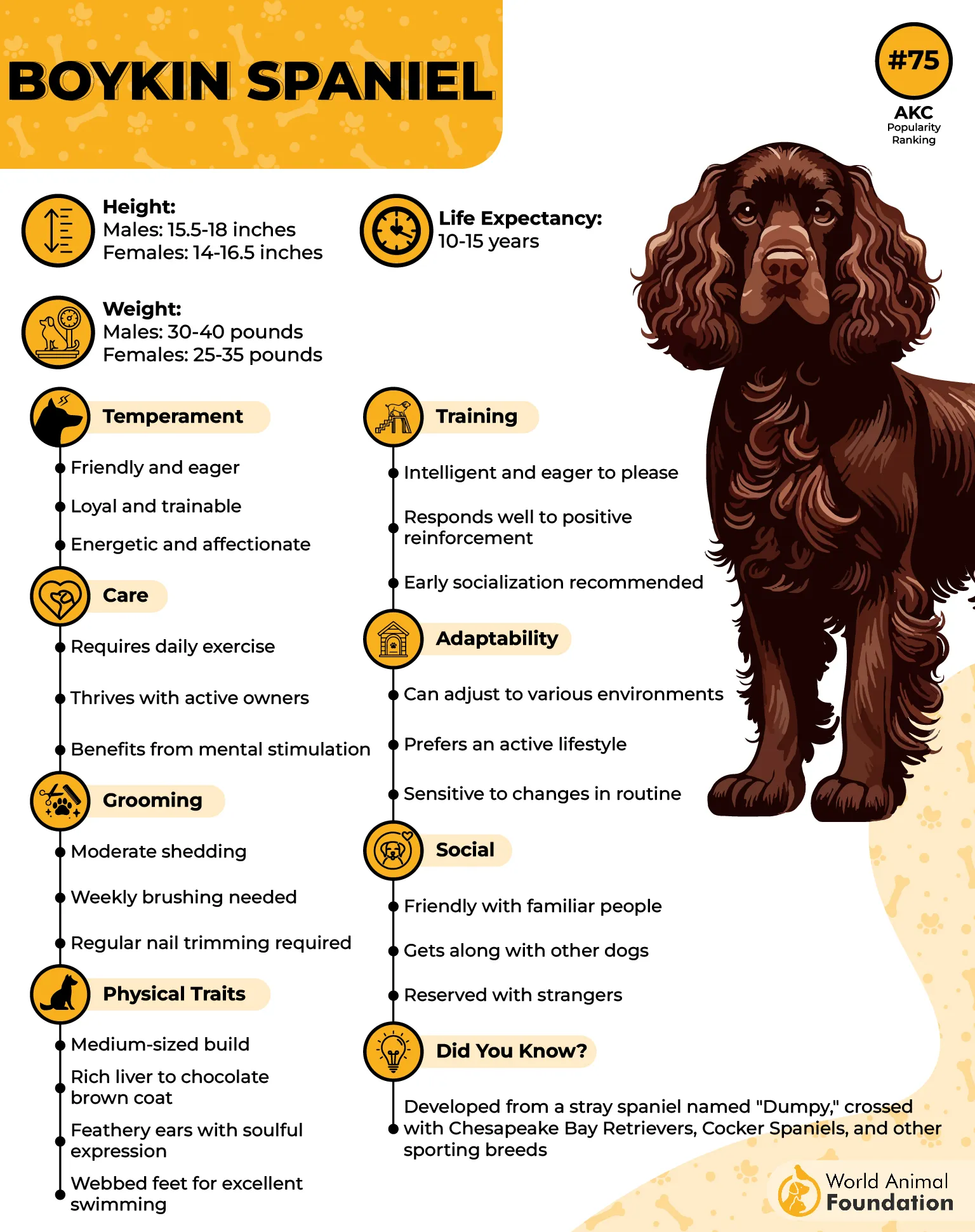
The Boykin Spaniel’s history can be traced to a stray dog named Dumpy, who came to Whit Boykin through a hunting companion in South Carolina. That beginning eventually led to a breed valued across the region and later recognized as the official state dog of South Carolina.
Built for Waterfowl Work
They are specifically used to retrieve ducks and hunt turkeys from small boats, where balance mattered as much as determination. Its compact frame helped hunters work narrow boats and tight blinds without upsetting the watercraft during demanding hunting trips.
A few details explain that practical design:
- Webbed toes for efficient swimming
- Handles warm southern wetland climates well
- Typically weighs between 25 and 40 pounds
Beyond the Marsh
Boykin Spaniel enjoys swimming, hiking, and active play long after the hunting season ends, reflecting the energy built into the breed from the beginning. Even calmer individuals need several hours of daily activity and attention to remain engaged throughout the day.
6. American Water Spaniel
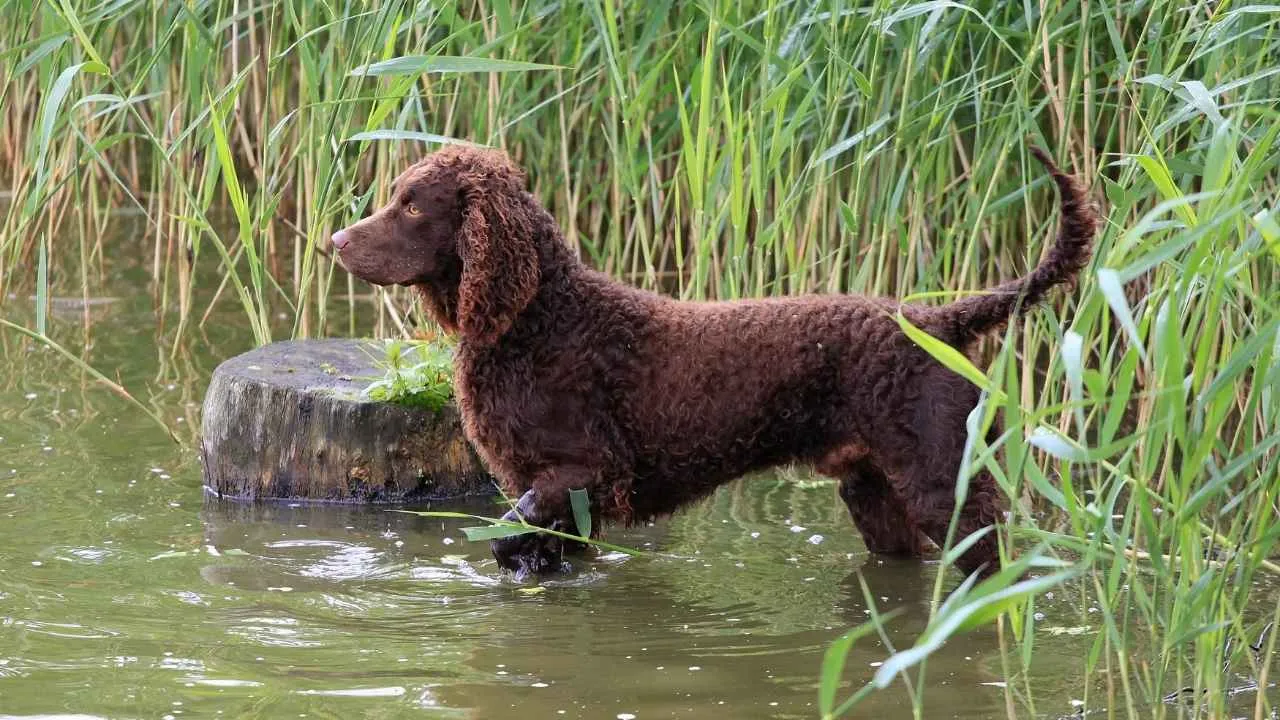
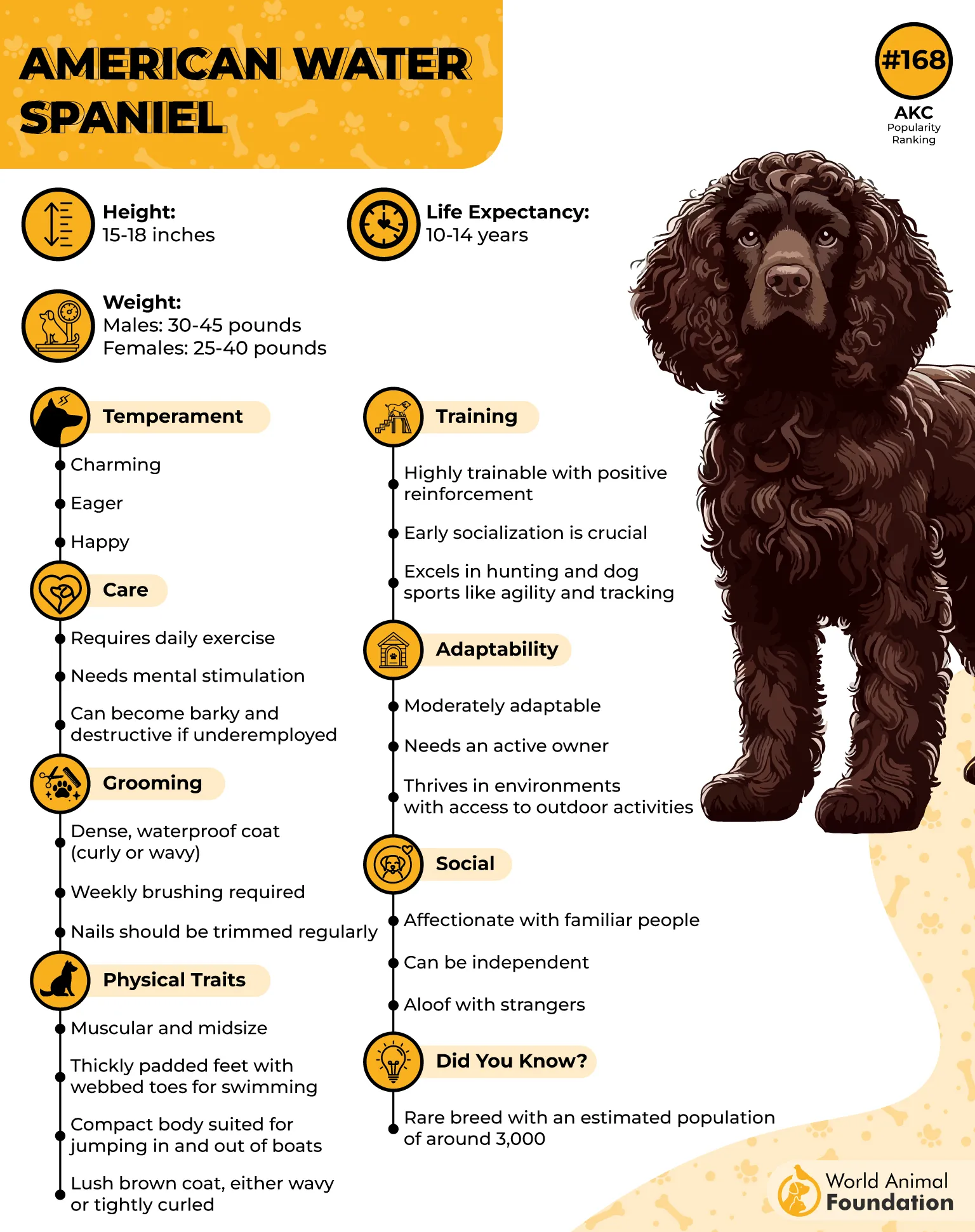
American Water Spaniel has an origin that is still debated, although its appearance has long invited comparisons with the Irish Water Spaniel, Curly-Coated Retriever, and the now-extinct English Water Spaniel. Over time, it became recognized as a distinct sporting breed with its own working style and practical size.
Marsh Specialist
They approach the chance to hunt waterfowl with patience, working close to the hunter while searching dense cattails, following wounded game, and retrieving birds from cold water. That steady style makes the breed effective where careful searching matters more than speed.
The breed has several standout physical features:
- Thick webbed feet for stronger swimming
- Dense waterproof curly or wavy coat
- Exceptionally sharp scenting ability
Ready for Land and Water
AWS enjoys spending time outdoors, whether following scent trails, swimming, or exploring brush where larger retrievers can struggle. Its moderate size also places it among the more compact dogs, making travel and handling easier without giving up working ability.
7. Standard Poodle
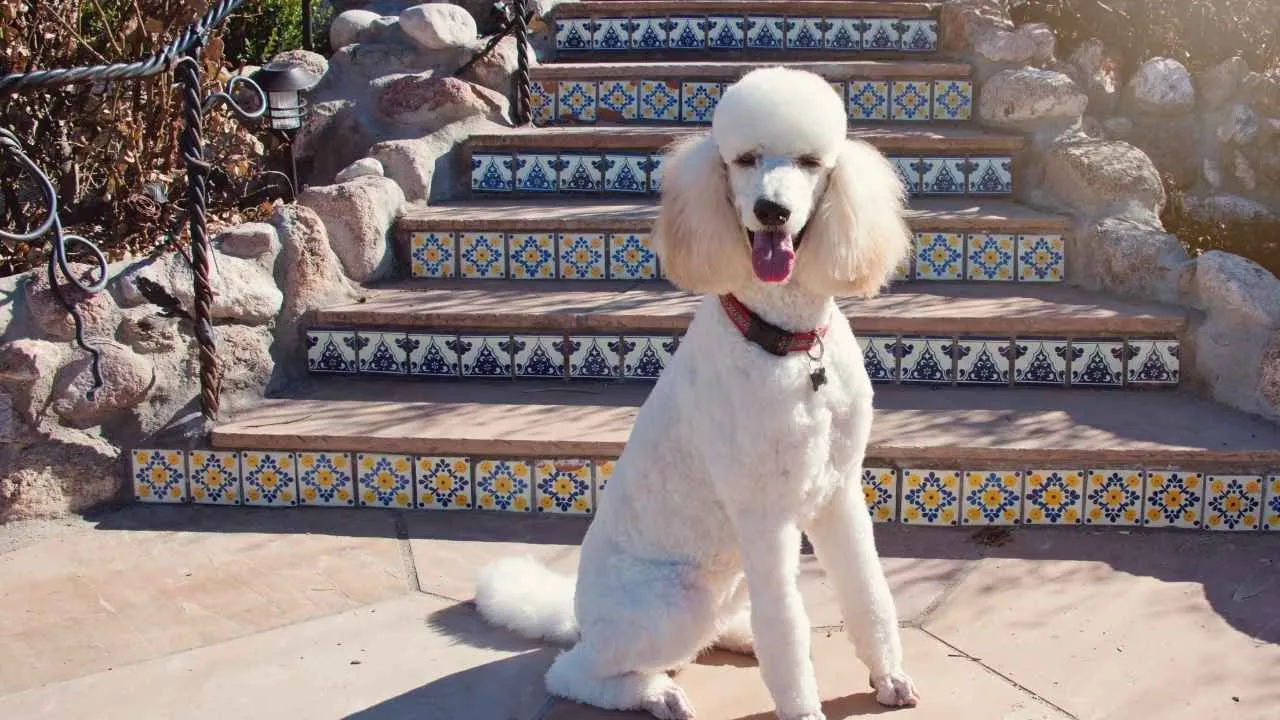
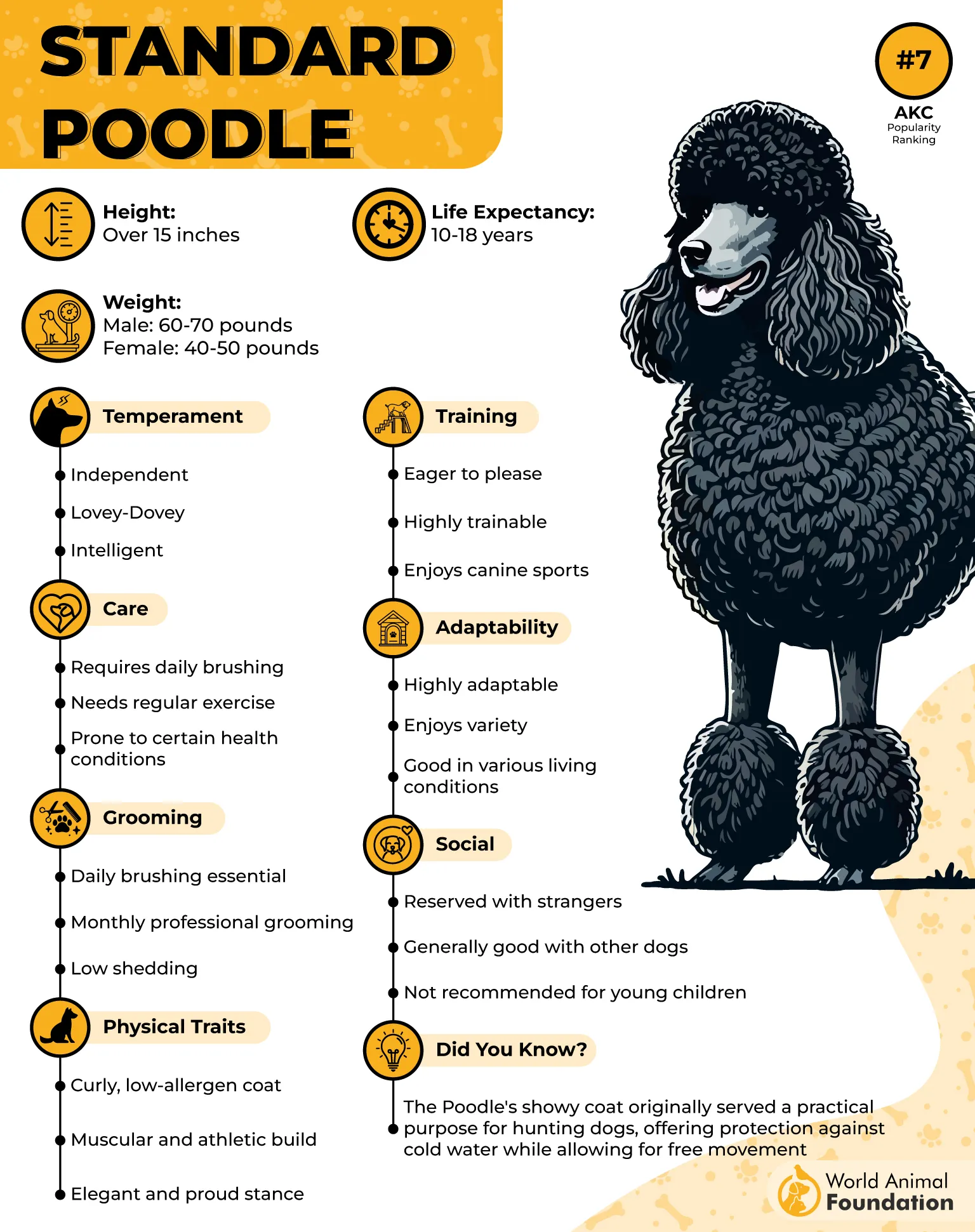
Standard Poodle likely began as a curly-coated dog from Asia before arriving in Europe alongside herding communities. Germany later shaped the breed into the form recognized today, where it took on duties that extended from hunting to military service, guide work, and even circus performances.
Made for Water Work
They combine sharp thinking with physical ability, making it especially effective when retrieving waterfowl from ponds, rivers, and marshes. Its natural swimming ability and confident approach to water helped secure a lasting place among dependable retrieving breeds.
The following physical features explain that advantage:
- Naturally webbed feet for stronger swimming
- Soft mouth for undamaged game retrieval
- Lean, muscular frame built for endurance
Quick Mind
Standard Poodle processes new lessons with impressive speed and often understands complex tasks after only a few repetitions. That intelligence, paired with an eagerness to work for praise, encourages continuous learning instead of stopping after basic obedience.
8. Irish Water Spaniel
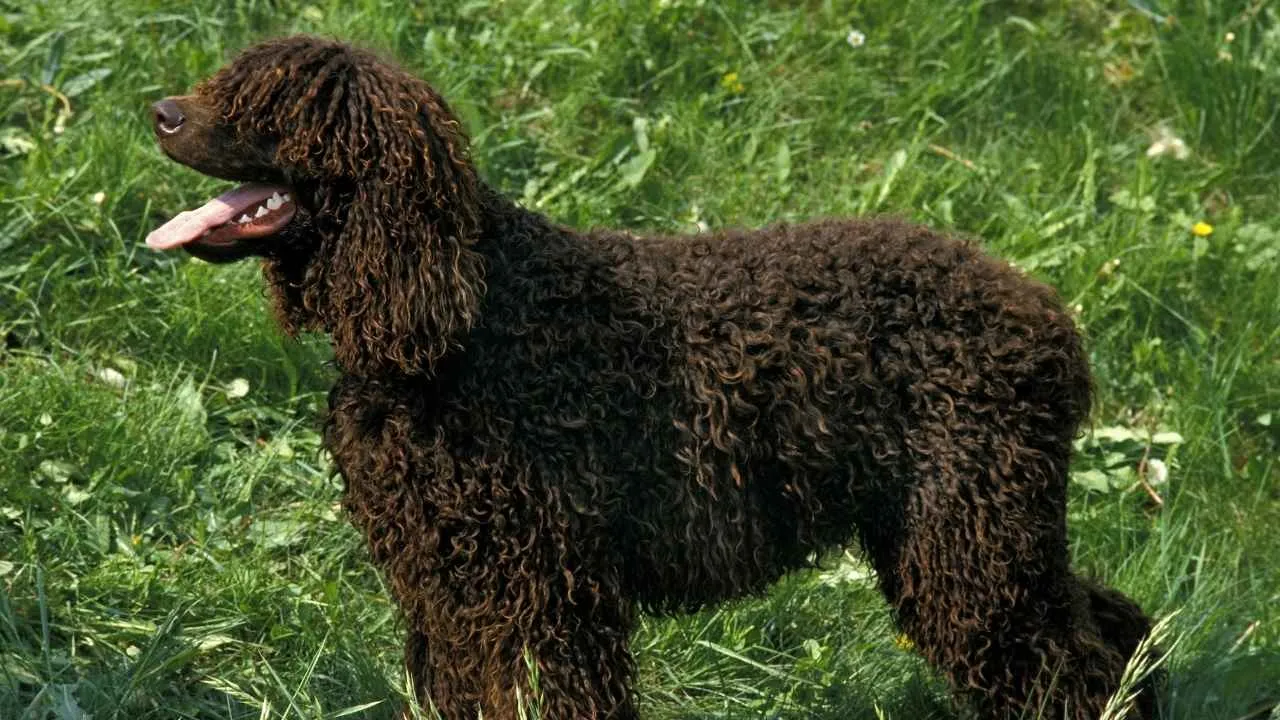
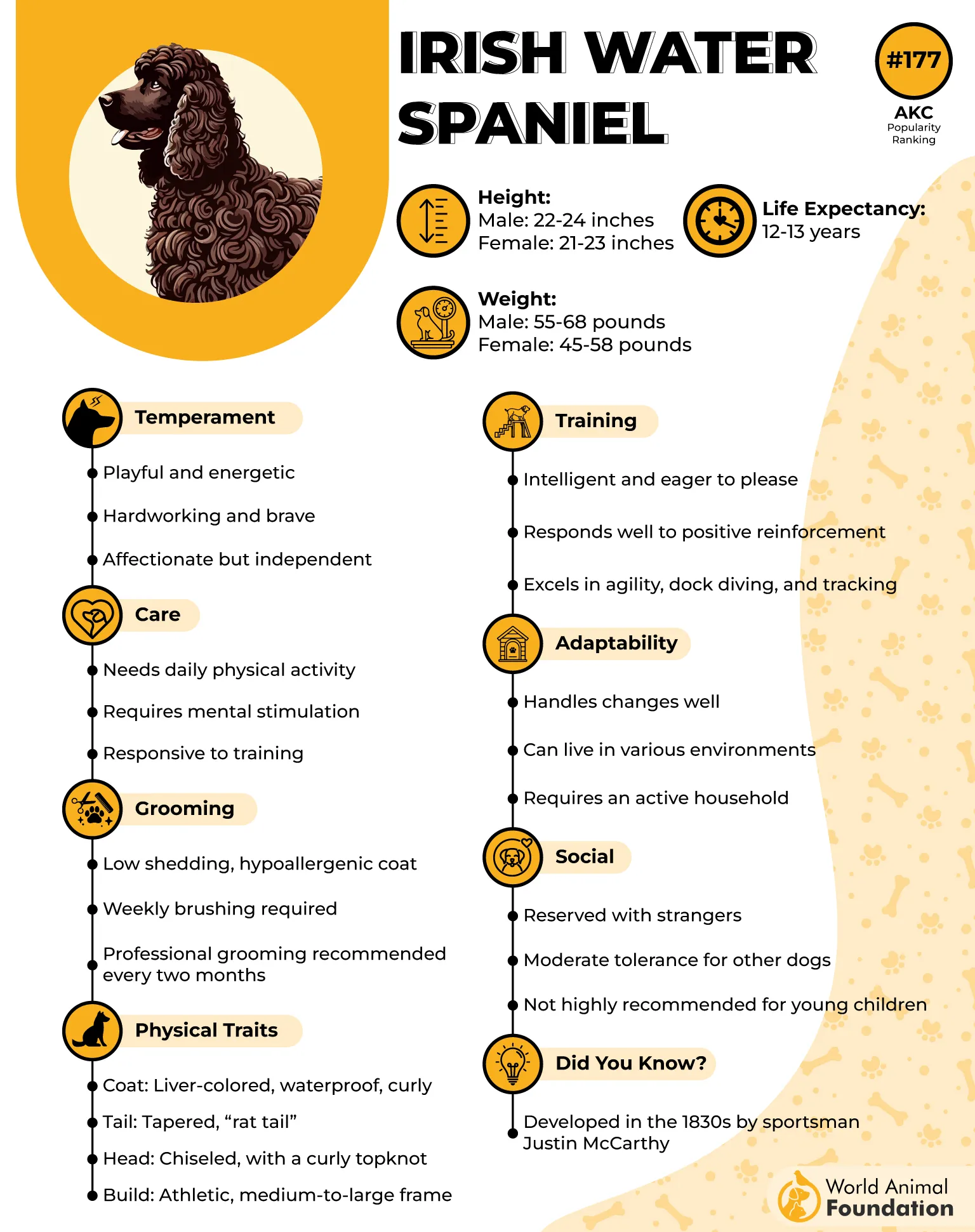
Irish Water Spaniel is believed to have existed for well over a thousand years, working alongside Irish fishermen before becoming a dependable hunting companion on land and water. That long association with wetlands shaped a breed valued for retrieving game from lakes, rivers, and marshes.
Made for Water Work
IWS was specifically selected to retrieve ducks and geese with a soft mouth that helped keep game undamaged. Its powerful swimming ability and confidence in cold water made long retrieves through marshes and thick reeds part of its regular work.
The breed’s impressive build goes even further:
- Webbed feet for stronger swimming
- Smooth “rat tail” resists ice and burrs
- Tallest member of the spaniel family
Around the Family
Irish Water Spaniel enjoys taking part in everyday family life and prefers having people nearby instead of spending long periods alone. Children, other breeds, and familiar dogs are generally accepted with ease, while unfamiliar visitors may receive a cautious glance before looking to their family for reassurance.
9. Curly-Coated Retriever
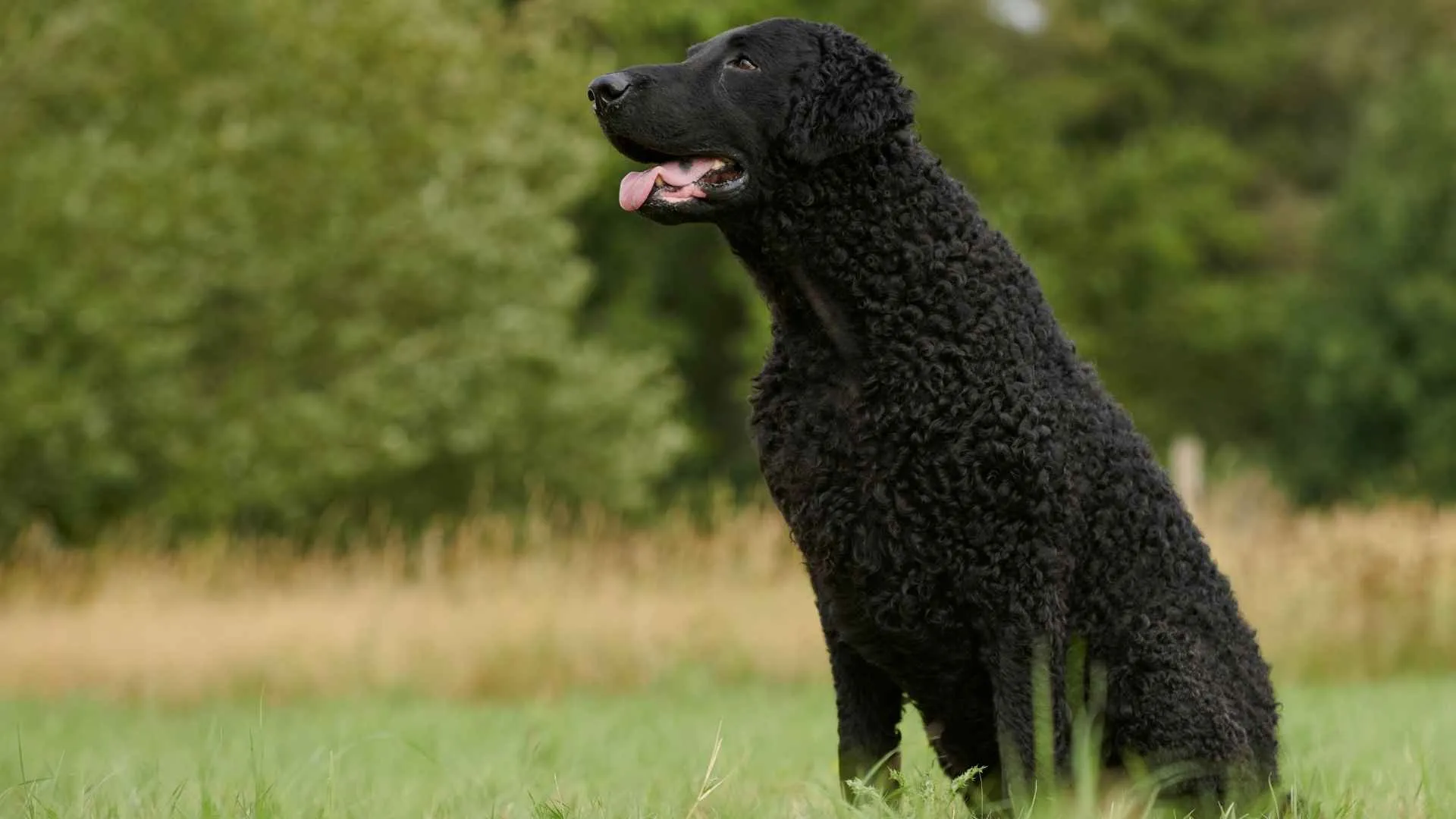
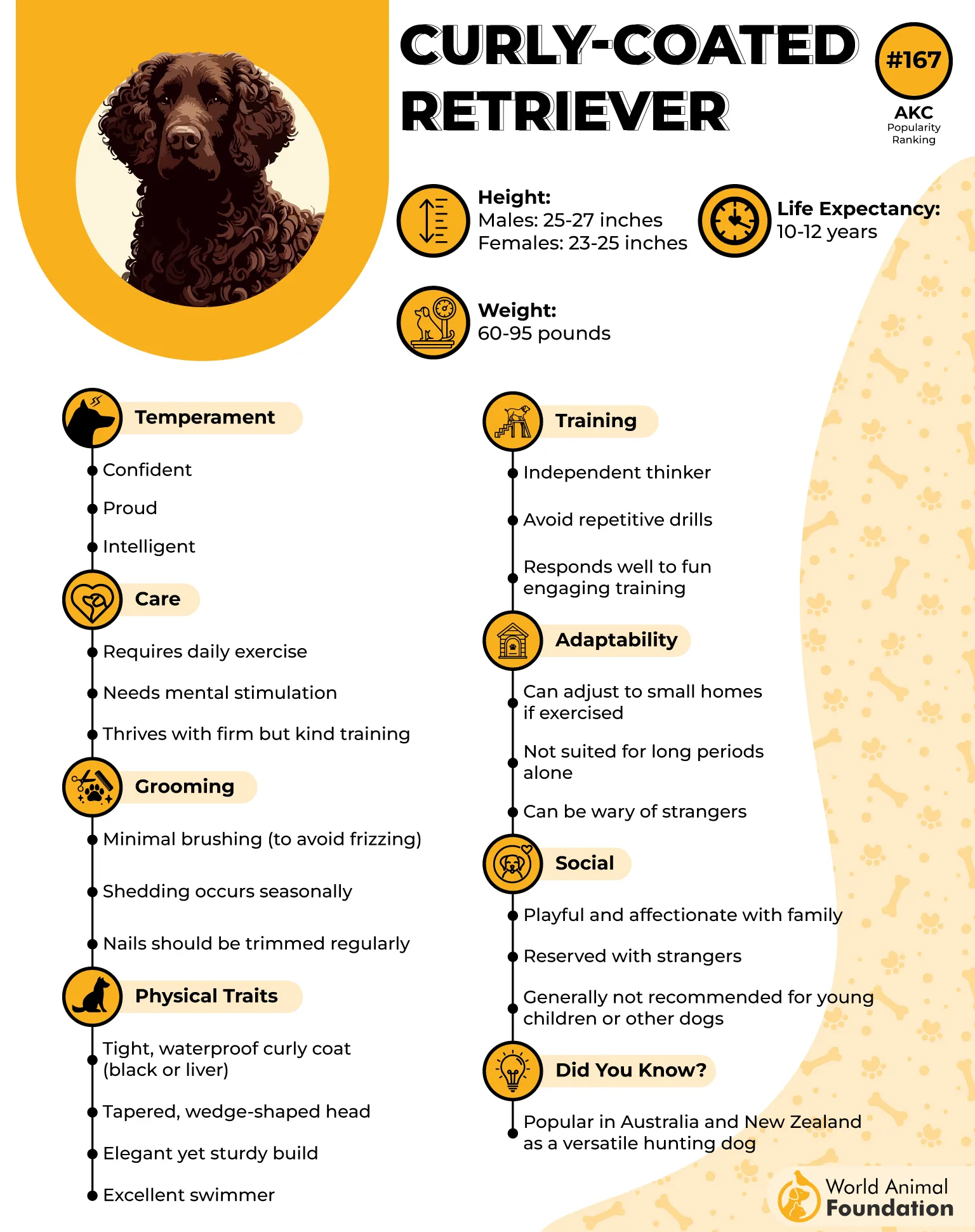
Curly-Coated Retriever appeared in England during the late 1700s, where it quickly became associated with bird hunting and retrieving waterfowl. Early breeding is widely linked with the Irish Water Spaniel, followed by later influence from the Poodle, helping shape this capable water dog.
Built for the Retrieve
A single layer of short, crisp curls gives this breed practical advantages when working around marshes, ponds, and icy water. The coat sheds water quickly, helps limit tangled vegetation, and keeps the skin better protected during demanding retrieves.
This is why experienced hunters valued this breed:
- Exceptional memory for blind retrieves
- Gentle grip that protects harvested birds
- Independent route-finding across water
Mind at Work
Curly-Coated Retriever enjoys solving problems instead of repeating the same routine, often choosing an efficient path toward a fallen bird after judging water currents or the shoreline. That thoughtful approach reflects the sharp decision-making ability built into this working breed.
Conclusion
Waterfowl hunting asks for much more than enthusiasm from a dog. Challenging weather, hidden birds, thick vegetation, and long retrieves demand confidence, endurance, and careful judgment every time the hunt begins. While some versatile dogs also work upland birds or excel at pointing upland birds, these breeds earned their reputations by meeting the demands of waterfowl hunting under real field conditions.
Each offers strengths that suit different hunters, landscapes, and styles of retrieving. Taking time to understand those differences, along with proper training, helps waterfowl hunters choose between these breeds and other retriever breeds. The result is a loyal companion ready to perform whenever the next retrieve calls.
