




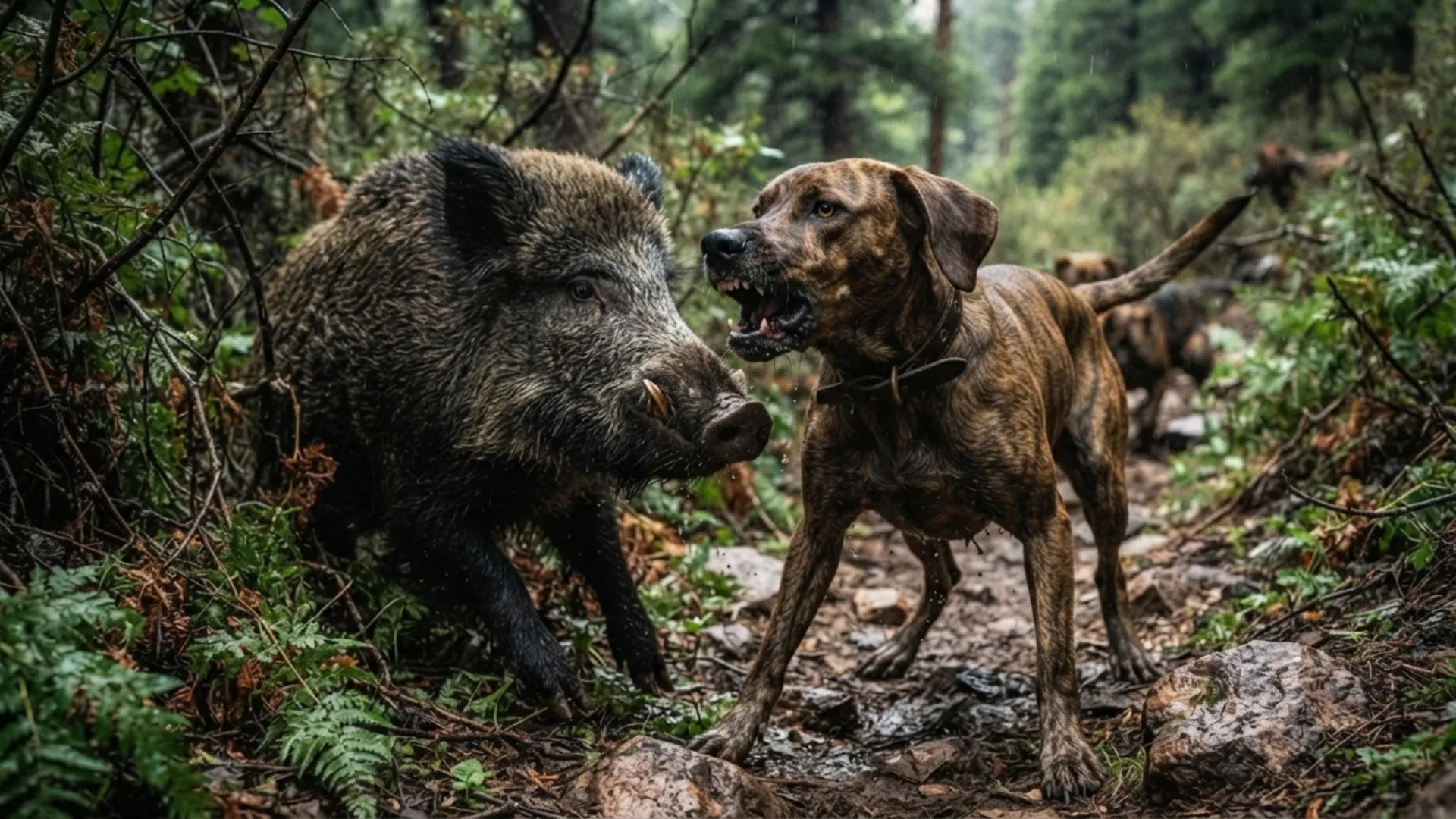
Wild boar hunts are not for the faint-hearted. These powerful and unpredictable animals can move quickly through dense forests and rough terrain, making every hunt a test of skill, patience, and teamwork. The right hunting dog can make a big difference with its sharp senses, stamina, and courage.
But what makes a dog suited for wild boar hunting? It takes more than strength and fearlessness. A capable hunting companion needs a keen nose, endurance, focus, confidence, and the ability to work closely with its handler. Being responsive to commands is just as important when situations become risky.
So, which dogs have what it takes to face these demanding hunts? In this article, we’ll explore the top dog breeds known for courageous wild boar hunts and the qualities that make them valuable in the field. Whether you’re an experienced hunter or simply love working dogs, there’s plenty to discover.
Key Takeaways
Discover what makes the Plott Hound a fearless tracker built for wild hog hunting.
See why the Catahoula Leopard Dog stands out for stamina, determination, and rugged terrain.
Find out how the Dogo Argentino brings strength, courage, and powerful hunting instincts to the field.
Compare scenting ability, endurance, training needs, and temperament to find the right hunting partner.
Top Dog Breeds Known for Courageous Wild Boar Hunts
1. Plott Hound
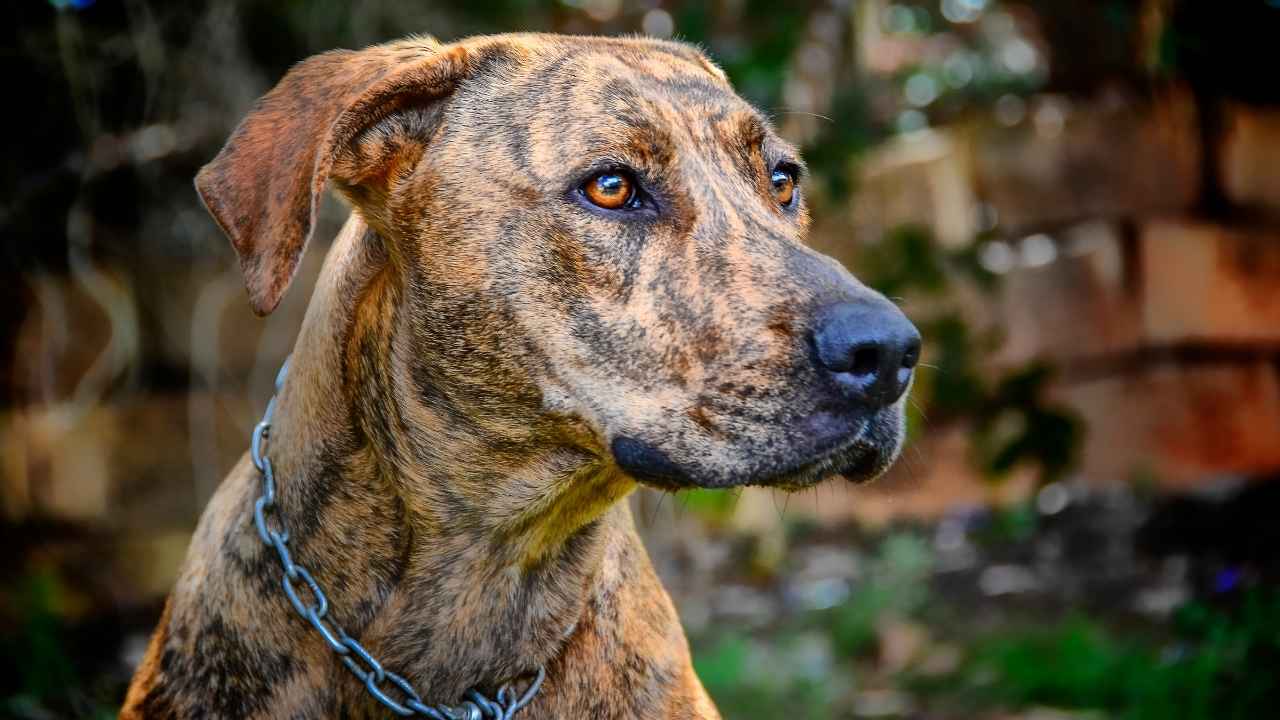
Plott Hounds have a strong history as big-game hunting dogs. In the 1700s, Johannes Plott brought German Hanoverian scent hounds to North Carolina.
His family later developed them to hunt wild boar and bears. Their keen noses, strong tracking instincts, and loud bay help them follow game through challenging terrain, as noted by the AKC.
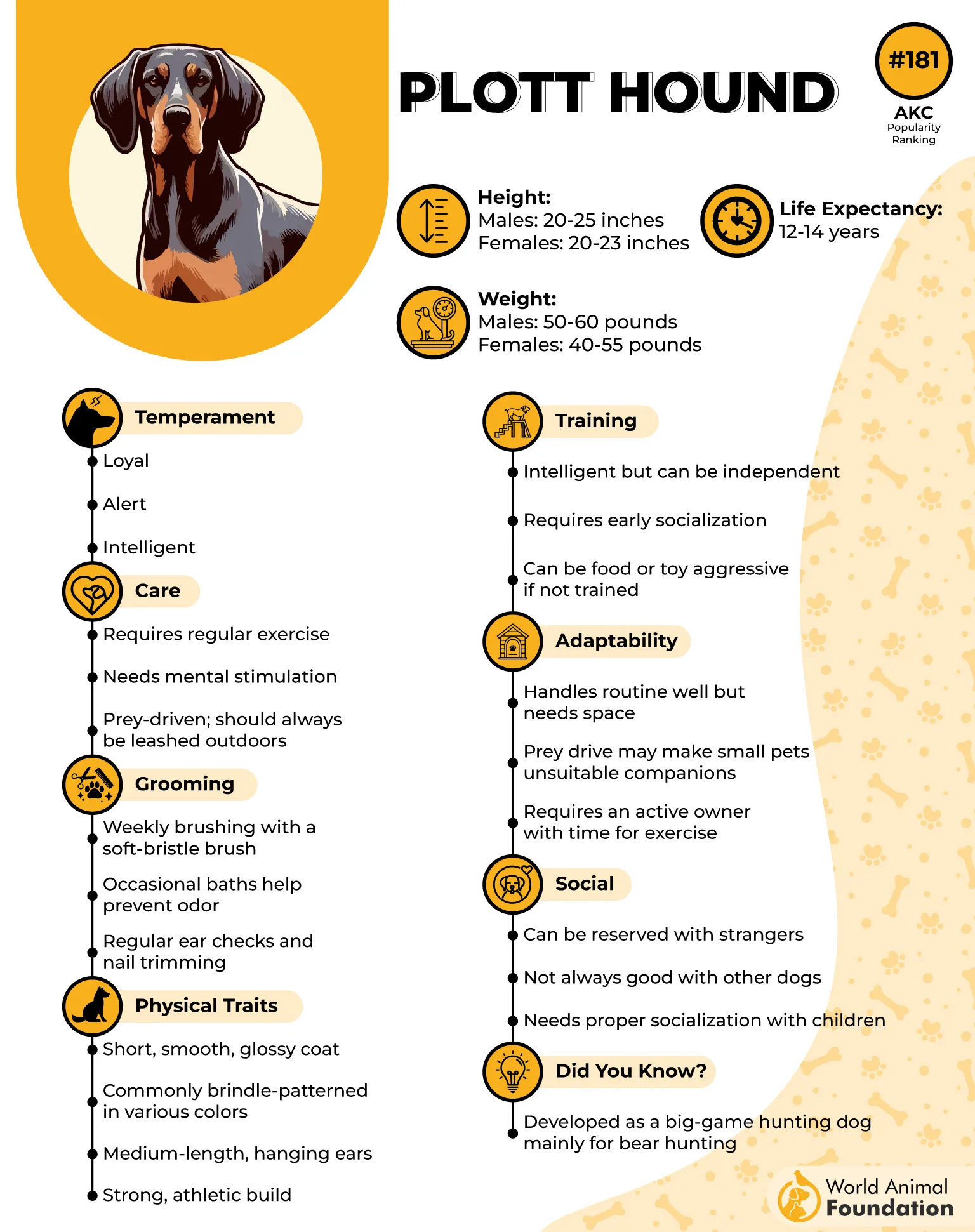
Bold and Built for the Outdoors
Plott Hounds are muscular, energetic, and full of stamina. They stay focused when following a scent and enjoy having a job to do. Their short, smooth coats, usually brindle, are easy to maintain.
They are also loyal, intelligent, and eager to please, though they can be stubborn. Their strong prey drive means good control is important, especially outdoors.
Training and Exercise
Early training and socialization help channel their strong hunting instincts. Positive reinforcement works best, especially when training sessions are varied and engaging.
These active dogs enjoy tracking, hiking, running, swimming, and agility. They need plenty of physical and mental activity to stay content.
Could You Handle a Plott Hound? ⌄
Consider these ownership demands before choosing this determined hunting breed.
- High Exercise: Needs daily running and tracking.
- Strong Prey Drive: May chase wildlife.
- Secure Fencing: Helps prevent roaming.
- Firm Training: Can be stubborn.
- Loud Baying: May disturb quiet homes.
2. Catahoula Leopard Dog
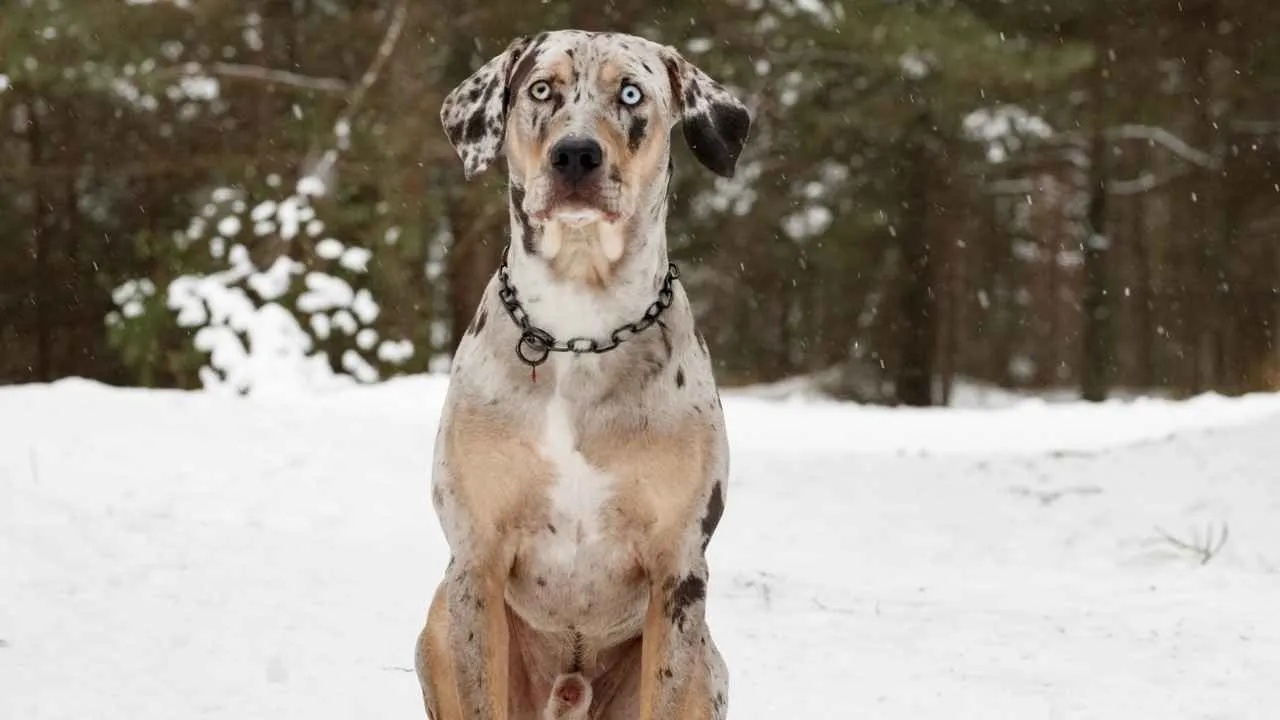
Catahoula Leopard Dogs, also called Catahoula Curs or Catahoula Hog Dogs, originated in Louisiana near Catahoula Lake, according to PetMD.
They were originally bred to track and drive wild hogs and cattle through swamps and forests. Their strong work ethic, endurance, and independent nature remain clear today.
Independent, Energetic, and Loyal
These energetic dogs need plenty of physical and mental activity. They are intelligent, loyal, and protective of their families but can be reserved around unfamiliar people and animals. Their short, smooth coats are easy to maintain with weekly brushing.
Their striking merle or brindle patterns and distinctive blue, green, amber, brown, or mismatched eyes also give them a unique appearance. Their strong prey drive means careful handling is important around other animals.
Training and Exercise Needs
Catahoula Leopard Dogs respond best to early socialization, consistent training, and positive reinforcement. Their independent nature can make training challenging, so experienced owners are often a better fit.
They enjoy running, hiking, swimming, fetch, agility, rally, and other activities that keep their minds and bodies busy. They need a secure fenced area and plenty of daily exercise.
Could You Handle a Catahoula Leopard Dog?⌄
This independent working dog needs structure, activity, and experienced handling.
- High Energy: Needs daily activity.
- Independent Nature: Requires experienced handling.
- Prey Drive: Needs control around small animals.
- Strong Fencing: Prevents escapes.
- Early Socialization: Builds confidence.
3. Bloodhound
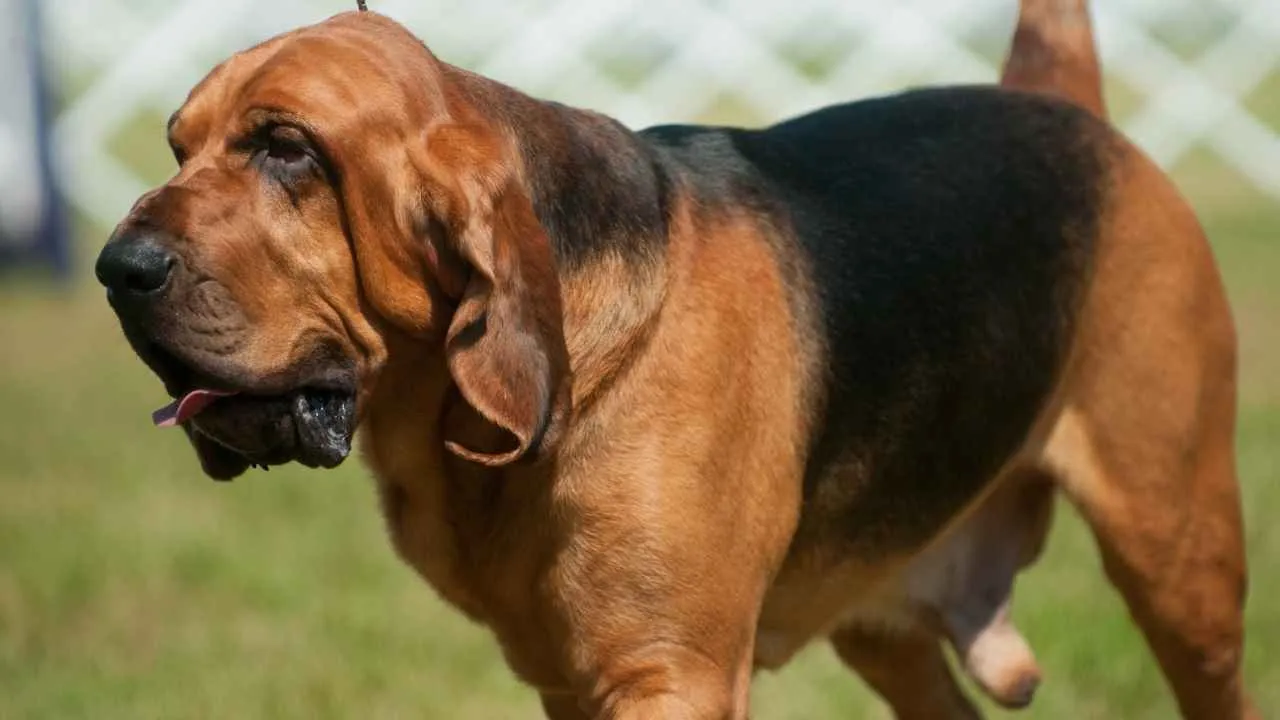
Bloodhounds are among the most famous scent-tracking dogs in the world. Their ancestry traces back to St. Hubert hounds developed in Belgium during the 8th and 9th centuries.
They were valued for tracking game over long distances and later became widely used in search and rescue and law enforcement. Their remarkable sense of smell and great endurance allow them to follow scents for hours, making them useful for tracking wild boar through challenging terrain.
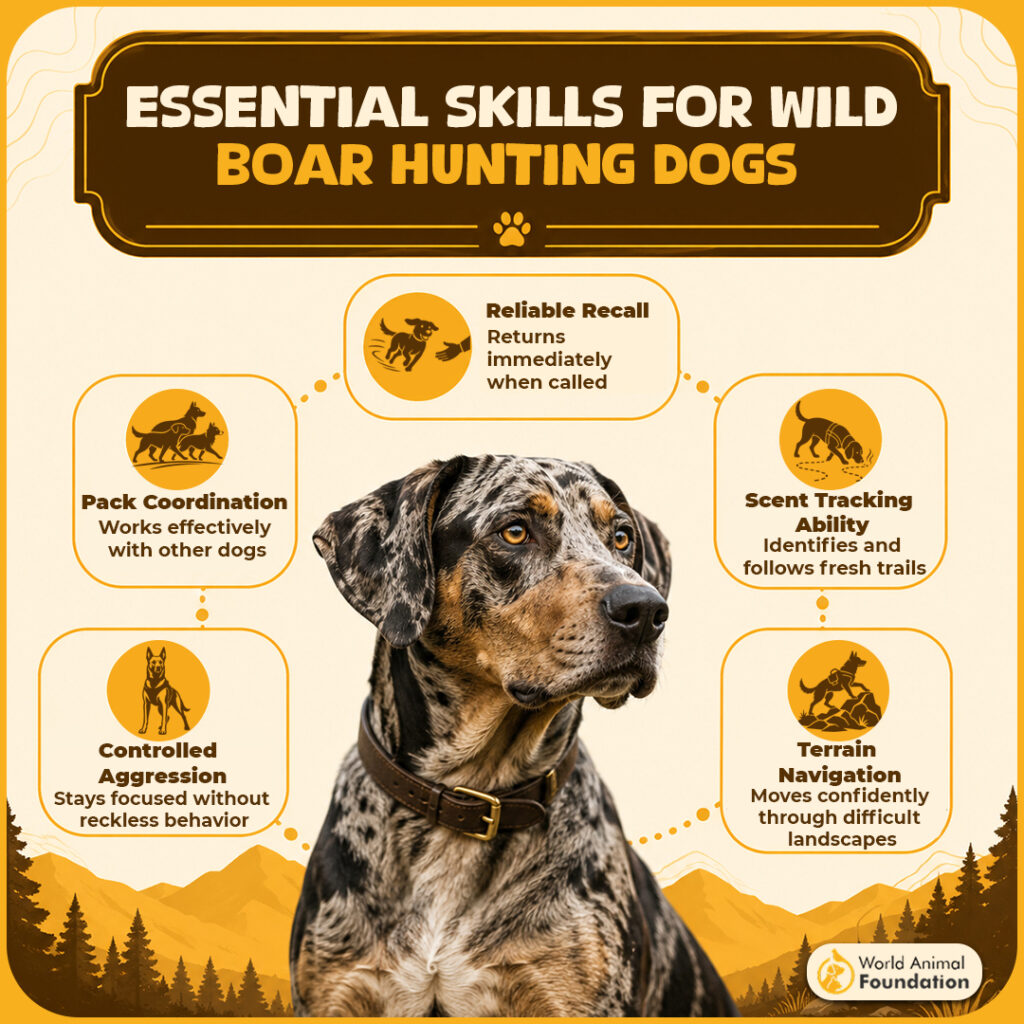
Determined, Gentle, and Scent-Driven
Bloodhounds have a calm and affectionate nature, but their hunting instincts are anything but passive. Once they pick up an interesting scent, they can become extremely focused and may ignore commands while following the trail.
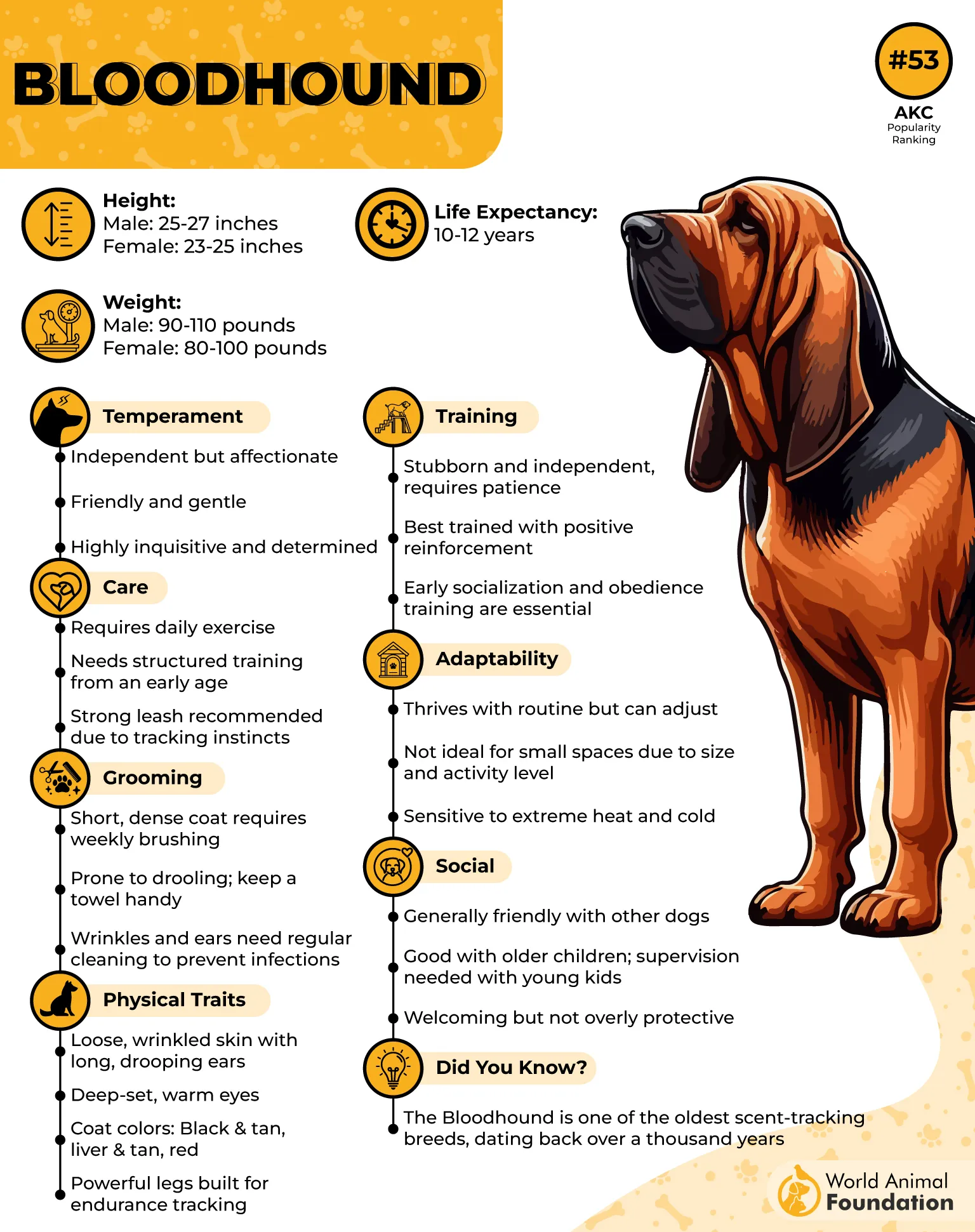
They are independent thinkers and can be stubborn during training, so patience and positive reinforcement are important. Their long ears, loose facial skin, and deep wrinkles give them their classic appearance, while their deep bay can be heard from a long distance.
Training and Exercise Needs
These scent-driven dogs need regular physical and mental activity to stay content. Long walks, running, hiking, tracking, and nose work are good ways to keep them engaged.
They should be kept on a leash or in a secure fenced area because they may wander after a scent. Their short coats need only basic grooming, but their facial folds and long ears require regular cleaning and drying.
Could You Handle a Bloodhound?⌄
Bloodhounds are gentle at home but intensely focused when they find a scent.
- Scent Focus: May ignore distractions.
- Leash Required: Can wander after scents.
- Patient Training: Learns at its own pace.
- Nose Work: Needs scent games.
- Ear Care: Requires frequent cleaning.
🎧 Dogcast
Episode 37 — Why Dogs Stay Close without Touching
If you don’t hear sound, tap the button above to enable audio.
4. Redbone Coonhound
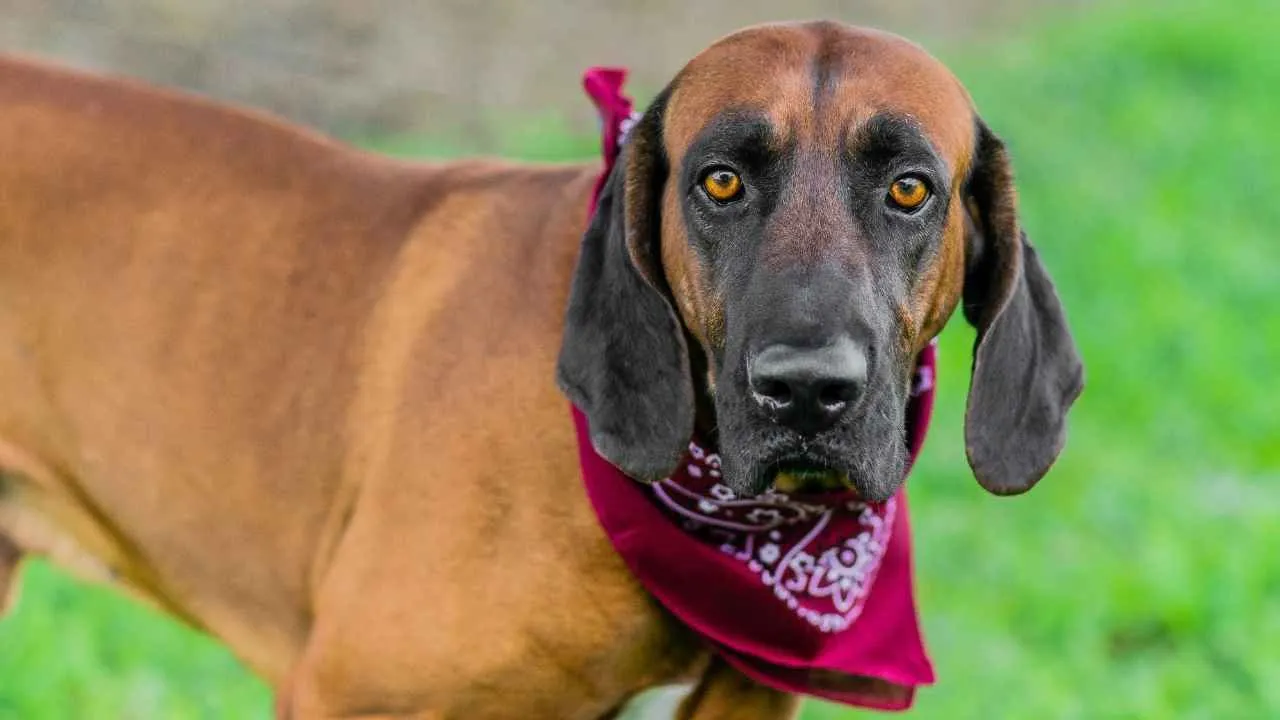
Redbone Coonhounds are energetic scent hounds originally developed in the United States for hunting raccoons and cougars.
Their ancestry traces back to Scottish and Irish red foxhounds brought to America in the late 18th century, with the breed further developed for hunting across swamps, mountains, and other challenging terrain.
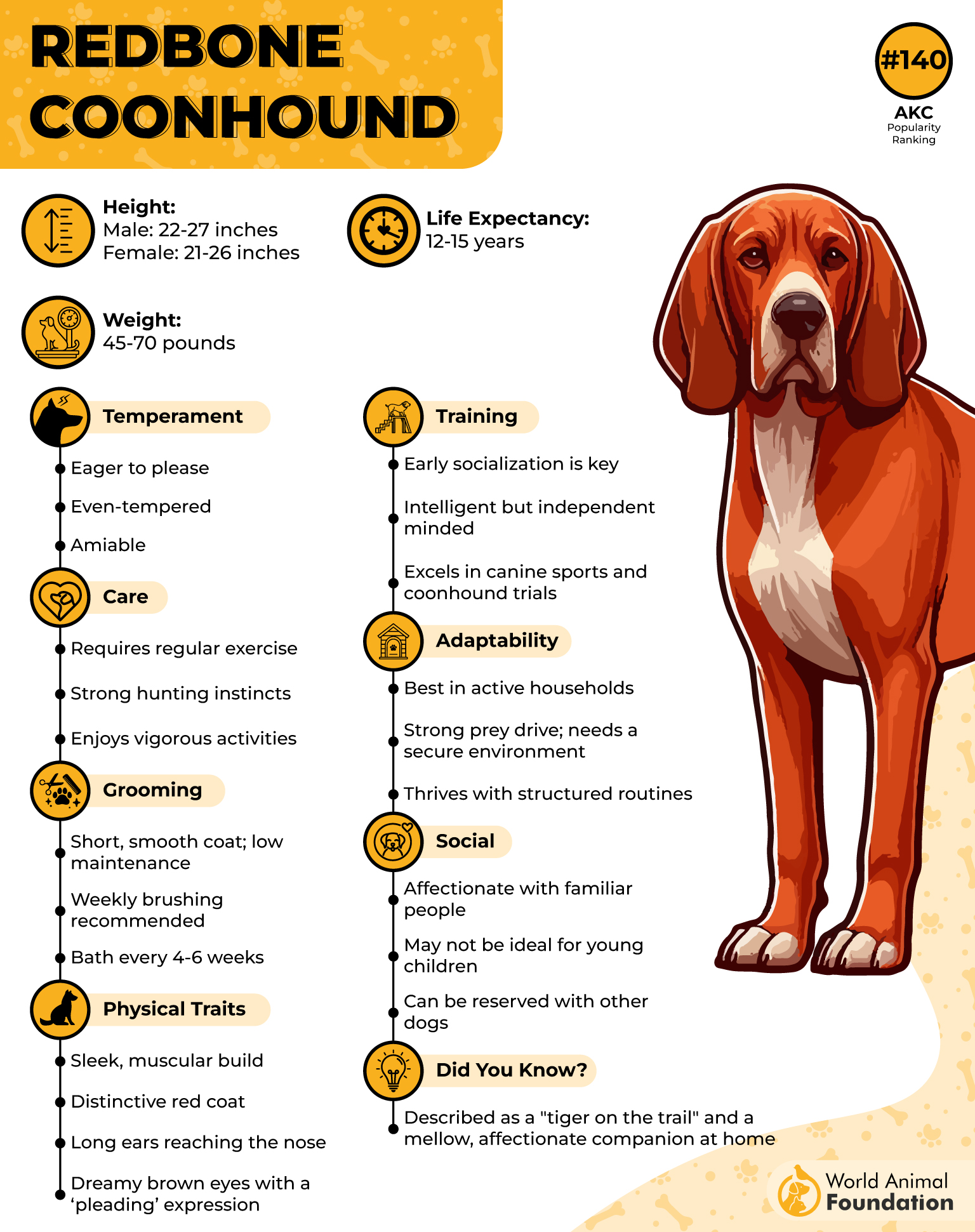
Friendly, Loyal, and Determined
Redbone Coonhounds are friendly and affectionate at home, despite their fearless and determined nature in the field. They are naturally curious and can become intensely focused when they catch an interesting scent, often following it without hesitation.
Their intelligence and eagerness to please make them enjoyable companions, although their independent streak can make training challenging. Their distinctive deep red coat, muscular build, and loud baying voice add to their unmistakable hound character.
Training and Exercise Needs
These high-energy dogs need plenty of daily exercise and mental stimulation to stay happy and well-behaved. Long walks, hiking, swimming, tracking, nose work, agility, hunting, and fetch are excellent ways to keep them engaged.
They should be kept on a leash or in a securely fenced area because their strong hunting instincts can send them chasing scents or small animals.
Could You Handle a Redbone Coonhound?⌄
This enthusiastic scent hound needs space, exercise, and dependable boundaries.
- Active Breed: Needs outdoor exercise.
- Scent Chasing: May follow trails suddenly.
- Secure Yard: Limits wandering.
- Consistent Training: Can be independent.
- Loud Baying: Needs noise management.
5. Black And Tan Coonhound
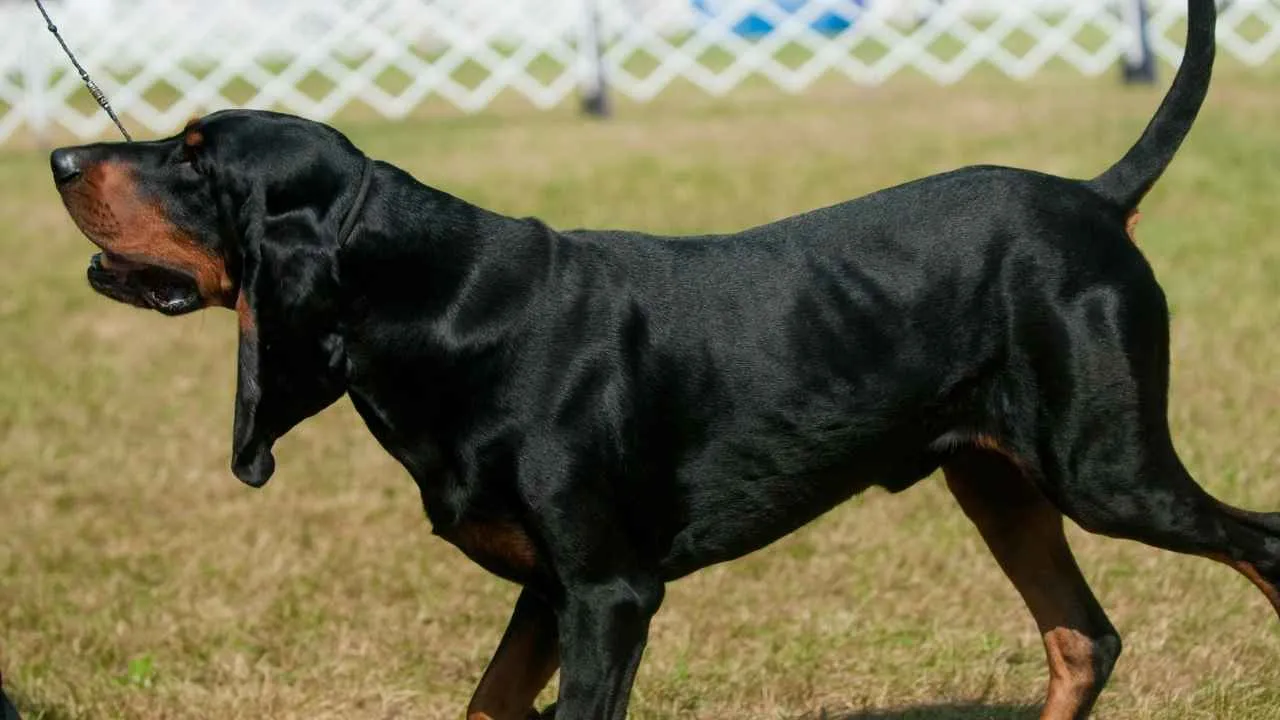
Black and Tan Coonhounds are large, powerful American scent hounds bred to track and hunt game such as raccoons, bears, deer, opossums, and mountain lions.
Their ancestry includes the American Foxhound, colonial-era Virginia Foxhound, and likely Bloodhound, giving them an exceptional sense of smell and impressive trailing ability.
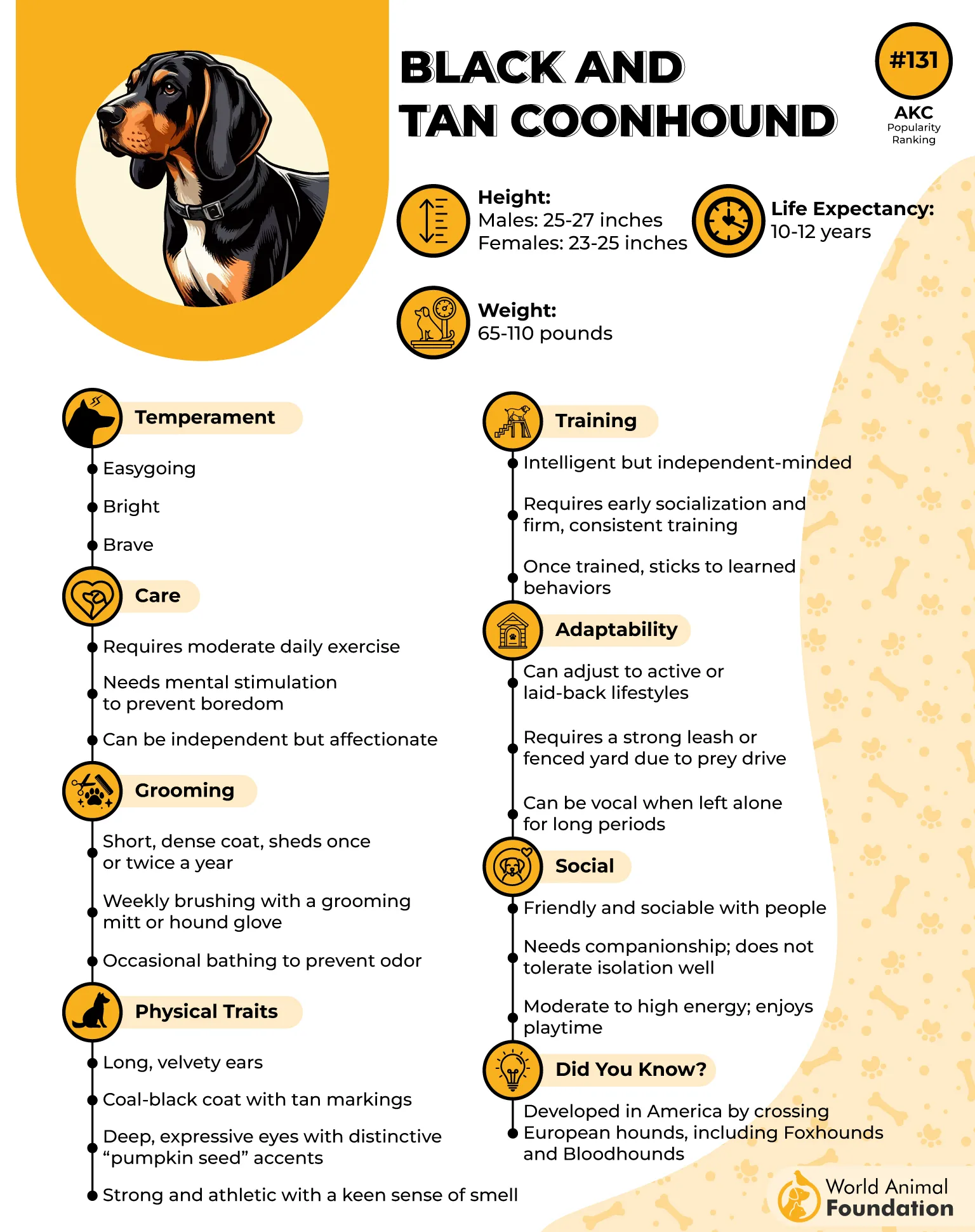
Loyal, Mellow, and Independent
Black and Tan Coonhounds are generally outgoing, good-natured, loyal, and friendly dogs, although some may be reserved around strangers. They tend to be quiet and mellow indoors, but their hunting instincts become much stronger outdoors.
Their independent nature can make them headstrong, while their strong prey drive may cause them to chase smaller animals. They are also known for their distinctive barking, baying, and howling, particularly when excited or following a scent.
Training and Exercise Needs
These active hounds need vigorous daily exercise and plenty of mental stimulation to stay content. Hiking, tracking, scent work, agility, fetch, swimming, and other outdoor activities can help channel their energy and instincts.
Training requires patience, consistency, and positive reinforcement, with early socialization helping them become confident and well-behaved around people and other animals.
Could You Handle a Black and Tan Coonhound?⌄
This mellow household companion still has powerful outdoor tracking instincts.
- Daily Exercise: Needs vigorous activity.
- Headstrong Nature: Requires patient training.
- Strong Prey Drive: May chase smaller animals.
- Secure Fencing: Prevents roaming.
- Deep Howling: Can be very vocal.
6. Dogo Argentino
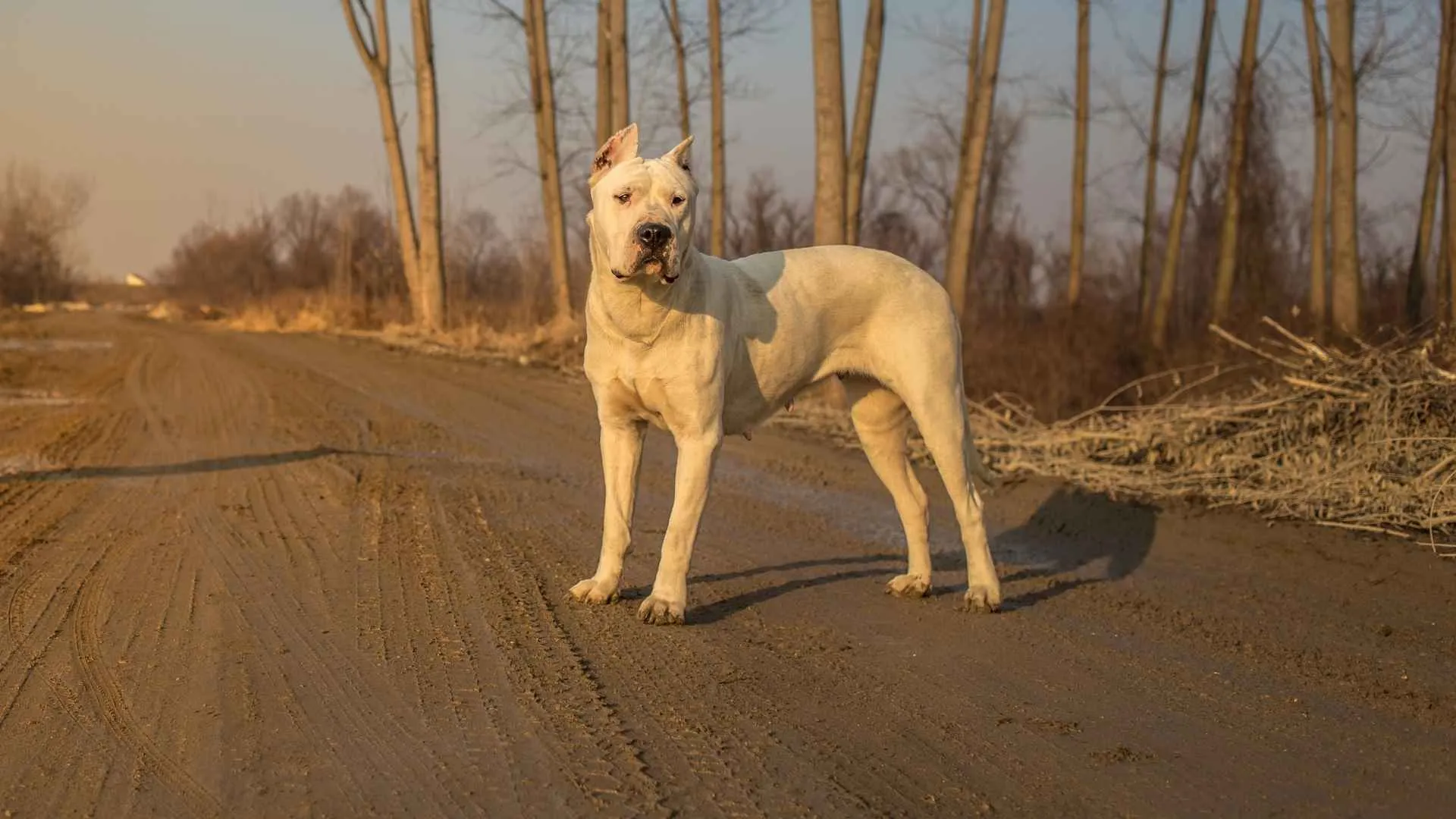
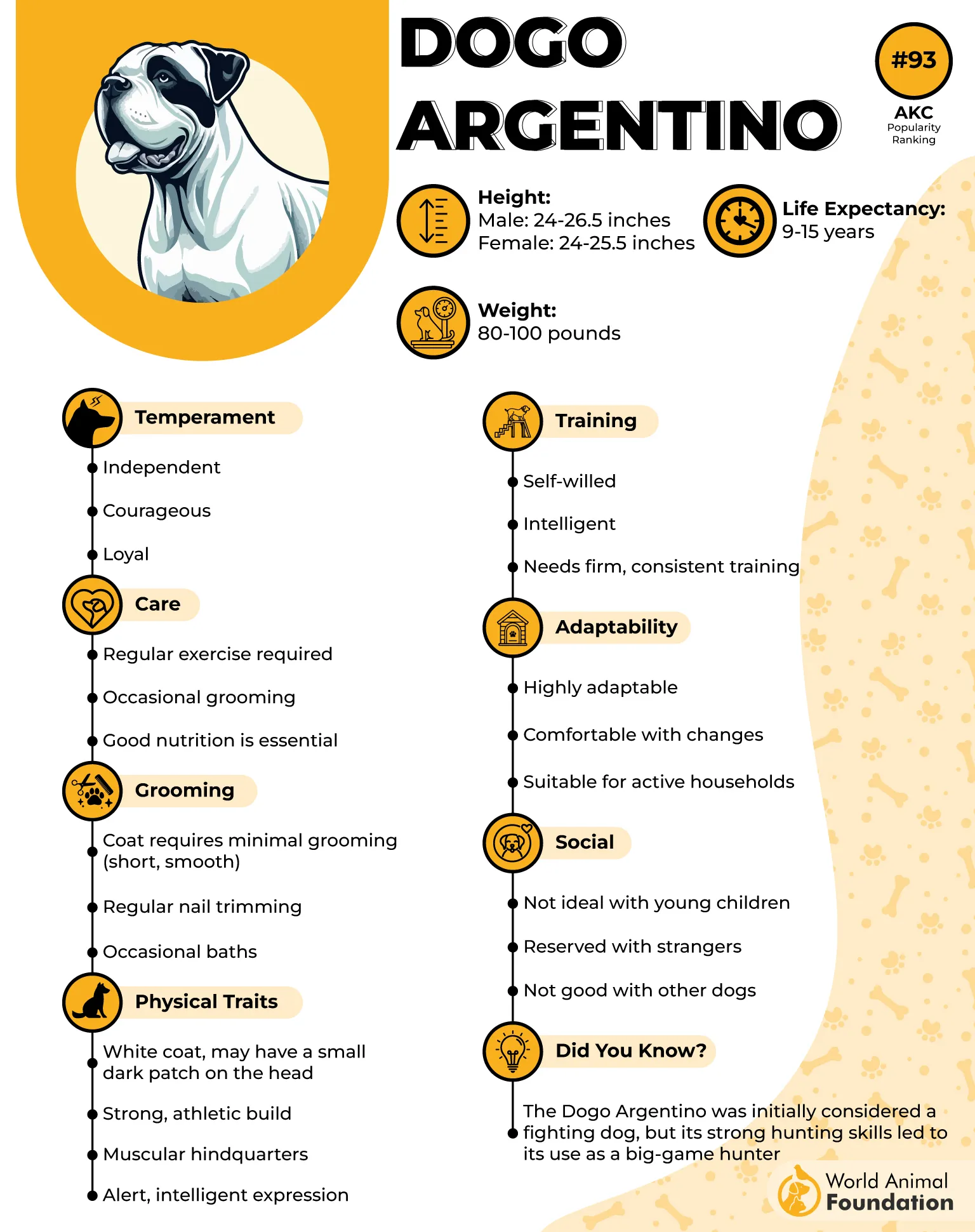
The Dogo Argentino is a large, muscular dog developed in Argentina for big-game hunting. Created by Dr. Antonio Nores Martinez, the breed was developed by crossing several powerful working and hunting breeds to create a courageous and athletic partner.
Dogos were used in packs to pursue pumas, wild boar, and other challenging game, relying on their strength, speed, determination, and sense of smell.
Loyal, Fearless, and Strong-Willed
Dogo Argentinos are affectionate and deeply loyal to their families, but their hunting instincts give them a determined and independent side. They are energetic, courageous, intelligent, and naturally driven to pursue prey.
Their strong prey drive can cause them to chase smaller animals, while their independent nature may make training challenging for inexperienced owners. Early socialization and consistent, positive training are important for helping these powerful dogs remain responsive and manageable.
Training and Exercise Needs
These athletic dogs need vigorous daily exercise and plenty of mental stimulation to stay content. Long walks, running, hiking, fetch, agility, obedience work, and other active pursuits can help channel their energy.
Their hunting instincts also make tracking and hunting activities natural outlets. Dogos should be kept on a leash or in a secure fenced area when outside because they may quickly take off after prey.
Could You Handle a Dogo Argentino?⌄
This powerful breed demands responsible ownership, control, and structured exercise.
- Powerful Body: Needs confident handling.
- High Prey Drive: Requires careful control.
- Early Training: Builds reliable obedience.
- Vigorous Exercise: Needs active outlets.
- Experienced Owner: Best for prepared handlers.
7. Airedale Terrier
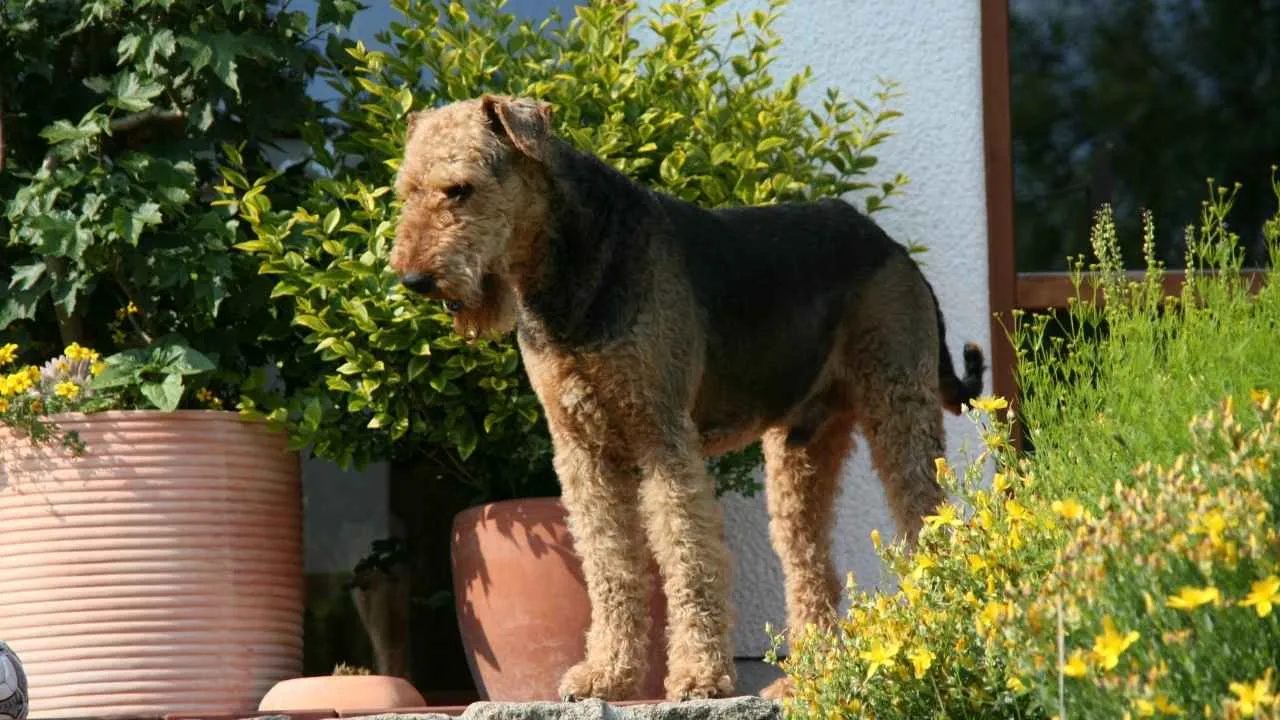
The Airedale Terrier, often called the “King of Terriers,” is the largest of the terrier breeds and a versatile hunting dog from Yorkshire, England, according to Britannica.
Originally developed by working-class hunters to pursue rats, otters, foxes, and other game, the breed was later crossed with Otterhounds to improve its scenting and swimming abilities.
Intelligent, Energetic, and Fearless
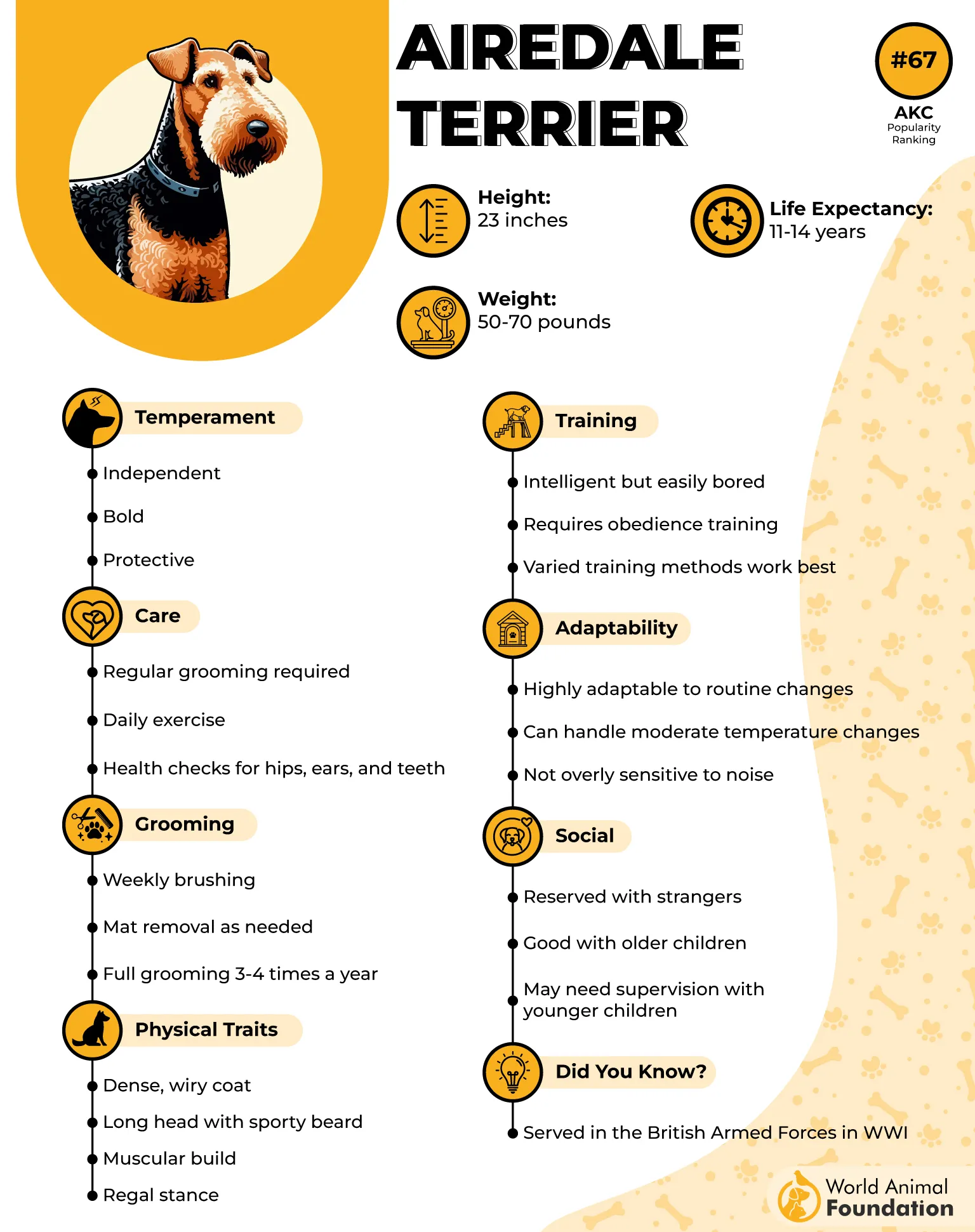
Airedales are playful, adventurous, intelligent, and full of energy, but they can also be stubborn and independent. Their strong hunting instincts make them naturally determined when pursuing prey, while their close bond with their owners helps them work cooperatively.
They can be reserved around strangers and may be quarrelsome with unfamiliar dogs, so early socialization is important. Despite their tough working background, Airedales are affectionate family dogs and can be protective of their owners and children.
Training and Exercise Needs
Airedales need plenty of daily physical and mental stimulation to prevent boredom and destructive behavior. Long walks, running, fetch, hiking, field exploration, obedience, agility, and hunting activities can help keep this energetic breed satisfied.
Their intelligence makes them responsive to training, but their independent streak calls for firm, consistent, and gentle handling from an early age.
Could You Handle an Airedale Terrier?⌄
The King of Terriers is clever, energetic, and easily bored without a job.
- High Energy: Needs daily exercise.
- Chasing Instinct: May pursue smaller animals.
- Independent Mind: May resist repetition.
- Secure Yard: Prevents digging and roaming.
- Mental Stimulation: Needs problem-solving games.
Conclusion
Choosing the right wild boar hunting dog comes down to more than strength or size. Each breed brings different strengths, from powerful pursuit and courage to exceptional scenting ability, endurance, and determination.
The best choice depends on your hunting style, terrain, experience, and the amount of training and exercise you can provide.
Before choosing a breed, consider its temperament, prey drive, trainability, physical abilities, and ability to work safely in challenging conditions. A well-trained hunting dog is not simply a partner in the field but a dependable teammate whose instincts and skills can make every outing more rewarding.
Looking for more hunting dogs? You can also check out the Black Mouth Cur, Bull Arab, American Bulldog, Labrador Retriever, Cocker Spaniel, Mountain Cur, Golden Retriever, Irish Setter, and English Pointer.
