




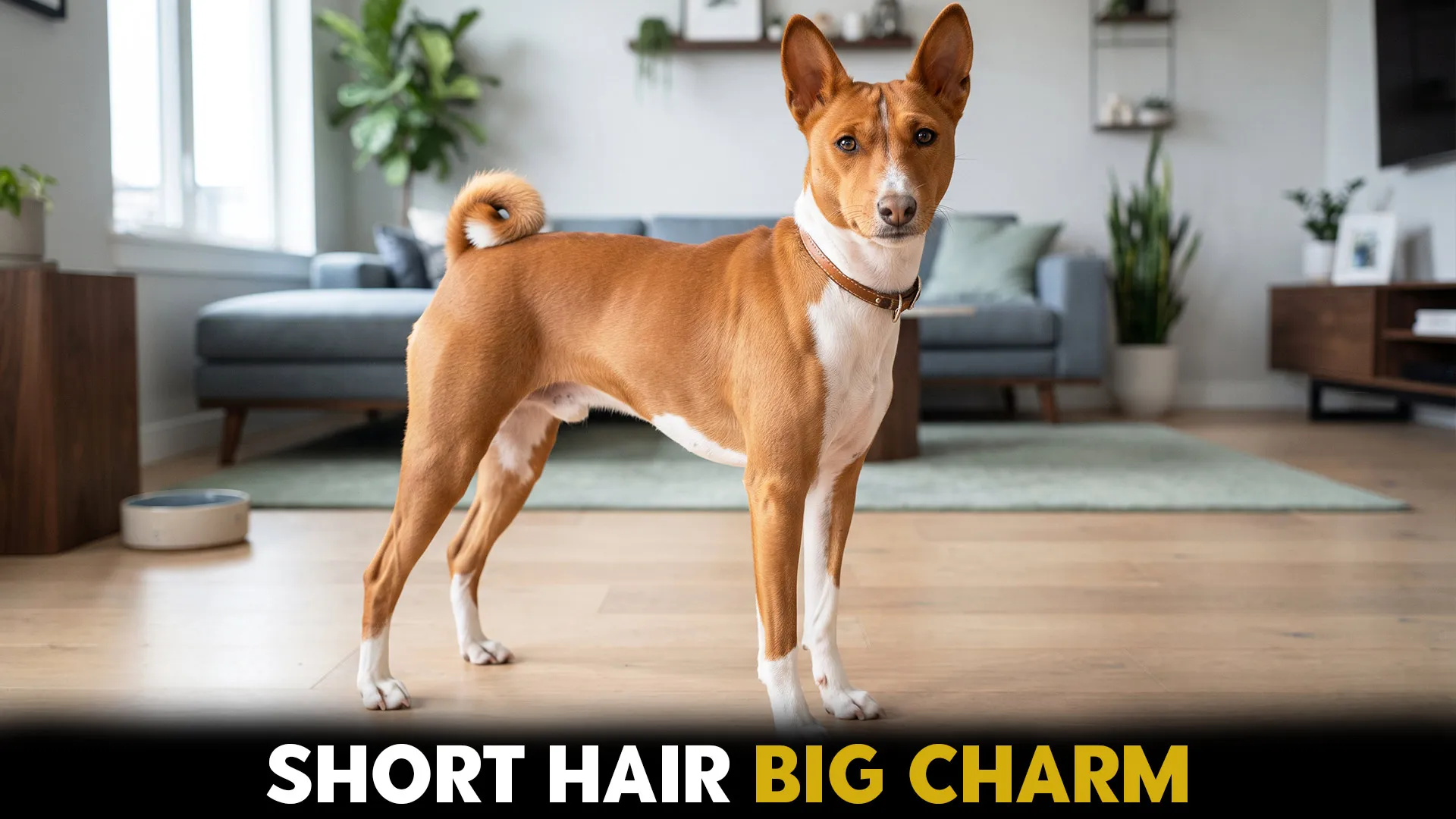
If you love the sleek, polished look of a dog with a short coat, you’re in the right place. Short fur can give dogs a neat, effortless appearance while making everyday grooming much simpler.
For busy families, that can mean less time brushing and detangling and more time playing, walking, and enjoying life together.
But don’t let a short coat fool you into thinking every dog is completely low-maintenance. Short-haired dogs can still shed, collect dirt, and benefit from regular brushing and occasional baths.
Whether you want a relaxed companion for cozy evenings or an active dog ready for outdoor adventures, there are plenty of short-furred dogs with beautiful coats and personalities to match different families and lifestyles. Let’s take a look!
Key Takeaways
Meet seven short-furred breeds, from the gentle Great Dane to the sleek Doberman Pinscher.
See why Rhodesian Ridgebacks and Greyhounds stand out for athleticism and loyalty.
Discover what makes Basenjis, Vizslas, and Ibizan Hounds unique.
Compare grooming, exercise, training, and family needs before choosing your match.
Dog Breeds Known for Beautiful Short Fur
1. Great Dane
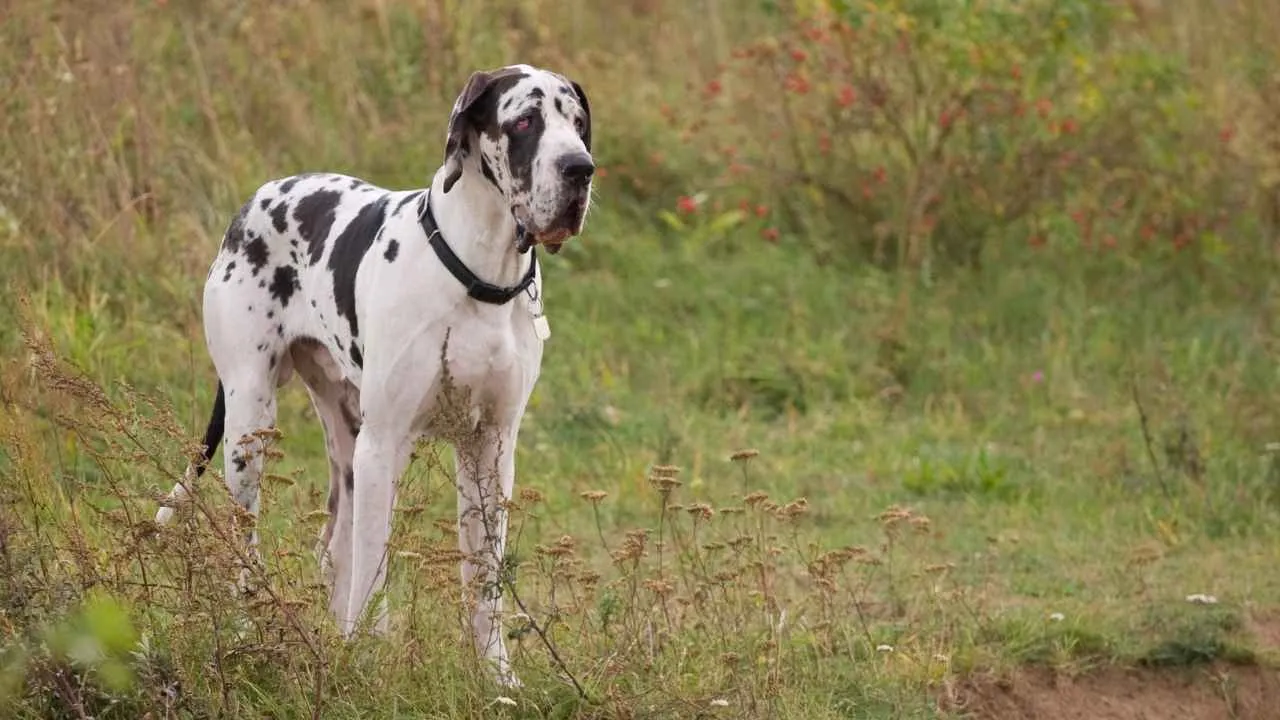
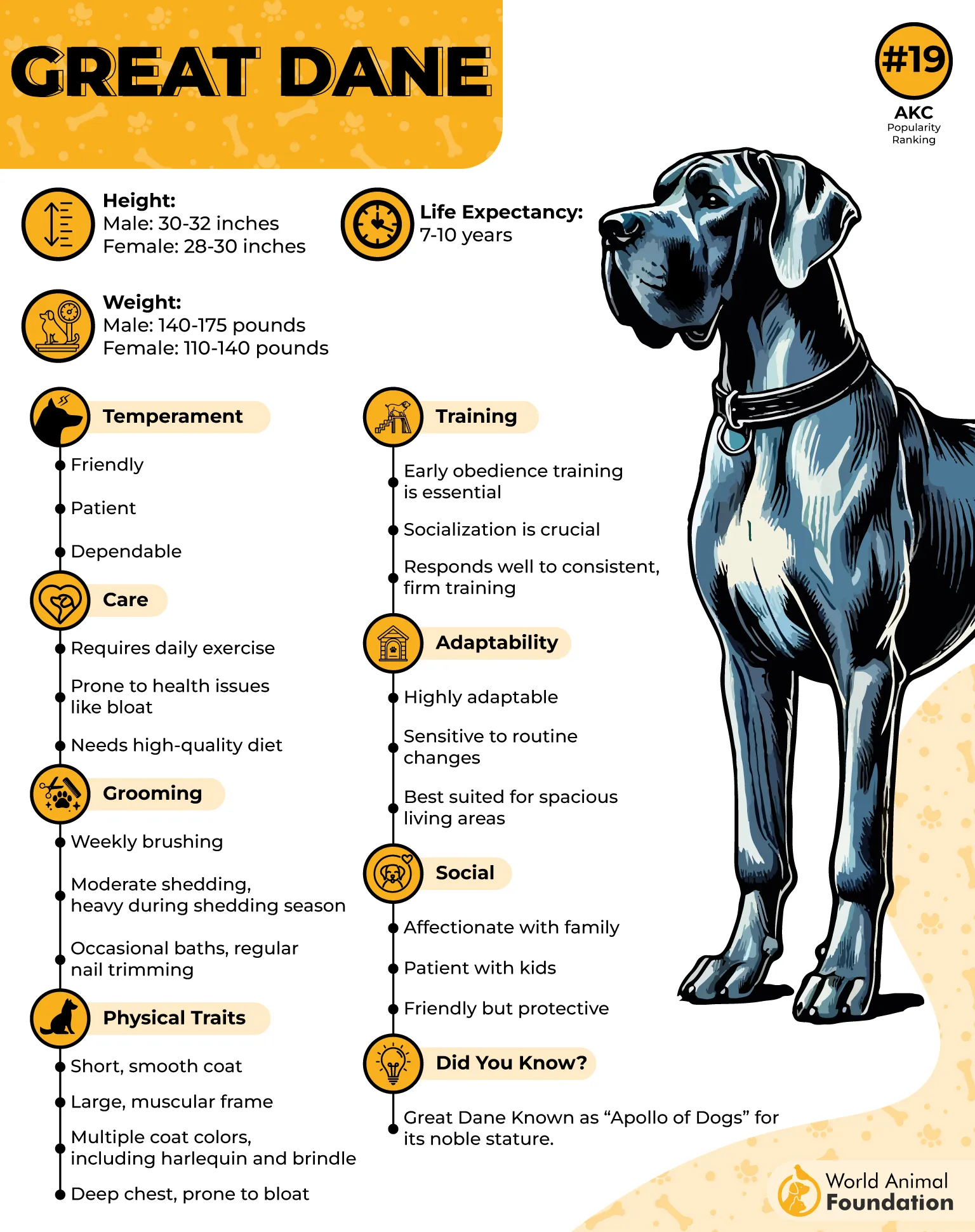
Great Danes combine a powerful build with an elegant look and beautiful short fur. Their sleek, flat coats come in fawn, blue, black, white, merle, and harlequin patterns. They are light to moderate shedders and usually need only weekly brushing to remove loose fur.
Gentle Family Personalities
Despite their size, Great Danes are gentle, affectionate, and generally quiet. They can be playful and make good family companions when properly trained and socialized.
They often do well with children and other pets. Early socialization helps prevent fear or anxiety. They are intelligent and learn quickly, although some can be strong-willed.
Care and Family Needs
Great Danes need daily walks, playtime, and enough space to move comfortably. Their food, medication, and other care costs can also be higher than those of smaller dogs.
Their short fur is easy to maintain, with occasional baths and regular ear cleaning. They are also at risk of bloat, so smaller meals and rest after eating are important.
2. Rhodesian Ridgeback
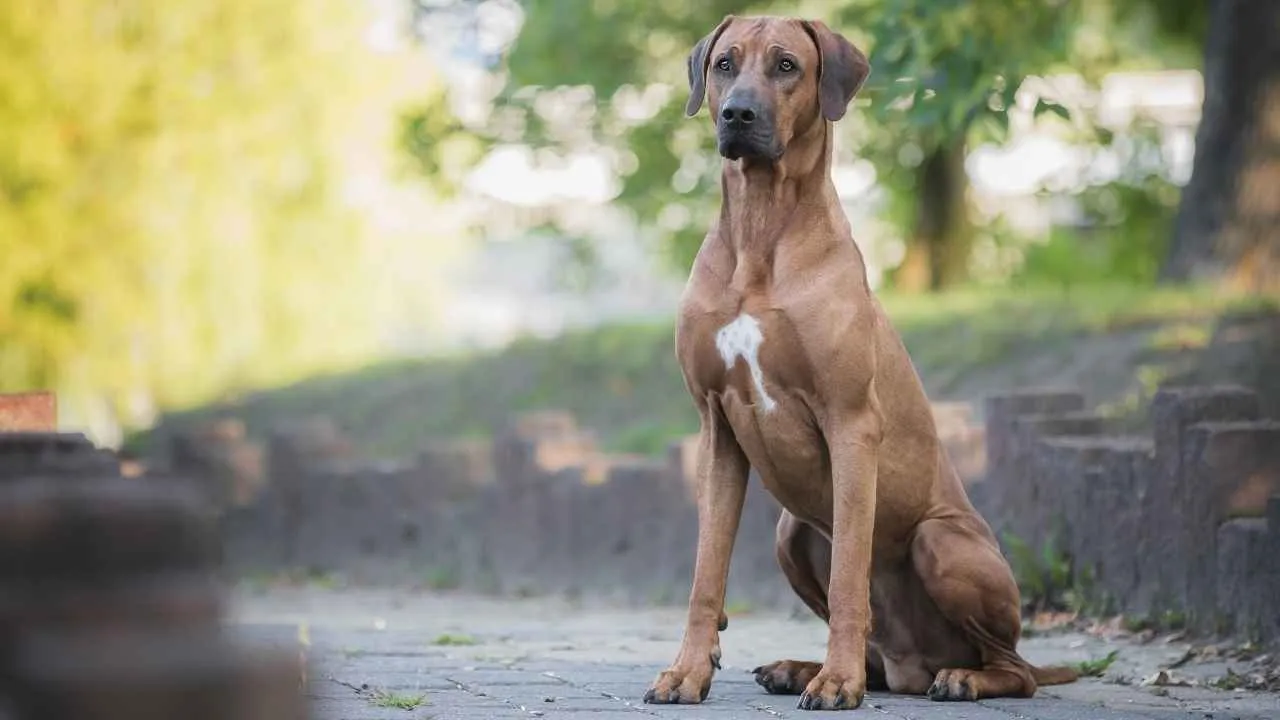
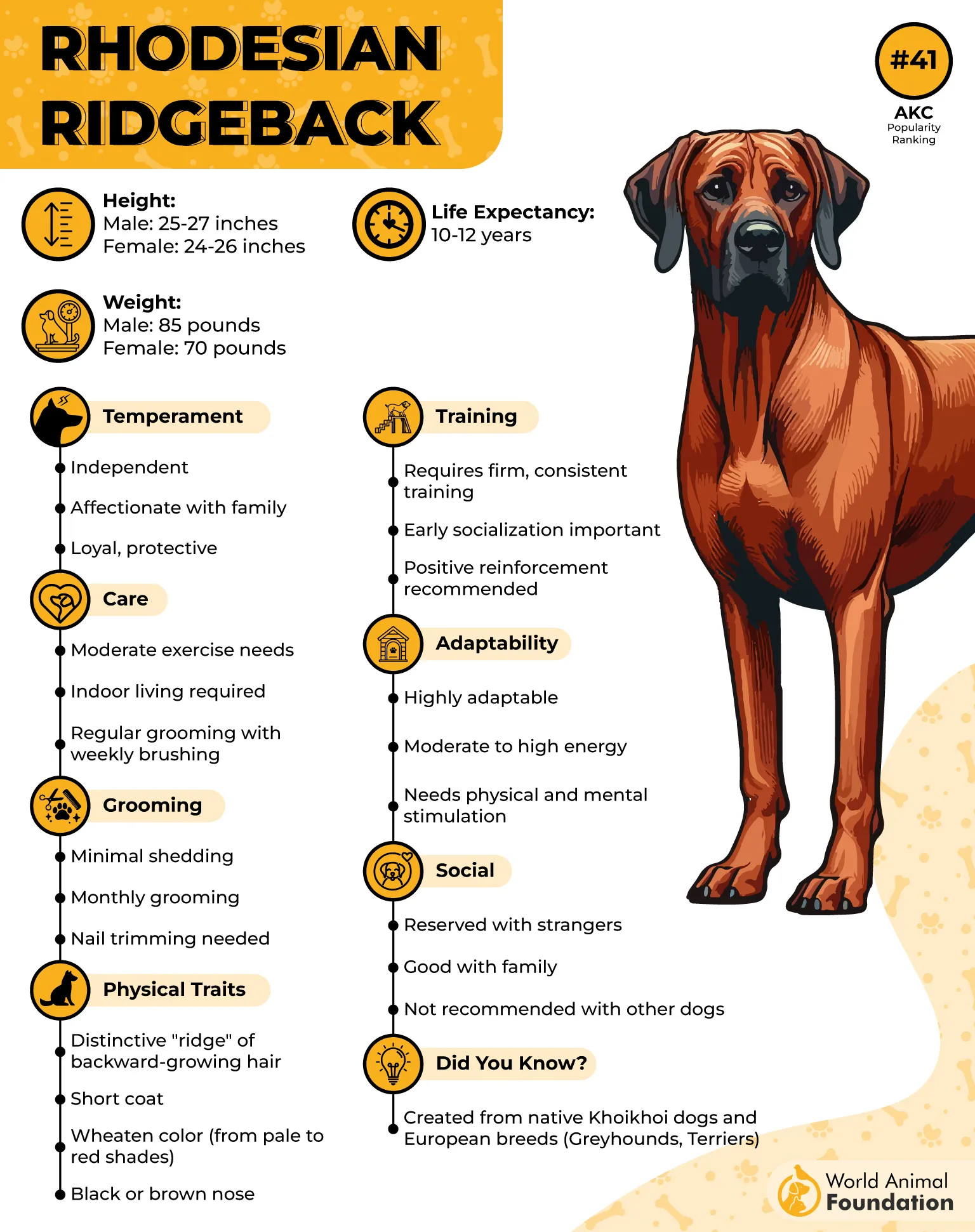
Rhodesian Ridgebacks stand out for their short, smooth fur and unique ridge of hair along the back. Their coats come in shades of wheaten, from light brown to deep red, sometimes with white markings or a dark mask.
The coat sheds moderately but is easy to maintain. Weekly brushing helps remove loose hair and keep it looking healthy.
Loyal and Athletic Companions
These intelligent dogs are loyal, affectionate, and protective of their families. They can be good with children when raised with proper training and socialization. However, they may be reserved around strangers and have a strong prey drive.
Their independent nature also makes consistent, positive training important. They are best suited to experienced owners who can provide plenty of exercise and mental stimulation.
Exercise and Care Needs
According to PetMD, Rhodesian Ridgebacks need at least 45 minutes of daily activity. Walks, jogging, hiking, swimming, play, and dog sports can keep them happy and engaged. Their hunting instincts mean they should stay on a leash or in a secure yard outdoors.
Grooming is simple, with weekly brushing, occasional baths, regular ear checks, nail care, and daily teeth brushing. With enough activity, training, and companionship, these athletic dogs can become calm and devoted family members.
3. Greyhound
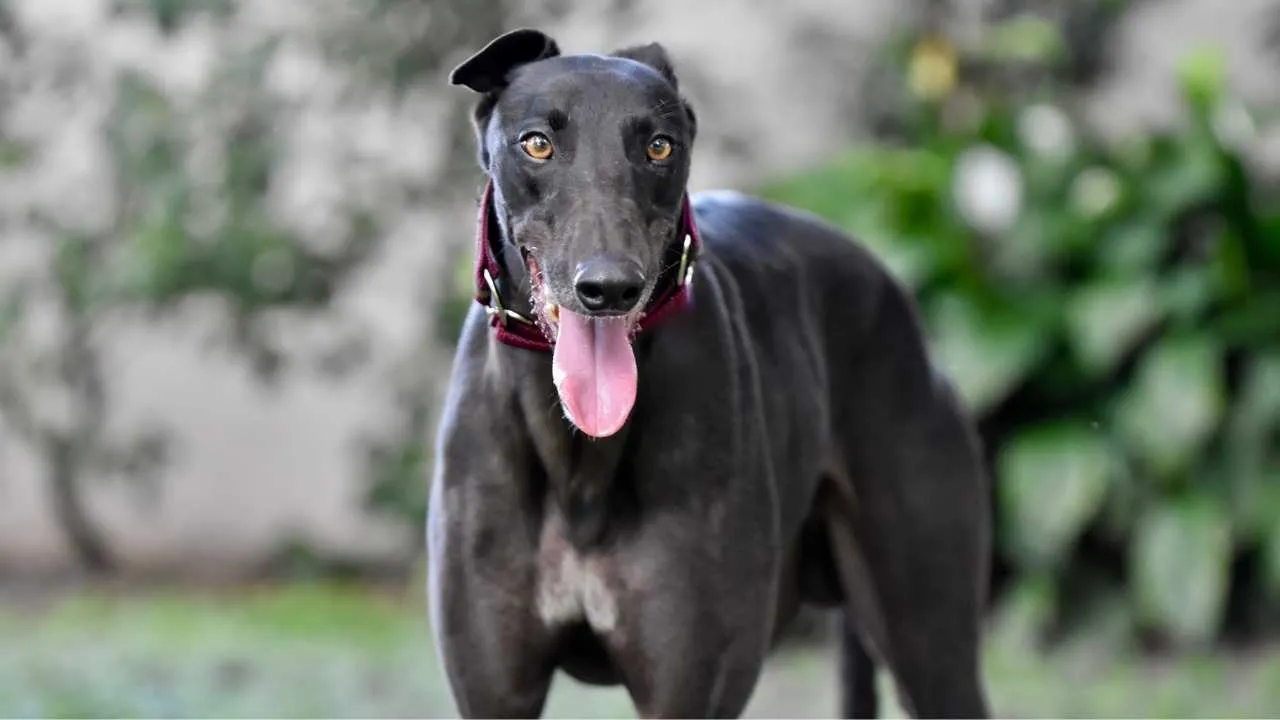
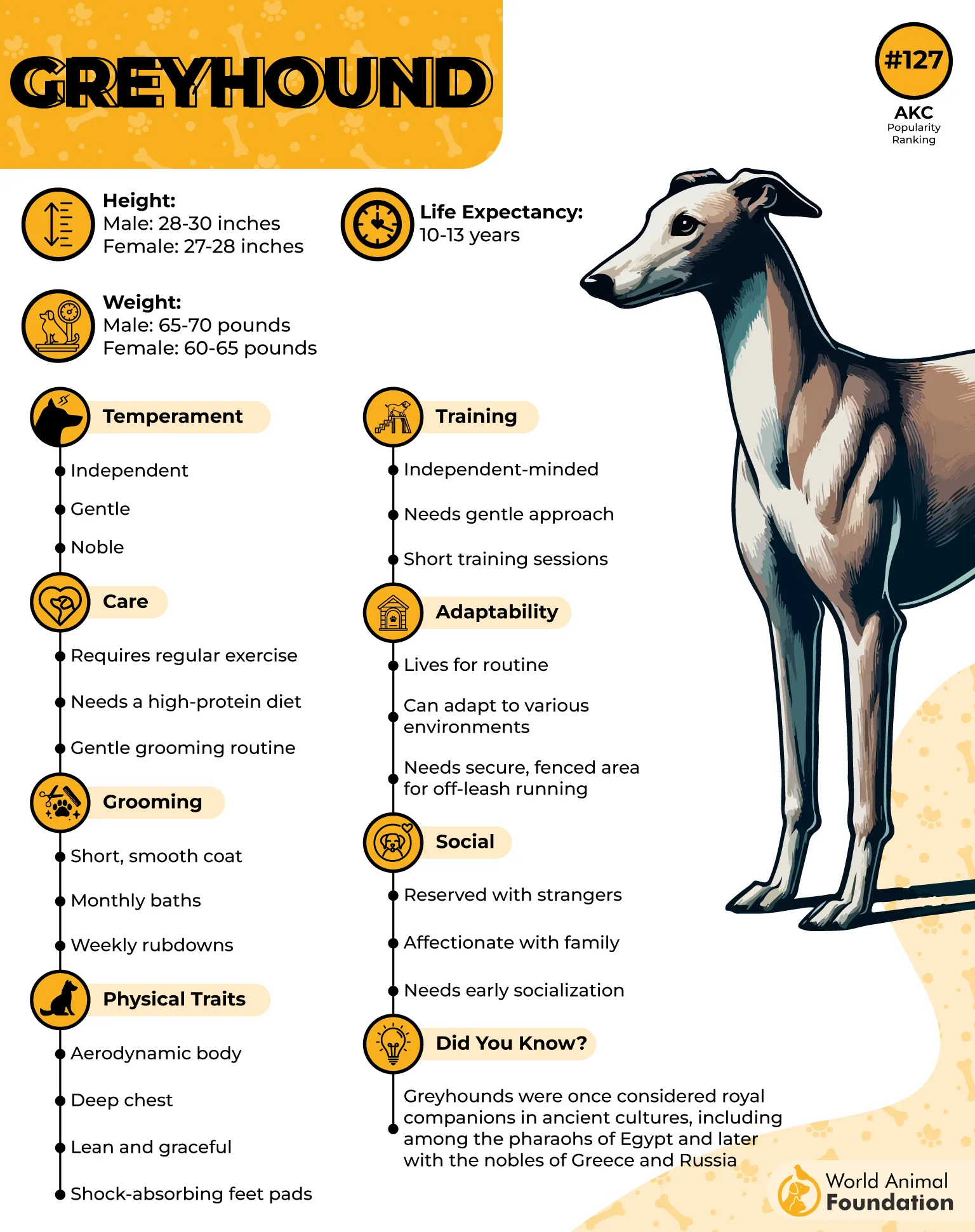
Greyhounds are famous for their elegant build, graceful movement, and beautiful short fur. Their coats are fine, smooth, and easy to maintain. They come in many colors, including black, white, red, blue, fawn, and brindle. Some also have white markings or patches.
Their grooming needs are minimal, with occasional brushing and bathing usually enough to keep the coat clean and healthy.
Fast Sprinters, Calm Companions
Greyhounds are among the fastest dog breeds, but they are surprisingly laid-back at home. They enjoy short bursts of running and then happily spend time resting or cuddling with their families. They are gentle, affectionate, and generally quiet, although they can be independent and reserved with strangers.
Their strong hunting instinct means they may chase small animals, so extra care is needed around cats and other small pets.
Exercise and Care Needs
Greyhounds need a safe, fenced area where they can sprint, along with daily walks. They can also enjoy activities such as agility, obedience, swimming, and scent work. Their slim legs and feet can be injured on rough or hard surfaces, so safe exercise areas are important.
Their short fur offers little protection from cold weather, while their muscular bodies can overheat during intense activity. Regular dental care is also useful because they can develop plaque easily.
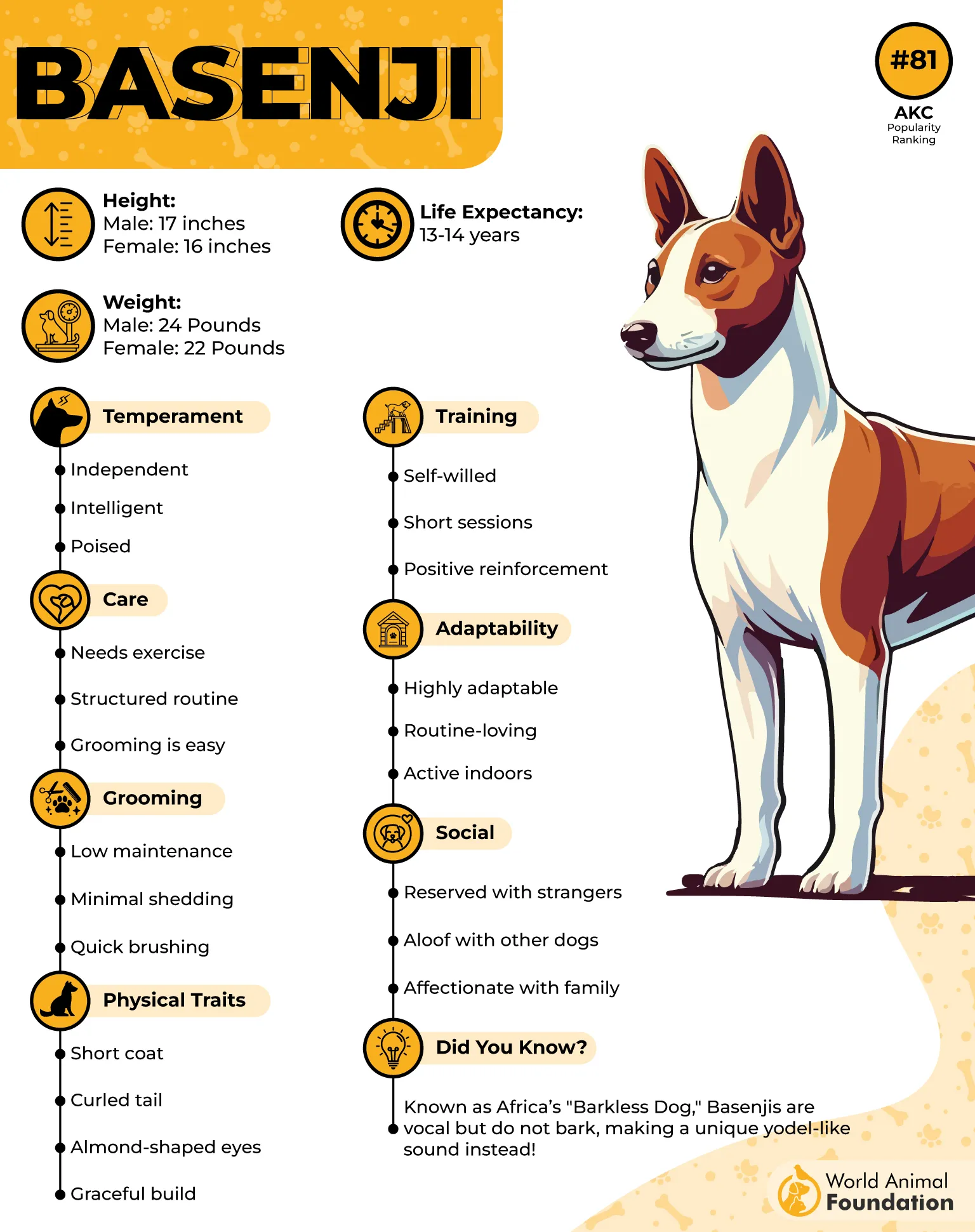
4. Basenji
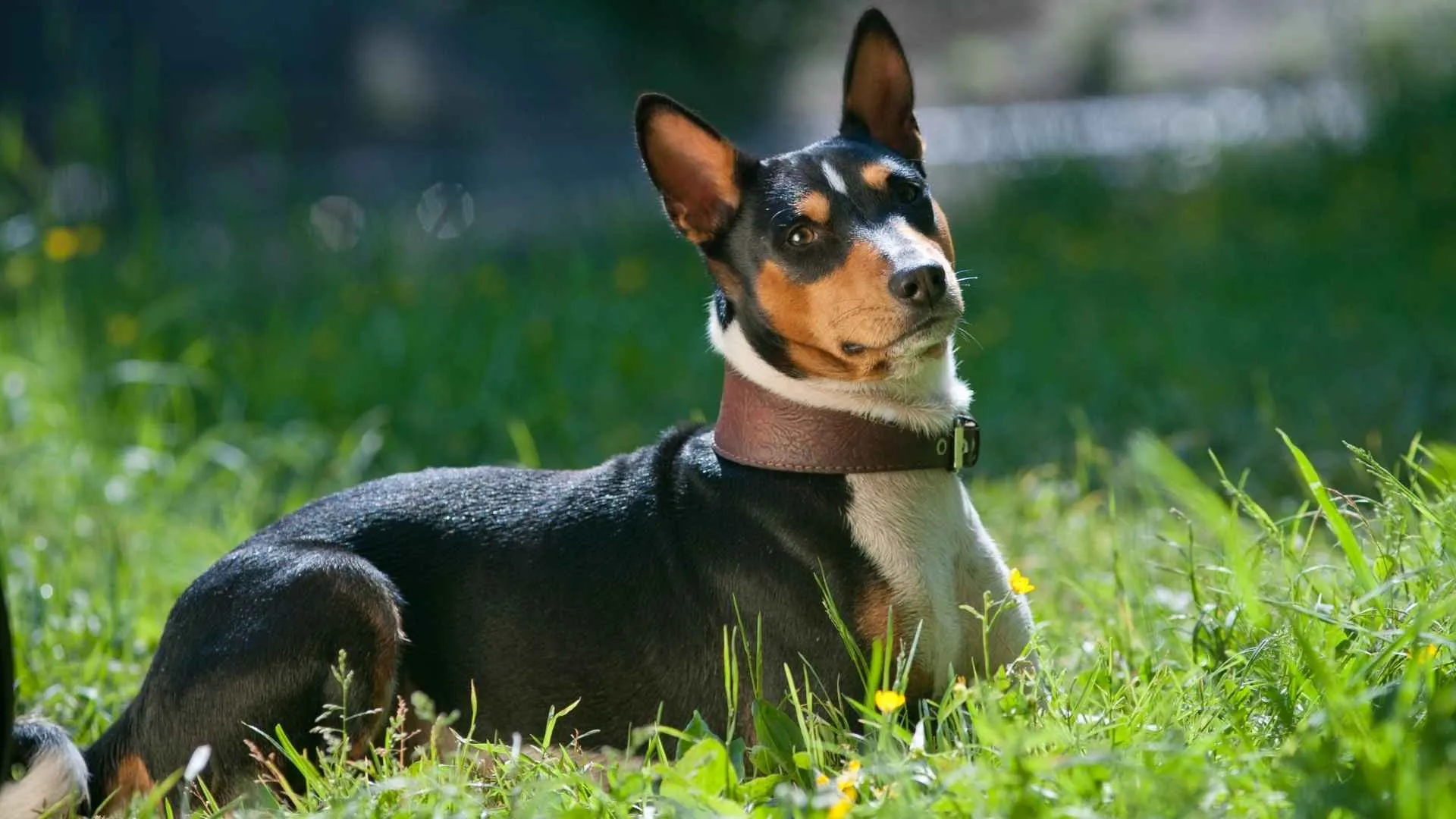
Basenjis are small, elegant dogs known for their short, smooth fur and tightly curled tails. Their coats come in black and white, red and white, brindle and white, and tricolor patterns.
Grooming is simple because they shed little and often clean themselves like cats. A weekly brushing is usually enough to keep their coat neat.
Clever and Energetic Personalities
These clever dogs are energetic, curious, and famously independent. They are often reserved with strangers but form strong bonds with their human families. Basenjis are known as “barkless dogs” because they make a unique yodel instead of a typical bark, as mentioned by Britannica.
Their strong prey drive can make life with cats and small pets challenging. Early socialization and positive training are important because they can show a stubborn streak and get easily distracted.
Exercise and Care Needs
Basenjis need daily exercise and plenty of mental stimulation. Long walks, running, hiking, agility, scent work, and lure coursing can keep their active minds busy. They should stay on a leash or in a secure yard because they can chase scents, climb, and jump surprisingly high.
Short, fun training sessions work best. With enough activity, attention, and companionship, these clean and distinctive dogs can be excellent family dogs.
5. Ibizan Hound
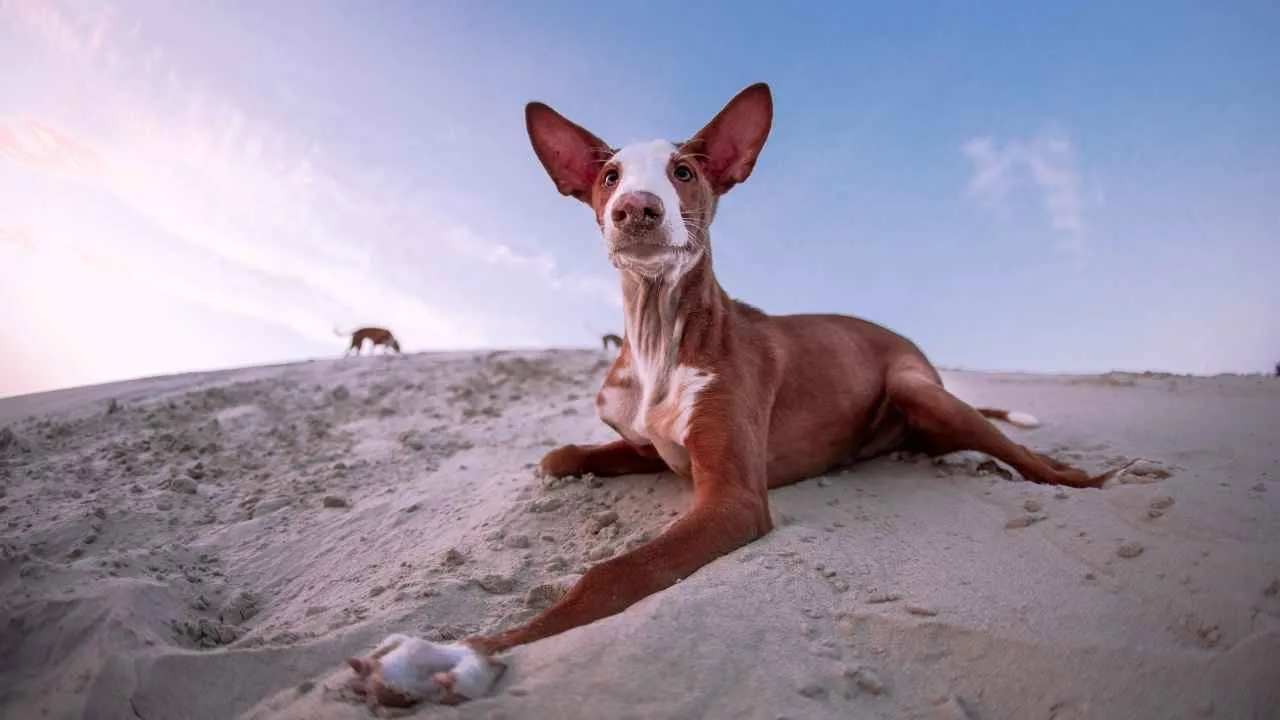
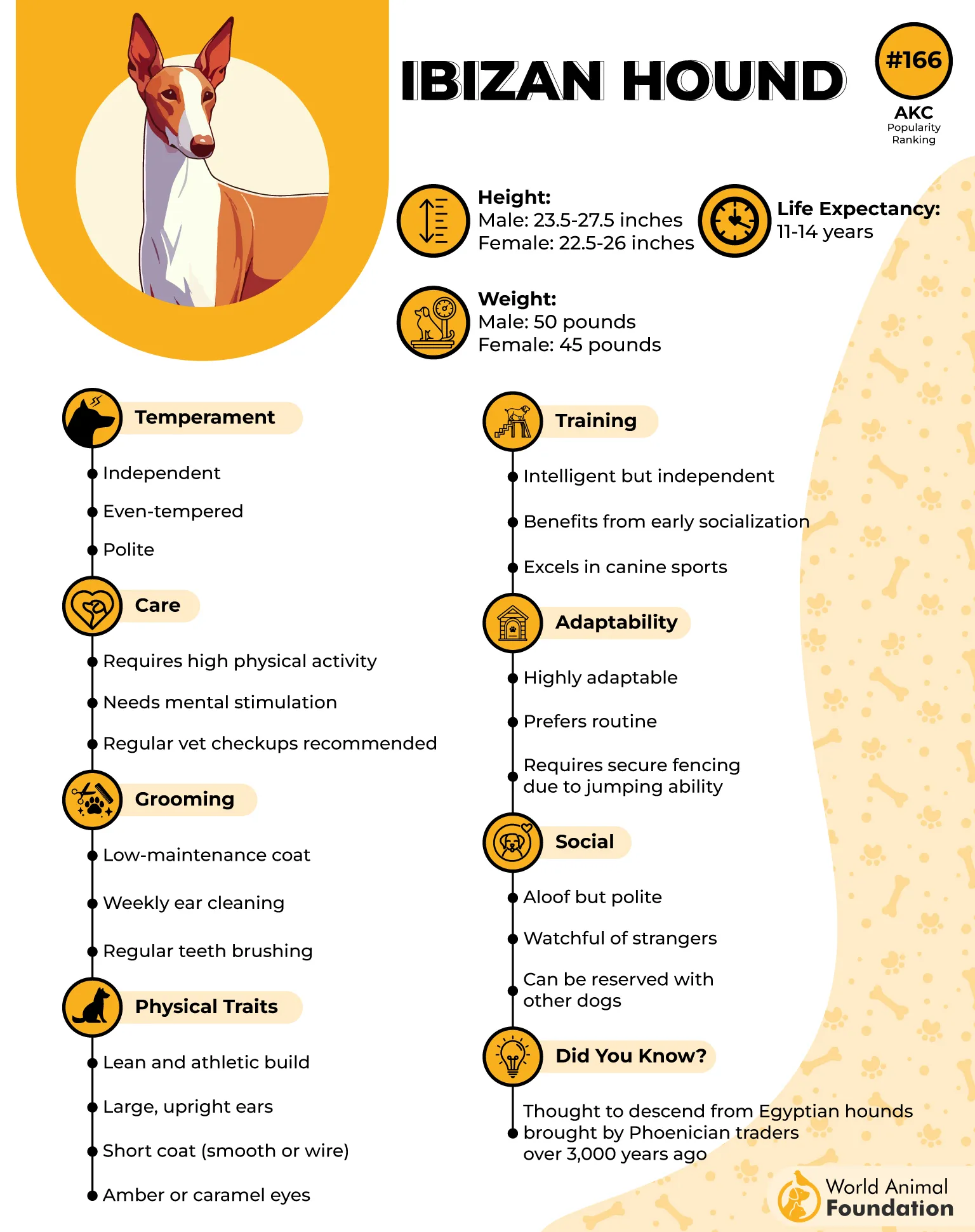
Ibizan Hounds are elegant, athletic dogs recognized for their long legs, muscular yet fine-boned bodies, and large, upright ears.
Their short coats come in red, white, or combinations of both and may be smooth or wiry. Grooming is simple, with weekly brushing and occasional baths usually enough to keep their coat clean and healthy.
Intelligent and Affectionate Personalities
These intelligent dogs are affectionate, playful, and eager to please, but they also have an independent streak. They often form strong bonds with their families while remaining somewhat reserved around strangers. Their strong prey drive means they may chase cats, squirrels, and other small animals.
Early socialization and positive reinforcement training can help them become confident and gentle companions.
Exercise and Care Needs
Ibizan Hounds are energetic dogs that need around two hours of physical and mental activity each day. Running, hiking, walking, agility, tracking, and lure coursing are excellent ways to keep them active and engaged.
They should stay on a leash or in a securely fenced yard because they are skilled jumpers and may chase prey. A fence at least six feet tall is recommended.
6. Vizsla
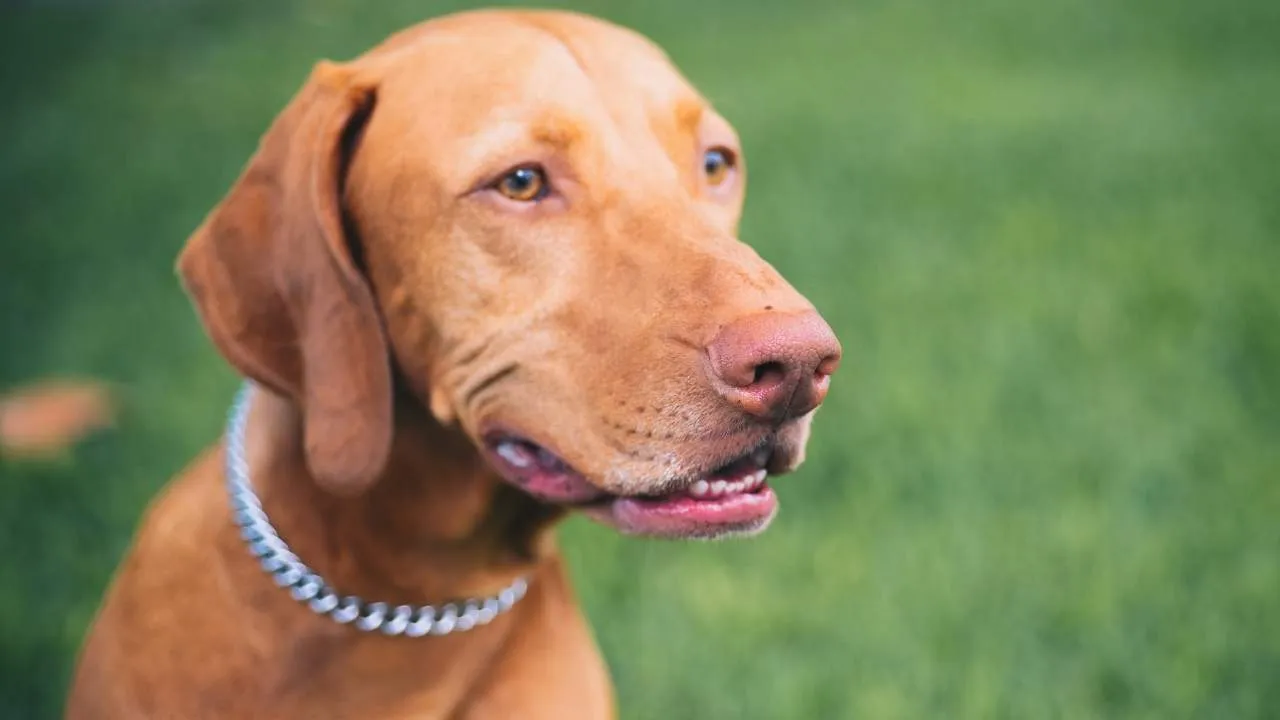
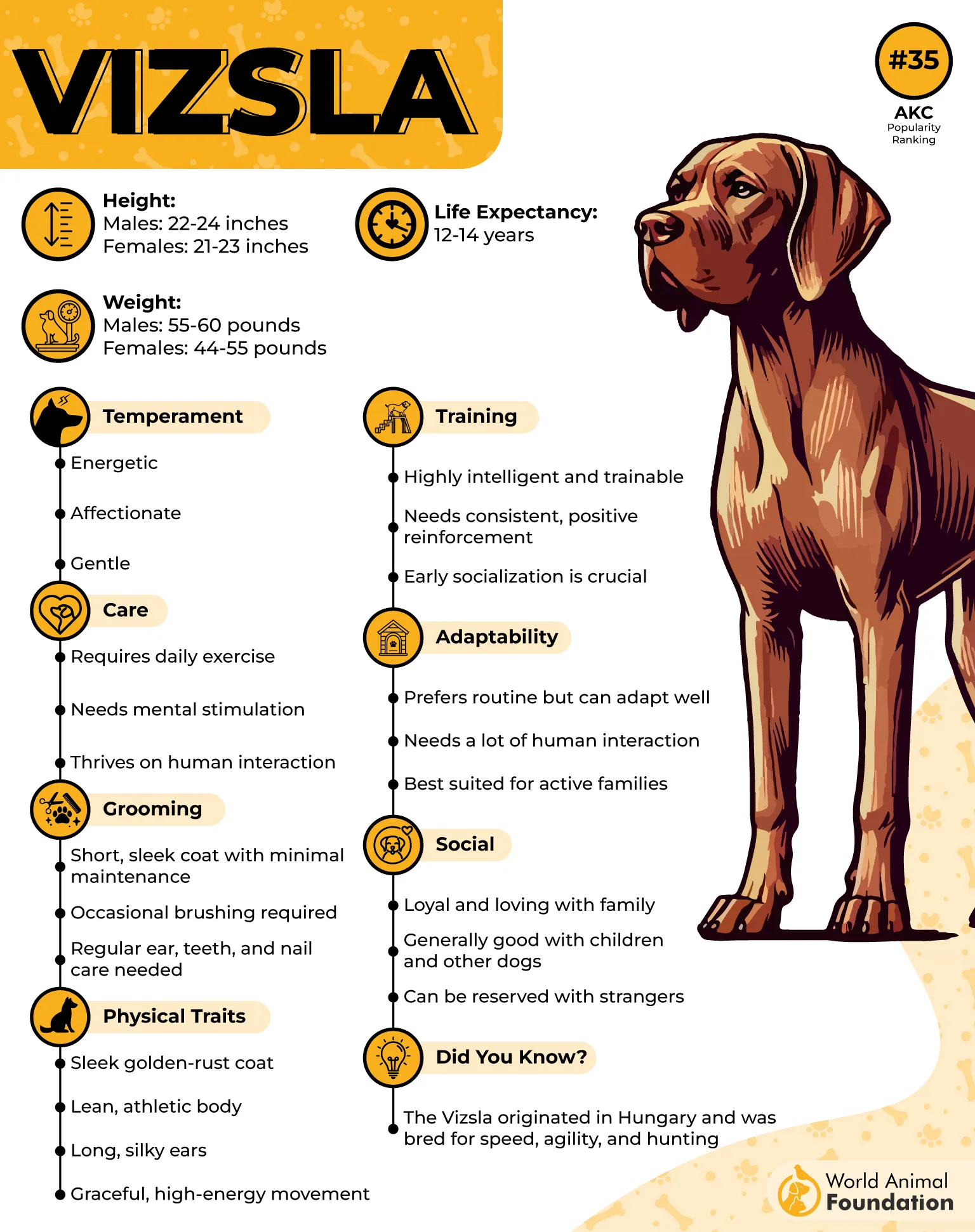
Vizslas are medium-sized, athletic dogs known for their lean, muscular build, long silky ears, and smooth golden-rust coats. Their short, dense fur is easy to maintain and sheds relatively little. Weekly brushing and occasional baths are usually enough to keep their coat clean, healthy, and shiny.
Affectionate and Energetic Personalities
Vizslas are intelligent, friendly, playful, and deeply devoted to their families. Often called “Velcro dogs,” they love staying close to their people and may happily follow them from room to room, as PDSA notes.
They are eager to please and respond well to positive reinforcement, while harsh training can be counterproductive because of their sensitive nature. Their strong hunting instincts may also require extra supervision around cats and other small animals.
Exercise and Care Needs
Vizslas are high-energy dogs that need sufficient exercise and mental stimulation. Running, hiking, swimming, hunting, agility, and long walks can help keep them happy and engaged. Without sufficient activity, attention, and companionship, they may become bored and engage in destructive behavior.
7. Doberman Pinscher
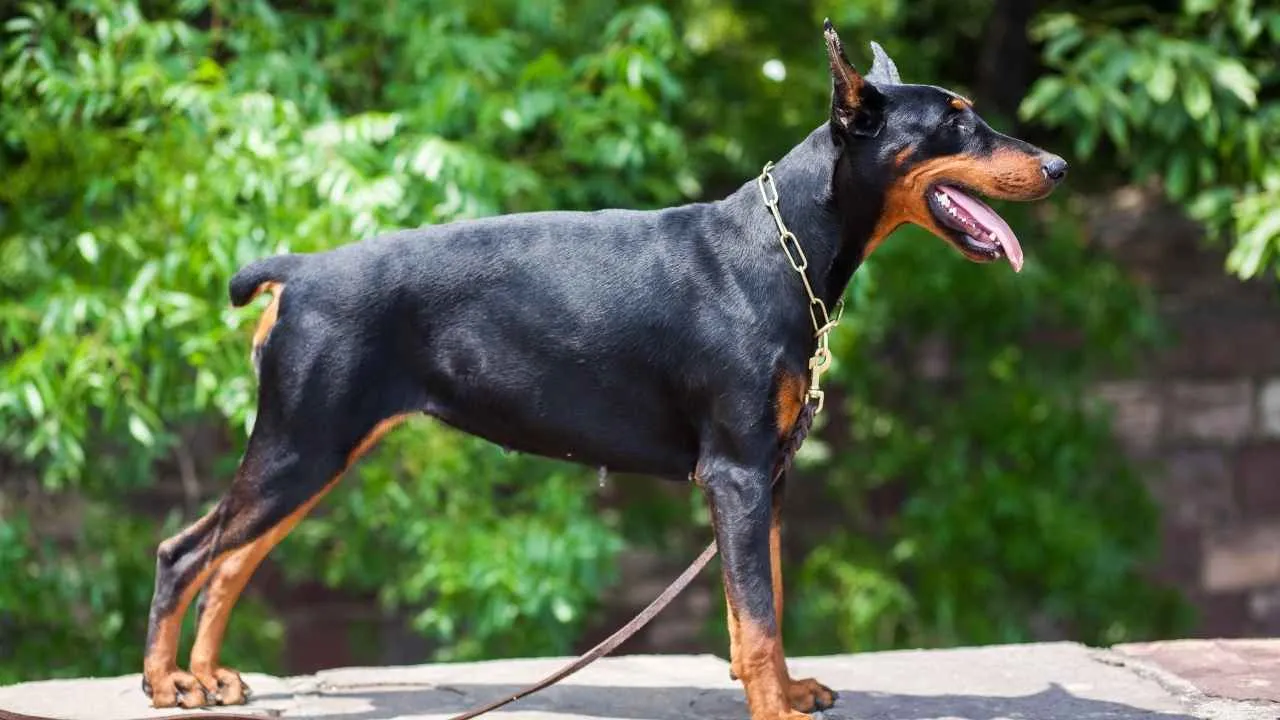
Doberman Pinschers are large, athletic dogs recognized for their sleek, muscular bodies, long narrow muzzles, and short, smooth coats. Their fur comes in colors such as black, red, blue, and fawn, typically with rust-colored markings.
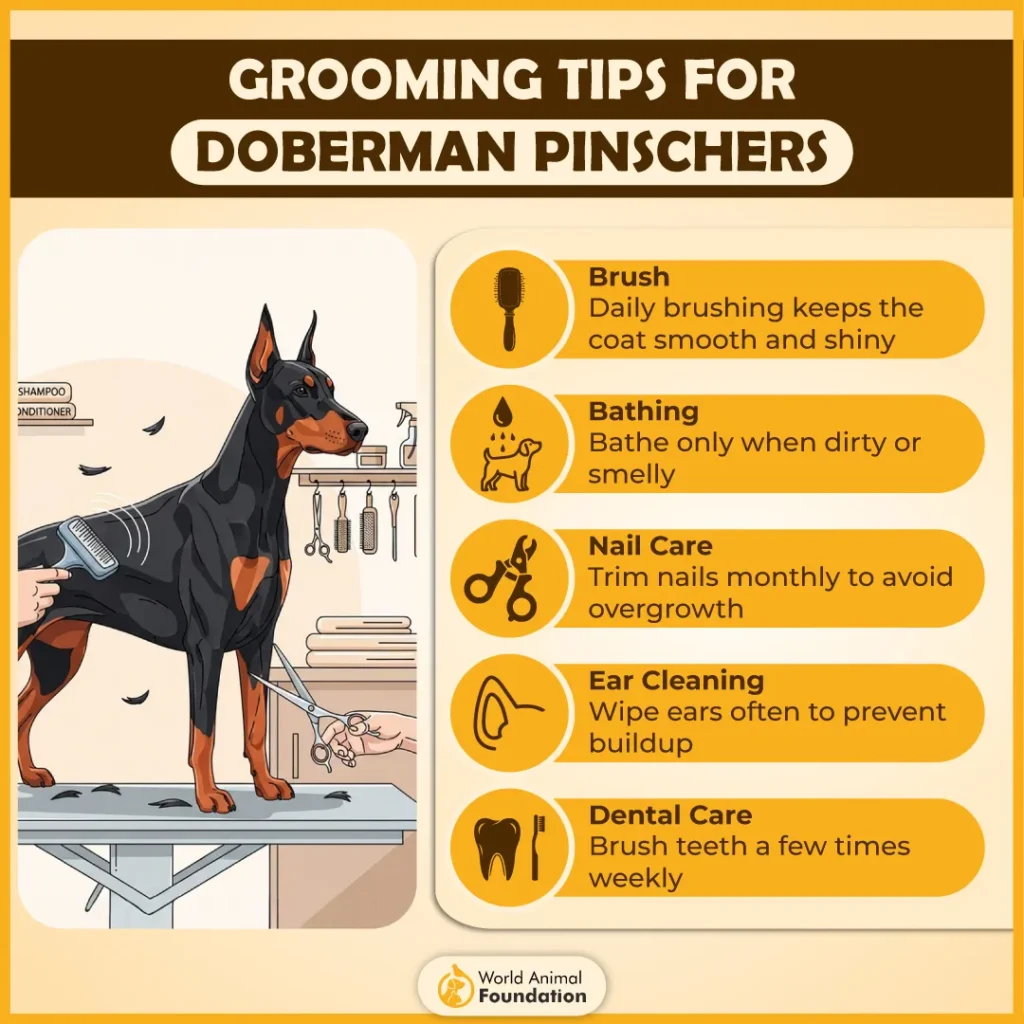
Their coat is easy to maintain, with weekly or twice-weekly brushing and occasional baths usually enough to keep it clean and healthy.
Loyal and Intelligent Personalities
These highly intelligent dogs are alert, confident, loyal, and deeply devoted to their families. Often described as “Velcro dogs,” Dobermans form strong bonds with their people and prefer staying close to their family.
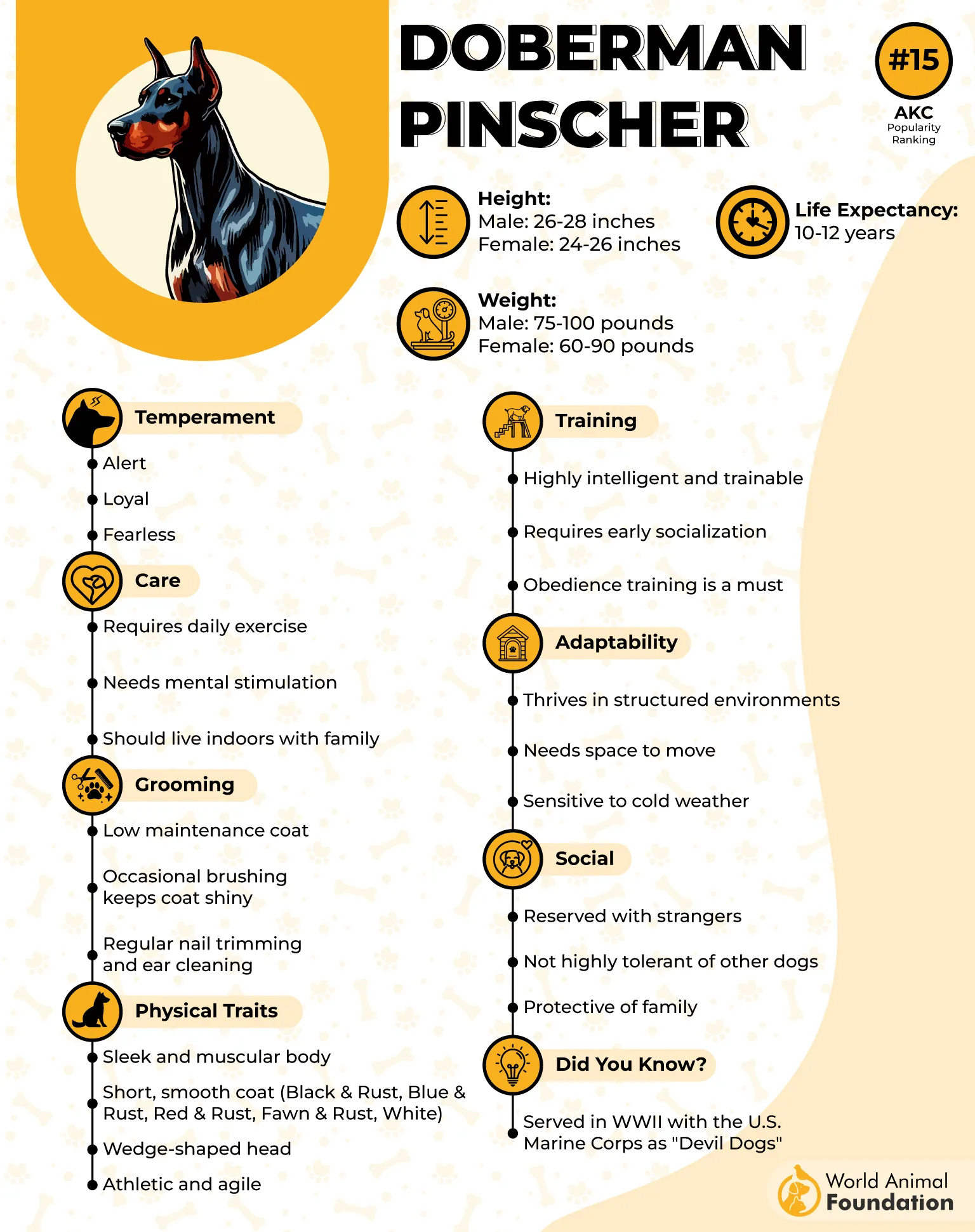
These loyal dogs are eager to learn and respond well to consistent positive reinforcement training. Their protective nature can make them wary of strangers, while their strong prey drive may require extra care around cats and other small animals.
Exercise and Care Needs
Doberman Pinschers are energetic dogs that need plenty of daily physical exercise and mental stimulation. Running, vigorous play, agility, obedience training, tracking, nose work, swimming, and other dog sports can help keep them physically and mentally satisfied.
Without enough activity, training, and companionship, they may become bored and develop destructive behaviors.
Conclusion
Choosing the right short-haired dog breed depends on more than appearance. Temperament, energy level, grooming needs, trainability, exercise requirements, and compatibility with your family all play an important role.
Whether you want an affectionate companion, an active adventure partner, or a loyal working dog, understanding these traits can help you find a breed that truly fits your lifestyle.
Before bringing a dog home, take time to consider your daily routine, living space, experience, and ability to meet the breed’s needs. The best match is not always the most popular or impressive-looking dog. It is the one whose personality and care requirements fit naturally into your life.
Looking for more short-haired breeds? You can also check out the Miniature Pinscher, Beagle, Chihuahua, Boston Terrier, and Dachshund.
