




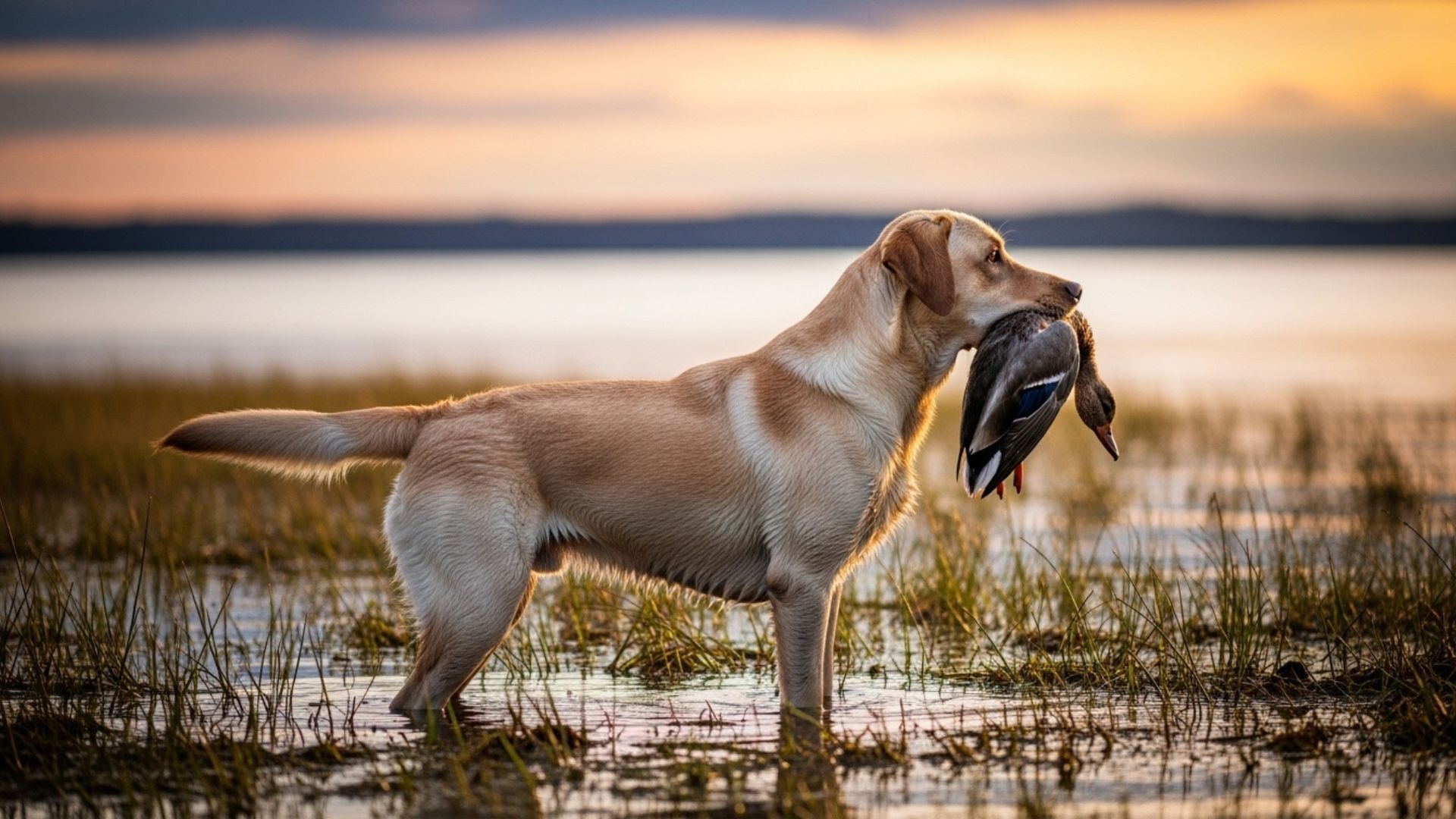
The story of waterfowl hunting is inseparable from the story of retrievers, yet their exact origins remain a mystery. When and where the first duck dogs made their debut on the waterfowling scene is still debated, with historians piecing together clues from centuries of breeding experiments.
These pioneers succeeded in creating specialized and versatile hunting dogs. Extinct breeds like the St. John’s water dog and the Tweed water spaniel, alongside Newfoundlands, setters, and scenting hounds, all contributed traits such as stamina, scenting prowess, and swimming skill.
Beyond their skill, retrievers offer unmatched companionship, loyalty, and intelligence. From navigating marshes to mastering blind retrieves, they make upland hunting more rewarding and accessible while thriving as affectionate household companions.
The right popular dog breed turns every waterfowl hunt into a partnership of skill, loyalty, and joy.
Dog Breeds Ideal For Waterfowl Hunting and Retrieving
1. Labrador Retriever
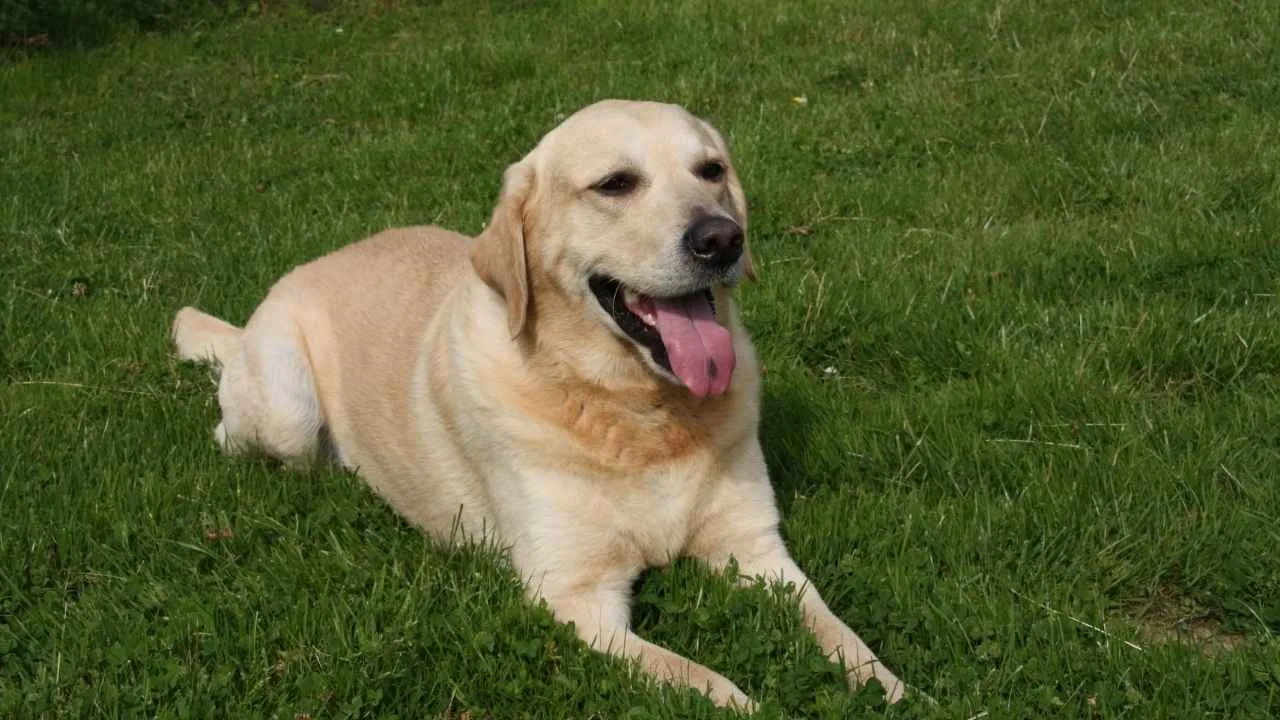
Labrador Retrievers trace their roots to the icy shores of Newfoundland, where they assisted fishermen by retrieving fish and waterfowl from cold Atlantic waters. Brought to England in the early 1800s, these “Labrador dogs” were refined by British breeders, who valued their strong swimming skills, dense, weather-resistant coat, and instincts.
Friendly, Energetic, and Loyal Companions
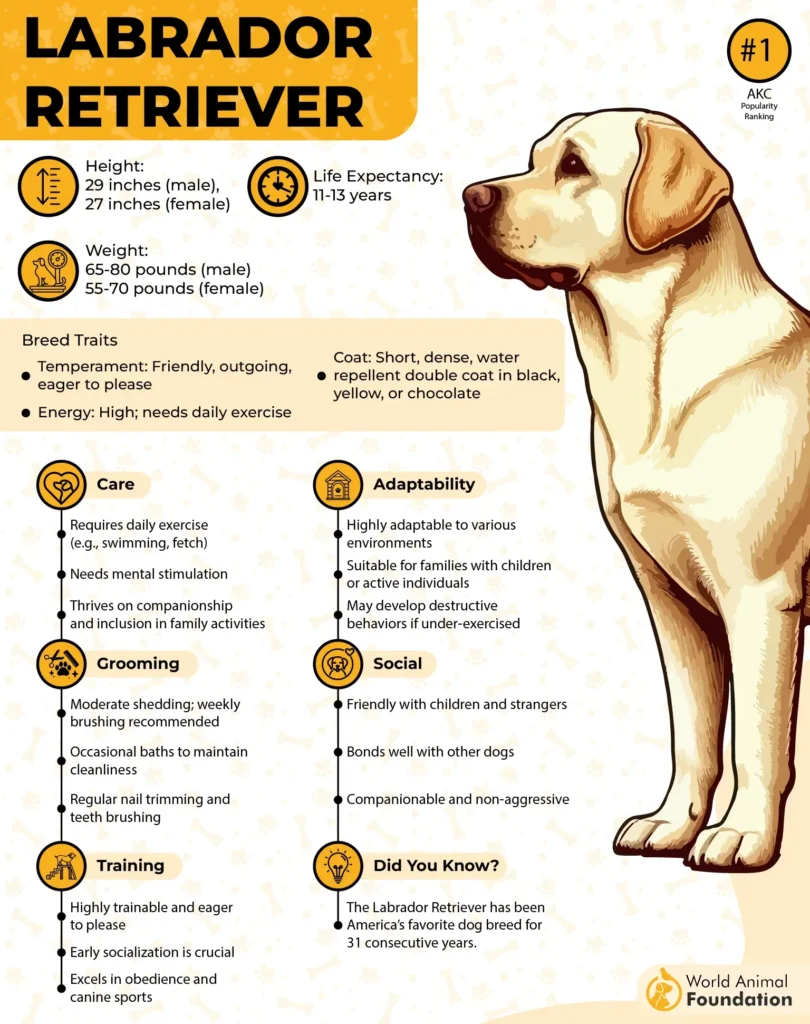
Labs are outgoing, affectionate, and highly trainable, making them ideal both in the field and at home. Their intelligence, gentle disposition, and eagerness to please allow them to bond with families, other pets, and even strangers.
Swimming Strength Meets Precision Retrieving
One of the Labrador’s most iconic features is its “otter tail,” which acts as a natural rudder in the water, as per PetMD. Combined with their muscular build, webbed feet, and double coat, Labs excel as duck hunting dogs from rivers, lakes, and marshes.
2. Golden Retriever
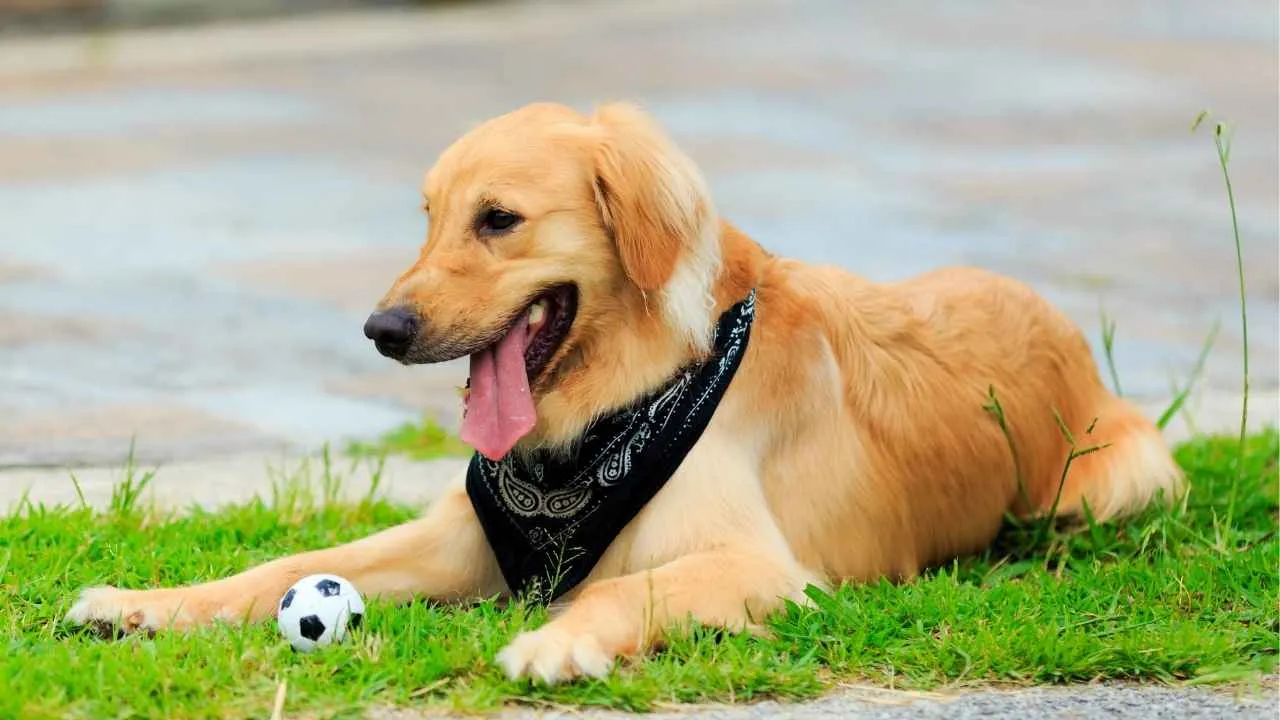
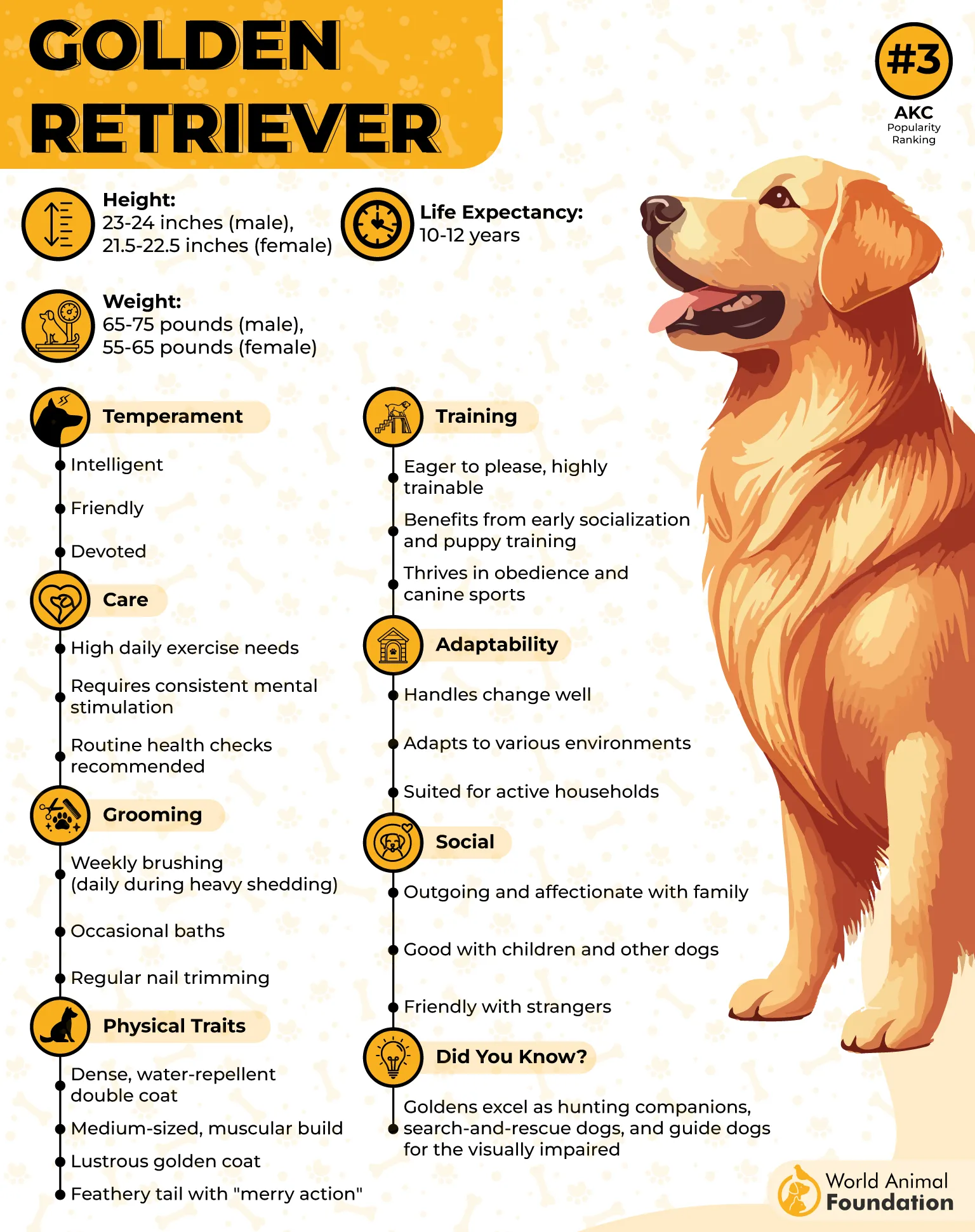
Golden Retrievers were carefully developed in the Scottish Highlands during the mid-1800s by Dudley Marjoribanks, the first Baron Tweedmouth. Crossing the now-extinct Tweed Water Spaniel with yellow retrievers, and later incorporating Irish Setters and Bloodhounds, he aimed to create the perfect hunting dog.
Intelligent, Loyal, and Eager-to-Please
Known for their affectionate and joyful temperament, Goldens are naturally trainable, friendly with families, and social with other pets. They thrive on exercise and mental stimulation, which also helps channel their energy for upland bird hunting tasks.
Soft-Mouthed Retrievers with Endless Endurance
Golden Retrievers’ hallmark “soft mouth” is ideal for retrieving ducks and other game without damage. Coupled with their dense, water-repellent double coat and muscular build, they excel in marshes, streams, and icy waters.
3. Chesapeake Bay Retriever
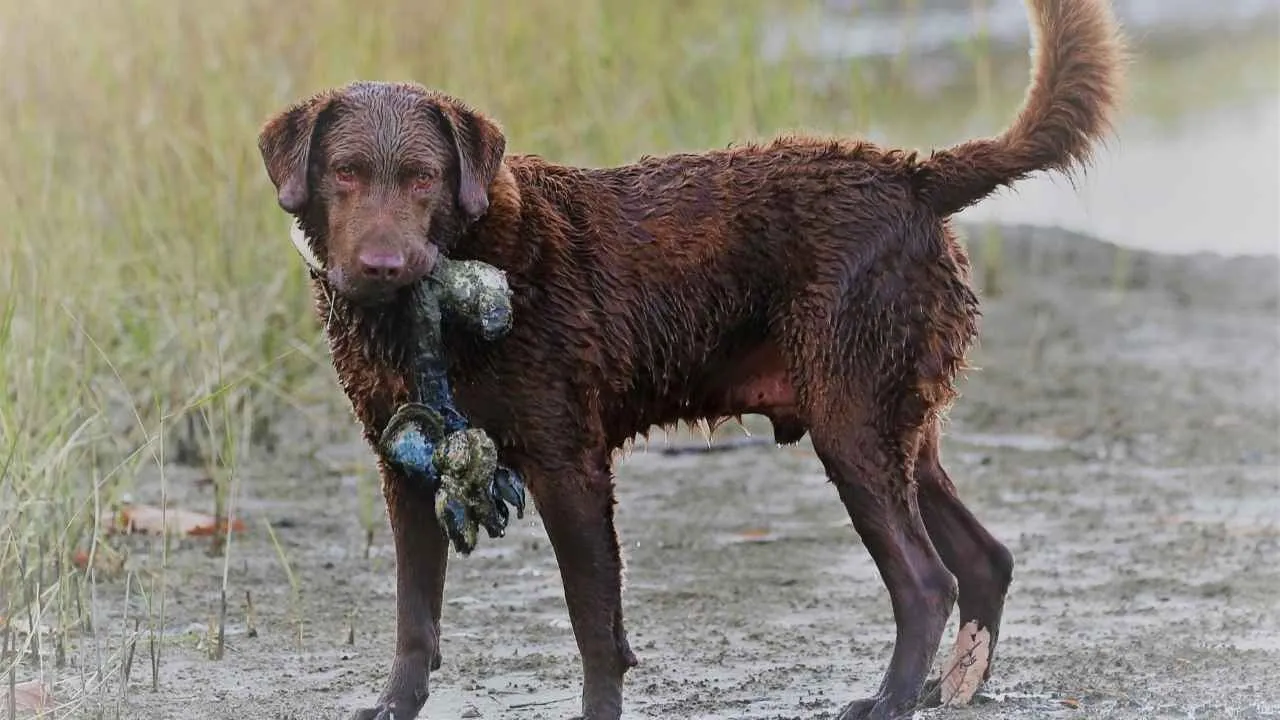
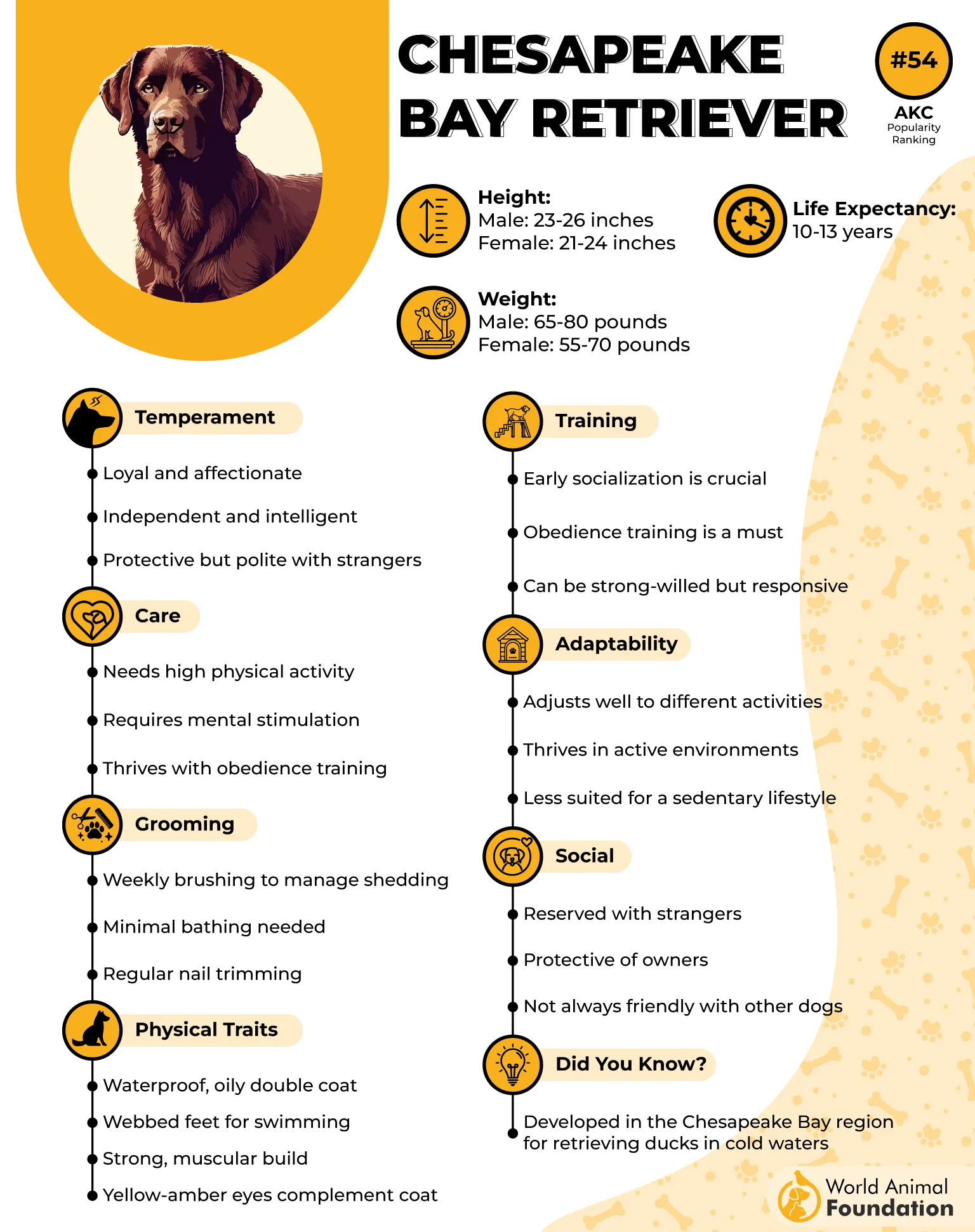
The Chesapeake Bay Retriever, affectionately called the “Chessie,” was bred along Maryland’s waterways in the early 1800s, reportedly tracing back to an English shipwreck, as per Hill’s Pet. Developed to retrieve ducks and other waterfowl from frigid rivers and bays, Chessies are larger and more muscular than Labs, with dense, water-resistant coats and strong webbed feet.
Independent, Loyal, and Playfully Goofy
Chessies are bright, cheerful, and full of personality. They bond closely with their families, often following owners from room to room, and show a mischievous, playful side that has earned them the nickname “Brown Clown.”
Exceptional Swimmers with Unmatched Drive
Known for their stamina and work ethic, Chesapeake Bay Retrievers can retrieve ducks in near-freezing waters for hours on end. Their strong swimming ability and strong retrieving instincts make them perfect partners for waterfowl hunters seeking a tireless, dependable retriever.
4. Nova Scotia Duck Tolling Retriever
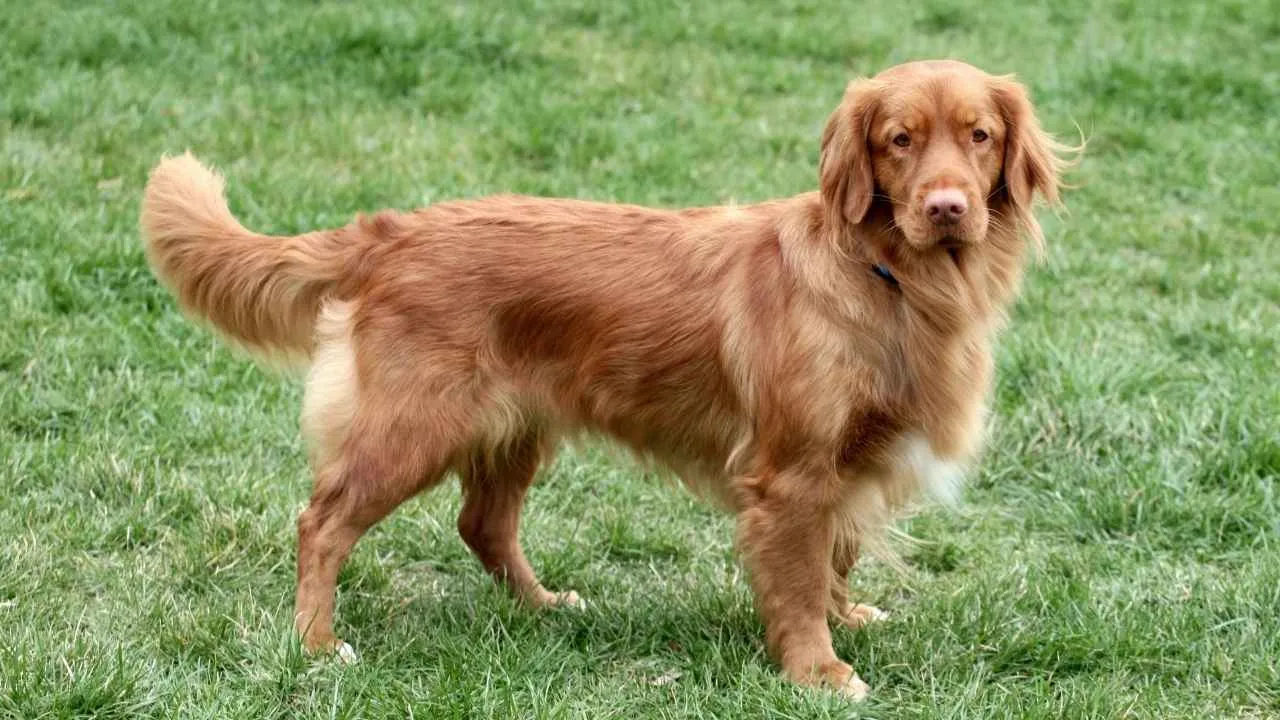
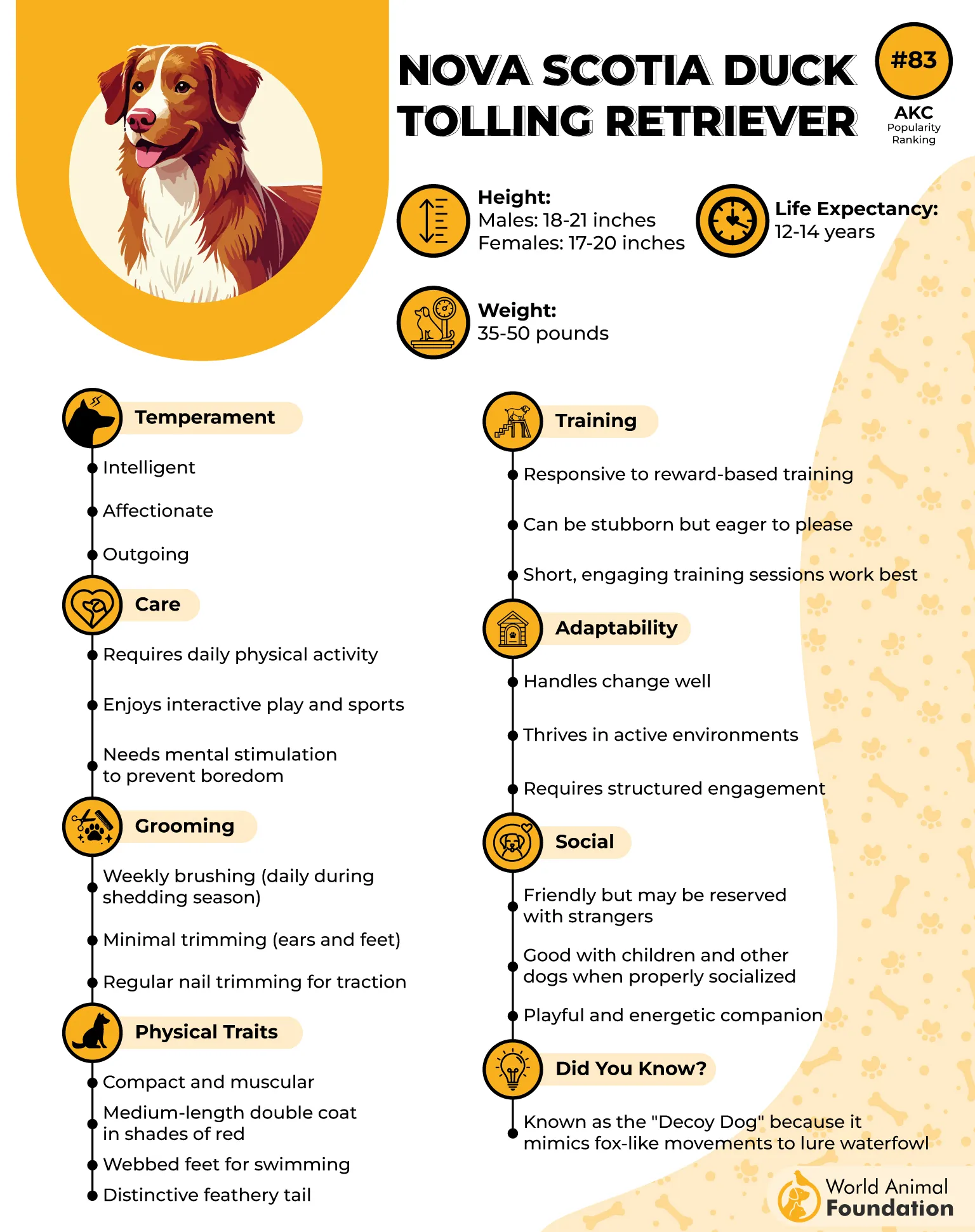
The Nova Scotia Duck Tolling Retriever, or “Toller,” was developed in early 19th-century Nova Scotia to perform a unique hunting technique: luring waterfowl to shore. These energetic little retrievers mimic the playful movements of foxes, using their bright red coats and feathery tails to attract curious ducks into gunshot range.
Spirited, Intelligent, and Affectionate
Tollers are high-energy, playful, and eager-to-please companions, making them a joy for active families and hunters alike. Their sharp minds and strong work ethic thrive on both physical and mental challenges, from fetch and agility to retrieving waterfowl.
Webbed Feet and Tireless Retrieval
Equipped with webbed feet and boundless stamina, Tollers excel at swimming and retrieving in icy waters, as per Purina. Once a duck is down, these clever retrievers instinctively fetch and return it gently, making them invaluable hunting partners.
5. Curly-Coated Retriever
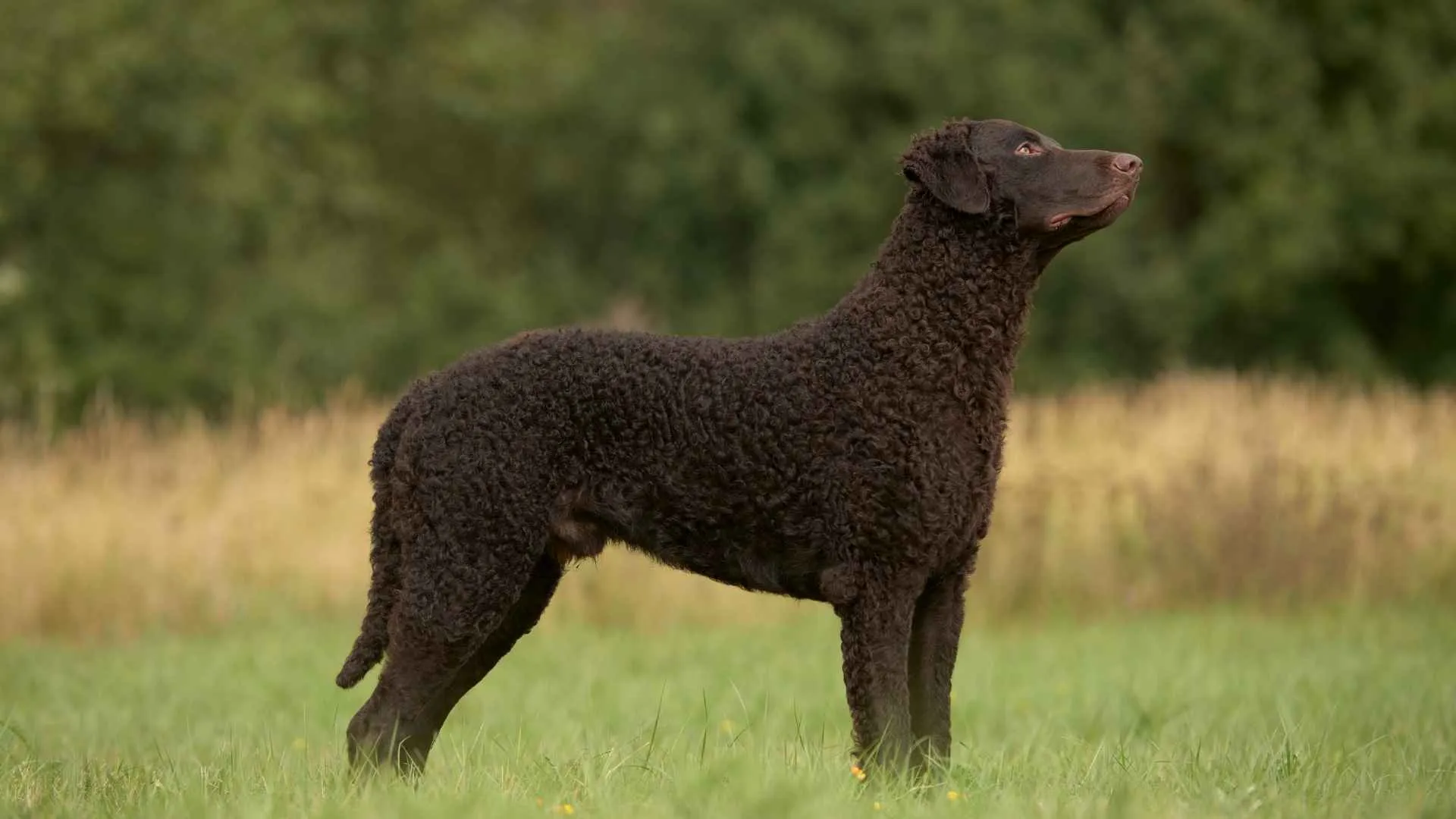
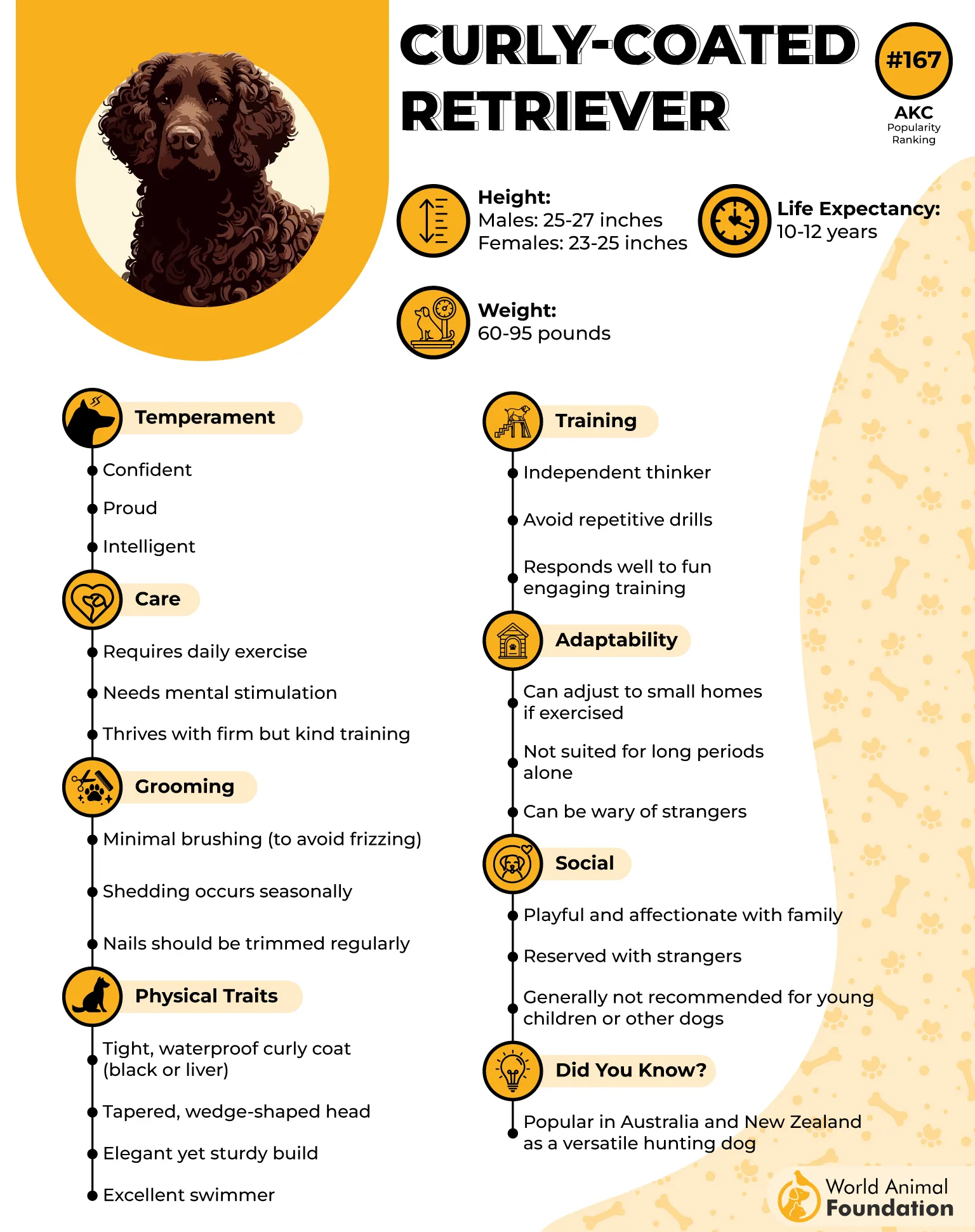
The Curly-Coated Retriever is a strikingly athletic and large dog, instantly recognizable by its dense, tightly curled coat that covers most of its body, leaving the head and extremities smooth. Originating in England as far back as the 1700s, Curlies were bred specifically from English Water Dogs and Irish Water Spaniels.
Confident, Independent, and Loyal
Unlike some of the more exuberant retrievers, Curlies are calm, polite, and reserved, yet deeply affectionate with family and close friends. Highly intelligent but sometimes stubborn, they benefit from early socialization and consistent training.
Tireless Hunters with Hardy Coats
Curly-Coated Retrievers are true waterfowl dogs with boundless energy and a passion for water work. Their strong, muscular build and low-maintenance, water-resistant coat allow them to retrieve game in cold or rough conditions for hours, while their steady temperament ensures they remain focused and reliable in the field.
6. Flat-Coated Retriever
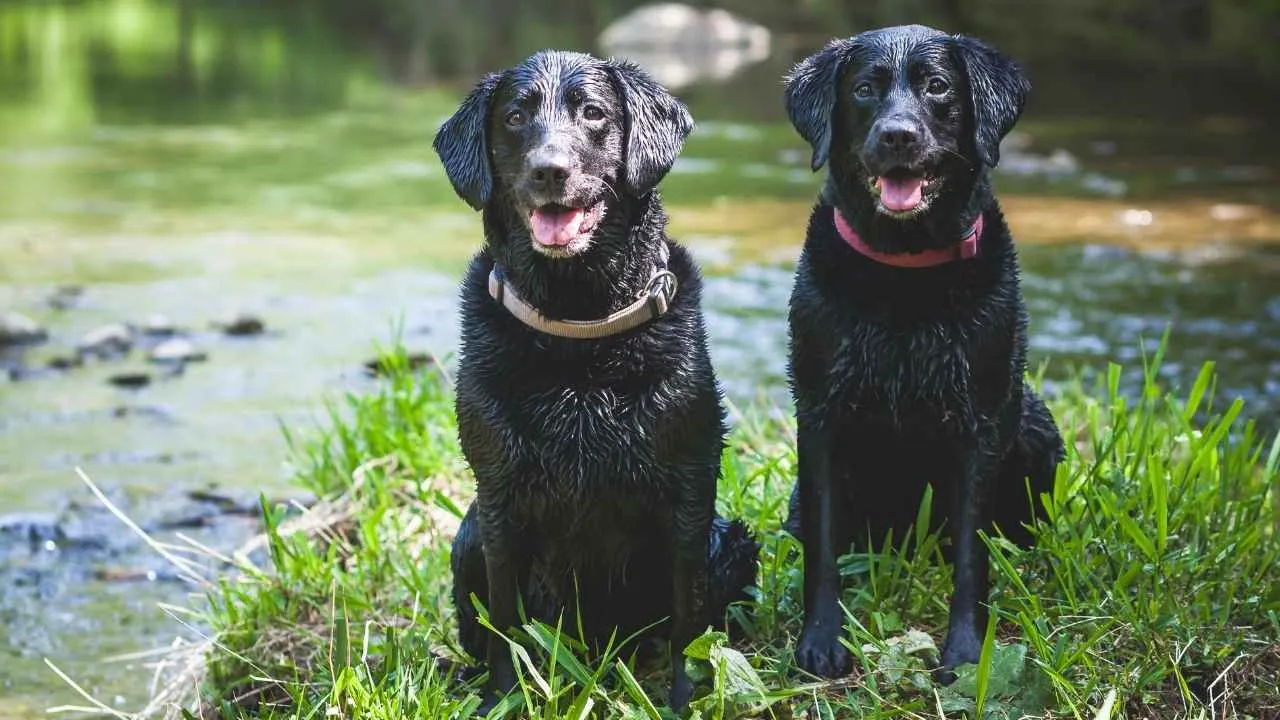
The Flat-Coated Retriever is a lively, elegant gundog with a shiny black or liver coat and feathered legs and tail. Known as the “Peter Pan” of retrievers, they retain a playful, puppyish energy well into adulthood, as per WebMD.
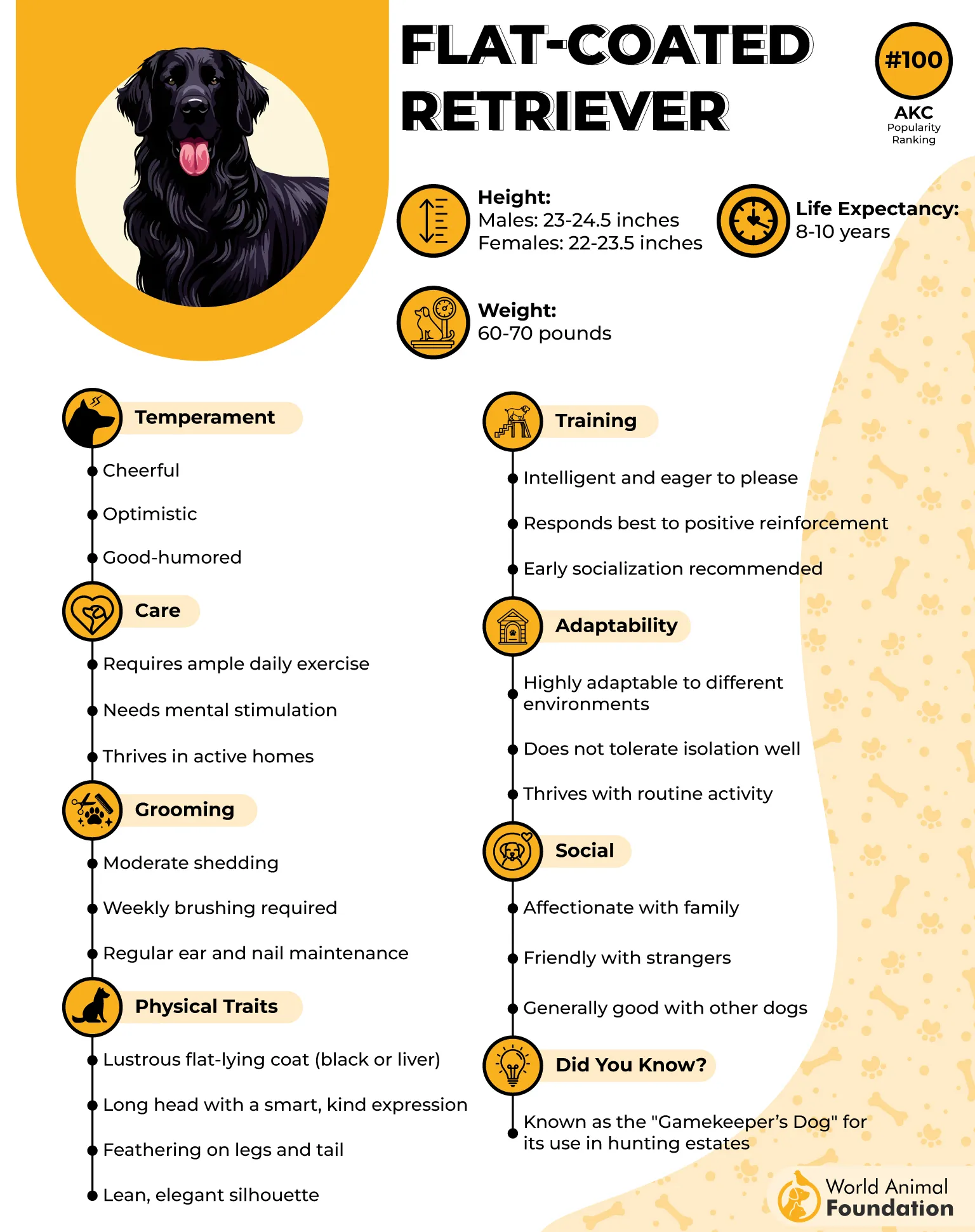
Energetic, Affectionate, and Loyal
Flat-Coats are highly intelligent and eager to please, thriving on interaction and outdoor activity. They enjoy family life, are gentle with children, and bond closely with humans. Their adventurous nature and curiosity make them excellent hunting companions for both fieldwork and everyday life.
Masters of the Water and Field
Bred in 19th-century Britain for retrieving game, Flat-Coats excel at marking, swimming, and gently bringing waterfowl back to hand. Their dense, weather-resistant coat protects them in icy waters and harsh terrain. With energy, intelligence, and enthusiasm, Flat-Coated Retrievers are ideal partners for hunters and outdoor enthusiasts.
7. Irish Water Spaniel
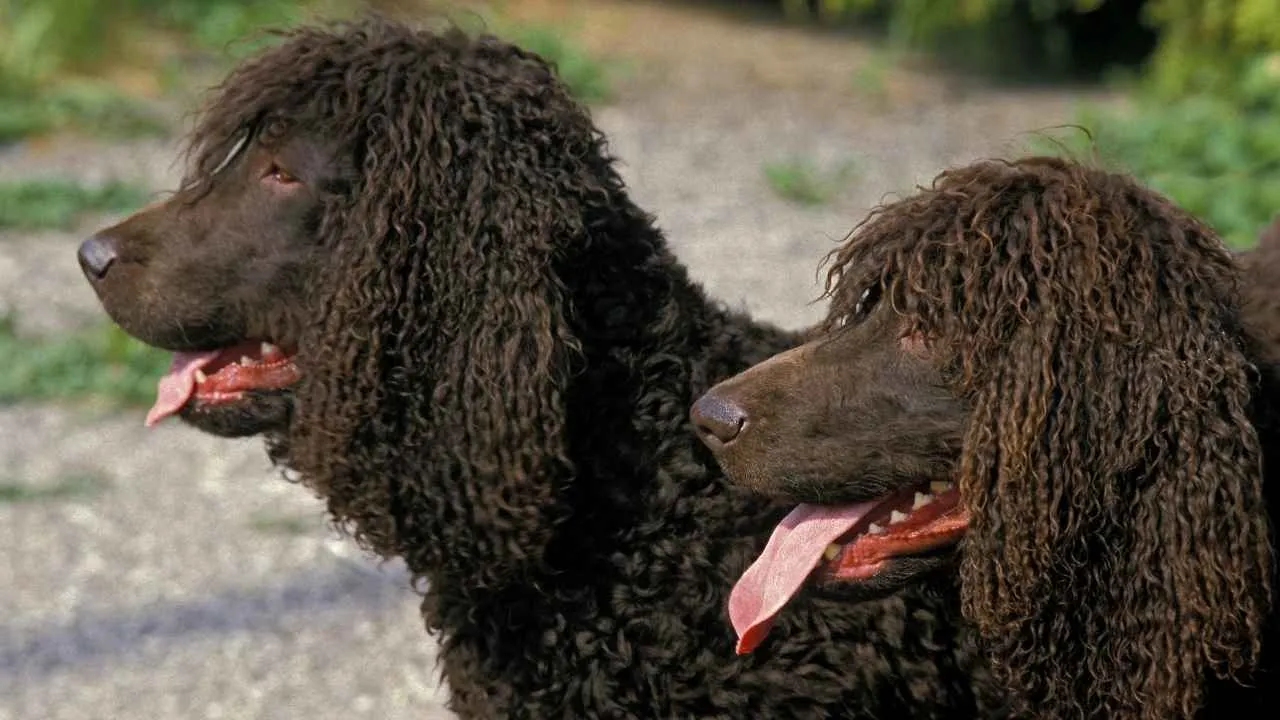
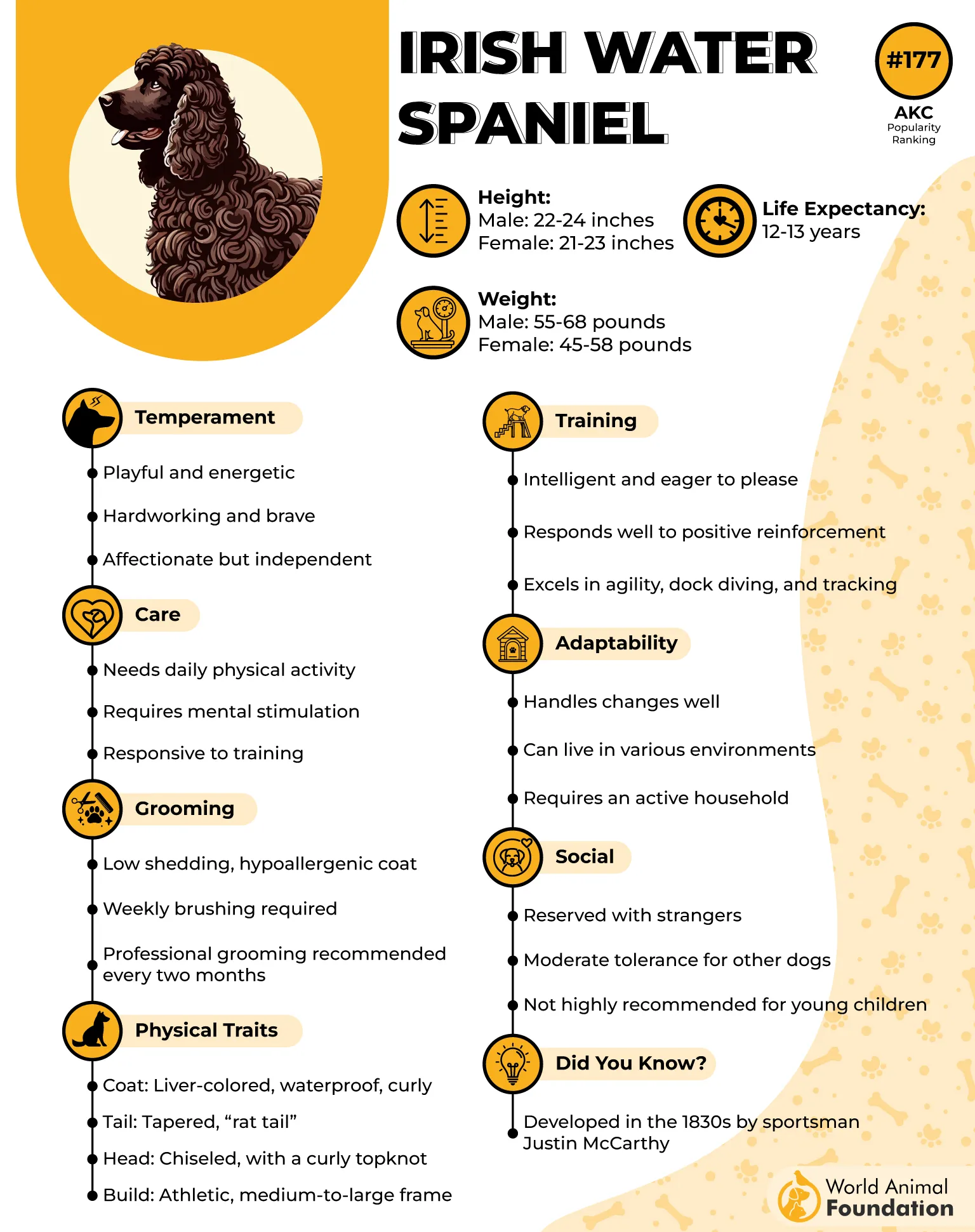
The Irish Water Spaniel was developed in the 1830s in Ireland to retrieve game from lakes and marshes. Its ancestors included earlier curly-coated water retrievers, giving the breed a distinctive liver-colored coat and signature topknot. Recognized by the AKC in 1878, this breed combines elegance with utility.
Spirited Swimmer with a Loyal Heart
Irish Water Spaniels are intelligent, affectionate, and eager to please, thriving in active households. Agile and solidly built, they stand 21 to 24 inches tall and enjoy having a “job” to do. Their playful personality is matched by high energy and a natural curiosity that keeps them engaged.
Curly Coat Made for Cold Waters
The breed’s dense, water-shedding curls protect it in icy waters, making it a natural waterfowl retriever. Their “rat tail” and waterproof coat allow them to swim with endurance while retrieving ducks or other game. Puzzle toys, dock diving, and agility exercises help harness their energy and sharp minds.
8. Boykin Spaniel
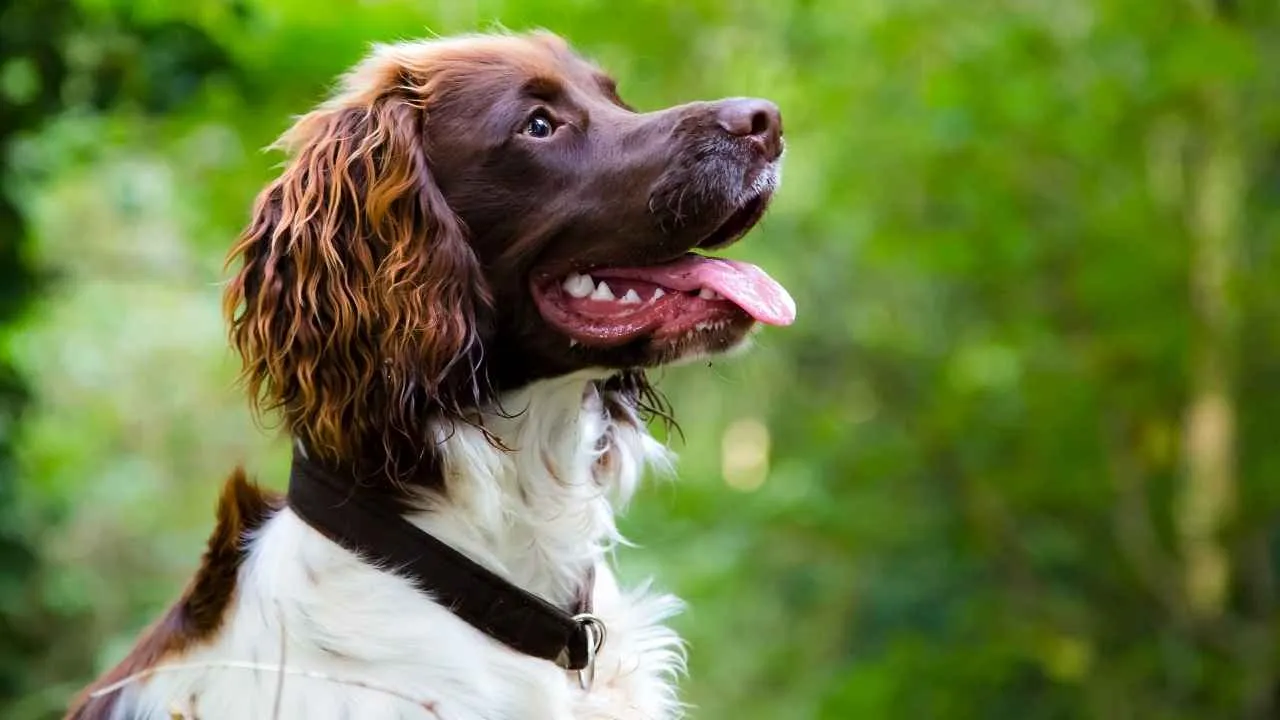
The Boykin Spaniel was developed in the early 1900s along South Carolina’s Wateree River for small-boat hunting of waterfowl and wild turkey. Named after L. Whitaker Boykin, the breed descended from a small stray spaniel named “Dumpy” and other retriever and spaniel types.
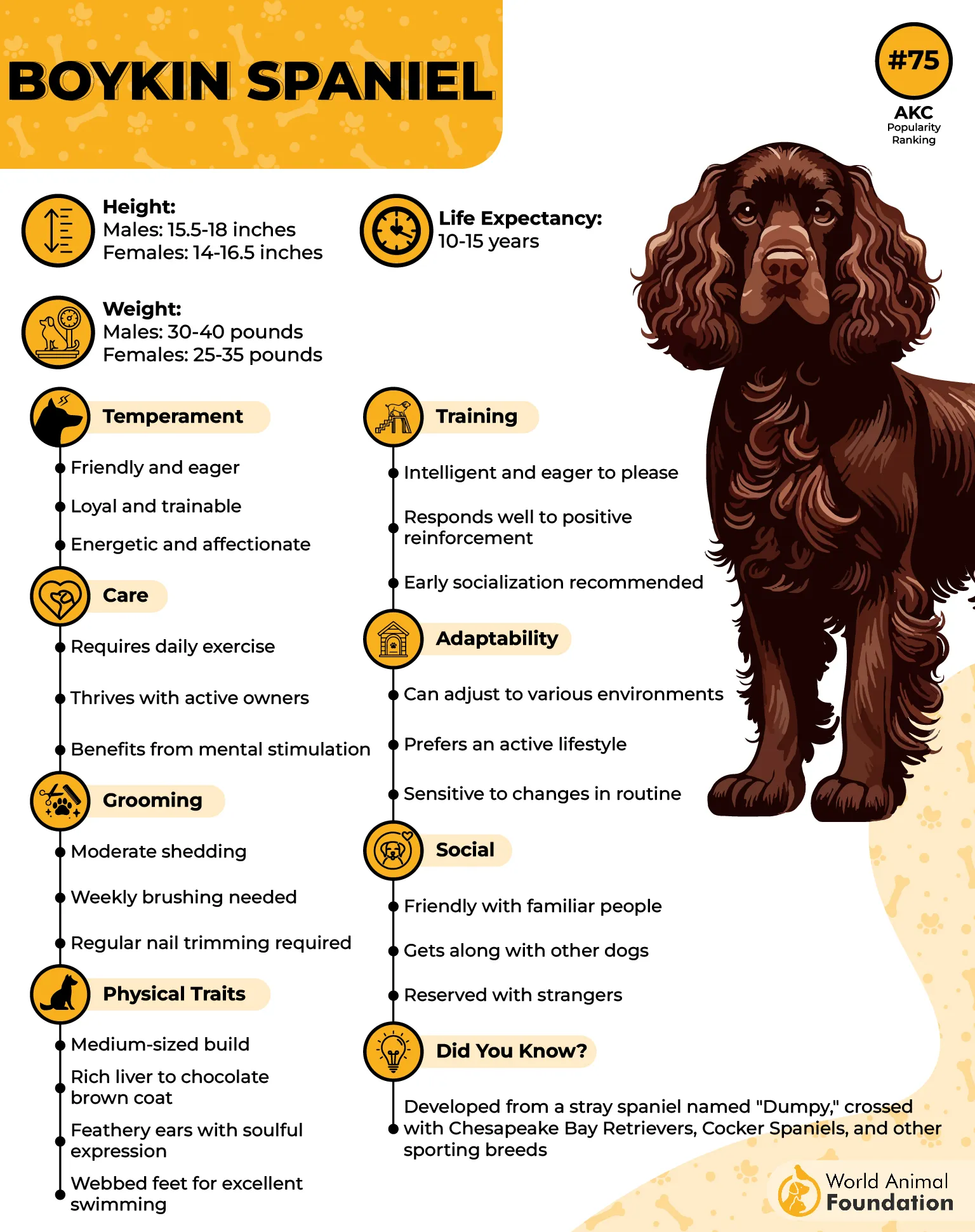
Excellent Companion with Endless Energy
Boykins are affectionate, friendly, and especially good with children and other pets. They are highly energetic and thrive with an active family, requiring daily walks, playtime, or outdoor adventures. Intelligent and eager to please, they respond quickly to early training and love having a job to do.
Medium-Coated Swimmers Built for Work
Their medium-length, slightly wavy coat sheds minimally and needs regular grooming to stay neat. Boykins are excellent swimmers, with stamina in both cold and hot weather, making them superb waterfowl retrievers.
9. English Springer Spaniel
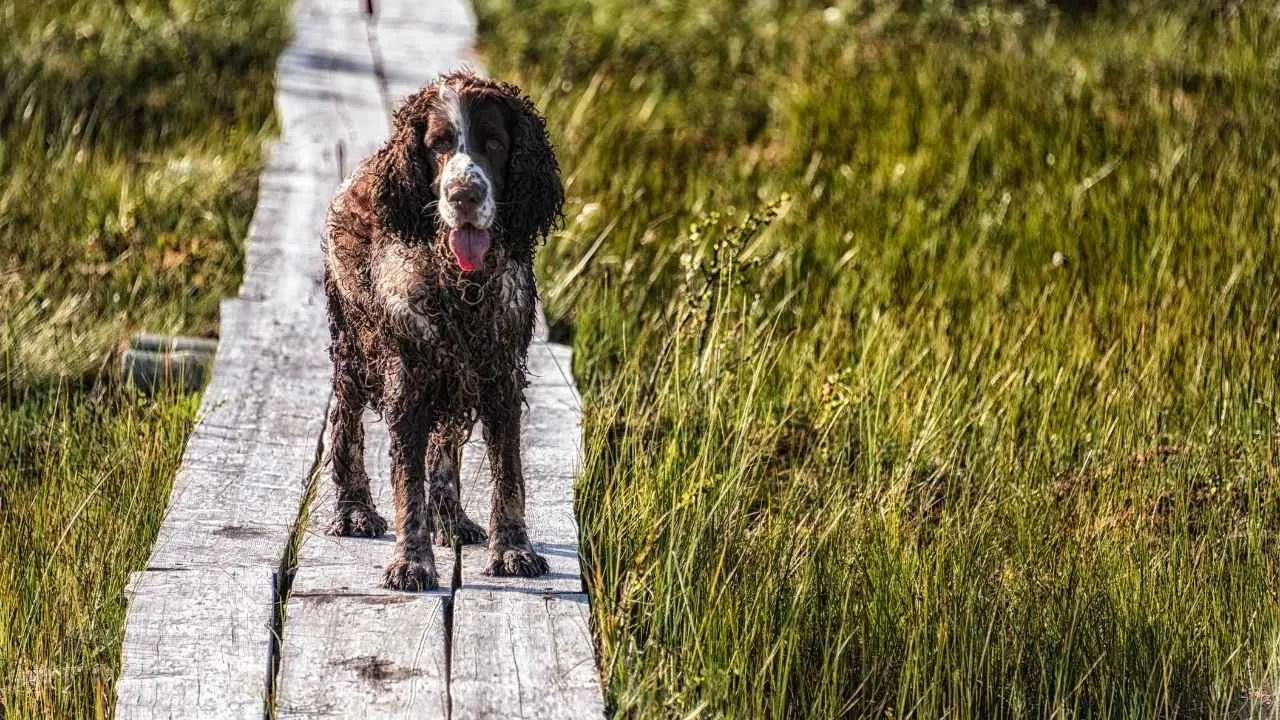
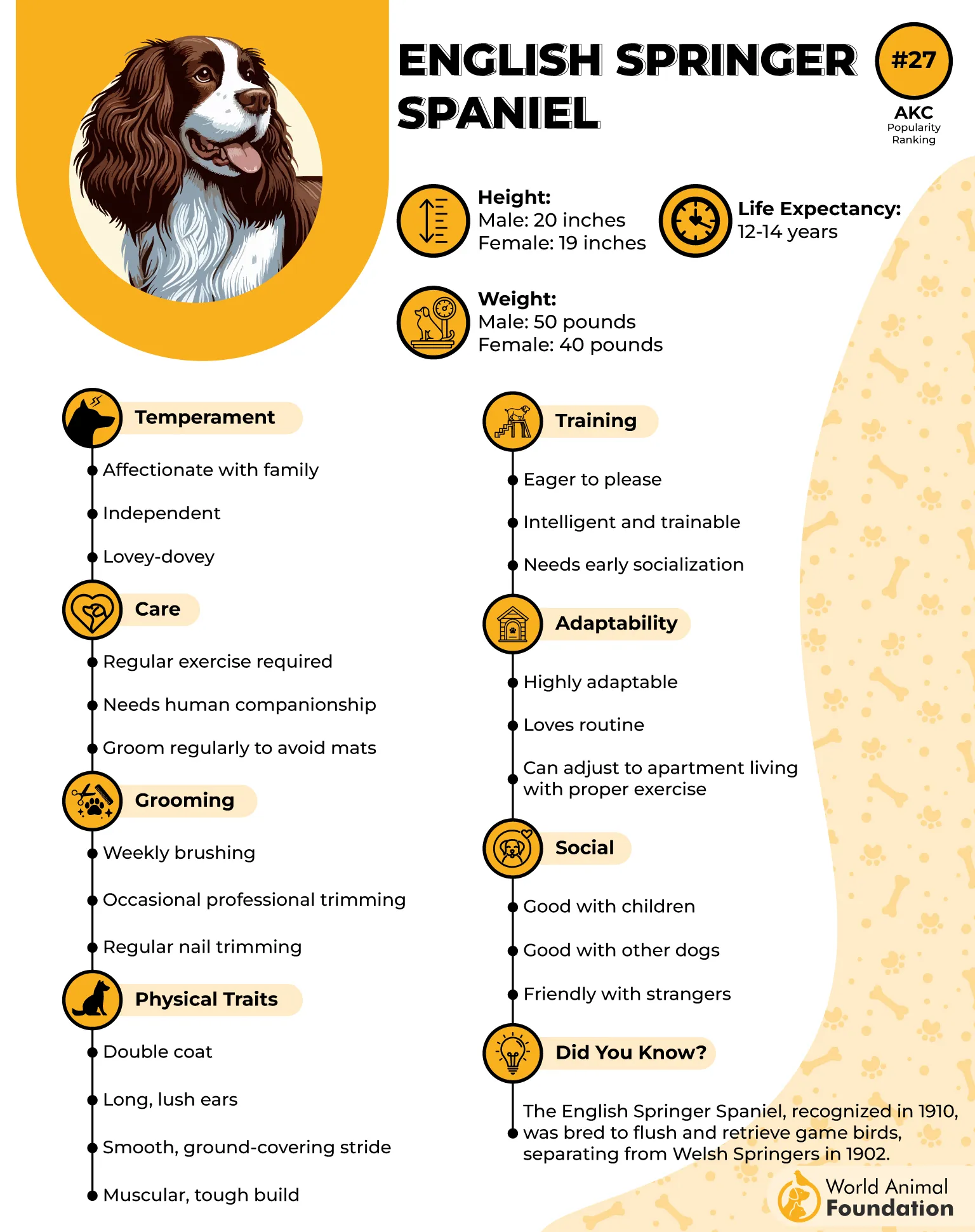
The English Springer Spaniel originated in England as a versatile flushing and retrieving dog used by hunters to drive game birds into the air and retrieve them after the shot. Recognized as one of the oldest sporting spaniels, the breed was developed for endurance, obedience, and close cooperation with hunters in fields and wetlands.
Friendly Hunter with a Family Heart
English Springers are affectionate, social, and deeply loyal dogs to their families. Their high energy and playful nature mean they thrive in active households that can provide daily exercise, training, and mental stimulation.
Athletic Retrievers with All-Weather Ability
Their medium-length, feathered coat offers protection from brush and cold water, though it requires regular brushing to prevent tangles. English Springer Spaniels are strong swimmers with excellent scenting ability and strong instincts, making them highly reliable for waterfowl hunting and fieldwork in varied conditions.
Conclusion
For hundreds of years, humans have relied on energetic dogs to track, retrieve, and hunt game. Their sharp senses, speed, and stamina make them unmatched partners in the field, turning challenging hunts into manageable tasks. Beyond skill, their loyalty and focus create a bond that lasts both in the blind and at home.
Each breed carries its own strengths, from tracking to swimming prowess. These pointing dogs reflect a history of careful selection and dedication to the hunt.
Owning a skilled retriever transforms the hunting experience, opening opportunities you might not otherwise attempt. With proper training and guidance, these flushing dogs excel in the field and thrive as affectionate family members.
The first step is research—understanding traits, temperaments, and needs ensures you find a family dog that fits your lifestyle and hunting ambitions.
