




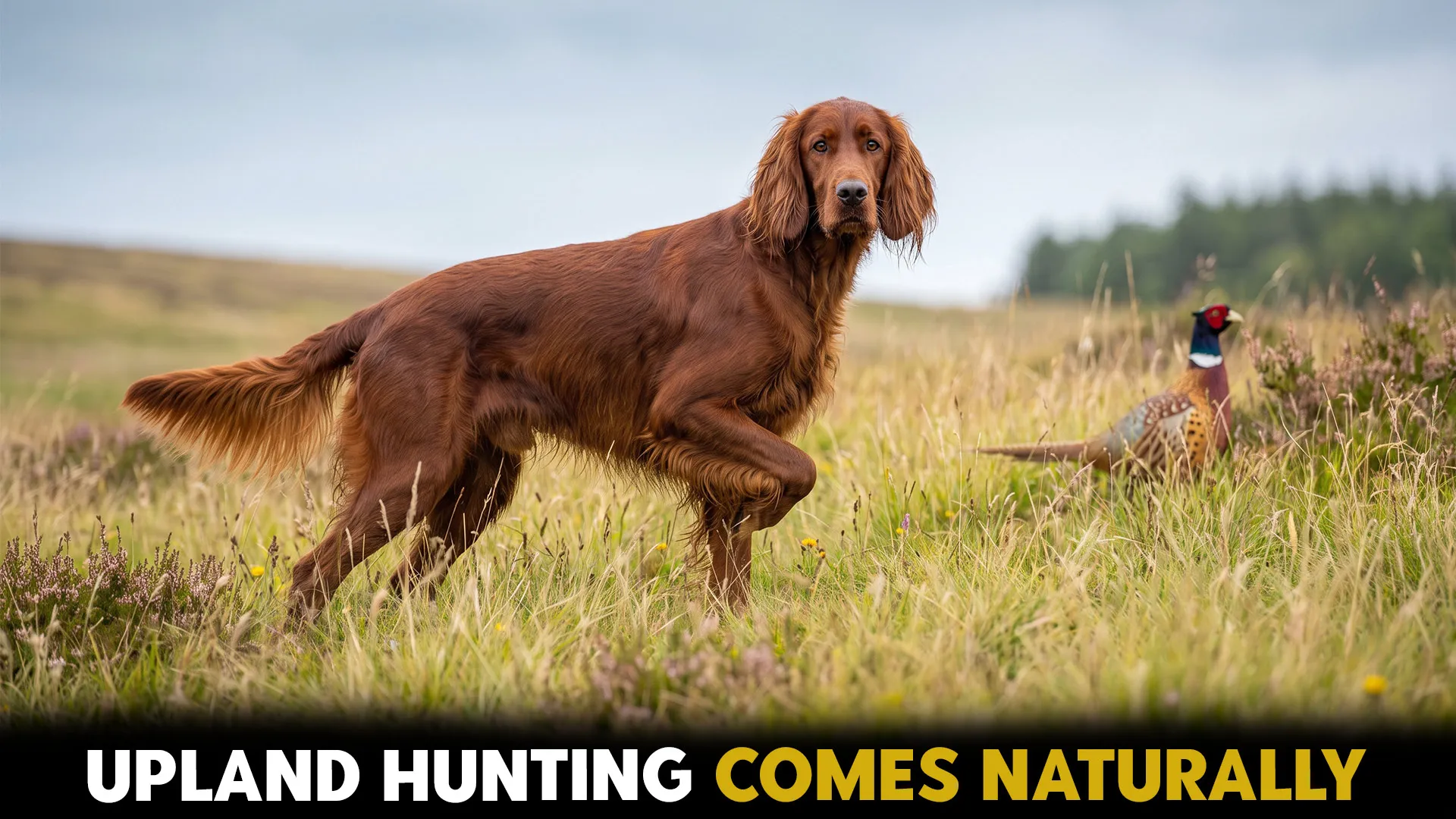
There is something deeply rewarding about walking through open fields, grasslands, or woodland cover with the anticipation of an upland bird breaking into flight.
Upland game hunting brings hunters closer to nature while pursuing birds such as pheasants, quail, grouse, partridges, and woodcock in their natural habitats.
The terrain can be challenging, the birds unpredictable, and every outing carries its own sense of adventure.
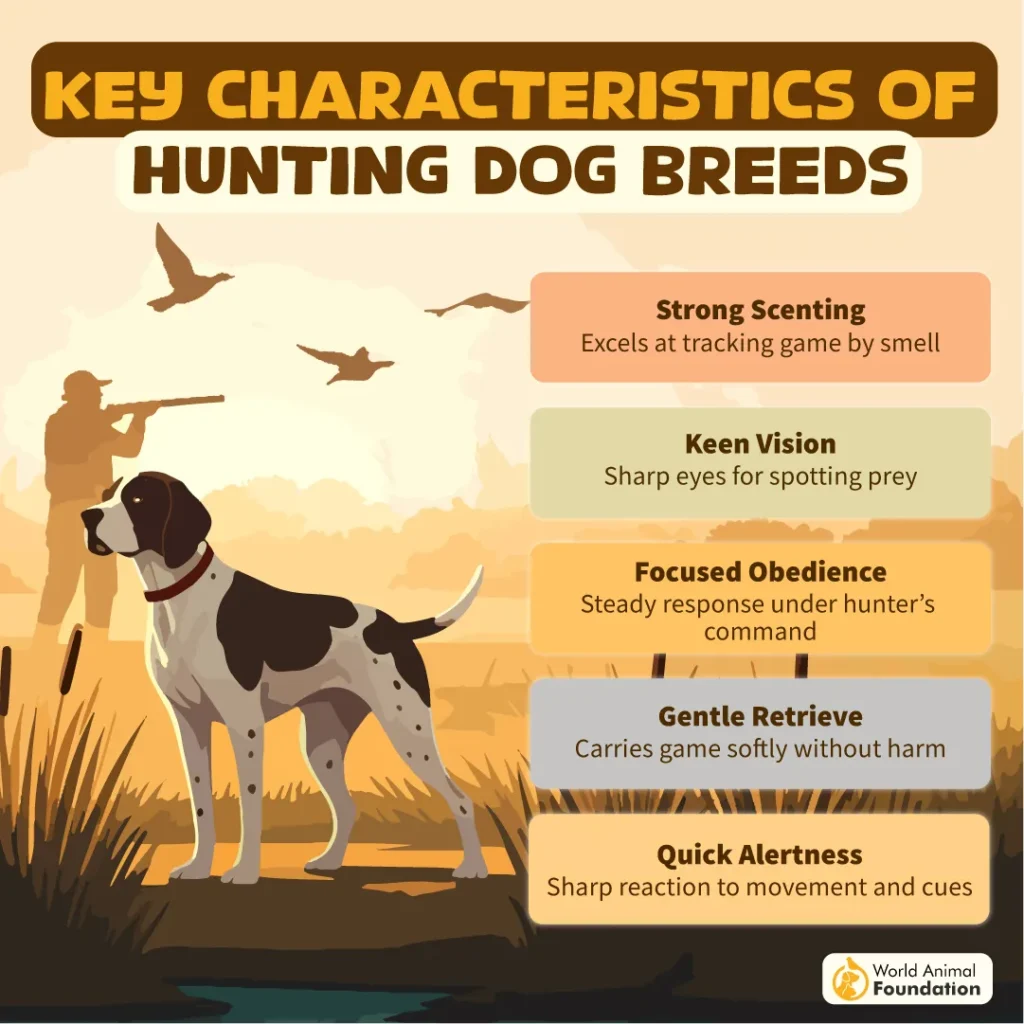
For many hunters, a skilled dog makes that experience even more memorable. Whether pointing, flushing, or retrieving, the right breed can become an invaluable partner in the field, working alongside its handler through long walks and demanding cover.
Breeds such as German Shorthaired Pointers, Brittanys, English Springer Spaniels, and others are valued for qualities that suit this style of hunting, including energy, stamina, intelligence, and strong hunting instincts. Here are the top dog breeds that can bring enthusiasm, skill, and companionship to an upland hunting adventure.
Key Takeaways
Upland hunting dogs need a blend of stamina, focus, athleticism, and hunting instinct.
German Shorthaired Pointers are energetic, athletic, and well-suited to active fieldwork.
Gordon Setters combine endurance and strong hunting abilities with an affectionate nature.
Brittanys stand out for their agility, energy, and ability to point, flush, and retrieve.
English Springer Spaniels are valued for their instinct to flush birds from cover.
Top Dog Breeds Ideal for Upland Game Hunting
1. German Shorthaired Pointer
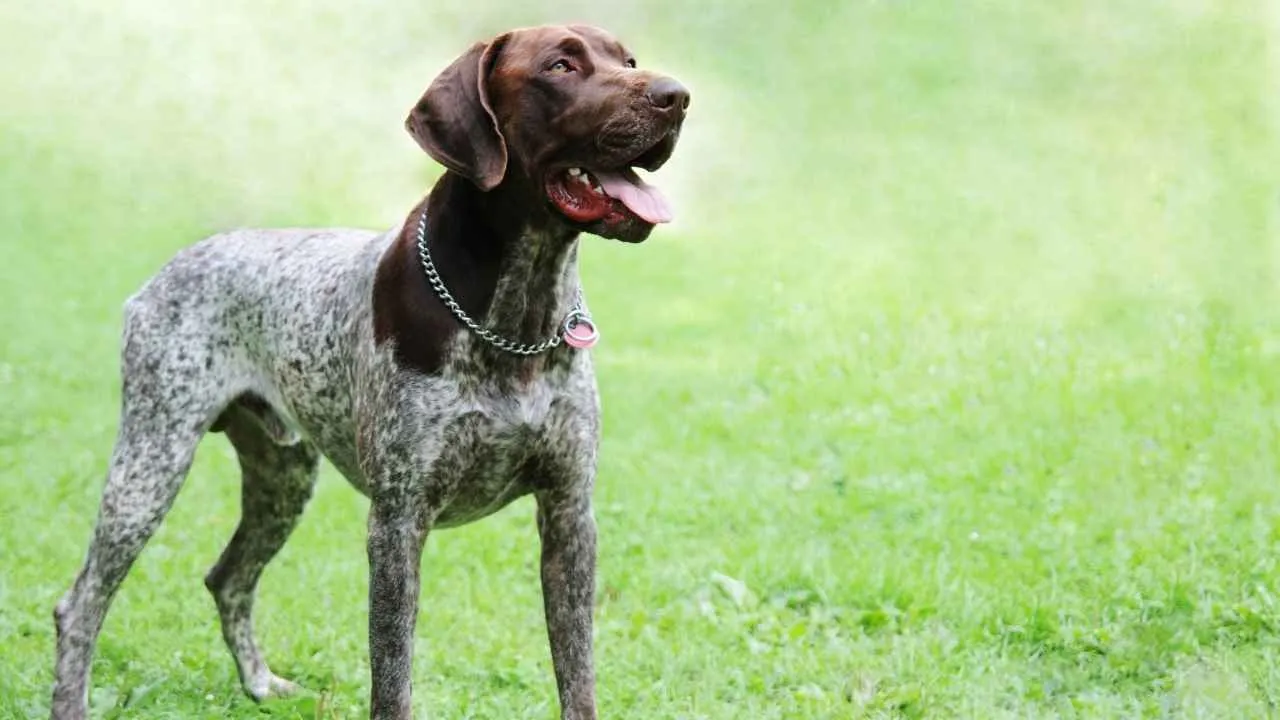
The German Shorthaired Pointer is a versatile, athletic gundog whose energy and eagerness make it a natural fit for upland game hunting.
Medium-sized and powerfully built, the breed combines speed, agility, strength, and endurance, allowing it to stay active through demanding days in the field.
Its distinctive liver or liver-and-white coat and dark, expressive eyes add to its noble appearance, while its friendly nature makes it a devoted family companion.
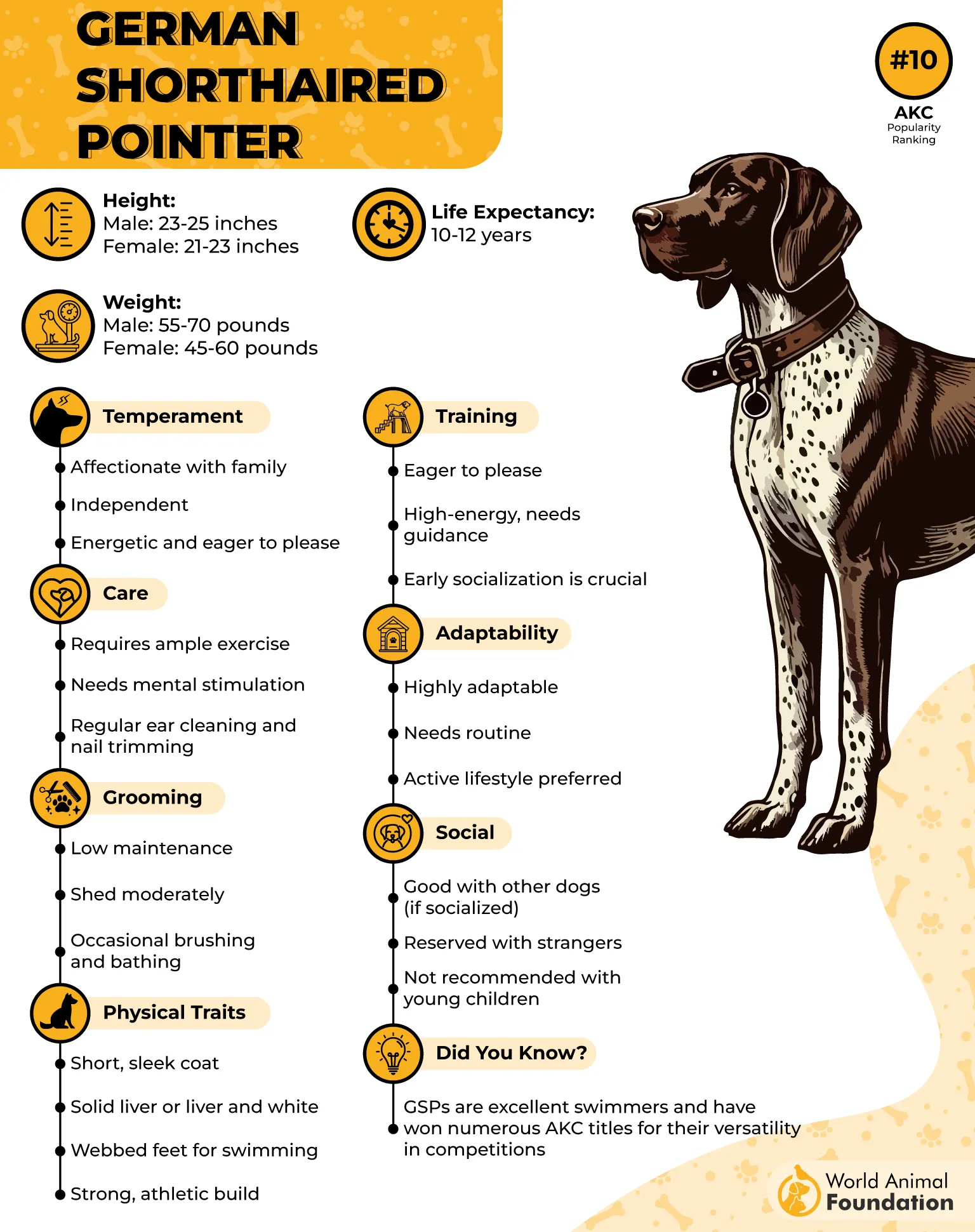
Life with a GSP requires plenty of exercise, purposeful activity, and consistent training, according to the American Kennel Club.
Running, swimming, field work, agility, and obedience can help channel its considerable energy and intelligence. Early socialization and puppy training are especially important, as its strong prey drive and intensity can be challenging during its younger years.
Regular brushing keeps its short coat manageable, while ear care and nail trimming should remain part of its routine. Responsible feeding and avoiding vigorous activity around mealtimes are also important because the breed can be prone to bloat.
2. Gordon Setter
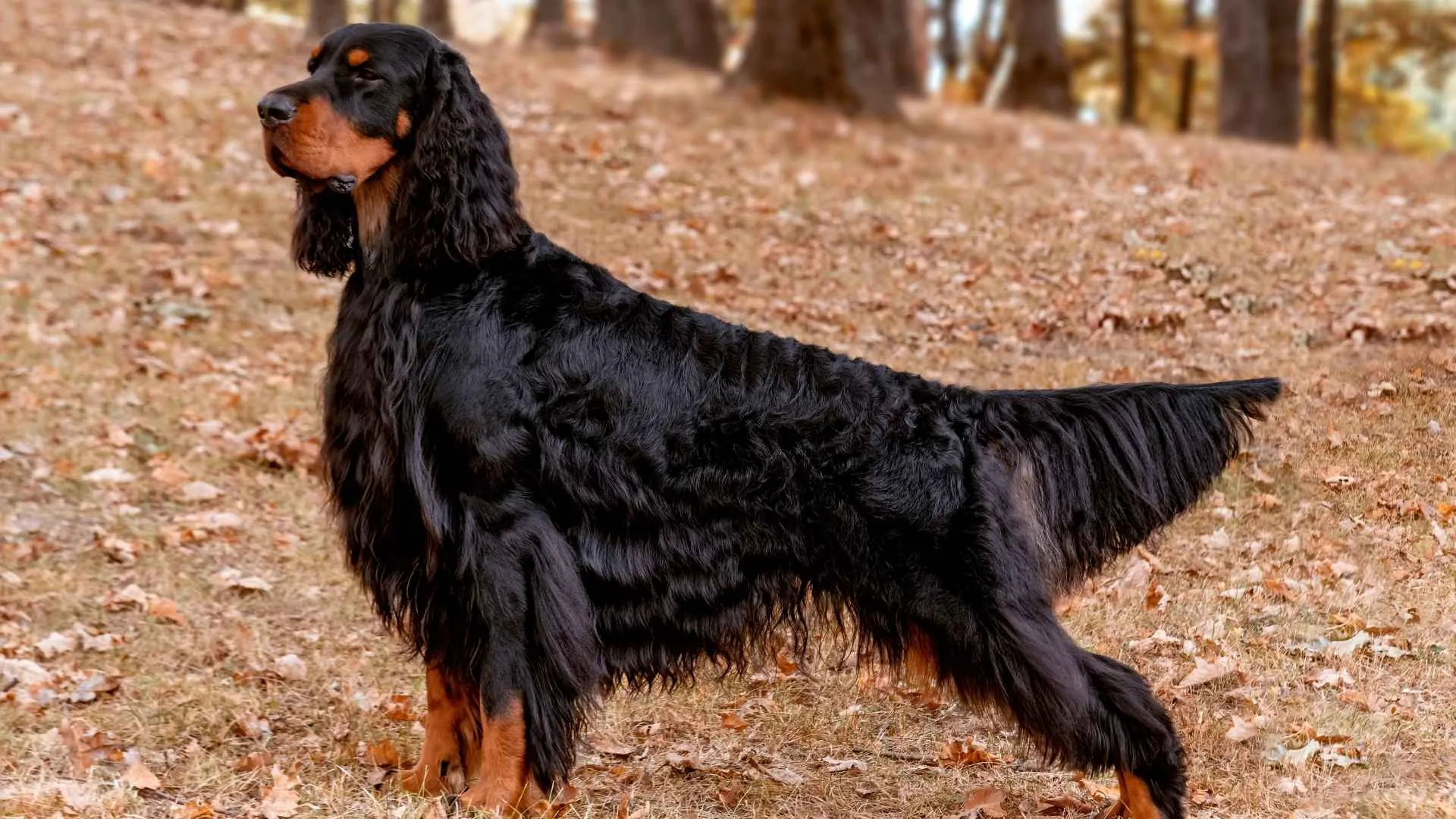
The Gordon Setter brings a striking blend of strength, elegance, and stamina to the upland field.
With its sturdy athletic build and glossy black-and-tan coat, this majestic gundog was developed for bird hunting and remains naturally drawn to the sights and scents of the field.
Its energy and endurance make it well suited to long days outdoors, while its affectionate, loyal nature allows it to become a devoted family companion.
Gordon Setters are intelligent but slow to mature, so they benefit from patient, positive training and early socialization.
Their strong hunting instincts can make birds an irresistible distraction, making reliable recall especially important. They thrive with vigorous daily exercise, including long walks, running, hiking, and hunting activities.
Their feathered coat needs regular grooming to prevent tangles, while their long ears require attentive care. Because the breed can be prone to certain health concerns, responsible ownership includes appropriate veterinary care.
For active, experienced owners who enjoy the outdoors, the Gordon Setter can be a remarkable hunting partner and affectionate companion.
3. Brittany
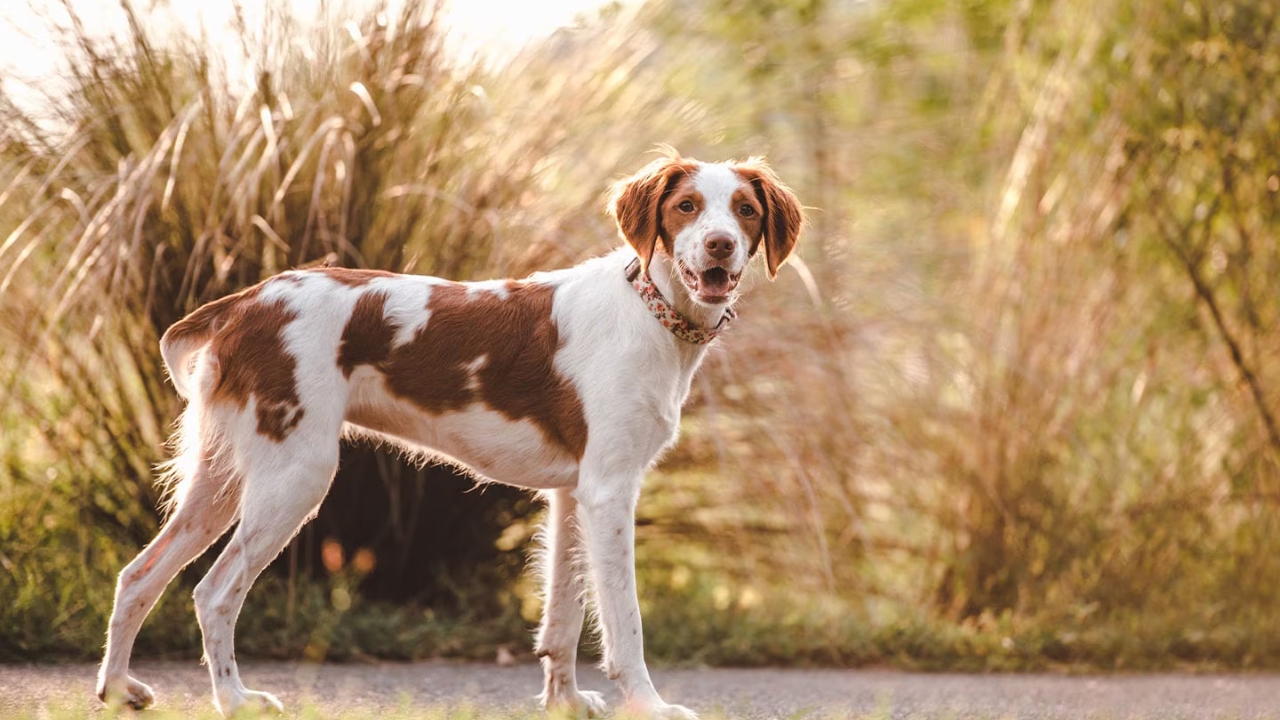
Agile, energetic, and naturally driven to hunt, the Brittany is a standout choice for upland game hunters who want a capable partner with an affectionate side.
Originating in France, the breed has a long history as a versatile bird dog, valued for its exceptional nose and ability to point, flush, and retrieve game on both land and water.
Its medium size allows it to stay within a hunter’s range while moving easily through challenging terrain, and its stamina helps it keep working for extended periods.
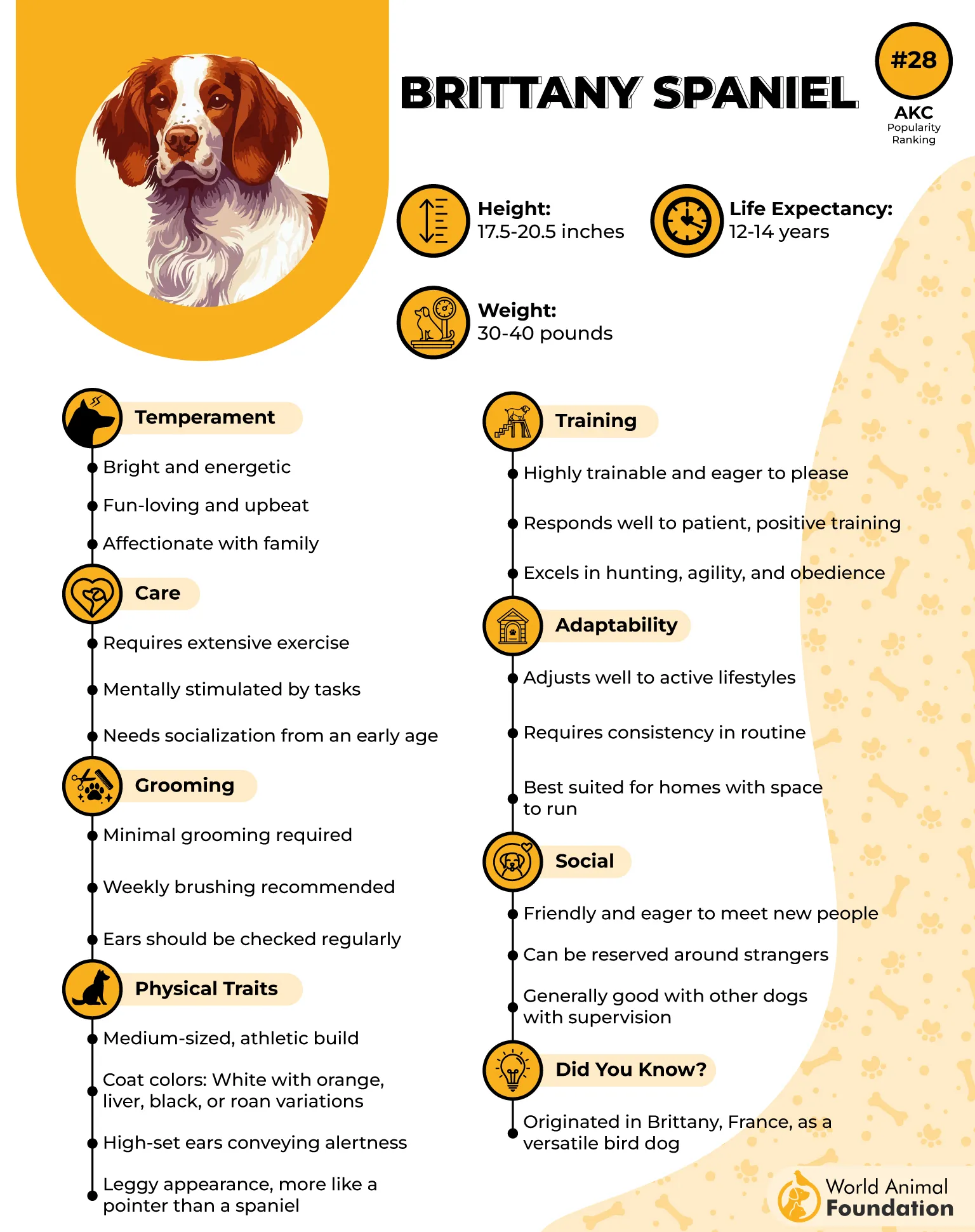
Brittanys are bright, eager to please, and highly trainable, but their sensitive nature calls for patient, positive handling rather than harsh correction.
They need plenty of vigorous exercise and mental stimulation to stay content, making hunting, running, hiking, agility, and other activities natural outlets for their energy.
At home, a well-exercised Brittany can be affectionate, loyal, and gentle with its family, according to Dogs NSW. With its combination of hunting ability, athleticism, and devotion, the Brittany can be a rewarding companion in the field and at home.
4. Irish Setter
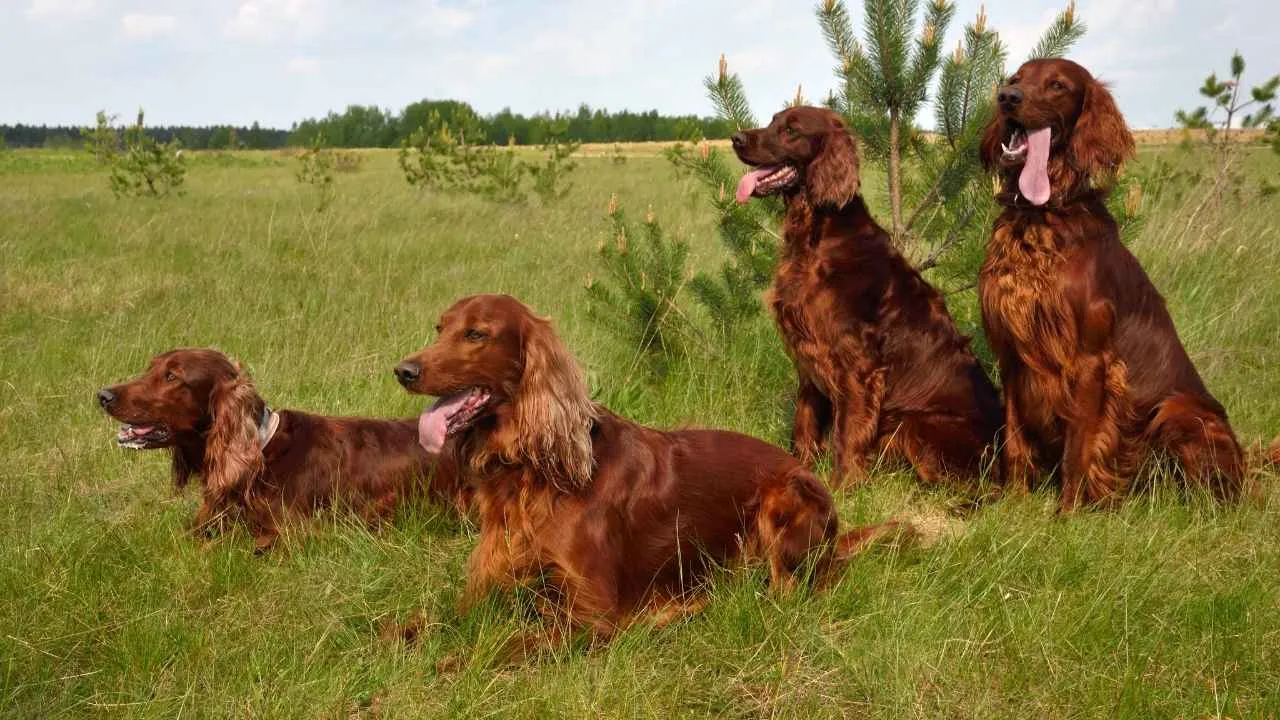
With its striking red coat and lively personality, the Irish Setter brings enthusiasm and athleticism to the upland field.
Originally developed in Ireland as a hunting dog, it was bred to locate game birds using scent and alert hunters to their presence. Today, its strong hunting instincts, energy, and love of activity continue to make it a natural fit for outdoor pursuits.
Irish Setters are energetic dogs that need substantial daily exercise and mental stimulation to stay happy and well-behaved.
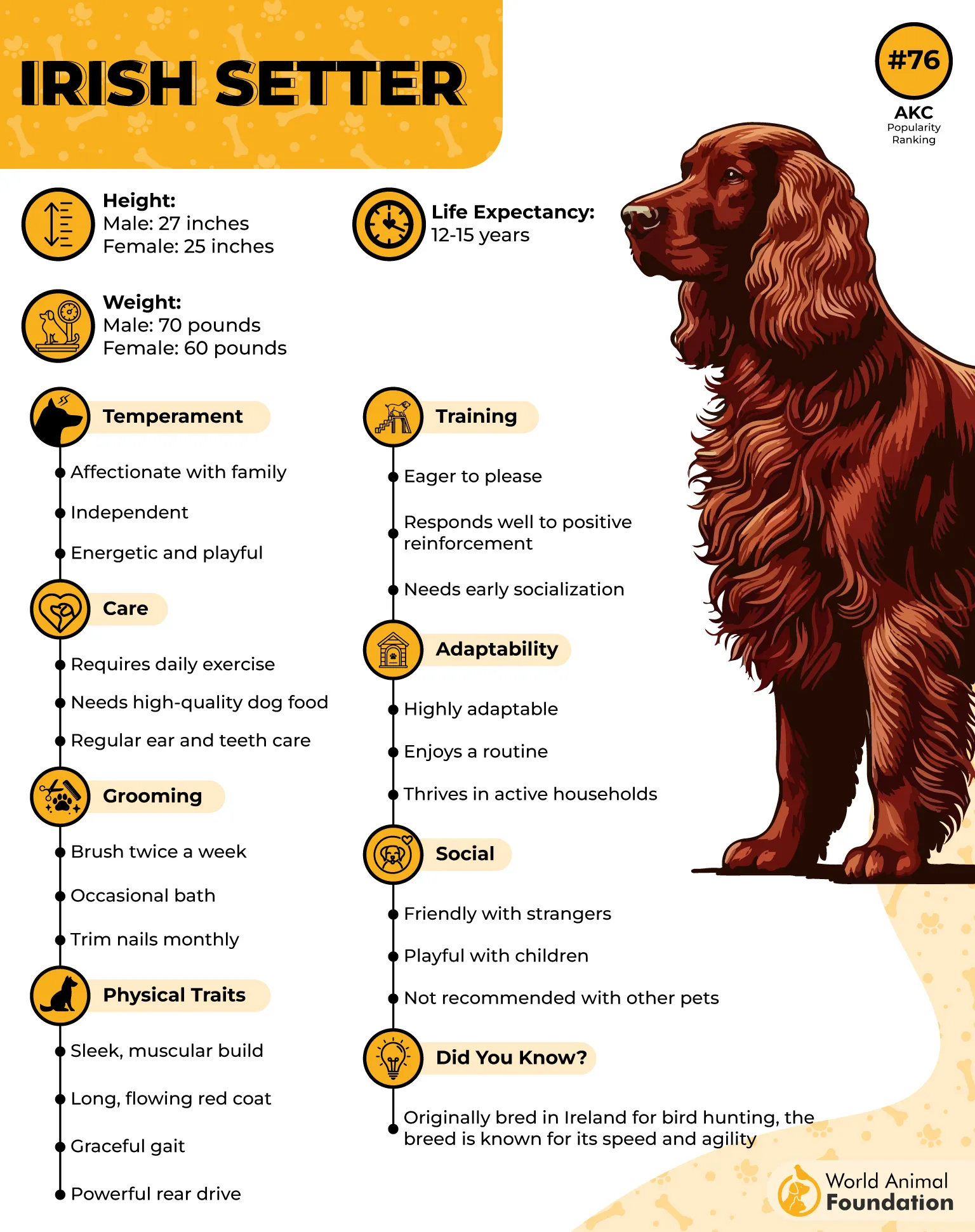
Their intelligence and willingness to work can make training rewarding, although their playful, independent streak calls for patience, consistency, and positive reinforcement. They also mature slowly, retaining a youthful spirit well into adulthood.
Away from the field, Irish Setters are affectionate, loyal, and highly people-oriented. They thrive on companionship and enjoy being part of an active family.
For hunters who can match their energy and provide purposeful activity, the Irish Setter can be both an enthusiastic hunting partner and a loving companion.
5. English Springer Spaniel
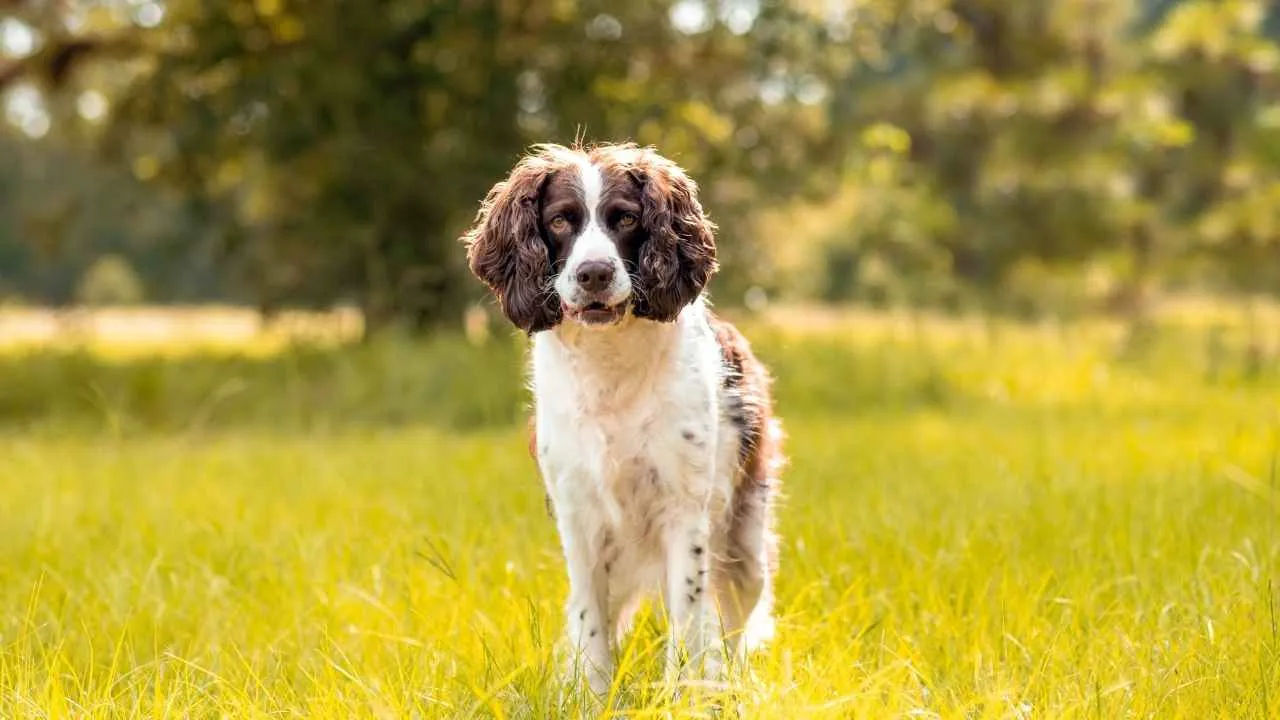
The English Springer Spaniel may look gentle and playful, but in the hunting field, it is all focus and purpose.
Bred for centuries to flush birds and small game, this Sporting Group breed uses its keen instincts to spring game from cover, giving hunters the opportunity to make a shot. Its powerful, muscular build and impressive stamina also make it well suited to long days outdoors.
Field-bred Springers are especially valued by hunters for being smaller, quicker, and more instinctive when flushing birds.
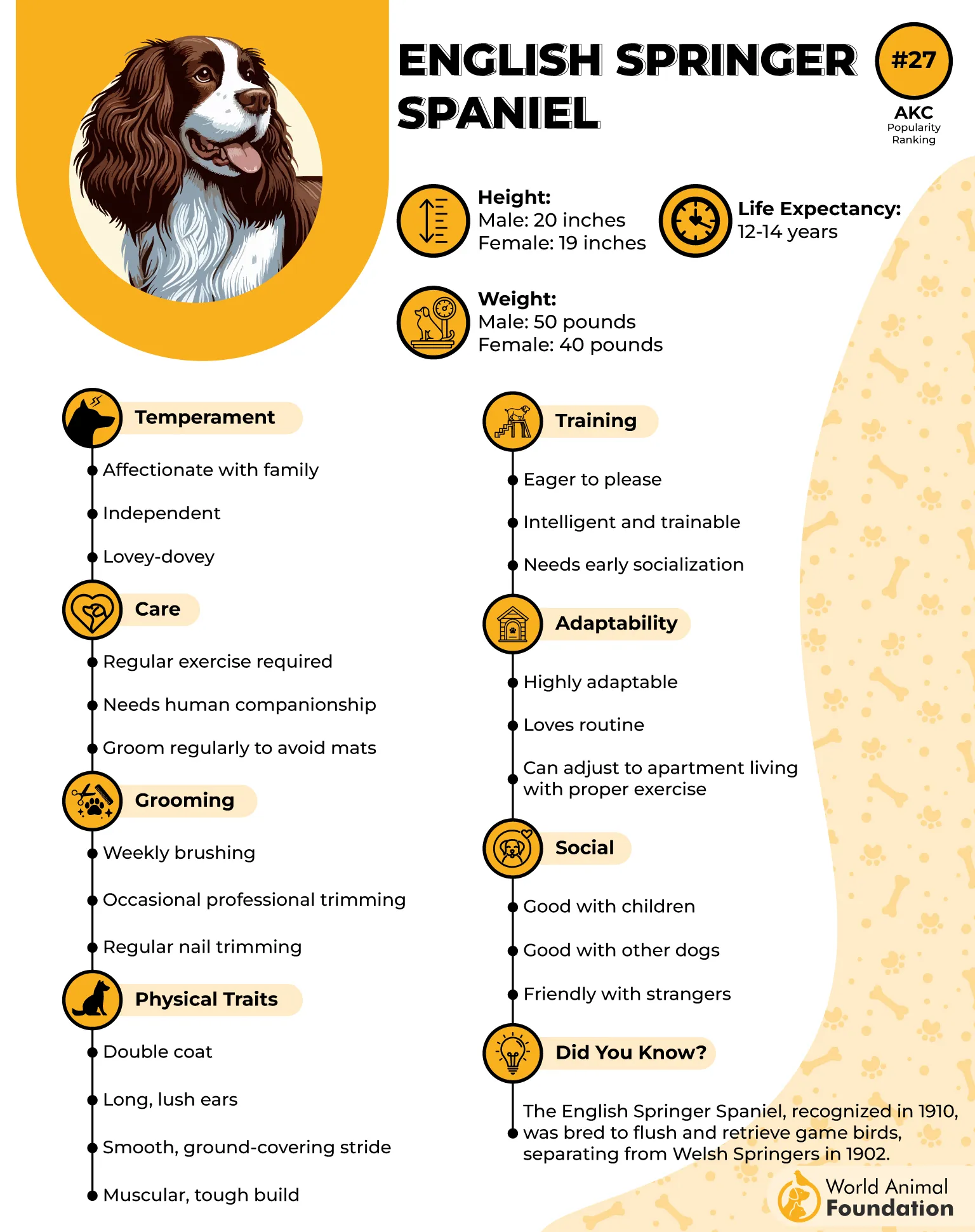
Their double coat offers protection from cold, wet conditions, thorns, and underbrush, while their energy keeps them moving through demanding terrain.
At home, Springers are affectionate, friendly, and eager to please, but their lively nature requires consistent training, daily exercise, and mental stimulation.
They form strong bonds with their families and thrive when included in outdoor activities, as explained by Orvis. For an active hunter, the English Springer Spaniel can bring both determination to the field and warmth to home life.
6. Boykin Spaniel
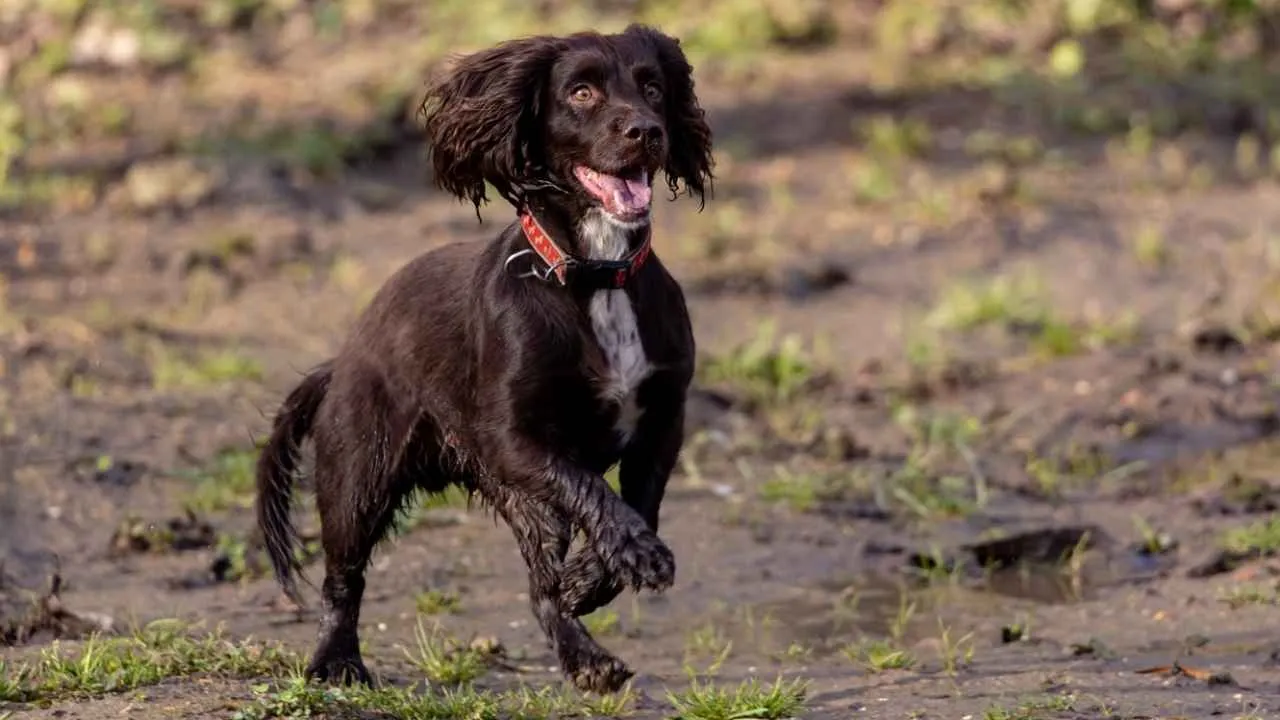
Developed in South Carolina as a compact hunting companion, the Boykin Spaniel brings energy, agility, and enthusiasm to the field.
Originally bred to flush and retrieve wild ducks and turkeys, the breed has also earned a place in upland bird hunting, particularly for dove and quail.
Its lean, athletic build allows it to cover varied terrain, while its endurance helps it stay engaged during active hunts.
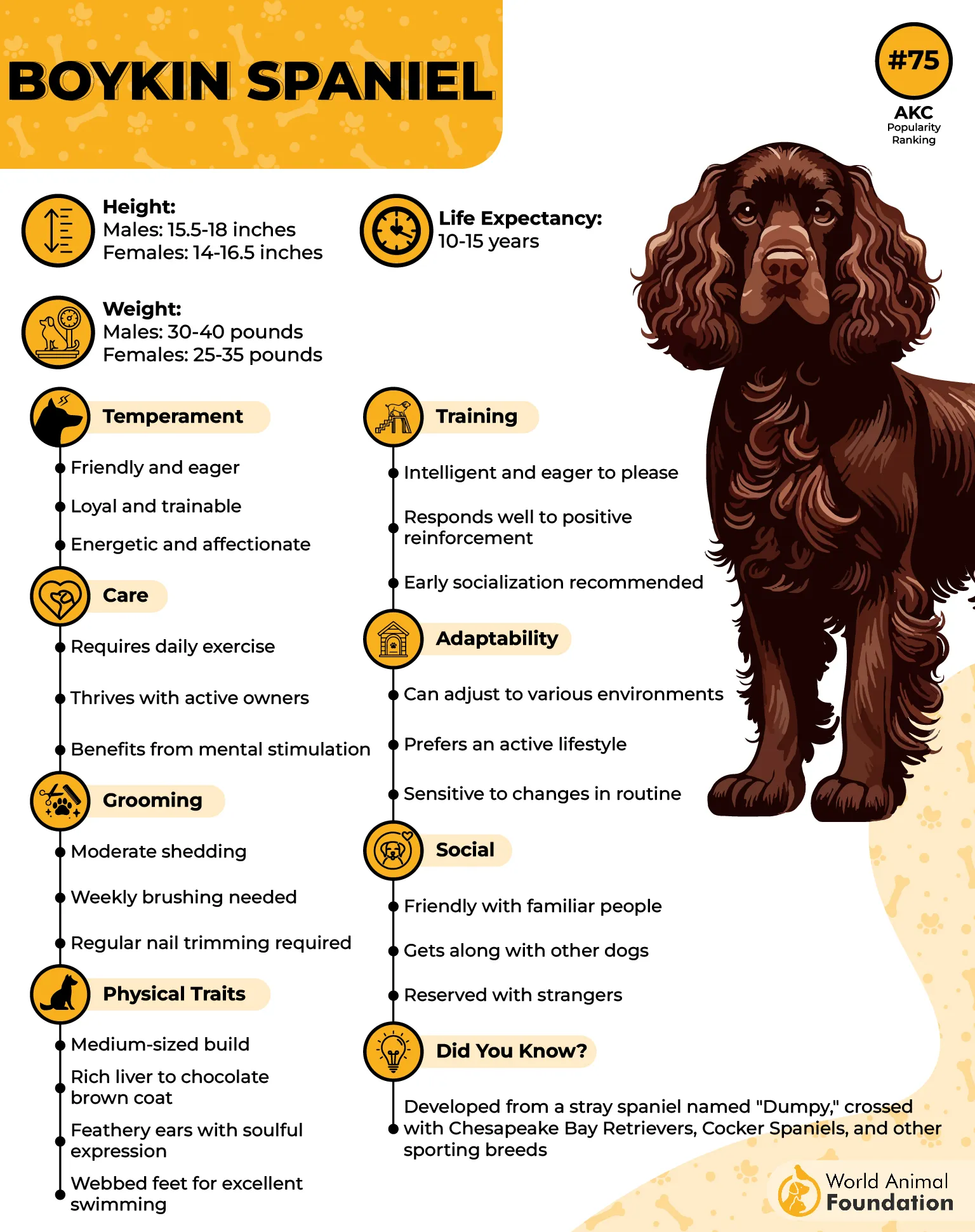
Boykins have an enthusiastic hunting style, ranging ahead of hunters before hesitating and flushing birds.
Their intelligence and eagerness to please make them responsive to training, although their independent streak means early, consistent guidance is important. Their double coat also provides protection while working outdoors and handles water well.
Away from hunting, Boykins are affectionate, playful, and sociable, making them enjoyable family companions.
However, their moderate-to-high energy means they need plenty of exercise and mental stimulation. For active hunters, the Boykin Spaniel offers a lively combination of determination, versatility, and companionship.
7. Irish Water Spaniel
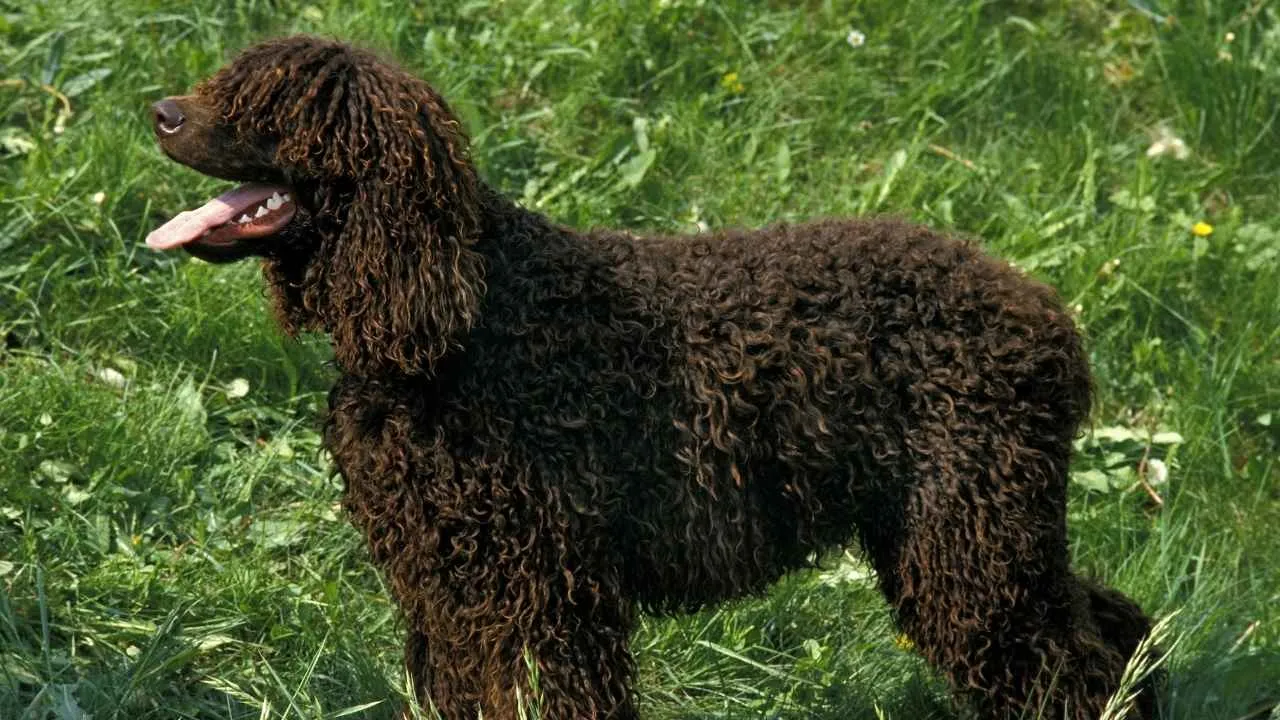
With its unmistakable curly liver-colored coat and distinctive rat tail, the Irish Water Spaniel is certainly memorable, but its real appeal lies in its ability to work.
Developed in Ireland as a hunting and retrieving dog, this rugged breed was built for demanding outdoor work, with webbed toes, a water-resistant double coat, and a strong desire to retrieve.
While closely associated with waterfowl, the Irish Water Spaniel can also serve as a dual-purpose hunting dog for upland game.
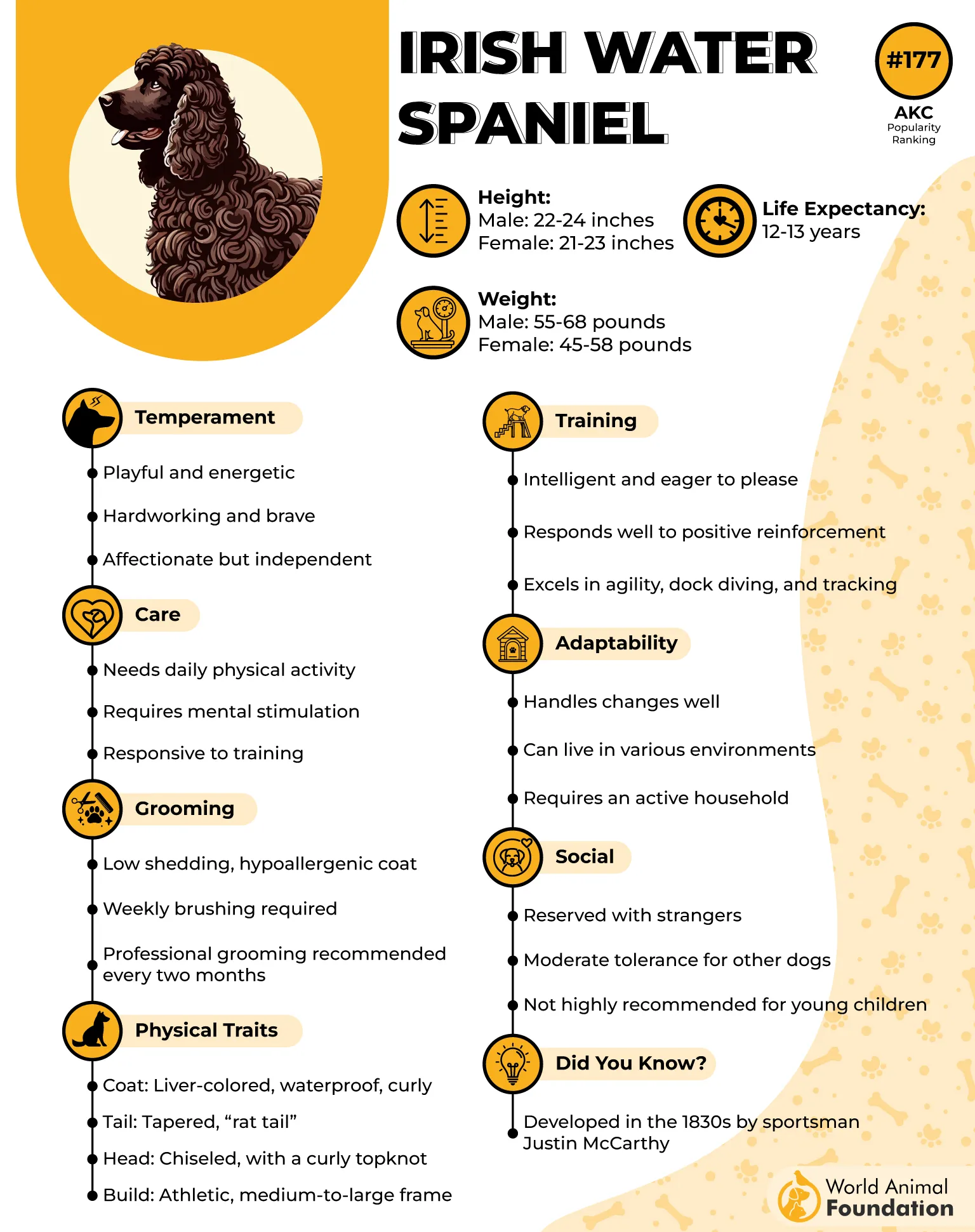
Intelligent, energetic, and eager to please, it learns quickly but can have a stubborn streak, making patient, consistent training especially important. Its playful personality adds plenty of charm, while its reserved nature around strangers gives it an alert, thoughtful character.
This is a breed for active owners who can provide substantial exercise, training, and companionship, according to VCA Canada.
Not sure if your dog is getting enough exercise? Our dog exercise calculator offers a simple way to estimate the amount of daily activity your dog may need.
Dog Exercise Needs Calculator
Invalid input. Please enter a valid age and breed.
For hunters who enjoy both field and water work, the Irish Water Spaniel offers an appealing combination of athleticism, determination, and affectionate companionship.
Conclusion
Upland game hunting demands a bird dog breed that can stay focused, move confidently through the field, and work closely with its handler.
The versatile hunting dog breeds featured here each bring their own strengths to that partnership, from the German Shorthaired Pointer’s athletic drive and the Gordon Setter’s stamina to the Brittany’s agility and the English Springer Spaniel’s instinct for flushing birds.
The Boykin Spaniel adds enthusiasm, versatility, and endurance, while the Irish Setter and Irish Water Spaniel combine strong hunting instincts with energetic personalities and a willingness to work.
Still, a good hunting companion is not defined by instinct alone. Training, exercise, mental stimulation, and the right environment all play an important role in bringing out a dog’s abilities.
The best bird dog breed ultimately depends on the hunter’s needs, experience, and lifestyle. With patience and purposeful activity, the right breed can become more than a capable partner in the field; it can become a trusted companion for countless days outdoors.
