




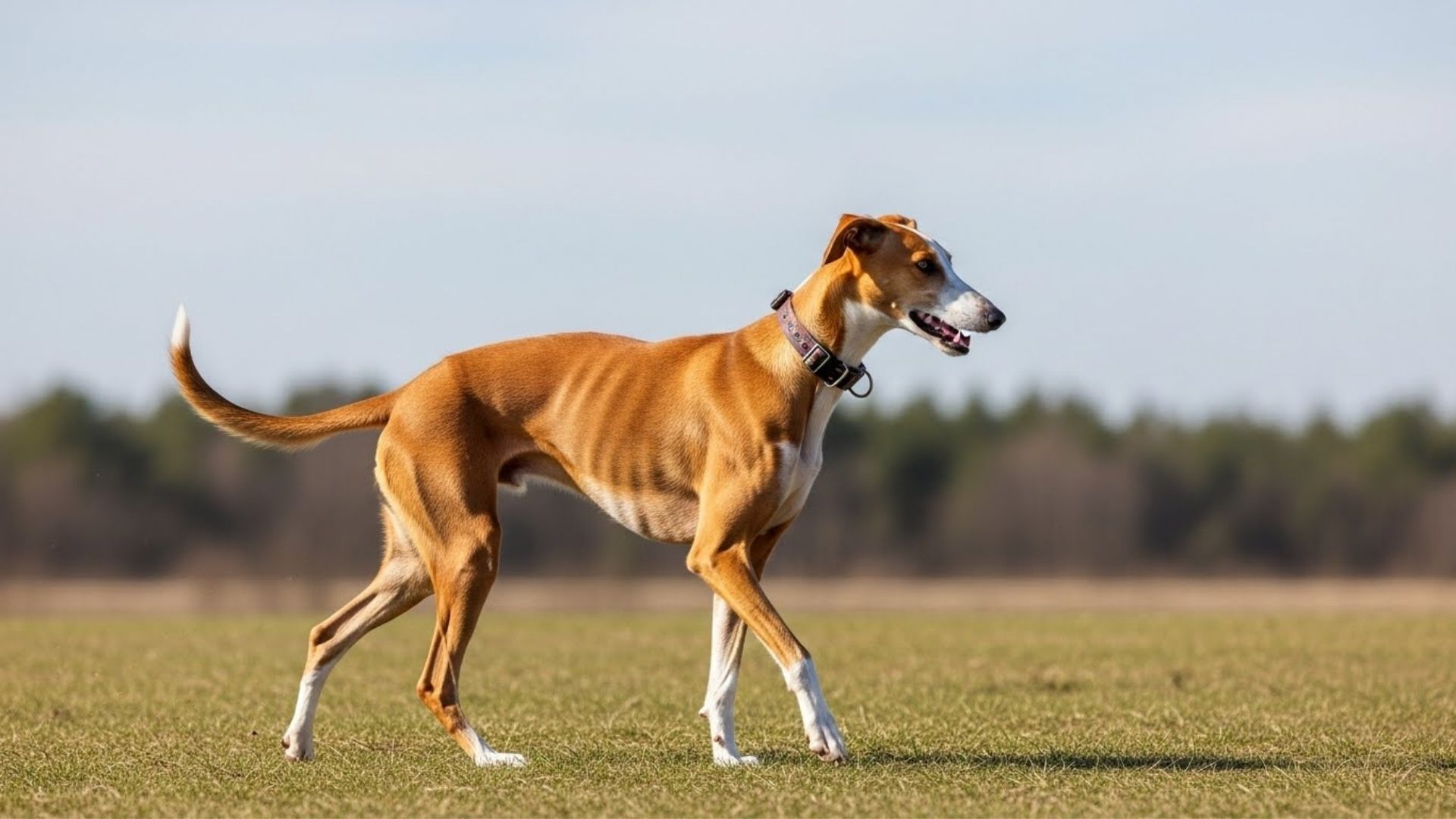
Hunting and tracking have long been activities that benefit from a dog’s keen senses, stamina, and intelligence. Certain breeds excel in these roles, combining instincts with trainable abilities that make them invaluable companions in the field. Choosing the right breed can significantly enhance both the efficiency and enjoyment of hunting experiences.
Dogs bred for tracking possess exceptional scenting abilities, remarkable focus, and unwavering determination. From flushing game to trailing scents over rugged terrain, these breeds demonstrate skill and adaptability that set them apart from ordinary pets. Their loyalty and energy also make them excellent partners beyond the hunt.
Whether you are a seasoned hunter or a beginner, understanding which breeds thrive in these demanding roles helps ensure success and safety. The top hunting and tracking dogs offer a blend of athleticism, intelligence, and instinct, making them indispensable allies.
Top Dog Breeds Ideal For Hunting And Tracking
1. German Wirehaired Pointer
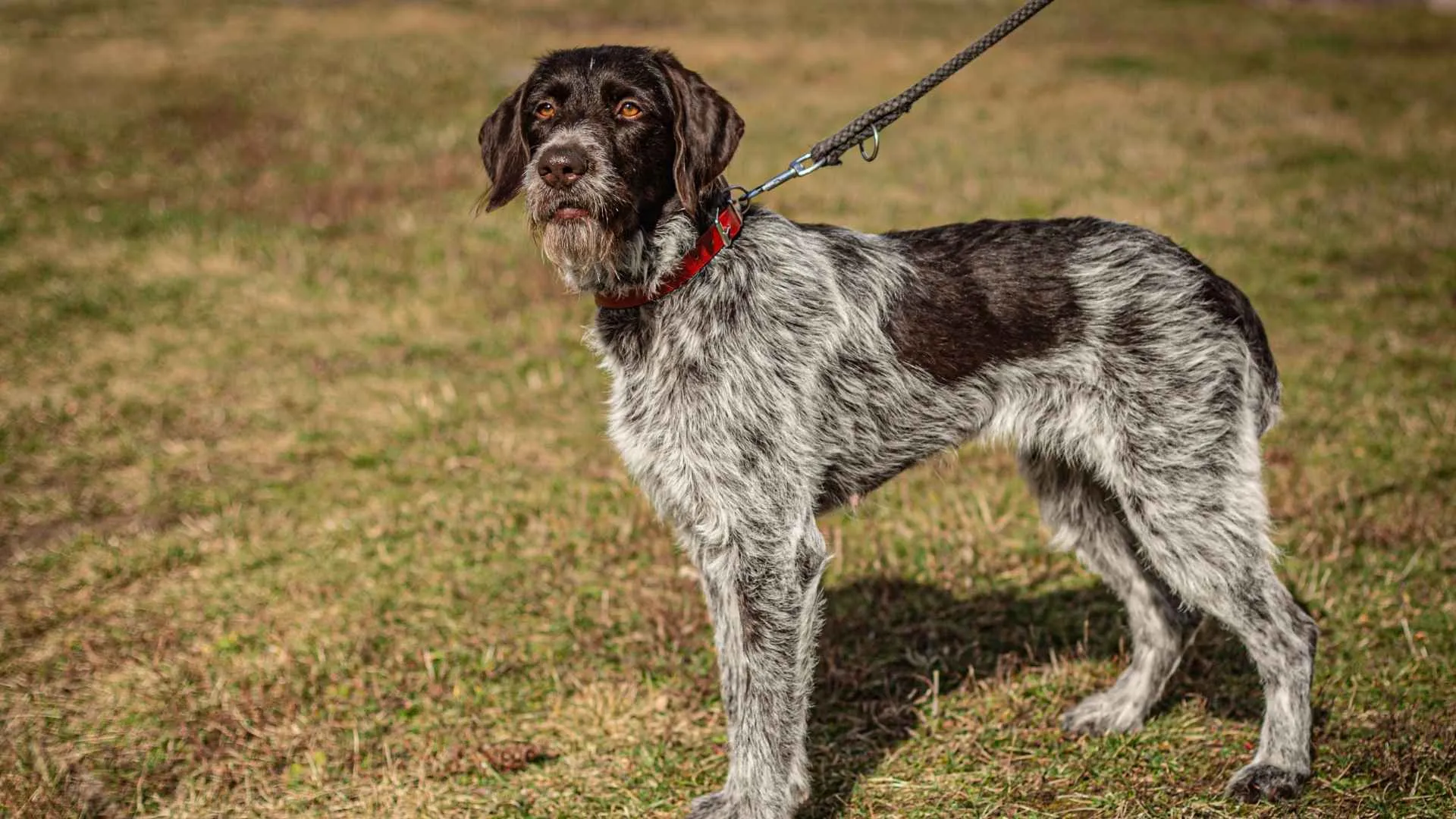
The German Wirehaired Pointer, or Deutsch-Drahthaar, was crafted in 1800s Germany to be an all-terrain hunting dog. Breeders sought a versatile dog capable of tracking, pointing, and retrieving across forests, fields, and mountains.
Weatherproof Coat for Every Adventure
Built for rugged environments, the GWP’s wiry double coat shields against cold, rain, and thorny brush. Its distinctive beard and eyebrows protect the face while keeping debris at bay. Despite its hardy exterior, grooming is straightforward—occasional brushing and trimming keep this scruffy hunter looking sharp.
Natural Instincts Meet Boundless Energy
With keen intelligence and a relentless work ethic, the GWP thrives on active pursuits and scent-driven tasks. A true outdoor enthusiast, it needs daily exercise and a “job” to stay happy, making it perfect for dedicated hunters.
2. Pharaoh Hound
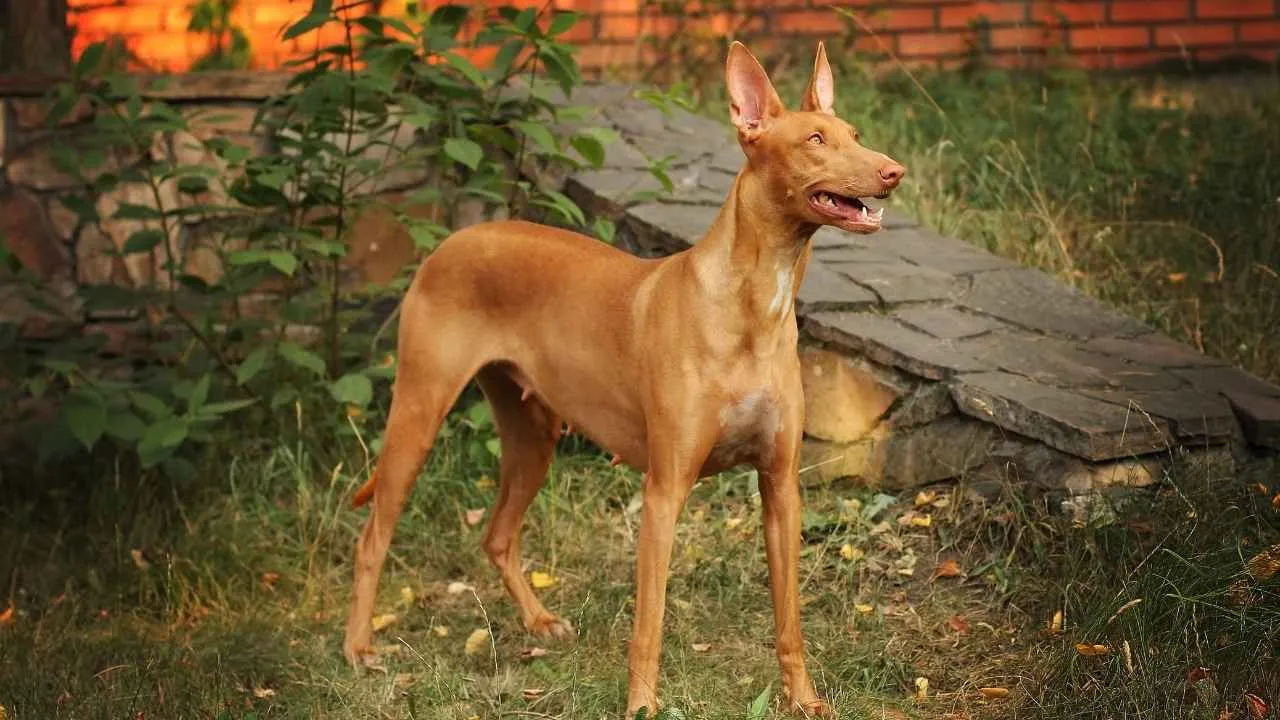
The Pharaoh Hound, or Kelb-tal Fenek, traces its lineage to the royal courts of Egypt and the isolated island of Malta. Bred for coursing and rabbit hunting, this sighthound has preserved centuries of agility, stamina, and poise, as per Hill’s Pet.
Minimal Maintenance, Maximum Style
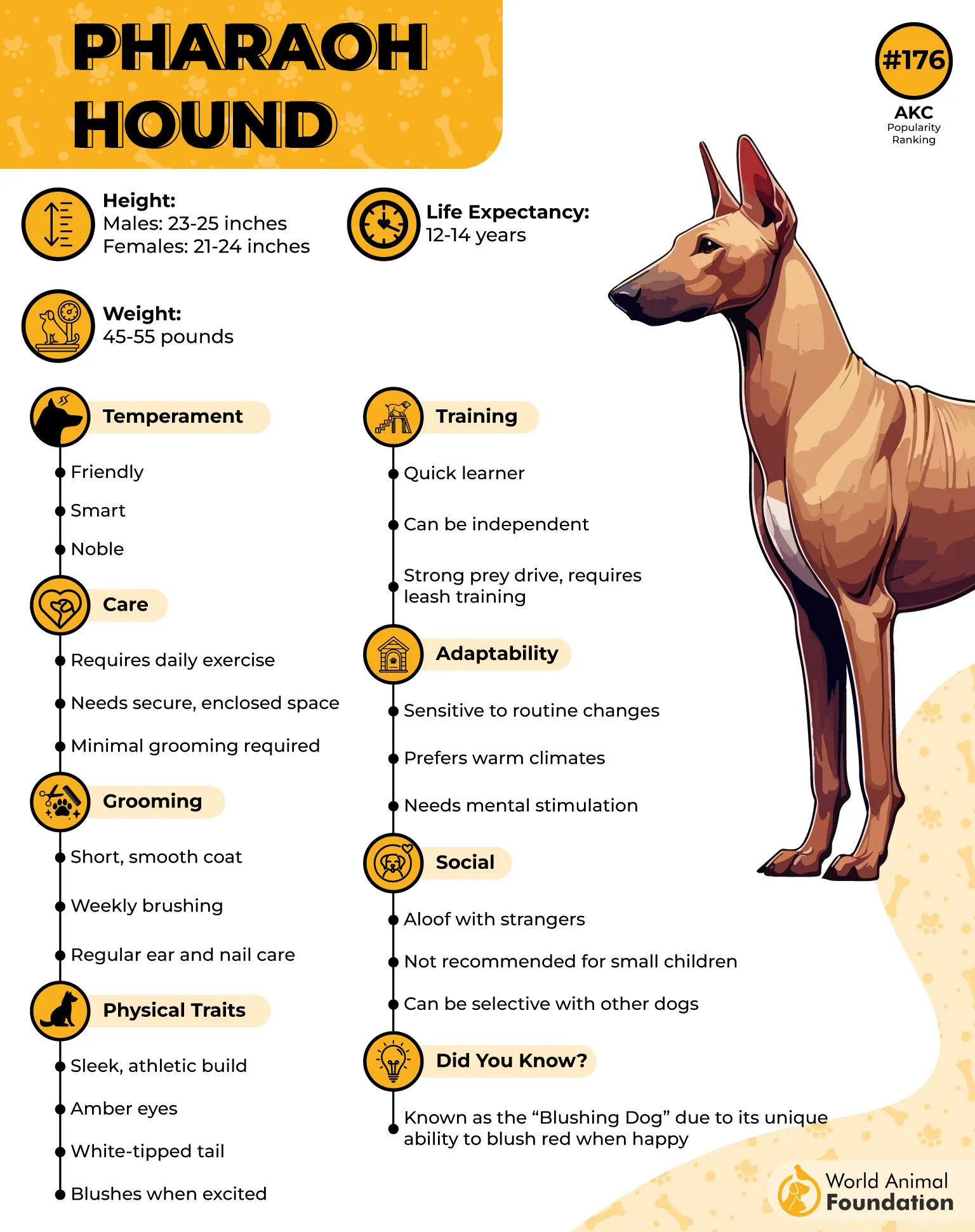
With a short, glossy coat, the Pharaoh Hound is essentially a “wash-and-wear” breed. Its natural elegance requires little grooming beyond occasional baths, making it perfect for owners who prefer a low-maintenance dog.
A Sprinter with Unmatched Focus
Built for speed and endurance, the Pharaoh Hound excels at chasing prey, combining the sprinting power of a sprinter with long-distance stamina. Alert and independent, it thrives in outdoor pursuits but needs secure spaces due to its instinctive chase drive.
3. Norwegian Elkhound
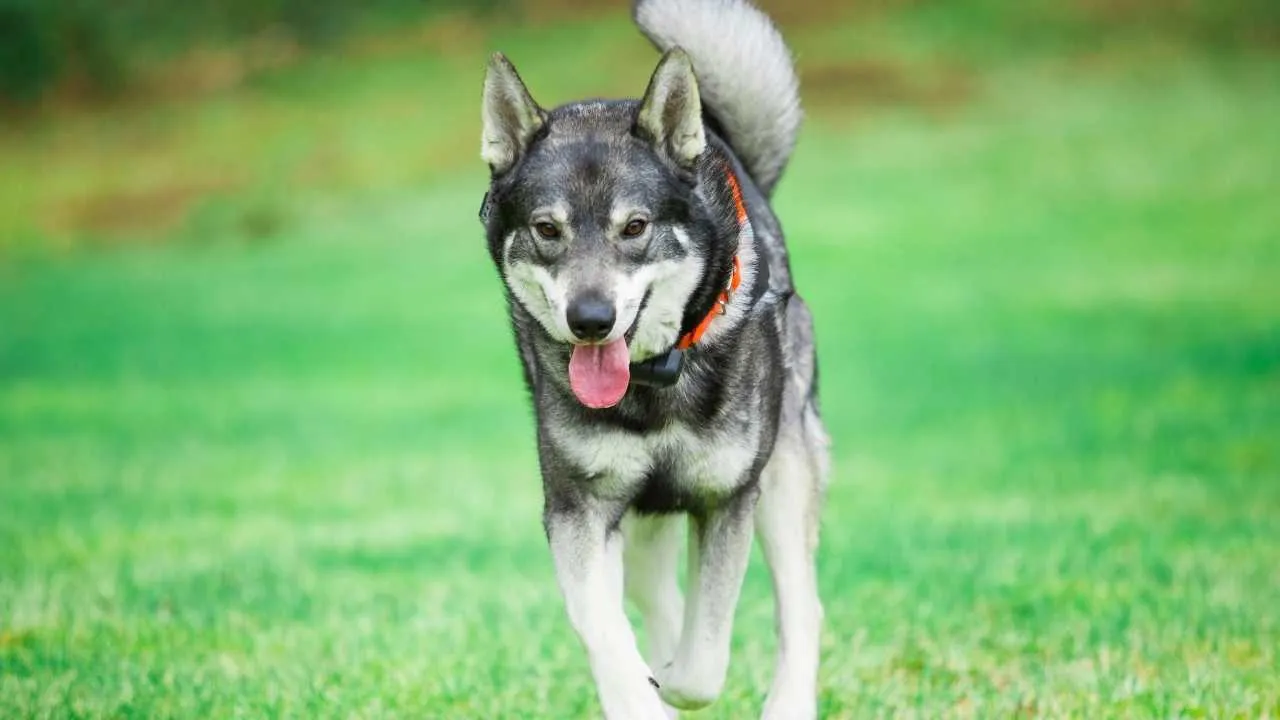
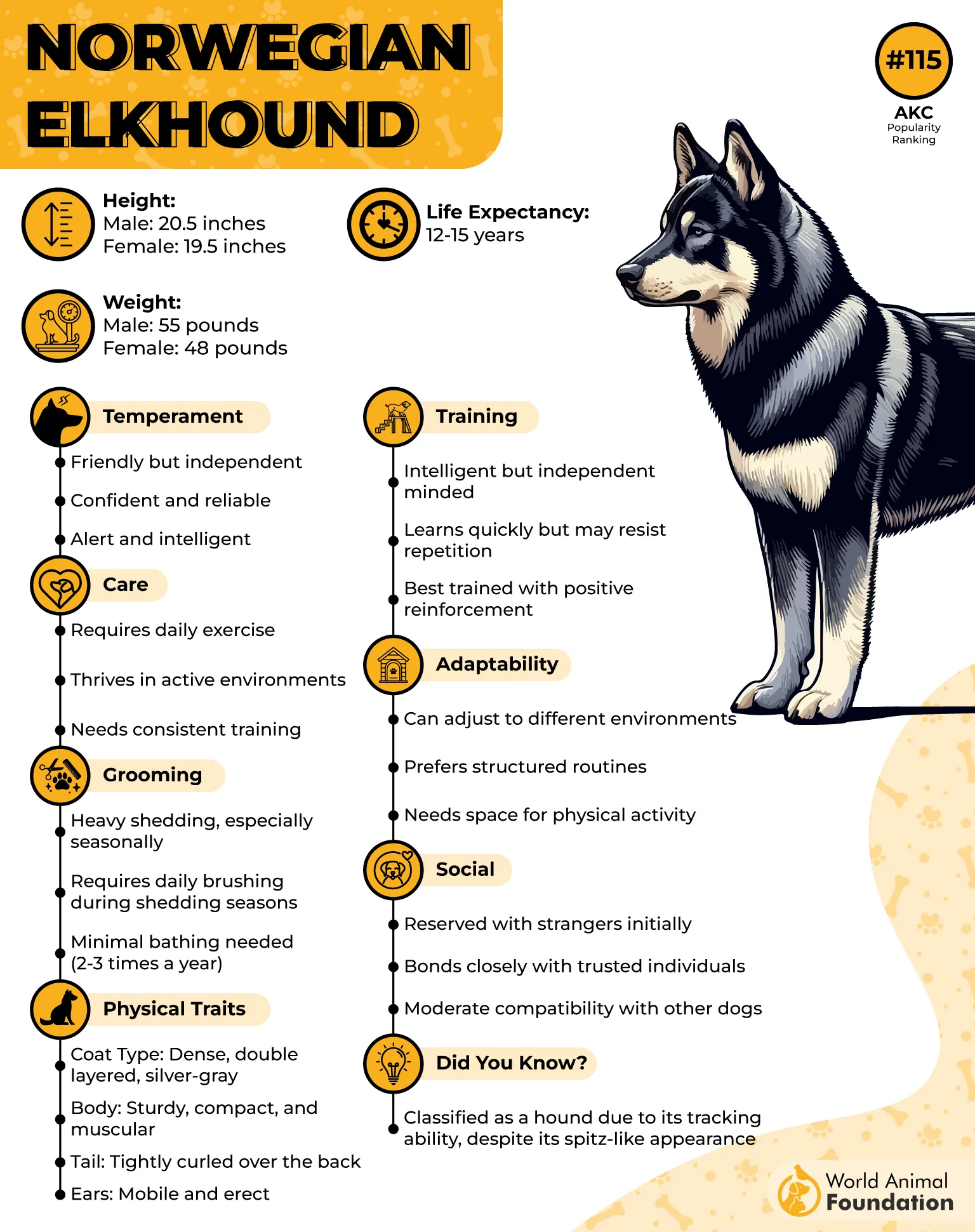
The Norwegian Elkhound is an ancient breed, with roots tracing back over 6,000 years. Originally companions to Stone Age hunters, they tracked elk, bears, and lynx across harsh Scandinavian landscapes.
Rugged Coat for Northern Adventures
With a thick, black-tipped gray coat, the Elkhound is built to withstand cold and wet conditions. Daily brushing, especially during shedding seasons, keeps their dense fur in top condition. Low-maintenance bathing and regular nail and teeth care make grooming simple despite their hardy exterior.
Fearless Hunters with Endless Energy
Norwegian Elkhounds excel at tracking and cornering large game, using agility, endurance, and loud, distinctive barking. Intelligent and independent, they thrive on long hikes, woods exploration, and mentally stimulating activities.
4. Karelian Bear Dog
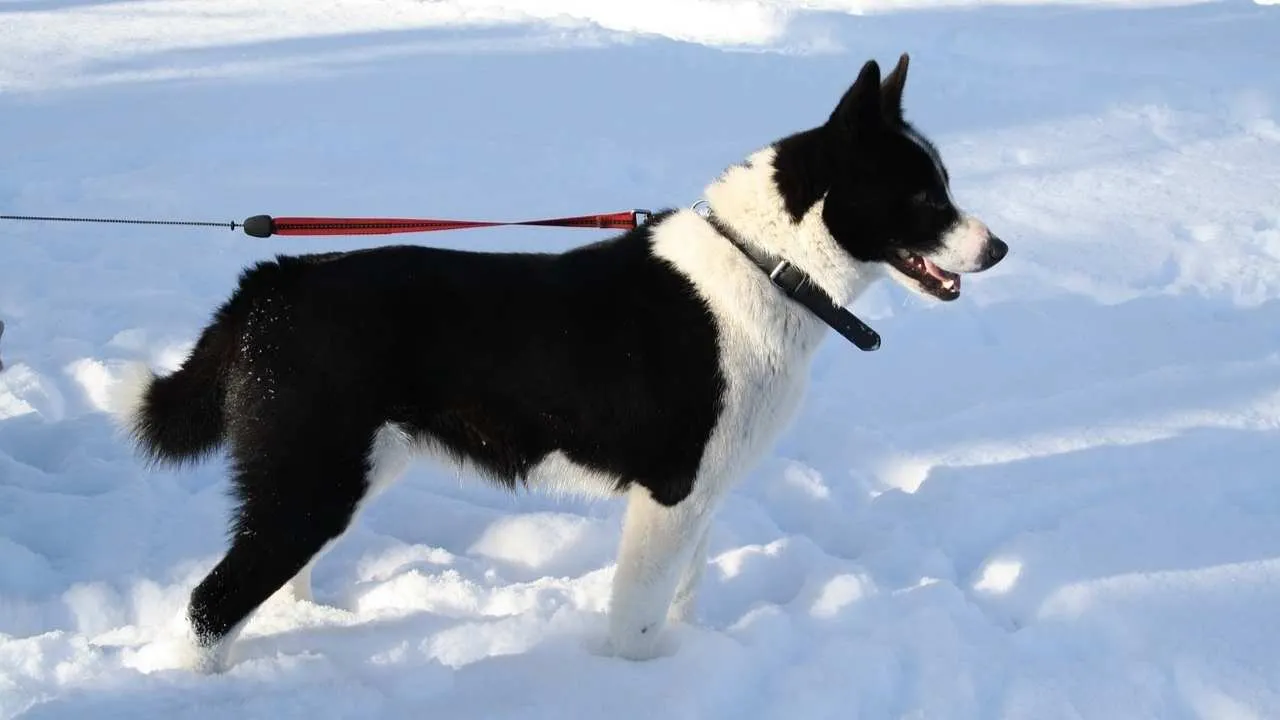
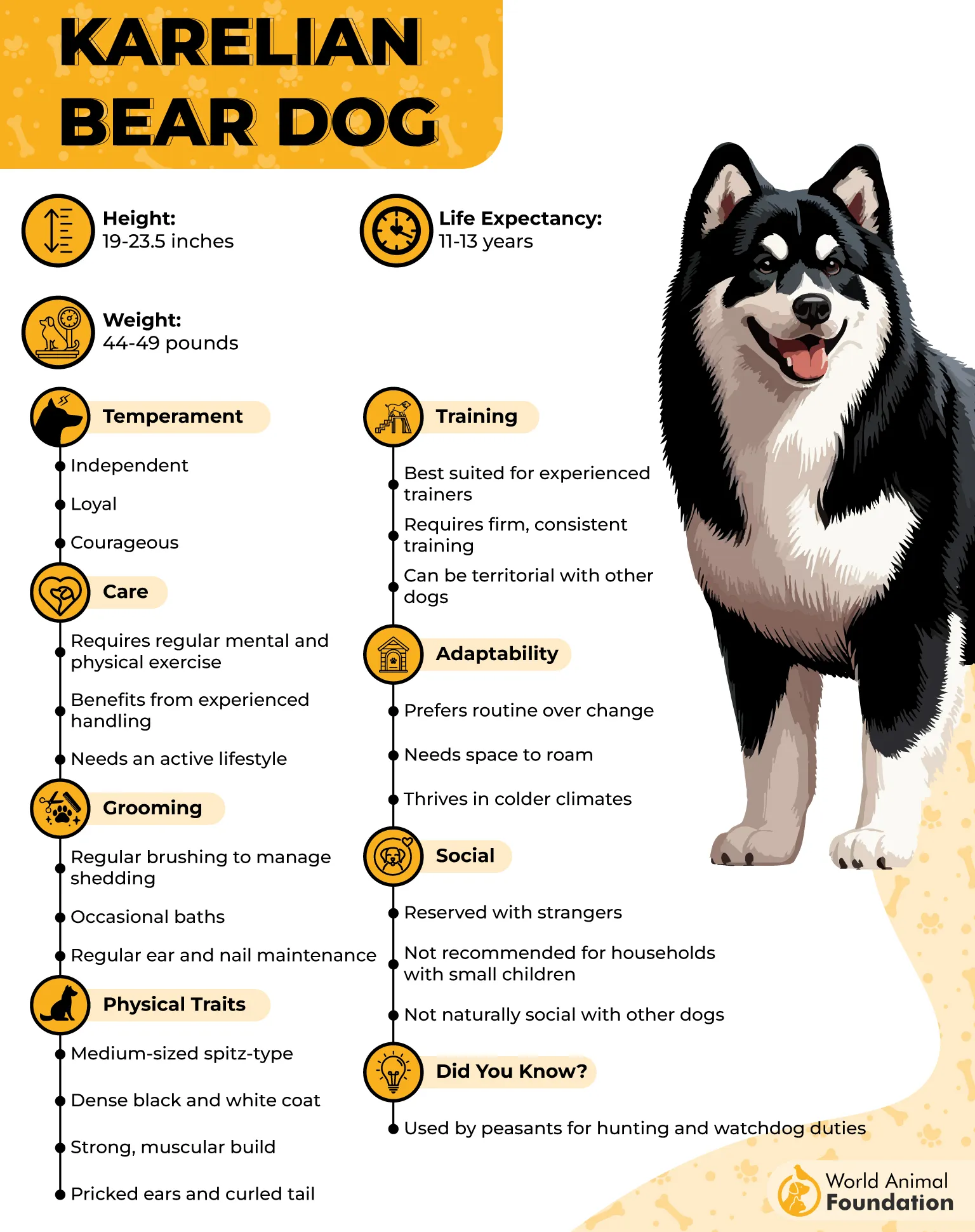
The Karelian Bear Dog hails from Finland and northwestern Europe, descending from the ancient Komi dog. Originally the companion of farmers and hunters, it was bred to track, corner, and mark large game like bears with fearless precision, as per the AKC.
Dense Coat for All-Weather Work
This medium-sized Spitz dog has a short but thick coat that protects it from cold and wet conditions. Grooming is straightforward—weekly brushing and occasional baths keep its coat healthy, while regular nail trims complete its maintenance.
Fearless Instincts and Tireless Energy
Karelians are silent, strategic hunters, barking only when prey is treed or stationary. Highly energetic and intelligent, they need vigorous exercise and stimulating activities daily. With courage, loyalty, and sharp tracking skills, they are ideal for hunting big game and excelling in challenging outdoor tasks.
5. Bluetick Coonhound
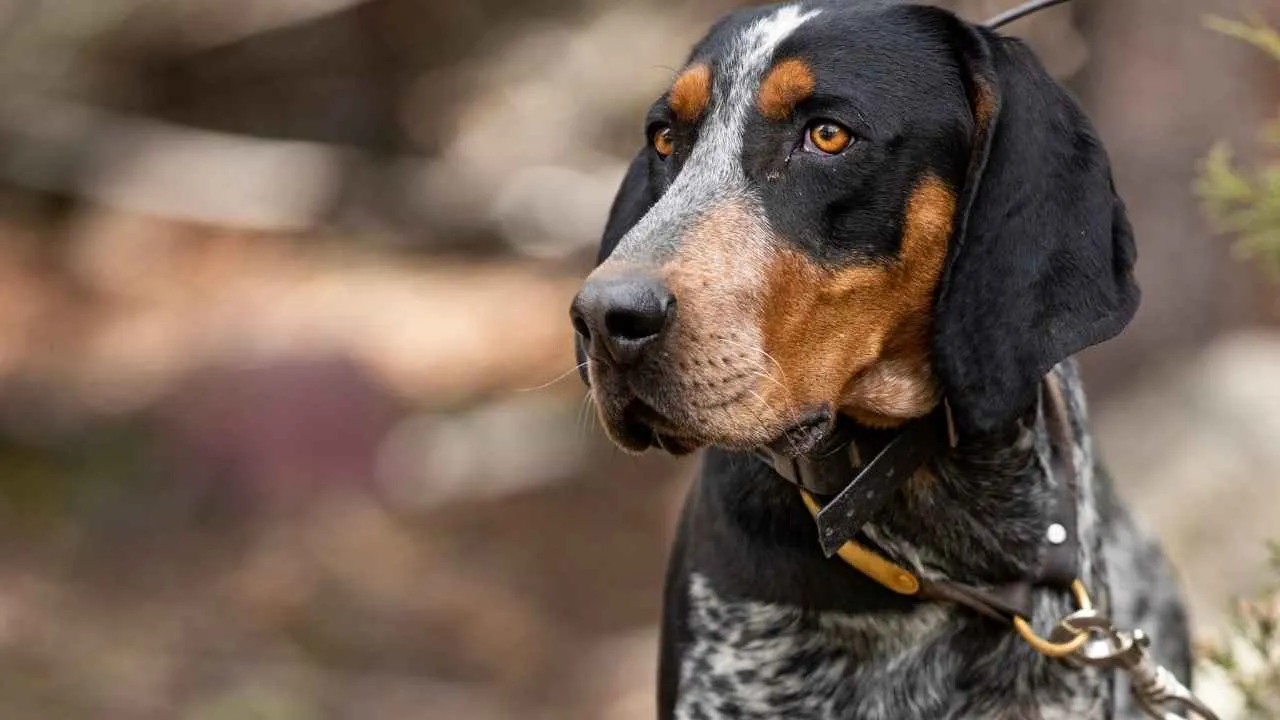
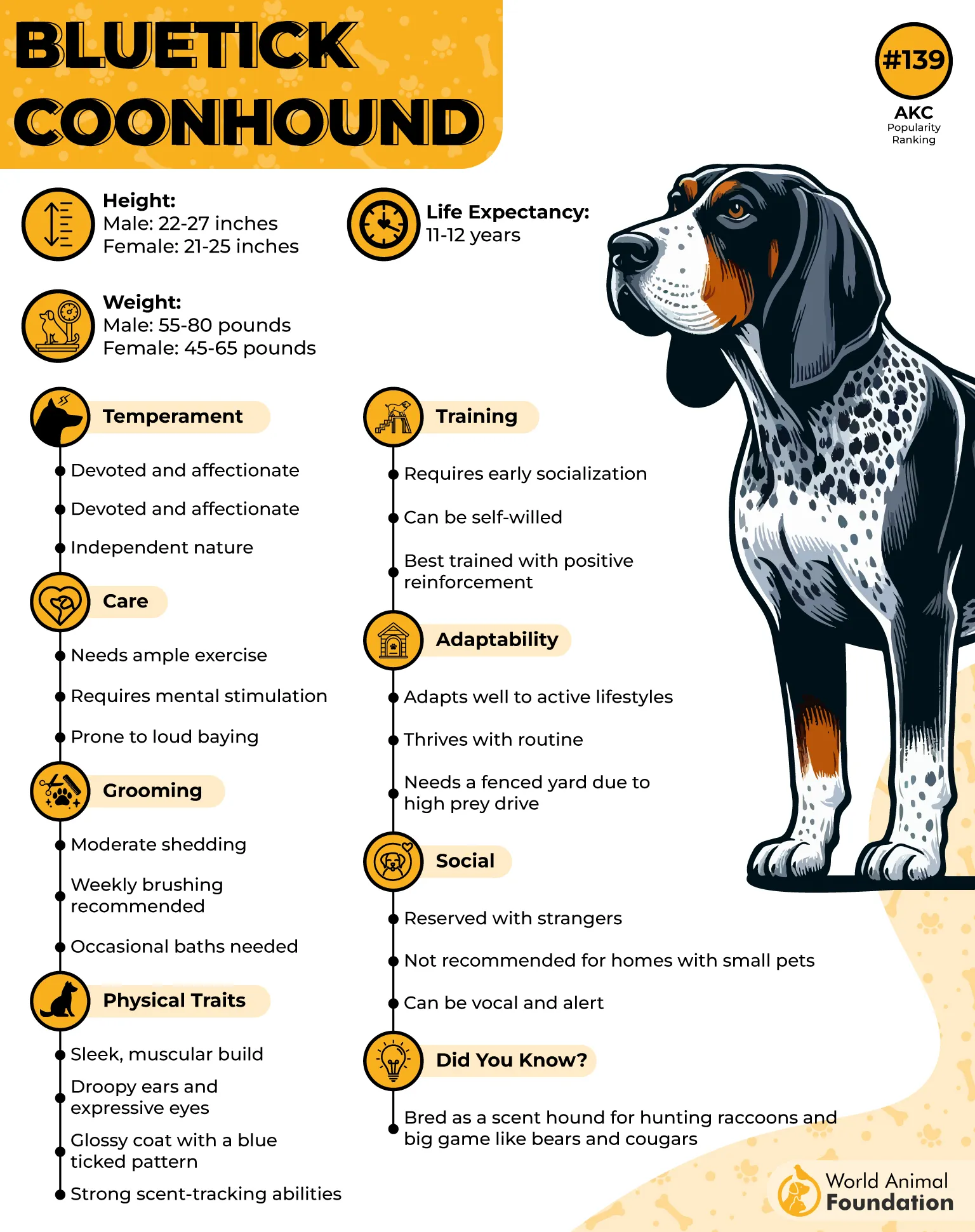
The Bluetick Coonhound was developed in the U.S., with roots tracing back to French hounds, English Foxhounds, and other scent dogs, as per Purina. Frontiersmen prized them for raccoon and big-game hunting, and their endurance and exceptional noses made them reliable hunting partners.
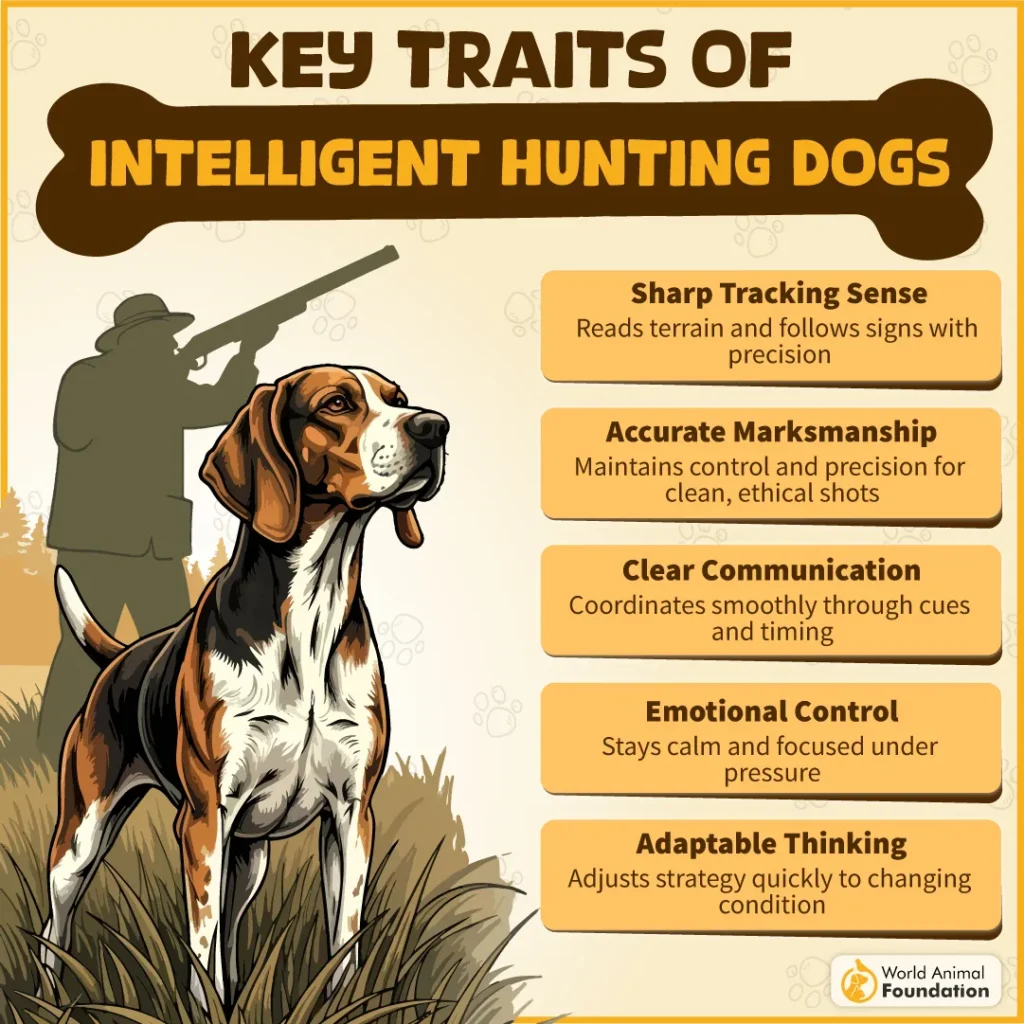
Sleek Coat, Simple Care
Named for their striking blue-spotted coat, Blueticks have short, glossy fur that is easy to maintain. Weekly brushing and monthly baths keep their coat healthy, while regular ear checks, nail trims, and teeth brushing complete their grooming routine.
Tireless Trackers and Loyal Companions
Blueticks are energetic, intelligent, and highly scent-driven, excelling at treeing raccoons and following complex trails. They need daily vigorous exercise, mental stimulation, and a secure outdoor space to safely satisfy their tracking instincts. With training, socialization, and attention, they make affectionate and devoted family members.
6. English Springer Spaniel
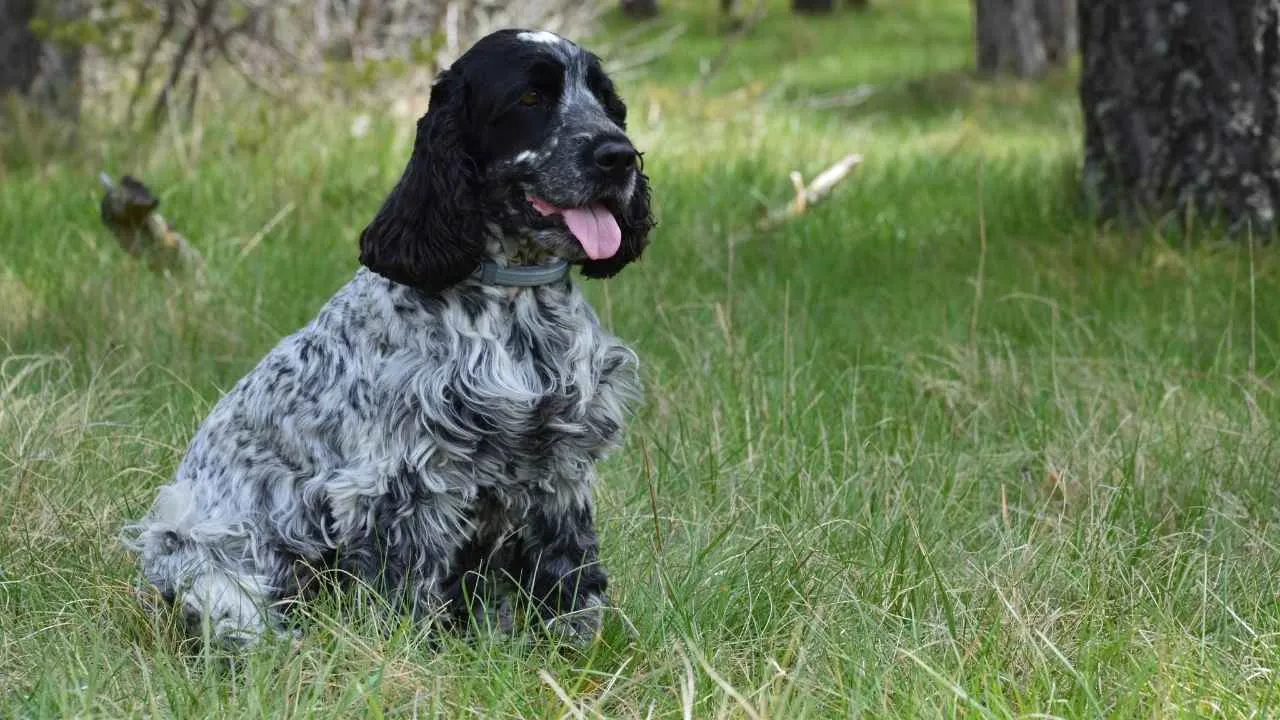
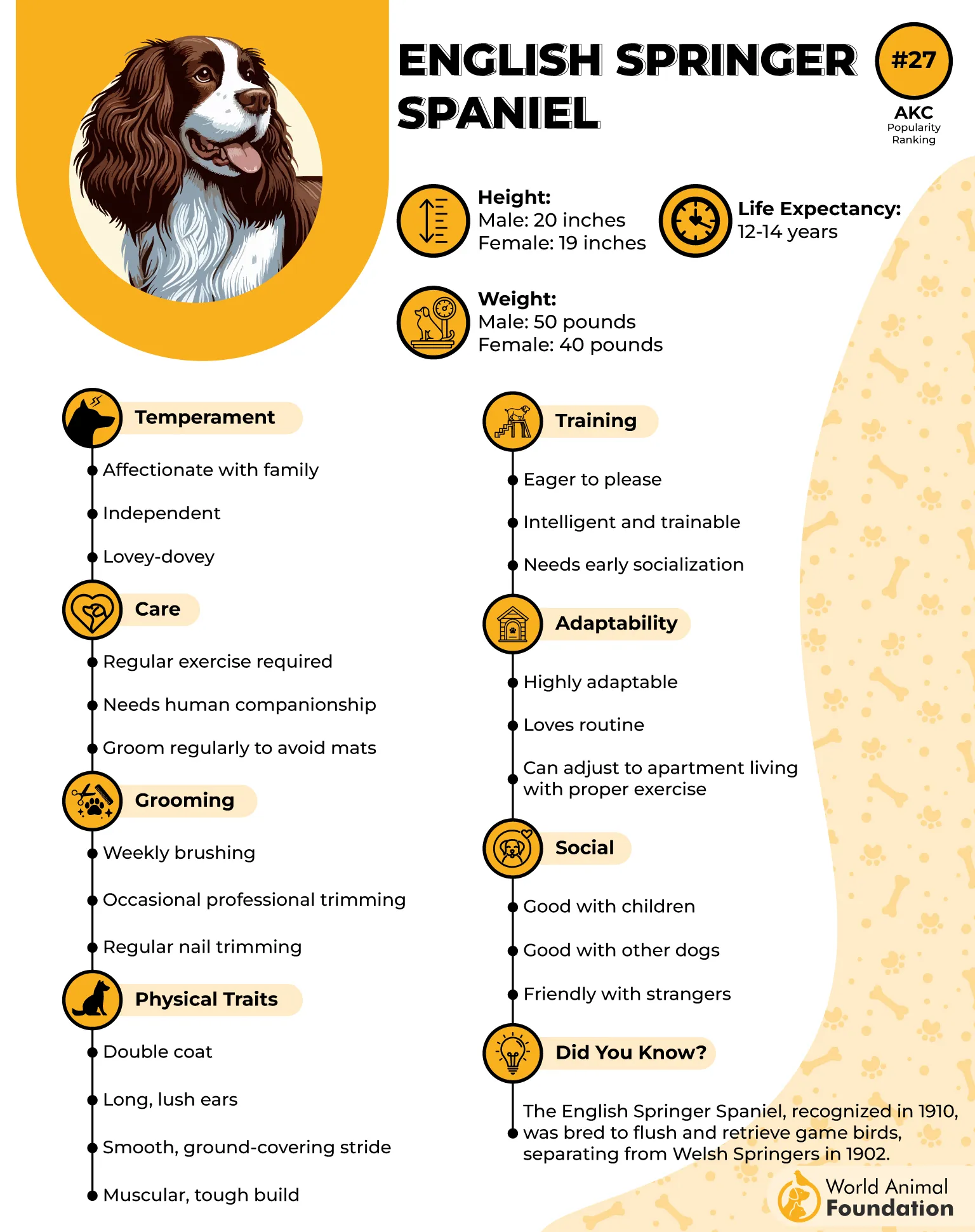
The English Springer Spaniel has long been prized as a versatile upland game hunter. Emerging centuries ago in Britain, they were bred to flush, point, and retrieve birds for hunters, earning their name from the ability to “spring” game into flight, as per Britannica.
Wavy Coat, Minimal Fuss
Sporting a double coat with soft waves and long, floppy ears, Springers are moderate shedders that benefit from routine brushing. Their coat is as functional as it is beautiful, protecting them in tall grass and brambles during long hunting days.
Endurance, Smarts, and People Pleasing
Springers are energetic, intelligent, and eager-to-please, thriving on exercise, play, and fieldwork. With their keen noses and smooth stride, they excel at tracking and flushing game. Loyal and affectionate, they make excellent family companions when given mental stimulation and consistent training.
7. Irish Water Spaniel
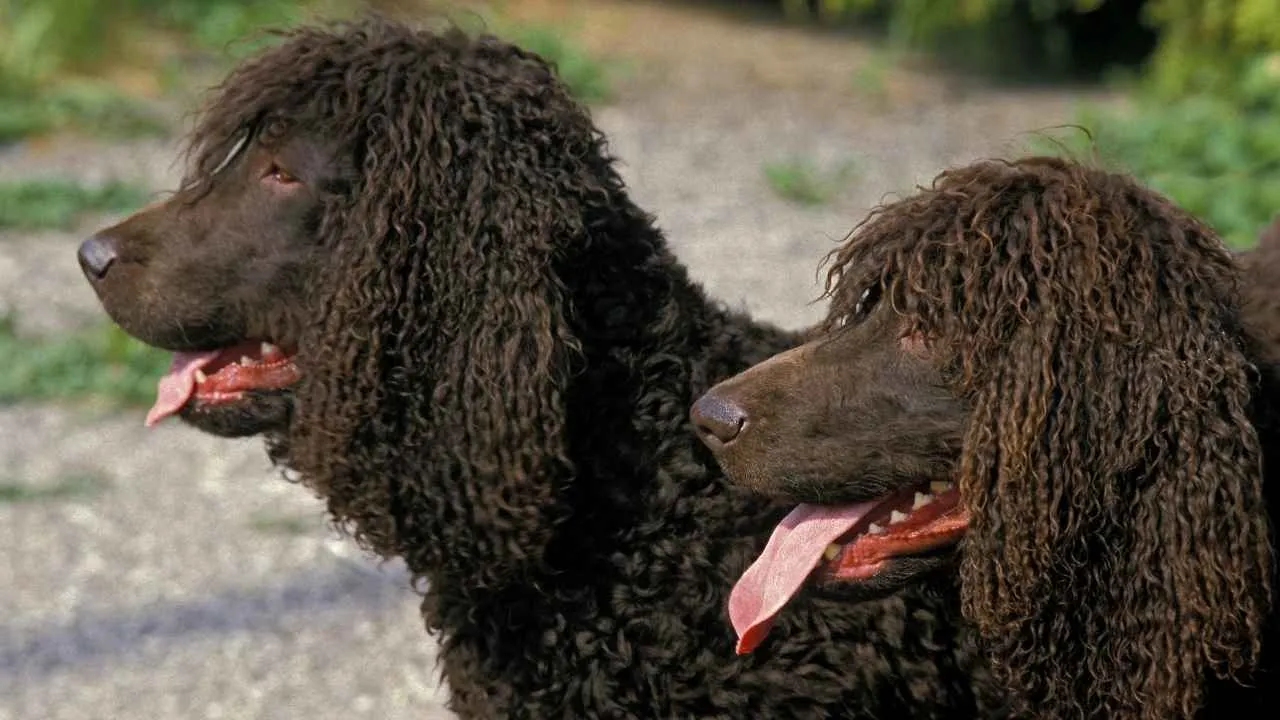
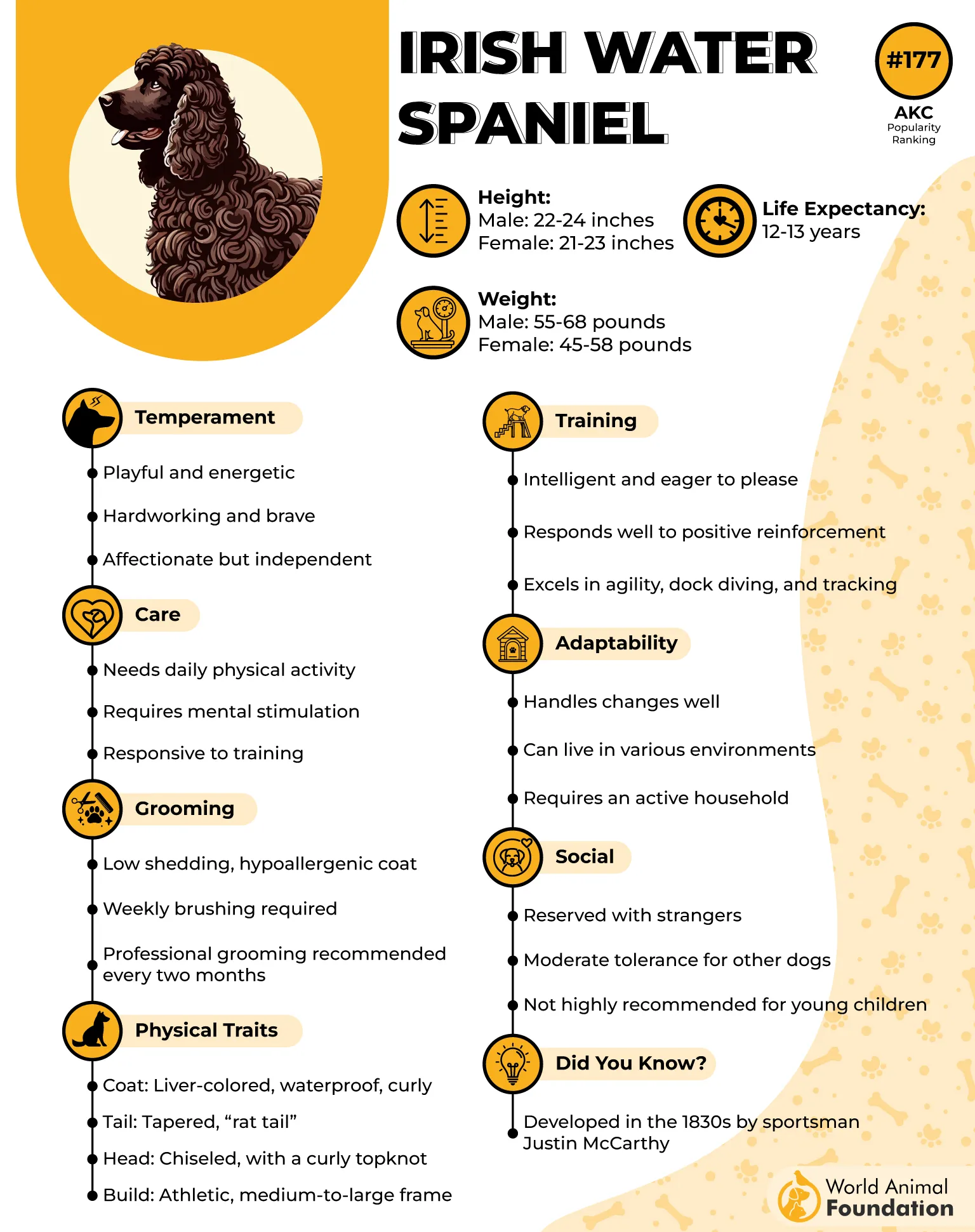
Developed in the 1830s, the Irish Water Spaniel was bred in Ireland for retrieving game in lakes and marshes, as per PetMD. With ancestors like the South and North Country water spaniels, their curly liver-colored coat and distinctive topknot make them instantly recognizable.
Curly Coat, Minimal Shedding
The Irish Water Spaniel’s dense, water-repellent curls protect them in cold waters and rugged terrain. Brushing once a week and combing every one to two weeks keeps the coat healthy, while trimming twice a year maintains its shape.
Endurance, Intelligence, and Retrieving Skill
Webbed toes and a strong, athletic build make Irish Water Spaniels excellent swimmers and reliable retrievers. Their curiosity, energy, and trainability allow them to work in both upland and waterfowl hunting, making them a true dual-purpose sporting companion.
8. Boykin Spaniel
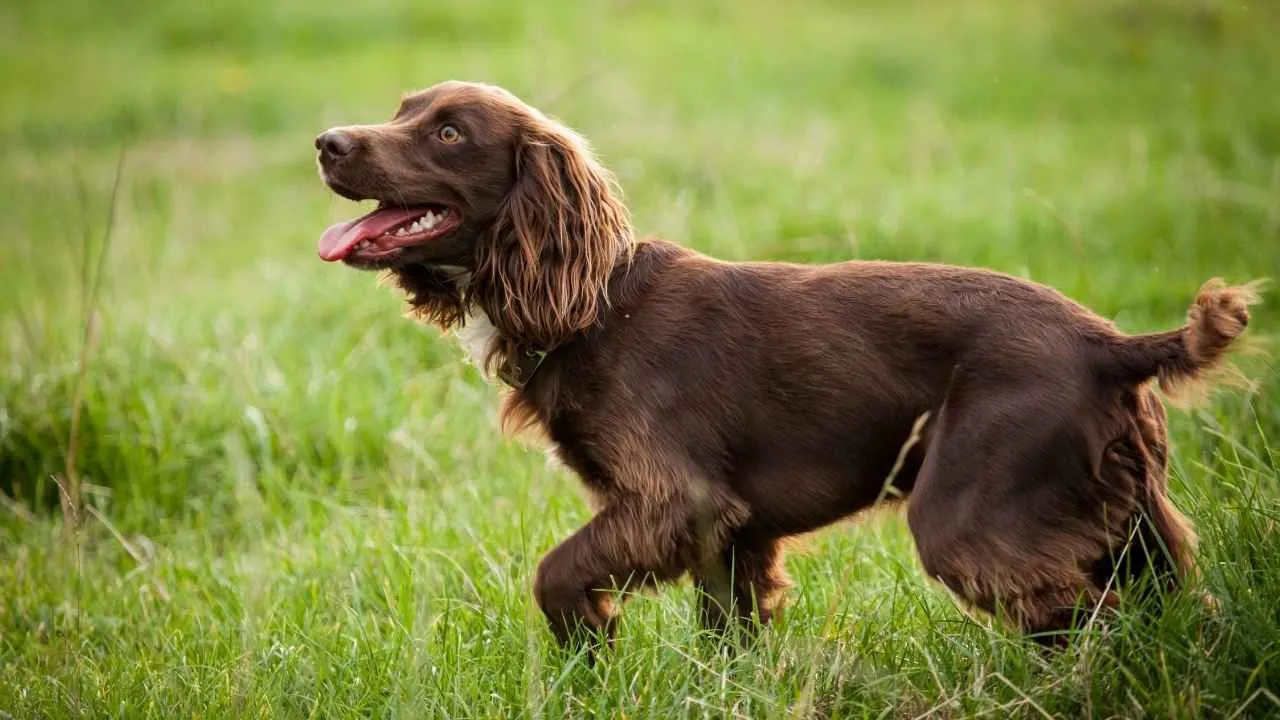
The Boykin Spaniel is a medium-sized dog known for its rich brown coat, soulful eyes, and merry, eager personality. Developed in the early 1900s in South Carolina, this breed was originally centered around a small spaniel named Dumpy, whose crossbreeding with other spaniels and retrievers produced a versatile and tenacious hunting companion.
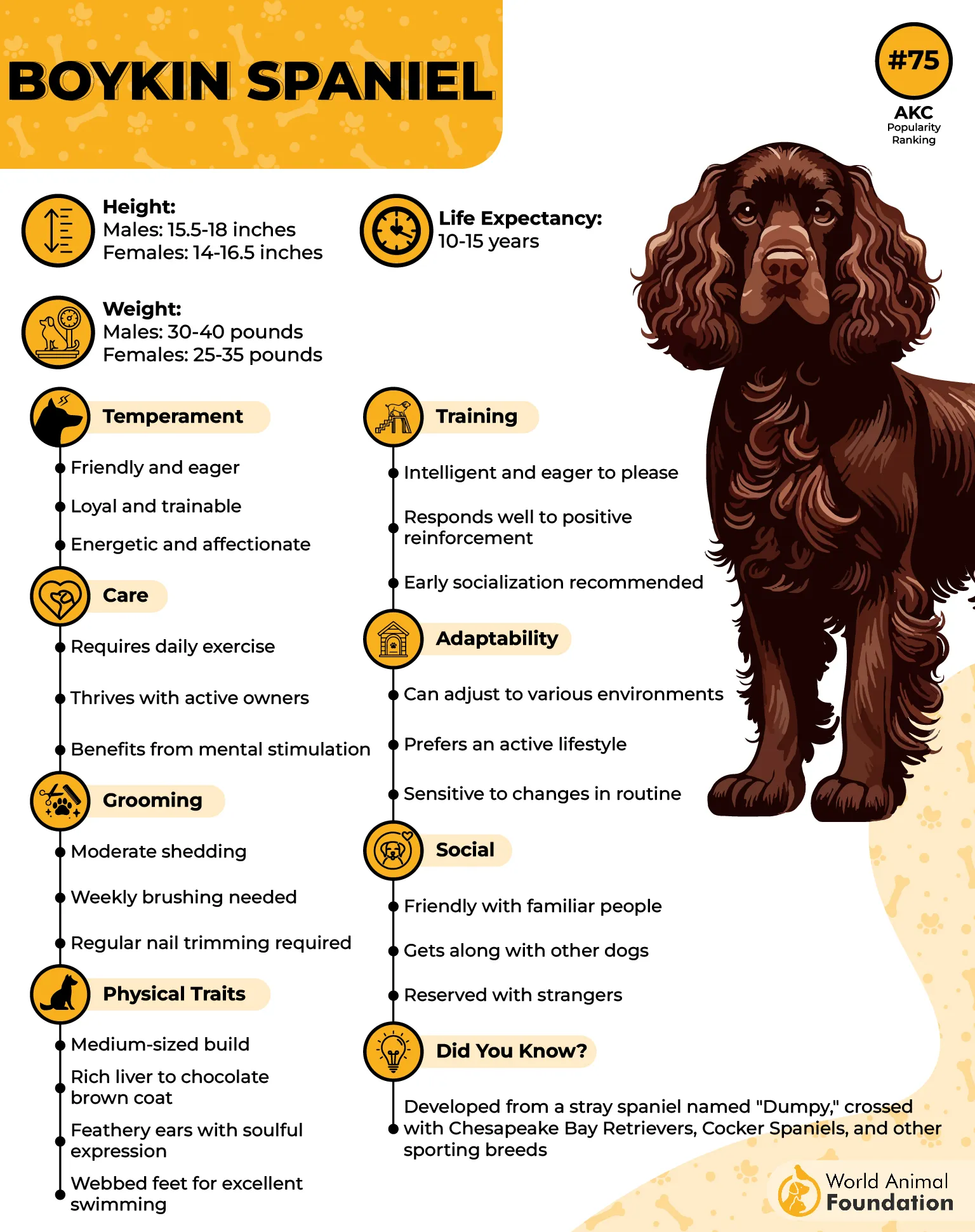
Active, Athletic, and Affectionate
Boykin Spaniels are energetic and athletic, built for swimming, retrieving, and exploring lakes, swamps, and fields. With webbed toes, strong limbs, and a waterproof, wavy coat, they thrive on one to two hours of daily exercise that can include hiking, swimming, or agility activities.
Intelligent, Trainable, and Easy to Groom
Highly intelligent and eager to please, Boykin Spaniels respond well to consistent, positive training and enjoy mental stimulation through games, obedience, or scent work. With early socialization and plenty of exercise, Boykins become well-rounded hunting partners and affectionate household members.
9. Labrador Retriever
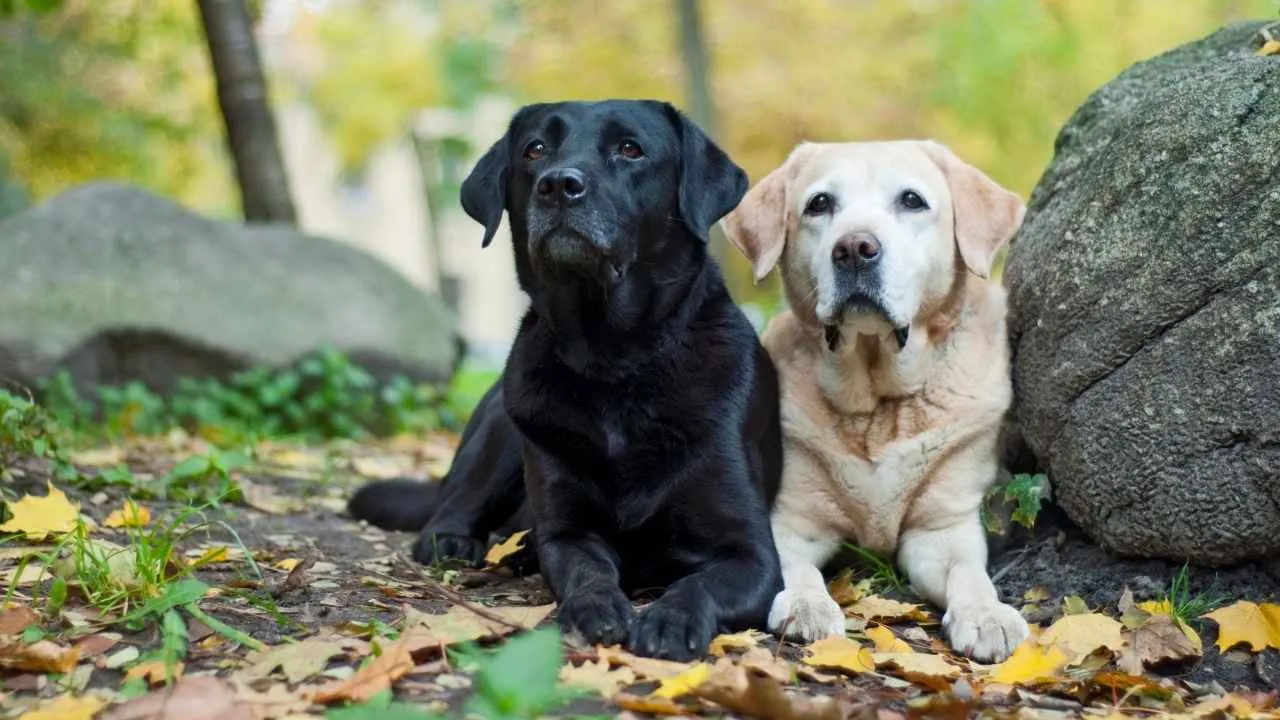
The Labrador Retriever is a medium-to-large sporting dog that originated in Newfoundland and was brought to England around 1800. Known for its dense, water-resistant coat and “otter” tail, the Lab is built for retrieving in rugged conditions. Today, it excels as a hunting dog, service dog, and beloved family companion.
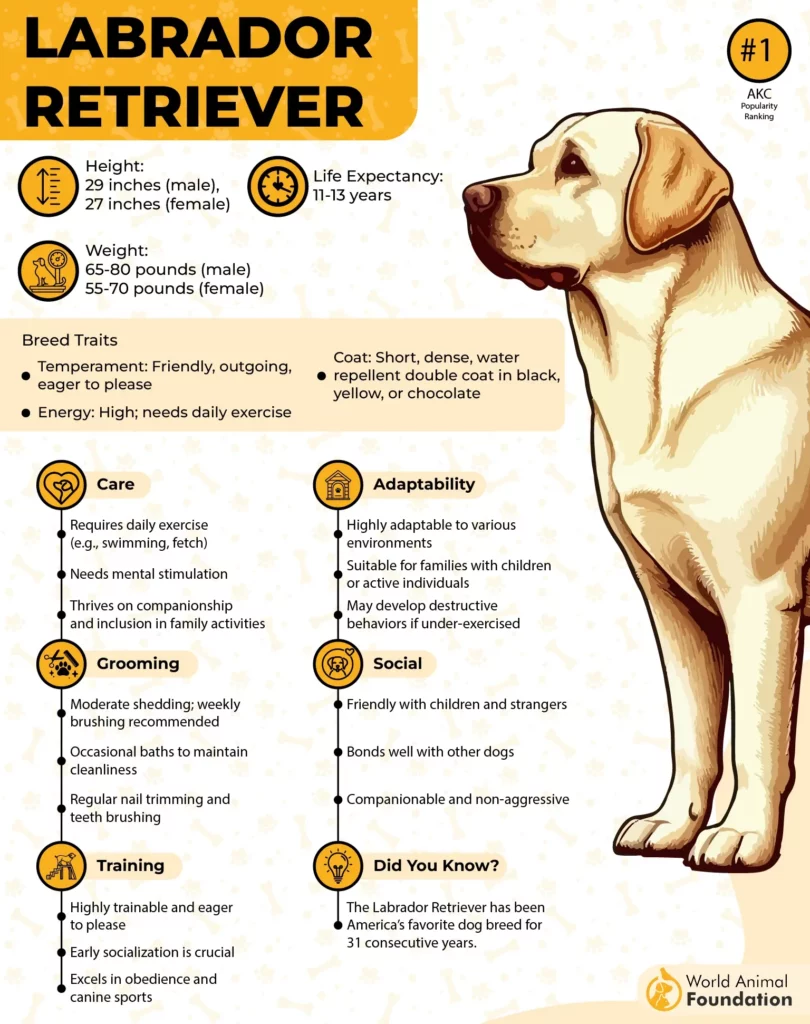
High-Energy, Hardworking, and Playful
Labradors are energetic dogs that need at least two hours of exercise daily, including swimming, running, and fetching. Their strong retrieving instincts and keen intelligence make them excellent hunting or service dogs.
Intelligent, Loyal, and Easy to Groom
Labradors are highly trainable, eager to please, and social with children, other pets, and adults. Their short, dense coat is low-maintenance, with weekly brushing usually enough. With proper exercise, socialization, and mental stimulation, Labs grow into loyal, obedient, and loving companions.
Conclusion
For dog owners seeking energetic dogs and versatile hunting companions, certain dog breeds ideal for hunting and tracking excel at upland bird hunting, waterfowl hunting, and big game pursuits. These hunting dogs use their sharp sense, strong hunting drive, and instincts to flush birds, hunt ducks, and track wounded animals.
These breeds of dogs are equally adept at hunting big game, upland game, and retrieving waterfowl, making them popular dog breeds in the dog world. With floppy ears, long ears, and a dense cover, they handle rough terrain, cold water, and dense cover while recovering wounded game and downed birds.
Beyond hunting, these dogs are great companions for active households, other dogs, and other pets, providing human companionship alongside field performance. Whether hunting upland birds, wild boar, or waterfowl, they demonstrate high energy and an eagerness to please their owners.
