




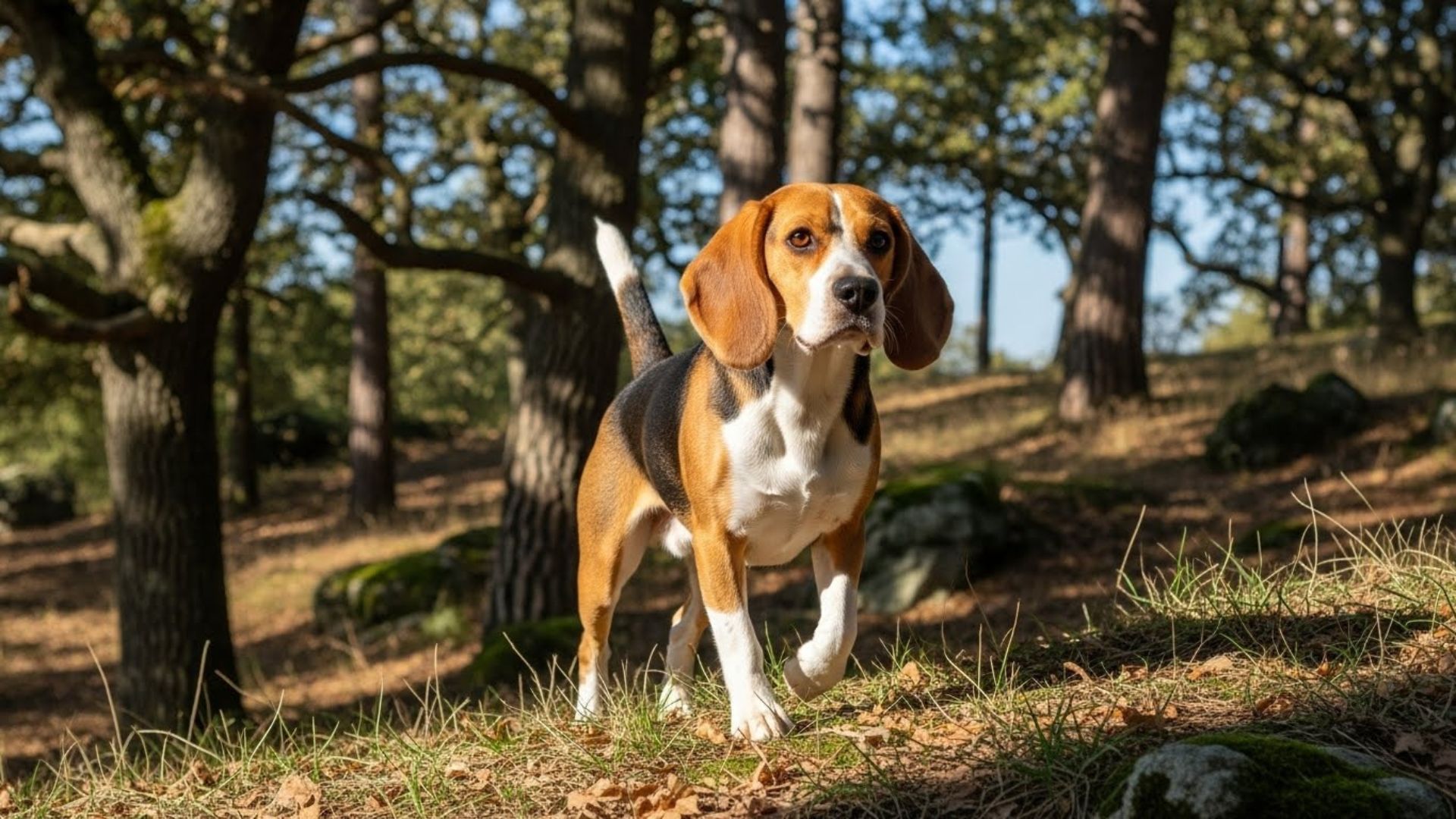
Imagine a dog that can detect a scent from miles away, navigate rough terrain, and assist in bringing home game with precision—these are the champions of hunting and scent tracking. Hunters and outdoor enthusiasts have relied on these breeds for centuries, not just for their natural abilities but for their intelligence, loyalty, and adaptability.
Whether it’s a hound following a trail through the forest, a retriever fetching birds from a lake, or a scent hound navigating a dense field, these dogs are experts in reading the world through their noses.
Beyond hunting, many of these breeds thrive in active households, enjoying mental stimulation, training challenges, and strong bonds with their human companions.
Choosing the right hunting or scent-tracking dog requires understanding their energy, focus, and instincts, ensuring a match that’s rewarding for both dog and owner.
Today, we’ll highlight ten breeds that excel in the field, showcasing their skills, history, and unique traits that make them indispensable partners for hunters and scent enthusiasts alike.
Quick Inisght: Hunting breeds—including Pointers, Setters, and Retrievers—combine stamina, keen senses, and trainability. Research demonstrates that their selective breeding enhances prey detection, retrieval skills, and adaptability in diverse environments.
Top 10 Dog Breeds Ideal For Hunting & Scent Tracking
1. German Shorthaired Pointer
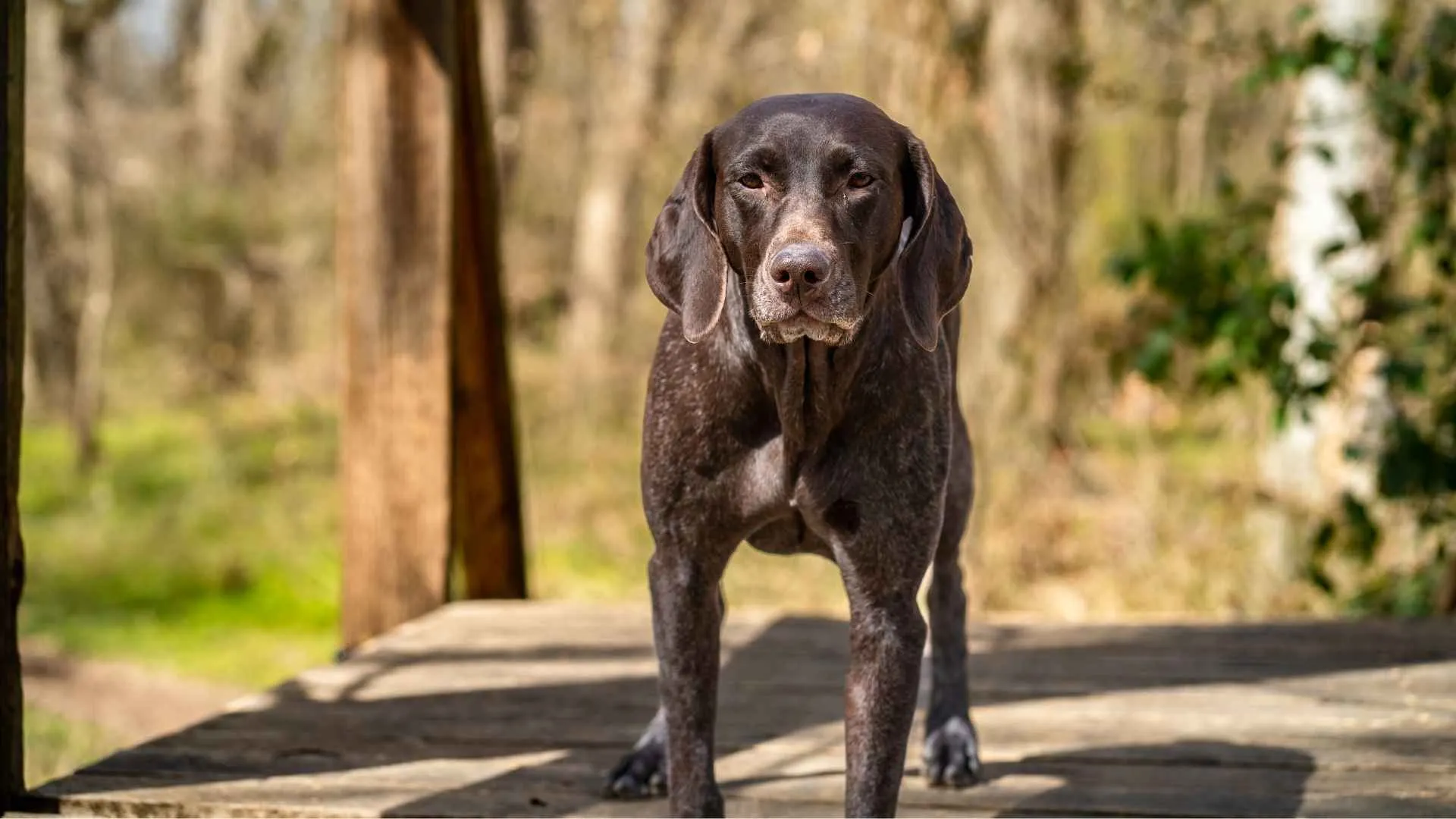
If there were an Olympic event for hunting dogs, the German Shorthaired Pointer (GSP) would absolutely medal—and probably ask to run another lap for fun. Belonging to the sporting group, this breed is the perfect mix of loyal companion, energetic athlete, and skilled scent tracker.
They’re affectionate, family-friendly, and generally get along well with kids and other pets… as long as everyone is ready to keep up with them. WebMD noted bred to be adaptable hunters, GSPs are the definition of “jack of all terrains.”

Land? Check. Water? Double check. Thanks to their webbed feet, they swim like furry torpedoes, making them excellent water retrievers. Their long, sleek muzzle isn’t just for good looks—it’s designed to help them track scents efficiently, giving them a serious edge when following game.
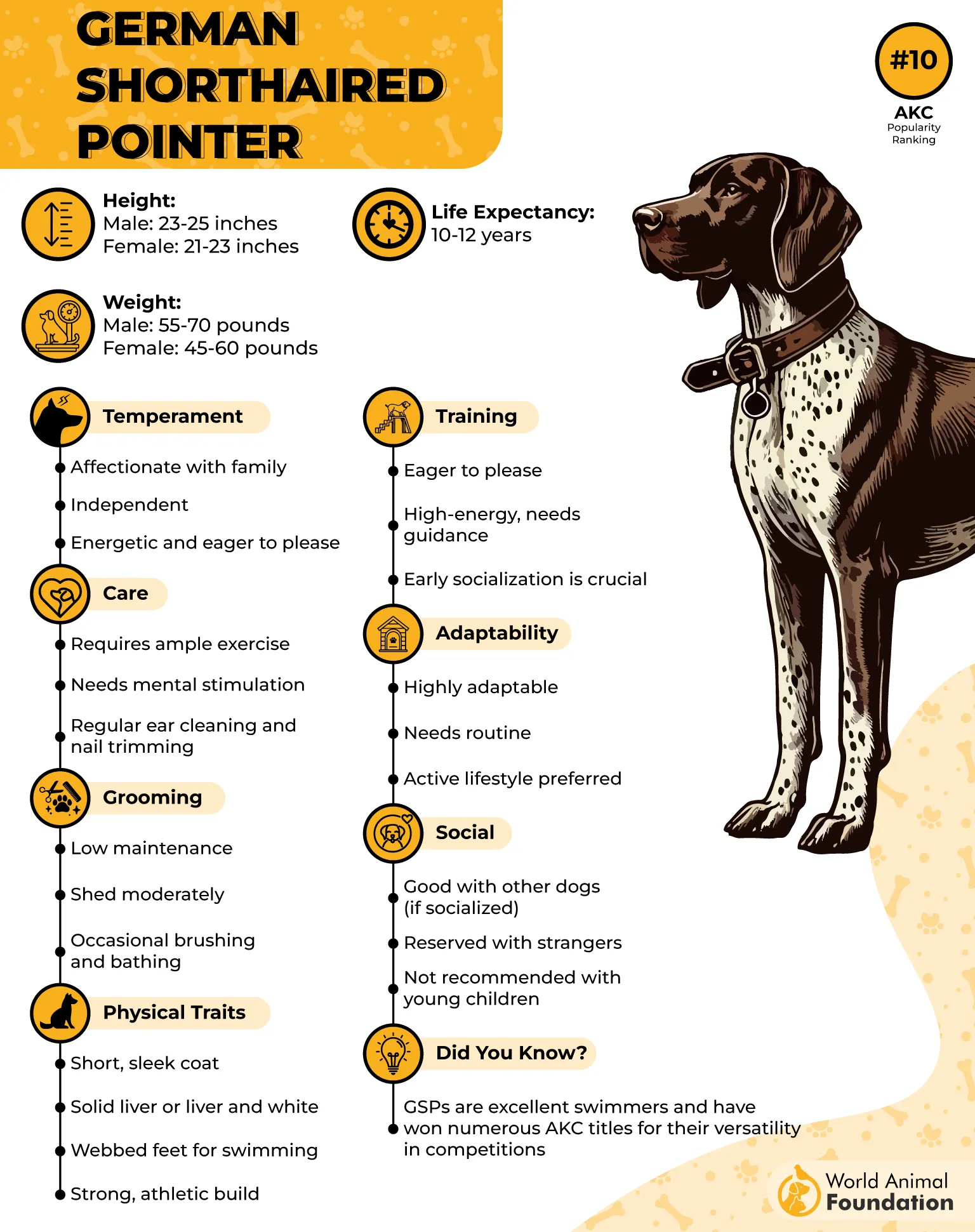
That said, this is not a couch-potato breed. German Shorthaired Pointers are smart, curious, and bursting with energy. A lazy day with minimal exercise will likely result in a bored dog—and a bored GSP may redecorate your house using pillows.
Plenty of outdoor time, training, and mental stimulation are essential to keep them happy. Do that, and you’ll be rewarded with a loving, goofy, endlessly enthusiastic hunting partner who’s just as happy tracking scents as they are stealing your socks.
2. Black and Tan Coonhound
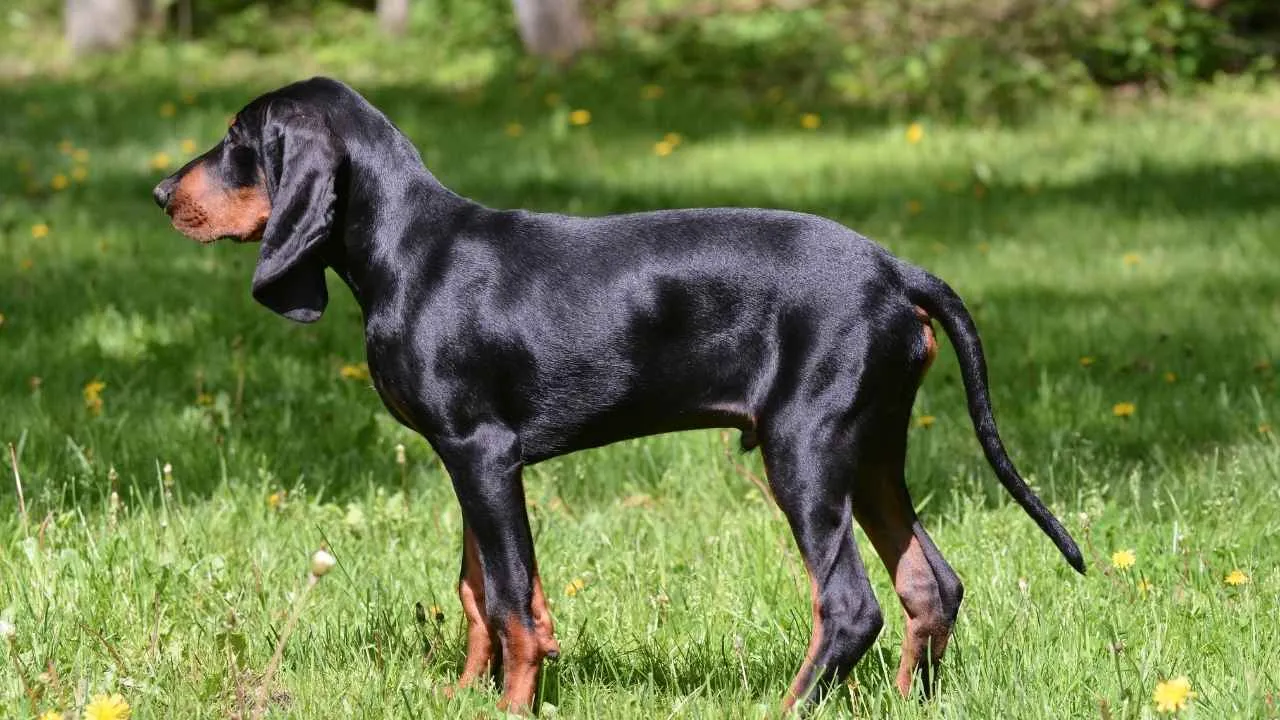
If scent tracking were a superpower, the Black and Tan Coonhound would be wearing a cape. This breed is famous for its exceptional nose, deep baying voice, and laser-focused determination when following a trail.
Originally bred in the United States to hunt raccoons (yes, hence the name), this hound is a true scent-tracking specialist who can follow an odor trail that’s hours—sometimes days—old. With their long, droopy ears and loose skin, Black and Tan Coonhounds don’t just look the part—they are the part.
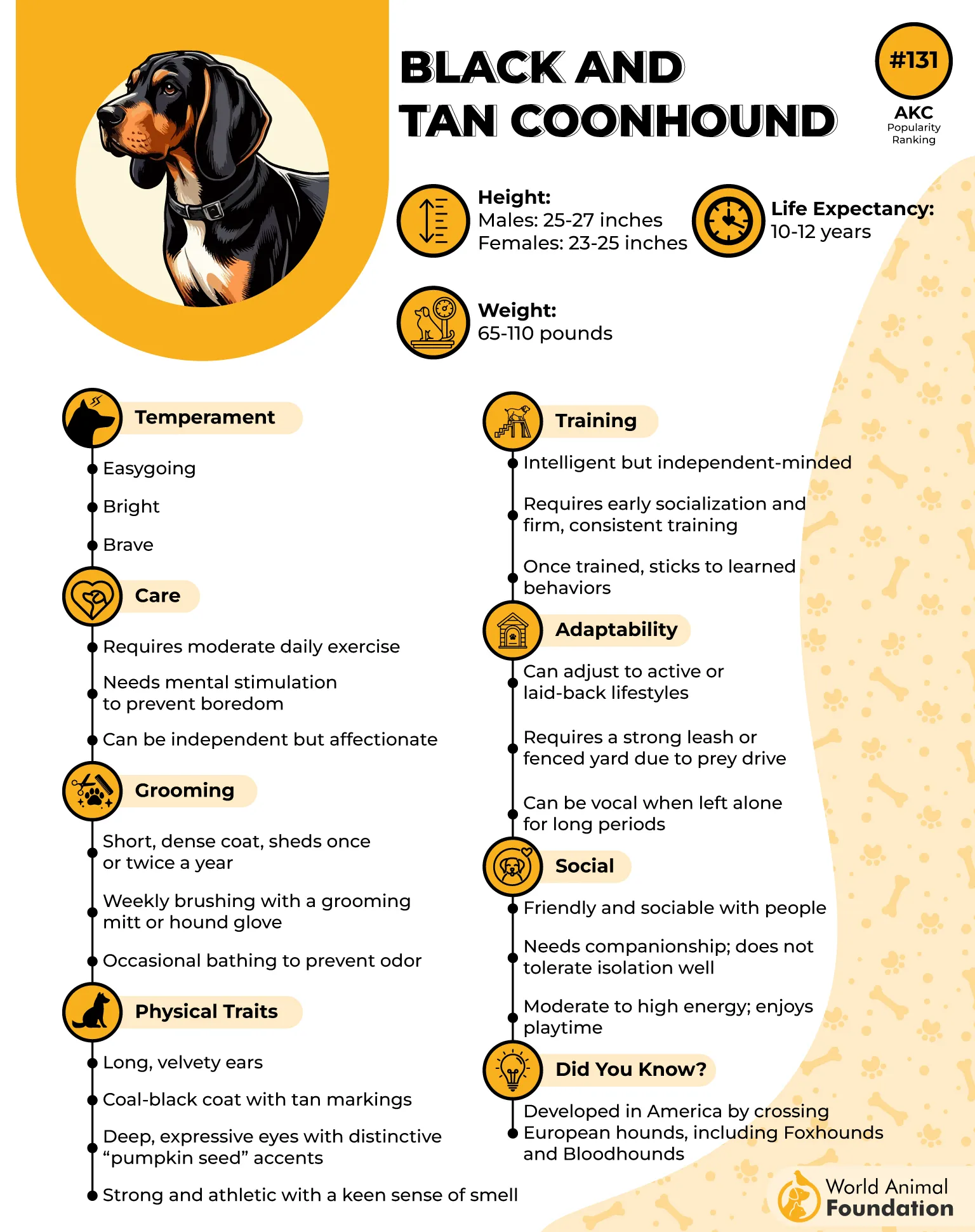
Those floppy ears actually help sweep scent particles toward their nose, making them even better trackers. It’s like built-in scent funnels. Add to that a strong, muscular body built for endurance, and you’ve got a dog that can trail game over long distances without breaking a sweat.
Despite their serious work ethic in the field, Black and Tan Coonhounds are surprisingly laid-back and affectionate at home. They’re friendly, patient, and generally good with families.
And let’s talk about that voice. When they strike a scent, they don’t whisper about it—they announce it to the entire neighborhood. If you live somewhere quiet, your neighbors will quickly learn exactly when your dog has found something interesting.
3. English Pointer
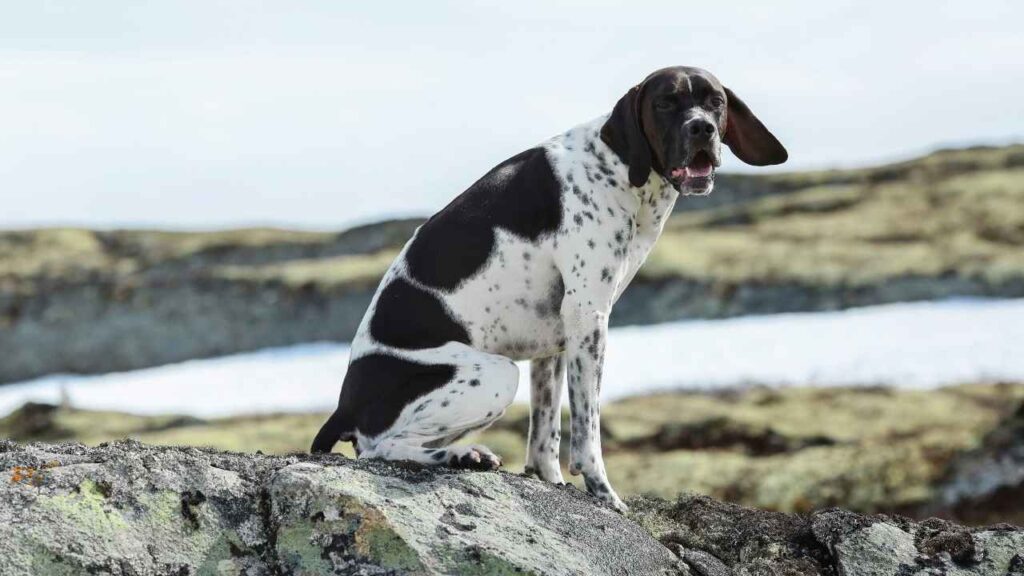
If hunting dogs had runway walks, the English Pointer would glide past the competition—then abruptly freeze mid-stride to point at a bird like a living statue. This iconic pose isn’t just for show; it’s what makes the Pointer one of the most respected bird dogs in the hunting world.
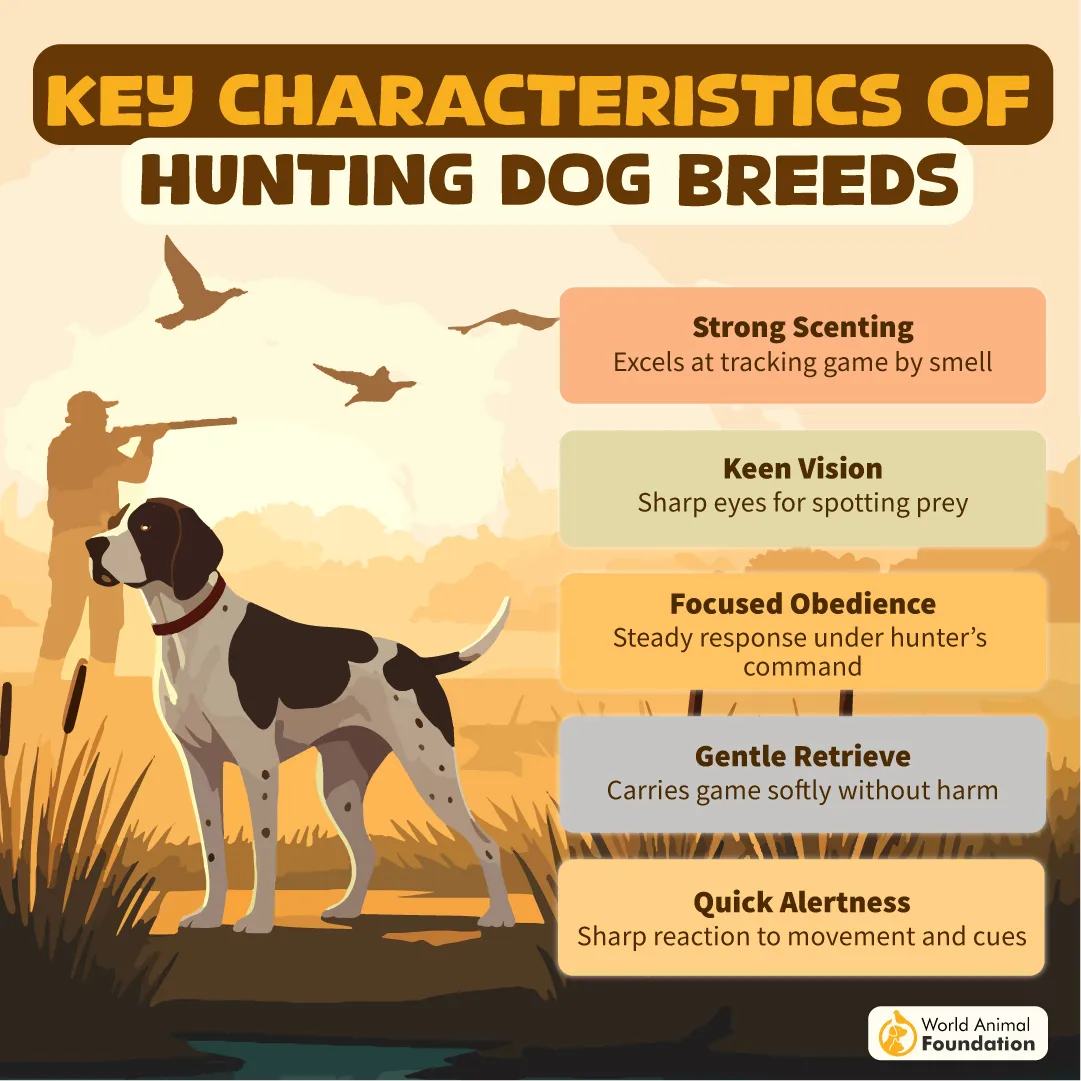
Bred to locate and “point” game birds such as quail and pheasants, the English Pointer has a high prey drive and a take-no-prisoners work ethic in the field.
Once they catch a scent, their determination kicks in, and they pursue it with impressive speed and precision. Watching a Pointer work is like watching poetry in motion—very fast, very focused poetry.
Another bonus? This breed is fairly heat-tolerant, making it a great choice for hunters in warmer climates. Long legs, a lean athletic build, and boundless stamina mean they can cover a lot of ground without overheating.
But don’t let their intense hunting drive fool you. When the day’s work is done, the English Pointer transforms into a gentle, affectionate couch companion. They’re loyal, loving, and perfectly content to stretch out beside you—preferably taking up more space than seems physically possible.
Bottom line: The English Pointer is a sleek, energetic, and highly driven hunting dog with a soft side at home.
4. Beagle
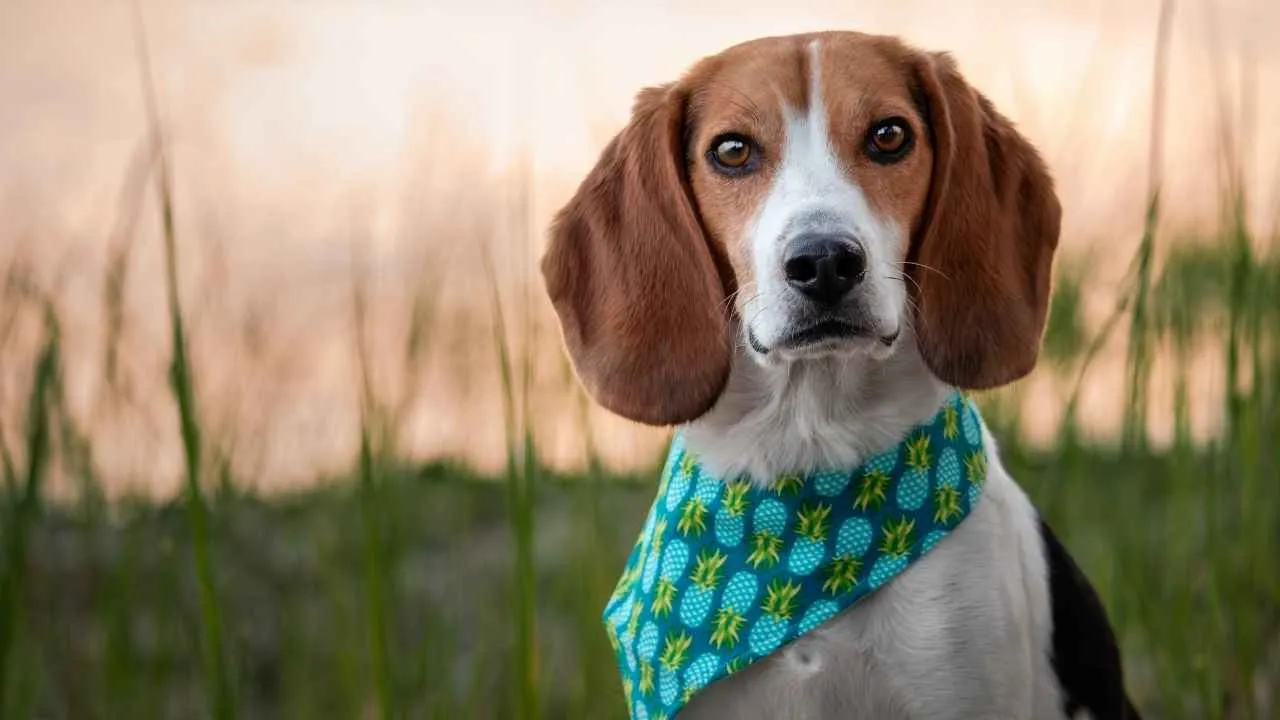
Don’t let their compact size and adorable face fool you—the Beagle is a scent-tracking powerhouse wrapped in floppy ears and mischief. Bred primarily to hunt small game like rabbits, Beagles have one of the best noses in the dog world.
As classic scent hounds, Beagles are known for two standout features: an incredible nose and a very loud voice. When they’re on a trail, they let everyone know about it—neighbors, nearby towns, possibly wildlife in the next county.
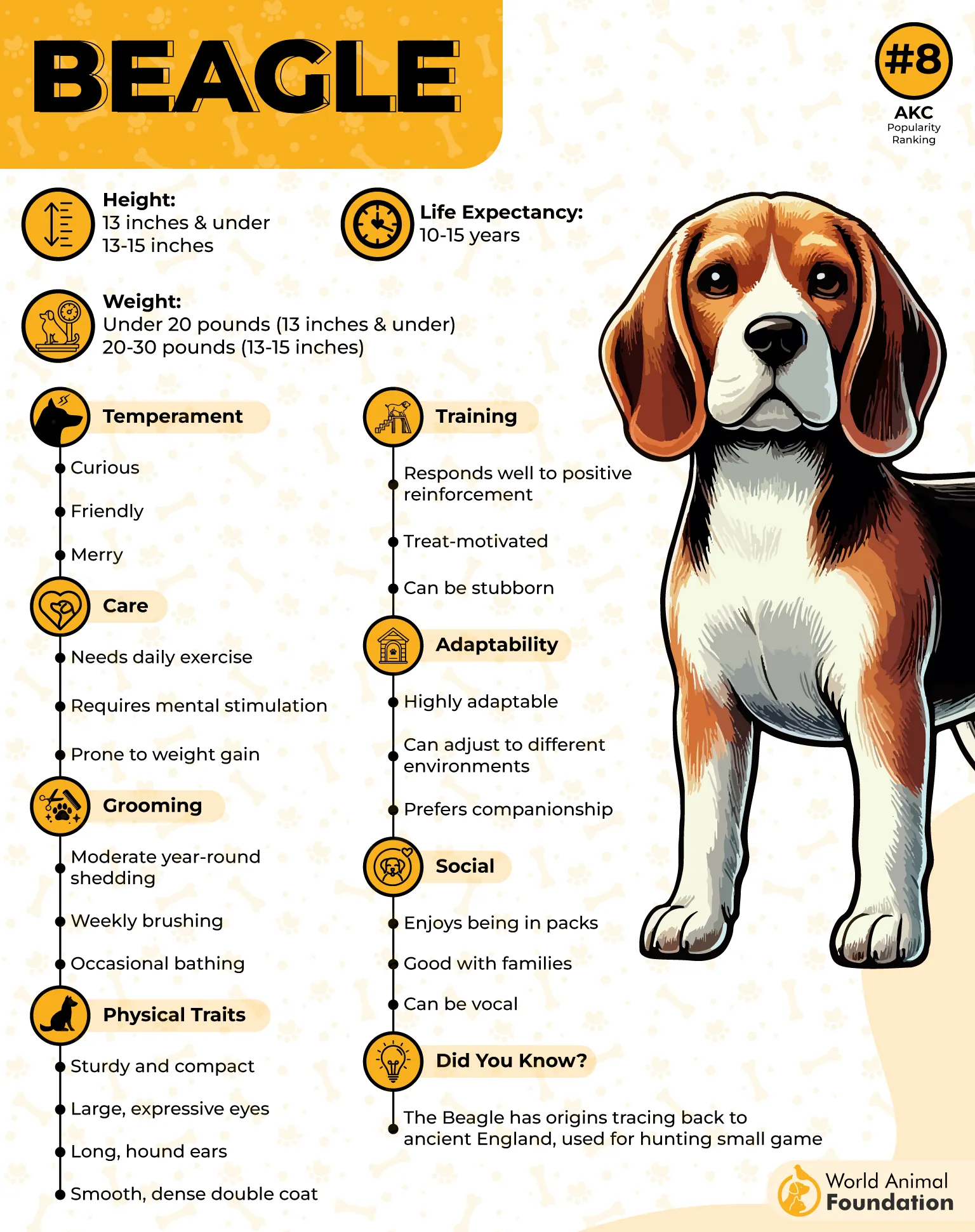
Beyond hunting, Beagles shine as family companions. They’re friendly, social, and usually fantastic with kids. Their loving and eager-to-please nature makes them easy to adore, though training may require patience—mainly because their nose often believes it’s in charge.
At home, they’re affectionate, playful, and always ready for snacks (and possibly yours). Just be sure they get enough exercise and mental stimulation, or they may decide to go on a solo scent adventure—usually toward the nearest unattended sandwich.
If you want a hunting dog that’s equally talented in the field and on the family couch—with a dash of stubborn charm—this little nose knows exactly where it belongs.
5. Basset Hound
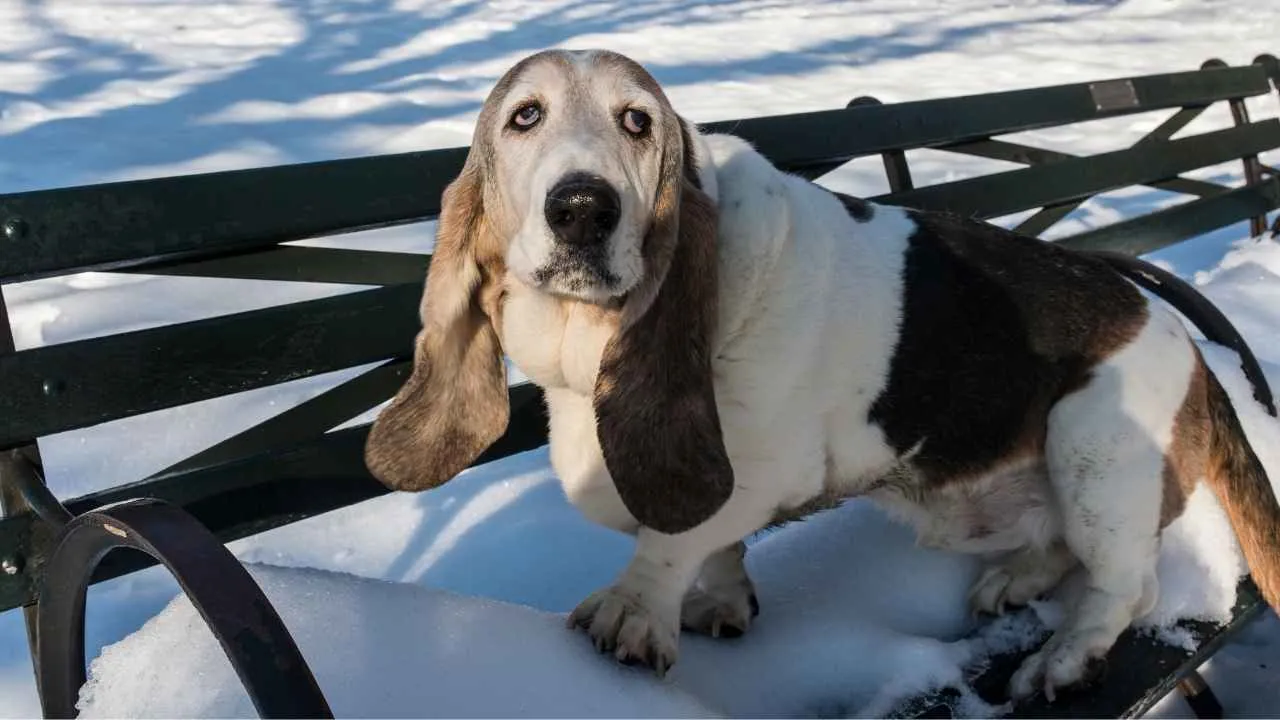
The Basset Hound may look like it’s permanently late for a nap, but don’t be fooled—this dog is a scent-tracking legend. In fact, the Basset Hound ranks second only to the Bloodhound when it comes to scent detection.
Built low to the ground with a powerful body, the Basset Hound is perfectly designed for tracking. That long nose stays close to the earth, while their floppy ears help trap scent particles and funnel them right where they belong.
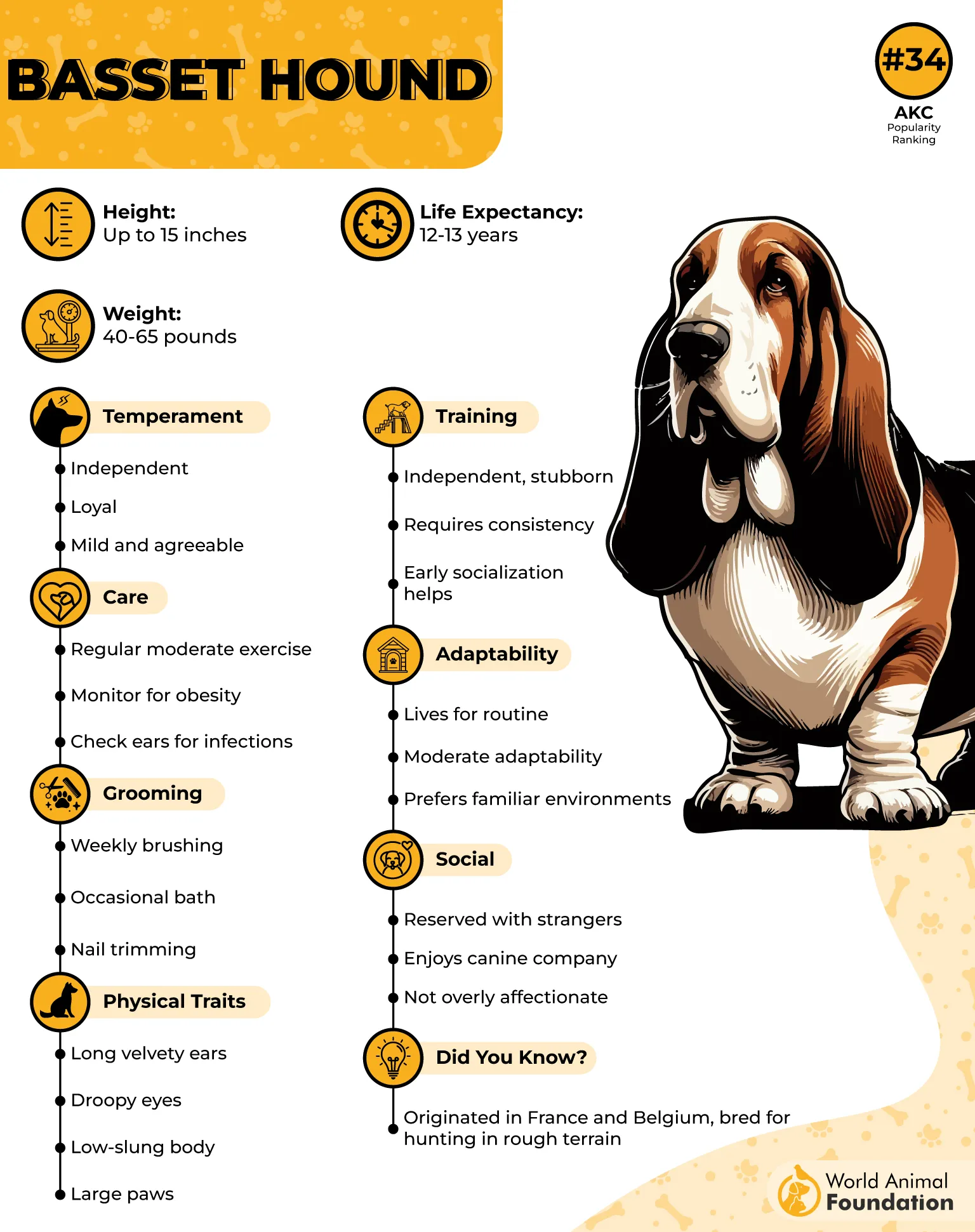
Once a Basset finds a trail, they’re in it for the long haul. Endless tracking? Absolutely. Quitting? Not an option. Their endurance keeps them moving long after you’re wondering if this walk has turned into a full expedition.
Despite their short stature, Bassets are strong, determined, and surprisingly stubborn when on a scent. Commands become background noise when their nose is working—this pup trusts their sniffer more than GPS, instincts, or your polite request to “please come back.”
Off the trail, though, the Basset Hound is a total sweetheart. They’re gentle, patient, and fantastic family dogs, known for their laid-back nature and affectionate personality.
They’re just as happy tracking a scent through the woods as they are stretching out on the couch like royalty who’s had a very long day of important sniffing.
6. Weimaraner
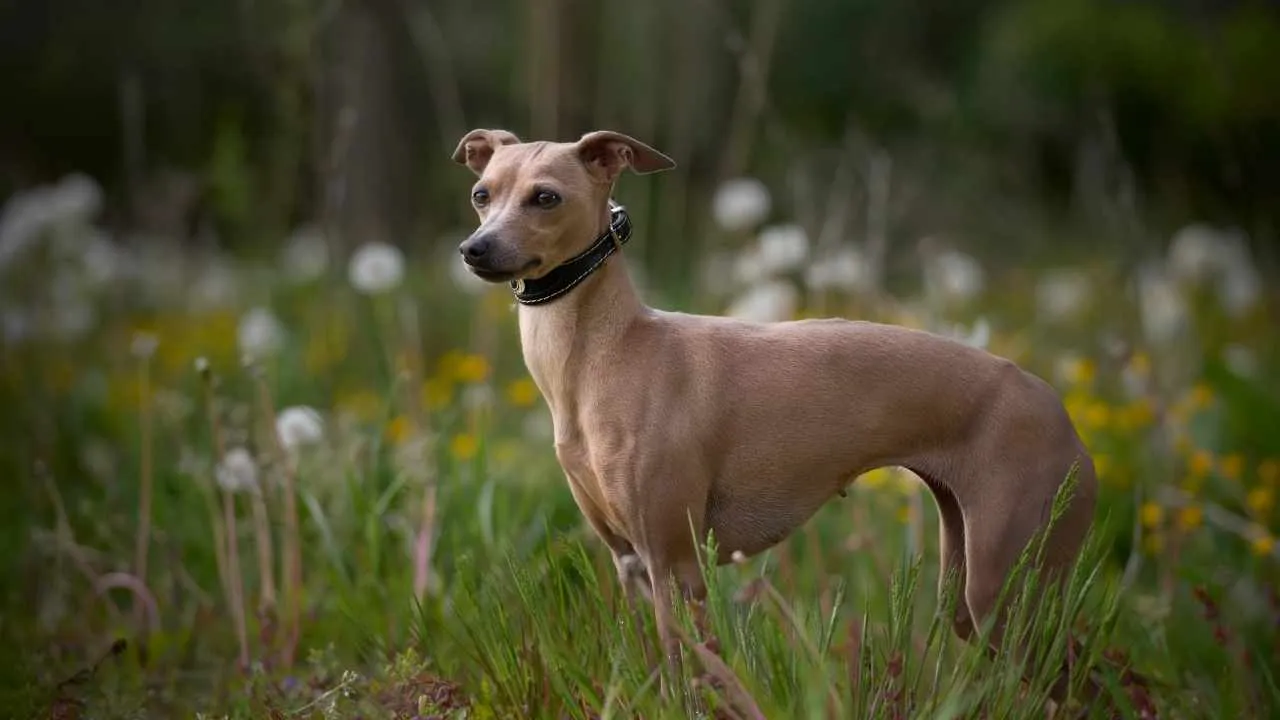
Sleek, striking, and always on alert, the Weimaraner looks like it was designed by a luxury sports brand—and then programmed to hunt. Often called the Gray Ghost, this breed is known for its speed, intelligence, and sharp scent-tracking ability, making it a standout hunting companion.
Originally bred to hunt large game and later birds, the Weimaraner has a high prey drive and a work ethic that doesn’t quit. They excel at tracking scents over long distances and thrive when given a job to do.
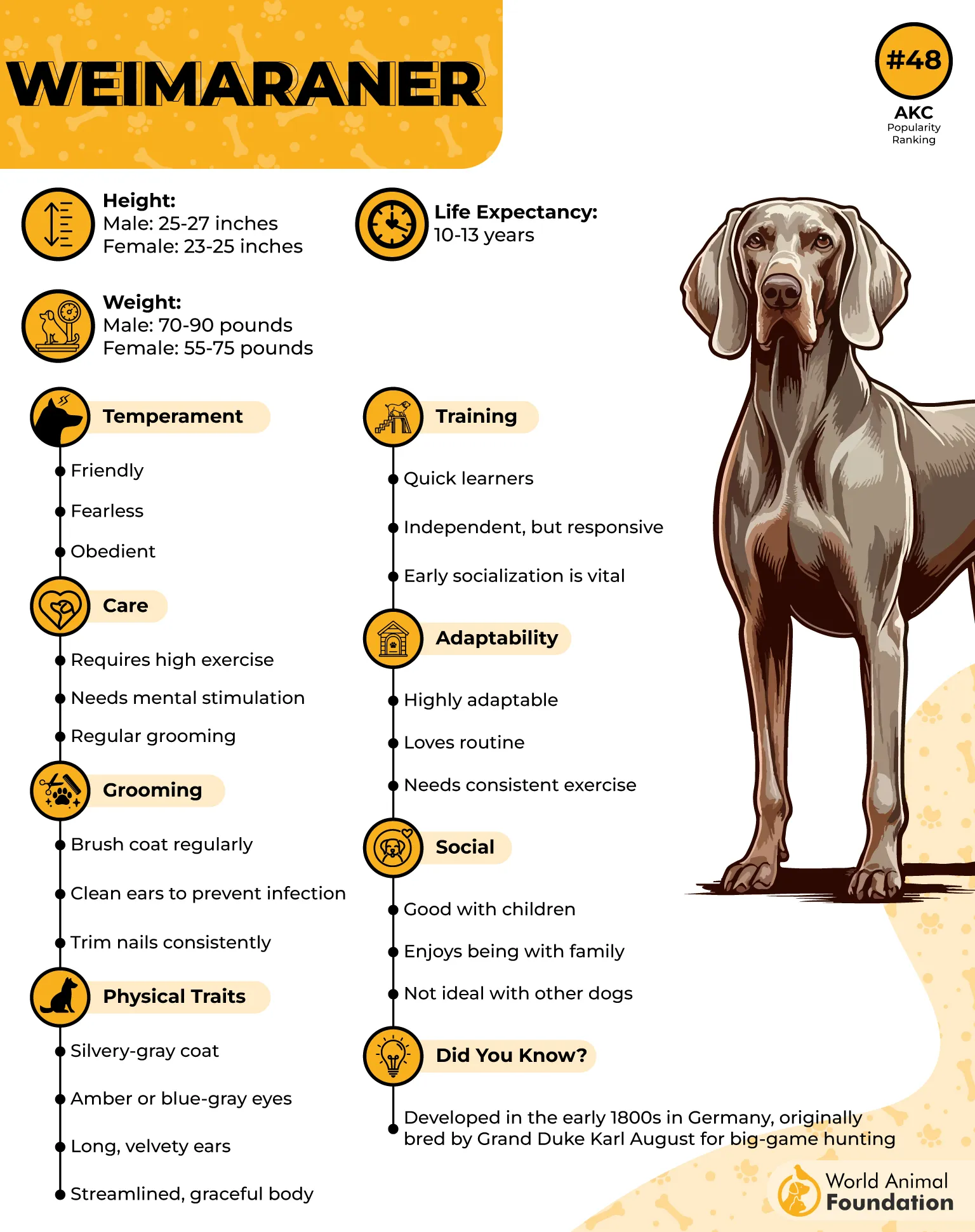
Their athletic build allows them to cover ground quickly, while their keen nose keeps them locked onto the trail. If you’re hunting and suddenly notice a silver blur flying past you—that’s your Weimaraner, already on the case.
These dogs are incredibly smart and people-oriented, which is both a blessing and a warning. They learn fast, bond deeply, and want to be involved in everything you do.
Despite their intense energy outdoors, Weimaraners are known for being loving, loyal, and surprisingly clingy indoors. Personal space? They’ve never heard of it. If you sit down, expect a silver shadow to appear right next to—or directly on—you.
7. Chesapeake Bay Retriever
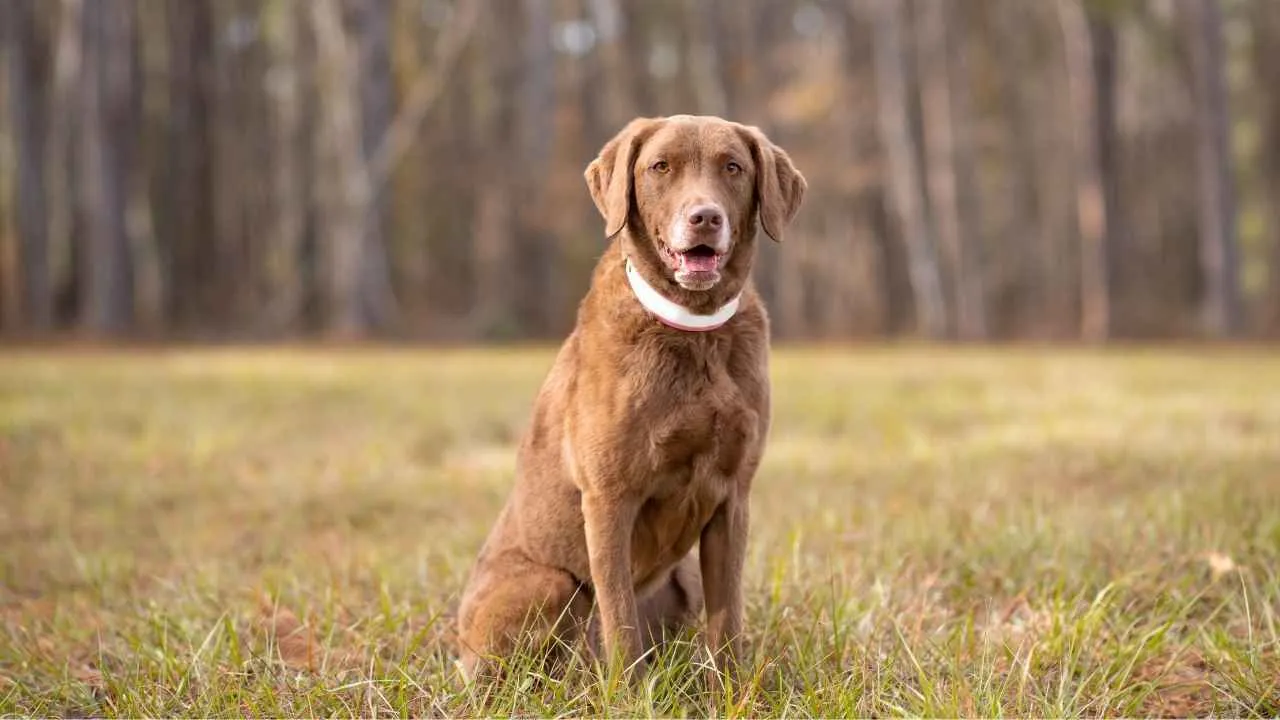
This all-American breed was built for serious retrieving, especially in harsh, icy conditions that would send most dogs (and humans) straight back to the truck.
The Chessie’s thick, waterproof coat and muscular build make it uniquely suited for waterfowl hunting. Freezing temperatures? Choppy water? No problem. This dog has a never-quit attitude and will retrieve again and again with the determination of a blue-collar athlete who refuses to clock out early.
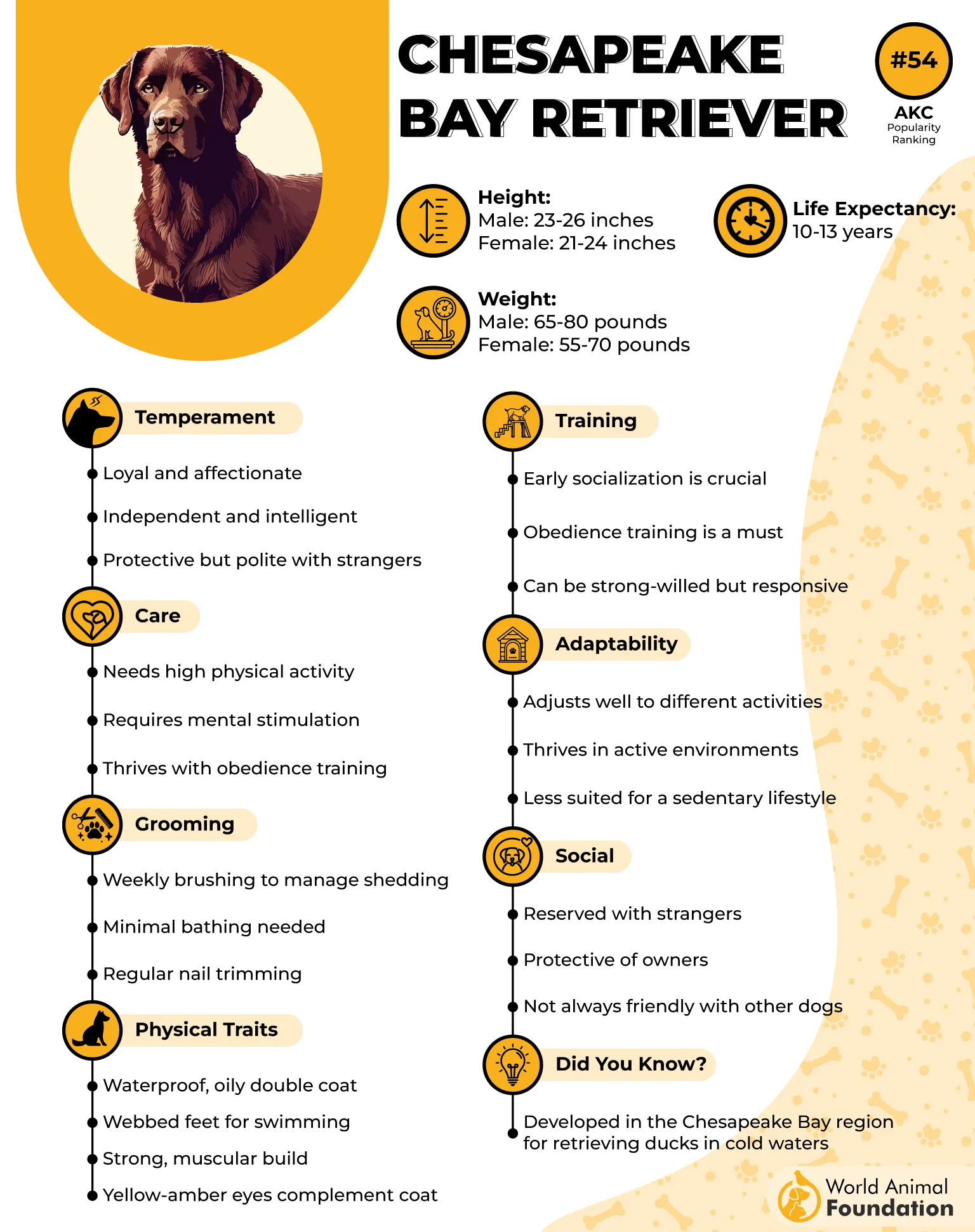
In the field, Chesapeake Bay Retrievers are focused, confident, and fearless. They’re highly intelligent and protective, which makes them excellent hunting companions and natural watchdogs.
Unlike some other retrievers, Chessies can be a bit more strong-willed and assertive, so they do best with experienced handlers who appreciate a dog that thinks for itself—sometimes a little too much.
According to Purina, their cheerful nature and devotion make them especially good with children. They’re the kind of dog that takes family duty seriously—guarding the house, supervising playtime, and making sure no one drops food without proper inspection.
8. Irish Setter
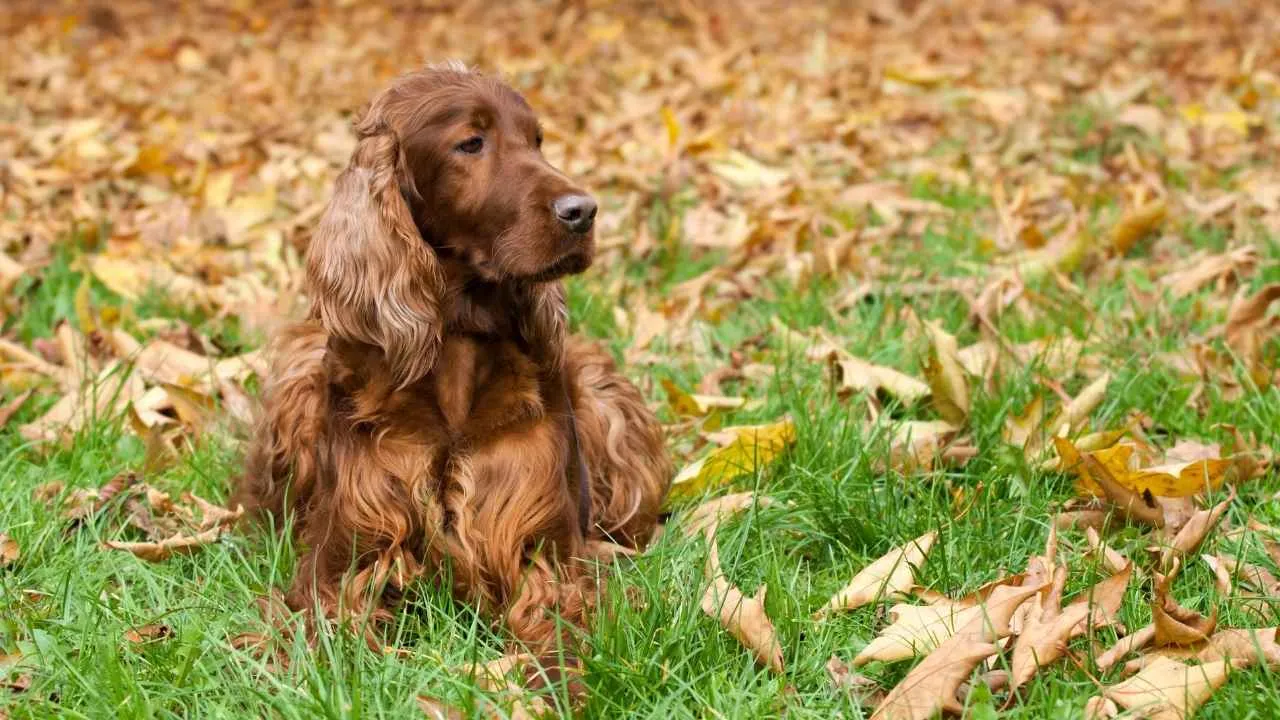
Originally bred to locate and “set” game birds, Irish Setters excel at tracking scents over wide areas, using their speed and sharp noses to cover ground efficiently.
Watching one work is less like hunting and more like watching an action movie—dramatic, fast, and slightly showy. These dogs are known for their endless energy and playful spirit. They thrive on activity, training, and outdoor adventures, and they’re happiest when they have space to run.
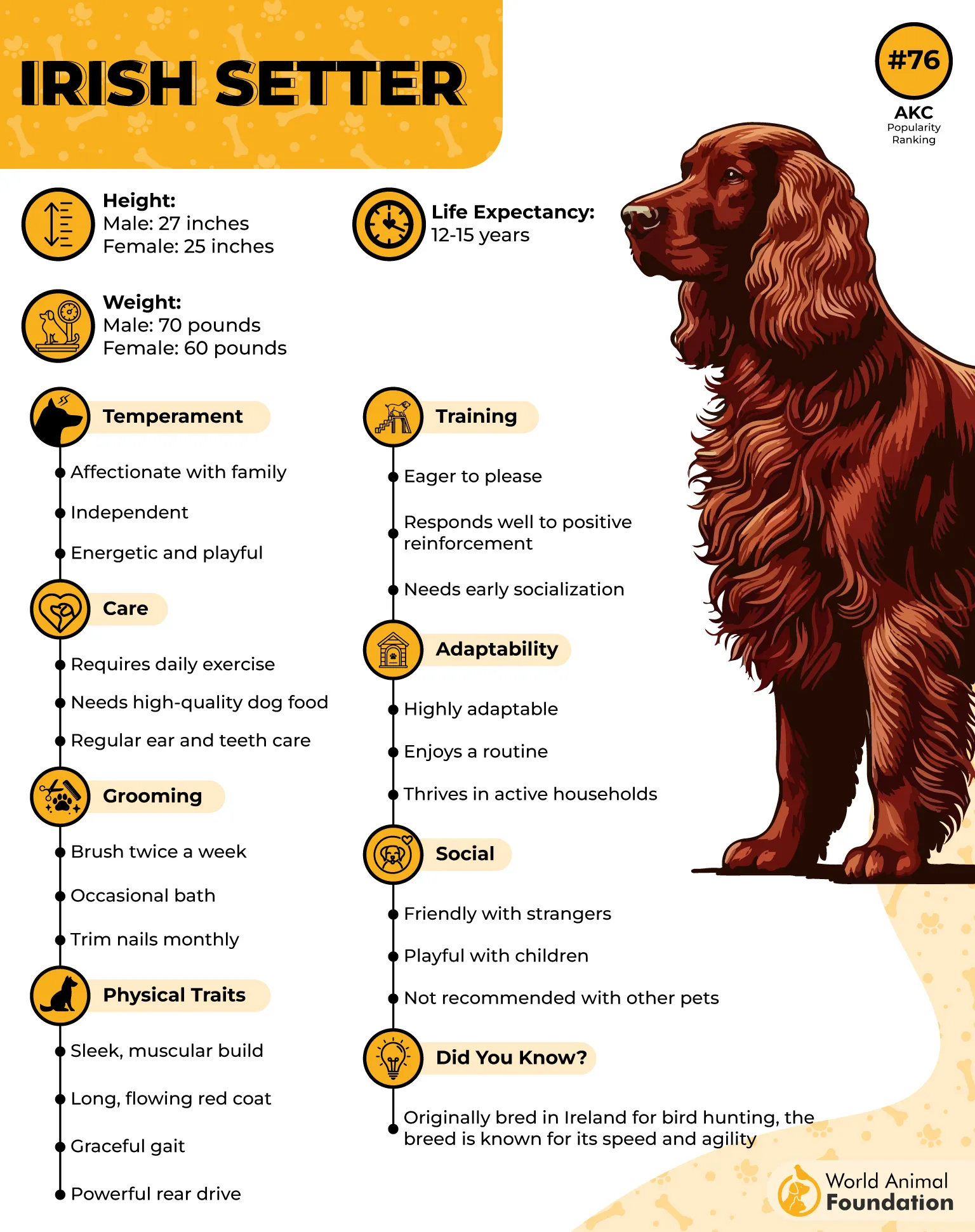
A bored Irish Setter may decide that your living room is an acceptable substitute for an open field—zoomies included. At home, Irish Setters are affectionate, friendly, and fantastic family dogs.
They’re great with kids, social with other pets, and have a lovable, goofy personality that keeps everyone smiling. They may take a little longer to mature than some breeds, but that just means you get extra years of puppy-like joy (and chaos).
If you want a dog that hunts hard, loves harder, and looks stunning while doing it, this spirited showstopper is ready to run straight into your heart
9. Bluetick Coonhound
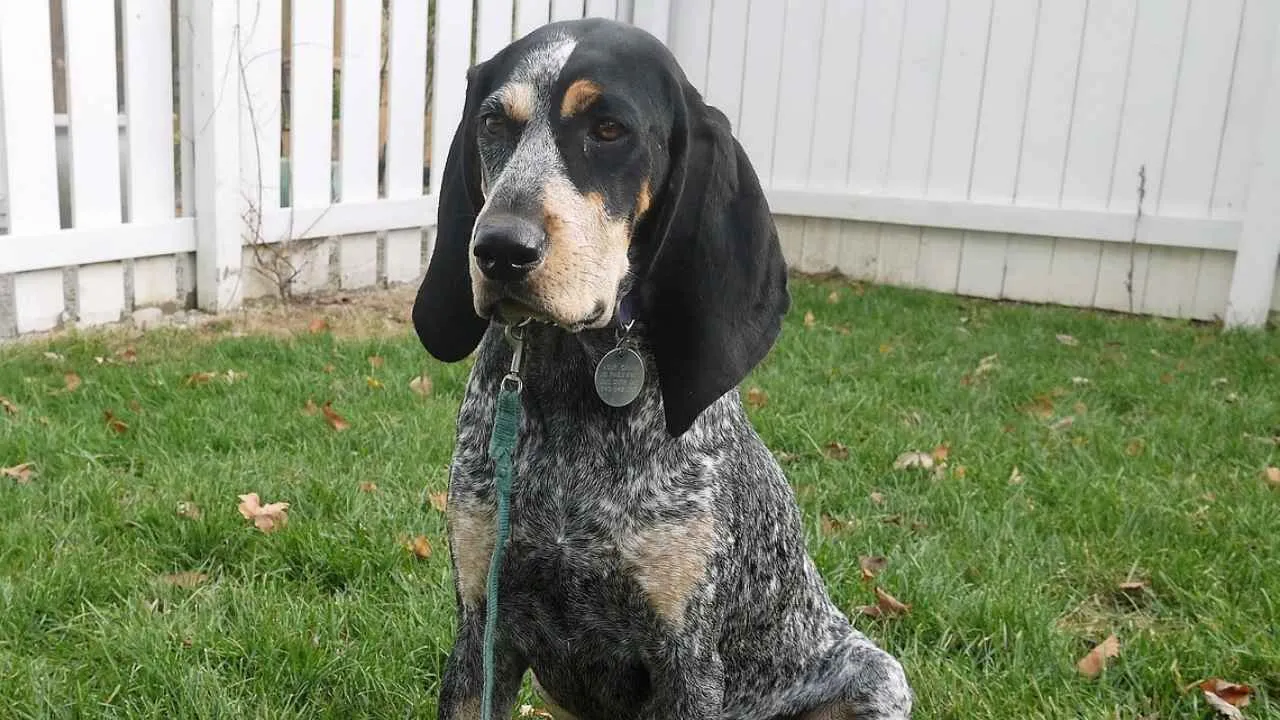
This breed is a cold-nosed scent hound, meaning it can track trails that are old, faint, and long forgotten by less talented noses. Bred to hunt raccoon and other game, the Bluetick is a master of patience, precision, and persistence.
With their striking blue-speckled coat and athletic build, Bluetick Coonhounds are built for long tracking sessions. They don’t rush a trail—they work it carefully, nose glued to the ground, following scent step by step until the job is done.
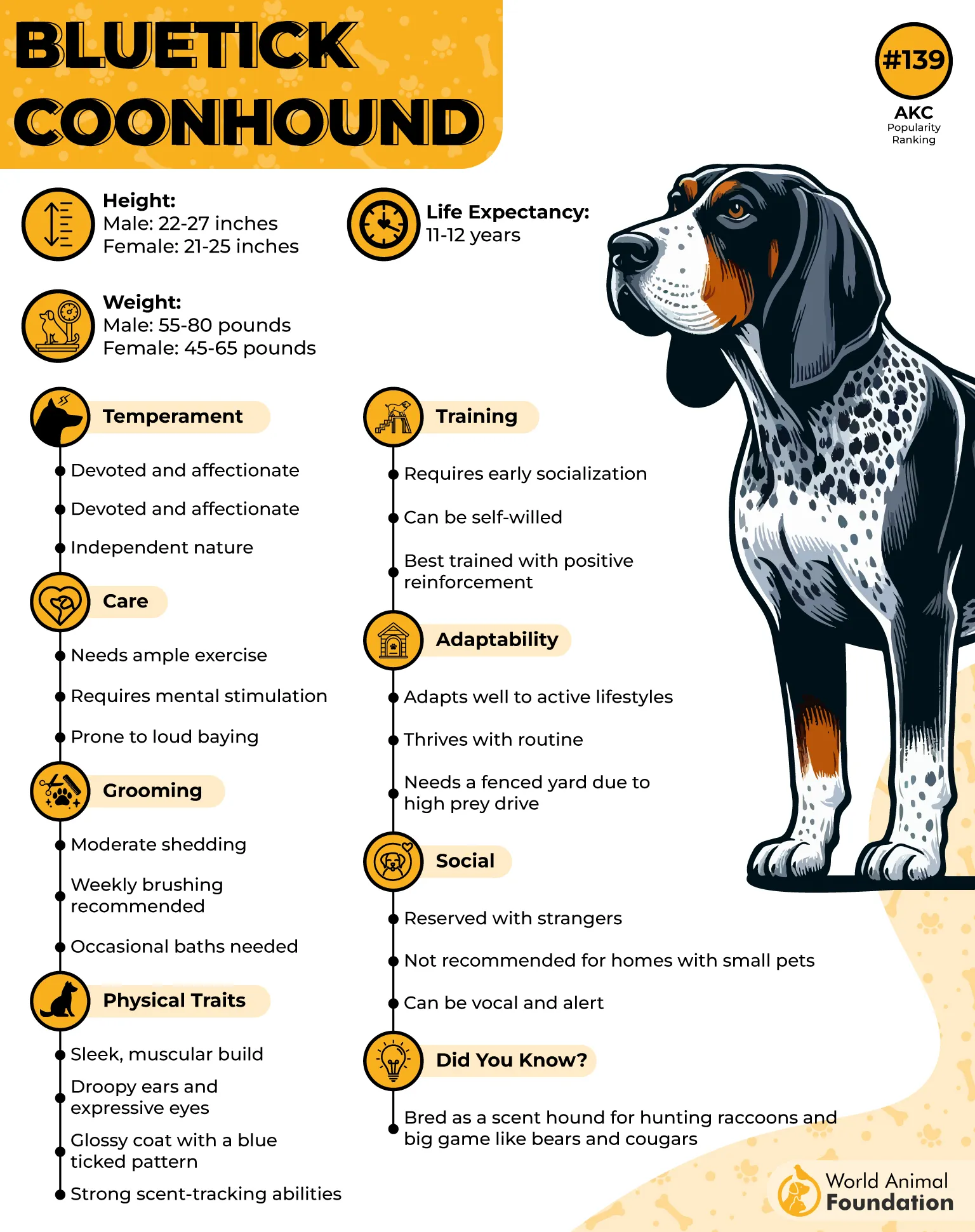
In the field, Blueticks are focused, driven, and incredibly reliable. At home, they’re surprisingly sweet, affectionate, and people-oriented. They enjoy family life and are generally good with kids, though they still carry that independent hound mindset—training requires patience, consistency, and a sense of humor.
These dogs need regular exercise and mental stimulation to stay happy. Without it, they may invent their own adventures, usually involving following their nose somewhere you didn’t plan on going.
10. American Foxhound
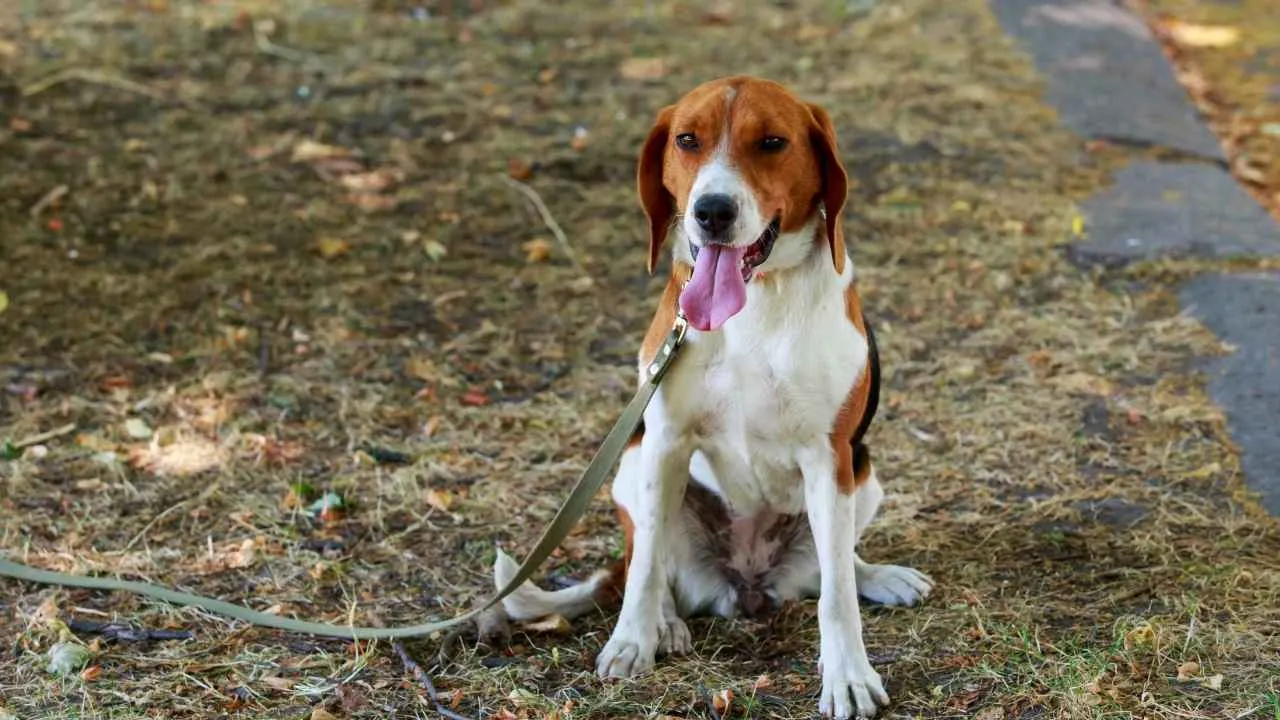
If endurance were a sport, the American Foxhound would still be running laps long after everyone else called it a day. This classic scent hound is fueled by determination, speed, and an unshakable love for the chase.
Descended from English Foxhounds, the American Foxhound was originally bred to hunt foxes, and later proved its skill in deer hunting as well, as mentioned by the American Kennel Club. Long-legged, lean, and athletic, this breed thrives on movement.
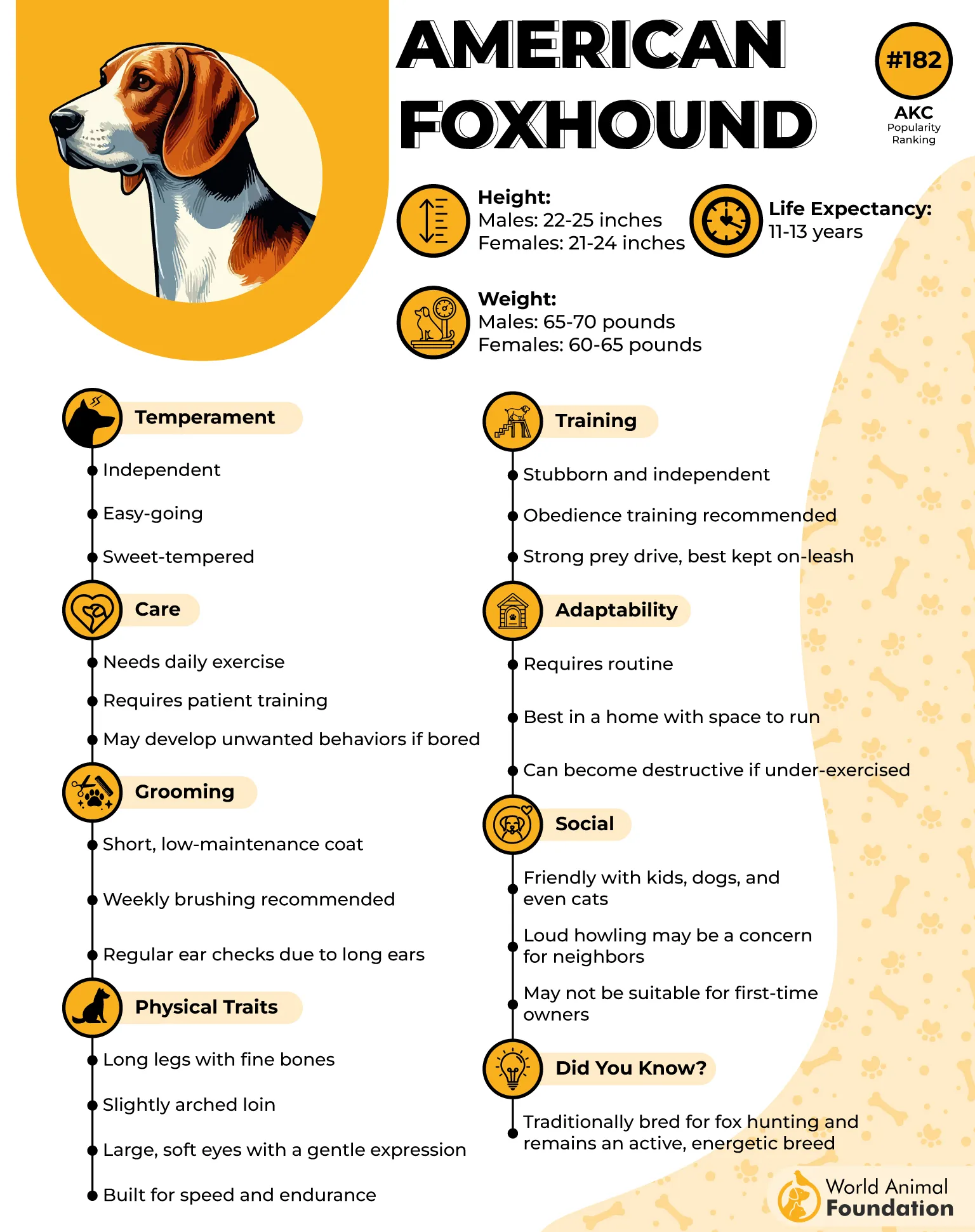
Once they pick up a scent, the American Foxhound switches into full pursuit mode—nose down, legs flying, ears flapping like aerodynamic accessories. They’re not about quick sprints; they’re about long-distance stamina.
Despite their intense drive in the field, American Foxhounds are gentle, loving, and loyal companions at home. They’re friendly, social, and typically get along well with people, kids, and other dogs.
This breed needs a lot of daily exercise to stay happy and well-behaved. Without it, they may decide to create their own chase—usually involving squirrels, imaginary foxes, or that one leaf that looked suspicious.
Conclusion
Certain dog breeds ideal for hunting and scent tracking excel at following scent trails and blood tracking, raccoon hunting, making them invaluable for recovering wounded game or pursuing small and big game such as raccoons, wild boar, or upland birds.
Other hunting dog breeds like Labrador Retrievers, English Springer Spaniels, Treeing Walker Coonhounds, English Setters, and Black Mouth Curs are celebrated for their sharp senses, curious nature, and strong work ethic, allowing them to navigate dense brush and endure extended hunts.
With proper training, these high-energy hunting dogs not only perform demanding hunting tasks but also make great companions for family members and hunting enthusiasts alike.
